The debate between “4 American Sports Cars in the USA vs. 4 Overpriced Imports” highlights two very different philosophies in modern performance engineering. On one side are American machines built around raw horsepower, accessibility, and straight-line dominance, led by icons like the Chevrolet Corvette C8 Stingray, Ford Mustang Shelby GT500, Chevrolet Camaro ZL1 1LE, and Dodge Challenger SRT Hellcat. These cars emphasize power, value, and real-world usability, often delivering supercar-level performance at a fraction of exotic prices.
On the other side are premium imported performance machines such as the Nissan GT-R, BMW M4 and M5 Competition, Porsche 911, and Acura NSX. These vehicles focus on advanced engineering, luxury, precision handling, and brand prestige, but often come with significantly higher purchase and ownership costs.
Together, these two groups showcase the ongoing tension between affordability and exclusivity in the high-performance car world, where speed, technology, and emotional driving experience are valued differently depending on the badge on the hood.
4 American Sports Cars In the USA
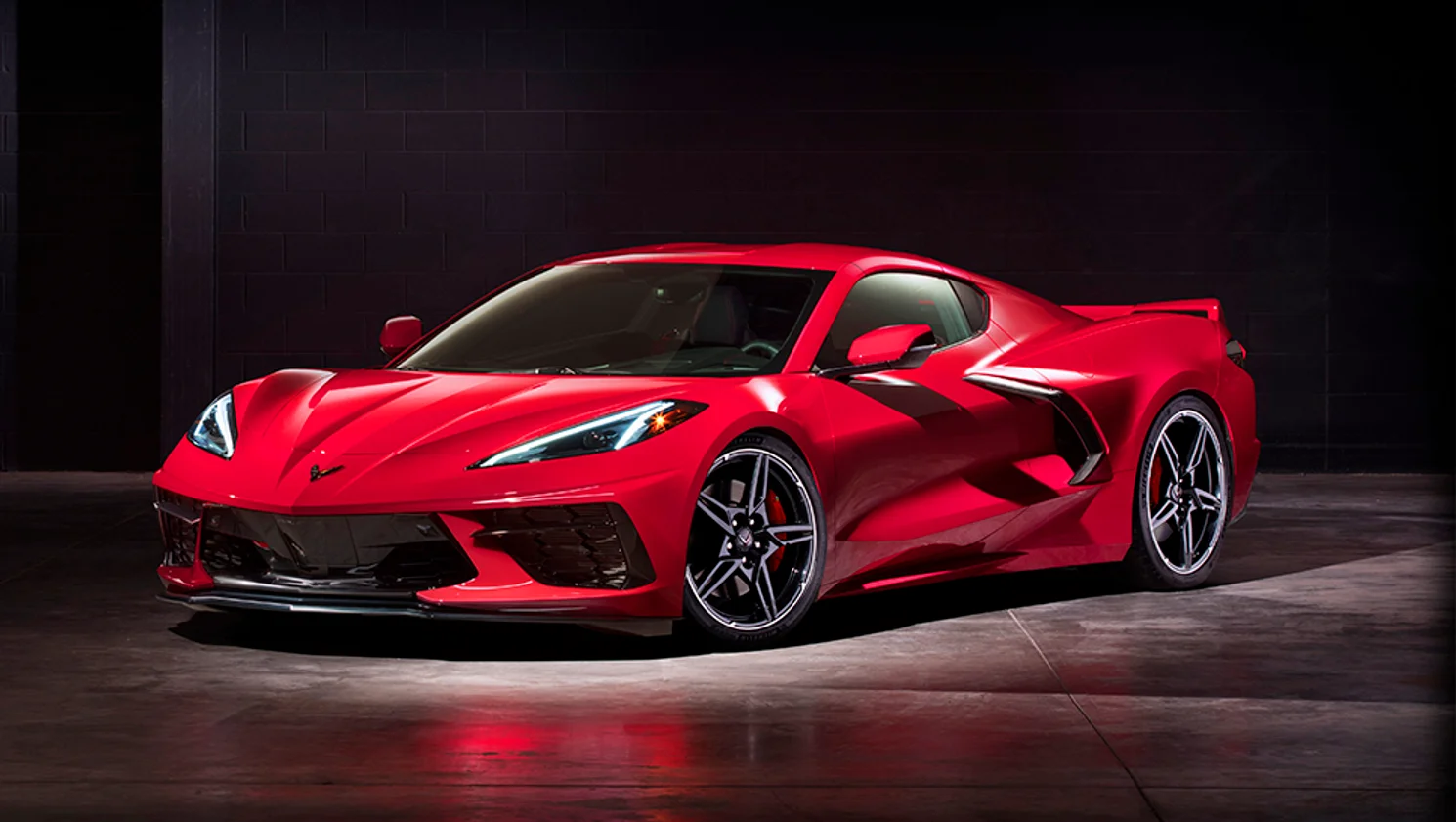
1. Chevrolet Corvette C8 Stingray
The Chevrolet Corvette C8 Stingray represents a historic turning point in American sports car engineering, redefining what a Corvette can be. For the first time in its long legacy, the Corvette adopts a mid-engine layout, placing its 6.2-liter naturally aspirated V8 behind the driver. This shift dramatically improves weight distribution, giving the car exceptional balance, traction, and handling characteristics that rival far more expensive European supercars. The LT2 V8 produces up to 495 horsepower (with performance exhaust), delivering strong, linear acceleration and the unmistakable sound of a classic American V8.
Performance is one of the C8 Stingray’s most impressive attributes. Paired with a Tremec 8-speed dual-clutch transmission, the car can accelerate from 0 to 60 mph in just 2.9 seconds. The transmission plays a crucial role, executing lightning-fast shifts and helping the car maximize its power delivery efficiently. Its short gearing allows rapid acceleration, effectively making the most of every horsepower and enabling the Corvette to outperform many higher-powered rivals in real-world launches.
Beyond straight-line speed, the C8 benefits from advanced engineering such as Magnetic Ride Control (on equipped models), precision-tuned aerodynamics, and a chassis designed for stability and confidence. Wide rear tires and mid-engine balance provide exceptional grip, making the car both predictable and approachable. While some enthusiasts argue it is less “wild” than previous front-engine Corvettes, its stability makes it more accessible and easier to drive at high speeds, especially for less experienced drivers.
One of the Corvette C8’s strongest selling points is its value. Despite performance that rivals exotic cars costing over $150,000, the Stingray starts at a significantly lower price point, often around $60,000–$70,000, depending on options. Even fully equipped versions remain dramatically cheaper than European competitors, earning it a reputation as a “supercar killer.” This combination of affordability and elite-level performance is unmatched in its segment.
Daily usability is another standout feature. Unlike many high-performance sports cars, the C8 is comfortable enough for everyday driving. Its ride quality is smooth in touring mode, and it offers practical storage with both a front trunk (frunk) and rear cargo area. This makes it surprisingly functional for errands or road trips. The interior also marks a major improvement over previous generations, featuring a driver-focused cockpit, modern materials, and supportive GT2 bucket seats that balance comfort with track capability.
However, the cabin can feel somewhat tight, especially for taller drivers, which is one of the few compromises in its design. Despite this, the Corvette maintains usability that is rare in its performance class.
The Chevrolet Corvette C8 Stingray is a groundbreaking sports car that blends supercar-level performance, everyday practicality, and outstanding value. It successfully bridges the gap between attainable performance and exotic-car experience, redefining what an American sports car can achieve in the modern era.
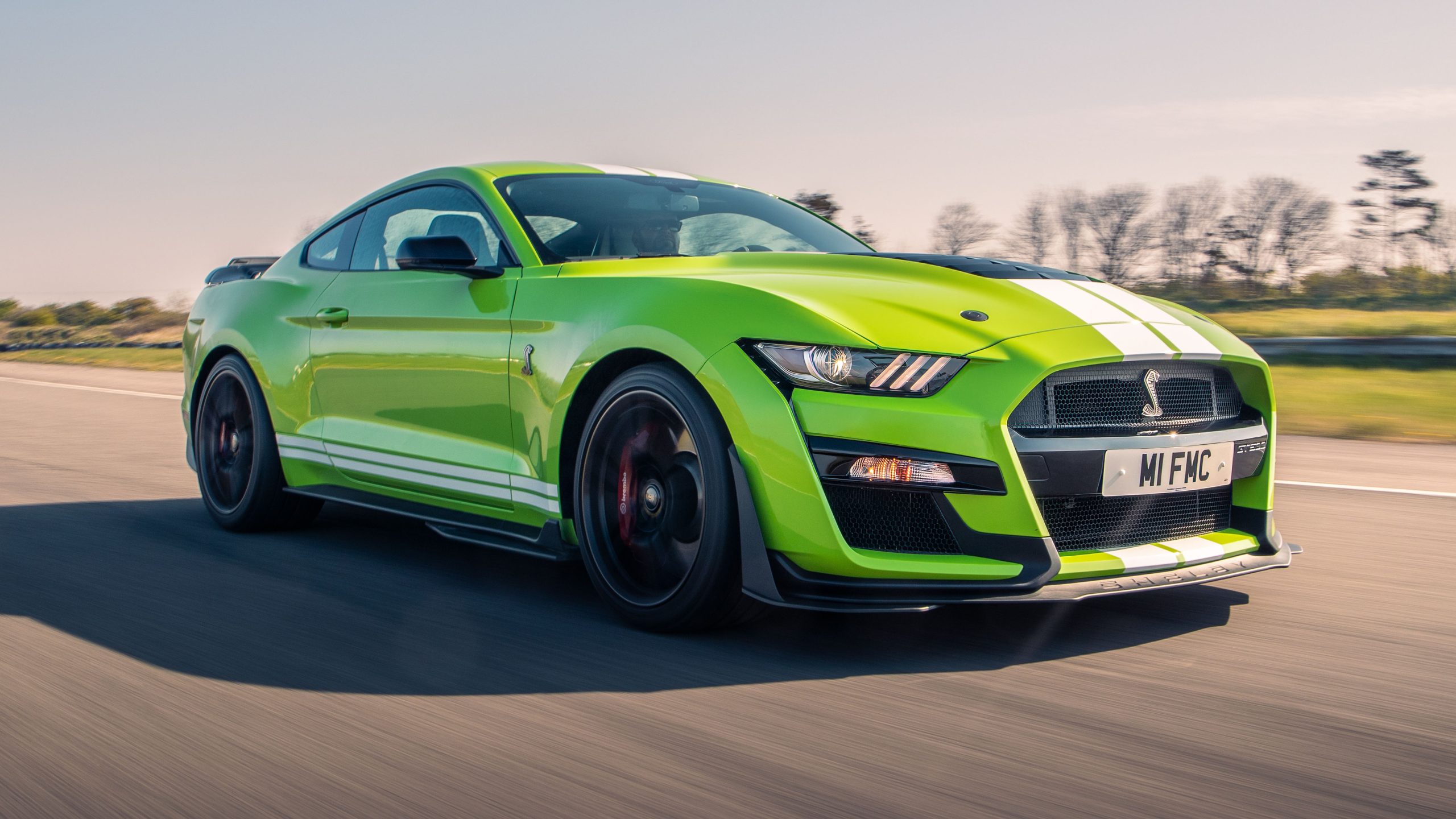
2. Ford Mustang Shelby GT500
The Ford Mustang Shelby GT500 stands as the most powerful street-legal Ford ever produced, earning its nickname as the “Apex Predator” of the Mustang lineup. It represents the modern evolution of American muscle, combining extreme straight-line performance with advanced track-focused engineering.
At its core is a hand-built 5.2-liter supercharged V8 engine, known as the “Predator,” which delivers an astonishing 760 horsepower and 625 lb-ft of torque. This immense power allows the GT500 to accelerate from 0 to 60 mph in just over 3 seconds, placing it firmly in supercar territory despite its muscle car roots.
Power is delivered through a sophisticated 7-speed dual-clutch automatic transmission, which replaces the traditional manual gearbox and enables lightning-fast gear changes. This transmission plays a crucial role in maximizing acceleration and responsiveness, helping the GT500 compete with high-end performance cars far beyond its price range. Unlike older Mustangs that were primarily built for drag racing, the GT500 is engineered to perform on both straight roads and technical circuits.
A key part of its transformation into a track-capable machine is its advanced chassis and suspension system. Features such as Magnetic Ride Control (MagneRide) and finely tuned adaptive dampers give the car impressive agility for its nearly two-ton weight.
Massive Brembo brakes with 16.5-inch rotors provide exceptional stopping power, ensuring confidence during aggressive driving. Depending on configuration, upgraded carbon-fiber wheels and high-performance tires significantly enhance cornering grip and braking performance, allowing the GT500 to achieve over 1.1 g of lateral grip in testing conditions.
Aerodynamics also plays a major role in its performance identity. The GT500 features aggressive styling elements such as a large front splitter and rear spoiler, which are not just aesthetic but functional, improving high-speed stability and downforce. These design choices reinforce its dual identity as both a drag-strip monster and a track-capable sports coupe.
Despite its extreme performance focus, the GT500 remains relatively usable in everyday driving. The adaptive suspension allows for a surprisingly comfortable ride in normal conditions, making it more practical than many expect from a car of this caliber. However, fuel efficiency is not a strength, with EPA estimates around 12 mpg city and 18 mpg highway, reflecting its performance-first philosophy.
Inside, the GT500 shares much of its layout with the standard Mustang but adds performance-oriented upgrades. These include optional Recaro sport seats, carbon-fiber trim, and a fully digital 12-inch instrument cluster.
Comfort features such as heated and cooled seats, dual-zone climate control, and a user-friendly infotainment system with Apple CarPlay and Android Auto ensure it remains modern and functional. A premium B&O sound system is also available, though many drivers will prefer the sound of the supercharged V8.
Safety and driver-assistance features are limited compared to modern luxury vehicles, focusing instead on performance essentials like launch control and optional blind-spot monitoring. Warranty coverage is typical for the segment, with a 3-year/36,000-mile limited warranty and a 5-year/60,000-mile powertrain warranty.
The Shelby GT500 is a bold fusion of heritage and technology, delivering raw American muscle redefined for the modern performance era.
3. Chevrolet Camaro ZL1 1LE
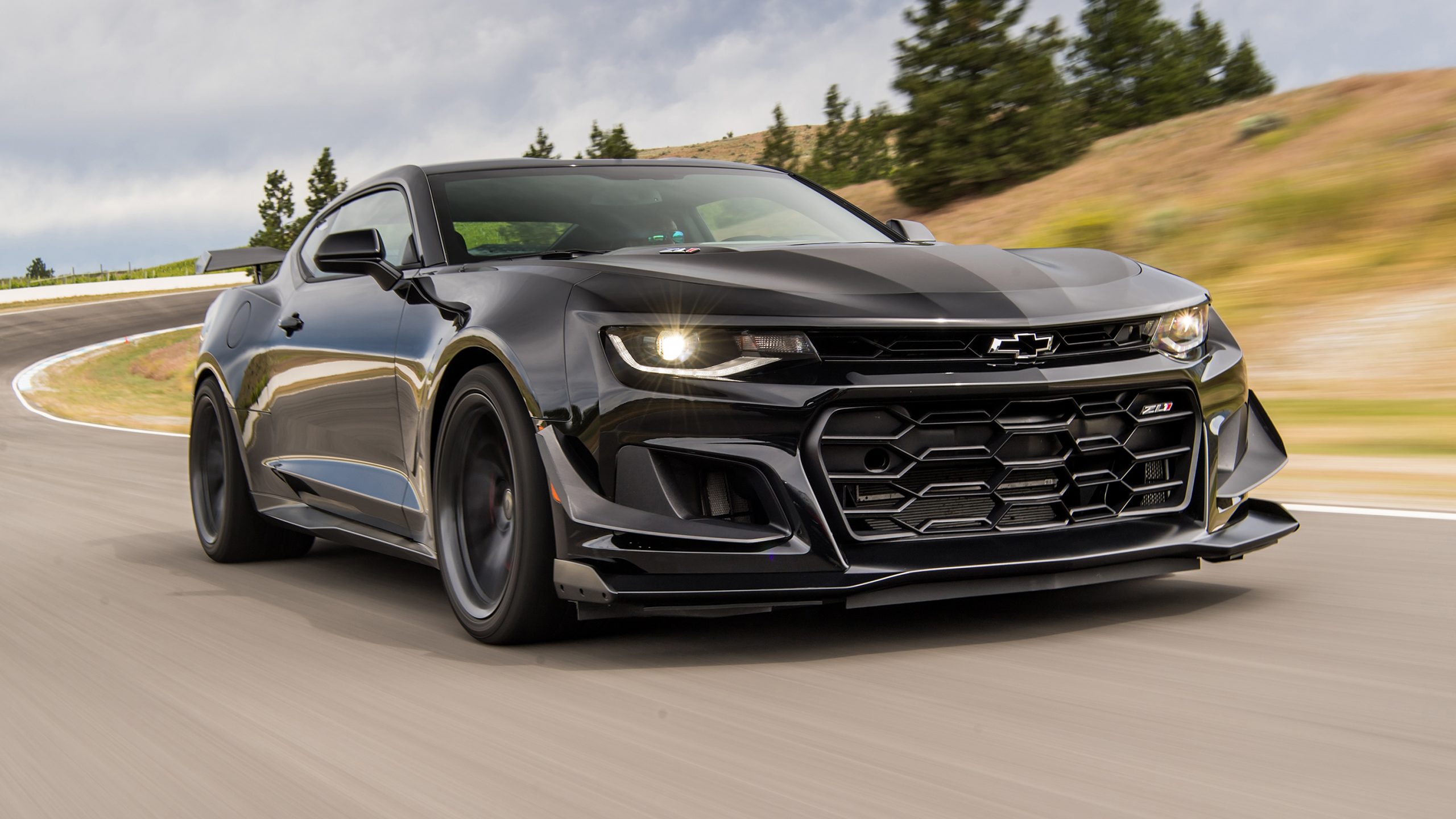
The Chevrolet Camaro ZL1 1LE is the most track-focused version of the Camaro lineup and represents the peak of modern American muscle car engineering. While the standard ZL1 already delivers serious performance, the 1LE package transforms it into a dedicated road-course machine designed to maximize grip, precision, and lap times rather than comfort or daily usability.
Power comes from a 6.2-liter supercharged LT4 V8 engine that produces 650 horsepower and 650 lb-ft of torque. This gives the car explosive acceleration and supercar-level performance, with 0 to 60 mph achieved in about 3.5 seconds and a quarter-mile time just under 12 seconds. The engine provides relentless thrust across the rev range, making it highly effective both on straights and exiting corners.
What sets the ZL1 1LE apart is its extensive chassis and aerodynamic upgrades. It uses Multimatic DSSV spool-valve dampers, a race-derived suspension system known for precise control and consistent damping under extreme conditions. These components significantly improve handling stability and cornering accuracy. The car also features aggressive aerodynamic elements, including a large carbon fiber rear wing, front dive planes, and a functional front splitter. These parts generate meaningful downforce at high speeds, improving grip and confidence during fast cornering.
The car rides on lightweight forged wheels wrapped in high-grip Goodyear Eagle F1 Supercar 3R tires. These tires are designed for track use and contribute to the car’s impressive lateral grip, which reaches around 1.18 g in testing. Combined with reduced unsprung weight, this setup allows the Camaro to respond quickly and accurately to steering inputs while maintaining strong mechanical grip through corners.
Braking performance is another strength. The ZL1 1LE uses high-performance Brembo brakes capable of repeated hard stops with strong resistance to fade. This allows the car to maintain consistent performance during extended track sessions. Its stability under braking is one of its most praised characteristics, as it remains composed even when entering corners aggressively.
Unlike many modern performance cars that rely heavily on electronic assistance, the ZL1 1LE emphasizes mechanical connection and driver involvement. The suspension is extremely stiff, and the rear subframe is rigidly mounted, which increases feedback and precision. This setup makes the car feel raw and highly communicative, though it also reduces comfort on regular roads.
The car is offered exclusively with a 6-speed manual transmission, reinforcing its focus on driver engagement. Gear changes are direct and mechanical, adding to the sense of control and involvement during spirited driving or track use.
On the track, the ZL1 1LE excels in all areas. It delivers neutral handling balance, strong mid-corner grip, and predictable oversteer when pushed hard. Its capability has been proven on demanding circuits where it competes with and often outperforms more expensive sports cars. It combines raw power with chassis tuning that rewards skilled drivers.
Inside, the Camaro retains a functional but modern cabin. It includes features such as a digital instrument cluster, an infotainment system with smartphone integration, and available Recaro performance seats. However, space is limited, visibility is restricted, and comfort is secondary to performance.
Despite its extreme capabilities, the ZL1 1LE remains relatively affordable compared to similarly capable European performance cars. This strong performance-to-price ratio is one of its biggest advantages, making it a standout option for enthusiasts seeking serious track capability.
The Chevrolet Camaro ZL1 1LE is a focused and uncompromising performance machine built for serious driving. It prioritizes speed, grip, and precision, delivering one of the most capable track experiences available in an American production car.
4. Dodge Challenger SRT Hellcat
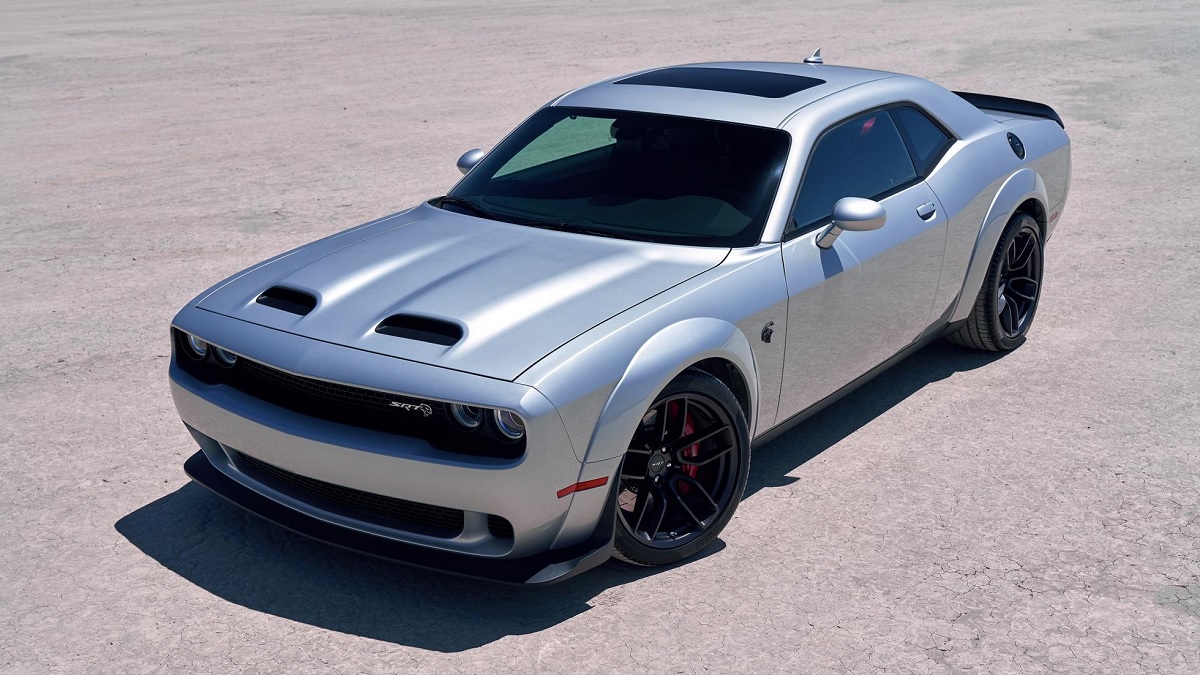
The Dodge Challenger SRT Hellcat stands as one of the most iconic and unapologetic American muscle cars ever built, designed with one clear mission: dominate the drag strip with overwhelming horsepower.
It is powered by a 6.2-liter supercharged HEMI V8 engine that produces between 707 and 807 horsepower depending on the variant, making it one of the most powerful production engines ever installed in a road car. This immense output gives the Hellcat explosive straight-line speed, with 0 to 60 mph times as low as 3.25 seconds in high-performance versions.
Unlike track-focused sports cars, the Hellcat prioritizes raw power, acceleration, and presence over precision handling. Its character is defined by brutal torque delivery, a dramatic supercharger whine, and a loud, aggressive exhaust note that creates an unmistakable driving experience. Paired with an 8-speed automatic transmission, the engine delivers relentless acceleration, allowing the car to cover the quarter-mile in under 12 seconds at speeds exceeding 120 mph.
The Hellcat lineup includes variants such as the Redeye and Super Stock, which push performance even further with increased horsepower and drag-racing-focused tuning. These models are engineered for maximum straight-line capability, making them especially effective in controlled acceleration environments. Features like Line Lock and the SRT Power Chiller are specifically designed to optimize tire heating and engine performance for drag racing scenarios.
While the Challenger is not primarily a corner-carving machine, it does offer improved handling through Widebody configurations. These versions add extra width, allowing for wider tires that improve grip and stability. This enhances cornering ability compared to standard models, though the car still retains its identity as a straight-line performance vehicle rather than a track-focused sports car.
Despite its performance focus, the Challenger SRT Hellcat is also known for its comfort and usability. It features a spacious cabin, supportive heated and ventilated front seats, and a driver-oriented interior layout. However, interior materials are not as refined as some competitors’, and rear visibility is limited due to its design. In terms of practicality, the Challenger stands out in its segment with generous cargo space and usable rear seats, making it more versatile than many performance coupes.
Technology is handled through Dodge’s Uconnect infotainment system, which includes an 8.4-inch touchscreen with Apple CarPlay and Android Auto. The system is intuitive and easy to use, featuring physical controls for volume and tuning. While functional, some graphics and interface elements feel dated compared to newer competitors.
Fuel economy is not a priority for the Hellcat, but it remains comparable to other high-performance muscle cars. EPA ratings typically fall around 13 mpg city and up to 22 mpg highway, reflecting its powerful but inefficient nature. Real-world highway performance can come close to these estimates under steady driving conditions.
Safety and driver-assistance features are available but limited, with options such as blind-spot monitoring, adaptive cruise control, and forward-collision warning offered in higher trims or as add-ons. Basic safety coverage aligns with other domestic performance vehicles, including a 3-year/36,000-mile limited warranty and a 5-year/60,000-mile powertrain warranty.
The Dodge Challenger SRT Hellcat is a celebration of raw American horsepower. It prioritizes power, sound, and straight-line dominance over refinement or cornering precision, securing its place as one of the most legendary modern muscle cars in automotive history.
Also read: 10 Cars With Windshields That Don’t Show Glare At Sunset
4 Overpriced Imports
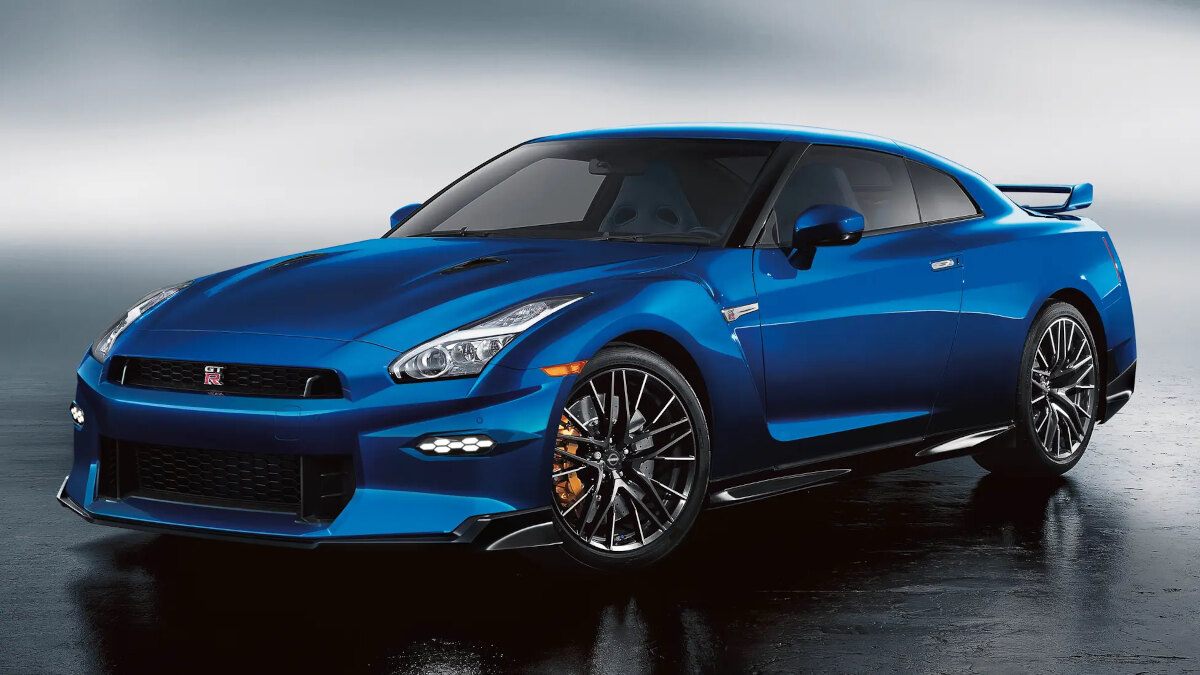
1. Nissan GT-R (R35)
The Nissan GT-R (R35), widely known as “Godzilla,” built its reputation as a supercar killer by delivering extreme performance at a relatively accessible price. It is powered by a 3.8-liter twin-turbocharged V6 engine paired with Nissan’s ATTESA E-TS all-wheel-drive system, which intelligently distributes power to maximize traction and stability. This setup allows the GT-R to launch with exceptional force and consistency, making it one of the quickest production cars of its era.
Performance has always been the GT-R’s defining strength. It can accelerate from 0 to 60 mph in under 3 seconds, placing it in direct competition with exotic supercars that cost significantly more. Its dual-clutch transmission and advanced AWD system work together to provide explosive acceleration and precise power delivery, giving it the ability to perform at a very high level on both road and track conditions.
However, the R35 GT-R has become increasingly debated due to its rising price and aging architecture. When it first launched, it was considered a performance bargain. Over time, its price has steadily increased, with current models and special editions often exceeding $150,000, and some limited versions reaching even higher with dealer markups. This dramatic price increase has changed how it is perceived in the performance market.
A major criticism of the GT-R is its long-running platform. Although it has received updates, the core design dates back to the mid-2000s. Compared to newer rivals, it lacks the latest advancements in lightweight construction, hybrid technology, and interior refinement. As a result, some buyers see it as expensive for what is still fundamentally an older engineering base.
In terms of design and driving character, the GT-R is larger and heavier than many traditional sports cars. This gives it strong stability at high speeds but reduces the nimble feel found in lighter competitors. Its focus is clearly on grip, acceleration, and consistency rather than agility or driving finesse.
Inside, the cabin reflects its age with a functional but outdated layout. While it includes essential performance-focused features and a driver-oriented design, it does not match the luxury or modern technology offered by newer vehicles in its price range.
The Nissan GT-R R35 remains an iconic performance machine known for its brutal acceleration and engineering precision. However, its increasing cost and aging platform have shifted it from an affordable supercar alternative to a high-priced enthusiast car with strong historical appeal.
2. BMW M4 and M5 Competition
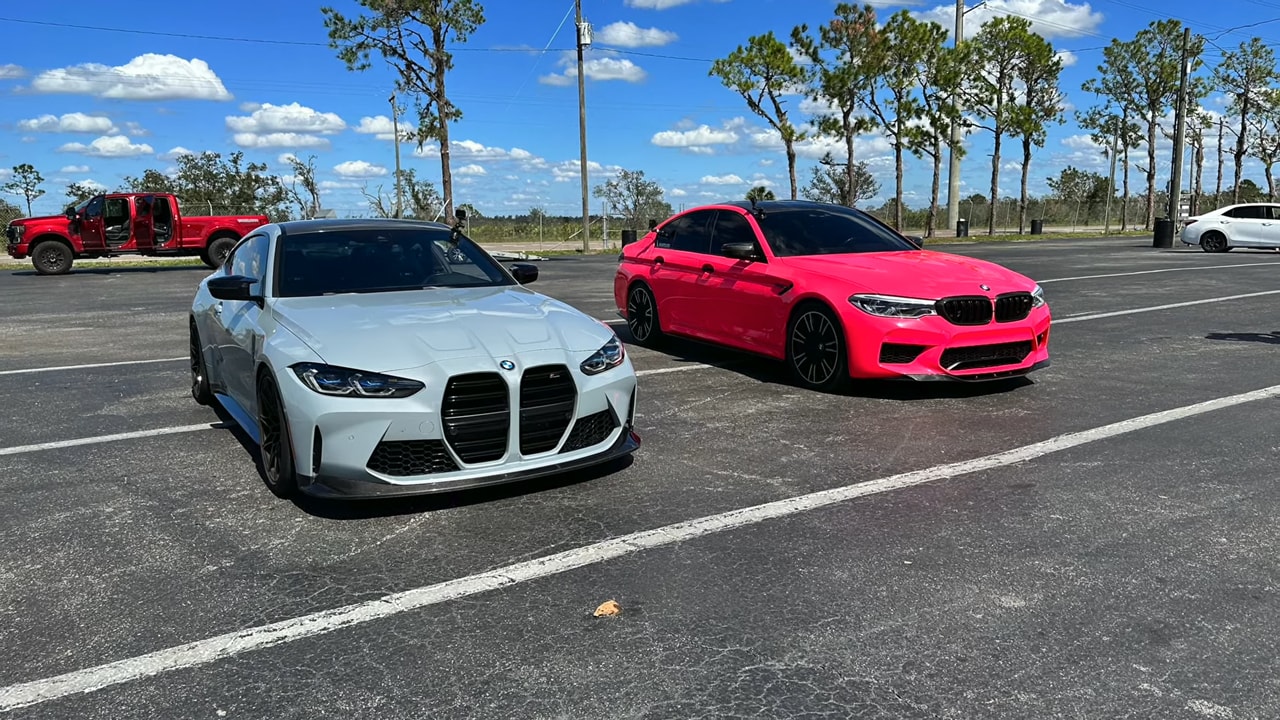
The BMW M4 and M5 Competition models represent the peak of German luxury-performance engineering, blending high-speed capability with refined interiors and advanced technology. The M4 is powered by a 3.0-liter twin-turbocharged inline-six engine, while the larger M5 Competition features a more powerful 4.4-liter twin-turbo V8. Both models are designed to deliver supercar-level performance while maintaining everyday usability and comfort.
Performance is a defining strength of both vehicles. The M4 Competition offers sharp acceleration and precise handling, enhanced by BMW’s performance-tuned chassis and available all-wheel-drive system. The M5 Competition pushes further, reaching 0 to 100 km/h in around 3.5 seconds, making it one of the fastest luxury sedans in the world. Its high-output V8 engine provides effortless acceleration and strong mid-range power, allowing it to compete with exotic sports cars despite its larger size and luxury focus.
Beyond speed, these BMW models are known for their refined interiors and premium build quality. The cabins are fitted with high-grade leather, advanced digital displays, and features such as head-up displays, premium sound systems, and sophisticated driver-assistance technologies. This level of luxury and technology sets them apart from many American performance cars, which often prioritize raw power over refinement.
However, the M4 and M5 Competition come with a significant financial premium. Their starting prices are high, with the M4 Competition ranging from roughly $80,000 to over $120,000, depending on configuration, while the M5 sits even higher. This pricing reflects not only performance capability but also brand prestige, advanced engineering, and imported status.
Ownership costs also contribute to their “overpriced import” reputation. Maintenance for high-performance components such as brakes, tires, and drivetrain systems can be expensive, and repairs often require specialized parts and service. As imported vehicles, they may also be affected by additional tariffs and logistics costs, further increasing total ownership expenses.
Despite these drawbacks, the M4 and M5 remain highly desirable due to their versatility. They function as comfortable daily drivers while still offering track-capable performance. This dual nature makes them especially appealing to enthusiasts who want both luxury and speed in a single package.
The BMW M4 and M5 Competition combine elite performance, advanced technology, and premium comfort, but at a cost that reflects their status as high-end imported performance machines.
3. Porsche 911 (Base and S Models)
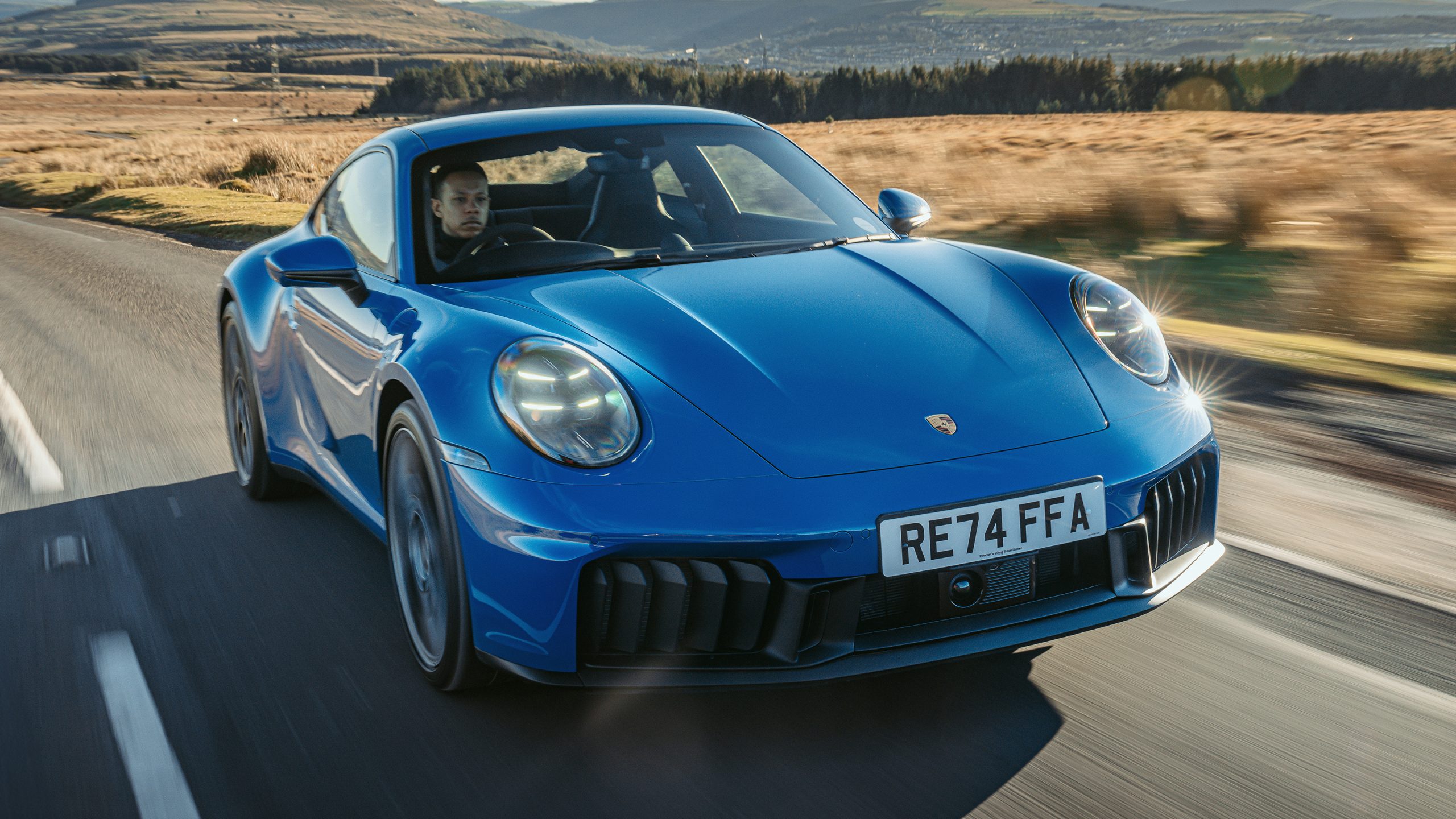
The Porsche 911, in its base Carrera and S variants, is widely regarded as one of the most finely balanced sports cars ever built. It combines everyday usability with exceptional driving dynamics, but it also carries a high price that often exceeds many competitors with similar or even greater straight-line performance. Even the entry-level Carrera is priced well above American performance cars like the Chevrolet Corvette, despite not always leading in horsepower.
The defining characteristic of the 911 is its rear-engine layout and decades of continuous refinement. Porsche has developed this platform into a highly precise driving machine known for its steering feedback, braking accuracy, and chassis stability. Rather than focusing solely on raw power, the 911 prioritizes connection between driver and road, making it especially appealing to enthusiasts who value control and balance over outright acceleration.
In markets such as the United States, the 911 is often labeled an “overpriced import” due to its high starting price, which can exceed $120,000 for a base model. This positions it significantly above many domestic sports cars that offer comparable performance at a lower cost. The price is further increased by Porsche’s option structure, where features that are standard in other vehicles are sold separately, often adding thousands of dollars to the final cost.
Additional factors contributing to its premium pricing include import expenses and the strength of the Porsche brand. The 911 is not positioned as a value-oriented sports car but as a luxury performance icon, which reinforces its elevated market position.
Despite its cost, the Porsche 911 is known for exceptional build quality and long-term durability. It is engineered with a high level of precision and is widely respected for its reliability within the performance segment. Another major advantage is its resale value, which remains among the strongest in the sports car category, helping reduce depreciation over time.
The 911 also stands out for its versatility. It performs well as a daily driver while also delivering strong capability on track days, offering a rare blend of comfort and performance. This dual-purpose nature is a key reason it continues to attract buyers despite its premium pricing.
The Porsche 911 remains a reference point in the sports car world, defined by engineering excellence, driving precision, and a pricing structure that reflects its premium positioning.
4. Acura NSX (Second Generation)
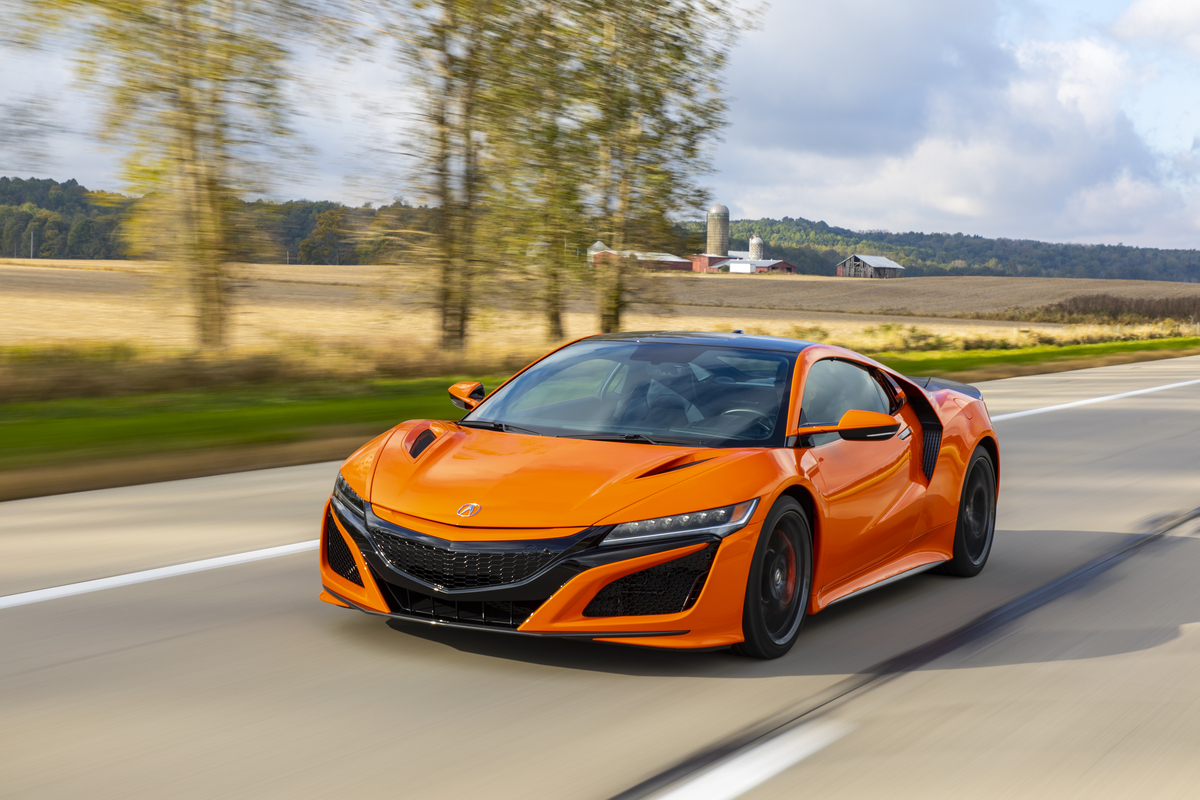
The second-generation Acura NSX is a highly advanced hybrid supercar that blends American manufacturing with cutting-edge performance technology. Built in Marysville, Ohio, it features a complex powertrain that combines a twin-turbocharged V6 engine with three electric motors, creating Acura’s Sport Hybrid SH-AWD system. Together, this setup produces around 573 horsepower and delivers precise all-wheel-drive performance with instant torque response and exceptional traction control.
The NSX was designed as a technologically forward “everyday supercar,” aiming to combine supercar performance with usability and reliability. Its hybrid system allows for smooth power delivery and strong acceleration while maintaining efficiency and stability. This makes it different from more traditional supercars that rely solely on large displacement engines for performance.
Despite its engineering sophistication, the NSX struggled to achieve strong market value when new due to its high entry price and understated driving character compared to more aggressive European rivals. It was often seen as expensive relative to its emotional driving experience, even though its technology was highly advanced.
In the used market, however, the NSX has developed a different reputation. Late-model versions from 2017 to 2022 remain expensive and are often considered premium or even overpriced compared to alternatives. This is largely due to their rarity, limited production numbers, and unique hybrid system, which makes them stand out in a market dominated by conventional supercars.
The NSX also benefits from strong reliability and everyday usability compared to many European competitors. Its build quality and engineering consistency contribute to strong resale values, especially among collectors who appreciate its technological significance and American-built status.
When compared to rivals like the Chevrolet Corvette C8, the NSX offers a more complex hybrid system but lacks the same raw simplicity and emotional V8 character. The Corvette delivers similar mid-engine performance at a lower cost, which has influenced how enthusiasts view the NSX’s value proposition.
The Acura NSX represents a bold attempt to redefine the supercar through hybrid technology, offering advanced engineering, rarity, and usability, but also facing criticism for its high cost relative to its emotional driving appeal.
The comparison of “4 American Sports Cars in the USA vs. 4 Overpriced Imports” shows that both groups succeed in very different ways. American sports cars deliver maximum performance for the money, focusing on powerful engines, aggressive styling, and thrilling acceleration that can rival far more expensive machines. They emphasize simplicity, durability, and excitement, making high performance more attainable for a wider range of drivers.
Imported sports cars, on the other hand, focus on refinement, advanced technology, and precision handling. Models like the Porsche 911, BMW M4 and M5, Nissan GT-R, and Acura NSX offer high levels of engineering sophistication, luxury interiors, and brand prestige, but often come with steep pricing and costly ownership experiences. Much of their value comes from exclusivity and heritage rather than pure performance-per-dollar.
The choice depends on what a driver values most. American cars prioritize raw power and affordability, while imported models focus on polish, precision, and status. Together, they define two distinct paths to performance excellence in today’s sports car world.
Also read: 5 Cars With Fuel Economy Better Than Advertised And 5 That Are Worse In 2026