
Car ownership is often associated with freedom, convenience, and luxury, but it also comes with ongoing maintenance costs that many drivers underestimate until they experience them firsthand. Among all routine vehicle maintenance tasks, oil changes are typically considered one of the most basic and affordable services.
For most economy cars, an oil change might cost between $40 and $100, depending on location, oil type, and service provider. However, this expectation changes dramatically once you step into the world of luxury, performance, and exotic automobiles.
In high-end vehicles, an oil change is not just about draining old oil and replacing it with new lubricant. It often involves specialized synthetic oils, complex engine designs, labor-intensive access procedures, and manufacturer-specific service requirements.
These factors combine to push the cost well beyond $200 in many cases, and for some vehicles, it can even reach $500, $1,000, or more. For owners of luxury brands such as BMW, Mercedes-Benz, Audi, Porsche, and exotic manufacturers like Lamborghini or Ferrari, routine maintenance becomes a premium experience that reflects the engineering complexity of the vehicle itself.
Modern performance engines are built with tighter tolerances and higher operating temperatures, which means they require premium-grade oils that meet strict manufacturer specifications. These oils are often fully synthetic and significantly more expensive than conventional lubricants.
Additionally, labor costs at certified dealerships or specialized service centers can be high due to technician expertise, diagnostic procedures, and brand-specific servicing requirements.
According to automotive maintenance data, luxury European vehicles commonly have oil change costs ranging between $200 and $1,200, depending on the model and engine type. Exotic supercars like Lamborghini and Ferrari can exceed even those ranges due to complex engine layouts and limited service access. This makes oil changes one of the most surprisingly expensive routine services for high-end vehicle owners.
In this article, we will explore 10 cars where even a basic oil change alone can cost over $200. Each vehicle on this list represents a combination of engineering sophistication, brand positioning, and maintenance intensity that pushes routine servicing into luxury pricing territory.
Whether you are a car enthusiast, a potential buyer, or simply curious about the hidden costs of premium vehicles, this breakdown will give you a clear understanding of why some cars demand significantly more maintenance investment than others.
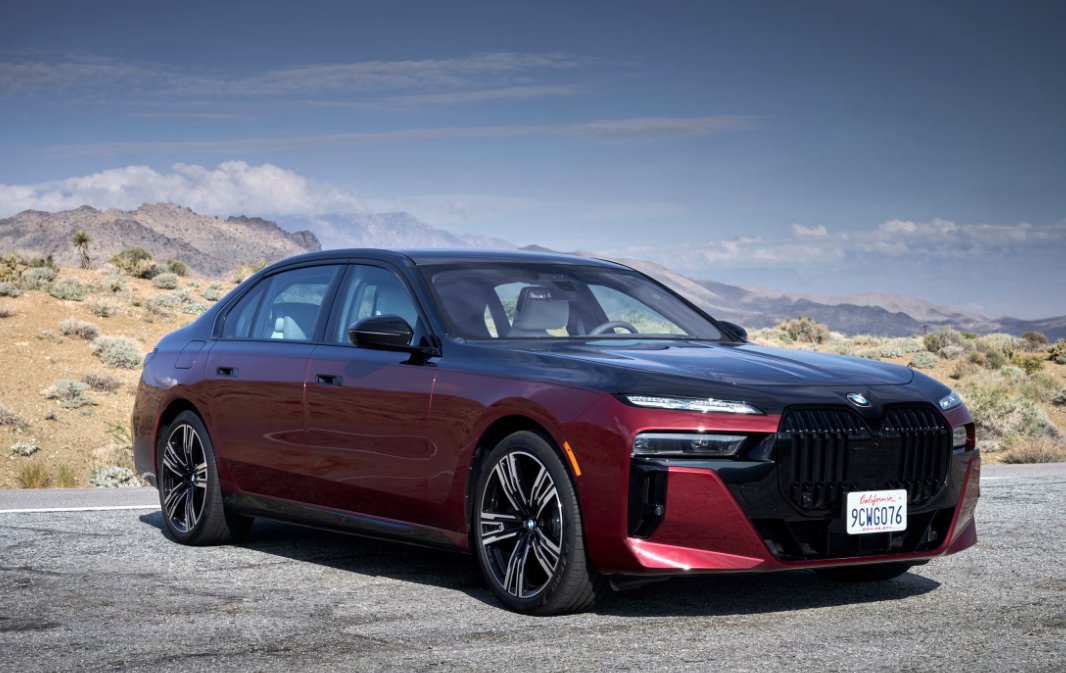
1. BMW 7 Series
The BMW 7 Series stands at the very top of BMW’s luxury sedan lineup, and it is designed to compete directly with other flagship executive cars such as the Mercedes-Benz S-Class and Audi A8. Because of its positioning, everything about the 7 Series is engineered with premium materials, advanced technology, and high-performance systems.
This level of sophistication directly impacts maintenance costs, especially when it comes to something as routine as an oil change. While most standard vehicles can complete an oil service at a relatively low cost, the BMW 7 Series often exceeds $200 even for basic maintenance, primarily due to the specialized requirements of its engine and servicing procedures.
One of the biggest contributors to this cost is the use of high-performance synthetic oil that meets strict BMW Longlife specifications. These oils are designed to handle turbocharged engines, high compression ratios, and extended service intervals, but they come at a significantly higher price than conventional oils.
Additionally, the engine in the 7 Series typically requires a larger oil capacity, meaning more liters of oil are needed per service. This alone increases the material cost substantially compared to smaller or non-luxury vehicles.
The engine bay in modern BMW 7 Series models is densely packed with electronics, sensors, and protective covers that must be carefully removed and reinstalled during an oil change.
Technicians at authorized BMW service centers are trained to follow precise procedures, which increases labor time. After the oil change is completed, diagnostic resets and system checks are often required, adding further complexity to what would otherwise be a simple maintenance task.
Another factor that drives up the cost is the dealership service model itself. BMW dealerships often bundle oil changes with multi-point inspections, software updates, and vehicle health reports. While these services add value by ensuring the vehicle remains in optimal condition, they also contribute to the final bill.
As a result, even a basic oil change for a BMW 7 Series is not just a simple fluid replacement but a comprehensive maintenance procedure designed to protect the long-term performance of a high-end luxury sedan.

2. Mercedes-Benz S-Class
The Mercedes-Benz S-Class is widely regarded as the gold standard of full-size luxury sedans, representing the highest level of comfort, technology, and prestige that Mercedes offers. Every generation of the S-Class introduces new innovations that often become industry standards in later years.
However, this level of engineering excellence also means that routine maintenance, including oil changes, is significantly more expensive than average. In many cases, a standard oil change for the S-Class exceeds $200, especially when performed at an authorized dealership.
A major reason for the high cost is the advanced engine technology used in the S-Class lineup. These vehicles often feature turbocharged V6, V8, or hybrid powertrains that require high-grade synthetic oil formulated to withstand extreme operating conditions.
The oil itself is more expensive because it must meet strict Mercedes-Benz specifications to ensure optimal engine performance and longevity. In addition, the oil capacity in S-Class engines is typically larger than that of standard sedans, meaning more oil is required for each service, which further increases the cost.
Labor complexity is another important factor. The S-Class is equipped with extensive underbody shielding and integrated electronic systems designed to improve aerodynamics, safety, and comfort. While these systems enhance the driving experience, they also make basic maintenance more time-consuming.
Technicians must carefully remove protective panels to access the oil drain and filter, which increases the total labor hours required for an oil change. At the same time, dealerships often conduct additional inspections to ensure that all systems are functioning properly.
Mercedes-Benz service centers also follow a premium service model that goes beyond just oil replacement. Each oil change often includes digital diagnostics, fluid level checks, tire inspections, and software updates. While these additional services help maintain the vehicle’s long-term reliability, they also contribute to higher maintenance bills. For S-Class owners, these costs are generally expected as part of owning a flagship luxury vehicle that prioritizes performance, comfort, and advanced engineering.
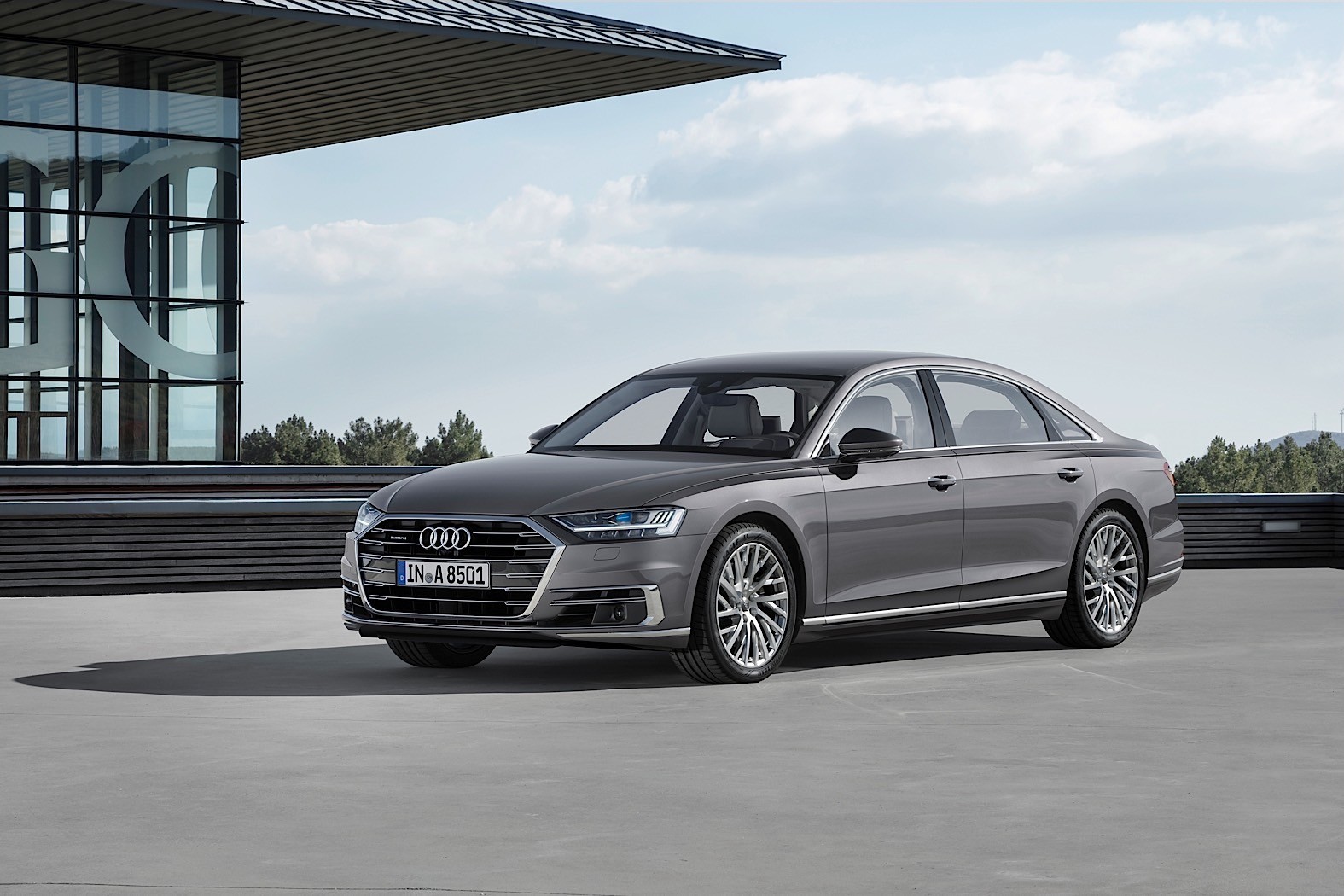
3. Audi A8
The Audi A8 represents the pinnacle of Audi’s luxury sedan offerings and is designed to compete directly with other flagship models in the executive car segment. It is known for its understated elegance, cutting-edge technology, and smooth driving experience. However, like other high-end German luxury vehicles, the A8 comes with elevated maintenance costs, and even a basic oil change frequently exceeds $200 depending on the service provider and engine configuration.
One of the primary reasons for this cost is the advanced engineering behind Audi’s engines. The A8 often features turbocharged V6 or V8 engines that require premium synthetic oil specifically approved under Volkswagen Group standards.
These oils are engineered to handle high temperatures and pressures while ensuring long-term engine protection. Because they are specially formulated, they are more expensive than standard oils used in economy vehicles.
The design of the Audi A8 also contributes to higher labor costs. The vehicle incorporates a complex chassis and underbody structure that improves aerodynamics and ride comfort but makes access to the oil system more difficult. In many cases, technicians must remove multiple panels and covers before reaching the drain plug and oil filter. This increases service time, which directly impacts labor charges at dealerships and certified service centers.
In addition to the physical complexity of the service, Audi dealerships typically perform comprehensive system checks during every oil change. These checks include electronic diagnostics, software updates, and inspection of critical vehicle systems such as braking, suspension, and engine performance.
While these additional steps enhance reliability and safety, they also increase the cost of servicing. As a result, the Audi A8 maintains its reputation as a luxury vehicle that delivers refinement and performance but requires a higher financial commitment for routine maintenance.
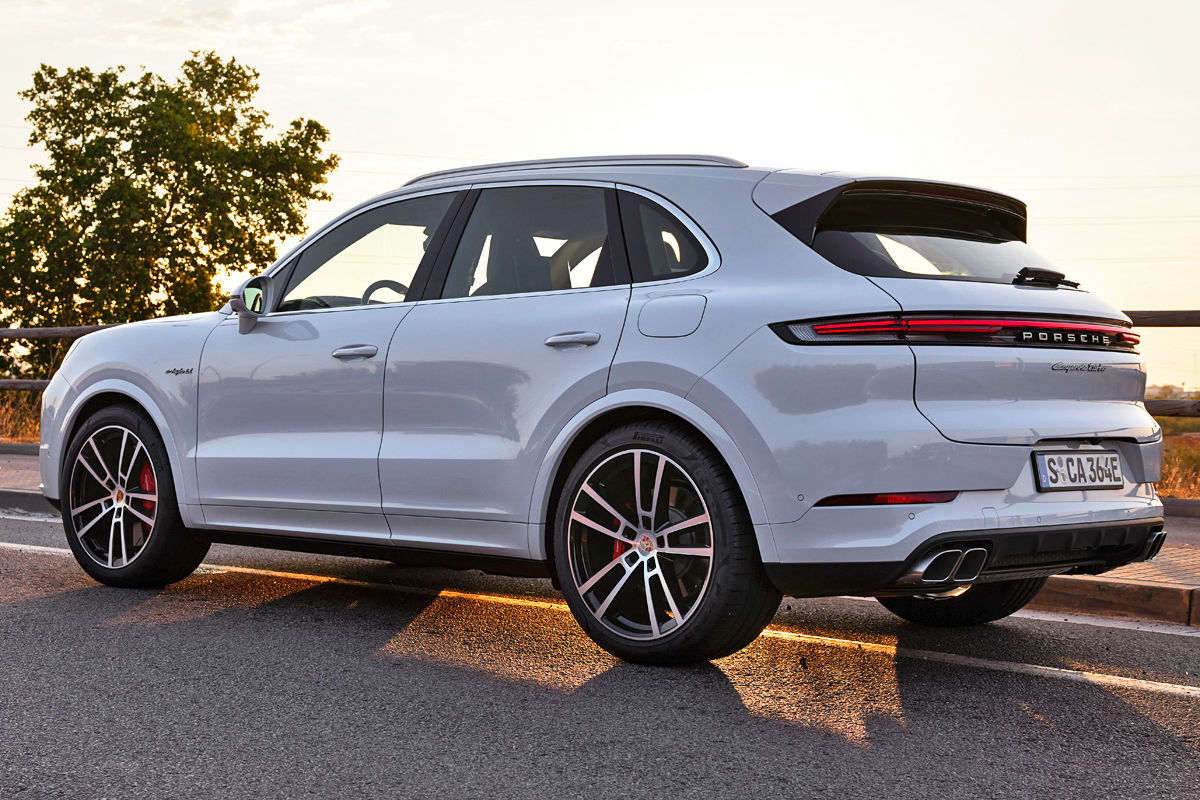
4. Porsche Cayenne
The Porsche Cayenne is one of the most successful luxury performance SUVs on the market, blending sports car DNA with everyday practicality. It is engineered to deliver exceptional handling, acceleration, and driving dynamics, which place it in a different category compared to traditional SUVs.
However, this performance-focused engineering also leads to higher maintenance costs, particularly when it comes to routine services like oil changes, which often exceed $200.
The engine in the Porsche Cayenne is designed to operate under high stress and deliver strong performance across a wide range of driving conditions. To support this, it requires high-quality synthetic oil that can withstand elevated temperatures and maintain stability under pressure. This specialized oil is significantly more expensive than conventional motor oil, and the Cayenne’s relatively large oil capacity further increases material costs during servicing.
Another key factor is the complexity of the engine layout. Porsche prioritizes performance and compact design, which means components are tightly arranged within the engine bay. This makes accessing the oil filter and drain plug more difficult and time-consuming for technicians. In many cases, additional panels or protective covers must be removed before servicing can even begin. This added labor time contributes directly to higher service charges.
Porsche-certified service centers also follow strict maintenance protocols that ensure every vehicle is serviced to exact manufacturer standards. These procedures often include additional inspections and system checks beyond just the oil change itself.
While this ensures long-term reliability and performance, it also increases the cost of maintenance. For Cayenne owners, these expenses are part of owning a high-performance luxury SUV that delivers both practicality and sports car engineering.
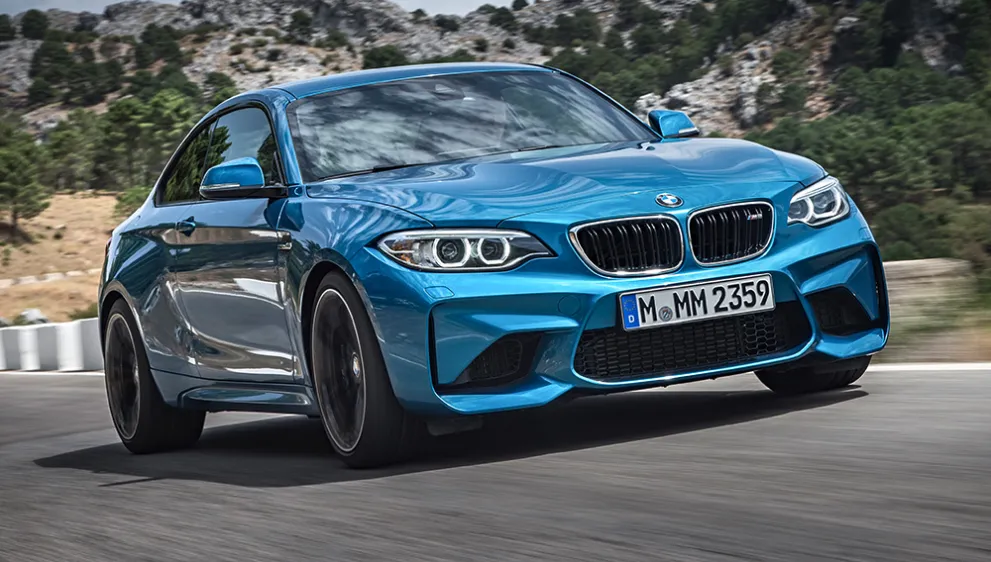
5. BMW M Series (M3, M4, M5)
The BMW M Series represents the highest level of performance within BMW’s lineup, with models such as the M3, M4, and M5 designed for enthusiasts who demand track-capable performance in a road-legal vehicle. These cars are engineered with significantly more aggressive tuning compared to standard BMW models, which directly impacts maintenance requirements and costs. As a result, even a basic oil change for an M Series vehicle often exceeds $200.
The engines used in BMW M models are high-performance units designed to operate at extreme RPMs and under heavy load conditions. To support this level of performance, they require specialized synthetic oils that can withstand high temperatures and maintain lubrication stability under stress. These oils are more expensive than standard lubricants and are essential for protecting engine components from wear during aggressive driving.
In addition to oil quality, the servicing process itself is more complex. M Series vehicles often feature performance-oriented components and tightly packed engine bays that make access more difficult. Technicians may need to remove underbody panels and perform additional steps compared to standard BMW models. This increases labor time, which directly contributes to higher service costs at certified BMW M service centers.
Finally, ownership of an M Series vehicle typically involves dealership-level servicing to maintain warranty coverage and performance integrity. These service centers charge premium labor rates due to the specialized training required to work on high-performance engines. Combined with mandatory inspections and system checks, this makes the BMW M Series one of the most expensive non-exotic performance car lines to maintain, even for routine services like oil changes.
Also read: 5 Cars Boomers Got Right And 5 They Got Wrong
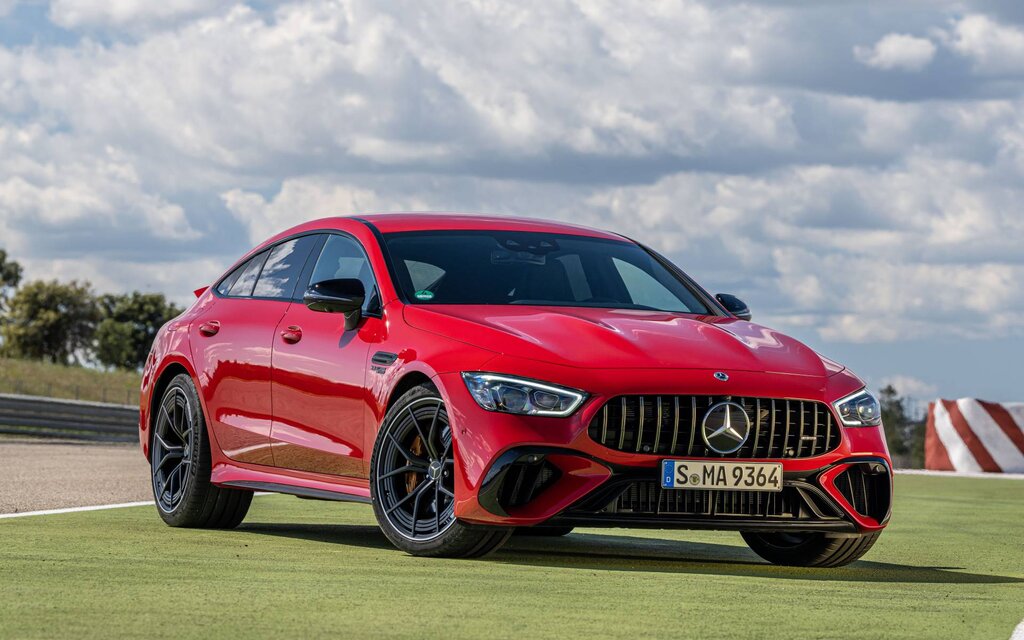
6. Mercedes-AMG Models
Mercedes-AMG models represent the high-performance division of Mercedes-Benz, where luxury meets extreme engineering. These vehicles are not just upgraded versions of standard Mercedes cars; they are often hand-built or heavily modified performance machines designed for speed, acceleration, and track-level capability.
Because of this specialized engineering, even basic maintenance tasks like an oil change are significantly more expensive, often exceeding $200 and sometimes going much higher depending on the model and engine type.
A major reason for the high oil change cost is the nature of AMG engines themselves. Many AMG powertrains are handcrafted in limited production facilities and follow the “one man, one engine” philosophy, where a single technician assembles the entire engine.
These engines are tuned for high output and extreme performance, which means they operate under intense heat and pressure. To handle these conditions, they require premium fully synthetic oil that meets strict Mercedes-AMG specifications, and this oil is significantly more expensive than standard engine lubricants.
Another important factor is oil capacity. AMG engines, especially V8 biturbo variants, typically require a larger volume of oil compared to standard engines. More oil means higher material costs per service.
Additionally, because these engines are designed for high-performance driving, oil quality and consistency are critical to maintaining engine health. Even slight deviations from recommended oil standards can impact performance and longevity, which is why AMG owners are encouraged to service their vehicles only at authorized centers.
Labor complexity also adds to the cost. AMG engine bays are densely packed with performance components such as turbochargers, intercoolers, and reinforced cooling systems. This makes access to the oil filter and drain points more time-consuming.
Technicians often need to remove protective covers and carefully navigate around sensitive components, increasing labor hours. Combined with dealership labor rates and performance-level inspection procedures, the total cost of an oil change rises quickly.
Finally, Mercedes-AMG service centers typically include additional diagnostic checks during every oil change. These may involve performance system scans, ECU checks, and fluid inspections beyond just engine oil. While these services help maintain peak performance, they also contribute to the cost. As a result, AMG ownership is as much about maintaining performance excellence as it is about enjoying luxury and speed.
7. Audi RS Models
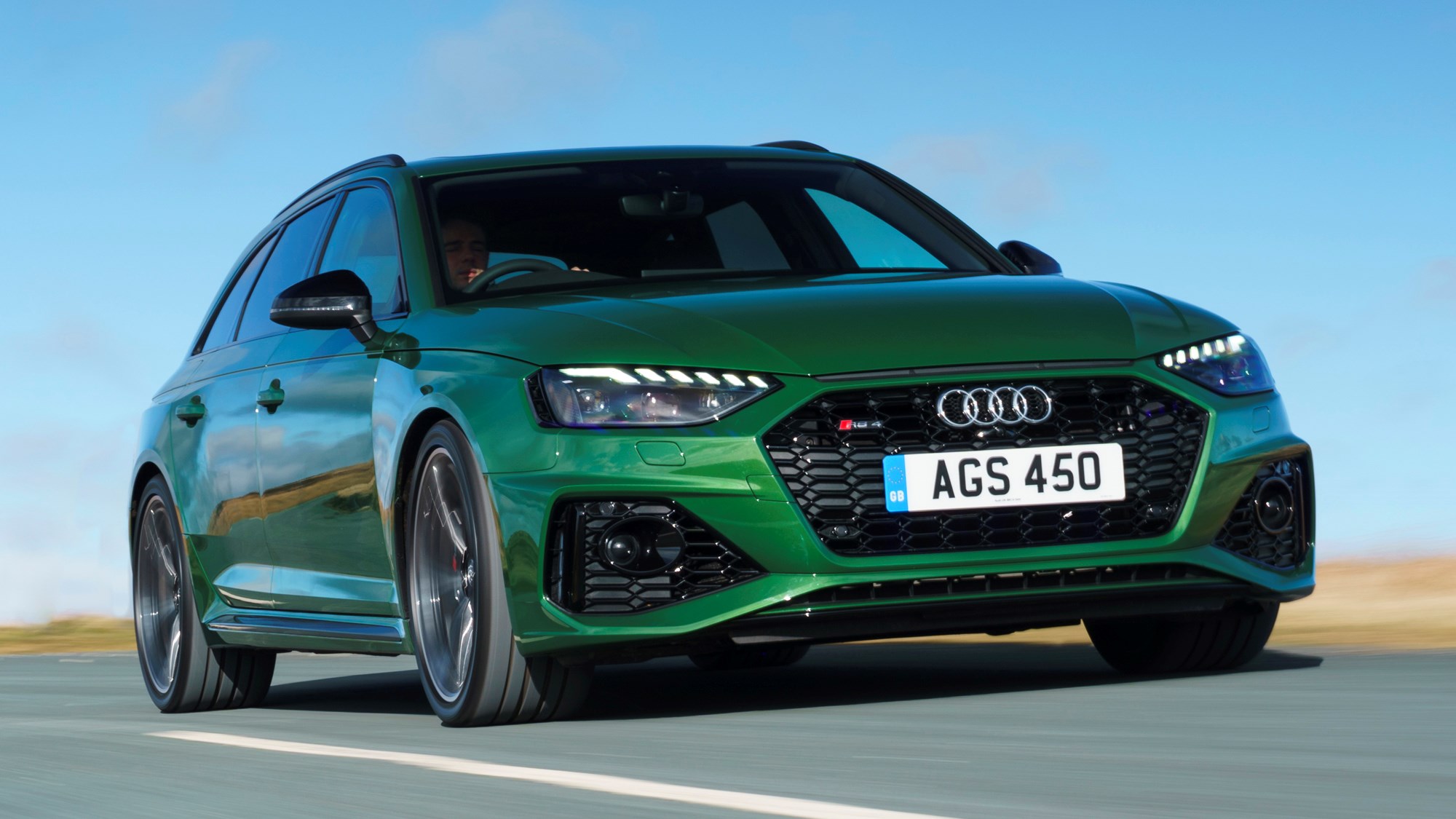
Audi RS models represent the pinnacle of Audi’s performance engineering, combining everyday usability with sports car-level power and precision. Vehicles like the RS6, RS7, and RS Q8 are designed for enthusiasts who want both practicality and extreme performance. However, this high level of engineering sophistication directly translates into higher maintenance costs, with oil changes frequently exceeding $200 even for routine servicing.
The engines used in RS models are heavily tuned versions of Audi’s standard powertrains. These engines produce significantly more horsepower and torque, which places them under greater mechanical stress during operation. To support this, they require high-grade synthetic oil that meets strict Volkswagen Group performance standards.
This oil is specially formulated to handle extreme temperatures, high RPMs, and long-term wear protection, making it more expensive than conventional motor oils.
Another factor influencing cost is oil capacity. RS engines, particularly the twin-turbo V8 variants, often require a large volume of oil to ensure proper lubrication and cooling. More oil means higher material cost per service visit. Additionally, because these engines are performance-focused, oil changes must be performed with high precision to ensure optimal engine health and efficiency.
The servicing process itself is also more labor-intensive compared to standard Audi models. RS vehicles often feature complex underbody aerodynamics, protective panels, and performance cooling systems that must be carefully removed or adjusted to access the oil system. This increases labor time and contributes directly to higher service charges at certified Audi RS service centers.
Dealership service protocols also add to the cost. Audi RS maintenance often includes detailed diagnostics, performance system checks, and software updates as part of routine servicing. These additional steps ensure the vehicle continues to perform at peak levels but also increase the final bill. For RS owners, these costs are generally expected as part of owning a high-performance luxury vehicle.

8. Range Rover Autobiography
The Range Rover Autobiography is the flagship luxury SUV from Land Rover, known for its combination of off-road capability and ultra-luxury interior comfort. It is one of the most prestigious SUVs on the market, but it also comes with high maintenance costs, especially when it comes to routine services like oil changes, which often exceed $200.
One of the primary reasons for the high cost is the size and complexity of the engine. Range Rover Autobiography models are typically equipped with large V6 or V8 engines, often turbocharged for improved performance.
These engines require a significant amount of high-quality synthetic oil to ensure smooth operation and durability under both city and off-road driving conditions. The larger oil capacity alone increases the cost of every oil change.
Another contributing factor is the engineering complexity of the vehicle. The Range Rover is designed for both luxury and off-road performance, which means its underbody is heavily reinforced and protected. While this is essential for durability in rough terrain, it makes accessing the oil system more labor-intensive during servicing. Technicians often need to remove multiple protective panels before performing an oil change.
Labor costs are also elevated due to the level of expertise required. Land Rover-certified technicians are trained to handle complex systems, including air suspension, terrain response systems, and integrated electronics. Even during a basic oil change, additional checks are often performed to ensure that these systems are functioning properly, adding to the service time.
Finally, dealership service centers often bundle oil changes with comprehensive inspections and system diagnostics. While this ensures the vehicle remains in top condition, it also increases the final cost. For Range Rover Autobiography owners, these expenses are part of maintaining a luxury SUV that offers both comfort and capability.
9. Lexus LS 500
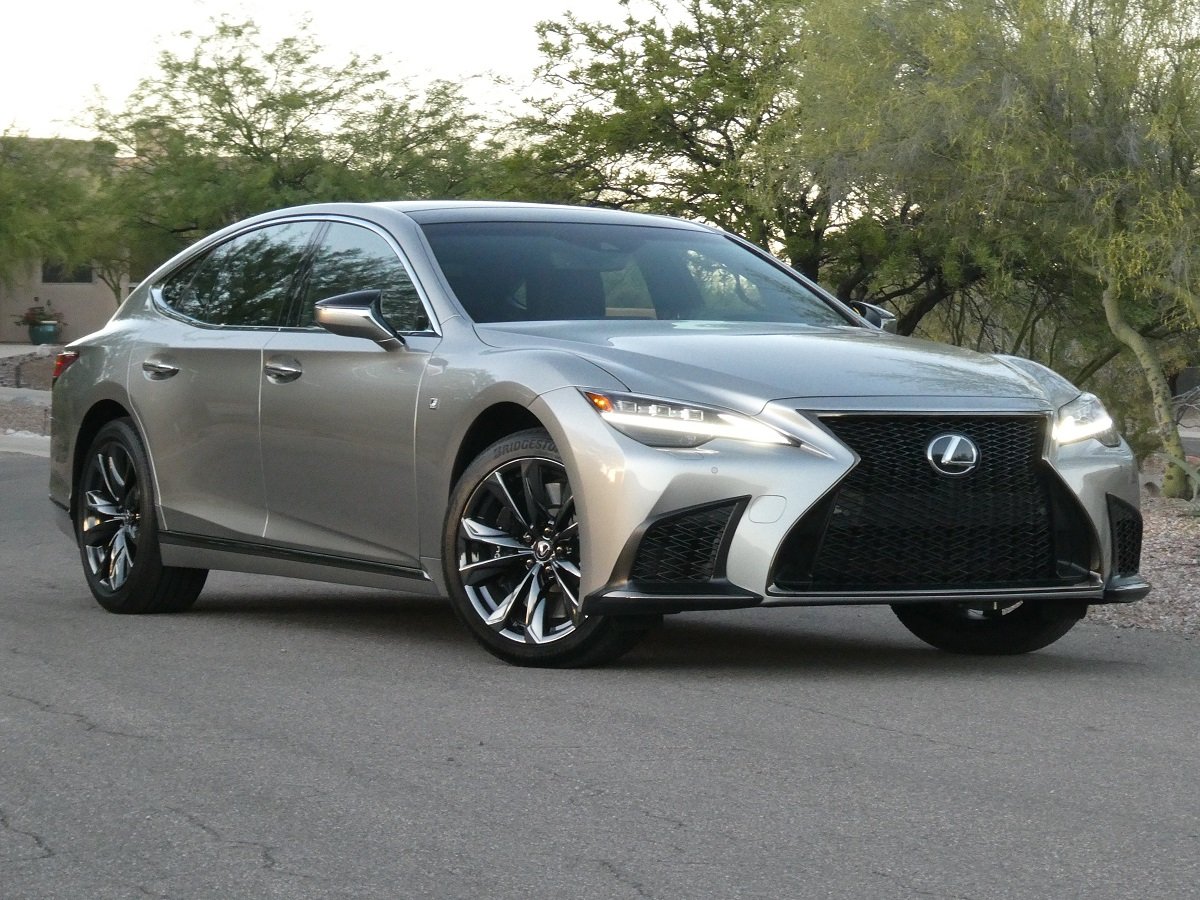
The Lexus LS 500 is the flagship sedan of the Lexus brand and represents a balance of luxury, refinement, and reliability. While Lexus vehicles are generally known for lower maintenance costs compared to European luxury brands, the LS 500 is an exception in certain cases, where oil change costs can exceed $200 depending on dealership pricing and service packages.
The LS 500 is powered by a twin-turbocharged V6 engine that delivers smooth yet powerful performance. This engine requires high-quality synthetic oil to maintain efficiency, reduce friction, and ensure long-term durability. Because of the turbocharged design, the oil must withstand higher temperatures and pressure levels, making it more specialized and expensive than standard engine oils.
Another factor contributing to cost is oil capacity. The LS 500 engine requires more oil than smaller Lexus models, which increases material costs per service. In addition, Lexus dealerships often use OEM-approved oil and filters, which are priced higher than aftermarket alternatives but ensure optimal engine performance and warranty compliance.
Labor costs also play a role, although they are generally lower compared to European luxury brands. However, Lexus dealerships often include multi-point inspections and vehicle health checks as part of routine oil changes. These additional services improve reliability but can increase the cost beyond $200 in some regions.
Despite these costs, the Lexus LS 500 remains one of the more reliable luxury sedans, and its maintenance expenses are still relatively moderate compared to German competitors in the same segment.
10. Lamborghini Urus
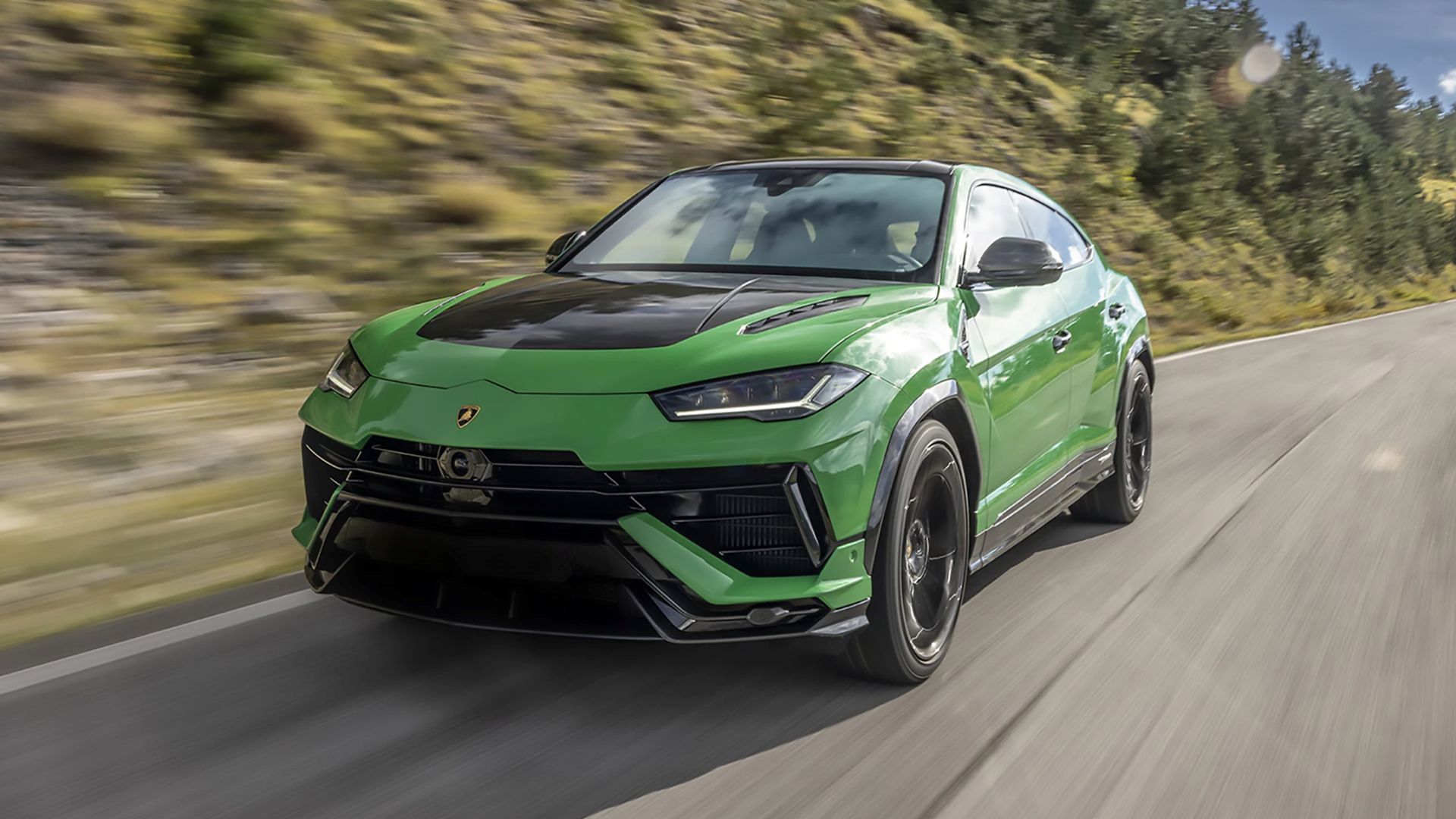
The Lamborghini Urus is one of the most expensive SUVs in the world, combining supercar performance with SUV practicality. It is powered by a twin-turbo V8 engine that delivers extraordinary acceleration and speed for a vehicle of its size. However, this level of performance comes with extremely high maintenance costs, making it one of the most expensive vehicles to service, even for something as routine as an oil change.
Oil changes for the Lamborghini Urus typically start well above $400 and can reach $1,000 or more, depending on the service location and region. The engine requires premium-grade synthetic oil specifically designed for high-performance supercar applications. This oil is significantly more expensive than standard automotive lubricants due to its ability to withstand extreme heat and pressure conditions.
Another major cost factor is oil capacity. The Urus engine requires a large volume of oil, which increases the material cost of every service. Additionally, Lamborghini recommends strict adherence to service intervals and OEM-approved fluids to maintain performance and warranty coverage.
Labor costs are also significantly higher than average. The engine bay of the Urus is tightly engineered, requiring skilled technicians and careful disassembly of protective components to access the oil system. Lamborghini-certified technicians undergo specialized training, and their expertise comes at a premium service rate.
Finally, Lamborghini dealerships often include detailed performance diagnostics and system checks with every oil change. These services ensure that the vehicle continues to perform at supercar levels, but they also contribute heavily to the maintenance cost. For Urus owners, these expenses are simply part of owning one of the most powerful luxury SUVs ever built.
Also read: 10 Cars Under $25,000 That Get Over 40 MPG
