
In the modern automotive world, few repair components have gained as much notoriety as the catalytic converter. Once considered just another part of the exhaust system, it has now become one of the most expensive and frequently stolen components in many vehicles.
The reason is simple yet surprising: catalytic converters contain precious metals such as platinum, palladium, and rhodium, which are far more valuable than steel or aluminum used in most other engine parts. In some cases, the value of these metals makes the catalytic converter more expensive than major mechanical components, and in rare but real scenarios, even more expensive than the engine itself.
This phenomenon is especially noticeable in SUVs. SUVs typically have larger engines, more complex exhaust systems, and often multiple catalytic converters per vehicle. Luxury SUVs and hybrid SUVs are even more affected because they require higher-grade emissions control systems to meet strict environmental regulations. As a result, the cost of replacing a catalytic converter in some SUVs can reach thousands of dollars, sometimes exceeding the value of a used or rebuilt engine for the same vehicle.
Over the past decade, rising global prices of precious metals have significantly increased the cost of catalytic converters. At the same time, stricter emissions standards in the United States, Europe, and other regions have forced manufacturers to use more advanced and expensive catalytic materials.
According to industry data, replacement costs for catalytic converters commonly range between $1,000 and $4,000 depending on the vehicle, but in luxury SUVs or hybrids, costs can exceed even higher thresholds.
Another factor driving attention to this issue is the rise in catalytic converter theft. Because these parts can be removed quickly and sold for scrap value due to their precious metal content, SUVs and trucks have become frequent targets. The irony is striking: a component hidden underneath the vehicle can sometimes be more valuable than the engine powering it.
In this article, we explore nine SUVs where the catalytic converter can cost more than the engine itself. We will break down why this happens, what makes these SUVs particularly vulnerable to high replacement costs, and how owners can better understand the real value hidden under their vehicles.
This is not just about repair bills, but about understanding how modern emissions technology, material science, and automotive design have created one of the most unexpectedly expensive parts in the automotive industry.
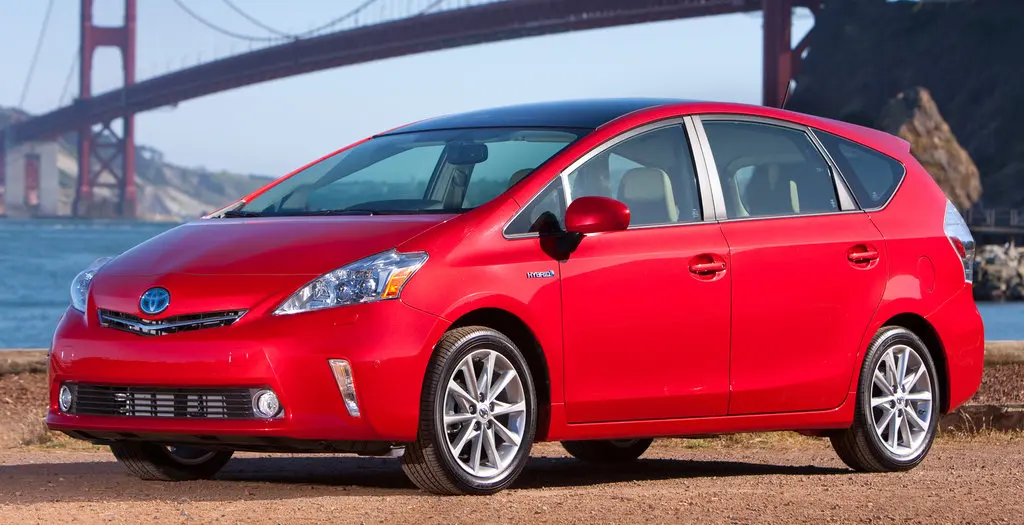
1. Toyota Prius V (Hybrid SUV Variant)
The Toyota Prius V stands out as one of the most frequently cited real-world examples where catalytic converter replacement costs can unexpectedly exceed the value of an engine. While it is often classified as a hybrid wagon rather than a traditional SUV, its size, weight, and utility positioning place it in the crossover category for most consumers, and it behaves similarly in terms of emissions system design.
What makes this model particularly interesting is the way Toyota engineered its hybrid drivetrain to prioritize efficiency over continuous combustion stability, which directly impacts catalytic converter design complexity and cost.
The catalytic converter in the Prius V is not a simple emissions filter. It is a high-efficiency, multi-stage unit designed to function under frequent engine start and stop cycles. In a conventional gasoline vehicle, the catalytic converter maintains a relatively stable operating temperature once the engine warms up.
However, in the Prius V, the gasoline engine shuts off repeatedly during city driving, forcing the converter to reheat multiple times. This thermal cycling requires a significantly higher load of precious metals such as platinum, palladium, and rhodium to ensure emissions compliance during unstable operating conditions.
Replacement costs for the Prius V catalytic converter typically range from $2,000 to $4,500 depending on whether OEM parts are used and the labor rates in the region. In some urban markets with higher emissions standards, the cost can push even higher due to regulatory compliance requirements and mandatory OEM part usage.
On the other hand, a used or refurbished Prius V engine is often available in the $1,500 to $2,500 range in many global markets, particularly where hybrid vehicles are dismantled for parts. This creates a situation where the emissions control system becomes the most expensive single component in the drivetrain ecosystem.
Another factor influencing cost is theft risk. Prius models are among the most frequently targeted vehicles for catalytic converter theft due to the relatively high concentration of precious metals in their converters compared to many conventional vehicles.
Once stolen, replacement demand increases, which drives up pricing across supply chains. Combined with hybrid-specific engineering requirements, this makes the Prius V one of the most cost-imbalanced vehicles in terms of emissions hardware versus engine value.
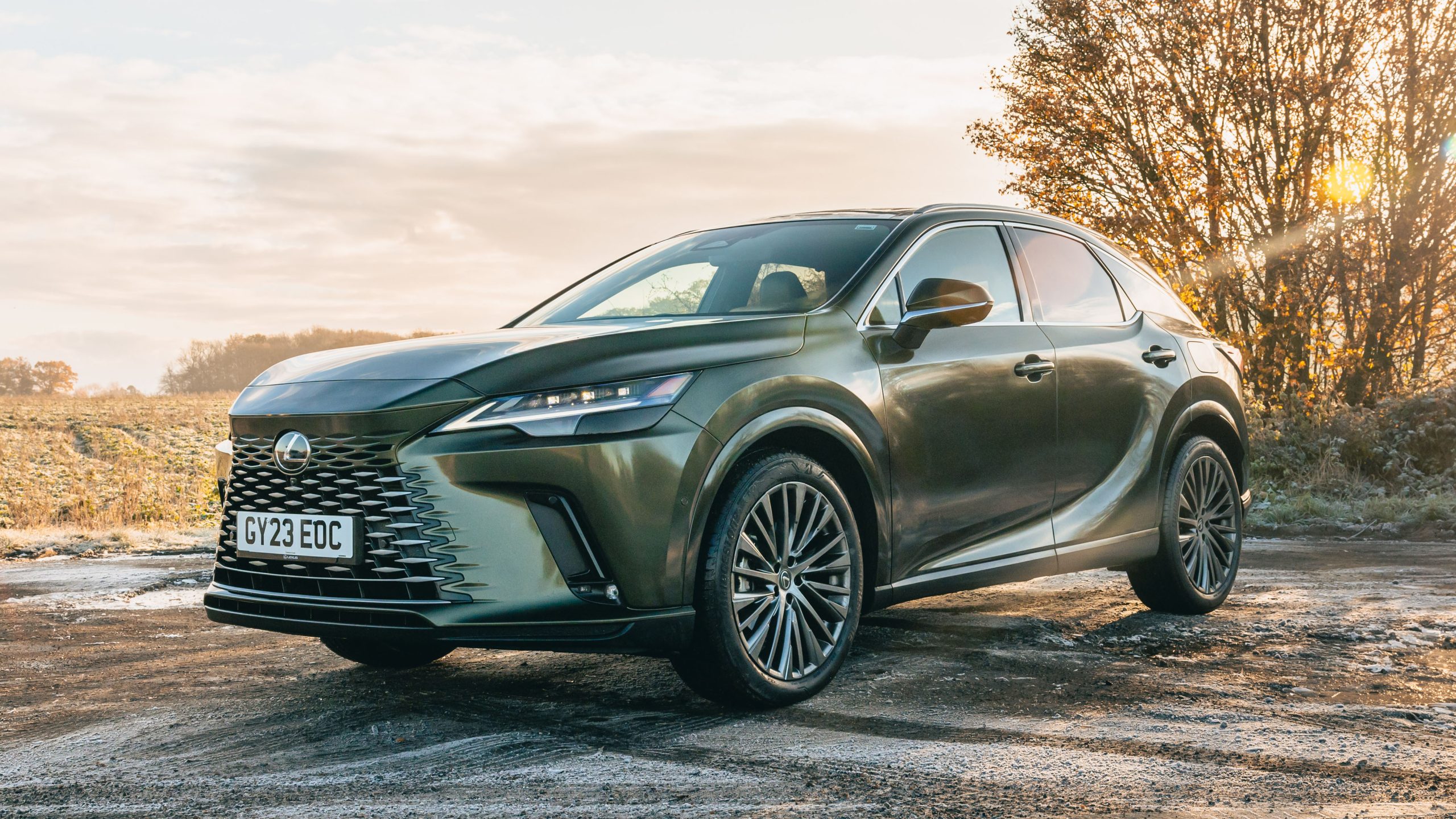
2. Lexus RX 450h
The Lexus RX 450h represents the luxury hybrid segment where performance expectations, emissions compliance, and brand positioning intersect to create extremely expensive catalytic converter systems. As a premium midsize SUV powered by a hybrid V6 configuration, it uses multiple catalytic converters strategically placed within a dual exhaust layout.
Each converter is designed not only for emissions reduction but also for maintaining engine responsiveness and smooth hybrid transitions, which increases engineering complexity significantly.
The cost of replacing a catalytic converter in the RX 450h can range from $3,000 to $6,000, depending on model year and whether the front and rear converters are replaced as a set or individually.
Labor costs are also higher than average due to the tight packaging of the hybrid drivetrain, which often requires partial disassembly of underbody shielding and exhaust routing components. In contrast, engine replacement costs for older RX hybrid models can sometimes fall between $2,500 and $4,000 in the used or rebuilt market, depending on mileage and availability.
The reason for this pricing imbalance is largely due to Lexus’s commitment to ultra-low emissions standards, combined with luxury refinement expectations. The catalytic converters used in the RX 450h are high-density, multi-core units with advanced ceramic substrates designed for rapid heat activation. This ensures emissions compliance even during short trips, which are common in urban luxury SUV usage patterns. However, this also means higher precious metal content per unit, which directly increases cost.
Additionally, Lexus vehicles are engineered with long-term durability in mind, meaning catalytic converters are often integrated into larger exhaust assemblies rather than being simple bolt-on replacements. This design philosophy improves performance and emissions consistency but significantly raises replacement costs when failure or theft occurs.
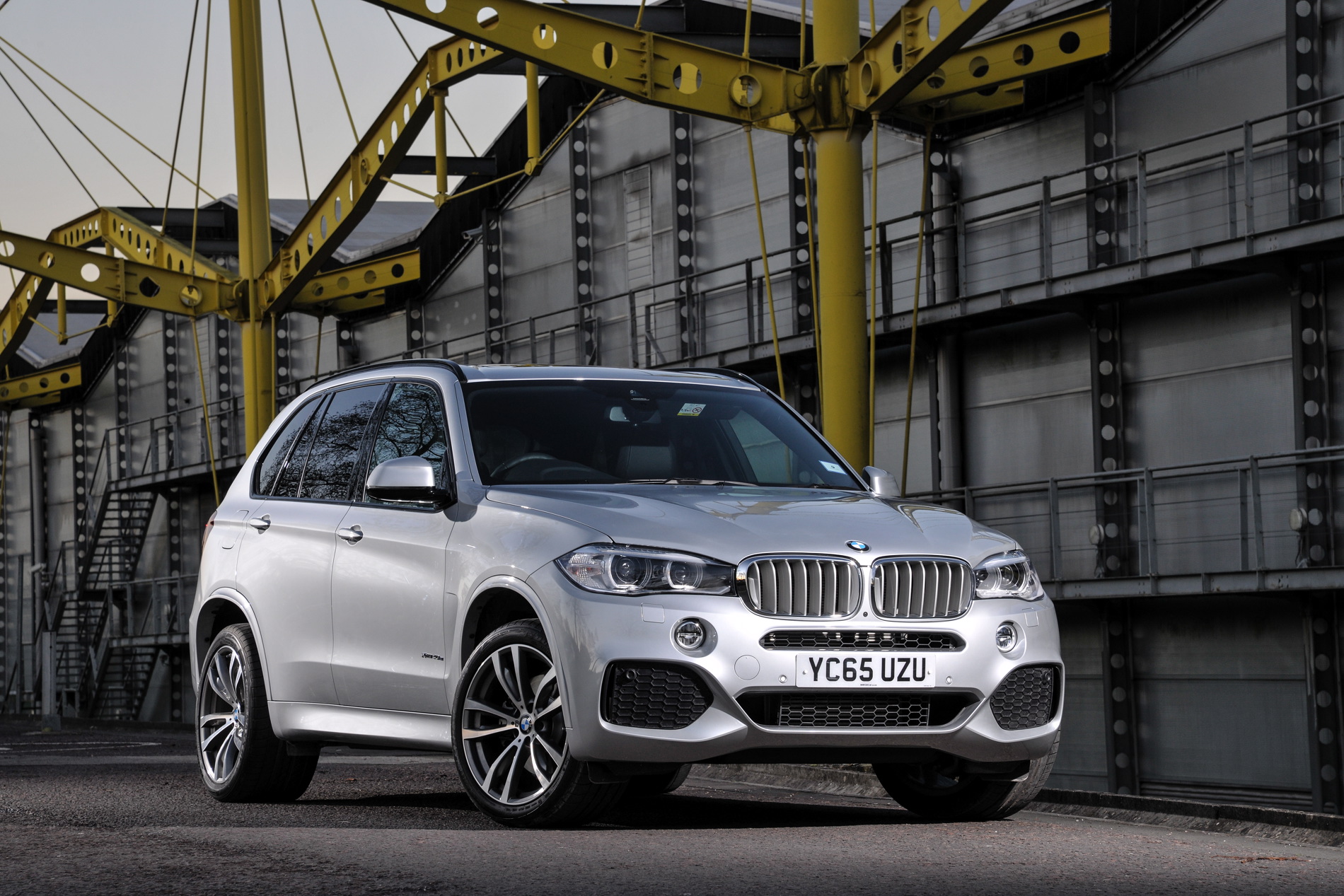
3. BMW X5 xDrive40e
The BMW X5 xDrive40e is a plug-in hybrid SUV that combines a turbocharged gasoline engine with electric drive assistance, creating a highly complex emissions system. Unlike conventional SUVs, the catalytic converter system in this model must account for frequent transitions between electric-only operation and full internal combustion operation. These rapid shifts place unique thermal and chemical stress on the converter, requiring advanced materials and precise engineering tolerances.
Replacement costs for the catalytic converter system in the X5 xDrive40e typically range from $3,000 to $6,500, depending on whether the full exhaust assembly is replaced or individual sections are serviced.
BMW often integrates catalytic converters into larger emissions modules, meaning replacement is not always a simple component swap. Instead, it may involve replacing entire sections of the exhaust system, which increases both parts and labor costs significantly.
Engine replacement costs for older BMW X5 models, particularly non-hybrid versions, can sometimes be lower than catalytic converter replacement due to the availability of rebuilt engines in the aftermarket. In some cases, a used engine may be sourced for $2,000 to $4,000, depending on condition, making the emissions system comparatively more expensive.
BMW’s engineering approach emphasizes performance efficiency and emissions precision, which results in the use of high-grade catalytic materials. The X5 xDrive40e uses multiple oxygen sensors, temperature monitoring systems, and dual catalytic stages to ensure compliance with strict global emissions regulations. This complexity improves environmental performance but increases long-term maintenance costs.
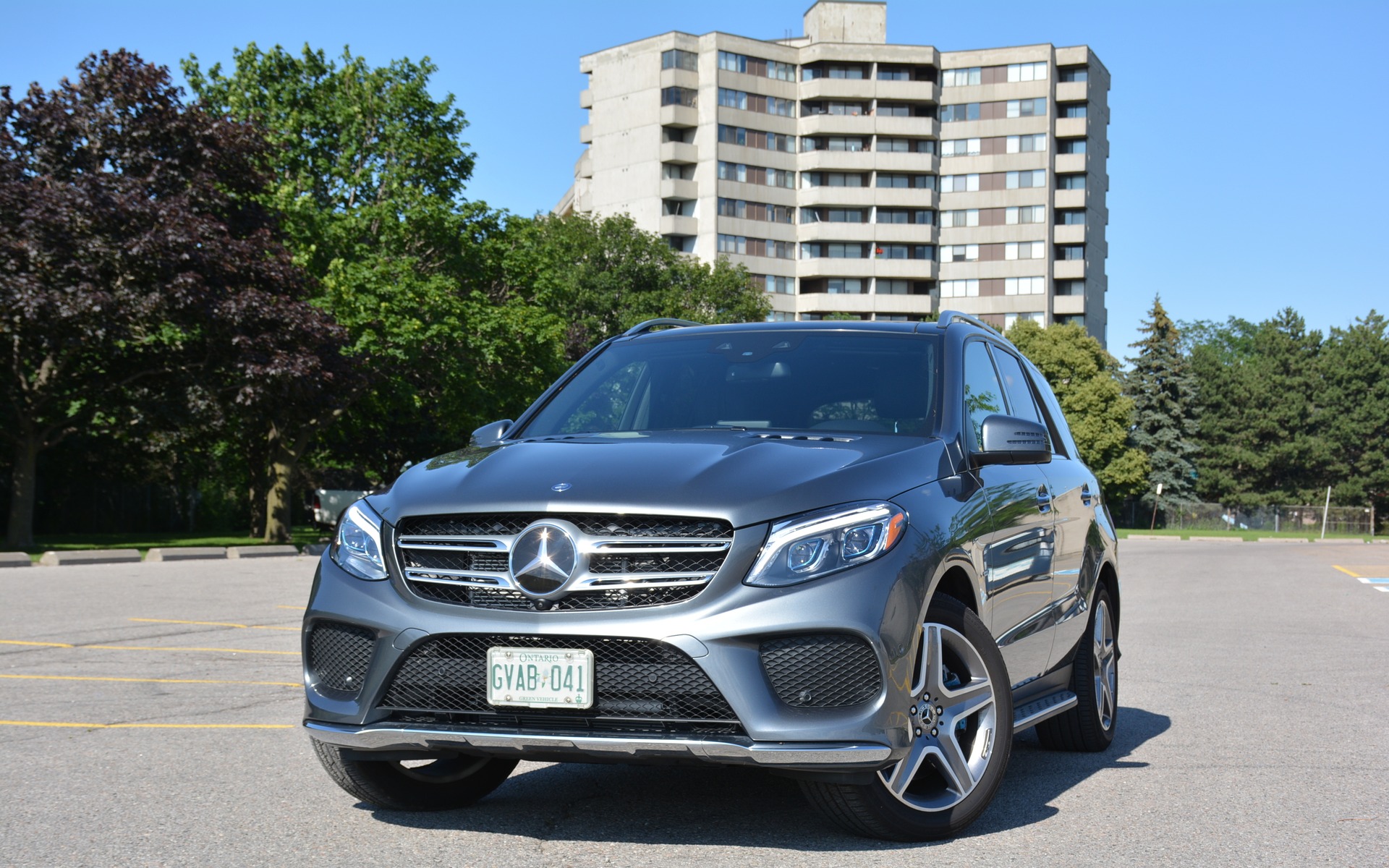
4. Mercedes-Benz GLE 550e
The Mercedes-Benz GLE 550e plug-in hybrid SUV is a prime example of how luxury engineering and emissions compliance can drive catalytic converter costs to extreme levels. This vehicle uses a sophisticated hybrid system combined with a turbocharged V6 engine, requiring a multi-layered emissions control setup.
The catalytic converter system is designed not only to reduce emissions but also to maintain smooth power delivery during hybrid transitions, which adds another layer of engineering complexity.
Replacement costs for the catalytic converter in the GLE 550e can exceed $4,000 to $7,000, depending on whether OEM parts are used and whether the full exhaust system requires replacement. Mercedes-Benz typically designs these systems as integrated modules rather than standalone components, meaning that failure in one section may require replacement of larger assemblies. This modular integration increases repair costs significantly.
In comparison, engine replacement for older GLE hybrid models or similar Mercedes SUVs can sometimes be found at similar or slightly lower costs, particularly in the used or remanufactured parts market. This creates a rare but real situation where emissions hardware becomes financially more significant than the engine itself.
Mercedes-Benz uses high-density catalytic materials to meet strict European emissions regulations, especially under Euro 6 standards. These converters often contain higher-than-average concentrations of platinum group metals, increasing both production and replacement costs. Additionally, the hybrid system places unique thermal demands on the converter, requiring it to function efficiently across varying engine loads and temperatures.
Also read: 5 Cars Boomers Got Right And 5 They Got Wrong
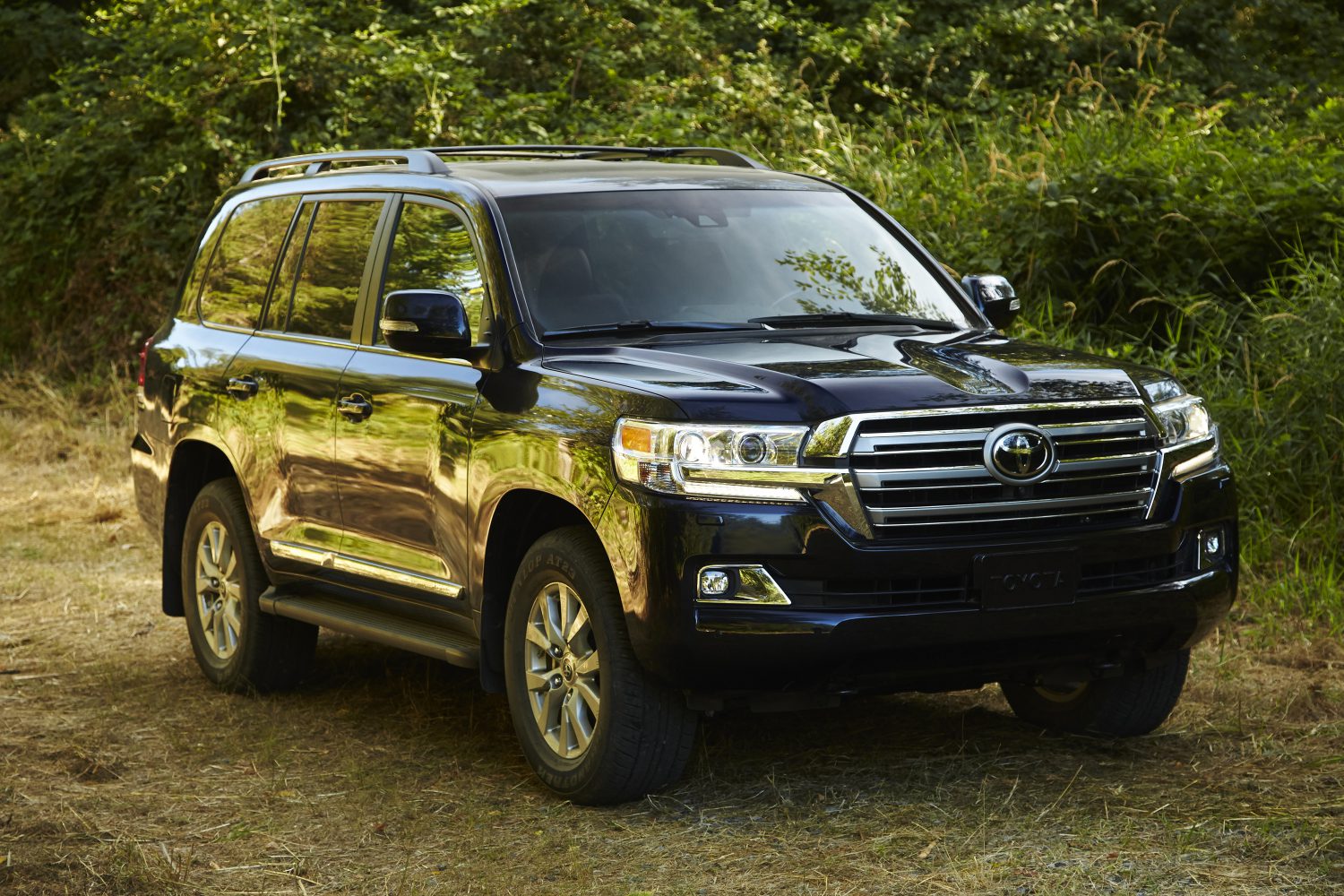
5. Toyota Land Cruiser
The Toyota Land Cruiser is widely regarded as one of the most durable and reliable SUVs ever built, but its catalytic converter system is surprisingly expensive due to its large engine size and global emissions compliance requirements.
Modern Land Cruiser models, particularly those with V8 engines, use multiple large catalytic converters designed to handle high-displacement exhaust output while meeting strict emissions standards in multiple regions worldwide.
Replacement costs for the catalytic converter system in newer Land Cruiser models typically range from $2,500 to $5,000, depending on whether one or multiple converters are replaced. The size of the engine directly influences this cost, as larger engines require more catalyst material to process higher volumes of exhaust gases effectively.
In addition, Toyota designs these systems for extreme durability, often using reinforced ceramic substrates and high-density precious metal coatings.
In contrast, engine replacement costs for the Land Cruiser can vary widely but are often surprisingly competitive due to the vehicle’s global popularity and strong aftermarket supply chain. In some cases, used or rebuilt engines may be available for similar or even lower pricing than the catalytic converter system alone, especially for older generations with high mileage.
Another important factor is the Land Cruiser’s global usage profile. These vehicles are often used in harsh environments, including deserts, mountains, and off-road conditions. As a result, catalytic converters are built to be extremely robust, which increases manufacturing complexity and replacement cost. Additionally, theft risk in certain regions further impacts pricing, as demand for replacement units remains consistently high.
6. Ford Explorer Hybrid
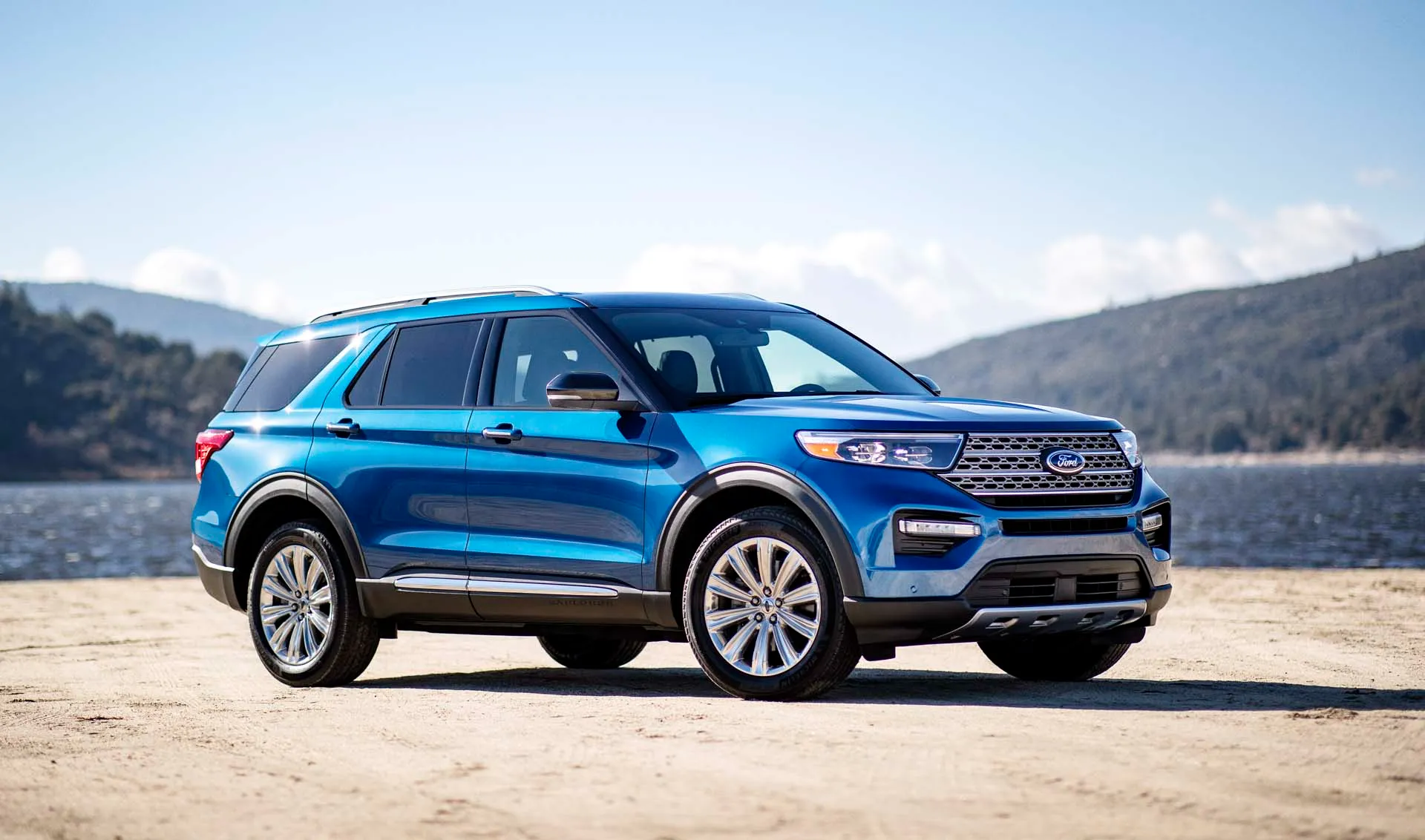
The Ford Explorer Hybrid represents a mainstream three-row SUV that blends affordability with electrified efficiency, but underneath its practical image lies a surprisingly expensive emissions system. The catalytic converter setup in this vehicle is significantly more advanced than older non-hybrid Explorer models because it must manage emissions across both gasoline and electric driving modes.
This dual-mode operation creates irregular exhaust temperature cycles, which forces engineers to design a converter capable of reaching optimal operating temperature quickly and maintaining efficiency even during intermittent engine usage.
Replacement costs for the catalytic converter in the Ford Explorer Hybrid typically range between $2,500 and $4,500, depending on the model year, labor rates, and whether OEM or aftermarket components are used.
In many cases, the system includes multiple catalytic elements integrated into a larger exhaust assembly, meaning that a failure in one section may require partial or full system replacement rather than a simple single-unit fix. This modular design increases repair complexity and labor time, which directly raises total ownership cost.
When compared to engine replacement, the imbalance becomes more noticeable. Used or remanufactured engines for the Ford Explorer, particularly non-hybrid or older hybrid variants, can sometimes be sourced for $2,000 to $3,500, depending on mileage and availability in the regional market. This creates scenarios where the emissions system alone can cost more than replacing the entire engine assembly, especially in high-demand urban repair markets.
Another important factor is regulatory pressure. The Ford Explorer Hybrid is designed to meet strict emissions standards in North America, which requires the use of high-density catalytic materials and advanced oxygen sensor feedback systems.
These systems ensure cleaner emissions but significantly increase manufacturing costs. Additionally, the SUV’s popularity as a fleet and family vehicle means higher repair frequency, which affects parts pricing and availability over time.
7. Audi Q7 TFSI e
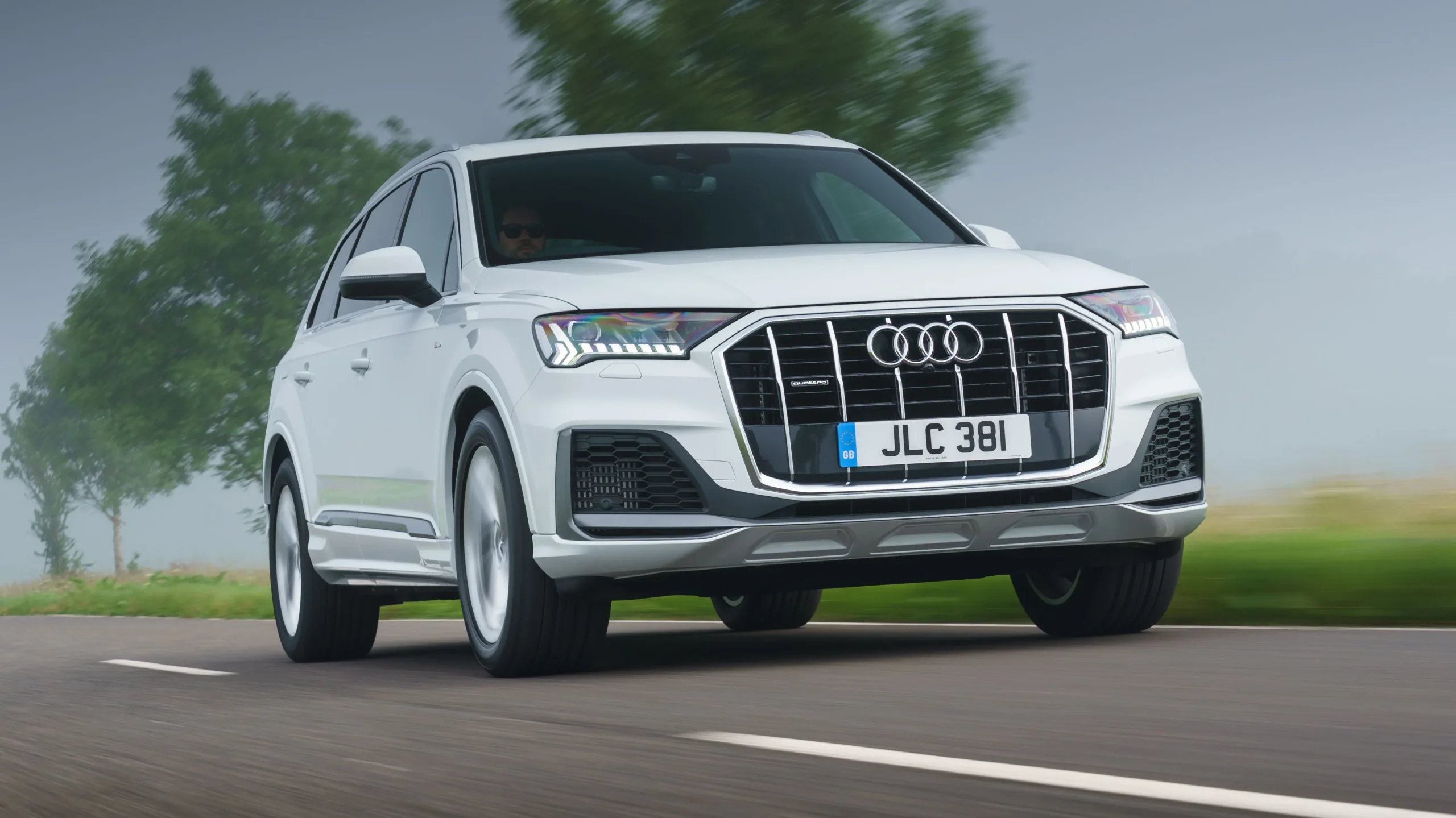
The Audi Q7 TFSI e is a luxury plug-in hybrid SUV that combines German engineering precision with advanced electrified performance. Its catalytic converter system is part of a highly integrated emissions architecture designed to meet strict European and global emissions standards while maintaining Audi’s performance-oriented driving characteristics.
Unlike simpler SUV systems, the Q7 uses multiple catalytic stages that work in coordination with turbocharged engine output and hybrid electric assistance.
Replacement costs for the catalytic converter system in the Audi Q7 TFSI e can range from $4,000 to $7,500, depending on model year and whether the full exhaust assembly is replaced.
Audi often designs these systems as integrated modules rather than standalone components, meaning technicians may need to replace larger sections of the exhaust system when catalytic failure occurs. This integration improves emissions efficiency but significantly increases repair costs.
In contrast, engine replacement for certain Audi Q7 variants, especially older or higher-mileage models, can sometimes fall within a similar or even lower price range, depending on the availability of used or rebuilt engines. This creates a cost imbalance where emissions components become disproportionately expensive compared to core mechanical systems.
The Q7’s catalytic converter uses high-grade precious metals and advanced ceramic substrates designed for rapid heat activation. This is especially important for plug-in hybrid operation, where the gasoline engine may start frequently and run for short durations. Without a rapid heating capability, emissions performance would degrade during short trips, which are common in urban luxury SUV usage.
Additionally, Audi’s engineering focus on performance means the exhaust system is tightly packaged and thermally optimized, which increases labor difficulty during replacement. Even minor repairs can require significant disassembly of underbody panels and heat shielding, adding to total service costs.
8. Jeep Grand Cherokee 5.7 HEMI
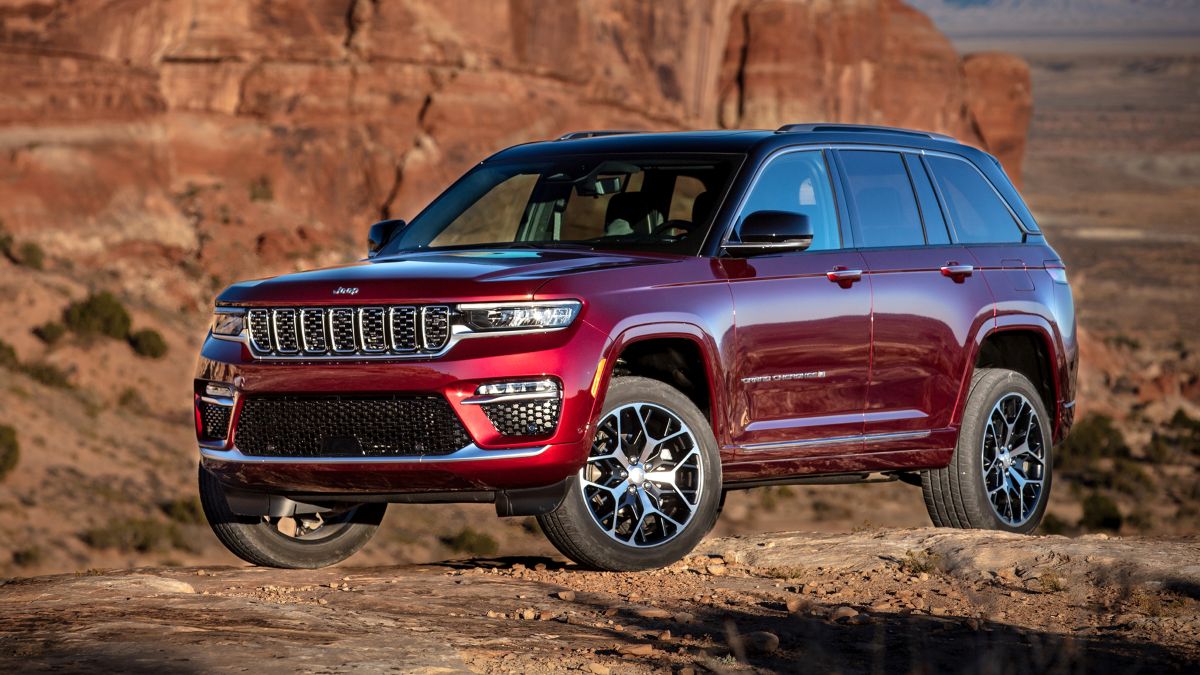
The Jeep Grand Cherokee equipped with the 5.7 HEMI V8 engine is a powerful SUV known for towing capability and performance-oriented driving, but its catalytic converter system reflects the complexity of managing emissions from a large displacement engine. The HEMI V8 produces a significant volume of exhaust gases, which requires larger and more robust catalytic converters compared to smaller engines.
Replacement costs for the catalytic converter system typically range between $2,500 and $4,000, depending on whether both upstream and downstream converters are replaced. Many versions of the Grand Cherokee use dual catalytic converters or multi-stage systems to ensure compliance with emissions standards while maintaining engine performance. The size and heat tolerance requirements of these converters directly contribute to higher material and manufacturing costs.
When compared to engine replacement costs, the disparity becomes evident. Used or rebuilt 5.7 HEMI engines are relatively common in the aftermarket due to widespread use across Chrysler, Dodge, and Jeep platforms.
As a result, engine replacement costs can sometimes fall in the $2,000 to $3,500 range, depending on condition and mileage, making it possible for catalytic converter replacement to exceed engine replacement in certain repair scenarios.
The high cost of catalytic converters in this SUV is largely driven by engine displacement. Larger engines produce hotter and more chemically dense exhaust gases, requiring more advanced catalyst materials and higher concentrations of platinum group metals. Additionally, off-road capability and towing usage patterns contribute to increased thermal stress on emissions components, reducing long-term durability and increasing replacement frequency.

9. Range Rover Sport
The Range Rover Sport is one of the most technologically advanced luxury SUVs on the market, but it is also one of the most expensive when it comes to emissions system maintenance. Its catalytic converter setup is part of a highly engineered exhaust architecture designed to balance performance, luxury refinement, and strict emissions compliance.
Depending on the engine variant, including V6, V8, and hybrid configurations, the system may include multiple catalytic converters working in sequence.
Replacement costs for catalytic converters in the Range Rover Sport can range from $4,500 to over $8,000 in some cases, especially when OEM parts and full system replacements are required. Land Rover systems are often designed as integrated exhaust modules, meaning catalytic converters may not be individually replaceable in a cost-effective manner. This design improves performance tuning and emissions precision but significantly increases repair costs when failure or theft occurs.
In comparison, engine replacement costs for certain Range Rover Sport models can sometimes fall within a similar or slightly lower range, depending on engine type and availability of remanufactured units. This creates a rare but real situation where emissions hardware can rival or exceed the cost of replacing the engine itself.
The high cost is also influenced by luxury positioning and global regulatory compliance. The Range Rover Sport is sold in multiple international markets, each with different emissions requirements. To meet these standards, the catalytic converter system is engineered with high-density precious metal loading and advanced thermal management systems. These ensure low emissions output even under high-performance driving conditions, but significantly increase material costs.
Another contributing factor is theft risk. Like many SUVs with high precious metal content in their catalytic converters, the Range Rover Sport is a target for theft in certain regions, which drives up insurance claims and replacement demand, indirectly influencing market pricing for these components.
Also read: 10 Cars Where the Oil Change Alone Runs Over $200
