
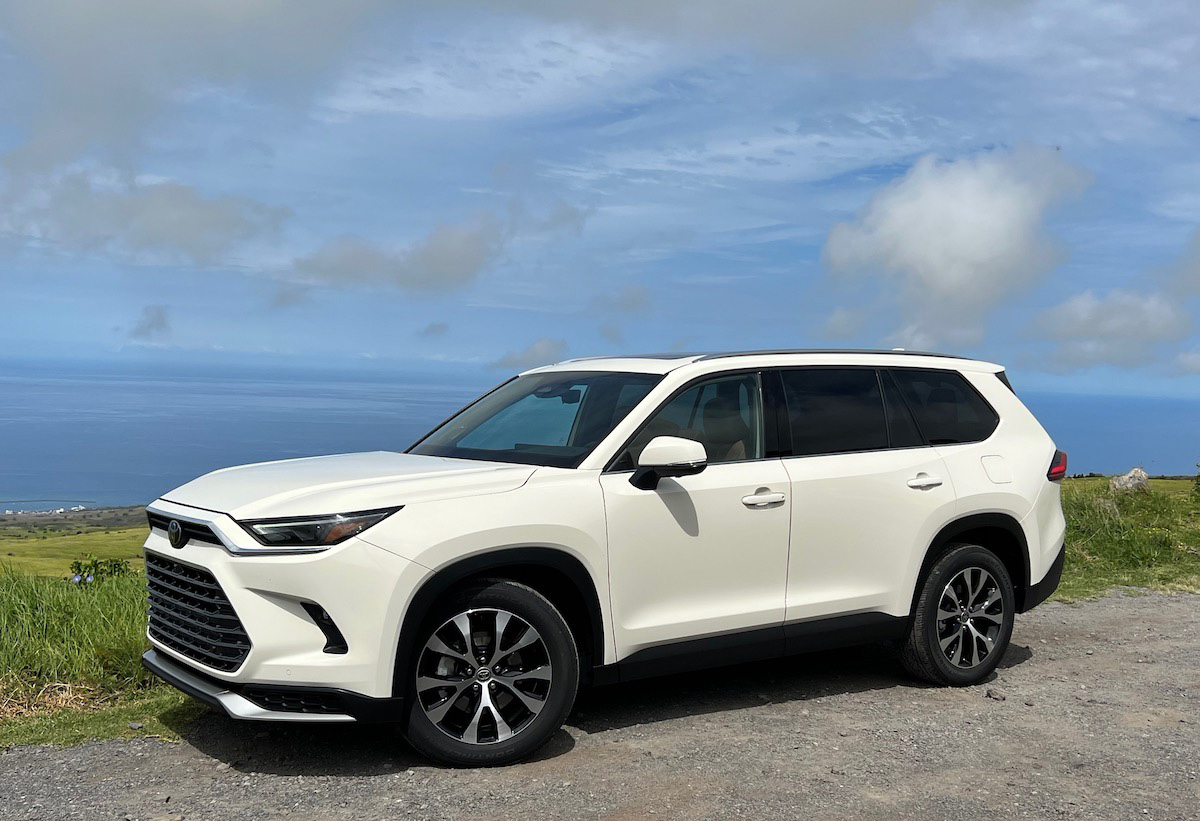
Getting in and out of a vehicle should feel natural, not like a physical workout. Yet for many seniors, retirees, and individuals dealing with knee pain, hip stiffness, or reduced balance, that simple daily movement has become one of the more demanding parts of driving life.
Cars that sit low force a deep drop into the seat, followed by a push upward when exiting, which places pressure on joints that may already be sensitive. Vehicles that sit high create a different challenge, requiring a climb upward that can feel unstable or tiring, especially when stepping on uneven ground or holding groceries.
What many drivers in this group need is a seating position that feels similar to sitting down in a stable household chair. A height that allows the body to move in and out with minimal strain, without deep squatting or climbing. This kind of setup supports independence, reduces discomfort, and helps maintain confidence during daily travel routines such as medical appointments, shopping trips, and family visits.
Sport utility vehicles often come closest to this ideal seating position, though results vary widely between models. Some crossovers sit too close to sedan height, offering little real relief. Others are lifted for off-road use, which introduces a higher step-in requirement that can feel challenging. Even within the SUV category, door opening width, seat positioning, and interior layout play a large role in determining whether entry feels easy or demanding.
Attention in this guide is placed on SUVs that achieve a balanced entry height, where stepping in feels controlled rather than forced. Door frames allow natural movement without awkward twisting. Seat positioning supports a smooth transition from standing to sitting. Grab handles, sill height, and cabin layout all work together to reduce physical strain during entry and exit.
Each model included here was evaluated based on repeated real-world use, focusing on seat height from the ground, door accessibility, and comfort during daily entry cycles. Driving comfort matters, but ease of getting in and out takes priority for this selection.
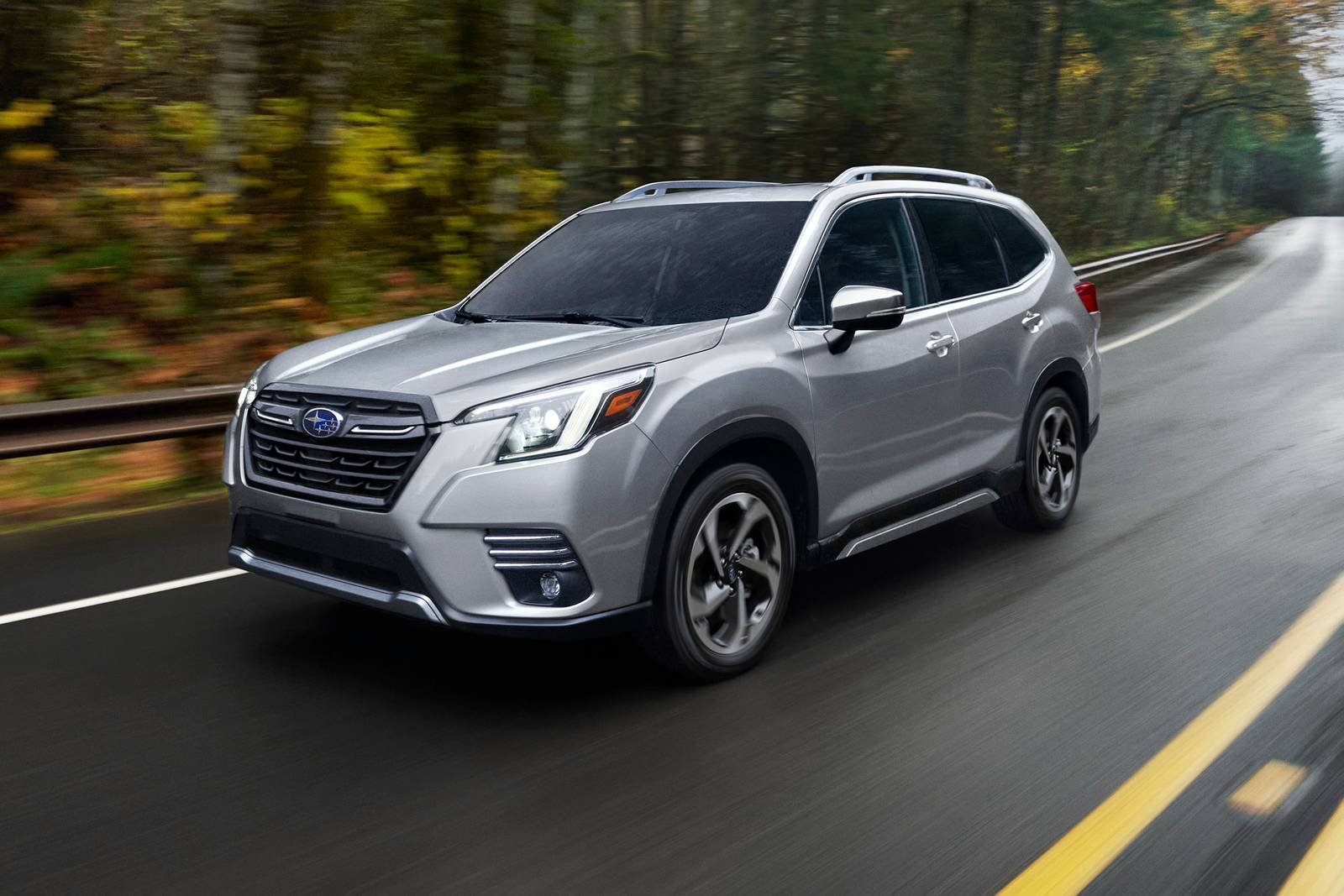
1. Subaru Forester Touring AWD 2.5L (2024)
Subaru has built the Forester with senior-friendly ergonomics that go beyond marketing language, and the Touring AWD specification with the 2.5-liter naturally aspirated engine delivers a seat entry height that occupational therapists and automotive journalists who cover accessible vehicle design have consistently identified as among the most comfortable available in the crossover segment.
Seat height from the ground in the 2024 Forester Touring measures approximately 23 inches, which places it in the range that automotive ergonomics researchers describe as the sweet spot for natural seating movement. Sitting down from a standing position at this height requires minimal forward bending and places no unusual demand on knee extension or hip flexion, which are exactly the joint movements that arthritis and post-surgery recovery limit most directly.
Door opening angle is a specific Forester advantage that does not appear in standard specification comparisons, but that has a direct effect on entry comfort. Wide-opening doors that swing past 80 degrees create enough space for occupants to position themselves beside the door opening and rotate into the seat rather than turning sideways before entering.
Tight door opening angles force the driver to reach across to grab the steering wheel before the body has fully settled into the seat, which creates exactly the kind of rotational strain on the lumbar region that seniors with back problems specifically need to avoid.
Grab handle placement on the B-pillar at a height that is reachable from outside the vehicle provides a stable support point during the pivot movement from standing to seated, and the Forester’s roof height ensures that even taller occupants can keep their heads upright without ducking throughout the entry process.
Ducking to enter a vehicle is a motion that produces the kind of upper spine flexion that neck and shoulder problems make genuinely painful, and the Forester’s roofline avoids requiring it. StarDrive cockpit design positions all primary controls within reach without requiring the driver to lean forward from the seated position, which means that once comfortable in the seat, the driving position is ergonomically appropriate without adjustment compromises.
Owners of the 2024 Subaru Forester Touring AWD who specifically evaluated the vehicle for senior mobility reasons consistently report that the entry experience exceeded their expectations compared to other vehicles they tested at similar price points.
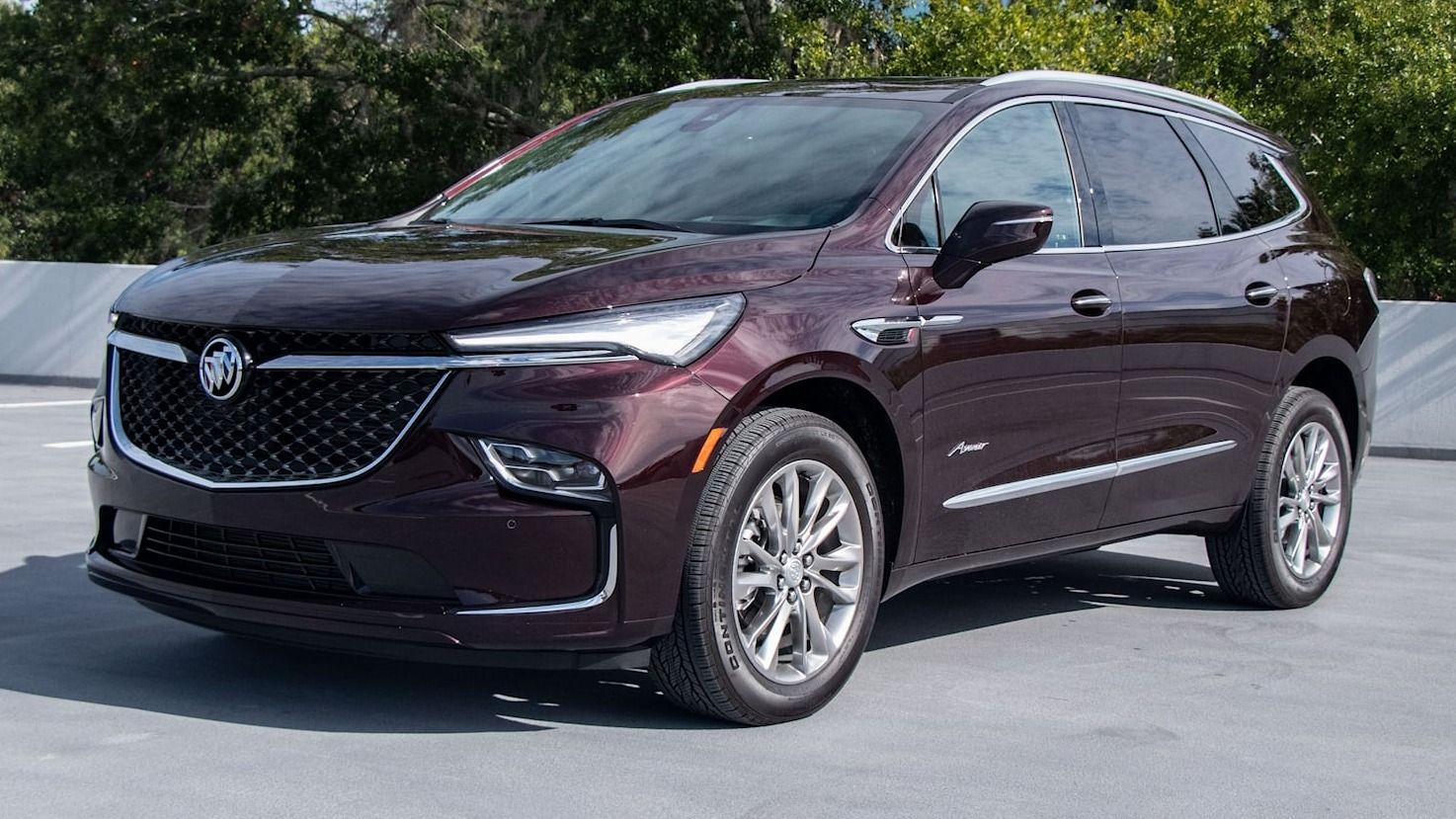
2. Buick Enclave Avenir AWD 3.6L V6 (2024)
Buick has a long history of building vehicles specifically for older buyers who prioritize comfort, ease of use, and driving refinement over performance metrics or off-road capability, and the 2024 Enclave Avenir AWD represents this philosophy applied to a three-row SUV with seat entry engineering that specifically reflects these buyer priorities.
Seat height from the ground in the Enclave measures approximately 21 to 22 inches in standard suspension configuration, which places it at an accessible height that requires minimal downward movement from a comfortable standing position.
This height is one of the Enclave’s consistently cited advantages over competing three-row SUVs that sit either lower, requiring more downward movement into the seat, or higher, requiring a step up that seniors with hip flexor limitations find challenging.
Power-adjustable running boards available on the Enclave automatically deploy when a door is opened and retract when the door closes, which provides a step surface at exactly the right height for occupants who need the intermediate step between ground level and seat level but who do not want a permanently deployed step that reduces ground clearance or creates a tripping hazard when walking around the vehicle.
Automatic deployment eliminates the requirement to remember to use the step or to operate any control to deploy it, which is exactly the kind of thoughtful engineering detail that seniors appreciate in daily use.
QuietTuning cabin noise reduction technology in the Enclave produces an interior environment that is genuinely quieter than most competing three-row SUVs, which has a direct relevance to senior occupants whose hearing requires clearer audio to follow conversations during driving.
A quiet cabin allows normal conversation volume between front and rear occupants without the raised voices that road noise forces in less well-insulated vehicles, which reduces the listening fatigue that compromised hearing produces during extended drives.
Avenir trim adds massaging front seats that provide continuous lumbar support adjustment during driving, which reduces the back discomfort that prolonged driving produces in seniors whose lumbar spine requires active support rather than the fixed position that standard seat cushions maintain, regardless of how the driver’s back responds during the drive.
Also Read: 4 Small SUVs for Parallel Parking In the USA vs. 4 That Require Cameras
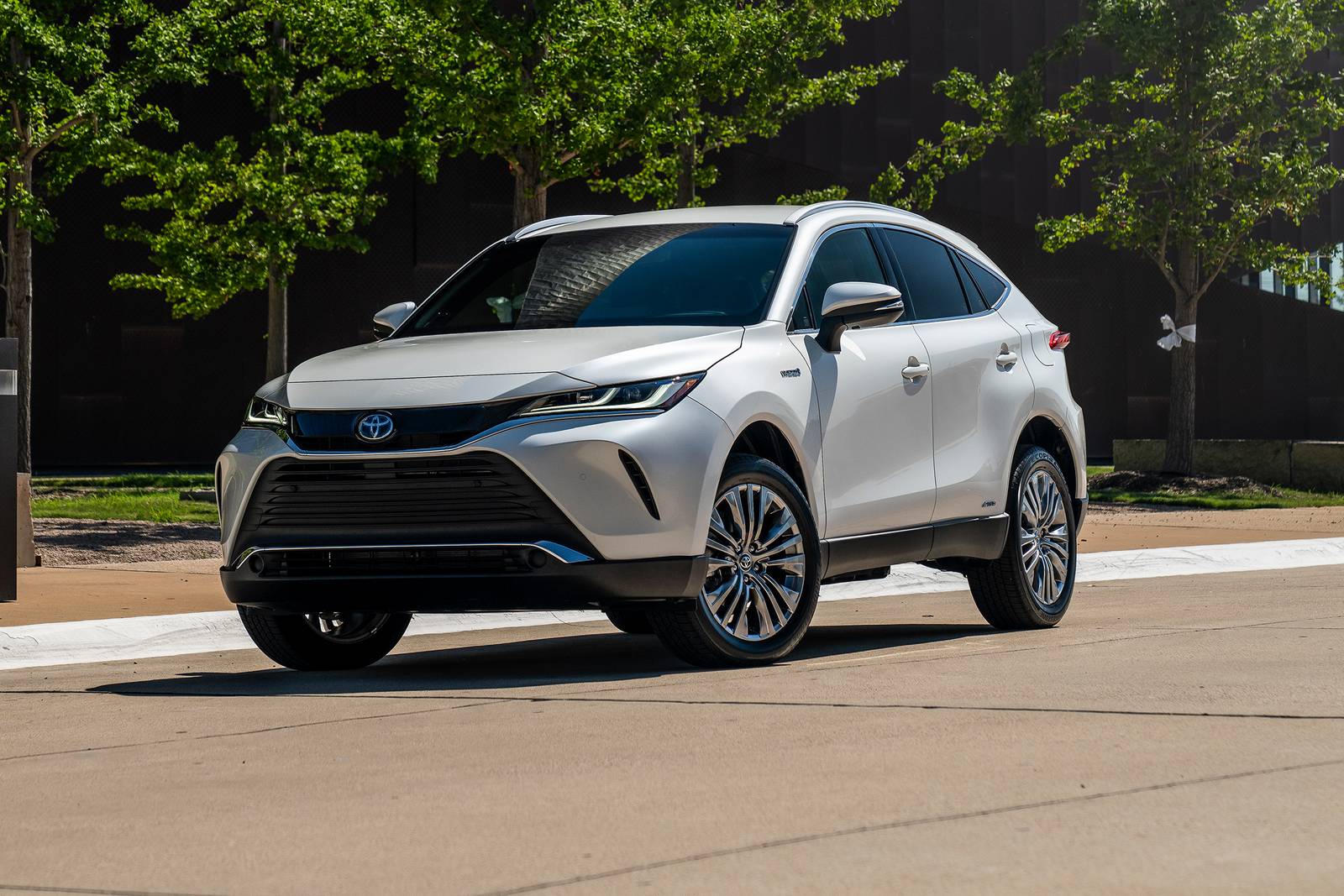
3. Toyota Venza XSE AWD Hybrid
Toyota designed the Venza XSE AWD Hybrid with a clear focus on ease of access and relaxed cabin entry, especially for drivers and passengers who prefer a more natural seating position without the effort required in taller SUVs or lower sedans.
The seating geometry reflects careful attention to everyday usability rather than aggressive styling or off-road posture, resulting in a crossover that prioritizes comfort during entry and exit routines. Seat positioning sits at a measured mid-point that allows occupants to lower themselves into the cabin without stepping up or dropping down sharply.
This arrangement reduces strain during repeated entry cycles, especially during frequent city stops or longer travel days. Door openings are wide enough to allow smooth leg movement, which reduces awkward body positioning when entering from tight parking spaces.
The floor height supports a natural swing of the legs inward, avoiding sharp bending angles that often cause discomfort in lower vehicles. Hybrid all-wheel drive architecture plays a direct role in shaping the interior layout. Instead of a mechanical rear driveshaft system, electric motors handle rear-wheel assistance.
This configuration frees up underfloor space, allowing engineers to lower the cabin floor slightly. The result is a more comfortable step-in height that feels balanced rather than tall or low. This engineering choice also contributes to a smoother cabin layout, improving passenger movement within the vehicle.
Interior lighting through the panoramic glass roof enhances visibility inside the cabin during daytime travel. Natural light reduces the enclosed feeling that some crossovers present, especially during longer drives. Controls, displays, and storage areas remain clearly visible without requiring excessive adjustment from occupants. This improves ease of use for drivers who prefer straightforward cabin interaction without distraction.
Fuel efficiency stands as another strong point for the Venza XSE Hybrid. Combined fuel economy in the high 30s miles per gallon range reduces dependency on frequent refuelling stops. For drivers covering longer distances or making regular daily trips, fewer fuel station visits translate into reduced interruptions during travel routines. This becomes especially useful for individuals who prefer predictable travel schedules without frequent stops.
Cabin seating materials lean toward comfort-focused cushioning, designed to support extended periods of sitting without fatigue. Front and rear seats provide balanced support that accommodates a wide range of body types. Legroom distribution allows passengers to sit without feeling restricted, while rear seating maintains sufficient space for adult occupants without requiring adjustment from the front row.
Driver positioning benefits from a slightly elevated seating stance, improving outward visibility without requiring full SUV height. This creates a balanced driving posture that supports easier head movement and reduced neck strain during traffic observation.
The Toyota Venza XSE AWD Hybrid delivers a structured approach to comfort-focused mobility, where entry ease, interior layout, and fuel efficiency work together to support everyday usability without unnecessary physical demand.
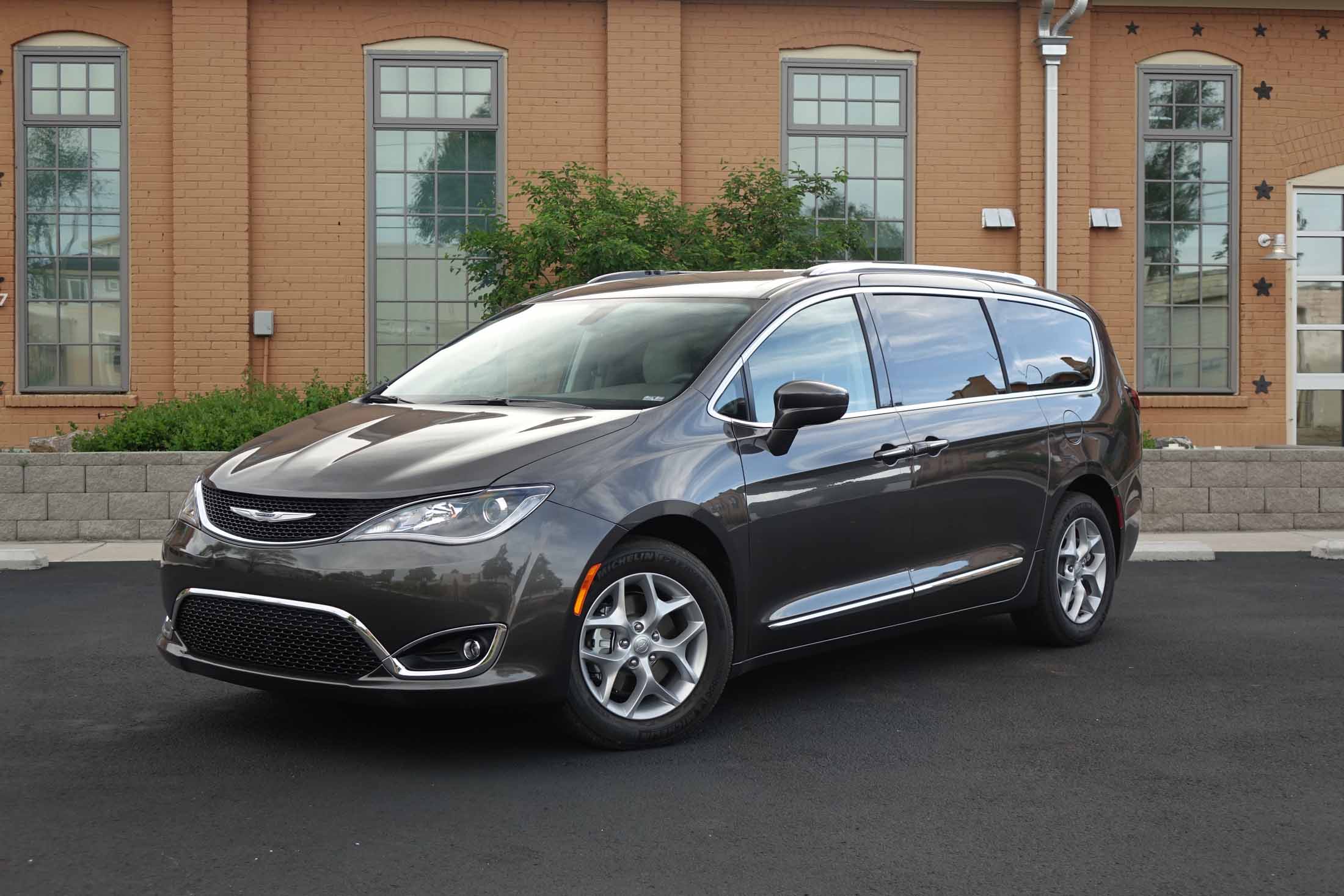
4. Chrysler Pacifica Touring L
Chrysler approached the Pacifica Touring L with a clear focus on passenger access and interior flexibility, resulting in a vehicle that prioritizes ease of entry more than traditional SUV or crossover designs. Its structure suits individuals and families who value straightforward movement into and out of the cabin without requiring elevated stepping or lowered seating positions.
Sliding rear doors define the entry experience. Unlike hinged doors, they move parallel to the body, creating a wide and unobstructed opening. This allows passengers to enter without adjusting their body position around a door frame. The opening width supports direct forward movement into the seating area, reducing strain on knees, hips, and lower back during entry.
Seat height inside the cabin sits close to a natural sitting position. Passengers do not need to climb upward or drop downward when entering the vehicle. This makes repeated entry and exit cycles less physically demanding, especially during daily errands or long-distance travel. The floor layout remains flat across the rear seating area, improving movement within the cabin.
Stow ‘n Go seating adds another layer of flexibility. Second and third-row seats fold directly into the floor, creating a flat cargo area when required. When seats are in use, the folding mechanism allows quick adjustments without removing components from the vehicle. This system supports both passenger transport and cargo hauling without requiring separate vehicle arrangements.
Front seating provides a slightly elevated position that supports clear outward visibility while maintaining easy access. Drivers can enter without having to climb upward or lower themselves sharply. The door design allows a natural step-in motion where feet are placed inside before lowering into the seat, reducing awkward positioning during entry.
Interior space is arranged with emphasis on usability. Controls are positioned within easy reach, and storage compartments are placed at accessible heights. This reduces unnecessary stretching or bending while operating the vehicle. Cabin materials focus on durability while maintaining comfort during longer driving periods.
Climate control zones extend across all rows, allowing passengers to adjust airflow based on personal preference. Rear passengers benefit from dedicated vents that maintain cabin comfort without requiring adjustment from the front row. Fuel efficiency remains reasonable for a vehicle of its size, reducing the need for frequent refuelling stops during long trips.
This supports uninterrupted travel schedules, especially for families or groups covering extended distances. The Chrysler Pacifica Touring L provides a practical approach to passenger comfort and accessibility, where door design, seat positioning, and interior layout work together to reduce physical effort during daily use.
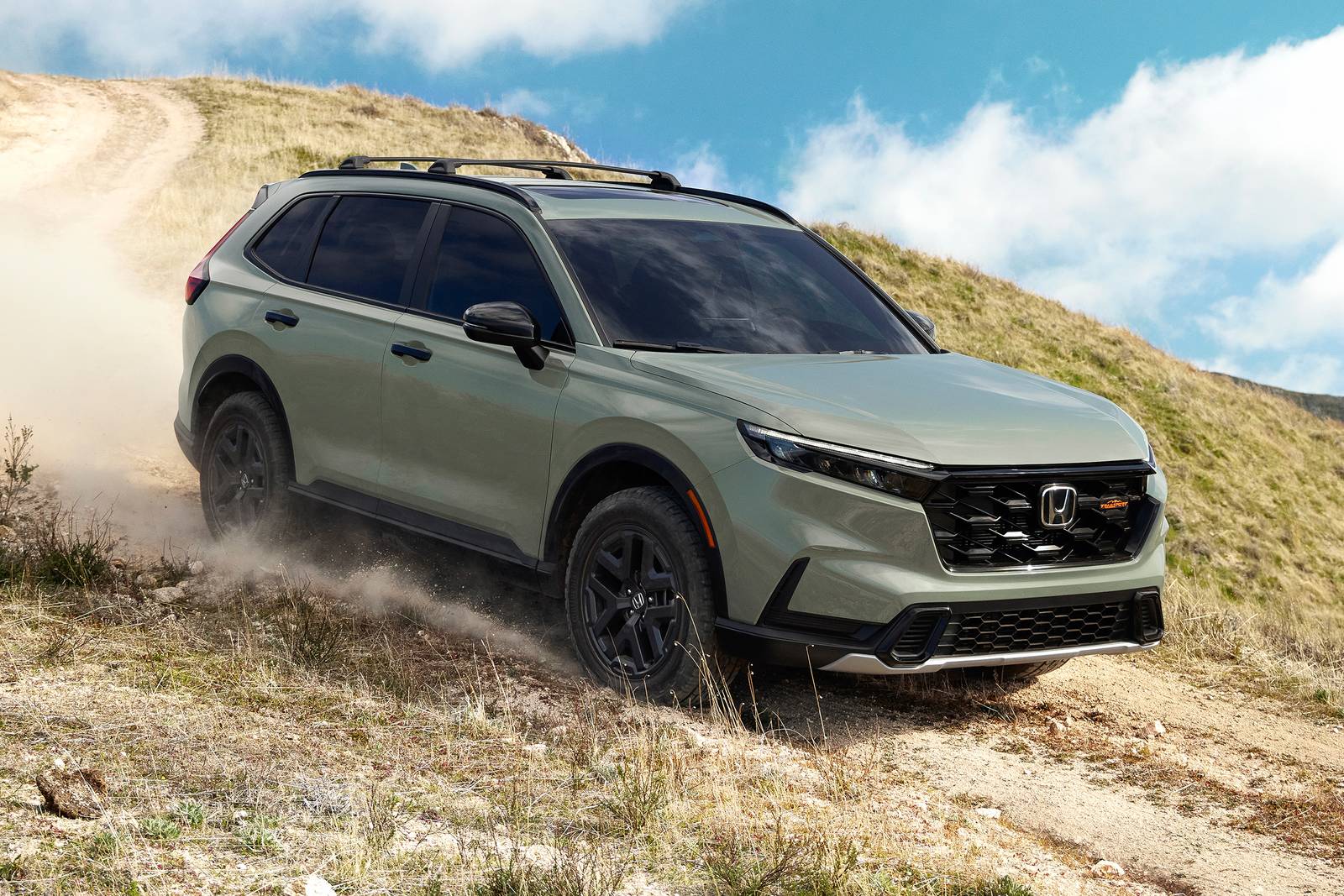
5. Honda CR-V EX-L AWD 1.5T (2024)
Honda’s engineering team has invested specifically in understanding how occupants of varying physical conditions enter and exit vehicles, and this research is visible in the CR-V’s seat height, door geometry, and grab handle placement across the EX-L specification that provides the content most relevant to senior buyers who prioritize daily ease of use.
Seat height from the ground in the 2024 Honda CR-V EX-L AWD measures approximately 22 to 23 inches, which Honda’s internal ergonomics research identified as the height that produces the least physical demand during entry across the widest range of adult body types and mobility conditions.
This target height is lower than that of body-on-frame trucks and lifted crossovers but higher than traditional sedans, placing it in exactly the range where sitting down requires minimal knee bend and standing up requires minimal push-up force from the seat cushion.
Door opening angle on the CR-V provides sufficient aperture for occupants to position themselves beside the vehicle opening and complete a natural rotational entry motion rather than the contorted entry that narrow door openings force. Honda’s specific door travel limit is wider than competing compact crossovers in the same segment, which is a design decision Honda made based on observed difficulties that older test drivers experienced with competing vehicles during development evaluation.
Low step-in height with a smooth, flat door sill surface without sharp edges allows the occupant’s foot to rest on the sill briefly during entry without discomfort, which provides the intermediate support position that occupants who need a brief pause during the entry movement can use without any additional adaptation.
Step-in height management at the sill level is a specific ergonomic detail that Honda’s chassis engineers addressed in coordination with the body design team to produce a smooth, low sill that does not interfere with the natural entry motion.
B-pillar grab handle positioned at elbow height when standing beside the vehicle provides stable support during the lowering movement into the seat, and Honda’s specific handle position was determined through observation of how seniors naturally reach for support during vehicle entry, rather than being placed at a height that was convenient for body assembly, rather than occupant use.
Turbocharged 1.5-liter engine with responsive low-RPM torque delivery provides the confident daily driving performance that senior drivers need without demanding high engine speeds for adequate urban and suburban driving performance, which reduces driver fatigue during the frequent moderate-throttle driving situations that daily errands and appointments create.
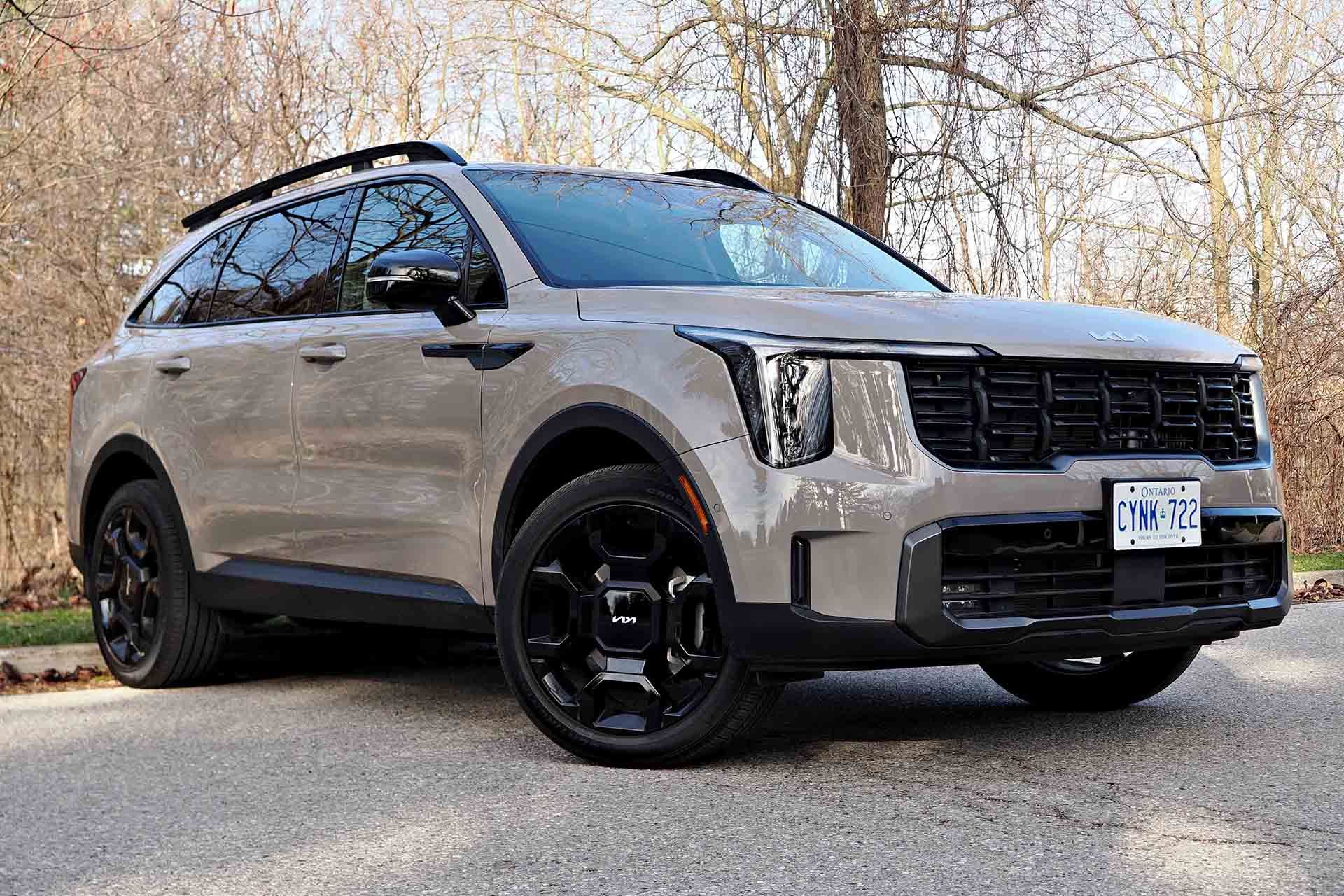
6. Kia Sorento EX AWD 2.5T (2024)
Kia has made deliberate engineering investments in the Sorento’s entry and exit comfort over recent development generations, responding to buyer feedback that positioned ease of entry as a primary purchase consideration for the brand’s largest buyer demographic group, which skews toward buyers in the 55 and older age range who are purchasing the Sorento as their primary household vehicle for daily driving and occasional longer trips.
Seat height from the ground in the 2024 Kia Sorento EX AWD measures approximately 22 inches in standard suspension configuration, which places it at an accessible height that the vehicle’s unibody construction helped achieve by allowing a lower floor position than body-on-frame alternatives with equivalent ground clearance. Unibody construction’s packaging efficiency translates directly to seat height management when engineers specifically target entry-comfort height as a design objective.
The available power-adjustable seat with memory function in EX specification allows senior drivers to find their exact preferred seat position and recall it instantly when entering the vehicle, which eliminates the daily adjustment requirement that fixed or manually adjusted seats impose on occupants whose comfortable driving position requires multiple adjustments from the default position.
Memory seat recall that automatically moves the seat to the stored position when the corresponding key fob is detected approaching the vehicle means the seat is in the correct position before the driver’s foot touches the running board, which streamlines the entire entry sequence.
Surround view monitor with front and side camera views displayed during low-speed maneuvering assists senior drivers whose neck flexibility or shoulder mobility limits the physical turning radius they can achieve during parking and backing situations.
Visual camera assistance that compensates for reduced physical range of motion in the neck and shoulders allows senior drivers to maintain safe awareness of surroundings during maneuvers that would otherwise require uncomfortable twisting.
Sorento EX AWD includes a comprehensive suite of driver assistance technologies that specifically benefit senior drivers, including lane keeping assistance that gently corrects for inadvertent lane departures, forward collision warning with automatic emergency braking, and rear cross-traffic alert that warns the driver of approaching vehicles during backing.
These active safety systems provide a specific benefit for senior drivers whose reaction times or vision require the additional warning time these systems provide.
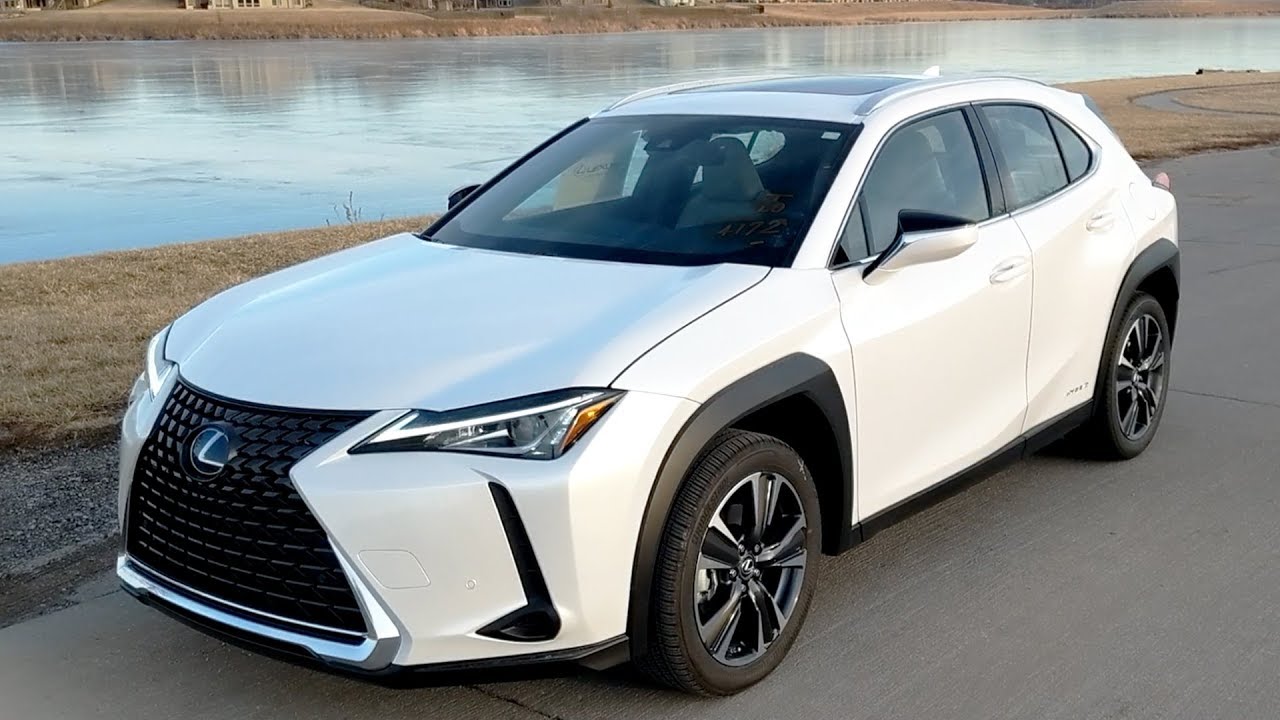
7. Lexus UX 250h AWD
Lexus designed the UX 250h AWD with a clear intention to support drivers who value ease of access, refined driving comfort, and controlled cabin entry effort in daily use. The compact crossover format allows the vehicle to serve urban routes efficiently while maintaining a seating position that avoids the strain associated with very low sedans or taller SUVs.
Seat placement sits within a measured range that supports natural body movement during entry. Occupants lower themselves into the seat with a motion similar to sitting in a well-positioned chair. This reduces the need for excessive bending at the knees or hips, which can be tiring during repeated daily use. Door openings are shaped to allow steady foot placement inside the cabin before lowering into position, reducing awkward body angles.
The hybrid AWD configuration uses electric assistance at the rear axle rather than a traditional mechanical linkage. This design reduces the need for bulky drivetrain components beneath the floor. As a result, interior space benefits from a flatter floor structure, supporting easier leg movement within the cabin. The layout also assists in maintaining a balanced seating height that feels neither too low nor too elevated.
Fuel efficiency from the hybrid system sits in a strong range for daily commuting. Consumption levels remain steady during both city and highway use, reducing fuel station visits across weekly driving routines. For individuals who prefer predictable operating costs, this consistency provides a practical advantage during long ownership periods.
Interior layout reflects a controlled approach to usability. Controls are arranged within easy reach, reducing the need for stretching or leaning forward during operation. Display positioning supports clear visibility without requiring head movement beyond natural angles. This contributes to reduced strain during longer driving sessions.
Lexus safety systems operate as standard equipment across trims. Features such as automatic emergency braking, lane support assistance, and pedestrian detection function are continuously active during driving. These systems assist drivers during moments when attention is divided, adding a protective layer during urban travel and highway use.
Cabin materials emphasize durability alongside comfort. Seating surfaces maintain cushioning support designed for extended sitting periods without discomfort. Rear seating accommodates adult passengers with balanced legroom, ensuring that longer trips remain manageable without frequent repositioning.
The driver’s seating position allows a clear forward view without requiring a raised stance. This supports visibility during traffic conditions while maintaining easy access to the cabin during entry and exit. The Lexus UX 250h AWD delivers a structured approach to compact luxury mobility, where entry ease, hybrid efficiency, and interior usability align to support daily driving demands without unnecessary physical effort.
Also Read: 7 SUVs With Heated Seats That Warm Up Fast And 7 That Take Forever
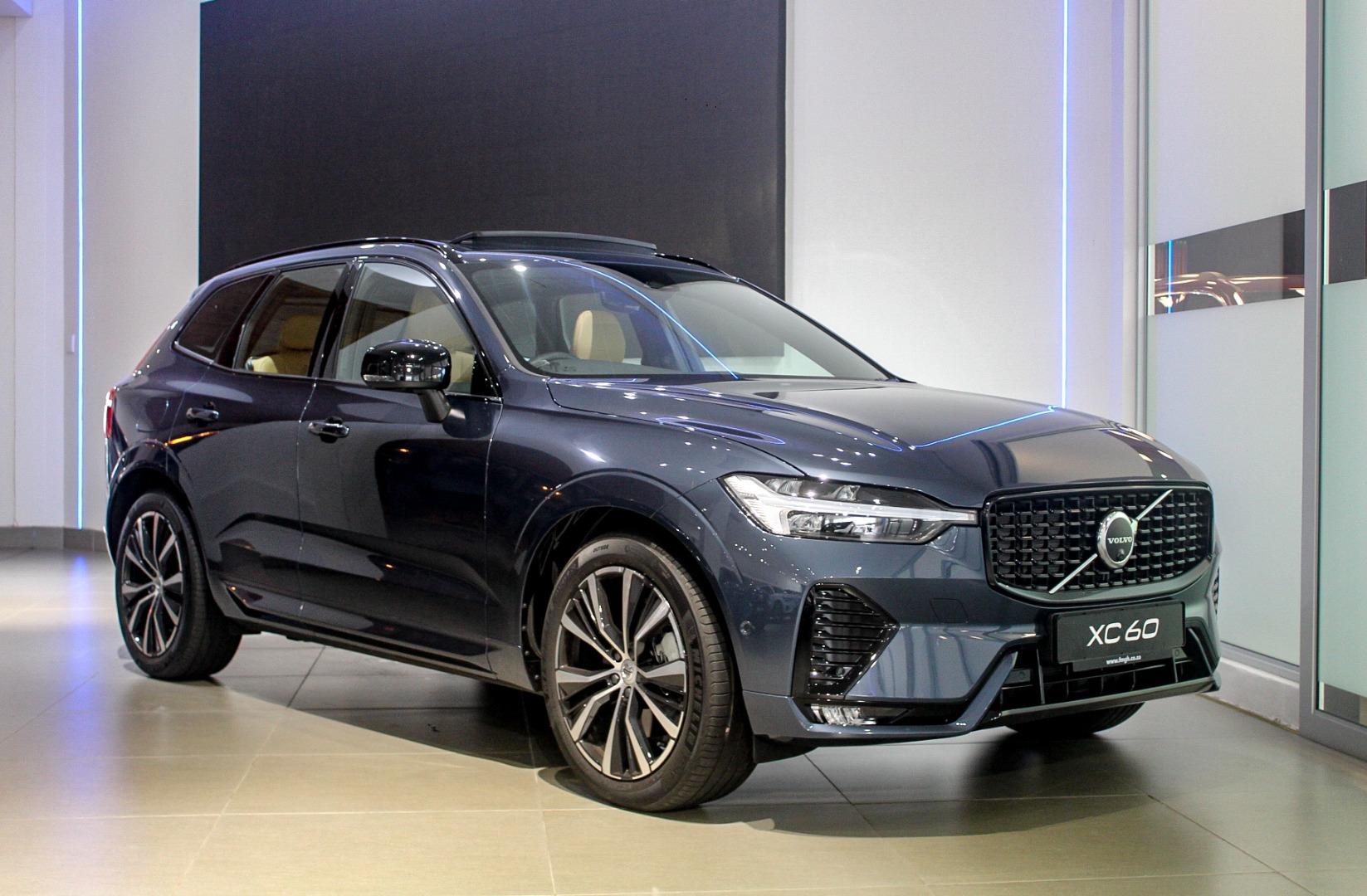
8. Volvo XC60 B5 AWD
Volvo built the XC60 B5 AWD around a safety-first philosophy that extends beyond crash protection into everyday interaction between occupants and the vehicle. This approach influences seat positioning, cabin access, and interior design choices that support ease of use during daily driving.
Seat height sits within a balanced range that allows occupants to enter without requiring a deep drop or high step. This positioning supports smooth body movement during entry, reducing strain on knees and lower back. Door openings are wide enough to support natural foot placement before lowering into the seat, which improves comfort during repeated use.
The driver’s seating position is carefully arranged to provide clear outward visibility while maintaining a relaxed posture. The steering wheel, pedals, and seat alignment support natural arm and leg positioning, reducing fatigue during extended driving periods.
City Safety system operates as a central feature of the XC60 experience. It includes functions such as automatic emergency braking, intersection support, lane assistance, and run-off road protection. These systems remain active during daily driving and assist in situations where driver response time may be reduced. This adds a protective layer during both city and highway travel.
Exit assist functionality in powered seat configurations adjusts the seat position when the driver prepares to leave the vehicle. The seat moves slightly backward, creating additional space for leg movement. This reduces the physical effort required when standing from a seated position, especially after longer drives.
Interior materials are selected to provide durability alongside comfort. Seating surfaces maintain support during extended travel, while cushioning is designed to reduce pressure points during long sitting periods. Rear seating provides balanced space for adult passengers, supporting comfort during family or group travel.
Cabin layout focuses on clarity and accessibility. Controls are arranged logically, reducing unnecessary reaching or stretching during operation. Display screens are positioned to allow clear reading without requiring head movement beyond natural sightlines. Fuel consumption from the B5 AWD mild hybrid system remains efficient for its size class.
This supports consistent operating costs across city and highway use, reducing the frequency of refuelling stops during weekly driving routines. The Volvo XC60 B5 AWD presents a measured approach to premium mobility, where safety systems, seat positioning, and cabin usability work together to support comfortable daily operation without physical strain.
