
Anyone who has done a serious Costco run knows exactly how this goes. You walk in for three items and walk out with a flatbed cart stacked with a 30-pack of water, a 36-count box of granola bars, a rotisserie chicken, two bags of frozen fruit, a bulk container of laundry detergent, a pack of paper towels that defies spatial logic, and somehow a new blender you did not need but cannot leave behind because the price was genuinely impossible to ignore.
Now you are standing in the parking lot, looking at your sedan and doing real-time three-dimensional cargo geometry in your head. This is the part where trunk size stops being a spec sheet footnote and becomes a genuine quality-of-life consideration.
Not all sedans are created equal in the cargo department, and the difference between 13.1 cubic feet and 18.6 cubic feet is the difference between getting everything home in one trip and making an embarrassing call to someone with an SUV. Trunk opening width and shape matter just as much as raw volume, because a deep trunk with a narrow opening creates its own set of loading frustrations when you are trying to get a case of kombucha past the lip without straining something.
Sedans still make enormous sense for families who prioritize fuel economy, parking ease, lower purchase prices, and the driving experience that a lower center of gravity provides. But choosing the wrong sedan for a family that shops in bulk is a decision that produces weekly regret.
Choosing the right one produces a trunk that handles Costco Tuesday without drama, without creative Tetris arrangements, and without leaving anything behind because you ran out of room before you ran out of groceries. Seven sedans follow, selected specifically for trunk volume, opening dimensions, and real-world cargo usability. Each one was evaluated for what actually matters when you are standing in a parking lot with a full cart and limited patience.
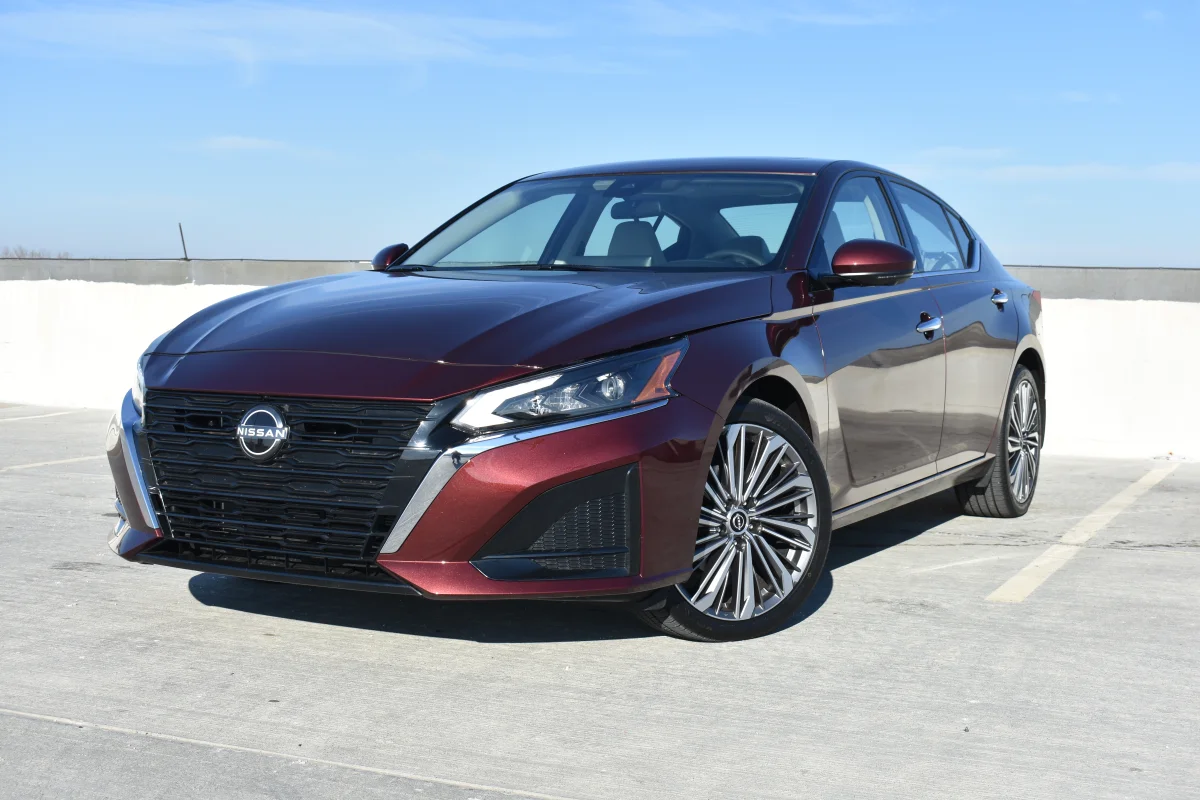
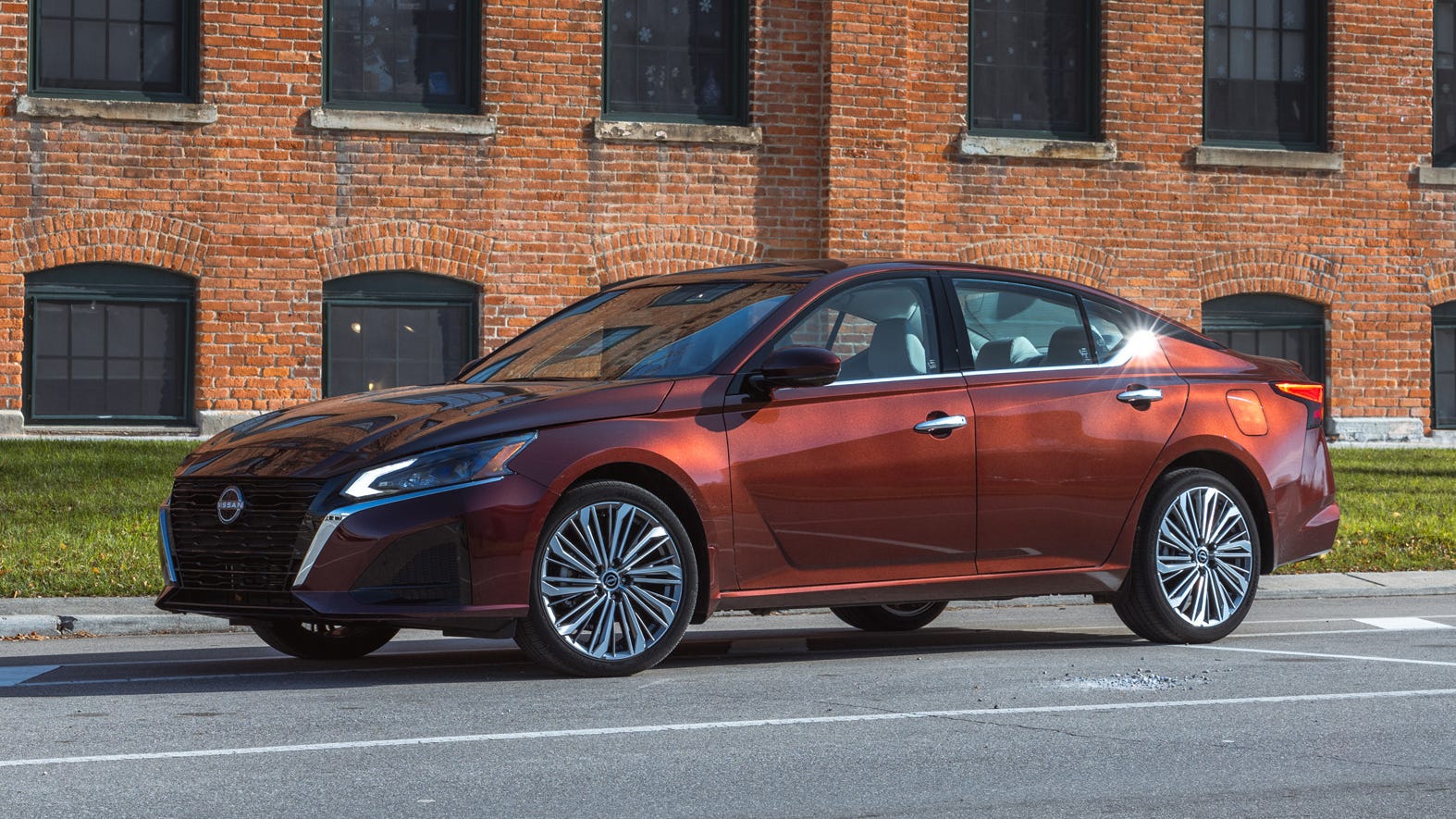
1. Nissan Altima SR 2.5L FWD (2024)
Trunk capacity is sometimes treated as a supporting specification rather than a headline feature, buried beneath horsepower figures and infotainment screen sizes in automotive reviews that assume their readers are more interested in zero-to-sixty times than in whether a 20-pound bag of dog food can be loaded without removing the parcel shelf.
For buyers who shop regularly at warehouse clubs and supermarkets, this priority ordering is exactly backward, and the 2024 Nissan Altima SR 2.5L FWD corrects it by delivering a trunk that addresses real-world family cargo requirements with genuinely impressive practical results.
Fifteen cubic feet of trunk volume in the 2024 Altima places it at the capable end of the midsize sedan trunk category, and Nissan’s trunk design makes that volume practically accessible in ways that raw cubic footage measurements do not fully convey.
Trunk opening width is generous enough to accept wide, flat bulk items like a flat of sparkling water or a sheet of plywood cut to fit without requiring the diagonal orientation that narrower trunk openings force. Low load floor height reduces the lift distance required when transferring heavy items from a cart to the trunk, which matters at the end of a Costco run when you are already dealing with a cart that wants to roll toward the neighboring car’s door.
Folding rear seats in the Altima provide an additional cargo pathway when the trunk volume alone is insufficient for an exceptionally productive Costco visit. Rear seat fold access is activated from the trunk-side fold handles, which allows the driver to create expanded cargo space without re-entering the vehicle, a convenience detail that feels minor until you are standing at the back of the car with both hands full of grocery bags and need the additional space without complicated repositioning.
SR trim adds sport-specific exterior treatments and interior upgrades that make the Altima an appealing daily driver alongside its cargo credentials, with heated front seats, a nine-inch touchscreen with wireless Apple CarPlay and Android Auto, and a 6-speaker Bose audio system that provides legitimate entertainment value beyond cargo utility.
Families who choose the Altima as their primary household vehicle find that it serves daily commuting and weekend bulk shopping from the same vehicle without sacrificing either use case for the other. A 2.5-liter naturally aspirated four-cylinder engine producing 188 horsepower provides adequate power for family daily driving, with fuel economy in the combined 32 to 34 miles per gallon range that makes frequent store runs financially manageable over the vehicle’s ownership period.
Nissan’s ProPilot Assist, available on higher trims, adds highway driving assistance that reduces fatigue during longer drives between locations, extending the Altima’s practical utility beyond local bulk shopping runs.
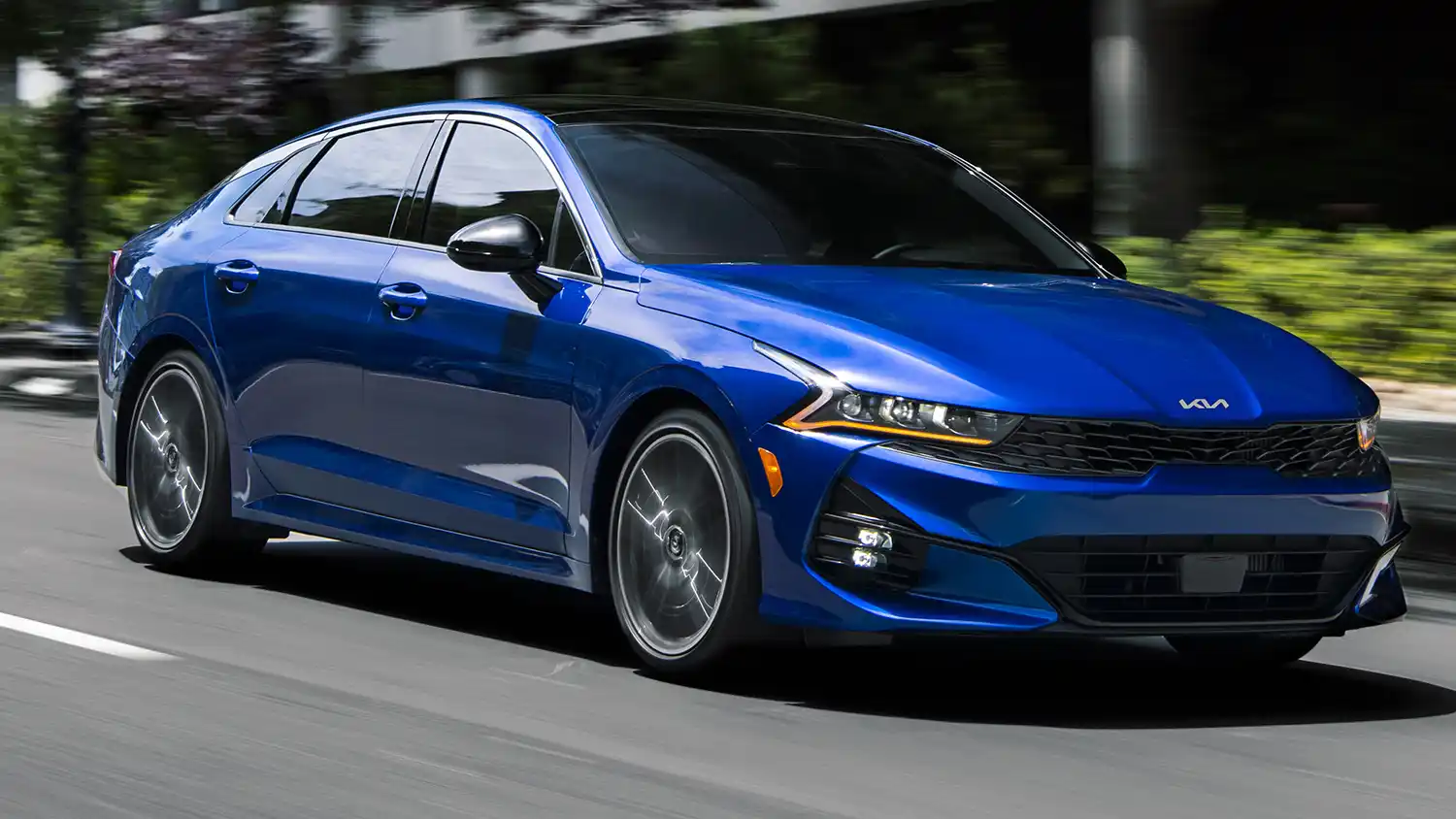
2. Kia K5 GT-Line 1.6T FWD (2024)
Kia’s K5 GT-Line earned its visual reputation through aggressive exterior design that positioned it as the most stylish choice in the midsize sedan segment, and this styling success sometimes overshadows what is genuinely a well-considered, practical vehicle whose trunk specifically rewards families who use it for serious grocery and bulk store shopping.
Sixteen cubic feet of trunk volume in the 2024 Kia K5 GT-Line sits above the midsize segment average, and Kia’s trunk design translates that volume into practical usability through a wide opening aperture and a relatively flat load floor that allows items to be slid in from the opening rather than requiring vertical lowering over a high trunk lip.
Wide aperture design matters most for awkward-shaped items, and a Costco run produces a substantial quantity of awkward-shaped items, from tall juice bottles that lean against the shorter items around them to oddly sized frozen food boxes that do not stack predictably on top of each other.
Turbocharged 1.6-liter four-cylinder producing 180 horsepower with 195 pound-feet of torque provides more immediate throttle response than naturally aspirated alternatives, which translates to confident merging onto highways during return drives when the trunk is loaded to capacity and vehicle mass is higher than empty driving creates. Turbocharged torque from low RPMs provides the pull that loaded grocery runs occasionally require, particularly during uphill parking garage exits where a fully loaded trunk adds meaningful weight to the driving equation.
Eight-speed dual-clutch automatic transmission manages power delivery efficiently across urban and highway driving cycles, contributing to fuel economy in the 34 to 36 miles per gallon highway range that makes the K5’s running costs genuinely competitive with larger but less efficient alternatives that buyers sometimes choose specifically for cargo capacity.
Choosing the K5 over an SUV for cargo purposes saves both purchase cost and annual fuel spending without requiring meaningful cargo capacity sacrifice for the vast majority of shopping runs that families perform.
Interior quality on the GT-Line specification includes a 10.25-inch touchscreen with over-the-air update capability, wireless charging, and a Bose 8-speaker audio system that raises the daily driving experience beyond the grocery-hauling utility the car provides without being asked to. Kia’s 10-year, 100,000-mile powertrain warranty extends the K5’s long-term value proposition beyond the purchase price and into the ownership period that families who drive high annual mileage specifically value.
Also Read: 4 Cargo-Ready Wagons for Active Lifestyles In Boulder vs 4 Sedans with No Space
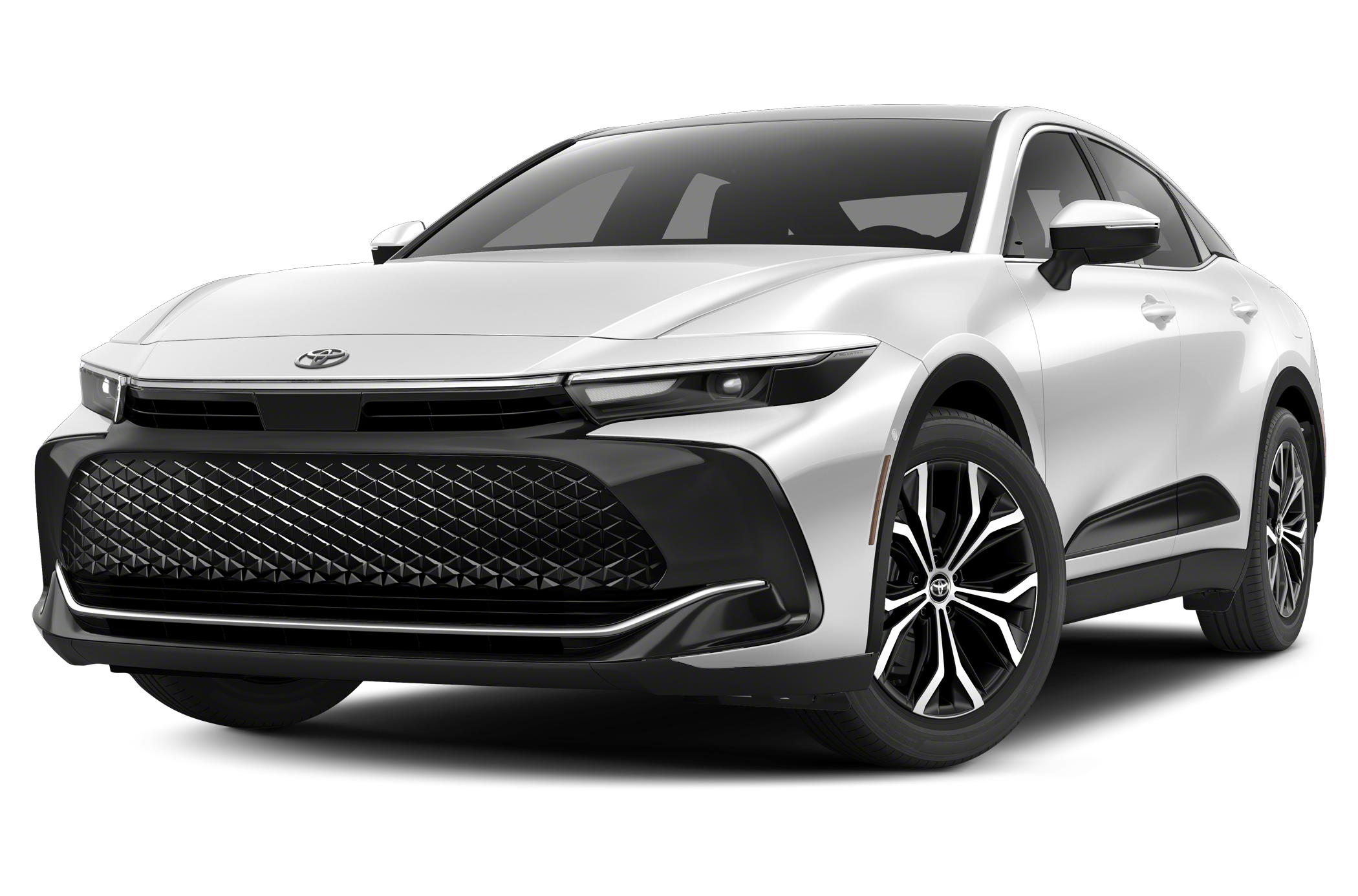
3. Toyota Crown XLE 2.5L Hybrid AWD (2024)
The 2024 Toyota Crown XLE introduces a refined interpretation of what a modern sedan can represent, combining elevated ride height with traditional sedan driving characteristics. This design direction reflects a deliberate effort by Toyota to provide a vehicle that meets evolving consumer expectations without abandoning the structural advantages associated with a conventional sedan layout. The result is a vehicle that blends accessibility, comfort, and efficiency within a single platform.
Cargo functionality forms an essential part of the Crown’s appeal. The trunk offers approximately fifteen cubic feet of storage capacity, yet its usability extends beyond numerical measurement. Engineers focused on the geometry of the trunk opening and the height of the load floor to ensure practical convenience during everyday use.
A lower load floor reduces the effort required when placing heavy items into the trunk, which becomes particularly relevant during routine shopping or the transport of household goods. This design consideration reflects a clear understanding of real-world usage rather than a sole focus on maximizing capacity figures.
Attention to detail is evident in the shape and accessibility of the trunk space. The opening allows for easier placement of bulky items, while the flat load floor supports a stable arrangement of cargo. This approach enhances the user experience, especially for individuals who frequently carry groceries, luggage, or equipment that requires careful placement to avoid damage or instability during transit.
Powertrain engineering further supports the Crown’s practical orientation. The 2.5-liter naturally aspirated four-cylinder engine operates within a hybrid system that delivers a combined output of approximately 340 horsepower. This configuration provides sufficient power for highway driving while maintaining efficient fuel consumption. The hybrid system also contributes to reduced fuel costs, which becomes increasingly beneficial for drivers who cover considerable annual mileage.
All-wheel drive capability enhances usability across varying road conditions. The system provides improved traction during wet or slippery conditions, supporting safe and controlled movement in environments where road surfaces may present challenges. This feature expands the vehicle’s suitability for year-round use, particularly in regions where weather conditions can change frequently.
Interior design emphasizes comfort and technological integration. The inclusion of a 12.3-inch digital instrument cluster and a matching touchscreen interface ensures that drivers have access to essential information and entertainment features. Wireless smartphone integration, along with climate control features such as heated and ventilated seating, contributes to a refined driving environment.
Safety systems are integrated through Toyota Safety Sense 3.0, which includes advanced driver assistance features designed to support awareness and reduce risk during daily operation. These systems operate continuously to assist the driver in maintaining safe driving practices across different conditions.
The Toyota Crown XLE represents a thoughtful combination of efficiency, comfort, and practicality. Its design reflects a clear intention to meet modern transportation needs while maintaining the reliability associated with Toyota’s engineering standards.
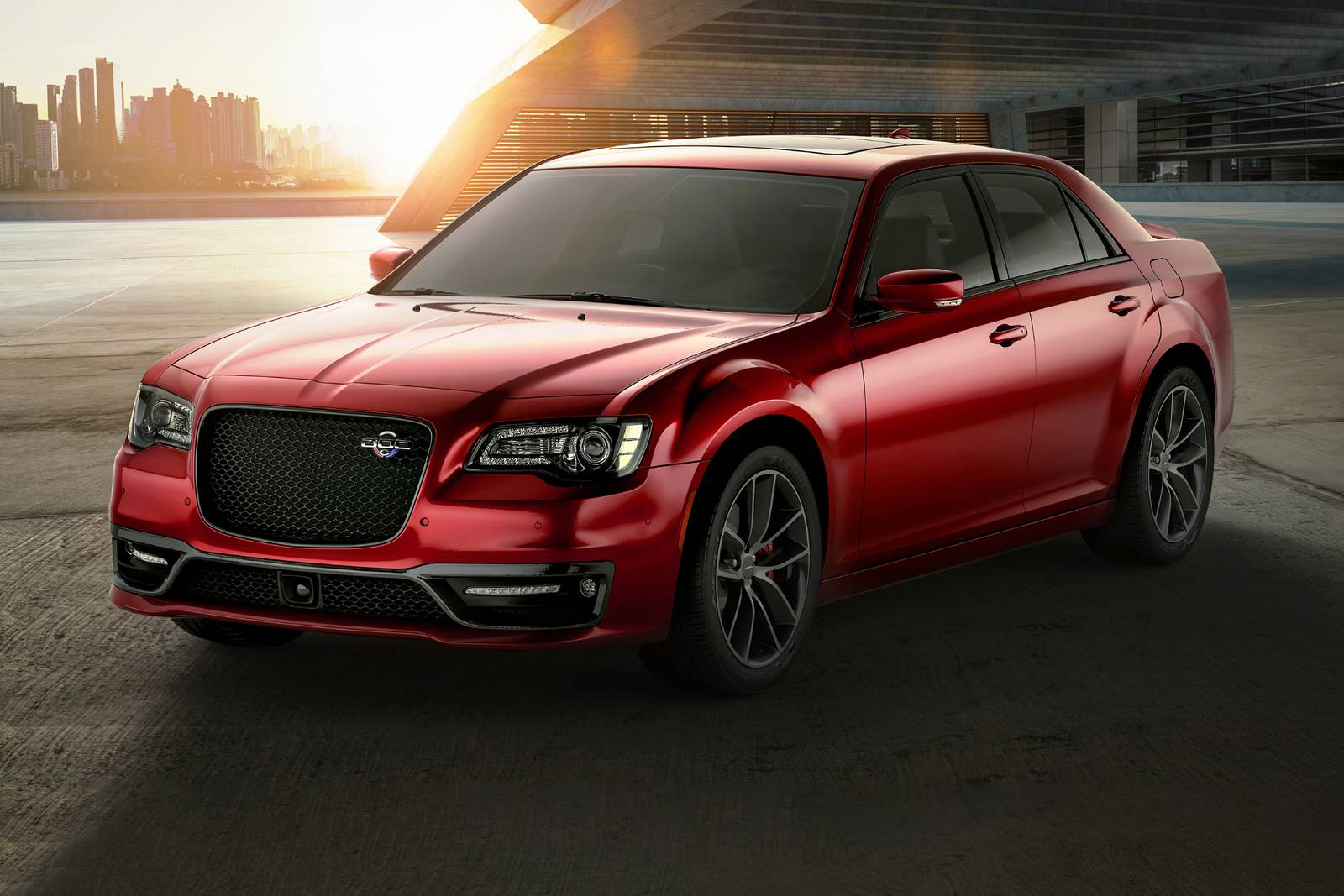
4. Chrysler 300 Touring AWD 3.6L V6 (2023)
The 2023 Chrysler 300 Touring AWD stands as a continuation of the full-size sedan tradition, offering spacious interior accommodation and substantial cargo capacity within a conventional three-box design. While many manufacturers have moved toward crossover configurations, this model retains the structural characteristics that have long defined large sedans, providing advantages that remain relevant for certain categories of drivers.
Cargo capacity is one of the most prominent features of this vehicle. The trunk offers approximately sixteen cubic feet of space, supported by a wide and deep layout that accommodates a variety of items. The dimensions of the trunk allow for the placement of large boxes and containers without requiring adjustment or repositioning. This practicality proves beneficial during shopping trips or when transporting household goods that require stable positioning.
Depth within the trunk enables vertical placement of taller items, allowing users to maintain an organized arrangement without compromising available space. The flat floor further enhances usability by providing a stable base for cargo, reducing the likelihood of movement during transit. This design reflects the inherent advantage of a full-size sedan platform, where space can be dedicated to storage without interference from other structural elements.
Power delivery is managed by the 3.6-liter Pentastar V6 engine, which produces approximately 292 horsepower. This engine provides adequate performance for daily driving as well as highway conditions where additional power may be required. The consistent output ensures that the vehicle remains responsive even when carrying a full load of passengers and cargo.
All-wheel drive capability enhances traction and stability across varying conditions. This system supports controlled driving on wet or uneven surfaces, extending the usability of the vehicle beyond favorable weather conditions. Drivers benefit from increased confidence when operating in environments where road grip may be reduced.
Interior space remains one of the defining attributes of the Chrysler 300. Rear passenger accommodation provides ample legroom, allowing occupants to travel comfortably during extended journeys. This level of space distinguishes the vehicle from smaller alternatives, which often require compromises between passenger comfort and cargo capacity.
Engineering decisions related to drivetrain packaging ensure that the inclusion of all-wheel drive does not reduce trunk space. This allows drivers to benefit from improved traction without sacrificing storage capacity, a balance that is not always achieved in comparable vehicles.
The Chrysler 300 Touring AWD demonstrates the continued relevance of the full-size sedan configuration. Its combination of spacious interior design, practical cargo capacity, and dependable performance offers a solution for drivers who prioritize comfort and utility within a traditional automotive format.
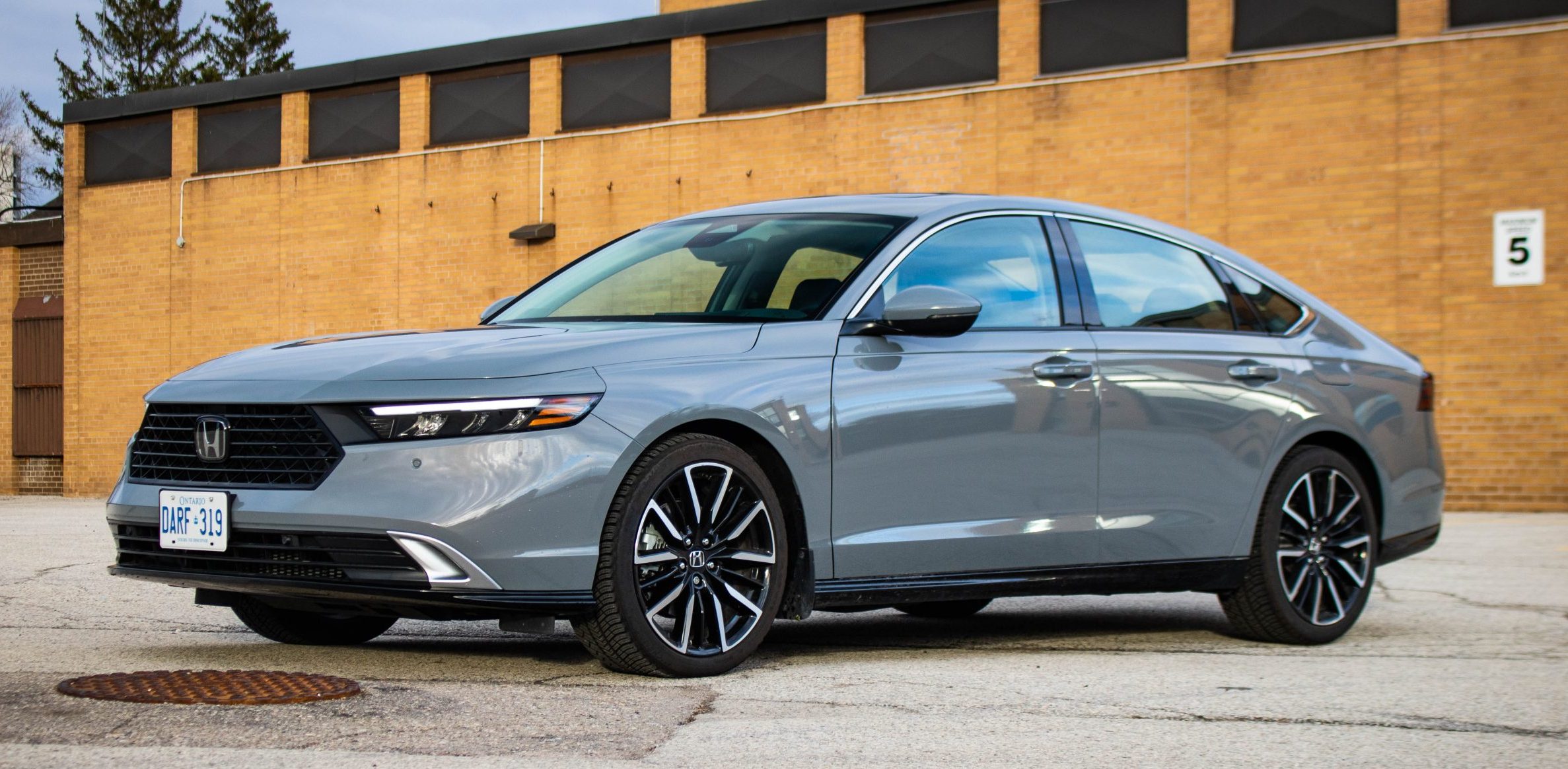
5. Honda Accord Touring 1.5T FWD (2024)
Honda has been engineering sensible, well-executed family transportation since before most current car buyers were born, and the approach that produced the Accord’s reputation for durability and reliability has also produced a trunk that serves family cargo requirements with the same no-nonsense competence the brand applies to everything else about this vehicle.
Sixteen cubic feet of trunk volume in the 2024 Honda Accord Touring is delivered through a trunk opening that Honda specifically widened compared to previous generation geometry, addressing owner feedback that the previous trunk’s narrow opening created loading challenges for wide, flat items that the trunk’s internal volume could easily accommodate once inside.
This width improvement is the kind of engineering response to documented owner frustration that reflects genuine product development discipline rather than specification change for marketing purposes. Trunk floor flatness across its full width allows items to be organized in a stable single layer rather than requiring creative stacking arrangements that redistribute weight toward the center and leave the sides unused.
Flat, wide floor surfaces are consistently more useful than equivalent-volume trunks with intrusive wheel well protrusions that interrupt the flat floor area with raised sections that create dead space and organizational challenges.
1.5-liter turbocharged inline-four producing 192 horsepower with 192 pound-feet of torque in the 2024 Accord provides both adequate daily driving performance and competitive fuel economy in the 34 to 38 miles per gallon highway range, which makes the Accord one of the more economical full-content midsize sedan choices available. Fuel economy at this level during the frequent short trips that weekly shopping generates compounds into meaningful annual savings that justify the Accord’s slightly higher price relative to more basic midsize alternatives.
Touring specification adds Honda’s best-available content, including a 12.3-inch digital instrument cluster, a 12.3-inch center touchscreen with wireless device integration, a Bose 12-speaker premium audio system, front and rear parking sensors, a head-up display, and a power-adjustable driver’s seat with memory function that allows multiple household members to maintain their individual driving position preferences.
This content level creates an ownership experience that families who use the vehicle as their primary household transportation find genuinely satisfying across all its use cases, not simply adequate for the cargo-hauling function this list specifically evaluates.
Honda Sensing safety suite as standard equipment on Touring specification adds collision mitigation braking, lane keeping assistance, adaptive cruise with low-speed follow, and road departure mitigation that provide active safety technology appropriate for family daily driving across all the scenarios a primary household vehicle encounters, from school drop-offs through highway shopping runs to parking lot maneuvering.
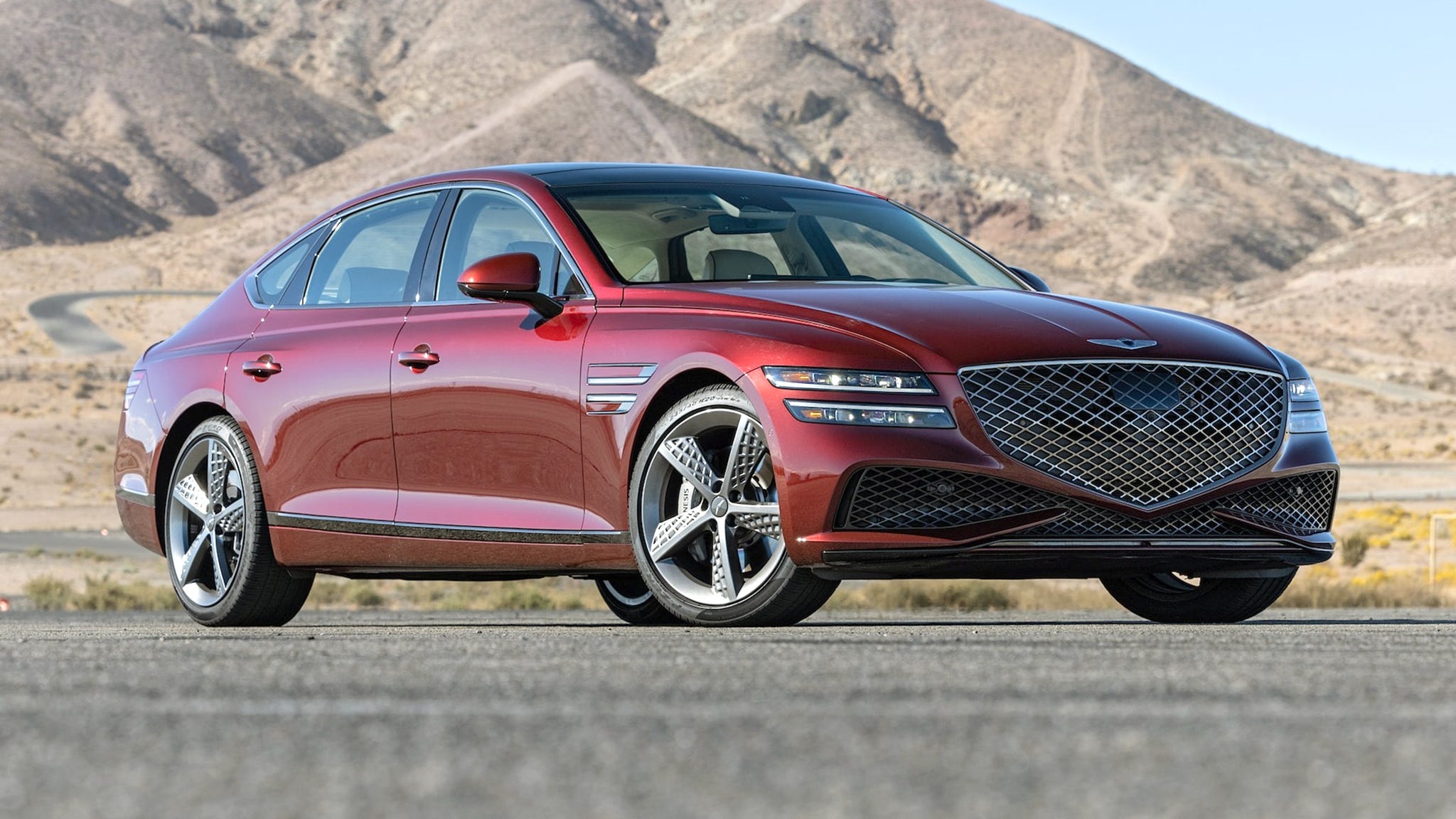
6. Genesis G80 3.5T AWD (2024)
Genesis has built its American market reputation on delivering European luxury quality at prices that create compelling value, and in the G80 3.5T AWD, this reputation extends to a trunk whose dimensions and practical usability genuinely serve family cargo needs without the apologetic quality that luxury sedan trunks sometimes display, as if carrying large quantities of grocery bags is somehow beneath the vehicle’s station.
Fifteen cubic feet of trunk volume in the 2024 Genesis G80 is delivered through a trunk opening that is wider than typical luxury sedan design, reflecting Genesis’s engineering attention to the practical requirements of buyers who use their luxury vehicles for everything rather than only for prestige transportation.
Luxury sedan buyers who also shop at warehouse clubs, drive to soccer practice, and occasionally need to transport a stroller alongside their luggage have cargo requirements that Genesis has addressed more directly than some European competitors at equivalent or higher price points.
Twin-turbocharged 3.5-liter V6 producing 375 horsepower in the G80 3.5T AWD provides immediate, confident power that makes a fully loaded return from Costco feel no different from an empty vehicle in normal driving, which is a powertrain characteristic that smaller-displacement alternatives cannot match when trunk and rear passenger space are both being used simultaneously.
HTRAC AWD system provides active torque distribution that improves traction in wet and winter conditions without the torque steer that front-wheel-drive alternatives sometimes exhibit when both cargo load and powertrain output are high simultaneously.
Interior quality in the G80 Prestige specification reaches a standard that genuinely competes with BMW 5 Series and Mercedes-Benz E-Class alternatives at prices that Genesis’s value positioning makes substantially more accessible. Quilted Nappa leather seating, a 14.5-inch touchscreen with wireless device integration, a 21-speaker Lexicon audio system, and a head-up display combine to create a daily driver environment that families who spend meaningful time in their vehicle appreciate beyond the trunk utility that motivated their initial research.
Rear passenger accommodation in the G80 provides limousine-adjacent legroom in the wheelbase’s longer configuration, which allows the G80 to carry both generous trunk volume and genuine rear seat comfort rather than trading one for the other as shorter-wheelbase alternatives are forced to do.
Families who regularly carry adult rear passengers alongside substantial trunk cargo find that the G80 accommodates both without noticeable compromise.
Also Read: 10 Sedans Built With Overbuilt Engineering Nobody Recognized at Launch
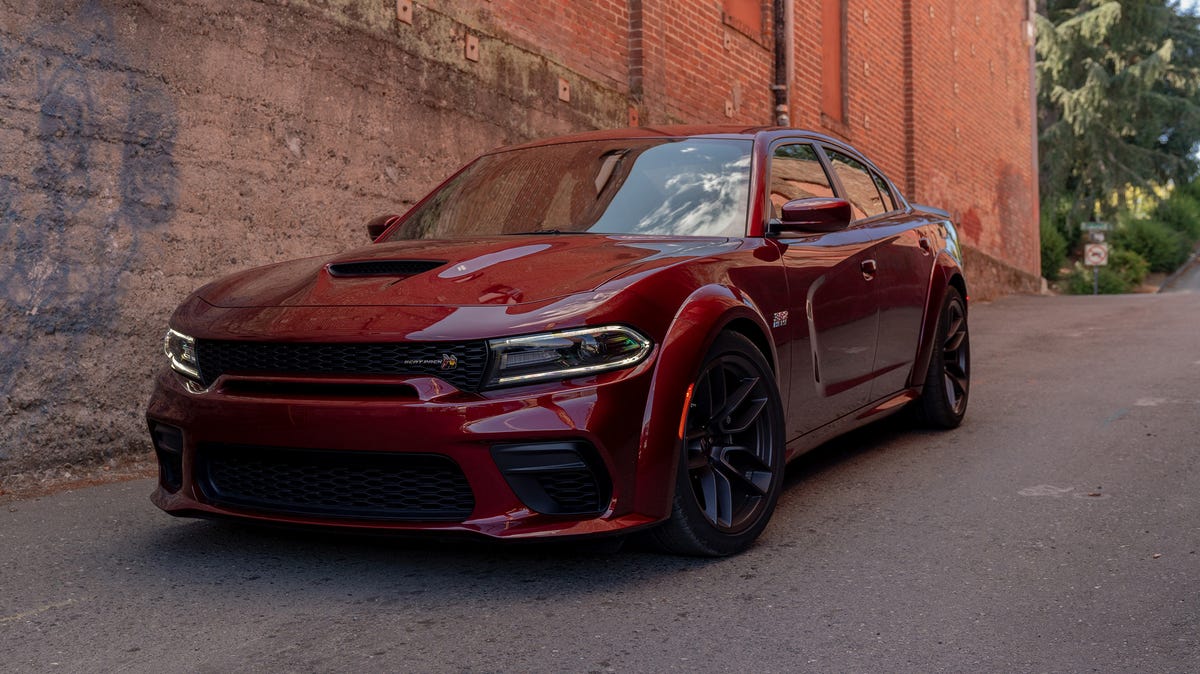
7. Dodge Charger Scat Pack Widebody 6.4L HEMI (2023)
Choosing the Dodge Charger Scat Pack Widebody for a list about family-practical sedan trunks might raise eyebrows from buyers who associate this car primarily with its performance credentials and dramatic styling rather than its cargo utility. That reaction, while understandable, misses what the Charger actually provides to families who want both tire-smoking performance capability and the ability to bring home a full Costco run in a single trip.
6.4-liter HEMI V8 producing 485 horsepower in the Scat Pack specification provides power delivery that carries a full trunk without any perceived effort, which is not a claim that practical buyers typically evaluate when choosing a family grocery car, but that they notice immediately when the vehicle is loaded and driven.
Families who appreciate the Charger’s performance character find that the car’s muscle car capability coexists with genuine family practicality rather than conflicting with it, which is the combination that makes the Charger genuinely unusual in the 2023 sedan market.
Four-door body on the Charger platform provides passenger access for a family of five alongside the 16 cubic feet of trunk space, which means the Charger can serve both roles simultaneously rather than requiring a choice between carrying people and carrying cargo.
Adult rear passengers have genuine legroom from the Charger’s wheelbase length, and the rear doors are wide enough for child seat installation and removal without the contortion exercises that smaller sedans sometimes demand.
Uconnect 5 with 10.1-inch touchscreen, wireless Apple CarPlay and Android Auto, and a nine-speaker Harman Kardon audio system create an interior environment that the Charger’s performance reputation might lead buyers to underestimate in terms of everyday livability.
Families who have chosen the Scat Pack Widebody as their primary household vehicle consistently report that the car’s practical features serve daily family life more completely than the performance-focused marketing suggested they should expect.
Trunk access through a wide, low liftover height makes loading heavy Costco items more manageable than the sport-sedan body might suggest, and the trunk’s flat floor without rear differential intrusion on the rear-wheel-drive layout provides a clean loading surface that accepts the rectangular shapes of bulk packaging without the floor irregularities that all-wheel-drive alternatives sometimes introduce through differential housing intrusion below the trunk floor.
That combination of muscle car character and genuine family practicality is exactly the unexpected value proposition that makes the Charger worth considering for buyers who thought they had to choose between the two. Costco runs are not glamorous, but they are genuinely important to the household logistics of families who rely on their primary vehicle to serve multiple roles without complaint. Every sedan on this list has passed the real test: enough cubic footage, enough opening width, and enough floor depth to load a serious warehouse club run without creative problem-solving in the parking lot.
Whether you prioritize hybrid efficiency, luxury refinement, all-wheel-drive traction, or the distinctly American satisfaction of loading a V8 muscle car with bulk paper towels, the right trunk is out there wearing a sedan body. These seven vehicles have it, and they are ready to prove it every Tuesday.
