
In the long-term vehicle world, ownership and durability are often measured by how long a car can stay on the road before major systems begin to fail. Most discussions revolve around engines or transmissions wearing out first, followed by the rest of the vehicle gradually catching up.
However, there exists a fascinating category of vehicles where the opposite tends to happen. In these cases, the drivetrain remains remarkably resilient, continuing to function reliably even as the body shell begins to show significant signs of ageing.
This imbalance between mechanical endurance and structural longevity creates a unique ownership experience. A vehicle may suffer from rust, fading paint, worn interiors, or even compromised body integrity, yet its engine and transmission continue to perform with surprising consistency.
For many owners, this leads to difficult decisions. The vehicle still runs well, but the cost or practicality of restoring the body may no longer make sense.
Several factors contribute to this phenomenon. Some manufacturers build exceptionally robust drivetrains using conservative engineering principles, prioritising long-term reliability over peak performance.
These engines and gearboxes are often under-stressed, meaning they operate well within their limits. As a result, they can accumulate hundreds of thousands of miles without major internal failures.
On the other hand, body shells are more vulnerable to environmental conditions. Exposure to moisture, road salt, heat, and time can lead to corrosion and structural degradation. Even with proper care, certain vehicles are more prone to rust due to design choices, materials, or manufacturing processes.
This list highlights ten vehicles where drivetrain components have earned a reputation for outlasting the body shell. These are machines that continue to run strong long after their exterior begins to fade or deteriorate.
Each example demonstrates a different reason behind this contrast, from overbuilt engines to body structures that struggle against environmental wear.
Understanding this dynamic provides valuable insight into how different parts of a vehicle age. It also serves as a reminder that durability is not always evenly distributed, and that a car’s true lifespan depends on more than just what lies under the hood.
Also Read: 9 Cars That Survive New Drivers Without a Single Major Repair
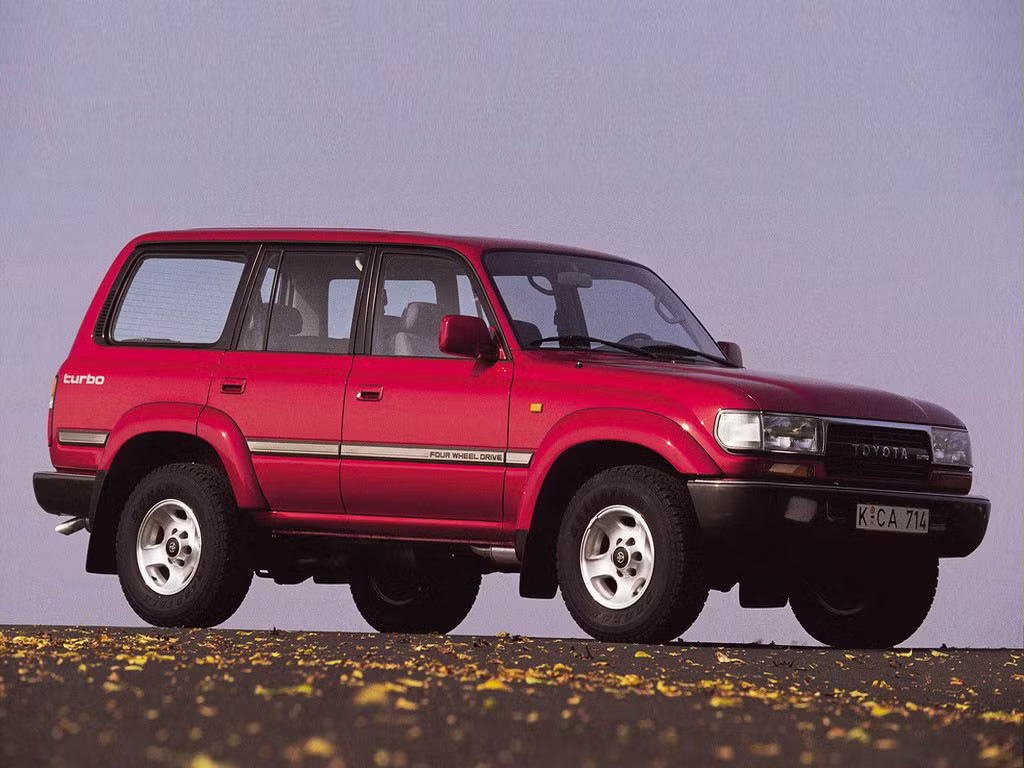
1. Toyota Land Cruiser (80 Series)
The Toyota Land Cruiser 80 Series is often spoken of in terms of its legendary reliability, but what makes it particularly interesting is how frequently its drivetrain outlives its body shell. These vehicles are built with engines and transmissions that seem almost immune to wear when maintained properly, yet the exterior can tell a very different story over time.
At the heart of this durability is a powertrain designed for extreme conditions. The engines are engineered to operate in harsh environments where reliability is not optional. They are not pushed to deliver maximum performance, which allows them to function with minimal internal stress. This conservative tuning plays a major role in their longevity.
Owners often report that even after decades of use, the engine continues to start reliably and deliver consistent power. The transmission, whether manual or automatic, also holds up well under prolonged use. These components are built with a level of robustness that allows them to endure far beyond typical expectations.
In contrast, the body shell can struggle against environmental exposure. Rust becomes a common issue, particularly in regions where road salt is used. Over time, corrosion can affect structural areas, making restoration necessary even while the drivetrain remains in excellent condition.
This creates a striking imbalance. A Land Cruiser may still be mechanically sound, capable of handling demanding terrain, yet its body may show significant deterioration. Owners are often faced with the choice of investing in body repairs or continuing to use the vehicle in its worn state.
The durability of the drivetrain encourages many to keep these vehicles running despite their ageing appearance. It is not uncommon to see heavily worn examples still performing reliably in challenging conditions.
This combination of mechanical strength and structural vulnerability defines the Land Cruiser 80 Series. It stands as a vehicle where the heart continues to beat strongly long after the outer shell begins to fade.
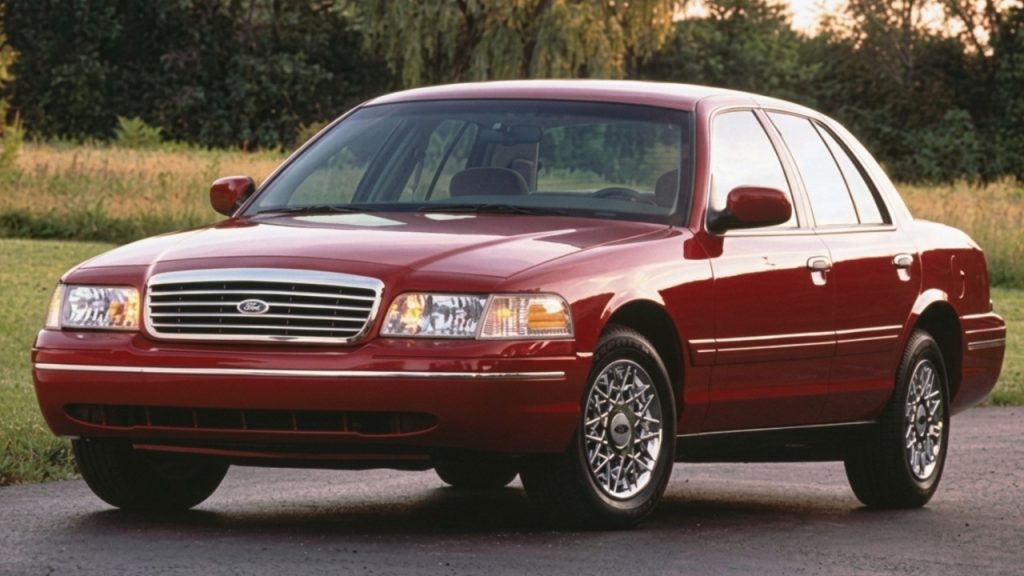
2. Ford Crown Victoria
The Ford Crown Victoria represents a different kind of durability, one rooted in simplicity and proven design. Its drivetrain components are known for their ability to endure extensive use, often outlasting the body shell in vehicles that have spent years in demanding roles such as taxi service or law enforcement.
The engine is a key factor in this longevity. Built to handle continuous operation, it delivers steady performance without being pushed to extremes. This allows it to accumulate high mileage without developing serious internal issues. The transmission follows a similar philosophy, prioritising reliability over complexity.
What makes the Crown Victoria particularly notable is how it handles constant use. Many examples spend long hours idling or operating in stop-and-go traffic, conditions that can accelerate wear in less robust vehicles. Despite this, the drivetrain continues to perform reliably.
The body shell, however, tells a different story over time. Exposure to the elements, combined with the rigours of daily use, can lead to visible wear and corrosion. Paint fades, panels show signs of ageing, and structural components may begin to deteriorate.
This contrast becomes especially evident in high-mileage examples. The car may look worn and aged on the outside, yet it continues to run with a level of dependability that defies its appearance. This disconnect between visual condition and mechanical performance is a defining characteristic.
Owners who rely on these vehicles often prioritise function over form. As long as the drivetrain remains reliable, the condition of the body becomes less important. This practical approach allows the car to remain in service long after its exterior has lost its appeal.
The Crown Victoria demonstrates how a focus on mechanical durability can result in a vehicle that continues to perform even as its physical structure shows the passage of time.
3. Mercedes-Benz W123
There is a certain reputation attached to the Mercedes-Benz W123 that goes beyond simple reliability. It is often described as a car that refuses to stop running, and that reputation is largely tied to its drivetrain.
Engines in these vehicles are known for their ability to accumulate extraordinary mileage without significant internal wear, especially the diesel variants that were engineered with longevity as a primary goal.
The construction of these engines reflects a philosophy that values endurance above all else. Components are overbuilt, tolerances are forgiving, and the entire system is designed to operate under conditions that would challenge more delicate machinery. This allows the drivetrain to remain functional even after decades of use.
This creates a situation where the mechanical core of the car continues to perform reliably while the exterior begins to deteriorate. Owners frequently find themselves driving vehicles that still run smoothly but require attention to maintain structural integrity.
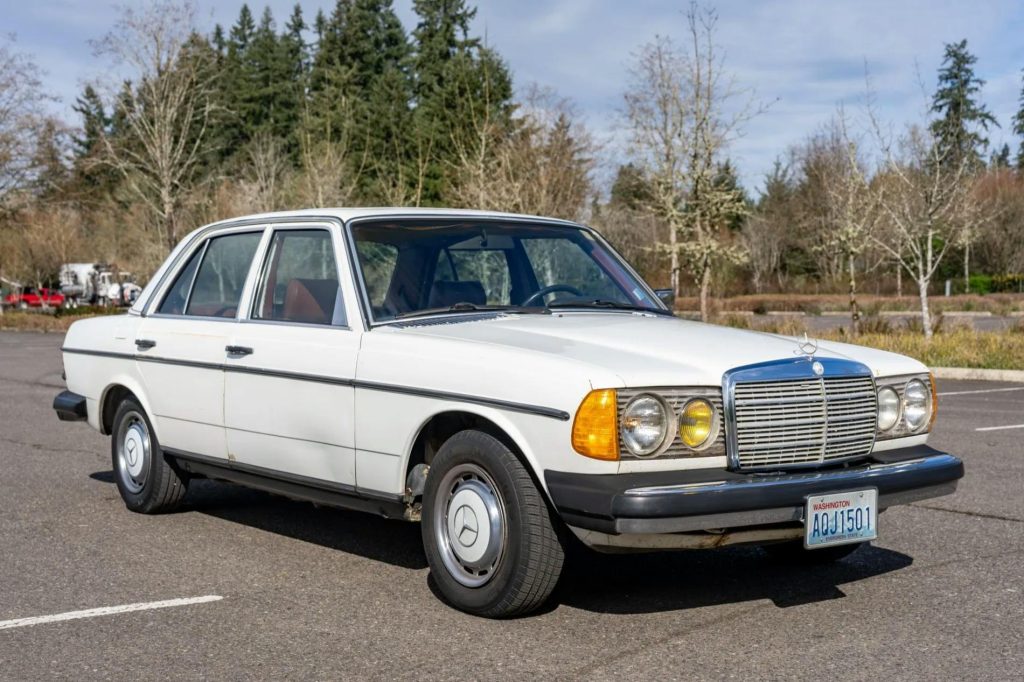
The experience of driving a high-mileage W123 highlights this contrast. The engine starts with confidence, delivers steady power, and shows little indication of its age. At the same time, the body may exhibit visible wear that tells a different story.
What makes this car stand out is how often owners choose to keep it running despite these challenges. The durability of the drivetrain provides a strong incentive to maintain the vehicle, even when the body requires significant work.
The W123 serves as a clear example of how engineering priorities can shape a vehicle’s lifespan. When the focus is placed on mechanical endurance, the result can be a car that continues to function long after its exterior has begun to fade.
4. Chevrolet Suburban (GMT400)
The Chevrolet Suburban from the GMT400 era represents a different kind of long-term durability, one built around utility and experience rather than refinement. These vehicles were designed to handle heavy use, and their drivetrains reflect that purpose.
At the centre of this durability are engines that prioritise reliability over performance. They deliver consistent output without pushing the limits of their design, which helps them avoid the kind of stress that leads to premature failure.
The transmissions are similarly robust, capable of handling the users and demands of a large vehicle without breaking down easily.
What becomes apparent over time is how well these components hold up under continuous use. Many Suburbans from this era have accumulated high mileage while still maintaining functional drivetrains. They continue to start, run, and perform their intended tasks without major issues.
The body shell, however, often tells a different story. Due to their size and usage patterns, these vehicles are frequently exposed to harsh conditions. Rust can develop in various areas, particularly in regions where road salt is common. Panels may deteriorate, and structural components can weaken over time.
This imbalance creates a unique ownership dynamic. The vehicle remains mechanically capable, yet its exterior condition may limit its usability or appeal. Owners are often faced with the decision of whether to invest in body repairs or continue using the vehicle in its natural state.
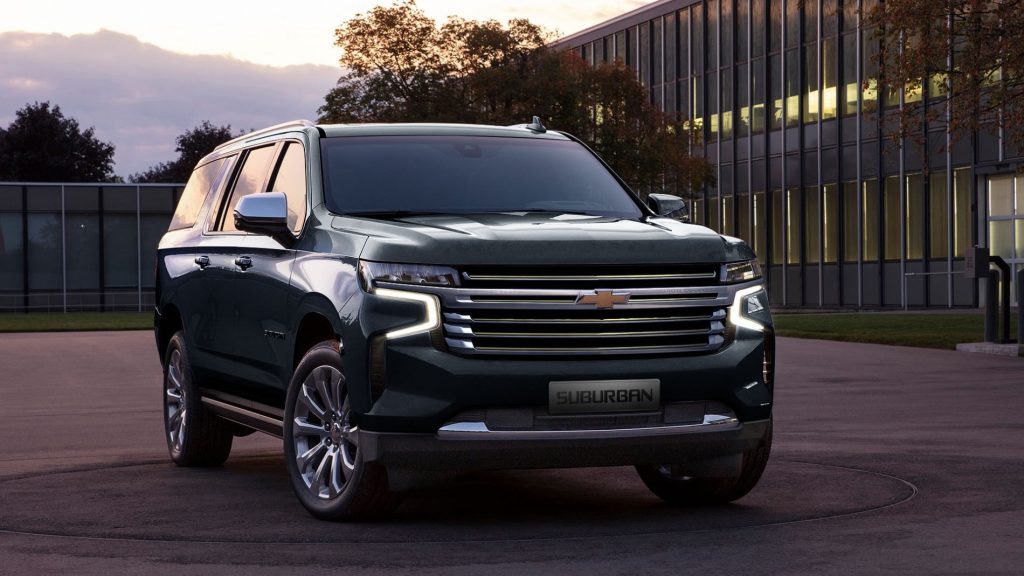
Driving an older Suburban highlights this contrast clearly. The engine runs with a steady rhythm, the transmission shifts predictably, and the vehicle continues to perform its duties. At the same time, the body may show signs of significant wear that reflect years of service.
The GMT400 Suburban stands as a testament to the idea that mechanical durability can outlast physical appearance. It is a vehicle where the drivetrain continues to deliver long after the body has begun to show its age.
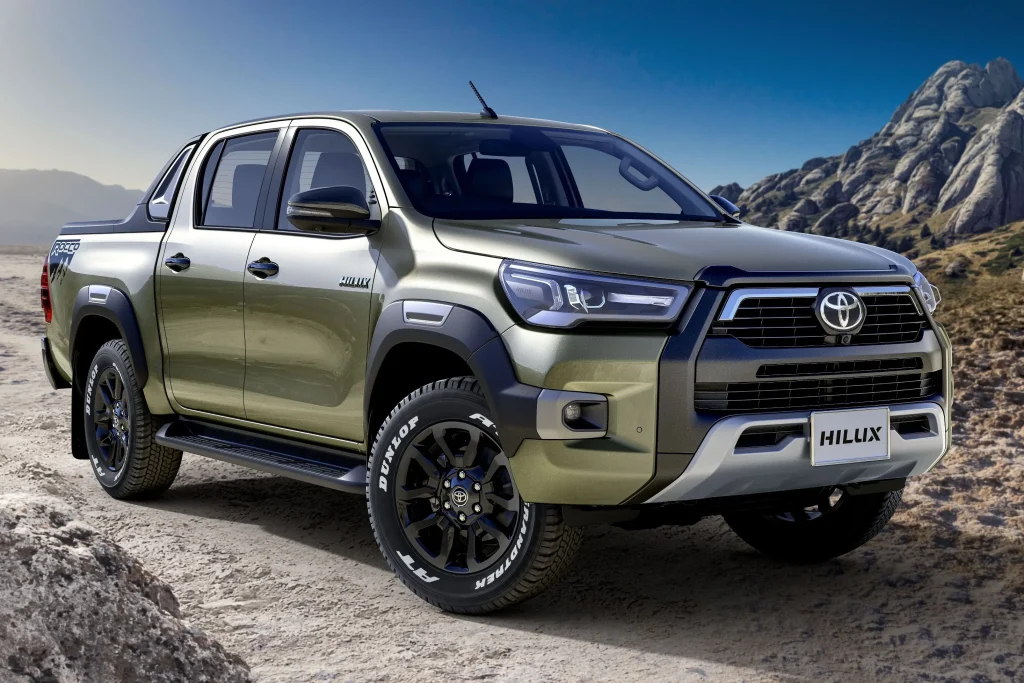
5. Toyota Hilux (Fifth Generation)
The fifth-generation Toyota Hilux represents a form of durability that is built around survival rather than preservation. It is a vehicle designed to function in environments where conditions are unpredictable, and maintenance is not always consistent. Because of that, its drivetrain is engineered with a level of toughness that often allows it to outlast the body shell.
The engines in this Hilux are known for their ability to keep running under prolonged stress. They are not tuned for high output or rapid acceleration. Instead, they deliver a steady performance that minimises internal strain. This conservative approach allows them to accumulate extreme mileage without developing major mechanical faults.
Owners frequently describe these engines as dependable in a way that feels almost mechanical in its certainty. They start reliably, maintain consistent power delivery, and continue operating even when other parts of the vehicle begin to show wear.
The transmission follows a similar pattern, handling loads without introducing unnecessary complexity.
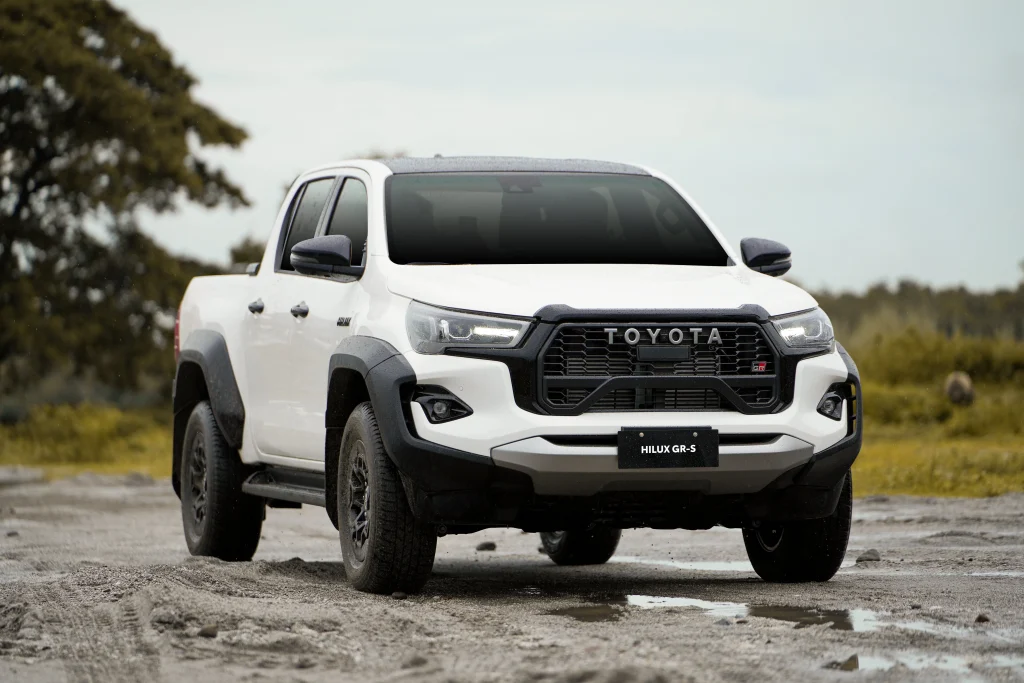
The body shell, however, faces a different challenge. Many Hilux trucks are used in demanding conditions where exposure to moisture and dirt is unavoidable. Over time, this exposure can lead to corrosion and structural wear. Panels may weaken, and the exterior may lose its integrity even while the drivetrain remains functional.
This creates a clear contrast between what the vehicle looks like and how it performs. A Hilux may appear worn, with visible signs of age, yet continue to operate with reliability that exceeds expectations. This disconnect is a defining characteristic of the model.
Another factor that contributes to this imbalance is how the truck is used. It is often pushed to its limits in terms of load and terrain, which accelerates wear on the body. At the same time, the drivetrain is designed to handle such conditions, allowing it to endure far longer.
The Hilux stands as a vehicle where function takes priority over form. Its ability to keep running despite the deterioration of its body shell highlights the strength of its mechanical design.
6. Volvo 240
The Volvo 240 approaches durability from a perspective that emphasises longevity and simplicity. Its drivetrain is built to last, with engines and transmissions that continue to function reliably even after decades of use. This resilience often allows these components to outlive the body shell.
The engines in the 240 are designed with a focus on steady operation rather than peak performance. They are not pushed to deliver high output, which reduces the stress placed on internal components. This allows them to maintain their integrity over long periods.
What becomes noticeable over time is how little the drivetrain changes in its behaviour. The engine continues to run smoothly, the transmission operates predictably, and the car remains functional in a way that inspires confidence. This consistency is a key reason why many owners choose to keep these vehicles for so long.
The body shell, however, is not immune to the effects of time. Despite Volvo’s efforts to protect against corrosion, exposure to environmental factors can lead to rust in certain areas. Over the years, this can affect the structural integrity of the vehicle, even as the drivetrain remains in good condition.
This contrast creates an interesting ownership experience. The car continues to perform mechanically, yet its appearance and structure may require attention. Owners often find themselves maintaining the body to match the durability of the drivetrain.
Driving a high-mileage Volvo 240 reveals this imbalance clearly. The engine operates with a steady rhythm, the transmission responds as expected, and the car remains usable. At the same time, the body may show signs of ageing that reflect its long history.
The Volvo 240 demonstrates how a focus on mechanical reliability can result in components that outlast the rest of the vehicle. It is a car where the drivetrain continues to deliver even as the body begins to show its age.
7. Nissan Patrol (Y60)
The Nissan Patrol Y60 belongs to a category of vehicles where durability is not just a feature but a core identity. Built for demanding terrain and long-term use, its drivetrain is engineered to endure conditions that would challenge most vehicles.
This strength often allows it to remain mechanically sound long after the body shell begins to show signs of wear.
The engines used in the Y60 are designed with resilience in mind. They are not tuned for rapid acceleration or high output figures. Instead, they focus on delivering consistent torque and steady performance, which reduces internal stress. This approach helps preserve the integrity of the engine over extended periods.
What makes the Patrol particularly notable is how it handles continuous strain. Whether operating in off-road environments or carrying heavy loads, the drivetrain maintains its functionality without significant degradation. The transmission also reflects this philosophy, prioritising reliability over complexity.
Over time, the body shell faces challenges that the drivetrain does not. Exposure to harsh environments, including moisture and abrasive conditions, can lead to corrosion and structural wear. Panels may deteriorate, and the exterior may lose its original form even while the mechanical components continue to operate effectively.
This contrast becomes evident in older examples. A Patrol may appear aged and worn on the outside, yet it continues to perform its duties with a level of dependability that contradicts its appearance. This disconnect highlights the strength of its mechanical design.
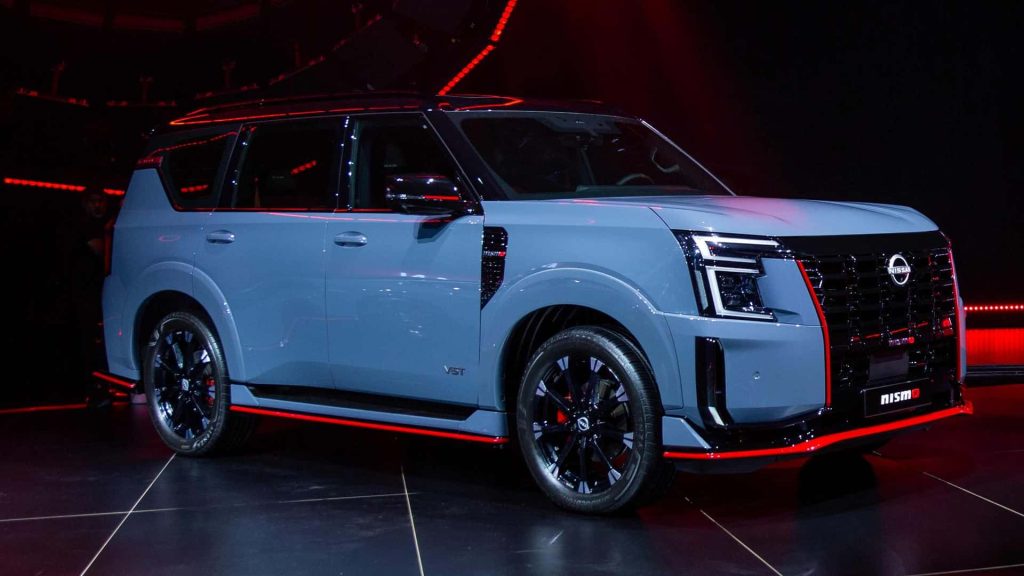
Owners often accept the ageing body as part of the vehicle’s character. As long as the drivetrain remains reliable, the focus stays on functionality rather than aesthetics. This mindset allows the Patrol to remain in service long after many vehicles would have been retired.
The Y60 stands as a clear example of a vehicle where engineering priorities favour endurance, resulting in a drivetrain that outlasts the structure surrounding it.
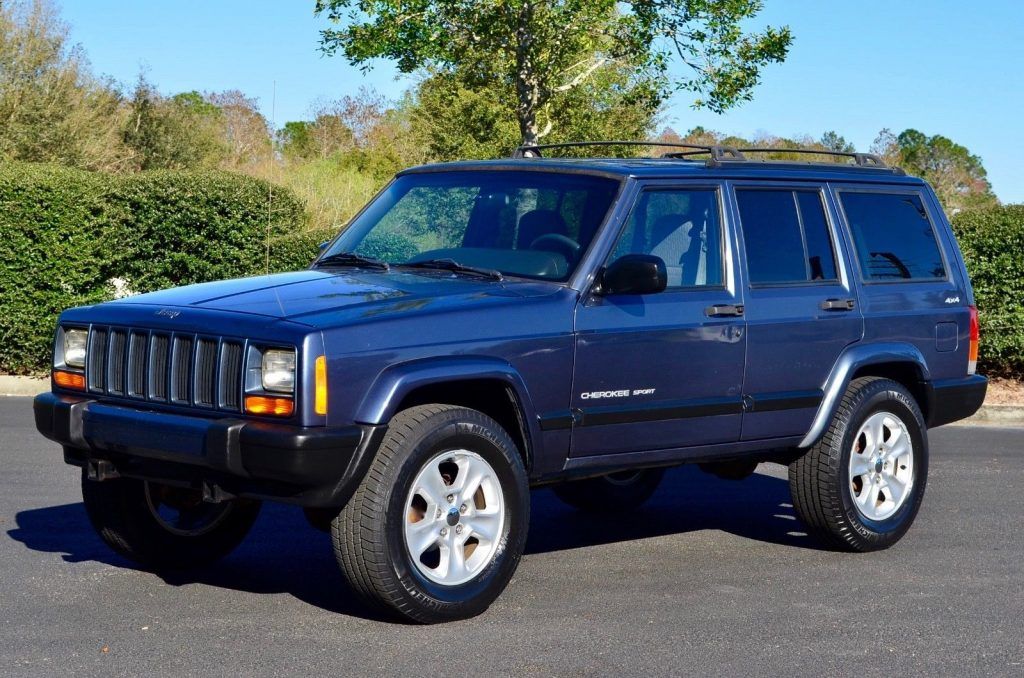
8. Jeep Cherokee (XJ)
The Jeep Cherokee XJ represents a different kind of durability, one that combines simplicity with proven engineering. Its drivetrain is widely recognised for its ability to withstand high mileage, often continuing to perform reliably even as the body shell begins to show significant signs of ageing.
At the centre of this reputation is the inline-six engine, known for its strength and consistency. It operates without unnecessary complexity, which reduces the number of potential failure points. This straightforward design allows it to accumulate miles without developing serious internal issues.
The transmission complements this reliability, providing steady operation that supports the engine’s long lifespan. Together, these components create a drivetrain that remains functional under a wide range of conditions.
The body shell, however, is more vulnerable to the effects of time and environment. Rust can develop in key areas, particularly in regions where moisture and road salt are common. Over time, this can affect both the appearance and structural integrity of the vehicle.
This imbalance creates a unique situation for owners. The vehicle continues to run reliably, yet the condition of the body may require attention. Many choose to keep driving the Cherokee despite its ageing exterior, relying on the strength of its drivetrain.
Driving a high-mileage XJ highlights this contrast clearly. The engine continues to deliver steady power, the transmission operates predictably, and the vehicle remains capable. At the same time, the body may show visible signs of wear that reflect years of use.
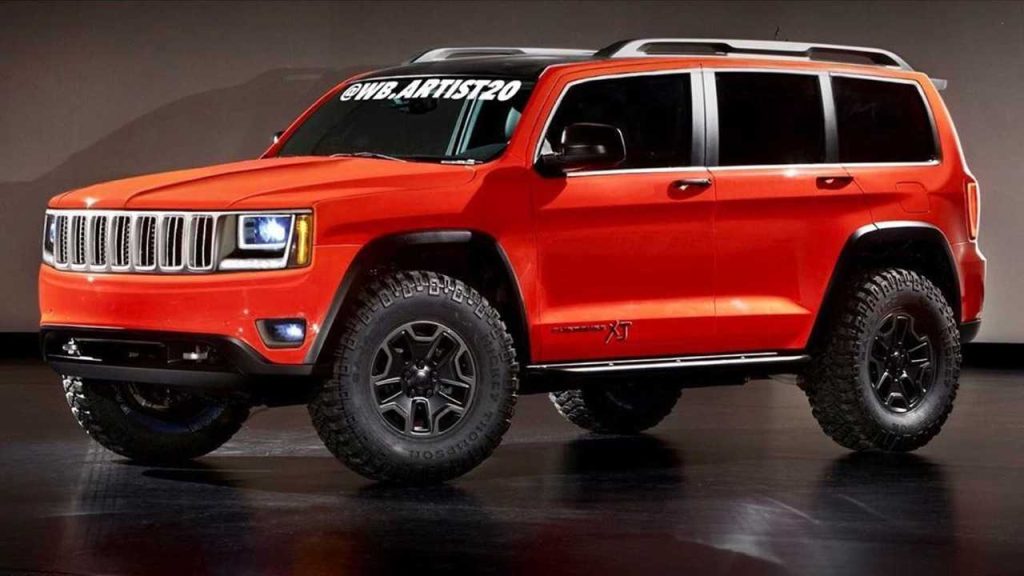
The Cherokee XJ demonstrates how a focus on mechanical simplicity can result in a drivetrain that outlasts the rest of the vehicle. It is a vehicle where function continues long after form begins to fade.
9. Mitsubishi Pajero (Second Generation)
The second-generation Mitsubishi Pajero approaches durability with a mindset shaped by global use. It was designed to operate across different terrains and climates, and that versatility required a drivetrain capable of handling prolonged stress without failure.
As a result, many examples continue running reliably even as their body shells begin to deteriorate.
The engines in this Pajero are built with a focus on endurance rather than peak performance. They deliver steady power that does not place excessive strain on internal components. This conservative tuning helps them maintain functionality over long periods, even when maintenance conditions are not ideal.
What stands out is how consistently the drivetrain performs as the vehicle ages. The engine continues to start without hesitation, and the transmission operates in a predictable manner. This reliability becomes especially noticeable when compared to the condition of the body.
The body shell often faces challenges that the drivetrain avoids. Exposure to moisture, dust, and varying temperatures can lead to corrosion and structural wear. Over time, panels may weaken, and the exterior may show clear signs of ageing.
This contrast creates a situation where the Pajero remains mechanically dependable despite visible deterioration. Owners often find themselves driving vehicles that still function effectively while requiring attention to maintain the body.
Another contributing factor is how the vehicle is used. Many Pajeros are driven in environments that accelerate wear on the body, such as off-road conditions or regions with harsh weather. The drivetrain, however, is designed to handle these conditions, allowing it to endure far longer.
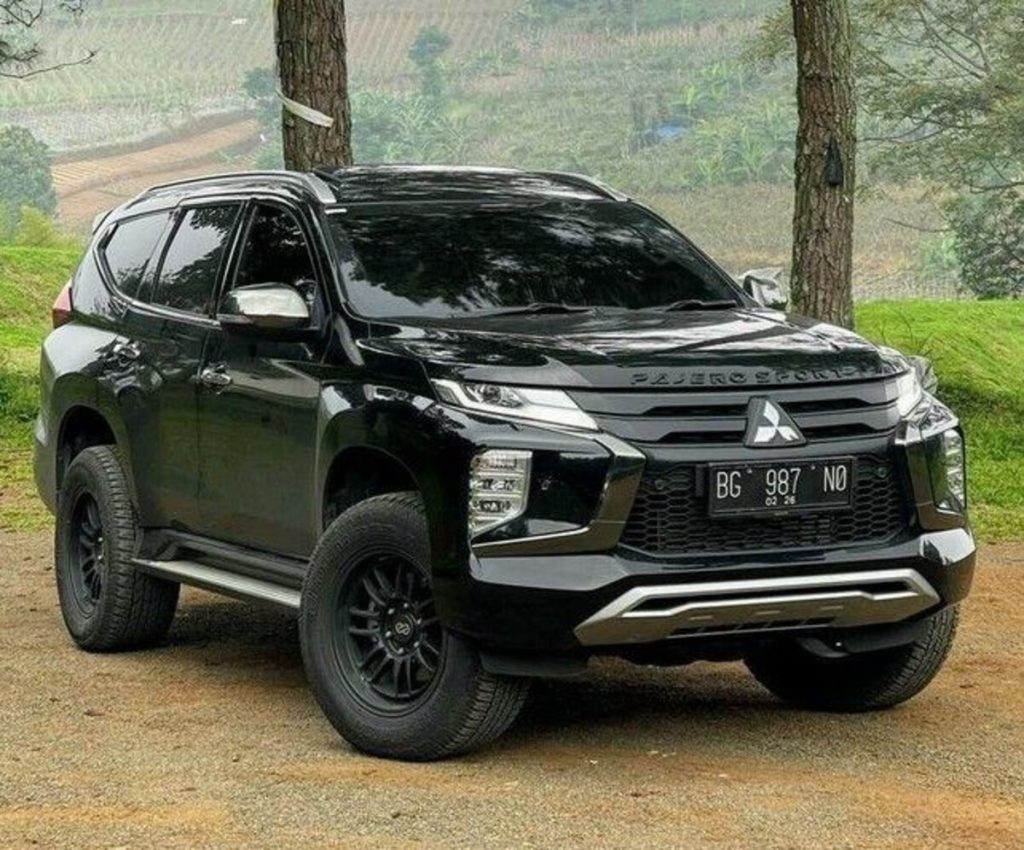
Driving an older Pajero reveals a machine that continues to perform its role with confidence. The engine delivers steady output, the transmission responds as expected, and the vehicle remains capable. At the same time, the body may reflect years of exposure that have taken a toll on its structure.
The Pajero stands as a vehicle where mechanical strength allows it to outlast its physical appearance, highlighting the importance of engineering priorities in determining long-term durability.
10. Isuzu Trooper (Second Generation)
The second-generation Isuzu Trooper represents a final example of how drivetrain durability can exceed the lifespan of a vehicle’s body shell. Built with a focus on practicality and resilience, it features mechanical components that are capable of enduring extensive use without significant degradation.
The engines in the Trooper are designed to operate reliably under sustained conditions. They are not highly stressed, which helps preserve their internal components over time. This approach allows them to accumulate high mileage while maintaining consistent performance.
The transmission supports this longevity by providing stable operation without introducing unnecessary complexity. Together, these components form a drivetrain that remains functional even as other parts of the vehicle begin to age.
The body shell, however, is more susceptible to environmental factors. Rust can develop in various areas, particularly in regions where exposure to moisture and road salt is common. Over time, this can affect both the appearance and structural integrity of the vehicle.
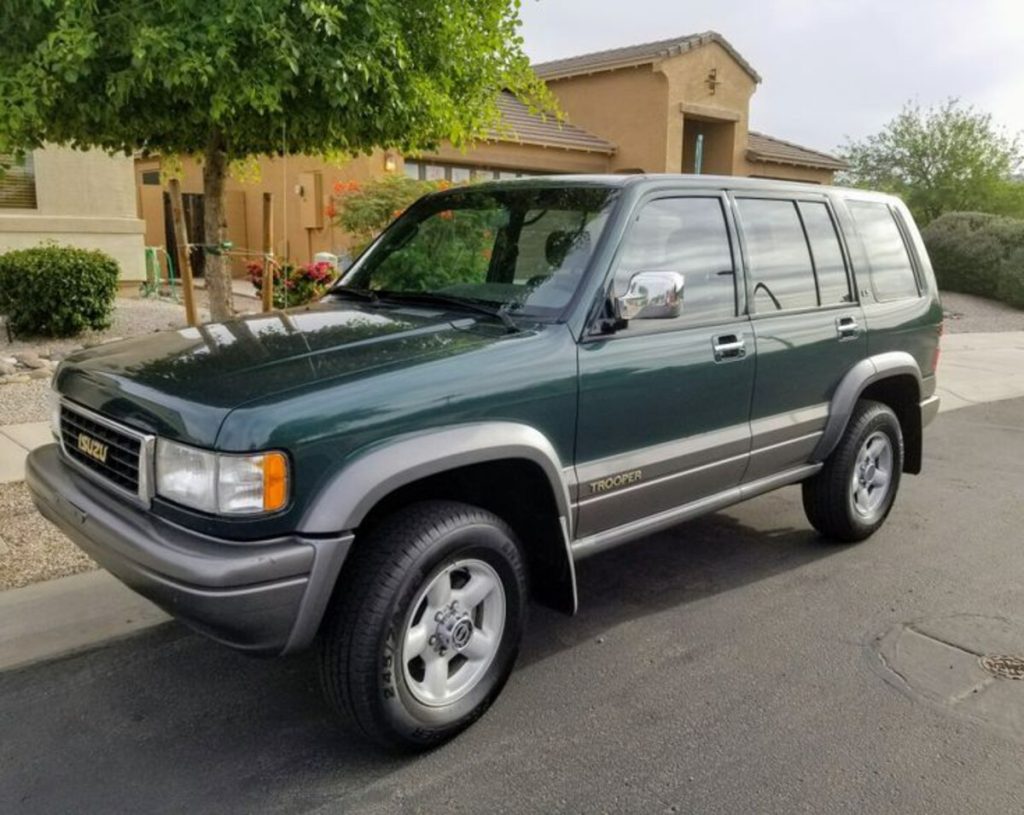
This imbalance becomes evident in high-mileage examples. The Trooper may continue to run reliably, yet its body may show significant signs of wear. Owners often face decisions about whether to invest in body repairs or continue using the vehicle in its current condition.
Driving an older Trooper highlights this contrast clearly. The engine operates with a steady rhythm, the transmission responds predictably, and the vehicle remains capable of handling its intended tasks. At the same time, the body may reflect the years of use.
The Trooper demonstrates how a focus on mechanical durability can result in a drivetrain that outlasts the rest of the vehicle. It serves as a reminder that longevity is not always evenly distributed, and that some components are built to endure far beyond others.
Also Read: 8 Smells in a Used Car That Cost Thousands to Fix Later
