
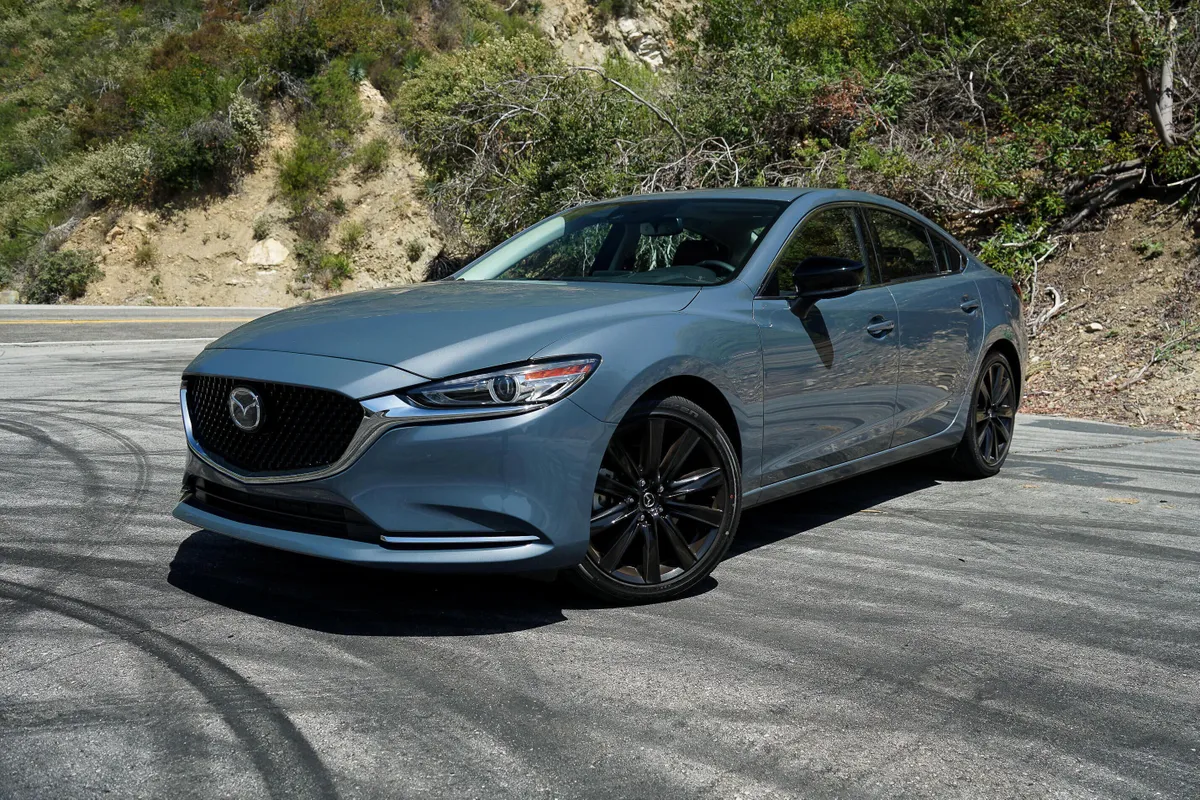
When shopping for a sedan under $15,000, most buyers focus on mileage, features, and immediate condition. That approach makes sense for short-term ownership, but it does not always identify cars that can truly last for decades.
Longevity comes from a deeper combination of engineering choices, maintenance accessibility, and how well a vehicle tolerates ageing.
A sedan that still has decades left is not necessarily the newest or the most advanced. In many cases, it is a model built with proven mechanical systems that avoid unnecessary complexity.
Simpler designs often age better because they have fewer points of failure and are easier to maintain over time. This becomes especially important once a car passes the 100,000-mile mark.
Another key factor is how the vehicle behaves as it gets older. Some sedans become increasingly sensitive to wear, requiring immediate repairs for even minor issues.
Others remain stable and usable, allowing owners to address maintenance gradually. This tolerance is what separates a car that lasts from one that becomes a burden.
Cost of ownership also plays a major role. Staying under $15,000 usually means buying used, and long-term survival depends on how affordable it is to keep the car running. Vehicles with widely available parts and straightforward repair processes are far more likely to remain on the road for years to come.
Driving dynamics matter as well, though not in the way many expect. Sedans that encourage smooth, controlled driving tend to experience less mechanical stress. Balanced power delivery, predictable handling, and comfortable cruising all contribute to reduced wear over time.
Maintenance habits ultimately determine how far a car will go, but the right vehicle makes that effort worthwhile. Some sedans respond exceptionally well to consistent care, continuing to perform reliably even as they age. These are the models that can realistically remain in service for decades.
In this article, we will look at nine sedans that can be found under $15,000 and still have the potential for long-term ownership. Each one represents a different approach to durability, showing that there is no single formula for achieving extended lifespan.
We will go through these two at a time, focusing on what makes each sedan capable of lasting far beyond typical expectations.
Also Read: 8 Trucks With Door Seals That Don’t Crack After 15 Winters
1. Toyota Camry (2012–2017)
The Toyota Camry in this generation belongs to the latter category. It does not rely on flashy engineering or complex systems to achieve longevity. Instead, it builds its strength through consistency and restraint.
The engine is designed to operate within a comfortable range at all times. It predictably delivers power, avoiding sudden spikes that can increase internal stress. This approach protects critical components such as piston rings and bearings, allowing them to wear gradually rather than prematurely.
Another element worth noting is how the vehicle handles everyday driving. Whether in city traffic or on highways, the Camry maintains a steady rhythm. It does not demand aggressive input from the driver, and this naturally reduces strain on the drivetrain. Over time, that smooth behaviour contributes significantly to its lifespan.
The transmission works in harmony with the engine, providing seamless gear changes. It avoids abrupt shifts that could accelerate wear, which helps maintain long-term reliability. When both systems operate in balance, the entire vehicle benefits.
Maintenance accessibility is one of its strongest advantages. Routine servicing is straightforward, and parts are widely available. This encourages owners to stay consistent with upkeep, which is essential for long-term durability.
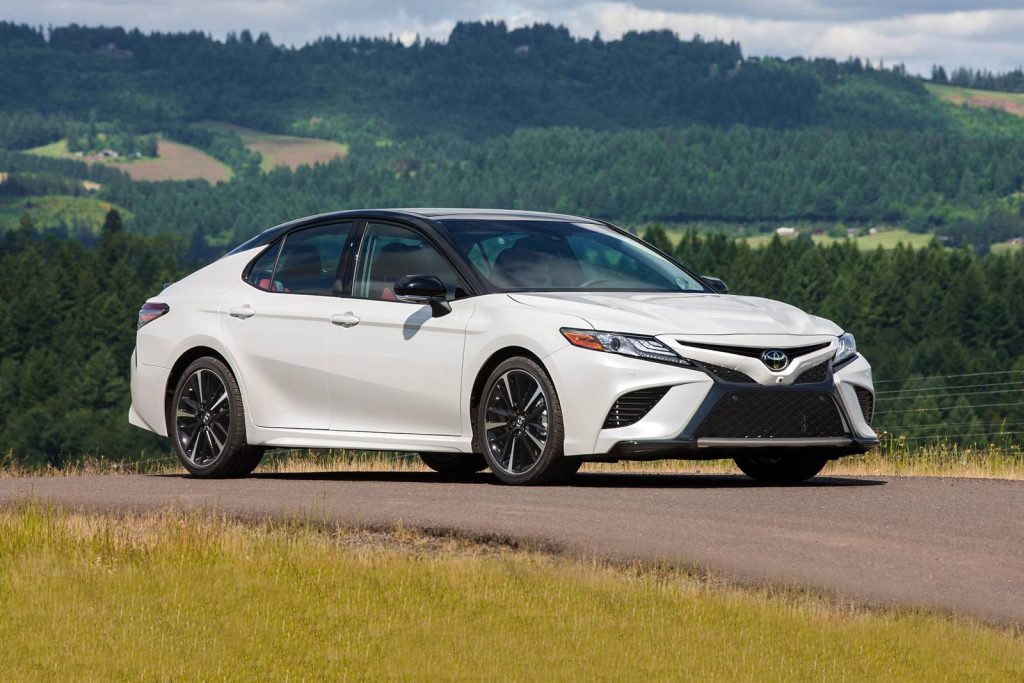
As the miles accumulate, the Camry does not become overly sensitive to minor issues. It continues to function reliably, giving owners the flexibility to address maintenance without urgency. This tolerance is a key reason why many of these sedans remain on the road for decades.
In long-term ownership scenarios, it is common to see these vehicles surpass expectations with minimal complications. The Camry proves that durability does not require complexity. It simply requires a well-balanced design that supports consistent use over time.
2. Honda Accord (2013–2017)
Approach the idea of longevity from a slightly different angle,e and the Honda Accord offers a compelling case. While it shares the same reputation for reliability as the Camry, it achieves it through a blend of efficiency and precision rather than simplicity alone.
The engine is engineered to deliver smooth and efficient performance without placing excessive demands on its internal components. It operates with a level of refinement that reduces vibration and uneven wear, helping extend its lifespan.
One of the defining characteristics of this sedan is how it responds to daily use. It adapts well to both urban and highway environments, maintaining consistent behaviour regardless of conditions. This flexibility allows it to handle a wide range of driving patterns without accelerating wear.
The transmission is tuned for gradual and controlled shifts. This reduces mechanical stress and helps preserve the integrity of the drivetrain over time. When power delivery remains stable, components experience less fatigue.
Another advantage lies in how the vehicle encourages a certain driving style. The Accord feels most comfortable when driven smoothly, and this naturally leads to reduced strain on the engine and transmission. Drivers often adopt a steady approach without consciously trying to extend the car’s lifespan.
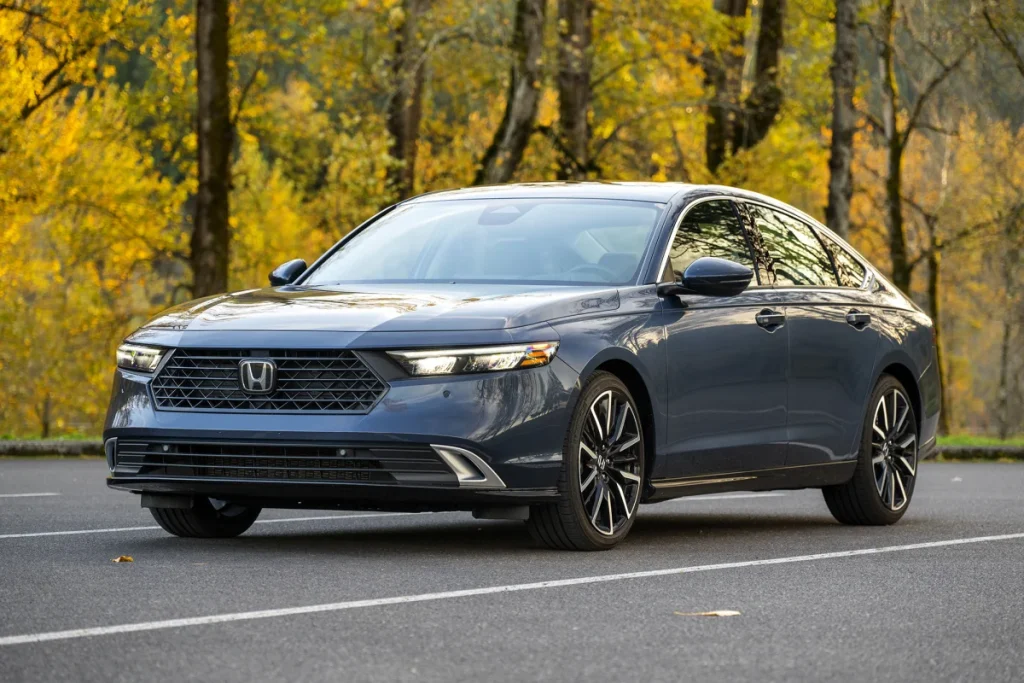
Maintenance is both manageable and effective. Regular servicing keeps the vehicle in good condition, and the availability of parts makes long-term ownership practical. This combination supports its ability to remain reliable over many years.
As the vehicle ages, it continues to perform without becoming fragile. Minor wear does not immediately impact its usability, allowing owners to keep it on the road without constant intervention.
Many high-mileage examples demonstrate that this sedan can remain dependable well beyond typical expectations. The Accord shows that a balance of engineering precision and everyday usability can create a vehicle capable of lasting for decades.
3. Lexus ES 350 (2007–2012)
Step into a sedan that was designed with comfort as the priority, yet ends up delivering durability that rivals more utilitarian vehicles. The Lexus ES 350 carries a reputation for smoothness, but beneath that refined experience is a drivetrain built to last for decades when maintained properly.
The V6 engine operates with a calm and controlled nature. It does not rush into high-stress situations, and that restraint protects its internal components over time. When power delivery is steady, parts such as valves and bearings experience less fatigue, which extends their lifespan.
Another strength lies in how the vehicle manages vibration. The engine runs with remarkable smoothness, which reduces the small but constant stresses that can accumulate inside mechanical systems. Over the years of operation, this reduction in vibration makes a noticeable difference.
The transmission complements this behaviour by shifting in a seamless and predictable manner. It avoids abrupt changes that could introduce unnecessary strain. This harmony between engine and transmission creates a stable environment for long-term use.
Ownership patterns often include careful maintenance. Many drivers treat this sedan with attention to detail, ensuring that servicing is performed consistently. This level of care plays a significant role in its ability to remain reliable over time.
The interior comfort also influences driving habits. The car encourages relaxed cruising rather than aggressive acceleration. This naturally reduces wear on the drivetrain, allowing it to age gracefully.
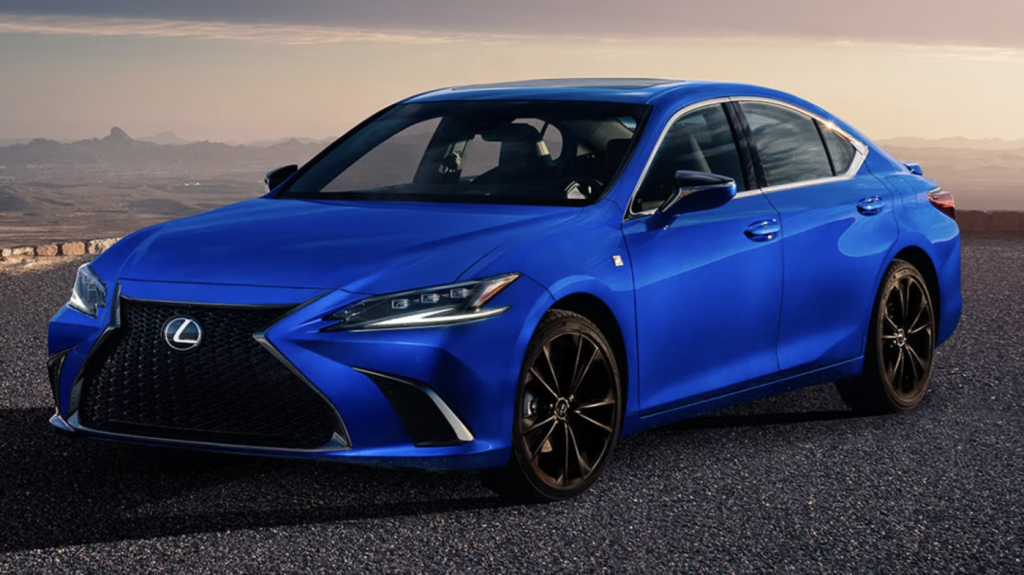
As mileage increases, the ES 350 continues to perform with a level of consistency that is uncommon in many vehicles. It does not become overly sensitive to minor issues, which allows owners to keep it running without constant repairs.
In long-term examples, it is not unusual to see these sedans still operating smoothly after many years. The combination of refinement and durability makes it a strong candidate for those seeking a car that can truly last.
4. Ford Fusion (2013–2018)
Shift to a sedan that blends modern design with practical durability. The Ford Fusion from this generation offers a different perspective on longevity. It is not built around traditional simplicity, yet it manages to deliver long-term reliability through balanced engineering.
The engine lineup includes options that focus on efficiency and controlled performance. These engines are not pushed to extreme limits during normal driving, which helps reduce internal wear. When an engine operates within a comfortable range, it is more likely to last.
The structure of the vehicle also contributes to its durability. It is designed to handle daily use without transferring excessive stress to key components. This stability helps maintain the integrity of the drivetrain over time.
Another factor is how the car adapts to different driving conditions. Whether in city traffic or on long highway journeys, it maintains consistent behaviour. This versatility allows it to handle varied usage without accelerating wear.
The transmission is tuned for smooth operation, avoiding harsh shifts that could shorten its lifespan. This consistency ensures that power delivery remains stable, which benefits the entire system.
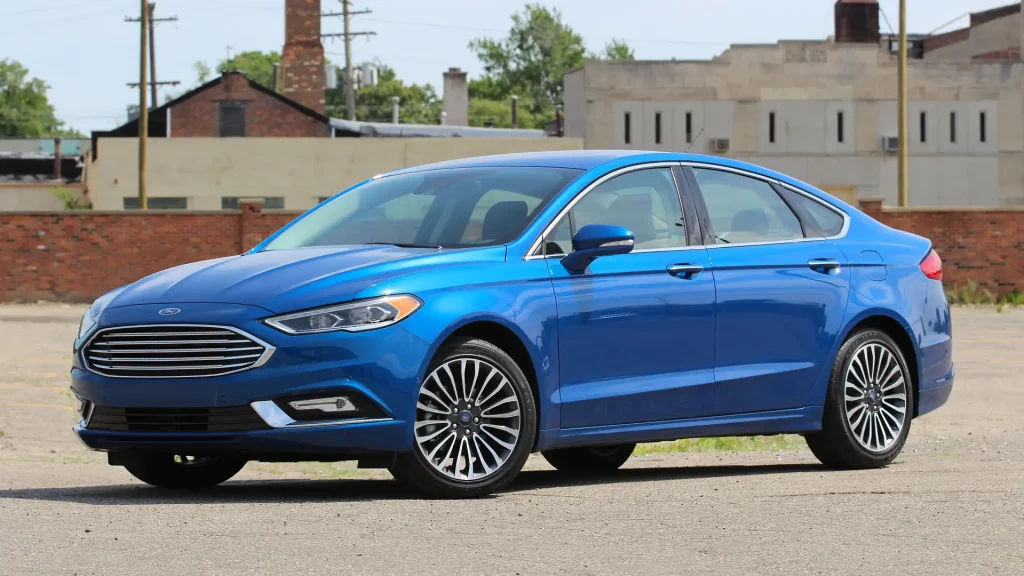
Maintenance accessibility is an important advantage. Routine servicing can be performed without excessive complexity, making it easier for owners to stay consistent with upkeep. This directly impacts long-term reliability.
Driving experience encourages moderation. The Fusion does not demand aggressive inputs, and this naturally leads to a driving style that preserves its components. Over time, this contributes to its ability to remain dependable.
As the vehicle ages, it continues to function without becoming overly fragile. It can handle minor wear without immediate failure, allowing owners to manage repairs gradually.
In many high-mileage cases, the Fusion proves that modern sedans can still achieve long-term durability when designed with balance and practicality in mind.
5. Mazda6 (2014–2017)
The Mazda6 takes a slightly different route toward long-term durability, one that leans on efficiency and mechanical balance rather than heavy-duty construction. At first glance, it feels more driver-focused than longevity-focused, yet that same design philosophy plays a quiet role in how well it ages.
The engine is built with a focus on efficiency and controlled combustion. It does not chase excessive power, which allows internal components to operate within a manageable stress range. When an engine is not constantly pushed to its limits, it tends to maintain its condition for a much longer time.
Another important detail is how responsive the drivetrain feels without being aggressive. The car reacts quickly to inputs, but it does not deliver sudden bursts of force that could strain internal parts. This balance allows drivers to enjoy a refined experience while still preserving the engine and transmission.
There is also an advantage in weight management. The Mazda6 is not overly heavy, which reduces the load on its mechanical systems. Each acceleration and gear change requires less effort, and over thousands of cycles, that reduction in strain becomes significant.
The transmission is tuned to complement the behaviour. It shifts in a way that feels natural and controlled, avoiding unnecessary stress. When gear changes remain smooth, wear is distributed more evenly across the system.
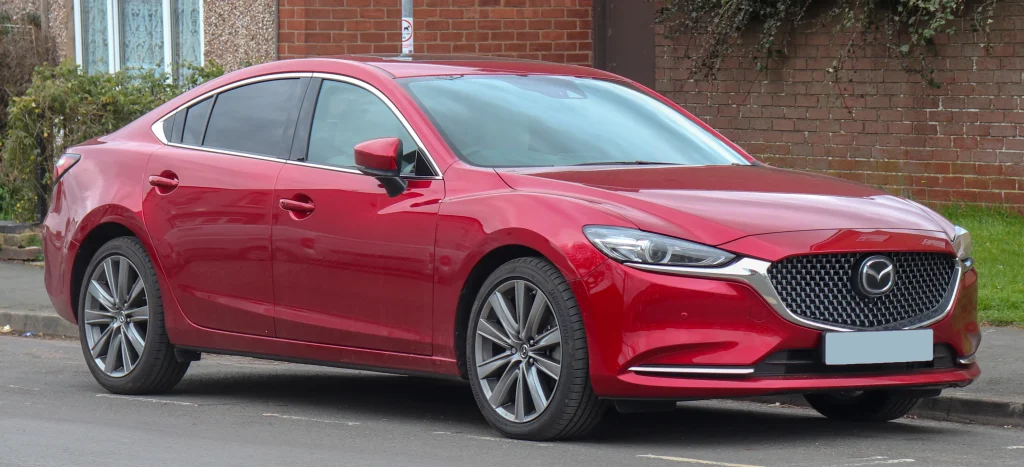
Another angle worth considering is how the car encourages driver involvement without encouraging misuse. It feels engaging, but not in a way that pushes drivers toward aggressive habits. This subtle influence helps preserve the drivetrain over time.
Maintenance is straightforward and accessible, which makes it easier to keep the car in good condition. Regular servicing ensures that the engine continues to perform efficiently as it ages.
As the miles accumulate, the Mazda6 maintains its composure. It does not become overly sensitive to minor wear, and it continues to function reliably with proper care.
This sedan demonstrates that longevity does not require a heavy or overbuilt design. With the right balance of efficiency, responsiveness, and thoughtful engineering, it can remain dependable for decades.
6. Hyundai Sonata (2015–2019)
The Hyundai Sonata represents a more modern interpretation of durability, combining updated design with practical engineering that supports long-term use. It may not have the legacy reputation of some older models, yet it has proven capable of lasting well beyond expectations when maintained properly.
The engine options are designed to deliver consistent performance without excessive strain. They operate efficiently, which reduces heat buildup and internal wear. When an engine maintains stable conditions, it is more likely to remain reliable over time.
Another factor is how the vehicle handles everyday driving. The Sonata adapts well to both city and highway conditions, maintaining a steady and predictable behaviour. This consistency helps reduce stress on the drivetrain, even in varied environments.
The transmission contributes by providing smooth and controlled shifts. It avoids harsh transitions, which protects both the gearbox and the engine. Stable power delivery is a key element in long-term durability.
The structure of the vehicle is built to handle daily use without introducing unnecessary stress points. This stability helps preserve the integrity of key components as the car ages.
Maintenance accessibility is another advantage. Routine servicing is manageable, and parts are widely available. This encourages consistent upkeep, which is essential for extending the lifespan of any vehicle.
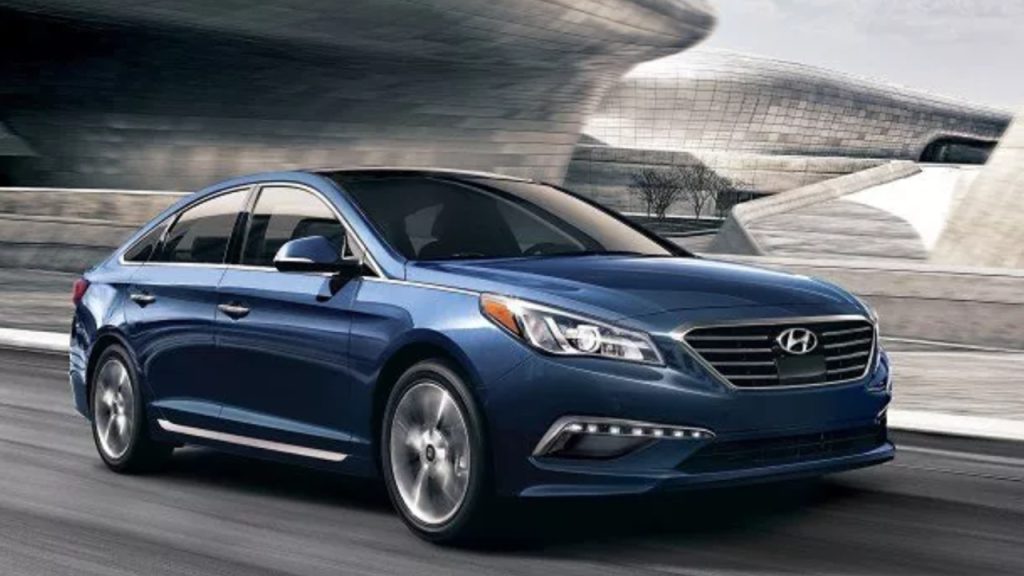
Driving style plays a subtle role here as well. The Sonata encourages a calm and controlled approach, which naturally reduces wear on mechanical systems. Drivers tend to adopt smoother habits without needing to think about it.
As the vehicle accumulates mileage, it continues to function without becoming overly fragile. Minor issues can be addressed gradually, allowing the car to remain on the road for many years.
In long-term ownership scenarios, the Sonata shows that modern sedans can still deliver dependable performance over extended periods. Its combination of efficiency, balance, and practicality makes it a strong candidate for lasting decades.
7. Toyota Avalon (2011–2016)
Some sedans are built to be efficient, others to be affordable, but the Toyota Avalon is built to be effortless over time. It does not demand attention, and that is exactly why it lasts. This is a car that quietly accumulates miles without putting unnecessary stress on itself, which becomes clear as it ages.
The V6 engine is a central reason behind this durability. It produces strong power, yet it delivers it in a controlled and refined manner. There is no urgency in how it operates. That calm behaviour reduces strain on internal components, allowing them to maintain integrity over long periods.
Another aspect that supports longevity is how the car manages long-distance driving. The Avalon feels most comfortable on highways, where it can maintain steady speeds for extended durations. This type of usage minimises thermal fluctuations and mechanical stress, both of which are major contributors to wear.
Inside the drivetrain, everything feels synchronised. The transmission shifts with a level of smoothness that avoids abrupt changes. This consistency protects the system from uneven stress, ensuring that no single component wears out prematurely.
The size of the car also works in its favour. It is large enough to remain stable, yet not so heavy that it burdens its mechanical systems. This balance helps reduce the effort required from the engine and transmission during daily use.
Maintenance is straightforward, which encourages long-term ownership. Regular servicing keeps the vehicle running efficiently, and parts availability makes repairs manageable even as the car gets older.
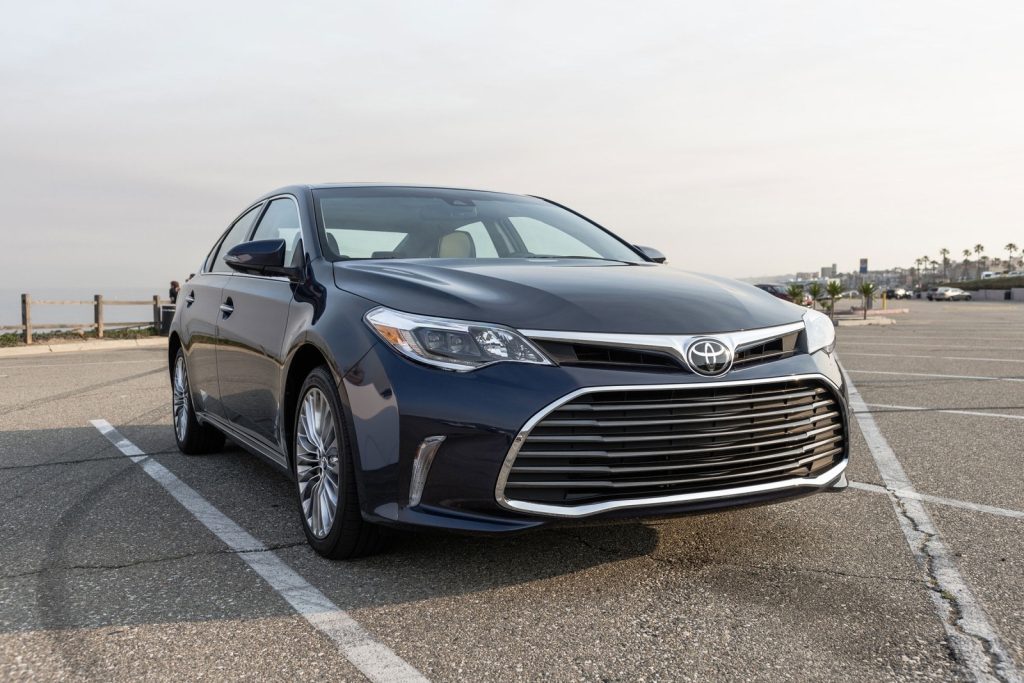
There is also a behavioural factor tied to how the Avalon is driven. It naturally encourages a relaxed driving style. Drivers are less likely to push it aggressively, which helps preserve its mechanical condition over time.
As the miles increase, the Avalon continues to operate with a level of composure that is difficult to match. It does not become overly sensitive to age-related wear, which allows it to remain dependable for years.
In many cases, these sedans continue running smoothly long after others would have been retired. The Avalon proves that comfort and longevity can coexist without compromise.
8. Nissan Altima (2013–2016)
The Nissan Altima takes a different path, one that focuses on efficiency and adaptability. It is designed to handle a wide range of driving conditions, and that flexibility plays a role in how well it holds up over time.
The engine is tuned for balanced performance. It does not rely on excessive output, which helps keep internal stress levels low. When an engine operates within moderate limits, it experiences less wear, especially over extended mileage.
A defining feature of the Altima is how it responds to everyday use. It transitions smoothly between city traffic and highway cruising, maintaining consistent behaviour in both environments. This adaptability allows it to avoid the kind of strain that comes from uneven usage patterns.
The transmission is designed to provide continuous and steady power delivery. Instead of abrupt gear changes, it maintains a smooth flow of power, which reduces mechanical shock. This helps preserve the drivetrain over time.
Weight efficiency is another advantage. The Altima is not overly heavy, which means the engine does not have to work as hard during acceleration. This reduction in effort contributes to long-term durability.
Maintenance accessibility supports its ability to last. Routine servicing can be performed without excessive difficulty, making it easier for owners to stay consistent with upkeep. Regular care ensures that the engine continues to perform efficiently.
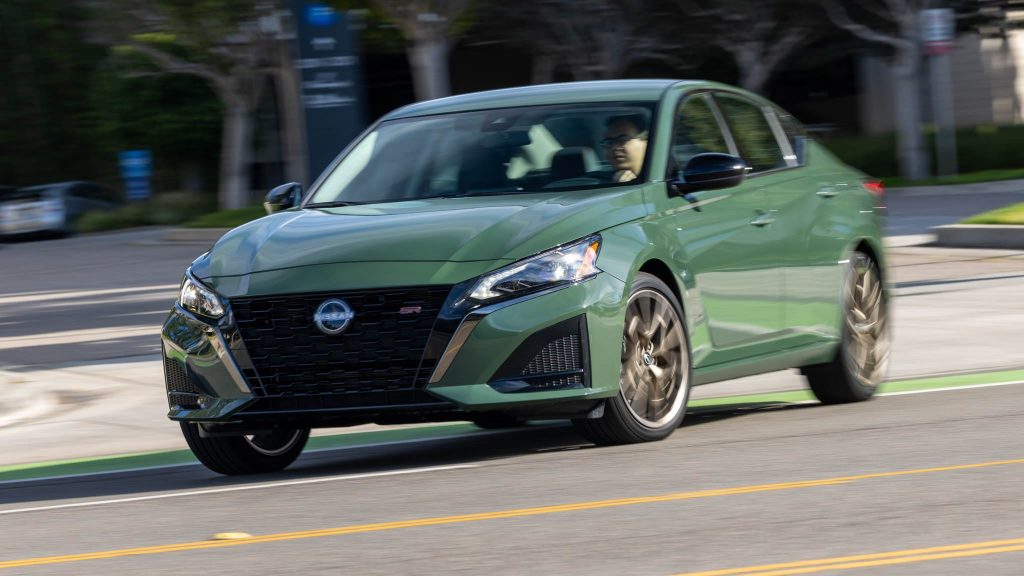
Driving habits also influence its longevity. The car encourages a calm and steady approach, which naturally reduces wear. Even in daily commuting scenarios, it maintains a level of smoothness that benefits the entire system.
As the vehicle ages, it continues to function reliably without becoming overly fragile. Minor issues do not immediately impact its usability, allowing owners to keep it on the road with manageable effort.
In long-term examples, the Altima demonstrates that a balance of efficiency, smooth operation, and practical design can result in a sedan that remains dependable for many years.
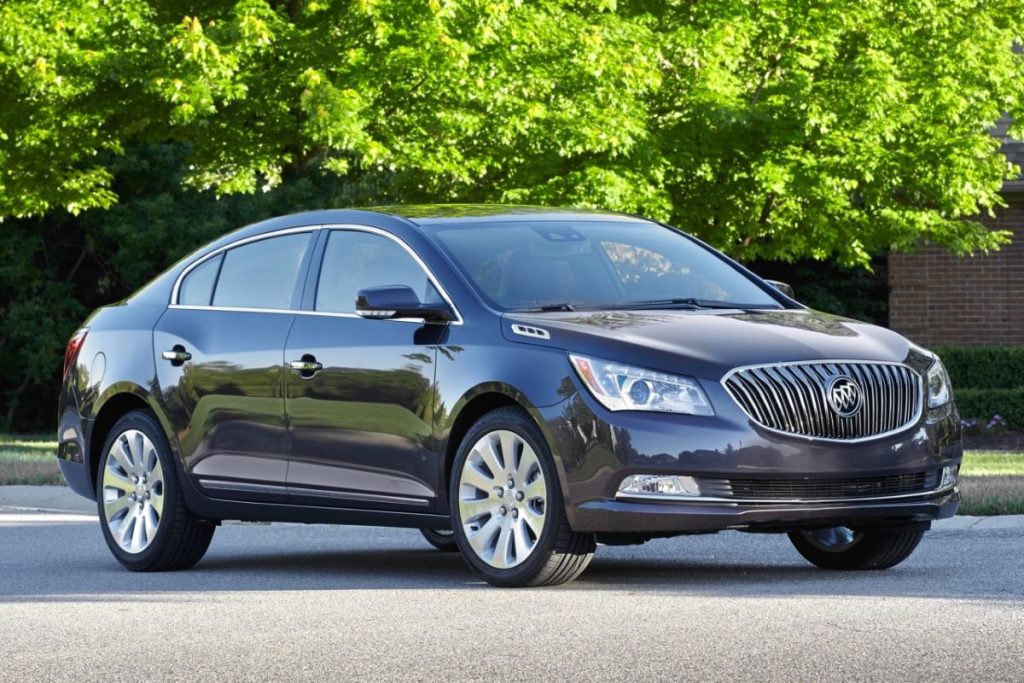
9. Buick LaCrosse (2012–2016)
Finish with a sedan that approaches longevity from a place of quiet strength rather than obvious reputation. The Buick LaCrosse does not always appear in conversations about long-term durability, yet it consistently proves capable of lasting far longer than expected when properly maintained.
The engine is designed with a focus on smooth and steady operation. It delivers power in a way that feels composed rather than aggressive. This controlled output reduces internal stress, allowing components to wear at a slower and more predictable rate. Over time, this becomes one of its greatest advantages.
There is also a sense of isolation in how the car operates. Vibrations are well managed, and that reduction in mechanical disturbance helps preserve internal parts. When an engine runs without excessive movement, it experiences less cumulative fatigue.
The transmission contributes by maintaining a consistent flow of power. It avoids abrupt shifts, which protects the drivetrain from sudden stress. This coordination between engine and transmission creates a stable environment for long-term use.
Another factor is how the vehicle handles extended driving. It performs best during steady cruising, where the engine can operate within a stable temperature range. This reduces wear caused by constant changes in load and temperature.
The structure of the car supports durability as well. It is built to handle daily use without transferring unnecessary stress to critical components. This helps maintain reliability as the vehicle ages.
Maintenance plays a steady role in keeping the LaCrosse on the road. Routine servicing, fluid changes, and attention to wear items ensure that the car continues to perform efficiently over time.
Driving experience encourages moderation. The LaCrosse is not a car that invites aggressive behaviour. Instead, it promotes a calm and composed approach, which naturally reduces strain on its mechanical systems.
As mileage increases, the car remains stable and usable. It does not become overly sensitive to minor wear, allowing owners to manage maintenance without constant urgency.
In long-term ownership scenarios, the LaCrosse stands out as a sedan that quietly delivers durability. It may not seek attention, but it rewards consistent care with years of dependable performance, making it a strong final entry among sedans that can truly last for decades.
Choosing a sedan under $15,000 that can last for decades is less about finding the newest model and more about identifying vehicles built with balance, consistency, and proven engineering.
The cars in this list stand out because they avoid unnecessary complexity while delivering reliable performance over long periods. Models like the Toyota Camry, Honda Accord, and Lexus ES 350 show how smooth power delivery and refined engineering can reduce internal stress and extend lifespan.
Another important takeaway is how different approaches can lead to the same result. Some sedans, such as the Toyota Avalon and Buick LaCrosse, achieve longevity through comfort and stability, encouraging calm driving habits that naturally reduce wear.
Others, like the Mazda6 and Hyundai Sonata, rely on efficiency and lighter construction to minimise strain on mechanical components.
Even more balanced options like the Ford Fusion and Nissan Altima demonstrate how modern design can still support long-term durability when paired with proper maintenance.
A common thread across all these vehicles is their ability to age gracefully. They do not become overly sensitive as mileage increases, which allows owners to handle maintenance gradually rather than dealing with sudden failures. This tolerance is essential for long-term ownership.
Maintenance remains the deciding factor. Regular oil changes, attention to cooling systems, and timely servicing ensure that these sedans continue to perform reliably. Equally important is driving style. Smooth acceleration and steady cruising significantly reduce wear over time.
These sedans prove that long-lasting ownership is still achievable on a reasonable budget. With the right choice and consistent care, a used car can remain dependable for years, offering not just value but true longevity.
Also Read: 8 Used Cars Tow Truck Drivers See on the Side of the Road Most
