

Every truck owner knows the frustration of a flat tire on a long highway stretch. The spare tire is your lifeline in those moments. But what many drivers do not realize is that some trucks hide their spare tires in locations that are incredibly difficult to access. You might think grabbing a spare takes five minutes. In reality, certain truck designs can turn that simple task into a 30-minute ordeal.
Truck manufacturers design spare tire storage with space efficiency in mind. Unfortunately, convenience is often sacrificed in the process. Some spares are tucked deep beneath the truck bed. Others are buried under heavy cargo panels or locked behind complex mechanisms. When you are stranded on a dark highway at night, those extra minutes feel like hours.
This guide covers eight popular trucks whose spare tire locations are notoriously time-consuming to access. We will walk you through exactly where each spare is stored. We will also explain why reaching it takes so long. Understanding your truck’s spare tire system before an emergency happens is absolutely critical. Being prepared can mean the difference between a minor inconvenience and a dangerous roadside situation. Read on and get to know your truck better.
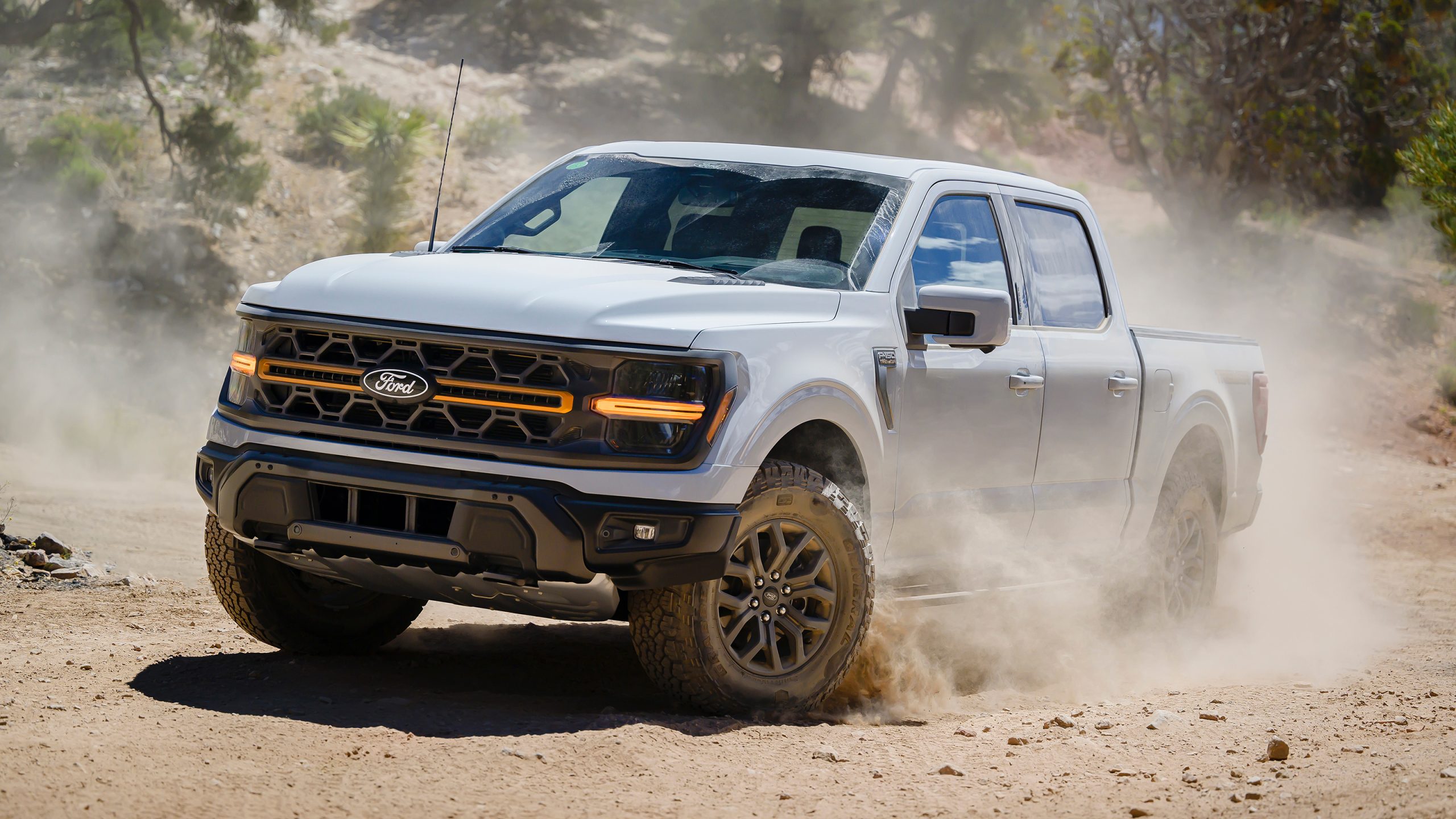
1. Ford F-150
The Ford F-150 has been America’s best-selling truck for decades running. Millions of drivers rely on it every single day. However, when a flat tire strikes, many F-150 owners are caught completely off guard by the spare tire location.
The spare tire on the Ford F-150 is stored underneath the truck bed. It hangs suspended by a cable-and-hoist mechanism bolted to the truck’s frame. Ford designed this system to save bed space and keep the spare protected from road debris.
To access the spare, you must first locate the hoist access hole. This small opening is found at the rear of the truck bed. It is often hidden beneath a plastic plug or cover that blends into the bed liner.
You then need to insert the jack handle extension through that hole. The extension connects to a socket that turns the lowering mechanism. Without the proper tools from your truck’s kit, this step alone is impossible to complete.
Once connected, you begin turning the handle slowly. The cable gradually lowers the spare tire toward the ground. This process requires patience because turning too fast can jam the mechanism entirely.
After the tire reaches the ground, you must slide a retainer bracket off the wheel. The bracket holds the tire securely to the cable end. This bracket can be extremely stiff, especially on older trucks that have never had the spare removed.
Mud, rust, and road grime accumulate around the hoist mechanism over time. Many F-150 owners report that the cable becomes corroded after just a few years. A corroded cable can seize completely, making the spare impossible to lower without additional tools.
The entire process from opening the tailgate to getting the spare tire averages around 25 to 35 minutes. First-time users frequently report taking even longer. Ford does include instructions in the owner’s manual, but reading them roadside under stress adds more time.
Regular maintenance of the hoist system is strongly recommended by Ford technicians. Spraying the cable with penetrating lubricant twice a year helps prevent seizing. Practicing the removal process in your driveway before an emergency is one of the smartest things an F-150 owner can do.
The F-150’s underbody spare system is functional and space-saving by design. However, it is one of the most frustrating systems to use under pressure. Knowing this ahead of time gives you a significant advantage when trouble strikes on the road.
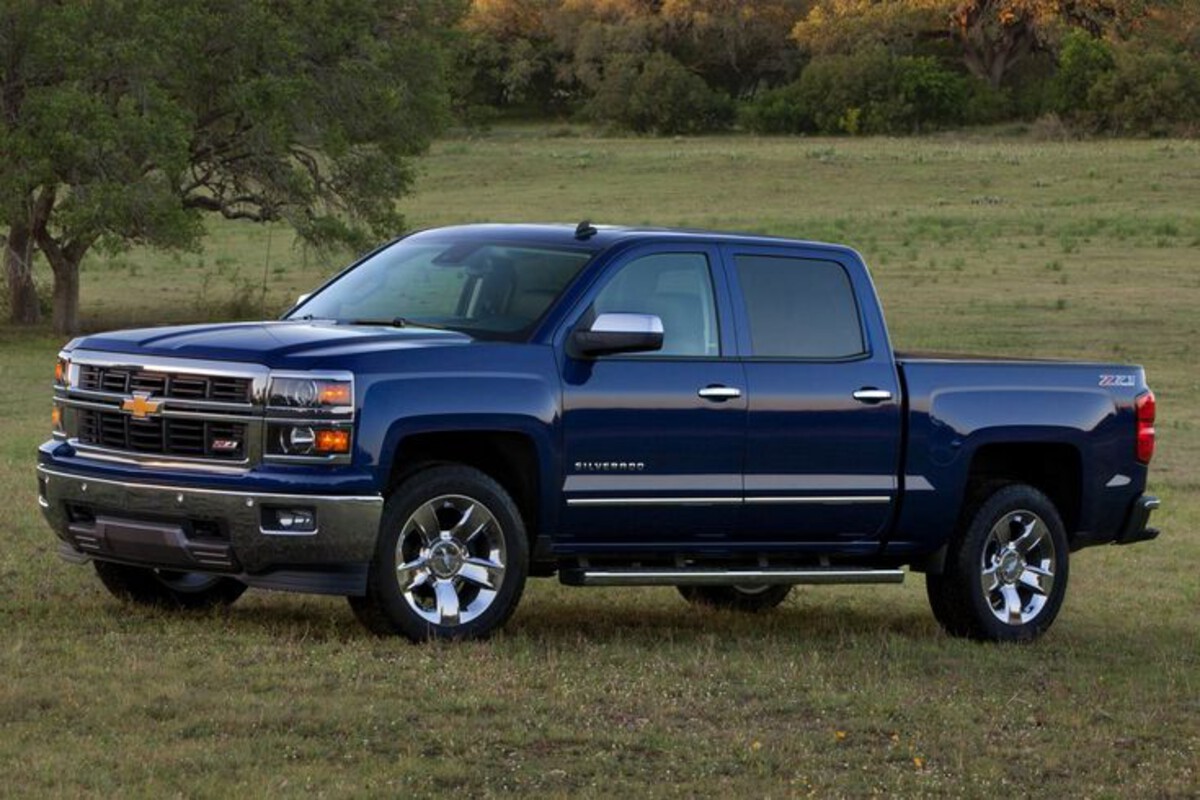
2. Chevrolet Silverado 1500
The Chevrolet Silverado 1500 is a powerhouse truck beloved by workers and weekend warriors alike. It offers impressive towing capacity and a rugged, dependable build. But its spare tire access system is one that frequently surprises new owners.
Like the F-150, the Silverado stores its spare tire underneath the truck. It sits in a recessed mount beneath the rear of the truck bed. The tire is held firmly in place by a retainer and lowered via a cable hoist system.
To begin the process, you must retrieve the jack and tool kit from the cab. On most Silverado trims, these tools are stored under the rear seat. Finding and assembling them adds precious minutes to your total access time.
Once you have the tools, you insert the extension rod through the bumper access hole. This hole is located at the center of the rear bumper. It is not always immediately visible, particularly on trucks with aftermarket bumper accessories.
You then engage the hoist mechanism and begin lowering the tire. The lowering process on the Silverado requires steady, consistent turns of the handle. Rushing this step risks damaging the cable retainer system.
Debris and mud frequently clog the access hole on Silverado trucks. Drivers who use their trucks in off-road or farm environments face this problem most often. Clearing the hole before inserting the tool rod adds additional time to the process.
Once the tire is lowered, you must remove the retainer guide from the wheel. The guide slides through the center of the wheel and must be fully disengaged. This step requires you to get low to the ground, which can be physically demanding in bad weather.
Silverado owners in colder climates face an added challenge with ice and snow. The hoist cable can freeze solid during the winter months. Thawing the mechanism safely without damaging it can take 10 to 15 minutes on its own.
GM dealers recommend annual inspection of the spare tire hoist system. Lubricating the cable and checking the retainer condition prevents long-term issues. Skipping this maintenance step significantly increases your roadside access time.
The Silverado’s spare tire system is robust and well-engineered for normal conditions. However, under emergency conditions with weather, rust, or unfamiliar users, it regularly takes 30 minutes or more. Familiarity and maintenance are the two best tools any Silverado owner can have.
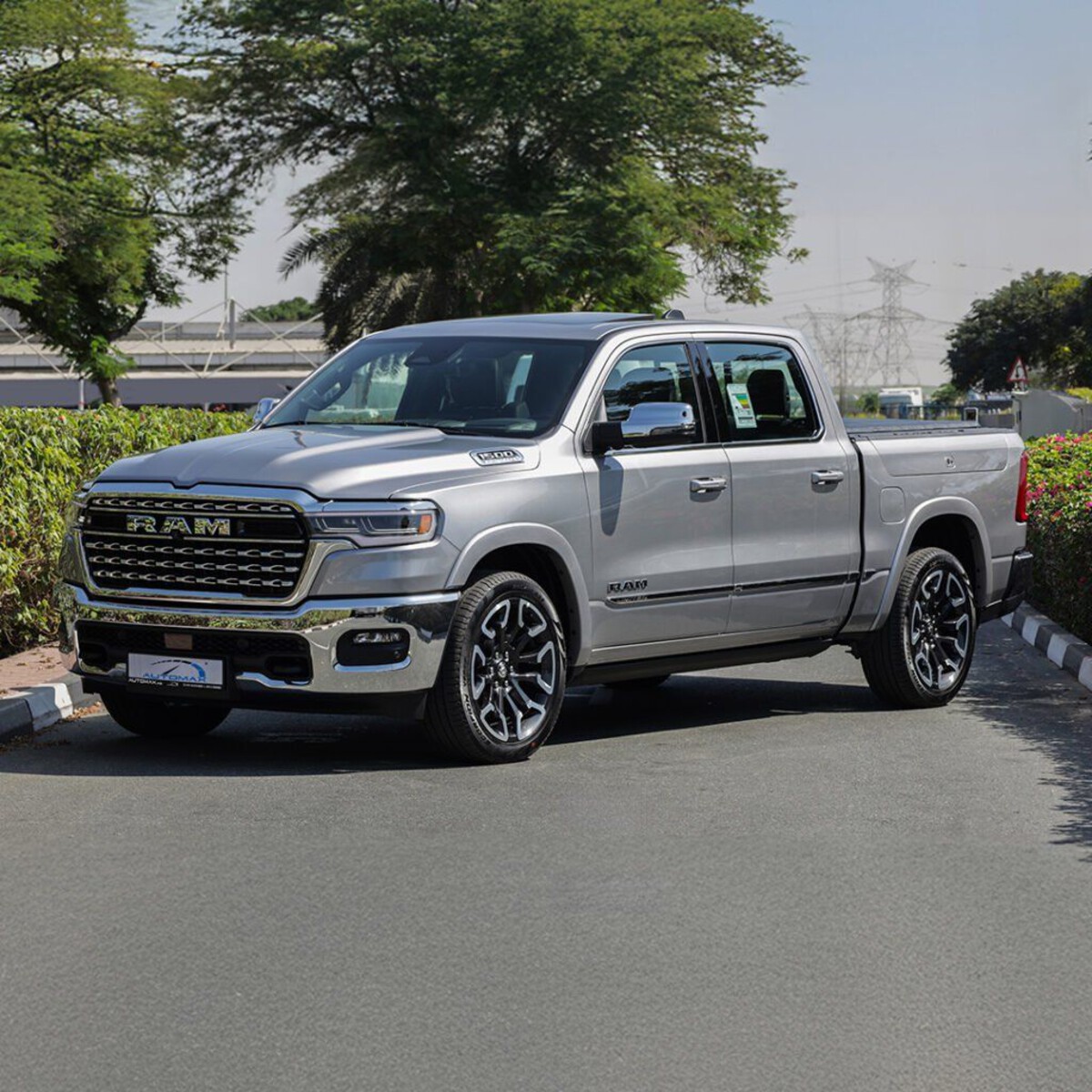
3. Ram 1500
The Ram 1500 is celebrated for its smooth ride, luxurious interior, and powerful engine lineup. It consistently ranks among the top-selling trucks in North America. However, accessing its spare tire is a process that demands time and preparation.
Ram stores the spare tire under the bed, similar to its domestic competitors. What sets the Ram apart is the integrated locking mechanism that secures the spare. This anti-theft feature is excellent for security, but adds time during emergencies.
The Ram 1500 spare tire lock is operated using the ignition key on most model years. You insert the key into a lock cylinder located near the rear bumper. Turning the key disengages the lock and allows the hoist mechanism to operate.
After unlocking, you retrieve the jack tools from their storage location. On Ram 1500 trucks, the tools are often stored in a bag beneath the rear seat or in a side compartment. Locating the correct tool bag is the first time-consuming step.
You then insert the extension rod into the hoist access port at the bumper. The port on Ram trucks is sometimes covered by a rubber plug. Removing the plug in cold or muddy conditions is more difficult than it sounds.
The hoist mechanism on Ram trucks operates smoothly when well-maintained. However, many owners neglect to lubricate the system regularly. A dry or corroded hoist can add 10 or more minutes to the total access time.
Once the tire is lowered, removing the retainer is the next challenge. The Ram uses a T-shaped retainer that threads through the wheel center. Aligning and removing this retainer in the dark or under rain requires patience and focus.
Ram truck owners who frequently haul heavy loads face another issue. Cargo shifting can damage the hoist cable over time. A frayed or kinked cable makes lowering the spare tire dangerously slow and unreliable.
Ram dealers provide spare tire hoist service checks during routine oil changes. Taking advantage of this service keeps the system functioning properly. A few minutes of annual maintenance can save you 30 minutes of roadside frustration later.
The Ram 1500 spare tire system is thoughtfully designed with security in mind. However, the multiple steps involved in unlocking, accessing, and lowering the spare make it one of the slower systems available. Being prepared is your best defense against a long roadside delay.
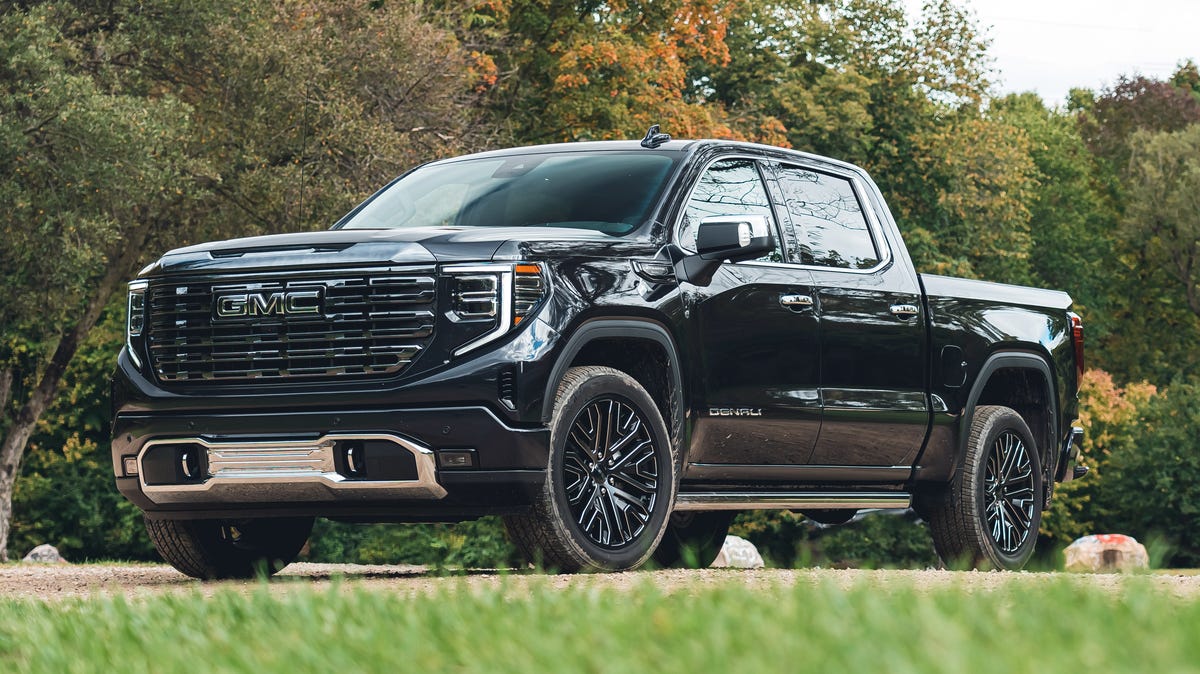
4. GMC Sierra 1500
The GMC Sierra 1500 shares its platform with the Chevrolet Silverado but carries its own distinct identity. It is a premium work truck with refined styling and strong capability. However, its spare tire access system presents the same challenges found across the GM truck family.
The Sierra’s spare tire sits underneath the truck, suspended by a cable hoist system. It is positioned beneath the rear suspension components and frame rails. This placement protects the tire but makes visual confirmation of its condition nearly impossible without crawling under the truck.
Accessing the spare begins with locating the jack tool kit. On Sierra trucks, the kit is typically stored under the rear seat in a fabric pouch. The pouch contains an extension rod, a lug wrench, and a jack handle that must be assembled correctly.
Assembling the tool extensions incorrectly leads to the rod not reaching the hoist mechanism. Many drivers assemble the rod backward on their first attempt. Correcting this mistake adds unnecessary time during an already stressful situation.
The hoist access point on the Sierra is at the rear of the truck near the bumper. Inserting the rod requires a specific angle that is not immediately intuitive. Owners who have never practiced this step often spend several minutes just locating and engaging the mechanism.
Once engaged, the lowering process begins with slow, counterclockwise turns. The Sierra’s hoist system lowers the tire at a steady, controlled rate. Attempting to speed up this process by using power tools can strip the hoist socket and cause permanent damage.
After the tire is on the ground, you must remove the guide tube from the wheel. The guide tube passes through the center hole of the wheel. It must be collapsed and removed carefully to avoid damaging the wheel’s center bore.
Trucks used in mountainous or muddy regions often have extremely rusted hoist systems. The rust can weld the cable bracket to the frame, making removal nearly impossible without penetrating oil. This situation alone can turn a 30-minute job into a two-hour ordeal.
Sierra owners should pull and inspect the spare tire at every oil change interval. Checking the tire’s air pressure and hoist condition prevents emergency complications. A properly maintained system can cut your roadside access time in half.
The GMC Sierra is an outstanding truck in virtually every measure. Its spare tire access system, while similar to many competitors, remains one of the most time-intensive in the segment. Knowledge, practice, and maintenance are the three pillars of handling it efficiently.
Also Read: 5 Discontinued Models Worth Hunting Down And 5 That Should Stay Forgotten In 2026
5. Toyota Tacoma
The Toyota Tacoma is the undisputed king of the midsize truck segment. It is beloved for its off-road capability, long-term reliability, and strong resale value. Yet when it comes to spare tire access, even the legendary Tacoma has its challenges.
The Tacoma stores its spare tire underneath the bed, toward the rear of the truck, near the axle. The tire is held in place by a cable retention system operated through the rear bumper. This design is common across Toyota’s truck lineup and is shared with the Tundra.
To begin accessing the spare, you must first remove the bed-mounted jack and tools. The Tacoma stores its jack behind the passenger seat or under the rear seat, depending on the cab configuration. Locating these tools is the essential first step.
You then take the extension rod and insert it into the rear bumper access hole. The hole is marked on most Tacoma models, but it can become difficult to see with aftermarket bumper guards. Proper alignment of the rod with the hoist socket takes practice to master.
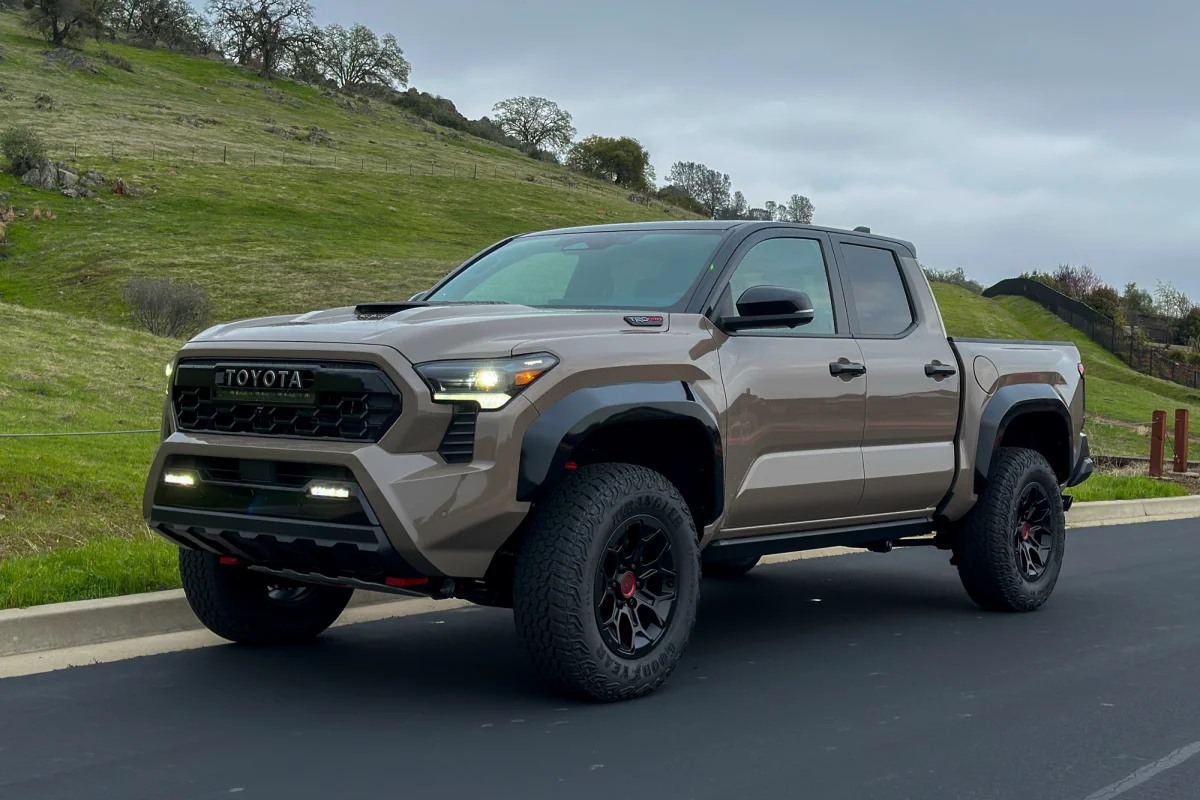
Toyota’s hoist mechanism is generally smooth and reliable when new. However, Tacomas are frequently used for overlanding, off-roading, and trail work. This heavy use exposes the hoist cable to extreme mud, water, and debris that accelerates corrosion.
Lowering the spare on a well-maintained Tacoma takes approximately 10 to 12 minutes with practiced hands. Adding unfamiliarity with the system, poor lighting, or bad weather can easily push that time past 30 minutes. First-time users consistently report needing help from a second person.
Once lowered, the Tacoma spare must be freed from its retention bracket. The bracket passes through the wheel and requires a specific release motion. Forcing the bracket instead of releasing it correctly can damage the wheel or the retention system.
Lifted Tacomas present an additional complication that many owners overlook. A lift kit raises the truck body higher than stock, increasing the distance the spare must be lowered. The stock cable length may not be sufficient on trucks with significant suspension lifts.
Toyota recommends checking the spare tire and hoist mechanism during every major service interval. Many Tacoma owners neglect this step because the truck is so reliable in other areas. This neglect is precisely what turns a 15-minute job into a 35-minute roadside nightmare.
The Toyota Tacoma’s spare tire system is solid by design but demanding in practice. Its off-road-oriented ownership base means the hoist system faces tougher conditions than most. Respecting the maintenance schedule is the key to keeping access time manageable.
6. Ford F-250 Super Duty
The Ford F-250 Super Duty is built for serious work. It hauls heavy trailers, powers through rough terrain, and withstands punishment that would destroy lesser vehicles. However, its spare tire access system is arguably the most physically demanding of any truck on this list.
The F-250 carries its spare tire underneath the truck bed, mounted via a heavy-duty cable hoist system. Unlike the lighter F-150 spare, the F-250’s spare is a significantly heavier tire due to the truck’s load ratings. This weight factor alone makes the process more time-consuming and physically exhausting.
Accessing the spare begins with the standard tool retrieval from the cab. The F-250 stores its jack and extension tools under the rear seat in the crew cab configuration. In regular cab models, tool storage locations vary and require additional searching.
Inserting the extension rod into the rear bumper hoist port is the next step. The F-250’s bumper is higher off the ground than most trucks. This added height means you must reach upward while simultaneously aligning the rod, which is awkward and tiring.

Once connected, lowering the spare requires significant effort due to the tire’s weight. Each turn of the handle feels noticeably heavier than it does on a half-ton truck. Drivers with limited upper body strength or physical limitations find this step particularly challenging.
The F-250’s hoist cable must handle tremendous weight over the truck’s lifetime. This stress accelerates cable wear compared to lighter-duty trucks. A worn cable can slip or snap during lowering, creating a dangerous situation that requires professional roadside assistance.
After the tire is on the ground, two people are often needed to maneuver it safely. A fully inflated F-250 spare can weigh 60 to 80 pounds or more. Sliding it out from under the truck and positioning it for mounting is a genuine physical workout.
Super Duty trucks used in commercial fleets face even more demanding conditions. Fleet vehicles often have their spare tire systems neglected due to high turnover. A poorly maintained commercial F-250 spare can easily require 45 minutes or more to access.
Ford recommends that F-250 owners perform quarterly hoist system checks. Given the truck’s demanding work environment, this frequency is entirely justified. Keeping the system lubricated and the cable in good condition is non-negotiable for reliable emergency access.
The Ford F-250 Super Duty’s spare tire system reflects the truck’s heavy-duty nature in every way. It is built tough but demands respect and preparation. Physical fitness, proper tools, and system familiarity are all essential components of a successful spare tire change.
7. Nissan Frontier
The Nissan Frontier has built a loyal following among truck buyers who value simplicity and durability. It is a midsize truck that punches above its weight class in terms of off-road capability. However, its spare tire storage design is one that frequently catches owners off guard.
The Frontier mounts its spare tire in a recessed cradle located behind the rear bumper. This positioning differs slightly from the standard underbody cable hoist found on most American trucks. The cradle design sounds simpler, but accessing it under pressure reveals its own set of complications.
To begin, you must remove the jack and tools from the truck bed or cab storage area. Frontier tool storage locations vary depending on the model year and trim level. Older Frontier models store tools in locations that are not immediately obvious to new owners.
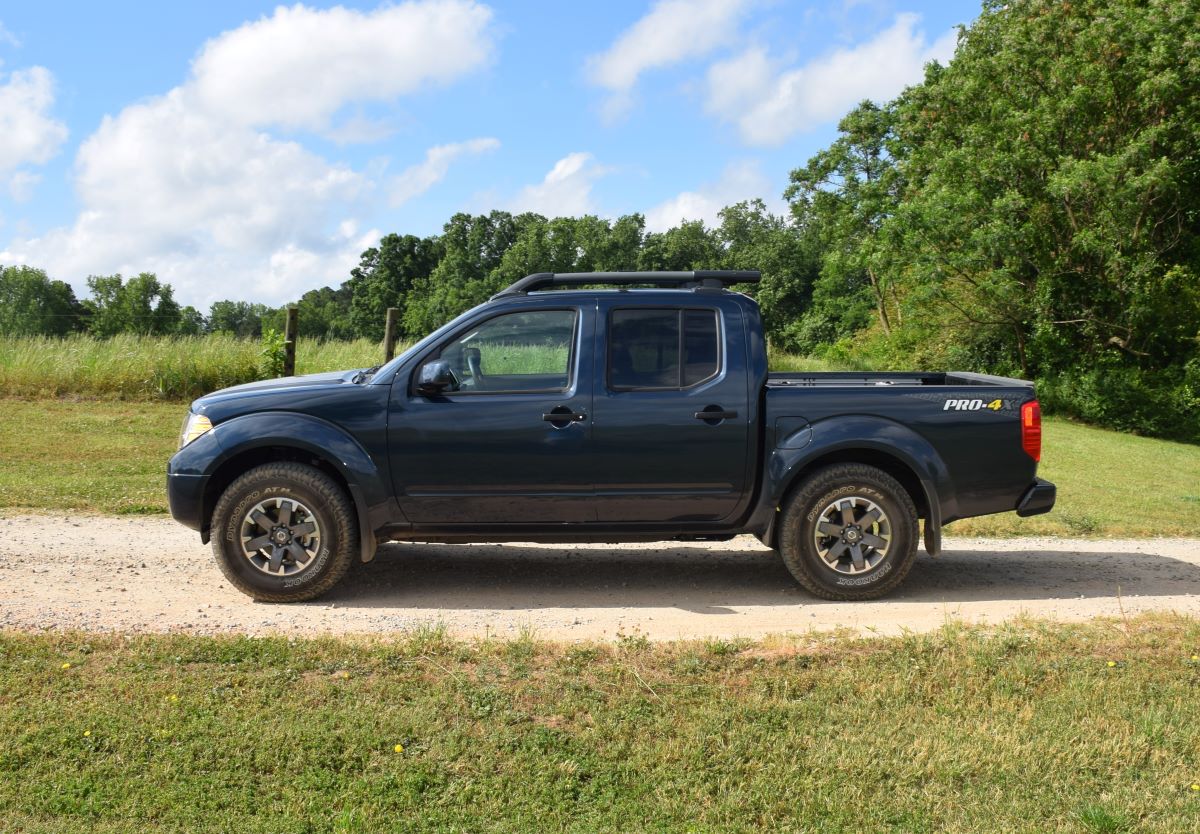
Accessing the spare cradle requires you to work directly behind the rear bumper. The cradle sits low and recessed, meaning you often must kneel or lie on the ground to properly engage the release mechanism. This physical position is uncomfortable, especially on wet or cold pavement.
The release mechanism uses a standard bolt and retention bracket system. You insert the lug wrench extension and turn to lower the spare from the cradle. The mechanism works smoothly when clean but becomes stiff when filled with dirt, rust, or dried mud.
Nissan Frontier trucks used in coastal areas face accelerated corrosion of the cradle system. Salt air attacks the metal cradle and retention bolt with remarkable speed. Owners in Florida, California, or along the Gulf Coast often discover their cradle system is nearly frozen with rust.
Once released from the cradle, the spare must be physically dragged clear of the bumper. The bumper overhangs the cradle slightly, creating a tight clearance. Maneuvering the tire past the bumper without scratching it or straining yourself takes careful positioning.
Aftermarket tow hitches and receiver-mounted accessories can block access to the Frontier’s spare cradle. Many owners add bike racks, cargo carriers, or hitch steps without realizing the impact. Removing these accessories before accessing the spare adds significant time to the process.
Nissan recommends inspecting the spare cradle during annual service appointments. Applying anti-rust spray to the cradle bracket and retention bolt is particularly important for Frontier owners. Prevention is always faster than trying to force a rusted system open on the roadside.
The Nissan Frontier’s cradle-mounted spare design is unique in the midsize truck segment. It offers adequate security but demands physical effort and clean maintenance to access efficiently. Knowing its location and practicing the release process puts you miles ahead during a real emergency.
8. Toyota Tundra
The Toyota Tundra is Toyota’s full-size truck entry and a serious competitor in the heavy half-ton segment. It is renowned for exceptional reliability, a refined ride, and strong resale value. Despite these impressive qualities, its spare tire access system is one of the most complex and time-consuming in the full-size truck category.
The Tundra stores its spare tire underneath the truck bed using an underbody cable hoist system. The system is similar in concept to what Ford and GM use, but features Toyota-specific components. These components are well-made but require specific knowledge to operate correctly.
Accessing the spare begins by retrieving the tool kit from the cab. On the Tundra, the jack and tools are stored in a bag located under the rear seat on Crew Max models. Double cab and regular cab models store the tools in different locations, which can confuse drivers unfamiliar with their specific configuration.
The tool kit must be fully assembled before use. The Tundra’s extension rods connect in a specific sequence to reach the hoist mechanism. Connecting them in the wrong order prevents the rod from reaching the hoist socket, wasting critical time.
You insert the assembled extension rod into the access hole located near the rear bumper. The Tundra’s access hole can be partially obscured on models with factory tow packages. Tow package components sometimes overlap the access area, requiring additional navigation of the tool rod.
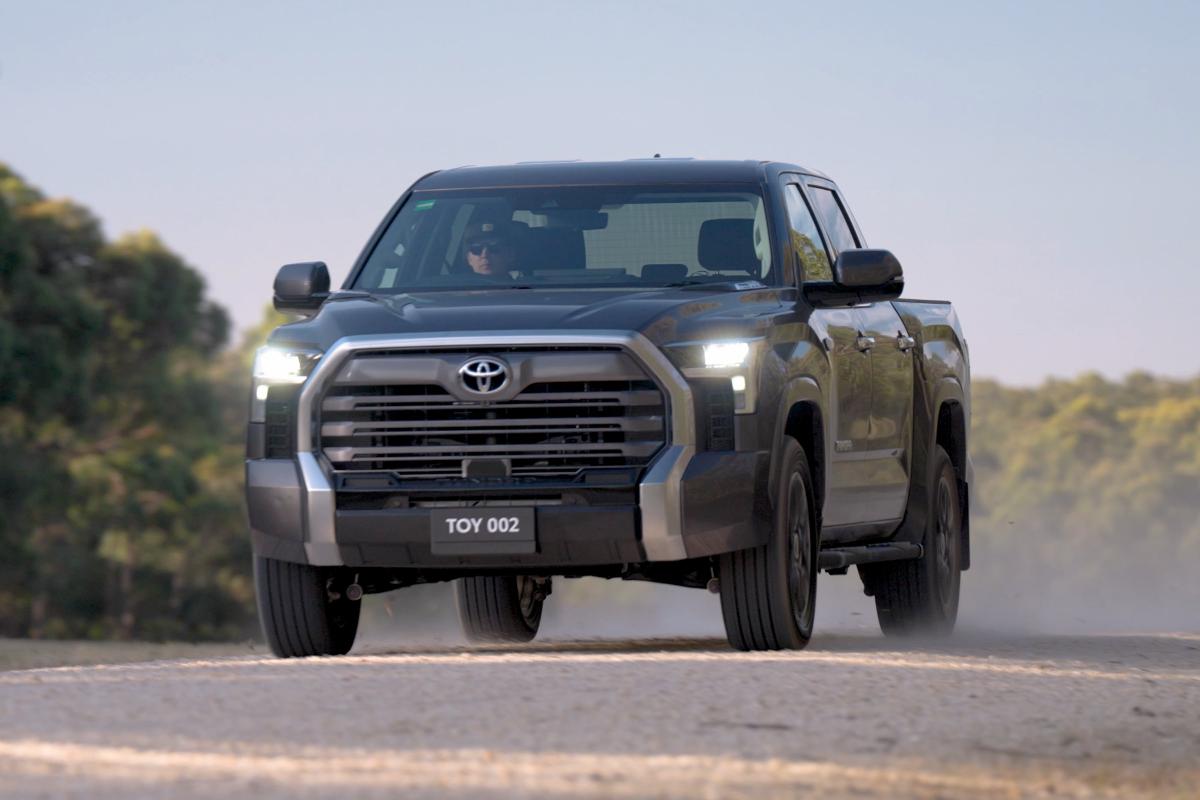
Toyota’s hoist mechanism is designed to lower the spare in a slow, controlled manner. This controlled lowering protects the cable and retainer system from shock damage. However, it means the process inherently takes longer than more aggressive lowering mechanisms.
The Tundra spare is a full-size tire that matches the truck’s large footprint. A full-size Tundra spare can weigh 50 to 70 pounds when fully inflated. Handling this weight while lying or crouching beneath the truck is physically demanding for a single person.
Second-generation Tundras (2007–2021) are particularly known for corroded hoist cables. The cable routing on these models exposes them to significant road splash and debris. Many Tundra owners discover a corroded cable for the first time when trying to access the spare during an emergency.
Toyota technicians strongly recommend a complete spare tire hoist inspection every 30,000 miles. This inspection includes cable condition, retainer function, and spare tire air pressure. Following this schedule prevents the most common causes of extended roadside access time.
The third-generation Tundra (2022 and newer) features an improved hoist system with better corrosion protection. However, even the improved system requires time and practice to operate effectively. Toyota has also improved tool storage accessibility on newer models, which helps reduce access time somewhat.
The Toyota Tundra spare tire system reflects Toyota’s commitment to engineering thoroughness. Every component is well-made and designed to last. However, that same thoroughness adds complexity that makes emergency access a multi-step, time-intensive process for the unprepared driver.
Also Read: 5 Used Performance Cars That Are Steals And 5 That Are Overpriced In 2026
