
When people talk about long-lasting pickup trucks, the conversation usually starts with engines, transmissions, suspension durability, and frame strength. But anyone who has actually lived with a truck for many years knows that interior durability matters just as much in daily ownership.
One of the most overlooked but frequently used interior components is the cup holder. It may sound minor, yet it is one of the first plastic parts to show age in cheaper or poorly engineered interiors. Cracking, loosening, fading, or becoming unusable over time is common in vehicles that use low-grade plastics or poorly designed cabin layouts.
On the other hand, some trucks are known for maintaining their interior integrity even after nearly two decades of use, including cup holders that still function properly without breaking or becoming brittle.
Another important aspect of long-term interior durability is how manufacturers choose to balance cost and strength. Many modern vehicles prioritize aesthetics, soft-touch materials, and complex designs, which sometimes introduce weak points in structural plastic components.
In contrast, older and more utility-focused trucks tend to rely on thicker, simpler materials that are less visually refined but significantly more durable over time. This difference becomes especially noticeable in high-contact areas such as cup holders, door pockets, and center consoles.
Environmental exposure also plays a major role in how interiors age. Trucks are often parked outdoors for long periods, exposed to direct sunlight, heat cycles, and dust. Over time, these conditions break down weaker plastics, making them brittle and prone to cracking. Trucks that use UV-stabilized materials or thicker polymer blends tend to resist this damage far better. Even after years of exposure, their cup holders remain flexible enough to withstand daily use without structural failure.
Design philosophy is another critical factor. Manufacturers that design trucks primarily for work use tend to avoid unnecessary moving parts in interior storage systems. A fixed, molded cup holder integrated into a reinforced console is far more durable than a retractable or modular design. Each hinge, spring, or sliding mechanism introduces potential failure points, especially over long ownership periods. Simplicity, in this case, directly translates into longevity.
Real-world usage patterns influence durability outcomes. Trucks used in fleet operations, construction work, farming, or long-distance travel experience far more stress than average commuter vehicles. Interestingly, some of the most durable interiors come from trucks that were never designed to be gentle lifestyle vehicles but instead built for demanding environments.
Over time, these vehicles develop a reputation for surviving harsh use while still maintaining functional interiors, including cup holders that surprisingly remain intact even after decades.
ALSO READ: 9 Vehicles With Side Mirrors Wide Enough for Older Eyes
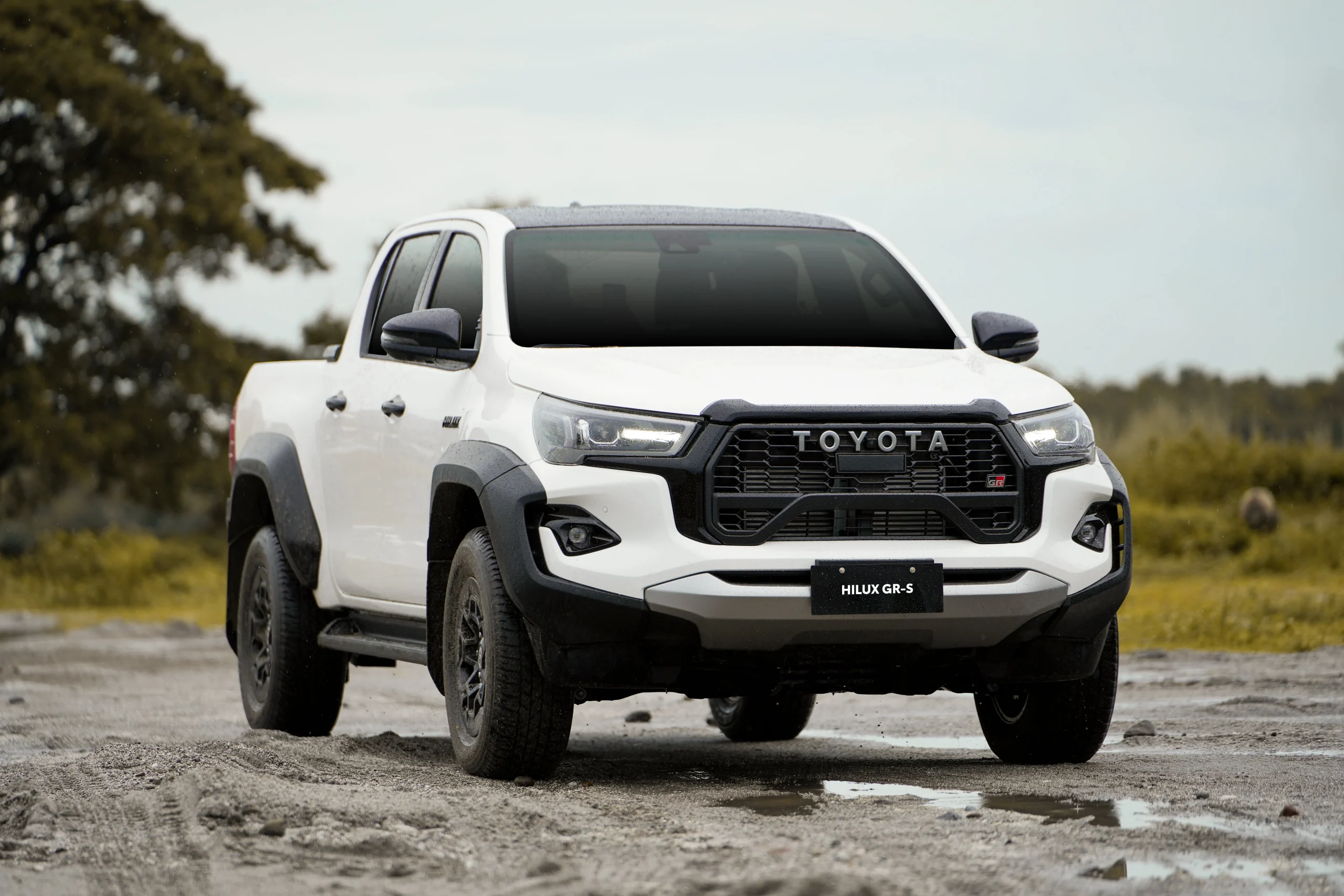
1. Toyota Hilux
The Toyota Hilux is one of the most globally recognized pickup trucks for durability, often associated with extreme reliability in both urban and off-road environments. Its reputation is built on decades of consistent performance in regions where vehicles are expected to endure heavy workloads, rough roads, and minimal maintenance. One aspect that contributes to its long-lasting interior is Toyota’s focus on functional simplicity rather than unnecessary complexity.
Inside the Hilux, the cabin materials are designed to prioritize durability over luxury. The plastics used in the dashboard and center console are generally thick and resistant to deformation under heat. Cup holders in older Hilux models are typically integrated into solid sections of the dashboard or center console rather than being fragile add-on pieces. This design approach reduces stress points and prevents cracking over time.
Many owners in rural and commercial environments report that Hilux interiors remain surprisingly intact even after years of continuous use. This includes cup holders that are frequently used for water bottles, thermoses, and worksite beverages. Even when subjected to constant vibration and temperature changes, the structural integrity remains stable. This is largely due to Toyota’s conservative engineering philosophy, which favors reliability over aesthetic innovation.
Another important factor is the global testing environment Toyota uses for the Hilux. This truck is sold in extremely diverse climates, from Middle Eastern deserts to Southeast Asian humidity and Australian outback conditions. Each of these environments places different stresses on interior materials, particularly plastics. As a result, the Hilux benefits from materials that are tested for both heat resistance and long-term flexibility.
This engineering approach creates a vehicle interior that ages slowly rather than deteriorating rapidly. While surface wear is inevitable, the underlying structure of components like cup holders tends to remain intact. Even high-mileage Hilux models often show minimal signs of cracking, which is why they are frequently used as long-term fleet vehicles.
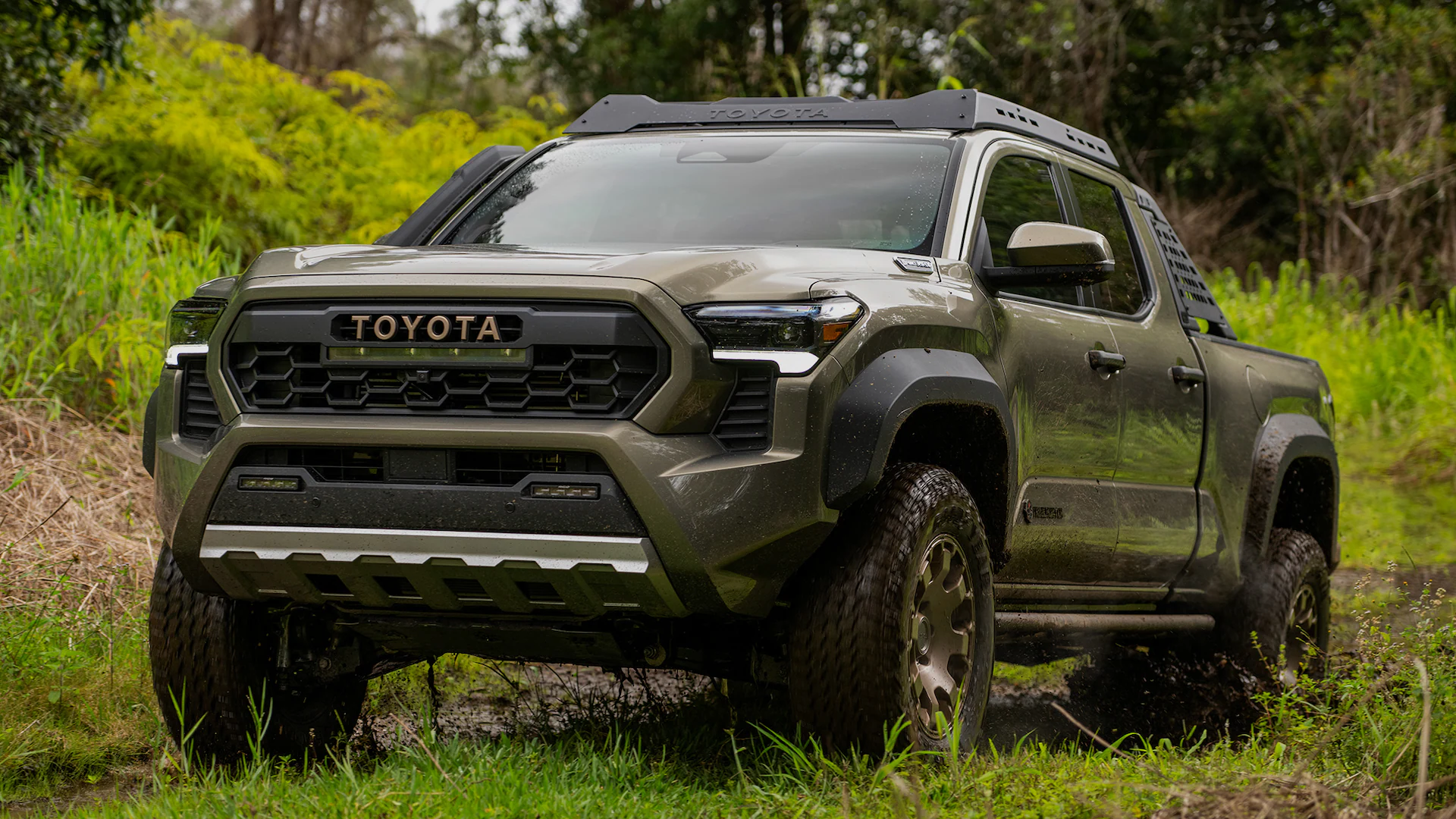
2. Toyota Tacoma
The Toyota Tacoma is widely known in North America for its strong resale value and long-term reliability. While it is smaller than full-size pickups, it shares many of Toyota’s durability principles, especially in interior engineering. Tacoma interiors are designed for practical use, particularly for outdoor and work-oriented drivers who expect their vehicle to last for many years.
One of the key strengths of the Tacoma is the quality of its interior plastics in older generations. While not luxurious, they are engineered to resist cracking and fading under normal environmental exposure. Cup holders in the Tacoma are typically molded into the center console with reinforced surrounding plastic, which helps distribute stress from repeated use.
In real-world ownership reports, many Tacoma drivers highlight how the interior holds up even after extensive off-road use. Vibrations from rough terrain, frequent temperature changes, and heavy use of storage compartments do not usually lead to immediate structural failure. Instead, wear appears gradually and remains mostly cosmetic for many years.
Another advantage of the Tacoma design is its compact but efficient interior layout. Because the cabin is smaller than that of full-size trucks, components are often more tightly integrated into the structure. This reduces movement and flexing in areas like the center console, which directly benefits cup holder longevity.
Toyota’s focus on long-term reliability means that even lower trim Tacoma models receive relatively durable interior materials. Unlike some competitors that reserve higher-quality plastics for premium trims, Tacoma interiors maintain a consistent baseline of durability across the lineup. This contributes to the model’s reputation for aging well even in high mileage scenarios.
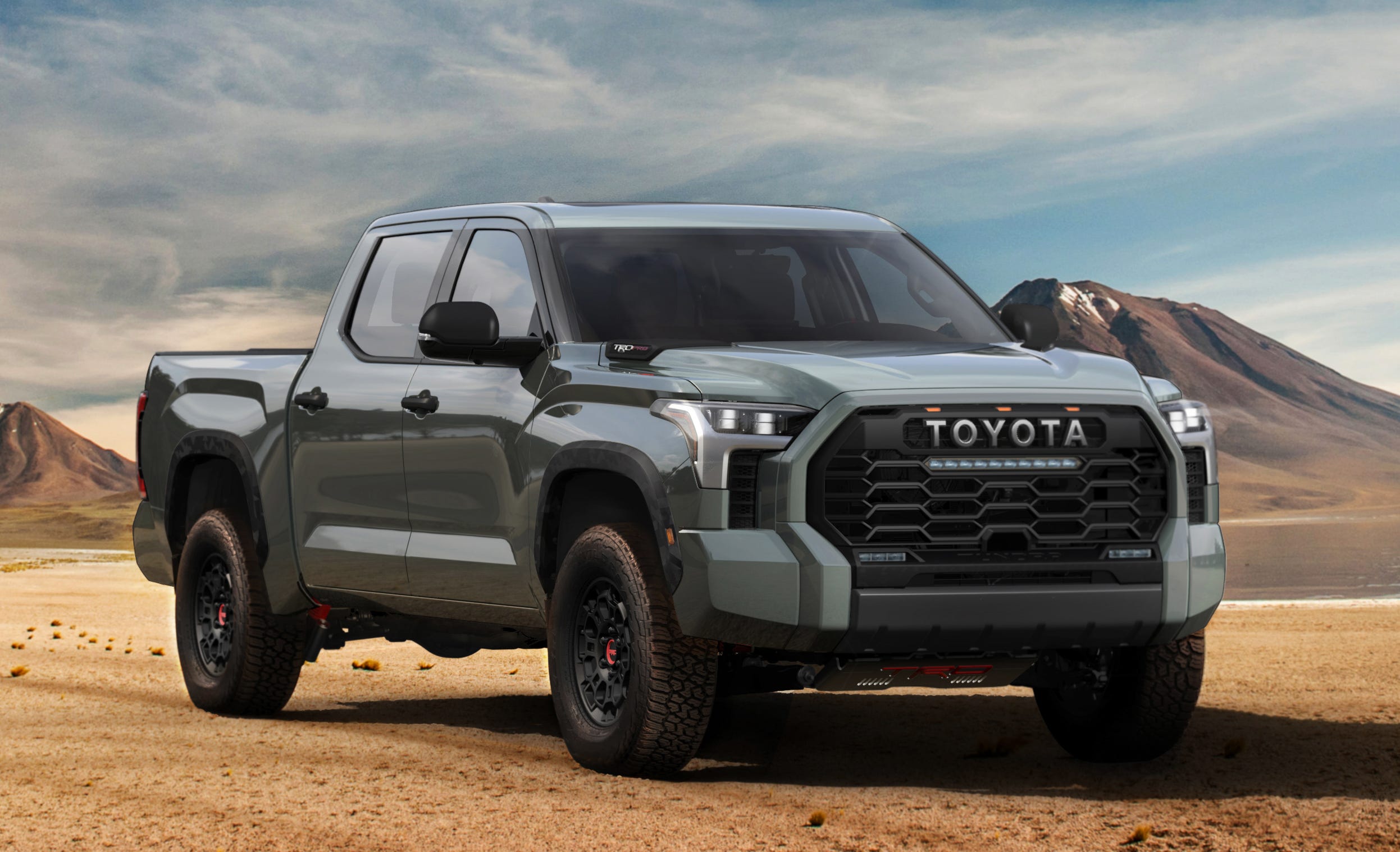
3. Toyota Tundra
The Toyota Tundra is Toyota’s full-size pickup designed primarily for the North American market. Known for its strong engines and dependable drivetrain, it also has a reputation for maintaining a solid interior over long periods of ownership. Many older Tundras are still on the road today with interiors that remain functional despite heavy use.
Cup holders in the Tundra are typically integrated into robust center console structures. Rather than being thin plastic inserts, they are supported by thicker framing that helps prevent stress fractures. This is especially noticeable in older models, where interior design focused heavily on durability rather than modern styling trends.
One of the reasons the Tundra performs well in long-term interior durability is its target audience. The truck was designed with towing, hauling, and work-related usage in mind. As a result, interior components were engineered to withstand repeated stress rather than occasional light use. Cup holders, armrests, and storage compartments are all built with this philosophy.
Owners frequently report that even high-mileage Tundras used for construction, agriculture, or long-distance driving maintain intact cup holders after many years. While cosmetic fading and wear on soft surfaces can occur, structural breakage is relatively uncommon.
Another factor contributing to durability is Toyota’s use of stable polymer blends that resist temperature-related deformation. In regions with extreme heat or cold, plastic components often expand and contract repeatedly. In weaker materials, this leads to cracking over time. In the Tundra, these effects are minimized through careful material selection.
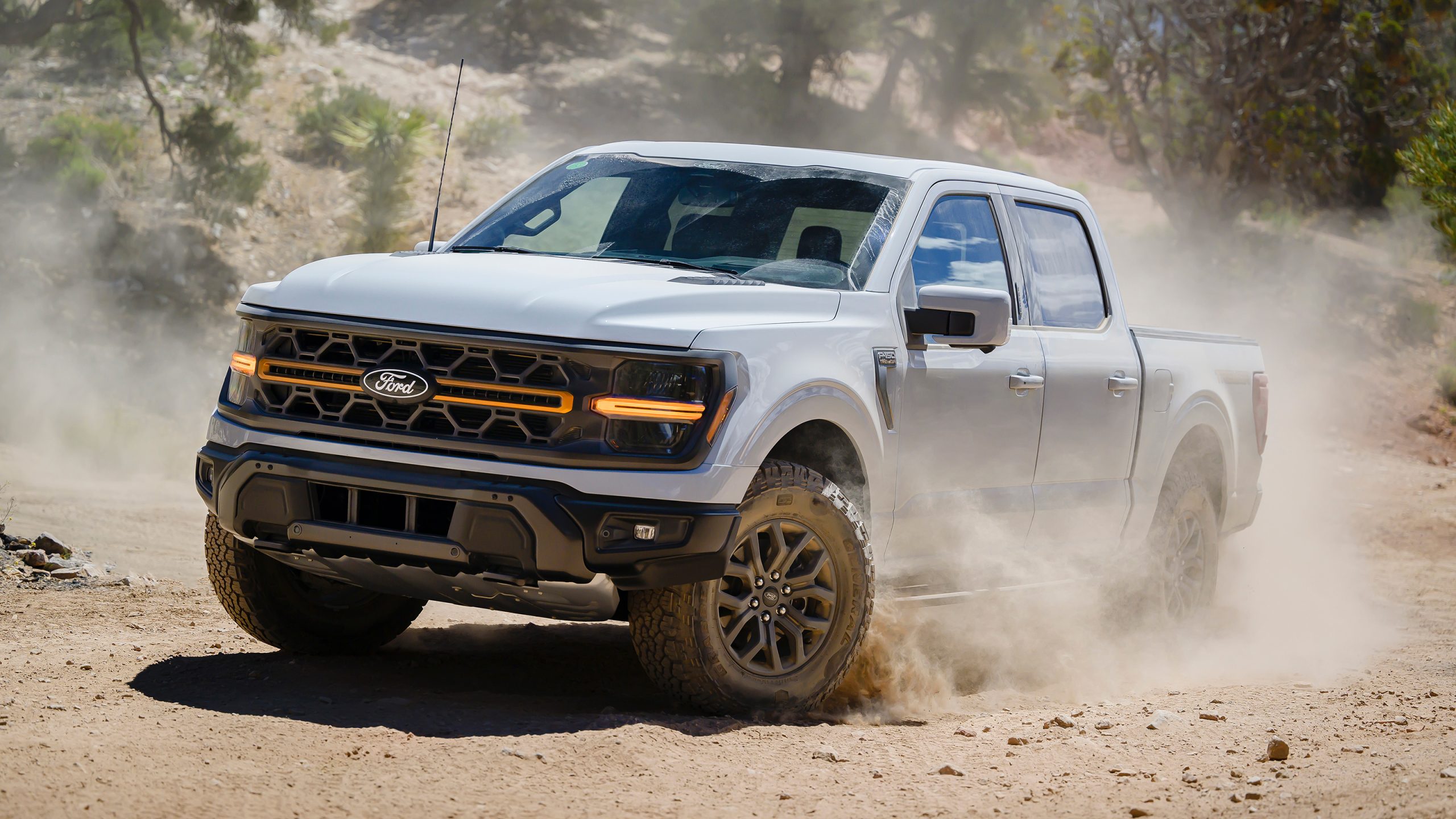
4. Ford F-150 (Older Generations)
The Ford F-150 is one of the best-selling trucks in history, and certain older generations are known for surprisingly durable interiors when properly maintained. While newer models focus more on technology and luxury, older F-150 versions emphasized rugged practicality.
In particular, models from the late 2000s and early 2010s are often praised for having solid interior construction. Cup holders in these trucks are typically molded into durable center consoles that can withstand repeated use without immediate failure. The design approach was straightforward, prioritizing function over decorative complexity.
One of the key strengths of older F-150 interiors is their modular simplicity. Many components were designed to be easily replaceable or serviceable, which often resulted in stronger structural parts. Cup holders were not overly engineered or equipped with fragile moving mechanisms, reducing long-term failure risk.
However, durability can vary depending on trim level and usage conditions. Work-oriented trims tend to have simpler interiors with fewer fragile components, which often results in better long-term survival of cup holders compared to higher trim versions with more complex console designs.
Ford also improved interior plastics over time, especially after mid 2000s redesigns, making later models more resistant to brittleness compared to earlier generations. In well-maintained examples, cup holders can remain fully functional even after many years of heavy use.
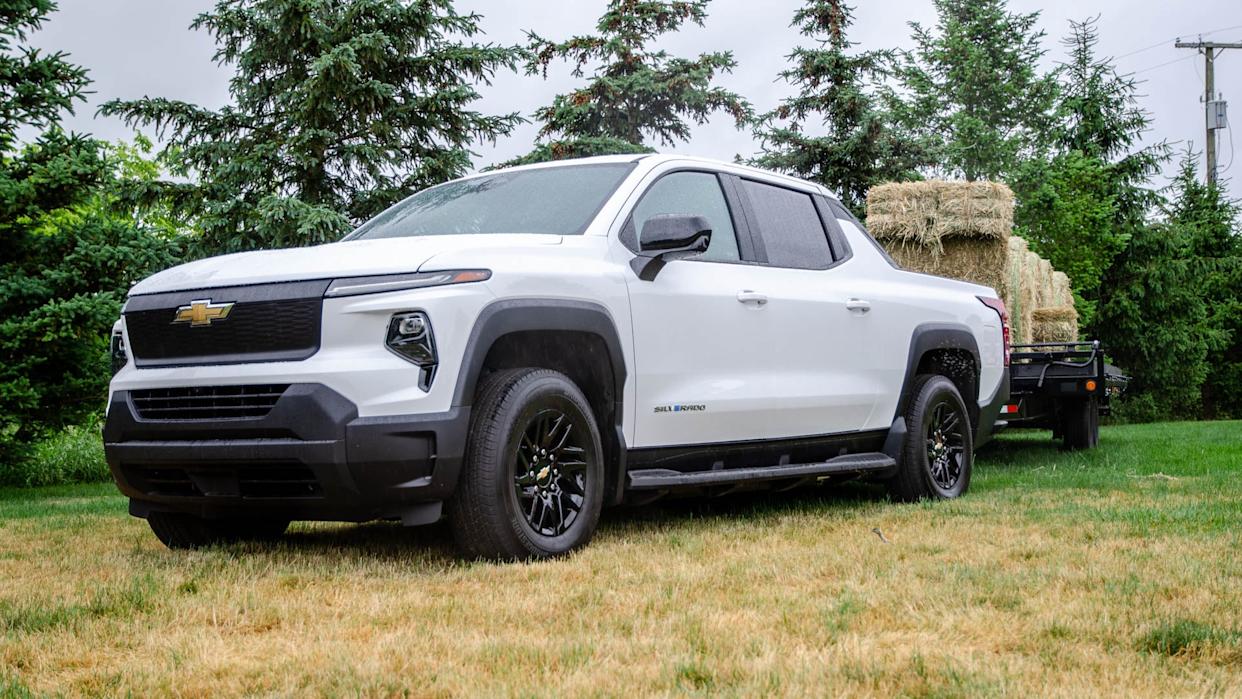
5. Chevrolet Silverado
The Chevrolet Silverado, particularly models from the GMT900 and early K2 generations, has a reputation for strong mechanical durability and reasonably solid interior construction. While some early 2000s GM interiors were criticized for material quality, later improvements made significant progress in both fit and finish as well as long-term plastic resilience.
One of the key reasons Silverado cup holders tend to last longer in later generations is the improvement in plastic formulation. General Motors gradually moved toward more heat-resistant and UV-stabilized polymers, which significantly reduced issues like brittleness and surface cracking. In earlier models, prolonged sun exposure often caused dashboard and console plastics to dry out, but later versions showed noticeable improvement in resistance to environmental aging.
Cup holders in the Silverado are generally integrated into large, sturdy center consoles rather than being separate or loosely attached components. This integrated approach distributes force more evenly when bottles or cups are placed under pressure during driving. As a result, even after repeated daily use, the structural frame around the cup holders tends to remain intact.
Another factor contributing to durability is the Silverado’s widespread use in commercial and fleet environments. Many of these trucks are driven extensively in construction, agriculture, and service industries, where interiors are exposed to constant vibration and heavy usage. Interestingly, this kind of real-world stress often reveals which components are genuinely durable. In the case of the Silverado, cup holders in well-maintained units tend to remain functional even after years of demanding work conditions.
It is also worth noting that GM refined interior ergonomics over time. Later Silverado models reduced unnecessary complexity in the center console, removing weak mechanical elements that were present in older designs. This simplification indirectly improved long-term durability, as fewer moving parts means fewer failure points over time.
Even when cosmetic wear appears, such as fading or minor surface scratches, structural integrity is usually preserved. This is one of the reasons Silverado trucks from the late 2000s onward are still commonly seen with usable interiors despite high mileage.
ALSO READ: 10 Cars Mechanics Often Advise Against for Their Own Families
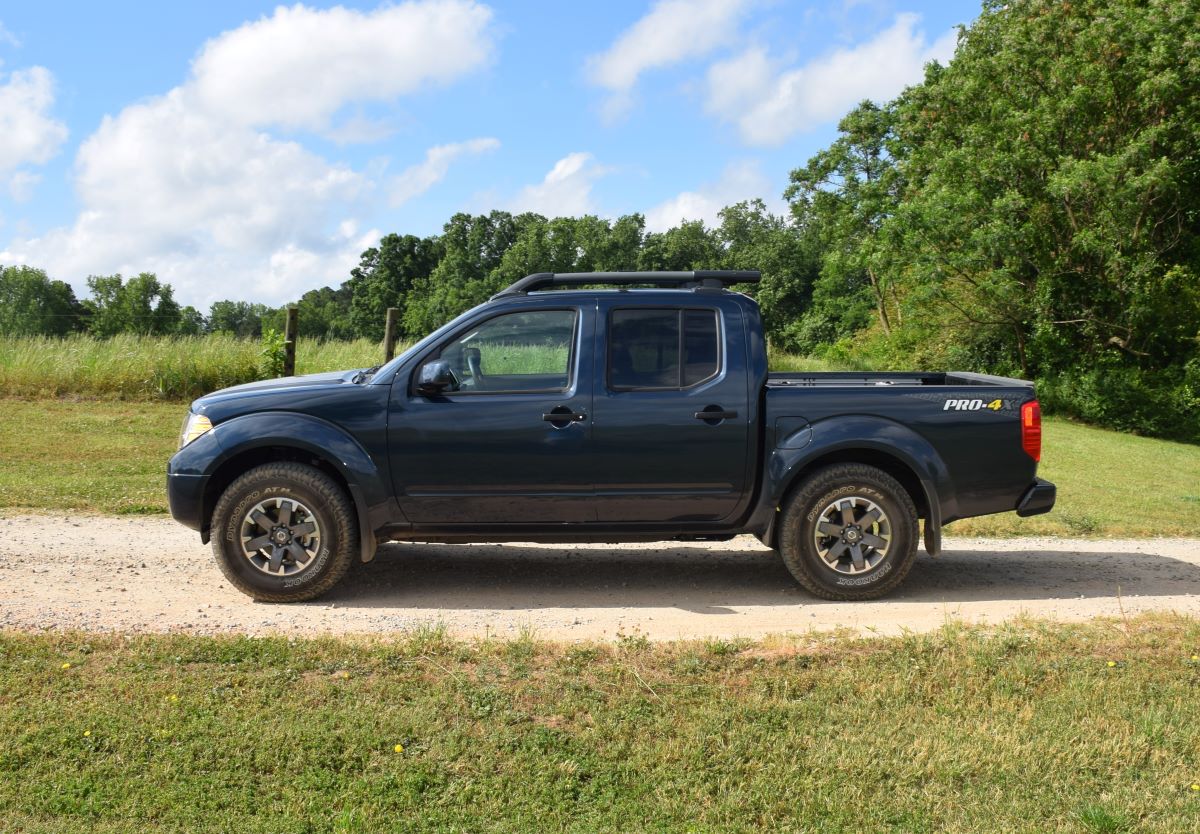
6. Nissan Frontier
The Nissan Frontier is often considered one of the most underrated midsize trucks in terms of long-term durability. While it does not always receive the same attention as Toyota or Ford competitors, it has built a reputation for simple engineering and reliable performance over extended ownership periods.
One of the strongest aspects of the Frontier is its straightforward interior design. Unlike more modern trucks that emphasize complex aesthetics and electronic integration, the Frontier focuses on functionality. This simplicity plays a major role in the long-term survival of interior components like cup holders.
Cup holders in the Frontier are typically molded directly into the center console with minimal additional mechanisms. This reduces the number of stress points that can weaken over time. Because there are no retractable parts or delicate sliding systems in most older models, the chances of mechanical failure are significantly reduced.
Owners who have used the Frontier for work purposes, such as construction or outdoor utility tasks, often report that the interior holds up well even after years of heavy use. While the materials are not premium, they are consistent and resilient enough to avoid major structural issues under normal conditions.
Another advantage is the relatively thick plastic construction used in many older Frontier models. Although the design is basic, the material itself tends to resist cracking better than thinner, more decorative plastics found in some competitors. This makes a noticeable difference in areas like cup holders, where repeated insertion and removal of bottles creates constant stress.
The Frontier also benefits from Nissan’s focus on global durability standards for its utility vehicles. In many international markets, this truck is used in rugged environments where reliability is essential. As a result, interior components are designed with longevity in mind rather than luxury appeal.
Even after many years, it is common to find Frontiers with fully functional cup holders that have not broken or detached. While wear and fading may occur, structural breakdown is relatively uncommon when the vehicle is maintained reasonably well.
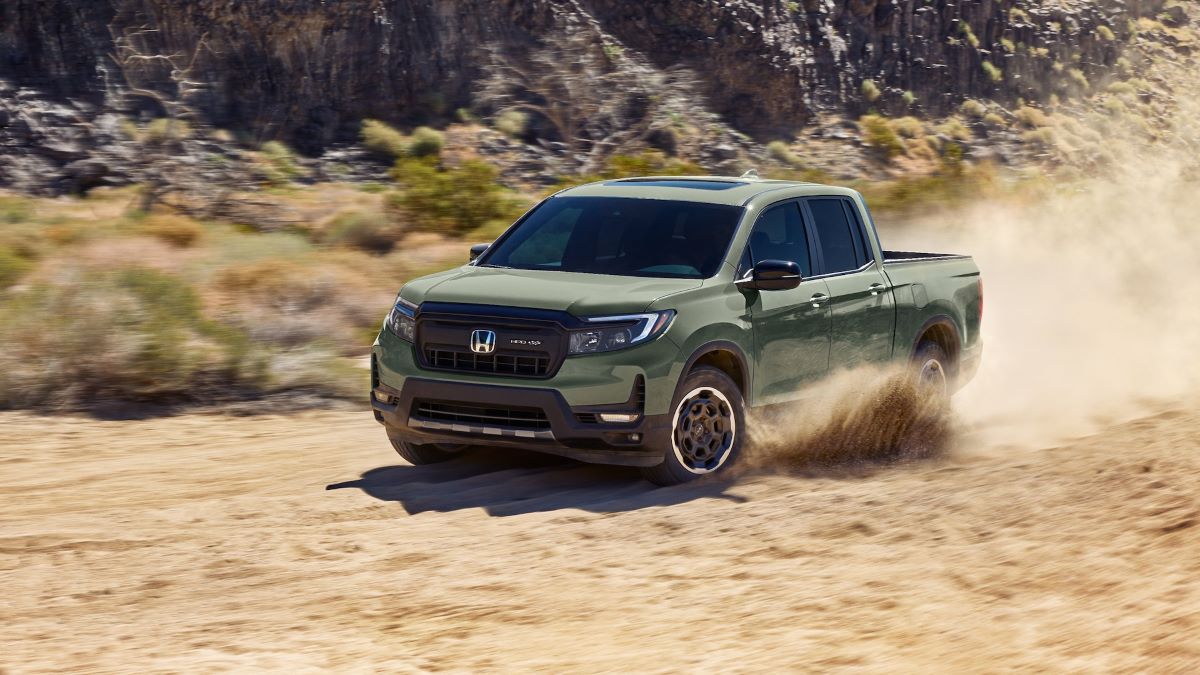
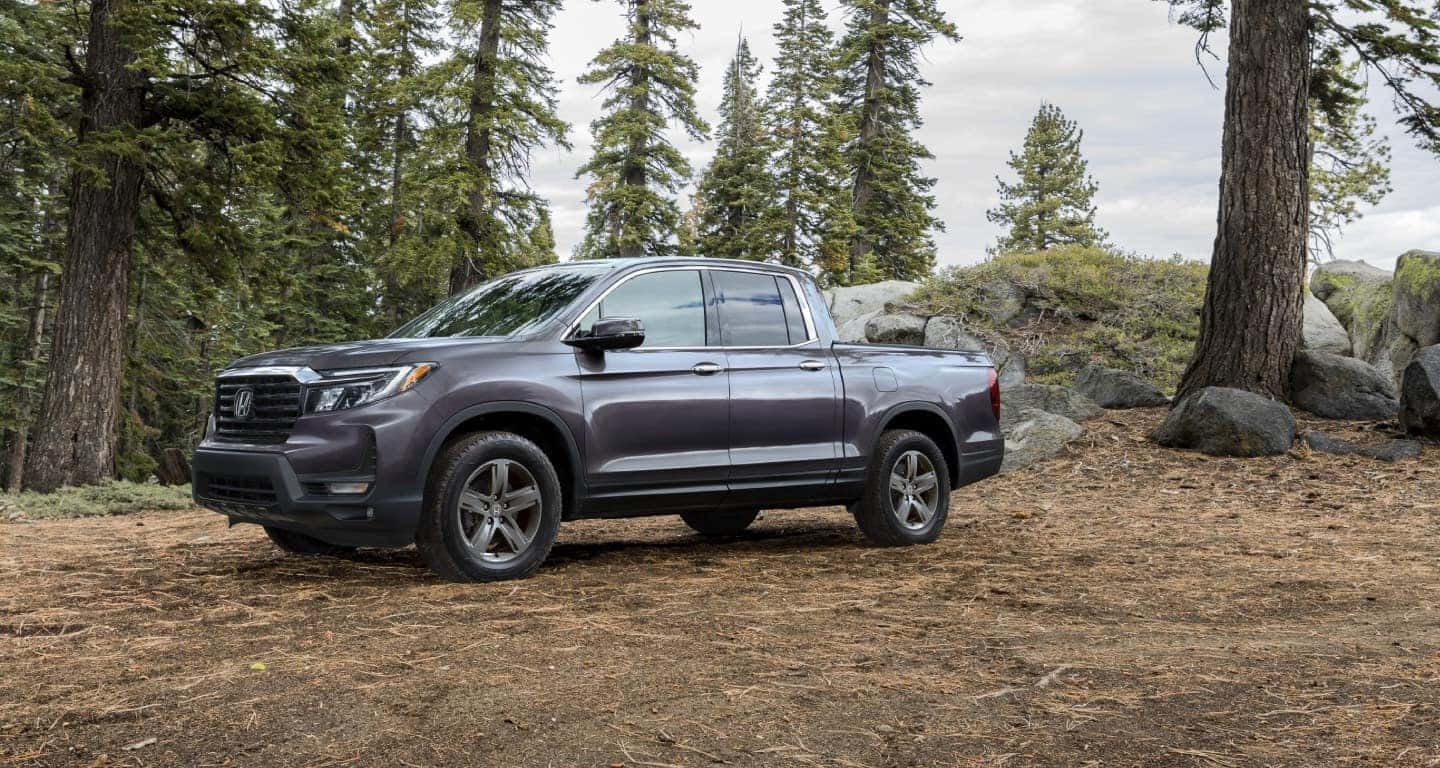
7. Honda Ridgeline
The Honda Ridgeline is unique among trucks due to its unibody construction and strong emphasis on comfort and practicality rather than traditional body-on-frame ruggedness. Despite this difference in design philosophy, it has proven to be highly durable in interior quality over long periods of ownership.
One of the key strengths of the Ridgeline is Honda’s reputation for interior engineering quality. Even in older models, the materials used inside the cabin are carefully selected for long-term stability. Cup holders, in particular, benefit from this attention to detail, as they are designed to handle frequent daily use without becoming loose or brittle.
Unlike some traditional trucks, the Ridgeline integrates its interior components with a more car-like structural approach. This means the center console is often more rigid and evenly supported, reducing flexing and stress on cup holder assemblies. As a result, cracking is less common even after years of use.
Another factor is the relatively controlled cabin environment the Ridgeline provides. Because it is often used as a family vehicle or daily commuter rather than a heavy work truck, it is less frequently exposed to extreme conditions such as heavy vibration or harsh industrial environments. This reduces long-term wear on interior components.
However, even in higher usage scenarios, Ridgeline interiors tend to hold up well. Owners often report that cup holders remain intact and functional well past 10 to 15 years, with only minor cosmetic wear. The plastics used by Honda are generally resistant to UV degradation, which helps prevent brittleness caused by sunlight exposure.
The simplicity of Honda’s interior layout also contributes to durability. While the Ridgeline includes modern features and conveniences, it avoids overly complex mechanical systems in areas like storage and cup holders. This balance of comfort and simplicity helps maintain long-term structural integrity.
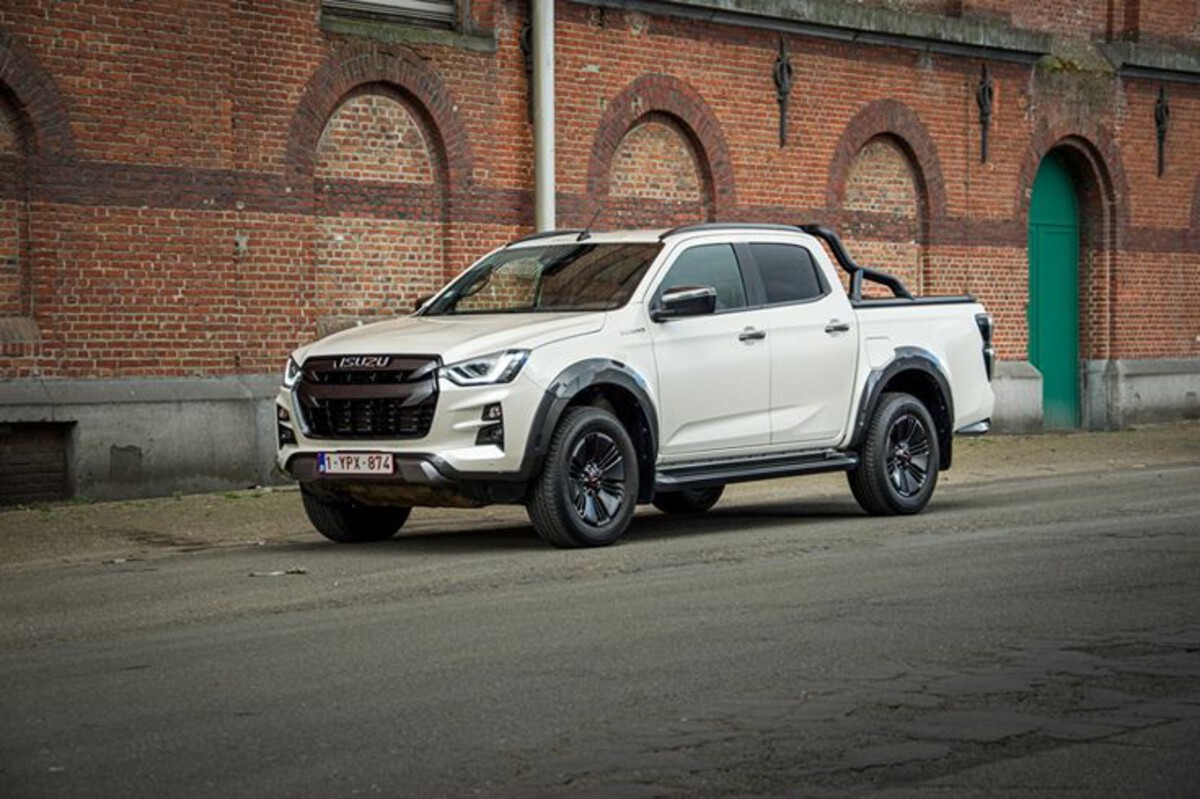
8. Isuzu D-Max
The Isuzu D-Max is known globally as a work-focused pickup truck designed for commercial durability and long-term reliability in harsh environments. It is widely used in agriculture, mining, construction, and fleet operations, where vehicles must endure heavy daily usage without frequent replacement.
One of the defining characteristics of the D-Max is its extremely practical interior design. Unlike lifestyle-oriented trucks, the D-Max prioritizes function above aesthetics. This approach directly benefits components like cup holders, which are designed to be simple, strong, and resistant to failure.
Cup holders in the D-Max are typically molded into durable sections of the dashboard or center console with minimal moving parts. This reduces mechanical stress and eliminates weak points that often cause cracking in more complex designs.
Because the D-Max is built for demanding environments, interior materials are chosen for their resistance to heat, vibration, and physical wear. This is especially important in regions with extreme climates, where many D-Max trucks operate daily. Over time, this results in interiors that age slowly and remain functional even under continuous use.
Fleet operators often highlight the D-Max for its ability to maintain usability over long service periods. Even after years of heavy-duty work, cup holders and storage compartments often remain intact, showing only surface-level wear rather than structural failure.
Another important factor is the simplicity of the vehicle’s design. By minimizing unnecessary interior complexity, Isuzu reduces the number of components that can degrade over time. This straightforward engineering approach is one of the key reasons the D-Max is considered highly reliable in long-term ownership scenarios.
Even in older models, it is common to find interiors that remain surprisingly solid. Cup holders, in particular, tend to remain functional long after other vehicles in the same category begin showing signs of plastic failure.
