
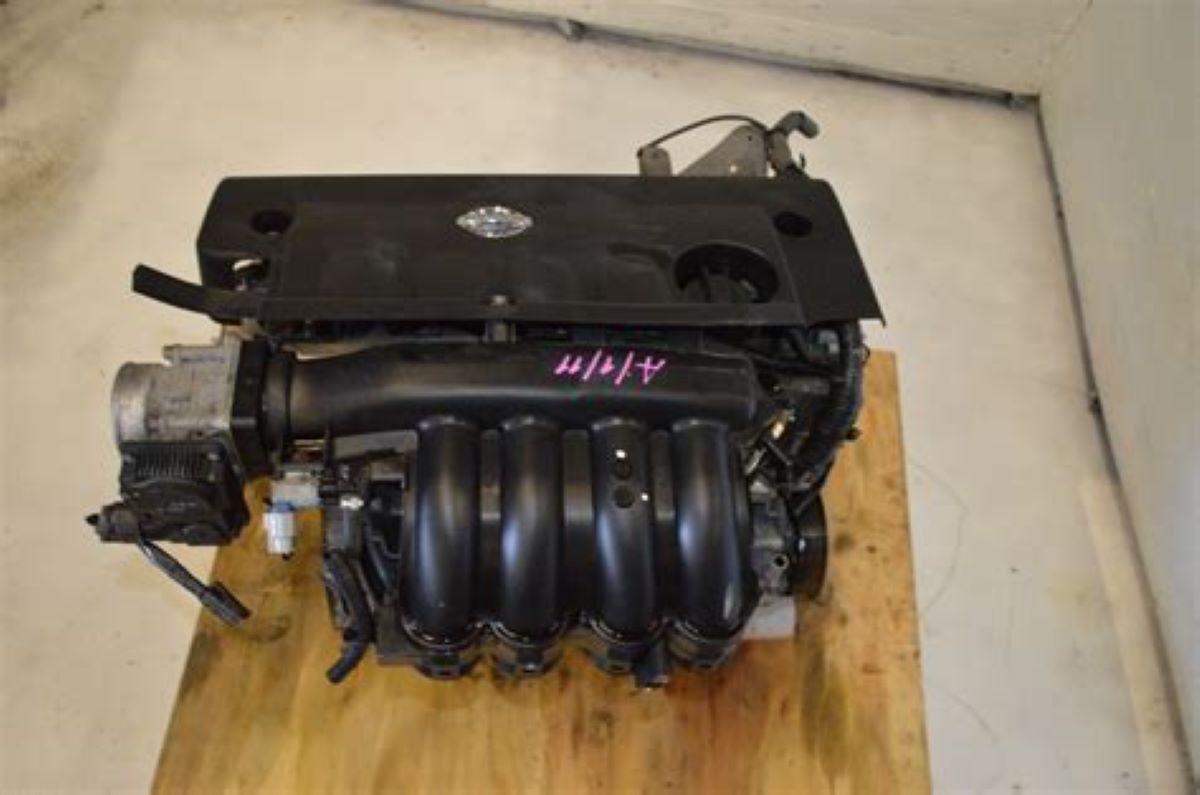
When people talk about cars that last forever, they usually imagine engines that can cross 200,000 or even 300,000 miles with basic maintenance. In reality, not all engines are built with the same level of durability, and some powertrains develop reputations so poor that experienced mechanics start giving unusually direct advice.
Instead of estimating repair costs or suggesting a rebuild, they sometimes say something like “just buy another car.” This is not said lightly. It typically reflects a combination of design flaws, expensive labor requirements, recurring failures, and repair bills that exceed the value of the vehicle itself.
Engines can become notorious for many reasons. Some suffer from chronic oil sludge buildup due to poor oil circulation design. Others have weak timing chain systems that can fail early and cause catastrophic internal damage.
There are also engines with persistent head gasket failures, excessive oil consumption, or cooling system weaknesses that lead to overheating. In modern vehicles, tightly packed engine bays also increase labor costs, turning even moderate repairs into expensive jobs. When these issues stack up, the cost of ownership rises sharply.
Mechanics develop these opinions over years of hands-on experience. While manufacturers often address issues in later revisions, earlier production runs can leave a lasting reputation. It is also important to note that not every engine from these families will fail, and maintenance habits matter a lot. However, patterns of repeated failure across many vehicles are what shape the warnings you often hear in workshops.
This article explores ten engines that have earned a reputation among mechanics for being financially risky to repair once serious problems appear. The goal is not to insult specific brands or discourage ownership in all cases, but to highlight why these engines are often discussed in the context of high repair risk and low long-term value. Each section explains what typically goes wrong, why repairs are so expensive, and why replacement is sometimes considered the more practical option.
ALSO READ: 9 Vehicles With Side Mirrors Wide Enough for Older Eyes
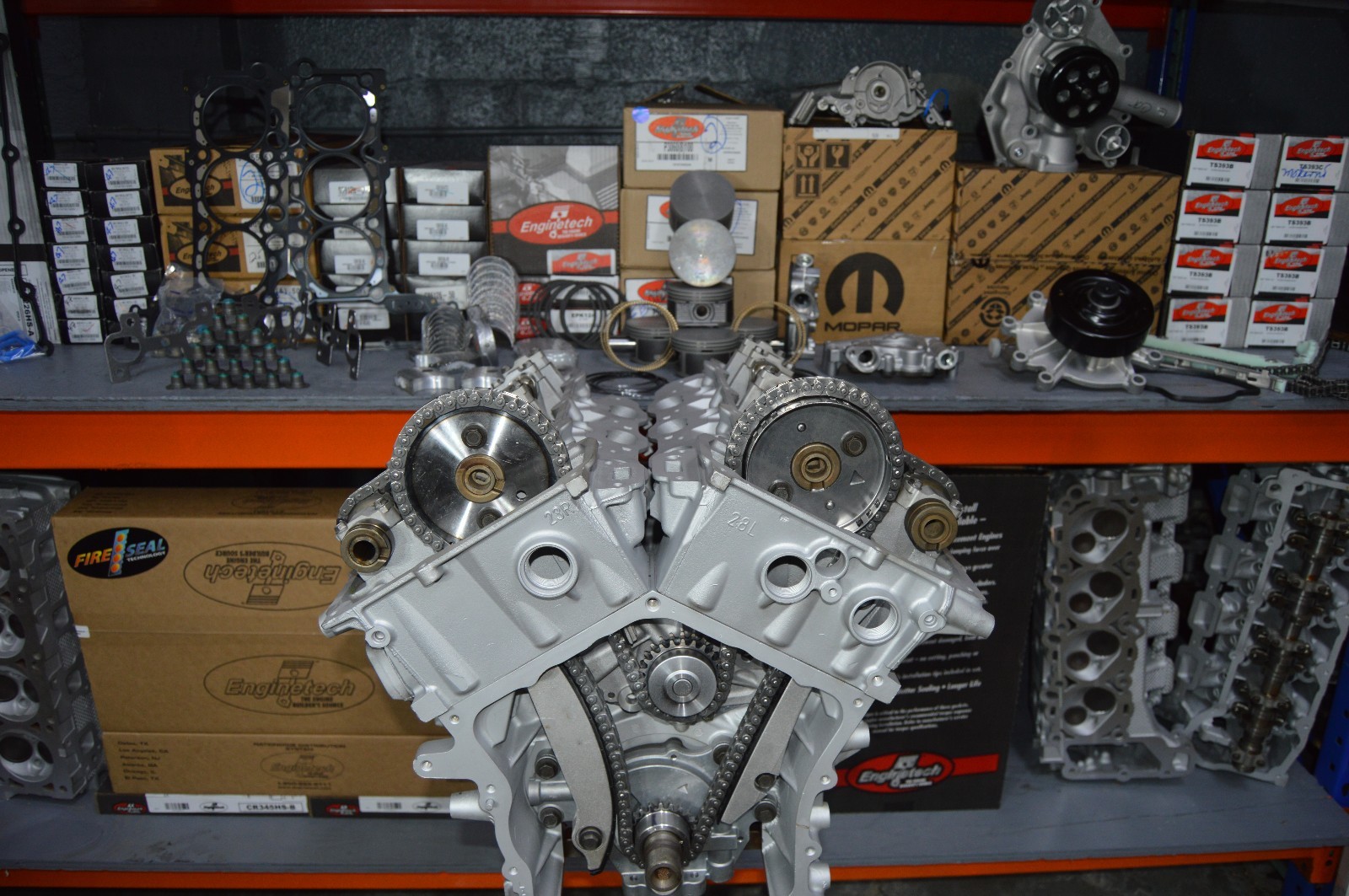
1. Chrysler 2.7L V6 Engine
The Chrysler 2.7L V6 engine has one of the strongest reputations among mechanics for internal sludge-related failures. What makes this engine particularly notorious is not just the failure itself, but how quickly it can escalate from normal operation to complete engine destruction. Even well-maintained examples have been known to suffer catastrophic breakdowns, which is why many workshops treat them cautiously.
A major design concern is the engine’s internal oil flow routing. The oil passages are relatively narrow, and when oil begins to degrade due to heat cycles, it thickens faster than expected. Once this process starts, sludge forms in critical areas like the timing chain housing and camshaft oiling channels. This restricts lubrication and accelerates wear in multiple components simultaneously.
Unlike some engines, where early warning signs are obvious, the 2.7L can fail quietly. Drivers may not notice anything unusual until oil pressure drops significantly or the engine begins making severe mechanical noise. By that point, internal damage is usually already extensive. This lack of early warning contributes heavily to its reputation.
Another issue is heat management. The engine tends to run hotter than ideal in stop-and-go traffic conditions, which increases oil breakdown. In regions with high ambient temperatures, this problem becomes even more pronounced. Over time, repeated heat cycles compound the sludge formation process.
Mechanics also point out that even partial repairs are rarely successful long-term. Flushing the engine may provide temporary improvement, but sludge often remains in hidden galleries. A full rebuild requires complete disassembly, cleaning, and replacement of multiple internal parts, which is expensive and time-consuming.
Because of these factors, many repair shops consider it financially impractical to rebuild a severely damaged 2.7L engine. Even sourcing a used engine is risky since many units suffer from the same inherent design weaknesses.
In real-world ownership scenarios, this engine demands extremely strict oil maintenance schedules. Even then, it does not guarantee immunity from failure. This unpredictability is a key reason mechanics often recommend replacement of the vehicle rather than repair when major issues arise.
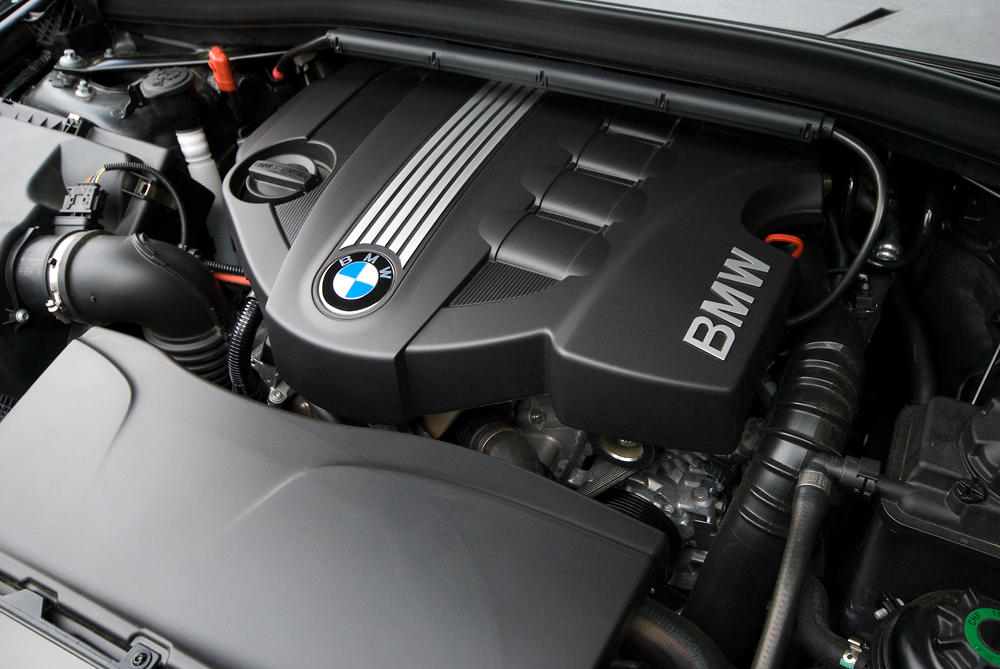
2. BMW N47 Diesel Engine
The BMW N47 diesel engine is widely discussed in mechanical circles due to its timing chain placement and associated failure risks. Unlike conventional engines, where timing components are easily accessible, the N47 places the timing chain at the rear of the engine block. This design significantly complicates any inspection or repair work.
The timing chain system is under constant stress because of the diesel engine’s torque characteristics. Over time, chain stretch and guide wear become more likely, especially in vehicles used primarily for short-distance driving. Short trips prevent the engine from reaching optimal operating temperature, which accelerates wear on lubrication-sensitive components.
One of the biggest concerns is that timing chain failure in this engine is not gradual in many cases. While some owners hear rattling noises, others experience sudden failure without significant warning. When the chain fails, valve timing is lost instantly, often resulting in pistons contacting valves and causing severe internal destruction.
Repairing the timing chain is not just a parts issue but a labor-intensive process. Because the chain is located at the rear, the engine often needs to be partially or fully removed from the vehicle. This dramatically increases labor hours, which is the main cost driver in repairs.
Another factor that worsens ownership costs is the sensitivity of diesel injection systems. As mileage increases, additional components such as injectors and high-pressure pumps may also require attention. When combined with timing chain concerns, the maintenance burden becomes significant.
Mechanics often emphasize that preventative replacement of timing components can reduce risk, but even this proactive approach is expensive. In many cases, owners are forced to decide between a high repair bill and vehicle replacement when symptoms first appear.
Despite its strong fuel efficiency and performance characteristics, the N47 engine is remembered mainly for its repair cost risk profile rather than its driving experience.
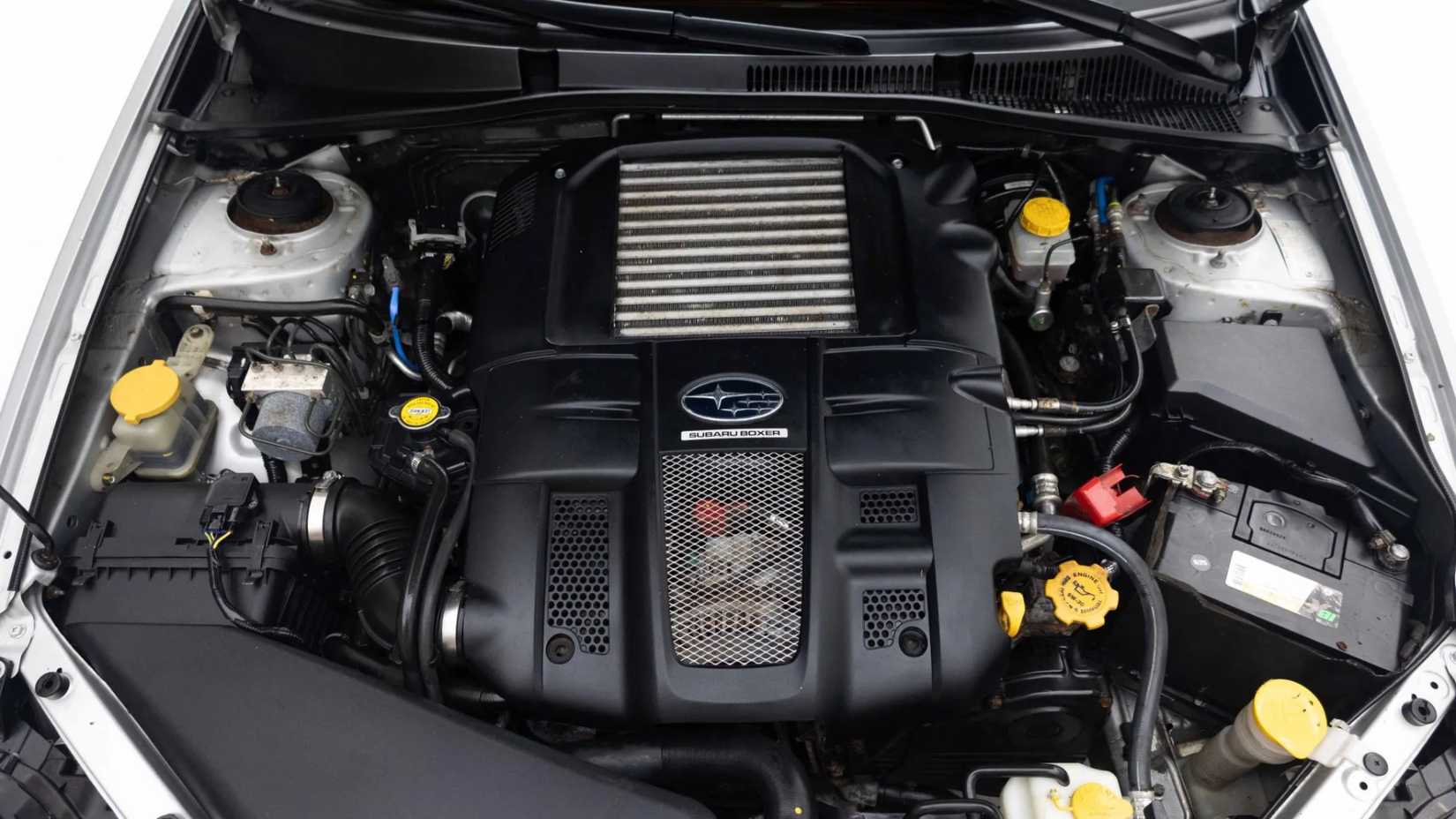
3. Subaru EJ25 Engine
The Subaru EJ25 engine has built a long-standing reputation around head gasket failures, but the issue is more complex than a simple gasket defect. It is a combination of thermal cycling, engine layout design, and long-term material stress that contributes to its vulnerability.
The boxer engine configuration places cylinders horizontally, which creates unique cooling and sealing challenges. Over time, repeated expansion and contraction of the engine components place stress on the head gasket material. This is especially noticeable in older naturally aspirated versions.
Early signs of head gasket failure often include external coolant seepage or minor oil contamination. However, these symptoms are frequently overlooked by drivers until overheating becomes more noticeable. Once overheating occurs, the risk of cylinder head warping increases significantly.
Repairing a head gasket on this engine is labor-intensive due to the boxer layout. Both cylinder heads must be accessed by partially removing the engine or working in tight engine bay conditions. This increases labor time and shop costs compared to inline engines.
Even after successful gasket replacement, long-term reliability is not always guaranteed in high-mileage engines. If the engine has experienced multiple overheating cycles, internal surfaces may already be compromised. This can lead to recurring failures even after repair.
Mechanics also point out that cooling system maintenance plays a crucial role in engine longevity. Radiator condition, thermostat function, and coolant quality all influence how quickly gasket wear develops. Neglecting these areas accelerates failure risk.
While many EJ25 engines do reach high mileage successfully, the repair cost risk once gasket symptoms appear is what drives the “just replace the car” recommendation in severe cases.
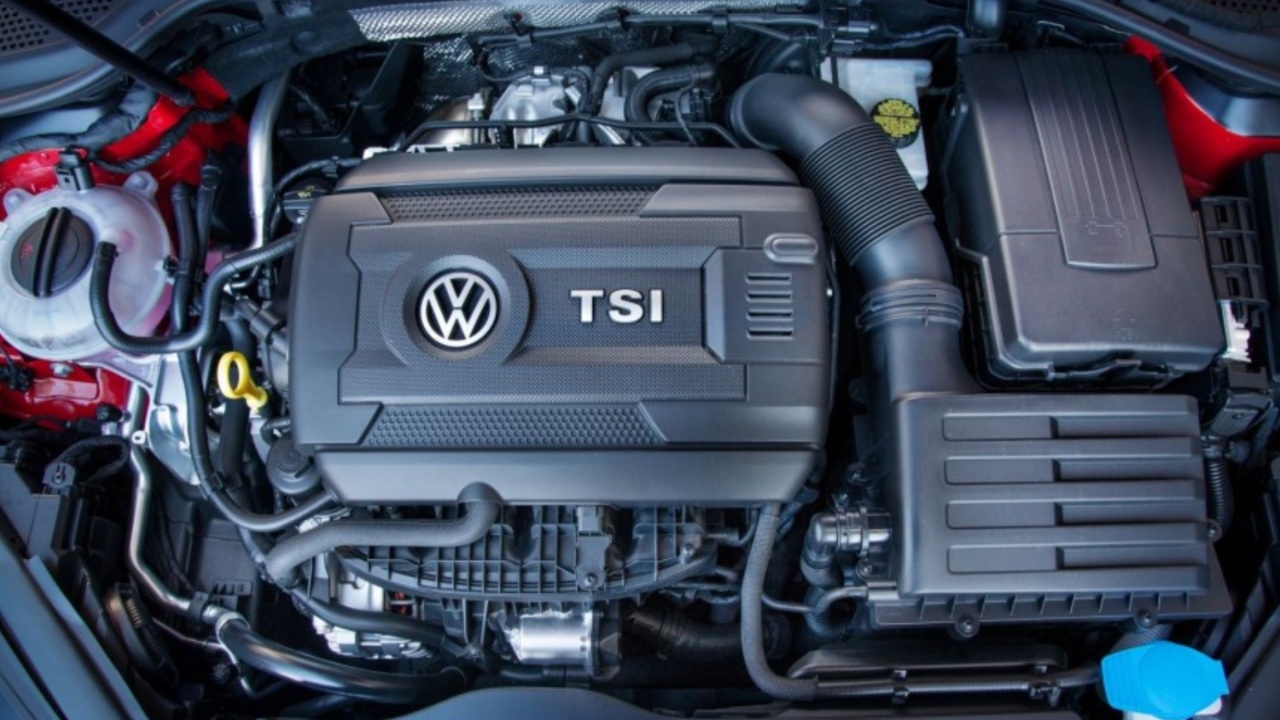
4. Volkswagen 2.0 TFSI Engine
Early versions of the Volkswagen 2.0 TFSI engine are often discussed in terms of oil consumption and timing system vulnerabilities. These engines were designed for performance and efficiency, but some engineering compromises led to long-term reliability concerns.
Oil consumption is one of the most widely reported issues. In many cases, piston ring design combined with cylinder wall wear allows oil to enter the combustion chamber. As mileage increases, consumption rates can rise significantly, requiring frequent oil top-ups between service intervals.
This issue is particularly problematic because drivers may not notice oil loss until warning lights appear. If oil levels drop too low, internal components such as turbochargers and camshafts may suffer accelerated wear.
Timing chain tensioner failure is another serious concern. Early tensioner designs were prone to hydraulic failure, which could result in sudden loss of chain tension. If the chain jumps timing, engine valves and pistons can collide, leading to severe damage.
Carbon buildup is also a long-term maintenance issue due to direct injection technology. Fuel is not sprayed over intake valves, which allows carbon deposits to accumulate over time. This reduces airflow efficiency and can cause rough idling, misfires, and performance loss.
Cleaning carbon buildup requires specialized walnut blasting or chemical cleaning methods, both of which can be expensive. This maintenance is often required periodically in high-mileage engines.
Because multiple expensive issues can occur within the same engine over time, mechanics often advise owners to carefully evaluate repair costs once oil consumption and timing issues appear together.
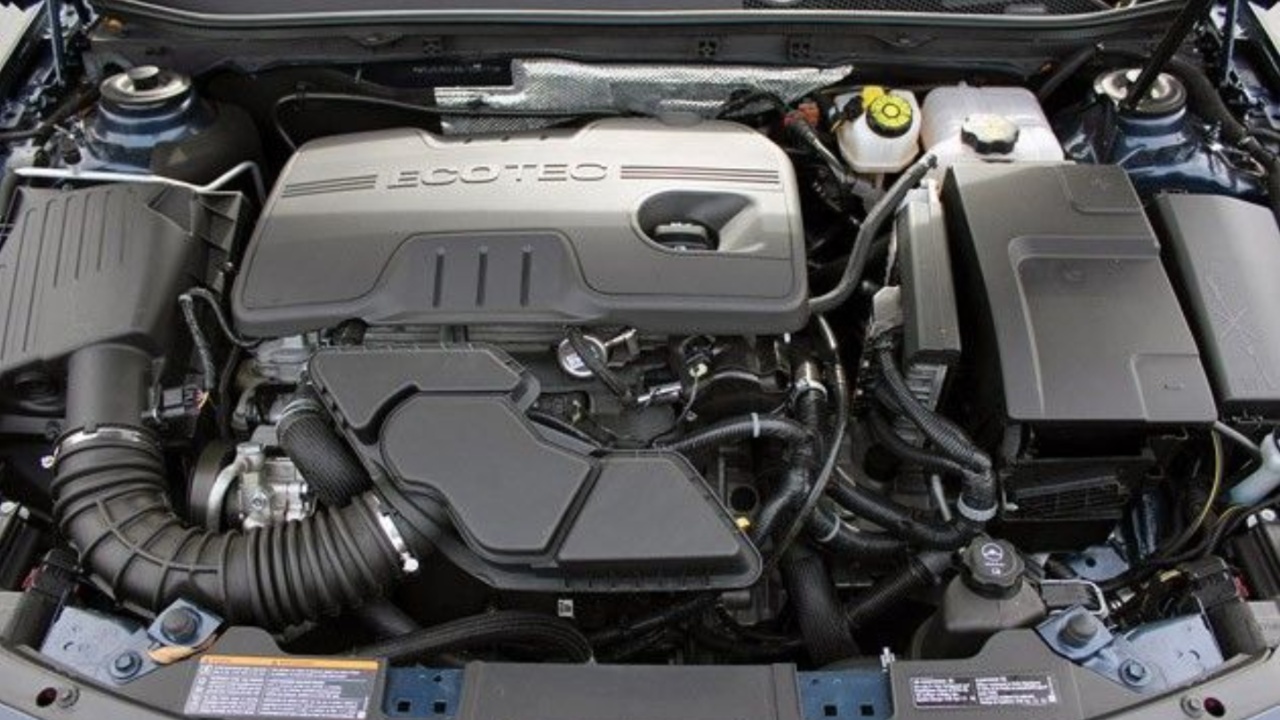
5. GM 2.4L Ecotec Engine
The GM 2.4L Ecotec engine is known for a combination of oil consumption, timing chain wear, and long-term durability concerns in certain production years. While it is not universally unreliable, patterns of repeated issues have made it a cautionary example in workshops.
Oil consumption is often the first noticeable issue. It typically results from wear in piston rings and cylinder walls, which reduces the engine’s ability to maintain proper oil control. Over time, oil levels can drop faster than expected, especially under highway driving conditions.
If oil levels are not monitored closely, the engine can experience lubrication starvation. This can lead to accelerated wear of bearings, camshafts, and timing components. In severe cases, engine seizure may occur.
Timing chain wear is another concern that becomes more apparent at higher mileage. Chain stretch or guide wear can affect engine timing accuracy. This may result in reduced performance, rough idle, or engine warning lights.
Repairing timing system issues is labor-intensive, as it often requires the removal of multiple engine components to access the chain assembly. Combined with oil consumption issues, this can create overlapping repair needs that increase total costs significantly.
Another challenge is that symptoms can appear gradually, making it difficult for owners to recognize the severity early. By the time multiple issues are present, repair costs may already exceed the value of the vehicle.
Mechanics often recommend close monitoring of oil levels and early diagnostic checks when symptoms appear. However, once multiple failure points develop together, replacement of the vehicle becomes a more practical financial decision in many cases.
ALSO READ: 10 Cars Mechanics Often Advise Against for Their Own Families
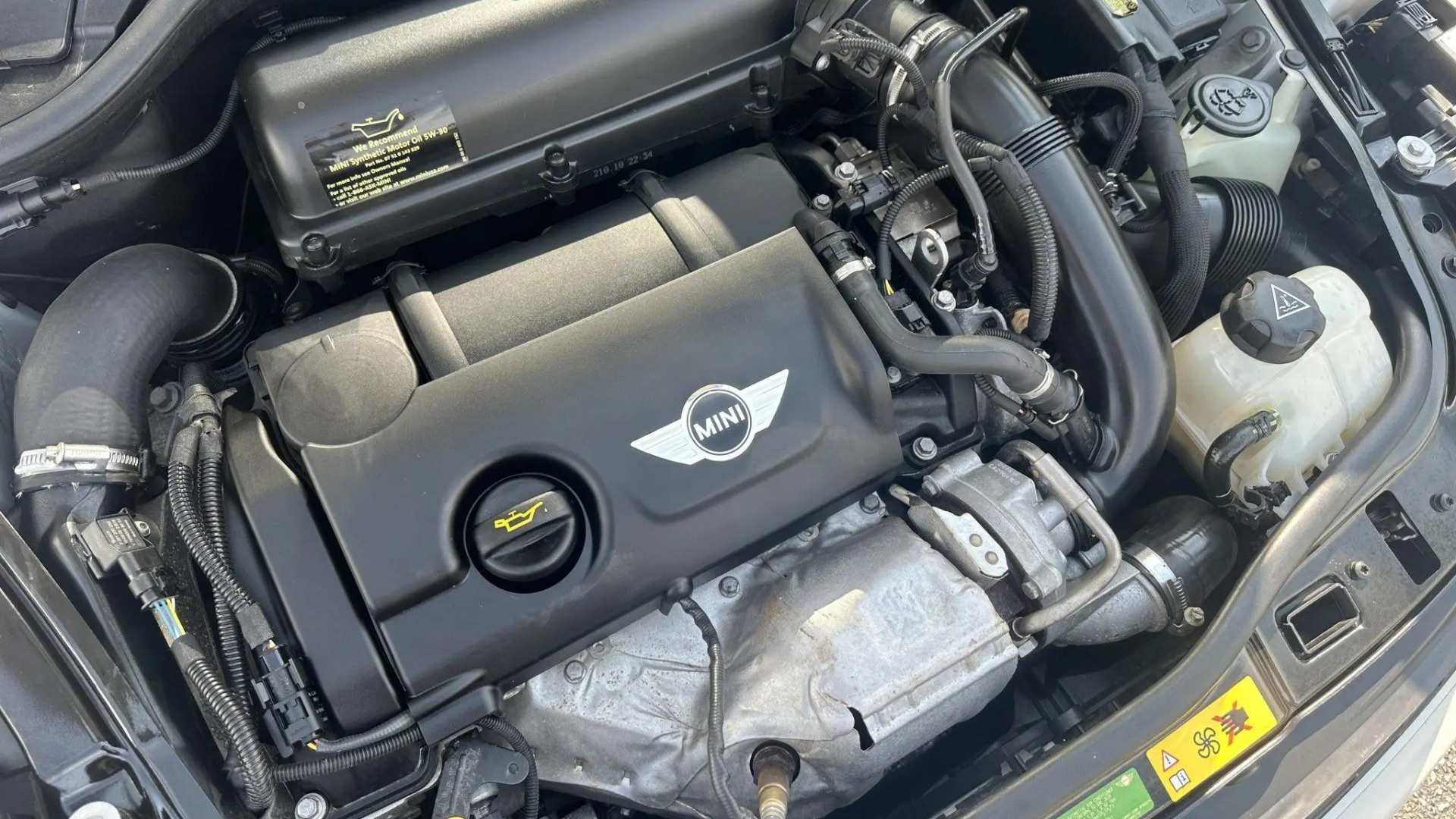
6. Mini Cooper Prince Engine (BMW PSA Collaboration)
The Prince engine used in many Mini Cooper models is widely recognized for a combination of timing chain issues, carbon buildup, and cooling system weaknesses. Developed as a joint effort between BMW and PSA Group, it was intended to be a compact, efficient turbocharged engine. While it delivers strong performance for its size, long-term reliability has been a recurring concern in workshop discussions.
One of the most critical problems is timing chain wear. The chain and its tensioner system are under constant stress due to turbocharged operation and compact engine design. Over time, the chain can stretch, or the plastic guides can degrade, leading to a characteristic rattling noise during cold starts. If ignored, this can escalate into timing misalignment and potentially severe internal damage.
What makes this issue particularly costly is engine accessibility. The timing system is positioned in a way that requires significant disassembly to repair. Mechanics often need to remove multiple front-end components just to reach the chain assembly. This labor intensity dramatically increases repair bills compared to more conventional engine layouts.
Carbon buildup is another persistent issue, especially in direct injection variants. Since fuel is injected directly into the combustion chamber rather than the intake ports, intake valves do not receive a natural cleaning effect from fuel spray. Over time, carbon deposits accumulate, restricting airflow and causing rough idle, hesitation, and reduced fuel efficiency.
Cooling system reliability also plays a role in the engine’s reputation. Water pump and thermostat failures are not uncommon, and because turbocharged engines operate at higher temperatures, any cooling inefficiency can quickly escalate into overheating events. Even brief overheating episodes can accelerate wear on gaskets and seals.
Mechanics often note that multiple small issues tend to appear together in higher mileage examples. A vehicle may simultaneously require timing chain work, intake cleaning, and cooling system repairs. When combined, these repairs can exceed the market value of the car.
Because of this stacking effect of maintenance needs, workshops frequently caution owners that once symptoms begin appearing in multiple systems, the financial logic of repair becomes questionable.
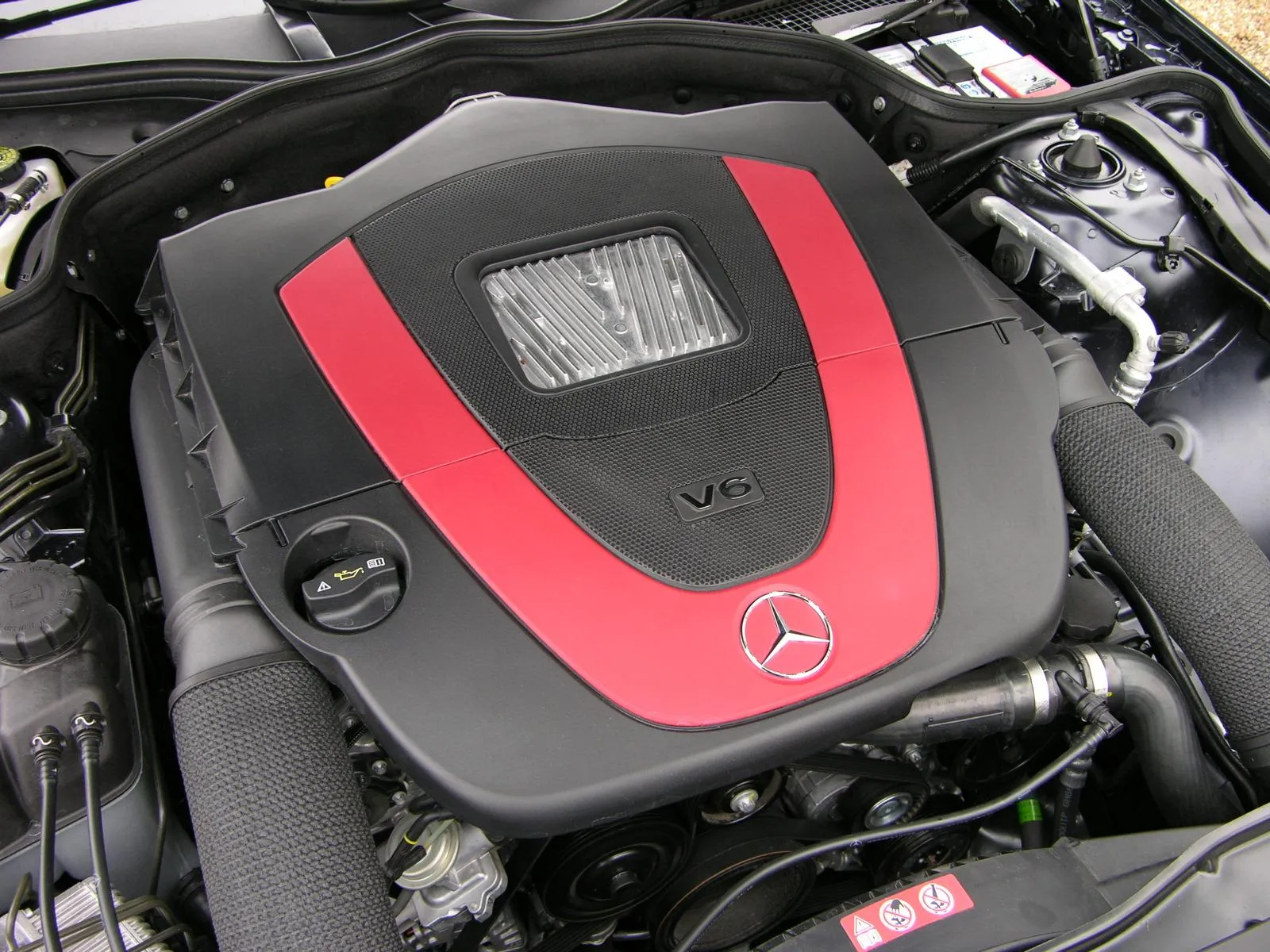
7. Mercedes M272 Engine
The Mercedes M272 engine is often discussed in terms of its balance shaft gear issue, which is one of the most expensive mechanical problems associated with modern Mercedes V6 engines. The issue stems from premature wear of the balance shaft gear, which is responsible for reducing engine vibrations and ensuring smooth operation.
When the gear wears down, engine timing becomes inaccurate, leading to fault codes, rough running conditions, and reduced performance. Unlike simpler engine issues, this problem cannot be resolved with minor repairs. It typically requires extensive disassembly of the engine to access and replace internal components.
The labor required is one of the biggest cost drivers. Because the engine must be partially dismantled, repair times are long, and labor costs can quickly exceed the value of older vehicles. In many cases, the repair involves removing the engine entirely from the vehicle, further increasing complexity.
Another issue that contributes to the engine’s reputation is intake manifold failure. The intake manifold in some versions uses plastic components and internal swirl flaps, which can wear or break over time. When this happens, the engine may experience airflow disruption, triggering warning lights and performance loss.
Oil leaks are also relatively common in higher-mileage units. Valve cover gaskets and other seals tend to degrade with heat cycles, leading to visible oil seepage. While individually not catastrophic, these issues add to long-term maintenance costs.
Sensor failures, particularly related to camshaft position sensors and crankshaft sensors, also contribute to diagnostic complexity. While these parts are not extremely expensive individually, they can lead to repeated visits to the workshop.
Mechanics often evaluate M272 repair cases based on total system condition rather than single faults. If multiple issues are present, especially combined with balance shaft wear, the engine is often considered economically impractical to repair in older vehicles.
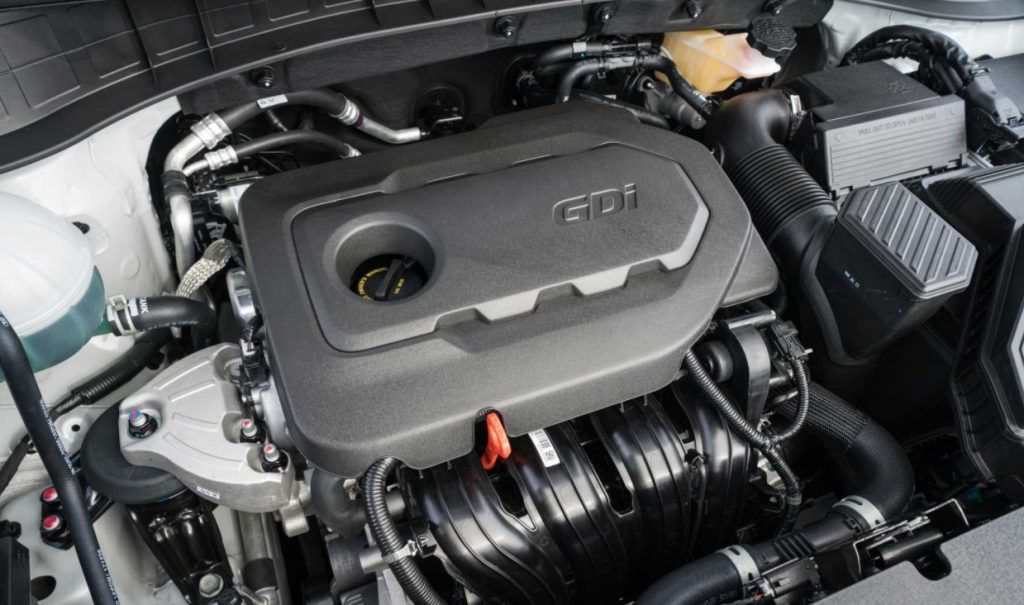
8. Hyundai Kia 2.4L Theta II Engine
The Hyundai Kia 2.4L Theta II engine has been the subject of significant attention due to bearing failures and engine knocking issues in certain production batches. These problems are particularly serious because they can lead to sudden engine failure without much warning.
One of the key issues involves rod bearing wear. Bearings are critical for smooth crankshaft rotation, and when they begin to fail, metal debris can circulate through the engine oil system. This contamination accelerates wear across multiple internal components, compounding the damage.
Engine knocking is often one of the first noticeable symptoms. It may start as a light tapping sound and gradually become more pronounced under load. However, by the time knocking is audible, significant internal wear may already be present.
Another concern is oil circulation sensitivity. If oil changes are delayed or oil quality is not maintained, wear accelerates significantly. In some cases, even properly maintained engines have experienced failures, which suggests a potential manufacturing sensitivity in certain batches.
When bearing damage progresses, repair options become limited. A simple fix is often not possible because debris contamination affects the entire lubrication system. In such cases, full engine replacement is commonly recommended.
Mechanics also note that diagnostic uncertainty adds to the problem. Early symptoms can be subtle and difficult to distinguish from minor engine noise. This often leads to delayed intervention, which worsens the outcome.
Because of the risk of sudden and expensive failure, workshops often advise owners of affected vehicles to treat knocking sounds as urgent warning signs requiring immediate inspection.
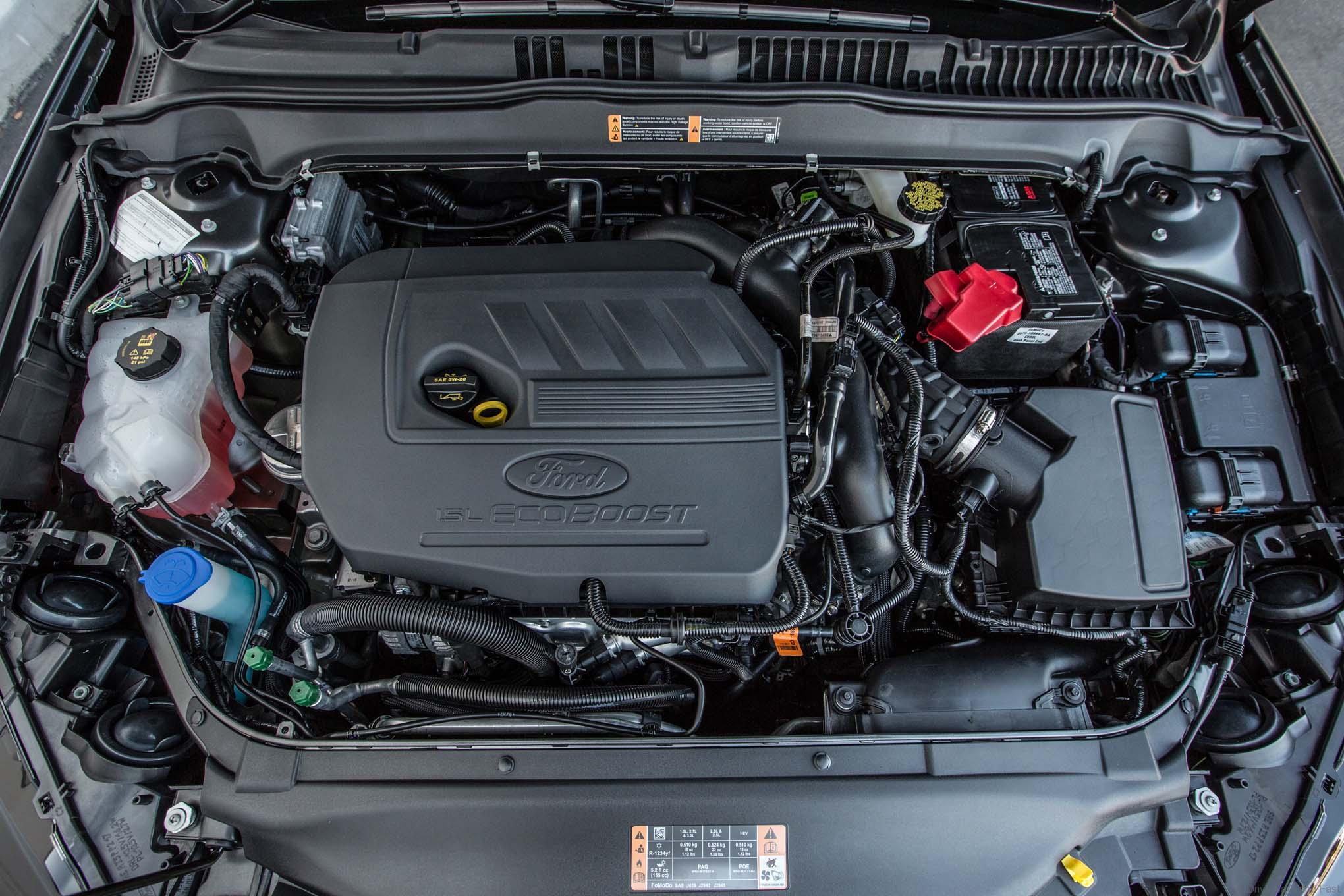
9. Ford 1.5 EcoBoost Engine
The Ford 1.5 EcoBoost engine is a compact turbocharged unit designed for efficiency and performance, but certain versions have been associated with coolant intrusion issues. This problem occurs when coolant leaks into the combustion chamber, often due to internal cylinder head or block-related sealing weaknesses.
When coolant enters the combustion process, it disrupts normal engine operation and leads to misfires, rough idling, and overheating symptoms. In some cases, drivers may notice white exhaust smoke, which is a classic indicator of coolant burning inside the engine.
One of the most concerning aspects of this issue is that it can progress silently. Small leaks may not be immediately noticeable, but over time they worsen, leading to increased engine damage. Once coolant intrusion becomes severe, cylinder wall damage and piston wear may occur.
Repairing this issue is complex because it often involves major engine disassembly. Depending on severity, solutions may include head gasket replacement, cylinder head machining, or, in worst cases, full engine replacement.
Turbocharged design adds another layer of stress. The engine operates under higher pressures and temperatures, which can amplify any existing weaknesses in sealing or cooling systems. This makes early detection particularly important.
Mechanics often emphasize that continued driving after coolant intrusion symptoms appear can significantly reduce repair viability. Once internal damage spreads, repair costs rise sharply.
Because of this, workshops frequently classify severe coolant intrusion cases as borderline uneconomical repairs, especially in older or high-mileage vehicles.
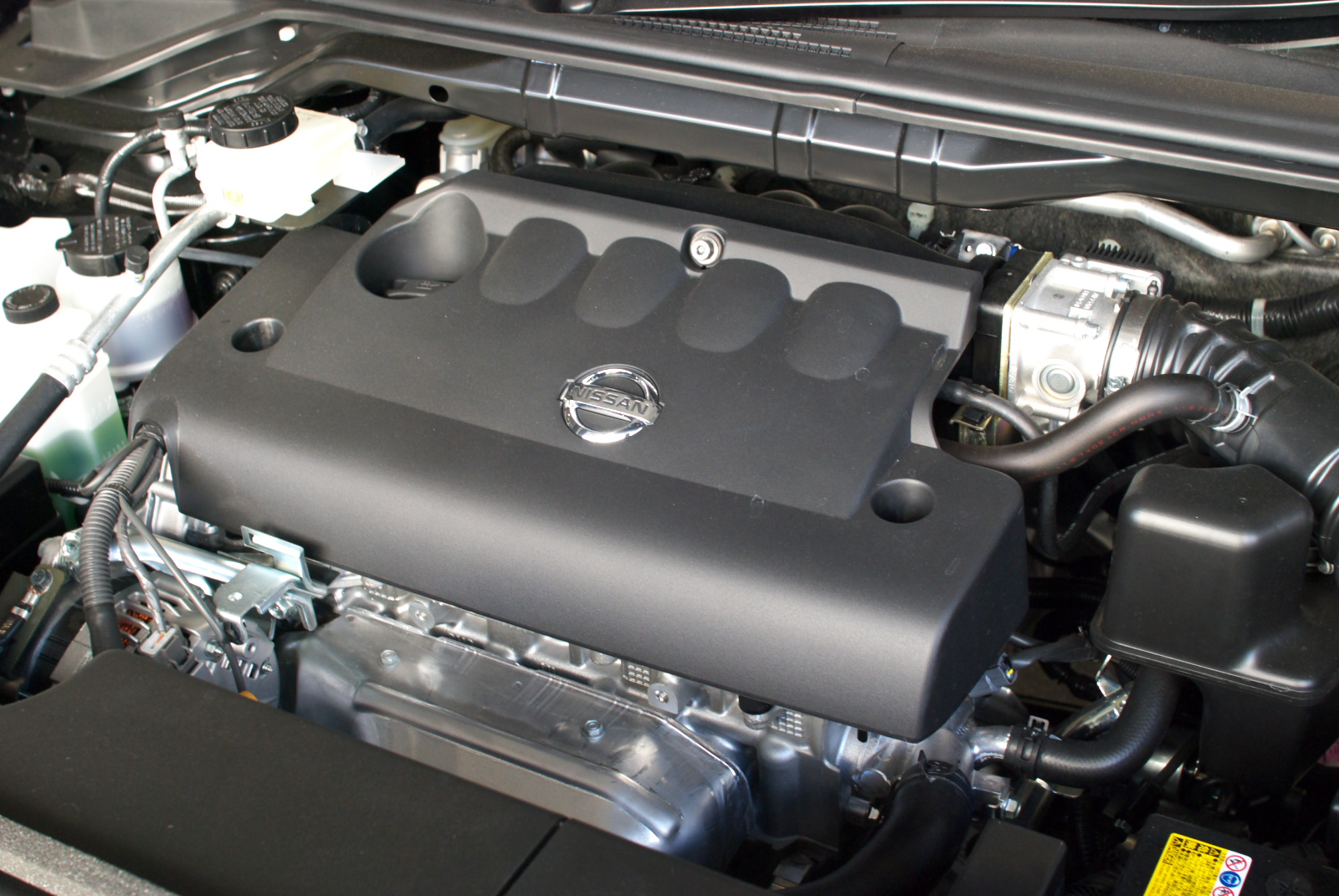
10. Nissan QR25DE Engine
The Nissan QR25DE engine is a widely used 2.5L four-cylinder engine found in several Nissan models. While generally considered durable in many applications, it has known issues related to oil consumption, timing chain noise, and vibration in higher mileage examples.
Oil consumption is one of the most commonly reported concerns. As the engine ages, piston ring wear and cylinder wall glazing can reduce sealing efficiency. This allows oil to enter the combustion chamber, leading to increased consumption rates over time.
If oil levels are not regularly monitored, low lubrication conditions can develop. This can accelerate wear in critical components such as bearings and camshafts, increasing the risk of long-term damage.
Timing chain noise is another issue that tends to appear at higher mileage. While not always indicative of immediate failure, rattling or chain noise can suggest wear in guides or tensioners. If left unaddressed, it may progress to timing inaccuracies.
Some owners also report vibration issues, particularly at idle. These can be caused by engine mount wear, internal imbalance, or combustion irregularities. While not always severe, diagnosing the exact cause can require multiple inspections.
Another challenge with this engine is that symptoms often develop gradually. This makes it easy for owners to normalize small changes in engine behavior until a larger problem emerges.
Mechanics generally view the QR25DE as a mixed reliability engine: capable of long service life under good maintenance, but potentially expensive if oil-related issues are ignored for extended periods.
