
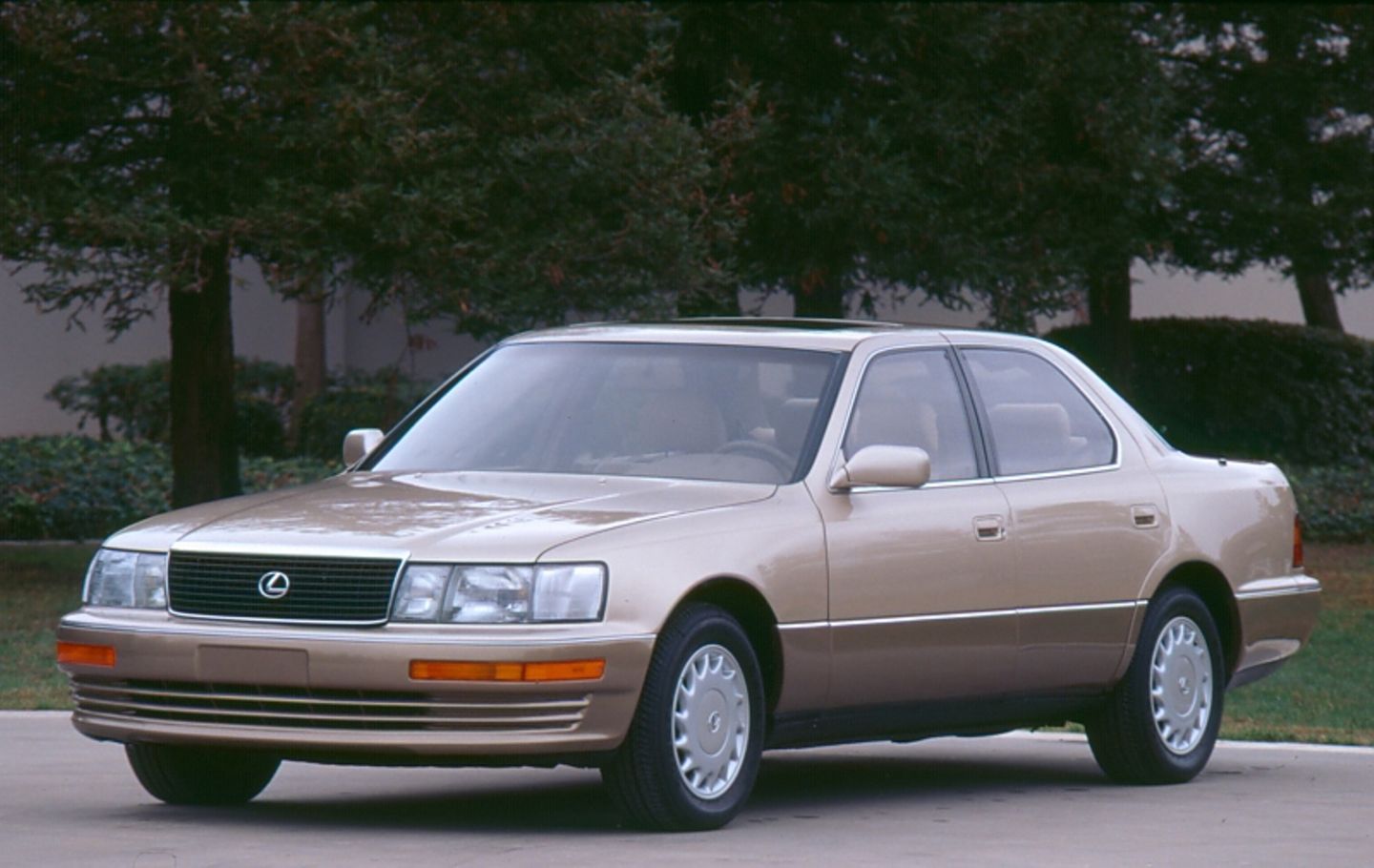
When people talk about cars that last a lifetime, they are usually referring to vehicles that can cross extreme mileage milestones without giving up on basic functionality. One of the most overlooked but important components in this conversation is the speedometer and the instrument cluster as a whole.
While engines, transmissions, and suspension systems get most of the attention in discussions about longevity, the ability of a car to keep its dashboard instruments functioning properly after hundreds of thousands of miles is a strong indicator of engineering quality and durability.
In real-world driving conditions, reaching 200000 miles is already considered a success by many car owners. Crossing 300000 miles places a vehicle in an elite category of long-lasting machines.
However, there are documented cases and well-known patterns among certain models where vehicles not only surpass 400000 miles but even reach or exceed the 500000-mile mark while still maintaining functional dashboards, including working speedometers and odometers. These vehicles are typically built with simplicity, robust mechanical systems, and high-quality electrical components that resist long-term wear.
Manufacturers like Toyota, Honda, Volvo, Mercedes-Benz, and Lexus have built reputations for producing cars that can endure extreme mileage when properly maintained. In many cases, these vehicles are used in harsh conditions such as long-distance commuting, taxi services, rural driving, and fleet operations. Such environments demand reliability not just from the engine but from every system, including gauges and electronic displays.
The idea of a speedometer still working after half a million miles is symbolic of engineering excellence. It represents consistency, durability, and the ability of a machine to perform its most basic functions without failure over time. While modern vehicles increasingly rely on digital instrument clusters, older analog systems are often praised for their mechanical resilience. Even in newer cars, well-designed electronics can achieve similar longevity when built with quality components.
We explore 10 cars known for their exceptional durability and long-term reliability. Each model has earned its reputation through real-world usage rather than theory, with many examples showing odometers and speedometers still functioning well beyond 500000 miles. These are not just cars that last long; they are machines that keep working correctly even when most vehicles would have already been retired.
ALSO READ: 9 Vehicles With Side Mirrors Wide Enough for Older Eyes
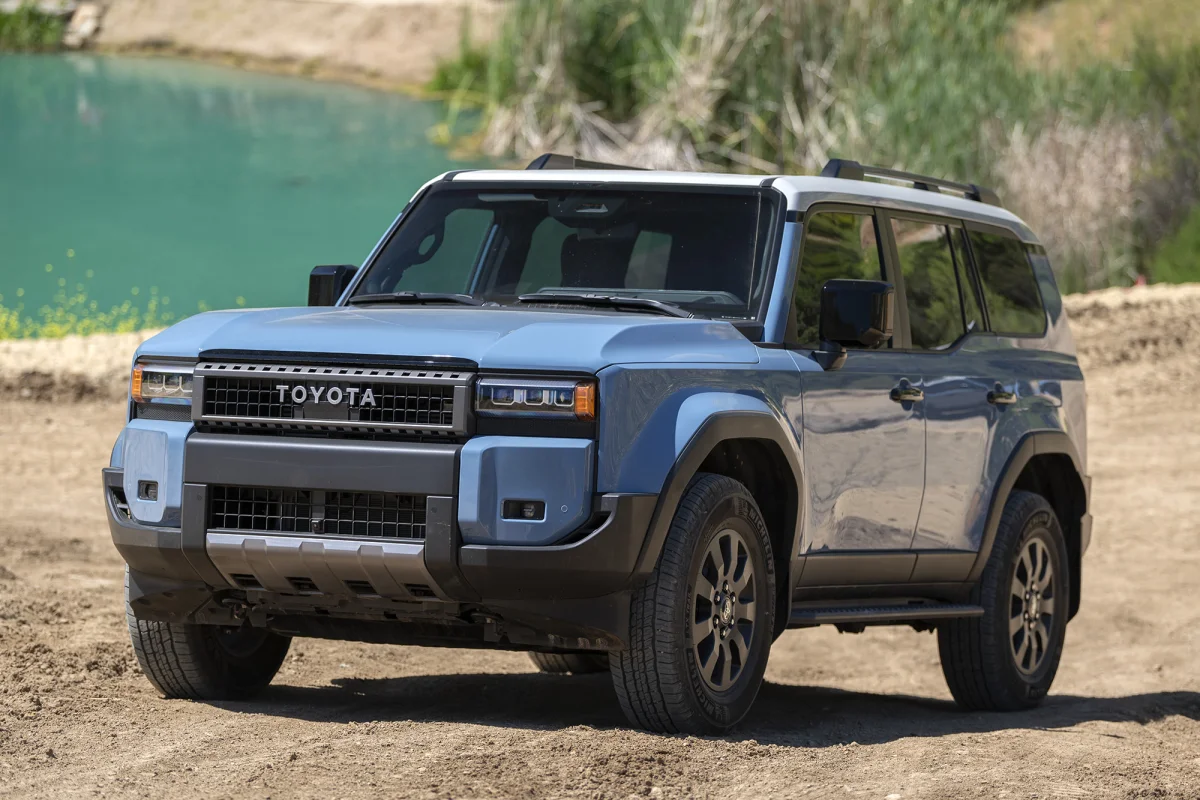
1. Toyota Land Cruiser
The Toyota Land Cruiser is widely regarded as one of the most durable vehicles ever produced. Its reputation is not based on marketing claims but on decades of real-world use in extreme environments. From desert expeditions in the Middle East to rugged African terrain and remote Australian outback routes, the Land Cruiser has consistently proven that it can survive conditions that destroy most vehicles.
One of the biggest reasons for its long life is Toyota’s conservative engineering philosophy. Instead of pushing components to their limits, the Land Cruiser is designed with large safety margins. The engine, transmission, axles, and even electrical systems are all built to handle stress far beyond normal passenger car requirements. This directly impacts the longevity of systems like the speedometer, which relies on stable sensor input and durable electronics.
Another important factor is the drivetrain strength. The Land Cruiser often uses heavy-duty components such as reinforced differentials and robust transfer cases. These parts are not just strong; they are also designed for consistency over time. When drivetrain signals remain stable, the speedometer continues to function accurately even at very high mileage levels.
Owners frequently report Land Cruisers crossing 500000 miles with only routine maintenance. In some cases, these vehicles are still used daily in commercial operations or remote area logistics. The dashboard instruments, including fuel gauges and speedometers, often remain reliable because Toyota prioritizes electrical stability and corrosion resistance in its wiring systems.
The Land Cruiser also benefits from a strong global service network. Replacement parts are widely available, and mechanics are familiar with its design. This makes long-term maintenance easier, which indirectly contributes to the survival of electronic components. A well-maintained Land Cruiser is not just durable mechanically, it is consistent electronically as well.
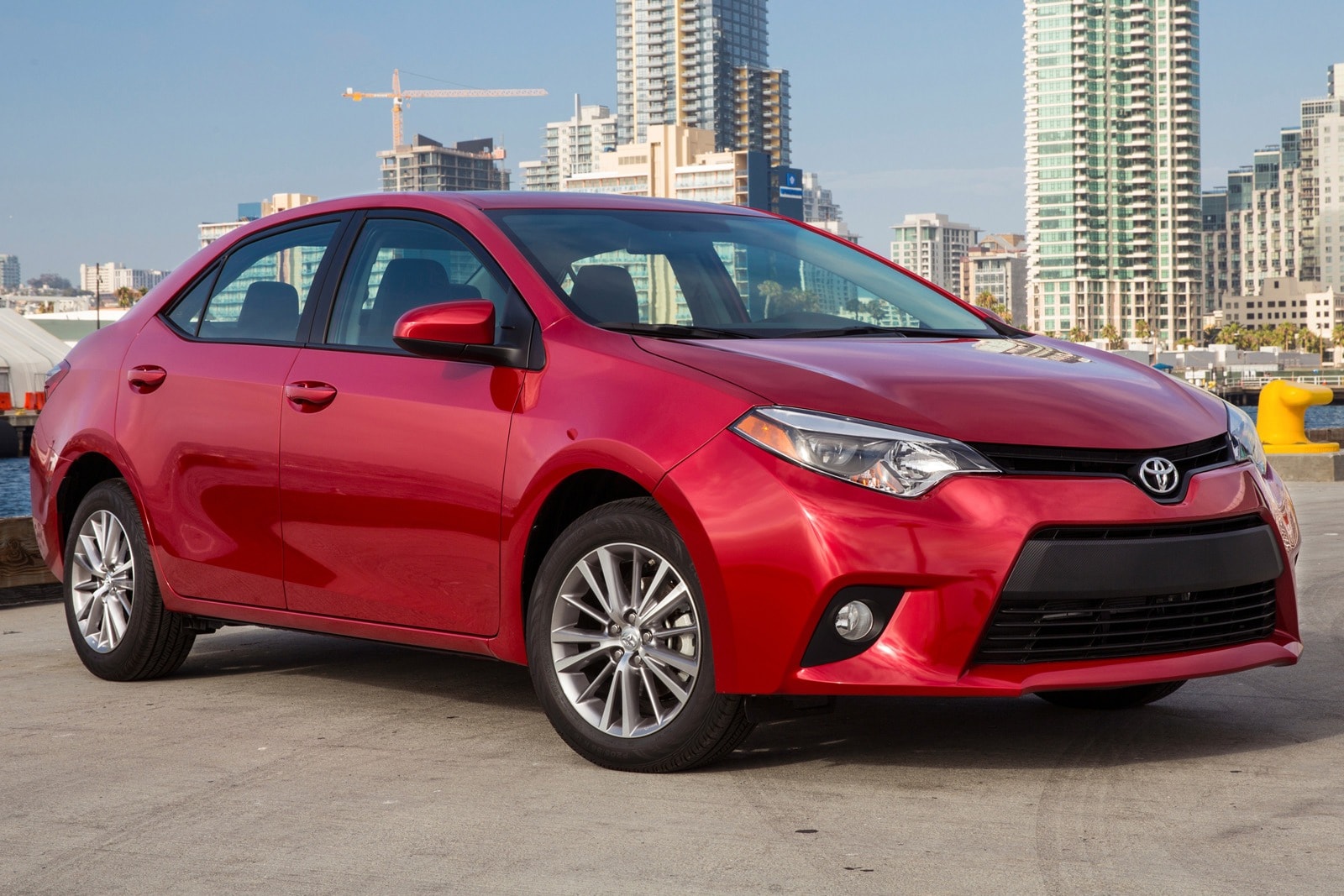
2. Toyota Corolla
The Toyota Corolla is one of the most successful vehicles in automotive history, and its reputation for reliability is unmatched in the compact car segment. It has been built in massive numbers for decades, and this global usage has created one of the largest real-world reliability datasets in the automotive industry.
At the core of the Corolla’s durability is its extremely efficient and low-stress engine design. Toyota engineers intentionally design Corolla engines to operate well below their maximum stress limits during normal driving. This reduces wear on internal components and ensures that systems connected to the engine, including sensors that feed the speedometer, remain stable for long periods.
Another major factor is simplicity. Many Corolla generations avoid unnecessary complexity in both mechanical and electronic systems. This simplicity reduces failure points. A simpler system means fewer chances for instrument cluster malfunction, especially as the vehicle ages beyond 300000 miles.
Corollas are extremely common in taxi fleets and long-distance commuter usage, particularly in regions where vehicles are expected to run for years without replacement. In these conditions, it is not unusual to see Corollas surpassing 400000 or even 500000 miles. In such cases, the odometer and speedometer often continue to function correctly due to the car’s stable electrical architecture.
The lightweight construction of the Corolla also plays an important role in its longevity. Less weight means less strain on the engine, transmission, and suspension systems. Over time, this reduced strain contributes to fewer cascading mechanical failures, which helps protect electronic systems indirectly.
Even older Corolla models with analog clusters are known for their reliability. Mechanical speedometer systems in these cars are often cable-driven, which reduces dependency on complex electronics. This mechanical simplicity is one of the reasons why Corollas are so often cited in high-mileage reliability discussions.
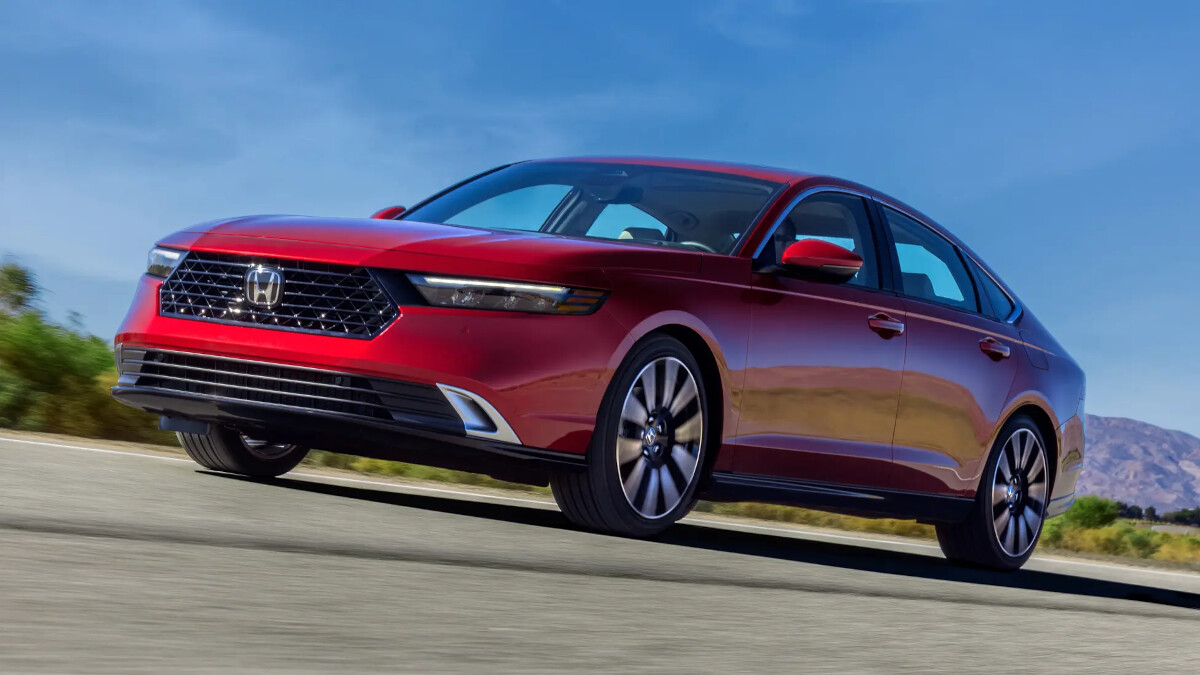
3. Honda Accord
The Honda Accord has long been a benchmark for midsize sedan reliability. It strikes a balance between comfort, performance, and long-term durability, making it one of the most respected vehicles in its category.
One of the key strengths of the Accord is Honda’s precision engineering approach. Honda engines are known for their smooth operation and high efficiency. This smoothness reduces internal vibration and mechanical stress, which helps extend the life of both engine and connected systems like speed sensors and instrument clusters.
Many Honda Accords have been documented exceeding 400000 miles, with some reaching or surpassing 500000 miles when properly maintained. These high mileage examples often still have fully functional dashboards, including accurate speedometers, which is a testament to Honda’s electrical system design.
Transmission durability is another important factor. Well-maintained Accord transmissions are known to last hundreds of thousands of miles. Smooth shifting reduces drivetrain shock, which indirectly protects sensors and electronic components that rely on consistent mechanical input.
Honda also focuses heavily on wiring quality and corrosion resistance. This is important because many long-term electrical failures in cars are caused by degraded wiring rather than failed sensors. The Accord’s electrical architecture is designed to minimize these risks, helping maintain instrument cluster functionality over time.
The interior build quality of the Accord also contributes to its longevity. Dashboards and instrument panels are designed to withstand heat, vibration, and aging. This ensures that even after decades of use, core instruments like the speedometer remain readable and functional.
4. Honda Civic
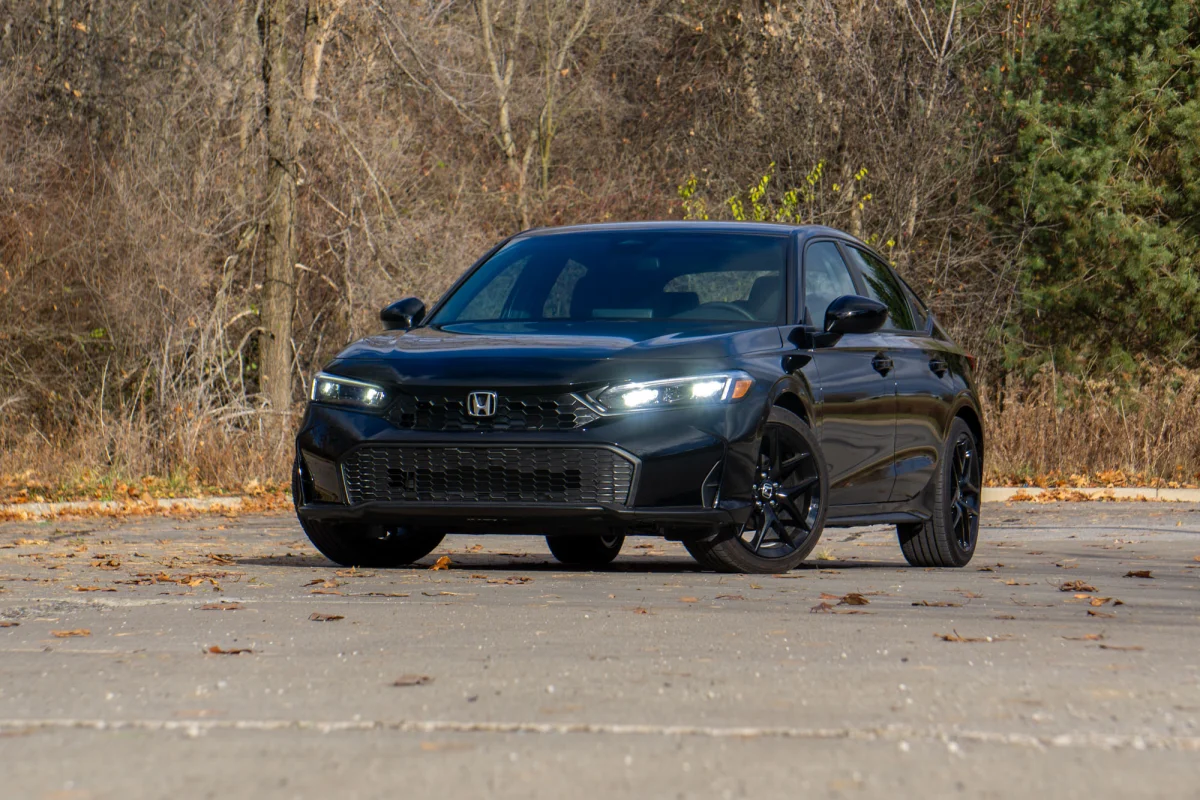
The Honda Civic is one of the most widely used compact cars in the world, and its reputation for durability is built on decades of real-world performance. It is especially popular among commuters, students, and long-distance drivers who prioritize reliability and low operating costs.
A major reason for the Civic’s longevity is its efficient engine design. Honda engines used in Civics are engineered to operate under low stress during normal conditions. This reduces wear on pistons, valves, and timing components, which indirectly supports the long-term stability of engine-related sensors that feed into the speedometer system.
Civics are frequently seen crossing 300000 miles and often reaching 400000 or even 500000 miles when properly maintained. In these high-mileage cases, the instrument cluster typically remains functional, especially in models that use simpler analog or early digital systems.
The Civic’s lightweight frame also contributes to reduced mechanical strain. Less weight means the engine and transmission do not have to work as hard, which reduces system fatigue over time. This helps maintain consistent electrical output and sensor reliability.
Another important factor is global usage. The Civic is driven in a wide variety of environments, from urban traffic to highway commuting and rural roads. This real-world diversity has helped refine its reliability over multiple generations.
Honda’s focus on cost-efficient but high-quality engineering ensures that even older Civics maintain functional dashboards. Mechanical speedometers in older models are particularly durable due to their cable-driven design, which avoids complex electronics.
ALSO READ: 10 Cars Mechanics Often Advise Against for Their Own Families
5. Toyota Camry
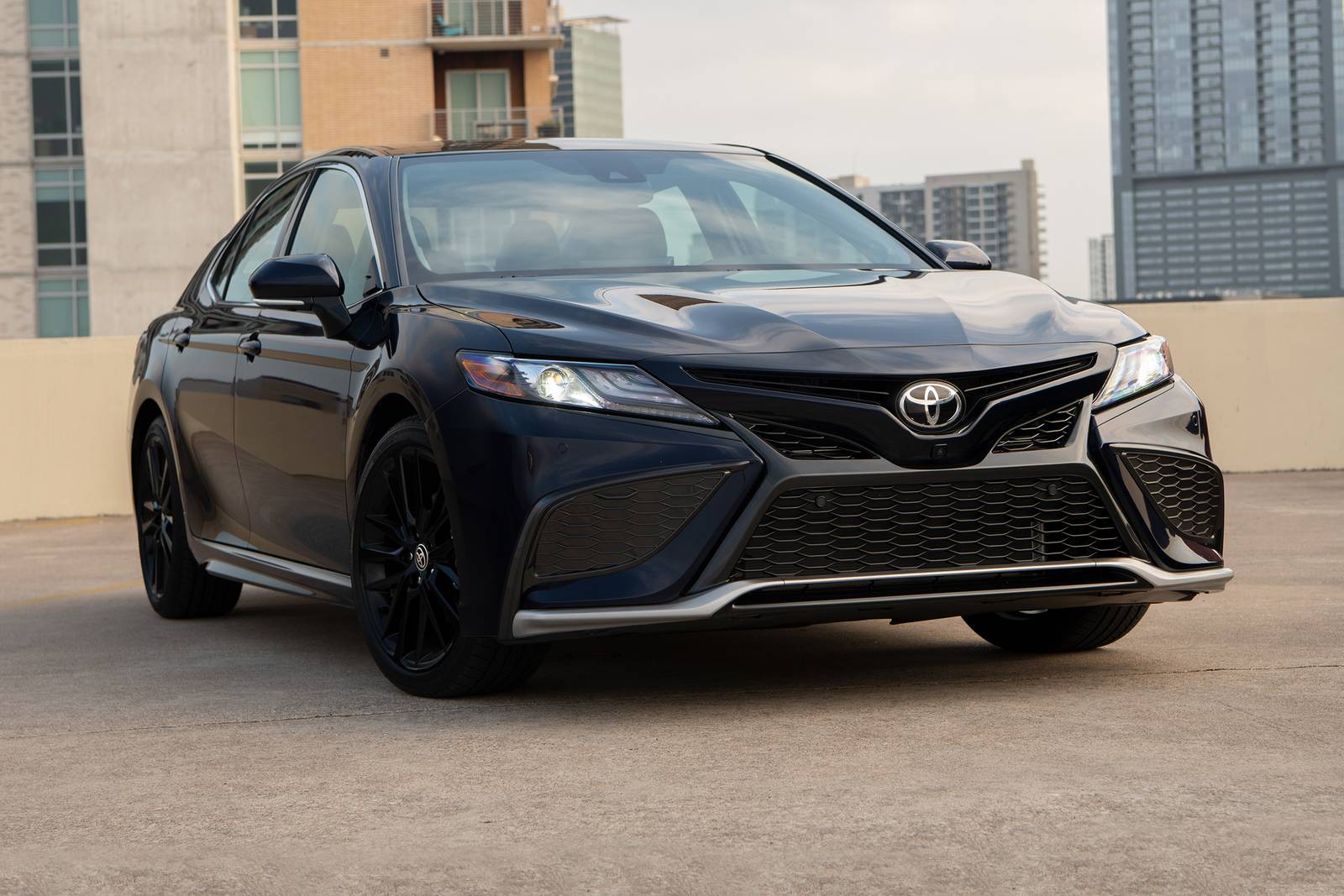
The Toyota Camry is one of the most widely used midsize sedans in the world, known for combining comfort with long-term dependability. It is commonly used as a family car, taxi vehicle, and long-distance commuter, which naturally leads to high mileage accumulation.
One of the Camry’s strongest characteristics is its conservative engineering philosophy. Toyota avoids unnecessary mechanical complexity and instead focuses on building engines and transmissions that prioritize durability over extreme performance. This results in systems that remain stable even after hundreds of thousands of miles.
Many Toyota Camrys have reached or exceeded 400000 to 500000 miles while still maintaining fully functional instrument clusters. The speedometer systems in these vehicles are generally very reliable due to stable sensor design and strong electrical grounding.
The Camry’s engine lineup is known for smooth operation and long service life. When combined with regular maintenance, these engines place minimal stress on connected systems, allowing electronic components like the dashboard instruments to remain functional for decades.
Another important factor is manufacturing consistency. Toyota produces Camrys in large volumes with strict quality control standards. This ensures that each vehicle maintains a high baseline of reliability, which contributes to long-term durability across the entire fleet.
The Camry’s reputation as a high-mileage survivor is well earned. It consistently appears in lists of vehicles that can reach extreme mileage while still functioning normally, making it one of the most dependable sedans ever produced.
6. Volvo 240 and Volvo 740
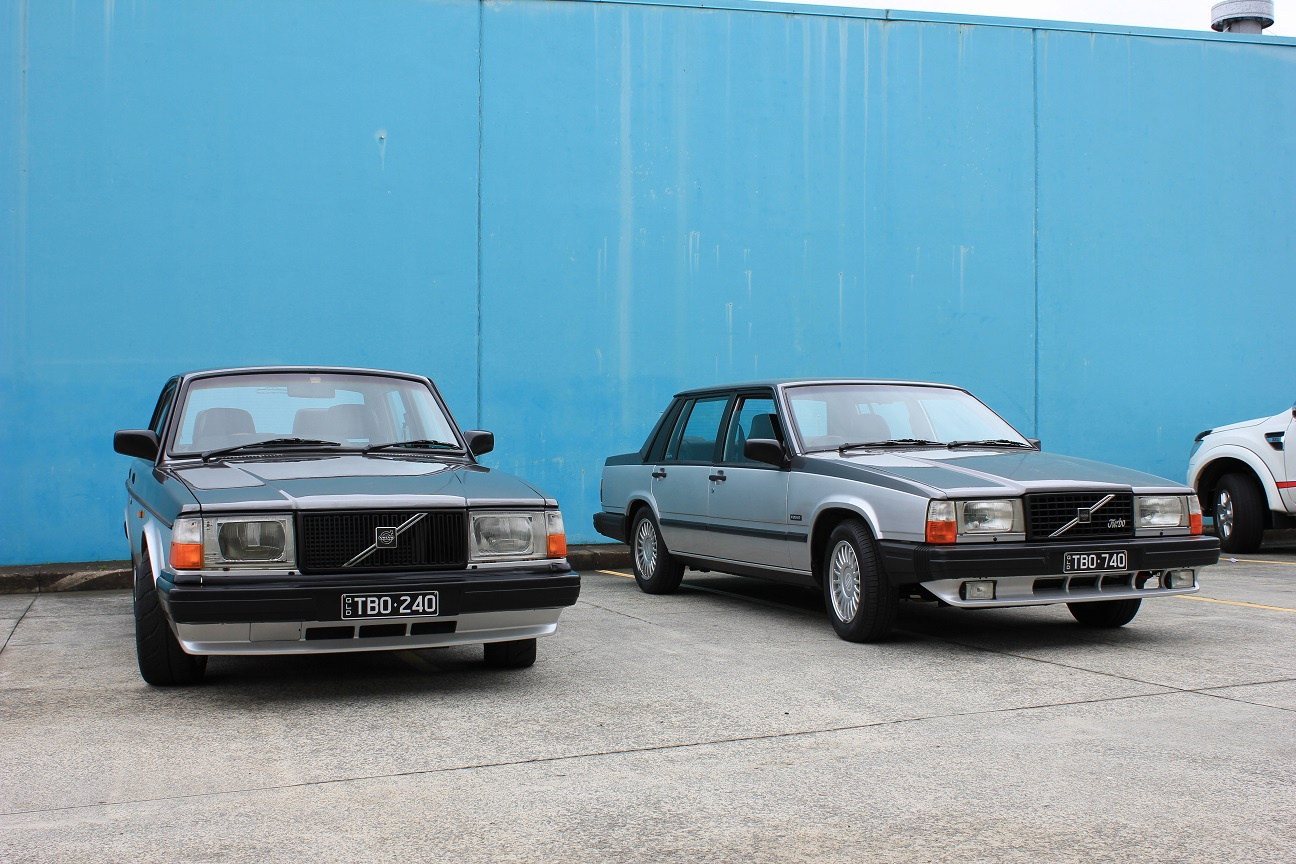
The Volvo 240 and 740 series are among the most respected examples of automotive durability ever produced, especially from a time when Volvo prioritized mechanical robustness over modern complexity. These vehicles were engineered during the 1970s, 1980s, and early 1990s, a period when durability and safety were the core focus of Swedish automotive design philosophy.
One of the most important reasons these Volvos last so long is their extremely overbuilt construction. The chassis, suspension, and drivetrain components were designed with heavy-duty usage in mind, often exceeding the requirements of normal passenger driving. This results in vehicles that can withstand decades of use without structural failure, even in harsh climates such as cold Scandinavian winters or hot, dusty regions.
The engines used in the Volvo 240 and 740, especially the redblock four-cylinder engines, are known for their legendary reliability. These engines are simple, naturally aspirated, and built with strong internal components that allow them to run for extremely high mileage when properly maintained. It is not unusual for these engines to surpass 500000 miles, and in many cases even exceed one million miles with rebuilds.
A key advantage in these models is the simplicity of their electrical systems. Unlike modern vehicles that rely heavily on complex digital networks, the Volvo 240 and 740 use relatively straightforward wiring and analog systems. This simplicity greatly reduces the likelihood of electronic failure in the instrument cluster. As a result, speedometers and odometers in these vehicles often continue functioning accurately even after decades of use.
Another important factor is the mechanical nature of many of their systems. Older Volvo speedometers are often cable-driven, meaning they rely on a direct mechanical connection from the transmission rather than electronic sensors. This makes them highly resistant to failure caused by electrical issues or sensor degradation.
These vehicles also benefit from a strong enthusiast community that continues to maintain and restore them. Because parts are still available and repair knowledge is widespread, many Volvo 240 and 740 models remain on the road today, often with extremely high mileage and fully operational dashboards.
7. Mercedes-Benz W123
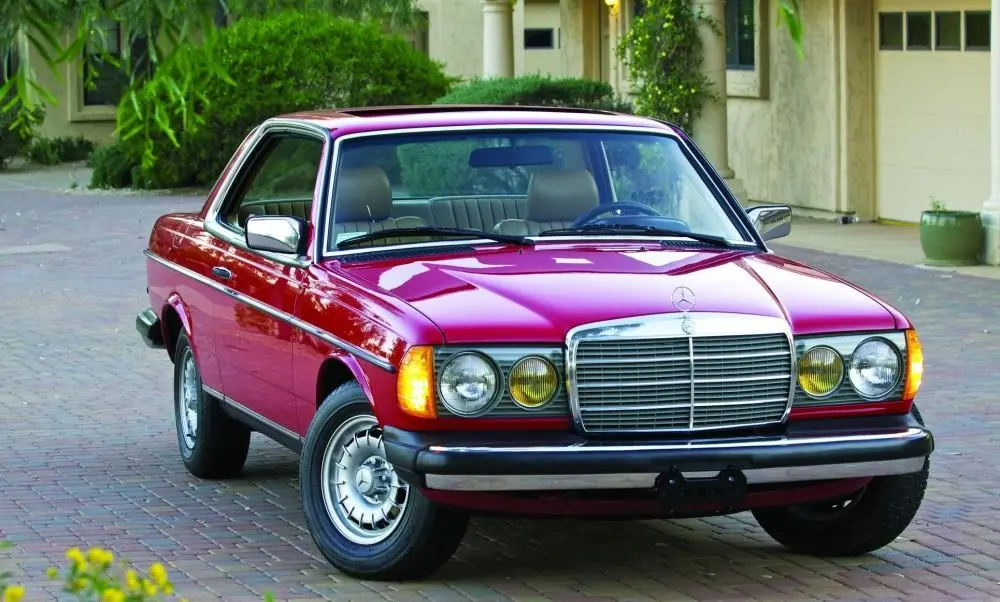
The Mercedes-Benz W123 and W124 diesel models represent a golden era of German engineering focused on durability, precision, and long-term mechanical integrity. These vehicles were designed during a period when Mercedes-Benz prioritized building cars that could last decades under demanding conditions, including commercial taxi use and long-distance travel.
One of the most impressive aspects of these models is their diesel engine durability. The inline diesel engines used in the W123 and W124 are known for their ability to run for extremely high mileage with minimal internal wear. These engines were built with strong iron blocks, robust crankshafts, and conservative tuning, allowing them to operate for hundreds of thousands of miles without major failure.
Many documented examples of W123 and W124 diesel cars have exceeded 500000 miles, and some have even crossed one million miles with proper maintenance and occasional rebuilds. This level of longevity is rare in modern vehicles and highlights the engineering focus of that era.
The instrument clusters in these Mercedes models are also durable. Many versions use mechanical or semi-mechanical systems for speed measurement, which reduces dependency on fragile electronics. The speedometer is often cable-driven, allowing it to remain functional even when other electronic systems age.
Another key factor is the build quality of the electrical system. Mercedes designed these vehicles with high-quality wiring insulation and robust connectors. This reduces issues such as corrosion or signal loss, which are common causes of instrument failure in older cars.
The W123 and W124 were also widely used as taxis in Europe and other regions, where vehicles are expected to operate continuously for long periods. This real-world usage proved their durability and reinforced their reputation as some of the longest-lasting luxury sedans ever built.
Even today, these diesel Mercedes models are highly respected in automotive communities for their ability to remain functional and mechanically sound at extremely high mileage levels, including fully working dashboards and speedometers.
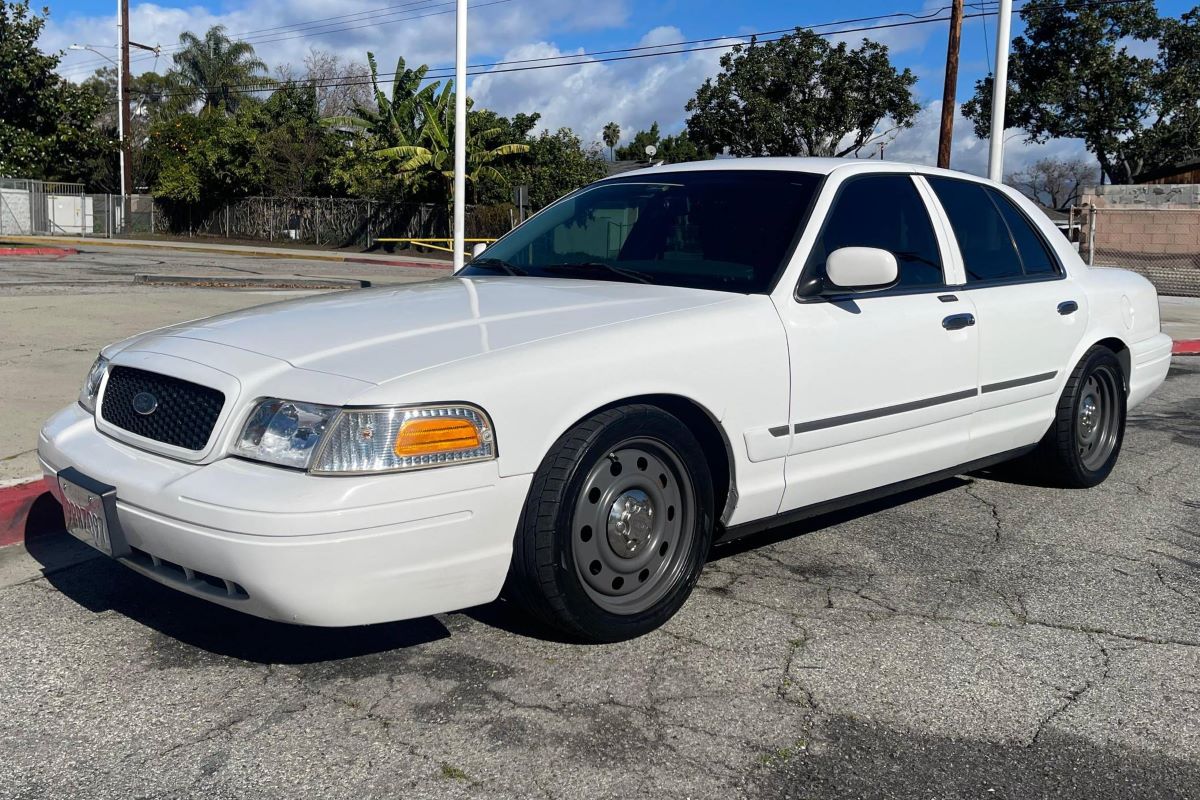
8. Ford Crown Victoria
The Ford Crown Victoria is one of the most recognizable examples of American automotive durability, largely due to its widespread use in police fleets, taxi services, and government transportation. It was designed with simplicity, strength, and ease of maintenance in mind, making it one of the most reliable full-size sedans ever produced in the United States.
A major factor in its longevity is the body-on-frame construction. Unlike modern unibody vehicles, the Crown Victoria uses a separate frame and body structure, which provides superior strength and resistance to long-term stress. This design is especially beneficial in fleet use, where vehicles experience constant stop-and-go driving, high idle times, and heavy usage.
The engine used in the Crown Victoria, typically the 4.6-liter Modular V8, is known for its durability and simplicity. It is not a high-performance engine, but it is built to run reliably for hundreds of thousands of miles under continuous operation. Many of these engines have surpassed 400000 to 500000 miles with routine maintenance such as oil changes and cooling system care.
Because the Crown Victoria was heavily used in police departments, it was engineered to handle extreme duty cycles. These include long idle periods, rapid acceleration, and sustained high-speed driving. This demanding usage environment actually helped prove the reliability of the vehicle’s systems, including its electronic instrument cluster.
The speedometer and odometer systems in the Crown Victoria are generally reliable due to their straightforward design. Many models use durable sensor systems and robust wiring that resist failure even under long-term fleet usage. This is one reason why many retired police vehicles still have fully functional dashboards when sold into civilian use.
Another important factor is ease of maintenance. The Crown Victoria was designed so that most mechanical and electrical components are easy to access and repair. This means that even when issues arise, they are typically addressed quickly, preventing long-term damage to systems like the instrument cluster.
Even today, the Crown Victoria remains a symbol of automotive toughness, especially in discussions about high-mileage vehicles that continue to function reliably after half a million miles or more.
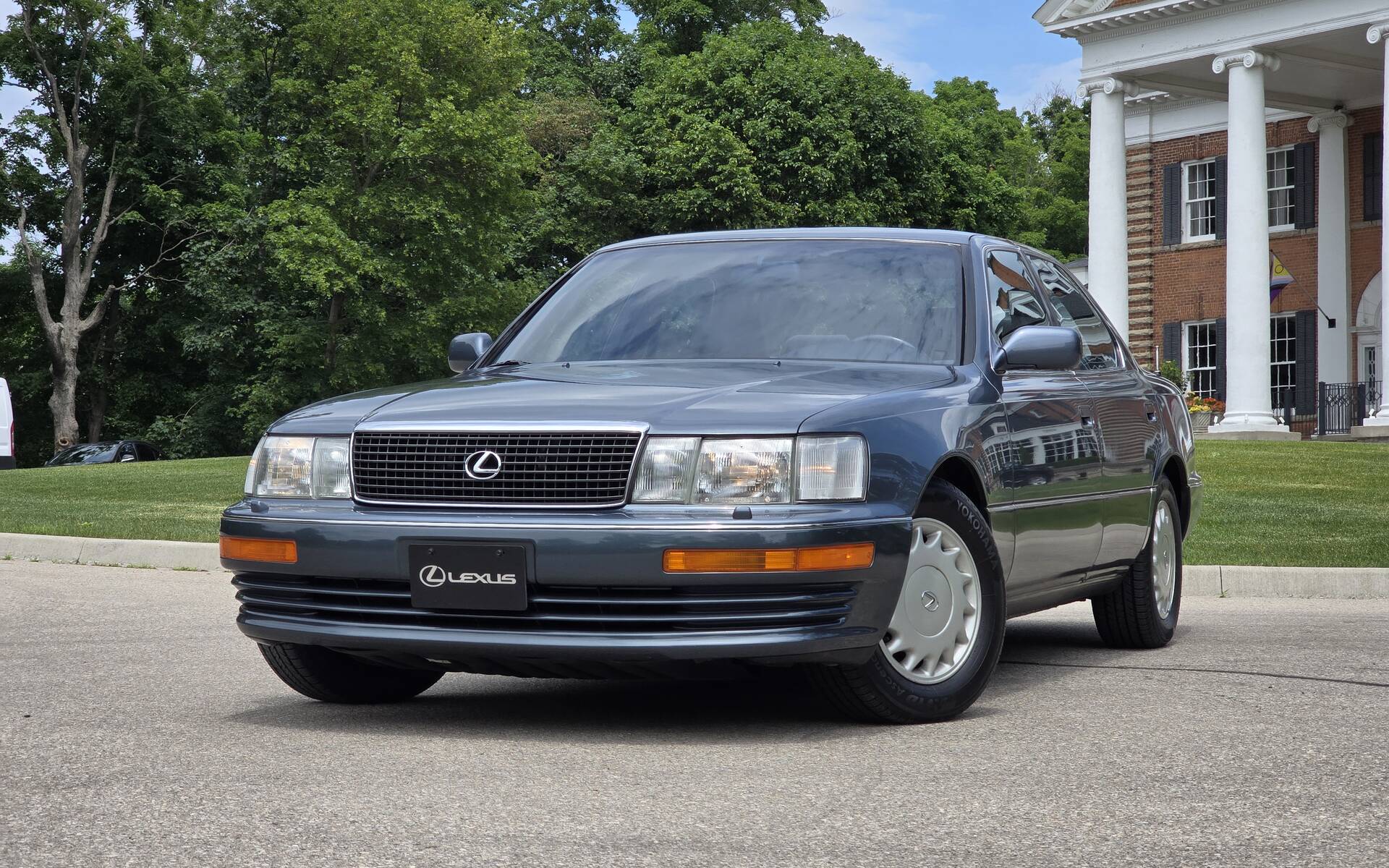
9. Lexus LS 400
The Lexus LS 400 is widely regarded as one of the most important luxury sedans ever built, not only for its comfort and refinement but also for its extraordinary reliability. When it was introduced, it redefined expectations for what a luxury car could be in terms of long-term durability.
At the heart of the LS 400 is a meticulously engineered V8 engine that is known for its smoothness and exceptional longevity. Toyota engineers spent years refining this engine to ensure that it could operate with minimal vibration and extremely low mechanical stress. This careful design significantly contributes to the vehicle’s ability to reach very high mileage.
Many Lexus LS 400 models have surpassed 400000 to 500000 miles while still maintaining full functionality across major systems, including the instrument cluster. The speedometer and digital or analog gauges in these vehicles are known for their reliability due to high-quality electronic components and conservative engineering.
Another important factor is the build quality of the electrical system. Lexus, as Toyota’s luxury division, applied strict quality control standards to ensure that wiring, sensors, and connectors are resistant to wear, heat, and corrosion. This helps prevent failures in dashboard systems even after decades of use.
The LS 400 also benefits from excellent interior durability. Materials used in the dashboard and instrument panel are designed to resist cracking, fading, and heat damage. This ensures that not only does the speedometer function correctly, but it also remains visually clear and readable over time.
The LS 400 quickly gained a reputation in automotive communities as a car that could rival much more expensive European luxury vehicles in reliability while far exceeding them in long-term durability. This reputation was earned through real-world usage, where many owners reported extremely high mileage without major system failures.
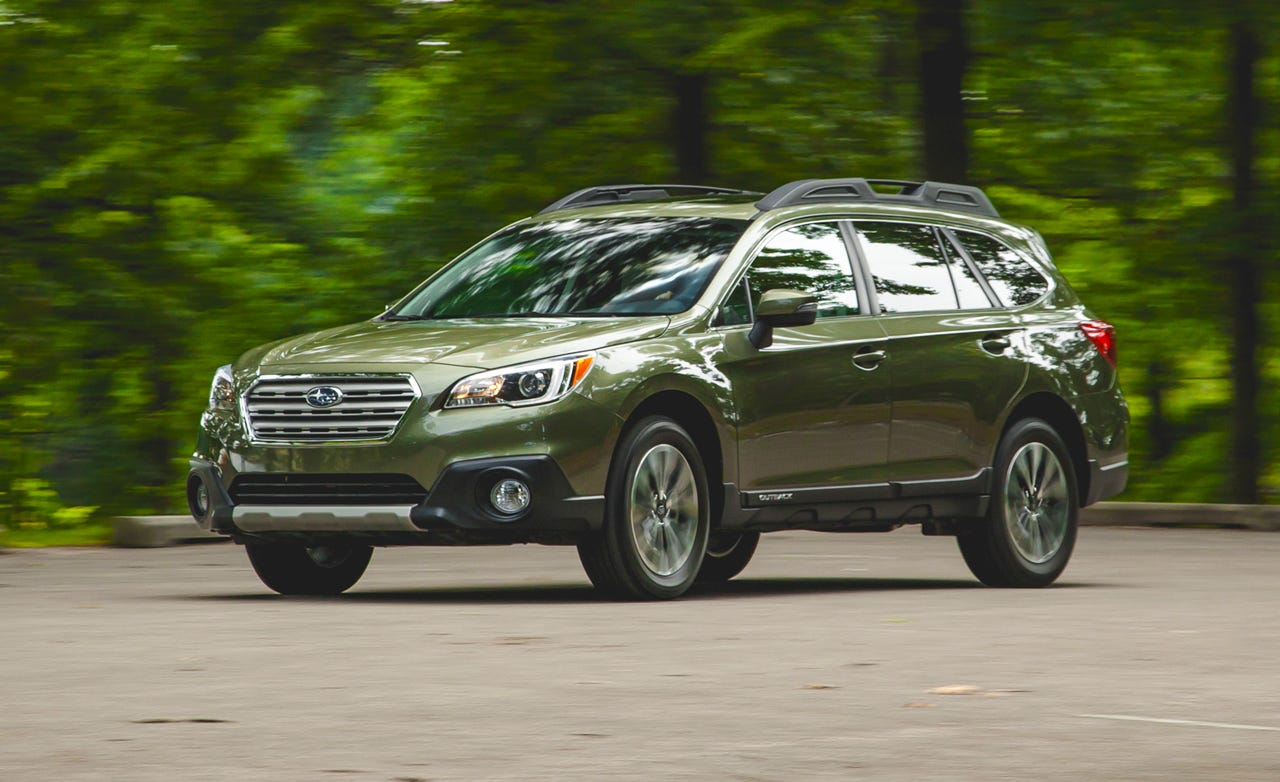
10. Subaru Outback
The Subaru Outback is a practical and rugged vehicle known for its All Wheel Drive capability and strong performance in diverse driving conditions. It is especially popular in regions with harsh weather, mountainous terrain, and rural environments where reliability and traction are essential.
One of the key strengths of the Outback is its boxer engine design. This horizontally opposed engine layout provides a low center of gravity, which improves stability and reduces mechanical vibration. When properly maintained, these engines can last for very high mileage and contribute to long-term vehicle reliability.
Many Subaru Outbacks have reached or exceeded 300000 to 500000 miles, particularly in cases where they are used for long-distance commuting or rural transportation. In these high-mileage examples, the instrument cluster typically continues functioning, including the speedometer and odometer systems.
The All Wheel Drive system is another major contributor to the Outback’s durability. Subaru’s symmetrical AWD system is designed for consistent power distribution, which reduces strain on individual drivetrain components. This balanced load distribution helps extend the life of mechanical and electronic systems.
The Outback is also known for its practical design and strong build quality. Interior components are designed for long-term use, and the dashboard systems are generally robust enough to handle years of vibration and temperature changes.
Another important factor is its widespread use in real-world demanding environments. From snowy highways to gravel roads and long highway commutes, the Outback has been tested extensively in conditions that challenge both mechanical and electronic reliability.
