
Cold weather is one of the toughest environments for vehicles, especially when temperatures drop below freezing and reach sub-zero conditions. In regions where winters are harsh, such as parts of Canada, Northern Europe, Russia, and high-altitude areas, drivers often face a range of mechanical issues that are not as common in moderate climates.
One surprisingly frequent problem is related to trunk hinges and trunk opening mechanisms. While it may sound minor compared to engine starting issues or battery failures, a trunk that refuses to open properly in freezing temperatures can become a serious inconvenience, especially when access to emergency supplies, tools, or warm clothing is needed.
The main reason trunk hinges and lifting mechanisms struggle in sub-zero cold is due to the materials and systems used in modern car designs. Many vehicles rely on gas struts filled with pressurized nitrogen, lubricated hinge joints, and rubber seals.
When temperatures drop drastically, gas struts can lose pressure, lubricants can thicken, and rubber seals can stiffen or even freeze in place. This can result in trunks that open slowly, fail to stay open, or, in extreme cases, do not open at all until the vehicle warms up.
However, not all cars are equally vulnerable to these issues. Some manufacturers design their vehicles with cold-weather engineering in mind. These cars often use reinforced hinge systems, cold-resistant hydraulic struts, high-quality synthetic lubricants, and improved sealing materials that resist freezing. In addition, brands that test vehicles in Arctic conditions or markets like Scandinavia and Canada tend to produce models that handle extreme cold more effectively.
This article explores 9 cars that are widely recognized for maintaining reliable trunk hinge operation even in sub-zero temperatures. These vehicles are not immune to physics, but they are engineered to minimize cold-related failures.
The selection includes sedans, SUVs, and trucks known for durability, cold weather testing, and mechanical resilience. Each model represents a combination of thoughtful engineering, real-world reliability feedback, and suitability for harsh winter climates.
Whether you are living in a freezing region or simply curious about which vehicles are best suited for extreme cold, this guide provides a detailed breakdown of cars that continue to perform when temperatures plunge far below zero. Each section focuses on how the design, materials, and engineering choices contribute to reliable trunk hinge operation in winter conditions.
ALSO READ: 9 Vehicles With Side Mirrors Wide Enough for Older Eyes
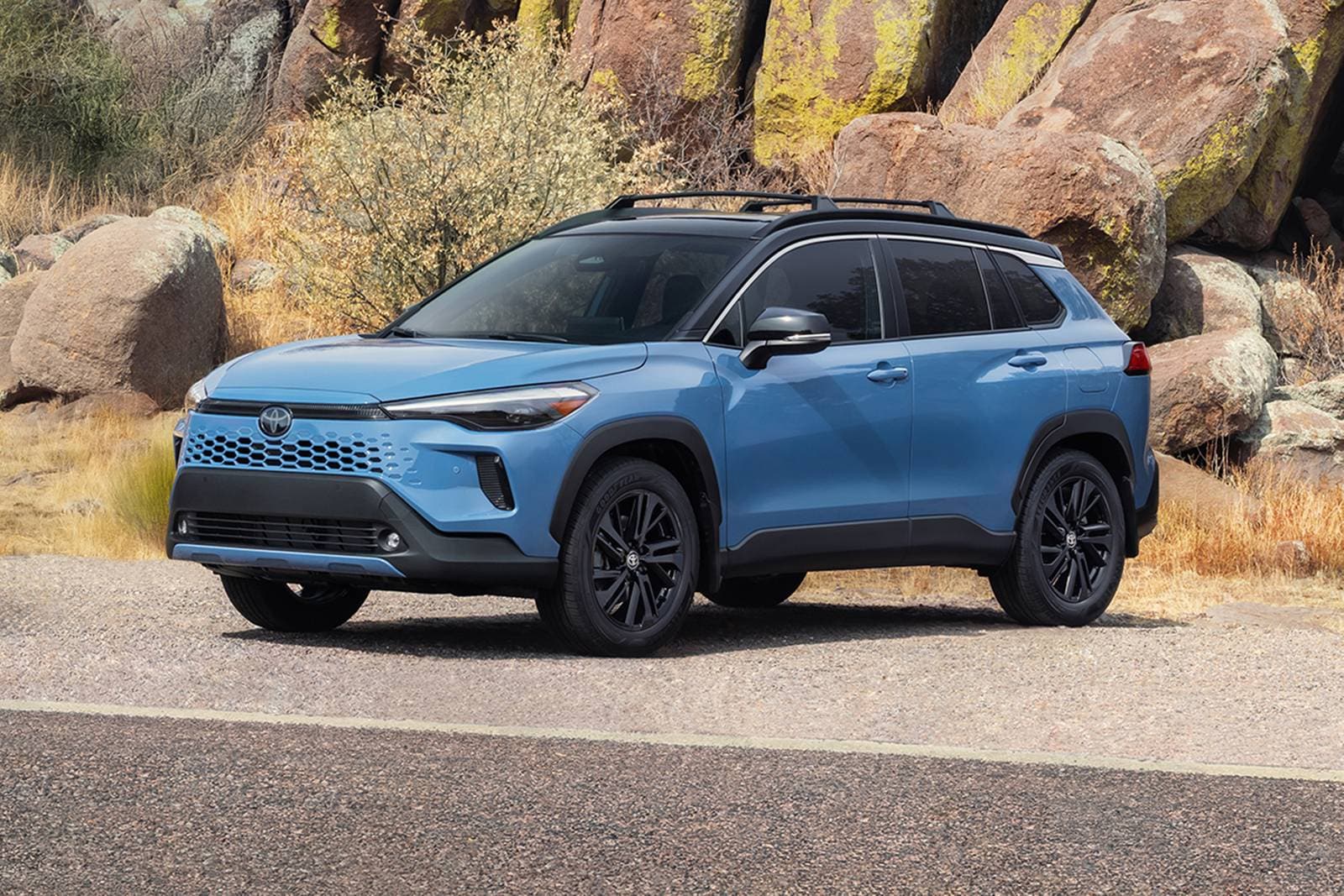
1. Toyota Corolla
The Toyota Corolla is widely known for its durability and consistent performance in extreme weather conditions, including sub-zero climates. One of the key reasons its trunk hinges remain reliable in cold temperatures is Toyota’s emphasis on simplicity and long-term mechanical stability.
Unlike more complex luxury systems that rely heavily on advanced hydraulics, the Corolla uses a straightforward torsion bar or gas strut setup, depending on the model year, reducing the number of components that can fail in freezing conditions.
In the first aspect of its cold-weather resilience, the Corolla benefits from high-quality synthetic lubricants applied at the factory level. These lubricants are designed to maintain flow characteristics even when temperatures drop significantly below freezing.
This ensures that hinge movement remains smooth and does not seize up during cold starts or overnight freezing conditions. Drivers in northern climates often report that the trunk opens with minimal resistance even after extended exposure to winter weather.
Secondly, Toyota’s testing process includes cold chamber evaluations where vehicles are exposed to extremely low temperatures before release. This means the Corolla’s trunk hinge system is already validated for performance in conditions similar to Arctic winters. The sealing materials around the trunk are also engineered to resist moisture buildup, which reduces the chance of ice formation around hinge points.
A third factor is the Corolla’s lightweight trunk lid design. Because the trunk is not excessively heavy, the load on the hinges and struts is reduced. In freezing conditions, this lower mechanical stress helps maintain consistent performance, even if minor stiffness develops in the system. The balance between weight and support is carefully calibrated to ensure usability in all climates.
Additionally, long-term reliability plays a major role. The Corolla is designed for high mileage use, meaning its hinge components are built to withstand years of repeated opening and closing cycles. This durability translates well into cold environments where weaker systems might degrade faster. The combination of material quality and engineering simplicity ensures that trunk functionality remains stable even during harsh winters.
Finally, real-world user feedback consistently highlights the Corolla as a dependable cold-weather vehicle. While no mechanical system is completely immune to freezing conditions, the Corolla’s trunk hinges are among the most consistently reliable in its class, making it a practical choice for drivers in sub-zero regions.
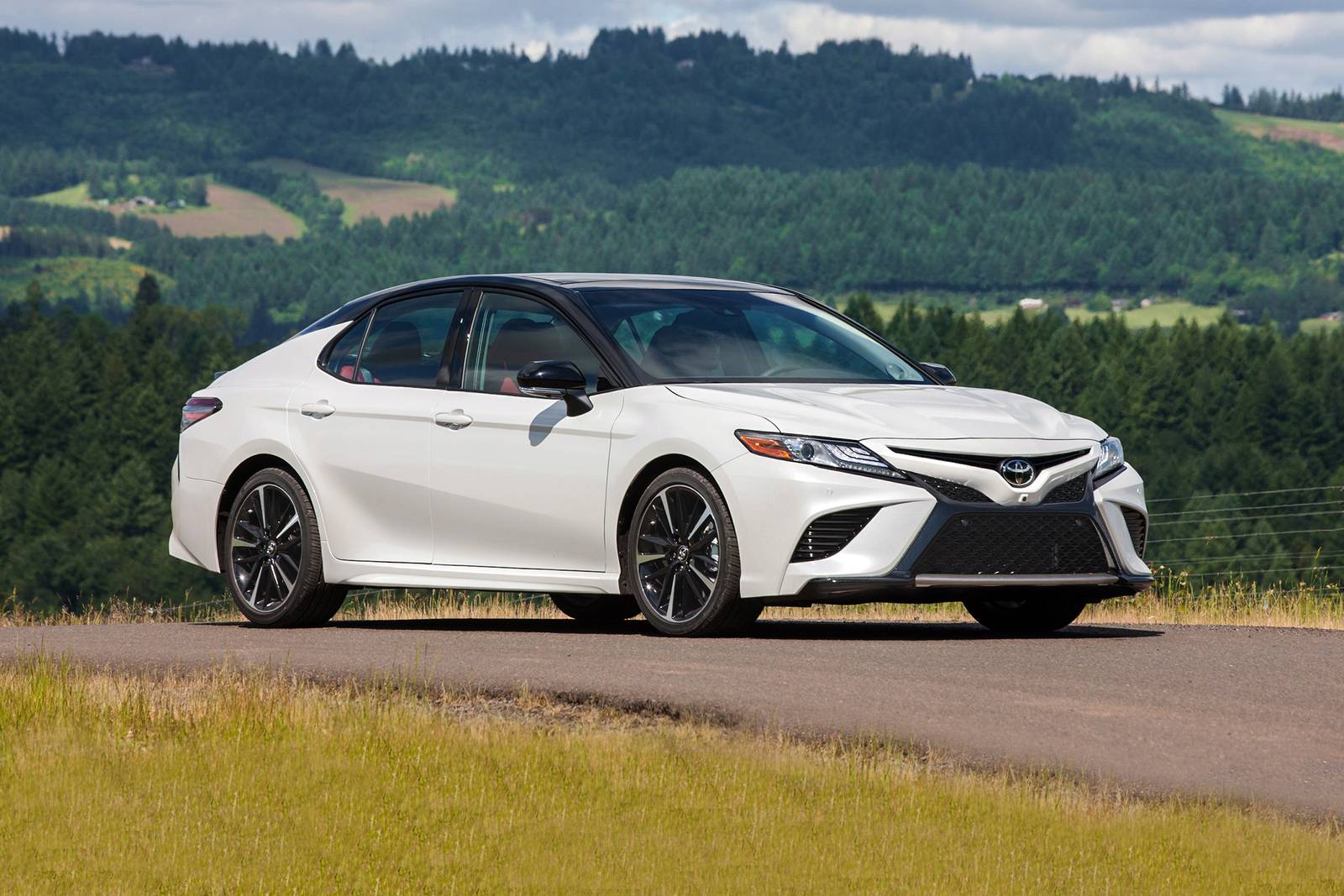
2. Toyota Camry
The Toyota Camry is another strong performer in cold climates, particularly when it comes to maintaining trunk hinge functionality in sub-zero temperatures. As a mid-size sedan designed for global markets, the Camry is engineered with a balance of comfort, reliability, and environmental adaptability.
One of the most important factors contributing to its cold-weather performance is the use of reinforced gas struts. These struts are designed to retain pressure even in low temperatures, which helps the trunk maintain proper lifting force. While some vehicles experience slow or incomplete trunk opening in freezing weather, the Camry’s system is calibrated to reduce this issue significantly.
Another key element is Toyota’s attention to corrosion resistance. In cold regions, road salt is commonly used, which can lead to rust formation around hinge assemblies. The Camry uses protective coatings on hinge joints that help prevent corrosion buildup. This ensures that even after repeated exposure to winter conditions, the mechanical movement remains smooth and consistent.
The trunk hinge geometry in the Camry is also designed for stability. Rather than relying on overly complex mechanisms, Toyota uses a balanced hinge system that distributes weight evenly across both sides. This reduces stress concentration points that could become problematic when metal contracts in freezing temperatures.
Additionally, the Camry benefits from factory-tested cold-weather sealing systems. These seals prevent moisture intrusion into hinge areas, reducing the likelihood of ice formation. Ice buildup is one of the most common causes of trunk malfunction in winter, and minimizing moisture exposure is critical for maintaining functionality.
Long-term user reports from cold regions such as Canada and Northern Europe consistently show that the Camry performs reliably during winter months. While occasional lubrication maintenance is recommended in extreme climates, the design ensures that trunk hinges remain operational even in sub-zero environments.
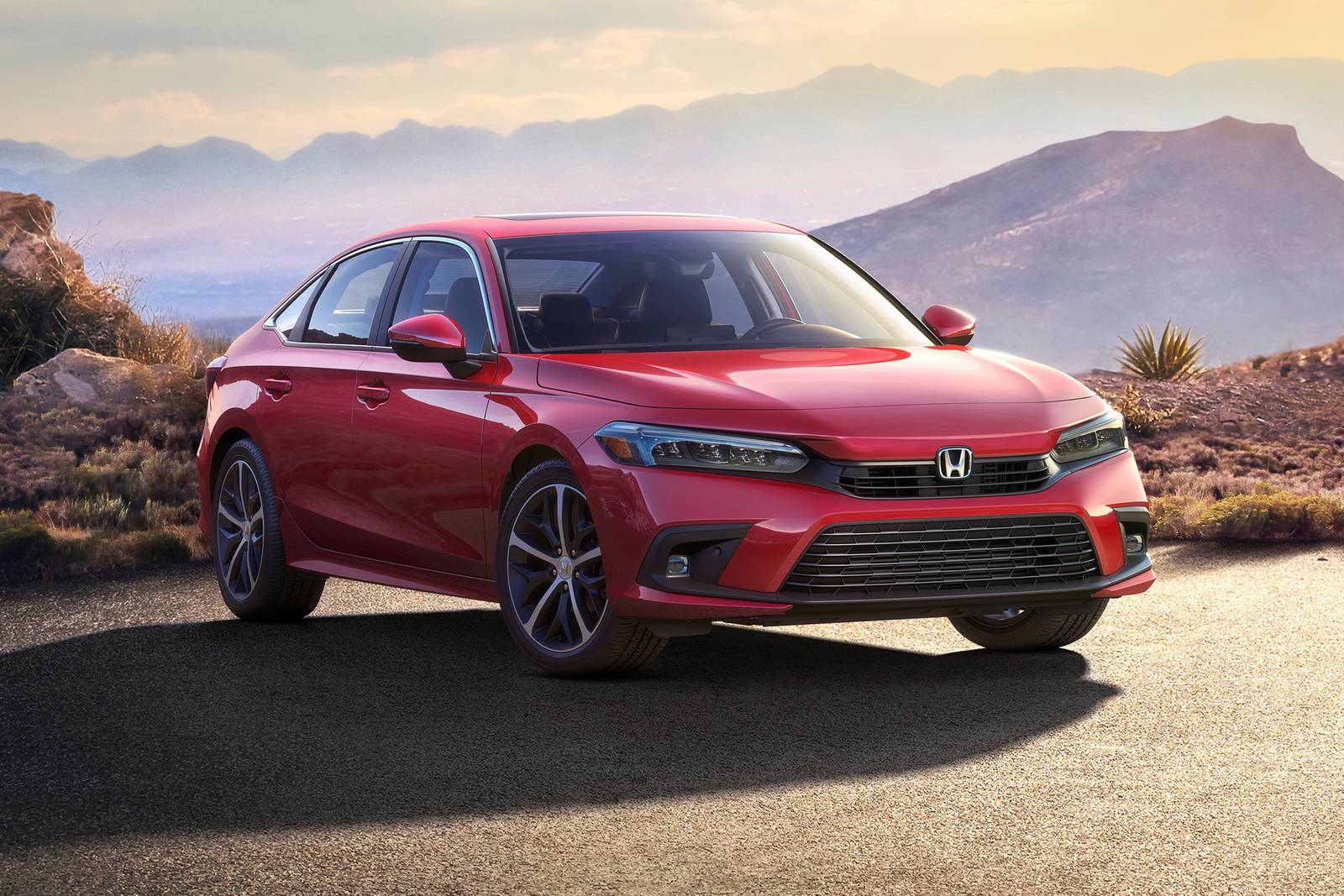
3. Honda Civic
The Honda Civic is known for its engineering efficiency and long-lasting mechanical components, making it a dependable vehicle in cold weather conditions. Its trunk hinge system is designed with simplicity and durability in mind, which helps it perform reliably even when temperatures drop significantly below zero.
A major advantage of the Civic is its use of lightweight materials combined with strong structural reinforcement. The trunk lid is relatively light compared to larger vehicles, which reduces strain on the hinge and strut system. This becomes especially important in cold weather when mechanical resistance naturally increases due to thickened lubricants.
Honda also uses high-quality synthetic grease in hinge assemblies that is formulated to remain stable in low temperatures. This ensures that the hinge pivot points do not seize or become excessively stiff during freezing conditions. As a result, trunk operation remains smooth even after overnight exposure to winter cold.
Another important factor is the Civic’s proven reliability in global markets. The vehicle is sold in regions with harsh winters, meaning it undergoes testing in environments where sub-zero temperatures are common. This testing helps ensure that trunk mechanisms function consistently across a wide range of climates.
In addition, the Civic’s trunk sealing system is designed to minimize moisture intrusion. This reduces the risk of ice forming around hinge points or latch mechanisms. Ice buildup can cause significant issues in winter, but the Civic’s sealing approach helps mitigate this risk effectively.
Long-term ownership data shows that Civics maintain mechanical consistency over time, even in colder regions. While minor maintenance such as lubrication may be necessary in extreme climates, the trunk hinge system is generally regarded as reliable and resilient in sub-zero conditions.
4. Subaru Outback
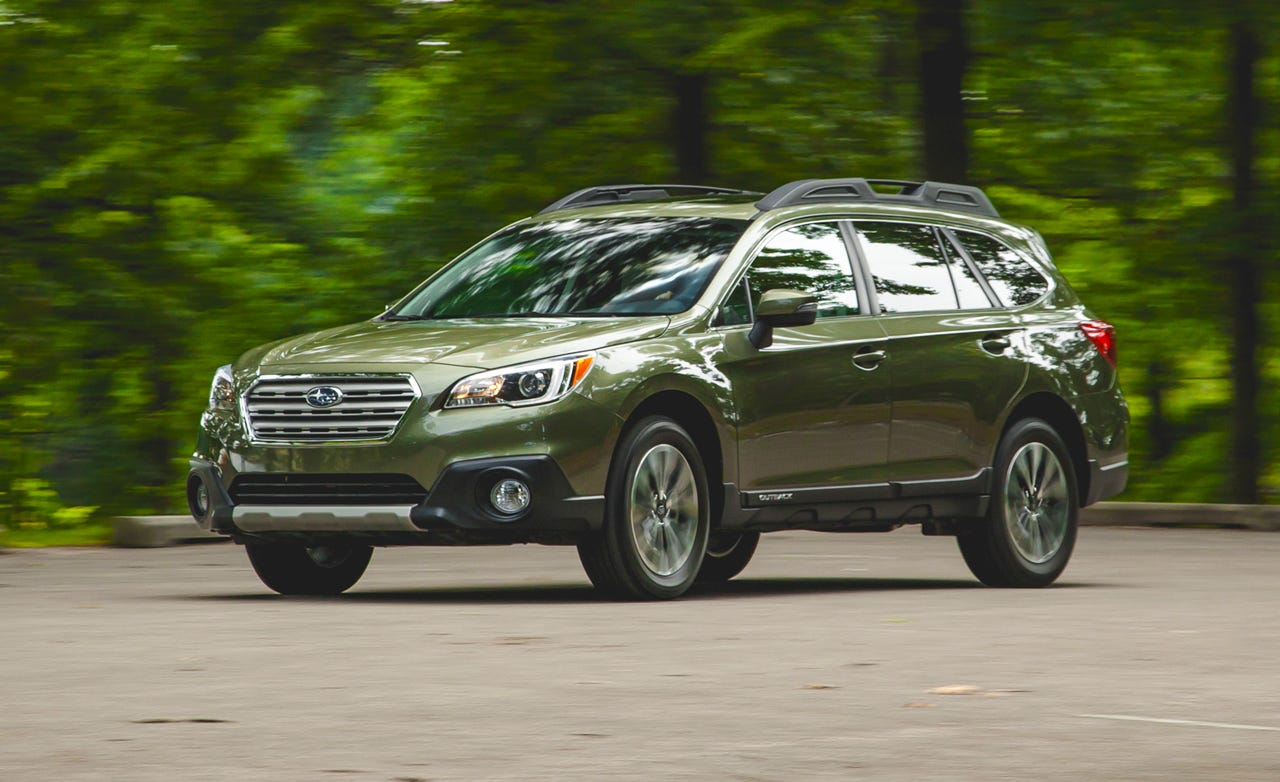
The Subaru Outback is one of the most well-known vehicles for extreme weather performance, particularly in snowy and sub-zero environments. Its trunk hinge system is designed with rugged practicality in mind, making it a strong performer in freezing conditions.
One of the key advantages of the Outback is its robust rear hatch design, which uses reinforced hinge arms and durable mounting points. Unlike smaller sedans, the Outback is built to handle heavier loads, and this structural strength translates into improved resistance to cold-induced stiffness.
Subaru also emphasizes all-weather testing, particularly in regions with heavy snowfall and low temperatures. The Outback is frequently evaluated in cold chambers and real-world winter conditions, ensuring that components such as trunk hinges remain functional even in harsh environments.
Another important factor is the use of cold-resistant hydraulic struts. These struts are designed to maintain lifting force even when temperatures drop significantly. This ensures that the rear hatch remains easy to open and stable when raised, even in freezing conditions.
The sealing system around the rear hatch is also highly effective. Subaru uses weather-resistant materials that reduce moisture entry, which helps prevent ice formation around hinge joints and latch areas. This is critical for maintaining smooth operation in winter climates.
The Outback’s popularity in snowy regions such as Canada and the northern United States provides real-world validation of its cold-weather performance. Owners consistently report reliable trunk operation even in sub-zero temperatures, reinforcing its reputation as a winter-capable vehicle.
5. Subaru Forester
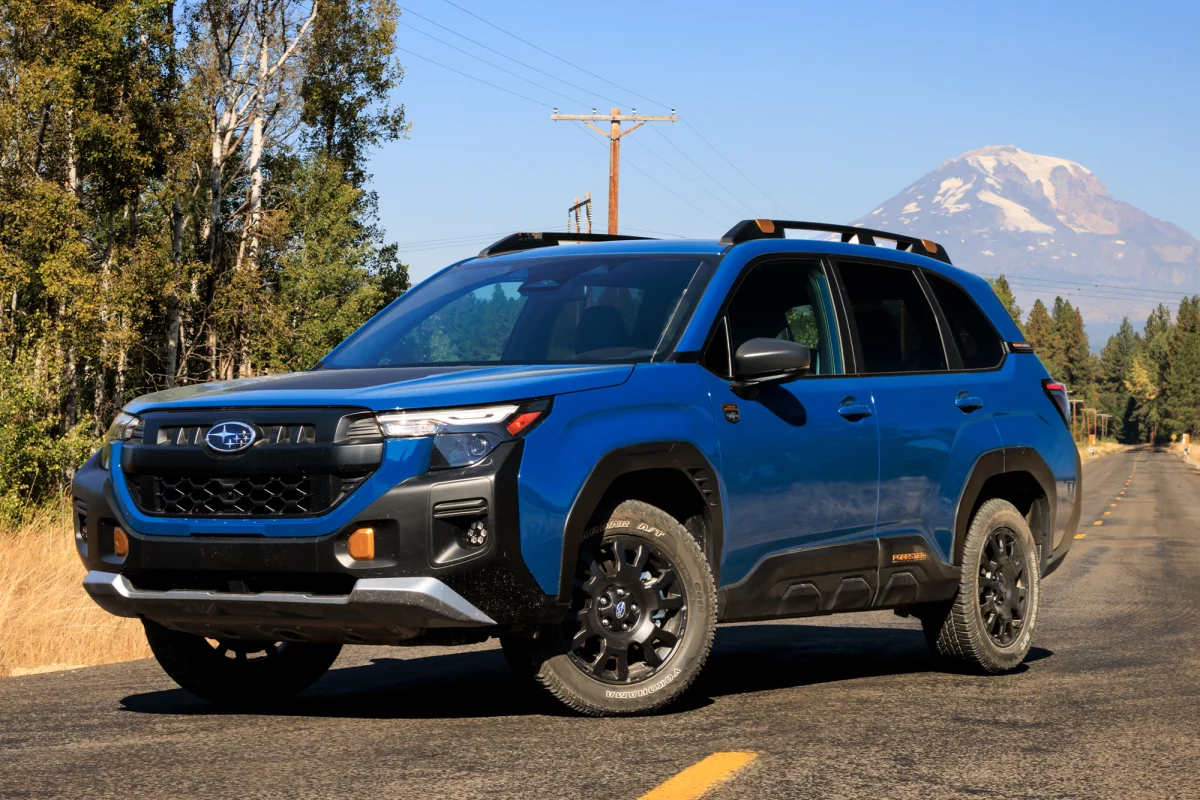
The Subaru Forester shares many of the Outback’s cold-weather strengths, making it another strong performer in sub-zero environments. Its compact SUV design is particularly well-suited for snowy and icy conditions, and its trunk hinge system reflects this focus on durability.
One of the most important aspects of the Forester’s design is its reinforced rear liftgate structure. The hinge points are engineered to handle repeated stress in varying temperatures, which helps prevent stiffness or misalignment during cold-weather operation.
The Forester also uses high-quality gas struts designed for cold climates. These struts maintain consistent pressure even in freezing temperatures, ensuring that the trunk opens smoothly and remains stable when lifted. This reduces the likelihood of a sudden drop or failure to hold position.
Another factor is Subaru’s extensive cold-weather testing program. The Forester is frequently tested in snowy regions to ensure that all exterior moving parts, including trunk hinges, can withstand freezing conditions without performance degradation.
Moisture protection is also a key design consideration. The sealing system around the rear hatch helps prevent water intrusion, which significantly reduces the risk of ice forming around hinge joints. This is one of the most important factors for maintaining trunk reliability in winter.
The Forester’s reputation among drivers in cold regions confirms its reliability. It is widely used in mountainous and snowy areas where sub-zero temperatures are common, and its trunk system consistently performs well under these conditions.
ALSO READ: 10 Cars Mechanics Often Advise Against for Their Own Families
6. Volvo XC90
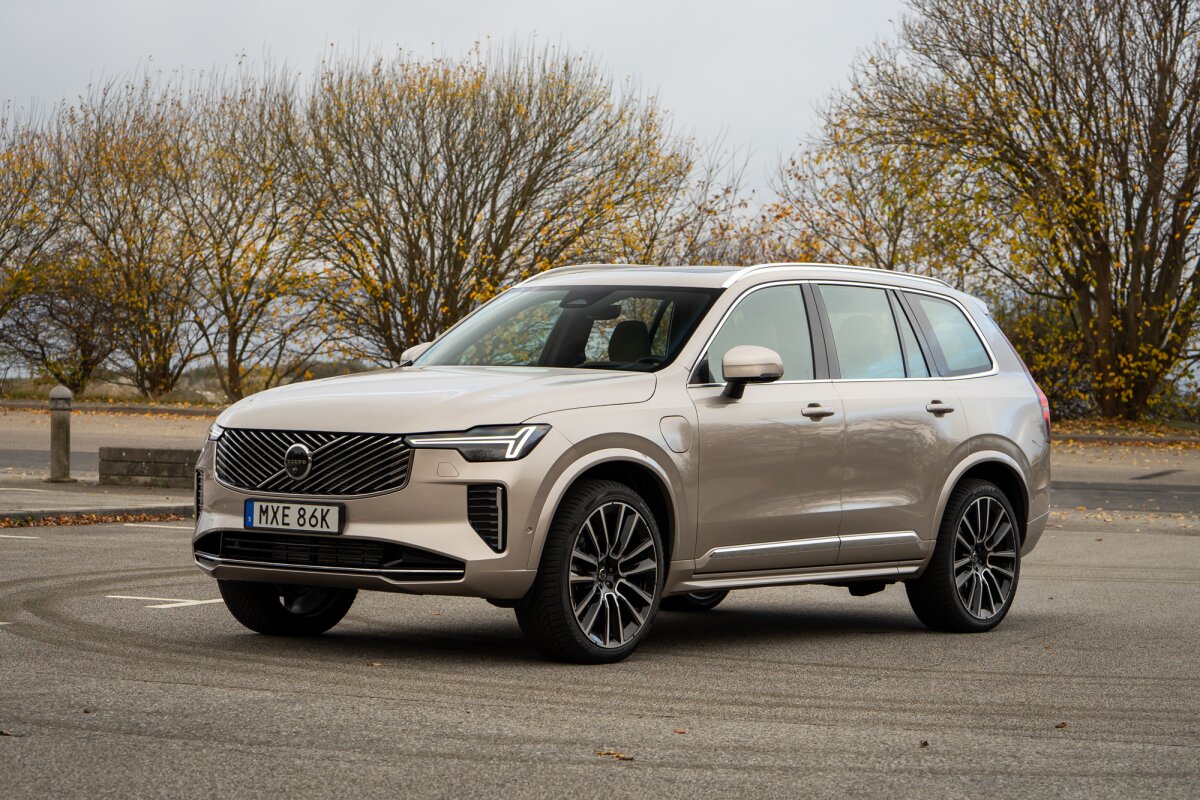
The Volvo XC90 is engineered with a strong focus on safety and extreme weather performance, making it highly reliable in sub-zero climates. Its trunk hinge system benefits from Scandinavian design principles that prioritize durability in cold environments.
One of the key strengths of the XC90 is its use of high-grade materials in hinge construction. These materials are selected for their ability to withstand thermal contraction without losing structural integrity. This ensures consistent trunk operation even in extreme cold.
Volvo also designs its gas struts to function reliably in low temperatures. These struts are tested in Arctic conditions to ensure that they maintain proper lifting force, even when exposed to prolonged freezing weather.
Another important factor is the XC90’s corrosion protection systems. In regions where road salt is heavily used, corrosion resistance is essential. Volvo applies protective coatings to hinge components to prevent rust formation that could hinder movement.
The sealing system on the XC90 is also highly advanced, designed to keep moisture out of critical mechanical areas. This helps prevent ice buildup around the trunk hinges, ensuring smooth operation during the winter months.
The XC90 is extensively tested in Scandinavian winters, where sub-zero temperatures are common. This real-world validation ensures that its trunk system performs reliably in some of the harshest conditions available.
7. Volvo S60
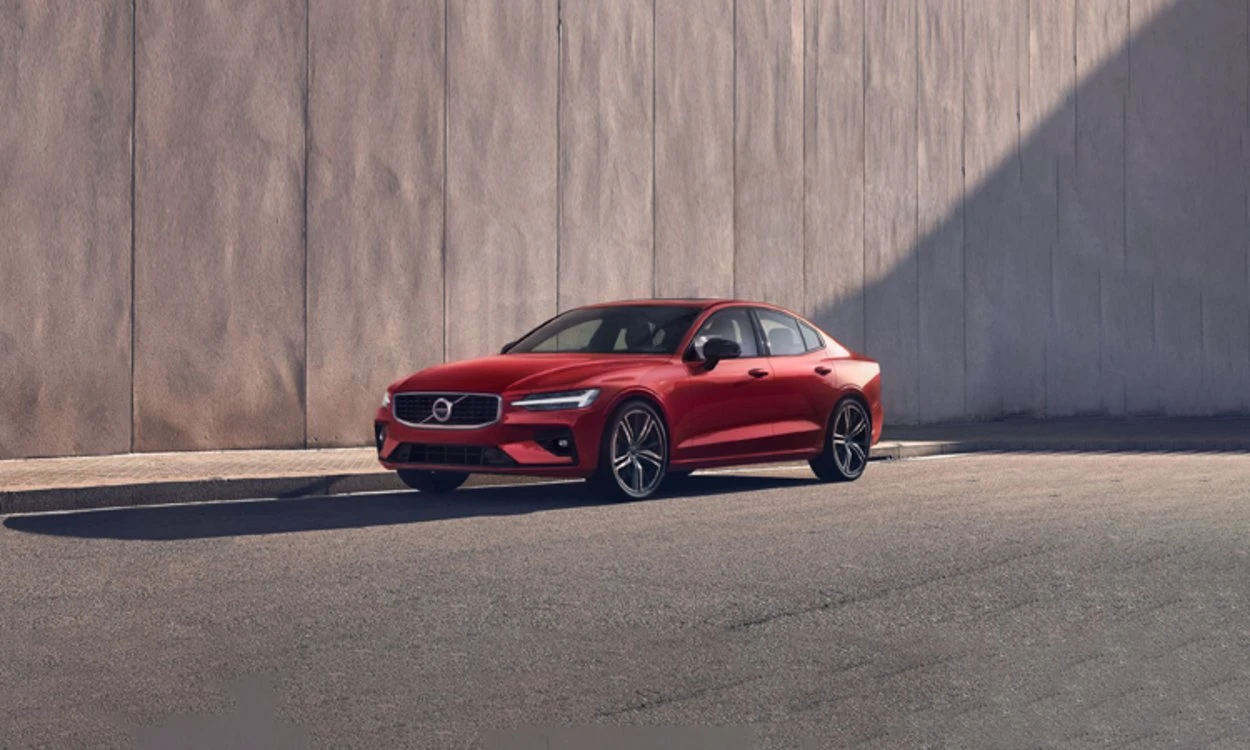
The Volvo S60 is a mid-size sedan that combines performance with cold-weather engineering, making it reliable in sub-zero environments. Its trunk hinge system is designed for precision and durability.
One of the key advantages of the S60 is its use of cold-resistant hinge lubricants. These lubricants remain effective in freezing temperatures, allowing smooth hinge movement even after prolonged exposure to winter conditions.
Volvo also ensures that the trunk lid is balanced and not excessively heavy. This reduces stress on the hinge system, which is especially important when mechanical resistance increases due to cold weather.
Another factor is the use of reinforced gas struts that are specifically designed for low-temperature performance. These struts help maintain consistent trunk operation even in freezing climates.
The S60 also benefits from strong sealing systems that reduce moisture intrusion. This helps prevent ice formation around the trunk latch and hinge areas, which is a common issue in winter conditions.
The S60’s design is validated through extensive testing in Nordic climates. This ensures that its trunk system remains reliable even in consistently sub-zero environments.
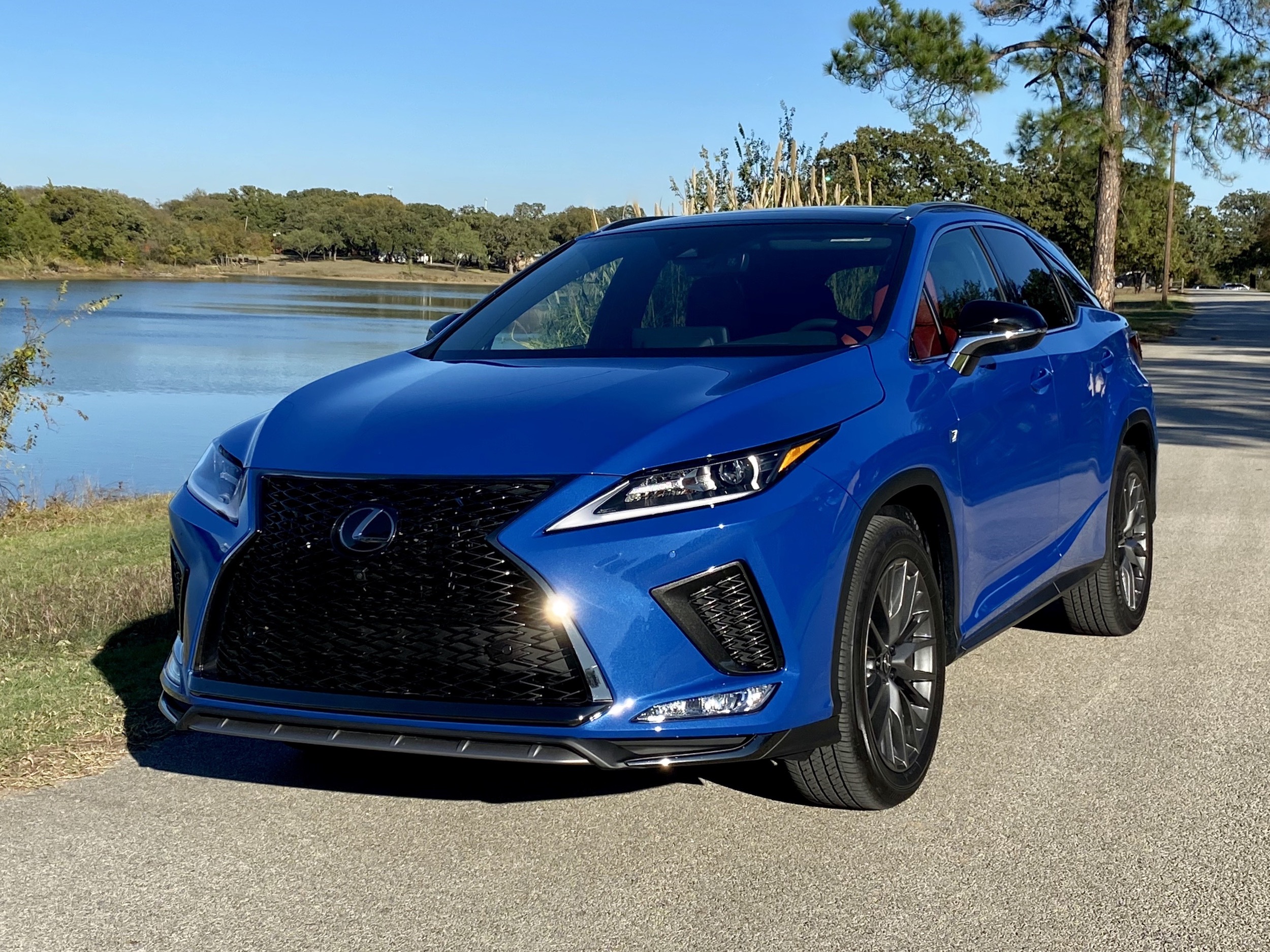
8. Lexus RX
The Lexus RX is a luxury SUV known for combining comfort with reliability, especially in cold weather conditions. Its trunk hinge system is designed to operate smoothly even in sub-zero temperatures.
One of the key strengths of the RX is its high-quality build materials. Lexus uses premium metals and coatings that resist contraction and corrosion in freezing environments, helping maintain hinge performance.
The RX also features advanced gas strut systems that are engineered for temperature stability. These struts help ensure that the trunk opens smoothly and remains supported even in cold conditions.
Another important factor is the vehicle’s focus on weather sealing. The RX is designed to minimize water intrusion, which reduces the risk of ice forming around hinge and latch components.
Lexus also conducts extensive cold-weather testing in global markets, ensuring that vehicles perform reliably in harsh climates. This includes evaluating trunk operation under freezing conditions.
The RX has a strong reputation for long-term reliability, and its trunk hinge system reflects this consistency, making it dependable even in sub-zero environments.
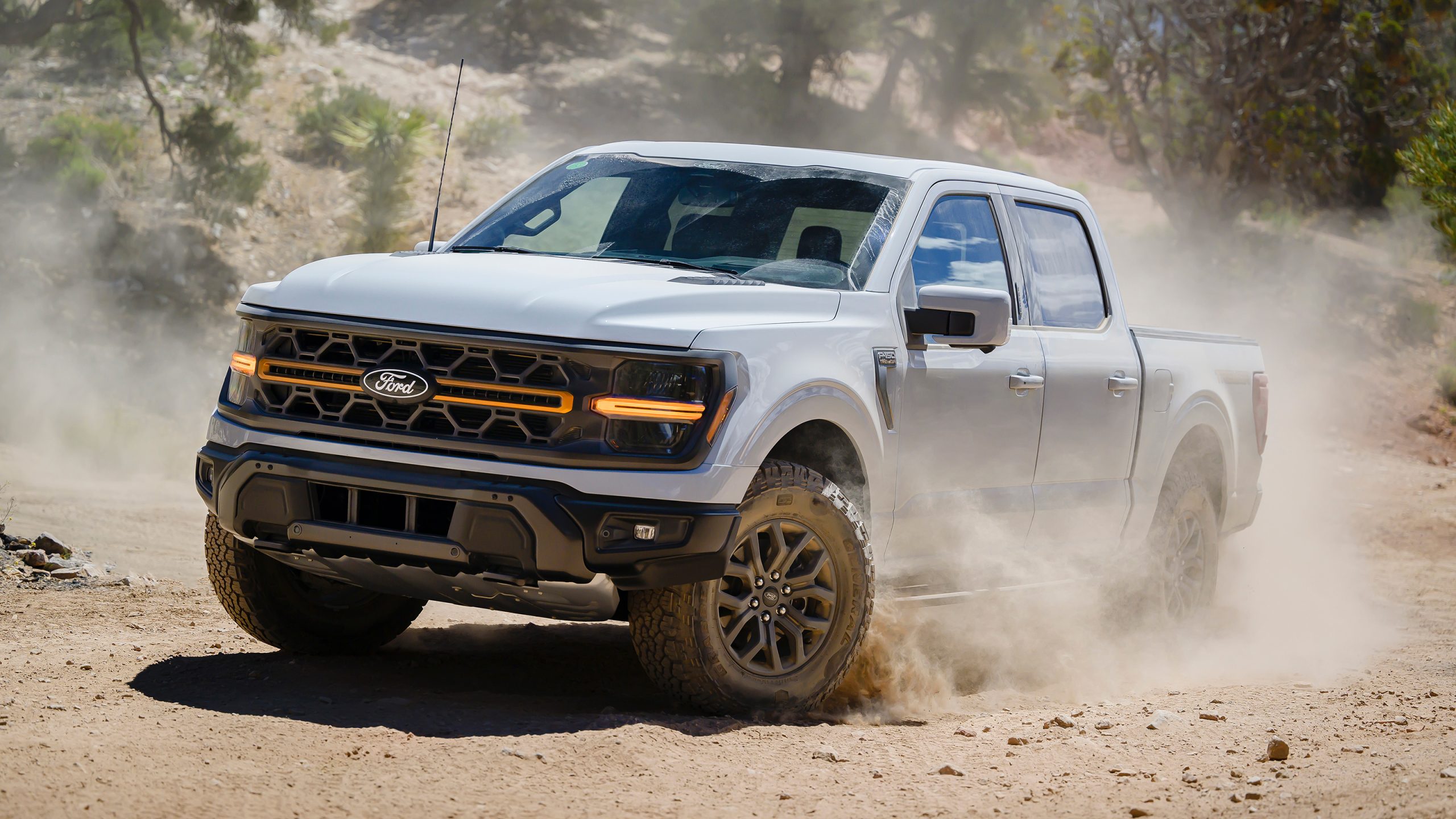
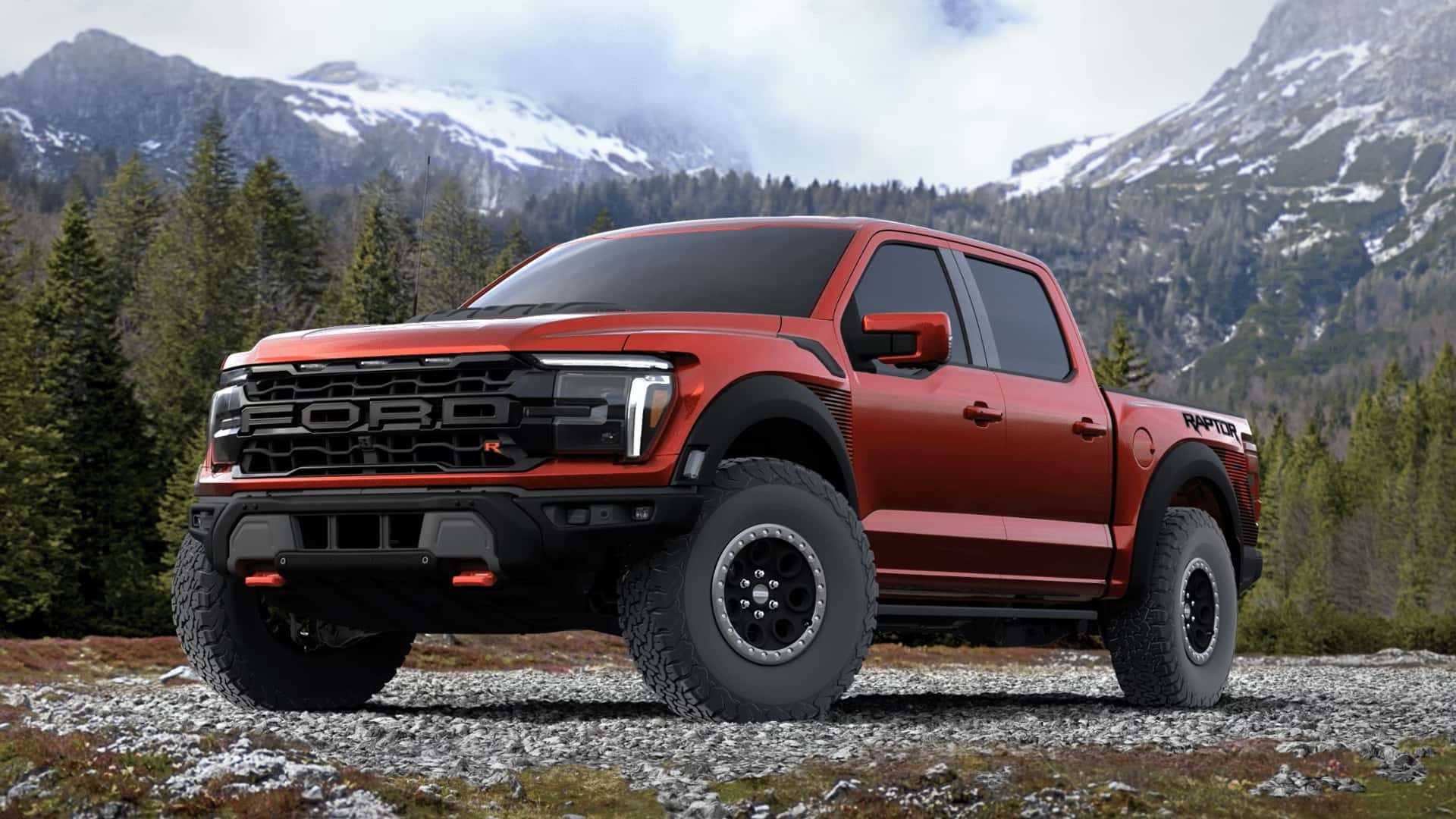
9. Ford F-150
The Ford F-150 is one of the most widely used trucks in North America and is well known for its ability to handle extreme weather conditions. Its tailgate hinge system is designed for strength and durability in sub-zero climates.
One of the main advantages of the F-150 is its heavy-duty hinge construction. The tailgate is built to handle significant weight, which means the hinge system is reinforced for long-term stress resistance.
Ford also uses robust gas struts and support cables, depending on configuration. These components are designed to function even in cold weather, ensuring that the tailgate remains operational in freezing conditions.
Another important factor is corrosion resistance. The F-150 is often exposed to snow, ice, and road salt, so protective coatings are applied to hinge components to prevent rust formation.
The truck also benefits from extensive real-world testing in harsh environments. This ensures that its tailgate system can withstand repeated use in sub-zero conditions without failure.
The F-150’s widespread use in cold regions provides strong real-world validation of its reliability, making it a dependable choice for winter climates.
