US National Parks place very different demands on vehicles depending on how far off the beaten path the journey goes. Some machines are engineered to handle rock-strewn trails, river crossings, and remote forest roads where reliability and traction are critical.
Others are designed for smooth highways, scenic park loops, and comfortable campground stays, where luxury, space, and efficiency matter more than raw terrain capability. This contrast becomes especially clear when comparing purpose-built adventure rigs with road-focused vehicles that struggle once pavement ends.
From rugged overlanders and heavy-duty truck campers to refined SUVs, camper vans, and long travel trailers, each option fits a very specific kind of travel experience within the national park ecosystem.
4 Adventure Rigs for US National Parks
1. Toyota Land Cruiser
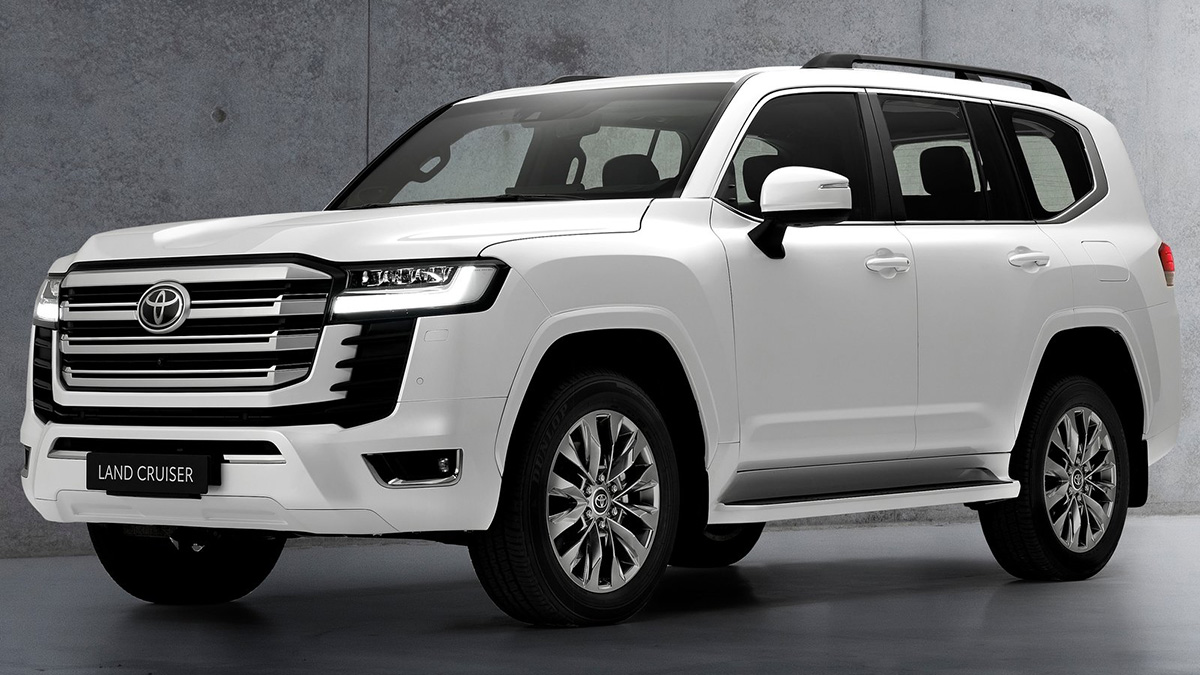
For decades, the Toyota Land Cruiser has been associated with extreme durability and dependable performance in some of the harshest driving conditions on Earth. In its latest generation, it continues that reputation with a more modern platform, updated hybrid powertrain, and advanced off-road technology designed for serious exploration rather than casual driving. This makes it especially suited for environments like US National Parks, where roads can quickly turn into rocky trails, deep sand, or snow-covered paths with little warning.
Under the hood, the newest Land Cruiser uses a 2.4-liter turbocharged engine paired with electric motors, producing about 326 horsepower. While it is no longer powered by a large V8, the hybrid setup improves efficiency while still delivering the strong low-end torque needed for off-road crawling.
An eight-speed automatic transmission works alongside a full-time 4WD system, locking differentials, and specialized tools like Crawl Control and hill-descent control. These features allow the vehicle to maintain traction and stability in unpredictable terrain without requiring constant driver input.
Capability is further enhanced by its high ground clearance of around 230 mm and a body-on-frame design that prioritizes strength over weight savings. The Multi-Terrain Select system adapts performance for surfaces like mud, sand, or snow, while an underbody camera system helps drivers position the vehicle precisely over obstacles. Despite its rugged focus, it still offers a smooth and quiet ride on paved roads, making long highway drives to remote destinations more comfortable than many traditional off-road SUVs.
Inside, the Land Cruiser balances practicality with modern convenience. It is a two-row SUV with strong cargo capacity, able to fit a large number of suitcases depending on seat configuration. Infotainment includes wireless Apple CarPlay and Android Auto, with screen sizes ranging from 8 to 12.3 inches depending on trim. Higher trims add features like leather seating, ventilated seats, and upgraded audio systems.
Fuel efficiency sits in the low-to-mid 20 mpg range, which is respectable for its size and capability. Safety is a major focus, with Toyota Safety Sense 3.0 providing adaptive cruise control, lane assistance, and emergency braking as standard. Combined with strong resale value and long-term reliability, it remains a trusted option for drivers who need a vehicle that can handle both daily roads and remote wilderness without compromise.
2. Jeep Wrangler Rubicon
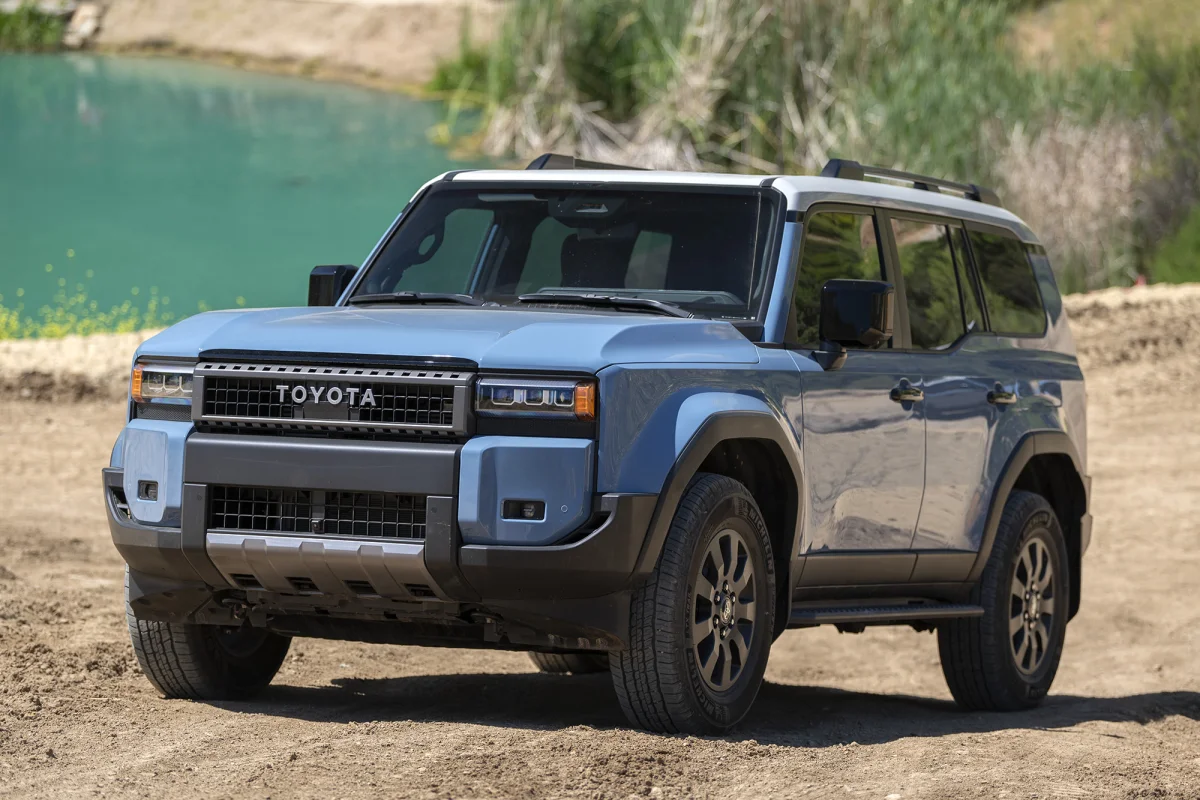
Few vehicles are engineered with such a clear focus on off-road performance as the Jeep Wrangler Rubicon. Designed for environments where roads disappear into rock, sand, mud, or river crossings, it has become a benchmark for serious trail driving in US National Parks. Its entire structure and feature set prioritize traction, durability, and control in conditions that would challenge or disable most standard SUVs.
At the core of its capability is the Rock-Trac 4×4 system, which works alongside Tru-Lok electronic locking differentials to maintain traction across highly uneven surfaces. A disconnecting front sway bar allows for greater wheel articulation, helping the suspension adapt to obstacles like boulders, logs, and deep ruts. With roughly 10.8 inches of ground clearance and a water-fording depth of about 34 inches, it is designed to move through creeks, flooded paths, and rugged terrain with confidence.
Its off-road hardware includes Dana 44 axles, skid plates, and a low-range 4:1 transfer case that delivers strong torque at crawling speeds. This setup is essential for steep climbs and controlled descents, especially in rocky or technical environments. The short wheelbase improves maneuverability on narrow trails, while removable doors and roof panels create an open-air driving experience that enhances visibility and connection to surroundings.
Power options include a 3.6-liter V6, a turbocharged four-cylinder, and, in select versions, a high-output V8, paired with manual or automatic transmissions. While capable of acceleration, the vehicle is tuned more for control and endurance than speed. Fuel economy is modest, particularly in higher-performance trims, reflecting its focus on rugged capability rather than efficiency.
Inside, the design emphasizes practicality over luxury. The upright seating position provides strong forward visibility, though thick pillars and roll bars can limit rear sightlines when fully enclosed. The four-door configuration offers reasonable rear seating space and usable cargo capacity, while the two-door version is more limited for storage.
Technology includes the Uconnect system with a 12.3-inch touchscreen, wireless Apple CarPlay, and Android Auto. Safety features are available but relatively basic compared to modern road-focused SUVs.
Built for challenging landscapes rather than urban comfort, this vehicle remains a trusted choice for drivers who need dependable performance in unpredictable and extreme off-road conditions.
3. Ford F-350 Truck Camper
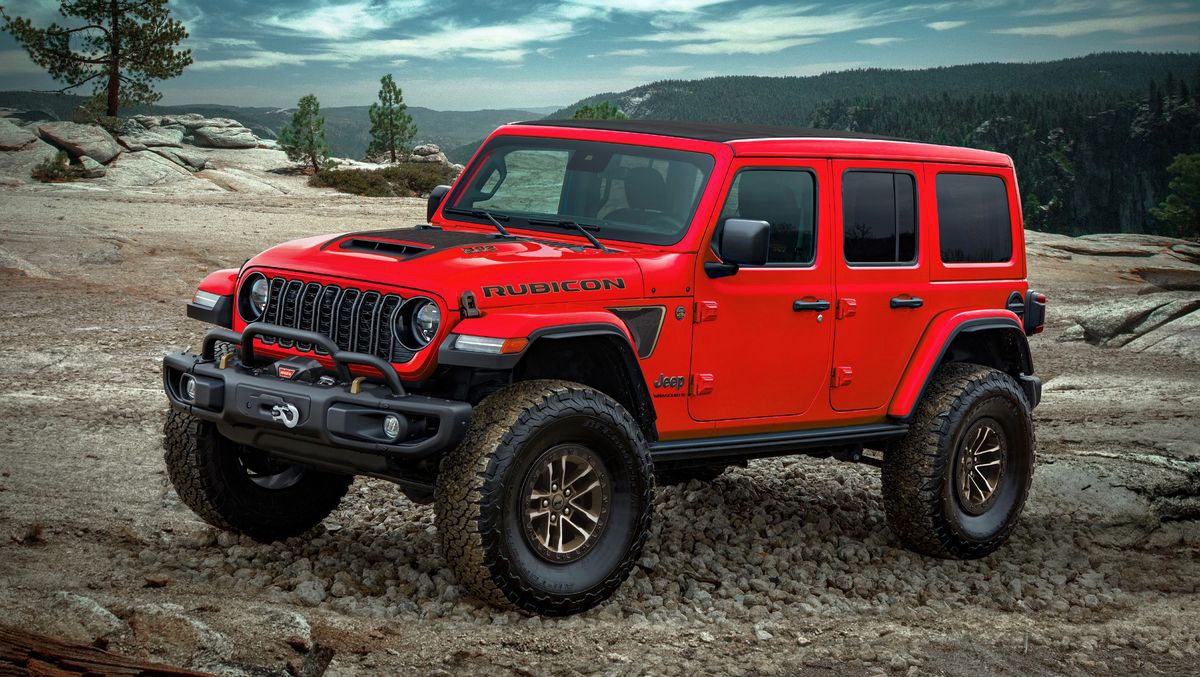
A Ford F-350 equipped with a slide-in truck camper creates one of the most capable self-contained travel setups for accessing remote wilderness areas across US National Parks and public lands. Built for strength and endurance, this combination is designed for long-term off-grid stays where standard RVs or smaller vehicles cannot safely travel or operate.
At the core of its capability is the truck’s extremely high payload capacity, which can exceed 7,000 lbs depending on configuration. This allows it to carry fully equipped campers loaded with water, food, gear, and living amenities without compromising structural integrity. The heavy-duty suspension and 4×4 drivetrain further support travel on rough, unpaved roads commonly found in national forests and Bureau of Land Management sites, where terrain can include gravel, mud, steep inclines, and uneven surfaces.
Despite its size and weight, the setup offers better accessibility than large RVs or trailer combinations. The camper fits within a single vehicle footprint, meaning it can park in standard spaces and maneuver through narrower forest roads and tighter switchbacks. This makes it especially valuable for boondocking in secluded areas where larger rigs cannot enter. It provides a strong balance between mobility and comfort, enabling extended stays away from crowded campgrounds.
Inside the camper, users benefit from self-sufficient living features such as water storage systems, insulation for varied climates, and space for cooking and sleeping. This makes it suitable for multi-day or multi-week trips deep into backcountry environments. The truck itself is built on a commercial-grade platform designed for long-term durability under heavy loads and demanding conditions.
Performance is strong across both gas and diesel engine options, with solid torque for climbing mountain roads and carrying weight over long distances. While ride quality can feel stiff over rough terrain, stability improves significantly with upgrades such as suspension enhancements or sway bars. Dual configurations provide additional balance, especially when fully loaded.
Fuel economy is modest, typically around 12–13 MPG when carrying a camper, but this is expected given the vehicle’s size and purpose. Despite higher operating costs, the trade-off is access to remote landscapes that would otherwise be unreachable.
This setup is widely regarded as a reliable and versatile platform for serious overlanding, offering a rare combination of comfort, strength, and true off-road accessibility for extended wilderness travel.
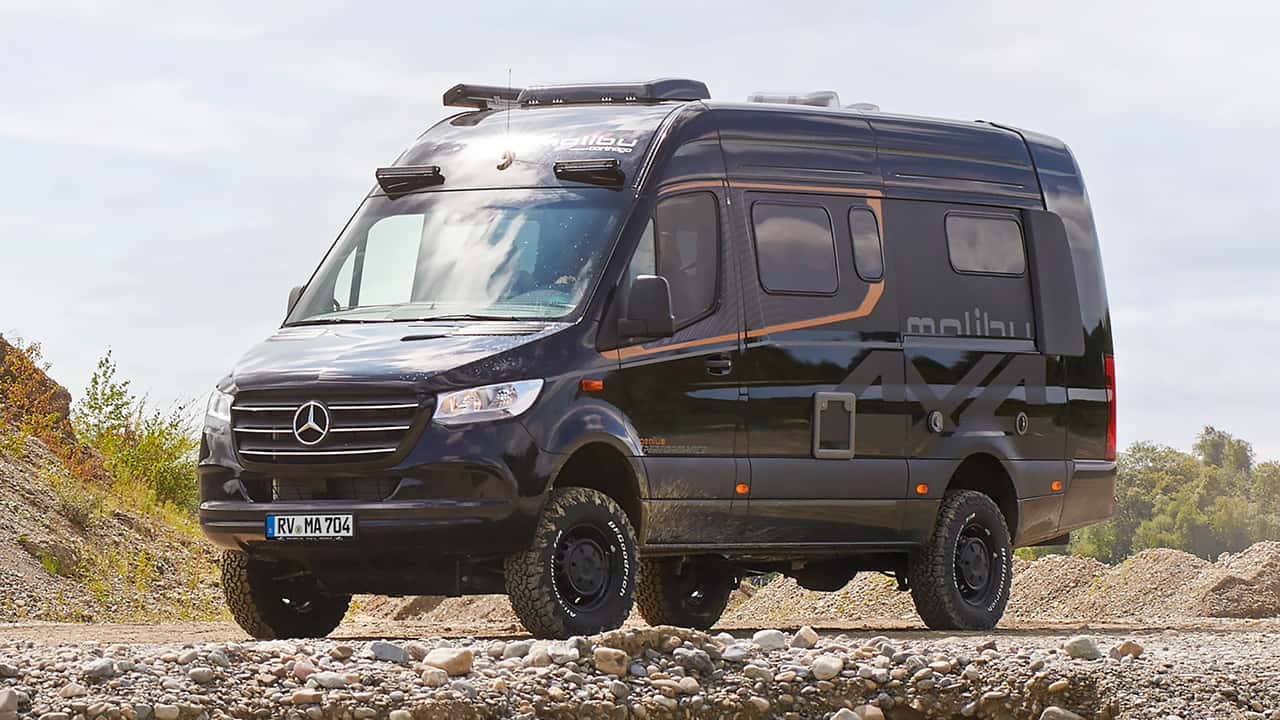
4. Mercedes Sprinter 4×4 Van
A modern overlanding van built on the Mercedes-Benz Sprinter 4×4 platform is designed for travelers who want serious off-pavement ability without giving up everyday comfort. It has become a favorite among long-distance adventurers because it can carry a fully equipped living space while still handling gravel roads, sand tracks, and uneven forest routes commonly found around US national parks.
At its core, the Sprinter 4×4 combines a factory-engineered all-wheel-drive system with increased ground clearance, allowing it to maintain traction on snow, dirt, and lightly technical terrain. While it is not intended for extreme rock crawling, it performs reliably on the kinds of access roads that lead to dispersed campsites in regions like Utah, Colorado, and the Pacific Northwest. This balance of capability and drivability makes it especially useful for reaching remote camping areas without relying on a separate tow vehicle.
One of its biggest advantages is interior flexibility. The high-roof design and large cargo volume, reaching over 500 cubic feet, create a blank canvas for camper conversions. Owners often install sleeping platforms, compact kitchens, storage systems, solar setups, and water tanks, turning the van into a self-contained living space. With payload capacity exceeding 6,000 pounds in many configurations, it can comfortably support these heavy builds while still maintaining stability on rough roads.
Comfort is another major strength. Despite its size, the Sprinter drives with a refinement closer to a passenger vehicle than a commercial van. Diesel engine options provide steady torque for mountain climbs and highway travel, while fuel economy typically falls in the mid-teens MPG range. Advanced driver-assistance systems and the MBUX infotainment interface also add to long-distance convenience.
However, ownership comes with trade-offs. Purchase prices are high, and maintenance can be expensive due to complex electronics and specialized parts. Repairs may also require longer downtime compared to simpler vehicles, especially in remote areas where service centers are limited.
Even with these challenges, the Sprinter 4×4 remains one of the most capable and comfortable platforms for extended off-grid travel, offering a rare combination of mobility, durability, and livable space for national park exploration.
Also read: 5 Cars Boomers Got Right And 5 They Got Wrong
4 That Should Stay on Asphalt
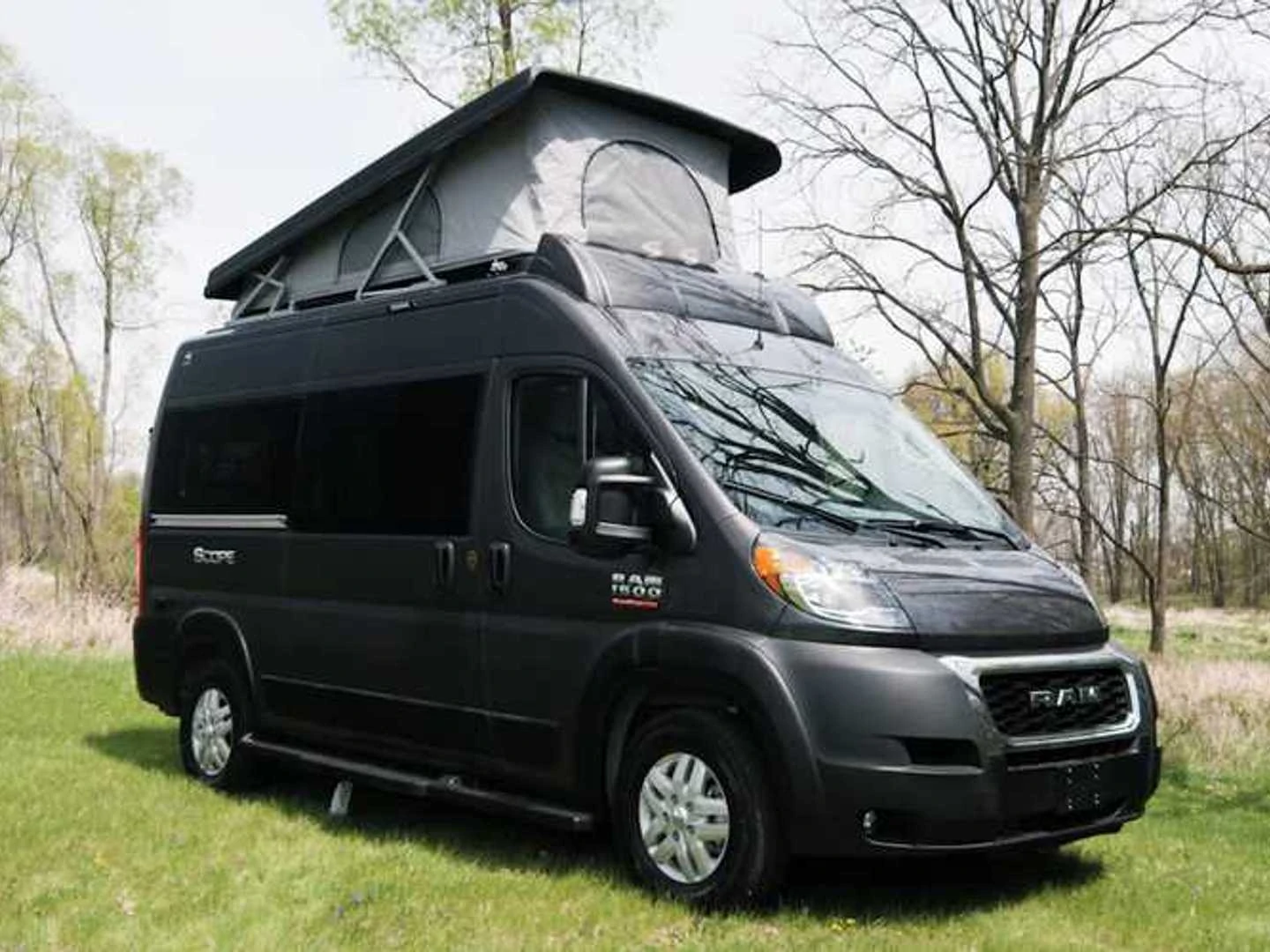
1. Thor Motor Coach Rize
Not every camper van is built to chase rough trails, and the Thor Motor Coach Rize clearly falls into the category of comfort-first travel. It is designed for people who want to explore national parks without dealing with off-road complexity, focusing instead on paved highways, scenic loops, and established campgrounds.
Built on a Ram ProMaster 1500 XT platform, the Rize uses front-wheel drive, which immediately limits its capability on uneven or technical terrain. Without four-wheel or all-wheel drive, it is not intended for muddy forest roads, rocky climbs, or deep ruts often found in remote park areas. Its relatively modest ground clearance reinforces this limitation, making it more suitable for smooth surfaces and light gravel rather than challenging backcountry routes.
The camper’s long wheelbase adds stability on highways but reduces flexibility in tight or uneven environments. On steep transitions or sharp breakover angles, there is a higher risk of scraping the underside, especially on poorly maintained access roads. This is why it performs best when kept on paved routes and designated campground paths rather than off-grid exploration zones.
Inside, the Rize prioritizes convenience and compact livability. The layout is designed for straightforward use, offering sleeping space, basic kitchen facilities, and storage without requiring customization or complex setup. It appeals to travelers who prefer a ready-to-drive camper experience for short trips or extended road tours between parks.
On paved national park roads such as Yosemite Valley routes or Glacier National Park’s scenic drives, it feels at home. Parking and maneuvering are relatively easy compared to larger RVs, which adds to its appeal in crowded tourist areas.
While it carries a rugged branding, its true strength lies in accessible, low-stress travel. The Rize is best suited for visitors who want to experience national parks comfortably from the road, not from remote backcountry terrain.
2. Chevrolet Blazer 2026
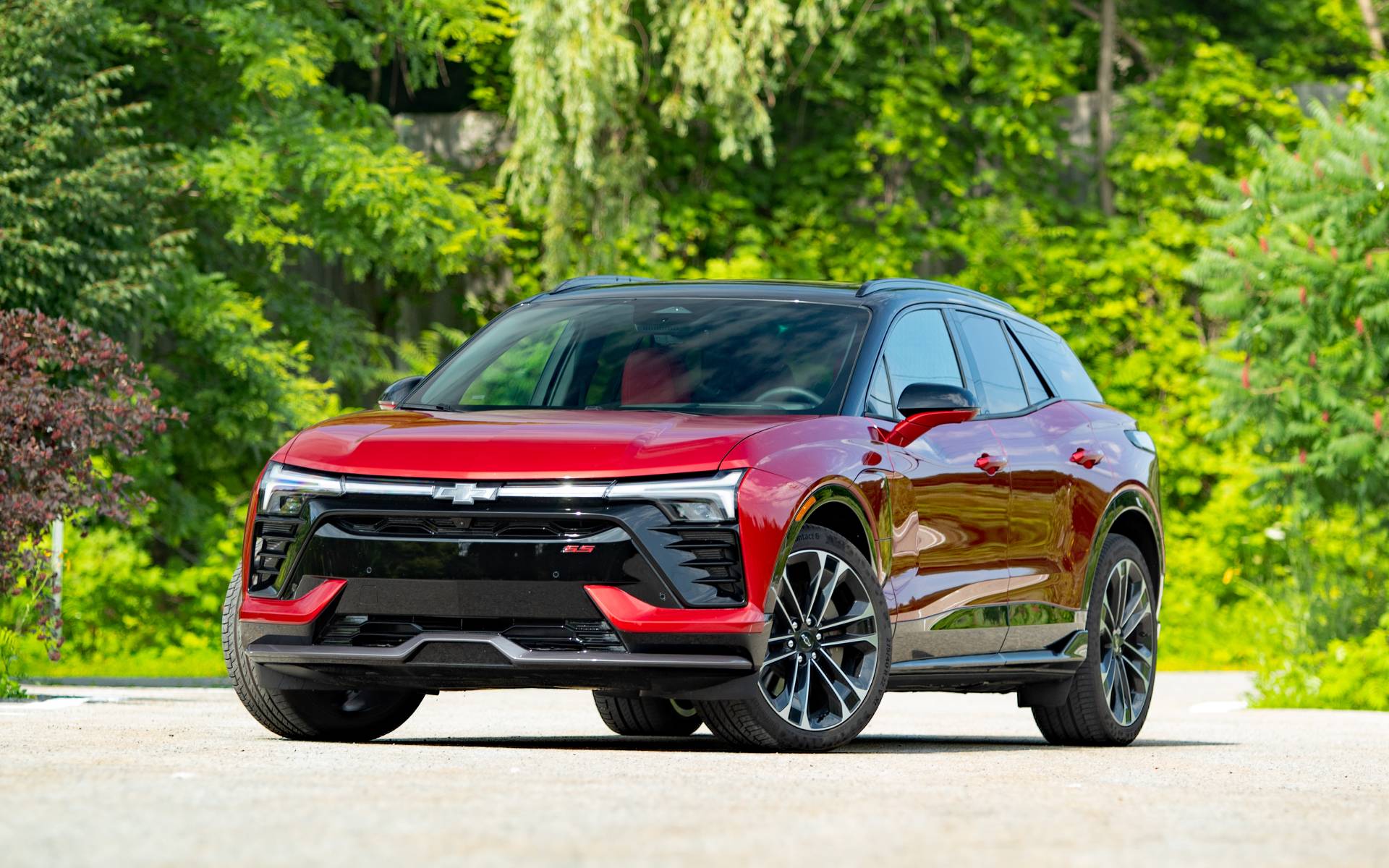
Built with everyday comfort in mind, the 2026 Chevrolet Blazer leans heavily toward on-road refinement rather than off-road toughness. It fits the role of a relaxed touring vehicle for national parks, especially for travelers who stay on paved scenic routes and developed viewpoints instead of venturing into rugged backcountry terrain.
The foundation of the Blazer is its unibody architecture, which gives it car-like handling and a smoother ride. This design improves stability and comfort on highways and park roads, but it does not provide the durability or articulation needed for rough trails. Because of this, it is not intended for rocky paths, deep ruts, or steep off-pavement climbs.
Engine choices include a 2.0L turbo four-cylinder and an available 3.6L V6, both focused on efficiency and balanced performance. Highway fuel economy can reach up to 29 MPG, reinforcing its role as a long-distance cruiser rather than a trail-focused SUV. The available all-wheel-drive system helps with traction in rain, snow, or light gravel, but it is designed for occasional slip conditions rather than serious off-road use.
Design and comfort features further highlight its road-oriented personality. Large wheel options with low-profile tires contribute to its sporty appearance but are less suitable for uneven surfaces. Inside, the Blazer offers amenities such as heated and ventilated seats, a panoramic sunroof, and modern infotainment systems, creating a comfortable environment for extended scenic drives through national parks.
However, it lacks the key hardware required for demanding terrain, such as low-range gearing, heavy-duty skid plates, and high ground clearance. While it can manage well-maintained access roads, it is not built for technical trails or remote exploration.
For more rugged national park adventures, body-on-frame SUVs with dedicated off-road systems are more appropriate. The Blazer remains best suited for smooth, paved routes where comfort, efficiency, and style take priority over trail capability.
3. Mercedes-AMG G 63
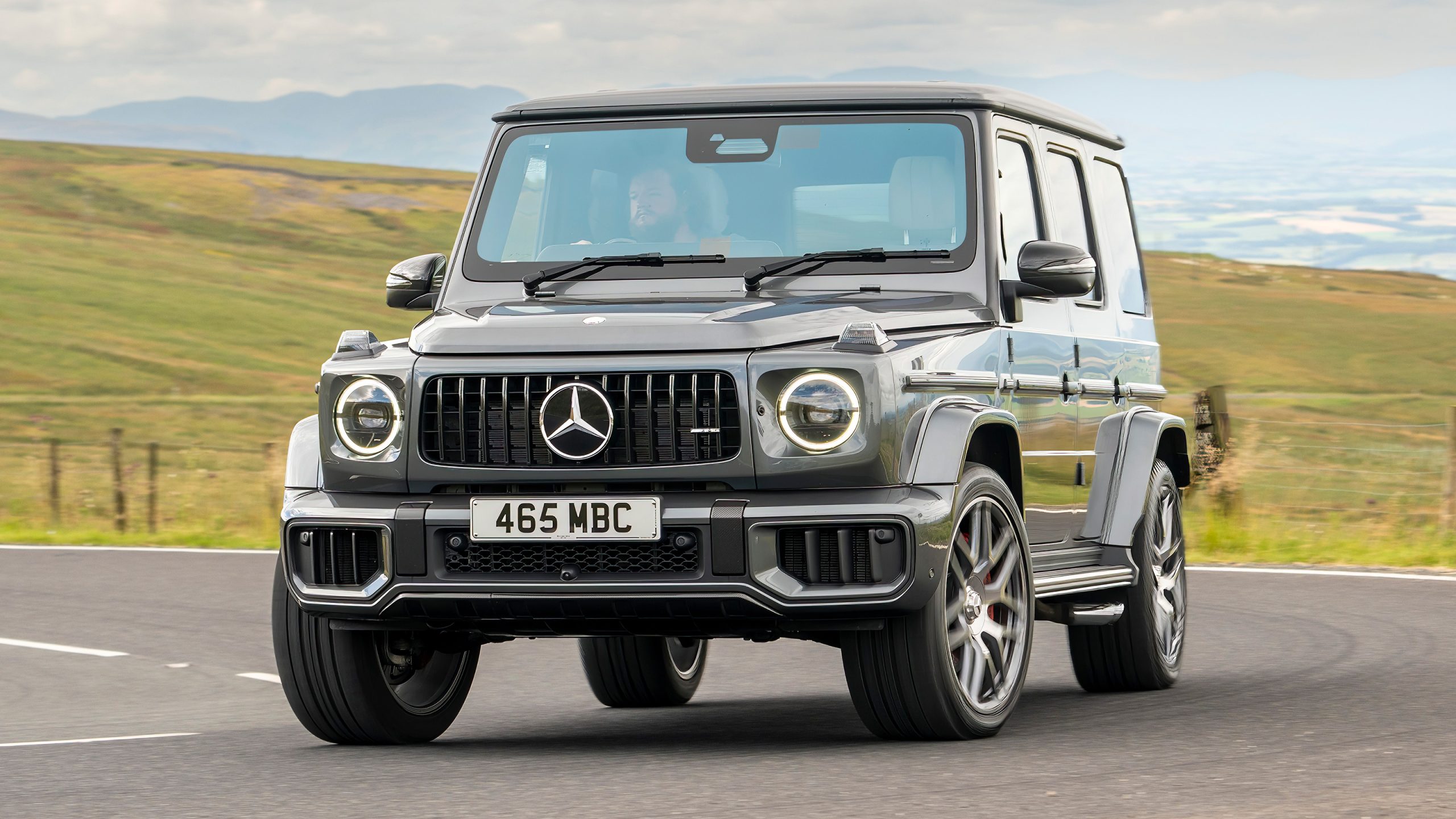
The Mercedes-AMG G 63 carries a strong off-road legacy, but its modern form is shaped more by luxury and performance than practical trail use. In national park settings, it tends to shine on paved scenic routes rather than the rugged backcountry paths it is historically associated with.
Under the hood, a 577-horsepower V8 delivers aggressive acceleration and strong highway performance. This makes the G 63 feel more like a high-performance road machine than a slow-speed crawler. Its suspension is tuned for stability and sporty handling, which improves comfort and control on asphalt but can feel firm and less forgiving on uneven terrain.
Its design choices also reflect its premium positioning. Large AMG wheels, often in the 20 to 22 inch range with low-profile tires, enhance its bold appearance but increase vulnerability on rocky or unmaintained trails. Sharp edges, loose gravel, and deep ruts can quickly turn into expensive repairs. The interior follows the same philosophy, offering high-end materials and technology that prioritize comfort and refinement over rugged utility.
Despite its luxury focus, the G 63 still retains real off-road hardware. Features like three locking differentials, low-range gearing, and available all-terrain packages give it legitimate capability for moderate off-road conditions. It can handle gravel roads and light trails without issue, but it is not ideal for narrow, technical, or high-clearance terrain where durability and simplicity matter most.
Instead, its strengths are best experienced on paved park roads and scenic drives. Routes such as mountain loops and panoramic highways highlight its power, comfort, and presence without exposing it to unnecessary risk.
The G 63 remains a capable off-roader in engineering terms, but its real-world role is closer to a luxury grand touring SUV built for stylish, comfortable exploration on asphalt.
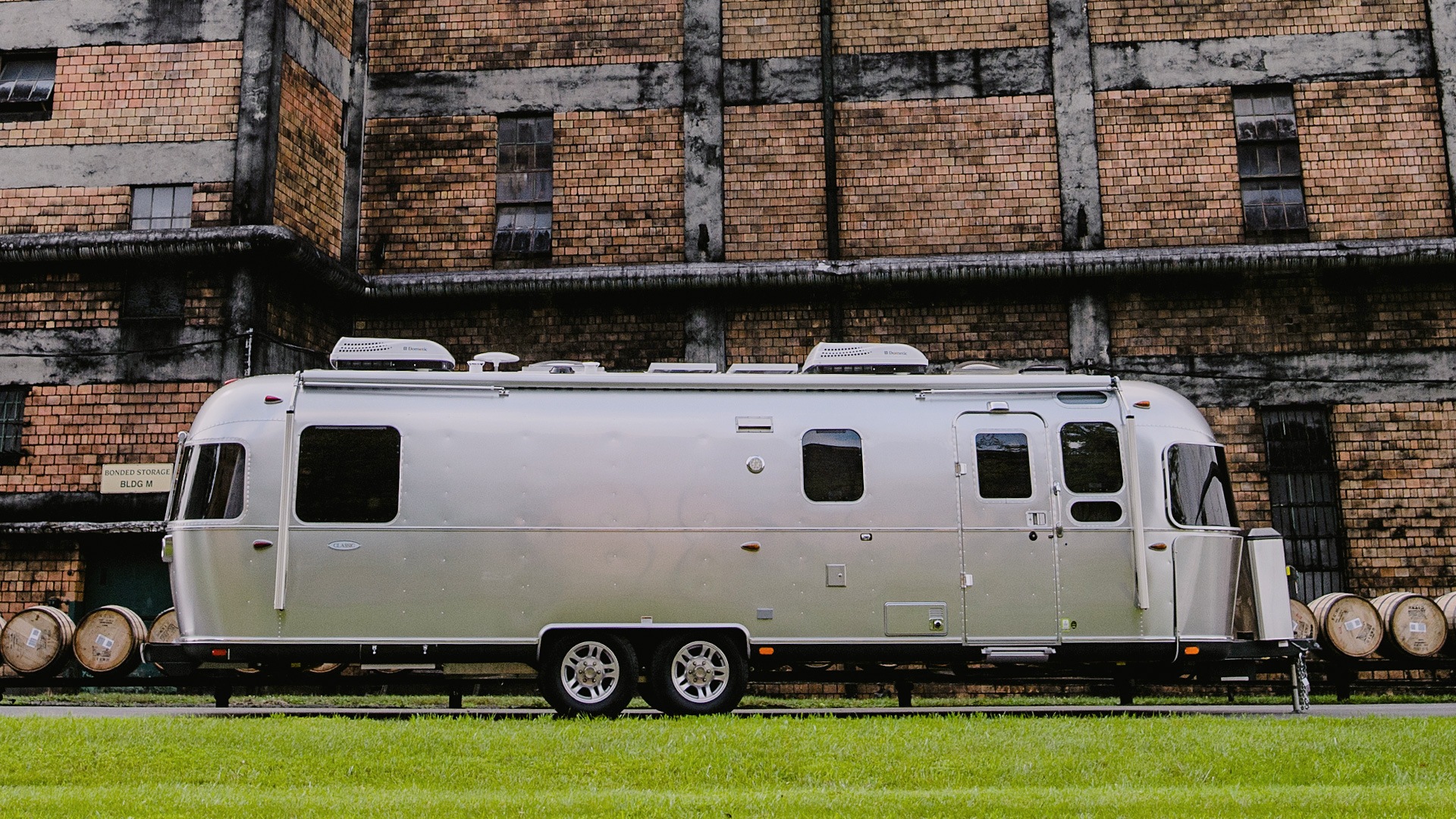
4. Airstream Classic 33′
The Airstream Classic 33′ is built for comfort-driven travel rather than rugged exploration, offering a premium RV experience that thrives on paved highways and well-equipped campgrounds. Its design reflects long-distance touring priorities, where ease of towing, interior luxury, and stable road behavior matter more than off-road capability.
Measuring 33 feet in length, this trailer immediately runs into practical restrictions in many US National Park campgrounds. Numerous sites are designed for shorter rigs, often under 25–30 feet, which limits where a unit of this size can be parked or maneuvered. Tight access roads and narrow campground loops also make it harder to position safely in older or more remote park areas.
Physical design choices further reinforce its road-focused nature. The low ground clearance helps maintain stability and a smooth towing experience, but it becomes a disadvantage on uneven or unpaved surfaces. Rough terrain, steep entry angles, and rocky campground access points increase the risk of scraping or damaging underbody components such as stabilizers and plumbing systems.
Its substantial weight, often exceeding 10,000 pounds GVWR, adds another layer of limitation. It requires a heavy-duty tow vehicle and performs best on stable pavement. This combination makes it less practical for narrow forest roads or dispersed camping zones where lighter, more rugged trailers are preferred.
Inside, the Airstream Classic emphasizes residential-style comfort. High-end materials, full-size appliances, and spacious layouts create a home-like environment suited for long stays. However, this level of refinement is more sensitive to vibration and rough handling, which further discourages off-pavement use.
The Airstream Classic 33′ is best understood as a luxury highway companion designed for moving between full-service destinations in comfort. It delivers a premium travel experience, but its size and construction keep it firmly oriented toward paved routes and developed camping infrastructure rather than remote backcountry exploration.
The difference between these two groups comes down to purpose rather than popularity. True adventure rigs thrive in unpredictable environments, where high clearance, advanced 4WD systems, and durable construction allow access to remote valleys, alpine passes, and desert tracks.
They are built for independence and endurance, often sacrificing comfort for capability. On the other hand, asphalt-oriented vehicles excel in ease, refinement, and long-distance cruising between established park destinations, but lack the hardware needed for serious off-road travel.
While both categories can enhance national park experiences, their strengths are not interchangeable. Choosing the right vehicle determines whether the journey extends deep into wilderness terrain or remains centered on scenic, paved routes with predictable conditions and greater comfort.
Also read: 10 Cars With Dashboard Buttons Big Enough to Read Without Glasses