
Skipping an oil change is not something any responsible car owner sets out to do. Life gets busy, schedules fill up, the reminder sticker on the windshield gets ignored through one busy month and then another, and suddenly you are 10,000 miles past your last service date, wondering if your engine is quietly staging a protest. For most vehicles, that situation creates genuine cause for concern. For a select group of cars built around specific engineering philosophies, it creates a data point rather than an emergency.
This is not a permission slip to neglect your vehicle. Every mechanic, every engineer, and every person who has ever paid for a major engine repair will tell you without hesitation that regular oil changes are the least expensive and most impactful maintenance item available to any car owner. Fresh oil lubricates better, cleans more effectively, and protects against the accumulation of combustion byproducts that, when allowed to concentrate in aging oil, degrade bearings, rings, and seals.
That is not debatable. What is interesting, and what this article addresses honestly, is that certain vehicles have design characteristics that create wider tolerance margins between their operating requirements and the point where degraded oil causes measurable damage.
Large oil capacity, conservative bearing clearances, robust materials, lower thermal loads, and oiling systems refined over decades of production all contribute to engines that tolerate skipped service intervals without the immediate consequences seen in tighter-tolerance, higher-stress engines.
Nine cars, each one with specific engineering attributes and documented owner experiences that explain why their engines handle occasional service lapses better than average. Some are luxury vehicles with sophisticated engineering margins. Others are simple, robust workhorses whose durability comes from conservative design. All of them are worth understanding if you have ever wondered which cars forgive human nature more than others.
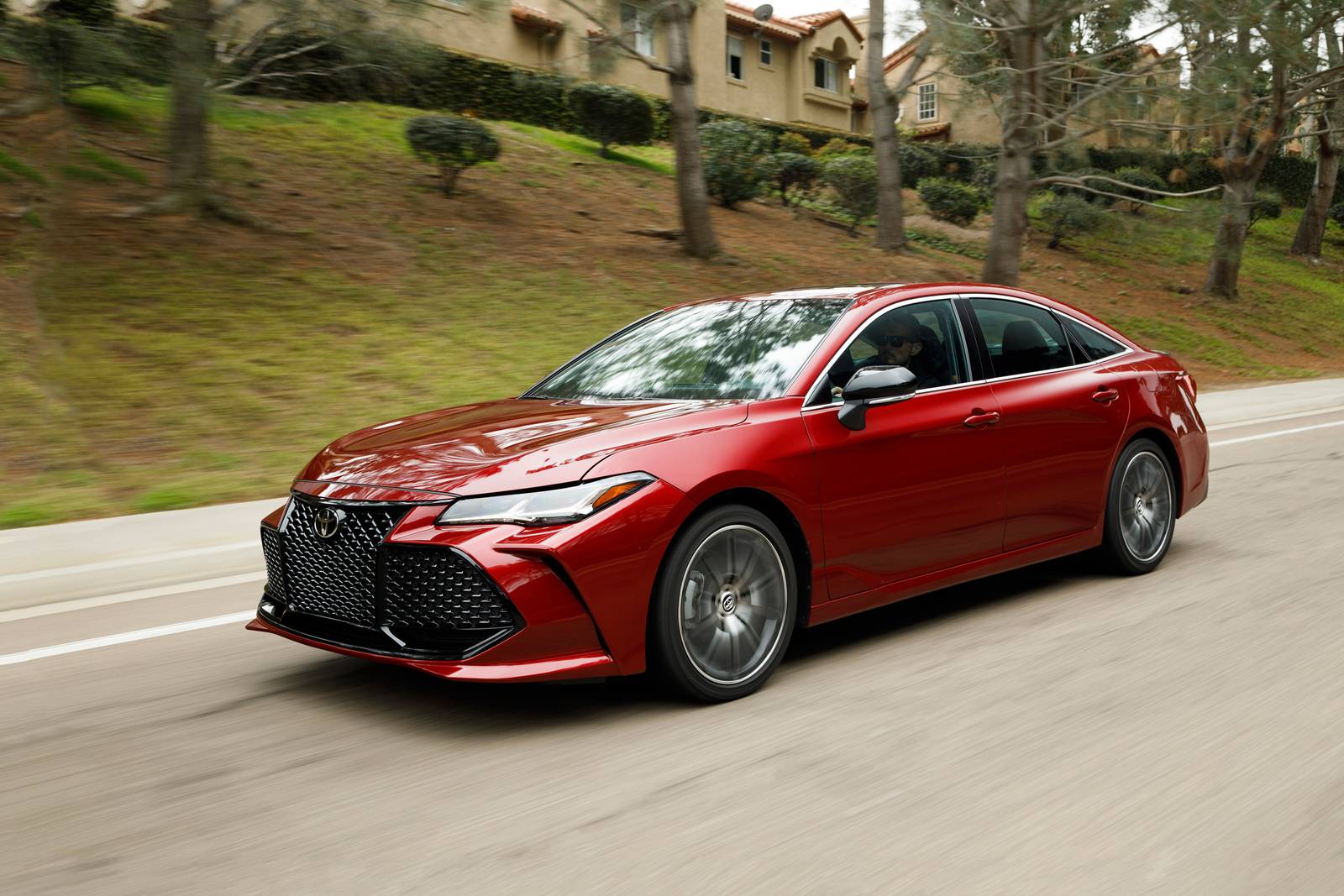
1. Toyota Avalon XSE Hybrid FWD (Fifth Generation, 2019 to 2022)
Toyota’s fifth-generation Avalon XSE Hybrid FWD occupies a specific position in the Toyota lineup that combines the full-size sedan’s generous engineering specifications with the hybrid system’s unique contribution to engine operating conditions.
Together, these factors produce a car whose powertrain absorbs occasional service lapses with a composure that reflects both the engineering quality of Toyota’s flagship naturally aspirated hybrid V6 architecture and the reduced thermal and mechanical stress that hybrid operation creates for the combustion engine.
Toyota’s 2.5-liter Dynamic Force four-cylinder engine in the Avalon Hybrid uses Atkinson-cycle combustion that operates at a lower effective compression ratio during the expansion stroke than a conventional Otto-cycle engine, reducing the peak combustion temperatures and pressures that the engine oil must manage per operating cycle.
Lower peak thermal loads slow the rate at which oil oxidizes, polymerizes, and builds up acidic combustion byproducts between service intervals, extending the window before oil condition reaches the threshold where it provides inadequate protection.
Hybrid operation specifically reduces the total running time that the combustion engine accumulates per mile of driving. In hybrid mode, Toyota’s system runs the combustion engine only when power demand, battery state, or operating conditions require it, shutting it off during deceleration, low-speed operation, and light cruise conditions where the electric motors handle propulsion alone.
Reduced engine running time per mile means that oil accumulates degradation products more slowly per odometer mile than a conventional engine that runs continuously, which is why hybrid vehicle owners who use their cars primarily in urban stop-and-go driving often find oil condition better than expected at conventional change intervals.
Oil capacity at approximately 4.4 quarts is standard for a four-cylinder application, but Toyota’s oil passage design in the Dynamic Force engine ensures consistent delivery to all bearing surfaces under the full range of operating conditions.
Toyota’s engineering of oil passage cross-sections and bearing configurations reflects the company’s experience across decades of high-volume global production, with each generation benefiting from the failure mode data accumulated across the previous.
Documented Avalon Hybrid ownership experiences from the fifth-generation platform include accounts from owners who went beyond normal service intervals by 3,000 to 5,000 miles due to scheduling challenges, completed their overdue service, and found no measurable engine performance change afterward.
These are not outlier stories from lucky owners but a pattern that reflects the engineering margins Toyota built into this specific powertrain configuration. Owner oil analysis data from the Avalon Hybrid community at extended intervals also shows degradation rates that confirm the operating conditions are less severe than comparable non-hybrid engines at equivalent mileage intervals.
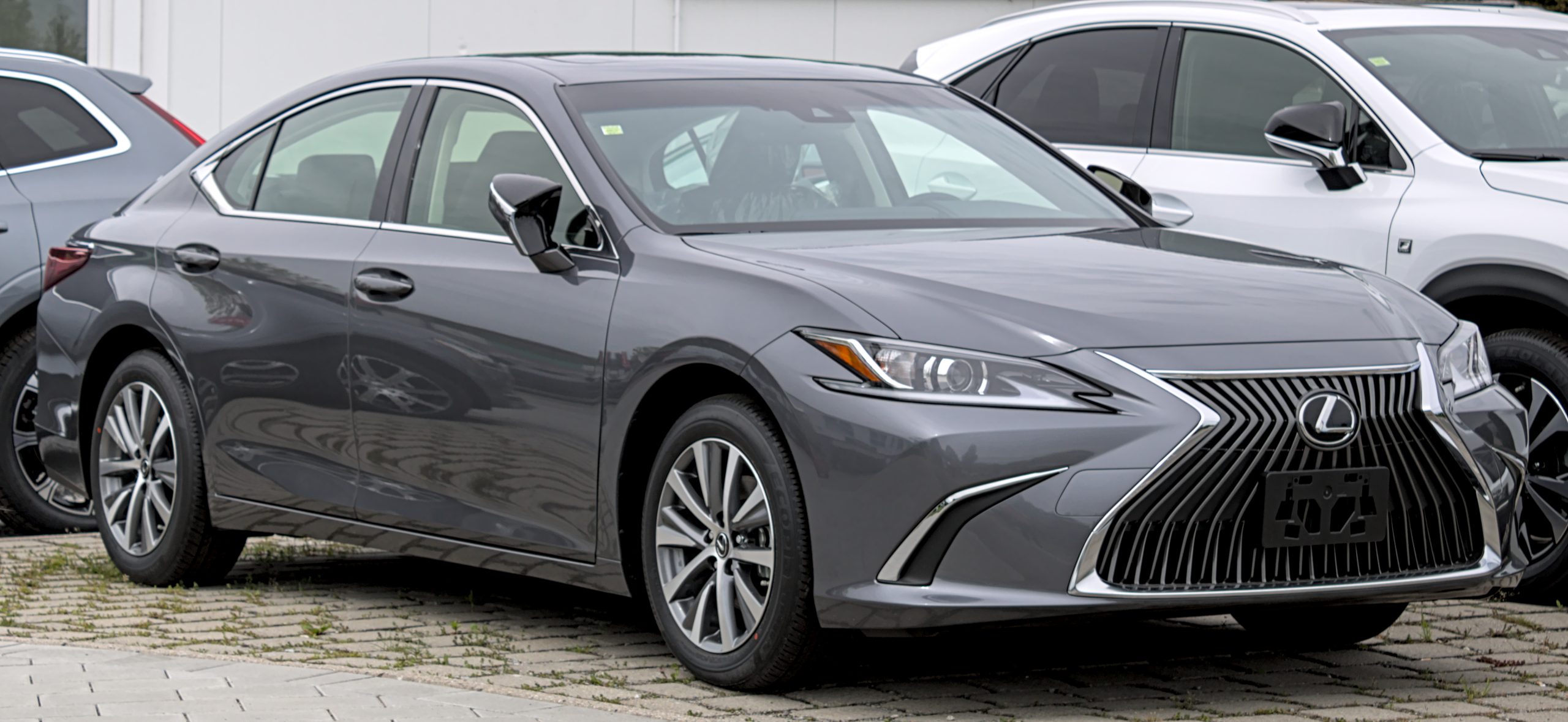
2. Lexus ES 350 FWD (Seventh Generation, 2019 to 2024)
Lexus builds its reputation on long-term reliability that surpasses its German luxury competitors, and the seventh-generation ES 350 FWD demonstrates this commitment through powertrain engineering that provides genuine protection margins rather than relying entirely on owner diligence for engine longevity.
ES 350 owners who have been candid about imperfect service histories in the Lexus owner community have documented engine conditions at high mileage that suggest the V6’s design characteristics provide meaningful protection even when service intervals were not perfectly maintained.
Toyota’s V35A-FXS 3.5-liter naturally aspirated V6 in the ES 350 uses a naturally aspirated design that operates at consistently lower thermal loads than turbocharged competitors of equivalent output. Natural aspiration means no turbocharger heat soak adding thermal load to the oil system, no intercooler system whose bypass under boost sends hot compressed air through the engine without cooling, and no elevated cylinder head temperatures from the turbo’s exhaust-side proximity to intake charge pathways.
This thermal conservatism extends oil’s useful life between changes by slowing the oxidation and polymerization reactions that convert fresh oil into sludge under sustained high-temperature operation. Oil capacity for the V35A-FXS is approximately 6.4 quarts, which is generous for a V6 of this displacement and provides the volume buffer that helps dilute contamination between service events.
More total oil volume in the system means each combustion event’s byproducts are distributed through a larger oil charge, lowering the concentration per unit of volume and extending the time before contamination reaches levels that compromise oil film strength at bearing surfaces.
Seventh-generation ES 350 owners in the Lexus enthusiast community who have tracked their vehicles’ health through compression testing and oil analysis at various intervals consistently report engine conditions that reflect Lexus’s quality engineering.
Those who have been candid about going 8,000 to 12,000 miles between services note that their oil analysis results, while showing degradation beyond fresh oil condition, did not show the wear metal concentrations that indicate accelerated bearing or ring wear from operating with degraded lubrication.
This real-world evidence from an ownership community that tends toward attentive maintenance but whose members occasionally face life circumstances that delay service provides a credible picture of the ES 350’s actual resilience. The car’s performance under these conditions is the most honest validation of Lexus’s engineering quality available outside controlled testing.
Also Read: 10 Cars With Insurance Premiums Lower Than a Compact Sedan
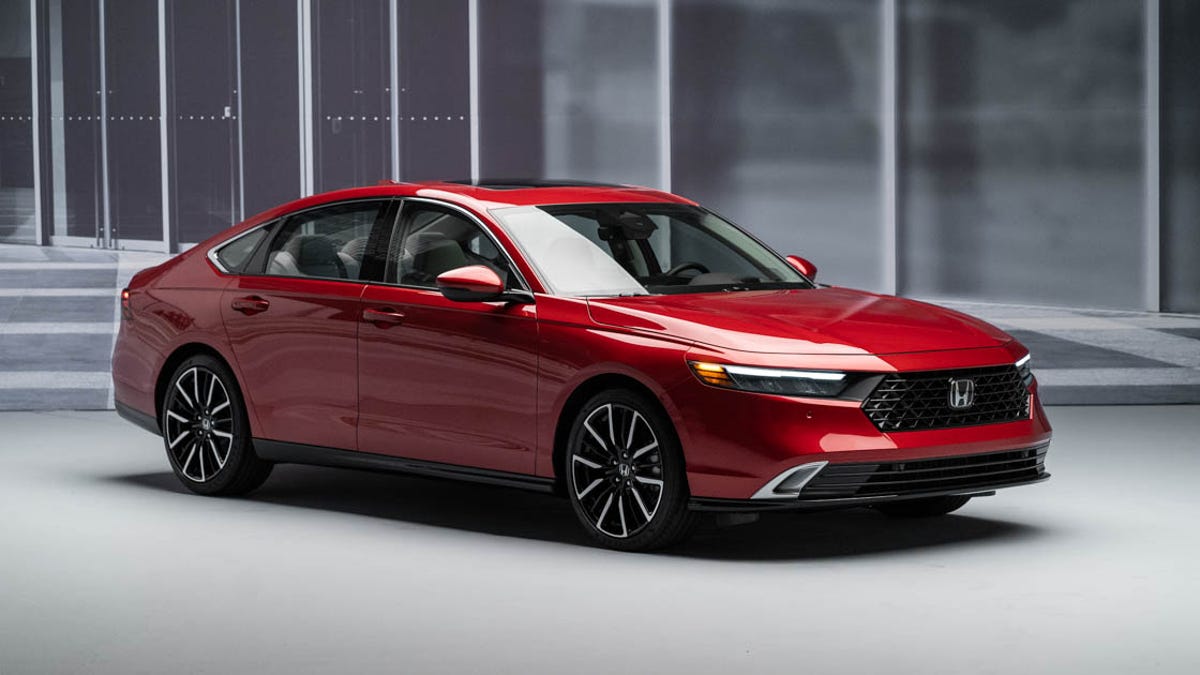
3. Honda Accord LX CVT FWD (Eleventh Generation, 2023 to 2024)
The eleventh-generation Honda Accord LX reflects decades of steady refinement in Honda’s mass-market powertrain development. At the centre of this model sits the 1.5-litre turbocharged four-cylinder engine, internally designated L15CB, which carries forward an architecture that Honda has continuously revised across several production cycles.
These revisions have focused on durability, thermal control, and oil tolerance, with particular attention paid to how modern turbocharged engines respond when maintenance schedules are not followed with strict precision. Turbocharged engines place greater demands on engine oil due to elevated temperatures around the turbocharger bearings.
The valve control system also plays an important protective role. Both intake and exhaust camshafts employ oil-pressure-controlled variable valve timing mechanisms. These systems are sensitive to oil viscosity and cleanliness. When oil begins to degrade, valve timing response may become marginally inconsistent.
This change does not immediately harm the engine, but it does manifest as subtle variations in idle smoothness or throttle response. Such behaviour serves as a practical warning to the driver that service attention is approaching necessity, allowing intervention before internal wear develops.
Honda recommends oil replacement at 5,000-mile intervals for this engine under standard driving conditions. This guidance reflects the higher oil stress associated with turbocharging rather than any inherent weakness in the engine itself. Real-world experience shows that drivers who exceed this interval by one additional service cycle often remain within a safety margin designed into the engine.
Honda’s calibration and component tolerances provide sufficient protection for moderate extensions, assuming normal driving patterns and appropriate oil specification. Although long-term ownership data for the eleventh-generation Accord is still developing due to its recent release, confidence in the design draws heavily from the preceding generation.
The tenth-generation Accord used a closely related engine architecture and accumulated extensive service history across diverse ownership habits. Reports from that period demonstrate consistent durability even where maintenance discipline varied, provided oil neglect did not become habitual.
This continuity of design philosophy suggests that the latest Accord LX benefits from proven solutions refined rather than reinvented. The engine’s behaviour under imperfect service conditions reflects engineering decisions aimed at preserving mechanical integrity while giving owners clear feedback when attention becomes necessary. Such characteristics remain central to Honda’s approach to long-term ownership reliability.
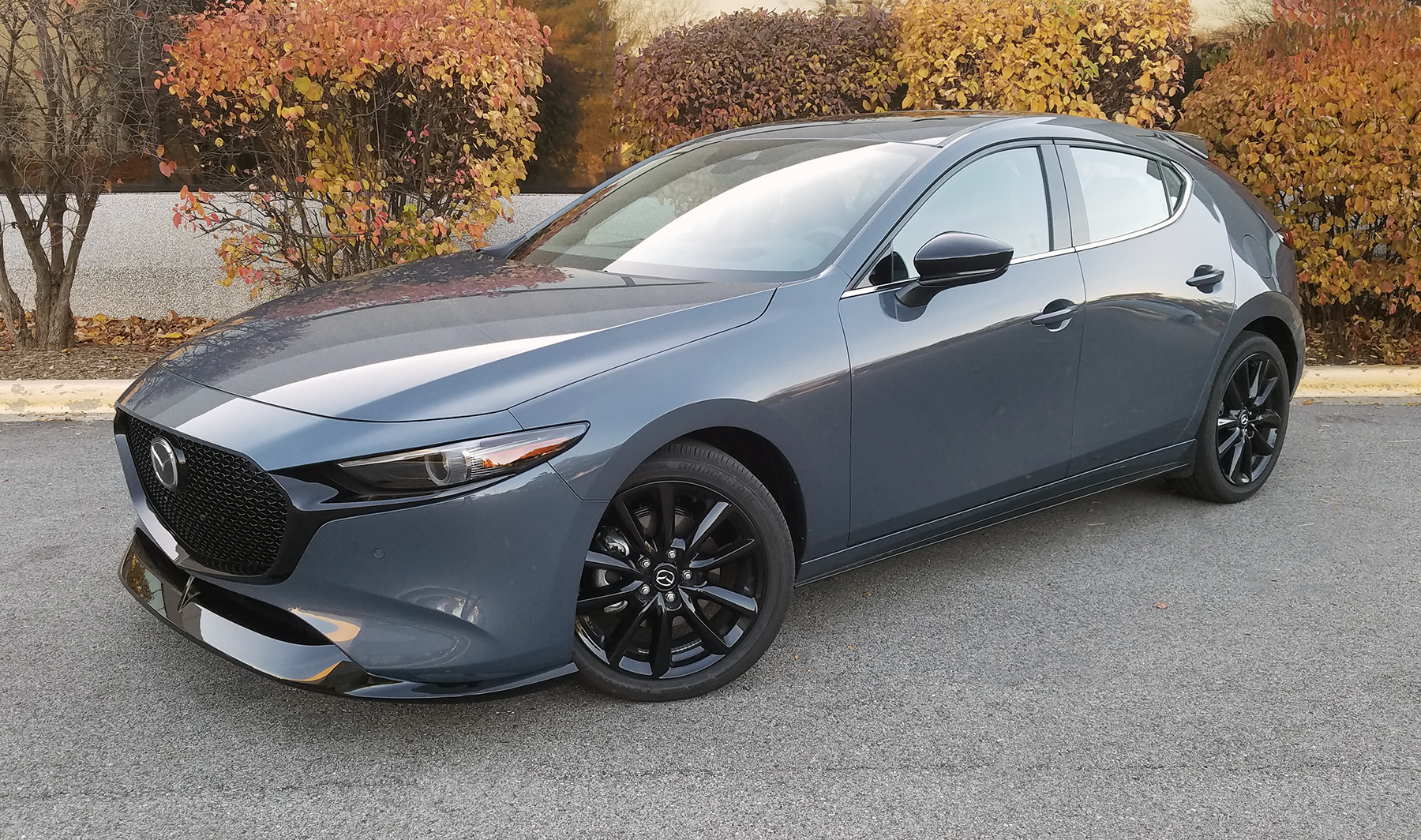
4. Mazda3 Sedan 2.5 Turbo Premium AWD (BP Generation, 2021 to 2024)
Mazda’s approach to engine development under its Skyactiv programme places heavy emphasis on thermal efficiency, combustion control, and mechanical restraint. The 2.5-litre turbocharged engine fitted to the BP-generation Mazda3 applies these principles to forced induction without abandoning the company’s conservative durability targets.
This engine operates in a manner that reduces unnecessary stress on lubricating oil when compared with many turbocharged engines delivering similar output. One of the contributing factors lies in Mazda’s combustion strategy. Through spark-controlled compression ignition under specific operating conditions, combustion becomes more complete and controlled.
Cleaner combustion reduces the volume of unburned fuel and contaminants entering the oil through blow-by. As a result, oil degradation progresses more slowly, preserving viscosity and additive effectiveness for a longer period within each service cycle.
Thermal management also plays a decisive role. Mazda selected compression ratios, combustion chamber shapes, and cooling pathways that stabilise operating temperatures rather than chasing extreme output figures. This restraint limits peak thermal loads placed on internal components and, by extension, on engine oil. Reduced heat exposure slows oxidation and additive depletion, which are primary drivers of oil breakdown in turbocharged engines.
The turbocharger itself reflects a similar philosophy. Rather than pursuing aggressive peak power figures, Mazda calibrated the unit to deliver strong mid-range torque. This choice keeps boost pressure and shaft speeds within moderate limits. Lower turbo speeds reduce bearing temperatures and limit the severity of oil stress at the turbocharger, one of the most oil-sensitive areas in any forced-induction engine.
Evidence from owner-reported oil analysis supports the practical effect of these decisions. Drivers who extended service intervals beyond factory recommendations using high-quality synthetic oil observed wear indicators consistent with approaching, rather than exceeding, acceptable thresholds. Such results suggest that the engine’s combustion cleanliness and thermal discipline materially influence oil longevity.
This behaviour aligns with Mazda’s broader reputation for mechanical longevity achieved through restraint rather than excess. The BP-generation Mazda3 Turbo does not rely on fragile tolerances or narrow operating windows. Instead, it applies efficiency and moderation to reduce internal strain, allowing the powertrain to remain stable even when service timing is not perfectly observed.
For owners seeking a balance between performance and mechanical sympathy, this engine demonstrates how thoughtful engineering can preserve oil condition and component health across extended use, reinforcing confidence in long-term ownership expectations.

5. Subaru Forester Sport CVT AWD (Seventh Generation, 2025)
Subaru’s seventh-generation Forester Sport with naturally aspirated FA25 Boxer four-cylinder represents the latest iteration of an engine architecture that has accumulated an extensive real-world durability dataset from owners across multiple previous Forester generations.
Naturally aspirated Boxer engine design in this application creates specific operating conditions that are more oil-quality-tolerant than turbocharged alternatives, reflecting the fundamental physics of lower-stress natural aspiration combined with Subaru’s boxer-specific engineering.
Horizontally opposed cylinder configuration creates oil drainage patterns that differ from upright engine designs in specific ways that affect both oil distribution during operation and oil pooling behavior during extended shutdown periods.
Boxer configuration ensures that cylinder walls and piston rings remain in contact with oil film from both sides of the horizontal bore during operation, providing lubrication from oil splash and directed delivery simultaneously rather than relying primarily on directed delivery to the upper portions of upright cylinders that gravity drains between operating cycles.
FA25 naturally aspirated output at approximately 180 horsepower from 2.5 liters reflects conservative specific output that creates favorable operating margins for oil film maintenance. Conservative output means lower peak combustion pressures and temperatures, fewer combustion byproducts per unit of time reaching the oil through blow-by, and lower mechanical loads on bearing surfaces that require the oil film to maintain separation under concentrated force. All three of these factors slow oil degradation rate and extend the effective useful life of each oil charge.
Seventh-generation Forester Sport builds on the FA25 engine’s durability improvements that Subaru implemented specifically to address the oil consumption characteristics that earlier FA20 applications showed in some examples, producing an engine whose oil retention and consumption characteristics provide better resilience against both extended intervals and minor oil level variations between service events.

6. Volvo XC40 Recharge Pure Electric P8 AWD (XC40 Generation, 2021 to 2024)
Including an electric vehicle in an oil change resilience discussion requires a reframe that is worth making explicitly because it reveals the logical conclusion of the engineering trajectory that makes other engines on this list more tolerant of service lapses.
Volvo’s XC40 Recharge Pure Electric P8 AWD eliminates the oil change question for its primary propulsion system, having no combustion engine that requires the lubrication management of the type that internal combustion engines demand. Understanding why this matters for the broader discussion provides context for what the engineering tolerance conversation is pointing toward.
Electric motor lubrication in the XC40 Recharge uses sealed bearing designs with factory-filled, lifetime lubricants that do not require the periodic replacement that combustion engine oil demands. Electric motor bearing loads are lower and more consistent than the combustion engine’s reciprocating and rotating assembly loads, and the absence of combustion byproducts, thermal cycling from combustion events, and fuel dilution eliminates all the degradation mechanisms that make combustion engine oil change intervals necessary.
Reduction gear lubrication in the XC40 Recharge’s drive units uses sealed gear oil that Volvo specifies as a lifetime fill under normal operating conditions, with inspection rather than replacement as the service approach at high mileage.
Gear oil in electric vehicle reduction units does not experience the contamination pathways that combustion engine oil encounters, maintaining its lubricating properties across the vehicle’s service life under conditions that would degrade combustion engine oil in months.
For buyers who want the specific reassurance that comes from knowing their vehicle’s primary systems are engineered for minimal service sensitivity, the XC40 Recharge’s fundamental architecture provides a level of reliability independence from owner service behavior that no combustion engine on this list can fully match, regardless of its engineering quality.
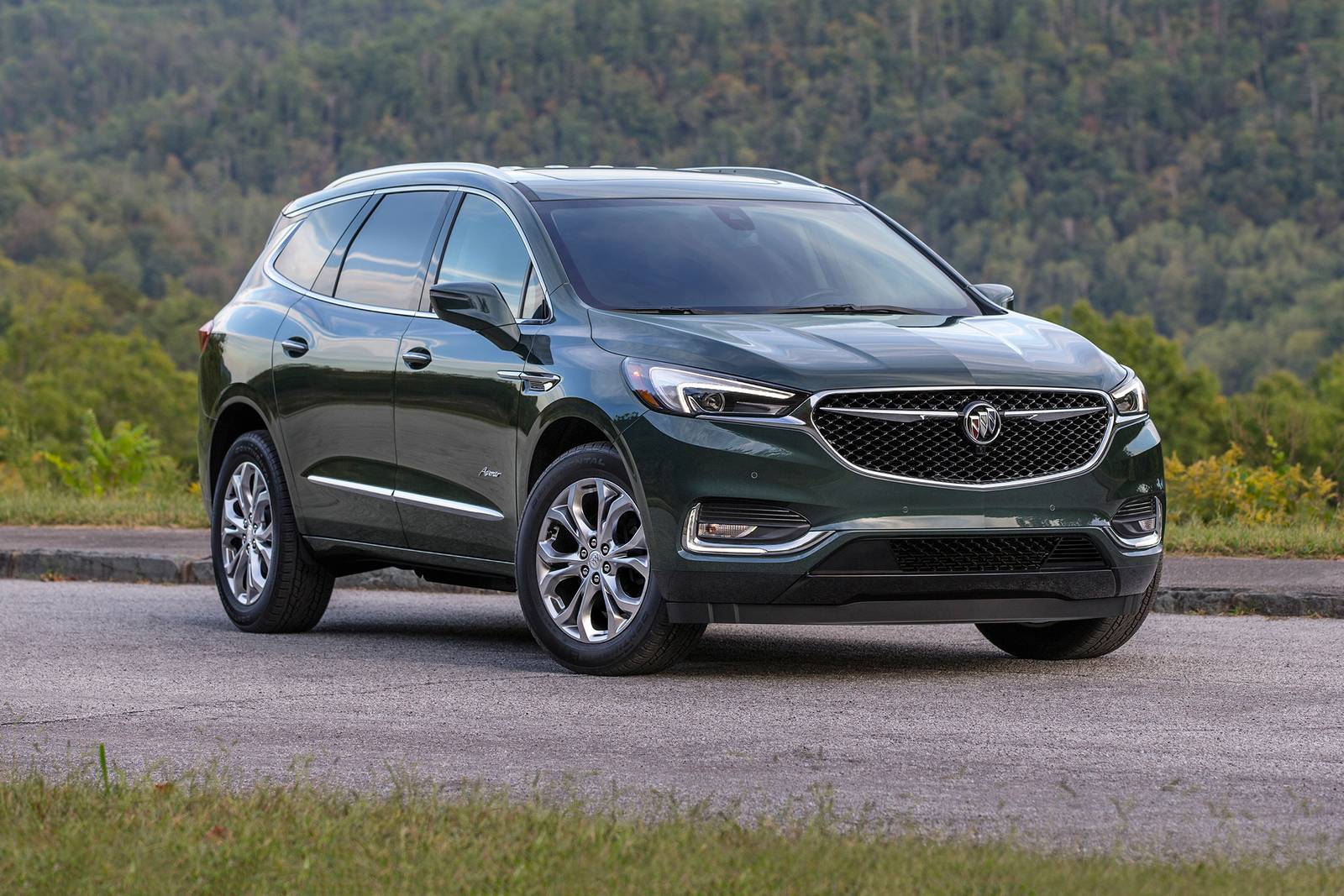
7. Buick Enclave Essence FWD (Second Generation, 2018 to 2024)
The second-generation Buick Enclave Essence FWD is positioned for buyers who value calm operation, interior comfort, and mechanical stability rather than aggressive performance behaviour. This ownership group often maintains vehicles with reasonable care, even though service schedules may occasionally slip beyond recommended dates. The 3.6-litre LGX V6 engine fitted to the Enclave is engineered to accommodate such real-world ownership patterns through restrained calibration choices that emphasise durability and mechanical tolerance.
The LGX V6 produces 310 horsepower without the assistance of turbocharging, relying instead on efficient airflow, well-managed combustion timing, and balanced internal loads. This naturally aspirated configuration removes the high thermal burden that turbochargers impose on engine oil.
Without extreme heat concentration at turbo bearings, oil temperatures remain more stable during extended driving, particularly on highways. Lower and steadier oil temperature slows oxidation, which is one of the main causes of lubricant breakdown during prolonged use.
Owner feedback from Buick-focused communities reinforces the practical outcome of these engineering decisions. Drivers who admitted to delayed oil changes frequently reported that, once routine service was resumed, engine behaviour returned to normal without lingering issues.
Smooth idle quality, consistent power delivery, and stable oil consumption patterns were commonly cited after corrective maintenance. The repetition of these reports across many owners suggests a platform-level characteristic rather than isolated good fortune.
The Enclave Essence does not rely on fragile tolerances or narrow operating margins. Instead, it reflects a deliberate effort to create an engine that remains composed under everyday ownership conditions, including occasional lapses in service discipline. This approach aligns with Buick’s brand direction, prioritising quiet competence and long-term usability.
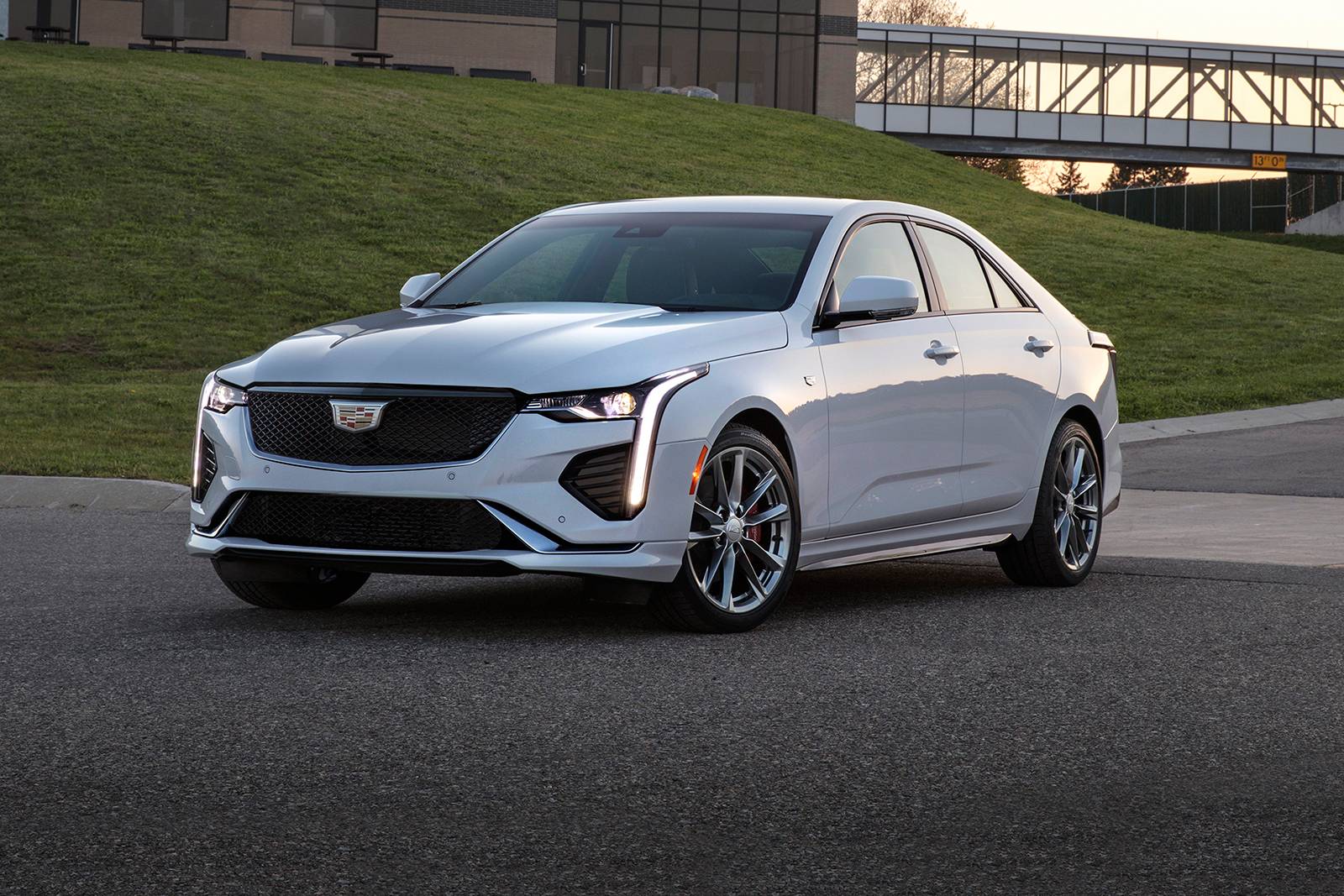
8. Cadillac CT4 Sport Sedan AWD (V1 Generation, 2020 to 2024)
The Cadillac CT4 Sport Sedan AWD occupies a space where performance expectations intersect with luxury ownership standards. Vehicles in this segment are expected to deliver brisk acceleration while maintaining reliability consistent with premium pricing. The 2.0-litre LSY turbocharged four-cylinder engine reflects this balance, as it is designed with operating margins that extend beyond basic functional requirements.
Although turbocharged, the LSY engine’s output of 237 horsepower is achieved through careful optimisation rather than extreme boost pressure. Turbocharger sizing and calibration focus on responsiveness and smooth delivery during everyday driving. This approach keeps internal temperatures and pressures within controlled limits during typical urban and highway use. As a result, engine oil is subjected to moderate stress rather than constant high-load exposure.
Oil specification plays a critical role in this engine’s tolerance profile. Cadillac mandates the use of 0W-30 full synthetic oil, a formulation chosen for both cold-start protection and thermal stability. Synthetic base stocks resist oxidation and viscosity breakdown more effectively than conventional oils. This resistance delays the point at which oil protection declines, which is particularly relevant in turbocharged applications where heat exposure is unavoidable.
The LSY engine employs direct fuel injection, a technology that improves efficiency but introduces the possibility of fuel dilution in the oil during frequent cold starts. This characteristic does not undermine the engine’s durability when driving patterns allow full warm-up cycles.
Owners who undertake longer journeys permit fuel vapours to evaporate from the oil, restoring proper viscosity. This distinction is especially relevant in colder regions, where short trips dominate usage patterns. Feedback from CT4 owners who monitor oil condition through laboratory analysis provides practical insight.
Reports from drivers who extended oil changes to between 8,000 and 10,000 miles using approved synthetic oil showed wear indicators consistent with controlled operating stress. These results suggest that the engine’s thermal management and combustion calibration prevent rapid oil degradation under typical use.
Also Read: 10 Cars That Don’t Need a Block Heater in North Dakota
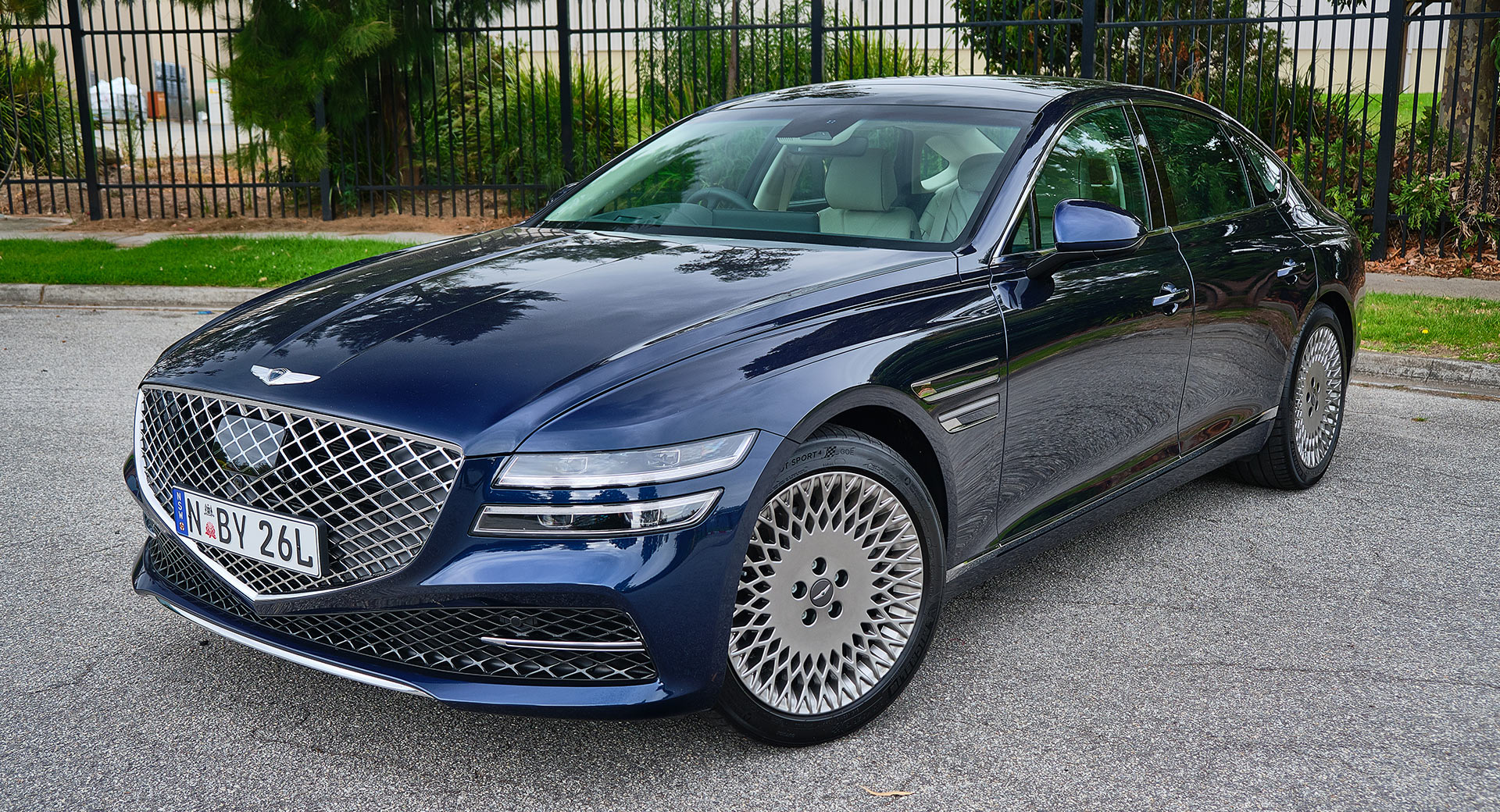
9. Genesis G80 2.5T Sport Prestige AWD (RG3 Generation, 2021 to 2024)
Genesis’s G80 2.5T Sport Prestige AWD represents the clearest case on this list of a luxury vehicle whose engineering quality specifically exceeds what its price point positioning would require, creating resilience margins that benefit owners whose service adherence occasionally falls short of the ideal schedule.
Genesis, as a brand establishing its luxury credentials, built the G80’s powertrain to standards that needed to exceed established luxury brand expectations rather than simply match them, producing engineering margins that are visible in real-world long-term reliability outcomes.
Hyundai’s T-GDI 2.5-liter turbocharged four-cylinder in the G80 2.5T benefits from Hyundai Group’s continuous development program that has addressed the specific reliability concerns of earlier turbocharged GDI applications, including the carbon buildup on intake valves that direct injection engines without port injection assistance develop from oil vapor in the intake stream.
G80 2.5T’s dual-injection system, combining direct and port injection, reduces the carbon accumulation rate that creates performance degradation and oil consumption changes in pure direct-injection alternatives, maintaining engine efficiency characteristics across higher mileage.
Turbocharger oil supply and thermal management in the T-GDI application reflects Genesis’s engineering investment in the specific failure mode most associated with owner neglect in turbocharged luxury sedans: turbocharger bearing failure from coking deposits when an engine is shut down while turbo temperatures are high.
Genesis’s turbocharger thermal management system maintains oil circulation to the turbocharger bearing after engine shutdown until bearing temperatures reach safe levels, protecting against the coking mechanism that creates bearing failure regardless of oil change interval compliance.
Oil analysis data from G80 2.5T owners who have extended their intervals to 8,000 to 10,000 miles using full synthetic oil shows degradation patterns consistent with the turbocharger’s moderate operating conditions rather than the aggressive heat cycles that high-output turbocharged competitors produce.
This real-world oil condition data, contributed voluntarily by owners in the Genesis enthusiast community, provides direct evidence that the T-GDI’s specific engineering characteristics create operating conditions that are more oil-tolerant than generic turbocharged four-cylinder characterizations would suggest.
