
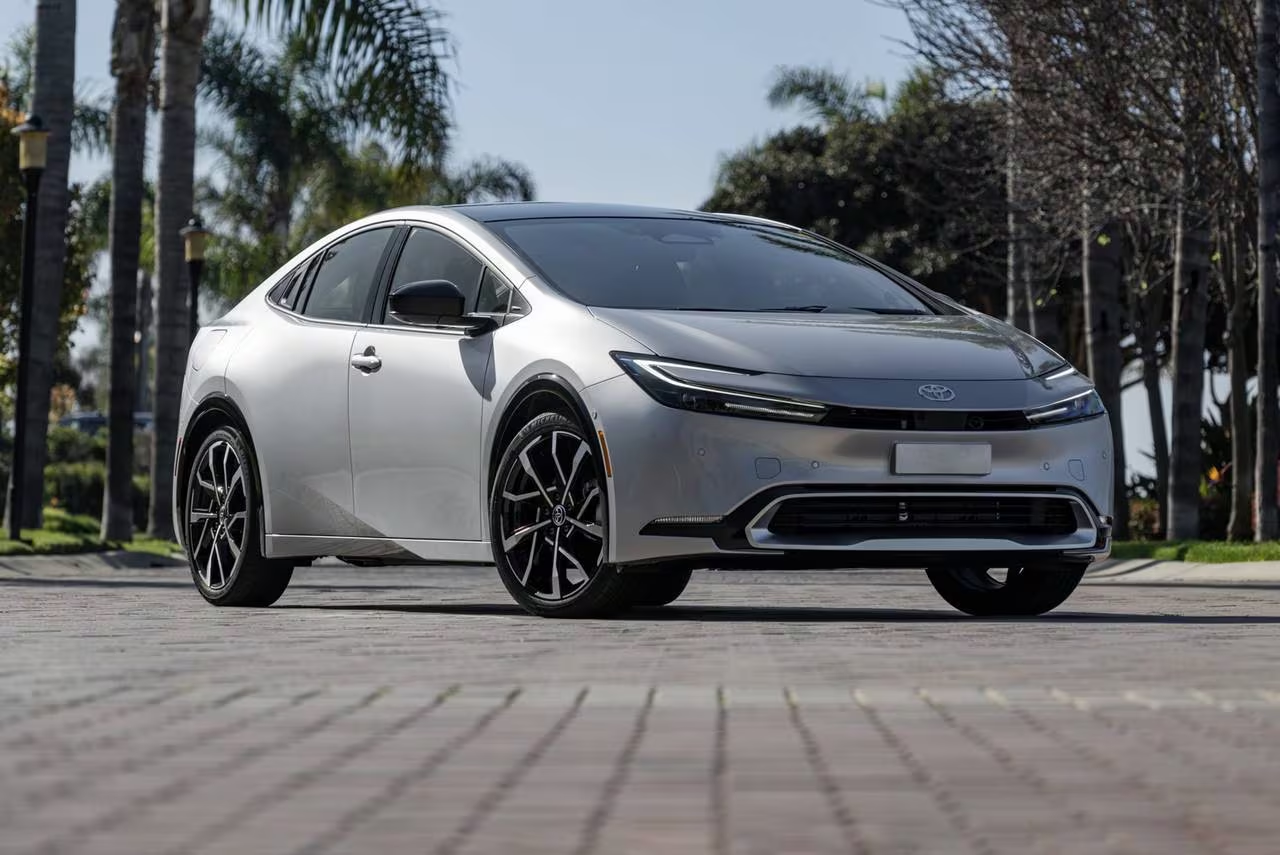
Pizza delivery driving in the United States is a fast-paced job that depends heavily on efficiency, reliability, and low operating costs. Whether you are working for a national chain like Domino’s or Pizza Hut, or driving independently for apps such as DoorDash or Uber Eats, your vehicle plays one of the biggest roles in how much profit you actually take home.
Fuel costs, maintenance expenses, and depreciation all directly affect your earnings. Because delivery drivers often accumulate between 20,000 and 40,000 miles per year, choosing a fuel-efficient car is not just a preference but a financial strategy.
Gas prices in the US have fluctuated significantly in recent years, which has made fuel economy a top priority for gig workers. A car that delivers 30 miles per gallon compared to one that delivers 50 miles per gallon can result in thousands of dollars in annual savings.
This difference becomes even more critical when drivers complete dozens of short trips per shift, with frequent idling, stop-and-go traffic, and quick acceleration cycles that reduce fuel efficiency further. That is why hybrids and compact sedans dominate the delivery vehicle market.
Beyond fuel economy, pizza delivery drivers also need vehicles that are reliable, easy to repair, and comfortable enough for long shifts. A breakdown during a busy weekend dinner rush can mean lost income and missed orders. Similarly, cramped interiors or poor storage space can make it difficult to transport multiple pizza boxes efficiently. Hatchbacks, compact sedans, and hybrid vehicles are often preferred because they balance cargo space with low fuel consumption.
Another important factor is insurance and maintenance costs. Older luxury cars or large SUVs may seem comfortable, but they typically cost significantly more to maintain and fuel. On the other hand, economy cars like the Toyota Corolla or Honda Civic offer proven reliability and low-cost parts, making them ideal for high-mileage delivery work.
In this article, we will explore the 9 best cars for pizza delivery drivers in the United States who want to save on gas. Each vehicle is selected based on fuel efficiency, reliability, maintenance costs, cargo space, and real-world usability for delivery driving. Whether you are a full-time driver or part-time side hustler, these vehicles can help you maximize your earnings while minimizing expenses.
ALSO READ: 8 Smells in a Used Car That Cost Thousands to Fix Later
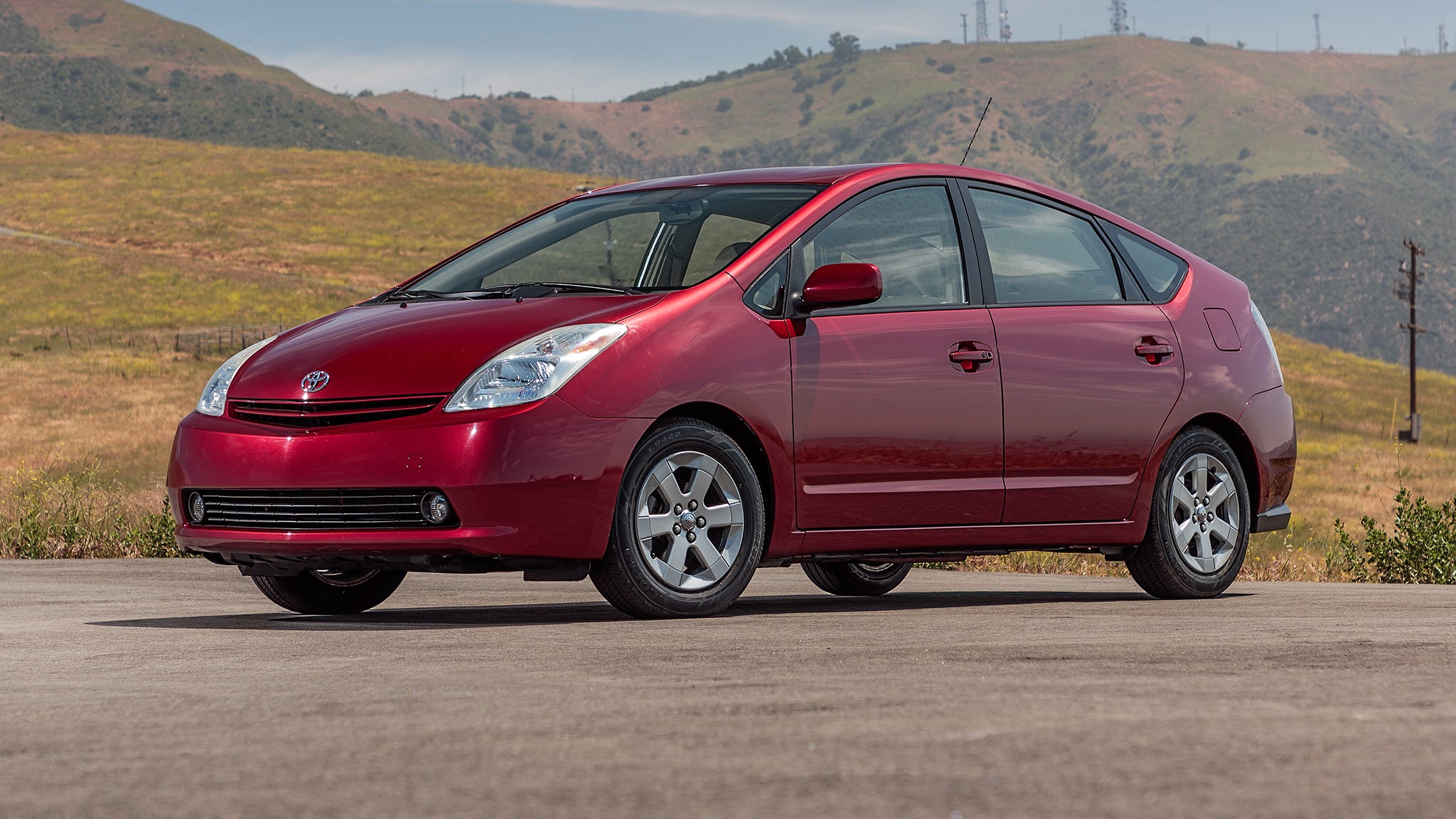
1. Toyota Prius
The Toyota Prius is widely regarded as the most practical and cost-efficient vehicle for pizza delivery drivers in the United States. Its hybrid system is designed to maximize fuel savings in exactly the type of driving delivery workers do most, which is short trips, frequent stopping, idling, and low-speed urban navigation.
In real-world conditions, many drivers consistently report fuel economy in the range of 50 to 60 miles per gallon, which makes a significant difference over thousands of miles driven each month. When gas prices rise, the Prius becomes even more financially attractive because it reduces dependency on fuel spending, allowing drivers to keep more of their earnings.
One of the strongest advantages of the Prius is its proven hybrid reliability. Toyota has refined its hybrid technology for decades, and the Prius is often cited as one of the most durable hybrid systems ever built. Many high-mileage examples in the United States exceed 200,000 to 300,000 miles without major powertrain failure.
This level of reliability is critical for delivery drivers who cannot afford unexpected downtime. A breakdown during peak dinner hours can result in lost tips and missed orders, so long-term dependability matters just as much as fuel economy.
Another major benefit is its hatchback design, which offers surprising practicality for a compact vehicle. The rear cargo area is wide enough to comfortably hold multiple insulated pizza bags, stacked orders, and beverage carriers.
The foldable rear seats further expand storage capacity, making it possible to handle bulk orders during busy weekends or large catering deliveries. Despite its compact exterior size, the Prius feels highly functional inside, especially for gig workers who need flexibility rather than luxury.
The Prius also performs exceptionally well in stop-and-go traffic conditions. Unlike traditional gasoline engines that waste fuel while idling, the hybrid system switches intelligently between electric and gas power. This is especially useful in dense suburban areas or apartment-heavy delivery zones where drivers may need to stop frequently and restart their engine multiple times per hour. Over the course of a full shift, these small efficiencies accumulate into meaningful savings.
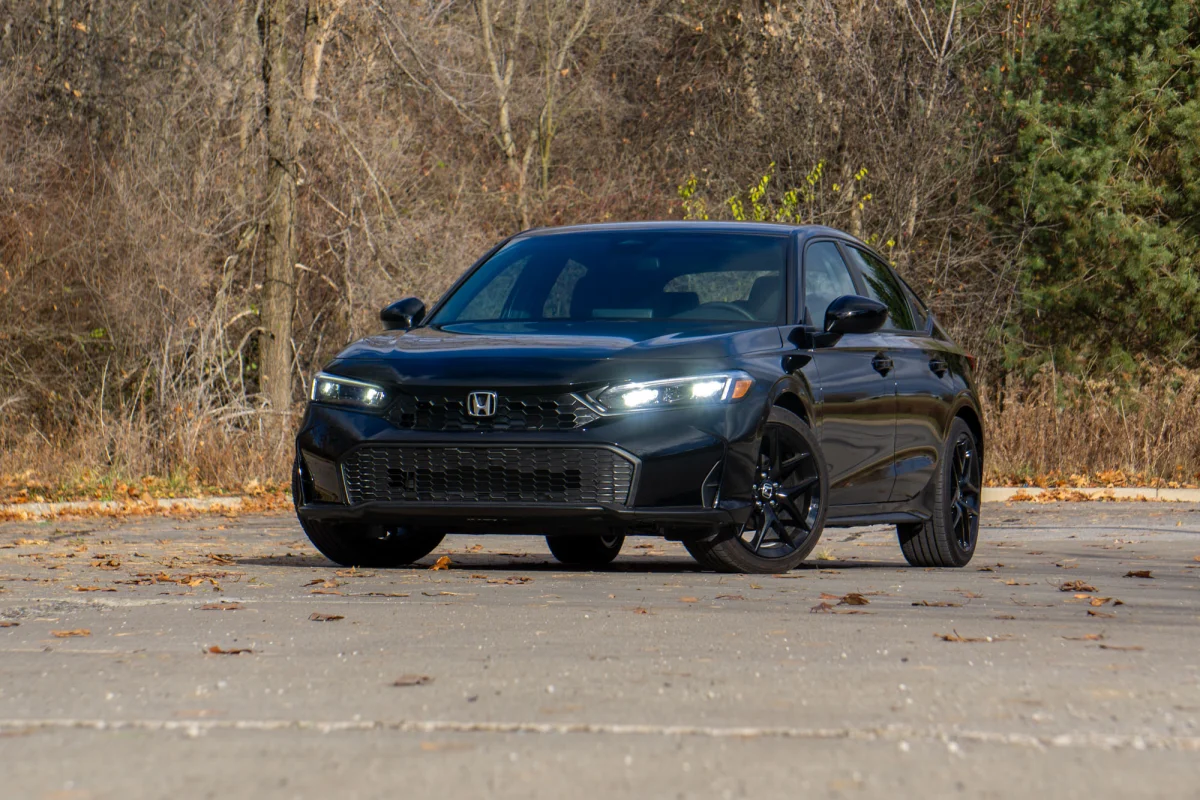
2. Honda Civic
The Honda Civic is one of the most balanced and widely used compact cars among delivery drivers in the United States. It offers a strong combination of fuel efficiency, performance, and long-term durability, making it a dependable choice for both part-time and full-time pizza delivery work. Depending on the model year and engine type, the Civic typically delivers between 30 and 42 miles per gallon, which is highly efficient for city-based driving conditions.
One of the Civic’s greatest strengths is its ability to handle both short urban trips and longer highway drives with equal ease. Many delivery drivers work across mixed routes, where they may start in dense city neighborhoods and then transition into suburban or highway zones. The Civic’s engine performance is smooth and responsive enough to handle these transitions without excessive fuel consumption or strain on the vehicle.
In terms of reliability, the Honda Civic has built a long-standing reputation in the US automotive market. Many drivers report using their Civics for several years of high-mileage driving without major mechanical failures. This reliability is especially important for delivery work, where daily usage can quickly accelerate wear and tear. Replacement parts are widely available across the country, and repair costs are generally affordable compared to more complex vehicles.
Comfort also plays an important role for delivery drivers, and the Civic performs well in this area. The interior is designed with driver ergonomics in mind, offering supportive seating and a well-organized dashboard layout. This reduces fatigue during long shifts that may last 6 to 10 hours. A comfortable driving position can significantly improve focus and reduce stress during peak delivery hours.
Finally, the Honda Civic maintains strong resale value due to its popularity and reputation. Even older models are in demand in the used car market, which makes it a financially stable choice for drivers who view their vehicle as both a tool and an investment.
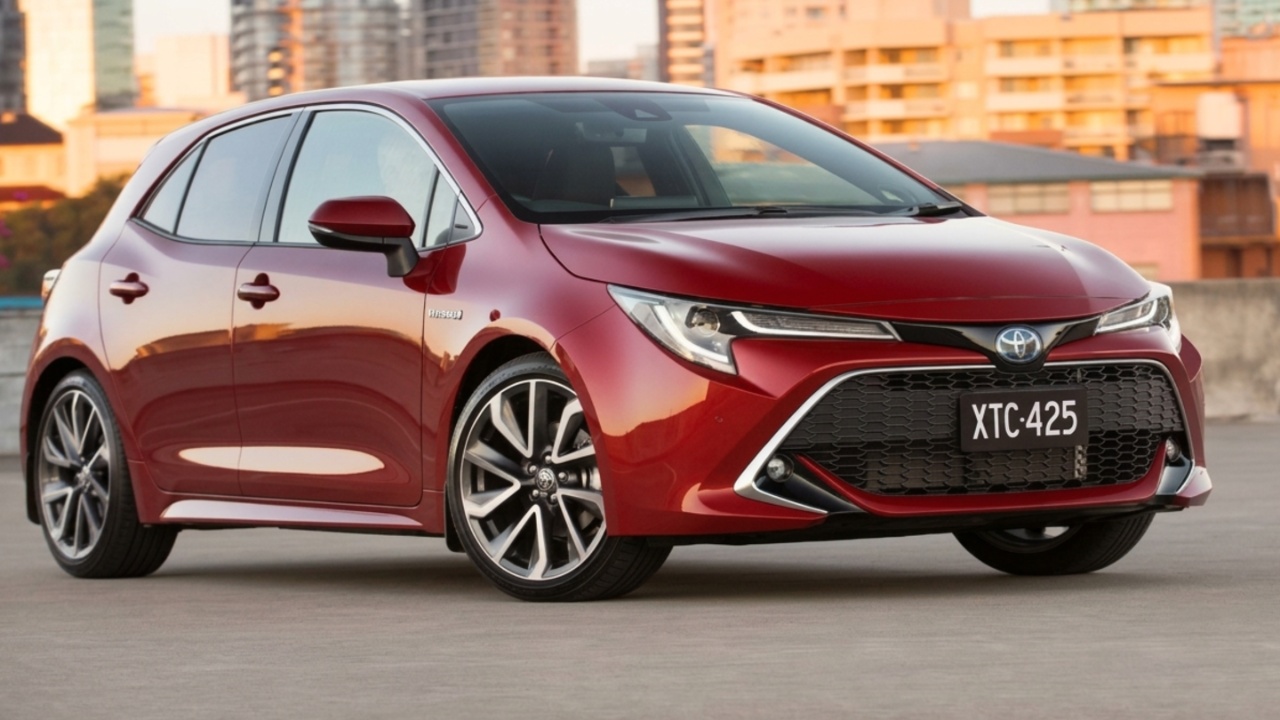
3. Toyota Corolla
The Toyota Corolla is one of the most trusted and widely owned vehicles in the United States, and it is especially popular among delivery drivers for its simplicity and long-term reliability. It consistently achieves fuel economy ratings between 32 and 40 miles per gallon, making it a strong competitor in the compact sedan category. For drivers who prioritize stability and low operating costs, the Corolla is often considered a safe and predictable choice.
One of the main reasons the Corolla is so effective for delivery work is its minimal maintenance requirements. Toyota has designed the Corolla to be mechanically straightforward, which reduces the likelihood of expensive repairs.
Routine servicing, such as oil changes, brake pad replacements, and tire rotations, is generally affordable and easy to schedule at most service centers across the United States. This predictability allows drivers to plan their expenses more effectively.
Another important factor is the Corolla’s long lifespan. It is not uncommon to see Corolla models reaching 250,000 miles or more with proper maintenance. This is particularly valuable for pizza delivery drivers who accumulate mileage rapidly. A vehicle that can withstand years of heavy use without major breakdowns directly translates into higher long-term earnings.
While the standard sedan version offers adequate trunk space, many drivers prefer the Corolla Hatchback for delivery work because it provides additional cargo flexibility. The hatchback design makes it easier to load multiple pizza bags, large orders, and stacked containers without compromising passenger space. This versatility can be especially useful during busy shifts or catering deliveries.
4. Hyundai Elantra
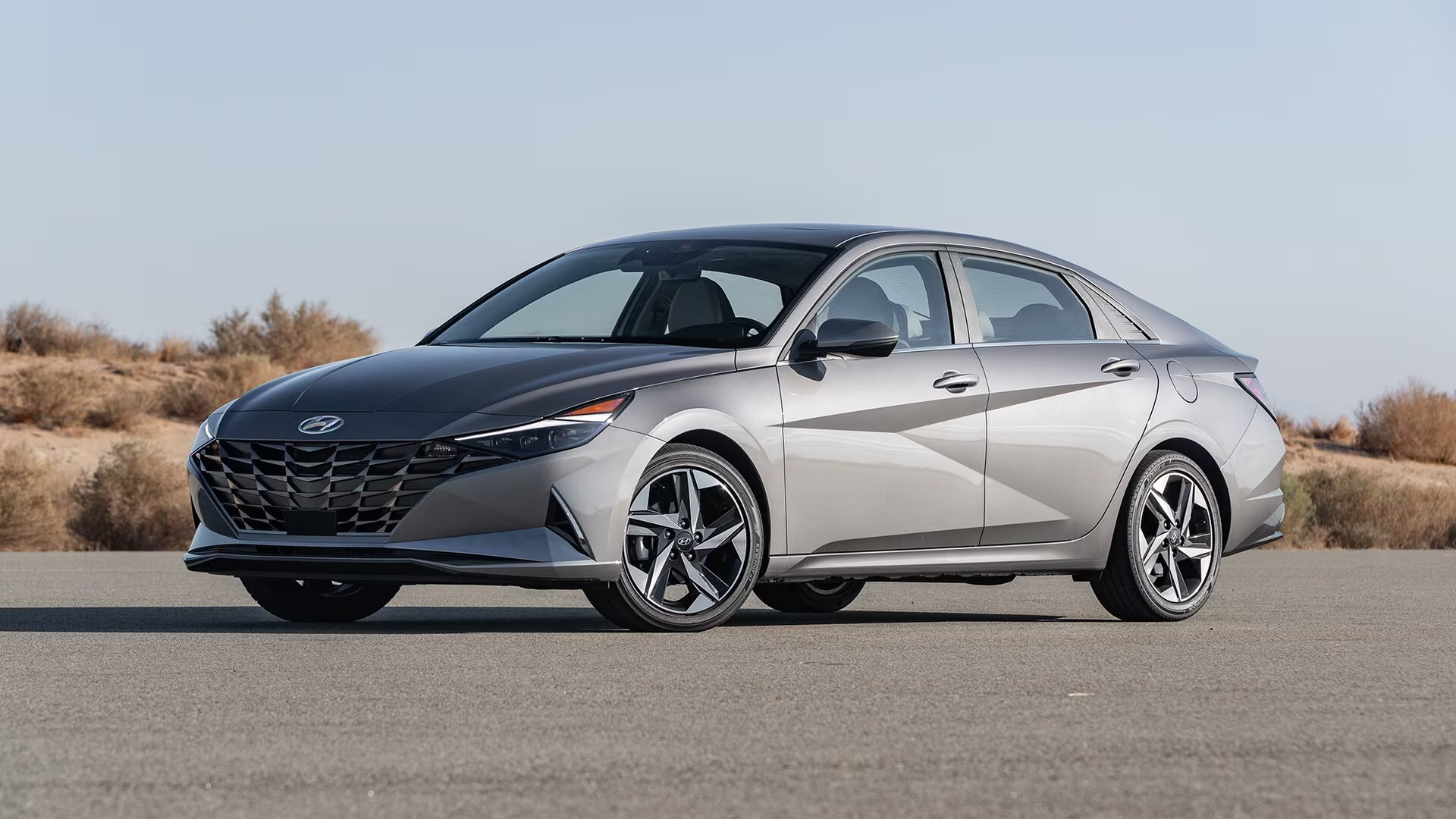
The Hyundai Elantra has become a strong competitor in the compact sedan market in the United States, offering modern design, advanced features, and impressive fuel efficiency. Depending on the engine configuration, it typically delivers between 33 and 43 miles per gallon, making it highly suitable for delivery drivers who operate in urban environments with frequent stops.
One of the key advantages of the Elantra is its value proposition. It often includes features that are typically found in higher-priced vehicles, such as advanced driver assistance systems, digital displays, and smartphone integration. These features improve driving convenience and safety, which can be beneficial for drivers who spend long hours on the road, dealing with traffic and handling multiple delivery requests.
In terms of ride quality, the Elantra provides a smooth and stable driving experience. Suspension tuning is optimized for comfort, which helps reduce fatigue during long shifts. Delivery drivers often deal with uneven roads, tight parking situations, and constant braking, so a comfortable suspension setup can significantly improve the driving experience.
Hyundai has also made major improvements in reliability over the past decade. Newer Elantra models are significantly more dependable than older generations, and many come with strong warranty coverage in the United States. This added protection reduces financial risk for drivers who rely heavily on their vehicle for income generation.
Finally, the Elantra offers a modern and efficient design that appeals to drivers who want a balance between affordability and technology. It is a practical choice for those who want fuel savings without sacrificing comfort or features.
5. Honda Fit
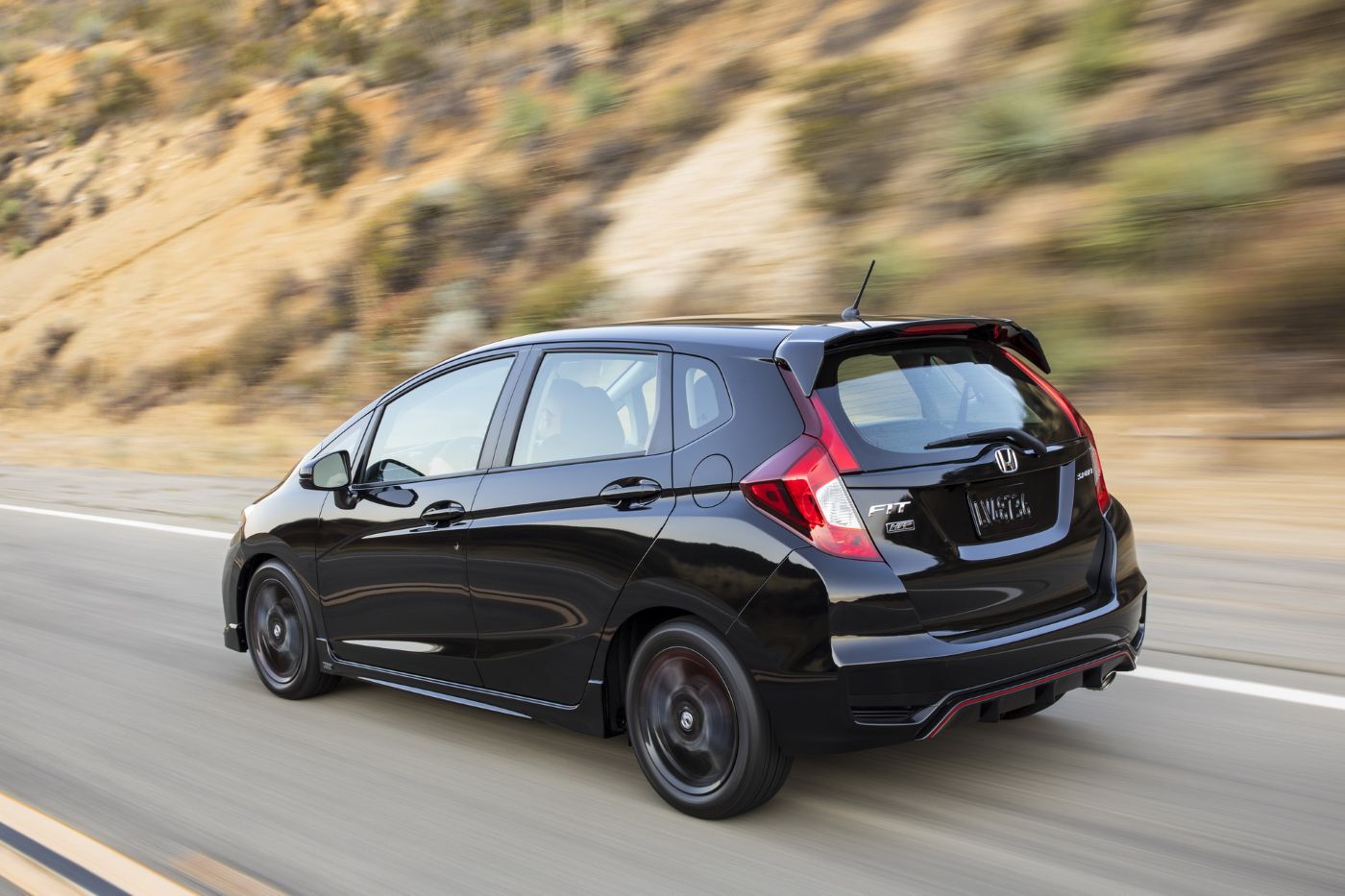
The Honda Fit is one of the most underrated yet highly practical vehicles for pizza delivery drivers. Despite its compact size, it offers exceptional interior flexibility thanks to its unique “Magic Seat” system, which allows multiple seating and cargo configurations. This makes it surprisingly capable for transporting pizza boxes, drink carriers, and large delivery orders.
Fuel efficiency is another major advantage of the Honda Fit. It typically delivers around 33 to 40 miles per gallon, depending on driving conditions and model year. Its lightweight design contributes significantly to its fuel savings, especially in urban environments where stop-and-go traffic is common. For drivers who complete dozens of short trips per shift, this efficiency adds up quickly.
The compact size of the Fit is also a major benefit in crowded city environments. Parking is often one of the most time-consuming aspects of delivery work, especially in apartment complexes or dense neighborhoods. The Honda Fit can easily fit into tight parking spaces, alleyways, and small driveways, allowing drivers to complete deliveries faster and more efficiently.
Reliability is another strong point. Honda vehicles are known for long-term durability, and the Fit is no exception. Many drivers report using it extensively for gig work with minimal mechanical issues. Maintenance costs are generally low, and parts are widely available across the United States.
Although it has been discontinued in the US market, used Honda Fit models remain highly popular among delivery drivers because of their practicality, fuel efficiency, and low operating costs.
ALSO READ: 9 Cars That Survive New Drivers Without a Single Major Repair
6. Hyundai Ioniq Hybrid
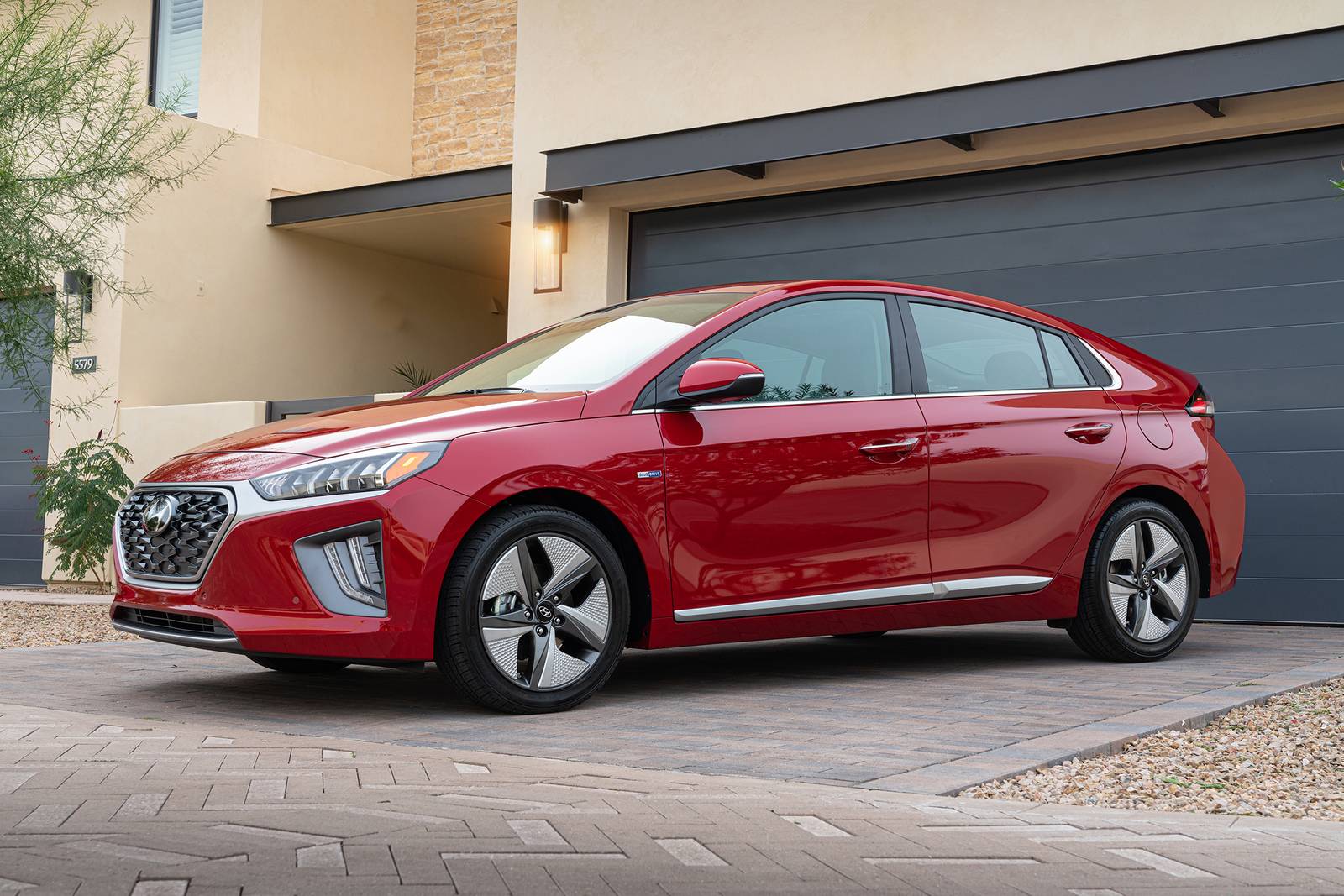
The Hyundai Ioniq Hybrid is one of the most fuel-efficient non-plug-in hybrid vehicles available in the United States, making it a strong competitor to the Toyota Prius for pizza delivery drivers. It is designed with aerodynamics and efficiency as top priorities, and in real-world driving conditions, it often achieves between 50 and 58 miles per gallon.
For drivers who spend long hours completing short-distance orders, this level of efficiency translates into significant weekly fuel savings.
One of the key advantages of the Ioniq Hybrid is its lightweight construction. Hyundai engineered the vehicle to reduce weight without compromising safety, which directly improves fuel economy. This is especially useful in delivery work where frequent braking and acceleration are constant. A lighter vehicle requires less energy to move, which reduces fuel consumption during stop-and-go city driving.
The hybrid system in the Ioniq is also smooth and responsive, making it easy to drive in busy urban environments. It transitions seamlessly between electric assistance and gasoline power, reducing engine strain and improving efficiency during idle-heavy delivery routes. Drivers who often wait at restaurants or traffic lights benefit from this system because it minimizes wasted fuel.
Interior comfort is another important factor. The Hyundai Ioniq offers a clean and modern cabin layout with intuitive controls, comfortable seating, and good visibility. For delivery drivers who spend long shifts behind the wheel, these ergonomic advantages help reduce fatigue and improve focus. The cabin is also quiet, which makes long driving sessions less stressful.
The Hyundai Ioniq Hybrid is an excellent alternative to the Prius, especially for drivers who want maximum fuel savings combined with modern styling and advanced features.
7. Nissan Versa
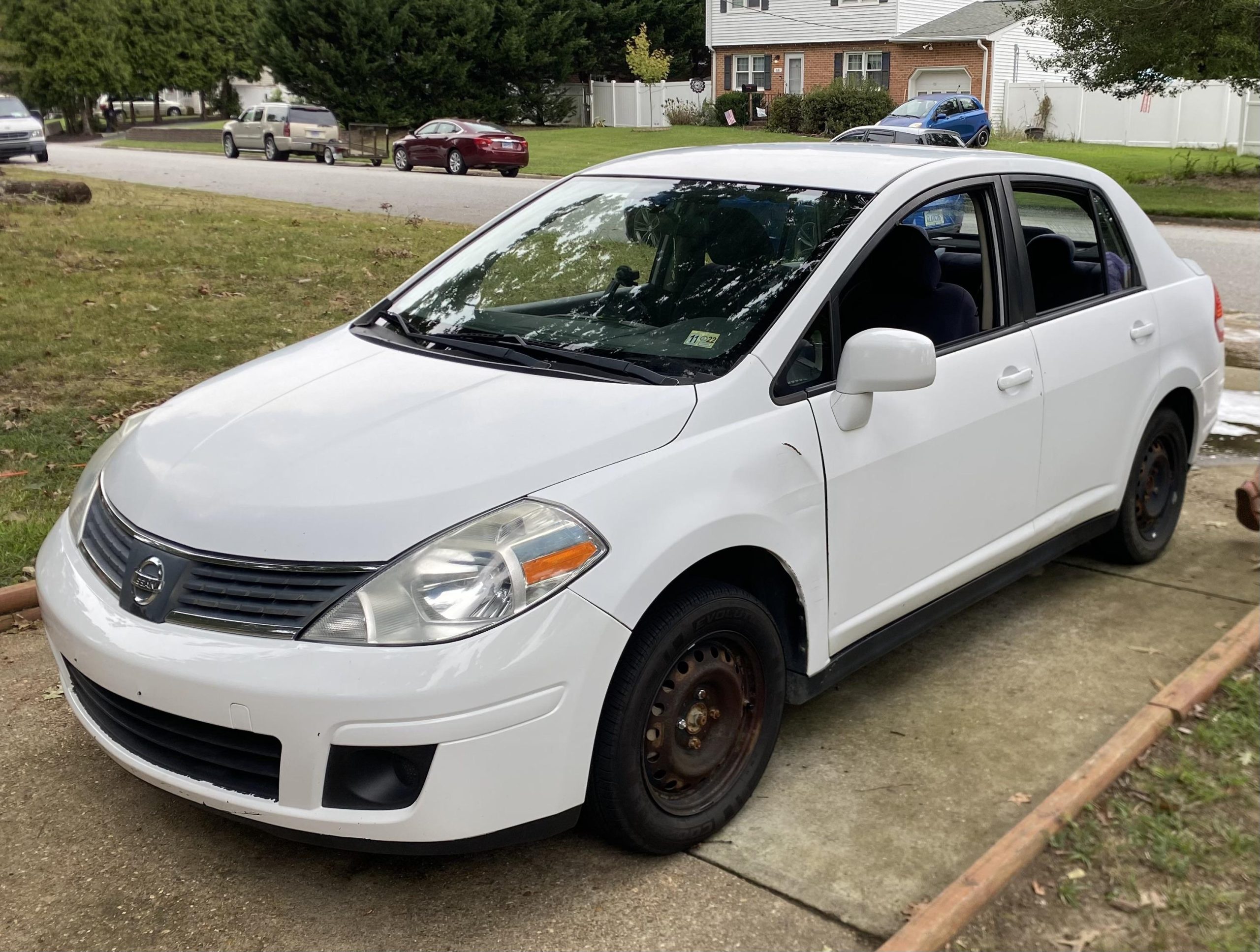
The Nissan Versa is one of the most affordable new cars in the United States, making it a practical entry-level option for pizza delivery drivers who want to minimize upfront investment. While it is not a hybrid, it still delivers solid fuel economy, typically ranging between 30 and 40 miles per gallon depending on driving conditions. For drivers operating in urban delivery zones, this efficiency is generally sufficient for cost-effective daily use.
One of the biggest strengths of the Versa is its affordability. It consistently ranks as one of the lowest-priced new vehicles in the US market, which allows new drivers to enter the delivery industry without taking on a significant financial burden. This makes it especially attractive for part-time drivers or students looking to earn extra income through gig work.
Despite its budget-friendly price, the Versa offers a surprisingly spacious interior. The rear seating area provides enough room for delivery bags when folded down, and the trunk is large enough to accommodate multiple pizza orders. While it is not as flexible as a hatchback, it still performs adequately for standard delivery routes.
Another important advantage is its low maintenance and insurance costs. Because the Versa uses a simple and widely used engine design, repair costs are generally lower than those of more complex vehicles. Insurance premiums are also typically more affordable, which helps drivers reduce monthly expenses and improve profit margins.
The Nissan Versa is best suited for drivers who prioritize affordability and low operating costs over premium features or advanced hybrid technology. It is a reliable starting point for anyone entering the delivery industry.
8. Mazda 3
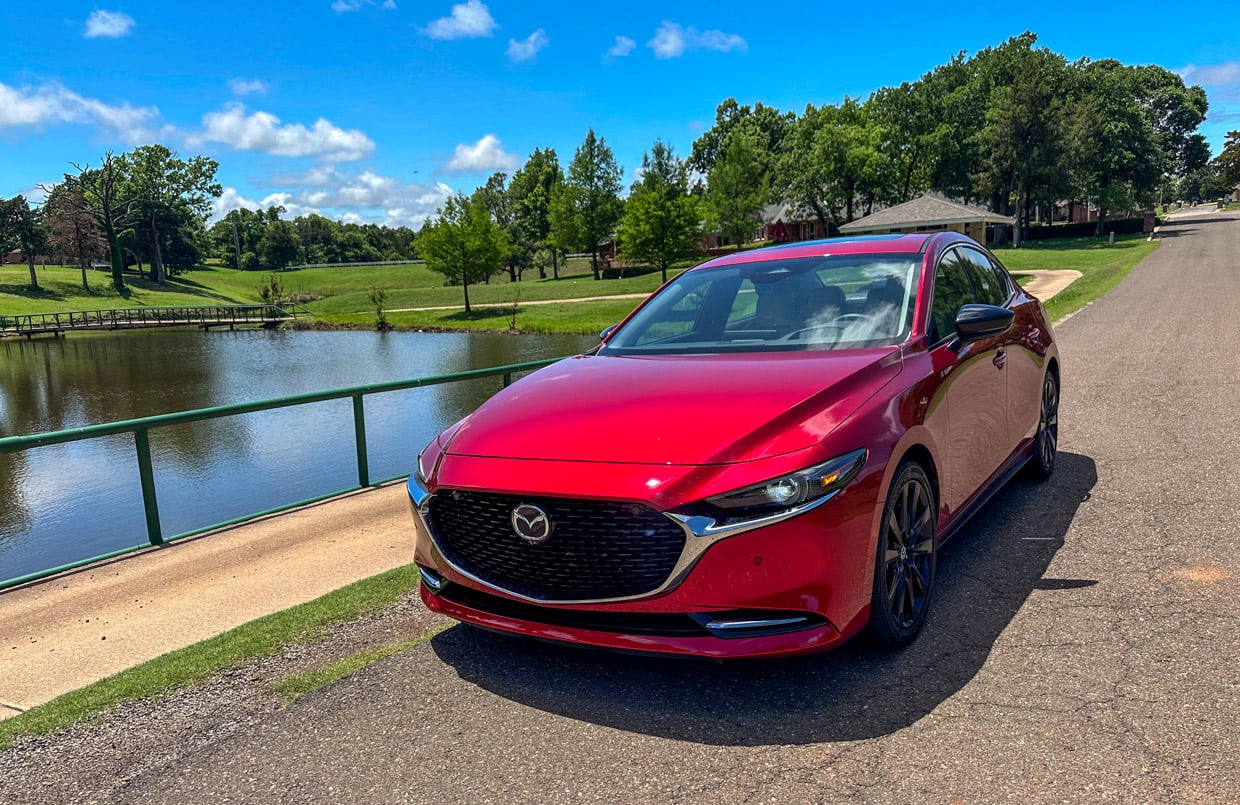
The Mazda 3 is a compact car that stands out in the delivery vehicle category because it offers a more premium driving experience while still maintaining strong fuel efficiency. It typically achieves around 30 to 36 miles per gallon, depending on engine choice and driving conditions. While not the most fuel-efficient option on this list, it compensates with superior driving dynamics and build quality.
One of the most important aspects of the Mazda 3 is its handling. Mazda has engineered this vehicle with a focus on driving enjoyment, which makes it more responsive and stable compared to many other compact cars. For delivery drivers who spend long hours in traffic, tight corners, and frequent stops, this responsiveness can make driving less tiring and more controlled.
The interior of the Mazda 3 is another standout feature. It is widely considered one of the most refined cabins in its class, with high-quality materials and a minimalist design. This creates a more comfortable environment for drivers who spend extended periods behind the wheel. Reduced cabin noise and improved seating comfort help decrease fatigue during long delivery shifts.
In terms of reliability, the Mazda 3 performs well when properly maintained. While not as universally known for durability as Toyota or Honda, it still offers solid long-term dependability and reasonable maintenance costs. Routine servicing is generally straightforward and affordable.
Cargo space is adequate for pizza delivery work, especially in the hatchback version, which provides improved flexibility for transporting multiple orders. The Mazda 3 is ideal for drivers who want a balance between efficiency, comfort, and a more engaging driving experience.
9. Toyota Prius Prime
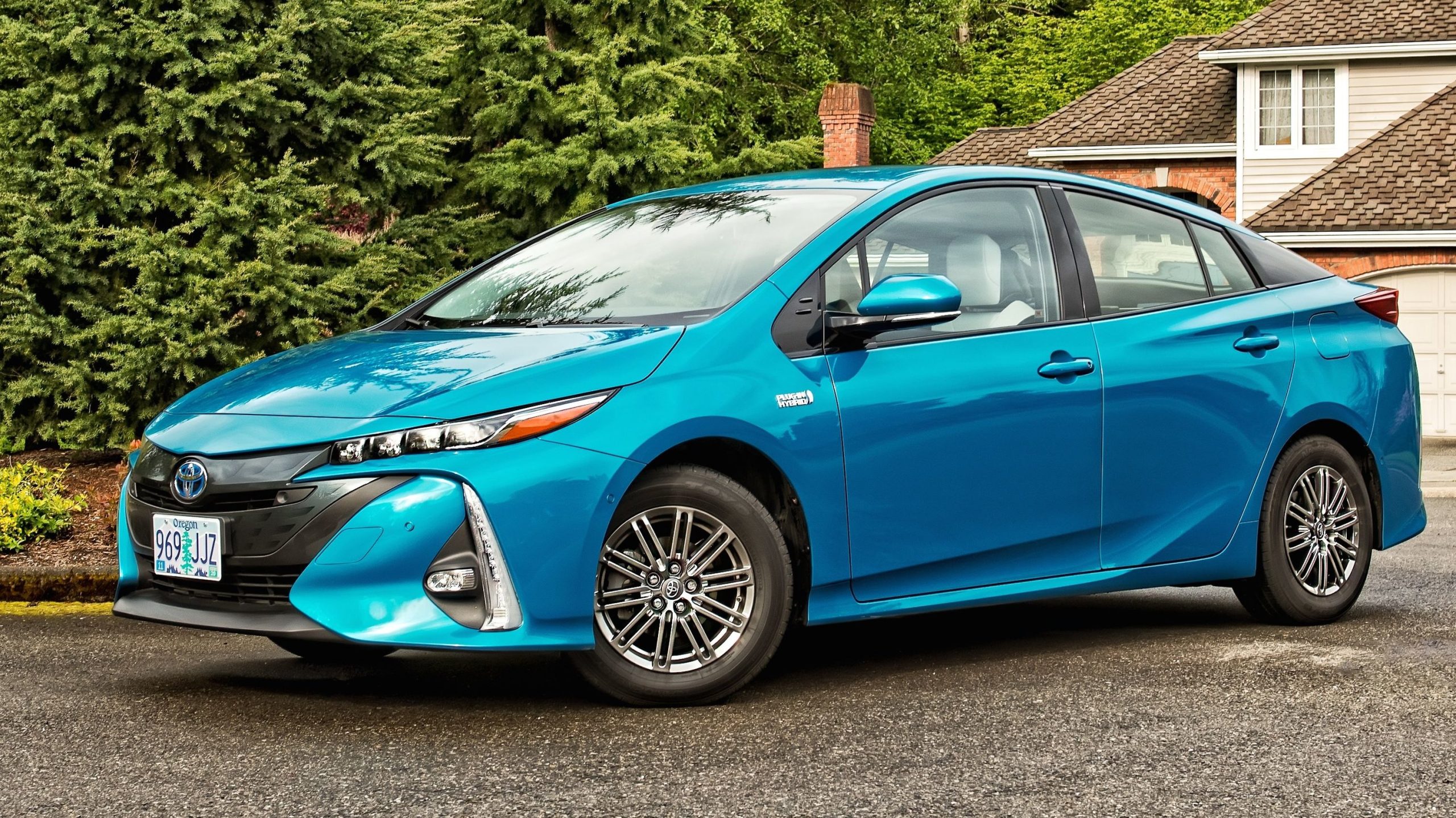
The Toyota Prius Prime is the plug-in hybrid version of the standard Prius and represents one of the most advanced fuel-saving vehicles available to delivery drivers in the United States. It combines electric-only driving capability with traditional hybrid efficiency, making it extremely cost-effective for short-distance delivery routes.
One of the most important advantages of the Prius Prime is its ability to operate in electric-only mode for a limited range, typically around 25 to 40 miles, depending on driving conditions. This means that many pizza delivery shifts, especially shorter urban routes, can be completed with little to no gasoline usage. For drivers working in dense city areas with frequent short trips, this can drastically reduce fuel costs.
When the electric range is depleted, the Prius Prime automatically switches to hybrid mode, where it still delivers excellent fuel efficiency similar to the standard Prius. This dual-system flexibility ensures that drivers are never limited by charging availability while still benefiting from electric savings when possible.
The Prius Prime also features a modern and technology-focused interior. It includes digital displays, advanced driver assistance systems, and smart connectivity features that enhance convenience during long shifts. These tools can help drivers navigate efficiently, monitor energy usage, and manage delivery routes more effectively.
Despite being a plug-in hybrid, the Prius Prime still maintains practical cargo space for pizza delivery operations. While slightly reduced compared to the standard Prius due to battery placement, it remains functional for most delivery needs. Its reliability, fuel efficiency, and advanced hybrid system make it one of the most cost-saving vehicles available today.
