
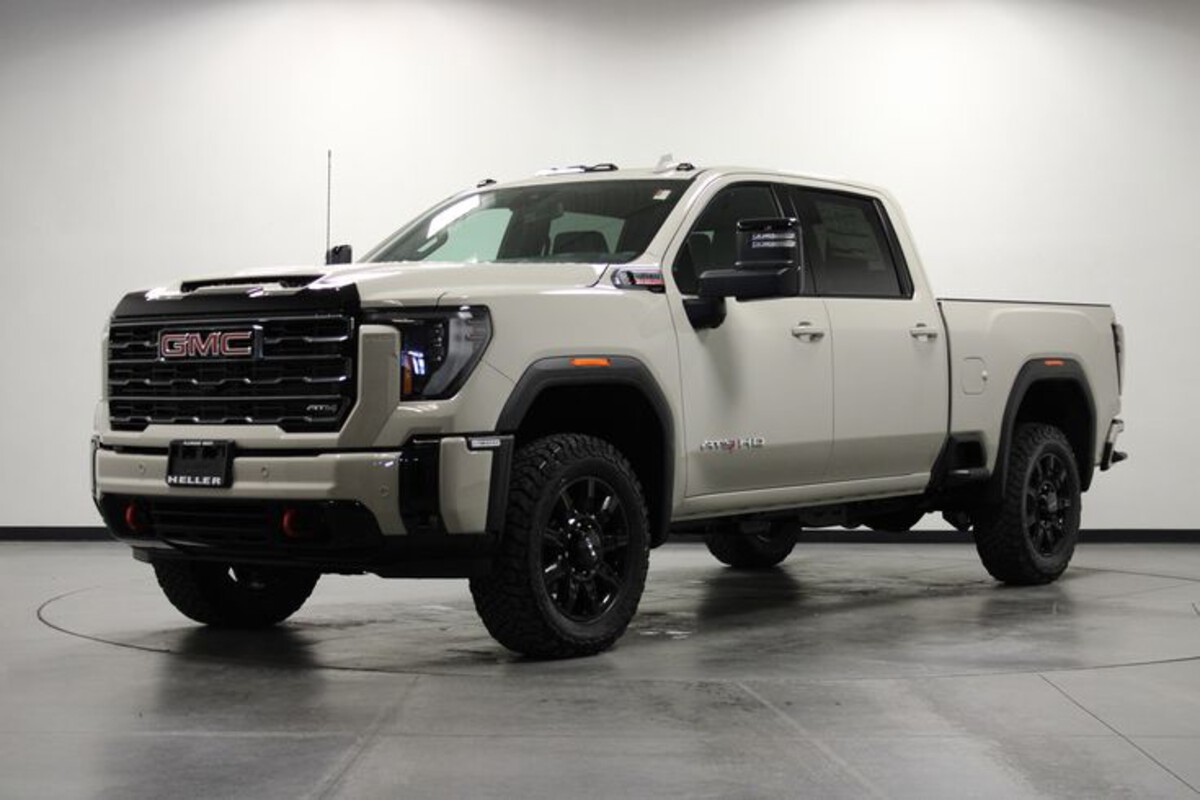
Diesel trucks once held a dominant position in the pickup market, especially among buyers who valued towing power, long-distance efficiency, and durability under heavy loads. For decades, diesel engines were considered the serious choice for work-focused drivers.
They offered strong torque, better fuel economy under load, and a reputation for lasting far beyond their gasoline counterparts. Walking into a dealership years ago, it was common to find multiple diesel options readily available across different truck segments.
Today, that situation has changed. Diesel trucks are still available, but they are far less commonly seen on new dealership lots.
Fewer configurations are offered, availability can be limited, and in some cases, certain diesel variants have quietly disappeared altogether. Buyers who specifically want diesel are finding fewer choices than before, and often at higher prices.
This shift is not the result of a single factor. It is driven by a combination of regulatory pressure, changing consumer preferences, rising costs, and rapid advancements in alternative powertrains.
Diesel engines have not suddenly become ineffective, but the environment around them has evolved in ways that make them less practical for manufacturers to prioritise.
At the same time, gasoline engines have improved significantly. Modern turbocharged gasoline trucks can now deliver torque levels that were once exclusive to diesel, while maintaining lower upfront costs and fewer maintenance complications. Hybrid systems are also entering the segment, offering new ways to balance power and efficiency.
There is also a broader industry trend toward electrification. While electric trucks are still developing, their presence influences long-term planning decisions. Manufacturers are investing heavily in future technologies, and that investment often comes at the expense of maintaining or expanding diesel offerings.
Understanding why diesel trucks are disappearing from new lots requires looking at how these factors interact. It is not about diesel engines losing their strengths, but about how those strengths fit into a changing market.
The following sections break down the key reasons behind this transition, revealing what is really happening behind dealership inventory decisions.
Also Read: 7 Trucks With Doors That Close With A Solid Sound And 7 That Sound Cheap
1. Emissions Regulations Have Made Diesel More Complicated
One of the most significant reasons diesel trucks are becoming less common is the increasing complexity required to meet modern emissions standards. Governments around the world have tightened regulations on nitrogen oxides and particulate matter, both of which are associated with diesel engines.
Meeting these standards requires advanced after-treatment systems that fundamentally change how diesel engines operate.
Modern diesel trucks rely on components such as diesel particulate filters, selective catalytic reduction systems, and exhaust fluid injection. These systems are effective at reducing emissions, but they also add layers of complexity.
The engine is no longer a standalone mechanical unit. It becomes part of a broader emissions control network that must function perfectly to remain compliant.
This complexity affects both manufacturers and buyers. For manufacturers, developing and integrating these systems increases engineering challenges and production costs.
For buyers, it introduces additional maintenance requirements and potential failure points. Issues related to emissions systems can be expensive to diagnose and repair, which makes ownership less straightforward than it once was.
There is also the matter of real-world usage. Diesel engines perform best under sustained loads and long-distance driving.
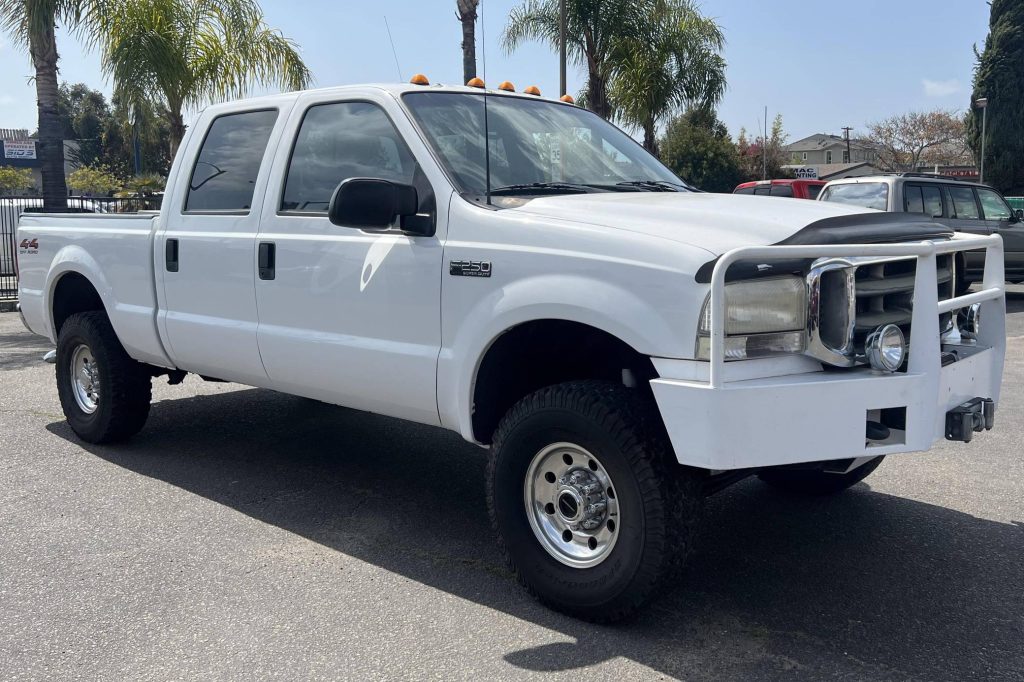
When used in short trips or urban conditions, emissions systems may not operate efficiently, leading to buildup and potential problems. This mismatch between design and usage has made diesel less appealing for everyday drivers.
As regulations continue to evolve, the cost and effort required to keep diesel engines compliant will likely increase. This has led manufacturers to reconsider how many diesel options they offer, especially when alternative powertrains can meet requirements more easily.
2. Rising Costs Are Reducing Diesel’s Appeal
Diesel trucks have always carried a price premium compared to their gasoline counterparts, but that gap has widened in recent years. The additional cost is partly due to the complexity of modern diesel engines and their emissions systems.
Buyers are now paying significantly more upfront for diesel, and that higher entry price is not always justified by long-term savings.
Fuel economy was once a major advantage for diesel. While diesel engines still perform efficiently under heavy loads, the difference has narrowed as gasoline engines have improved. Turbocharged gasoline engines can now deliver competitive efficiency in many situations, reducing the financial incentive to choose diesel.
Maintenance costs also play a role. Diesel engines require specific fluids, filters, and servicing procedures that can be more expensive than those for gasoline vehicles. The inclusion of emissions components adds further potential costs, especially as the vehicle ages.
Another factor is fuel pricing. Diesel fuel is not always cheaper than gasoline, and in some regions, it can be more expensive. This variability makes it harder for buyers to predict long-term savings, weakening one of diesel’s traditional selling points.
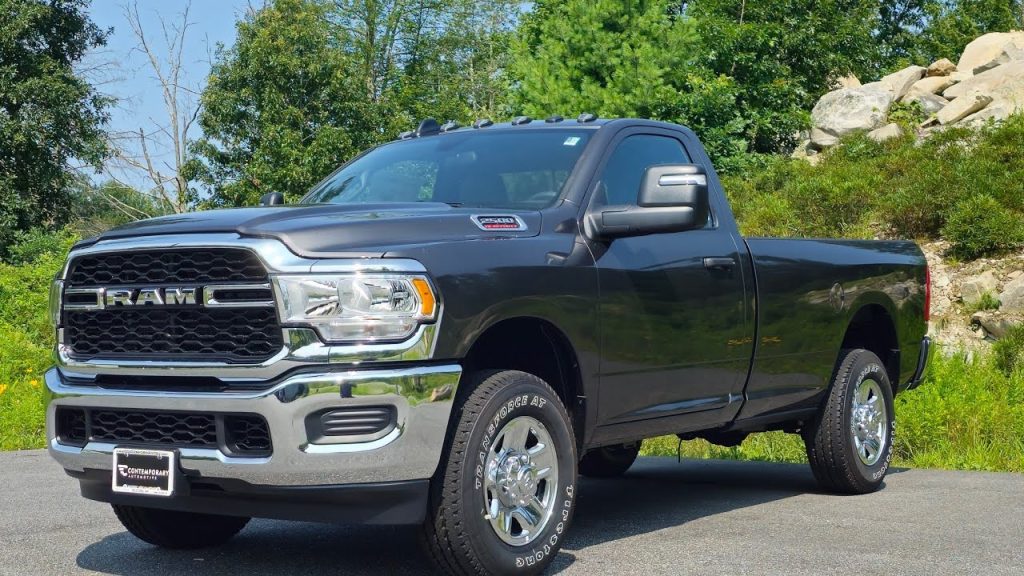
From a buyer’s perspective, the equation has changed. The higher purchase price, combined with uncertain savings and increased maintenance complexity, makes diesel less attractive for many use cases. This shift in demand directly influences what dealerships choose to stock and what manufacturers choose to produce.
3. Gasoline and Hybrid Alternatives Are Closing the Gap
Advancements in gasoline engine technology have significantly reduced the performance gap that once separated diesel trucks from their gasoline counterparts.
Modern gasoline engines use turbocharging, direct injection, and advanced transmission systems to deliver strong torque and improved efficiency. These improvements have made gasoline trucks more capable than ever before.
For many buyers, the difference in towing and hauling performance is no longer as dramatic as it once was. Gasoline trucks can handle a wide range of tasks that previously required diesel, making them a more versatile option for everyday use. They also tend to have lower upfront costs and simpler maintenance requirements.
Hybrid technology is adding another layer of competition. Hybrid trucks combine internal combustion engines with electric motors to enhance performance and efficiency. This approach provides instant torque, which is particularly useful for towing and acceleration. At the same time, it reduces fuel consumption in certain driving conditions.
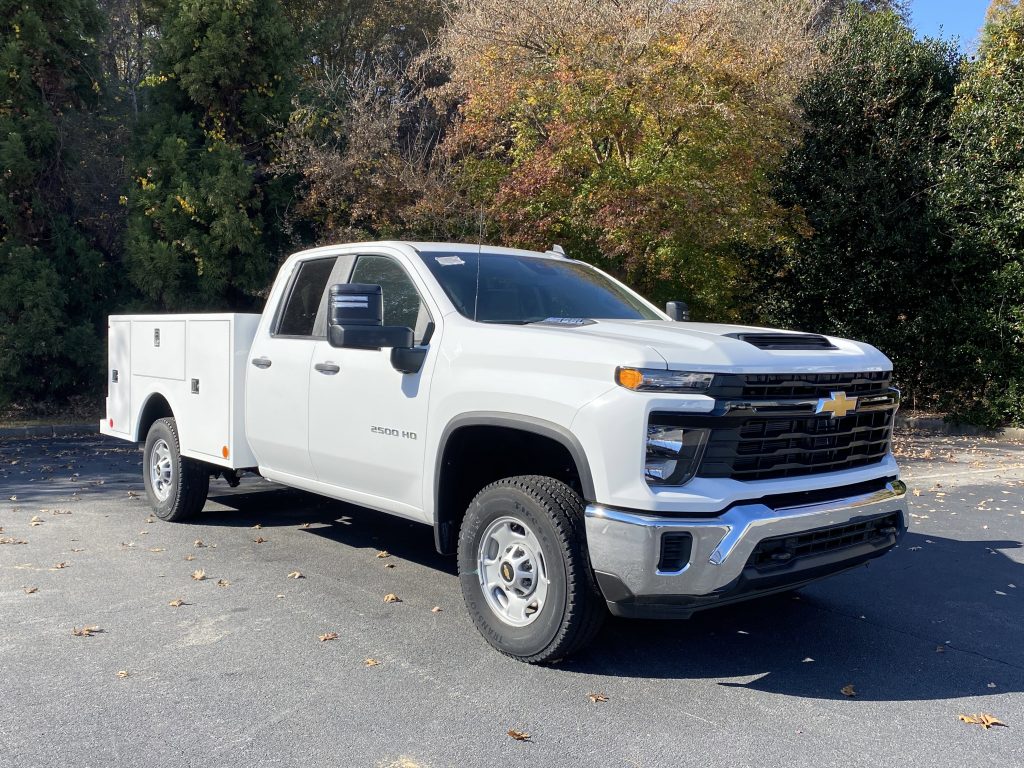
These alternatives are easier to adapt to modern regulations and consumer expectations. They offer a balance of performance, efficiency, and convenience that aligns with current market trends. As a result, manufacturers are investing more in these technologies, often at the expense of expanding diesel options.
The shift is not about diesel becoming obsolete, but about other technologies catching up. When buyers can achieve similar results with fewer compromises, the demand for diesel naturally declines.
4. Electrification Is Changing Long-Term Planning
The automotive industry is undergoing a major transition toward electrification, and this shift is influencing decisions across all vehicle segments, including trucks. While fully electric trucks are still developing, manufacturers are allocating significant resources to their development. This long-term focus affects how other powertrains, including diesel, are prioritised.
Developing a new engine or updating an existing one to meet future regulations requires substantial investment.
Manufacturers must decide where to allocate their resources, and many are choosing to invest in electric and hybrid technologies rather than expanding diesel programs. This does not mean diesel is disappearing immediately, but it does limit its growth.
Electric trucks promise benefits such as zero tailpipe emissions, instant torque, and reduced maintenance. While challenges remain, particularly in range and charging infrastructure, the potential of electric powertrains is shaping industry direction. Manufacturers are preparing for a future where electrification plays a central role.
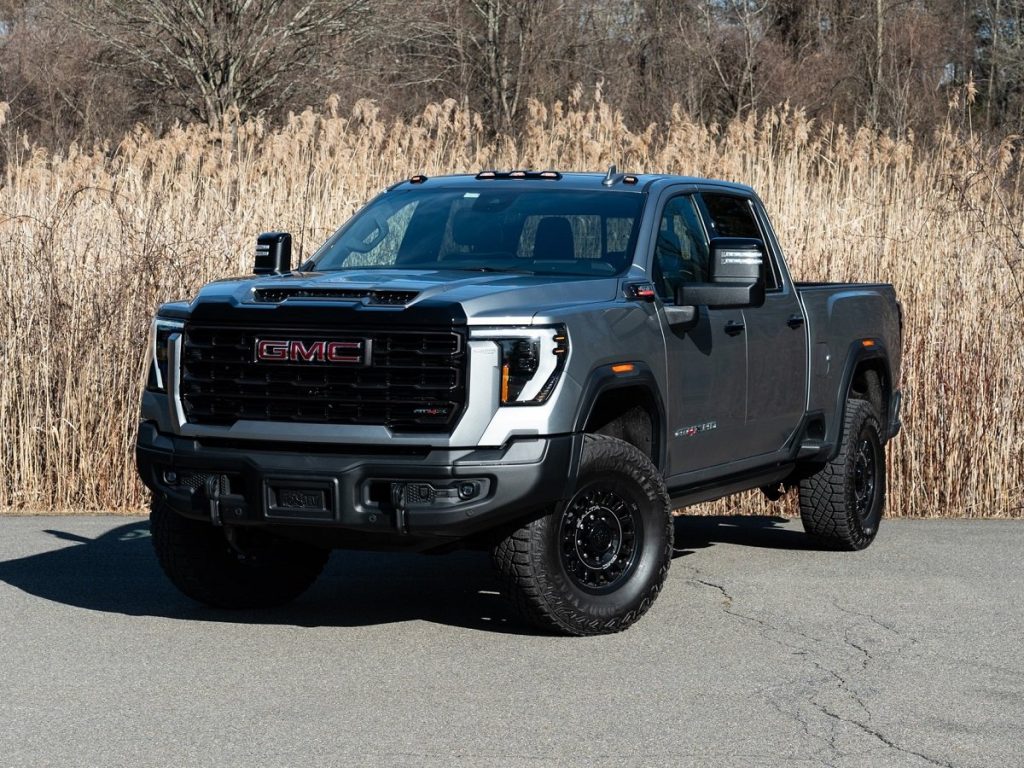
This shift also affects dealership inventory. As new models and technologies are introduced, space on the lot becomes limited. Dealers prioritise vehicles that align with current trends and future demand, which can lead to fewer diesel options being stocked.
The transition to electrification is gradual, but its impact is already visible. Diesel trucks are becoming a more specialised choice rather than a mainstream option, reflecting a broader change in how vehicles are designed and marketed.
5. Urban Driving Patterns Do Not Suit Diesel Behaviour
Diesel engines were originally favoured for long-distance driving, heavy towing, and consistent highway use. Their efficiency and durability shine when they operate under steady loads for extended periods.
Modern driving habits, however, have shifted toward shorter trips, frequent stops, and city-based usage. This change has created a mismatch between how diesel engines are designed to perform and how they are actually used.
Short-distance driving does not allow diesel engines to reach optimal operating temperatures. When this happens repeatedly, emissions systems such as particulate filters cannot function as intended.
Over time, this can lead to buildup and reduced efficiency, which may require forced cleaning or repairs. These issues are not always obvious to buyers when they choose a diesel truck, but they become clear during ownership.
Traffic conditions also affect diesel performance. Stop-and-go movement limits the advantages of diesel torque and efficiency, making gasoline or hybrid alternatives more practical for daily commuting.
Many drivers no longer need the long-haul capability that diesel engines excel at, reducing their relevance in everyday scenarios.
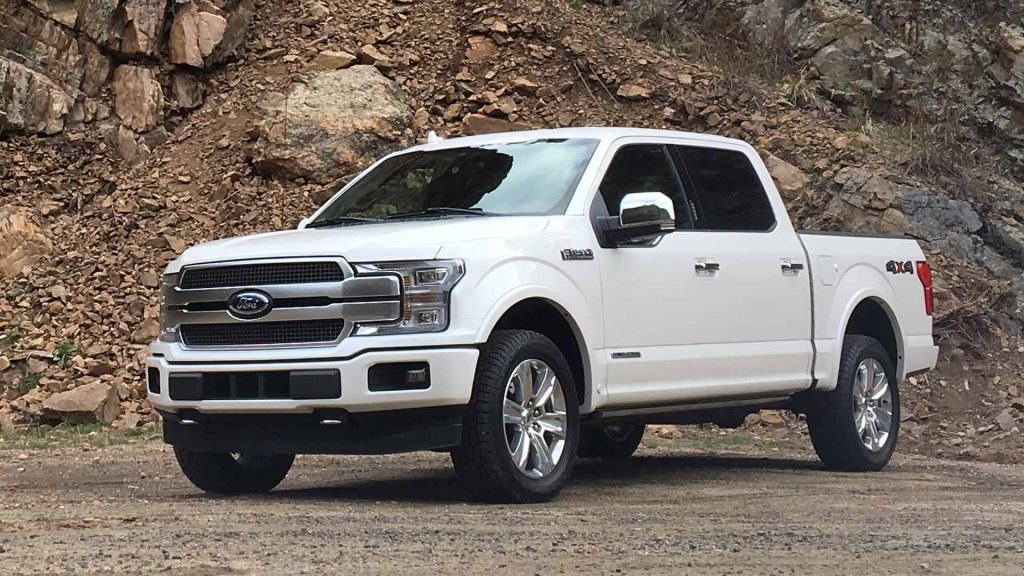
From a dealership perspective, this shift in usage patterns matters. Stocking vehicles that align with how most customers drive makes more sense than offering options that require specific conditions to perform well. As urban driving becomes more common, diesel trucks naturally become a less frequent presence on new lots.
6. Noise, Vibration, and Refinement Expectations Have Changed
Modern buyers expect a higher level of comfort and refinement from their vehicles than in the past. Quiet cabins, smooth acceleration, and minimal vibration are now considered standard, even in trucks. Diesel engines, while powerful and efficient, traditionally produce more noise and vibration than gasoline engines.
Manufacturers have made significant progress in reducing these characteristics, but eliminating them is challenging.
The nature of diesel combustion creates a different sound and feel that may not align with the expectations of today’s buyers. For drivers who use their trucks for both work and daily commuting, this difference becomes more noticeable.
Interior refinement has become a key selling point in the truck market. Features such as advanced infotainment systems, premium materials, and improved ride quality are now central to the buying decision. In this context, the subtle drawbacks of diesel engines can influence preferences, even if performance remains strong.
Gasoline and hybrid trucks often deliver a quieter and smoother experience, making them more appealing to a broader audience. This shift in expectations affects demand, which in turn shapes what dealerships choose to keep in inventory.
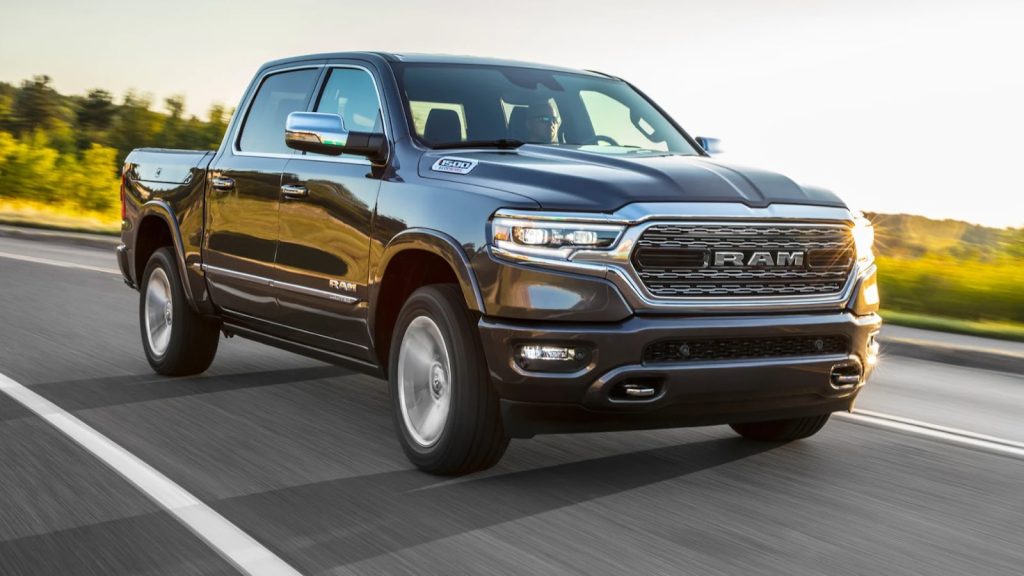
The change is not about diesel being unsuitable, but about evolving standards. As comfort becomes a priority, the traditional characteristics of diesel engines make them less aligned with what many buyers are looking for.
7. Fleet and Commercial Buyers Are Changing Strategies
Fleet buyers have historically been strong supporters of diesel trucks due to their durability and efficiency under heavy use. These buyers often prioritise long-term operating costs and reliability over initial purchase price. However, even in this segment, strategies are beginning to change.
Regulatory pressures and environmental targets are influencing fleet decisions. Companies are increasingly required to reduce emissions and adopt cleaner technologies. This has led to a growing interest in alternative powertrains, including hybrid and electric trucks, which can help meet these goals.
Operational considerations also play a role. Managing diesel fleets now involves dealing with emissions systems, fuel logistics, and maintenance complexities that did not exist in the past. Simplifying operations by transitioning to other powertrains can be more practical in certain situations.
In addition, advancements in gasoline and hybrid technology have made these options more viable for commercial use. They can handle many of the tasks that were once exclusive to diesel, while offering advantages in cost and compliance.
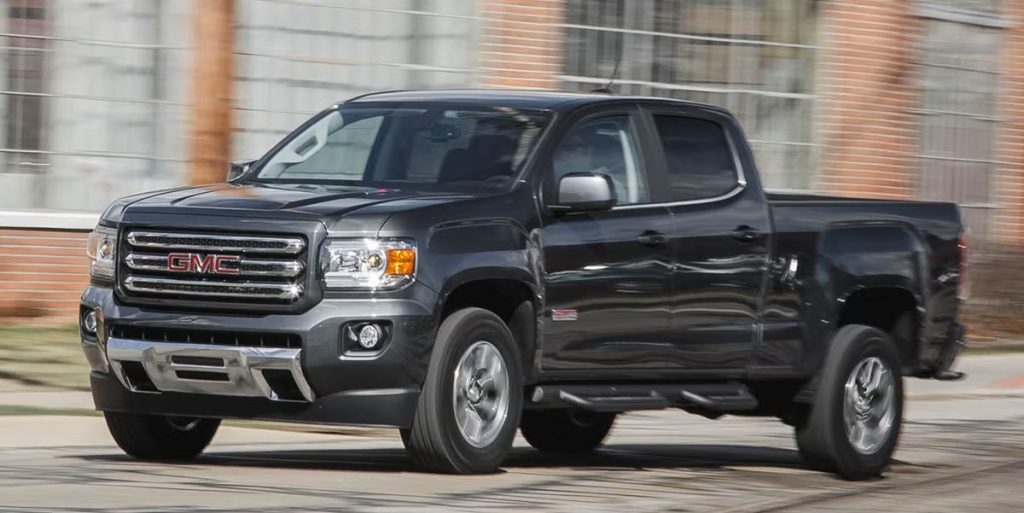
As fleet demand shifts, it directly impacts production and availability. Manufacturers respond to the needs of large buyers, and when those needs change, the effects are felt across the entire market. This contributes to the reduced presence of diesel trucks on dealership lots, reflecting a broader transformation in how commercial vehicles are chosen and used.
Diesel trucks are disappearing due to stricter emissions rules, higher costs, and changing buyer needs. Modern driving habits, demand for comfort, and the rise of gasoline, hybrid, and electric alternatives have reduced their appeal. As both individual buyers and fleets shift priorities, diesel is becoming a more limited and specialised option.
Also Read: 10 Used Cars Under $8,000 That Mechanics Personally Would Buy
