
Fuel gauges are one of those everyday vehicle features that drivers rarely think about until they stop working properly or become difficult to interpret. In trucks, where long hauls, heavy loads, and fuel efficiency matter significantly, having a clear and easy-to-read fuel gauge can make a meaningful difference in both convenience and safety.
Whether you are navigating highways, working on a construction site, or simply commuting, knowing exactly how much fuel remains in your tank helps prevent unexpected stops and improves trip planning.
Over time, automakers have experimented with various ways of displaying fuel levels, ranging from traditional analog dials to modern digital bars and segmented graphics. While innovation often aims to enhance the driving experience, not all designs succeed in delivering clarity. Some digital interfaces, despite looking sleek and futuristic, can confuse drivers with vague increments or inconsistent readings.
Trucks, in particular, serve a diverse range of drivers, including professionals who rely on precision and quick readability. For them, a straightforward fuel gauge is not just a convenience but a necessity. Analog gauges with clear markings and predictable movement often excel in this regard, offering an intuitive understanding at a glance.
On the other hand, certain digital displays prioritize aesthetics over usability, forcing drivers to interpret blocks, lines, or abstract icons that may not accurately reflect real fuel levels. This can lead to misjudgments, especially in critical situations where fuel availability is tight.
In this article, we will explore ten trucks that illustrate this contrast. Five models stand out for their easy-to-read fuel gauges that prioritize clarity and reliability, while another five have gained a reputation for confusing digital bar systems that can frustrate drivers.
By examining these examples in detail, we will highlight what makes a fuel gauge truly user-friendly and where some designs fall short. This comparison will help potential buyers, enthusiasts, and everyday drivers better understand the importance of thoughtful dashboard design in trucks and why something as simple as a fuel gauge deserves more attention than it typically receives.
Also Read: 10 Cars With Insurance Premiums Lower Than a Compact Sedan
5 Trucks With Easy-to-Read Fuel Gauges
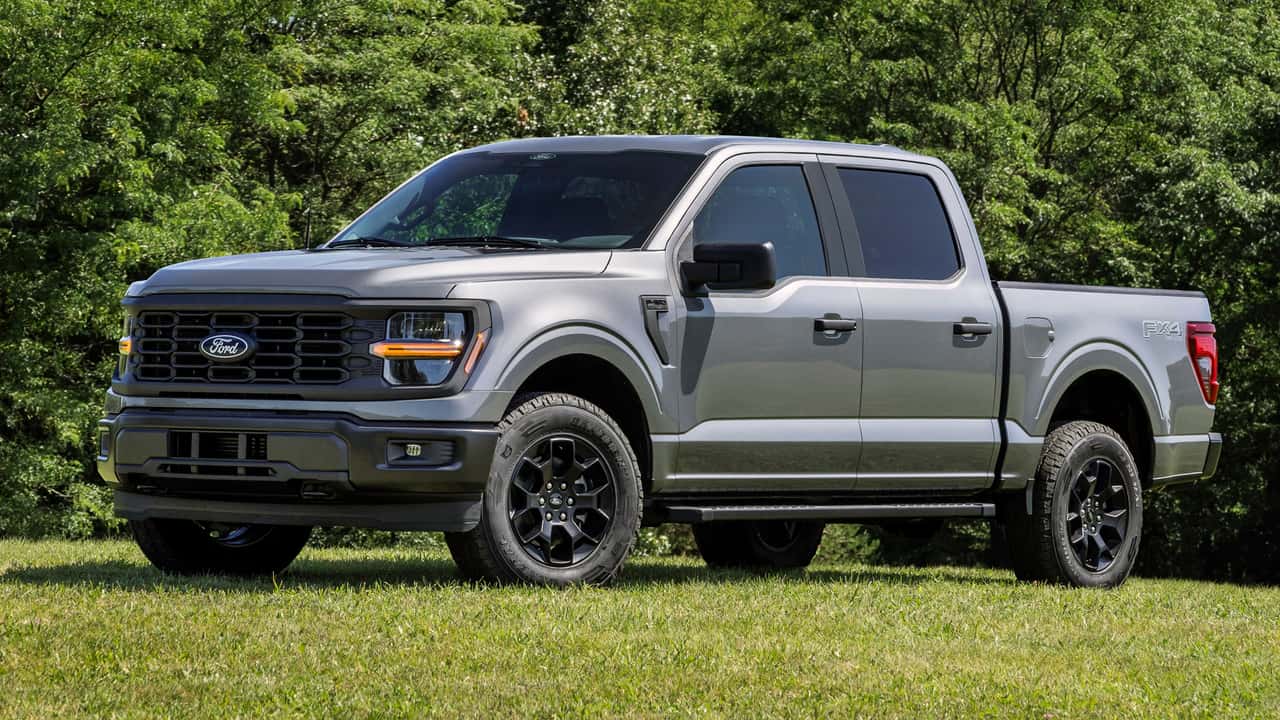
1. Ford F-150
The Ford F-150 has long been known for its practical design, and its fuel gauge is a strong example of user-focused engineering. The analog style gauge, often paired with a digital readout, provides a clear and immediate sense of fuel level.
The needle moves smoothly across a well-marked arc, making it easy to estimate how much fuel remains even without focusing too closely. This simplicity is particularly valuable for drivers who spend long hours on the road and need quick information without distraction.
Another advantage of the F 150 fuel gauge is its consistency. Drivers report that the gauge responds predictably to changes in fuel level, avoiding sudden drops or misleading fluctuations. This reliability builds trust, allowing drivers to plan refueling stops with confidence. The clear separation between quarter tank increments also helps eliminate guesswork, especially during long trips where fuel management becomes critical.
The integration of a digital range estimator complements the analog gauge without replacing it. This hybrid approach ensures that drivers get the best of both worlds: a visual representation that is easy to interpret and a numerical estimate that adds precision. Unlike some digital-only systems, the-150 does not overwhelm the driver with unnecessary complexity.
Visibility is another area where the F-150 excels. The gauge is designed to be readable in various lighting conditions, from bright sunlight to nighttime driving. High contrast markings and a well-lit display ensure that the fuel level is always clear at a glance. This attention to detail reflects Ford’s understanding of real-world driving needs.
The Ford F 150 demonstrates how a traditional approach, enhanced with subtle modern features, can outperform more experimental designs. Its fuel gauge is a reminder that clarity and reliability should always come first in vehicle instrumentation.
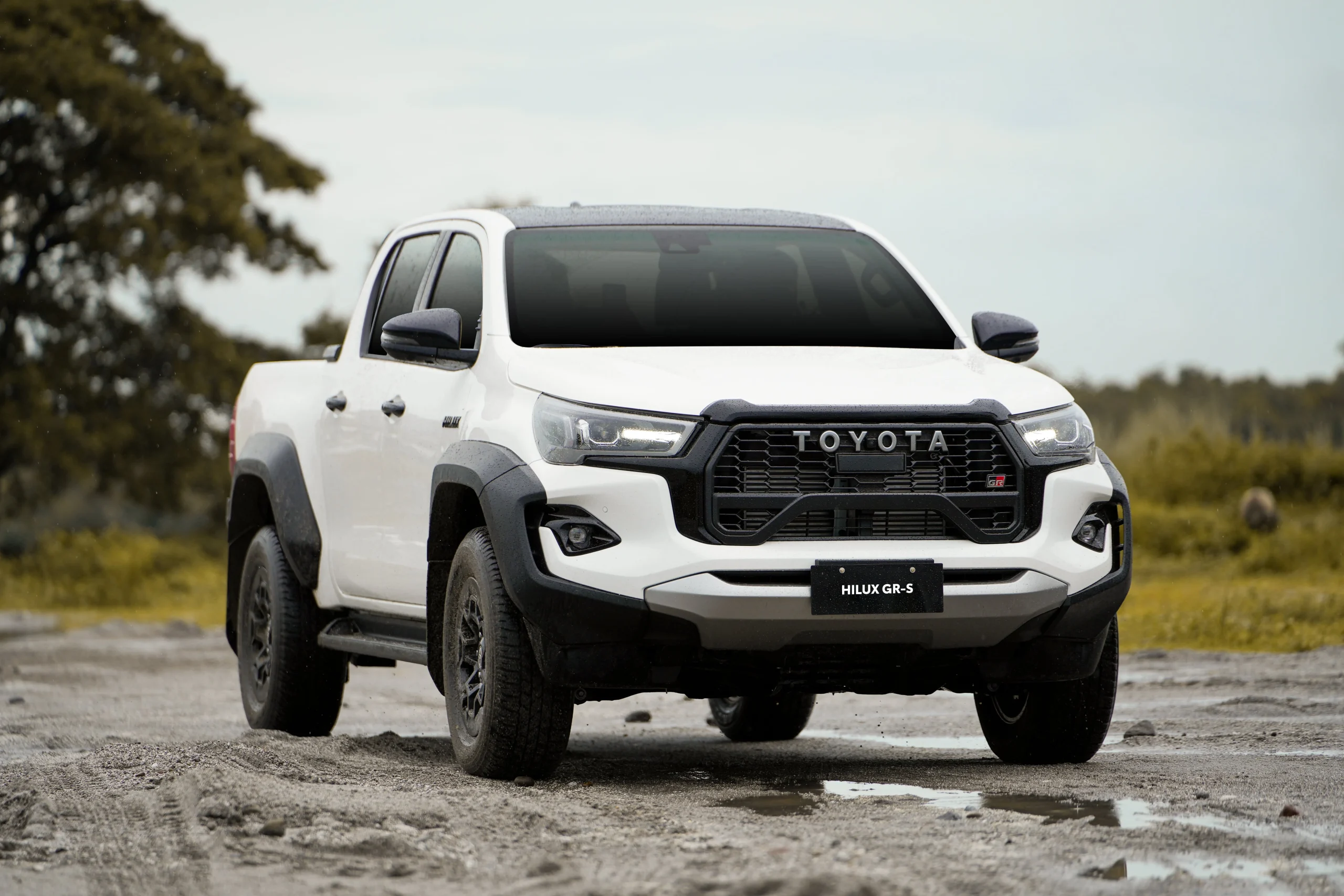
2. Toyota Hilux
The Toyota Hilux is renowned for durability and practicality, and its fuel gauge aligns perfectly with that reputation. Featuring a straightforward analog design, the Hilux prioritizes clarity above all else. The needle-based system is easy to interpret, even for drivers who may not be familiar with advanced vehicle interfaces.
One of the standout aspects of the Hilux fuel gauge is its accuracy. It provides a steady and dependable reading, which is particularly important in remote or off-road environments where fuel stations may be scarce. Drivers can rely on the gauge to reflect real fuel levels without sudden or confusing changes.
The layout of the instrument cluster in the Hilux is also worth noting. The fuel gauge is positioned in a way that makes it easily visible without drawing attention away from the road. This thoughtful placement enhances safety by allowing drivers to check fuel levels quickly and effortlessly.
Toyota’s conservative design philosophy plays a key role in the success of the Hilux fuel gauge. Instead of experimenting with flashy digital elements, the company sticks to a proven format that works well in all conditions. This approach ensures that the gauge remains functional and intuitive for a wide range of users.
The Toyota Hilux shows that simplicity and reliability are often the best solutions. Its fuel gauge is a model of clarity, making it a favorite among drivers who value straightforward functionality.
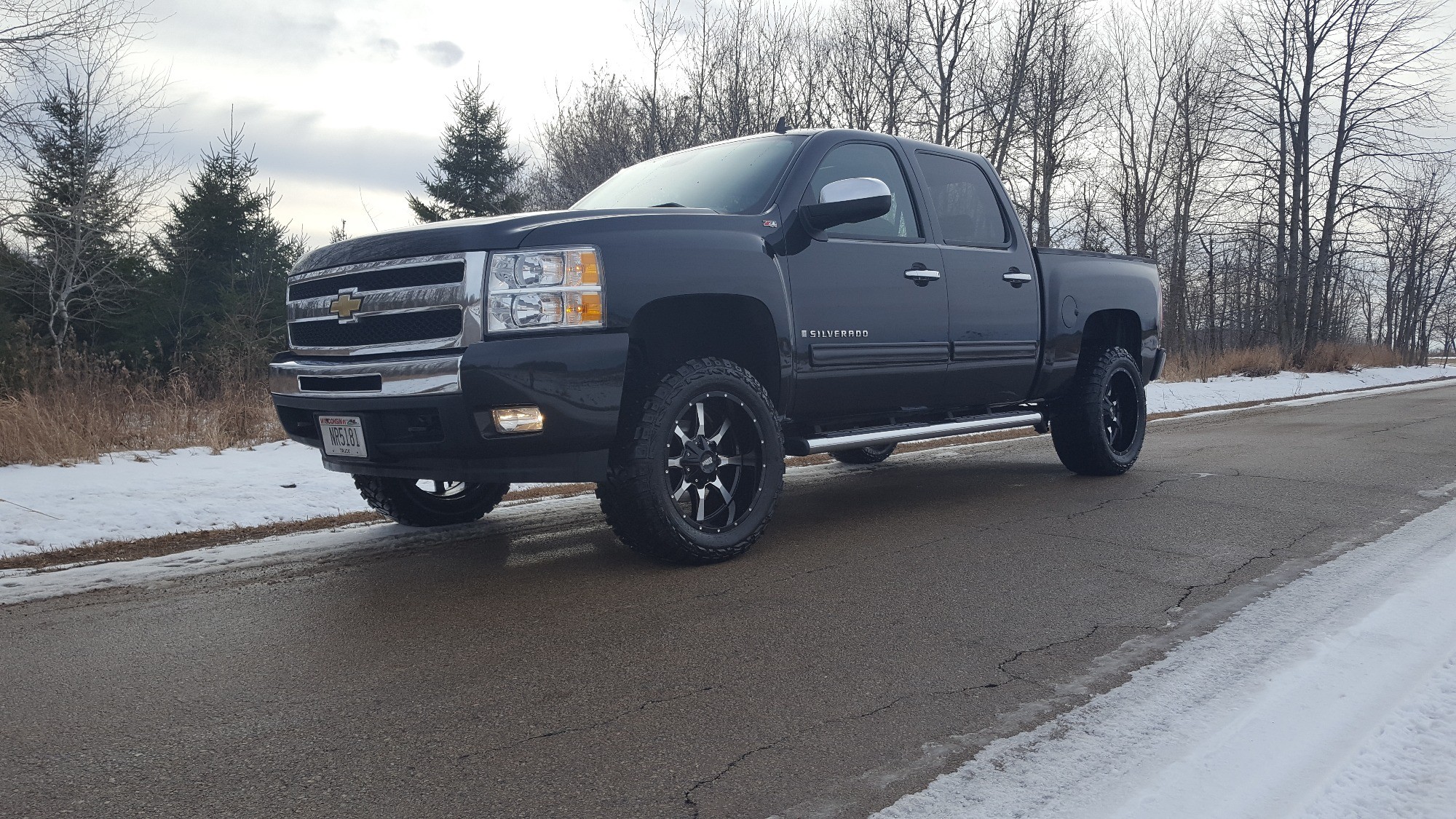
3. Chevrolet Silverado 1500
The Chevrolet Silverado 1500 offers a balanced approach to dashboard design, combining traditional elements with modern technology. Its fuel gauge is a clear example of this philosophy, featuring a classic needle display supported by digital enhancements.
The analog gauge in the Silverado is easy to read, with clearly defined markings that indicate fuel levels at regular intervals. The movement of the needle is smooth and predictable, providing an immediate visual cue that drivers can trust. This consistency is especially useful during long drives or when towing heavy loads.
In addition to the analog gauge, the Silverado includes a digital fuel range indicator that provides an estimate of how far the truck can travel on the remaining fuel. This feature adds an extra layer of information without complicating the design. Drivers can quickly glance at the gauge and the range estimate to make informed decisions.
The Silverado also benefits from a well-designed instrument cluster that prioritizes visibility. The fuel gauge is easy to see in different lighting conditions, thanks to high contrast graphics and effective illumination. This ensures that drivers can always access important information without strain.
The Chevrolet Silverado 1500 demonstrates how a combination of traditional and modern elements can create a user-friendly experience. Its fuel gauge strikes a balance between simplicity and functionality, making it one of the easiest to read in its class.
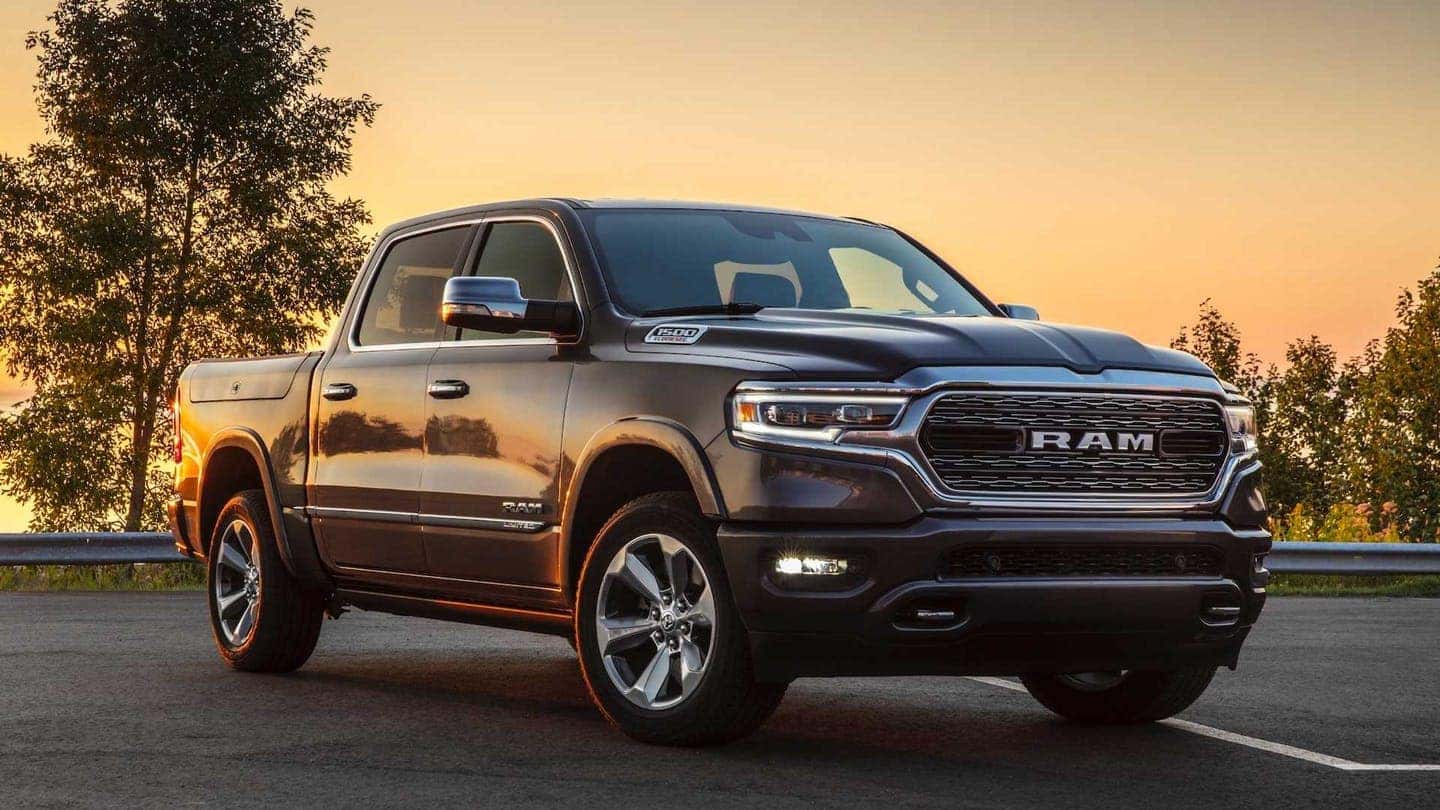
4. Ram 1500
The Ram 1500 is known for its comfortable interior and driver-focused design, and its fuel gauge is no exception. The truck features a clear analog gauge that provides an immediate and intuitive understanding of fuel levels.
One of the key strengths of the Ram 1500 fuel gauge is its readability. The markings are bold and easy to distinguish, and the needle provides a precise indication of the current fuel level. This makes it simple for drivers to assess their fuel status at a glance.
The integration of digital elements enhances the experience without detracting from the simplicity of the analog gauge. The truck includes a digital display that shows the remaining range, giving drivers additional information when needed. This combination ensures that the gauge remains both functional and informative.
The Ram 1500 also excels in terms of design consistency. The fuel gauge matches the aesthetic of the instrument cluster, creating a cohesive and visually appealing layout. This attention to detail contributes to a more enjoyable driving experience.
The Ram 1500 offers a well-designed fuel gauge that prioritizes clarity and ease of use. Its combination of analog and digital elements makes it a reliable choice for drivers who value straightforward information.
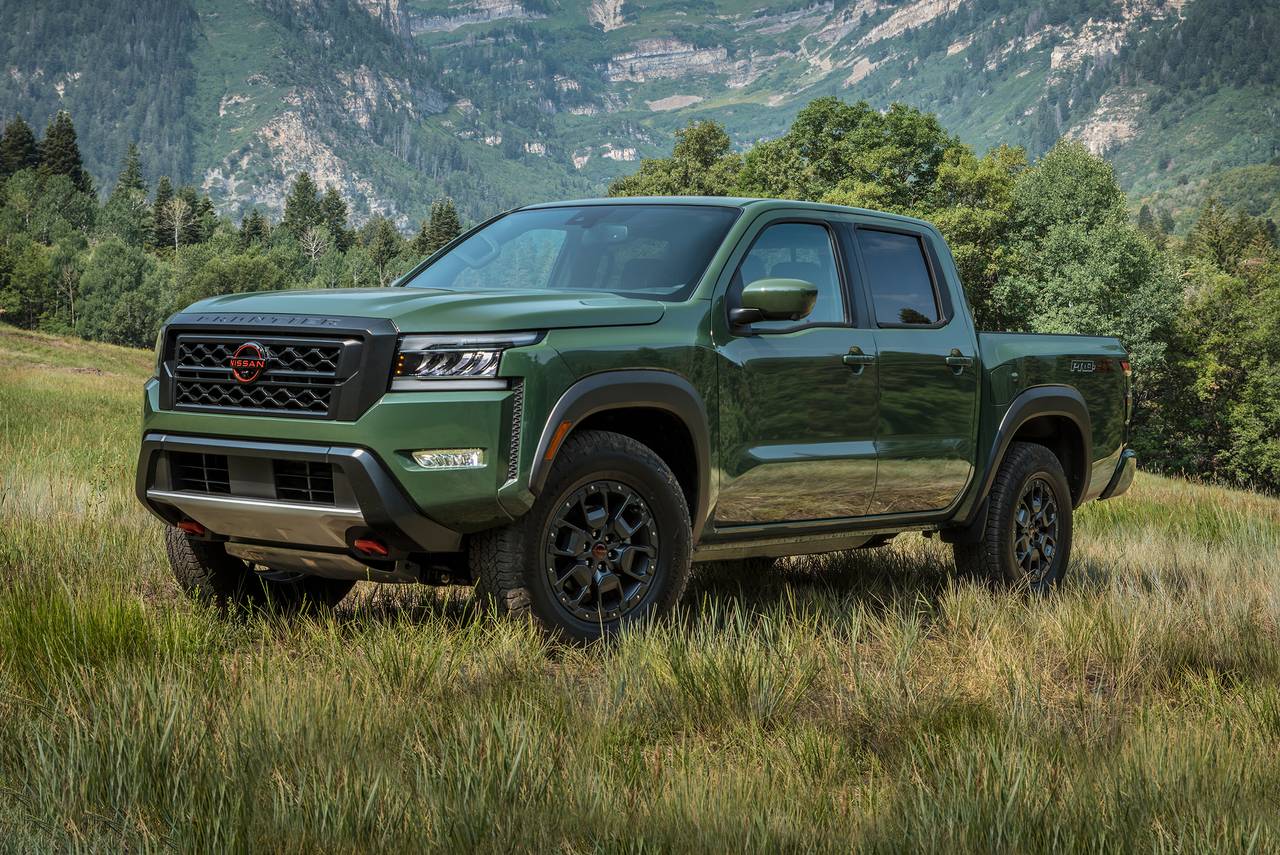
5. Nissan Frontier
The Nissan Frontier takes a practical approach to dashboard design, and its fuel gauge reflects this philosophy. The truck features a simple analog gauge that is easy to read and understand, even in challenging conditions.
The clarity of the Frontier fuel gauge is one of its main advantages. The markings are straightforward, and the needle provides a clear indication of fuel levels. This simplicity ensures that drivers can quickly assess their fuel status without confusion.
Another benefit of the Frontier fuel gauge is its reliability. It provides consistent readings, allowing drivers to trust the information it displays. This is particularly important for those who use their trucks for work or long-distance travel.
The Frontier also benefits from a well-organized instrument cluster that places the fuel gauge in a prominent position. This makes it easy to check fuel levels without taking attention away from driving. The design prioritizes functionality over unnecessary complexity.
The Nissan Frontier demonstrates that a simple and well-executed design can be highly effective. Its fuel gauge is easy to read, reliable, and perfectly suited to the needs of truck drivers.
Also Read: 10 Cars That Survive Being Used as Daily Uber Vehicles
5 Trucks With Confusing Digital Bars
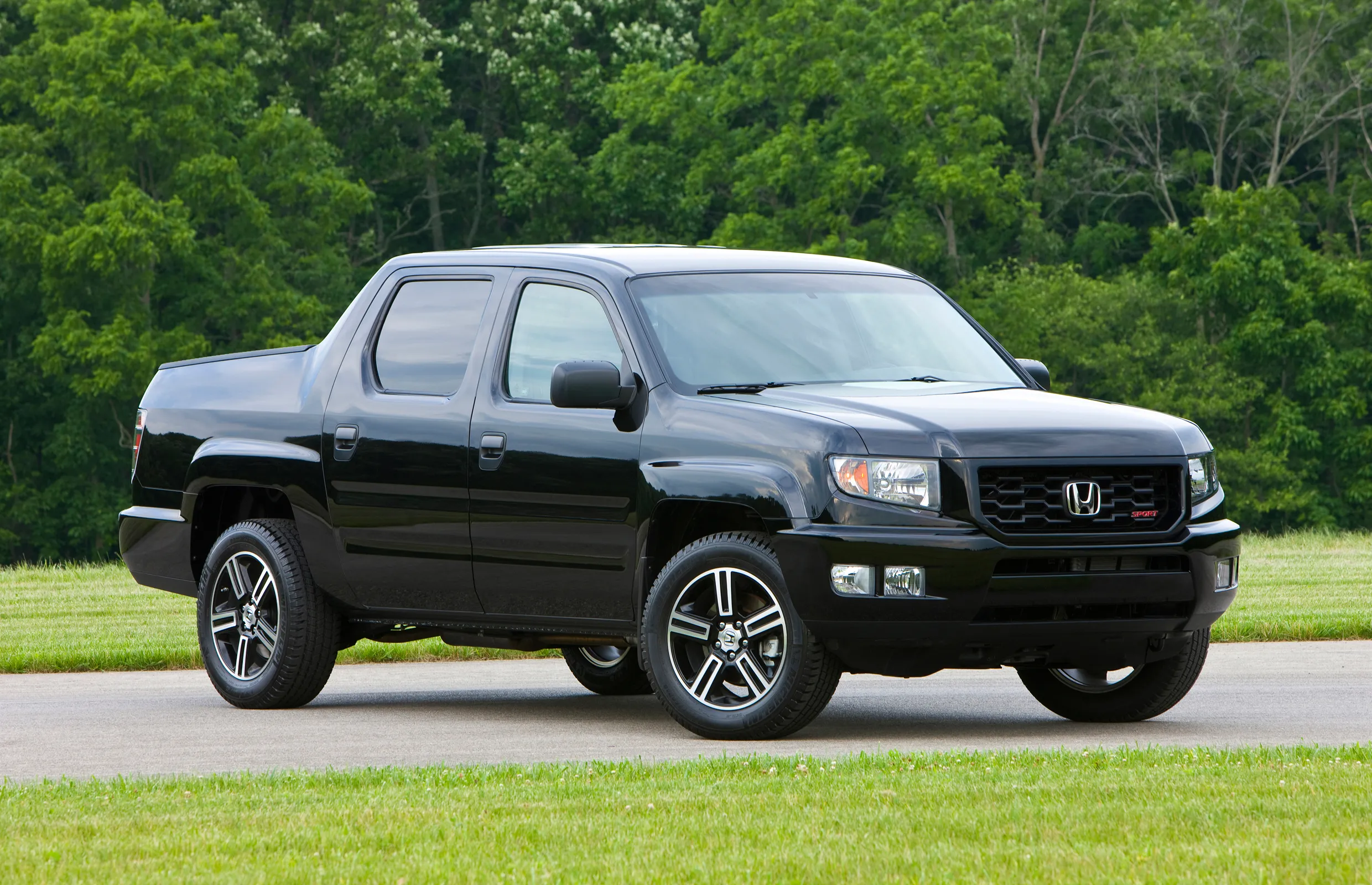
1. Honda Ridgeline
The Honda Ridgeline adopts a modern approach to its instrument cluster, featuring a digital fuel gauge that relies on segmented bars. While this design may look sleek, it can be difficult to interpret in practice.
One of the main issues with the Ridgeline fuel gauge is the lack of precise information. The segmented bars do not always provide a clear indication of how much fuel remains, making it challenging for drivers to estimate their range accurately. This can lead to uncertainty, especially during long trips.
Another drawback is the way the bars decrease. Instead of a smooth and predictable transition, the segments can drop suddenly, creating the impression that fuel is being consumed more quickly than it actually is. This inconsistency can be frustrating for drivers who rely on accurate readings.
The digital design also requires more attention to interpret compared to a traditional analog gauge. Drivers may need to focus more on the display to understand the fuel level, which can be distracting. This is particularly problematic in situations where quick glances are essential.
The Honda Ridgeline fuel gauge illustrates the challenges of prioritizing style over usability. While the digital bars may look modern, they often fall short in terms of clarity and reliability.
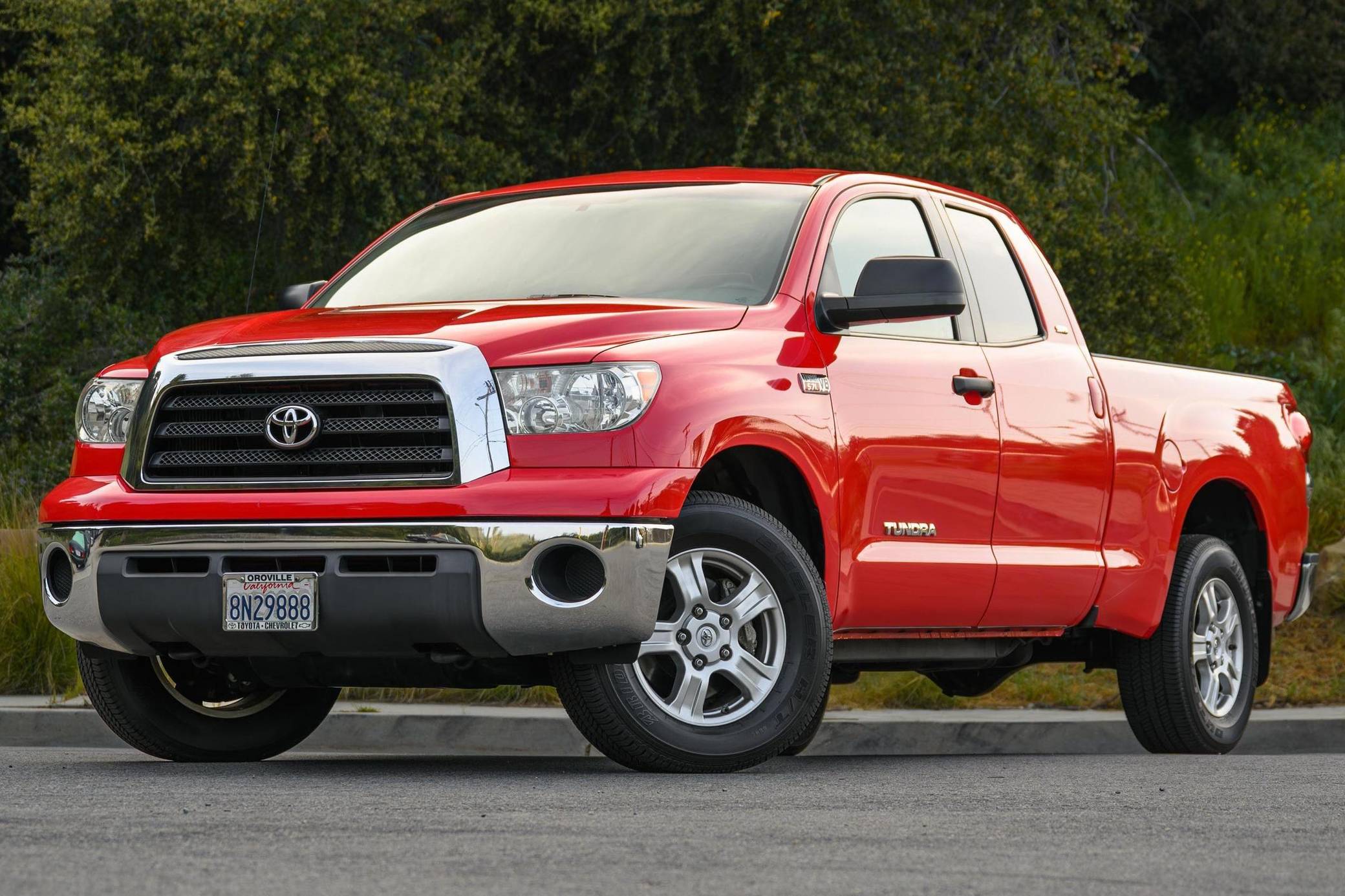
2. Toyota Tundra
The Toyota Tundra has embraced digital displays in recent models, including a fuel gauge that uses bar-style indicators. While this approach aligns with modern trends, it can be confusing for some drivers.
One issue with the Tundra fuel gauge is the lack of clear increments. The bars do not always correspond to specific fuel levels, making it difficult to determine how much fuel remains. This ambiguity can lead to uncertainty when planning refueling stops.
The visual design of the bars can also be misleading. Depending on the lighting and angle, the segments may appear more or less filled than they actually are. This can create inconsistencies in how the fuel level is perceived.
Another challenge is the integration of the fuel gauge with other digital elements in the instrument cluster. The abundance of information can make it harder for drivers to quickly locate and interpret the fuel level. This contrasts with the simplicity of traditional gauges.
The Toyota Tundra demonstrates how digital innovation can sometimes compromise usability. Its fuel gauge may look advanced, but it does not always provide the clarity that drivers need.
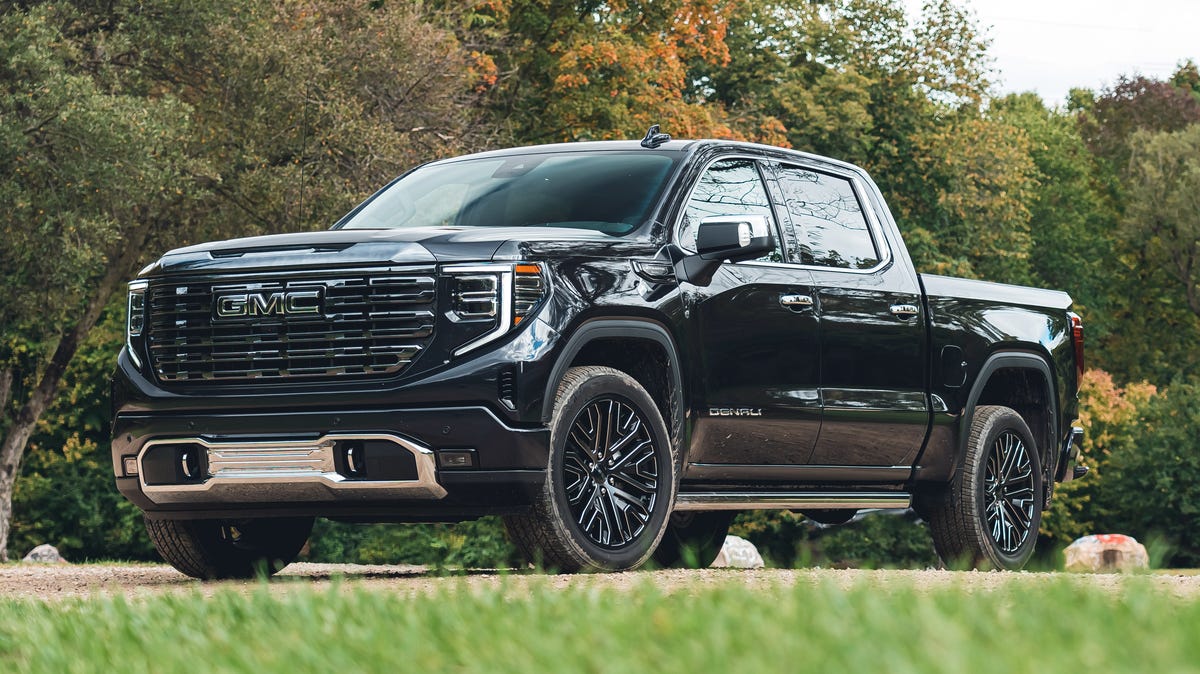
3. GMC Sierra 1500
The GMC Sierra 1500 features a digital fuel gauge in certain trims, using a bar-based system that can be difficult to read. While the design is visually appealing, it does not always deliver the best user experience.
One of the main problems with the Sierra fuel gauge is its lack of precision. The bars do not provide a detailed representation of fuel levels, making it harder for drivers to estimate how much fuel remains. This can be particularly frustrating during long drives.
The behavior of the bars can also be inconsistent. Drivers may notice that the segments do not decrease in a linear fashion, leading to confusion about actual fuel consumption. This unpredictability reduces confidence in the gauge.
The digital interface can also be overwhelming, especially when combined with other information on the screen. Drivers may need to spend more time interpreting the display, which can be distracting and inconvenient.
The GMC Sierra 1500 fuel gauge highlights the potential downsides of digital bar systems. While visually modern, it can be less intuitive and reliable than traditional designs.
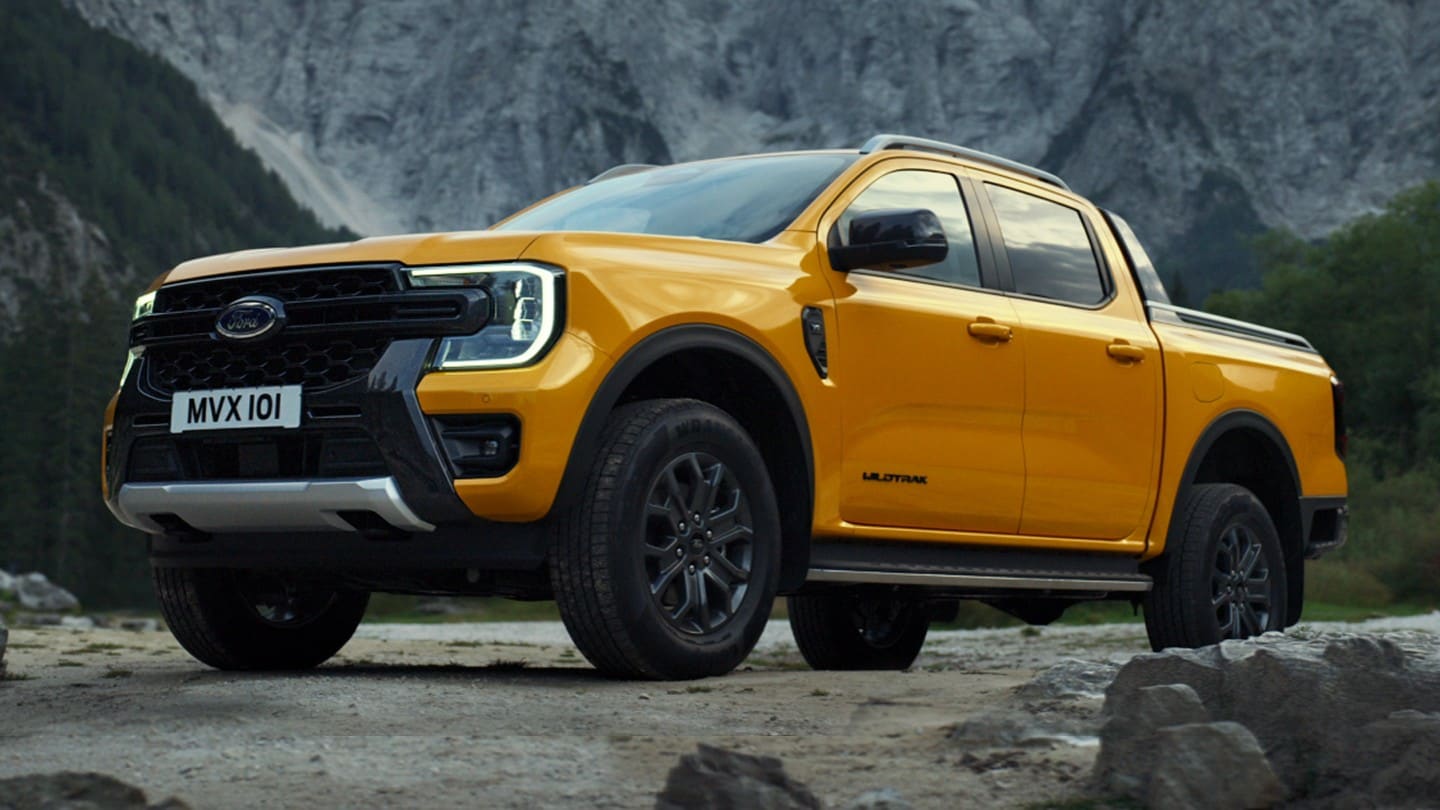
4. Ford Ranger
The Ford Ranger incorporates a digital fuel gauge in some versions, using a segmented bar system that can be challenging to interpret. Despite its modern appearance, this design has several drawbacks.
One issue is the limited granularity of the bars. Each segment represents a relatively large portion of the fuel tank, making it difficult to gauge smaller changes in fuel level. This lack of detail can lead to uncertainty.
The way the bars disappear can also be confusing. Instead of a smooth progression, the segments may drop off suddenly, giving the impression of rapid fuel consumption. This can make it harder for drivers to trust the gauge.
Another drawback is the need for closer attention. Unlike an analog needle, which can be understood at a glance, the digital bars require more focus to interpret. This can be distracting, especially in busy driving conditions.
The Ford Ranger fuel gauge demonstrates that modern design does not always equate to better usability. The segmented bars can make it harder for drivers to understand their fuel levels quickly and accurately.
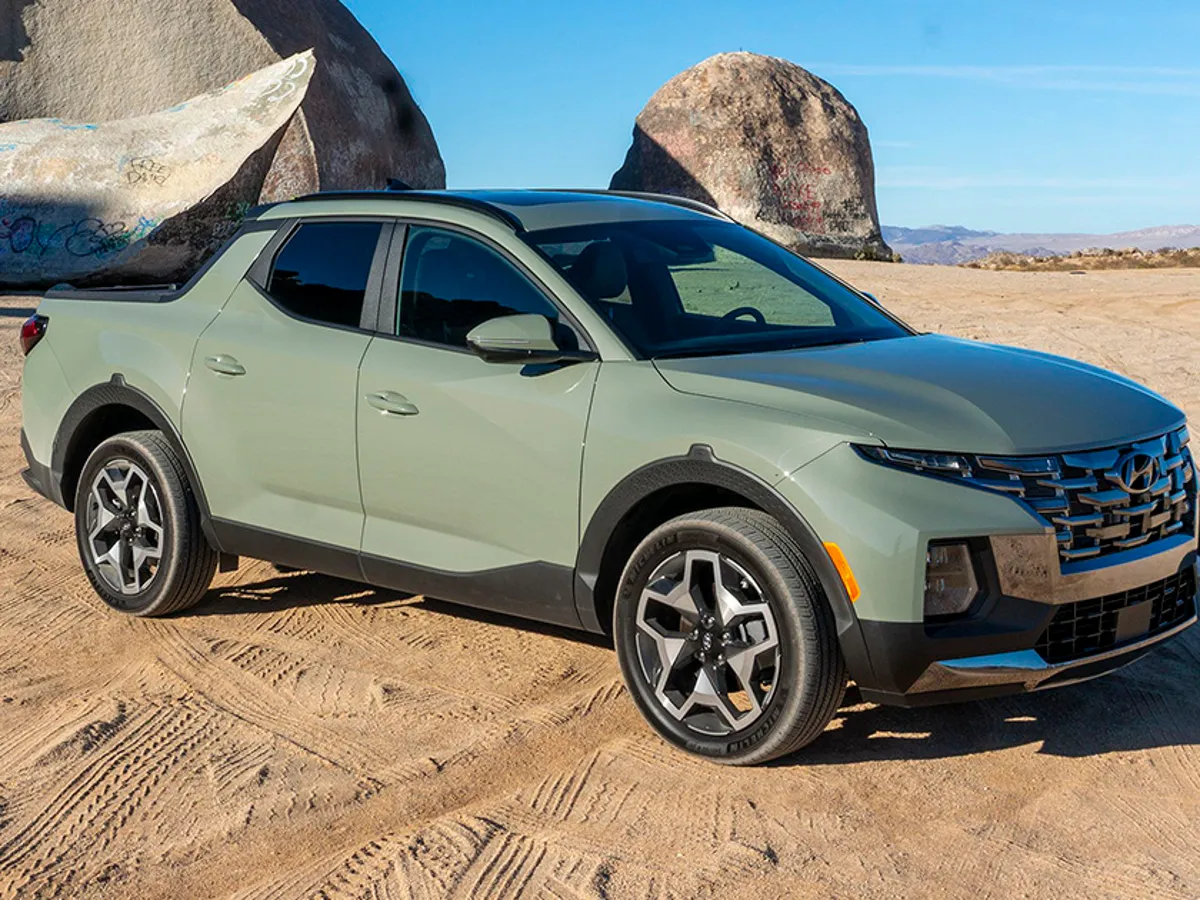
5. Hyundai Santa Cruz
The Hyundai Santa Cruz features a fully digital instrument cluster, including a bar-style fuel gauge that can be difficult to read. While the design is sleek and contemporary, it may not be the most practical choice for all drivers.
One of the main challenges with the Santa Cruz fuel gauge is its abstract representation. The bars do not always provide a clear sense of how much fuel remains, making it harder to estimate range. This can lead to uncertainty during longer trips.
The digital display can also be affected by lighting conditions, which may impact visibility. In bright sunlight or at certain angles, the bars may be harder to distinguish, reducing readability.
Another issue is the lack of tactile familiarity. Drivers who are accustomed to analog gauges may find it harder to adapt to the digital system. This can result in a less intuitive experience.
The Hyundai Santa Cruz fuel gauge highlights the trade-offs of fully digital designs. While visually appealing, it can be less clear and harder to interpret than traditional alternatives.
