
Winter driving is not just about traction, visibility, and engine performance. One of the most overlooked yet surprisingly frustrating aspects of cold-weather driving is something as simple as unlocking your car. When temperatures drop, your hands lose dexterity, gloves become bulky, and small design flaws suddenly feel magnified.
What feels effortless in mild weather can become a real challenge when your fingers are stiff, numb, or covered in thick winter gloves. Car manufacturers rarely advertise how their door handles perform in freezing conditions, yet this small detail can make a big difference in everyday usability.
Modern vehicles come with a wide range of door locking mechanisms, from traditional key fobs and physical locks to advanced keyless entry systems that rely on touch sensors or proximity detection. While these technologies are designed for convenience, not all of them perform equally well in cold climates.
Some systems are highly responsive and easy to use even with reduced finger mobility, while others require precise touch, pressure, or direct skin contact that can be frustrating when your hands are cold or gloved. This becomes especially important for people living in regions with harsh winters, where even a few seconds of fumbling at the door can feel like an eternity.
The ergonomics of door handles also play a critical role. Larger handles with clear tactile feedback are generally easier to operate with cold hands, while flush or touch-sensitive designs can be less forgiving. Additionally, the responsiveness of sensors, the size of buttons, and the placement of locking mechanisms all influence how user-friendly a car is in winter conditions. These factors are rarely highlighted in reviews, yet they directly impact daily comfort and convenience.
This article explores ten vehicles divided into two categories. The first group includes five cars that are particularly easy to unlock with cold hands thanks to thoughtful design, responsive systems, and user-friendly ergonomics.
The second group highlights five cars that may require you to remove your gloves or use more precise finger movements, making them less ideal in freezing weather. By understanding these differences, you can make a more informed decision if winter usability is a priority for you.
Whether you are commuting early in the morning, dealing with icy winds in a parking lot, or simply trying to get inside your car quickly, the design of your door lock system matters more than you might think. Let’s take a closer look at which vehicles make life easier in the cold and which ones might test your patience.
Also Read: 10 Cars With Insurance Premiums Lower Than a Compact Sedan
Cars With Door Locks You Can Open With Cold Hands
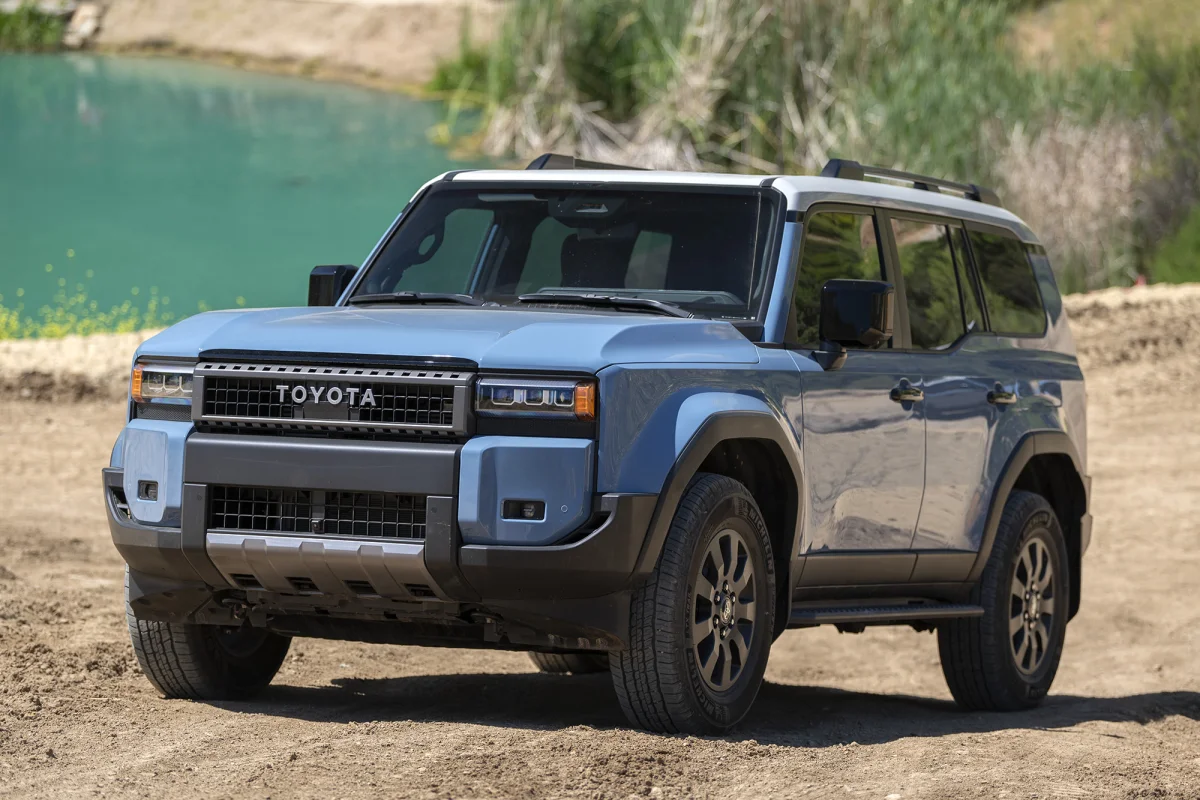
1. Toyota Land Cruiser
The Toyota Land Cruiser is widely regarded as one of the most dependable vehicles in extreme environments, and that reputation extends to something as simple as door accessibility in freezing conditions. The door handles are large, mechanically confident, and designed for users who may be wearing thick gloves or dealing with reduced finger sensitivity.
Unlike modern flush or touch-sensitive systems, the Land Cruiser sticks to a traditional pull-based mechanism that prioritizes function over style. This means there is very little guesswork involved. Even if your hands are numb or partially covered, you can still get a firm grip and open the door without needing fine motor control.
Another important advantage is how the system behaves in cold weather. Many vehicles suffer from stiffening components or frozen seals, but the Land Cruiser’s hardware is engineered with durability in mind. The mechanism inside the handle is robust enough to remain responsive even after overnight frost.
This reduces the common frustration of having to tug multiple times or adjust your grip just to get the latch to release. The tactile feedback is also very clear, so you immediately know when the lock has disengaged, which is especially useful when your senses are dulled by cold air.
The keyless entry system further improves usability. It is designed with a wide detection range, meaning you do not need to position your hand in a precise spot. A simple pull on the handle while carrying the key fob is usually enough to unlock the vehicle.
This becomes extremely helpful when you are outside in the wind or snow and do not want to spend extra time standing still trying to align your fingers correctly. The system reduces unnecessary steps and makes the entire process smoother.
From an ergonomic standpoint, the handle shape is intentionally oversized compared to many modern vehicles. This design choice is not just for rugged looks but for real-world usability. Larger handles are easier to locate by touch alone, which matters when visibility is low or when your gloves reduce tactile sensitivity. The surface texture also provides enough friction to prevent slipping, even when the handle is wet or icy.
Finally, the Land Cruiser includes a level of redundancy that is often missing in newer vehicles. If the electronic system is slow or unresponsive due to extreme cold, the mechanical key access remains simple and reliable. This dual approach ensures that you are not dependent on a single system working perfectly in harsh weather.
It is this combination of durability, simplicity, and thoughtful design that makes the Land Cruiser one of the easiest vehicles to operate with cold hands.
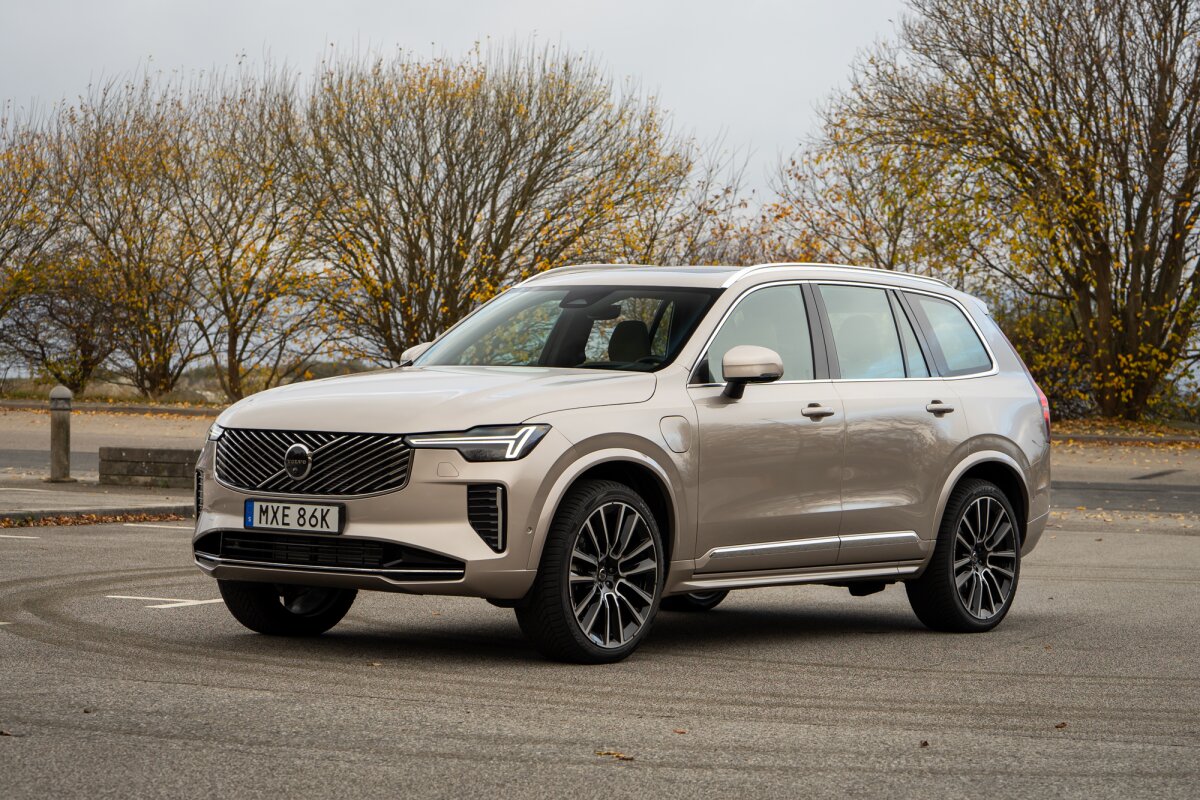
2. Volvo XC90
The Volvo XC90 is designed with Scandinavian engineering principles, which naturally include consideration for cold climates and harsh winters. This is immediately noticeable in the way the door handles are shaped and positioned. They are solid, slightly raised, and designed to be easily located even when your hands are numb or covered in thick gloves.
Unlike minimalistic designs that rely on touch sensitivity, Volvo has prioritized physical usability, ensuring that the act of opening the door remains intuitive regardless of temperature.
One of the strongest advantages of the XC90 is its highly reliable keyless entry system. The sensors are tuned to respond to a broader contact area, meaning you do not have to precisely place your finger on a small target zone.
This is particularly helpful when your fine motor skills are reduced due to cold exposure. Instead of requiring careful alignment, the system recognizes a general touch or grip, making the unlocking process faster and more forgiving in real-world conditions.
Another factor that improves winter usability is the consistency of operation. Many modern vehicles can behave unpredictably in cold weather, with delayed responses or occasional sensor lag. The XC90 avoids much of this frustration by maintaining stable performance even in low temperatures.
Once you learn the basic motion of unlocking the car, it remains the same every time, which reduces mental effort when you are already dealing with uncomfortable weather.
Material choice also plays an important role. The handle surfaces are designed to maintain grip even when exposed to frost, moisture, or road salt. This prevents slipping, which is a common issue when hands are cold and slightly numb. The tactile feel is deliberate, offering enough resistance to give you confidence when pulling the handle without requiring excessive force.
Finally, Volvo’s emphasis on safety and practicality extends into small details like handle responsiveness and ergonomics. The XC90 does not rely on overly complex interactions to unlock the door. Instead, it focuses on predictable, repeatable actions that work equally well in summer heat or winter cold. This makes it one of the most dependable luxury SUVs for cold-weather usability.

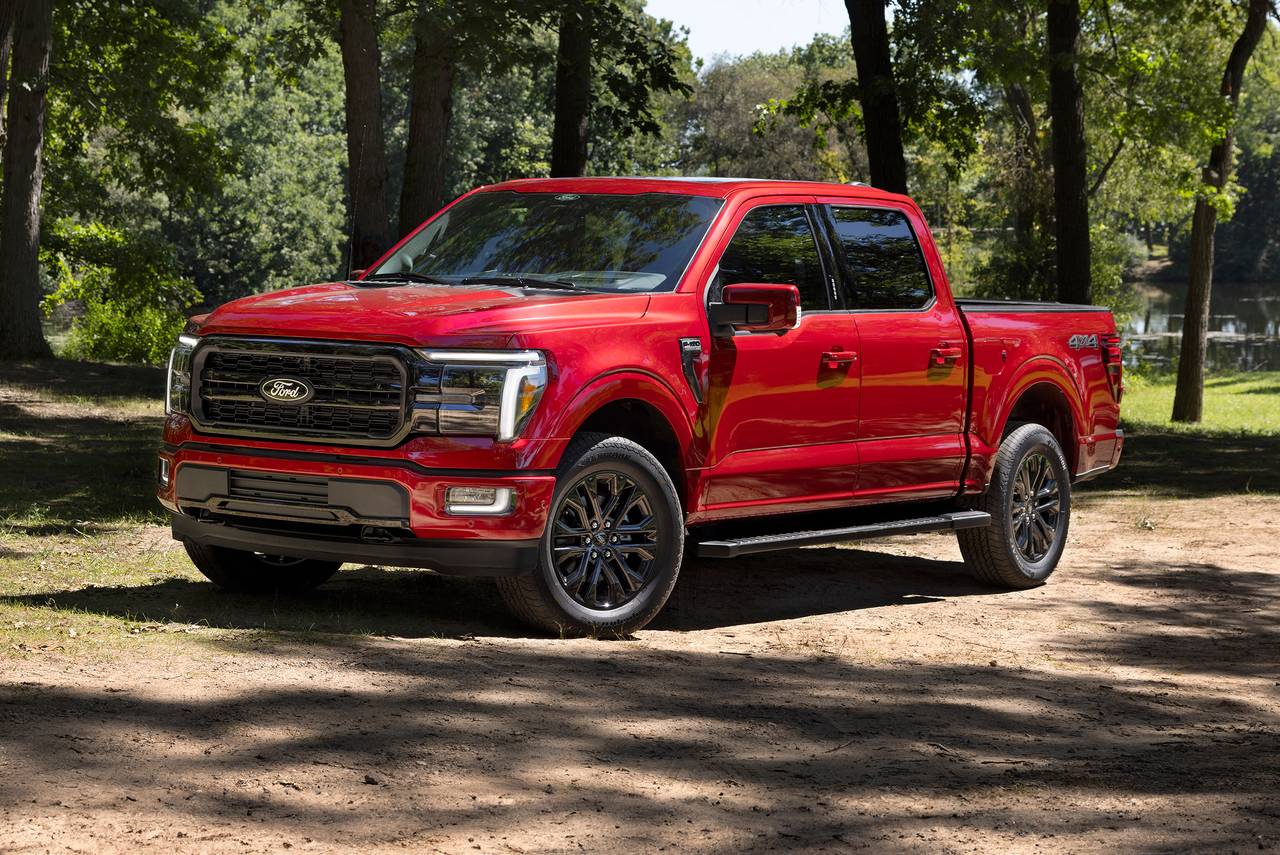
3. Ford F-150
The Ford F-150 is built with a strong focus on utility and real-world durability, which is why its door lock system performs exceptionally well in cold conditions. The door handles are large, deeply set, and designed for users who may be wearing heavy work gloves or dealing with reduced dexterity.
Unlike more delicate systems that require precise touch inputs, the F 150 prioritizes strength and simplicity. This makes it much easier to operate when your hands are stiff or when you do not want to remove your gloves in freezing temperatures.
One of the most practical features available in many F 150 configurations is the exterior keypad entry system. This allows you to unlock the vehicle without even relying on hand precision at all. The buttons are physically large and spaced apart, so even with gloves on, you can press the correct sequence without difficulty.
This is especially useful in winter environments where removing gloves just to use a door handle or touchscreen can be uncomfortable or impractical.
The keyless entry system is also designed to be highly responsive without requiring delicate finger placement. A simple pull on the handle while carrying the key fob is usually enough to unlock the truck. This reduces the number of steps required and eliminates the frustration of repeated attempts. The system is optimized for users who prioritize efficiency, which becomes even more important in harsh weather conditions.
Durability is another major advantage. The F 150’s door mechanisms are engineered to withstand heavy use, dirt, moisture, and freezing temperatures. This means the internal components are less likely to stiffen or become unresponsive when exposed to ice or snow.
Many vehicles experience reduced performance in winter due to tight tolerances or delicate electronics, but the F 150 is designed to avoid these issues as much as possible.
Finally, the physical design of the handle itself contributes significantly to winter usability. It is shaped for maximum grip and minimal effort, allowing you to pull even when your hands are partially numb. The texture provides enough friction to prevent slipping, and the size ensures you can locate and operate it quickly without needing visual confirmation. This makes the F 150 one of the most practical vehicles for cold-weather accessibility.
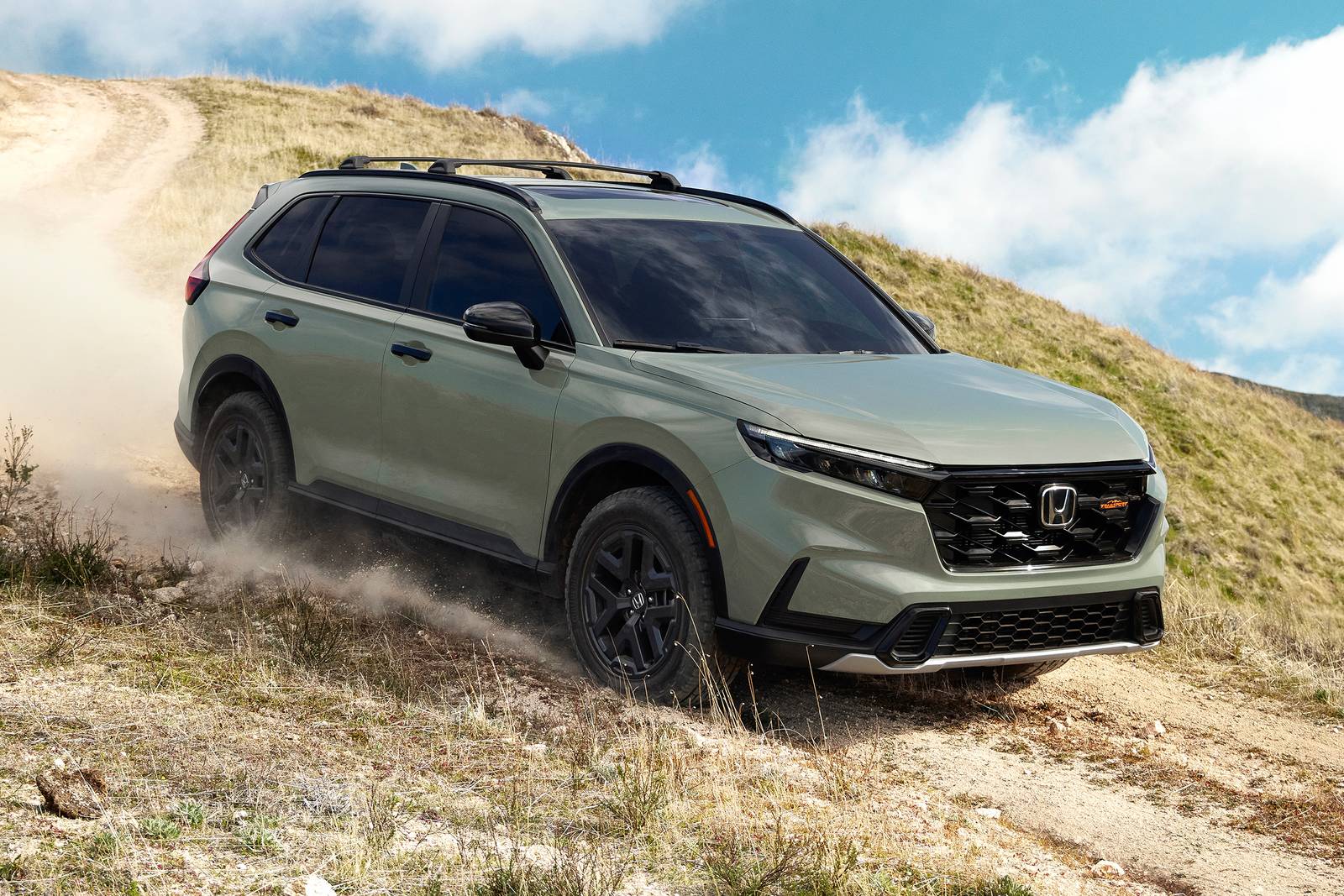
4. Honda CR-V
The Honda CR-V is known for its balance of comfort, reliability, and everyday usability, and this extends to how easily its doors can be operated in cold weather. The door handles are shaped in a way that supports a natural grip, even when your fingers are stiff or when you are wearing gloves.
This reduces the need for precise hand movements, which is often a challenge in freezing temperatures. The handle design prioritizes smooth, predictable operation rather than complicated mechanisms.
Its smart entry system is particularly effective in winter conditions. Instead of requiring exact finger placement or delicate touch inputs, the system responds to a broad interaction area. This means you can unlock the car even if your hand is partially covered or not positioned perfectly. The responsiveness is consistent, which reduces frustration when you are trying to get into the vehicle quickly.
Another important advantage is how the handle surface behaves in cold and wet conditions. It is designed to maintain grip even when exposed to moisture, frost, or road grime. This is a subtle but important detail, as slippery handles are a common problem in winter climates. The CR-V avoids this issue by using materials and textures that support secure handling even when your hands are not at their best.
The reliability of the system also contributes to its winter friendliness. Many vehicles experience occasional delays or inconsistent unlocking behavior in low temperatures, but the CR-V is engineered for stable performance. Once you understand how the system responds, it remains predictable in all conditions. This reduces the mental effort needed when you are already dealing with cold stress.
The CR-V is designed for practical everyday use, and that philosophy makes it especially convenient in winter. It does not rely on overly complex interactions, and instead focuses on making sure the simple act of opening the door remains easy regardless of weather conditions.
5. Subaru Outback
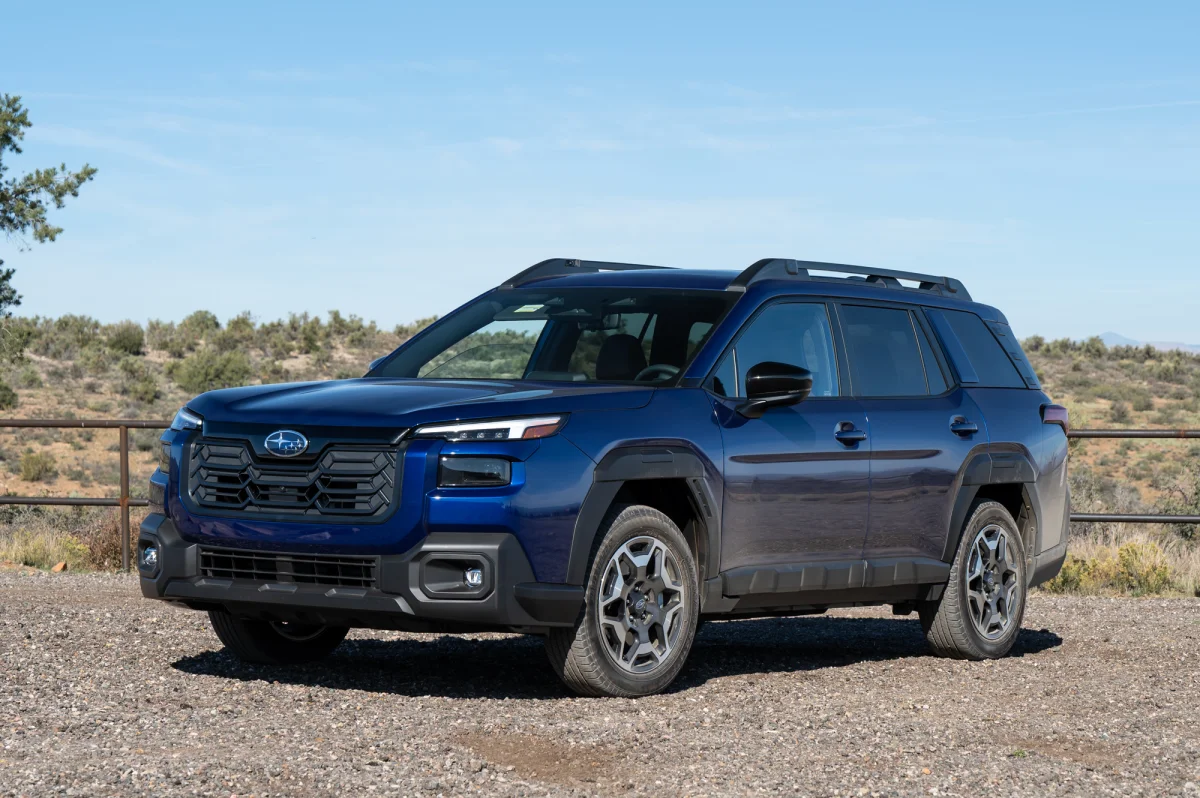
The Subaru Outback is built with all-weather performance in mind, and its door access system reflects that practical philosophy. The handles are designed to be easy to locate and operate, even when visibility is poor or when your hands are cold and less sensitive. Unlike more futuristic designs, the Outback uses a straightforward mechanical approach that prioritizes reliability and ease of use over aesthetics.
One of its strongest advantages is the responsiveness of its keyless entry system. It is tuned to recognize a general touch or pull, meaning you do not need precise finger alignment to unlock the vehicle. This is particularly useful in freezing conditions where dexterity is reduced and gloves can make fine movements difficult. The system reduces unnecessary complexity and focuses on quick, predictable action.
The handle shape itself also plays a major role in usability. It is slightly raised and textured, making it easy to grip even when your hands are stiff or slightly numb. This is important in winter environments where smooth or flush handles can become difficult to operate. The Outback avoids this issue by maintaining a more traditional and functional design.
Cold weather reliability is another area where the Outback performs well. The locking mechanism is less prone to freezing or becoming stiff compared to more delicate systems. This ensures that even after overnight frost or snowfall, the door can still be opened without excessive force or repeated attempts.
In practical terms, the Outback is designed for people who regularly deal with challenging weather conditions. Its door system is not just about convenience but about ensuring dependable access in all environments. This makes it one of the most user-friendly vehicles for cold-weather operation.
Also Read: 10 Cars That Survive Being Used as Daily Uber Vehicles
Cars That Need Gloves Off
1. Tesla Model 3
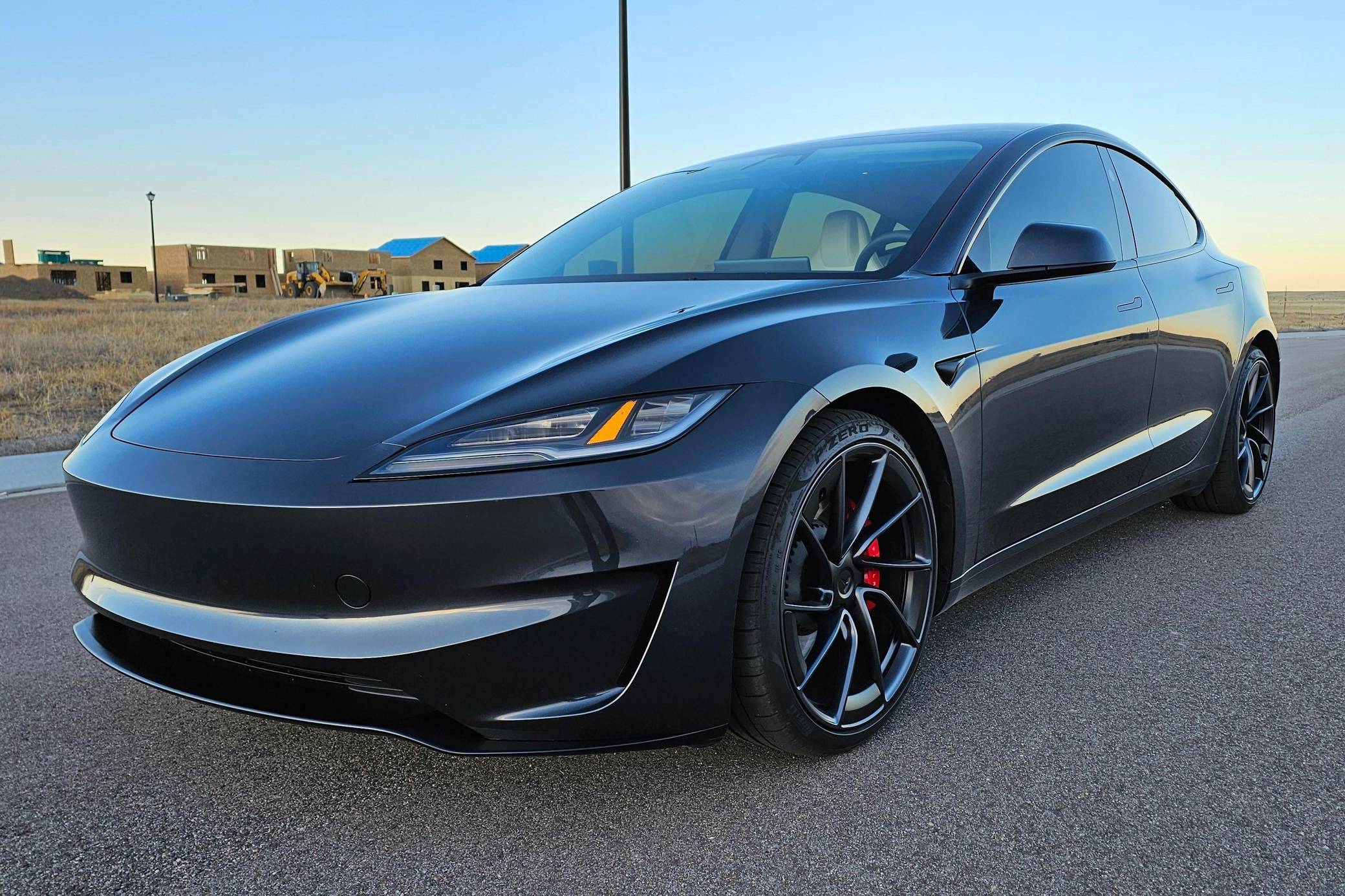
The Tesla Model 3 is built around a minimalist design philosophy, and that extends to its door handles, which are flush with the body of the car. While this looks sleek and futuristic, it introduces practical challenges in cold weather. The handle does not offer a traditional grip point that you can instinctively pull on.
Instead, it requires a specific press in a designated area, followed by a coordinated pull action. In normal conditions, this feels smooth and modern, but in freezing temperatures, it becomes noticeably more difficult because your fingers lose sensitivity, and fine motor control becomes unreliable.
Another issue in winter conditions is how dependent the system is on precise interaction. The touch and press mechanism is sensitive to exact placement, meaning gloved hands often reduce effectiveness. Thick winter gloves can prevent proper activation, forcing many users to remove them just to access the car. This defeats one of the main purposes of gloves in the first place, especially when you are outside in wind, snow, or sub-zero temperatures.
Ice buildup can also make the situation worse. Since the handle sits flush with the door surface, it can become harder to distinguish by touch alone when snow or frost accumulates. This means you may spend extra seconds locating the correct press point before even attempting to open the door. In colder climates where speed and efficiency matter, this small delay becomes more noticeable.
The electronic nature of the system adds another layer of dependency. If the mechanism is slightly delayed due to low temperature or reduced battery efficiency, the handle may not respond immediately. This can lead to repeated attempts, increasing frustration when you are trying to get inside quickly. While the system is generally reliable, it is less forgiving compared to mechanical designs that rely on physical leverage.
The Model 3 prioritizes design innovation and aesthetics, but in cold weather, usability demands more precision than many traditional systems. This makes it less convenient for users who frequently deal with frozen hands or heavy winter gloves.

2. BMW 3 Series
The BMW 3 Series is known for its refined driving experience and premium interior feel, but its door handle system leans heavily toward precision engineering rather than winter practicality. The handles are shaped to blend seamlessly with the vehicle’s design, which results in a smooth and slightly contoured surface.
While this looks elegant, it provides less tactile guidance when your hands are cold or stiff, making it harder to instinctively know where and how to apply pressure. The unlocking mechanism relies on touch-sensitive inputs that require a fairly accurate contact point. In warm conditions, this is not an issue, but in winter, when your fingers are less responsive and often covered by gloves, the system becomes more demanding.
Even slight misalignment can result in no response, forcing you to reposition your hand and try again. This can feel repetitive when you are in a hurry or dealing with uncomfortable weather. Another limitation is the moderate size of the handle area. Unlike larger utility-focused vehicles, the 3 Series does not offer an oversized grip.
This reduces the surface area available for interaction, which becomes noticeable when dexterity is reduced. Instead of a broad, forgiving design, you are working with a more precise interface that assumes full finger control. Cold weather also impacts the physical feel of the handle.
The smooth finish, while premium in appearance, can become slightly slippery when exposed to moisture, frost, or condensation. This reduces grip confidence, especially if you are wearing thin gloves or trying to operate it quickly. Combined with the sensitivity of the sensor system, this can make entry feel less intuitive in harsh conditions.
In general, the BMW 3 Series prioritizes refinement and a luxury feel over rugged usability. While it performs well in controlled environments, it requires more careful interaction in winter, making glove removal more likely when temperatures drop significantly.

3. Mercedes-Benz C-Class
The Mercedes-Benz C-Class focuses strongly on elegance and modern design, and its door handle system reflects that philosophy. The handles are integrated into the body with smooth lines and subtle sensor points, giving the car a clean and premium appearance. However, this design choice comes with a tradeoff in cold-weather usability, where simplicity of access becomes more important than visual refinement.
The unlocking system depends on precise touch zones that are not always easy to locate when your hands are covered or when visibility is reduced by snow or darkness. In winter conditions, this means you may need to pause for a moment to find the correct interaction point before the door responds. This is less of an issue in comfortable environments, but it becomes noticeable when you are standing outside in freezing wind.
The sensitivity of the system can also vary depending on temperature. In some cases, colder conditions can slightly reduce responsiveness, requiring more deliberate or repeated attempts. This is not a system failure but rather a limitation of how touch-based electronics interact with extreme temperatures. When combined with gloves, the likelihood of needing multiple tries increases.
The handle design itself is smooth and flush, which reduces the physical feedback you get when trying to grip or pull. This can make it harder to apply consistent force, especially when your hands are stiff or when gloves reduce friction. Unlike more rugged handles that guide your grip naturally, the C Class relies more on precision than physical guidance.
The C Class is designed to deliver a premium experience focused on comfort, technology, and style. While it excels in many areas, its door access system is less forgiving in cold weather, often making glove removal or careful finger positioning necessary for reliable operation.
4. Audi A4
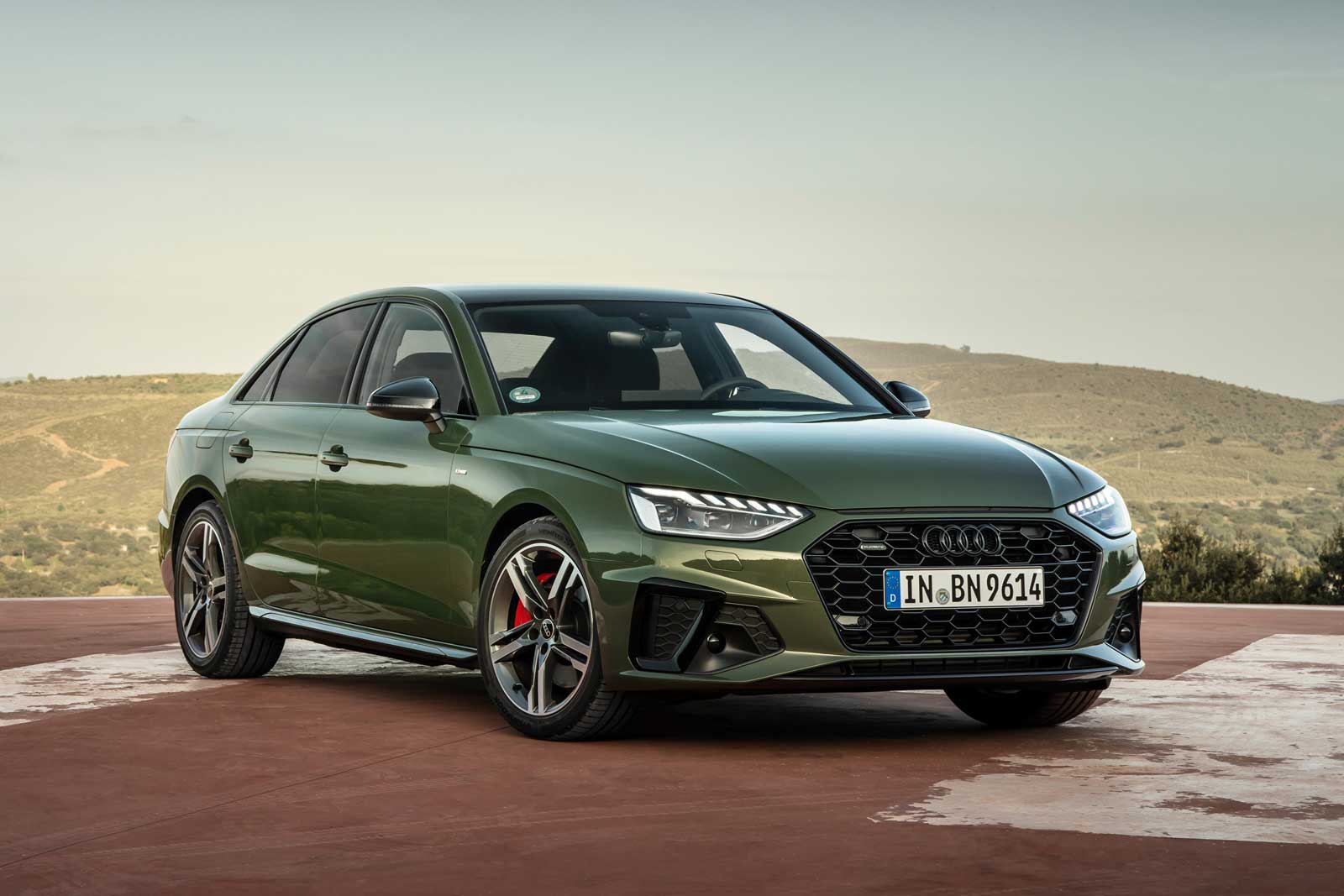
The Audi A4 combines modern styling with advanced technology, and its door handle system reflects a strong emphasis on design integration. The handles are sleek and flush with the body, contributing to the car’s aerodynamic and minimalist appearance. While visually appealing, this design makes it less practical when dealing with cold hands or winter gloves, where tactile clarity becomes essential
The unlocking system relies heavily on precise touch input. This means that you need to interact with a specific sensor area for the door to respond. In warm conditions, this feels seamless, but in freezing weather, when your fingers are less responsive and often covered, accuracy becomes more difficult.
Even slight misplacement can result in no action, requiring you to try again. Another challenge is the lack of strong physical feedback. The handle does not provide a pronounced grip or lever point, so you are relying more on electronic response than mechanical assistance. When your hands are cold, this lack of tactile guidance can make the process feel less intuitive and more trial-based.
Cold weather can also affect sensor responsiveness. While the system is generally reliable, extreme temperatures combined with moisture or ice can reduce the immediacy of the response. This can lead to short delays or repeated attempts before the car unlocks, which becomes frustrating when you are outside in uncomfortable conditions.
In practical terms, the Audi A4 prioritizes design sophistication and technological integration over rugged usability. While it performs well in controlled environments, it is less forgiving when conditions are harsh, often requiring gloves off for smoother and more reliable access.
5. Hyundai Ioniq 5
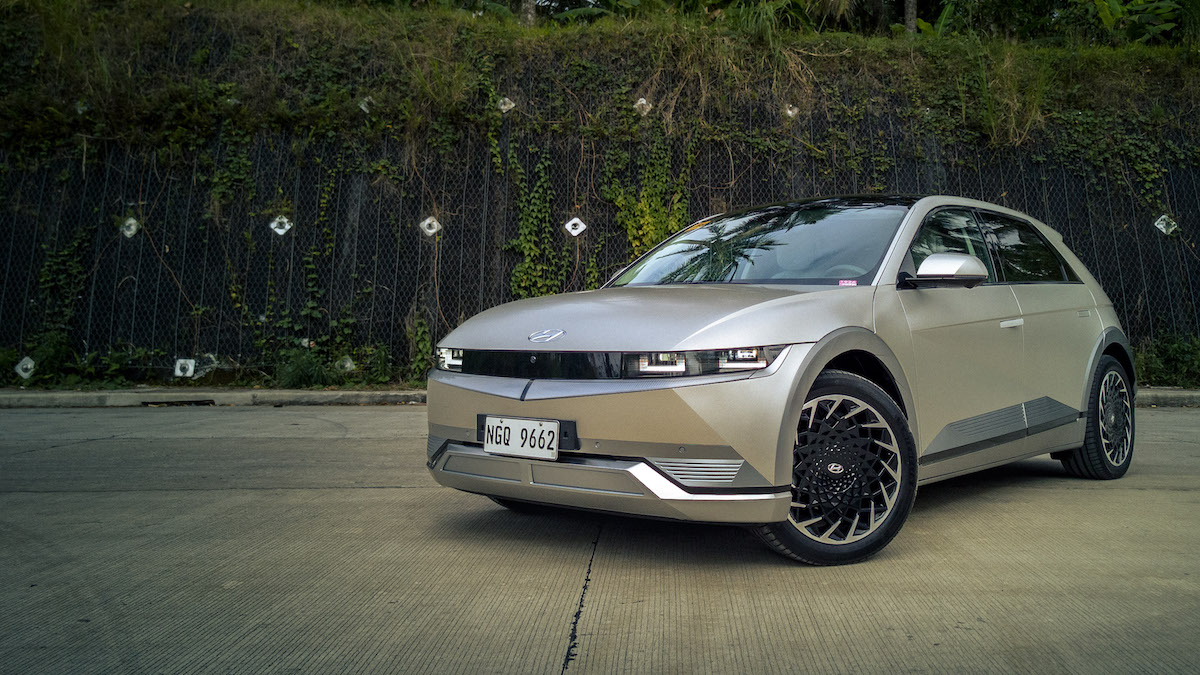
The Hyundai Ioniq 5 is one of the most futuristic-looking electric vehicles on the market, and its design includes flush door handles that align with its modern aesthetic. These handles sit flat against the body and extend outward when activated. While this design looks innovative, it introduces practical challenges in cold weather conditions where simplicity and tactile clarity are more important than visual appeal.
The main issue is the dependency on electronic actuation. To open the door, you often need to trigger a sensor that releases the handle before you can pull it. In cold weather, especially with gloves on, this can require more precise interaction than traditional handles. If your gloves are thick or your fingers are numb, the system may not register your input correctly on the first attempt.
Ice and frost can also interfere with the flush mechanism. Since the handle is recessed into the body, it is more likely to accumulate snow or ice around its edges. This can make it harder to locate by touch and may even slow down the extension mechanism.
In harsh winter conditions, this adds an extra step before you can even begin opening the door. Another limitation is that the system is less intuitive compared to mechanical designs. Instead of simply grabbing and pulling, you need to engage a sequence of electronic actions that depend on proper sensor detection.
When conditions are ideal, this feels smooth and futuristic, but when your hands are cold and less responsive, it becomes less convenient. Ioniq 5 prioritizes innovation and design efficiency, but its door system is not optimized for glove-friendly or extreme cold usage. This makes it one of the vehicles where removing gloves is often the easiest way to ensure reliable access.
