
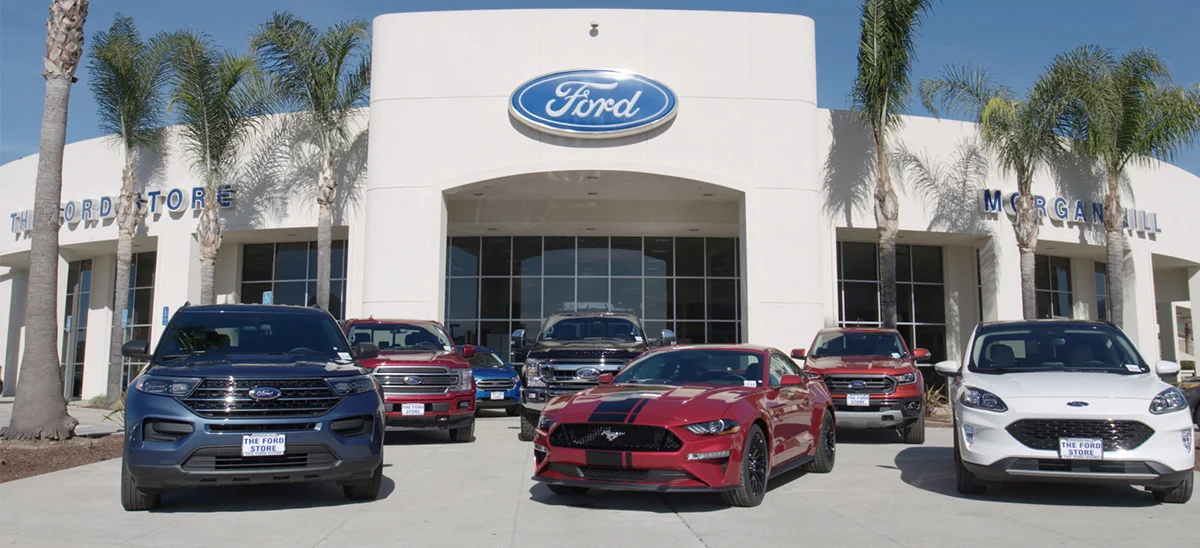
When it comes to buying a car from a Ford Motor Company dealership, what happens on the showroom floor is only half the story. Behind the polished pitches and glossy brochures, there’s a quieter layer of advice that rarely gets advertised but often shapes the decisions salespeople make for themselves and their families.
Sales staff spend every day around vehicles, service departments, warranty claims, and customer feedback. That proximity gives them a unique perspective on which models hold up over time, which features are genuinely useful, and which choices tend to cause regret months or years later. While customers often rely on marketing or online reviews, dealership insiders rely on lived experience, repeat buyers, and the patterns they see in trade-ins and repairs.
This insider knowledge is especially valuable because Ford’s lineup is broad and constantly evolving, from trucks like the Ford F-150 to SUVs such as the Ford Explorer and performance icons like the Ford Mustang. Not every model or trim performs equally well in the real world.
Data shows that reliability varies significantly across models, with some outperforming averages and others falling behind, reinforcing the idea that smart selection matters more than brand loyalty alone. Salespeople, who often see vehicles years after purchase when they come back for trade-in or repairs, tend to develop strong opinions about which models are worth recommending and which ones to avoid quietly.
Another layer to consider is the gap between perception and reality. Ford is generally rated as a “good” brand in terms of reliability, but not top tier, meaning buyers need to be selective. Some models earn strong reputations for durability and long-term ownership satisfaction, while others have been linked to recalls or higher maintenance concerns in recent years.
Salespeople are often aware of these nuances long before they become widely discussed. That’s why their personal recommendations tend to focus on proven platforms, simple configurations, and vehicles that consistently deliver predictable ownership experiences.
In this article, we’ll explore what Ford dealership salespeople quietly recommend to their own families. These insights are not about hype or commission-driven choices. Instead, they reflect what insiders trust when their own money and reputation are on the line.
From the models they favor to the features they avoid, and the buying strategies they follow, this guide reveals the practical wisdom that rarely makes it into a sales pitch but can make a major difference in your ownership experience.
Also Read: 10 Cars With Insurance Premiums Lower Than a Compact Sedan
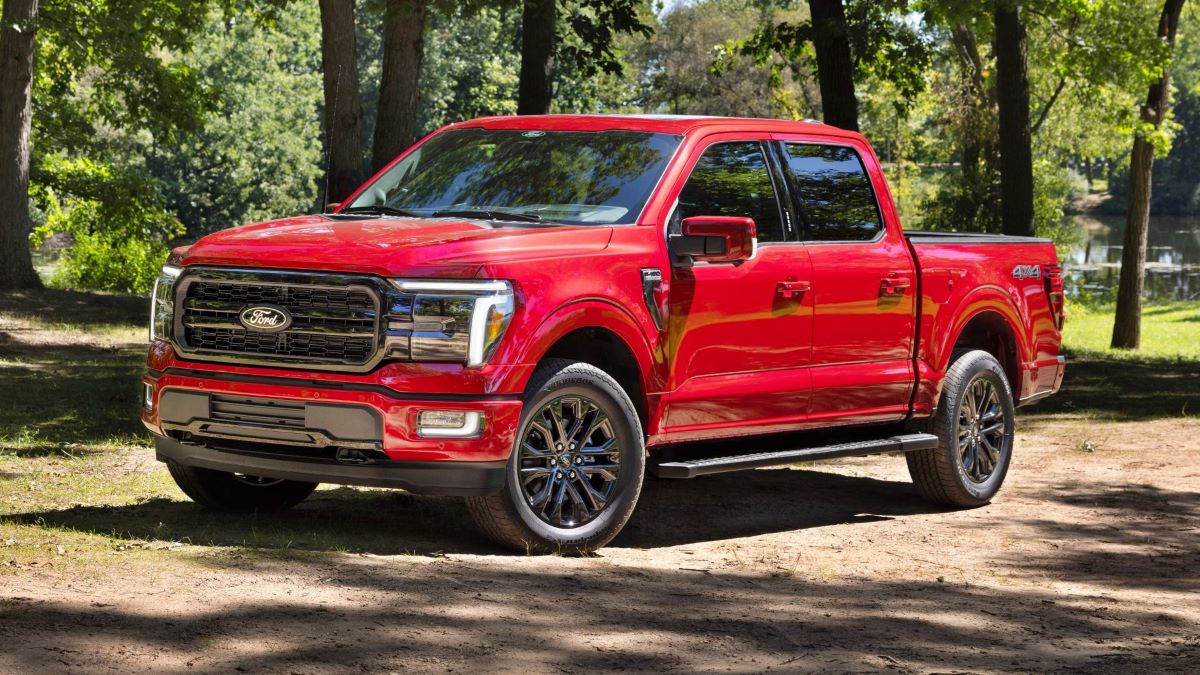
1. They Prioritize Proven Models Over New
One of the most consistent patterns among dealership insiders is a preference for proven vehicles rather than newly launched or heavily redesigned models. While new releases often come with exciting technology and updated styling, they also carry a higher risk of early production issues. Salespeople see this firsthand when new models return for unexpected repairs or software updates. That’s why many of them recommend waiting a year or two after a major redesign before buying.
Vehicles like the Ford F-150 are often favored because they evolve gradually rather than changing completely from one generation to the next. This approach allows Ford to refine existing systems instead of introducing entirely new ones that may not yet be fully tested in real-world conditions.
The result is a more predictable ownership experience, which is exactly what insiders look for when recommending a vehicle to family members.
Data backs up this cautious approach. Reliability studies show that some Ford models perform significantly better than others, with certain vehicles achieving pass rates well above average while others fall below.
This variation reinforces the importance of choosing a model with a proven track record rather than simply opting for the latest release. Salespeople tend to steer their families toward vehicles that have already demonstrated durability over several years of use.
Another reason for this preference is the visibility of long-term outcomes. Dealership staff regularly see older vehicles come back as trade-ins, giving them insight into how well different models age. They notice which vehicles still drive smoothly after high mileage and which ones develop recurring issues. This real-world feedback loop makes them more cautious about recommending anything that hasn’t yet proven itself over time.
This mindset reflects a practical philosophy; for salespeople, reliability is not about having the newest features but about avoiding surprises. A slightly older, well-tested model often provides more peace of mind than a brand new design, making it the safer choice for family members who want dependable transportation.
2. They Lean Toward Simpler Engines
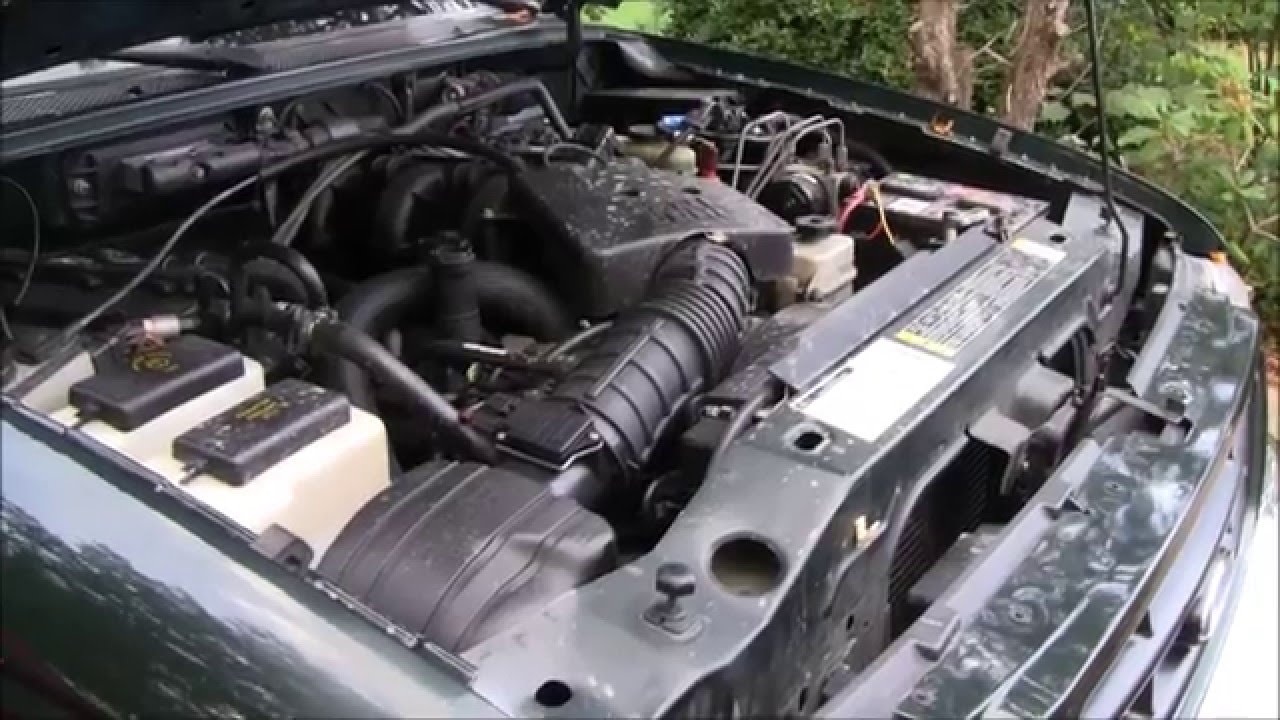
Another key insight from dealership insiders is their preference for simpler, less complex configurations. While modern vehicles offer a wide range of engine options, hybrid systems, and advanced features, not all of these options are equally reliable over the long term. Salespeople often recommend sticking with engines and setups that have been widely used and thoroughly tested.
For example, traditional engine options in models like the Ford Ranger or Ford Edge are often seen as safer bets compared to newer, more experimental technologies. Simpler systems tend to have fewer points of failure, making them easier and cheaper to maintain over time. This is particularly important for families who plan to keep their vehicles for many years.
Industry data supports this approach. While Ford vehicles are generally considered reliable, repair costs and issues can vary depending on the complexity of the vehicle. More advanced systems, especially those introduced in recent years, can sometimes lead to higher maintenance costs or unexpected problems. Salespeople, who regularly interact with service departments, are well aware of these patterns.
There is also a practical aspect to this recommendation. Simpler vehicles are often easier to service, with parts that are widely available and familiar to technicians. This reduces downtime and repair costs, which can make a significant difference over the life of the vehicle. For families, this translates to fewer headaches and more predictable expenses.
Dealership insiders tend to favor reliability over novelty. While advanced features can be appealing, they often recommend choosing configurations that prioritize durability and ease of maintenance. This approach may not be flashy, but it aligns with the goal of long-term ownership satisfaction.
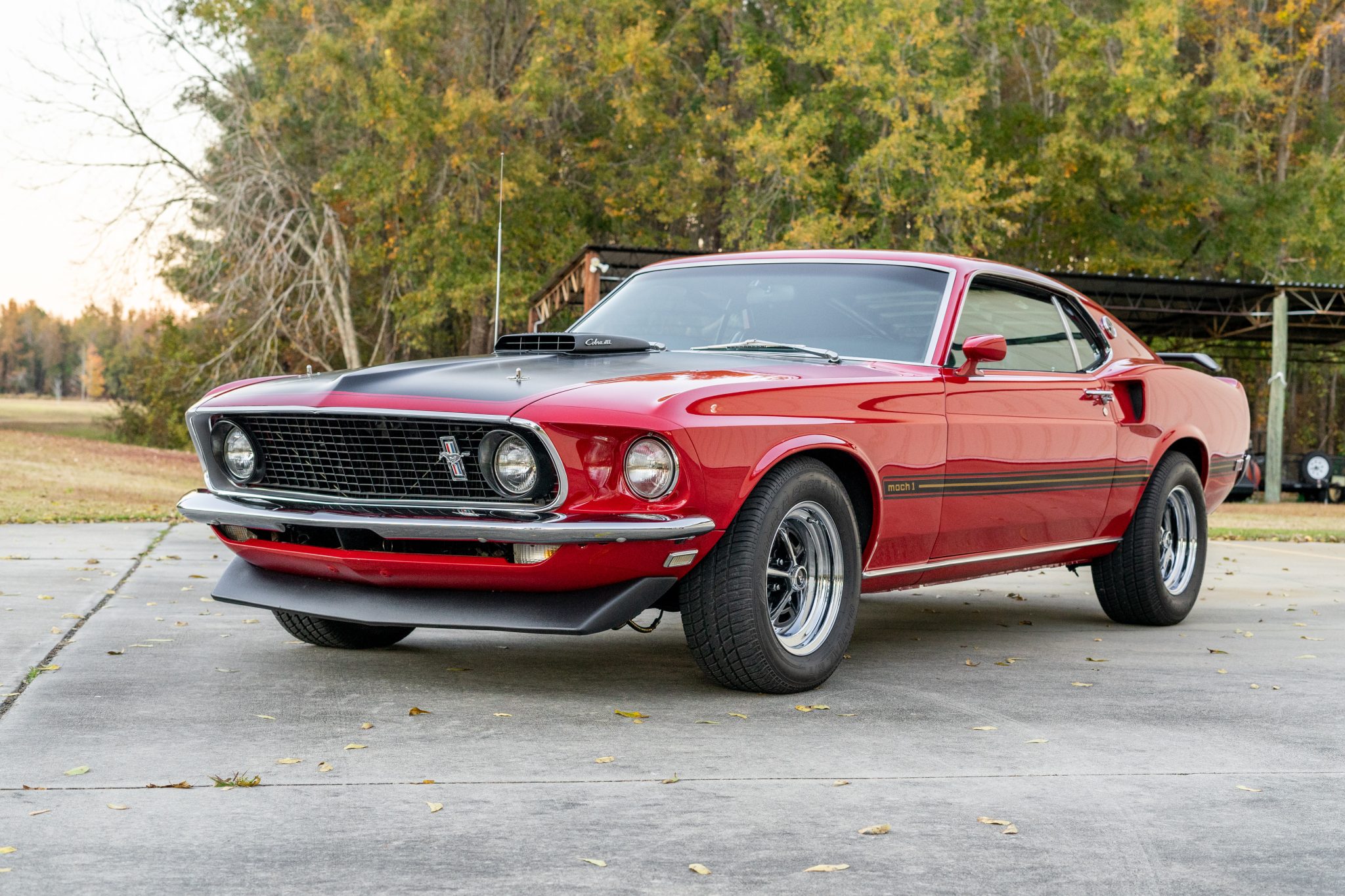
3. They Favor Strong Real World Records
When recommending vehicles to their families, salespeople often rely heavily on real-world reliability data rather than marketing claims. They pay close attention to which models consistently perform well over time, both in terms of mechanical durability and ownership experience.
Models like the Ford Mustang and Ford F-150 frequently appear in discussions about dependable Ford vehicles. Studies have shown that certain Ford models rank highly in reliability and longevity, with trucks and larger vehicles often performing particularly well. These vehicles are designed to handle demanding conditions, which contributes to their durability.
At the same time, salespeople are aware that not all models perform equally. Some vehicles have been associated with higher repair costs or recurring issues, leading insiders to recommend caution when considering those options. This selective approach helps ensure that their recommendations are based on evidence rather than assumptions.
Another factor they consider is how vehicles age. A reliable car is not just one that performs well in the first few years but one that continues to deliver consistent performance over time. Salespeople often observe which vehicles retain their value and which ones customers choose to buy again, using this information to guide their recommendations.
This emphasis on real-world performance reflects a broader trend in the automotive industry. Buyers are increasingly looking for vehicles that offer long-term value rather than short-term appeal. By focusing on models with proven reliability records, dealership insiders provide a more practical perspective that aligns with these priorities.
4. They Pay Attention to Services and Ownership
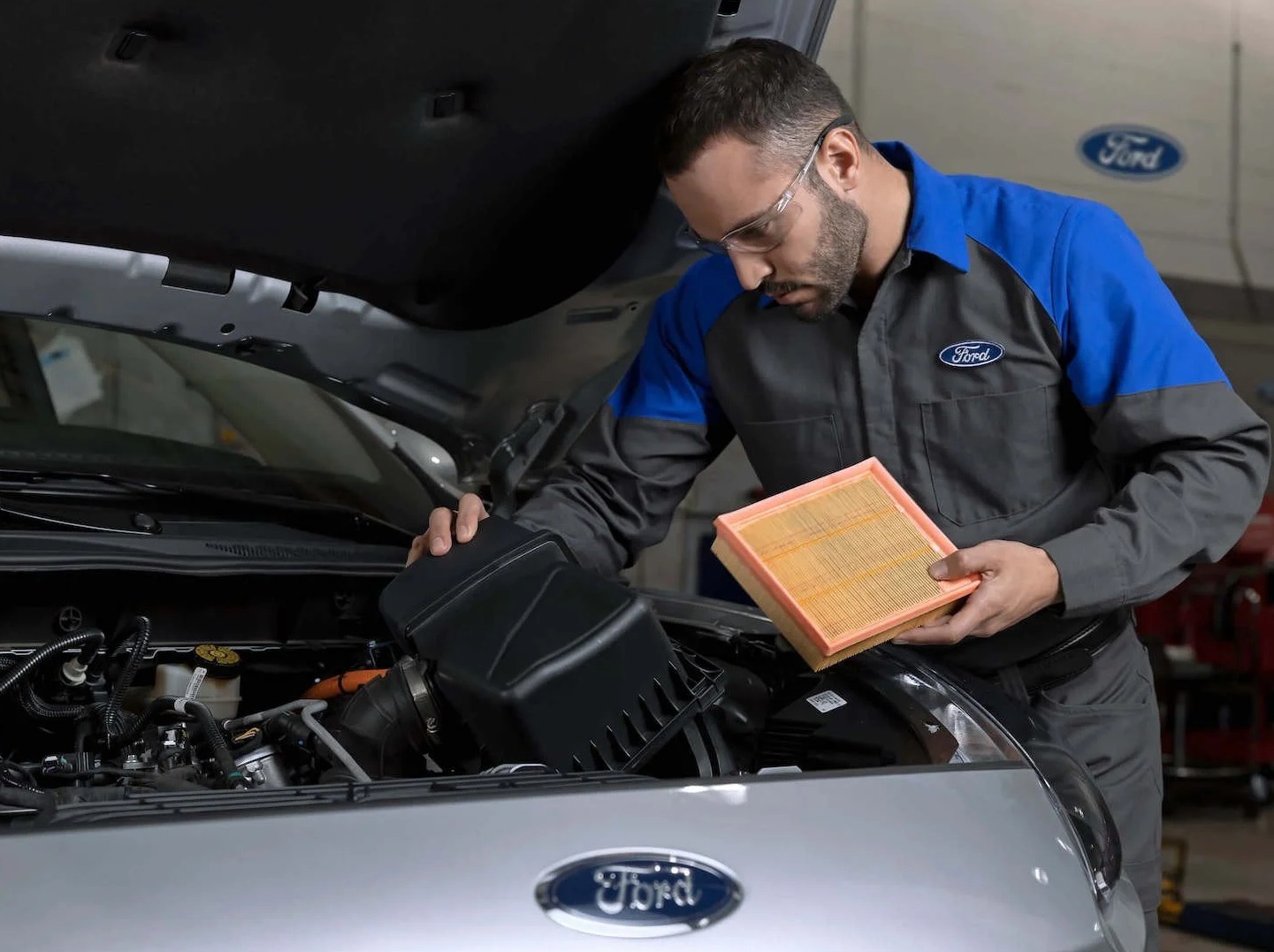
Salespeople have a unique advantage when it comes to understanding the hidden costs of vehicle ownership. Because they work closely with service departments, they see patterns in recalls, common repairs, and maintenance expenses that most buyers never notice. This insight plays a major role in their personal recommendations.
In recent years, Ford has faced a significant number of recalls affecting multiple models, highlighting the importance of staying informed about potential issues. While recalls are often addressed at no cost to the owner, they can still be inconvenient and may indicate underlying problems with certain models or components. Salespeople take these factors into account when advising their families.
They also pay attention to which vehicles require frequent repairs or have higher-than-average maintenance costs. For example, some models have been noted for recurring issues with transmissions or electrical systems, making them less attractive for long-term ownership. By contrast, vehicles with fewer service visits and lower repair costs are more likely to be recommended.
Another consideration is the availability of parts and the ease of servicing. Vehicles that are widely sold and well understood by technicians tend to be cheaper and faster to repair. This is one reason why popular models like the Ford F-150 remain a common recommendation among insiders.
This focus on ownership costs reflects a practical mindset. Salespeople understand that the true cost of a vehicle extends beyond the purchase price. By considering factors like recalls, maintenance, and repair frequency, they provide a more comprehensive view of what it means to own a particular model.
Also Read: 10 Cars That Survive Being Used as Daily Uber Vehicles

5. They Buyop Strategies That Reduce Risk
Beyond specific models, dealership insiders also have strong opinions about how to buy a vehicle. Their recommendations often focus on minimizing risk and maximizing value, rather than simply getting the best deal upfront.
One common strategy is to buy slightly used vehicles instead of brand new ones. This allows buyers to avoid the steepest depreciation while still getting a relatively modern car. Salespeople often see how quickly new vehicles lose value, making this approach a practical choice for families.
They also emphasize the importance of researching specific model years. Even within the same model, reliability can vary significantly depending on the year and configuration. By choosing a well-regarded model year, buyers can avoid many of the issues associated with less reliable versions.
Another key recommendation is to prioritize maintenance history and condition over mileage alone. A well-maintained vehicle with higher mileage can often be a better choice than a low-mileage car with a history of neglect. Salespeople, who frequently evaluate trade-ins, understand the importance of proper care in determining long-term reliability.
Finally, they often advise against overloading a vehicle with unnecessary options. While additional features can be appealing, they can also increase the likelihood of problems and add to repair costs. By focusing on essential features and proven configurations, buyers can reduce complexity and improve reliability.
These strategies reflect the same principles that guide their model recommendations: prioritize reliability, avoid unnecessary risks, and focus on long-term value. By following this advice, buyers can make more informed decisions and enjoy a smoother ownership experience.

The advice that Ford dealership salespeople quietly share with their families offers a valuable perspective for anyone considering a purchase. Their recommendations are shaped by real-world experience, long-term observation, and a deep understanding of how vehicles perform beyond the showroom.
From choosing proven models and simpler configurations to paying attention to reliability data and ownership costs, their approach is rooted in practicality rather than marketing.
While Ford offers many capable and appealing vehicles, the key takeaway is that not all options are created equal. By focusing on models with strong track records, avoiding unnecessary complexity, and adopting smart buying strategies, buyers can significantly improve their chances of a positive ownership experience.
These insights may not always be part of the sales pitch, but they represent the kind of knowledge that can make a meaningful difference over the life of a vehicle.
