
Parking a car on the street in a rough or unpredictable neighborhood is one of the toughest real-world conditions a vehicle can face. Unlike controlled parking environments such as garages or secured residential complexes, street parking exposes a car to constant low-level risks that add up over time.
These risks include scratches from tight spaces, minor bumps from inexperienced drivers, vandalism, dust accumulation, prolonged sun exposure, and occasional theft attempts. Even when nothing major happens, the environment itself slowly wears the car down through heat, pollution, and irregular maintenance opportunities.
Because of this, choosing the right car becomes less about luxury, speed, or premium features and more about long-term resilience. A good street-parked car should be mechanically simple, widely supported in terms of service and parts, and built with durable materials that can handle constant exposure.
It should also be common enough that it does not stand out in traffic, since highly noticeable or expensive-looking cars can attract unwanted attention. In many urban environments, subtlety is a form of protection.
Vehicle size also plays a significant role. Compact cars are usually better suited for tight, crowded streets where parking space is limited and unpredictable. Smaller vehicles are easier to maneuver into difficult spots, and they reduce the risk of accidental damage from nearby cars or pedestrians.
Fuel efficiency and low maintenance cost also matter significantly, because street-parked cars are often used for frequent short trips rather than long highway drives, which places a different kind of stress on the engine and components.
The following vehicles have been selected based on their real-world performance in such conditions, focusing on reliability, affordability, and durability rather than luxury appeal.
Also Read: 10 Cars With Insurance Premiums Lower Than a Compact Sedan
1. Toyota Corolla
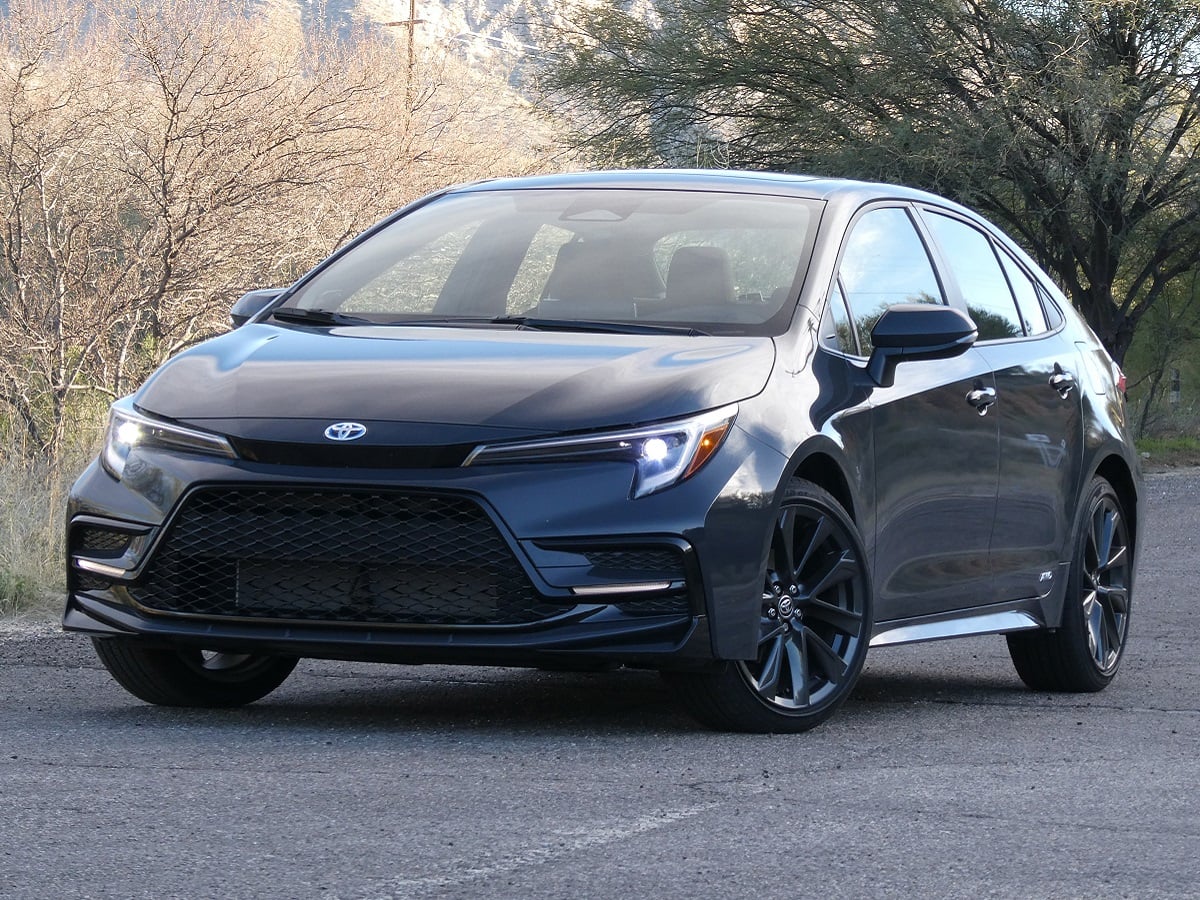
The Toyota Corolla is often considered the benchmark for reliability, and this reputation is especially valuable in environments where a car is exposed to constant street-level risk. One of the main reasons the Corolla performs so well in rough urban parking conditions is its ability to remain mechanically stable even when subjected to years of stop-and-go traffic, uneven road surfaces, and inconsistent driving patterns.
This makes it an ideal choice for people who need a dependable vehicle that does not require constant attention or unexpected repair expenses.
From a structural standpoint, the Corolla is engineered with durability as a priority. Its body panels are designed to withstand everyday wear, such as minor scrapes, door impacts, and exposure to harsh weather conditions. In cities where vehicles are parked outdoors for long hours under direct sunlight or rain, this becomes extremely important.
Over time, many cars begin to show fading paint, weakened seals, or early rust formation, but the Corolla tends to resist these issues better than most vehicles in its segment. This long-term resistance reduces maintenance stress and helps preserve resale value.
Mechanically, the Corolla’s engine design is one of its strongest advantages. It is built for consistent performance rather than high-stress output, which means it handles repeated short trips and frequent engine starts very efficiently. In street parking situations, this is a critical factor because vehicles are often used in fragmented driving cycles rather than long continuous drives.
Many engines struggle under these conditions, but the Corolla maintains smooth operation and fuel efficiency over time, which reduces long-term wear.
Another major benefit is the widespread availability of parts and service support. Because the Corolla is one of the most globally recognized cars, replacement parts are easy to find in almost any region.
This proves particularly valuable in rough neighborhoods where minor damage such as broken mirrors, scratched bumpers, or dented panels is more likely to occur. Repairs can usually be completed quickly and at reasonable cost, without the need for specialized parts sourcing or expensive dealership intervention.
In addition, the Corolla has a low-profile appearance. It does not attract unnecessary attention, which can be an advantage in environments where visible or premium-looking vehicles may become targets for theft or vandalism. Its design is practical rather than flashy, allowing it to blend into everyday traffic without standing out.
2. Honda Civic
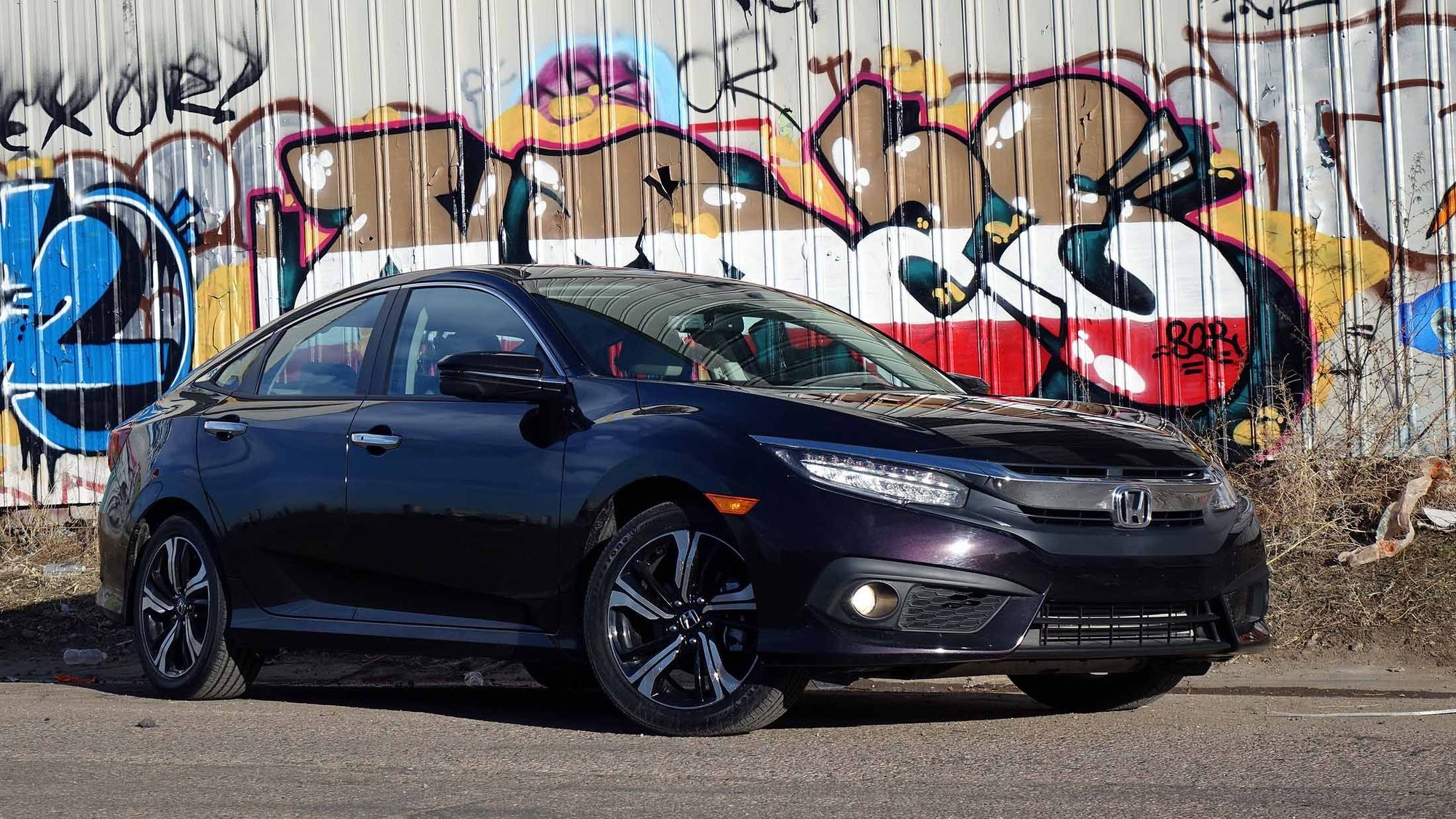
The Honda Civic is another highly reliable option that performs extremely well in urban environments where street parking is unavoidable. It has built a long-standing reputation for durability, efficiency, and balanced engineering, making it a strong competitor to the Corolla in real-world city conditions. One of its most important strengths is its ability to handle a wide variety of road surfaces and driving situations without developing serious mechanical issues over time.
The Civic’s build quality has improved significantly in modern generations, particularly in terms of rust resistance and structural rigidity. This is important for vehicles that remain parked outdoors for long periods.
Exposure to moisture, humidity, dust, and pollution can gradually weaken poorly protected cars, but the Civic is designed with better sealing and corrosion protection to reduce these risks. This helps maintain both mechanical integrity and exterior condition even under constant exposure.
In terms of driving dynamics, the Civic offers a slightly more refined experience than many cars in its class, but it still retains a strong focus on practicality. Its suspension system is designed to absorb uneven road conditions, which is particularly useful in rough neighborhoods where potholes, speed breakers, and damaged roads are common.
This reduces stress on the chassis and improves long-term durability, especially when the car is driven daily in unpredictable conditions.
Maintenance is another area where the Civic performs well. It is widely supported by mechanics due to its popularity, which makes routine servicing straightforward and affordable. Spare parts are also relatively easy to obtain, reducing downtime when repairs are needed. This is essential for street-parked cars, where quick turnaround for repairs is often necessary to maintain daily usability.
The Civic also benefits from a balanced design approach. While it has a modern and attractive appearance, it does not look overly luxurious or extravagant. This helps reduce unwanted attention in environments where high visibility can sometimes increase risk. It maintains a practical presence on the road while still offering a sense of refinement.
3. Toyota Yaris
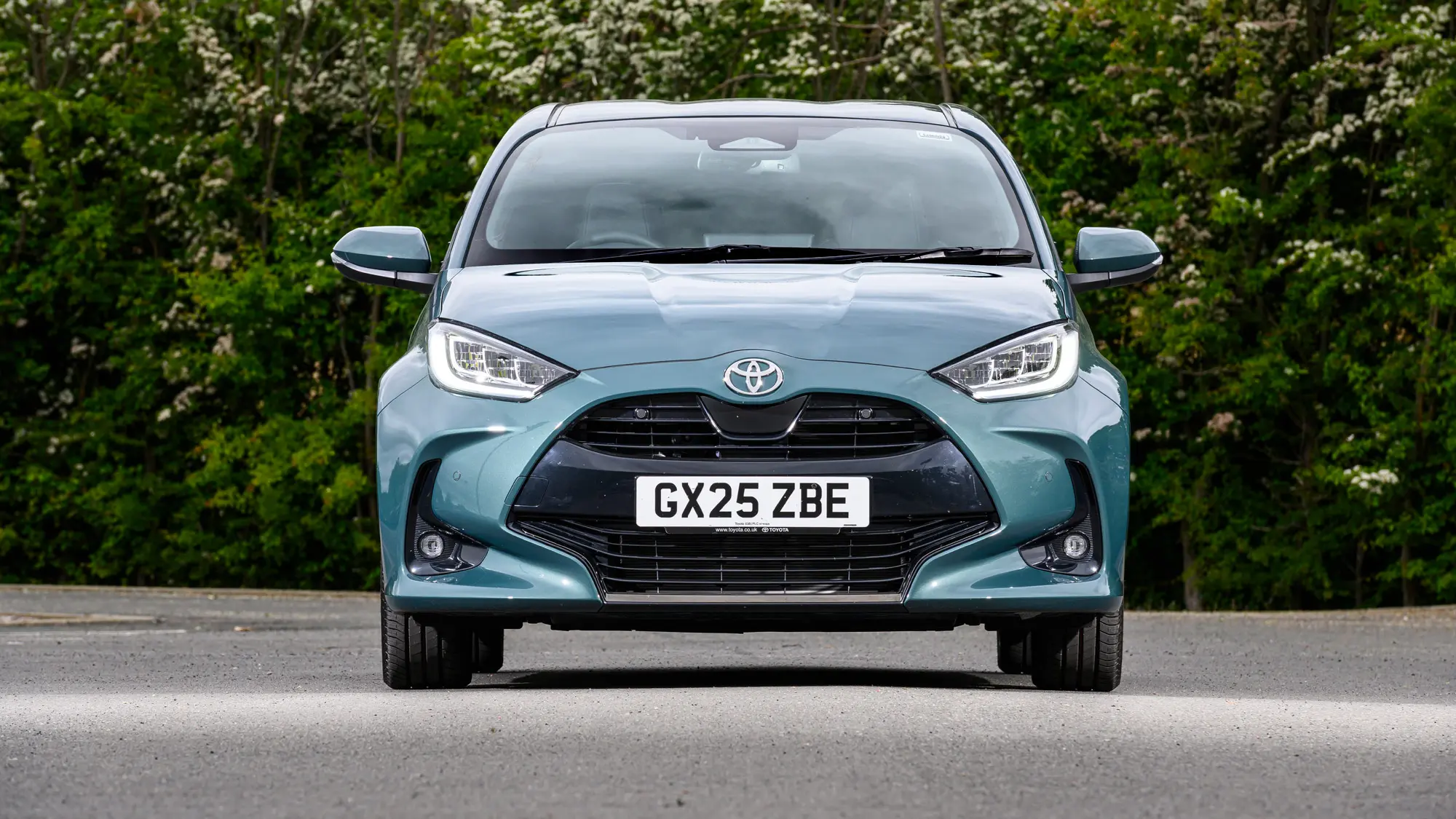
The Toyota Yaris is designed specifically for urban mobility, which makes it an excellent match for street parking in crowded or rough environments. Its compact size is one of its most defining advantages, allowing it to fit into extremely tight parking spaces where larger vehicles would struggle or risk damage. In dense urban neighborhoods where parking space is limited and often unregulated, this flexibility can make a significant difference in daily convenience and vehicle safety.
Despite its small footprint, the Yaris is engineered with strong reliability standards. Its engine is optimized for efficiency and long-term use in stop-and-go traffic, which is the most common driving pattern in city environments.
This helps reduce mechanical stress and improves fuel economy, making it ideal for daily commuting. The simplicity of its engine design also reduces the likelihood of complex mechanical failures, which is a major advantage for long-term ownership.
Low maintenance requirements also add to the Yaris’ appeal. It does not rely on overly complicated electronic systems or high-performance components, which keeps servicing straightforward. This simplicity makes routine maintenance more affordable and predictable, an advantage when dealing with minor wear caused by street parking conditions.
Parts availability is another strength due to Toyota’s global reach. Replacement components are widely distributed, making repairs easier even in less developed service networks. This ensures that small issues can be addressed quickly without long delays or high costs.
Finally, the Yaris maintains a subtle and practical design. It does not stand out in traffic, which can help reduce unwanted attention. In environments where vehicle visibility can sometimes increase risk, this understated appearance becomes an added advantage.
4. Toyota Corolla
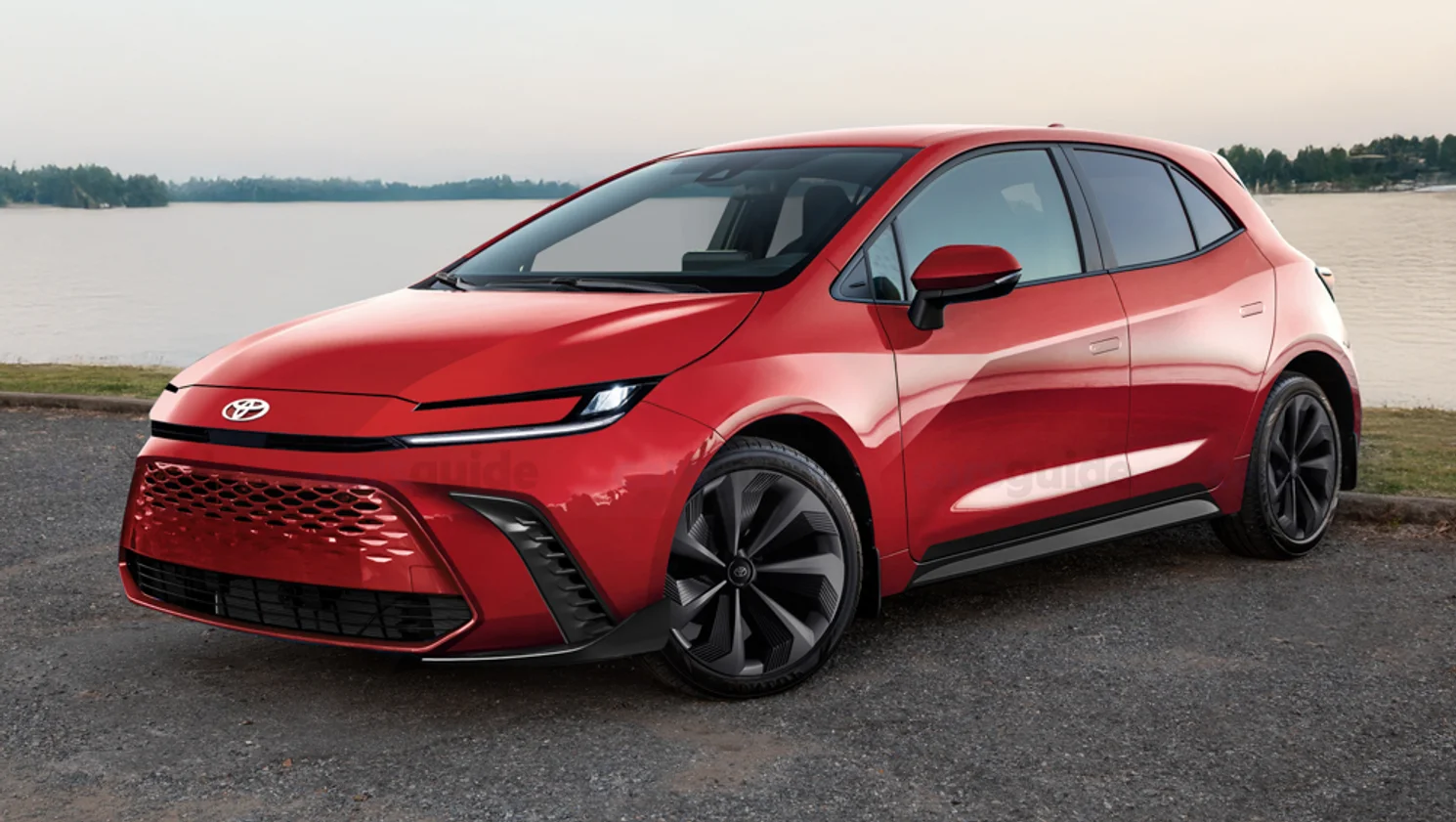
The Toyota Corolla is one of the most practical and widely used cars in the United States, and it is especially well-suited for street parking in rough neighborhoods.
Its reputation is built on extreme reliability and low maintenance costs, making it a strong choice for people who want a car that simply works without constant attention. In fact, it is consistently ranked among the most reliable compact cars in long-term ownership studies.
One of the Corolla’s biggest strengths is its simplicity. It avoids unnecessary complexity in its engineering, which reduces the number of potential failure points. That advantage becomes even more apparent in street parking conditions where cars are exposed to heat, cold, dust, and occasional physical damage. Fewer complex systems also mean fewer expensive repairs when something eventually goes wrong.
The Corolla is also very efficient in urban driving conditions. It handles frequent stops, short trips, and congested traffic smoothly without excessive wear on the engine or transmission. This is important because street-parked cars are typically used for daily commuting rather than long highway drives, which places a different kind of stress on the vehicle.
In terms of practicality, the Corolla is widely available across the United States, which makes servicing extremely easy. Parts are cheap, and mechanics are highly familiar with the platform. This is a major advantage in rough neighborhoods where minor damage like dents or broken trim pieces is more likely due to tight parking conditions.
Another key benefit is its low-profile design. The Corolla does not stand out visually, which can reduce unwanted attention in areas where theft or vandalism risks are higher.
Also Read: 10 Cars That Survive Being Used as Daily Uber Vehicles
5. Hyundai Elantra
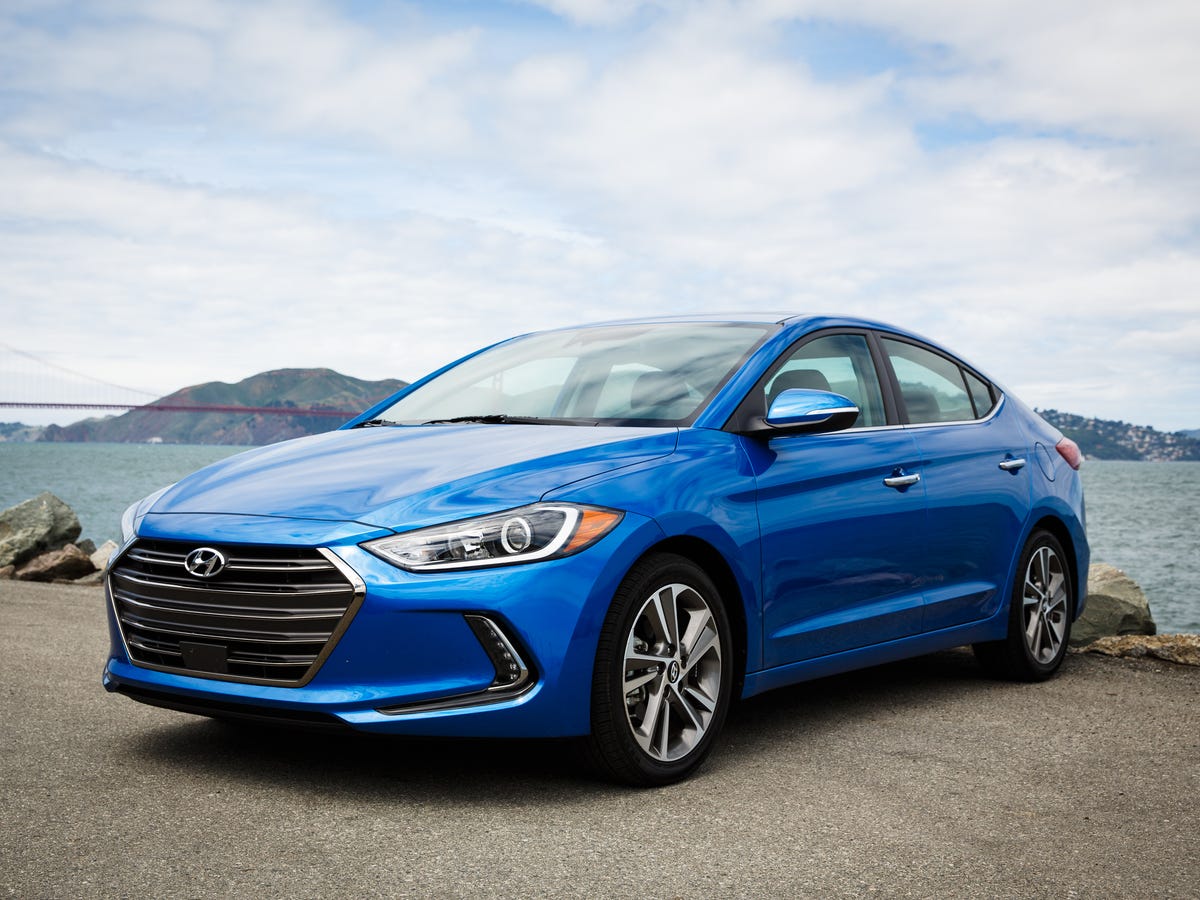
The Hyundai Elantra is a strong alternative in the US compact car segment, especially for drivers who want a modern design combined with low ownership costs. It is commonly recommended as a practical, fuel-efficient, and affordable sedan for city use, making it a good fit for street parking situations where reliability and ease of maintenance are essential.
One of the Elantra’s strongest advantages is its fuel efficiency and smooth urban driving behavior. It is designed to perform well in stop-and-go traffic, which is the most common driving pattern for street-parked vehicles. This helps reduce engine strain and keeps fuel costs low over time, making it ideal for daily commuting in busy urban environments.
The Elantra also benefits from Hyundai’s strong warranty coverage and widespread service network in the United States. This means repairs and maintenance are generally accessible and more affordable compared to many European brands. For street-parked cars that may experience minor damage over time, this accessibility is a major advantage.
In terms of design, the Elantra is modern and stylish but not overly flashy in most trims. This helps it blend into urban traffic without drawing unnecessary attention. In rough neighborhoods, this can be beneficial because highly visible or premium-looking cars are sometimes more likely to be targeted.
The interior is also practical, offering good space for passengers while still maintaining a compact exterior footprint. This makes it easier to park in tight street spaces while maintaining everyday usability.
6. Toyota Hilux
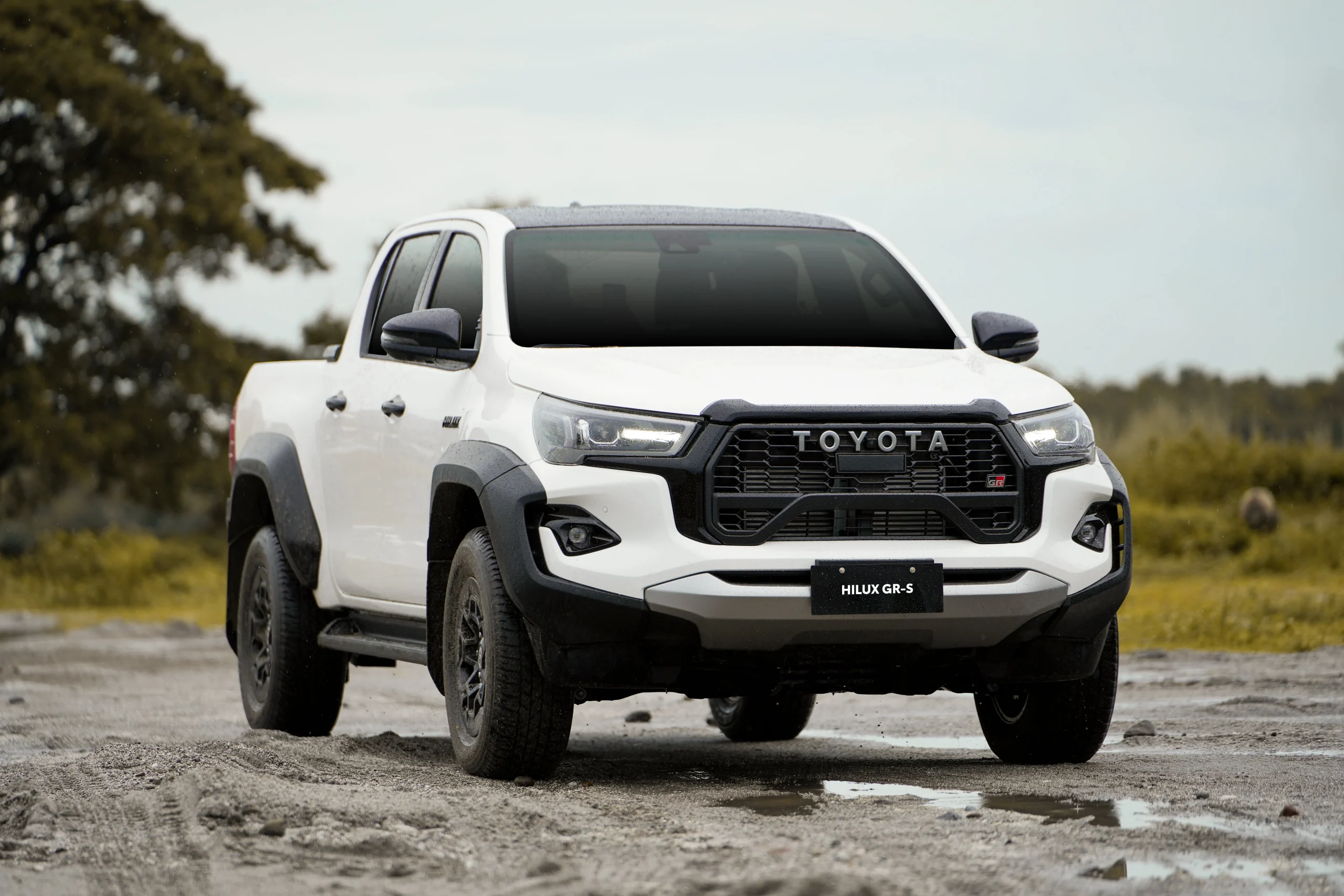
The Toyota Hilux is in a completely different category compared to most urban hatchbacks, but it deserves mention because of its unmatched durability. It is widely known as one of the toughest pickup trucks in the world, designed to survive extreme conditions ranging from off-road terrain to heavy commercial use. In the context of street parking in rough neighborhoods, this toughness translates into exceptional resistance to damage and long-term wear.
One of the defining strengths of the Hilux is its body-on-frame construction. This type of design is significantly stronger than typical monocoque structures found in smaller cars. It allows the vehicle to absorb impacts and heavy loads without compromising structural integrity. In practical terms, this means the Hilux can handle minor collisions, rough parking situations, and poor road conditions with far less risk of serious damage.
The suspension system is another major advantage. It is built to support heavy loads and handle uneven terrain, which makes it extremely durable in city environments where potholes, broken roads, and sudden obstacles are common. Even when used in harsh conditions daily, the Hilux maintains its mechanical stability over long periods of time.
However, its size is both a strength and a limitation. While it offers excellent durability and road presence, it can be challenging to park in tight urban spaces. In crowded neighborhoods, maneuvering a large vehicle requires more care and planning, and the risk of minor scraping in narrow lanes is slightly higher compared to compact cars.
On the positive side, the Hilux’s reputation for toughness often discourages casual vandalism or theft attempts. Its rugged appearance signals strength, and its global reputation for durability adds to its perceived resilience.
Maintenance costs can be higher than those of compact cars, but the tradeoff is long-term reliability. The Hilux is built to last for many years under demanding conditions, making it suitable for owners who prioritize strength over convenience.
7. Volkswagen Polo
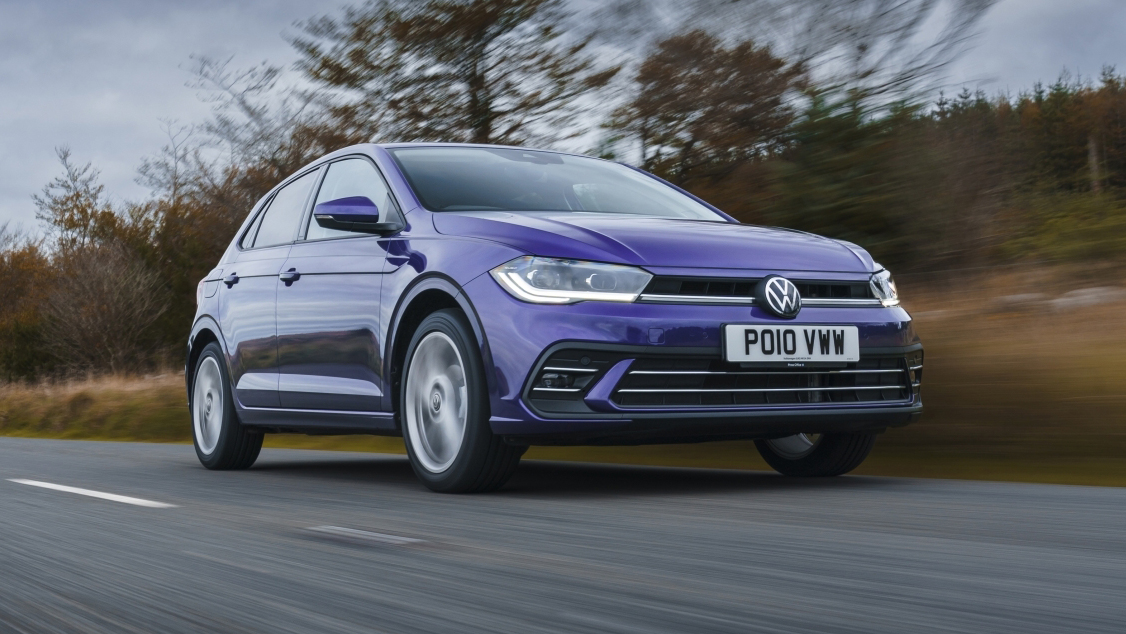
The Volkswagen Polo is known for its solid German engineering and strong build quality, which makes it a dependable choice for urban street parking situations. Unlike many entry-level hatchbacks that focus mainly on affordability, the Polo emphasizes structural stability and driving refinement, which gives it an edge in long-term durability.
One of the key strengths of the Polo is its rigid body structure. It feels noticeably more solid than many competitors in its segment, which helps it withstand minor impacts and daily wear more effectively. In street parking conditions where small scratches, door impacts, and tight parking maneuvers are common, this extra structural strength helps preserve the car’s integrity over time.
The driving experience of the Polo is also more refined than most compact cars. Its suspension and chassis tuning provide a stable and controlled ride, even on uneven urban roads. This reduces stress on the vehicle during daily use and helps maintain long-term mechanical health.
However, one tradeoff with the Polo is the maintenance cost. While it is reliable when properly maintained, servicing and parts can be more expensive compared to Japanese or Indian mass market cars. This is an important consideration for people who expect frequent minor repairs due to street parking conditions.
Another advantage of the Polo is its understated but premium design. It has a clean and solid appearance without being overly flashy. This helps it maintain a balanced presence on the road, avoiding unnecessary attention while still looking well built.
The Polo is a strong choice for those who want a more premium feel without moving into luxury car territory, while still needing a vehicle that can handle everyday urban challenges.
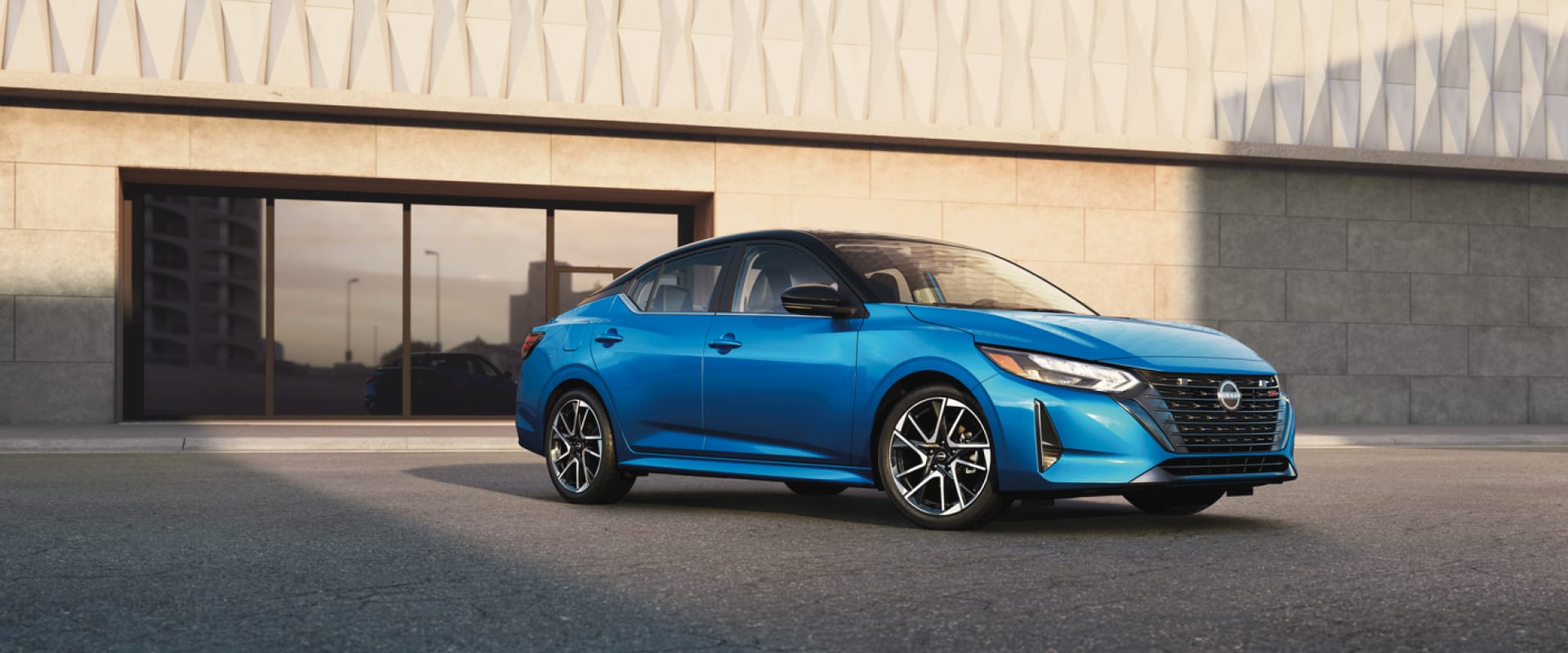
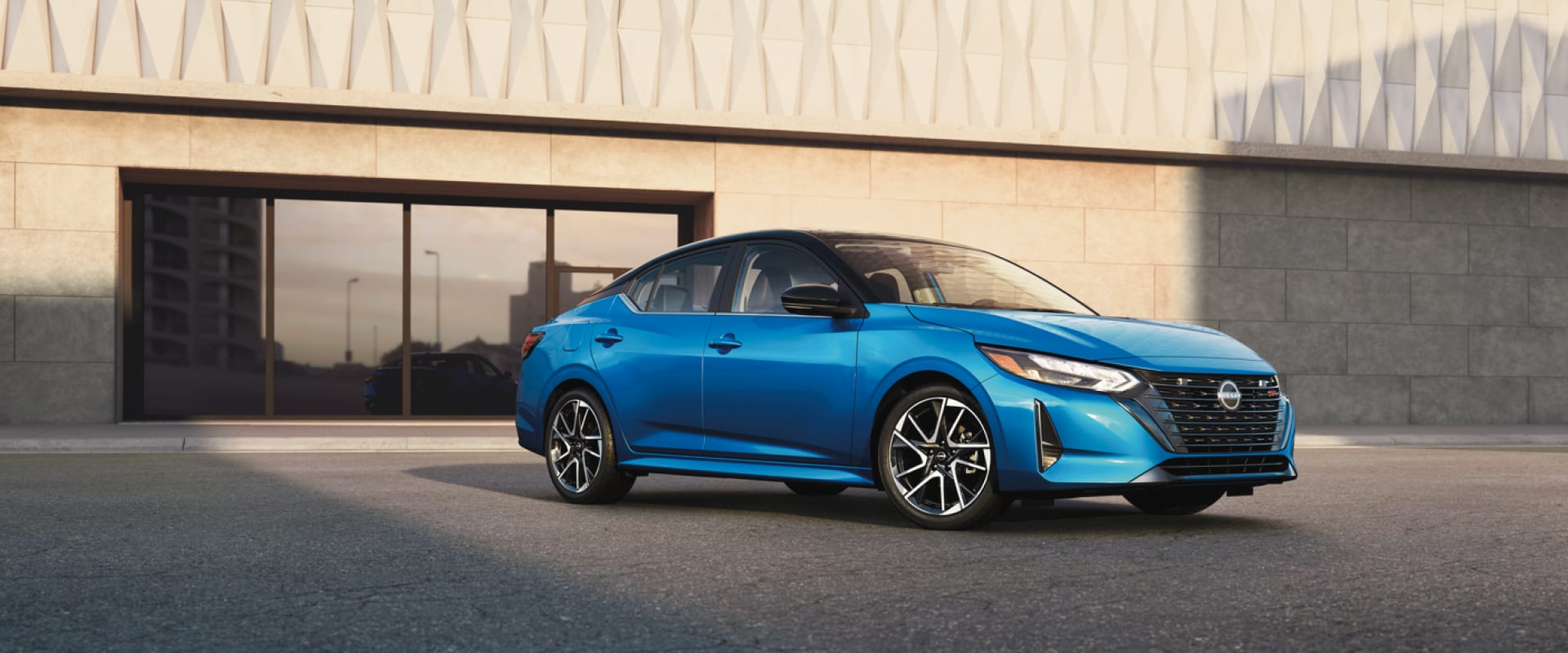
8. Nissan Sentra
The Nissan Sentra is one of the most affordable and practical compact sedans in the US market, making it a strong candidate for street parking in rough neighborhoods. It is designed with simplicity, comfort, and cost efficiency in mind, which makes it ideal for drivers who want a dependable vehicle without high maintenance expenses.
The Sentra also stands out for its low cost of ownership. It is generally cheaper to buy and maintain than many competitors in the same segment. Parts are widely available across the United States, and repairs are usually straightforward. This becomes especially valuable in street parking environments where minor cosmetic or physical damage is more likely to occur over time.
The Sentra is also tuned for comfortable urban driving. Its suspension is designed to absorb bumps and uneven road surfaces, which are common in older or poorly maintained city areas. This helps protect the car from excessive wear and improves driving comfort during daily commutes.
In terms of size, the Sentra offers a good balance between compact maneuverability and interior space. It is small enough to fit into tight street parking spots but still provides enough room for passengers and cargo. This makes it practical for both solo drivers and small families.
Its low-key design is another advantage. The Sentra is not overly flashy, which helps it blend into busy urban environments. This can be beneficial in rough neighborhoods where subtle vehicles are less likely to attract attention compared to more premium-looking models.
