
Fuel efficiency in SUVs has become one of the most important concerns for modern drivers, especially as fuel prices fluctuate and environmental awareness increases. While SUVs are known for comfort, space, and capability, they are also typically heavier and less aerodynamic than smaller cars, which means they naturally consume more fuel.
However, what many drivers do not realize is that a significant portion of fuel consumption is not fixed by the vehicle itself, but influenced by driving behavior and vehicle settings. In fact, small adjustments inside your SUV can collectively improve mileage by up to 3 miles per gallon or sometimes even more in real-world conditions.
Most modern SUVs come equipped with a variety of driving modes, efficiency systems, and driver-assist technologies designed specifically to optimize fuel use. Features such as Eco Mode, transmission behavior adjustments, climate control settings, tire pressure monitoring, and cruise control systems all interact with how efficiently fuel is consumed.
Manufacturers design these systems to subtly reduce engine load, smooth acceleration, and minimize unnecessary energy waste. For example, Eco Mode alone can modify throttle sensitivity, shift patterns, and air conditioning performance to prioritize efficiency over performance.
However, many drivers either ignore these settings or use them incorrectly, missing out on meaningful fuel savings. In real-world driving, especially in city traffic with frequent stops and starts, these hidden inefficiencies accumulate quickly.
Simple adjustments such as maintaining correct tire pressure, reducing aggressive acceleration, and using cruise control on highways can significantly improve fuel economy. Studies and driving behavior analyses consistently show that smooth driving techniques combined with optimized vehicle settings can outperform factory-rated efficiency expectations in everyday use.
This article breaks down nine practical SUV settings and adjustments that can immediately help improve fuel efficiency. These are not theoretical tips but proven real-world strategies based on how modern vehicle systems manage fuel consumption. Each section explains not only what to change, but why it works from a mechanical and fuel economy standpoint.
Whether you drive a compact SUV or a full-size model, these adjustments can help you extract better mileage without sacrificing comfort or safety. Over time, even a 2 to 3 MPG improvement can translate into significant fuel savings and reduced vehicle operating costs.
Also Read: 10 Cars With Insurance Premiums Lower Than a Compact Sedan
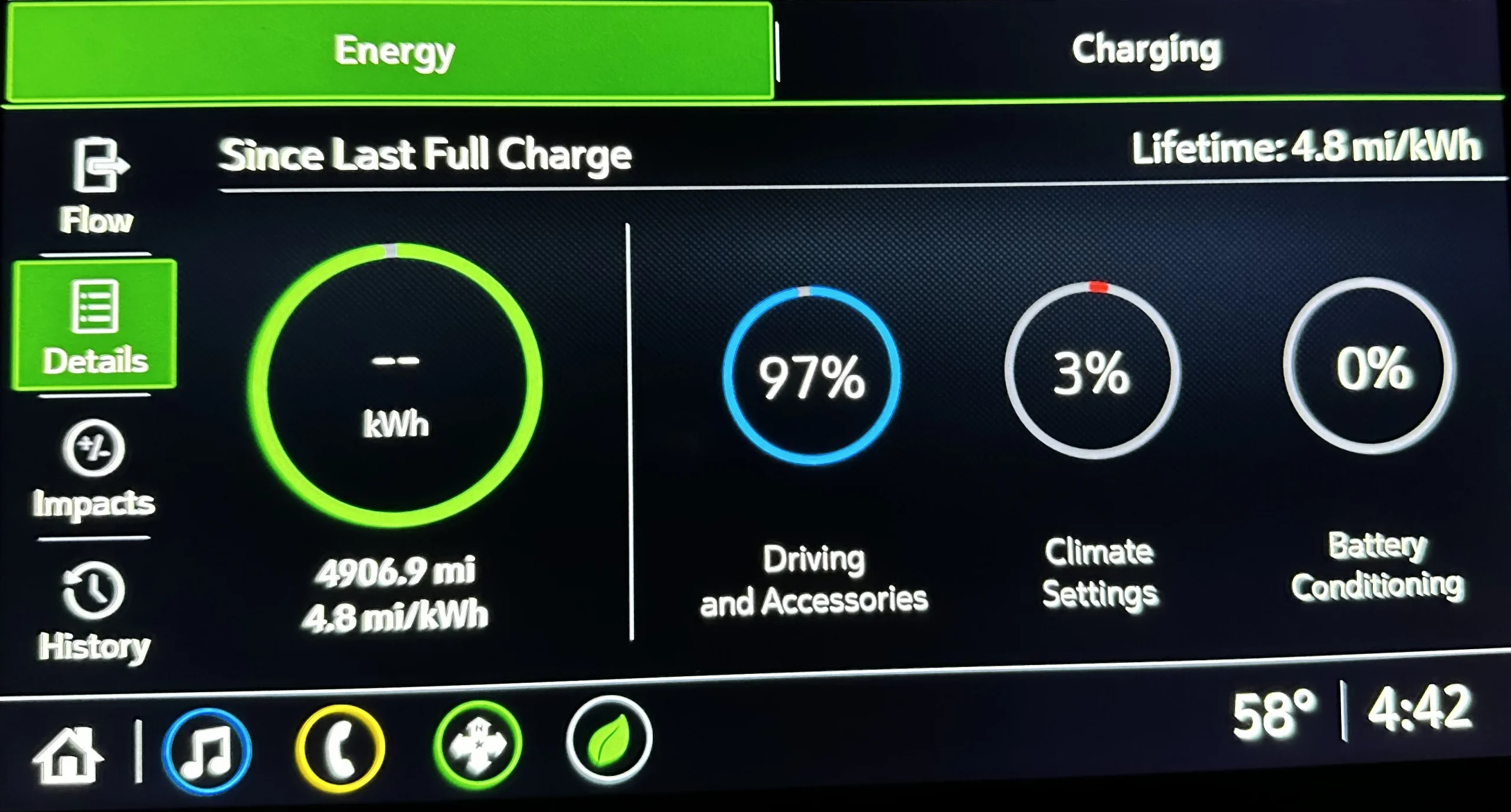
1. Eco Mode Optimization for Maximum Efficiency
Eco Mode is one of the most effective built-in systems in modern SUVs, designed specifically to improve fuel economy without requiring any mechanical modifications from the driver. When activated, it subtly changes how the engine responds to throttle input, meaning that even if you press the accelerator, the vehicle responds more gradually.
This reduction in throttle sensitivity prevents sudden fuel injections that typically occur during aggressive acceleration, which is one of the biggest contributors to poor mileage in city driving conditions. Over time, this smoother power delivery can significantly reduce unnecessary fuel consumption.
Beyond throttle control, Eco Mode also influences transmission behavior. Automatic gearboxes are programmed to shift earlier into higher gears, keeping the engine at lower RPMs for longer periods. Since engines consume more fuel at higher revolutions, this adjustment alone plays a major role in improving efficiency.
In many SUVs, this shift strategy is combined with torque management systems that reduce engine load during light acceleration, further improving fuel economy in everyday driving situations.
Another often overlooked aspect of Eco Mode is its impact on auxiliary systems such as air conditioning and climate control. In many vehicles, Eco Mode reduces compressor intensity or cycles it more efficiently to minimize engine strain.
While this may slightly affect cooling performance in extreme heat, it contributes to measurable fuel savings during normal weather conditions. These small reductions in accessory load add up over time, especially in stop-and-go traffic where the engine is already working harder.
Eco Mode is most effective when used consistently rather than occasionally. Drivers who frequently switch between normal and Eco settings often fail to realize the full benefit because the system needs time to adapt driving behavior patterns.
When paired with smooth driving habits, Eco Mode can contribute to a real-world improvement of around 1 to 2 MPG depending on terrain, traffic, and vehicle size. In urban environments, where acceleration and braking cycles are frequent, the benefits are even more noticeable.
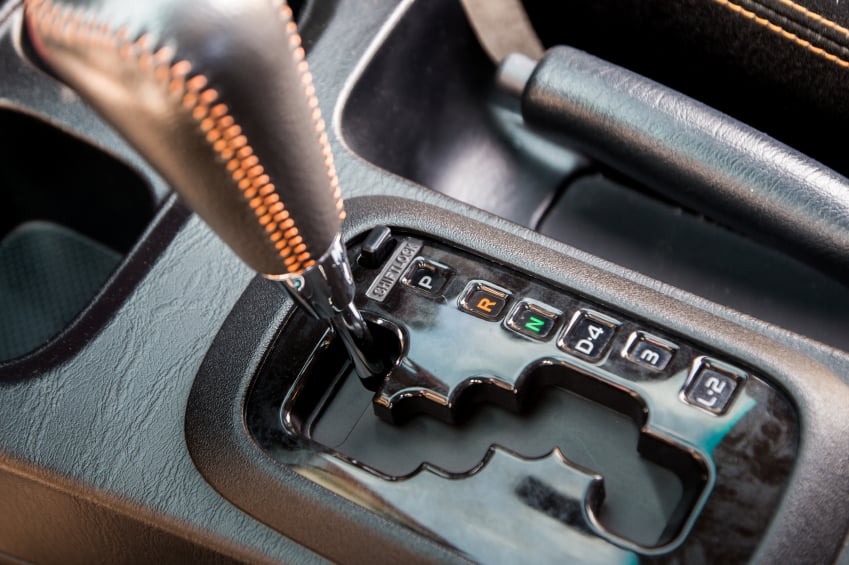
2. Transmission Shift Behavior Adjustment
The transmission system in an SUV plays a critical role in determining fuel efficiency because it directly controls how the engine’s power is delivered to the wheels. Modern automatic transmissions are designed with adaptive learning capabilities that respond to driving behavior.
This means that the way you drive influences how the transmission decides when to shift gears. If the system detects aggressive driving patterns, it holds gears longer, increasing RPM and fuel consumption. Conversely, smoother driving encourages earlier shifts, which improves efficiency.
Many SUVs now offer selectable transmission modes or driving profiles that alter shift logic. These modes can prioritize either performance or fuel economy. In economy-focused settings, the transmission shifts up earlier and downshifts less frequently, allowing the engine to operate in a lower and more efficient power band.
This reduces fuel injection demand and helps maintain steady cruising efficiency, especially during long commutes or highway travel.
Another important factor is how transmissions behave in stop-and-go traffic. Frequent acceleration and braking cause repeated gear changes, which can increase fuel consumption if the system is tuned for performance. Economy settings minimize this by smoothing out gear transitions and reducing unnecessary downshifts. This helps maintain momentum more efficiently, which is especially useful in congested urban driving conditions where fuel waste is typically highest.
Over time, adaptive transmissions also “learn” the driver’s habits. This means that consistent, smooth driving can permanently influence how the system behaves.
Drivers who frequently accelerate gently and avoid sudden throttle inputs often notice that their vehicle becomes more efficient even without manually changing settings. In real-world conditions, optimizing transmission behavior can contribute to approximately 1 MPG improvement, particularly in mixed city and highway driving environments.
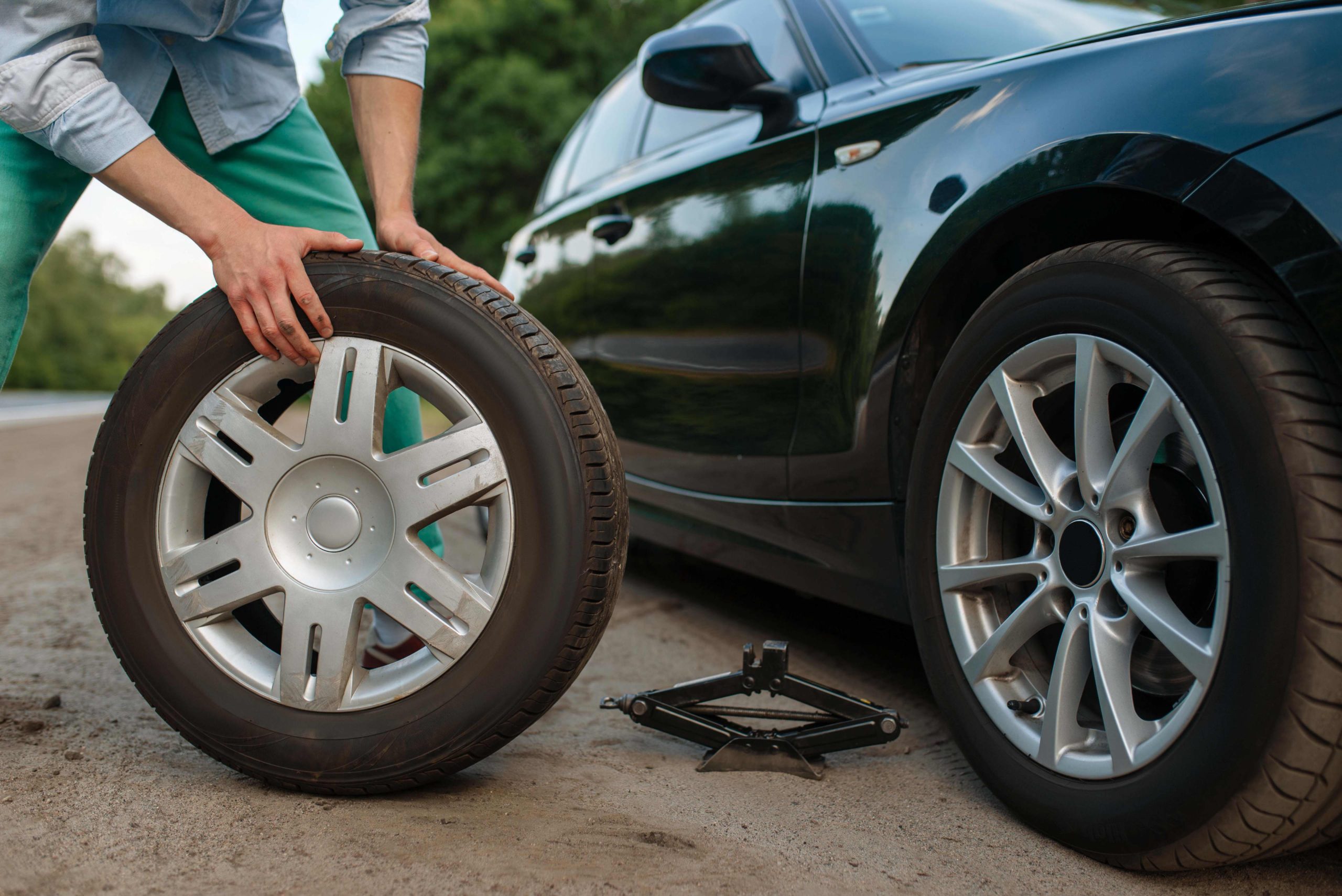
3. Tire Pressure Optimization for Rolling Efficiency
Tire pressure is one of the simplest yet most impactful factors affecting SUV fuel economy, and it is often ignored by drivers until a warning light appears. Underinflated tires create greater rolling resistance because more of the tire surface contacts the road. This increases friction and forces the engine to work harder to maintain speed, directly increasing fuel consumption. Even a small deviation from the recommended pressure can have a noticeable impact on mileage over time.
SUVs are particularly sensitive to tire pressure because of their heavier weight compared to smaller vehicles. When tire pressure is not properly maintained, the deformation of the tire increases under load, which further amplifies energy loss.
This means that fuel efficiency decreases not only due to friction but also due to structural inefficiency in how the tire rolls under pressure. Maintaining correct inflation ensures that the tire maintains its optimal shape and distributes weight evenly.
Temperature changes also play a significant role in tire pressure stability. Cold weather causes air inside the tire to contract, leading to lower pressure readings even if no air has escaped.
Similarly, hot weather can increase pressure temporarily. This seasonal fluctuation means that tire pressure should be checked regularly rather than assumed to be stable. Many experts recommend checking at least once a month for consistent efficiency.
Proper tire inflation does more than improve fuel economy. It also enhances vehicle safety, braking performance, and tire lifespan.
However, from a fuel efficiency perspective alone, maintaining correct pressure can improve mileage by reducing unnecessary rolling resistance. In practical driving conditions, this can translate into nearly 1 MPG improvement depending on driving style and road conditions.
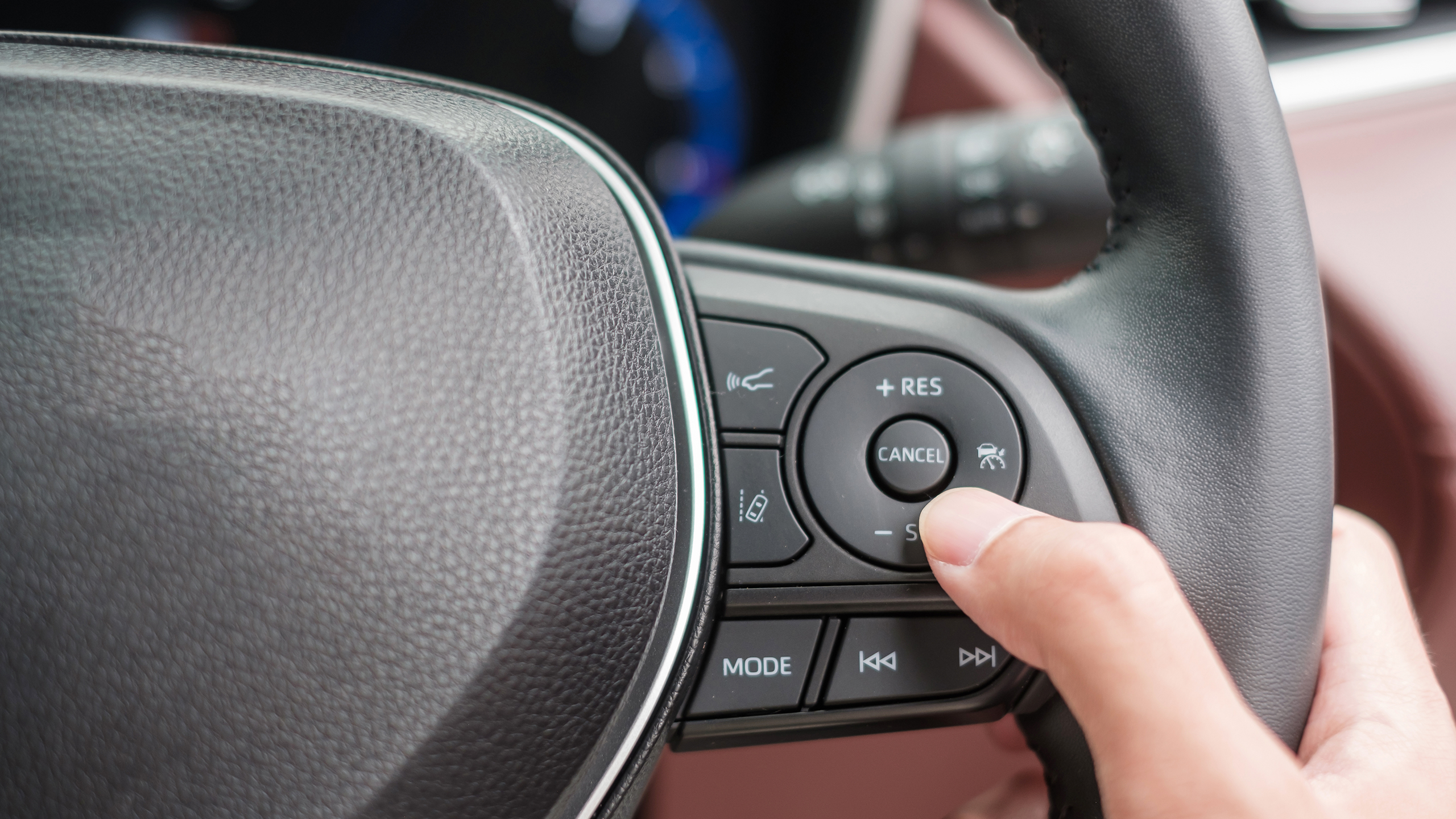
4. Cruise Control Usage on Highways
Cruise control is one of the most effective tools for maintaining consistent fuel efficiency during highway driving. By automatically controlling throttle input, it eliminates the small speed fluctuations that naturally occur when a human driver attempts to maintain a constant speed manually. These fluctuations may seem minor, but they require repeated acceleration adjustments that increase fuel consumption over long distances.
When cruise control is active, the vehicle maintains a steady speed, allowing the engine to operate within a stable and efficient RPM range. This stability is particularly beneficial on flat highways where external variables such as traffic and elevation changes are minimal. Under these conditions, the engine does not need to constantly adjust fuel delivery, resulting in smoother and more efficient combustion cycles.
Adaptive cruise control systems take this efficiency even further by adjusting speed based on the traffic ahead. Instead of sudden braking and acceleration, these systems make gradual adjustments that preserve momentum and reduce fuel waste. This is especially useful in moderate traffic conditions where speeds vary but do not come to a complete stop frequently.
However, cruise control is not always beneficial in hilly terrain or highly variable traffic conditions. In such cases, the system may increase throttle input to maintain speed uphill, which can slightly reduce efficiency.
Even so, on long highway journeys, proper use of cruise control can improve fuel economy by up to 1 MPG or more by maintaining a consistent engine load and minimizing unnecessary acceleration cycles.
Also Read: 10 Cars That Survive Being Used as Daily Uber Vehicles
5. Reducing Excess Vehicle Load
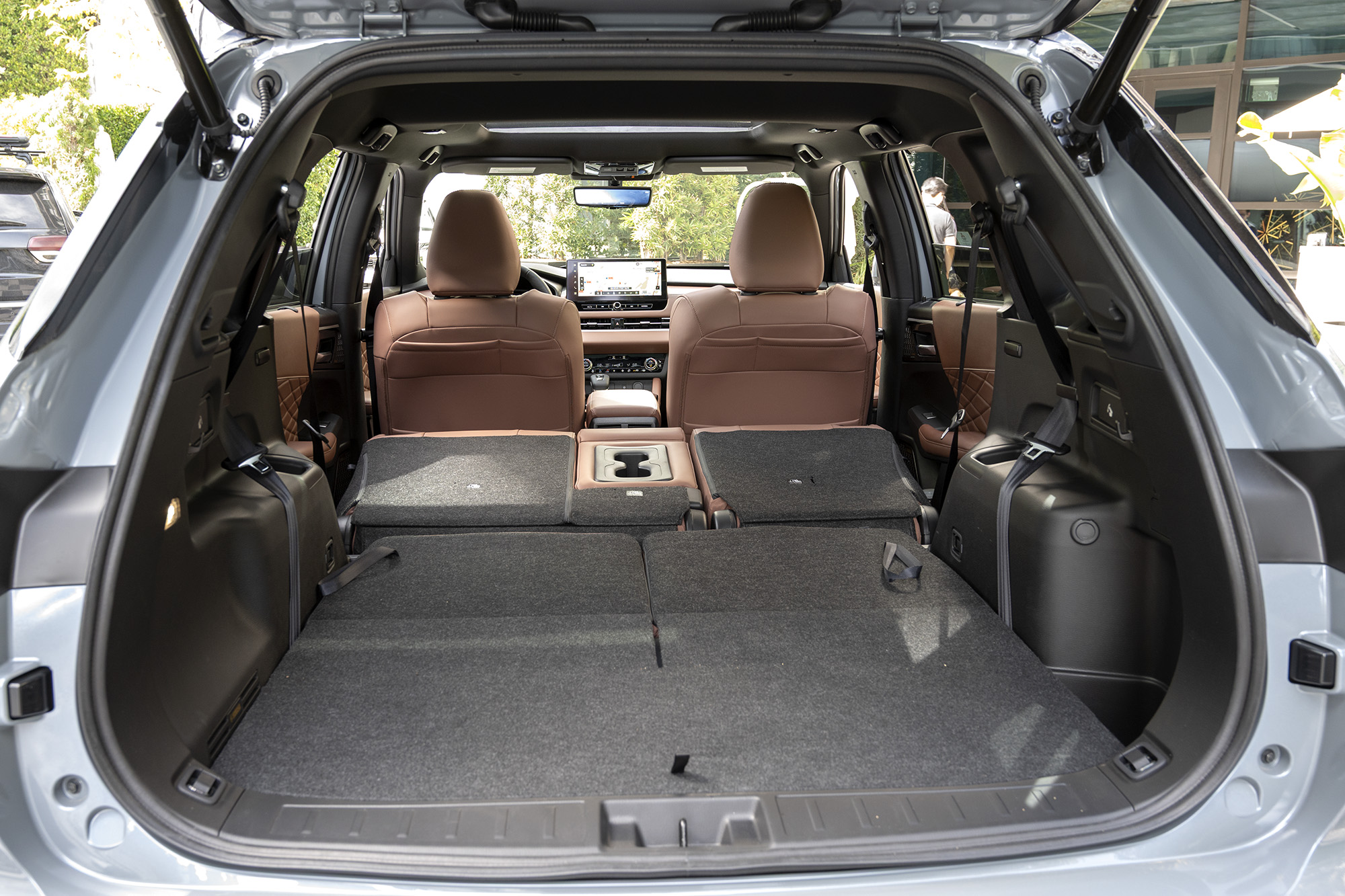
The weight carried by an SUV has a direct and measurable impact on fuel consumption. Every additional kilogram requires more energy to move, especially during acceleration.
This means that carrying unnecessary items in the trunk or cabin increases fuel consumption even if the items are not actively being used. Over time, this added weight forces the engine to burn more fuel to maintain the same level of performance.
Roof racks, cargo boxes, and external carriers also contribute significantly to fuel inefficiency, particularly at higher speeds. Even when empty, these attachments increase aerodynamic drag, which forces the engine to work harder to overcome air resistance. At highway speeds, aerodynamic drag becomes one of the dominant forces affecting fuel consumption, making roof-mounted accessories especially inefficient if not needed.
Many drivers underestimate how quickly small amounts of extra weight accumulate. Emergency equipment, sports gear, tools, and miscellaneous storage items often remain in the vehicle for long periods without being used. Removing these unnecessary items can reduce total vehicle weight and improve both acceleration efficiency and fuel economy in everyday driving conditions.
Reducing load does not just improve fuel efficiency but also enhances braking performance and handling. However, from a fuel perspective alone, lighter vehicles require less energy to move, especially during stop-and-go driving. In real-world conditions, consistently reducing excess weight can contribute to approximately 0.5 to 1 MPG improvement, depending on driving habits and vehicle size.
6. Climate Control Efficiency Settings
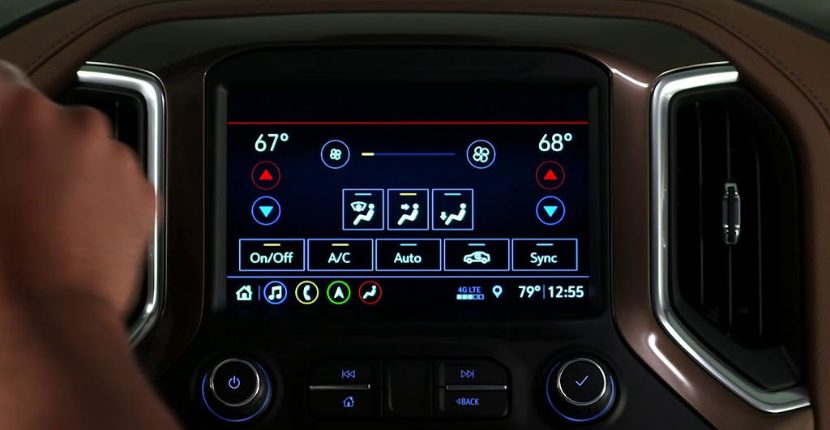
Climate control is one of the most underestimated contributors to fuel consumption in an SUV, mainly because its impact is not always obvious to the driver. Air conditioning systems, especially in larger SUVs, place a continuous load on the engine since the compressor is mechanically or electrically driven.
When the AC is running at full intensity, the engine must burn additional fuel to compensate for this extra demand, which gradually reduces fuel efficiency.
Modern SUVs often include intelligent climate control systems or eco climate modes designed to balance comfort with efficiency. These systems reduce compressor activity, optimize fan speed, and avoid sudden temperature changes that require high energy usage.
Instead of aggressively cooling or heating the cabin, they maintain a steady temperature range that minimizes engine strain. This subtle adjustment helps reduce fuel consumption without significantly affecting passenger comfort under normal conditions.
Another important factor is how quickly the cabin temperature is changed. Setting the climate system to extreme temperatures forces it to work harder initially, increasing fuel usage. A more efficient approach is to set a moderate temperature and allow the system to gradually stabilize the cabin environment.
This reduces peak energy demand, which directly lowers fuel consumption over time, especially during short trips where the system does not have enough time to stabilize efficiently.
Ventilation strategy also plays a role in efficiency. At lower speeds or during cooler weather, using outside air circulation instead of full air conditioning can significantly reduce engine load. Similarly, using the recirculation mode intelligently helps the system maintain temperature without constantly drawing in outside air that requires additional cooling or heating. These small adjustments, when consistently applied, can contribute to noticeable fuel savings in daily driving conditions.
7. Smart Acceleration Control
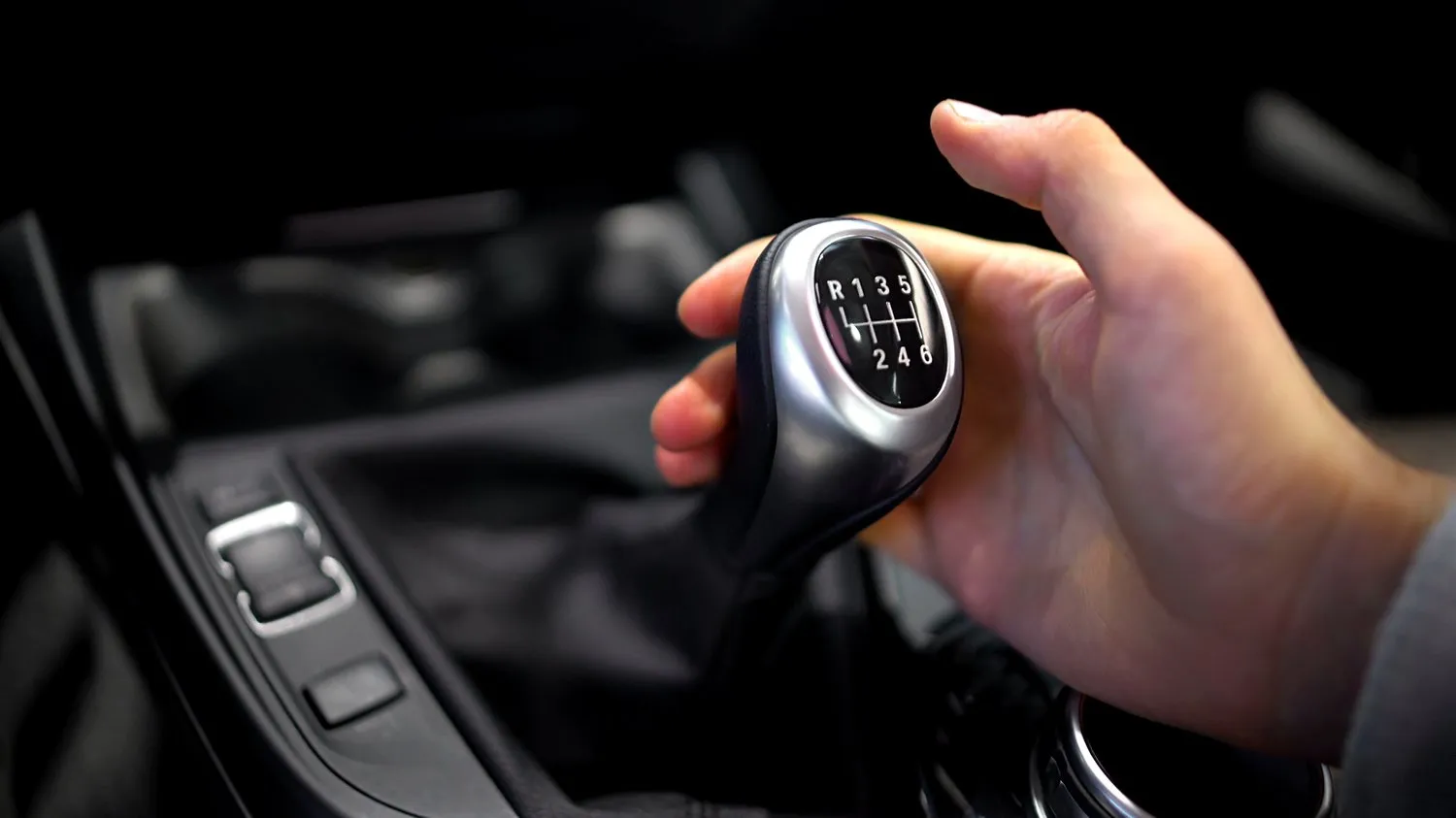
Acceleration behavior is one of the most influential factors affecting fuel consumption in any SUV, regardless of engine type or size. Every time the driver accelerates aggressively, the engine injects a significantly higher amount of fuel to generate rapid power output.
This results in inefficient combustion patterns, especially in lower gears where RPM spikes are most common. Over time, these repeated bursts of fuel usage can dramatically reduce mileage.
Smooth acceleration, on the other hand, allows the engine to operate within its optimal efficiency range. Instead of sudden throttle inputs, gradual pressure on the accelerator ensures that fuel is burned steadily and efficiently.
This approach reduces engine stress and allows the transmission to shift gears at appropriate points without unnecessary strain. In modern SUVs with automatic transmissions, this behavior directly influences how efficiently the drivetrain operates.
Anticipation is a key element of smart acceleration. Drivers who observe traffic flow ahead and adjust speed gradually rather than reacting suddenly tend to use significantly less fuel. For example, easing off the accelerator early when approaching a red light or slowing traffic allows the vehicle to coast instead of braking abruptly and re-accelerating. This reduces both fuel waste and brake wear.
In real-world conditions, smart acceleration habits can lead to one of the largest improvements in fuel efficiency among all driving behaviors. Unlike mechanical settings, this factor is entirely under driver control. When consistently practiced, it can contribute to a noticeable improvement of 1 to 2 MPG, especially in urban environments where frequent stops and starts are common.

8. Idle Reduction Systems
Idling is one of the most inefficient states for an engine because fuel is being consumed without any forward movement. In traditional driving conditions, especially in urban traffic, idling can account for a significant portion of total fuel usage. This is why modern SUVs increasingly include automatic start-stop systems designed to reduce unnecessary engine idling.
These systems automatically shut off the engine when the vehicle comes to a complete stop, such as at traffic signals or in congestion, and restart it when the driver releases the brake or presses the accelerator. By eliminating fuel consumption during these idle periods, the system helps improve efficiency without requiring any driver intervention. Over time, this can lead to measurable fuel savings, especially in city driving.
However, the effectiveness of idle reduction systems depends on driving conditions and system calibration. In heavy traffic with frequent stops, the system provides maximum benefit. In contrast, during short stops or situations requiring immediate acceleration, the savings may be minimal. Even so, the impact remains positive in most real-world driving scenarios.
Driver behavior also plays a role in maximizing the benefits of idle reduction. For example, avoiding unnecessary engine idling during long waits or extended stops can further improve efficiency.
While automatic systems handle most situations, conscious awareness of idling time helps reinforce fuel-saving habits. In congested urban environments, idle reduction systems can contribute up to 0.5 to 1 MPG improvement in fuel economy.
9. Drive Mode Selection Strategy
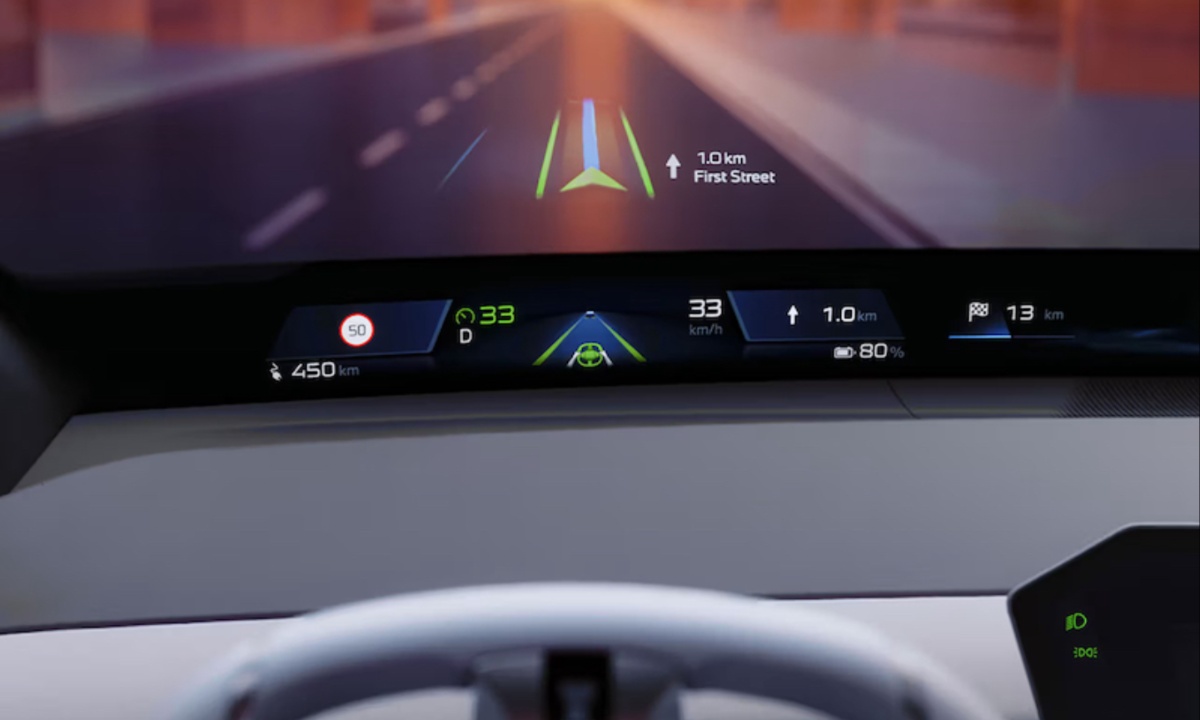
Drive mode selection is a powerful yet often underutilized feature in modern SUVs that directly affects fuel efficiency. Most vehicles offer multiple modes such as Eco, Normal, and Sport, each designed to alter engine response, transmission behavior, and sometimes steering feedback. These modes are not just comfort features; they significantly influence how efficiently fuel is consumed under different driving conditions.
Eco Mode is specifically designed to maximize fuel efficiency by softening throttle response and encouraging early gear shifts. This reduces engine RPM and minimizes fuel injection demand, making it ideal for city driving and steady highway cruising. Normal mode offers a balanced approach between performance and efficiency, making it suitable for mixed driving conditions where traffic patterns vary.
Sport mode, while offering improved acceleration and responsiveness, typically reduces fuel efficiency due to higher RPM operation and delayed gear shifts. It is designed for performance driving rather than economy. Using Sport mode frequently in everyday commuting conditions can lead to noticeable increases in fuel consumption over time.
The key to maximizing efficiency lies in selecting the appropriate mode based on driving conditions rather than sticking to a single setting. For example, Eco mode is ideal for traffic-heavy environments, while Normal mode may be better suited for open roads where consistent speed is possible. Switching intelligently between modes allows the vehicle’s systems to operate in their most efficient configuration for the given situation.
