
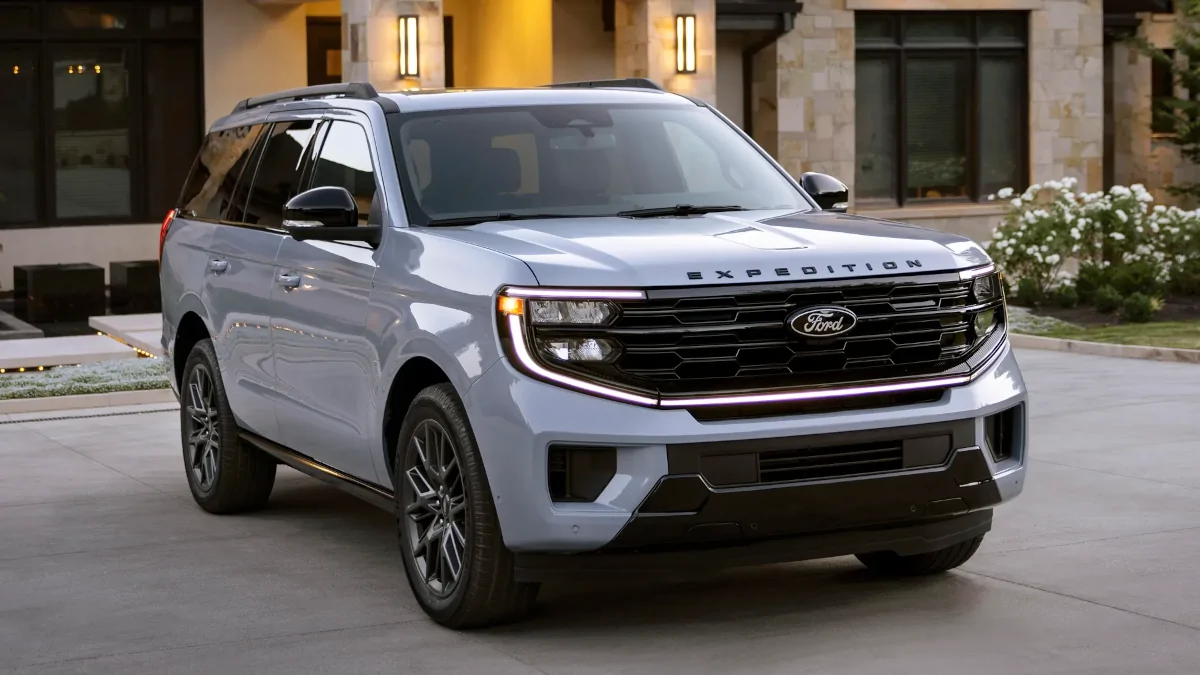
Towing is one of the most demanding tasks any SUV can perform. It pushes engines, transmissions, brakes, and cooling systems to their absolute limits. Automakers have responded by developing dedicated tow modes that promise to make the experience safer and more controlled. But here is the uncomfortable truth that most brochures will never tell you: not all tow modes are created equal.
Some SUVs have genuinely engineered their tow modes from the ground up. These systems actively manage transmission shift points, trailer sway control, exhaust braking, cooling fan behavior, and even suspension stiffness. They communicate with the driver in real time. They intervene intelligently when things go wrong on the highway or on a steep downgrade.
Then there are the others. Press the tow mode button and something happens maybe the transmission holds gears slightly longer, maybe a warning light changes color. But fundamentally, nothing meaningful has changed under the hood. These are marketing tow modes. They exist on the spec sheet so that a salesperson can check a box during a showroom conversation.
This article breaks down four SUVs where tow mode genuinely transforms the driving experience and four where it is, frankly, just a glowing button on the dashboard. If you regularly pull a boat, a camper, or a horse trailer, this distinction could be the most important thing you read this year.
4 SUVs With Genuinely Useful Tow Modes
These SUVs feature well-engineered tow/haul modes that actually improve performance under load. They adjust transmission shift points, increase engine braking, optimize throttle response, and enhance cooling for safer towing. Models like the Ford Expedition, Chevrolet Tahoe, Dodge Durango, and Toyota Sequoia are known for real towing-focused tuning that helps maintain stability, control, and power on inclines and long hauls.
These systems reduce gear hunting, improve braking confidence, and make towing feel controlled rather than stressful, especially with heavier trailers.
1. Ford Expedition
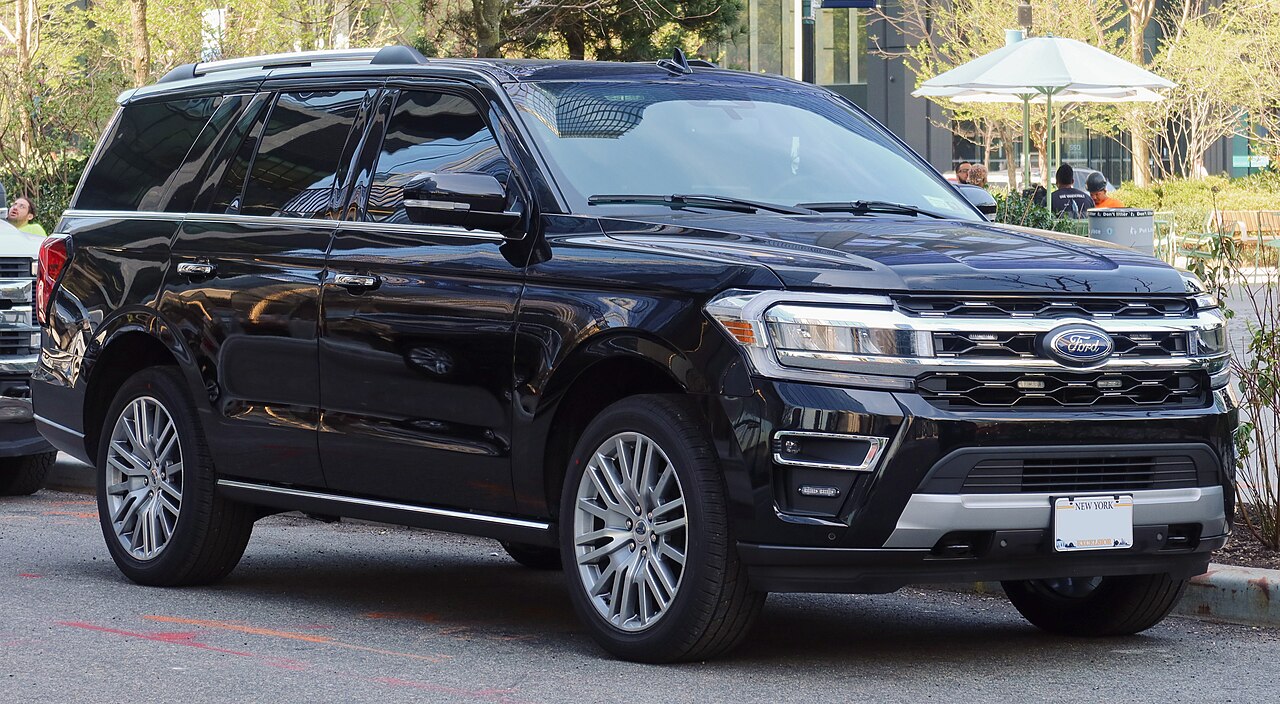
The Ford Expedition has long been one of America’s most trusted full-size SUVs for families who take towing seriously. It is built on a body-on-frame platform that already gives it a structural advantage over crossovers. But what makes the Expedition genuinely impressive is what happens when you press that tow/haul button on the center console.
The moment tow mode is activated, the Expedition’s 3.5-litre twin-turbocharged EcoBoost V6 begins behaving differently. The transmission control module immediately recalibrates its shift logic. It holds gears longer under acceleration so the engine stays in its optimal torque band. It downshifts more aggressively on descents so the driver does not have to ride the brakes continuously down long mountain grades.
The exhaust braking system becomes particularly useful on steep downhill sections. It creates back-pressure in the exhaust system that slows the vehicle naturally. This reduces brake fade during extended descents significantly. Drivers who haul heavy loads regularly will immediately appreciate this feature on mountain routes.
Ford’s Pro Trailer Backup Assist is another layer that integrates directly with tow mode on higher trims. The driver simply turns a small knob on the dashboard to steer the trailer while reversing. The system translates that knob input into opposite steering wheel corrections automatically. It is genuinely one of the most practical trailer-reversing systems available in any production vehicle today.
The Expedition also raises its cooling fan engagement threshold in tow mode. The system keeps engine and transmission temperatures tightly managed even under sustained heavy load. Transmission fluid temperature is monitored more aggressively and displayed on the driver information screen. If temperatures climb toward dangerous levels, the system alerts the driver before damage can occur.
Integrated trailer brake controller support on the Expedition works in harmony with tow mode. The system reads deceleration rates and applies trailer brakes proportionally and smoothly. It is not a separate aftermarket add-on bolted under the dash. It is a factory-engineered system that communicates with the vehicle’s ABS and stability control modules directly.
Trailer sway detection is perhaps the most critical safety feature in the Expedition’s tow mode suite. If the trailer begins to oscillate at highway speeds, the system detects the sway pattern through the stability control sensors. It then selectively applies individual wheel brakes to damp the oscillation before it becomes dangerous. It also cuts engine power simultaneously to reduce speed and restore control quickly.
The Expedition can tow up to 9,300 pounds when properly configured. But the raw number matters far less than the intelligence behind it. Every subsystem in the Expedition works together in tow mode to make that maximum rating feel manageable and safe. It is a genuinely holistic towing package from a company that has decades of real-world towing engineering experience behind it.
2. Ram 1500-Based SUV / Dodge Durango
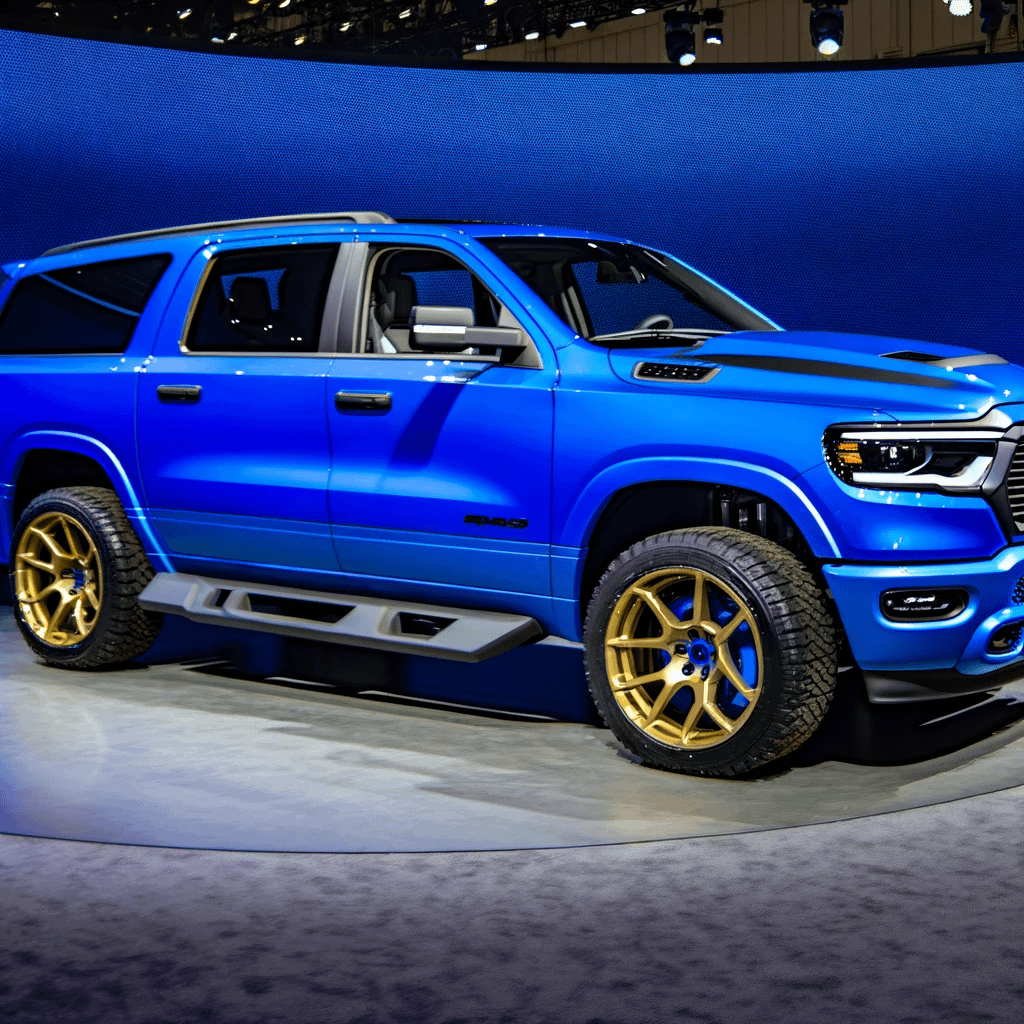
The Dodge Durango stands in a unique position in the SUV market. It is one of the very few three-row SUVs that shares its platform and powertrain DNA directly with a serious pickup truck. That heritage matters enormously when it comes to the quality and depth of its tow mode system. This is not a tow mode designed as an afterthought.
When tow mode is engaged on a Durango equipped with the 5.7-litre HEMI V8, the transformation is immediate and noticeable. The eight-speed automatic transmission shifts its entire personality. It becomes more deliberate, more aggressive in holding lower gears, and far more responsive to driver throttle inputs. The system essentially reprograms the transmission’s brain to prioritize torque delivery over fuel economy.
The Durango’s tow mode also activates its cylinder deactivation override. Normally, the HEMI uses Multi-Displacement System technology to shut down four cylinders during light-load cruising. In tow mode, this feature is suppressed completely. All eight cylinders remain active at all times so the engine delivers consistent, reliable power on every pull. This prevents the unsettling transitions between four-cylinder and eight-cylinder operation while managing a heavy trailer.
Trailer sway control on the Durango is connected to the vehicle’s Electronic Stability Control system at a deep level. The sensors monitor yaw rate, lateral acceleration, and steering angle simultaneously. When trailer sway is detected, the system applies targeted braking and reduces throttle with impressive speed and precision. Many drivers who have experienced this system in action report that the intervention is smooth enough to go almost unnoticed until they look at the stability control indicator.
The Durango’s engine cooling system receives specific tuning adjustments in tow mode. The cooling fan clutch engages earlier and stays engaged longer during sustained towing.
The powertrain control module monitors coolant temperature more frequently during tow mode operation. This prevents heat soak from developing in the engine bay during long climbs in hot ambient conditions.
Hill Descent Control is available on the Durango and integrates well with the tow mode logic. On steep unpaved grades, the system maintains a controlled descent speed without requiring constant brake pedal pressure from the driver. The system works by selectively modulating individual wheel brakes automatically. This is especially useful when towing a boat down an angled concrete boat ramp or going through a steep unpaved campground access road.
The Durango’s maximum tow rating reaches 8,700 pounds with the available V8 engine. That puts it at the very top of the three-row SUV category for towing capacity.
More importantly, the Durango’s tow mode is supported by an integrated trailer brake controller on properly equipped trims. The entire system is engineered to work as a unit rather than a collection of loosely connected features bolted together.
What separates the Durango from less capable competitors is the depth of integration. Tow mode on the Durango changes behavior across the transmission, engine management, stability control, cooling, and braking systems simultaneously. This is the definition of a genuinely useful tow mode. It makes a real and tangible difference to anyone who regularly attaches a heavy trailer to their Durango.
3. Land Rover Defender 110
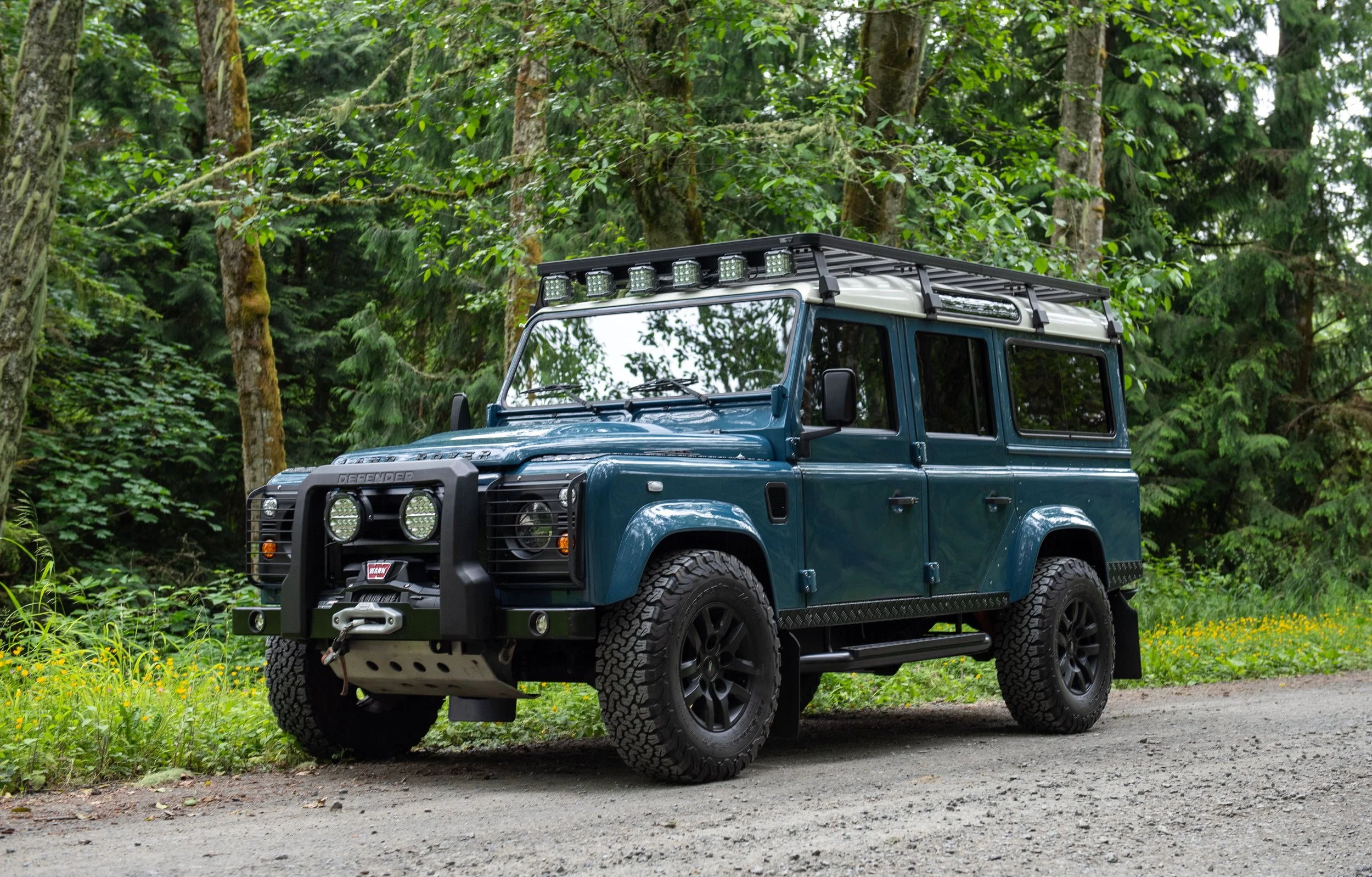
The Land Rover Defender occupies a rare position in the global SUV market. It is genuinely capable off-road while also being a sophisticated on-road touring vehicle.
Its Terrain Response 2 system is one of the most advanced all-surface management platforms available in any production SUV. And when towing is added to the equation, the Defender’s engineering depth becomes truly apparent.
Activating tow mode on the Defender 110 does far more than adjust a few shift points in the automatic transmission. The system communicates across the vehicle’s entire electronic architecture.
It modifies throttle mapping, transmission behavior, hill descent control parameters, and trailer stability algorithms simultaneously. The result is a vehicle that feels more planted, more predictable, and more composed the moment a trailer is connected.
The Defender’s Active Trailer Assist system uses the rear camera and vehicle sensors to help the driver reverse with a trailer attached. The system allows the driver to use the steering wheel to guide the trailer direction intuitively.
It then translates those inputs into the correct counter-steering movements automatically. For a vehicle that is regularly used in tight campsite environments or narrow farm lanes, this system provides enormous practical value.
Land Rover’s Trailer Stability Assist is integrated directly into the Defender’s tow mode at the firmware level. The system uses inertial sensors to monitor trailer movement patterns in real time.
When oscillation is detected, the system intervenes through selective braking and throttle reduction faster than any human reaction time could match. The system is calibrated specifically for the Defender’s weight, wheelbase, and towing geometry.
The Defender’s air suspension system interacts with tow mode in a particularly intelligent way. When a heavy trailer is connected, the system can automatically adjust ride height to maintain correct towing geometry.
Correct geometry means the trailer hitch remains level regardless of load. A level hitch improves trailer stability, steering feel, and braking effectiveness dramatically during highway cruising.
Wading and off-road tow mode compatibility is something unique to the Defender. Most SUVs only consider on-road towing scenarios when engineering their tow modes.
The Defender considers the reality that many of its customers tow boats down slippery concrete ramps, horse trailers across muddy fields, and caravans over mountain passes with loose gravel surfaces. Its Terrain Response system adjusts traction control and differential behavior accordingly.
The 3.0-litre inline-six mild hybrid powertrain in the Defender adds another layer of sophistication to tow mode behavior. The 48-volt mild hybrid system provides torque fill during low-speed maneuvering.
This prevents the hesitation that turbocharged petrol engines can sometimes exhibit at parking lot speeds with a heavy trailer in tow. The electric torque assist makes slow-speed trailer positioning noticeably smoother and less stressful.
With a tow rating of up to 8,200 pounds, the Defender is not the highest-rated SUV in this group. But its tow mode is arguably the most comprehensively engineered.
It accounts for terrain variation, load geometry, trailer stability, off-road scenarios, and driver assistance in ways that most competitors simply do not address. For buyers who tow in varied real-world conditions, the Defender’s tow mode is genuinely invaluable.
4. Chevrolet Tahoe
The Chevrolet Tahoe is one of the defining vehicles of the American full-size SUV category. It has been towing boats, campers, and horse trailers across the United States for decades. General Motors has accumulated enormous real-world towing data from Tahoe owners over multiple generations of the vehicle. That accumulated knowledge shows clearly in the current Tahoe’s tow mode engineering.
Engaging tow mode on the Tahoe immediately triggers a comprehensive reprogramming of the Hydra-Matic ten-speed automatic transmission. The transmission holds gears to much higher RPM ranges under load. It avoids the hunting behavior that plagues many lighter-duty transmissions when they try to find the right gear on rolling highway terrain. The result is a dramatically smoother and less fatiguing highway towing experience.
The Tahoe’s Dynamic Fuel Management system, which deactivates cylinders during normal driving, is completely suppressed in tow mode. All eight cylinders of the 5.3-litre or 6.2-litre V8 remain engaged throughout the towing session. This ensures consistent power delivery and prevents the transmission from searching for gears during the transitions between cylinder counts. It is a simple but critically important feature for maintaining stable towing behavior.
General Motors’ Integrated Trailer Brake Controller on the Tahoe is a factory-installed system that works natively with tow mode. It senses vehicle deceleration through the ABS sensors and applies the trailer’s electric brakes proportionally. The driver can adjust the brake gain on a small readout in the instrument cluster. The system communicates directly with the Tahoe’s own braking system so the two work together as a single unit.
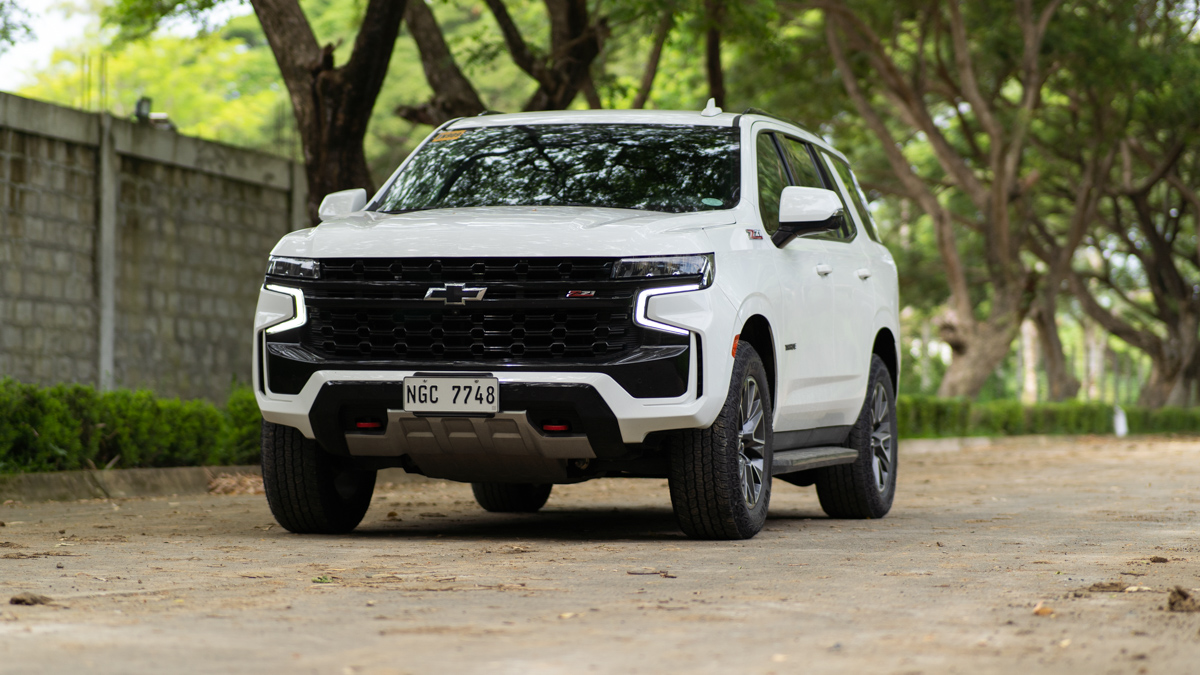
The Tahoe’s tow mode also adjusts the rear air suspension on properly equipped models. When towing heavy loads, the air suspension automatically levels the vehicle to maintain correct hitch geometry. This prevents the nose-high, tail-low stance that can reduce steering feel and create dangerous tongue weight distributions. The self-leveling behavior happens automatically without any driver intervention required.
Trailer sway control on the Tahoe uses a combination of vehicle yaw sensors and brake force vectoring to detect and correct trailer oscillation. The system applies individual rear wheel brakes to create a straightening force on the trailer. It simultaneously reduces engine power to lower vehicle speed during any sway event. Most drivers will never experience a dramatic intervention because the system catches small oscillations before they can develop into dangerous swings.
The Tahoe offers an available HD Surround Vision camera system that shows a bird’s-eye view of the vehicle and trailer. This integrates with the trailer management system to help drivers judge clearances during maneuvering. The Hitch Guidance feature uses the rear camera with overlay lines to help drivers align the hitch ball with the trailer coupler accurately. These features remove significant stress from the hitching and maneuvering process.
With a maximum tow rating of 8,400 pounds, the Tahoe sits near the top of the three-row SUV class. Its tow mode is backed by genuine engineering investment from a company that treats towing as a core product competency. The system works cohesively across transmission, engine, braking, suspension, and camera systems to deliver a towing experience that genuinely earns the confidence of the driver. The Tahoe is a benchmark for what a mainstream American full-size SUV tow mode should deliver.
4 Where It’s Just a Dashboard Button
These SUVs include a tow mode in name only, where activating it results in minimal real-world difference. The system may slightly alter throttle response but lacks meaningful transmission tuning, braking assistance, or cooling adjustments.
In these cases, drivers may still experience gear hunting, weak engine braking, and unstable towing behavior, making the feature feel more like a marketing add-on than a functional upgrade. While fine for light loads, these systems don’t provide the confidence needed for serious towing.
1. Toyota Highlander
The Toyota Highlander is an excellent family SUV in nearly every measurable way. It is refined, reliable, and beautifully built. Toyota’s reputation for long-term dependability is fully deserved and well documented. But the Highlander’s tow mode is a significant disappointment for anyone who actually plans to use this vehicle for serious towing tasks on a regular basis.
When you press the tow mode button on the Highlander, the transmission does make some adjustments. Shift points move slightly to allow the engine to rev a little higher before upshifting. Downshifts come a little more readily when the driver lifts off the throttle on descents. These are real changes, but they are extremely modest in scope. They represent the minimum viable response to towing conditions rather than a comprehensive engineering solution.
The Highlander’s 2.4-litre turbocharged four-cylinder engine, which powers most current models, produces adequate numbers on paper. It develops 265 horsepower and 310 pound-feet of torque. However, this engine was not fundamentally designed with sustained heavy towing as a primary use case. In tow mode, the powertrain management strategy makes only surface-level adjustments. The deeper engine management parameters remain largely unchanged from normal driving mode.
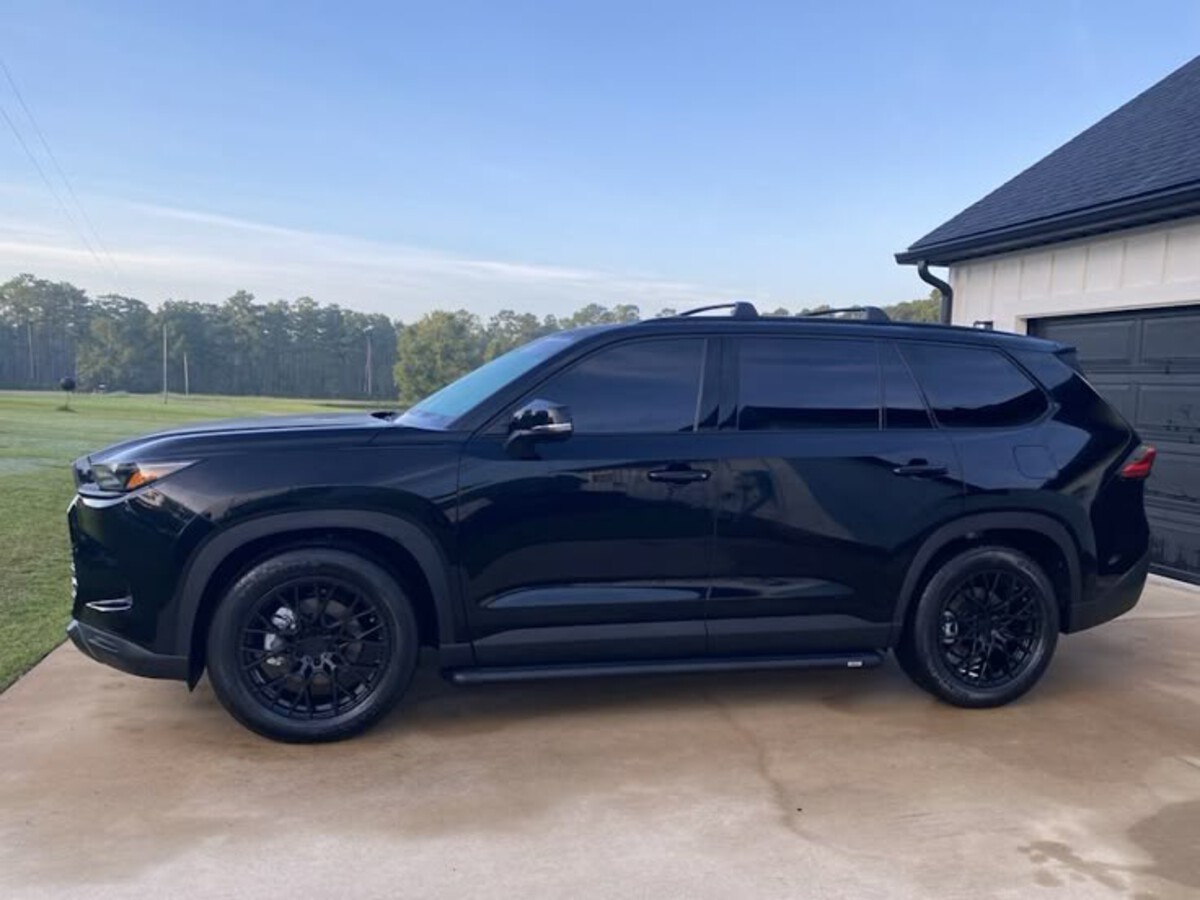
There is no integrated trailer brake controller available on the Highlander. This is a major omission for a vehicle that carries a 5,000-pound tow rating. Buyers who tow trailers with electric brakes must purchase and install an aftermarket brake controller separately. This aftermarket unit communicates with the trailer brakes but has no integration with the Highlander’s own stability control or ABS systems. It is a disconnected solution that compromises the braking safety picture.
Trailer sway control on the Highlander exists through the standard Vehicle Stability Control system. However, it is not specifically tuned or calibrated for trailer towing scenarios in any documented meaningful way. The system responds to detected instability as it would in any other driving situation. It does not apply the additional trailer-specific sway damping algorithms that purpose-built towing systems from Ford, GM, and Ram employ.
The Highlander’s cooling system management does not appear to make significant documented adjustments in tow mode. During sustained towing in hot ambient conditions, some owners have reported raised temperature readings during long uphill grades. The transmission in particular can generate significant heat under sustained load conditions. Without specific cooling strategy changes in tow mode, managing these temperatures falls primarily on the driver’s judgment.
Toyota does offer a towing package for the Highlander that adds a trailer hitch receiver and wiring harness. The package is well-engineered and properly rated for the vehicle’s capabilities. But the package does not expand the intelligence of the tow mode itself. Pressing the tow mode button still results in a relatively modest set of adjustments that leave experienced towers wanting considerably more active management.
The Highlander is honestly rated at 5,000 pounds maximum tow capacity. For light-duty towing of small boats, utility trailers, or lightweight campers, this vehicle and its tow mode are probably adequate. But calling the system a genuinely capable tow mode in the same category as the Expedition or Tahoe would be a significant overstatement. The Highlander’s tow mode is a checkbox feature rather than a core engineering priority.
2. Hyundai Palisade
The Hyundai Palisade is one of the most stylish and value-rich three-row SUVs currently on sale anywhere. Its interior quality punches well above its price point. Passenger comfort, technology features, and standard safety equipment are genuinely impressive for the money.
But when it comes to tow mode, the Palisade reveals the limits of its car-based crossover platform in ways that matter to real-world towers. Engaging tow mode on the Palisade triggers transmission reprogramming that holds gears longer and downshifts more aggressively on grades.
This is a real and useful change. The 3.8-litre naturally aspirated V6 engine responds well to these shift adjustments during moderate towing scenarios. On flat terrain with a light to medium load, the Palisade can feel reasonably competent in tow mode. The problems begin when conditions become more demanding.
The Palisade’s maximum tow rating stands at 5,000 pounds. That number itself is not necessarily problematic for many buyers. The concern is what the tow mode does and more critically, what it does not do when approaching that maximum rating on challenging terrain.
There is no integrated trailer brake controller available from the factory on the Palisade. Buyers needing trailer brake control must source and install an aftermarket solution independently.
Trailer sway control on the Palisade operates through the standard ESC system. Like the Highlander, this system was not specifically calibrated for trailer-specific oscillation patterns as a distinct operating mode.
The standard stability control algorithms attempt to manage sway, but the system lacks the trailer-specific damping logic that purpose-built towing platforms provide. At highway speeds near the maximum tow rating, this distinction becomes relevant.
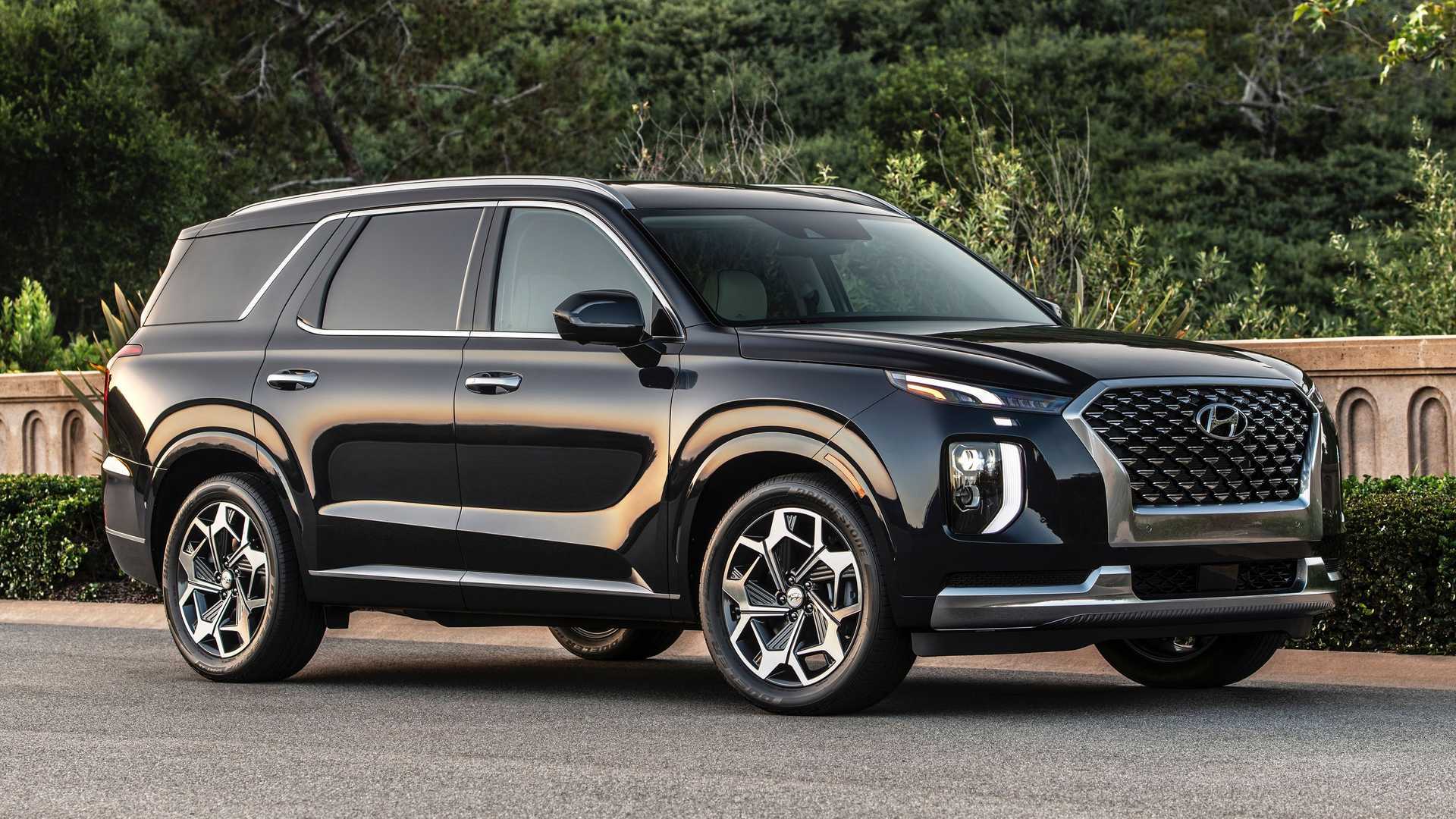
There is no documented evidence that the Palisade’s cooling system makes specific adjustments when tow mode is activated. The engine and transmission cooling strategy appear to operate on standard parameters during towing.
For occasional light towing in mild ambient temperatures, this may be perfectly acceptable. For sustained towing of near-maximum loads in hot weather or mountainous terrain, owners should monitor temperature gauges carefully and independently.
The Palisade does offer a useful Trailer View monitor option on some trims that uses an optional rearview camera mounted on the trailer itself. This is a genuinely creative feature that provides enhanced rear visibility when towing.
However, this is a visibility and convenience feature rather than an active towing safety system. It does not affect the fundamental capability of the tow mode itself in any meaningful technical way.
Highway towing in the Palisade is described by many owners as adequate rather than confident. The vehicle’s unibody construction, while excellent for on-road refinement and passenger comfort, does not provide the inherent structural stiffness of a body-on-frame platform.
Under near-maximum load conditions, the Palisade can feel more easily influenced by crosswinds and surface irregularities than body-on-frame tow vehicles. This is a platform limitation that no software update can fully overcome.
For buyers who genuinely need to tow regularly and who want a tow mode that actively manages the experience intelligently, the Palisade is not the right choice. It is an exceptional family hauler with a tow mode that handles incidental, light-duty towing adequately.
But honest assessment requires acknowledging that the Palisade’s tow mode is one of the thinner implementations currently available in the three-row SUV segment. It is a button with limited substance behind it.
3. Kia Telluride
The Kia Telluride is without question one of the most acclaimed SUVs of the current generation. It has earned near-universal praise from automotive journalists, consumer organizations, and everyday buyers alike.
Its styling, interior quality, and value proposition are genuinely class-leading in multiple respects. But the Telluride’s tow mode is another area where substance does not quite match the vehicle’s otherwise impressive reputation.
Activating tow mode on the Telluride produces transmission logic adjustments that are functionally similar to those found on the Palisade, which shares its platform. This makes technical sense since both vehicles use the same basic architecture.
The 3.8-litre V6 holds gears longer and downshifts more assertively when descending grades. For towing tasks that fall well within the vehicle’s 5,000-pound maximum capacity, these adjustments provide a modest improvement over normal driving mode.
The Telluride lacks a factory-integrated trailer brake controller. For a vehicle that claims a 5,000-pound tow rating and is marketed partly to active lifestyle buyers, this omission feels like a genuine gap in the product offering.
Buyers who tow trailers equipped with electric brakes which includes virtually all trailers approaching the Telluride’s maximum rating must source aftermarket brake control solutions on their own.
Kia’s tow mode does not appear to invoke specific trailer sway management algorithms that differ meaningfully from the standard stability control system. The VSM system will detect and respond to instability, but it does so using general vehicle dynamics logic.
The more sophisticated trailer-specific oscillation detection found in Ford’s or GM’s systems, which can identify trailer sway patterns distinctly from vehicle-induced instability, does not appear to be present in the Telluride’s calibration.
Transmission heat management during extended towing is a legitimate concern with the Telluride that owner communities have discussed openly. On extended mountain grades under near-maximum load, transmission temperature can build significantly.
The tow mode does not appear to activate specific additional cooling measures beyond what the standard transmission control logic provides. Prudent drivers in these situations often manage their own pace by pulling over to allow cooling at intervals.
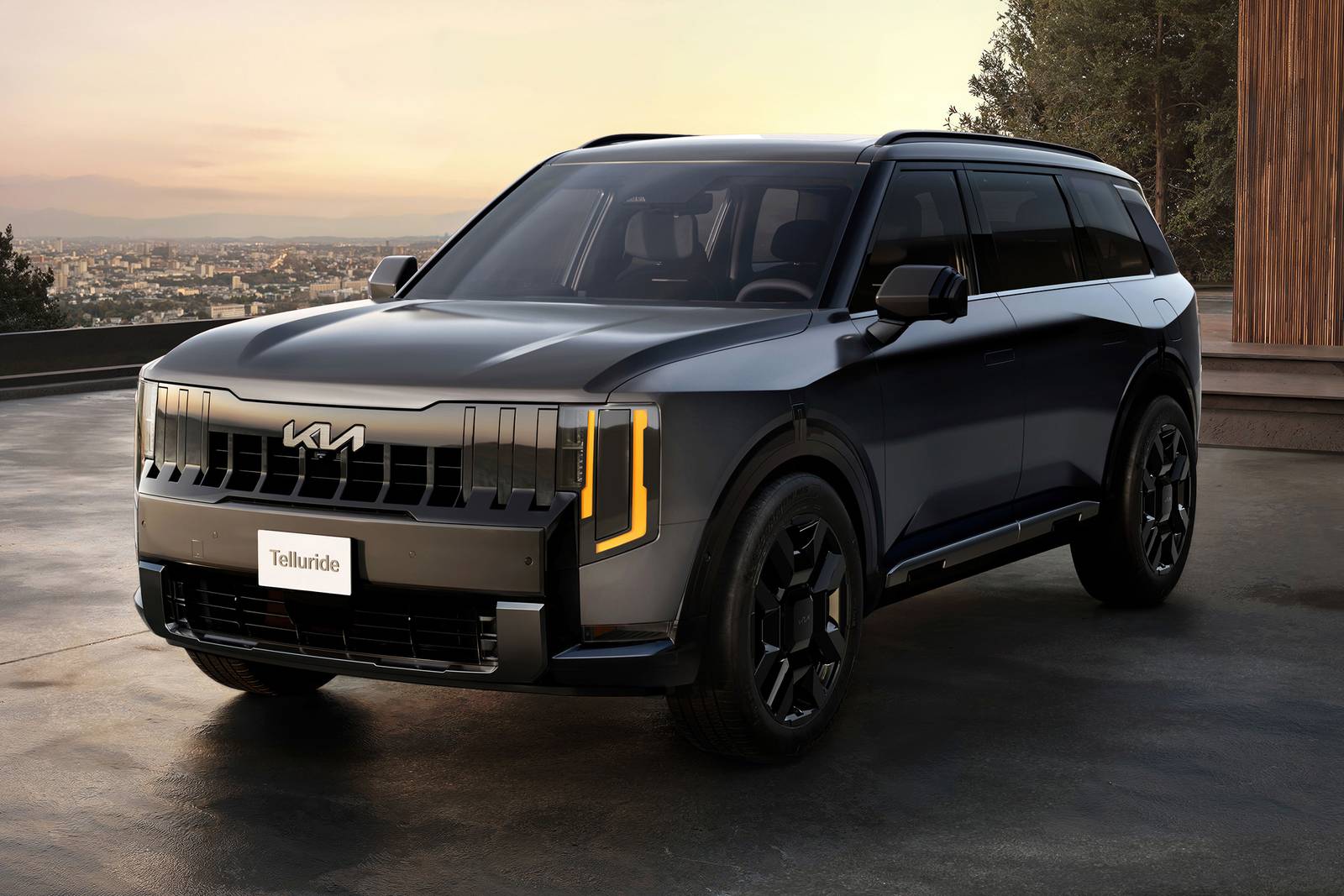
The Telluride’s towing experience benefits from a well-calibrated damper setup that provides reasonable stability under light loads. The suspension tuning is more comfort-focused than towing-focused, which is appropriate for the vehicle’s primary use case.
However, this comfort bias means the vehicle can feel noticeably less planted and more susceptible to trailer influence as loads approach the maximum rating. The tow mode cannot compensate for fundamental suspension geometry and tuning characteristics.
It is important to maintain a sense of proportion here. The Telluride is not marketed primarily as a towing vehicle. For the vast majority of its buyers, the modest tow mode adjustments are entirely sufficient for the occasional use cases involved.
The vehicle is superb at everything it was primarily designed to do. But for buyers who regularly tow near its rated capacity, the Telluride’s tow mode will feel thin and unsupported compared to purpose-built towing platforms.
Kia has invested heavily in building the Telluride’s reputation for quality and value. The tow mode is the one area where the vehicle’s engineering feels like it has not received the same level of investment as the rest of the package.
Buyers should approach the Telluride with honest expectations about what the tow mode button actually delivers modest transmission tuning adjustments and not much more beyond that.
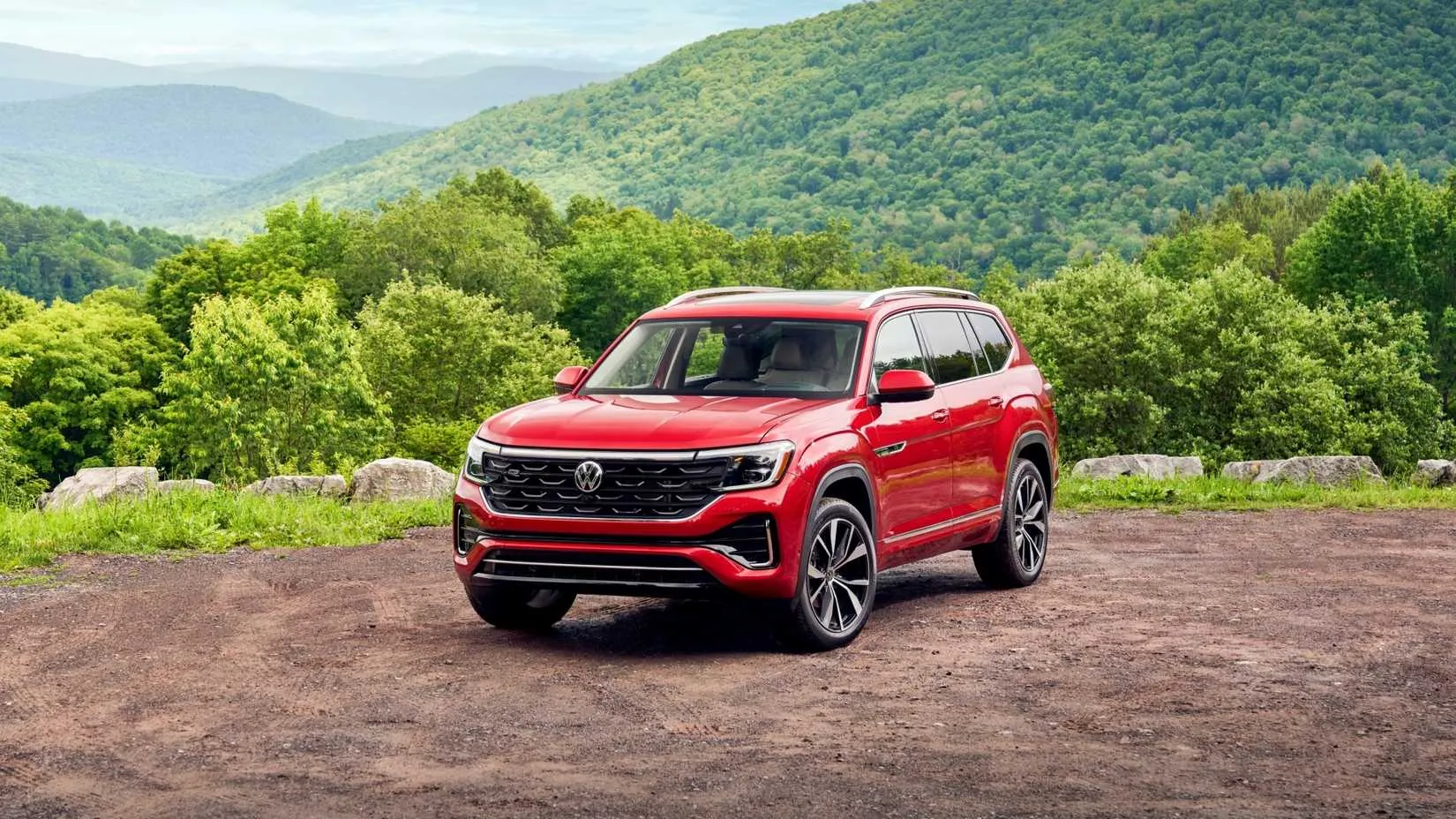
4. Volkswagen Atlas
The Volkswagen Atlas occupies a specific and well-defined position in the American SUV market. It offers genuine three-row practicality, a handsome Germanic interior, and a broad appeal to families who want something that feels slightly more premium than mainstream American offerings. Volkswagen has built a reputation for engineering sophistication that makes the Atlas’s tow mode performance particularly surprising when examined carefully.
The Atlas carries a 5,000-pound tow rating with the 2.0-litre turbocharged four-cylinder engine and a 5,000-pound rating with the 3.6-litre V6 on most configurations.
When tow mode is activated, the transmission makes shift point adjustments that are broadly similar in character and depth to those found in the Highlander and Palisade. The changes are real but represent the minimum viable approach to towing load management rather than a comprehensive strategy.
Volkswagen does not offer a factory-integrated trailer brake controller on the Atlas for the North American market. This is a notable gap for a vehicle that carries a 5,000-pound tow rating.
At that capacity, trailers routinely come equipped with electric brake systems. Without a native trailer brake controller, the integration between vehicle braking and trailer braking is inherently compromised compared to vehicles with factory-integrated solutions.
The Atlas’s trailer sway control operates through the standard ESC system without documented trailer-specific tuning layers beyond what the base stability control provides.
Volkswagen has not published specific information about trailer-specific oscillation detection calibrations within the tow mode activation sequence. This places the Atlas alongside the Highlander, Palisade, and Telluride in terms of the depth or lack thereof of its trailer stability management capabilities.
Thermal management is an area where the Atlas’s tow mode raises legitimate questions. The 2.0-litre TSI engine, while torquey and responsive in normal driving, can feel stressed under sustained towing near maximum capacity.
Extended climbs in hot ambient conditions reveal the engine’s limits in ways that its specification sheet does not suggest. The tow mode does not appear to activate enhanced cooling strategies that would help manage this thermal stress more proactively.
The Atlas’s air-cooled DSG dual-clutch transmission, offered on some configurations, is an additional consideration for tow mode evaluation. Dual-clutch transmissions are generally less suited to sustained low-speed towing scenarios than traditional torque converter automatics.
The clutch pack heat generated during slow maneuvering with a heavy trailer can be significant. The tow mode does not appear to implement specific thermal protection strategies for the DSG beyond its standard operating parameters.
Volkswagen’s 4MOTION all-wheel-drive system does contribute positively to the towing experience. It provides appropriate power distribution for trailer launch situations and helps maintain directional stability during moderate load towing.
However, the AWD system’s benefits during towing are present regardless of whether tow mode is activated or not. Tow mode does not appear to invoke any specific AWD torque vectoring adjustments beyond normal AWD operating logic.
The Atlas is a genuinely good family SUV that delivers excellent value and German interior quality at a competitive price point. But its tow mode is a surface-level feature that creates an impression of capability without delivering the engineering depth that serious towers require.
Volkswagen’s marketing around the Atlas’s towing credentials should be approached with healthy skepticism. The tow mode button activates a modest recalibration, not a transformation of the vehicle’s towing intelligence.
Also Read: 6 Cars Where the Steering Still Feels New at 150K vs 6 That Get Loose Fast
