
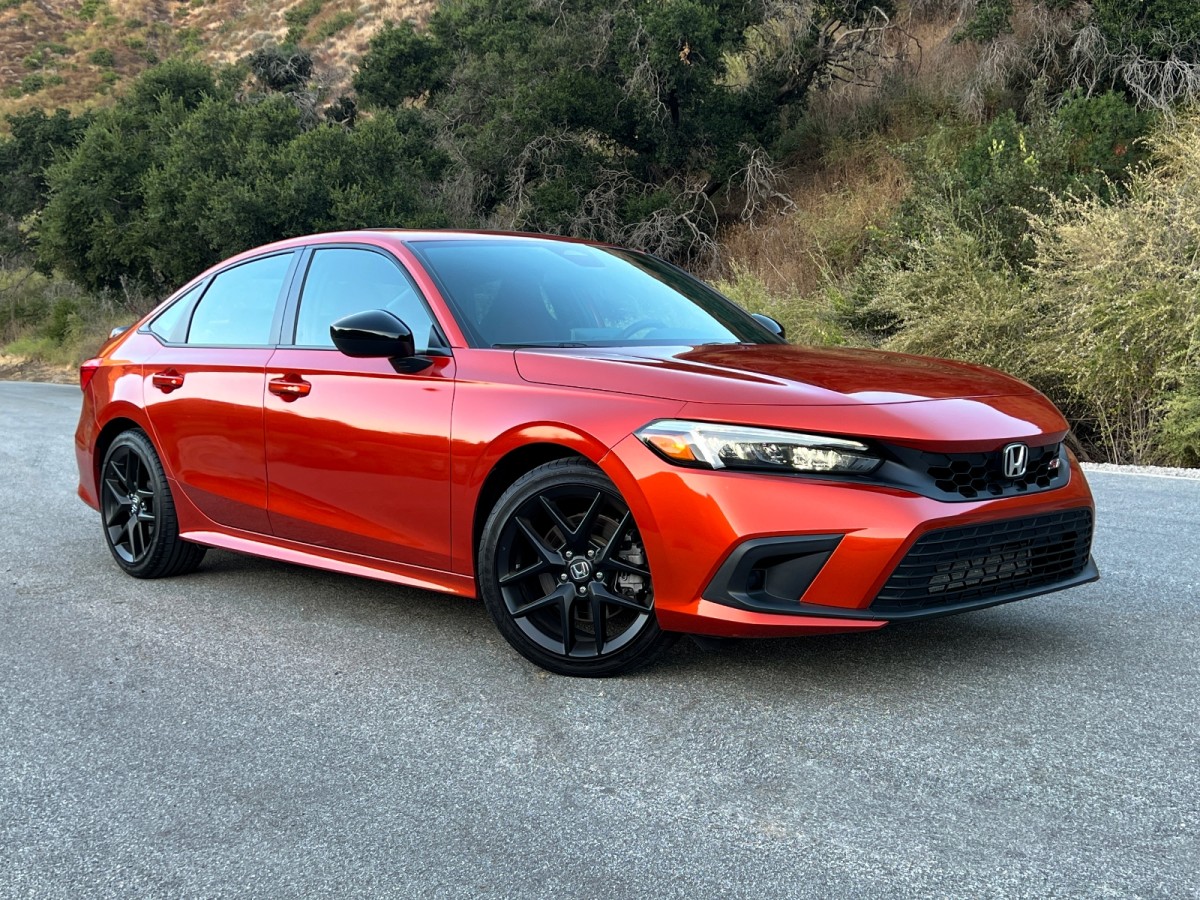
In modern automotive design, comfort systems such as cabin heating are often overlooked until the first cold morning reveals just how different cars can feel when they are started in low temperatures. While many drivers assume that all vehicles eventually provide the same level of warmth, the reality is that heating speed varies significantly depending on engine type, thermal efficiency, vehicle size, and even drivetrain design.
Some cars begin delivering warm air within a minute or two of starting, while others may take 15 to 20 minutes to reach a comfortable cabin temperature, especially in colder climates or during short city drives.
The difference comes down to how each vehicle generates and manages heat. In traditional internal combustion engine cars, cabin heating relies on waste heat produced by the engine. Smaller petrol engines tend to warm up faster because they reach operating temperature quickly and generate usable heat sooner.
In contrast, larger engines and diesel powertrains are more fuel efficient but produce less excess heat at idle, which slows down the warming process. Electric vehicles change this equation entirely, as they do not depend on engine heat and instead use dedicated heating systems that can deliver warmth almost instantly.
Climate control systems also play a major role in how quickly a cabin becomes comfortable. Modern vehicles use advanced coolant routing, thermostatic valves, and electronic climate control units that regulate how heat is distributed inside the cabin. However, even with these improvements, physics still limits how fast heat can be generated and transferred.
A large SUV cabin will naturally take longer to warm than a compact hatchback simply because there is more air volume to heat.
Driving conditions further influence heating performance. A vehicle warms up significantly faster when driven under a light load compared to idling in place. This is because engine load increases combustion temperature, accelerating the warming of the coolant and subsequently the heater core. As a result, two identical cars can feel very different depending on how they are used during the warm-up period.
This comparison of vehicles that heat up quickly versus those that take much longer highlights the importance of engineering choices in everyday comfort. From efficient compact petrol cars to heavy-duty diesel SUVs and modern electric vehicles, heating performance varies widely, shaping the real-world driving experience more than many people realize.
Also Read: 10 Cars With Insurance Premiums Lower Than a Compact Sedan
6 Vehicles Where the Heater Warms
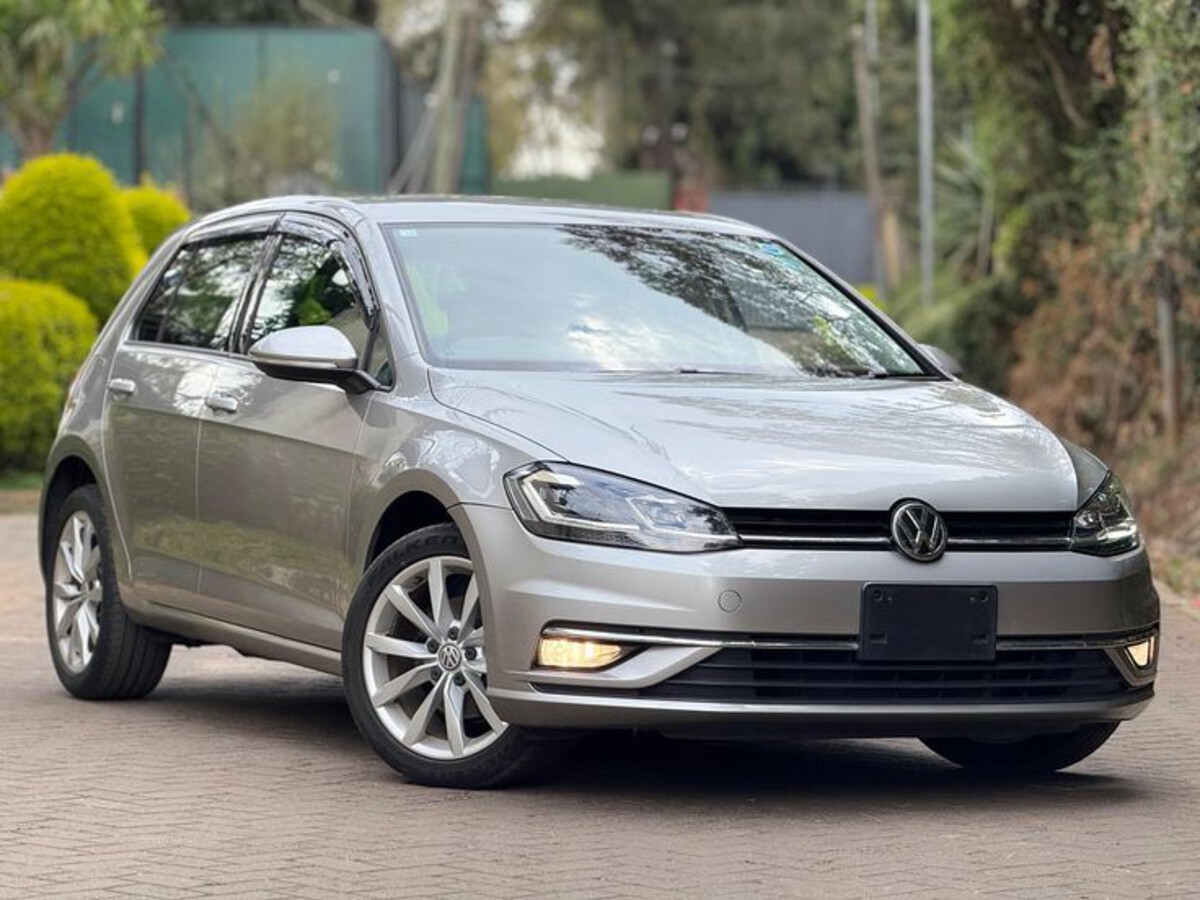
1. Volkswagen Golf TSI
The Volkswagen Golf TSI is widely regarded as one of the quicker heating compact cars in real-world winter driving, mainly because of its efficient small-displacement turbocharged petrol engine. Smaller engines tend to reach operating temperature faster since there is less metal mass to heat and less coolant volume compared to larger engines.
This directly influences how quickly warm air becomes available inside the cabin. In typical cold-start conditions, especially when the vehicle is driven gently rather than idling, drivers often notice warm air beginning to flow into the cabin within a few minutes of movement, making it more comfortable during early morning starts in colder climates.
A major reason behind this efficiency is Volkswagen’s focus on thermal management in its MQB platform. The engine cooling system is designed to prioritize rapid coolant circulation toward the heater core once a minimum operating threshold is reached.
This means that as soon as the engine begins producing usable waste heat, it is quickly transferred into the cabin heating system. Unlike older vehicles that rely heavily on prolonged idling, the Golf TSI benefits significantly from light driving, which accelerates engine warm-up and reduces the time needed for cabin comfort.
Another important factor is the turbocharged petrol engine itself. Turbocharged units generate higher combustion efficiency early in the warm-up phase, which helps increase coolant temperature faster than naturally aspirated engines of similar size.
This results in quicker HVAC activation and more consistent warm airflow. Additionally, modern emission systems are designed to reduce cold-start inefficiency, which indirectly supports faster heat availability inside the cabin.
The Volkswagen Golf TSI represents a balance of efficiency and comfort, where engineering decisions aimed at fuel economy also contribute to quicker cabin heating performance in real-world driving conditions.
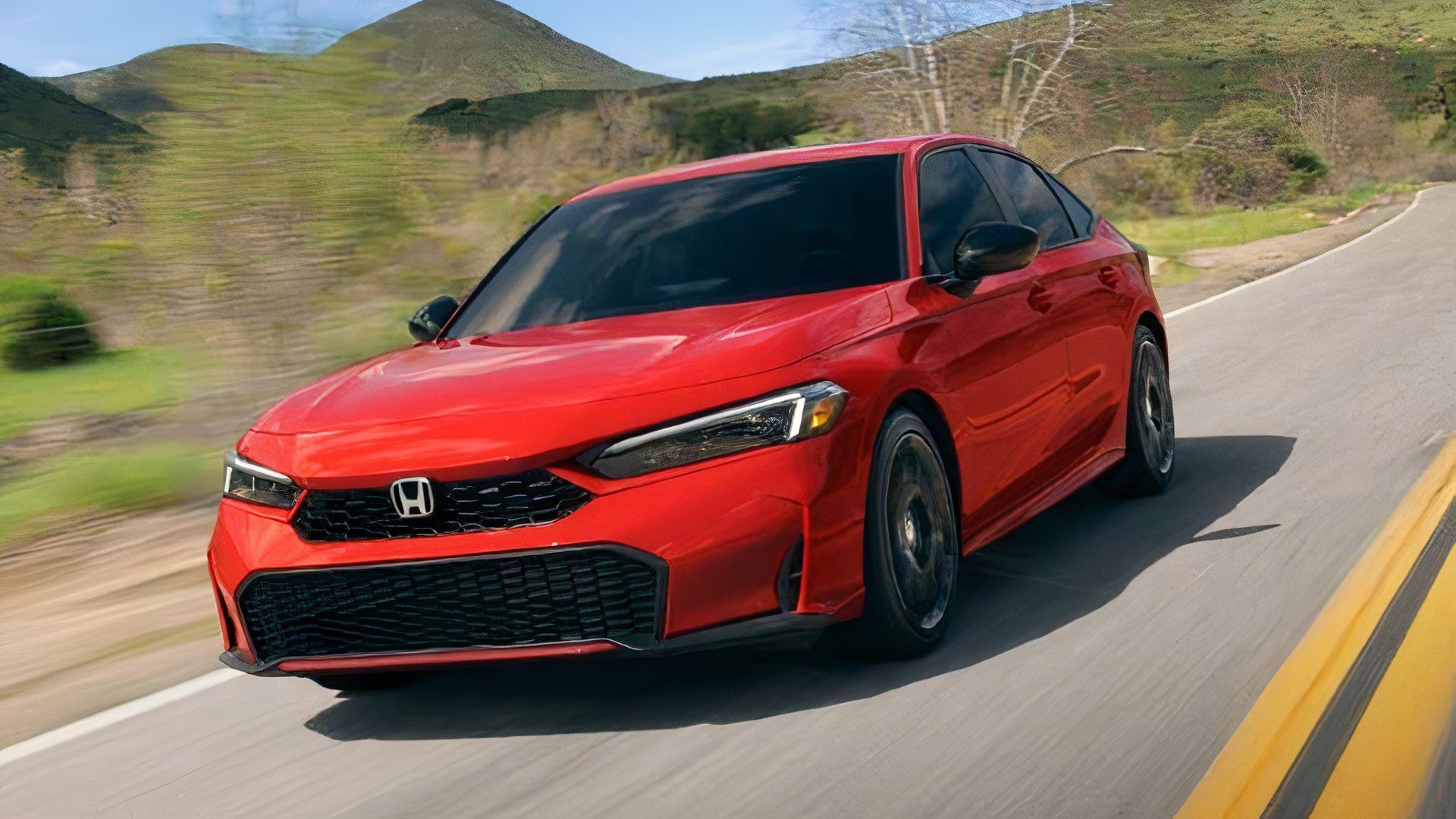
2. Honda Civic
The Honda Civic is another strong example of a compact car that warms up relatively quickly in everyday winter conditions. Honda has long focused on lightweight engine construction and high thermal efficiency, which allows the engine to reach its optimal operating temperature faster than many heavier or older designs.
This is especially noticeable in petrol variants, where combustion efficiency improves rapidly after startup, helping generate usable heat for the cabin in a short period of time once the vehicle begins moving.
One of the key advantages of the Civic is its aluminum-intensive engine construction. Aluminum blocks heat up faster than traditional cast iron designs due to lower thermal inertia. This means that the coolant circulating through the engine absorbs heat more quickly, and this heated coolant is then directed to the heater core.
As a result, passengers often feel warm air sooner than expected during cold starts, especially when driving in stop-and-go traffic or urban conditions.
Honda’s engine management system also plays an important role. Modern Civics are programmed to optimize fuel-air mixture during cold starts to increase combustion efficiency and reduce emissions. While this is primarily an environmental feature, it also has the side effect of accelerating heat production within the engine.
This makes the HVAC system more responsive, allowing warm air to reach the cabin more quickly once coolant temperatures begin to rise.
In real-world usage, the Civic performs particularly well in mild to moderately cold climates where it does not need extended warm-up cycles. Instead of requiring long idle periods, it benefits from gentle driving, which speeds up engine warm-up significantly.
This combination of lightweight engineering, efficient combustion, and optimized cooling flow makes the Honda Civic a consistently quick-heating compact sedan.
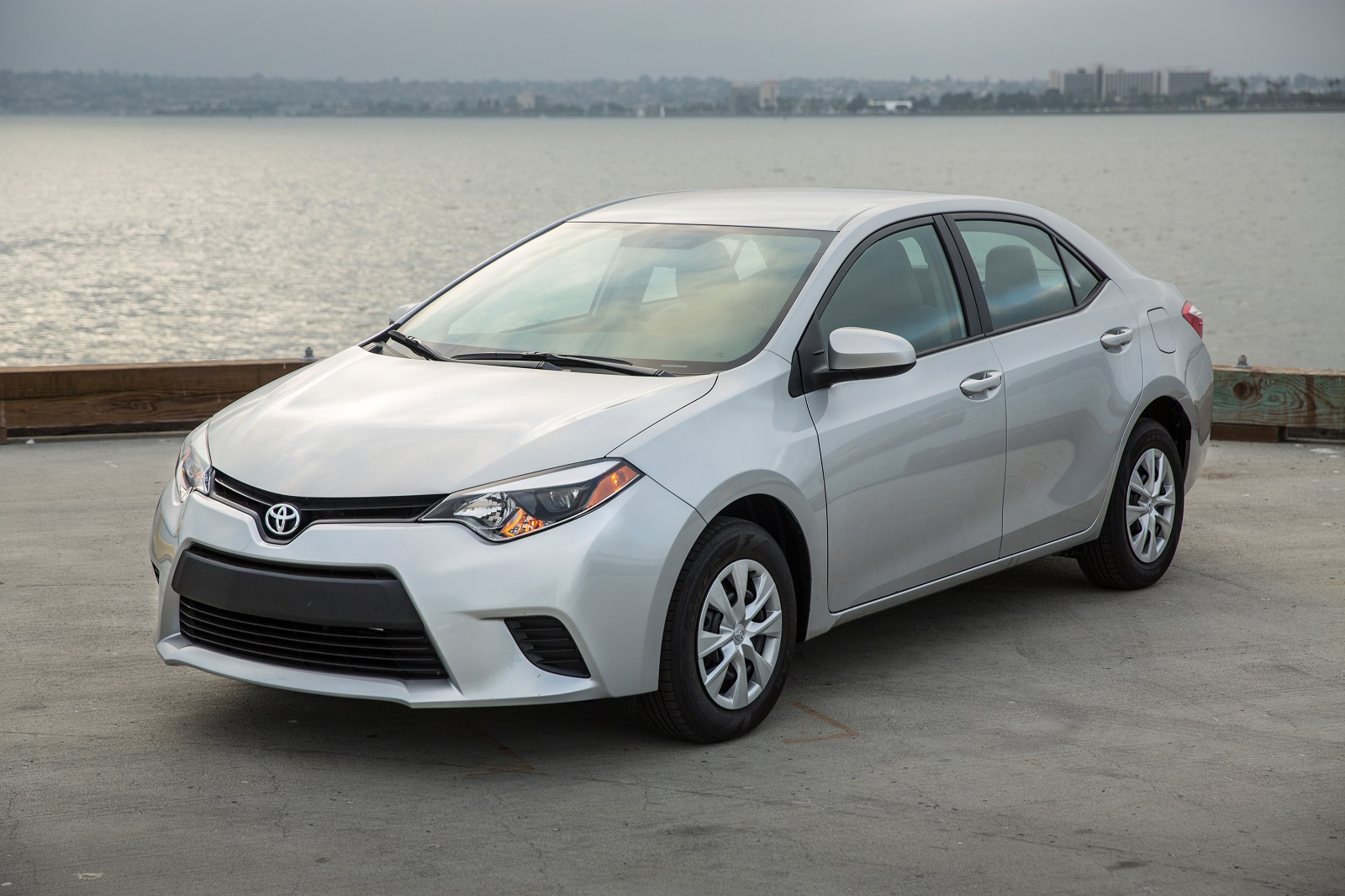
3. Toyota Corolla
The Toyota Corolla is known globally for reliability, and this extends to its heating performance as well. While it may not always be the absolute fastest in extreme cold conditions, it is highly consistent and predictable in how quickly it begins producing cabin warmth. The Corolla’s small and highly efficient petrol engines are designed to reach optimal operating temperature relatively quickly, which directly affects how soon warm air becomes available inside the vehicle.
Toyota engineers prioritize coolant system efficiency, ensuring that heat generated in the engine is effectively transferred to the heater core without unnecessary delays. The design of the cooling system minimizes heat loss during the initial warm-up phase, allowing the cabin heating system to activate sooner once the engine begins warming.
This is especially beneficial in everyday urban driving, where frequent acceleration and braking help maintain steady engine temperature growth.
Another factor contributing to the Corolla’s heating efficiency is its relatively compact cabin size. Smaller interior volume requires less energy to heat, meaning that even moderate increases in heater core temperature can result in noticeable cabin comfort improvements. This makes the Corolla feel warmer faster than larger sedans or SUVs under similar conditions.
Additionally, Toyota’s focus on emissions reduction has led to optimized combustion strategies during cold starts. These strategies improve engine efficiency early in the cycle, which helps generate usable heat sooner. While diesel engines or larger vehicles may struggle with slow warm-up times, the Corolla maintains a balanced approach that prioritizes both fuel efficiency and practical comfort.
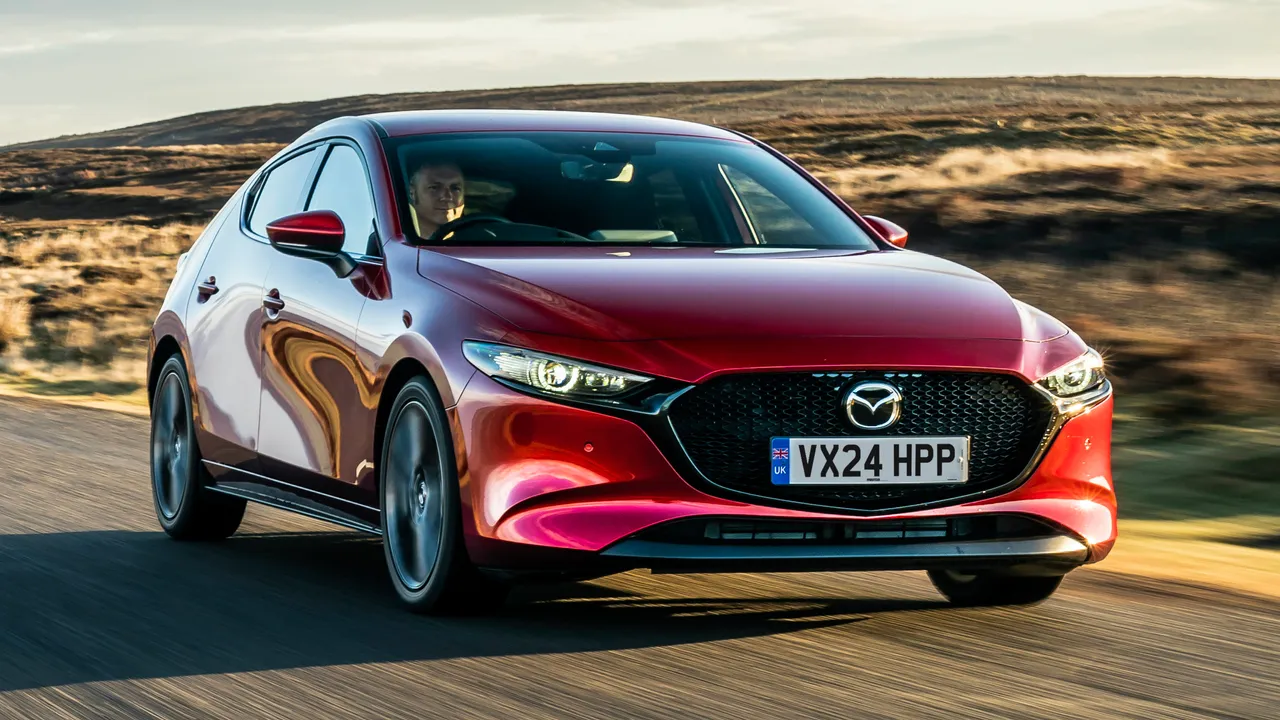
4. Mazda 3 (Skyactiv Engine Fast Thermal Response)
The Mazda 3 benefits significantly from Mazda’s Skyactiv engine technology, which is designed to maximize combustion efficiency and thermal performance. One of the key characteristics of Skyactiv engines is their high compression ratio, which improves fuel combustion efficiency and results in faster generation of engine heat after startup. This plays a direct role in how quickly the cabin heating system becomes effective in real-world driving.
Because the engine reaches optimal operating temperature faster, coolant flow to the heater core is also accelerated. This means that the HVAC system can begin delivering warm air sooner compared to many traditional engine designs. In practical terms, drivers often experience noticeable warmth within just a few minutes of driving, especially in city conditions where engine load is variable and frequent.
Another important factor is Mazda’s focus on lightweight vehicle architecture. The Mazda 3 is not only mechanically efficient but also relatively light compared to many competitors in its segment. This reduces the energy required to heat the cabin space, allowing the heating system to feel more effective even at lower engine temperatures.
Mazda also optimizes airflow control within the HVAC system, ensuring that warm air is distributed efficiently throughout the cabin once it becomes available. This reduces the perception of delay between engine warm-up and cabin comfort. Combined with improved insulation in newer models, the Mazda 3 maintains heat more effectively once it is generated.
The Mazda 3’s Skyactiv technology, lightweight design, and efficient HVAC integration make it one of the more responsive compact cars when it comes to cabin heating in cold weather conditions.
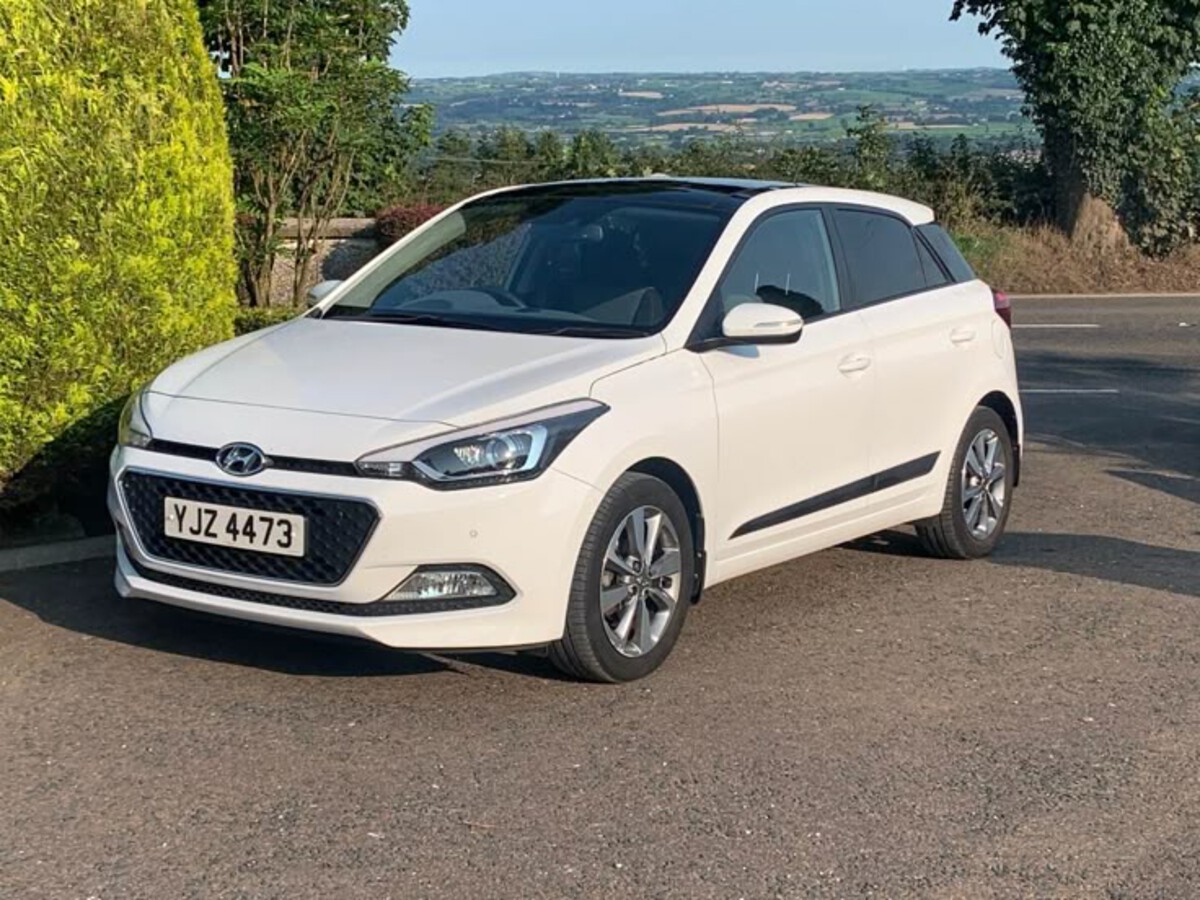
5. Hyundai i20
The Hyundai i20 is a strong performer in terms of perceived cabin heating speed, particularly in petrol variants. One of the biggest advantages it has is its compact cabin size, which significantly reduces the volume of air that needs to be heated. This means that even moderate increases in heater core temperature can create a noticeable improvement in cabin comfort within a short driving period.
The small petrol engines used in the i20 are designed for urban efficiency, which also contributes to faster warm-up times. Less engine mass and optimized coolant flow allow heat to build up relatively quickly after startup. Once the vehicle begins moving, engine load increases slightly, which further accelerates heat generation and improves HVAC performance.
Hyundai has also improved thermal management in newer generations of the i20. The cooling system is designed to balance emissions requirements with practical usability, ensuring that engine heat is not unnecessarily delayed in reaching the cabin heating system. This results in more consistent warm air delivery during early driving stages.
Another important aspect is insulation efficiency. While the i20 is a compact hatchback, modern versions include improved cabin insulation that helps retain heat once it begins entering the interior. This reduces heat loss and enhances the perception of quicker warming compared to older or less insulated vehicles.
The Hyundai i20 is particularly well-suited for city drivers who need quick and efficient cabin heating without waiting for long engine warm-up cycles, especially in moderate winter conditions.
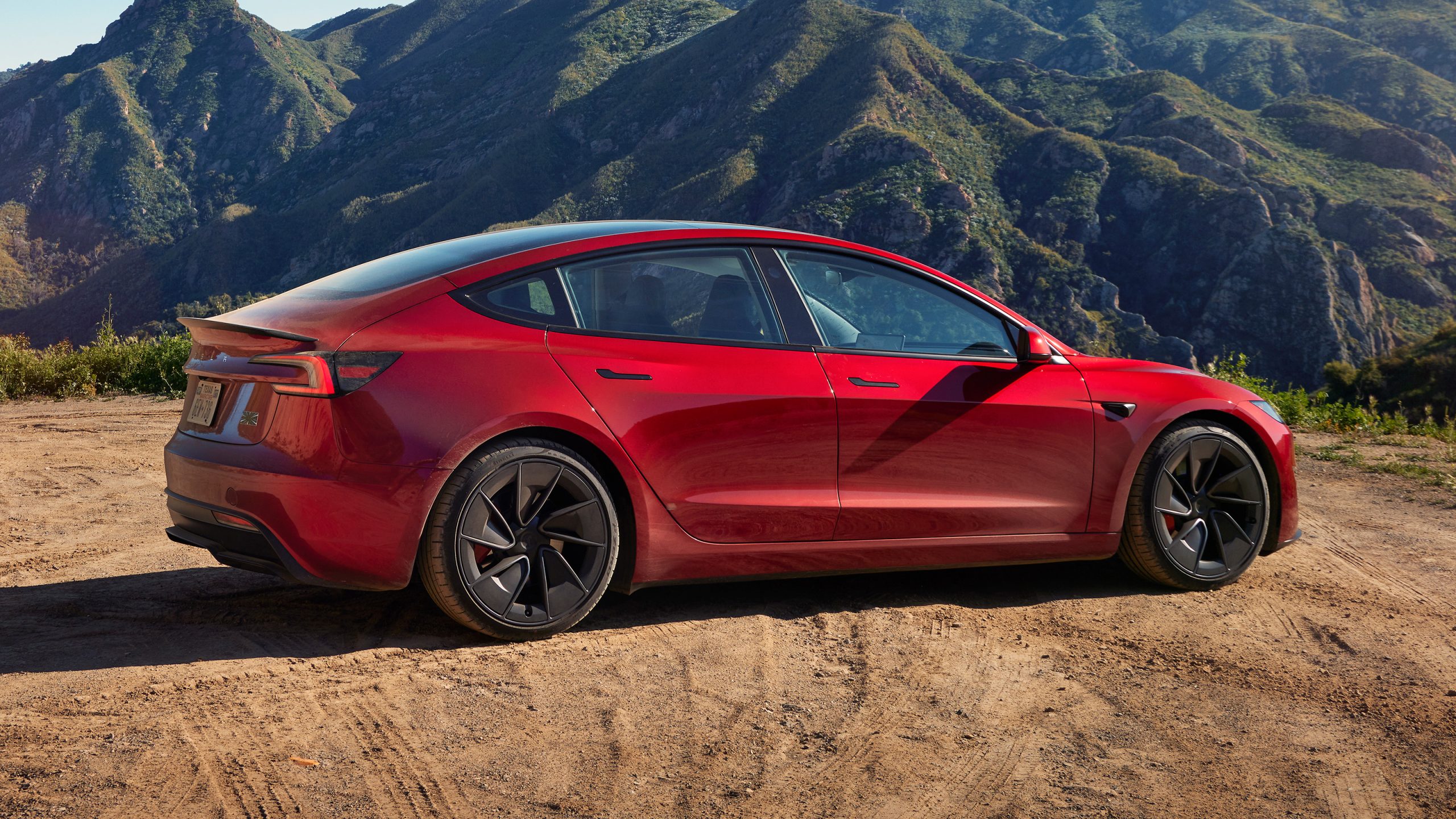
6. Tesla Model 3
The Tesla Model 3 behaves very differently from internal combustion engine vehicles because it does not rely on engine waste heat for cabin warming. Instead, it uses a high-voltage electric heating system and, in many variants, a heat pump that can transfer ambient heat into the cabin efficiently.
This fundamentally changes the heating experience, especially in cold starts, because warmth does not depend on engine temperature buildup. As soon as the system is activated, electrical energy is converted directly into heat, which allows warm air to begin circulating into the cabin almost immediately compared to petrol or diesel vehicles.
In real-world conditions, this means occupants can feel noticeable warm airflow within a very short time after starting the vehicle, even before driving begins. Unlike traditional vehicles that require coolant to reach operating temperature, the Model 3’s heating system operates independently of mechanical warm-up cycles.
This gives it a major advantage in cold climates where rapid comfort is important, particularly during winter mornings when ice or frost is present.
The heat pump system used in newer Model 3 variants improves efficiency even further by extracting heat from the outside air and converting it into usable cabin warmth.
While this process is more efficient than resistive heating alone, it also ensures that cabin heating remains consistent even in moderately cold environments. In extremely low temperatures, the system may rely more on resistive heating, but warmth delivery still remains significantly faster than combustion-based systems.
Another advantage is thermal control integration. Tesla’s software continuously manages heating output based on cabin sensors, ensuring that warm air distribution is optimized across the interior space. This reduces uneven heating and improves perceived comfort speed. The Model 3 represents one of the fastest cabin heating experiences in the automotive world due to its electric architecture.
Also Read: 10 Cars That Survive Being Used as Daily Uber Vehicles
6 Cars That Take 10 to 20 Minutes to Warm Up
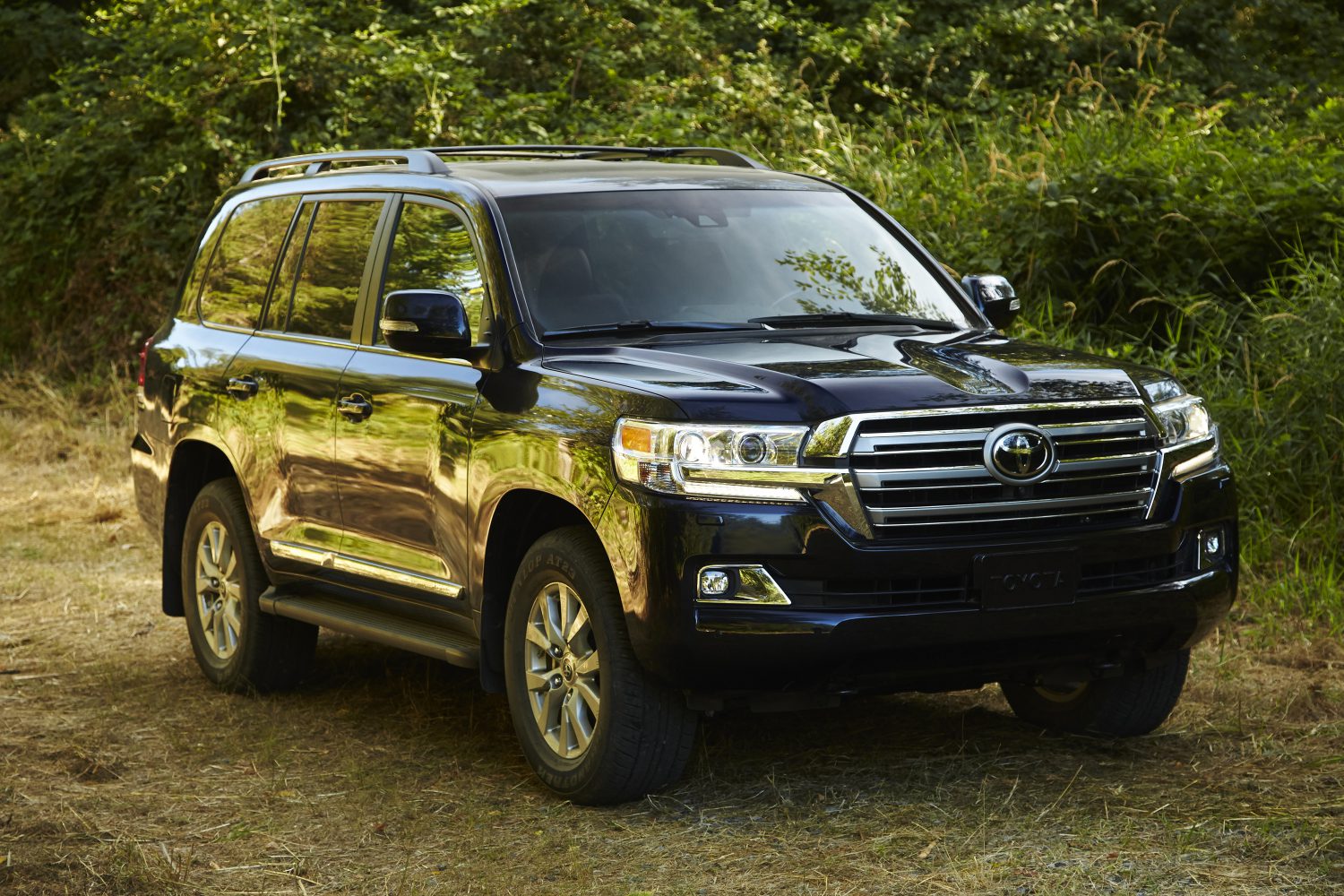
1. Toyota Land Cruiser
The Toyota Land Cruiser is built for durability, off-road capability, and long-distance reliability rather than fast cabin heating. Its large displacement engine and heavy-duty cooling system mean that a significant amount of energy is required before coolant reaches a temperature suitable for strong cabin heating.
As a result, in cold climates, especially during idle conditions, it can take a considerable amount of time before warm air becomes consistently available inside the cabin.
Diesel variants are particularly slow to heat because diesel engines operate efficiently with less waste heat production compared to petrol engines. At idle, the engine generates minimal excess heat, which delays coolant warming. Even though the Land Cruiser has a powerful heating system, once fully warmed, the initial phase can feel slow for passengers, especially in freezing conditions.
The large cabin volume also contributes to slower perceived heating. A bigger interior space requires more thermal energy to reach comfortable temperatures. While insulation in the Land Cruiser is generally good, the sheer size of the cabin means heat distribution takes longer to become noticeable throughout the entire interior.
Once the vehicle is driven under load, heating improves significantly. However, without driving, idle warm-up remains slow, making it one of the longer vehicles to reach full cabin comfort in cold starts.
2. Ford Ranger
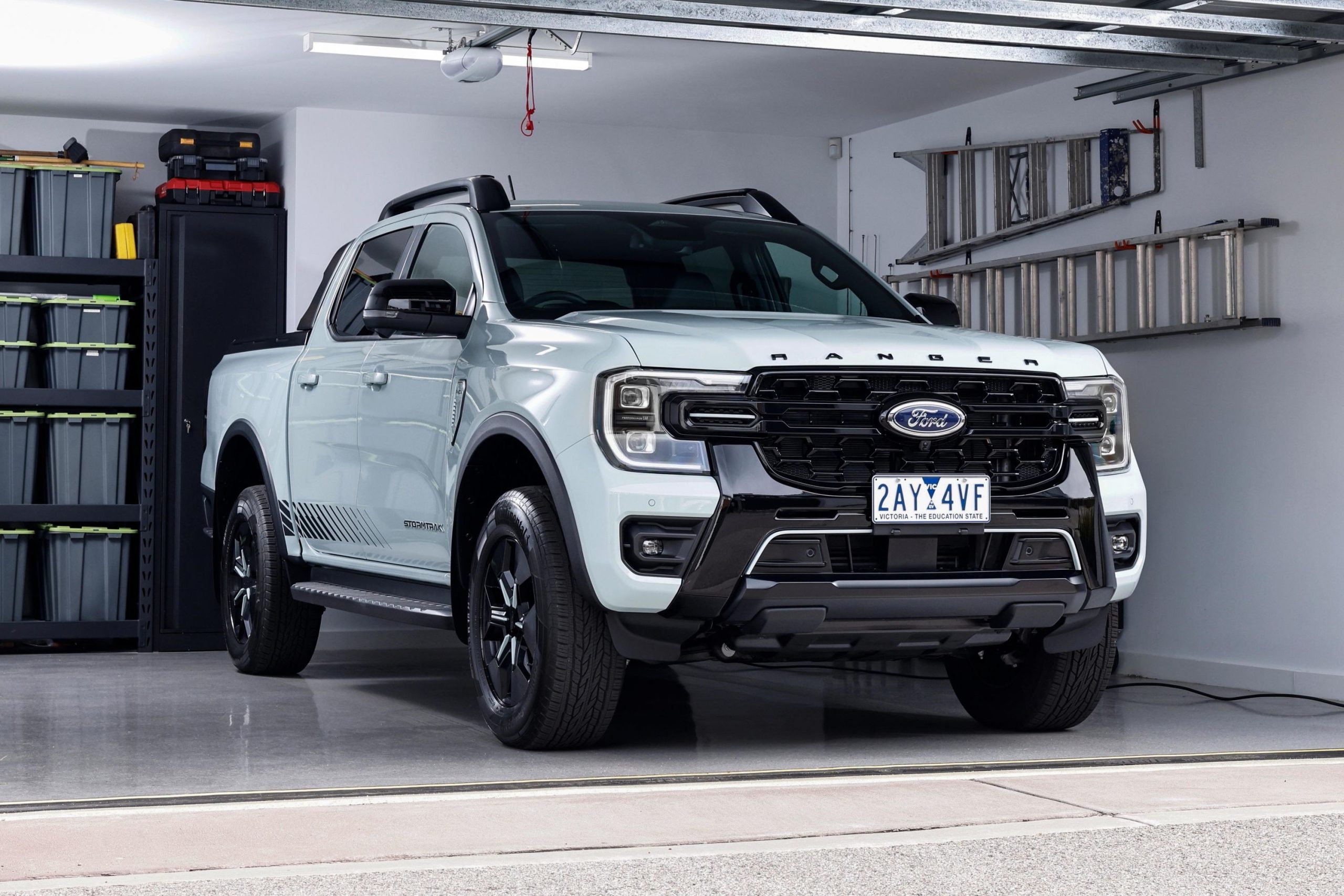
The Ford Ranger diesel pickup is designed for torque, towing, and fuel efficiency rather than quick cabin heating. Diesel engines like the one used in the Ranger are highly efficient, meaning they convert more fuel energy into motion and less into waste heat. While this is excellent for fuel economy, it results in slower warm-up times for the engine and HVAC system.
At idle, especially in cold weather, the Ranger’s engine takes time to build sufficient coolant temperature for effective heater performance. This delay is more noticeable when the vehicle is stationary, as there is limited engine load to accelerate heat generation. Drivers often report that warm air becomes noticeably comfortable only after sustained driving or after several minutes of engine operation under load.
The pickup truck design also affects heating efficiency. The cabin is larger than a standard sedan or hatchback, meaning more air volume needs to be heated. Combined with minimal aerodynamic insulation compared to passenger cars, heat retention is less efficient during early operation.
However, once the engine reaches optimal temperature, the Ranger’s heating system performs adequately. The issue is not maximum heat output, but rather the time required to reach usable heating levels.
3. Jeep Wrangler
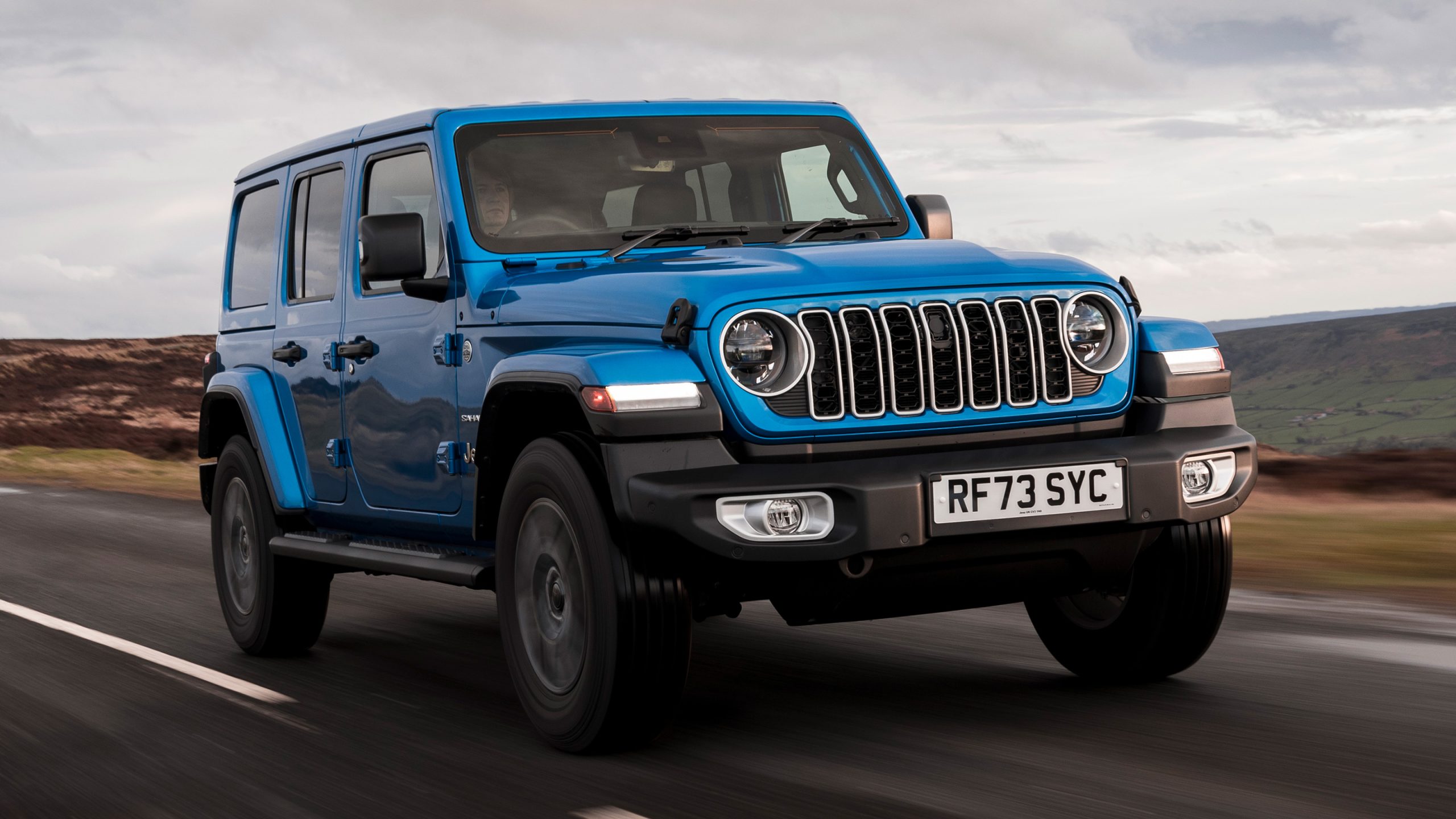
The Jeep Wrangler diesel is engineered for off-road performance and mechanical durability, which influences its thermal behavior. Like other diesel SUVs, it produces limited waste heat at idle, resulting in slower cabin heating during cold starts. This is especially noticeable in winter conditions where ambient temperatures are low and the engine is not under load.
The Wrangler’s boxy design and removable panel structure also reduce thermal efficiency compared to more aerodynamically optimized SUVs. Heat loss through the cabin structure can be higher, meaning that even as warm air begins to enter the cabin, it may take longer to achieve a consistently comfortable interior temperature.
Another factor is engine tuning for torque and efficiency rather than rapid thermal response. The diesel engine is optimized for steady power delivery, not fast warm-up cycles. As a result, coolant temperature rises gradually rather than quickly, which directly impacts heater performance.
In real-world use, the Wrangler performs best when driven rather than idling. Off-road or city driving helps accelerate engine warm-up, but during stationary warm-ups, it remains one of the slower-heating SUVs in its segment.
4. BMW X5 Diesel
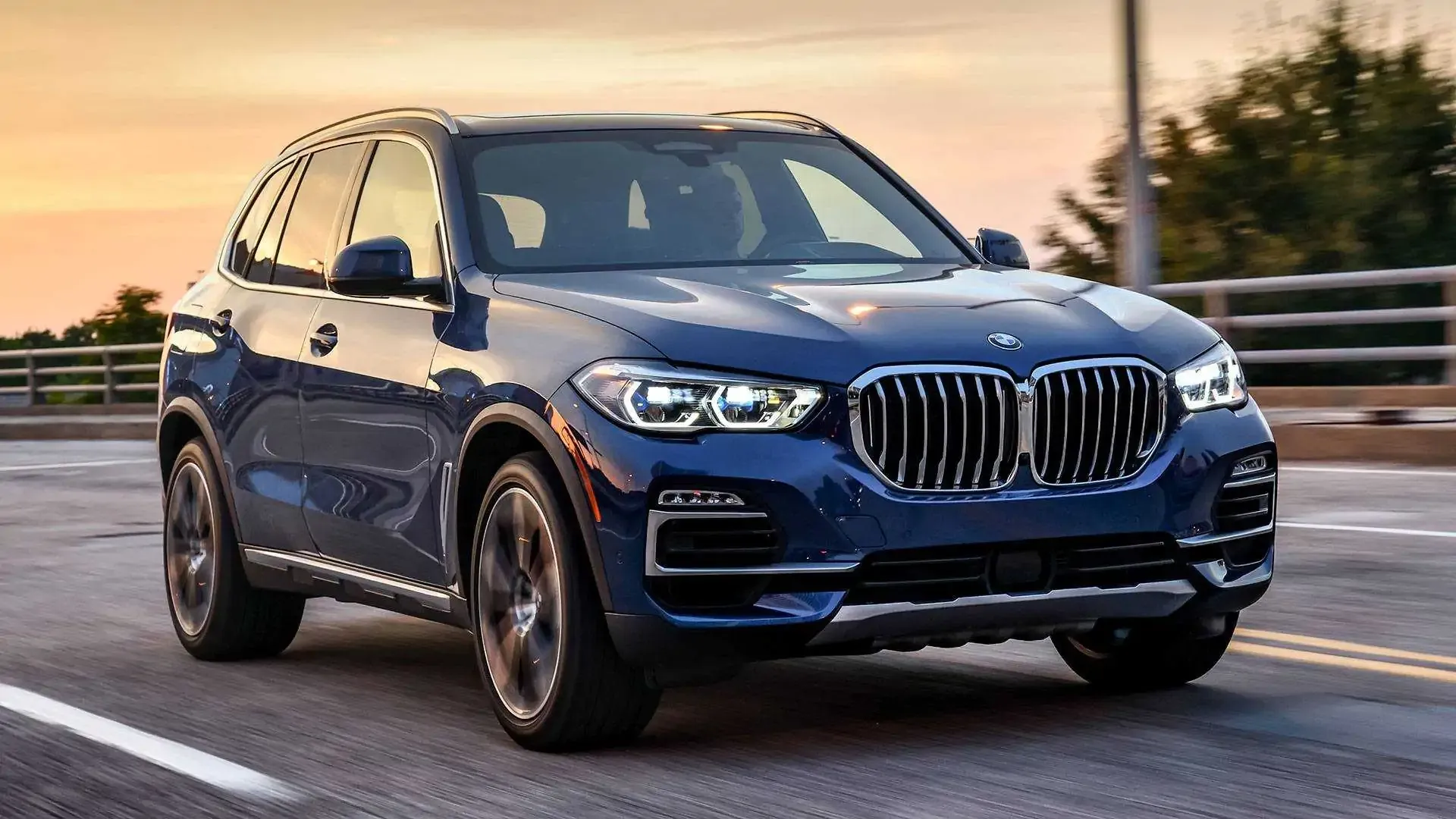
The BMW X5 diesel is a premium SUV that focuses heavily on efficiency, refinement, and performance balance. However, diesel efficiency also means reduced waste heat production, which directly impacts how quickly the cabin warms up after a cold start.
In colder environments, the X5 can take a noticeable amount of time before the HVAC system delivers strong warm airflow. While the cabin is well insulated and designed for luxury comfort, insulation alone cannot compensate for slow engine warm-up at idle. The diesel engine prioritizes combustion efficiency, meaning it does not generate excess heat quickly.
BMW does incorporate advanced thermal management systems, but even these systems rely on engine heat availability. Until the coolant reaches a sufficient temperature, cabin heating remains moderate rather than strong. This can lead to a delayed perception of comfort compared to petrol variants or hybrid systems.
Once the engine reaches operating temperature, the X5 provides excellent and stable heating performance. However, the initial warm-up phase remains slower due to diesel characteristics and emission optimization strategies.
5. Mercedes-Benz GLE
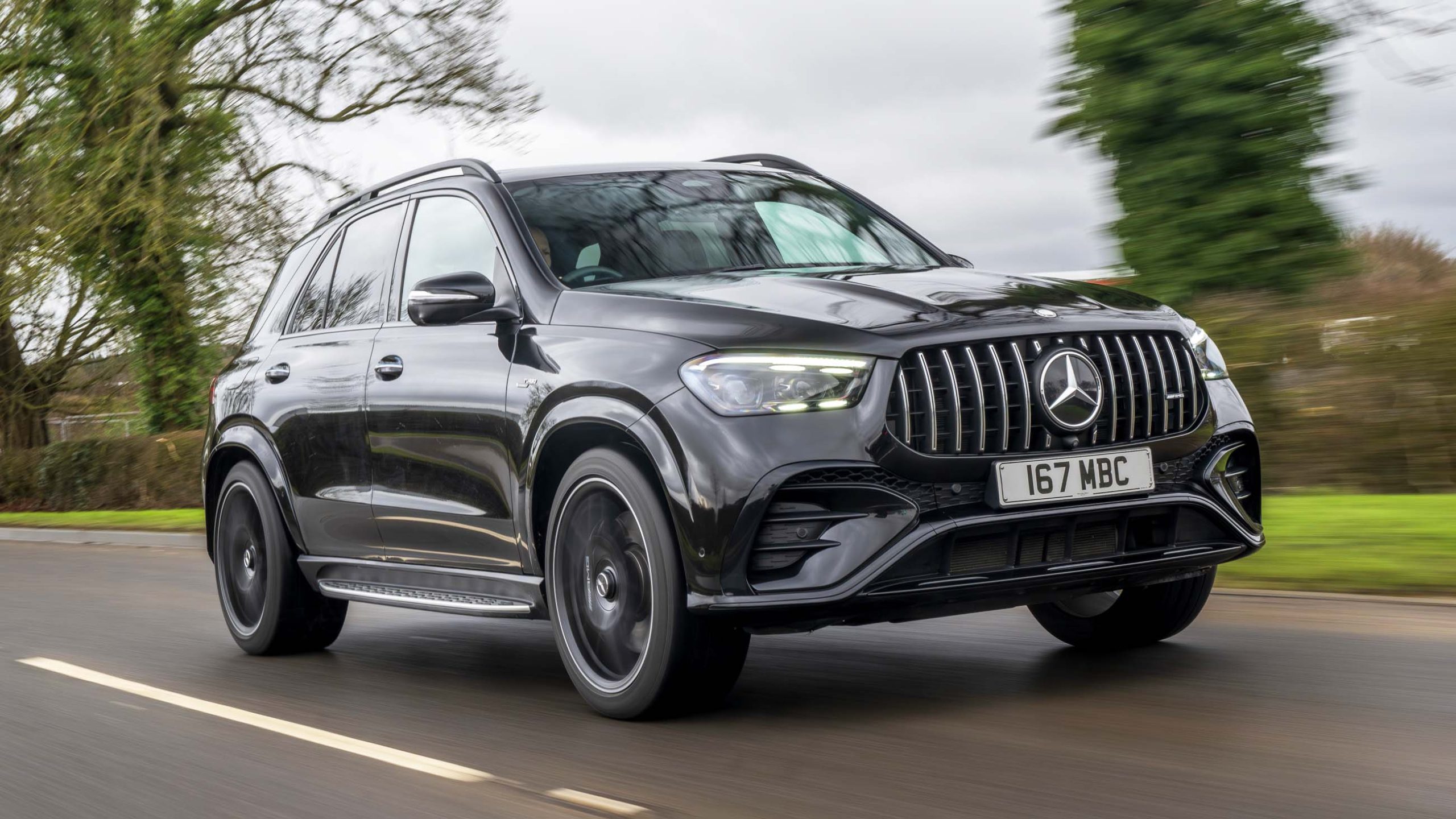
The Mercedes-Benz GLE diesel is engineered for comfort, luxury, and long-distance efficiency. However, like many diesel SUVs, it experiences slower cabin heating during cold starts due to the fundamental nature of diesel combustion.
At idle, the engine produces limited heat output, which delays coolant warming and therefore slows down HVAC activation. Even though the cabin is extremely well insulated and designed to retain heat efficiently, the system still depends on engine temperature to deliver strong, warm air.
Mercedes-Benz uses advanced climate control systems, but these systems are constrained by physical heat availability. As a result, initial cabin warming can feel gradual, especially in winter mornings or colder climates where engine temperature rise is slower.
The large cabin space and luxury-focused air distribution system also contribute to a more gradual heating experience. The system prioritizes even and comfortable heat distribution rather than aggressive heating bursts, which can make the warm-up feel slower even when the system is functioning normally.
Once fully warmed, the GLE provides excellent thermal comfort, but the initial phase can take significantly longer compared to petrol SUVs or hybrid systems.
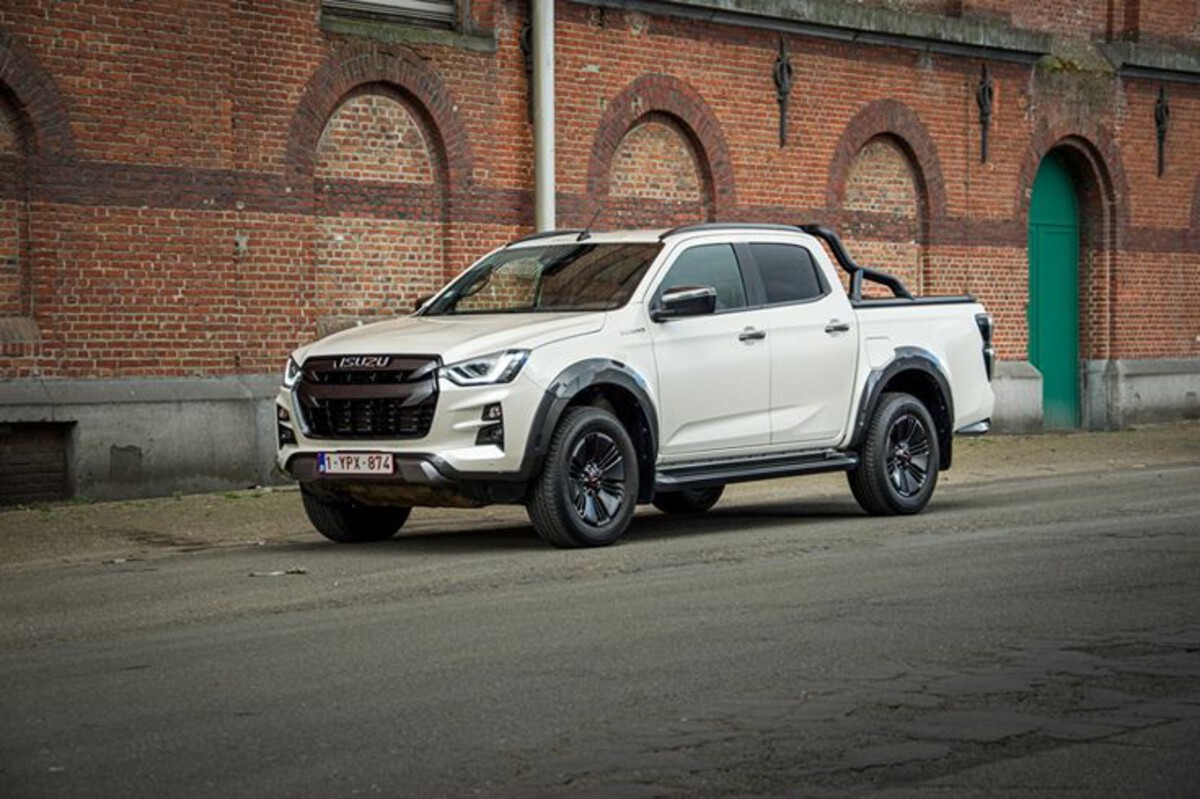
6. Isuzu D-Max Diesel
The Isuzu D-Max is built primarily as a rugged utility pickup, and its heating performance reflects this functional design. Diesel efficiency and durability are prioritized over cabin comfort speed, which results in slower warm-up behavior during cold starts.
The diesel engine produces limited heat at idle, especially in low ambient temperatures. This means the heater core takes longer to receive sufficiently hot coolant for effective cabin warming. In practical terms, drivers may experience a delay before warm air becomes comfortable, particularly if the vehicle is not being driven.
The pickup cabin design also influences heating efficiency. While modern versions include improved insulation, the larger cabin volume compared to compact cars still requires more energy to heat effectively. Additionally, frequent door opening in work environments can lead to heat loss, further slowing perceived warming.
However, once the engine is under load, heating performance improves steadily. The D-Max performs better during active driving conditions than during stationary warm-up, which is typical for diesel utility vehicles.
