
Apple CarPlay has become one of the most important features for modern drivers. It connects your iPhone to your car’s infotainment system seamlessly. You get navigation, music, calls, and messages all on one screen. It sounds simple, but the reality is far more complicated than that.
Not all CarPlay implementations are created equal. Some SUVs handle the connection brilliantly, while others make you want to throw your phone out the window. The difference often comes down to hardware quality, software integration, and how well the manufacturer has tested the system. A dropped connection at highway speed is not just annoying; it can be genuinely dangerous.
Millions of drivers rely on CarPlay every single day. They trust it for Google Maps, Apple Maps, Spotify, and hands-free calling. When it drops mid-route, frustration levels skyrocket. Many buyers don’t test CarPlay before purchasing a vehicle, and that is a costly mistake.
This article breaks down five SUVs that have earned a reputation for rock-solid CarPlay connectivity. It also exposes five popular SUVs where the connection drops frustratingly often. Whether you are buying new or used, this guide will help you make a smarter decision. Your daily commute deserves a system that actually works.
5 SUVs Where Apple CarPlay Actually Stays Connected
These SUVs are known for stable infotainment systems and reliable wireless/wired connectivity, allowing Apple CarPlay to run smoothly without random drops. Models like the Toyota RAV4, Honda CR-V, and Mazda CX-5 are often praised for consistent connections and minimal lag, even on longer drives.
Others, such as the Hyundai Tucson and Kia Sportage, also stand out with modern, well-optimized software, keeping navigation, calls, and music streaming seamless. These SUVs deliver a dependable user experience where CarPlay just works.
1. Porsche Cayenne
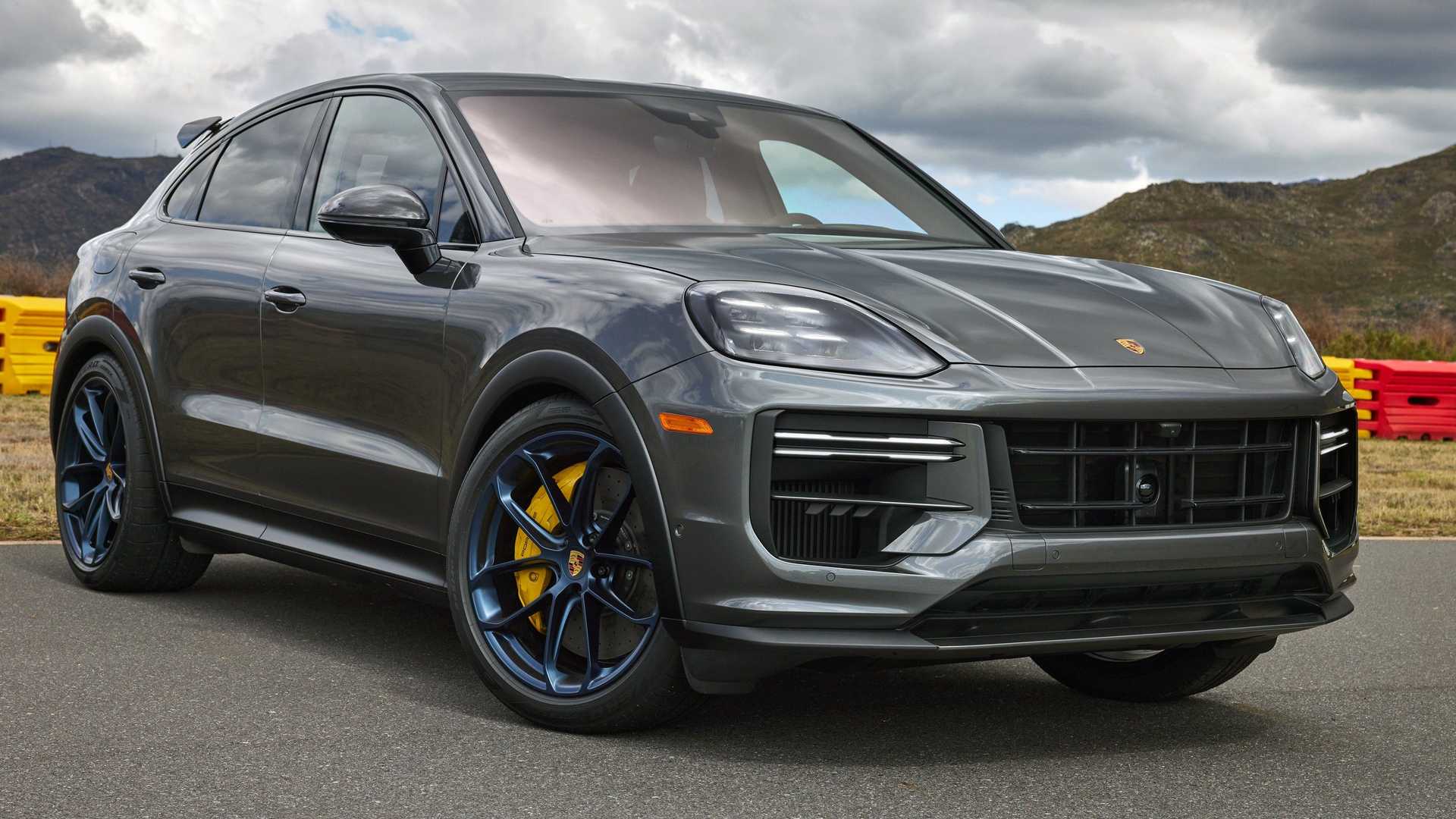
The Porsche Cayenne is widely regarded as one of the best CarPlay experiences available in any vehicle today. Porsche has invested heavily in its PCM (Porsche Communication Management) system. The result is a seamless, fast, and deeply stable CarPlay connection. Owners rarely report dropped connections, even on long road trips.
The Cayenne supports both wired and wireless CarPlay. The wireless version is particularly impressive, maintaining a strong Bluetooth and Wi-Fi handshake throughout the drive. Porsche uses dedicated antenna hardware that prioritizes the CarPlay signal. This technical investment pays off in real-world daily use.
The PCM interface loads CarPlay within seconds of entering the vehicle. The screen response is sharp, and the touch sensitivity is perfectly calibrated. There is no frustrating lag between tapping and the system responding. Porsche clearly spent considerable time fine-tuning this experience for drivers.
Even in urban environments with heavy wireless interference, the Cayenne holds its connection. Tunnels and parking garages are where many systems falter. The Cayenne consistently reconnects faster than almost any rival in its class. Drivers returning from underground parking find CarPlay restored almost instantly.
Software updates from Porsche have consistently improved the CarPlay experience over the years. They push updates that address connectivity bugs proactively. Other manufacturers often ignore these issues for years before acting. Porsche’s responsiveness has built a loyal community of satisfied CarPlay users.
The cabin hardware quality also plays a role here. Premium-grade USB-C ports in the Cayenne maintain a strong physical connection without wobbling. Loose ports are one of the leading causes of wired CarPlay drops. Porsche solves this with high-tolerance connectors that grip cables firmly.
Long-distance drivers particularly praise the Cayenne’s CarPlay stability. Hours of continuous navigation without a single drop are the norm. Music streams without interruption, and Siri responds instantly every single time. For buyers who prioritize in-car tech, the Cayenne is a benchmark worth taking seriously.
The price point is significant, but you genuinely get what you pay for. Technology that works reliably every time has real monetary value. Frustration has a cost, too, and the Cayenne eliminates that frustration entirely. If CarPlay stability matters to you, this SUV belongs at the top of your list.
2. Honda CR-V
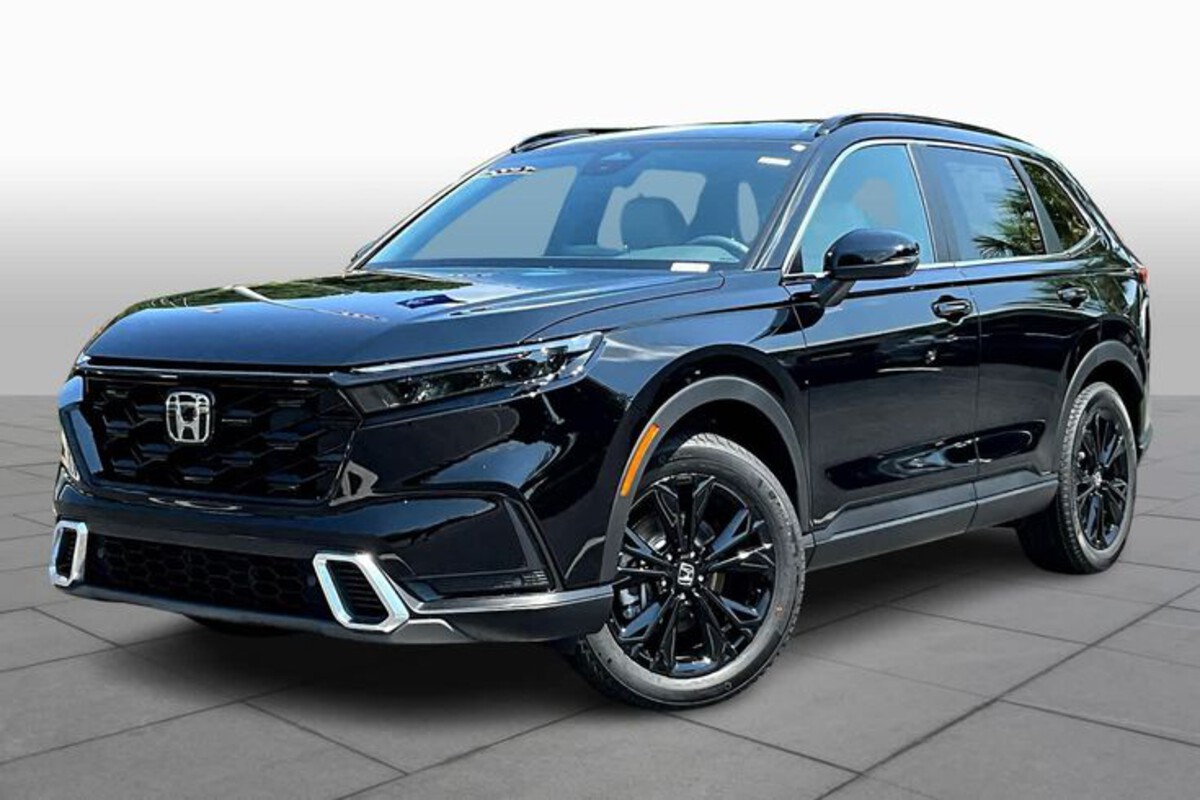
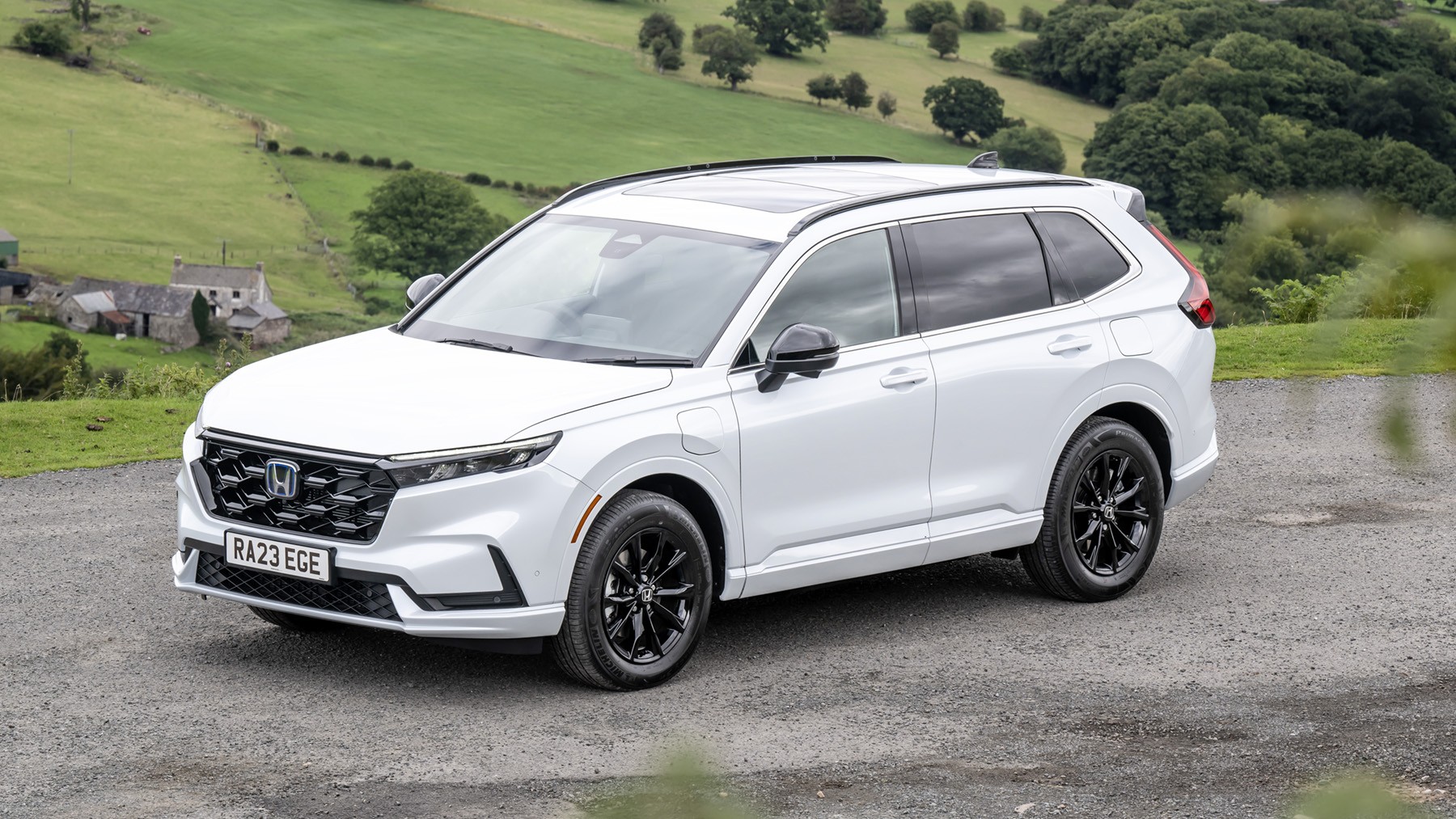
The Honda CR-V is one of the best-selling SUVs. It also happens to be one of the most reliable CarPlay vehicles in the affordable segment. Honda’s infotainment system may not be the flashiest, but it is deeply stable. Owners consistently praise the CR-V for maintaining a strong, uninterrupted CarPlay connection.
Honda introduced wireless CarPlay on the CR-V relatively early compared to its competitors. The integration was tested thoroughly before launch. This careful approach to software deployment has paid significant dividends. Real-world user feedback across forums confirms remarkably few connectivity complaints.
The CR-V uses a straightforward, clean software architecture for its infotainment. Simplicity is often an advantage when it comes to connectivity stability. Fewer software layers mean fewer points of failure. Honda understood this principle and built accordingly.
The physical USB ports in the CR-V are well-positioned and robust. They sit in a convenient center console location that is easy to reach. The port depth and grip quality hold cables securely during drives. Vibration from the road does not loosen the connection as it does in some rivals.
Wireless CarPlay in the newer CR-V trims works particularly well. The system pairs quickly when you enter the vehicle. It reconnects automatically after restarts without any manual intervention needed. Honda has quietly nailed the pairing protocol that other brands still struggle with.
Temperature extremes sometimes challenge CarPlay systems significantly. Extremely cold or hot weather can cause wireless signals to degrade in some vehicles. The CR-V handles temperature variation better than most in its price class. Owners in both Arizona heat and Canadian winters report consistent performance.
Software updates for the CR-V infotainment are delivered regularly. Honda addresses known bugs without making owners wait years for fixes. The update process is simple and does not introduce new problems. This kind of disciplined software management is rarer than it should be in the auto industry.
For family buyers who rely on CarPlay for school runs and long trips, the CR-V is an excellent choice. It delivers premium-level connectivity at a mainstream price point. You do not need to spend Porsche money to get a reliable CarPlay experience. The CR-V proves that thoughtful engineering beats flashy marketing every time.
3. BMW X5
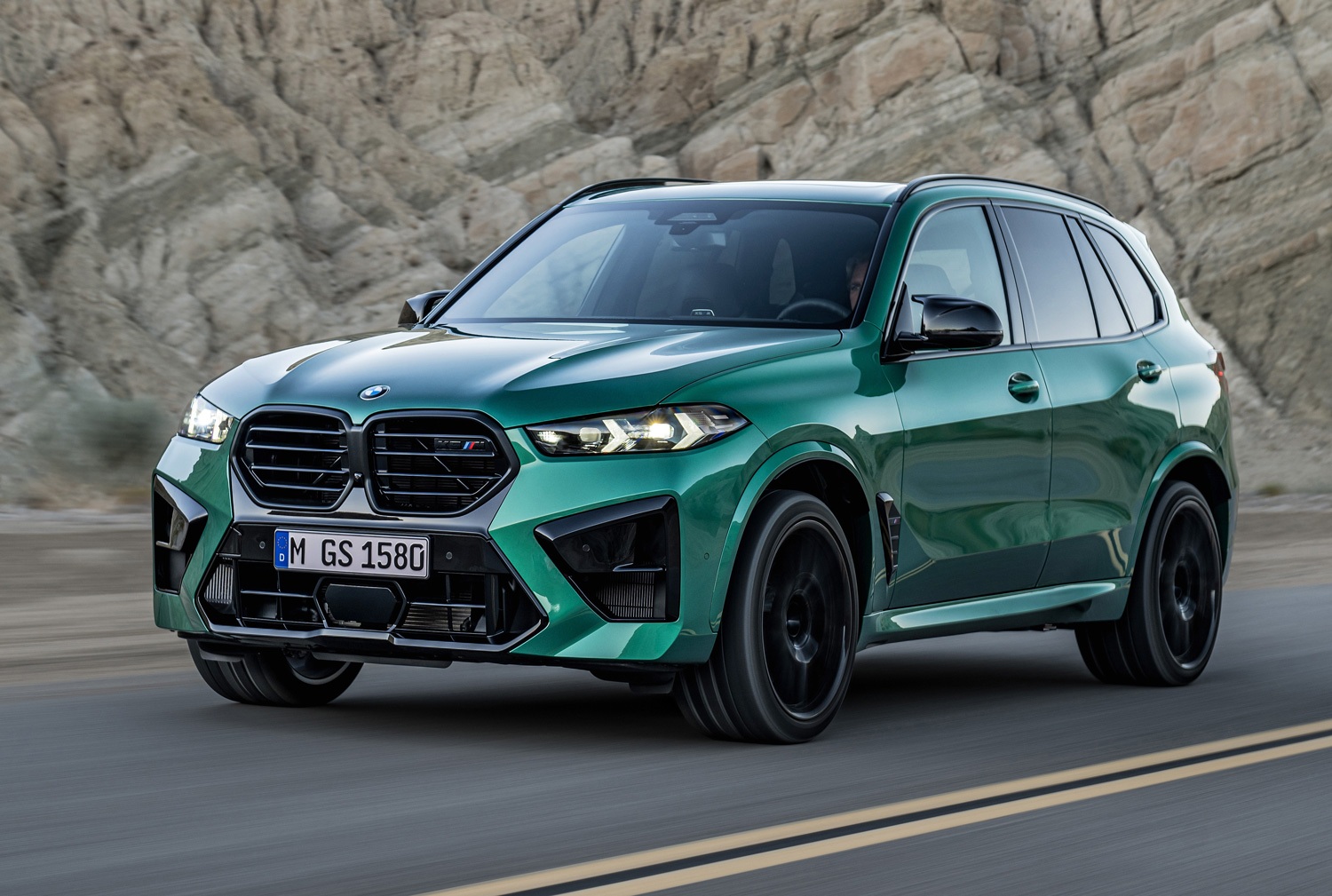
The BMW X5 has long been a technology leader in the luxury SUV segment. Its iDrive system is one of the most sophisticated infotainment platforms on the market. CarPlay integration within iDrive is smooth, fast, and highly reliable. BMW invested in making the connection feel native rather than bolted on.
BMW was an early adopter of wireless CarPlay when it was first introduced. They worked closely with Apple to ensure deep system-level integration. This collaboration produced a connection quality that many rivals still cannot match. The result feels polished in a way that reflects a real engineering partnership.
The X5’s hardware foundation is exceptionally strong. High-speed processors handle CarPlay rendering without noticeable lag. The screen’s touch response is immediate and accurate under normal driving conditions. BMW clearly prioritized computational performance when designing the iDrive hardware stack.
Wireless range within the X5’s cabin is notably generous. You can leave your phone in a bag in the rear seat and still maintain a connection. Most systems require the phone to be within a specific proximity zone. BMW’s antenna placement eliminates this frustrating limitation for drivers.
iPhone software updates sometimes disrupt CarPlay connections in other vehicles. The X5 adapts to iPhone iOS updates more gracefully than most competitors. BMW pushes corresponding OTA updates to maintain compatibility quickly. Owners rarely experience the post-iOS-update chaos that plagues some other brands.
Road trips in the X5 confirm the system’s endurance capabilities. Multiple owners have reported 10-hour drives with zero CarPlay interruptions. Music, navigation, and calls functioned without any manual reconnection. That level of endurance reliability is genuinely impressive for a wireless system.
The X5 also handles multiple device connections intelligently. If you switch between driver and passenger phones, the system adapts smoothly. It remembers device preferences and reconnects to the right phone without confusion. This smart device management adds a layer of practical daily convenience.
High resale value and long-term software support make the X5 a sound investment. You are not just buying a reliable CarPlay today, you are future-proofing your in-car experience. BMW’s commitment to long-term software support means the system improves over time. That is a promise that many manufacturers simply cannot make honestly.
4. Toyota RAV4
The Toyota RAV4 is the best-selling SUV on the planet. Millions of families depend on it for daily transportation. Toyota’s multimedia system, available on newer RAV4 trims, delivers CarPlay with commendable consistency. For a mass-market vehicle, the reliability level is genuinely impressive.
Toyota partnered directly with Apple to certify its CarPlay implementation. This certification process involves rigorous testing across various iPhone models and iOS versions. The result is a system that handles the diversity of Apple’s device ecosystem well. Owners using everything from iPhone 12 to iPhone 16 report consistent performance.
The RAV4’s infotainment hardware uses dedicated processing chips for connectivity tasks. This separation of processing duties prevents the infotainment from choking under load. Many budget systems share processors between navigation and connectivity, causing drops. Toyota’s dedicated chip approach solves this problem elegantly.
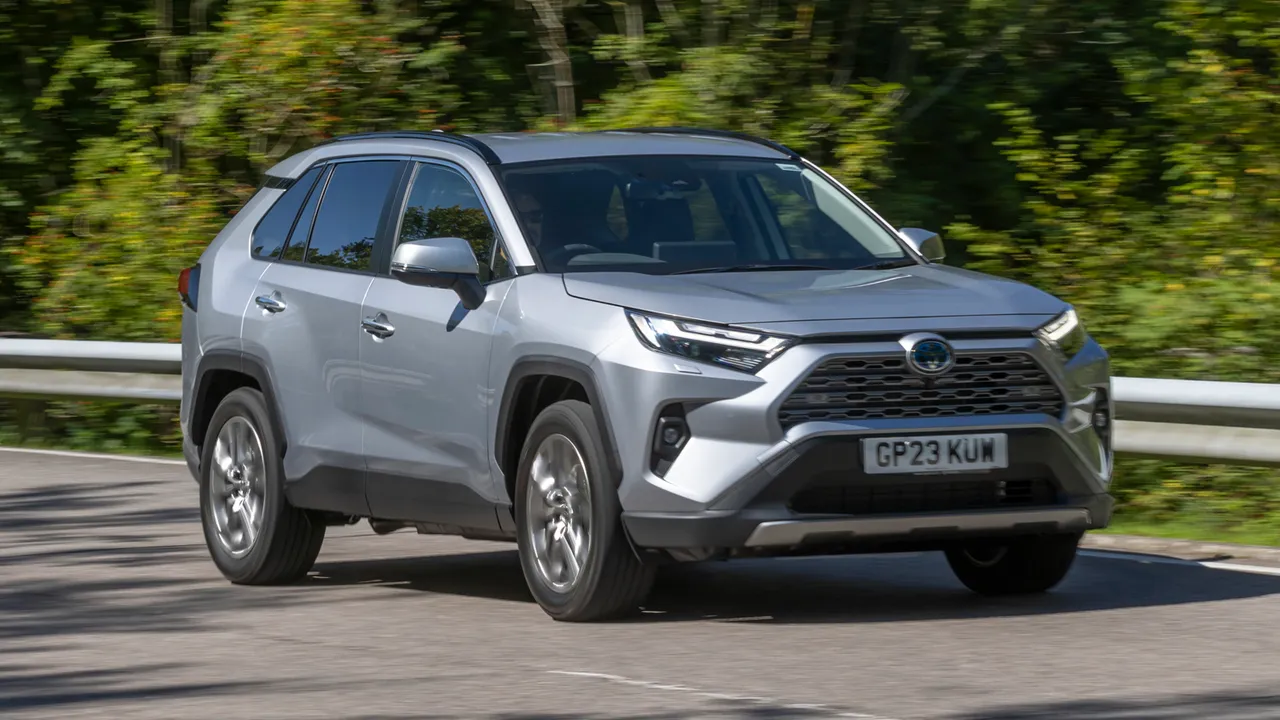
Wired CarPlay on the RAV4 is rock solid across all trim levels. The USB-A and USB-C ports are firmly constructed and well-protected. Cable connections stay secure even on rough road surfaces. Long cables with heavy plugs do not cause the intermittent disconnects seen in some competitors.
The transition from wired to wireless CarPlay between model years was handled thoughtfully. Toyota phased in wireless connectivity only after thoroughly testing it. They did not rush the feature to market just to match competitor spec sheets. This patience resulted in wireless CarPlay that actually works reliably from day one.
Customer ownership data from RAV4 forums is overwhelmingly positive regarding CarPlay. Users across multiple countries report identical positive experiences. This geographic consistency suggests the system architecture is fundamentally sound. Local wireless interference patterns do not seem to affect RAV4 CarPlay performance.
Toyota’s after-sales software support is worth mentioning separately. They provide regular system updates that maintain CarPlay compatibility. The update process is handled gracefully without breaking existing functionality. This is something Toyota owners have come to expect from the brand consistently.
For budget-conscious buyers who still want reliable in-car tech, the RAV4 delivers. You get large-brand reliability without large-brand premium pricing. CarPlay works the way Apple intended it to work. That simple promise is worth more than a dozen flashy but unreliable features.
Also Read: 6 Trucks Where the Bed Drains Properly vs 6 That Don’t
5. Ford Mustang Mach-E
The Ford Mustang Mach-E is an electric SUV that broke new ground in multiple ways. One underappreciated achievement is its very reliable CarPlay implementation. Ford’s SYNC 4 system manages CarPlay with impressive consistency. The large 15.5-inch portrait screen handles the CarPlay interface beautifully.
Ford worked extensively on SYNC 4 before launching the Mach-E. They specifically addressed the connectivity weaknesses that plagued earlier SYNC versions. The result was a fundamentally more stable platform for CarPlay integration. Real-world user reviews confirm that Ford achieved its goal successfully.
Wireless CarPlay on the Mach-E is particularly noteworthy. The system connects within seconds of the driver entering the vehicle. It maintains that connection reliably throughout urban stop-and-go driving. Even in heavily congested city areas with dense wireless traffic, the connection holds.
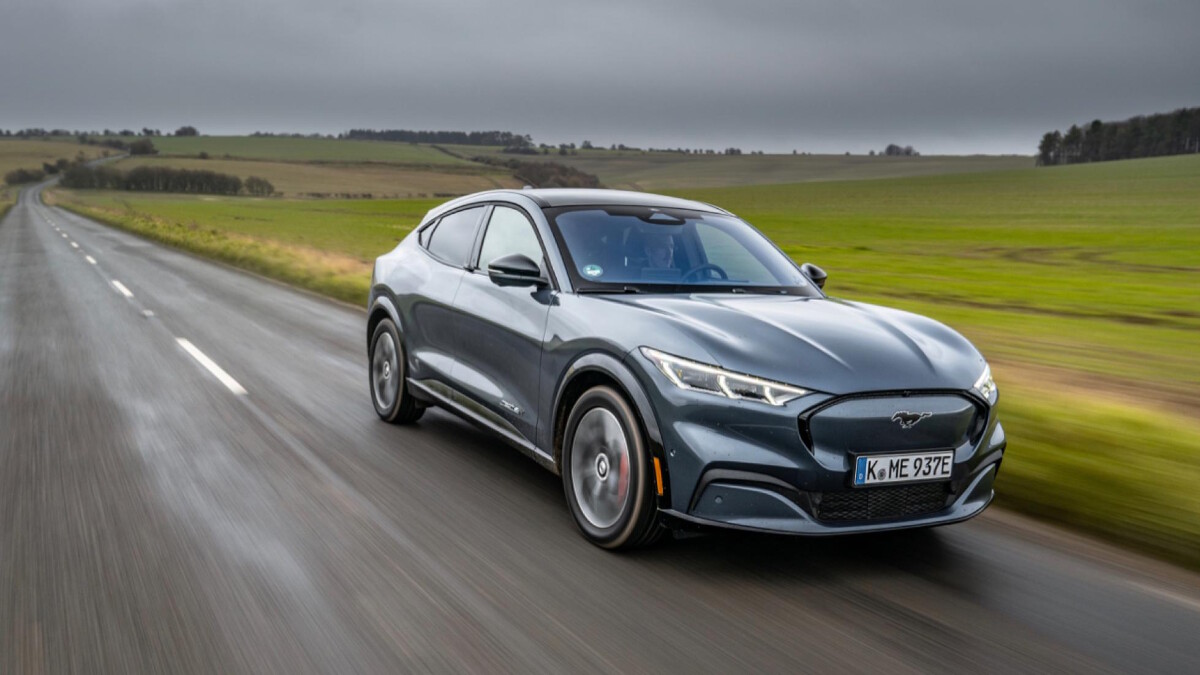
The Mach-E receives over-the-air updates regularly as an EV-first vehicle. Ford uses these updates to address CarPlay performance issues proactively. Several early wireless connectivity quirks were resolved through OTA patches. This rapid response capability gives the Mach-E an advantage over traditional vehicles.
EV owners tend to be tech-forward consumers with high expectations. Ford knew this audience would not tolerate mediocre CarPlay performance. This market awareness drove the engineering team to prioritize connectivity quality. The resulting system meets the expectations of even the most demanding tech-savvy buyers.
The Mach-E’s USB-C port quality is excellent by any standard. High-current ports deliver both charging and data simultaneously without conflict. Cable management options in the cabin keep cords tidy and tension-free. A well-managed cable is a cable that stays connected reliably.
Cold-weather EV operation sometimes creates unique connectivity challenges. Battery management systems can deprioritize non-essential electronics in extreme cold. The Mach-E handles this trade-off gracefully without sacrificing CarPlay connectivity. Ford’s thermal management software accounts for infotainment needs intelligently.
The Mach-E represents a new benchmark for mainstream brand CarPlay reliability. It proves that you do not need a German luxury badge to get premium connectivity. American engineering, when properly focused, can deliver world-class results. The Mach-E’s CarPlay experience is one of its most underrated strengths.
5 Where It Drops Constantly
These SUVs are often associated with buggy infotainment systems, weak wireless modules, or outdated software, leading to frequent Apple CarPlay disconnections. Some models may randomly disconnect, lag, or fail to reconnect without restarting the system.
Issues like signal interference, slow processing, or poor software optimization can turn a simple feature into a daily frustration. While functional at times, these systems lack the consistency needed for a smooth driving experience.
1. Jeep Grand Cherokee
The Jeep Grand Cherokee is an iconic American SUV with a devoted following. Off-road capability and rugged styling are its undeniable strengths. Unfortunately, Apple CarPlay connectivity is not among those strengths. Owners across multiple model years have documented persistent and frustrating disconnection issues.
The Uconnect infotainment system used in the Grand Cherokee has a mixed reputation. Earlier Uconnect versions were applauded for their simplicity. However, the CarPlay integration layer introduced with newer versions has been problematic. Connectivity drops occur randomly and without any obvious trigger or pattern.
Wireless CarPlay on the Grand Cherokee is particularly unreliable. Multiple owners report the connection dropping every 15 to 30 minutes. Reconnection sometimes requires physically unplugging and re-plugging the device. That kind of manual intervention defeats the entire purpose of wireless connectivity.
The problem appears to be rooted in the Uconnect software architecture. The system allocates insufficient priority to maintaining the CarPlay wireless connection. When the infotainment system performs background tasks, CarPlay suffers the consequences. This resource allocation flaw is a fundamental design problem, not a simple bug.
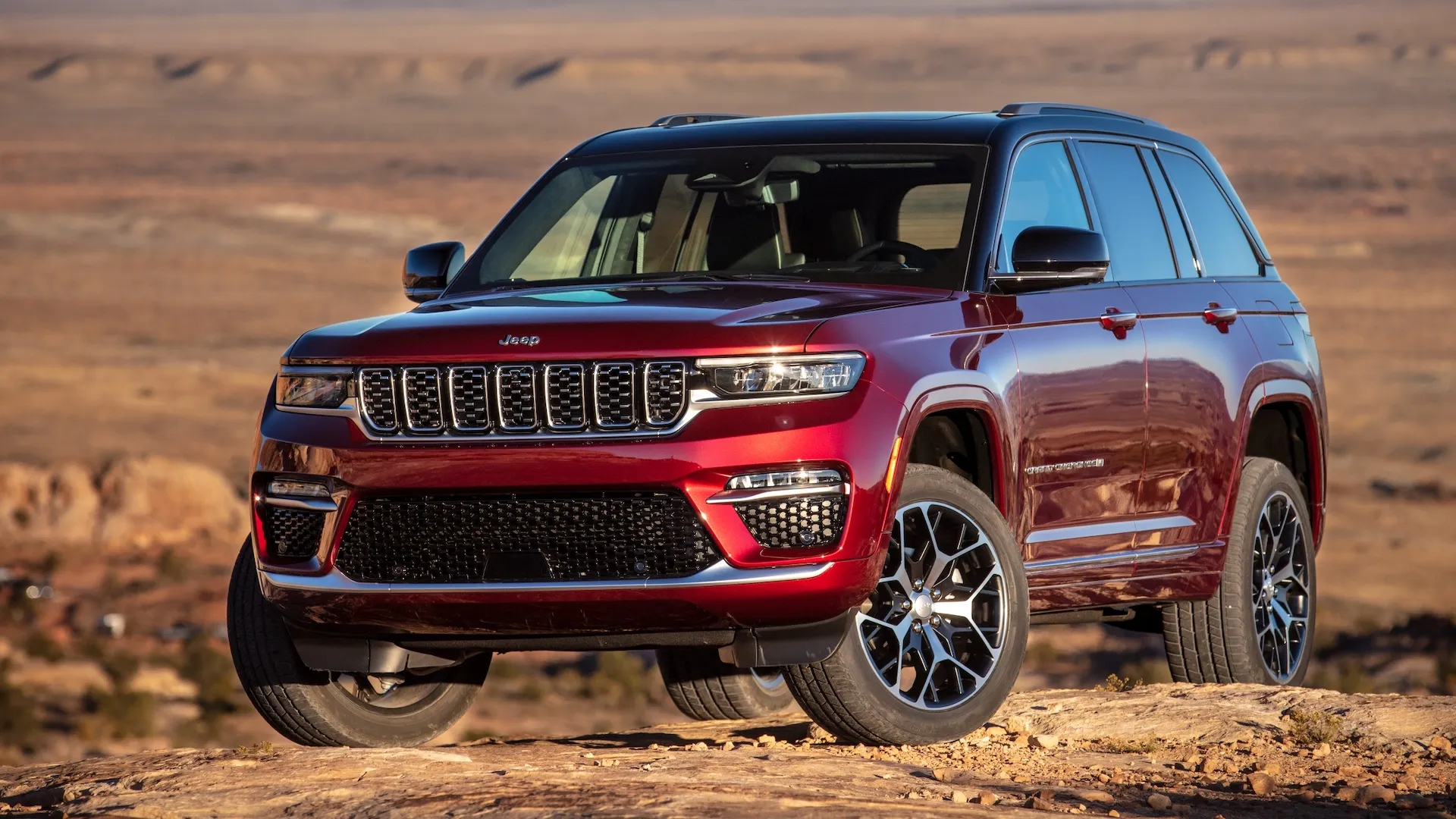
Wired CarPlay on the Grand Cherokee is more stable but still not perfect. The USB port quality has received criticism across Grand Cherokee forums. Cheap port construction leads to micro-disconnections that interrupt CarPlay. Even premium aftermarket cables sometimes fail to solve this hardware-level issue.
Firmware updates from Stellantis have been inconsistent in addressing this problem. Some updates have improved stability marginally. Others have actually introduced new connectivity issues that were not present before. The unpredictability of Stellantis software updates has frustrated loyal Grand Cherokee owners deeply.
Temperature sensitivity is a known issue with the Grand Cherokee’s infotainment. Hot summer weather causes the system to throttle performance, and CarPlay drops increase. Cold temperatures cause extended boot times that delay the CarPlay connection significantly. These environmental sensitivities point to inadequate hardware thermal design choices.
Grand Cherokee buyers who rely heavily on CarPlay should be aware of these issues before purchasing. The vehicle excels in many areas that genuinely matter for its intended use. But technology-first buyers will find the CarPlay experience disappointing. It is an area where Stellantis needs significant investment and genuine commitment to improvement.
2. Chevrolet Equinox
The Chevrolet Equinox is a popular choice for value-seeking SUV buyers across North America. It offers reasonable space and features at an accessible price point. However, the CarPlay implementation has been a consistent weak point. Owners report dropped connections with alarming frequency across multiple model years.
GM’s infotainment hardware in the Equinox uses lower-specification components to hit price targets. This cost-cutting approach directly affects CarPlay connection quality. The processors handling wireless communication are not powerful enough for consistent performance. The result is a system that struggles under normal daily driving conditions.
Wireless CarPlay on the Equinox drops most commonly during Bluetooth-heavy situations. Phone calls, audio streaming, and CarPlay navigation compete for the same wireless bandwidth. The system cannot manage these competing demands effectively. Drivers frequently lose their navigation display mid-call, which is genuinely dangerous.
The USB ports in the Equinox have received consistently poor reviews. They feel cheap and do not hold cables with any confidence. After several months of daily use, port degradation begins to affect wired CarPlay. Replacement or repair requires dealership visits that take time and cost money.
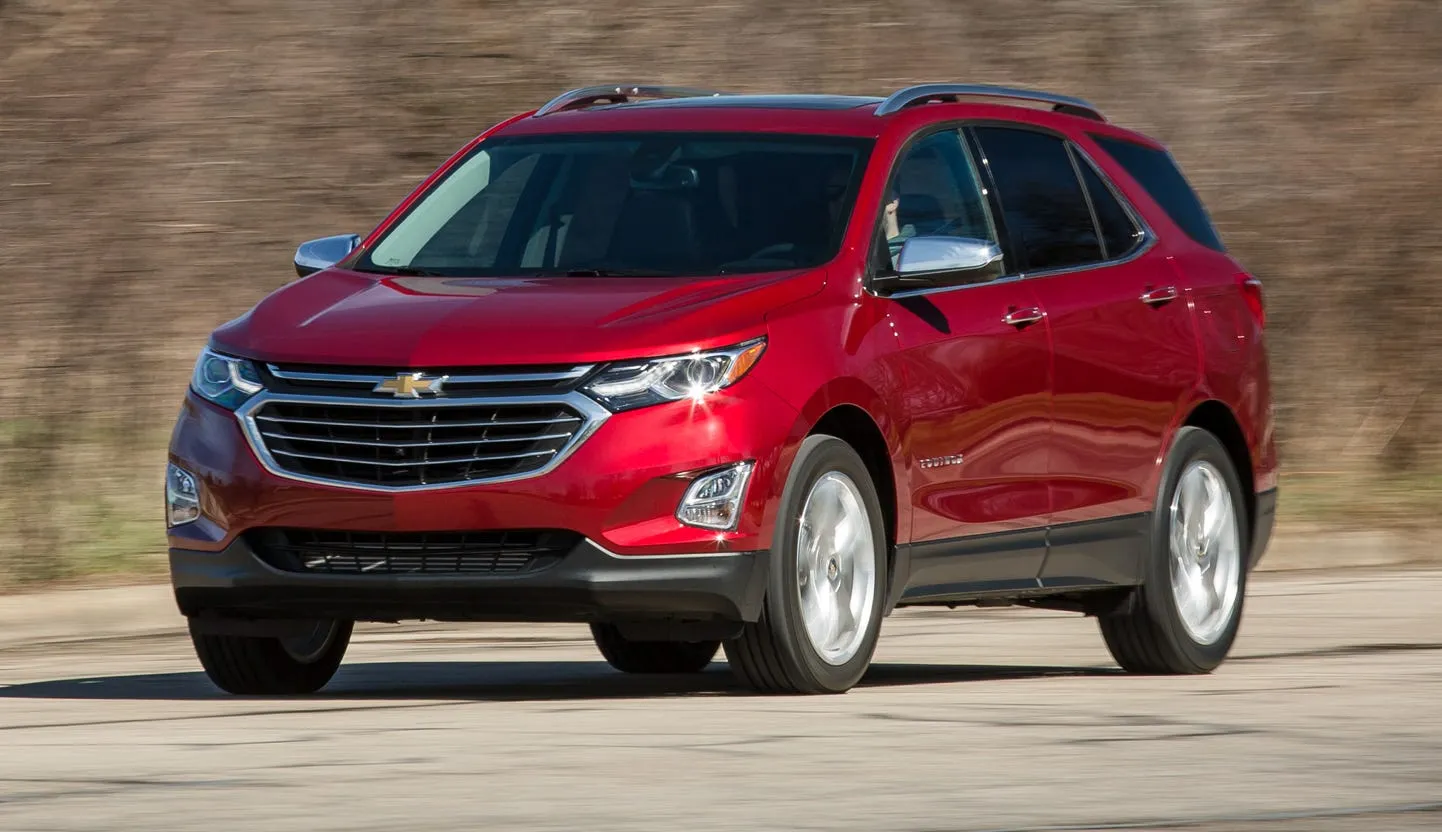
GM has released software updates for the Equinox infotainment system sporadically. The updates address some issues but often create new ones simultaneously. The lack of a systematic testing process before deployment is evident. Owners never know whether an update will improve or worsen their experience.
iPhone compatibility issues specifically plague the Equinox’s CarPlay system. After major iOS updates, Equinox owners frequently experience multi-week periods of instability. During these windows, CarPlay may refuse to connect entirely or drop every few minutes. The wait for a compatible GM software patch can stretch for months.
Resale data shows that CarPlay problems have not significantly depressed Equinox values. This suggests many buyers either do not test CarPlay or underestimate how often they will use it. Once in daily ownership, the frustration becomes apparent quickly. Informed buyers should factor this limitation into their purchasing decision honestly.
The Equinox is not a bad vehicle in absolute terms. It serves its intended purpose for many buyers who do not prioritize in-car technology. But if you depend on CarPlay for daily navigation and communication, look elsewhere. There are better options available at similar price points that will not disappoint.
3. Nissan Rogue
The Nissan Rogue consistently ranks among the top-selling SUVs in North America. Its comfortable interior and fuel efficiency attract a wide range of buyers. CarPlay connectivity, however, has been a persistent complaint across Rogue ownership communities. The problems span multiple generations of the vehicle and multiple software versions.
Nissan’s proprietary infotainment system has struggled to adapt to evolving CarPlay requirements. Apple regularly updates CarPlay protocols, and Nissan’s system often falls behind. The gap between Apple’s software releases and Nissan’s compatibility patches is frustratingly wide. Owners spend weeks in a broken state after iOS updates while waiting for Nissan fixes.
Wireless CarPlay was introduced to the Rogue with great fanfare. The real-world performance did not match the marketing promises made at launch. Connections drop during lane changes, acceleration events, and even idle stops. The inconsistency makes it impossible to rely on for navigation or communication.
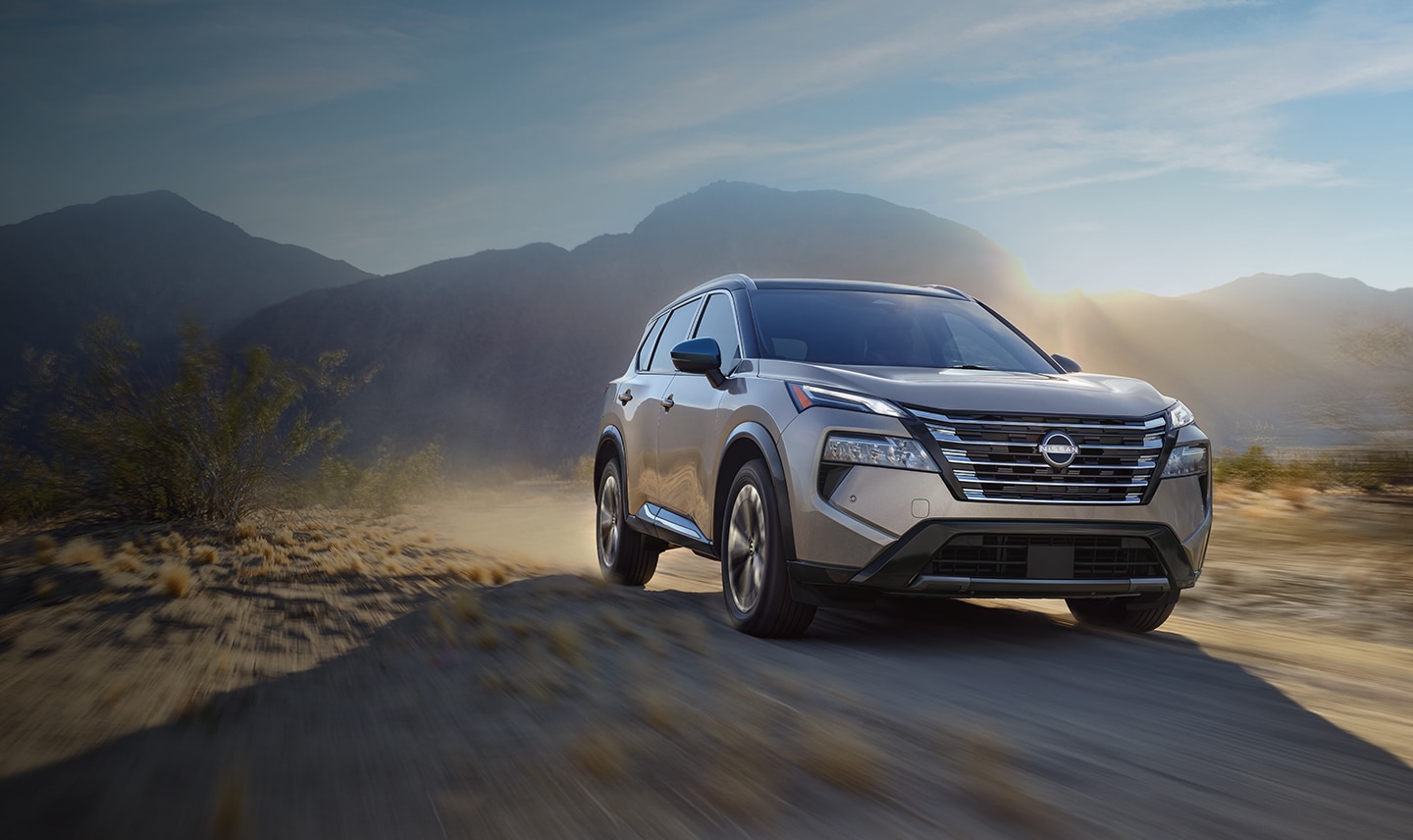
The root cause appears to be antenna placement and signal management in the Rogue. Nissan positioned the wireless antennas in locations susceptible to body interference. Metal structural components between the antenna and the typical phone placement degrade the signal. This is a hardware design decision that cannot be fixed with software updates alone.
Wired CarPlay offers some relief but introduces its own problems. The Nissan Rogue’s USB ports are located inconveniently and at awkward angles. Cables sit at a bend that stresses the connector joint during normal driving. Over time, this stress leads to intermittent connections that are maddeningly unpredictable.
Customer service responses from Nissan dealerships on CarPlay issues are often unsatisfying. Many service advisors suggest the problem lies with the iPhone rather than the vehicle. This deflection prevents owners from getting genuine technical assistance. Forum communities end up providing better support than official Nissan channels offer.
Software update frequency from Nissan is below the industry average. Competitors push infotainment updates quarterly or even monthly. Nissan’s annual update cadence means problems persist far longer than they should. In a technology space that evolves as quickly as smartphone integration, annual updates are simply insufficient.
Potential Rogue buyers should test CarPlay extensively before signing any purchase paperwork. Bring your specific iPhone model and test both wired and wireless options. If the connection drops during a 10-minute test drive, it will drop during your daily commute too. Due diligence at the dealership can save months of daily frustration on the road.
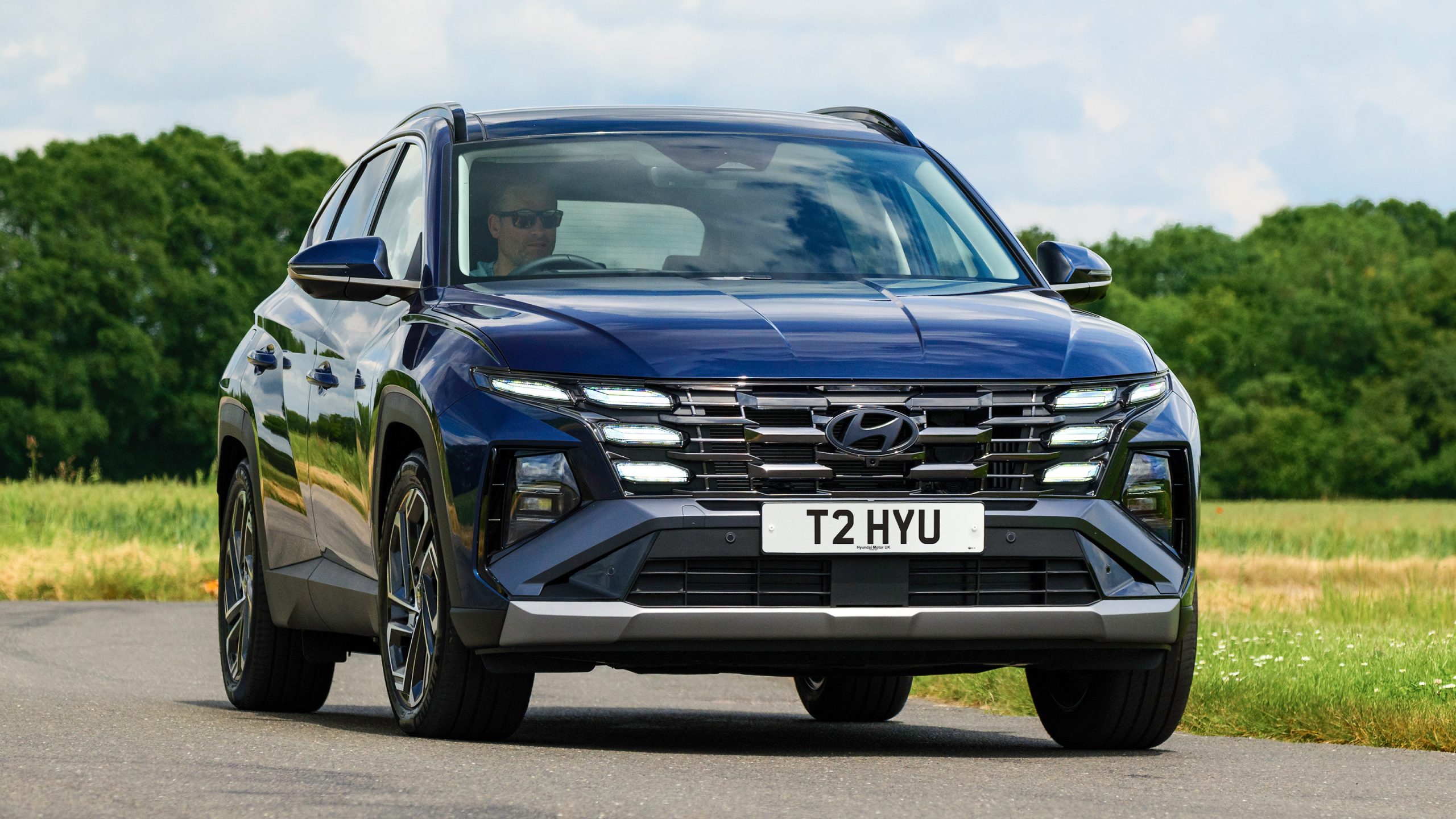
4. Hyundai Tucson
The Hyundai Tucson has become one of the most stylish and well-designed SUVs in its class. The interior quality and feature count genuinely punch above their price point. CarPlay connectivity, however, has not kept pace with the vehicle’s impressive quality. Owners across multiple trim levels report persistent and recurring disconnection problems.
Hyundai’s infotainment system, while visually polished, has deeper software instability issues. The interface looks premium, and the display quality is excellent. But beneath the attractive surface, the wireless stack is not reliably implemented. This disconnect between aesthetic quality and technical performance is a recurring Hyundai theme.
Wireless CarPlay on the Tucson drops most commonly after the system has been running for extended periods. The first 20 minutes of a drive are often perfectly stable. After that window, connections begin to falter and eventually drop entirely. This pattern suggests a memory leak or resource exhaustion bug within the software.
Rebooting the infotainment system restores CarPlay temporarily. But requiring a full system reboot during a drive is an unacceptable solution. The distraction of managing infotainment problems while driving is a real safety concern. Hyundai needs to treat this not as a minor inconvenience but as a genuine safety issue.
The USB-C port quality in recent Tucson models is adequate on paper. In practice, thermal expansion during warm weather causes the port housing to loosen slightly. This expansion creates micro-gaps that interrupt wired CarPlay connections unpredictably. The fix is often as simple as a slightly different cable, but that should never be necessary.
Software updates for the Tucson have addressed some CarPlay issues with varying success. Hyundai’s OTA update system works technically, but is slow to deploy fixes. Critical CarPlay bugs sometimes take two or three software cycles to be fully resolved. Owners in the meantime, are left managing workarounds discovered through online forums.
Kia vehicles, which share significant platform DNA with the Tucson, exhibit similar issues. This suggests the problem is platform-level rather than model-specific. A systemic fix will require Hyundai-Kia to address the core wireless stack. Cosmetic software patches have consistently failed to resolve the underlying technical cause.
Tucson buyers should specifically request wireless CarPlay demonstrations during test drives. Ask the salesperson to show you a 30-minute connection without any drops. If the demonstration cannot meet that basic standard, negotiate accordingly or walk away. Your CarPlay experience will reflect exactly what you witnessed in that test drive.
5. Land Rover Defender
The Land Rover Defender is one of the most desirable and prestigious SUVs on the market. Its combination of luxury, capability, and iconic design commands significant premium pricing. CarPlay performance, despite the premium price tag, has been a documented frustration. Owners paying six figures for a vehicle deserve dramatically better connectivity than the Defender delivers.
The Pivi Pro infotainment system is Land Rover’s flagship technology platform. It looks spectacular on the Defender’s large central display. The interface design is genuinely beautiful, and the graphics quality is world-class. But behind the visual excellence, CarPlay connectivity has been an Achilles heel since launch.
Wireless CarPlay drops on the Defender follows no consistent pattern. Some owners report stable connections for weeks, then sudden multi-day periods of constant dropping. Others experience problems from the first day of ownership without any resolution. This inconsistency makes troubleshooting nearly impossible, even for trained Land Rover technicians.
The Defender’s complex electrical architecture contributes to the instability. Multiple electronic control units compete for processing bandwidth within the vehicle network. CarPlay’s wireless demands occasionally conflict with other high-priority vehicle systems. The result is a connectivity experience that feels unstable and unpredictable at premium price levels.
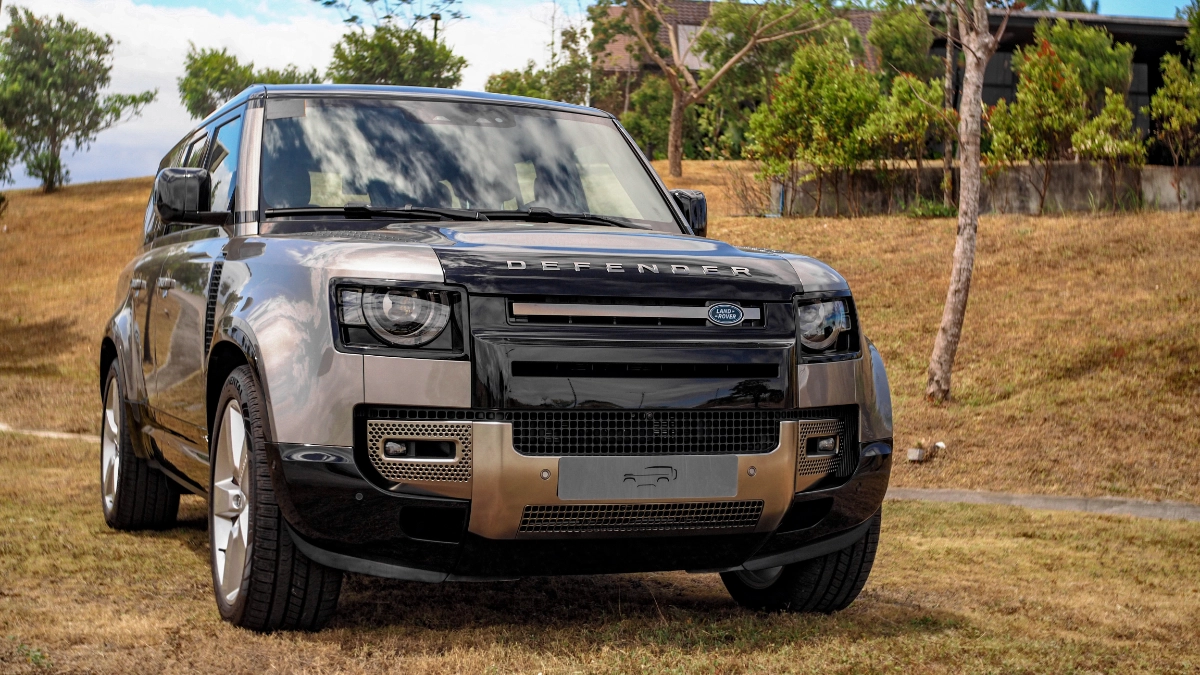
Land Rover has acknowledged CarPlay connectivity issues in several technical service bulletins. These bulletins confirm the problem is real and known at the manufacturer level. However, the fixes provided have been inconsistent in their effectiveness. Some owners see improvement after dealer software updates, while others see none.
The Defender’s target buyer typically expects perfection commensurate with its significant price. A connectivity issue that plagues a $35,000 Nissan is unacceptable in a $90,000 Land Rover. The value expectation gap here is enormous, and Land Rover is well aware of it. Yet the problem persists across multiple software revision cycles without definitive resolution.
Community forums for Land Rover Defender owners are filled with CarPlay troubleshooting threads. The volume and persistence of these posts signal a deeply embedded problem. Temporary fixes abound, from airplane mode cycling to factory resets. None of these should be necessary in a premium vehicle at this price point.
Prospective Defender buyers should factor potential CarPlay frustration into their decision honestly. The vehicle’s other attributes are genuinely exceptional and market-leading. But if daily CarPlay reliability is a priority, the current Defender falls short of reasonable expectations. Land Rover must make this a top engineering priority in upcoming software releases.
Also Read: 5 Sedans With Quiet Cabin Fans vs 5 That Are Loud
