
The SUV market has grown massively over the past two decades, becoming one of the most dominant vehicle categories worldwide. Originally, sport utility vehicles were designed with ruggedness in mind, intended to handle rough terrains, muddy trails, rocky routes, and extreme weather conditions.
Over time, however, many SUVs have evolved into comfort-focused family vehicles that prioritize smooth road driving, luxury interiors, advanced infotainment systems, and fuel efficiency rather than true off-road performance.
This shift has created a clear divide in the SUV world between models that are genuinely capable off-road machines and those that only carry the SUV name while behaving more like refined road cars. Understanding this difference is important for buyers who may assume that every SUV can handle challenging terrain when, in reality, only a select few are engineered for serious off-road use.
True off-road SUVs are built with features such as high ground clearance, robust Four Wheel Drive systems, locking differentials, skid plates, and suspension systems designed to absorb heavy impacts from uneven surfaces. On the other hand, road-focused SUVs often rely on All Wheel Drive systems designed for stability on highways, better cornering, and improved traction in light weather conditions, but not for deep mud, sand dunes, or rocky climbs.
This article explores both sides of the spectrum by comparing five SUVs that are widely recognized for their real off-road capability with five SUVs that are better suited for city driving and highways. Each model is evaluated based on its engineering, real-world performance, design purpose, and driving experience.
By the end, readers will have a clear understanding of which SUVs are built for adventure and which are designed primarily for comfort and urban practicality, helping them make more informed decisions based on lifestyle and driving needs.
Also Read: 10 Cars With Insurance Premiums Lower Than a Compact Sedan
5 SUVs With Real Off-Road Capability
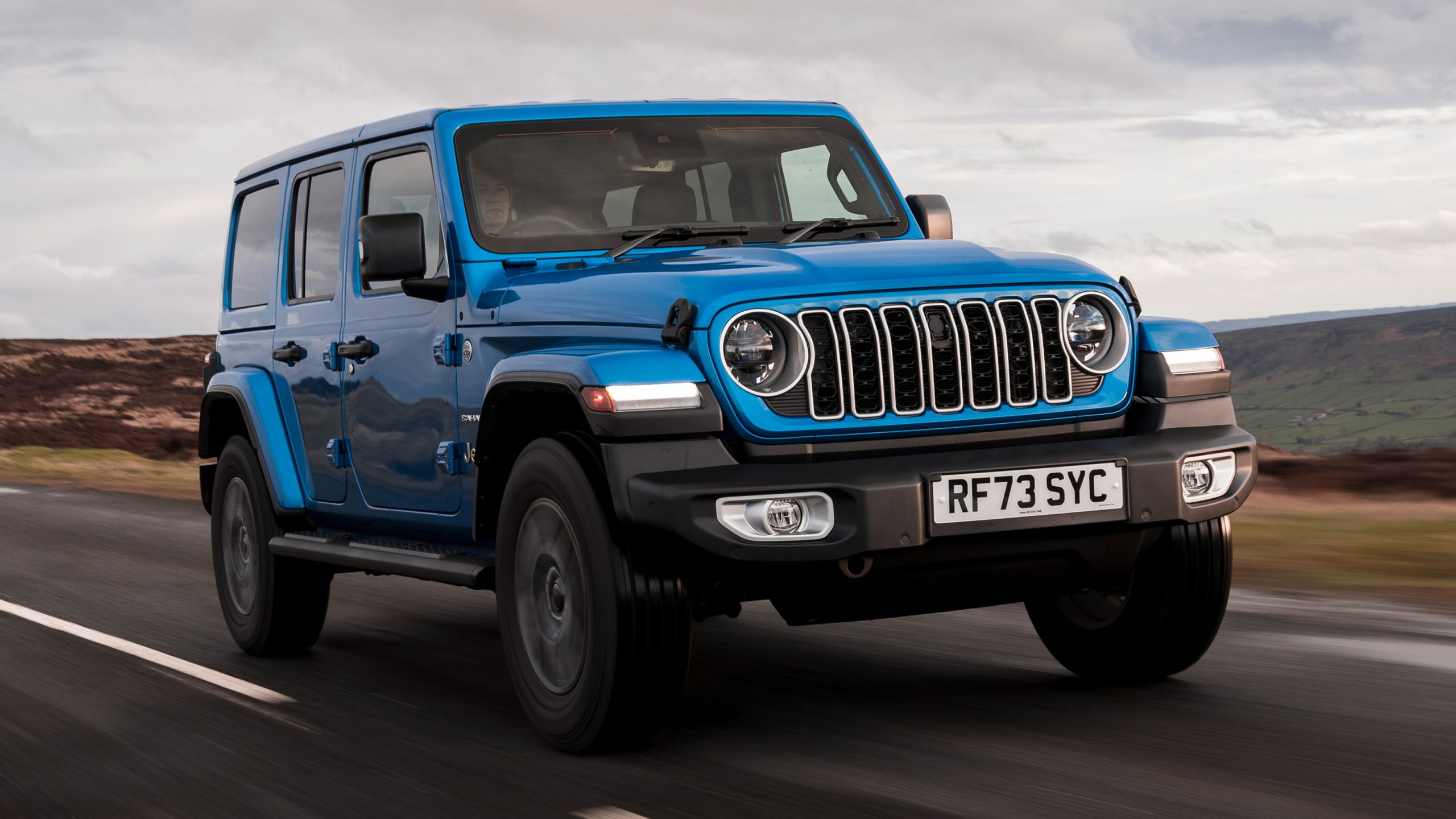
1. Jeep Wrangler
The Jeep Wrangler stands as one of the most recognizable and purpose-built off-road SUVs in the world, and its reputation is not based on marketing but decades of real terrain performance. Its design philosophy has remained consistent for generations, focusing on mechanical strength and trail capability rather than luxury refinement. This consistency has helped it maintain a loyal global fan base among off-road enthusiasts.
One of the defining characteristics of the Wrangler is its ladder frame chassis, which provides exceptional durability under stress. Unlike many modern SUVs that use unibody construction, the Wrangler’s structure allows it to withstand twisting forces encountered on rocky or uneven terrain. This makes it highly reliable in environments where structural flex is unavoidable.
The Wrangler also offers multiple trim levels designed for different levels of off-road intensity. The Rubicon variant is particularly famous for its heavy-duty off-road equipment, including rock rails, upgraded axles, and enhanced suspension articulation. These upgrades allow it to tackle extreme trails that would damage most standard SUVs.
Engine options in the Wrangler are designed to balance torque and reliability rather than pure speed. Its low-end torque delivery is especially important for crawling over rocks or handling steep inclines. This makes it more capable in real off-road conditions compared to SUVs that focus primarily on highway horsepower.
Another major advantage is its aftermarket support. The Wrangler has one of the largest customization ecosystems in the automotive world. Owners frequently modify suspension lifts, tires, bumpers, and winches to suit specific terrains. This flexibility allows the vehicle to evolve based on the driver’s adventure needs.
The removable doors and roof further enhance its outdoor appeal, creating a fully open driving experience that connects the driver with nature. This feature is not just aesthetic but also practical, helping drivers maneuver through tight trails and improving visibility in challenging environments.
In real-world usage, the Wrangler is commonly seen in desert expeditions, mountain trails, and forest navigation routes. It is also frequently used in adventure tourism industries due to its reliability and rugged build. Few SUVs offer this level of confidence when the pavement ends.
Despite its strengths, the Wrangler does compromise on highway comfort. Its solid axle setup and off-road tires create a stiffer ride and higher cabin noise. However, this is widely accepted by buyers who prioritize capability over refinement.
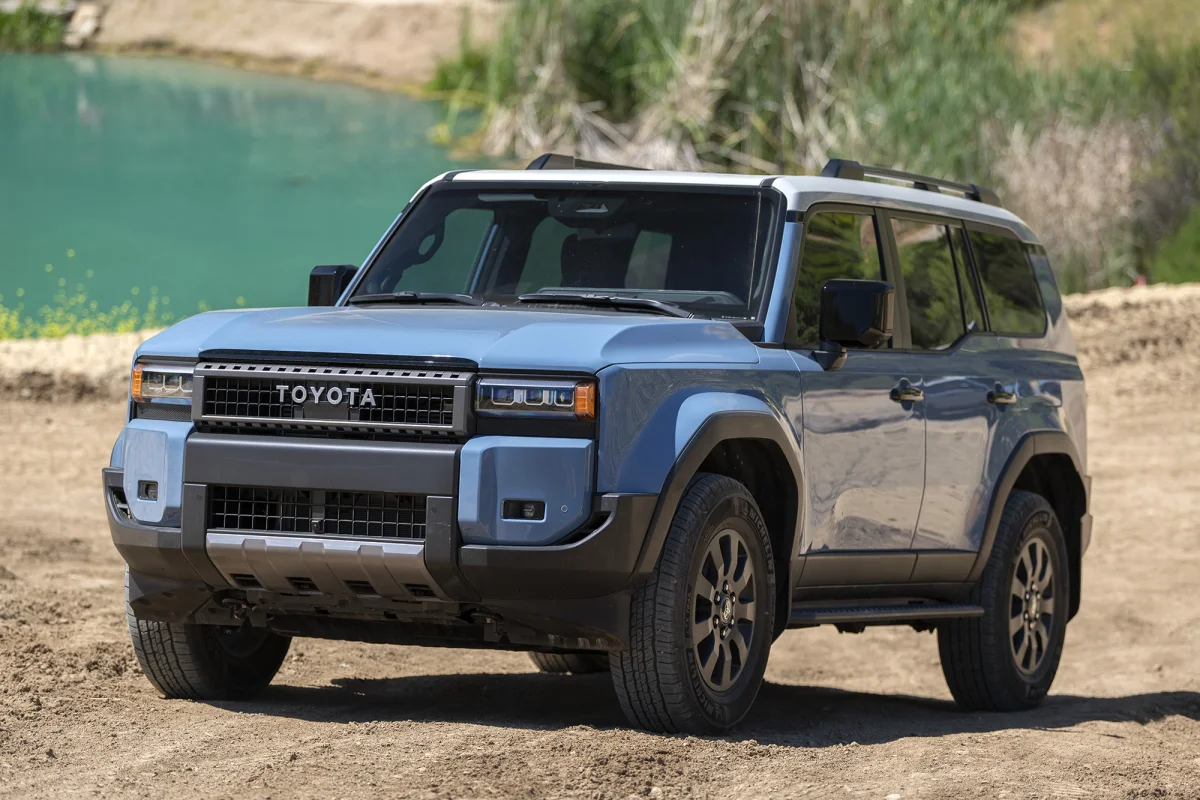
2. Toyota Land Cruiser
The Toyota Land Cruiser has earned its global reputation through decades of consistent performance in the harshest environments on Earth. From deserts and jungles to mountainous regions and remote rural areas, it has proven itself as one of the most dependable off-road vehicles ever produced. Its engineering focuses on longevity and mechanical resilience above all else.
A key strength of the Land Cruiser is its heavy-duty body-on-frame construction. This design allows it to carry heavy loads and endure long-term stress without compromising structural integrity. It is one of the reasons it is widely used by humanitarian organizations, military units, and expedition teams operating in remote areas.
The Four Wheel Drive system in the Land Cruiser is engineered for maximum traction in unpredictable terrain. It often includes advanced features such as multi-terrain select and crawl control, which help regulate throttle and braking automatically. These systems allow drivers to focus more on steering while the vehicle manages traction efficiently.
Over the years, the Land Cruiser has been offered in multiple variants, including luxury-focused models and more utilitarian versions. While newer generations have become more refined and comfortable, they still retain their core off-road DNA. This balance between comfort and ruggedness makes it one of the most versatile large SUVs.
Maintenance and reliability are among its strongest advantages. Many Land Cruisers operate for hundreds of thousands of kilometers with minimal mechanical failure when properly maintained. This durability is especially valuable in regions where repair infrastructure is limited or unavailable.
Another major factor behind its popularity is its resale value. The Land Cruiser consistently holds its value better than most SUVs in the market. This is largely due to its reputation for longevity and global demand in both civilian and commercial sectors.
In off-road environments, the Land Cruiser excels in long-distance expeditions where reliability is more important than speed or agility. It is commonly used in cross-desert journeys and remote exploration missions where breakdowns are not an option.
Even though it is capable off-road, the Land Cruiser also provides a comfortable highway experience. This dual nature makes it ideal for users who need one vehicle for both daily driving and serious adventure travel.
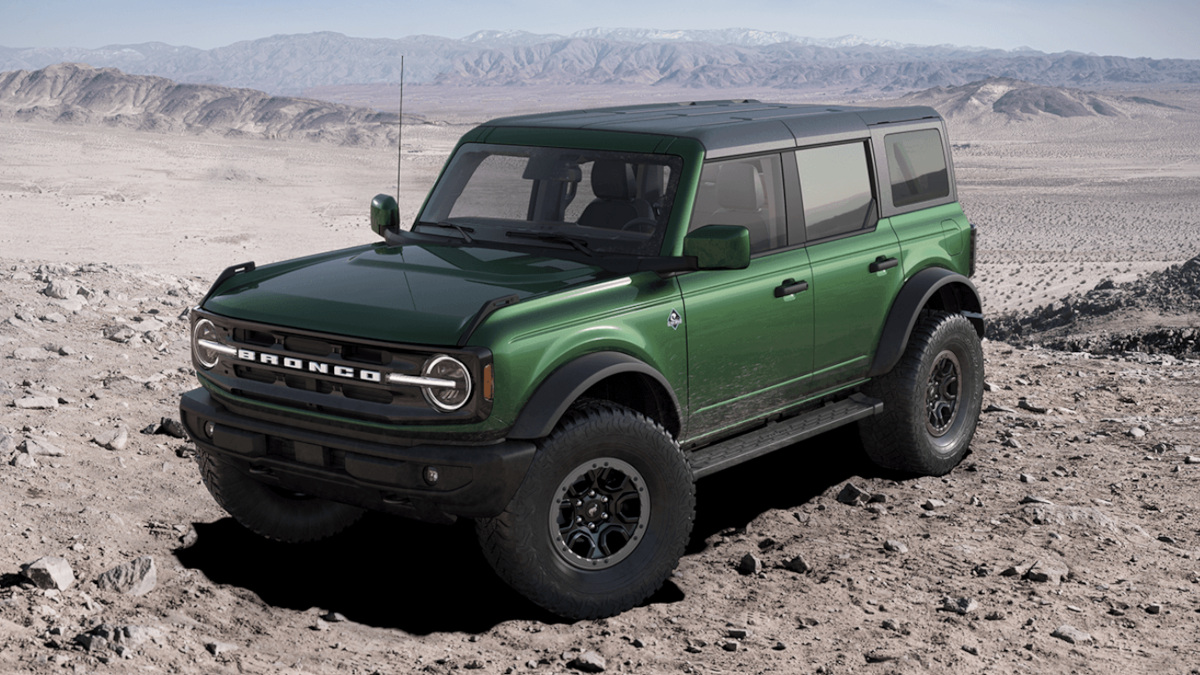
3. Ford Bronco
The Ford Bronco represents a modern revival of an iconic off-road nameplate that has successfully reentered the SUV market with a strong focus on capability. It was designed specifically to compete with established off-road leaders while offering modern technology and customization options.
One of the most important features of the Bronco is its terrain management system, known as G.O.A.T. modes. These modes automatically adjust vehicle behavior based on terrain type, including mud, sand, rock, and snow. This makes it easier for drivers of varying skill levels to handle difficult environments.
The Bronco also offers multiple body styles, including two-door and four-door versions. The two-door model is more compact and better suited for tight trails, while the four-door version provides additional passenger and cargo space for overlanding adventures. This flexibility appeals to a wide range of users.
A key performance package available on the Bronco is the Sasquatch package, which includes larger tires, enhanced suspension, and locking differentials. This package significantly improves off-road performance and makes the Bronco more competitive in extreme terrain conditions.
The suspension system is designed for high articulation, allowing the wheels to maintain contact with uneven ground. This improves stability and traction when climbing rocks or crossing deep ruts. It also enhances comfort when driving over rough trails.
The Bronco’s design includes removable doors and roof panels, similar to its main competitor in the off-road segment. This feature enhances the outdoor experience and allows drivers to fully engage with natural surroundings during off-road trips.
Engine options in the Bronco focus on torque delivery and efficiency rather than high-speed performance. This ensures that it performs well in low-speed off-road conditions where control and traction are more important than acceleration.
In real-world usage, the Bronco has quickly gained popularity among off-road communities, particularly for its balance of modern technology and traditional rugged capability. It is seen as a strong competitor in the new generation of adventure SUVs.
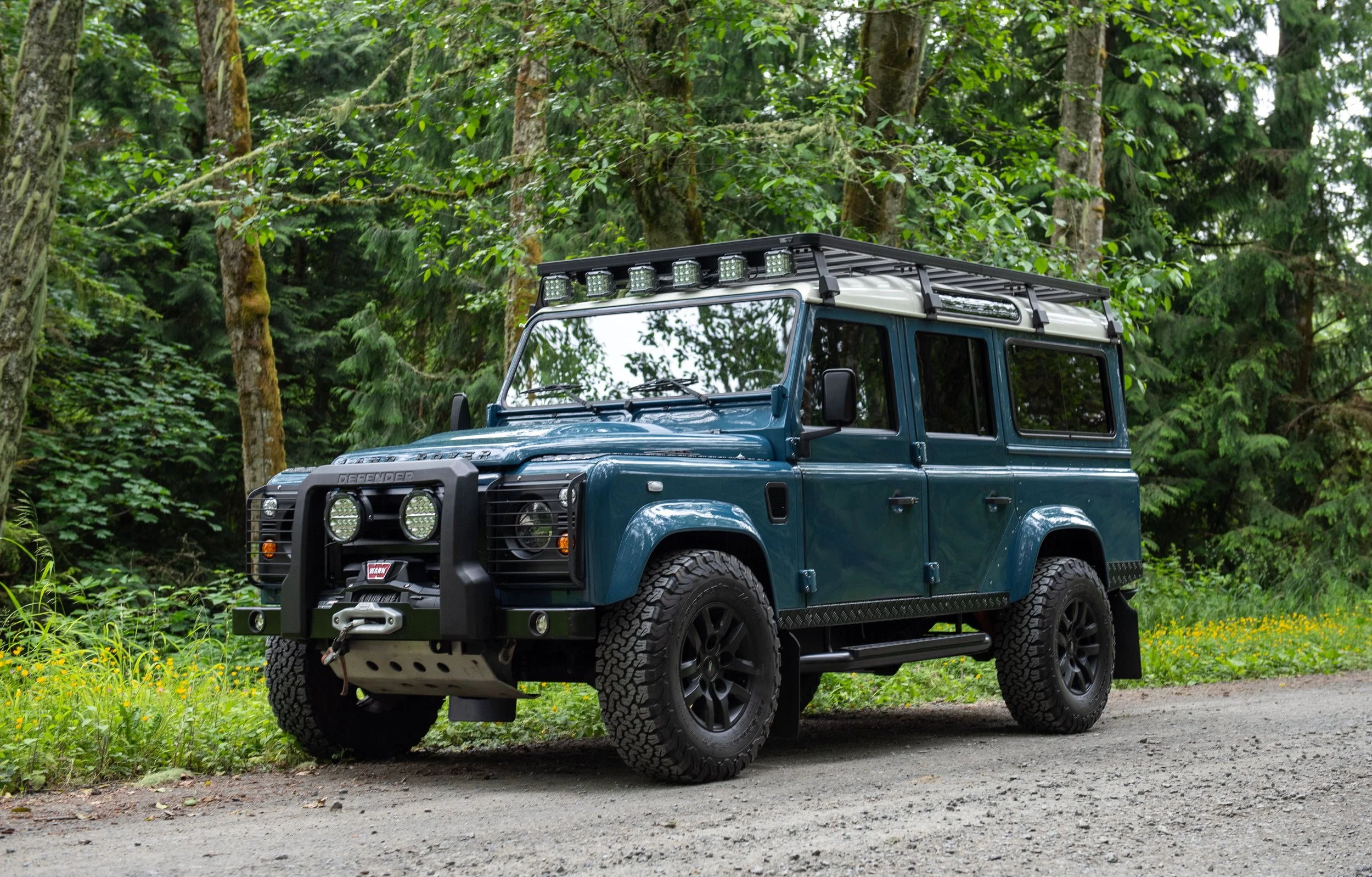
4. Land Rover Defender
The Land Rover Defender is a modern reinterpretation of a legendary off-road vehicle that combines luxury with serious terrain capability. It is designed to appeal to both premium SUV buyers and adventure enthusiasts who require real off-road performance.
One of the most advanced features of the Defender is its terrain response system, which automatically adjusts vehicle settings based on driving conditions. This includes sand, mud, grass, snow, and rock modes, allowing it to optimize traction and stability without manual intervention.
The Defender uses advanced air suspension technology that can raise or lower the vehicle depending on terrain requirements. This allows it to achieve high ground clearance for off-road driving while maintaining comfort and aerodynamics on highways.
Another important capability is its impressive wading depth, which allows it to cross deep water sections that would immobilize many other SUVs. This makes it particularly useful in flood-prone regions and river crossing expeditions.
The Defender is available in multiple configurations, including 90, 110, and 130 variants. These represent different body lengths and seating capacities, allowing buyers to choose based on their adventure or family needs. The larger versions are especially popular for overlanding.
Despite its rugged capability, the Defender features a highly refined interior with modern infotainment systems, premium materials, and advanced driver assistance features. This combination makes it unique in the off-road segment.
Its off-road performance is supported by a strong chassis design and electronic traction aids that enhance wheel control in difficult terrain. It performs exceptionally well in rocky environments and uneven troughs.
The Defender successfully bridges the gap between luxury SUV and off-road vehicle, making it one of the most versatile options in its category.
5. Suzuki Jimny
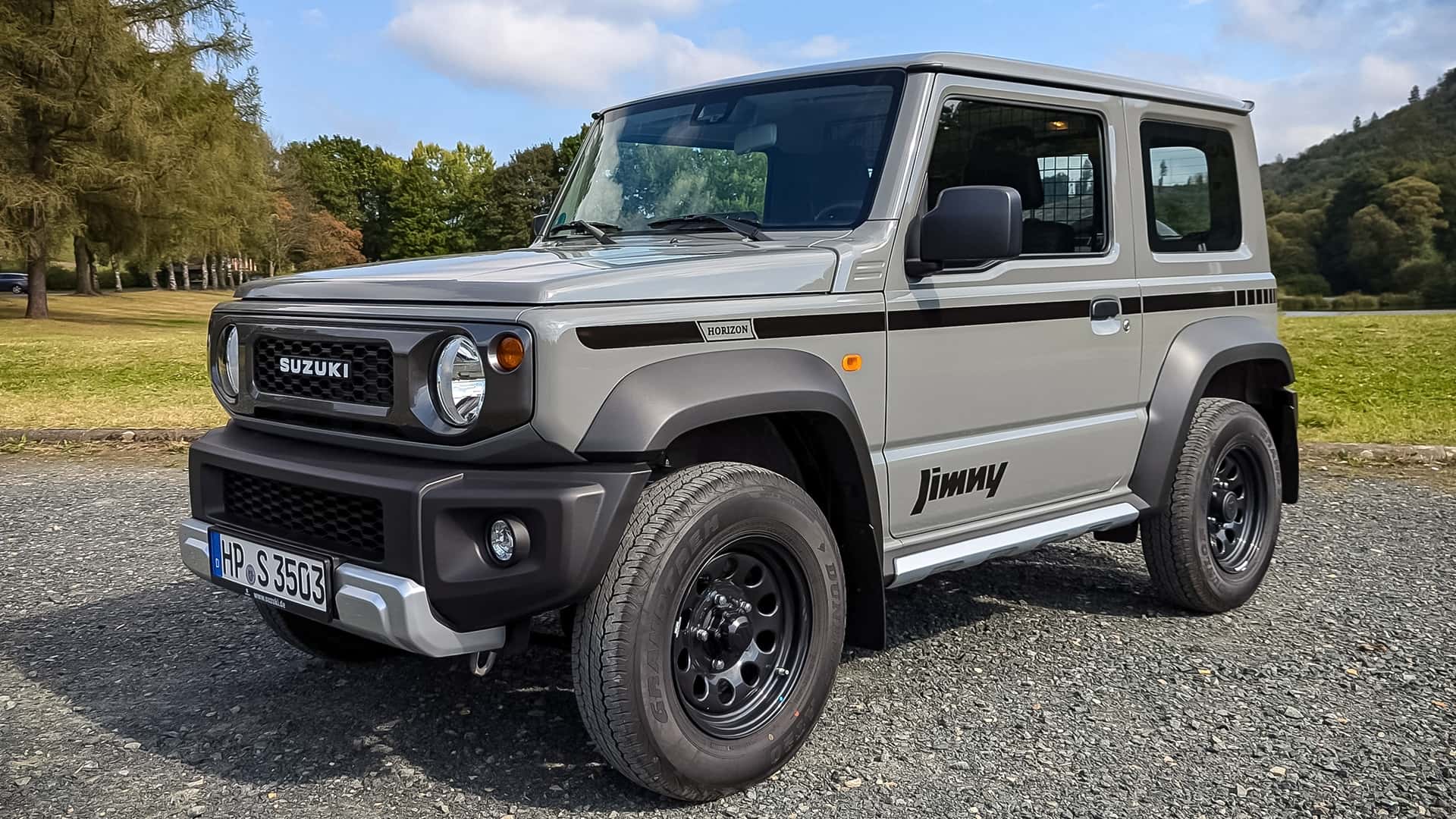
The Suzuki Jimny is a compact SUV that has gained global recognition for its surprisingly strong off-road capability despite its small size. It is built with a traditional ladder frame chassis, which gives it durability comparable to much larger off-road vehicles.
One of its biggest advantages is its lightweight design. This allows it to navigate soft terrain like sand and mud more effectively than heavier SUVs that may sink or struggle for traction. Its small footprint also makes it ideal for narrow trails and dense forest paths.
The Jimny uses a simple but effective Four Wheel Drive system with a low-range gearbox. This allows it to deliver strong torque at low speeds, which is essential for climbing steep slopes and crawling over obstacles.
In terms of engine performance, the Jimny is not built for speed but for control and reliability. Its small engine is tuned to provide consistent power delivery in challenging environments rather than highway acceleration.
Safety and comfort are more basic compared to larger modern SUVs, but the Jimny compensates with mechanical reliability and ease of maintenance. This makes it especially popular in rural regions and developing markets where durability is more important than luxury.
The Jimny also has a strong global enthusiast community, with many owners modifying it for extreme off-road use. Common upgrades include lift kits, off-road tires, and reinforced bumpers, which significantly enhance its capability.
Despite its small size, the Jimny is frequently used in serious off-road conditions such as mountain trails and rural exploration routes. Its simplicity often becomes an advantage in remote areas where complex electronics can be a liability.
The Suzuki Jimny proves that true off-road capability is not dependent on size or price, but on engineering focus and design purpose.
Also Read: 10 Cars That Survive Being Used as Daily Uber Vehicles
5 Without It
1. BMW X5
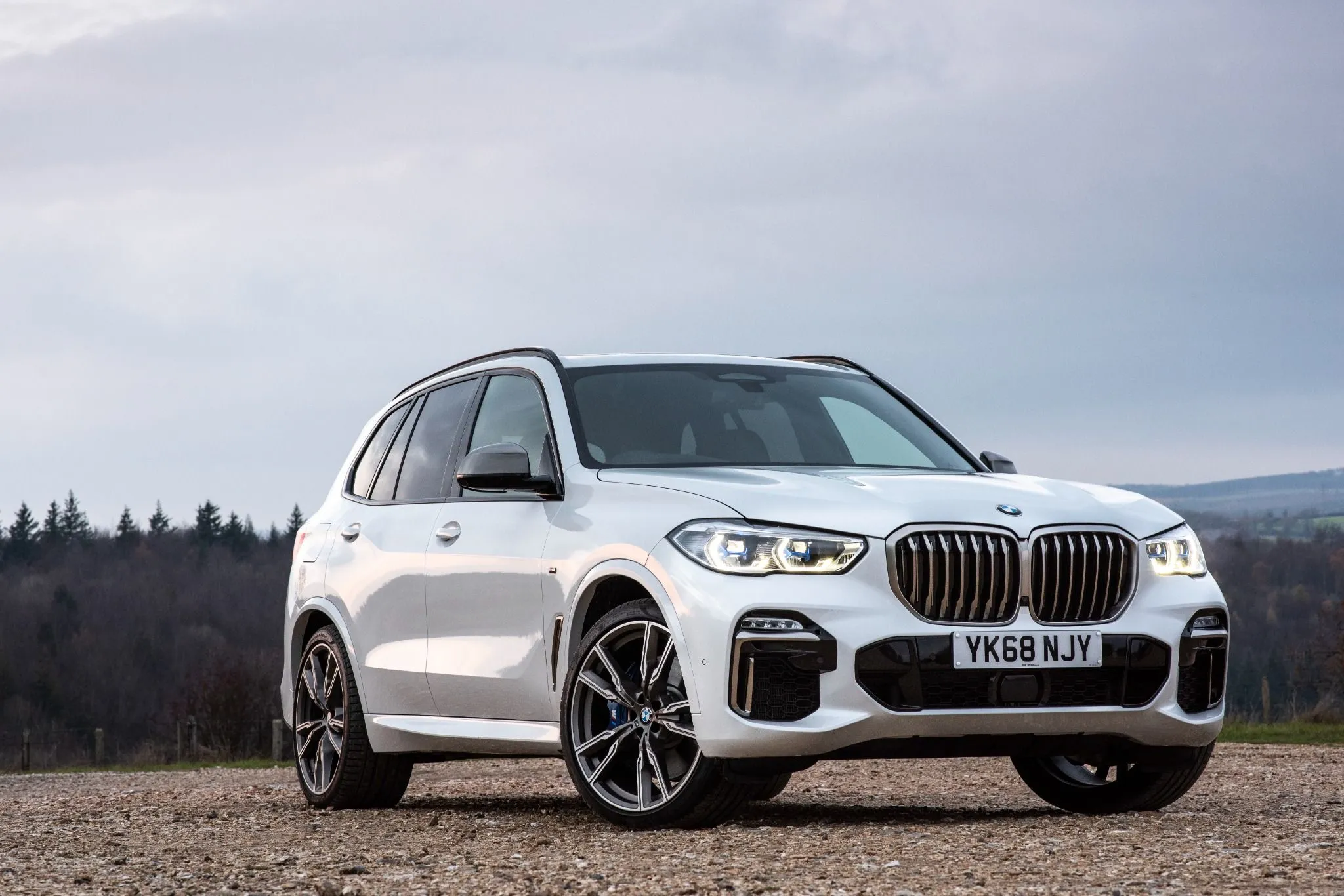
The BMW X5 is one of the most influential luxury SUVs in the premium segment, but its identity has always been centered around road performance rather than off-road capability. It was originally designed to combine SUV practicality with BMW’s signature driving dynamics, and that philosophy is still evident in every generation. The result is a vehicle that excels on highways and urban roads but is not intended for challenging terrain.
One of the defining characteristics of the X5 is its focus on handling precision. The steering system is tuned to feel responsive and direct, giving the driver a sense of control more similar to a performance sedan than a traditional SUV. This makes it highly enjoyable on paved roads but less suited for uneven surfaces where softer, more flexible suspension systems are needed.
The X5 typically uses an All Wheel Drive system known as xDrive, which is engineered to improve traction during acceleration, rain, or light snow conditions. However, this system is reactive rather than mechanically locked for extreme conditions, meaning it is not designed for deep mud, rocks, or off-road crawling scenarios.
Suspension in the X5 is one of its strongest comfort features. Many versions include adaptive air suspension that smooths out road imperfections and enhances ride quality. While this is excellent for highways and city driving, it lacks the durability and articulation required for serious off-road trails.
Ground clearance in the X5 is moderate and not optimized for uneven terrain. Low-hanging components, such as bumpers and underbody systems, are not heavily protected compared to true off-road SUVs, which increases risk in rugged environments.
The interior is where the X5 truly shines, offering premium materials, advanced digital displays, and high-end comfort features. It is clearly designed for luxury travel rather than outdoor exploration, making it a strong competitor in the executive SUV market.
In real-world usage, the X5 is commonly seen in urban areas, business districts, and long highway journeys. It performs exceptionally well in these environments but is rarely used for off-road driving due to its design limitations.
The BMW X5 is a high-performance luxury SUV that prioritizes comfort, speed, and refinement over terrain capability.
2. Mercedes-Benz GLE
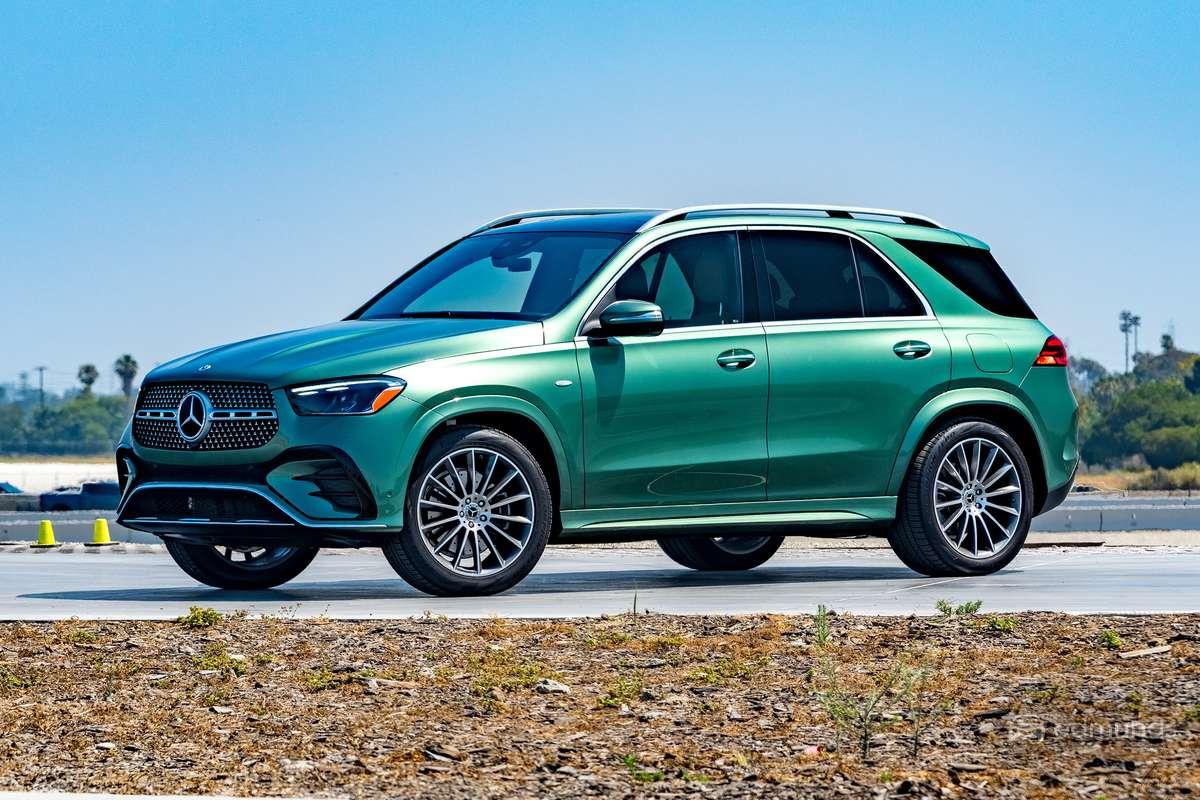
The Mercedes-Benz GLE is engineered to deliver a refined and technologically advanced driving experience, placing it firmly in the luxury SUV category rather than the off-road segment. Its development focuses on passenger comfort, safety, and smooth driving dynamics, making it ideal for urban and highway use.
One of the standout features of the GLE is its suspension system, which is designed to absorb road imperfections and provide a floating, comfortable ride. Some variants include air suspension that automatically adjusts ride height for improved comfort and stability, but this system is not intended for rugged terrain use.
The GLE does offer 4MATIC All Wheel Drive, which enhances traction in wet or slippery conditions. However, this system is optimized for road safety and stability rather than mechanical off-road performance. It does not include the low-range gearing or locking differentials typically found in off-road SUVs.
Driving modes in the GLE are primarily designed to optimize on-road comfort and efficiency. Even when terrain-related settings are available, they are generally limited in capability and intended for light surface variations rather than serious off-road challenges.
Inside the cabin, the GLE represents one of the most luxurious interiors in its class. It features premium materials, ambient lighting, advanced infotainment systems, and a strong emphasis on passenger comfort. This reinforces its identity as a luxury family and executive SUV.
In practical use, the GLE is commonly driven in cities, on highways, and in suburban environments. It is particularly popular among professionals and families who prioritize comfort and brand prestige over off-road adventure.
Its ground clearance and structural design are not intended for rocky trails or uneven terrain, making it unsuitable for serious off-road use.
The Mercedes-Benz GLE is a premium SUV that excels in comfort and technology but does not provide true off-road capability.
3. Audi Q7
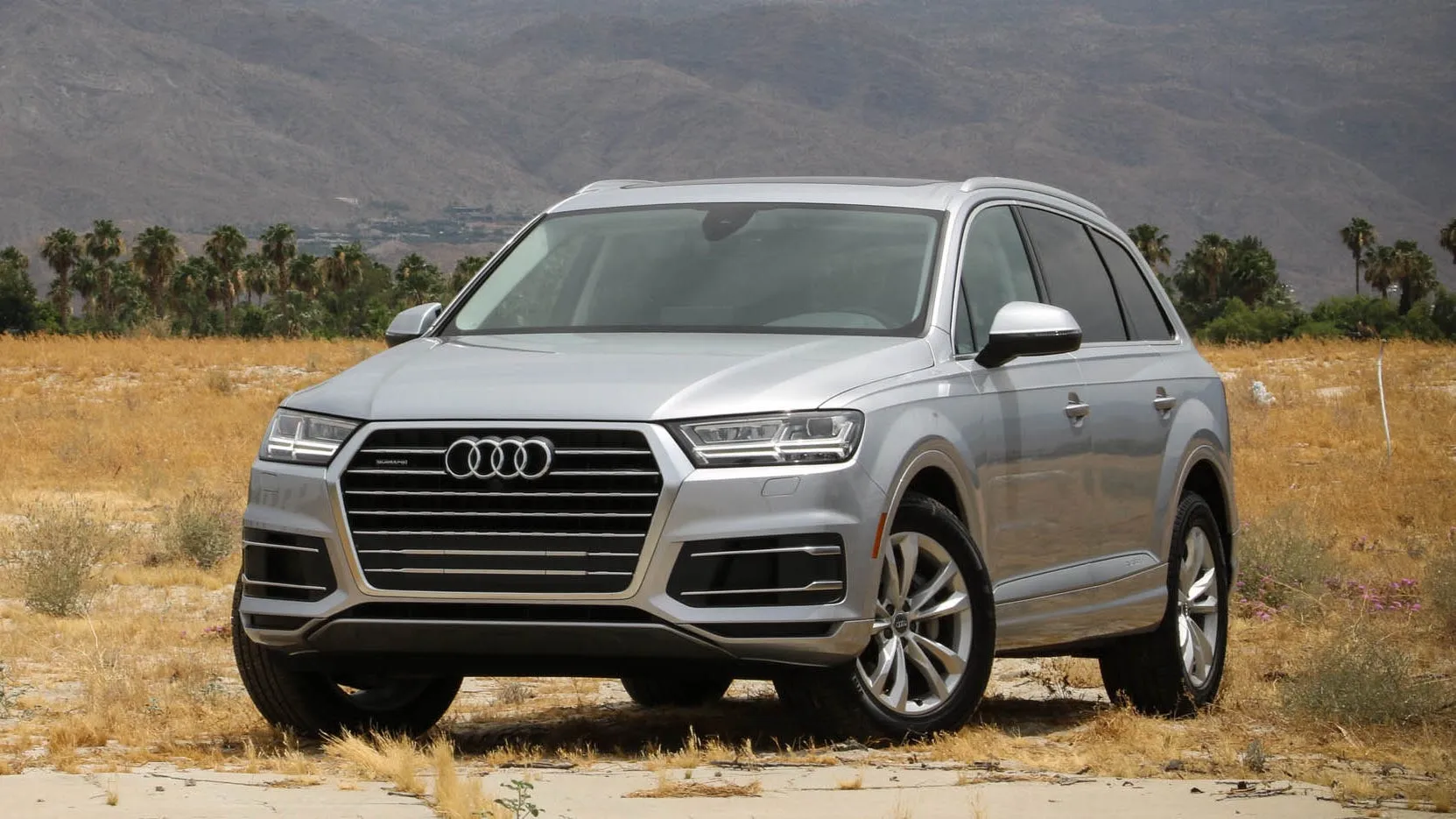
The Audi Q7 is a large luxury SUV that emphasizes comfort, refinement, and advanced road performance rather than off-road strength. It is designed to provide a smooth and stable driving experience for families and long-distance travelers.
One of the most important features of the Q7 is its Quattro All Wheel Drive system, which is one of Audi’s most well-known technologies. While it significantly improves traction on paved roads and in adverse weather, it is not engineered for extreme terrain or off-road crawling conditions.
The suspension system in the Q7 is tuned for comfort and stability. It absorbs bumps effectively on highways and city roads but does not provide the articulation needed for rocky or uneven terrain. This makes it ideal for daily commuting but not for adventure driving.
The Q7 offers a spacious three-row seating configuration, making it highly practical for large families. Its interior design prioritizes space, luxury, and technology integration, including digital displays and advanced driver assistance systems.
Ground clearance in the Q7 is adequate for urban obstacles and light gravel roads, but it is not suitable for deep off-road environments. The underbody protection is also limited compared to dedicated off-road SUVs.
In real-world conditions, the Q7 is commonly used for long highway journeys and urban commuting. It is appreciated for its smooth ride quality and premium feel rather than rugged capability.
The vehicle’s design clearly reflects Audi’s focus on road performance and luxury rather than off-road engineering.
The Audi Q7 is a refined family SUV that performs best on paved roads and does not offer serious off-road capability.
4. Porsche Cayenne
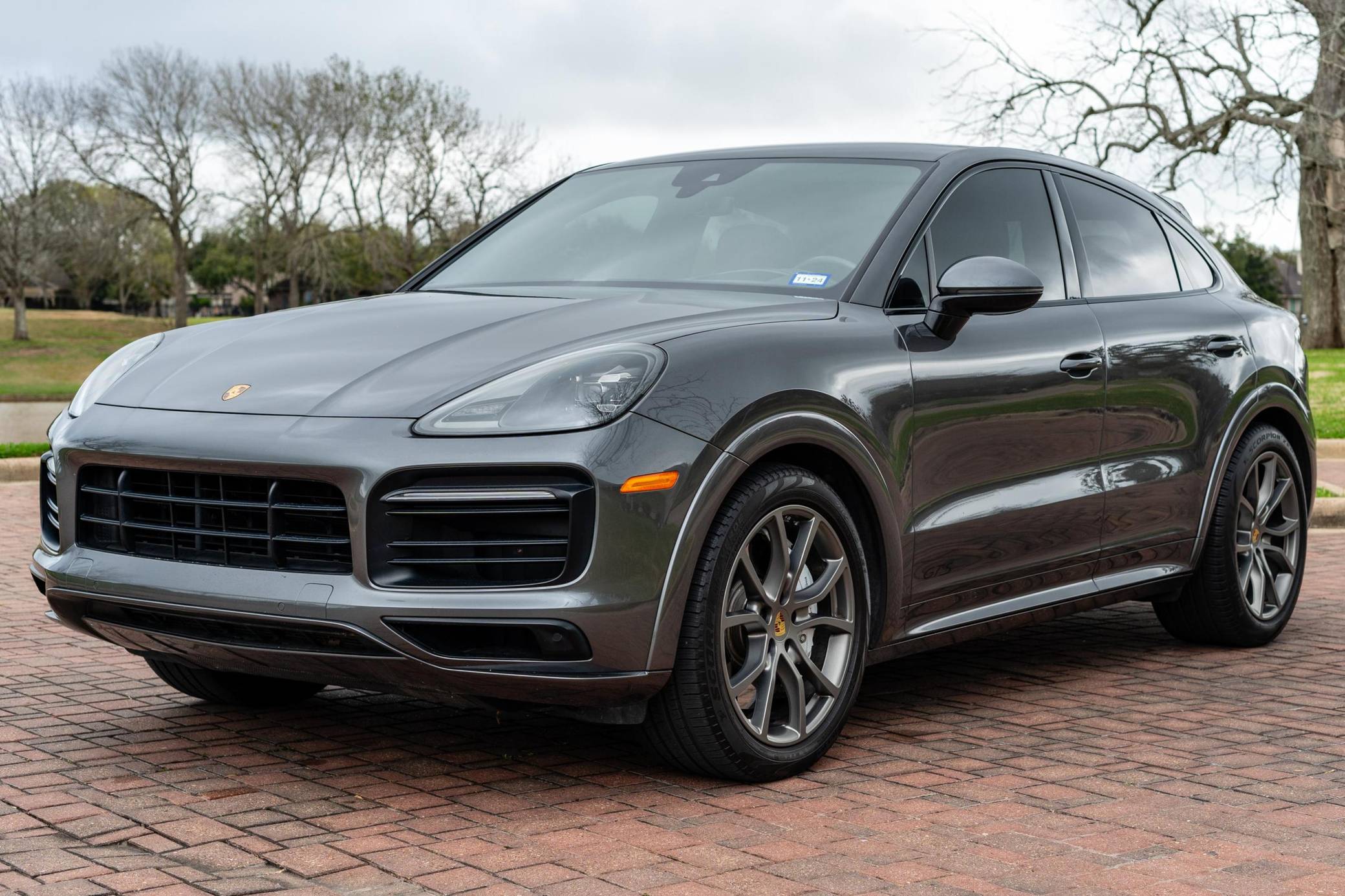
The Porsche Cayenne is a performance-oriented SUV that brings sports car engineering into the SUV segment. It is designed primarily for driving enthusiasts who want speed, precision, and handling rather than off-road exploration.
One of the key strengths of the Cayenne is its road handling ability. It offers sharp steering response, strong acceleration, and exceptional cornering stability. These characteristics make it one of the most dynamic SUVs available on paved roads.
The All Wheel Drive system in the Cayenne is performance-tuned rather than off-road focused. It is designed to distribute power for maximum grip during acceleration and cornering rather than for low-speed terrain crawling or extreme surface conditions.
Suspension systems in the Cayenne are highly advanced and adjustable in some variants, but they are optimized for performance driving. Even when ride height can be adjusted, the system is not intended for heavy off-road use or sustained terrain driving.
Inside, the Cayenne features a driver-focused luxury cabin with premium materials, advanced controls, and a sporty layout. The design prioritizes engagement and performance feel rather than outdoor practicality.
Ground clearance and off-road geometry are limited compared to true off-road SUVs, which restricts its ability to handle rocky or uneven terrain safely. It is generally not recommended for off-road use beyond mild gravel paths.
In real-world use, the Cayenne is commonly seen on highways, urban roads, and performance driving environments. It is often chosen by drivers who want luxury combined with sports car performance.
The Porsche Cayenne is a high-performance luxury SUV that is built for roads, not for off-road adventures.
5. Toyota Highlander
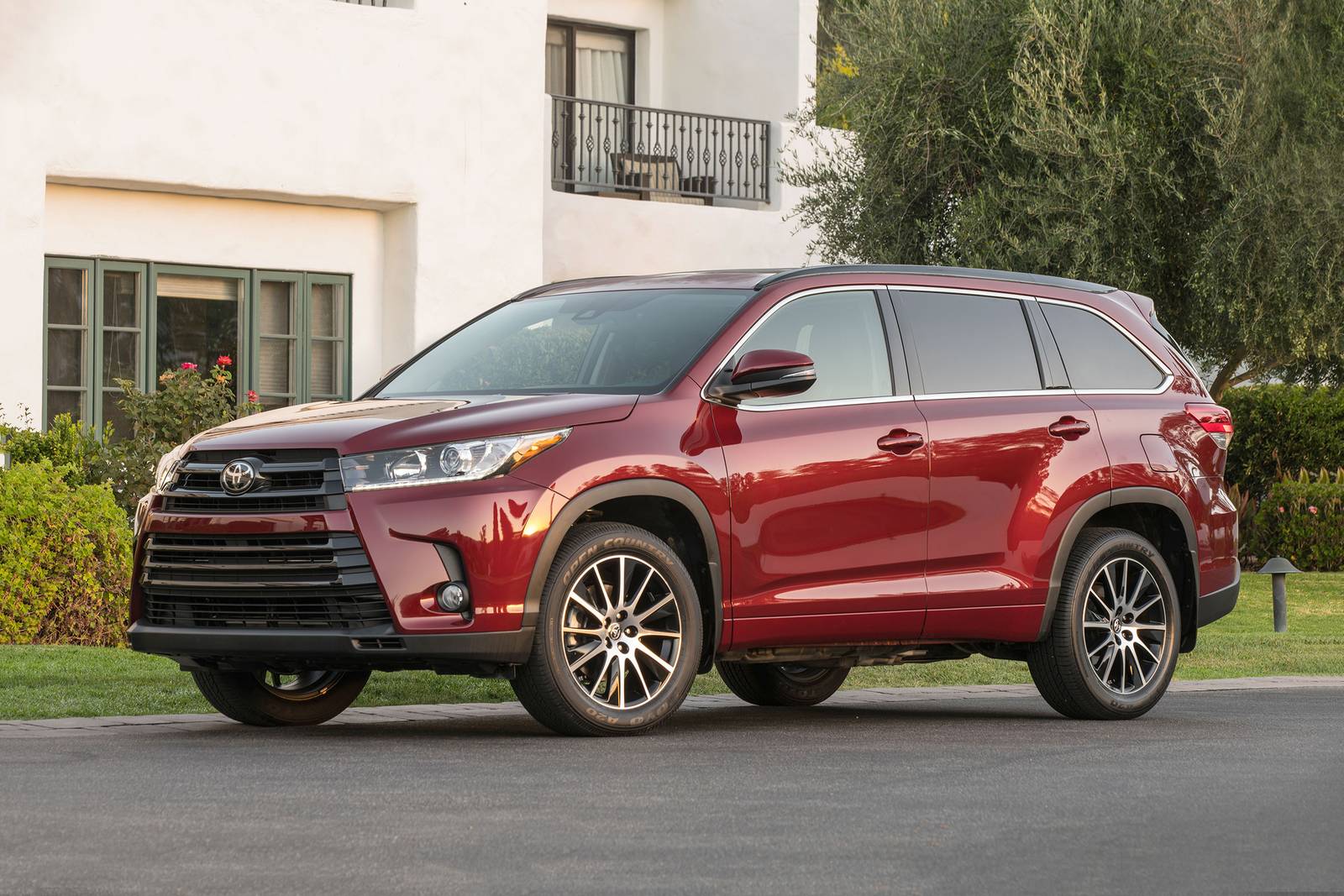
The Toyota Highlander is a practical and widely popular family SUV designed for comfort, reliability, and everyday usability. It is not engineered for off-road performance but rather for efficient and safe transportation of passengers.
One of the key strengths of the Highlander is its smooth and comfortable ride quality. The suspension system is tuned to absorb road imperfections and provide a stable driving experience, especially on highways and city roads.
While it offers All Wheel Drive in certain configurations, this system is primarily designed for improved traction in rain, snow, or light slippery conditions. It is not intended for heavy off-road environments such as rocks, mud, or steep trails.
The Highlander provides three-row seating, making it a practical choice for families who need space and flexibility. Its interior is designed for convenience, safety, and ease of use rather than rugged durability.
Ground clearance is sufficient for urban driving conditions and occasional rough roads, but not for serious off-road terrain. The underbody design does not include heavy-duty protection required for extreme environments.
In real-world usage, the Highlander is commonly used as a daily family vehicle. It is especially popular among buyers who value reliability, fuel efficiency, and comfort over adventure capability.
It performs very well in its intended role but is not suited for off-road exploration or challenging terrain driving.
The Toyota Highlander is a dependable family SUV that excels in everyday driving but does not offer true off-road capability.
