
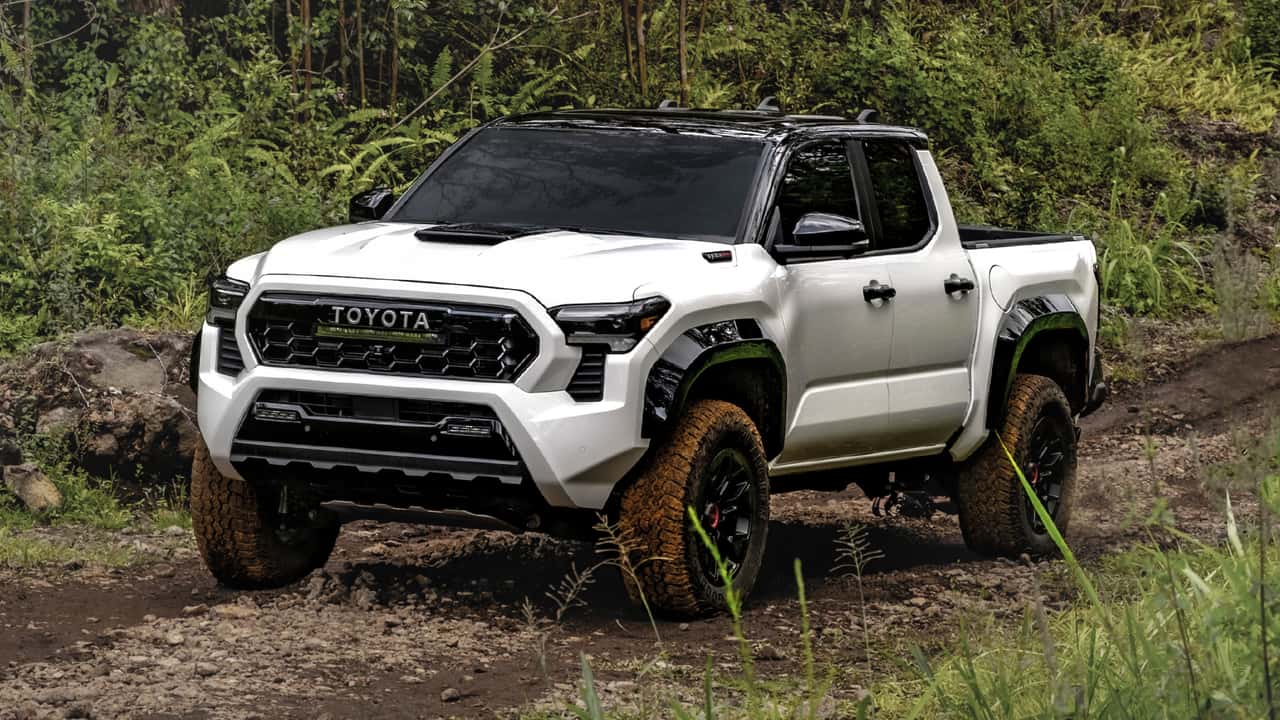
For years, the Toyota Tacoma has built one of the strongest reputations in the midsize truck market. It became known as the pickup that refused to quit, the truck owners trusted in remote places, and the vehicle people bought specifically because they wanted something simple and dependable.
Older Tacomas earned respect through durability rather than flashy features. They were not always the most comfortable, quickest, or technologically advanced trucks on the road, but buyers accepted those compromises because reliability mattered more than luxury.
That reputation became so powerful that the Tacoma eventually reached near legendary status among truck enthusiasts. Used models retained absurd resale values, high-mileage examples continued selling for strong prices, and many owners treated their trucks almost like long-term investments.
The Tacoma represented consistency in a market where many competitors struggled with transmissions, electronics, or expensive repairs. Toyota benefited enormously from this image because buyers began trusting the name automatically.
The problem is that reputations built over decades can become difficult to maintain when expectations change. Modern truck buyers now demand far more than durability alone. They expect advanced interiors, smoother ride quality, better fuel efficiency, improved towing capability, cutting-edge technology, and refined drivability.
At the same time, stricter emissions standards and competitive pressure forced manufacturers to redesign engines, transmissions, and chassis systems in ways older trucks never had to face.
The newest Tacoma arrived carrying enormous expectations because people assumed it would continue dominating the midsize truck category without compromise. Instead, many buyers discovered a truck that feels very different from the durable simplicity that once defined the Tacoma identity.
Some criticisms involve pricing, others focus on drivability, while certain complaints center around long-term trust in the new turbocharged powertrain. Enthusiasts who loved older Tacomas for their rugged honesty sometimes feel disconnected from the current formula.
This does not mean the new Tacoma is a terrible truck. In several areas, it improves significantly compared to older generations. The issue is more complicated than simple quality concerns.
Many loyal buyers believe the new Tacoma abandoned some of the traits that made earlier models special in the first place. When a vehicle develops a near-mythical reputation, even good modern replacements can struggle to satisfy expectations shaped by years of nostalgia and proven durability.
The truth behind the criticism is not rooted in a single flaw. It comes from multiple changes that collectively altered how people perceive the Tacoma. Understanding those changes explains why the latest generation no longer feels untouchable in the eyes of longtime truck fans.
Also Read: 10 Cars That Pass Emissions Without a Single Tune-Up
1. The Simplicity That Made Older Tacomas Famous Is Slowly Disappearing
Older Tacomas earned admiration because they felt mechanically honest. Drivers knew exactly what they were getting. The trucks used naturally aspirated engines, straightforward controls, durable drivetrains, and interiors that prioritized function over visual drama.
Owners appreciated that simplicity because it translated into predictability. Repairs were manageable, maintenance routines felt familiar, and there was less concern about complicated systems creating long-term headaches.
The new Tacoma moves in a completely different direction. Modern buyers expect larger screens, advanced driver assistance systems, digital interfaces, electronic suspension options, and turbocharged engines tuned for efficiency.
Toyota responded to those demands because the truck market became far more competitive than it was twenty years ago. Unfortunately, this shift changed the character of the Tacoma itself.
Many longtime owners miss the old formula precisely because it lacked excessive complexity. They trusted the truck partly because there were fewer systems capable of failing. The latest Tacoma introduces more electronics, more software integration, and more layers between the driver and the mechanical experience.
Even if these systems function properly, they create anxiety among buyers who specifically chose Tacomas in the past to avoid this kind of technological dependency.
The turbocharged four-cylinder engine symbolizes this transformation more than anything else. Previous Tacomas relied heavily on naturally aspirated engines that felt durable and proven, even when they lacked impressive power numbers.
Turbocharging improves efficiency and torque output, but some enthusiasts question whether the new setup will deliver the same legendary longevity that older Tacomas became famous for.
Another issue involves repair accessibility. Older Tacomas gained loyal followings partly because independent mechanics and owners could work on them relatively easily.
Modern trucks increasingly require specialized diagnostic equipment and software knowledge. That trend affects the entire industry, but Tacoma fans expected Toyota to preserve more of the truck’s old-school practicality.
Interior design reflects the same evolution. Earlier, Tacoma felt rugged and uncomplicated. The new model attempts to balance toughness with modern comfort, but some buyers feel the truck now resembles every other technology-focused pickup instead of standing apart through utilitarian design.
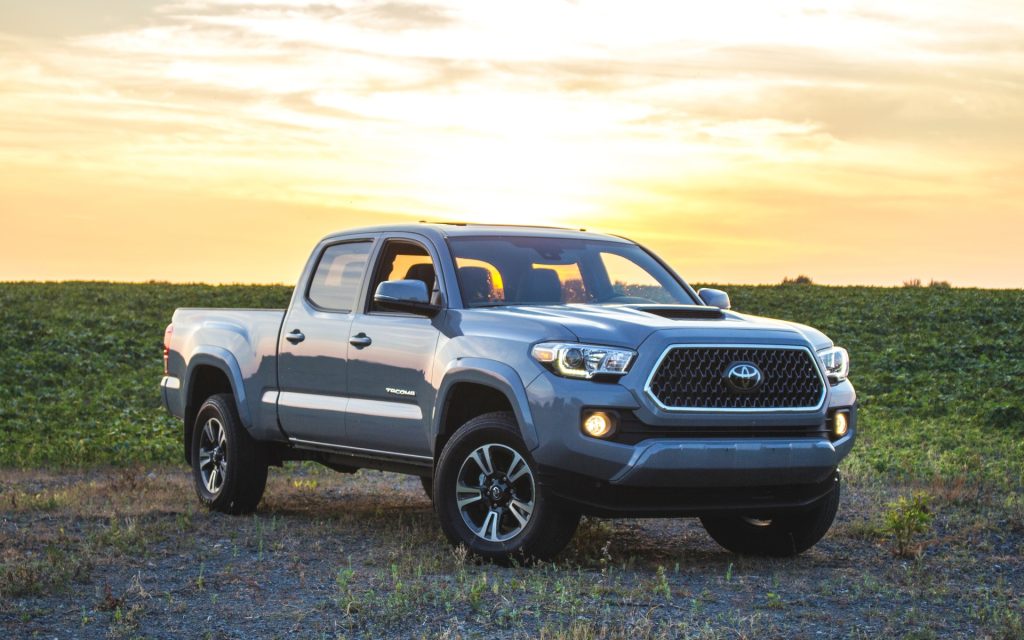
Ironically, Toyota improved many objective aspects of the Tacoma while weakening the emotional connection that made previous generations beloved. Buyers once accepted lower refinement because they trusted the truck completely.
Now the Tacoma competes directly in areas like infotainment, luxury features, and performance, which exposes it to criticism that older generations largely avoided.
The result is a truck that may satisfy new customers while leaving longtime Tacoma loyalists nostalgic for the simpler machines that originally built the nameplate’s reputation.
2. The Driving Experience Feels Less Natural Than Buyers Expected
A major reason older Tacomas built such strong reputations was the way they delivered a straightforward driving experience. They were not exceptionally smooth or refined, but they behaved predictably.
The steering felt direct, the throttle response remained linear, and the powertrain characteristics were easy to understand. Drivers adapted quickly because the truck communicated its personality honestly.
The newest Tacoma introduces a very different feel behind the wheel, and not every buyer appreciates the change. Much of the criticism centers around the turbocharged engine and transmission behavior.
Turbocharged powertrains often deliver torque differently compared to naturally aspirated engines. Instead of smooth and immediate acceleration throughout the RPM range, some drivers notice hesitation, abrupt power delivery, or inconsistent response depending on throttle input.
This creates frustration because Tacoma buyers traditionally valued consistency more than excitement. Many owners were perfectly happy sacrificing speed in exchange for dependable and predictable operation. The new drivetrain may produce stronger numbers on paper, but some drivers feel disconnected from the truck in ways older generations avoided.
Transmission tuning also became a controversial point. Modern automatics prioritize fuel economy aggressively, which means constant gear hunting and frequent shifting behavior can appear during everyday driving.
Older Tacomas were rarely praised for sophistication, yet they often felt calmer and easier to live with in normal conditions. The latest truck sometimes appears too busy trying to optimize efficiency instead of simply behaving naturally.
Ride quality presents another complicated issue. Toyota improved chassis refinement significantly, but the truck still faces criticism depending on trim level and configuration.
Some versions feel stiffer than expected, especially when paired with aggressive off-road packages. Buyers expecting a comfortable daily driver occasionally discover a suspension setup tuned more for image and capability marketing than balanced real-world usability.
Cabin noise remains another surprise for certain owners. With rising prices, consumers expect modern trucks to feel substantially quieter and more refined inside.
Some Tacoma trims still allow more road and wind noise into the cabin than competitors offering similarly expensive configurations. That becomes harder to ignore when the truck’s price climbs into premium territory.
Technology integration also affects the driving experience itself. Older Tacomas felt refreshingly uncomplicated because drivers interacted mainly with physical controls and basic instrumentation. The latest model incorporates larger screens and more electronic interfaces, which some users find distracting or unnecessarily complex during daily operation.
None of these complaints necessarily makes the new Tacoma objectively bad to drive. The problem is that expectations changed alongside the truck. Buyers hoped Toyota would modernize the Tacoma without sacrificing the natural, durable personality that helped earlier models earn loyalty.
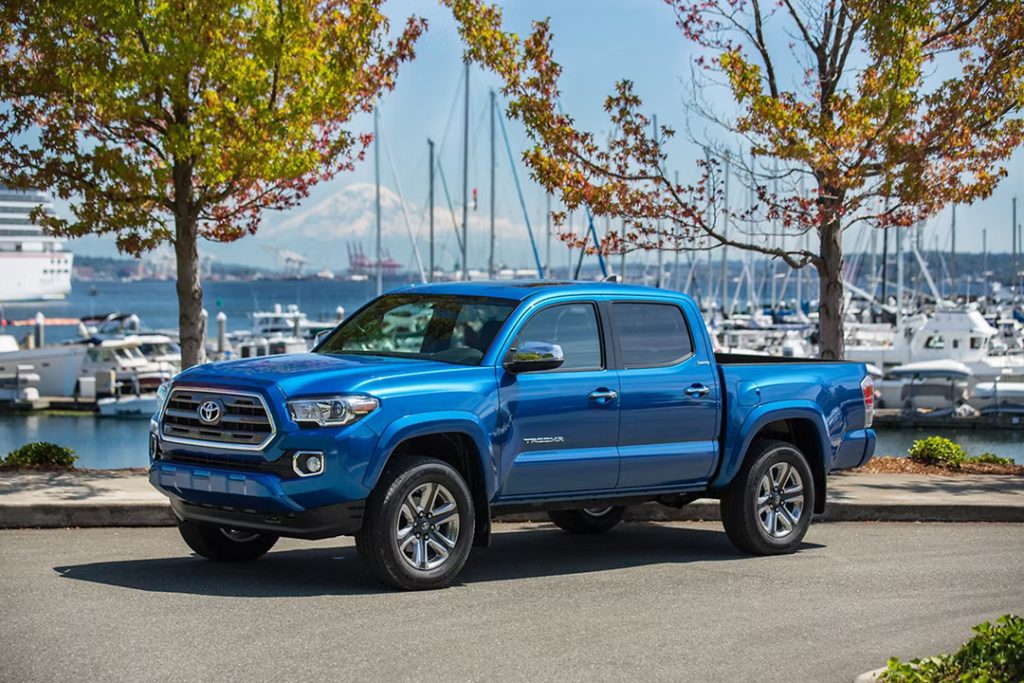
Instead, some drivers feel the Tacoma now behaves like a truck designed primarily to compete in spec sheets and marketing comparisons rather than one focused entirely on long-term ownership satisfaction. That shift explains why certain enthusiasts no longer connect emotionally with the driving experience the way they once did.
3. Rising Prices Make Buyers Question What They Are Really Paying For
One of the biggest reasons the new Tacoma faces harsher criticism than older generations is simple economics. Tacomas were once viewed as sensible long-term purchases because buyers believed they were paying extra for durability that justified the cost.
Even when competitors offered more features or stronger engines, Tacoma owners defended the higher prices by pointing toward reliability, resale value, and longevity.
The latest Tacoma changes that equation because pricing climbed dramatically across many trims. Some configurations now enter territory that buyers once associated with full-size trucks or premium SUVs.
That creates a dangerous situation for Toyota because customers naturally become more demanding when prices rise. People no longer judge the Tacoma only as a durable midsize truck. They compare it against vehicles offering larger cabins, smoother rides, more powerful engines, and greater towing capability for similar money.
This comparison exposes weaknesses that older Tacomas escaped because expectations were lower. Buyers spending serious money now expect exceptional interior materials, refined ride comfort, quiet cabins, and polished technology integration.
While the new Tacoma improves in several of these areas, many consumers feel it still falls short of the premium pricing attached to higher trim levels.
The issue becomes especially noticeable inside the cabin. Previous Tacomas survived criticism about cheap plastics and basic interiors because the truck maintained an image centered around toughness and simplicity. Buyers accepted rough edges as part of the Tacoma character. That tolerance decreases sharply once sticker prices approach luxury territory.
Some owners also feel Toyota relies too heavily on the Tacoma’s historic reputation to justify modern pricing. The brand spent decades earning trust, but customers increasingly wonder whether they are paying for genuine superiority or simply for the legacy attached to the Tacoma badge.
When competitors close the reliability gap while offering more comfort and technology, loyalty alone becomes harder to sustain.
Financing costs amplify the problem further. High monthly payments force buyers to scrutinize details they might have ignored years ago. Small frustrations involving cabin noise, seating comfort, transmission behavior, or interior quality suddenly feel more significant when ownership costs rise substantially.
There is also growing frustration regarding optional packages and trim strategies. Certain desirable features require expensive upgrades that push the truck even further beyond what many traditional Tacoma buyers expected to spend.
The truck once appealed strongly to practical owners seeking durability first. No, some trims feel designed more around lifestyle branding and visual appeal than functional value.
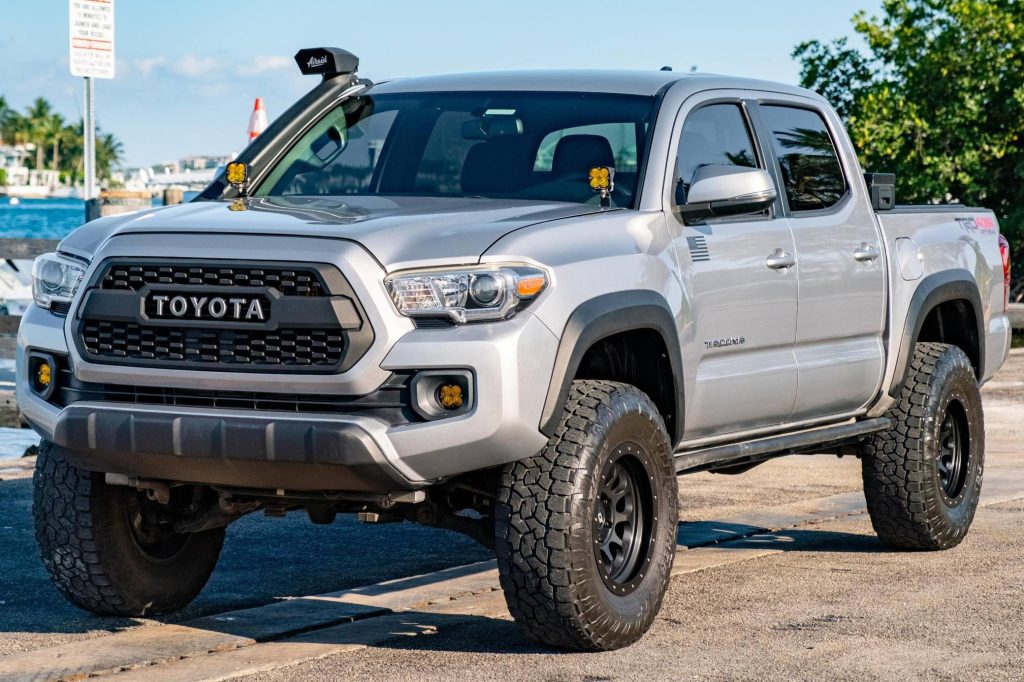
Toyota still benefits from strong resale value, but even that advantage creates complications. Used Tacoma prices remain upgraded, meaning buyers often pay enormous amounts for vehicles that may not deliver the bulletproof simplicity associated with older generations. Expectations continue climbing while satisfaction becomes harder to guarantee.
The Tacoma built its reputation by convincing people they were buying lasting quality. Today, rising prices force buyers to ask whether the truck still delivers enough uniqueness to justify the premium attached to its legendary name.
4. Nostalgia Makes It Almost Impossible For The New Tacoma To Win
The Tacoma faces a challenge that has little to do with engineering and everything to do with memory. Older Tacomas became symbols of durability and reliability because owners experienced them during a very different automotive era.
Many of those trucks survived decades of hard use with relatively basic technology, creating stories that spread through families, online communities, and enthusiast circles. Those experiences built a level of emotional attachment that modern trucks struggle to replicate.
Nostalgia plays a massive role in how people judge the new Tacoma. Owners remember older models as unstoppable machines that required little more than oil changes and basic maintenance.
They remember simple interiors that never distracted from the driving experience. They remember naturally aspirated engines that sounded familiar and behaved predictably. Even flaws from previous generations often become romanticized with time.
The new Tacoma enters the market carrying the impossible burden of competing against those memories. No matter how advanced or capable it becomes, many enthusiasts compare it not to current competitors but to an idealized version of the past. That creates expectations almost no modern truck could realistically satisfy.
Part of this nostalgia comes from how the automotive industry itself changed. Older Tacomas existed during a period when trucks were generally smaller, less complicated, and more mechanically connected to the driver.
Modern safety regulations, emissions standards, fuel economy targets, and consumer demands forced manufacturers toward heavier reliance on electronics and turbocharged powertrains. Toyota cannot simply recreate a twenty-year-old truck for today’s market, even if some buyers wish it could.
Social media and online forums intensify the nostalgia further. Stories about older Tacomas reaching massive mileage numbers spread constantly, reinforcing the idea that previous generations were indestructible.
Meanwhile, every complaint involving the new model receives enormous attention because disappointment generates stronger reactions than quiet satisfaction.
Another issue involves buyer identity. Tacoma ownership once represented practicality and rugged independence. Some longtime fans now feel the truck shifted toward trend-driven marketing involving expensive trims, oversized displays, and lifestyle branding.
Whether fair or not, this perception makes certain enthusiasts believe Toyota abandoned the values that originally made the Tacoma special.
Ironically, many critics of the new Tacoma might still find it more reliable than most modern trucks over time. The problem is not necessarily a catastrophic quality decline. The real issue is that the Tacoma’s old reputation became so legendary that anything short of perfection now feels disappointing.
Toyota became a victim of its own success. The company spent decades building one of the strongest reputations in the truck world, but that reputation now overshadows the realities of modern vehicle design. Buyers do not simply want a good midsize truck from Toyota. They want the emotional confidence older Tacomas delivered so effortlessly.
That is why criticism surrounding the newest Tacoma feels unusually intense. People are not only judging the truck itself. They are comparing it against years of memories, expectations, and stories attached to one of the most respected names in the midsize pickup market.
The new Toyota Tacoma still offers strong capability, modern technology, and impressive off-road features, but many longtime fans believe it no longer captures the rugged simplicity that built its legendary reputation.
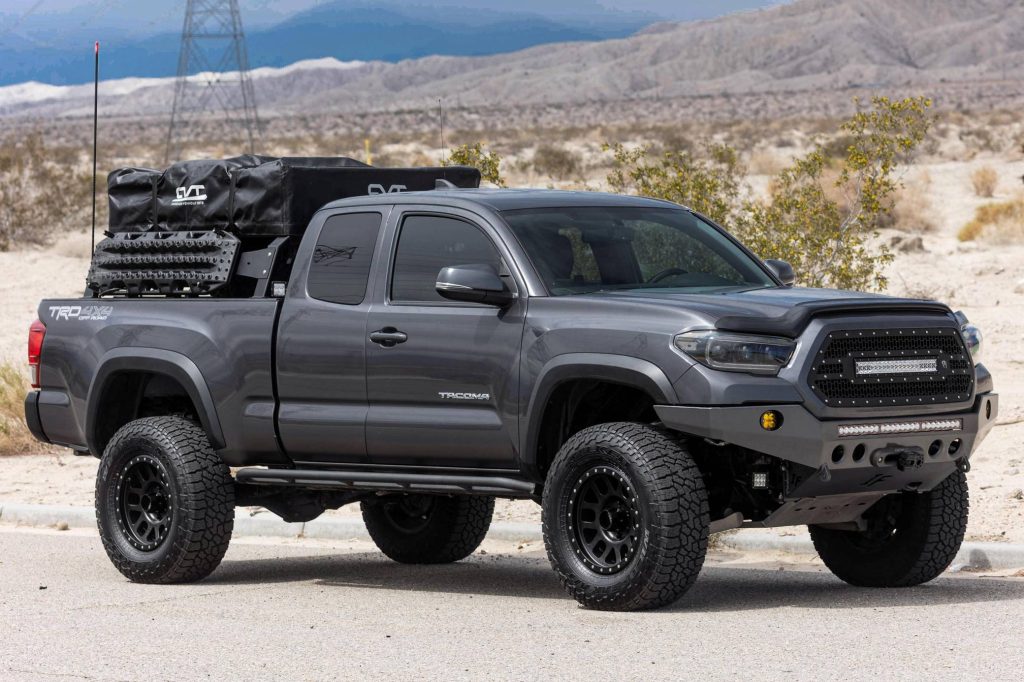
Older Tacomas earned trust because they felt durable, predictable, and easy to live with for decades. The latest generation moves toward turbocharged engines, advanced electronics, larger screens, and more premium pricing, which changes the character of the truck significantly.
Many buyers also feel the driving experience lacks the natural feel that older models delivered so confidently. Rising costs have increased expectations, making consumers more critical about refinement, comfort, and long-term value.
At the same time, nostalgia plays a huge role in how people judge the new Tacoma. Previous generations became symbols of reliability and mechanical honesty, creating expectations that are extremely difficult for any modern truck to meet.
The result is a Tacoma that may still succeed commercially but no longer feels untouchable in the eyes of loyal enthusiasts who admired the older formula.
Also Read: 8 Reasons New Cars Have Smaller Trunks Than They Did 20 Years Ago
