

Passing an emissions test without needing a last-minute tune-up is one of the strongest signs of a well-engineered and dependable car. Many vehicles may perform well during the first few years of ownership, but only a select group continues delivering clean emissions, smooth combustion, and reliable engine management systems even after years of driving.
For everyday drivers, this matters far more than flashy styling or extra horsepower. A car that consistently passes emissions testing without spark plug replacements, injector cleaning, sensor changes, or expensive exhaust repairs can save thousands in ownership costs over time.
It also reflects the quality of the engine design, fuel delivery system, catalytic converter durability, and onboard diagnostics. Modern emissions testing has become stricter in many countries because governments are attempting to reduce pollutants such as nitrogen oxides, hydrocarbons, and carbon monoxide. Vehicles that maintain healthy combustion and efficient exhaust treatment systems naturally stand out in this environment.
According to reliability and MOT pass rate data, Japanese brands continue dominating the rankings for long-term durability and low emissions-related failures. Toyota, Honda, Mazda, Suzuki, and Hyundai consistently appear among the most reliable vehicles with high pass rates and low maintenance needs.
Another major reason some cars pass emissions effortlessly is that they avoid overcomplicated engineering. Vehicles with naturally aspirated petrol engines, reliable hybrid systems, and proven automatic transmissions generally develop fewer carbon buildup issues and fewer oxygen sensor failures.
In contrast, heavily turbocharged engines or poorly maintained diesel systems often develop particulate filter problems, misfires, and catalytic converter damage. Real-world owner experiences shared online also show that many emissions failures happen because of aftermarket modifications, neglected maintenance, or faulty sensors rather than catastrophic engine failure. Reliable cars tend to maintain stable air-fuel ratios and cleaner combustion for years without requiring repeated adjustments.
This article focuses on ten vehicles known for their long-term reliability, durable emissions systems, and ability to stay road legal with minimal intervention. The selections are based on reliability rankings, long-term owner feedback, emissions performance trends, MOT pass rates, and manufacturer reputations for dependable engineering.
While no vehicle is completely maintenance-free, these models have earned recognition because they often pass emissions inspections without requiring special preparation or emergency repairs beforehand.
The list includes hatchbacks, sedans, SUVs, and hybrid vehicles that have developed strong reputations in different markets around the world. Some are famous for bulletproof engines, while others are respected for long-lasting catalytic converters or advanced hybrid systems that reduce stress on the engine itself.
Many of these vehicles regularly exceed 150,000 to 200,000 miles while still maintaining acceptable emissions output. For buyers searching for low-maintenance ownership and long-term reliability, these are among the smartest vehicles to consider.
Also Read: 10 Cars With Insurance Premiums Lower Than a Compact Sedan
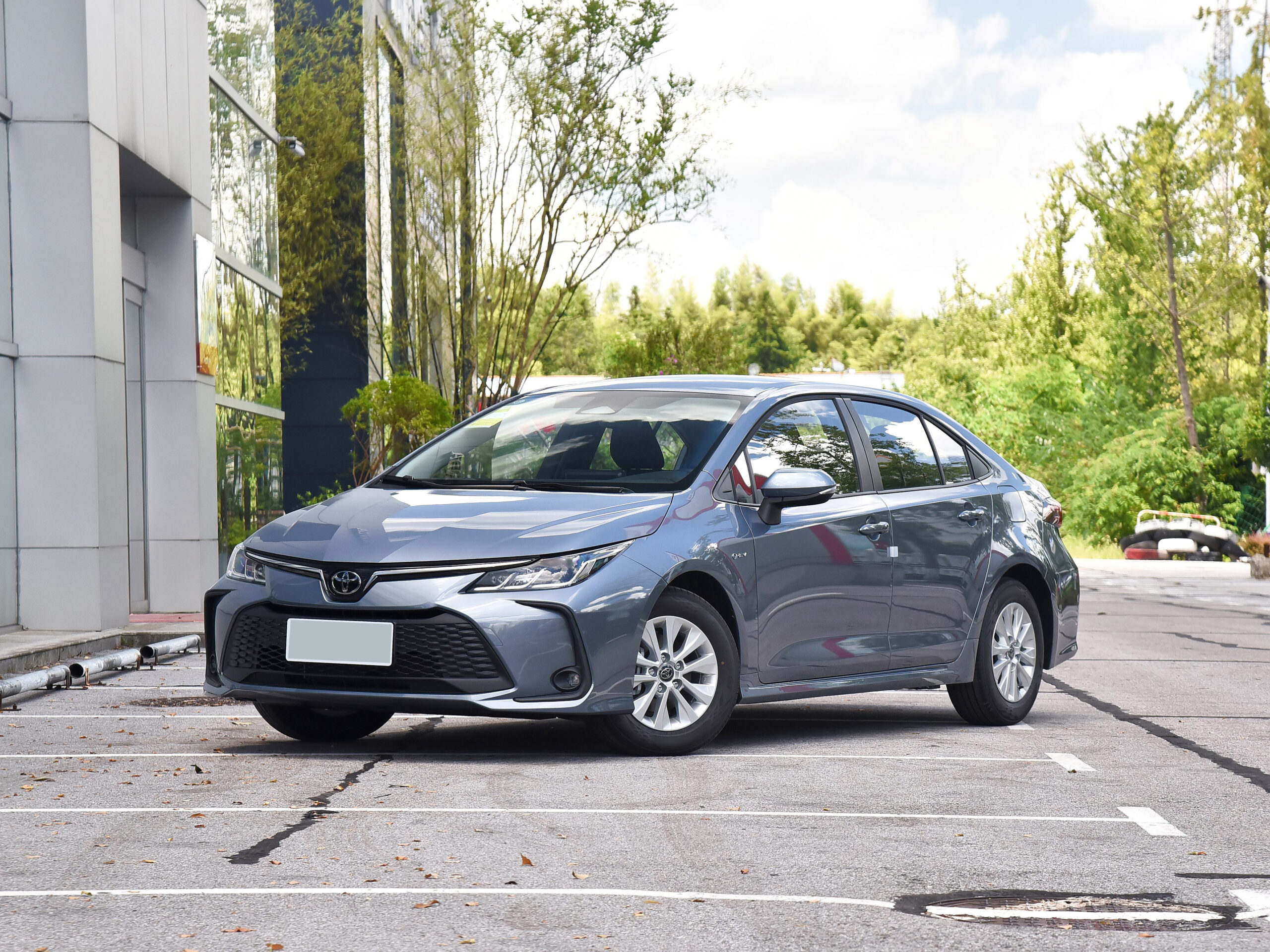
1. Toyota Corolla
The Toyota Corolla has earned its reputation as one of the most dependable vehicles in automotive history largely because of its consistent focus on engineering simplicity and long-term durability. Unlike performance-oriented cars that prioritize power and acceleration, the Corolla is designed around efficiency, reliability, and predictable combustion behavior.
This makes it inherently well-suited for passing emissions tests without requiring frequent tune-ups or emergency maintenance. Over decades, Toyota has refined the Corolla’s engine systems to ensure stable air fuel ratios, minimal carbon buildup, and highly efficient fuel burning under a wide range of driving conditions. As a result, even older Corolla models are commonly found passing emissions inspections with minimal preparation.
One of the strongest contributors to the Corolla’s emissions reliability is its engine management system. Toyota’s electronic control units are designed to constantly monitor and adjust fuel delivery, ignition timing, and exhaust output in real time.
This ensures that combustion remains clean and balanced, reducing the chances of excessive hydrocarbons or carbon monoxide being released. Oxygen sensors and mass airflow sensors used in the Corolla are also known for their durability, often lasting well beyond typical service intervals. When these components remain accurate, the engine continues to operate efficiently without the need for manual tuning or adjustment.
Another major factor is Toyota’s conservative engine tuning philosophy. Most Corolla engines are not pushed to their mechanical limits, which significantly reduces wear and tear on internal components. Lower stress levels inside the combustion chamber mean fewer deposits forming on valves, pistons, and injectors.
This helps maintain smooth airflow and consistent ignition quality over long periods. In practical terms, this means the engine continues to burn fuel cleanly even after years of daily commuting, which directly supports emissions compliance.
The Corolla’s catalytic converter system is also a key reason for its long-term success in emissions testing. Toyota designs these systems with high thermal stability and durability in mind, allowing them to maintain efficiency even after high mileage use.
Since the engine produces relatively clean exhaust gases to begin with, the catalytic converter is not subjected to excessive strain. This extends its operational life significantly compared to vehicles with inconsistent combustion patterns or high soot production.
Finally, ownership experience plays an important role in the Corolla’s emissions performance. Because the car is affordable to maintain and widely understood by mechanics, owners are more likely to follow regular maintenance schedules.
Routine oil changes, air filter replacements, and spark plug servicing are usually sufficient to keep the vehicle in excellent condition. Combined with its global reputation for reliability, the Toyota Corolla remains one of the most effortless cars when it comes to passing emissions tests consistently.

2. Honda Civic
The Honda Civic has long been recognized as a benchmark for efficient engineering and long-term dependability. One of its standout strengths is the way Honda designs its engines to achieve high combustion efficiency without relying on overly complex systems.
This makes the Civic particularly strong when it comes to emissions testing, as cleaner combustion naturally results in lower pollutant output. Across multiple generations, Civic models have demonstrated impressive reliability, often maintaining emissions compliance well into high-mileage ownership.
At the heart of the Civic’s success is Honda’s i-VTEC engine technology. This system optimizes valve timing and lift based on driving conditions, allowing the engine to balance performance and efficiency seamlessly.
During low-load driving, the engine operates in a highly efficient mode that minimizes fuel waste and reduces emissions. At higher loads, it adjusts to provide more power while still maintaining controlled combustion. This adaptability helps the Civic maintain stable emissions output across different driving environments.
Another key advantage is the Civic’s strong sensor and fuel system reliability. Emissions performance depends heavily on accurate readings from oxygen sensors, throttle position sensors, and airflow meters. Honda has built a reputation for using high-quality components that remain accurate for long periods.
When sensors maintain precision, the engine control unit can fine-tune fuel delivery effectively, preventing rich or lean conditions that could lead to emissions failures.
The Civic’s relatively lightweight construction also contributes significantly to its emissions performance. Because the vehicle requires less energy to move, the engine operates under lower stress in everyday driving. This reduces fuel consumption and limits the production of harmful gases.
Additionally, reduced engine strain leads to less internal heat buildup, which helps protect emissions-related components such as catalytic converters and exhaust gas recirculation systems.
Finally, the Civic benefits from Honda’s reputation for predictable maintenance requirements. The vehicle rarely suffers from sudden mechanical failures when properly serviced. Regular maintenance tasks such as spark plug replacement, oil changes, and air filter servicing are typically enough to keep the engine running efficiently for years. This consistency ensures that many Civic models pass emissions inspections without requiring last-minute tuning or costly repairs.
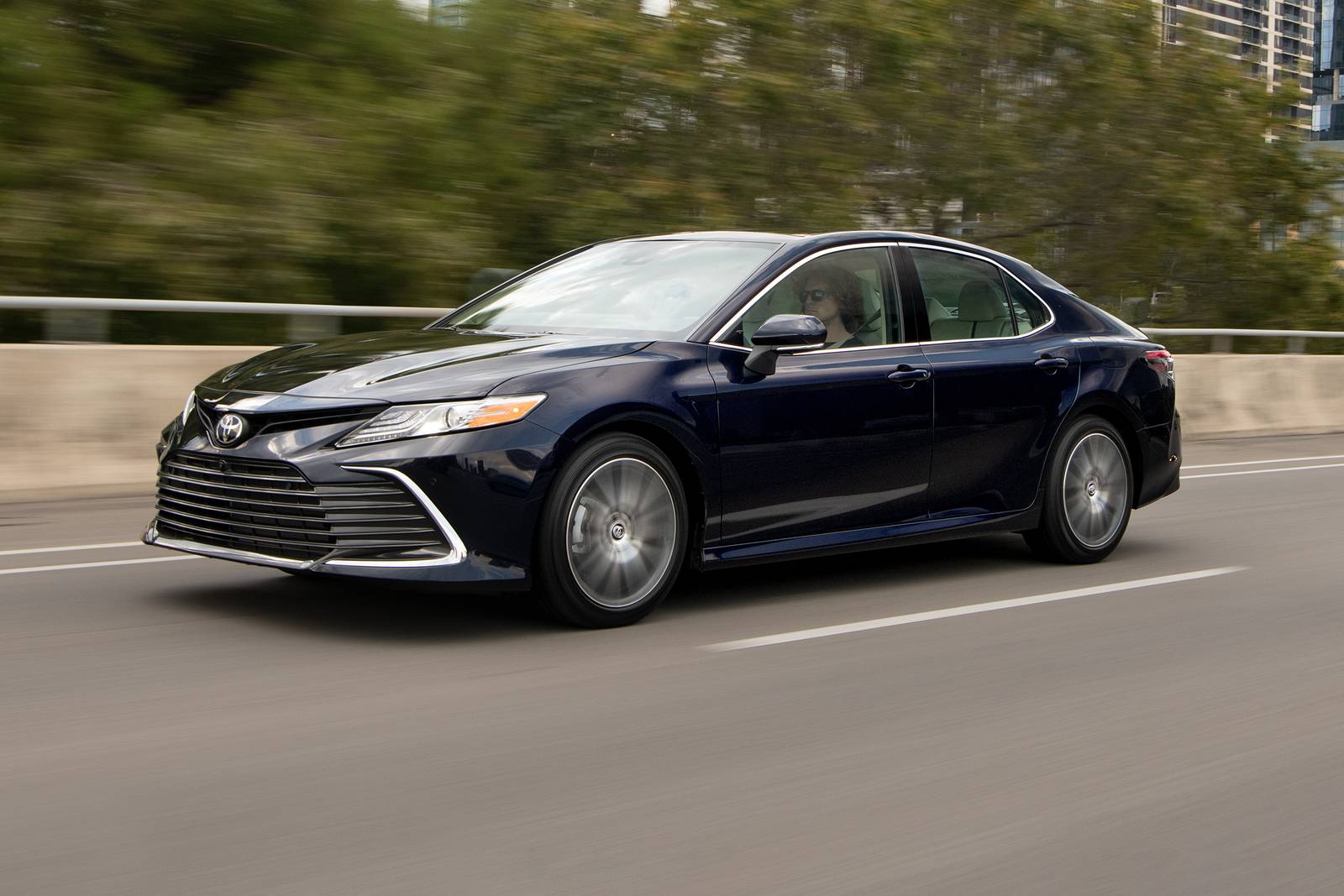
3. Toyota Camry
The Toyota Camry is widely regarded as one of the most dependable midsize sedans ever produced, and its emissions performance plays a major role in that reputation.
Built with a focus on long-term stability, the Camry’s engines are designed to maintain smooth and efficient combustion even after extensive mileage. This reliability is a key reason why the Camry consistently performs well in emissions testing across different global markets.
A major factor behind the Camry’s emissions success is the durability of its engine and catalytic converter systems. Toyota engineers these components to operate efficiently for long periods without degradation.
Because the engine produces relatively clean exhaust gases, the catalytic converter does not experience excessive contamination or overheating. This allows it to maintain its chemical conversion efficiency for many years, reducing harmful emissions such as carbon monoxide and nitrogen oxides.
Hybrid versions of the Camry further enhance emissions performance by reducing engine workload. In hybrid operation, the electric motor assists during acceleration and handles low-speed driving, which significantly reduces fuel consumption. This not only improves efficiency but also decreases wear on combustion components. As a result, hybrid Camry models often maintain exceptionally low emissions levels even after long-term use.
Another important strength is the Camry’s consistent fuel injection and ignition system performance. Toyota’s systems are designed to deliver precise fuel quantities under all driving conditions. This prevents incomplete combustion, which is one of the primary causes of emissions failures. Even as the vehicle ages, the engine control system continues to adjust parameters effectively to maintain optimal efficiency.
The Camry benefits from Toyota’s strict quality control standards during manufacturing. Each engine is built with tight tolerances that minimize the risk of vacuum leaks, fuel inconsistencies, or sensor inaccuracies. Combined with a strong global service network and low maintenance costs, the Camry remains one of the easiest vehicles to keep emissions compliant over the long term.

4. Honda Jazz
The Honda Jazz, also known in some markets as the Honda Fit, is a compact hatchback that has gained a strong reputation for reliability and long-term emissions stability.
Despite its small size, the Jazz is engineered with precision and efficiency in mind, allowing it to deliver clean combustion and consistent performance over many years of use. Its lightweight design and highly efficient engines make it especially effective at passing emissions tests without requiring frequent adjustments.
One of the most important aspects of Jazz’s emissions performance is its highly efficient engine design. Honda developed the engine to prioritize fuel economy and smooth operation, which naturally results in lower emissions output.
The combustion process is carefully controlled to ensure that fuel is burned thoroughly, minimizing the production of unburned hydrocarbons. This efficiency helps maintain compliance with emissions regulations even as the vehicle ages.
The Jazz also benefits from a low-stress operating environment. Because the vehicle is lightweight, the engine does not need to work as hard during acceleration or cruising. This reduces internal wear and helps maintain stable combustion temperatures. Lower thermal stress also protects critical emissions components such as oxygen sensors and catalytic converters, extending their lifespan significantly.
Another strength is the reliability of the Jazz’s ignition and fuel delivery systems. Misfires are a common cause of emissions failures in many vehicles, but the Jazz is known for maintaining stable ignition performance over long periods. High-quality spark plugs and coil systems help ensure consistent combustion, which directly supports emissions compliance.
The Jazz is widely appreciated for its low maintenance requirements. Routine servicing, such as oil changes, filter replacements, and periodic inspections, is usually sufficient to maintain peak performance. Because the vehicle is simple yet well-engineered, it rarely develops complex emissions-related problems, making it one of the most dependable small cars for long-term ownership.
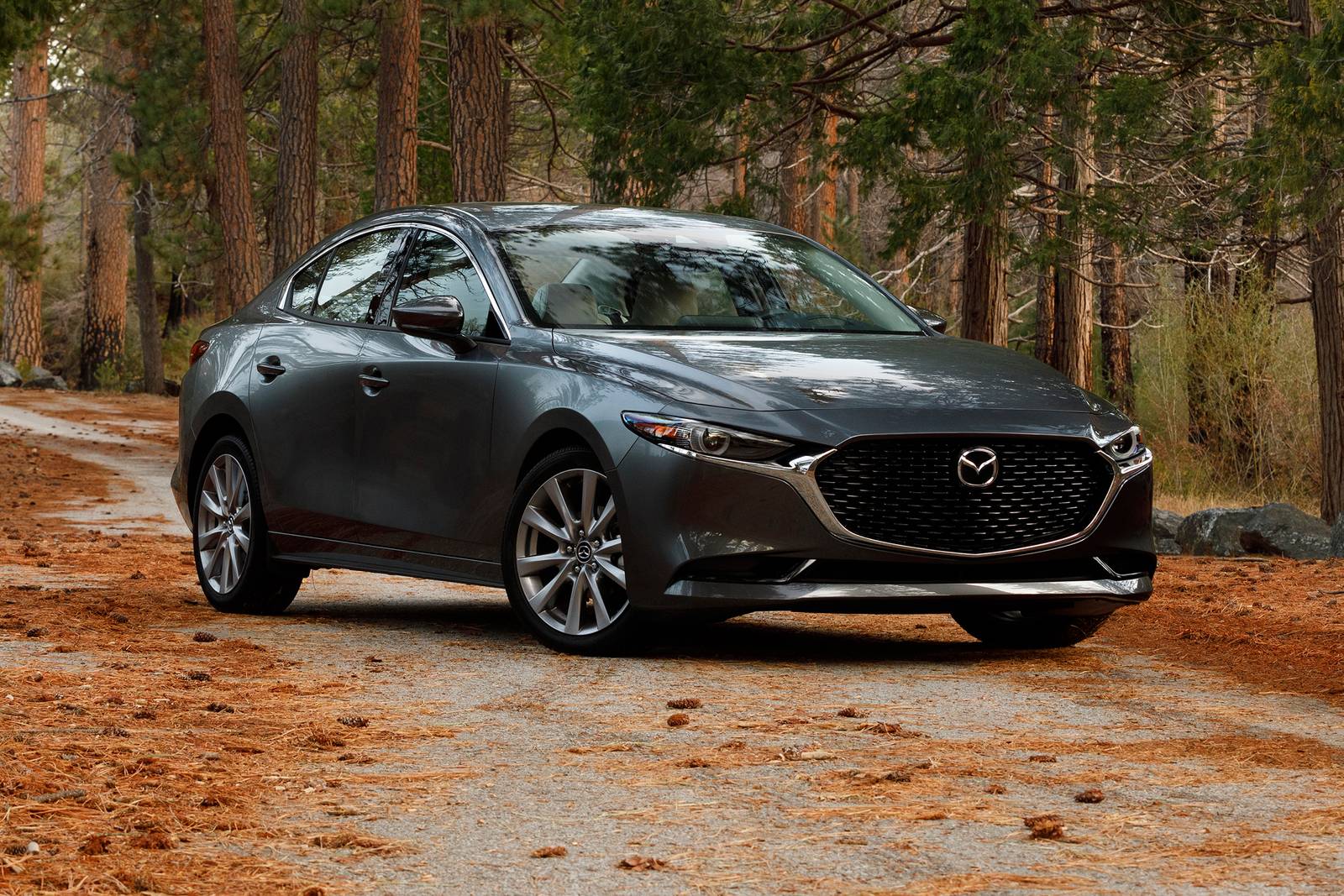
5. Mazda3
The Mazda3 is a compact car that successfully combines engaging driving dynamics with strong long-term reliability and efficient emissions performance. Mazda’s SkyActiv technology plays a central role in this balance, focusing on improving combustion efficiency, reducing internal friction, and optimizing fuel delivery.
These engineering principles allow the Mazda3 to maintain clean emissions output without requiring frequent mechanical intervention.
A major factor in the Mazda3’s emissions performance is its high compression engine design. By increasing compression ratios, Mazda improves thermal efficiency, allowing more energy to be extracted from each drop of fuel. This results in more complete combustion and fewer harmful byproducts. Cleaner combustion reduces strain on the catalytic converter and helps maintain lower emissions levels over time.
Unlike many competitors that rely heavily on turbocharging, many Mazda3 variants use naturally aspirated engines. This reduces complexity and eliminates some of the heat-related stress associated with turbocharged systems. As a result, the engine experiences fewer carbon buildup issues, which is a common cause of emissions deterioration in other vehicles.
The Mazda3 also benefits from precise fuel injection control. The SkyActiv system ensures that fuel is delivered in carefully measured amounts based on real-time driving conditions. This level of precision prevents overly rich or lean fuel mixtures, both of which can negatively impact emissions performance. Stable fuel delivery also contributes to smoother engine operation.
Mazda places strong emphasis on long-term mechanical durability. Owners often report that routine maintenance is enough to keep the Mazda3 performing efficiently for many years. With reliable sensors, efficient combustion, and well-engineered engine components, the Mazda3 remains one of the most balanced vehicles in its class for drivers seeking both driving enjoyment and dependable emissions compliance.
Also Read: 10 Cars That Survive Being Used as Daily Uber Vehicles
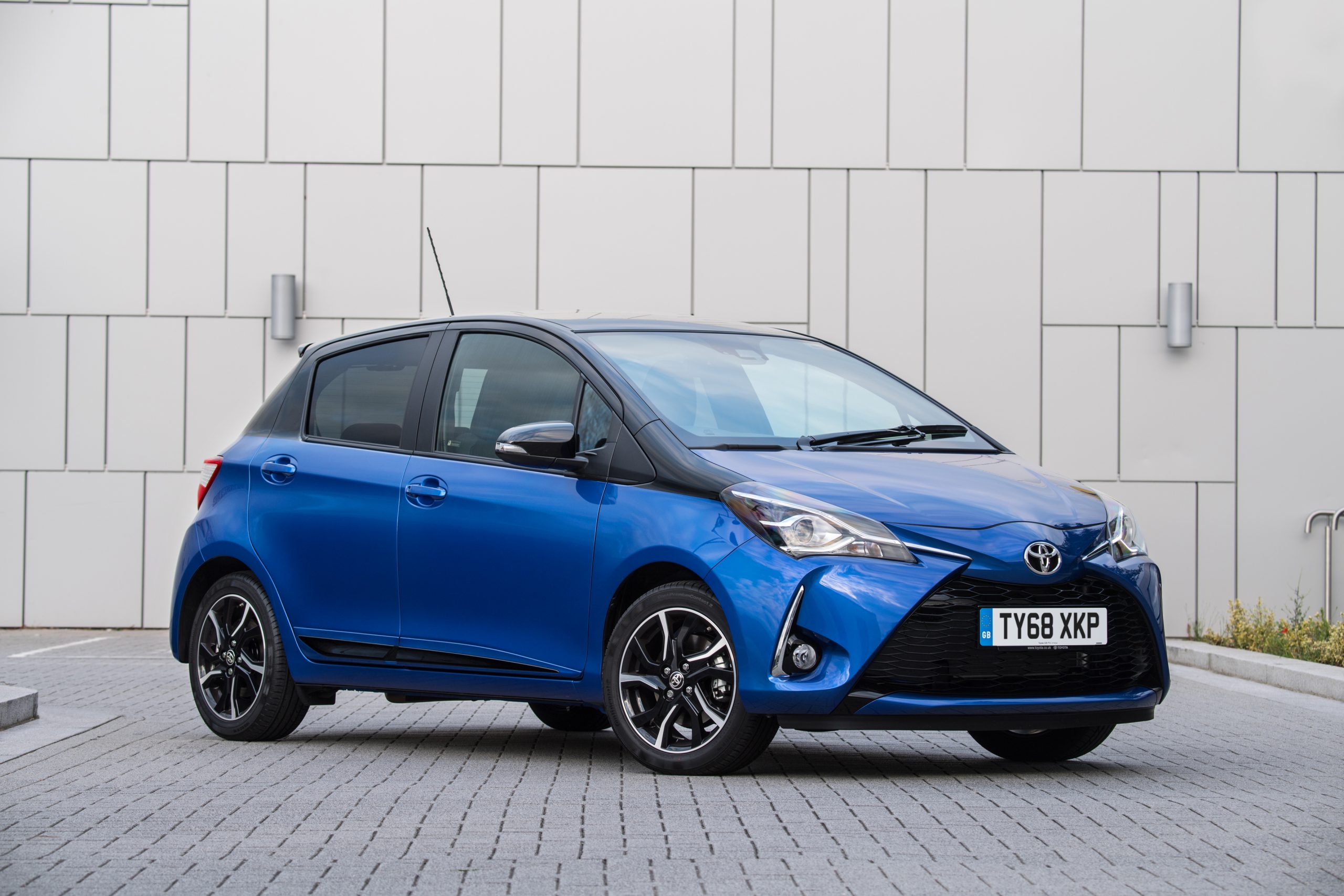
6. Toyota Yaris
The Toyota Yaris is widely recognized as one of the most dependable compact cars in the global market, especially when it comes to long-term emissions stability. Built with Toyota’s core philosophy of simplicity and efficiency, the Yaris avoids unnecessary mechanical complexity, which significantly reduces the chances of emissions-related failures over time.
Its lightweight design, small displacement engines, and conservative tuning all contribute to clean combustion, making it one of the easiest cars to keep compliant with emissions regulations even after years of daily use.
A key reason the Yaris performs so well in emissions testing is its highly efficient engine calibration. Toyota engineers focus on achieving a balanced air-fuel mixture under all driving conditions, ensuring that fuel is burned as completely as possible.
This reduces the production of harmful gases such as carbon monoxide and hydrocarbons. Because combustion remains stable and predictable, the catalytic converter does not experience excessive strain, which helps it maintain effectiveness for a longer period.
Hybrid versions of the Yaris further enhance emissions performance by reducing reliance on the petrol engine. In city driving, the electric motor often handles low-speed movement, allowing the combustion engine to operate less frequently. This reduces fuel consumption and significantly lowers emissions output. It also minimizes engine wear, which indirectly supports long-term reliability and emissions consistency.
Another important factor is the durability of Toyota’s sensor systems. The Yaris relies on oxygen sensors, airflow sensors, and engine control units that are designed for long service life. These components play a critical role in monitoring and adjusting combustion efficiency. When they remain accurate over time, the engine continues to operate within optimal emissions limits without requiring manual tuning.
Finally, the Yaris benefits from extremely low maintenance requirements. Routine servicing, such as oil changes, air filter replacements, and spark plug checks, is typically enough to maintain smooth engine operation. Because the vehicle is simple, reliable, and efficient, it consistently passes emissions inspections with minimal preparation, making it a top choice for drivers seeking long-term peace of mind.
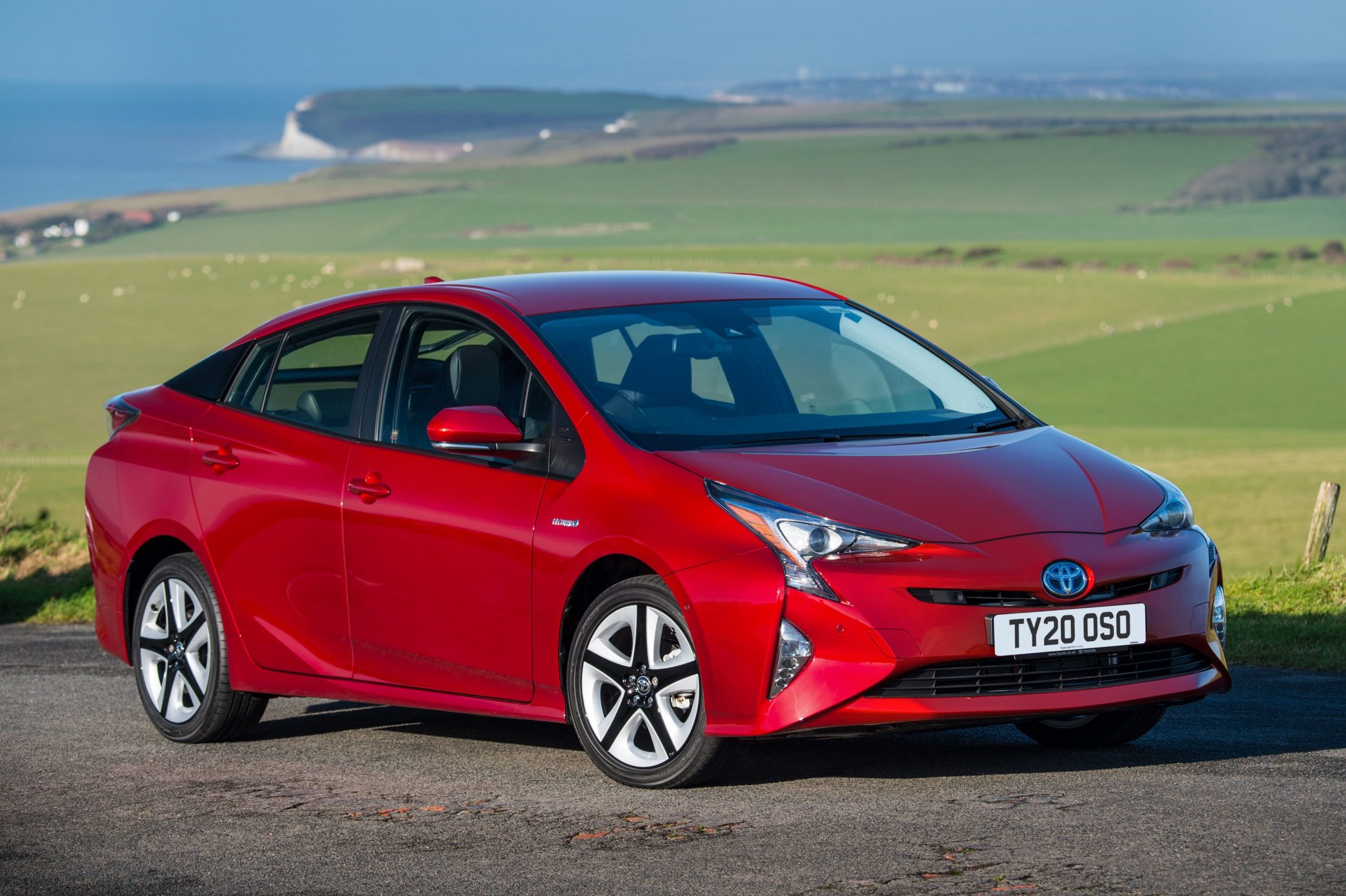
7. Toyota Prius
The Toyota Prius is widely regarded as one of the most efficient and emissions-friendly vehicles ever produced, largely because it was designed from the ground up to minimize fuel consumption and reduce environmental impact. Unlike traditional petrol cars that rely entirely on internal combustion, the Prius uses a hybrid system that blends a petrol engine with an electric motor.
This allows the vehicle to operate in electric-only mode during low-speed driving, which significantly reduces tailpipe emissions in real-world conditions. Because of this design philosophy, the Prius has become a benchmark for clean transportation in urban environments.
One of the most important reasons the Prius consistently passes emissions testing is its advanced hybrid synergy drive system. This system automatically decides when to use the petrol engine, when to use the electric motor, and when to combine both for maximum efficiency.
During stop-and-go traffic, the petrol engine often shuts off completely, which eliminates emissions during idle periods. This drastically lowers emissions output compared to conventional vehicles and reduces long-term stress on the engine.
Another key factor is the extremely efficient combustion process when the petrol engine is in use. Toyota engineers designed the Prius engine to operate within a narrow optimal efficiency range, ensuring that fuel is burned as completely as possible. This reduces the formation of harmful gases such as carbon monoxide and nitrogen oxides. Because the engine is rarely under heavy load, internal components also experience less wear, helping maintain long-term emissions stability.
The Prius also benefits from reduced strain on emissions-related components such as the catalytic converter and oxygen sensors. Since the hybrid system reduces engine runtime, these components are exposed to fewer high-temperature cycles compared to traditional vehicles.
This helps them maintain effectiveness for a longer period and reduces the likelihood of emissions-related failures during inspections. Many Prius owners report extremely low maintenance needs even after high mileage usage.
Finally, the Toyota Prius has a strong reputation for long-term reliability and predictable maintenance. Routine servicing, such as oil changes, coolant checks, and hybrid system inspections, is usually sufficient to keep the vehicle operating efficiently.
The combination of hybrid efficiency, durable engineering, and intelligent energy management makes the Prius one of the most dependable vehicles in the world when it comes to passing emissions tests without requiring tune-ups or emergency repairs.
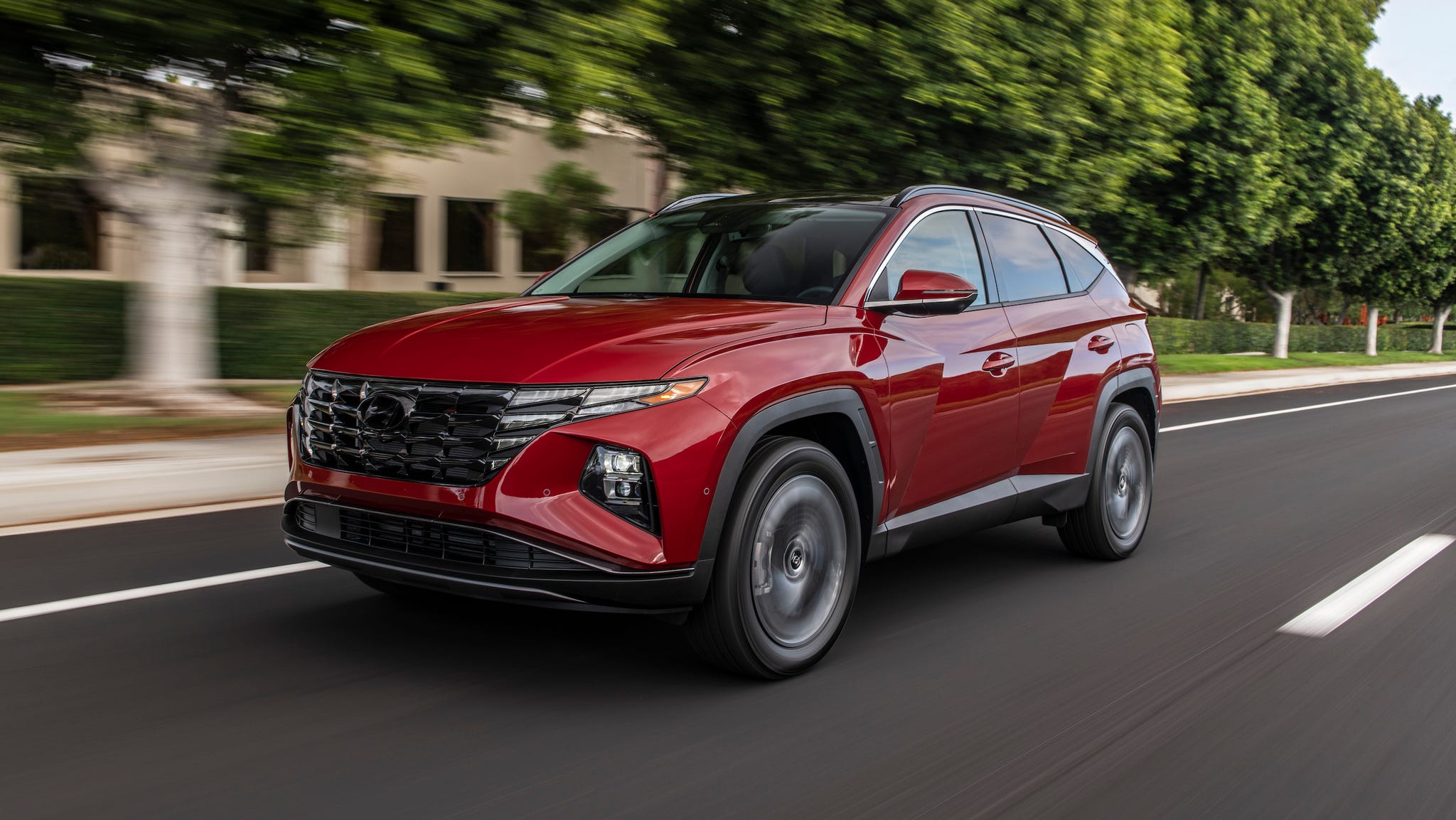
8. Hyundai Tucson
The Hyundai Tucson has evolved significantly over recent generations and is now considered a strong contender in the compact SUV segment for reliability and emissions performance. Hyundai has made major improvements in engine design, fuel efficiency, and emissions control systems, allowing the Tucson to deliver cleaner combustion and more stable long-term operation compared to earlier models.
A key factor behind Tucson’s emissions performance is its modern engine technology. Hyundai uses advanced fuel injection systems that precisely control the amount of fuel delivered to the engine.
This ensures efficient combustion under a wide range of driving conditions, reducing the production of harmful emissions. Improved calibration also helps the engine maintain consistent performance even as it ages.
Hybrid Tucson variants offer even better emissions performance due to their dual powertrain setup. The electric motor assists the engine during acceleration and handles low-speed driving, which reduces fuel consumption significantly. This reduces engine load and lowers emissions output, particularly in urban environments where stop-and-go traffic is common.
Hyundai has also improved the durability of emissions-related components in newer Tucson models. Oxygen sensors, catalytic converters, and exhaust gas recirculation systems are now designed to last longer and operate more efficiently. These improvements reduce the likelihood of emissions failures during inspections and contribute to better long-term reliability.
Hyundai’s warranty coverage and growing reputation for quality have encouraged better maintenance practices among owners. Regular servicing ensures that engine components remain in good condition, helping the Tucson maintain emissions compliance for longer periods. Combined with modern design and improved engineering, the Tucson has become a dependable SUV for long-term emissions stability.
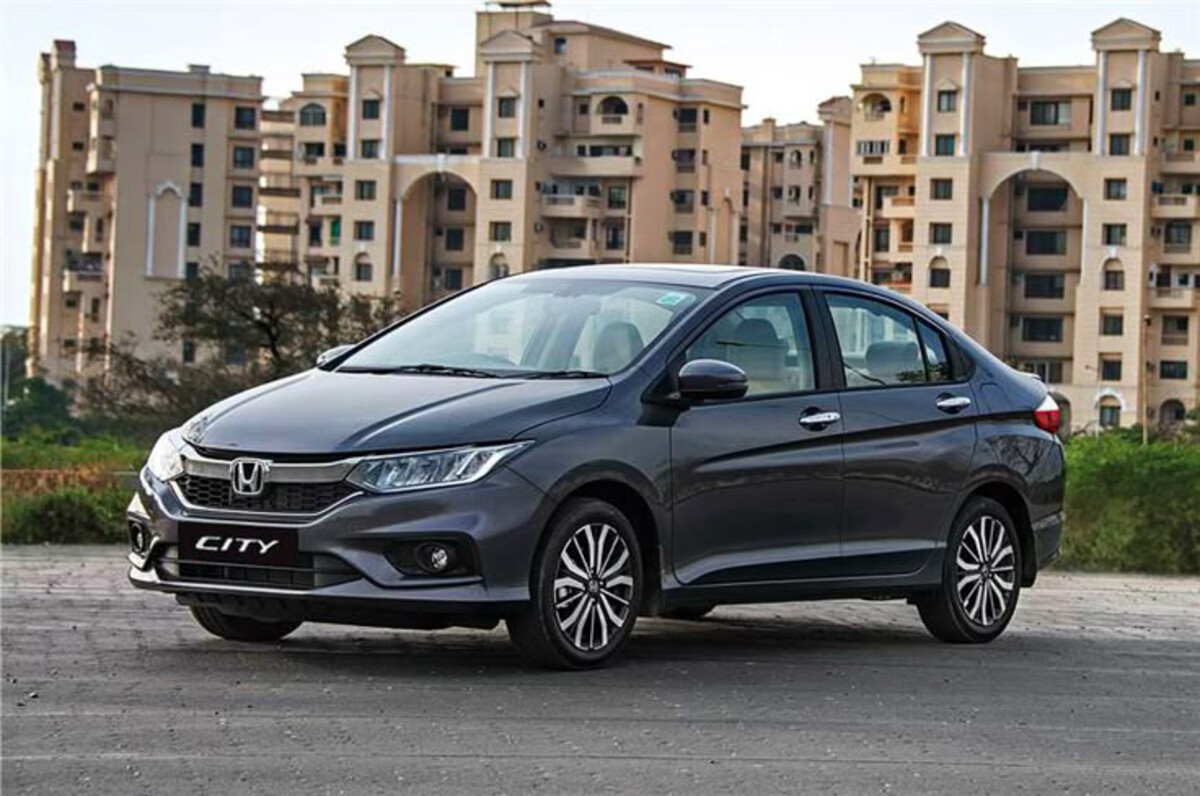
9. Honda City
The Honda City is one of the most popular compact sedans in many global markets, especially in Asia, where it is known for its reliability, fuel efficiency, and low maintenance costs. Its engine design is optimized for smooth combustion and long-term durability, which makes it particularly strong when it comes to passing emissions tests without requiring frequent tuning or repairs.
At the core of the Honda City’s emissions performance is its i-VTEC engine technology. This system adjusts valve timing to improve combustion efficiency across different driving conditions. At lower speeds, the engine operates in a highly efficient mode that reduces fuel consumption and emissions. At higher speeds, it delivers more power while still maintaining controlled combustion, ensuring consistent performance.
The City’s lightweight structure also contributes significantly to its emissions efficiency. Because the vehicle requires less energy to move, the engine operates under lower stress during daily driving. This reduces fuel consumption and helps maintain cleaner exhaust output. Lower engine load also reduces wear on internal components, supporting long term reliability.
Another strength of the Honda City is its stable ignition and fuel delivery system. Proper ignition timing is critical for emissions performance, and Honda designs its systems to maintain accuracy over long periods. This reduces the likelihood of misfires or incomplete combustion, both of which can lead to emissions test failures.
The Honda City benefits from simple and predictable maintenance requirements. Routine servicing, such as oil changes, air filter replacements, and spark plug maintenance, is usually sufficient to keep the vehicle running efficiently. Because it is easy to maintain and highly reliable, the City remains one of the most dependable sedans for emissions compliance over long-term ownership.
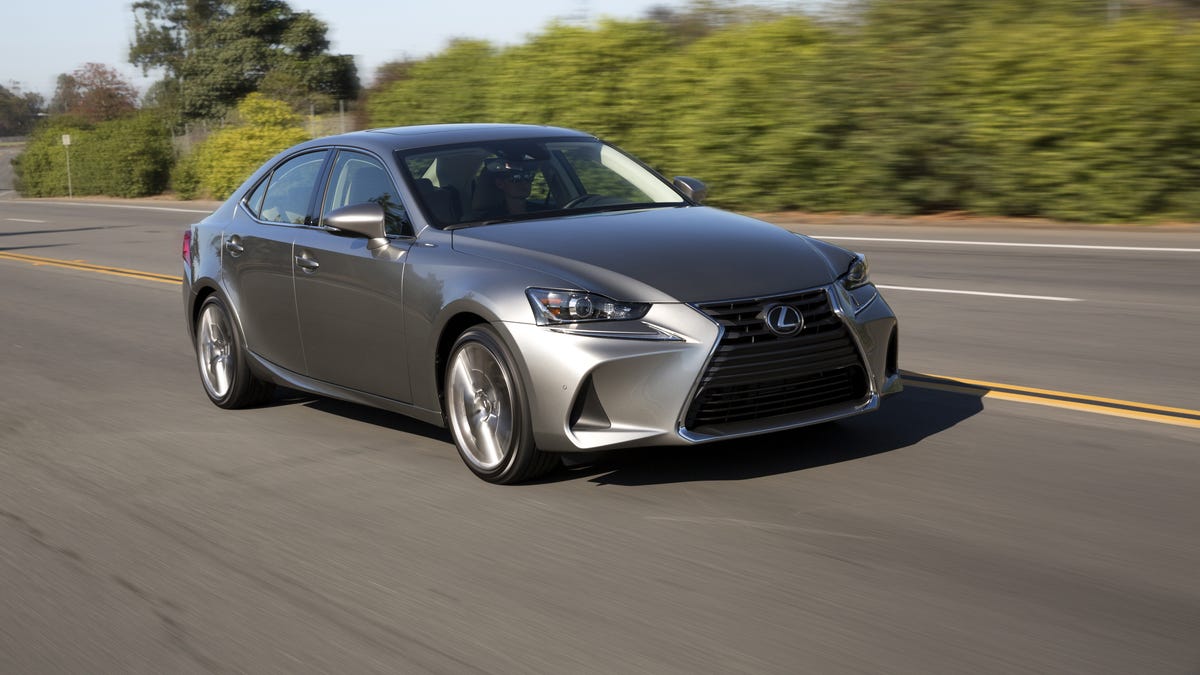
10. Lexus IS
The Lexus IS represents the luxury end of reliability and emissions efficiency, combining premium comfort with Toyota’s renowned engineering durability. Unlike many luxury vehicles that prioritize performance at the expense of long-term reliability, the Lexus IS is designed to deliver smooth, refined operation while maintaining consistent emissions performance over time.
One of the key strengths of the Lexus IS is its highly refined engine management system. The fuel injection, ignition timing, and exhaust control systems are all carefully calibrated to ensure efficient combustion. This reduces the production of harmful emissions and helps the catalytic converter operate efficiently for longer periods.
Many Lexus IS models use naturally aspirated engines that are known for their durability and smooth operation. These engines avoid the high stress and heat associated with turbocharged systems, which helps reduce carbon buildup and extend the life of emissions components. Stable combustion also ensures consistent performance even at higher mileage levels.
Another important factor is Lexus’s manufacturing precision. Tight engineering tolerances reduce the risk of issues such as vacuum leaks, sensor inconsistencies, or fuel delivery irregularities. These problems are common causes of emissions failures in less carefully built vehicles, but they are significantly reduced in Lexus models due to strict quality control standards.
Finally, Lexus owners typically follow disciplined maintenance schedules due to the premium nature of the brand. Regular servicing helps ensure that the engine and emissions systems remain in optimal condition for many years. Combined with Toyota’s engineering foundation, the Lexus IS delivers exceptional long-term reliability and consistently strong emissions performance.
