
A test drive feels like due diligence. You sit in the seat, adjust the mirrors, pull out of the lot, and spend fifteen minutes confirming that the car accelerates smoothly, brakes without pulling, and does not make any alarming noises. You return to the dealership feeling informed. You are not. Not fully, anyway.
A test drive tells you how a vehicle feels right now, under ideal conditions, with a motivated seller watching from the passenger seat. It does not tell you what is hiding underneath, behind the panels, inside the transmission, or beneath the frame.
It does not reveal previous flood exposure, fresh paint over repaired collision damage, a head gasket quietly weeping coolant, or a timing chain stretched just enough to be expensive. All of those things can exist in a vehicle that drives perfectly well for fifteen minutes on a familiar road.
A pre-purchase inspection changes all of that. Conducted by an independent mechanic who has no financial stake in whether you buy the vehicle, a PPI goes beneath the surface and reports what is actually there. Lift the car, scan the undercarriage, pull diagnostic trouble codes, check compression, inspect seals, and examine welds. This is the inspection that finds what a test drive cannot reach.
Buyers spend an average of $150 to $200 on a pre-purchase inspection. That sounds like an added expense. Measured against the cost of a surprise transmission replacement at $3,500, a corroded frame that makes the vehicle unsafe to drive, or a rebuilt-title vehicle sold as clean, that $200 is one of the best investments in any car purchase.
Whether you are considering a 2022 Infiniti QX80 Sensory AWD, a 2021 Volvo XC90 Inscription AWD, or a certified pre-owned vehicle from a franchised dealer, a pre-purchase inspection applies every time. This article walks through eight things a PPI reveals that no test drive ever will. Read it before you buy.
1. Frame and Structural Damage That Cosmetic Repairs Can Completely Hide
Why Looking Good on the Surface Means Very Little Without Getting Underneath
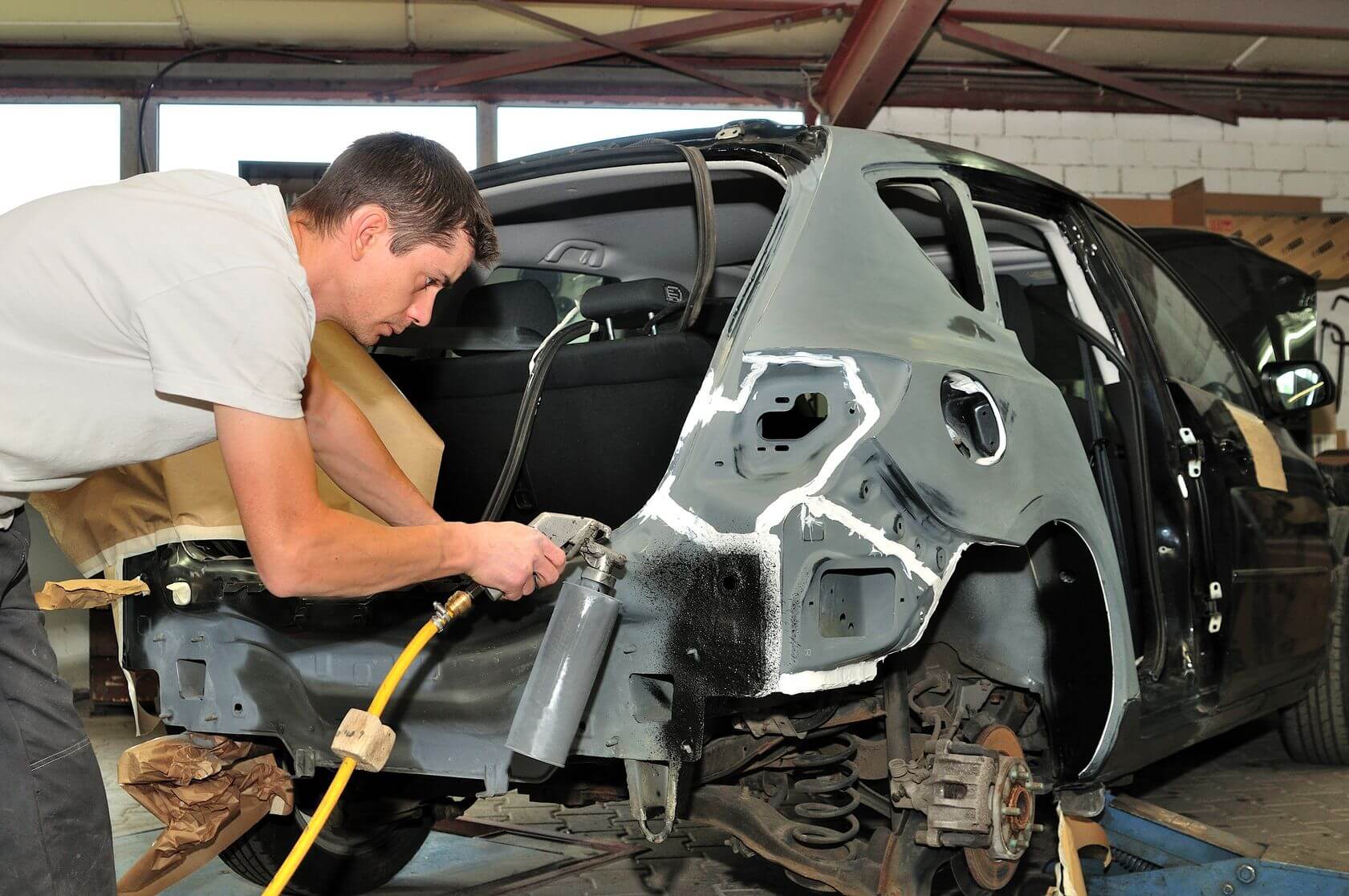
Collision repair has become extraordinarily good. A skilled body shop can straighten a bent frame, weld a crumpled rocker panel, fill and refinish damaged areas, and produce a result that looks factory-perfect at normal viewing distance. Paint matching technology has advanced to the point where even a trained eye can miss a repaired section in average lighting conditions.
What the eye cannot see, and what a test drive cannot detect, is structural compromise that changes how a vehicle behaves in a future collision. Frame damage that was repaired rather than correctly replaced affects crash performance. Modern unibody vehicles are engineered with specific crumple zones designed to absorb and redirect crash energy in predictable ways, protecting the occupant compartment.
When those sections are bent and straightened rather than replaced with new metal, their energy absorption characteristics change. A 2020 Audi Q7 55 TFSI Premium Plus Quattro that sustained a front collision, was repaired at a body shop, and passes a test drive perfectly well, may still have a structural compromise that a thorough PPI would detect.
A pre-purchase mechanic puts the vehicle on a lift and inspects the frame and unibody from below with good lighting and direct visual access. They look for weld irregularities that do not match the factory pattern, areas where metal has been bent and straightened (which leaves surface texture changes even after refinishing), improper gap spacing between body panels that was introduced during collision repair, and misaligned subframe mounting points.
None of these is visible from the driver’s seat during a fifteen-minute drive. Beyond collision history, rust is a structural concern that a test drive also misses entirely. Surface rust on brake rotors is normal and harmless. Rust penetrating frame rails, subframe mounting points, floor pan seams, or suspension mounting towers is a completely different category of problem.
A 2019 Jeep Wrangler Rubicon JL with surface-level rust on its body panels might look rough, but remain structurally sound. A seemingly cleaner example with rusted-out frame brackets is mechanically compromised in ways that matter. Inspectors check for paint texture differences, overspray on rubber seals or glass edges, and mismatched panel gaps that indicate prior bodywork.
When a vehicle has been in a collision and repaired, the repair area almost always leaves some evidence that is readable to a trained inspector, even when it was done well. Finding that evidence before you purchase allows you to request the accident history, re-evaluate the price, or walk away entirely.
2. Engine Health Indicators That Only Show Up Under Diagnostic Scrutiny
What Is Happening Inside the Engine That the Dashboard Light Is Not Telling You
An engine can be failing quietly for weeks or months before any warning light appears on the dashboard. Modern engine management systems are designed to detect faults within their defined parameters, but they are not infallible. An engine with worn piston rings might pass every sensor threshold while consuming oil at a rate that will cost you a full engine replacement within 18 months of ownership.
A test drive engine that pulls strongly and sounds clean may be telling you a surface story that the actual mechanical condition contradicts. Pre-purchase inspections include a compression test on each cylinder. A cylinder with low compression compared to its neighbors indicates worn rings, valve seating issues, or the beginning stages of head gasket failure. A compression test takes about 20 minutes and produces numbers that tell a clear mechanical story.
Finding that three cylinders on a 2021 BMW X5 xDrive45e read at specification and one reads 15 percent lower is a finding that no amount of test driving would surface, but that finding fundamentally changes the financial calculus of buying that vehicle. Oil condition is another inspection point that goes beyond what a driver can assess. A mechanic doing a PPI pulls the oil dipstick and evaluates the oil’s color, consistency, and whether it shows evidence of coolant mixing.
Milky or frothy oil is a textbook sign of coolant contamination from a failing head gasket. This is a repair that costs $1,500 to $3,500 on most vehicles, and it will not announce itself during a test drive. An engine making that kind of internal compromise often pulls and drives normally right up until it does not.
Valve train noise is another area where a mechanic’s trained ear catches what a buyer’s casual listen misses. On a test drive, road noise, wind noise, and audio system activity can mask subtle engine tapping or ticking at idle that an inspector hears clearly with the vehicle stationary, hood open, and engine at operating temperature.
A 2022 Land Rover Discovery P300 with a subtle valve train tick at warm idle might go unnoticed on a twenty-minute test drive but would be caught immediately by an inspector who knows what to listen for in that engine family. OBD-II diagnostic scans reveal stored fault codes, including codes that have been cleared recently.
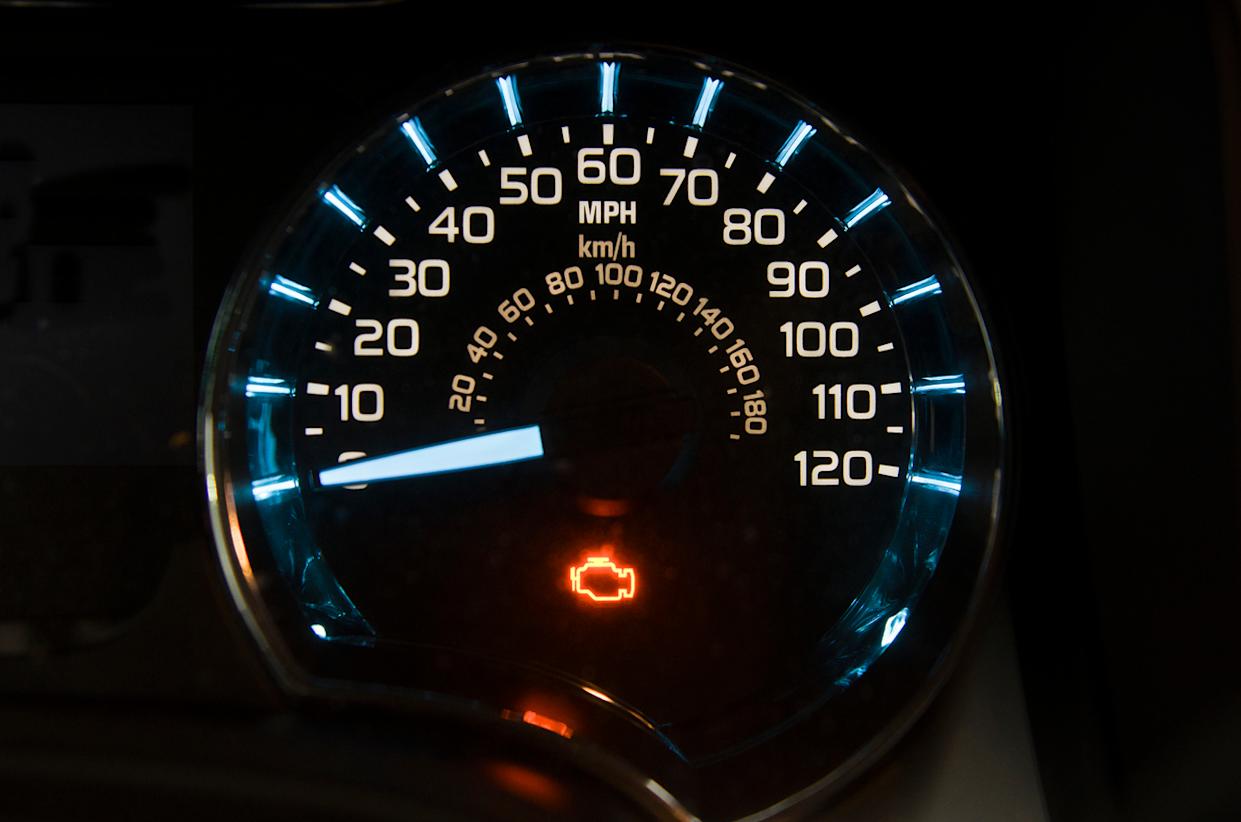
Some sellers clear the check engine codes before a test drive to prevent the warning light from showing during the buyer’s evaluation. A cleared code does not erase the fault condition. It just resets the light. A pre-purchase scan of the diagnostic system shows pending codes, recently cleared codes, and the history of any stored faults.
Also Read: 10 Used Car Mistakes Buyers Make at Independent Lots

3. Transmission and Drivetrain Condition: What Smooth Shifting Does Not Confirm
How a Transmission That Feels Fine Today Can Be Expensive Tomorrow
Transmissions fail in ways that are gradual before they become sudden. A transmission in the early stages of failure moves smoothly, responds correctly, and gives no outward indication of distress during a normal test drive. The damage accumulating inside, worn clutch packs, degraded friction material, low fluid pressure in specific circuits, or a torque converter beginning to slip under load, does not produce noticeable symptoms until the condition has progressed well past the point of inexpensive repair.
A pre-purchase inspection addresses transmission health through several approaches. Fluid condition is evaluated first. Fresh transmission fluid is pink to red and relatively clear. Fluid that is dark brown, has a burned smell, or shows metallic particles when wiped on a clean cloth indicates heat damage and wear debris in the fluid circuit.
Burnt transmission fluid on a 2021 Chevrolet Traverse High Country AWD with 45,000 miles tells a story about how that transmission was driven and what its remaining service life looks like, a story you would never learn from a test drive. Temperature monitoring during an extended drive with a diagnostic scanner connected reveals transmission operating temperatures and pressure readings that are invisible without the equipment.
A transmission running hotter than specification under normal operating conditions is a transmission working harder than it should, which is often an early symptom of internal wear. This kind of data requires a scanner connected during operation, not a fifteen-minute buyer test drive.
Transfer cases and differentials are also part of a complete drivetrain inspection. Four-wheel-drive and all-wheel-drive systems have their own fluid reservoirs and wear patterns. A transfer case with old, contaminated fluid on a 2020 Toyota 4Runner TRD Off-Road 4WD may still engage correctly during a test drive, but is operating with increased internal wear that will eventually produce noise, vibration, or engagement failure. An inspector who checks the transfer case and differential fluid condition adds meaningful data to your evaluation.
4. Cooling System Condition and Head Gasket Integrity: The Expensive Secrets Under the Hood
Why Cooling System Problems Are Among the Most Costly Findings in Any PPI
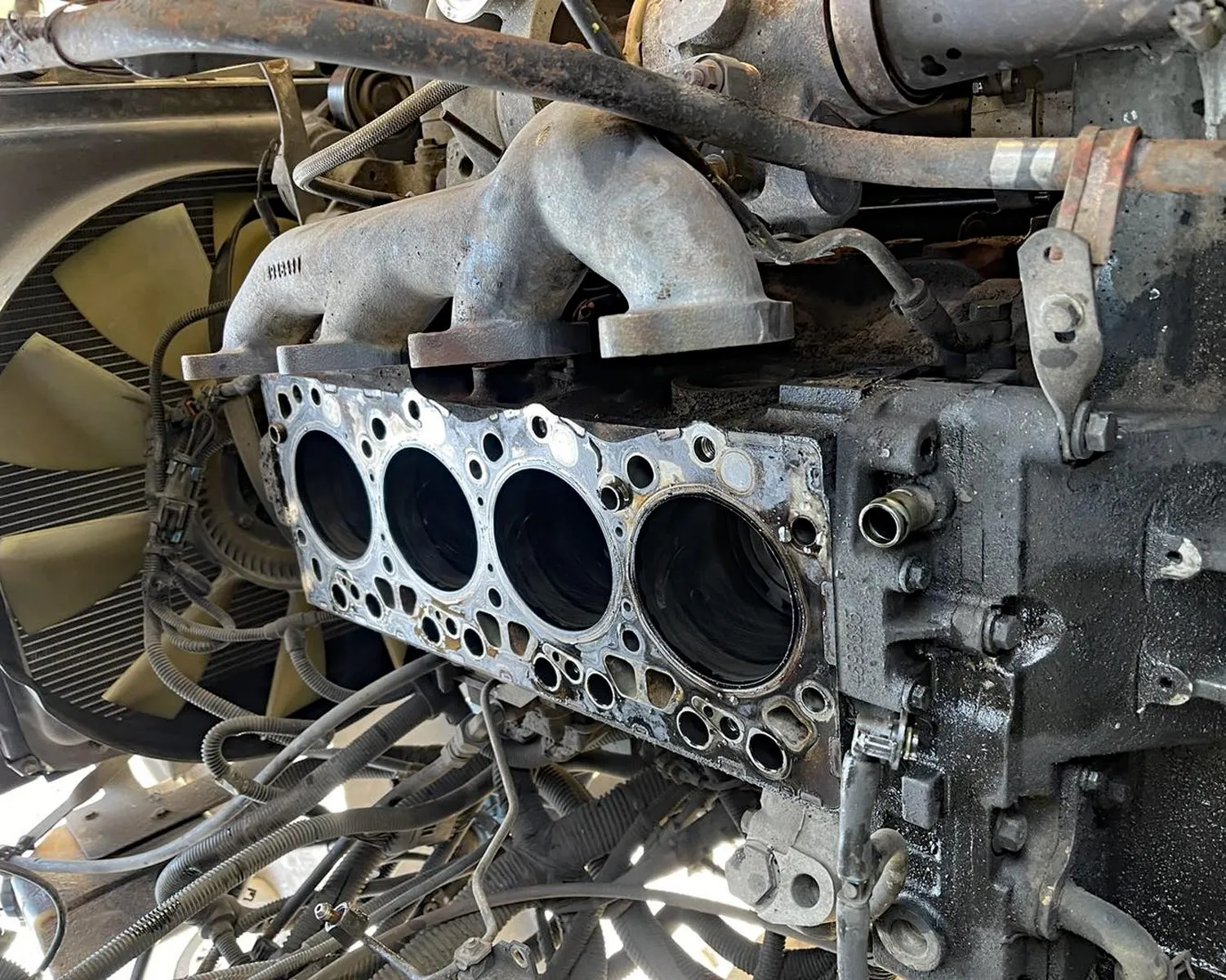
Cooling system failures are among the most expensive repairs in automotive ownership, and they are among the most effectively hidden from a casual buyer. A vehicle with a head gasket leak, a cracked coolant reservoir, a weeping water pump, or a radiator with internal deposits can perform completely normally during a test drive. Coolant temperature may read in the normal range on the gauge. No steam. No smoke. No smell. Just a clean drive that gives you no reason for concern.
A mechanic performing a pre-purchase inspection checks the coolant condition and color first. Fresh coolant is bright green, orange, or pink, depending on the formulation. Coolant that is brown, rusty, or heavily contaminated has not been serviced within its service interval and indicates a cooling system that has been running with degraded protection.
On a 2021 Porsche Cayenne E-Hybrid Platinum Edition, where cooling system repairs involve huge labor due to component density, finding degraded coolant during a PPI is a direct financial warning about what the current owner has been skipping.
A block test, also called a combustion leak test, is one of the most valuable tools in a pre-purchase inspection toolkit. This test introduces a chemical indicator fluid to the coolant reservoir and checks whether combustion gases are present in the coolant.
Combustion gases in the coolant confirm head gasket compromise, one of the most expensive non-engine-replacement repairs on most modern vehicles. This test takes ten minutes and produces a definitive yes or no answer. A test drive will never tell you this.
Radiator condition is evaluated visually from below on a lift. External leaks at hose connections, weeping at the radiator core seams, or evidence of stop-leak product in the coolant (which shows as a rust-colored deposit around joints) all indicate cooling system problems that a current or recent owner addressed temporarily rather than properly.
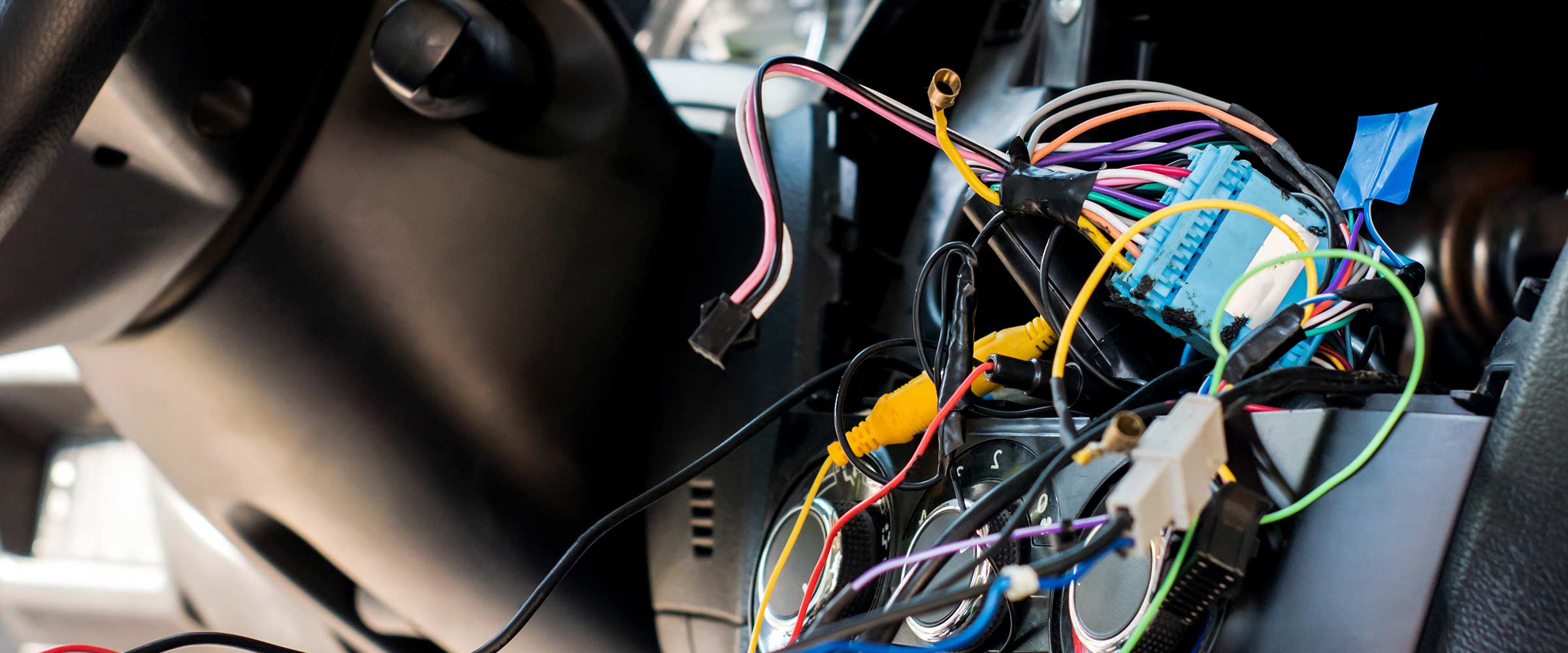
5. Electrical System Faults and Module Failures That Clear Before You Arrive
Why a Car’s Electronic Health Needs More Than a Dashboard Check
Modern vehicles are built around electronic architecture that would have seemed excessive fifteen years ago. Dozens of control modules manage everything from fuel injection timing to seatbelt pretensioner deployment. Every one of those modules can develop faults, store codes, and then clear those codes when the battery is disconnected or the system resets.
A seller who knows their vehicle has intermittent electrical faults can clear the codes the morning before you arrive for your test drive. The light stays off. The problem stays present. A pre-purchase inspection includes a full OBD-II scan that reads all available control modules, not just the powertrain module that triggers the check engine light.
A comprehensive scan on a 2021 Lincoln Aviator Grand Touring AWD reads the transmission control module, the ABS module, the airbag system, the body control module, and every other available system. Each module stores its own fault history. Codes that were present and cleared within the last few drive cycles show up in the pending and history logs even after the dashboard light has been reset.
Airbag systems require special attention. A vehicle that was in a collision severe enough to deploy the airbags was repaired and resold, but had its airbag system improperly reset and will carry fault codes in the supplemental restraint module. In the worst cases, vehicles are sold with airbags that have been removed and replaced with non-functional fillers or mismatched units from salvage vehicles.
A PPI that includes an airbag module scan catches this before you ever drive the car home. Finding airbag fault codes on a vehicle presented as a clean title is a serious finding that warrants an immediate and direct conversation with the seller. Battery health is another area where a PPI provides data that a test drive cannot. A battery in the early stages of capacity loss starts and cranks the vehicle normally in mild temperatures.
When winter arrives, and battery capacity drops with cold temperatures, the same battery fails to crank. A battery load test, which measures the battery’s ability to deliver current under load, takes three minutes and tells you whether the current battery has enough remaining capacity to last through another winter or needs replacement at roughly $150 to $250. Finding a failing battery on a 2020 Mercedes-Benz GLE 350 4MATIC does not make or break a deal, but it belongs in your negotiation.
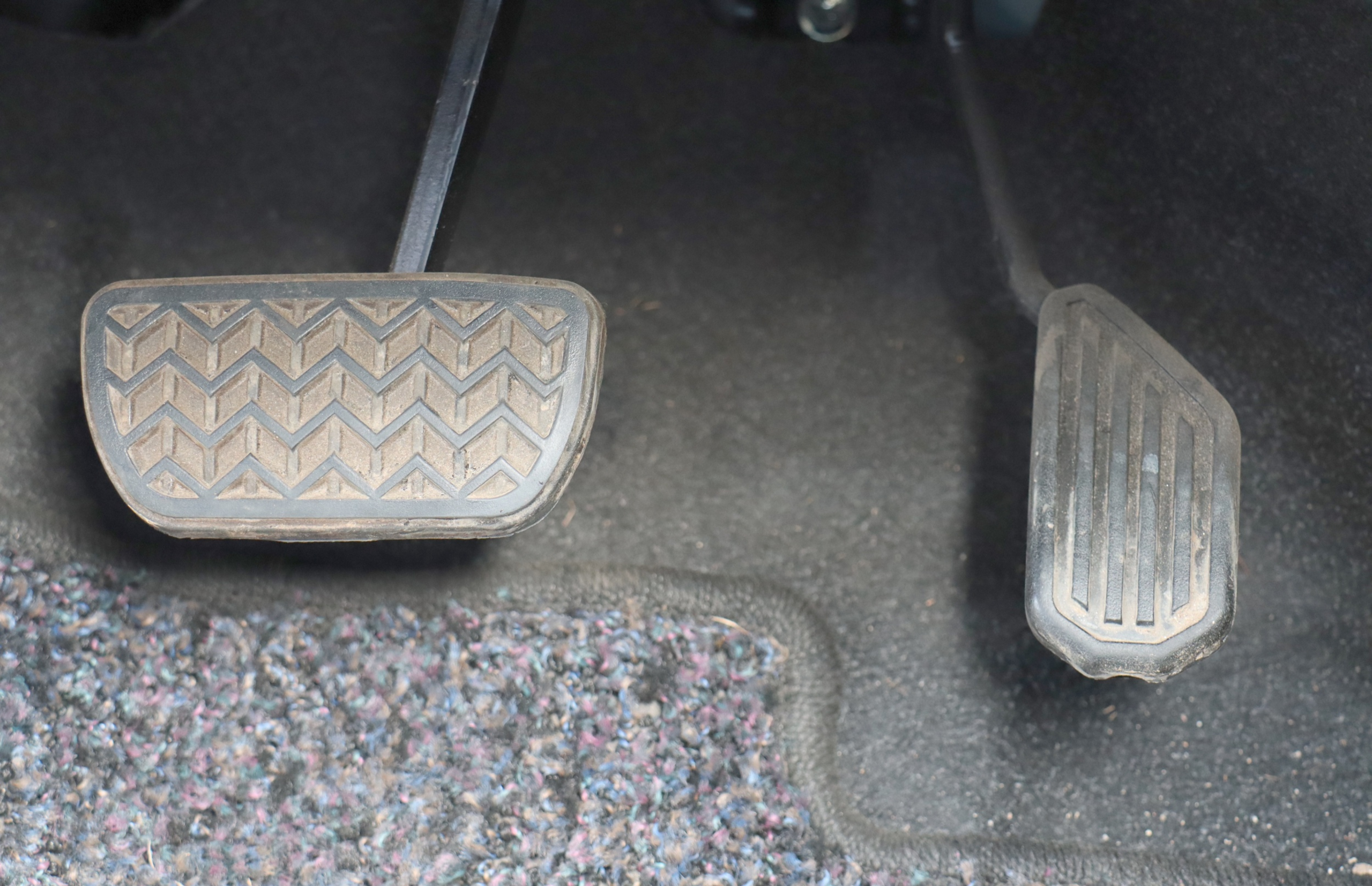
6. Brake System Condition Beyond What the Pedal Feel Tells You
What Is Actually Happening at Each Corner of the Vehicle
Brake pedal feel during a test drive gives you one data point: whether the vehicle stops without pulling dramatically and whether the pedal feels firm. That is useful information, but it covers a fraction of what the brake system actually includes. A vehicle can have a firm pedal and acceptable stopping distance while carrying brake components that are near the end of their service life, brake lines that have developed internal corrosion, or a caliper that is binding intermittently.
Brake pad thickness is measured at each corner during a PPI. On a 2021 Hyundai Palisade Calligraphy AWD, a vehicle with four-wheel disc brakes, an inspector measures the remaining pad thickness at all four corners and compares them. Uneven pad wear between the left and right sides of the same axle indicates a sticking caliper on the thinner side.
A caliper that is applying partial brake force when it should be released wastes fuel, wears pads unevenly, and eventually seizes completely. A test drive does not reveal this because the effect is gradual and does not produce a noticeable pull at normal driving speeds.
Brake fluid condition matters more than most buyers realize. Brake fluid is hygroscopic, meaning it absorbs moisture from the atmosphere. As the moisture content increases, the fluid’s boiling point decreases. Old, moisture-saturated brake fluid can boil under sustained hard braking, producing brake fade at exactly the moment you need maximum stopping power.
A simple brake fluid moisture test, available to any inspector with a test strip, tells you whether the fluid has been changed within its service interval. Finding heavily saturated brake fluid on a vehicle presented as well-maintained is another small flag in a picture you are building.
Brake hose condition is inspected from below during the lift portion of the PPI. Flexible brake hoses connect the rigid brake lines to the calipers and allow for suspension travel. These hoses can crack externally, bulge under pressure, or deteriorate internally in ways that restrict fluid flow.
A hose that has deteriorated internally acts as a one-way valve, allowing pressure in but not releasing it fully, producing the same caliper-binding symptom described above. This is invisible during a test drive and only visible to an inspector examining the hose with the vehicle on a lift.
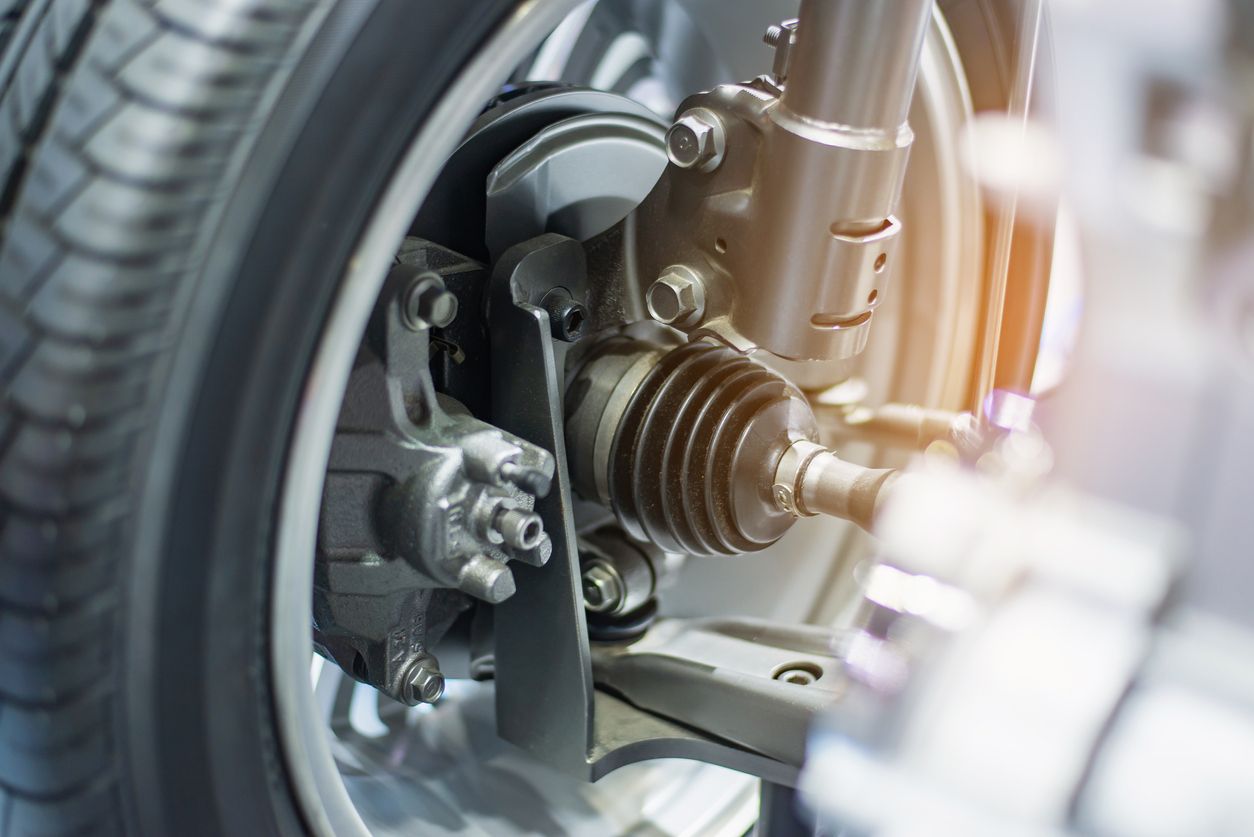
7. Suspension and Steering Wear That Drives Fine but Costs a Fortune to Fix
The Components Between You and the Road That Are Easy to Miss and Expensive to Ignore
Suspension and steering components wear gradually, which is exactly what makes them easy to miss during a test drive. A vehicle with worn ball joints, deteriorated control arm bushings, worn tie rod ends, and a sagging spring on one corner can still drive acceptably on a smooth road during a test drive.
It will not drive acceptably for much longer, and the repair bill for a full front suspension rebuild on many modern vehicles runs $1,500 to $3,000 or more, depending on the platform. An inspector on a lift checks each suspension component with hands-on manipulation. Ball joints are checked for play by grasping the wheel at the top and bottom and rocking it.
Any perceptible movement indicates wear beyond acceptable limits. Tie rod ends are checked similarly by grasping the tie rod and checking for looseness at the joint. The strut and shock absorber condition is evaluated visually for oil leakage at the shaft seal and by pressing down on each corner of the vehicle and checking for controlled rebound. A corner that bounces multiple times rather than settling in one controlled motion has a worn strut or shock absorber.
Control arm bushings are inspected for cracking, distortion, and separation. Rubber bushings deteriorate with age and heat exposure. A vehicle parked in the sun in a warm climate ages its rubber components faster than one garaged in a temperate climate. A 2020 BMW X3 xDrive30i with original rubber bushings in a dry, hot climate might have more bushing wear at 50,000 miles than a similar vehicle in a cooler region.
Power steering system condition, including fluid level, hose condition, and rack feel, is checked during the inspection. Electric power steering systems are evaluated through the diagnostic scan for fault codes and motor current draw data. A steering rack with internal wear produces handling characteristics that are subtle enough to miss on a casual test drive but show up clearly to an inspector doing a hands-on evaluation of steering play and rack movement.
Also Read: 8 Signs the Used SUV You’re Looking at Was a Rental Fleet Vehicle

8. Flood and Water Damage: The Hidden History That Looks Fine Until It Does Not
Why Water Damage Is One of the Most Dangerous Things a Vehicle History Report Can Miss
Flood-damaged vehicles are cleaned, dried, reconditioned, and resold every year. After major hurricanes and flooding events, thousands of vehicles that were partially or fully submerged make their way through auction channels, across state lines, and onto used lots in markets far from where the flooding occurred.
Some carry salvage or flood titles that disclose their history. Others do not, either because they were titled in states with less rigorous flood disclosure requirements or because the flood damage was not officially reported. A pre-purchase inspection is one of your strongest defenses against purchasing a flood vehicle. Inspectors look for a specific pattern of corrosion and residue that water intrusion leaves behind.
Mud, silt, and mineral deposits settle in the lowest points of a vehicle’s interior: under seats, below carpet padding, inside door panels at the drain hole level, and in the spare tire well. These deposits survive cleaning because they accumulate in places that a surface detail job does not reach.
An inspector who pulls back carpet padding, checks under seats with a flashlight, and opens the spare tire compartment on a 2021 GMC Yukon SLT 4WD will find water intrusion evidence that a showroom-clean exterior completely conceals. Electrical connectors are another flood indicator.
Water intrusion causes corrosion at electrical connections throughout the vehicle. An inspector checking underhood connectors, under-dash wiring harness connectors, and control module plugs will find green or white corrosion deposits at connection points on a flood vehicle, even one that has been dried and cleaned.
This corrosion causes intermittent electrical failures that can take months to appear as symptoms, making the vehicle seem fine at purchase and increasingly unreliable afterward.
