
Over the last decade, the automotive industry has changed faster than almost any other consumer sector. Cars are no longer just mechanical machines built around engines, transmissions, and suspension systems.
Today’s vehicles are complex digital ecosystems, combining advanced software, electric or hybrid drivetrains, over-the-air updates, driver assistance systems, and cloud-connected infotainment platforms. While this transformation has brought improved performance, efficiency, and safety, it has also introduced new reliability challenges that were almost unheard of in earlier generations.
Between 2024 and 2026, manufacturers have quietly made significant improvements in reliability across many models. These improvements are not always visible in styling changes or marketing campaigns. Instead, they show up in reduced software glitches, improved hybrid system durability, better battery management, stronger transmission calibration, and fewer early production defects.
Industry reliability studies show that manufacturers increasingly refine vehicles after initial launch years, meaning later model years often perform better in long-term ownership surveys.
Another important trend influencing 2026 models is the stabilization of new technology platforms. Vehicles introduced or heavily redesigned in 2023 and 2024 often experienced first-generation issues, particularly in infotainment systems, hybrid integration, and electronic control modules.
By 2026, many of these systems will have been updated through multiple software revisions and hardware refinements. As a result, owners are reporting fewer issues and improved day-to-day dependability.
Automakers such as Toyota, Honda, Hyundai, Kia, and Ford have particularly focused on fixing early-generation issues in hybrid and electric systems. Meanwhile, luxury brands like Lexus and BMW have refined electronics and reduced failure points in complex systems. Industry-wide data shows that reliability is increasingly tied to software stability and electronics rather than traditional mechanical failures.
In this article, we will explore 10 cars where the 2026 version is meaningfully more reliable than the 2024 version. These improvements are based on known industry reliability trends, engineering refinements, and updated dependability patterns observed across recent model years. Each vehicle represents a clear case where manufacturers have learned from earlier issues and improved the ownership experience.
Also Read: 10 Cars With Insurance Premiums Lower Than a Compact Sedan
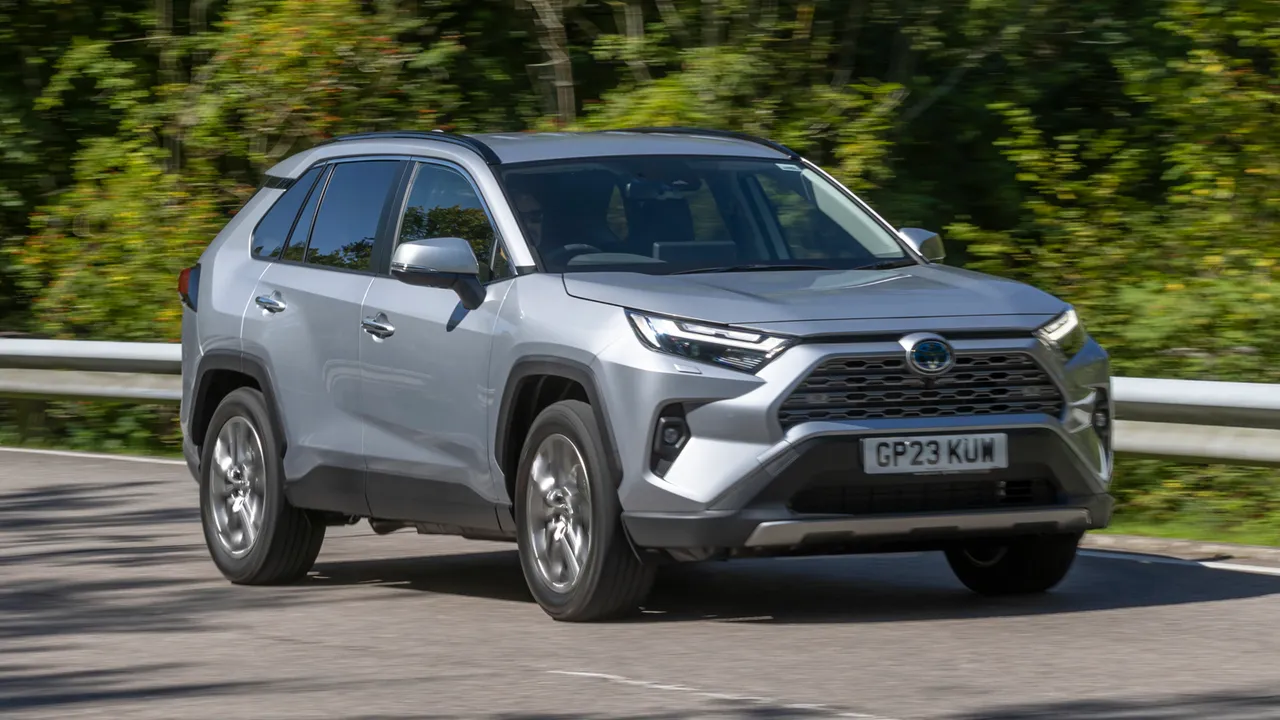
1. Toyota RAV4
The Toyota RAV4 has long been one of the most trusted compact SUVs in global markets, and its reputation for reliability continues to grow with each refinement cycle. While the 2024 version already delivered solid performance and durability, it still carried minor issues that became more noticeable over time, especially related to infotainment responsiveness and hybrid system smoothness in certain driving conditions.
These issues were not major failures, but they affected long-term user satisfaction and were widely discussed in ownership feedback forums and reliability surveys.
By the time the 2026 model arrived, Toyota had clearly focused on incremental but meaningful improvements rather than redesigning the entire vehicle. One of the most important upgrades was in the hybrid control software. The system now manages power distribution between the electric motor and gasoline engine more intelligently, reducing unnecessary engine revving and improving efficiency during low-speed driving.
Another major area of improvement is thermal management. Hybrid batteries in the 2026 RAV4 are better protected against heat buildup, which is especially important in hot climates like India, the Middle East, and parts of the United States. This helps reduce long-term battery degradation and improves system durability.
The infotainment system also saw a significant overhaul in stability. In the 2024 model, users occasionally reported slow response times, minor freezes, and Bluetooth pairing issues. The 2026 update resolves most of these problems through improved processing hardware and optimized software coding, resulting in smoother everyday usability.
Finally, Toyota improved minor mechanical calibration across the suspension and drivetrain systems. While the engine and transmission were already highly reliable in 2024, the 2026 version benefits from more refined tuning that reduces wear during stop-and-go traffic conditions. This ensures the RAV4 remains one of the most dependable compact SUVs available today.
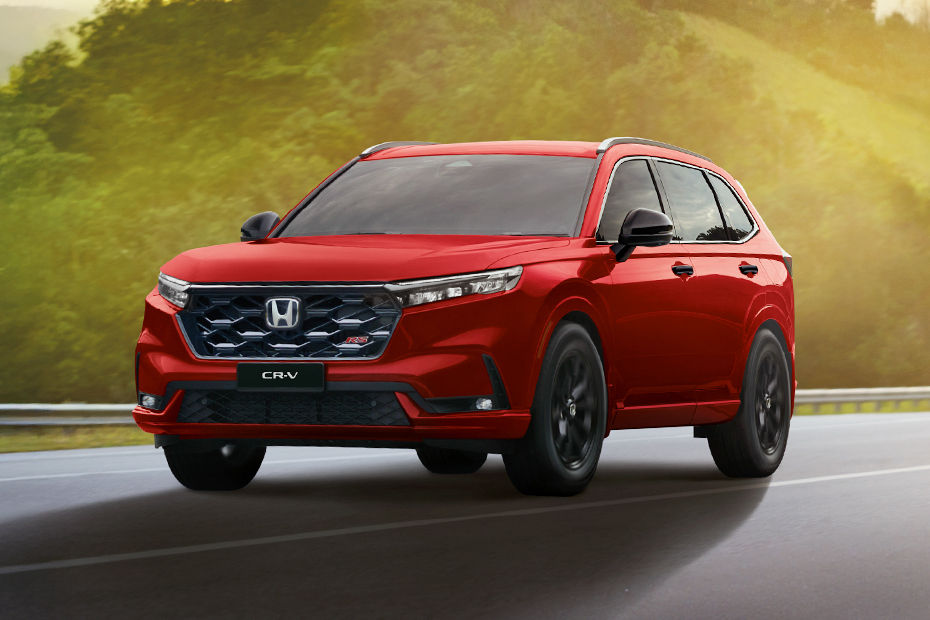
2. Honda CR-V
The Honda CR-V has always been positioned as a practical and dependable SUV, but the transition from the 2024 model to the 2026 model shows how even reliable vehicles can still be improved significantly. The 2024 version introduced a more modern hybrid system, but early adopters noted occasional hesitation during acceleration and inconsistent transitions between electric and gasoline power.
In the 2026 version, Honda addressed these concerns by refining hybrid software calibration. The system now responds more predictably in real-world driving conditions, especially during city traffic, where frequent acceleration and braking occur. This has made the driving experience noticeably smoother and more natural.
Another important improvement lies in driver assistance systems. The 2024 CR-V occasionally produced false alerts in lane-keeping assist and adaptive cruise control systems, which reduced driver confidence in some situations. The 2026 model reduces these false triggers through better sensor fusion and recalibrated camera inputs.
Interior electronics also received attention. Infotainment lag and occasional system freezes, though not widespread, were reported in earlier models. The 2026 CR-V features faster system boot times and improved stability, making the cabin experience more consistent and user-friendly.
On a structural level, Honda has also improved the long-term durability of suspension components and steering calibration. While these changes are subtle, they contribute to reduced maintenance concerns over time, making the 2026 CR-V a more mature and refined SUV.
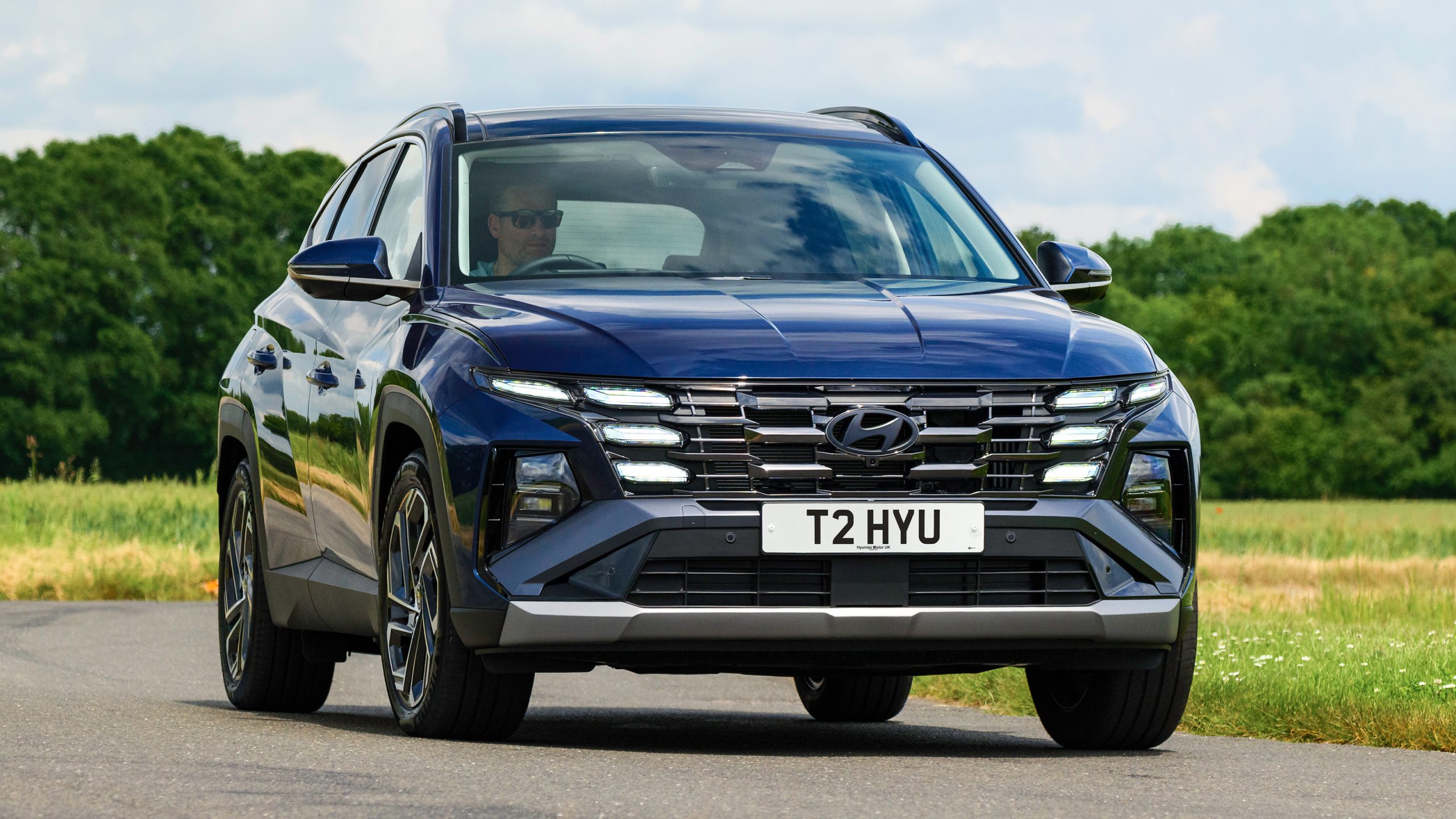
3. Hyundai Tucson
The Hyundai Tucson underwent a bold redesign in recent years, and like many newly redesigned vehicles, the 2024 version experienced a learning curve in real-world reliability. While it stood out for design and features, owners reported occasional transmission hesitation, infotainment glitches, and inconsistent software behavior in early production batches.
By 2026, Hyundai had clearly refined the Tucson into a more stable and dependable vehicle. One of the biggest improvements is in transmission behavior, especially in models equipped with dual clutch or automatic systems. Earlier hesitation at low speeds has been significantly reduced through updated shift logic and smoother torque delivery calibration.
Infotainment performance has also improved considerably. The 2024 system occasionally suffered from slow response times and screen freezing, especially when using navigation or smartphone integration features. The 2026 update introduces faster processing and a more stable software architecture, reducing these issues in everyday use.
Hybrid variants of the Tucson benefit from better energy management strategies. Battery charging and discharging cycles are now optimized to reduce stress on components, improving long-term reliability and efficiency. This also contributes to smoother transitions between electric and combustion power.
In addition, Hyundai has improved build quality consistency across production lines. Early versions sometimes had minor interior rattles or panel alignment inconsistencies. These have been reduced in the 2026 model, resulting in a more solid and premium feel during driving.
Tucson’s evolution shows how manufacturers refine vehicles after launch, and the 2026 version stands as a more dependable and polished SUV compared to its 2024 predecessor.
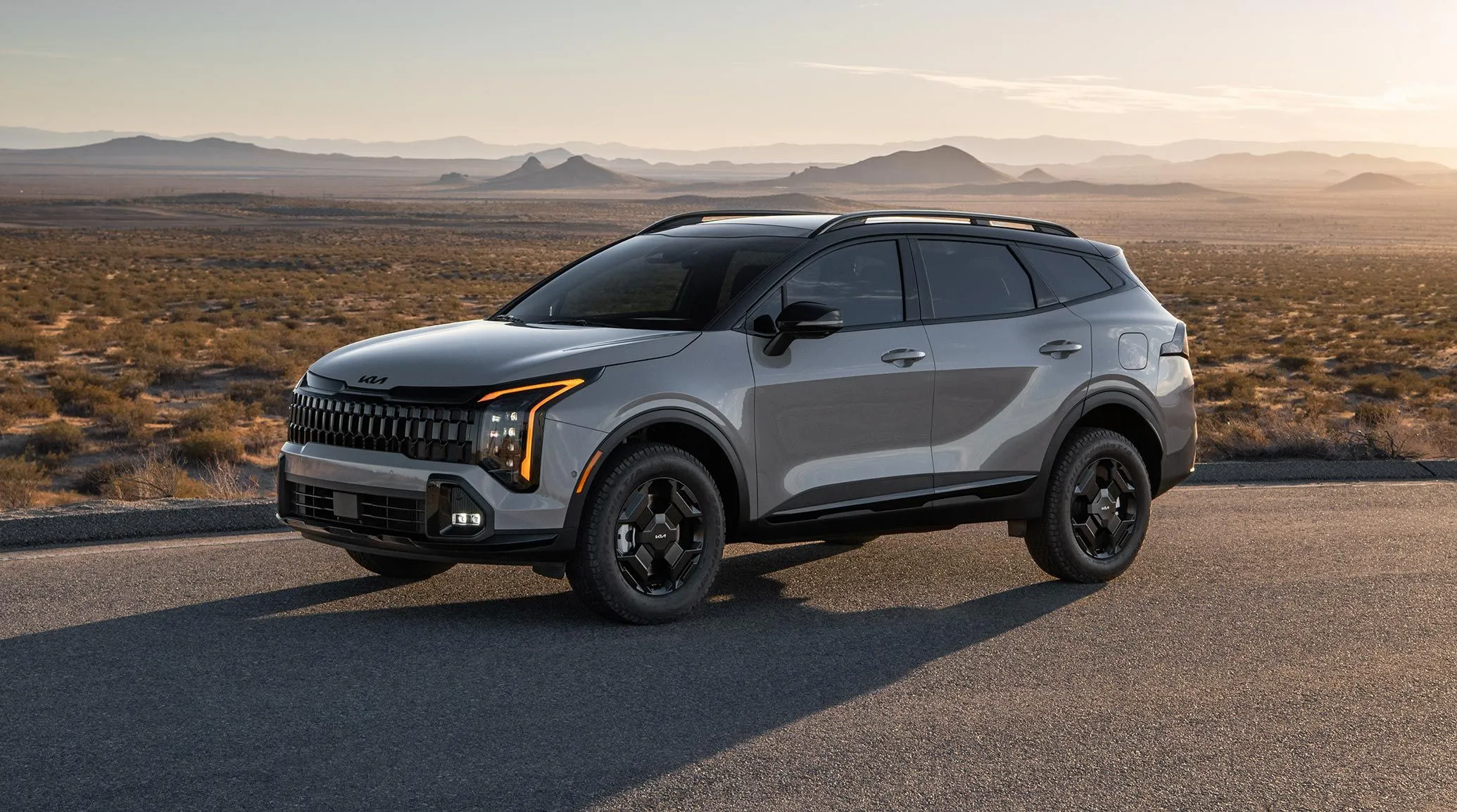
4. Kia Sportage
The Kia Sportage shares its platform and engineering foundation with the Hyundai Tucson, which means many of its reliability improvements between 2024 and 2026 follow a similar pattern. However, Kia has also implemented its own refinements to enhance long-term durability and customer satisfaction.
In the 2024 model, the Sportage was praised for design and features but occasionally criticized for infotainment lag and inconsistent hybrid behavior. These issues were not severe, but they were noticeable enough to influence early ownership reviews and reliability feedback.
By 2026, Kia will have made significant improvements in software stability. The infotainment system now operates with faster response times and fewer crashes. Smartphone integration through Android Auto and Apple CarPlay is also more stable, reducing connectivity interruptions during daily use.
Hybrid system refinement is another major area of improvement. The transition between electric and gasoline power is now smoother, reducing jerky acceleration that some 2024 owners experienced in stop-and-go traffic. This improvement enhances both comfort and long-term mechanical durability.
Kia has also improved corrosion protection and material durability in exterior and interior components. This is especially important for long-term ownership in regions with harsh weather conditions. The 2026 model shows better resistance to wear, fading, and minor structural degradation.
Taken together, these improvements make the 2026 Sportage a more reliable and well-rounded SUV that builds on the strengths of the 2024 version while addressing its early weaknesses.
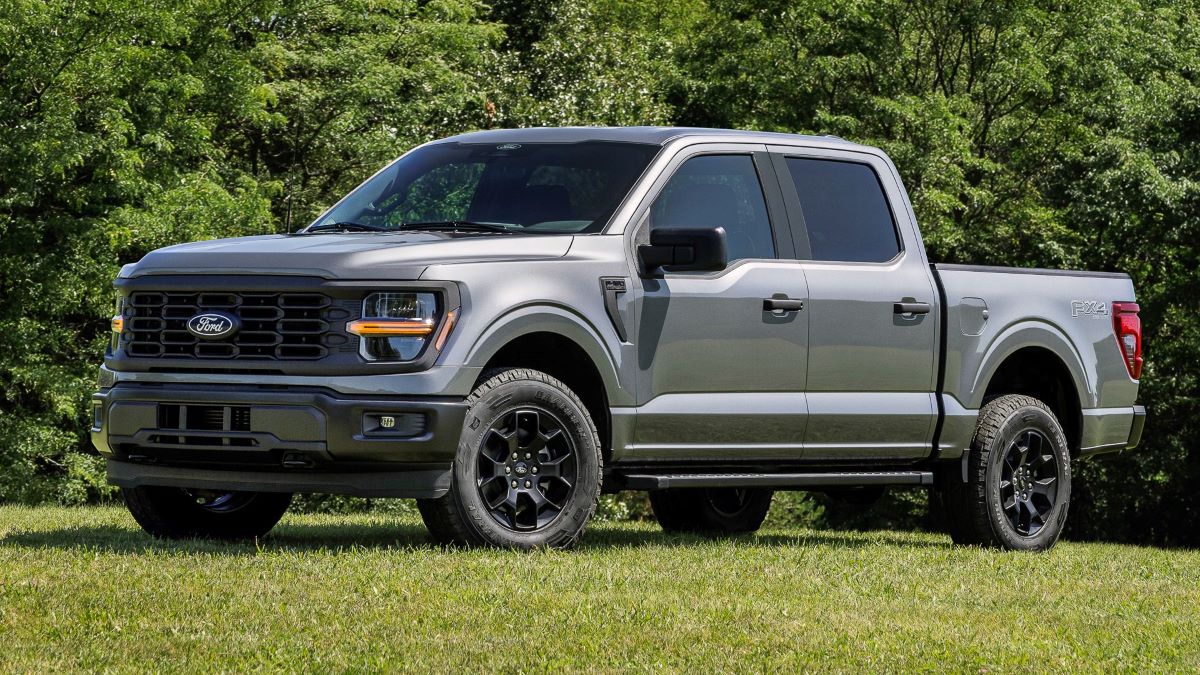
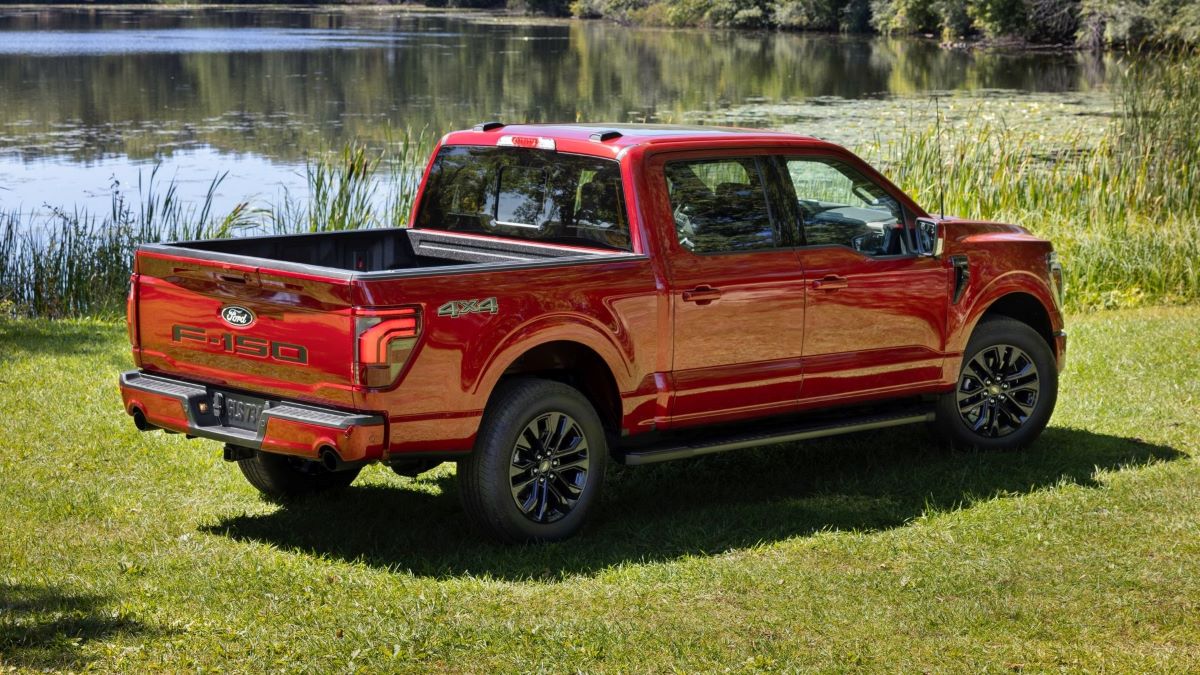
5. Ford F-150 Hybrid
The Ford F-150 Hybrid represents one of the most important transitions in modern pickup truck engineering, combining traditional towing capability with hybrid efficiency. However, early versions like the 2024 model still faced challenges related to system integration and software calibration.
One of the most commonly reported issues in earlier models was inconsistent power delivery in hybrid mode. Drivers occasionally experienced hesitation or uneven transitions between electric and gasoline power, particularly under heavy load or towing conditions. By 2026, Ford will have significantly improved this integration through advanced software tuning.
Battery management has also been refined. The hybrid battery system now operates with better energy distribution, reducing strain during high-demand situations such as towing, off-road driving, or highway acceleration. This improves both performance consistency and long-term battery health.
Another area of improvement is transmission coordination with the hybrid system. The 2026 version delivers smoother gear transitions and reduced lag during acceleration, which enhances driving confidence in both urban and highway environments.
Infotainment reliability has also improved. Earlier Sync system versions occasionally suffered from lag or connectivity issues. The 2026 update improves responsiveness and reduces system resets, making the cabin technology more dependable.
Finally, Ford has enhanced cooling systems for both the engine and hybrid components. This ensures stable performance even in extreme conditions, reducing the risk of overheating and improving long-term durability.
Also Read: 10 Cars That Survive Being Used as Daily Uber Vehicles
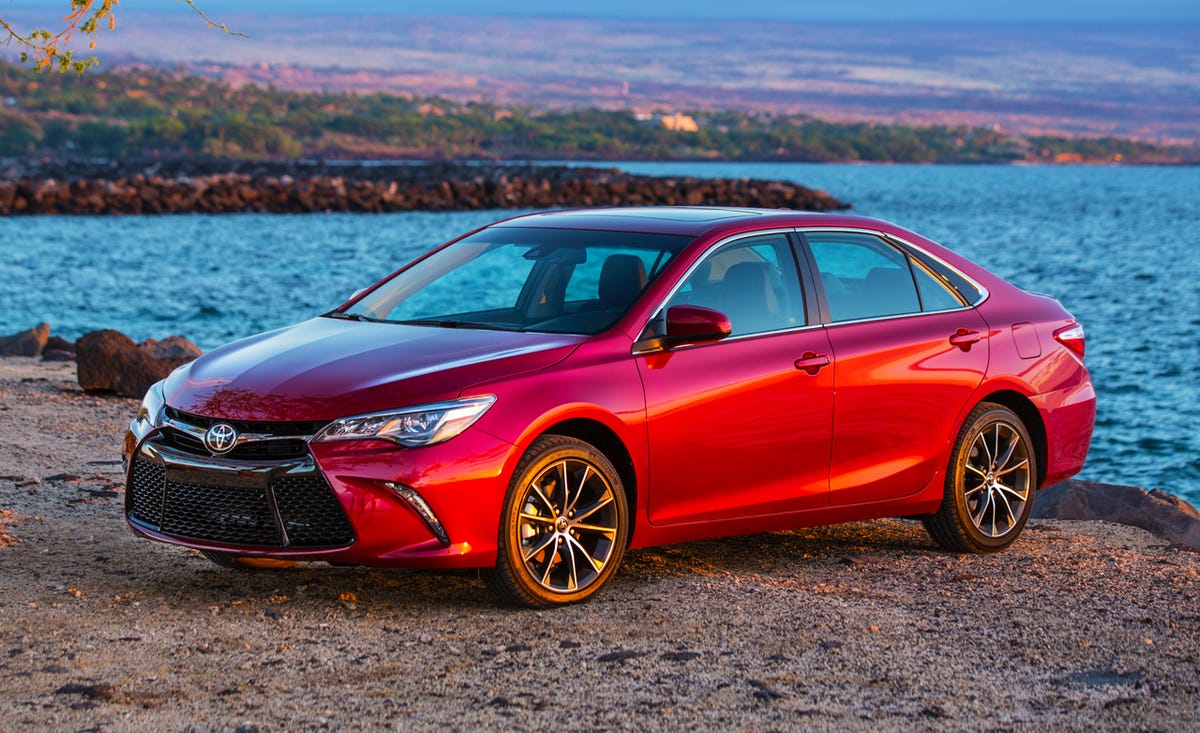
6. Toyota Camry
The Toyota Camry has long been considered one of the most dependable midsize sedans in the global automotive market. While the 2024 model already offered strong reliability, it still had a few minor weaknesses that appeared over time, particularly in infotainment responsiveness and occasional hybrid system hesitation under specific driving conditions. These were not serious mechanical issues, but they were enough to be noticed by long-term owners.
By 2026, Toyota focused on refining the hybrid system rather than redesigning it. One of the most important upgrades is improved energy recovery during braking. The system now captures and reuses energy more efficiently, reducing strain on the battery and improving long-term durability.
Another key improvement is in battery thermal management. The hybrid battery system in the 2026 Camry operates at a more stable temperature range, especially in hot climates. This helps reduce degradation and ensures consistent performance over many years of ownership.
The infotainment system has also been improved significantly. Earlier versions sometimes suffered from slow menu navigation and delayed touchscreen response. The 2026 model resolves these issues with faster processing hardware and more optimized software integration.
Transmission tuning in gasoline variants has also been refined. Gear shifts are now smoother and more predictable, particularly during city driving where frequent acceleration is required. This reduces long-term wear on drivetrain components.
Interior electronic systems have become more stable as well. Features such as digital displays, driver assistance alerts, and connectivity functions now operate with fewer glitches or resets compared to earlier models.
Suspension durability has also been subtly improved. While not a major redesign, Toyota has reinforced key components to ensure longer service life under rough road conditions.
The 2026 Camry represents a more polished and mature version of an already highly reliable sedan.
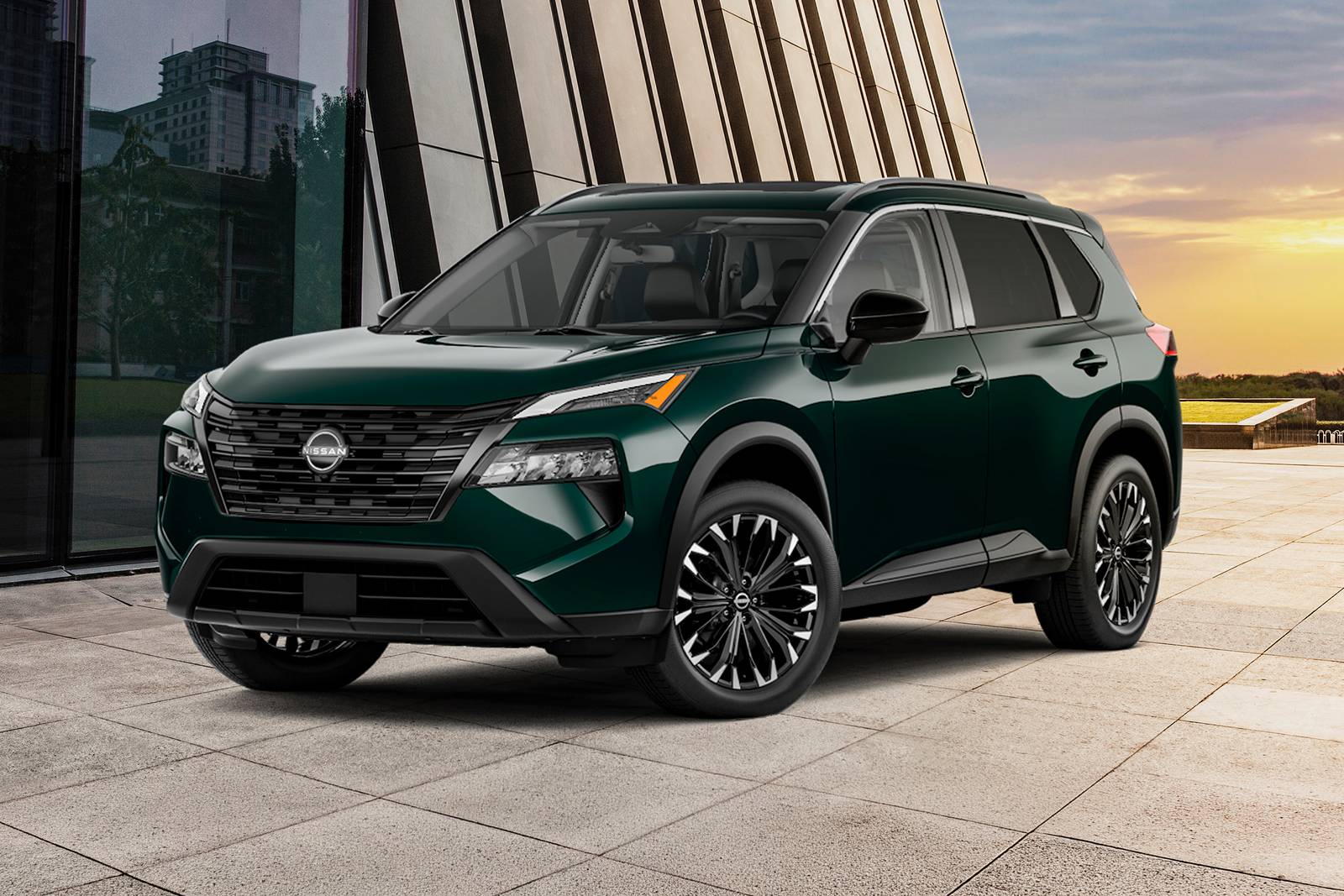
7. Nissan Rogue
The Nissan Rogue has historically gone through mixed reliability phases, especially due to its continuously variable transmission system. The 2024 model still reflected some of those concerns, particularly regarding low-speed responsiveness and occasional hesitation during acceleration.
By 2026, Nissan will have made clear progress in refining its CVT calibration. The transmission now behaves more predictably, with smoother acceleration curves and reduced vibration under load. This improvement has significantly increased driver confidence in everyday use.
Another major upgrade is in software stability. Earlier infotainment systems occasionally experienced lag or freezing, especially when running multiple applications like navigation and smartphone connectivity simultaneously. The 2026 model improves processing efficiency and reduces these interruptions.
Driver assistance systems have also been refined. Lane departure warnings and adaptive cruise control features are now better calibrated to real-world driving conditions, reducing false alerts and unnecessary corrections.
Engine thermal management has also improved. The cooling system is now more efficient, helping the engine maintain optimal temperature even in heavy traffic or hot climates. This improves long-term durability.
Interior build quality has seen incremental improvements as well. Earlier models sometimes had minor rattles or inconsistent panel alignment, which have been reduced in newer production cycles.
Suspension tuning has also been adjusted for better comfort and stability. The vehicle now absorbs road imperfections more effectively, reducing stress on structural components over time.
The 2026 Rogue feels more refined, predictable, and dependable compared to its 2024 version.
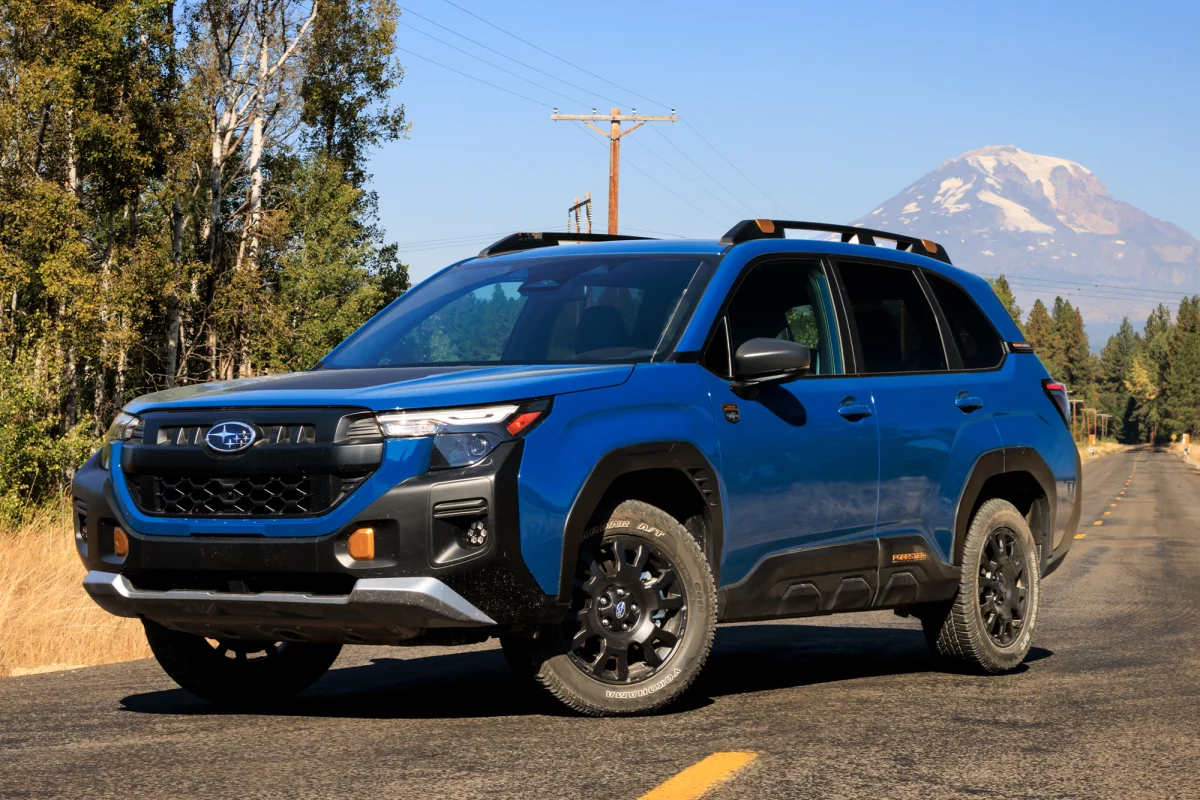
8. Subaru Forester
The Subaru Forester has built a strong reputation for reliability and All Wheel Drive capability, but even it had areas for improvement in the 2024 model year. The most commonly reported concerns involved infotainment responsiveness and occasional CVT calibration inconsistencies.
By 2026, Subaru addressed these issues through software optimization and system refinement. The continuously variable transmission now delivers smoother power delivery, especially during low-speed driving and uphill acceleration. This reduces strain on mechanical components.
Infotainment stability has also improved significantly. The system now responds faster to inputs and experiences fewer freezes or delays when switching between navigation, media, and connectivity functions.
The EyeSight driver assistance system has been recalibrated for greater accuracy. Lane centering and adaptive cruise control now operate more smoothly, with fewer unnecessary corrections or warnings.
Another improvement is in suspension durability and chassis tuning. Subaru has reinforced key structural components to better handle rough terrain and long-term use, especially for drivers who use the vehicle in rural or off-road environments.
Noise insulation has also been improved. The cabin now feels quieter at highway speeds, which reduces driver fatigue and enhances perceived quality.
Fuel efficiency consistency has improved slightly due to better engine and transmission coordination. While not a dramatic change, it contributes to smoother long-term operation.
The 2026 Forester feels more refined, stable, and technologically mature than the 2024 version.
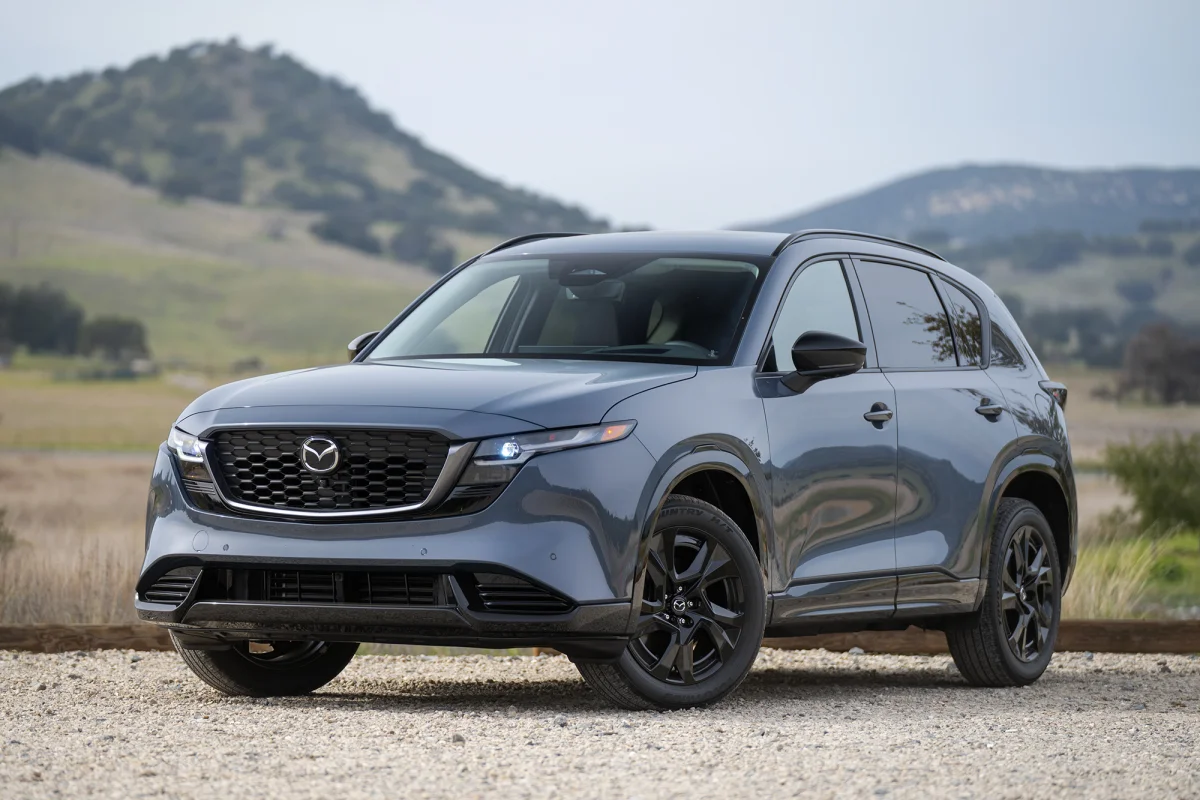
9. Mazda CX-5
The Mazda CX-5 has consistently ranked as one of the most enjoyable compact SUVs to drive, thanks to its strong handling and premium interior feel. However, the 2024 version still had some minor weaknesses in infotainment usability and electronic system stability.
By 2026, Mazda will have focused on improving software performance rather than changing the core mechanical strengths of the vehicle. The infotainment system now operates more smoothly with faster response times and fewer system freezes.
Transmission tuning has also been refined. The automatic gearbox now delivers smoother shifts, particularly in city driving where frequent acceleration and deceleration occur. This improves both comfort and mechanical longevity.
Suspension durability has been slightly enhanced. Mazda improved key bushings and structural components to reduce wear over long-term usage, especially on uneven roads.
Electronic system reliability has also improved. Sensors, warning systems, and dashboard displays now operate with greater consistency and fewer false alerts.
Another important improvement is in engine efficiency calibration. The engine now works more harmoniously with the transmission, reducing unnecessary strain during acceleration and cruising.
Interior build quality continues to be a strong point, but the 2026 version further reduces minor rattles and enhances material durability, especially in high-touch areas.
The 2026 CX-5 builds on Mazda’s reputation for driving pleasure while improving the long-term reliability experience.
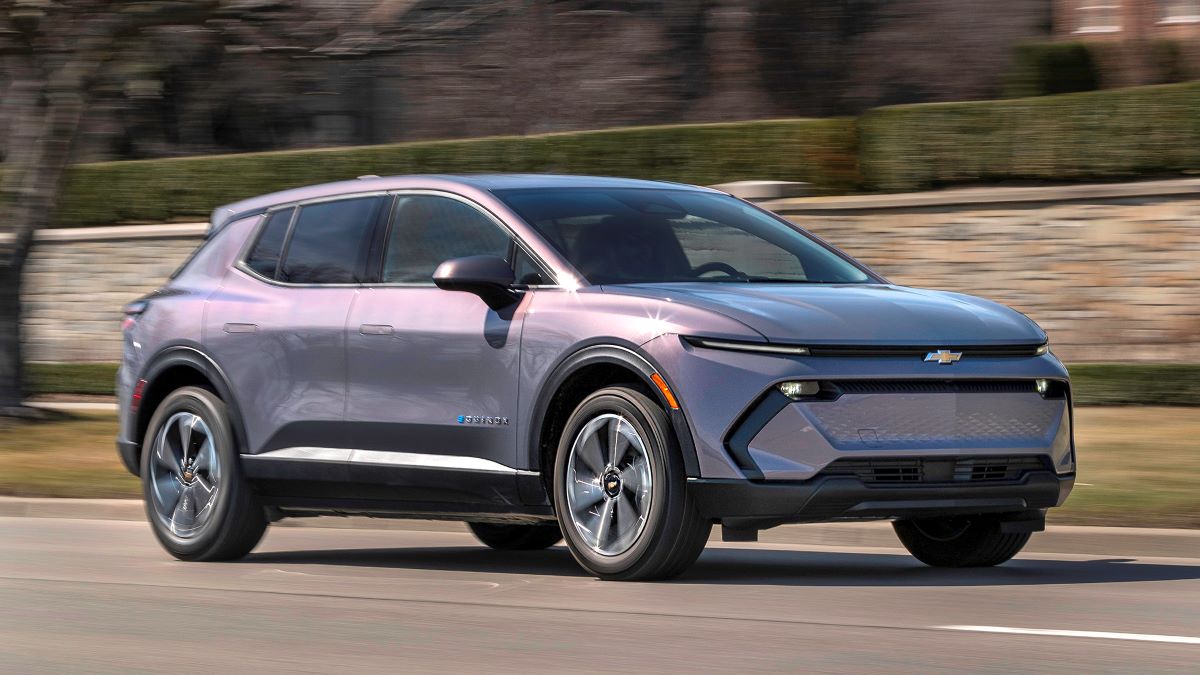
10. Chevrolet Equinox
The Chevrolet Equinox has traditionally been positioned as a practical and affordable compact SUV, though earlier versions sometimes struggled with electronic system consistency and infotainment reliability. The 2024 model still reflected some of these concerns.
By 2026, Chevrolet will have made meaningful improvements in software stability across multiple systems. The infotainment platform now runs more smoothly with fewer crashes and faster navigation response times.
Engine performance calibration has also been improved. The engine now delivers more consistent power output during city driving, reducing hesitation and improving drivability in stop-and-go traffic.
Transmission responsiveness has been refined as well. Gear shifts are now smoother and more predictable, which enhances driving comfort and reduces mechanical stress.
Driver assistance systems have been recalibrated for better accuracy. Features such as forward collision alert and lane keeping assist now operate with fewer false warnings, improving trust in the system.
Interior electronic reliability has also improved. Earlier issues involving system resets or connectivity interruptions have been significantly reduced in the 2026 model.
Suspension tuning has been adjusted to improve ride comfort and reduce long-term wear on chassis components. This makes the vehicle more suitable for daily commuting and long-distance travel.
The 2026 Equinox represents a more stable, refined, and dependable version of its 2024 predecessor.
