
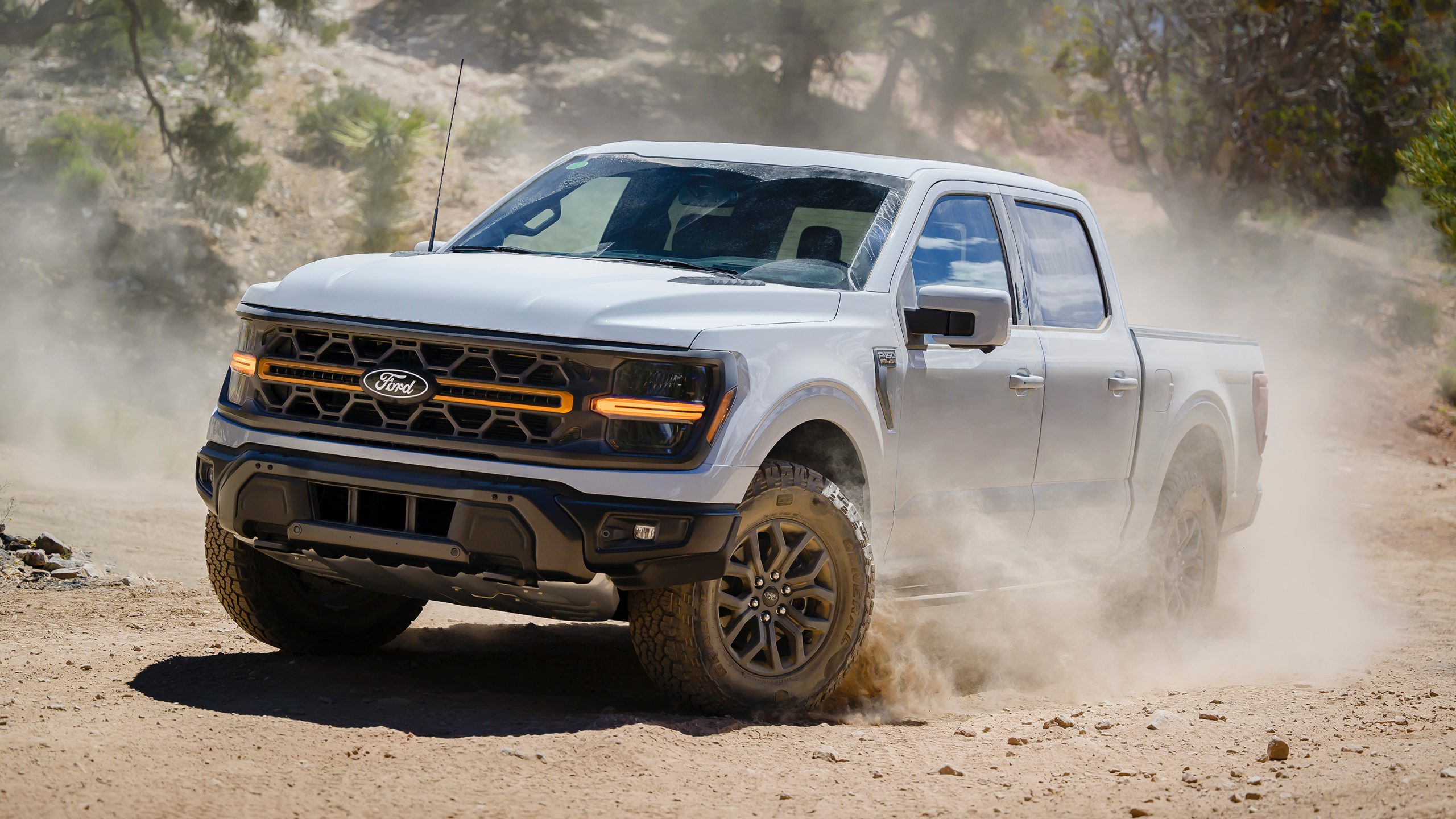
Your truck’s cabin air filter is one of the most overlooked maintenance items on the road today. It quietly cleans every breath of air you take inside the cab. A dirty cabin filter can cause musty smells, weak airflow, and even foggy windows. Most truck owners never think about it until something goes wrong.
The good news is that some trucks make this job incredibly simple. You can swap out the filter in your driveway with zero tools in under five minutes. No mechanic, no appointment, no labor charge. Just a fresh filter and clean air from that moment forward.
But not every truck is built with the DIY driver in mind. Some manufacturers bury the cabin filter behind dashboards, under gloveboxes, or inside tight engine bay corners. Reaching it can require removing screws, panels, and even electronic components. That turns a simple filter swap into an expensive shop visit.
This guide breaks down exactly which trucks fall into which category. We tested and researched ten popular trucks across both groups. Whether you are a weekend warrior or a daily commuter, knowing this information saves you time and money. Read on and find out where your truck stands.
5 Trucks With Cabin Filters You Can Replace in 5 Minutes
These trucks are designed with easy-access cabin air filters, usually located behind the glove box or a simple panel, allowing quick replacement without tools. Models like the Ford F-150, Toyota Tacoma, and Chevrolet Silverado are known for straightforward access and minimal steps, making it a quick DIY task.
Other trucks, such as the Ram 1500 and GMC Sierra, also offer user-friendly designs, where the filter can be swapped out in minutes. This makes regular maintenance simple and cost-effective for owners.
1. Ford F-150 (2015–2024)
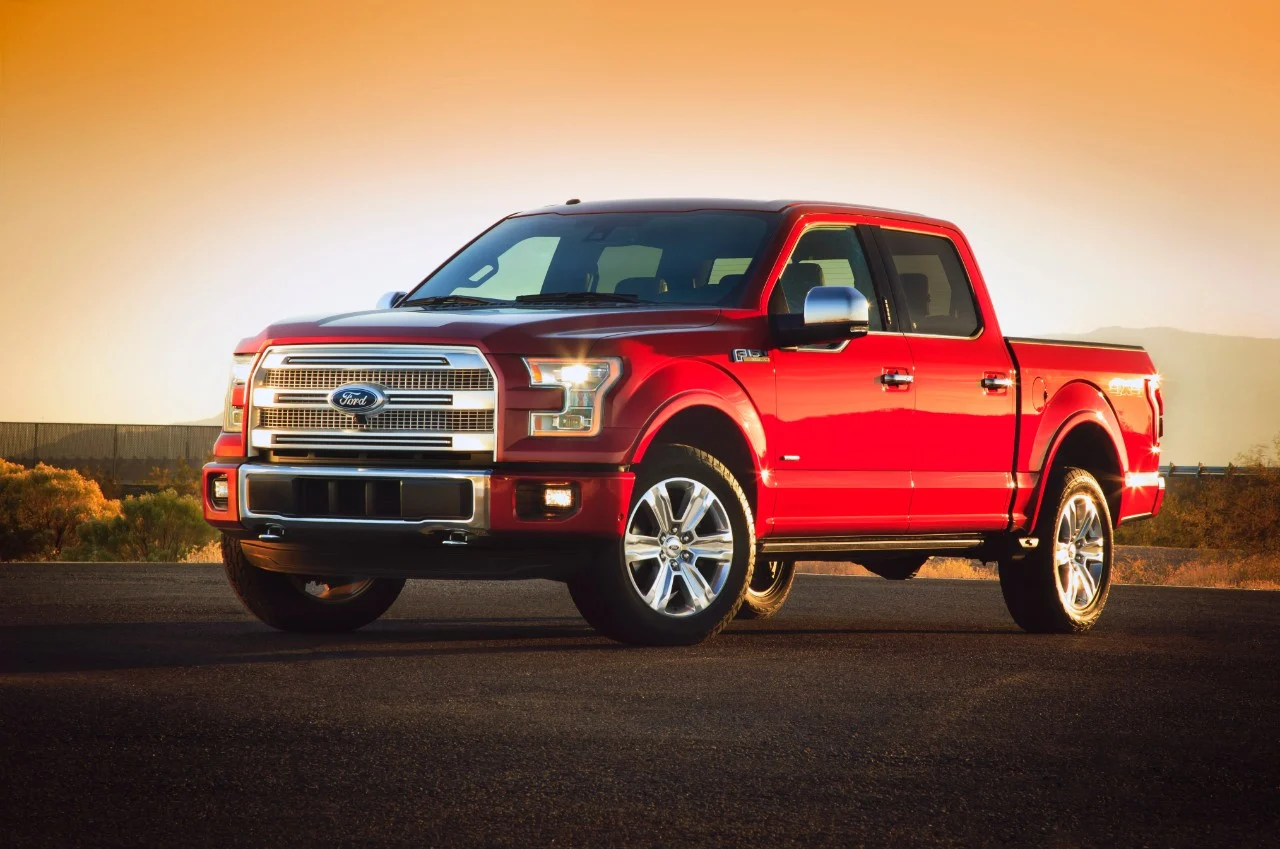
The Ford F-150 is the best-selling truck in America for good reason. It is built with everyday drivers in mind, and the cabin filter placement proves that perfectly.
The cabin air filter on the F-150 sits directly behind the glove box. You simply open the glove box and press inward on both sides. The box drops down and gives you full access to the filter housing immediately.
No tools are needed at any point during this process. The entire procedure takes about three to four minutes from start to finish. Even a first-time DIYer can handle this job with complete confidence.
Ford designed this access point to be user-friendly across all trim levels. Whether you drive an XL work truck or a fully loaded Platinum, the process is identical. That kind of consistency is rare and genuinely appreciated by owners.
The filter itself slides out in one smooth motion once the housing latch is released. You insert the new filter, make sure the airflow arrows face the correct direction, and close everything back up. There is no guesswork involved.
Replacement filters for the F-150 are widely available at every auto parts store. Brands like Motorcraft, FRAM, and K&N all make direct-fit options. Prices typically range from eight to twenty-five dollars, depending on the filter type.
Ford even includes a reminder in the owner’s manual with a simple step-by-step diagram. The instructions are clear and written for someone who has never done this before. That level of documentation reflects Ford’s commitment to owner maintenance.
Changing this filter every 15,000 to 20,000 miles keeps your cab smelling fresh and your HVAC system running efficiently. Skipping it leads to reduced airflow and strained blower motors over time. A five-minute job prevents a much more expensive repair down the road.
The F-150 also benefits from a large filter size compared to many competitors. A bigger filter surface area means better air filtration and a longer service interval. You get more value from each replacement filter you purchase.
Many F-150 owners report completing this task during a gas station stop or in a parking lot. That level of accessibility is what separates a truly owner-friendly truck from the rest. Ford continues to set the standard in this area with each new model year.
If you own an F-150 and have never changed your cabin filter yourself, today is the day to start. Grab a filter, watch a two-minute video if needed, and get it done. Your lungs and your wallet will both thank you immediately.
2. Chevrolet Silverado 1500 (2014–2024)
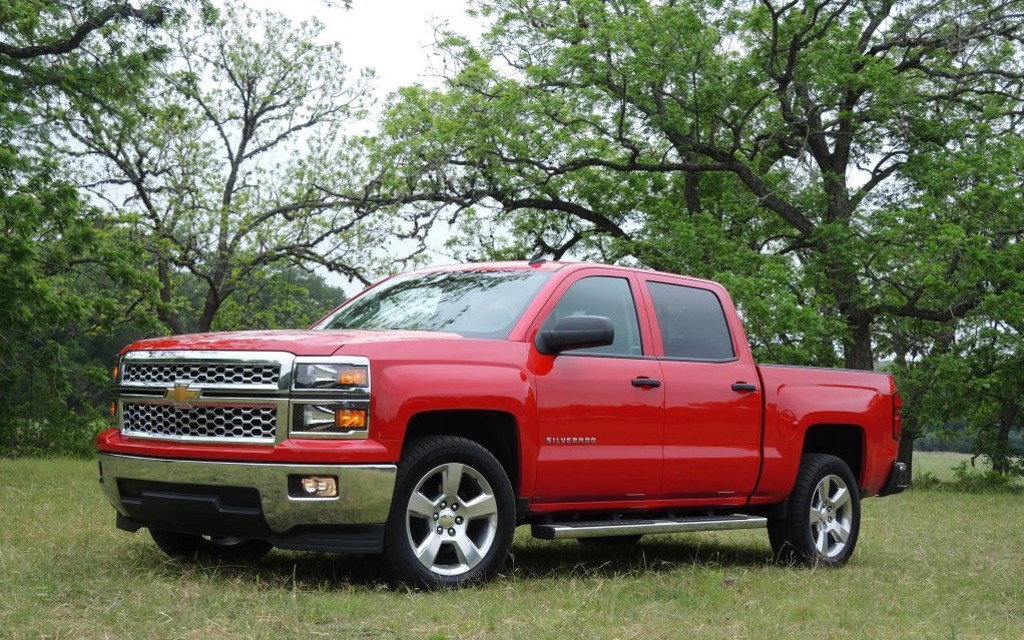
The Chevrolet Silverado 1500 has long been a favorite among hardworking truck enthusiasts. GM engineers made sure the cabin filter replacement stayed simple across multiple generations.
On most Silverado models, the cabin filter is accessed from behind the glove box. You open the box fully, then release a small tab or press the sides inward. The compartment swings down to reveal the filter housing directly.
The whole process requires no special tools whatsoever. A pair of hands and about four minutes is all that stands between you and fresh cabin air. Even those who rarely touch their vehicles can handle this task comfortably.
GM has kept this design fairly consistent from the 2014 refresh through the current generation. Owners upgrading from an older Silverado to a newer one find the process almost identical. That muscle memory is a genuine convenience for repeat DIYers.
The filter housing on the Silverado is solidly built and easy to open. The latch mechanism is intuitive and does not require force or precision to operate. Everything snaps back together just as easily once the new filter is in place.
Aftermarket filter options for the Silverado are plentiful and affordable. AC Delco, FRAM, and Purolator all offer compatible options at major retailers. You can often find a quality filter for under fifteen dollars without any searching.
One thing Silverado owners appreciate is how cleanly the old filter slides out. The housing does not trap debris or make a mess during removal. That makes the job cleaner and faster compared to some competing trucks.
Chevrolet recommends inspecting the cabin filter every 15,000 miles and replacing it as needed. In dusty or high-pollen environments, more frequent changes are advisable. A quick visual inspection during each oil change keeps you on top of the schedule.
The Silverado also offers a high-capacity filter design on newer models. This extended surface area traps more dust, pollen, and road debris per square inch. You get longer filter life without sacrificing filtration quality.
Truck owners who live in agricultural areas particularly benefit from staying current on this filter. Crop dust, fertilizer particles, and seasonal pollen can overwhelm a neglected filter quickly. Keeping it fresh protects both your health and your HVAC system.
The bottom line with the Silverado is simple: there is no excuse not to do this yourself. The access is excellent, the parts are cheap, and the process is fast. This is DIY truck maintenance at its absolute best.
3. Ram 1500 (2019–2024)
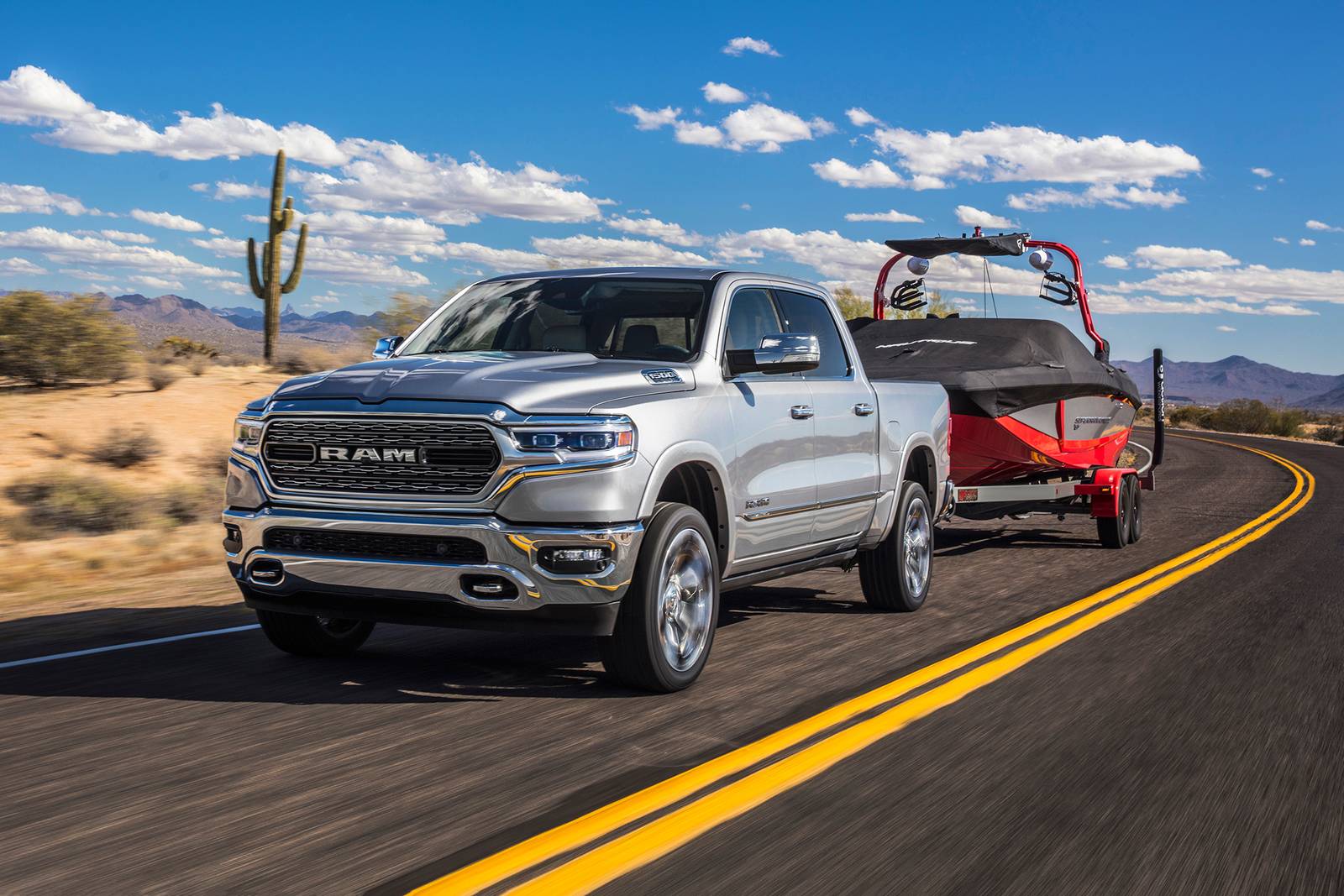
The Ram 1500 completely reinvented itself with the fifth-generation redesign in 2019. One of the most overlooked improvements was how accessible the cabin air filter became.
Ram placed the cabin filter housing directly behind the glove box on the 1500. You open the glove box, squeeze the tabs on each side, and the door swings all the way down. The filter slides out horizontally with no resistance.
This design is clean, logical, and clearly built with the owner in mind. Ram even embossed airflow direction arrows directly onto the filter housing. You know exactly which way to insert the new filter without consulting the manual.
The filter compartment on the Ram 1500 is well-lit and easy to see inside. You do not need a flashlight or phone light to complete the job. Good visibility means fewer mistakes and a faster process.
Ram 1500 owners report completing this replacement in as little as three minutes. That includes removing the old filter, checking the housing for debris, and inserting the new unit. Few trucks in this class can match that kind of efficiency.
One standout feature of the Ram 1500 design is the filter compartment’s debris tray. Any loose dust or particles that fall from the old filter land in a small catch area. This keeps your carpet and floor mats clean during the swap.
Replacement filters for the Ram 1500 are available everywhere from Walmart to AutoZone. Mopar, FRAM, and Wix all produce quality options for this application. Budget filters start around ten dollars, while premium activated carbon versions run up to thirty.
The 2019-and-newer Ram 1500 also offers a slightly larger filter than previous generations. The increased surface area improves filtration efficiency across all driving conditions. This is especially helpful for owners who frequently drive on unpaved roads or job sites.
Cabin air quality inside the Ram 1500 is noticeably better when the filter is fresh. The truck’s quiet cabin design means you actually notice the difference in airflow volume. Clean air hits differently when you are already riding in one of the most refined truck cabins available.
Ram includes a QR code in some model year manuals that links directly to a filter replacement video. That kind of digital-forward thinking makes the process even more accessible for newer owners. It reflects a brand commitment to owner empowerment.
If you drive a 2019 or newer Ram 1500, you have one of the easiest cabin filter replacements in the segment. Use that advantage and stop paying shop labor rates for a three-minute job. Your maintenance budget deserves that break.
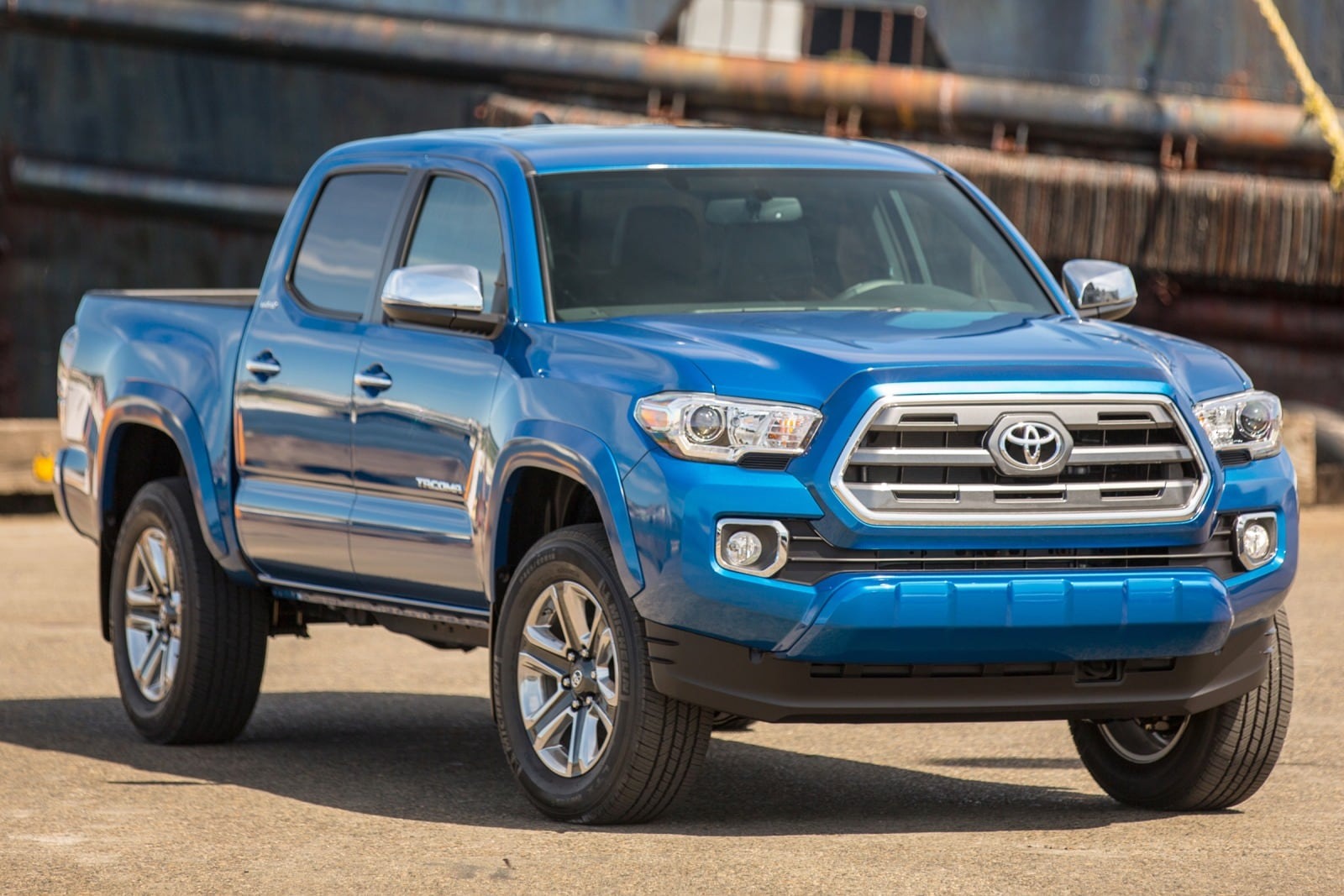
4. Toyota Tacoma (2016–2024)
The Toyota Tacoma is the undisputed king of the midsize truck segment. It is dependable, capable, and surprisingly easy to maintain in several key areas.
The cabin filter on the Tacoma lives behind the glove box on most model years from 2016 onward. You open the glove box, press both sides inward simultaneously, and the door drops down past its normal stop. The filter housing becomes instantly visible.
Toyota uses a simple slide-and-latch system for the filter housing. There are no screws, no clips that require tools, and no frustrating panel removal. This is one of the cleanest filter access designs in the midsize truck class.
Tacoma owners across forums and owner groups consistently praise how easy this job is. Many report doing it while waiting for their kids at school or during a lunch break. That kind of real-world convenience is what builds long-term brand loyalty.
The filter itself on the Tacoma is mid-sized but highly effective. Toyota’s OEM filters use multi-layer construction to trap fine particles efficiently. Aftermarket options from Denso, FRAM, and TYC are widely available and very affordable.
One thing that stands out about the Tacoma design is how little dirt spills during removal. The filter sits at a nearly horizontal angle inside its housing. This orientation keeps loose debris contained and the process clean.
Replacing this filter every 15,000 to 20,000 miles is Toyota’s general recommendation. In areas with high dust or seasonal pollen, every 10,000 miles is a smarter interval. Tacoma owners who wheel off-road should check it even more frequently.
The Tacoma’s interior is known for being practical and durable rather than luxurious. But the clean cabin air that a fresh filter provides raises the driving experience noticeably. Fresh airflow through that simple HVAC system makes a genuine difference on long drives.
Toyota also makes it easy to find the correct replacement filter with a simple VIN lookup. Most auto parts stores can pull up the exact part number in seconds. There is no confusion about compatibility when you walk up to the parts counter.
Tacoma owners who perform their own oil changes should add this to the same service routine. It takes three extra minutes and costs less than a fast-food lunch. That is an outstanding return on a very small investment of time and money.
The Tacoma’s ease of maintenance is a big part of why it holds its resale value so well. Trucks that are easy to service tend to be better maintained over time. That fact shows up clearly in used market prices and reliability surveys year after year.
Also Read: Subaru Holds Consumer Reports Top Brand Spot Two Years Running
5. GMC Canyon (2015–2024)
The GMC Canyon is a refined and capable midsize truck that punches above its weight class. It also happens to have one of the most straightforward cabin filter access points in its segment.
The Canyon shares its platform with the Chevrolet Colorado, and both benefit from a thoughtful filter placement. The filter sits behind the glove box and is accessible without removing a single screw. You open the box, release the side tabs, and the housing drops open.
GMC’s attention to detail shows in how the filter housing is labeled. The airflow direction is marked clearly on the housing itself. There is no chance of installing the filter backwards if you follow the arrow.
The Canyon’s glove box design makes the drop-down process smooth and predictable. The tabs on either side are firm enough to hold during normal use but easy enough to release intentionally. GMC struck the right balance between security and accessibility here.
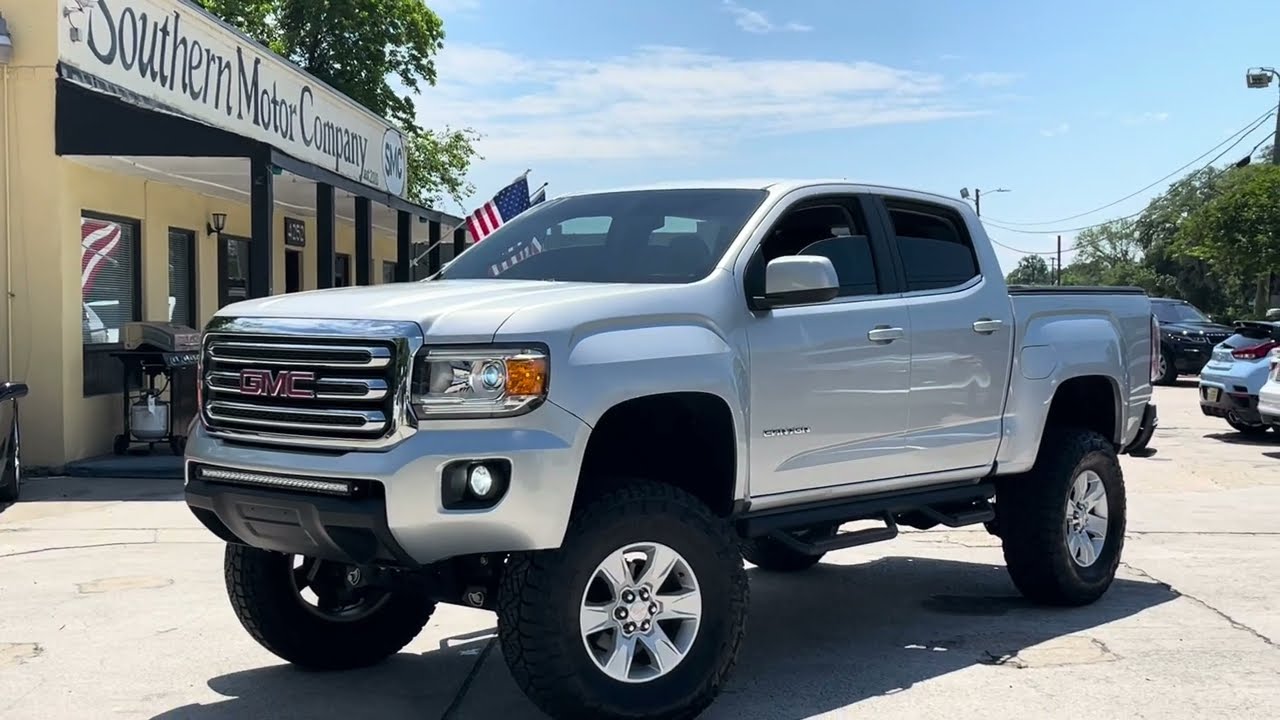
Filter replacement on the Canyon consistently takes under five minutes in real-world conditions. Multiple owners across YouTube and owner forums have timed themselves doing this job. The average comes in right around three and a half minutes door to door.
The Canyon uses a modestly sized filter that is easy to handle with one hand. Its compact shape means fewer fumbles during insertion and removal. This small ergonomic detail makes the job easier than it might seem on paper.
Aftermarket and OEM filters for the Canyon are widely available and budget-friendly. AC Delco and FRAM both offer quality options that fit without modification. Most options are priced between ten and twenty dollars at major retailers.
Owners who tow trailers or haul loads through dusty job sites should check this filter more often. Heavy-duty use kicks up more particulate matter around the truck’s exterior vents. A dirtier working environment means faster filter saturation and more frequent changes.
The Canyon’s HVAC system is compact but efficient when the filter is clean. Reduced airflow from a clogged filter puts unnecessary strain on the blower motor over time. Keeping the filter fresh extends the life of that motor significantly.
GMC positions the Canyon as a premium midsize option, and the ownership experience reflects that. Easy maintenance routines like this cabin filter replacement reinforce the value proposition. You get a premium product without always needing premium-priced service visits.
For Canyon owners who want to stay on top of maintenance without breaking the bank, this is the perfect starting point. A three-minute job, a fifteen-dollar filter, and you are breathing cleaner air immediately. That is the Canyon ownership experience summarized in one simple task.
5 That Need a Tech
These trucks often have poorly placed or hard-to-access cabin filters, requiring the removal of panels, trim, or even parts of the dashboard. In some cases, the process is complex enough that most owners prefer professional service.
Limited access, tight spaces, and extra components can turn a simple filter change into a time-consuming job, increasing maintenance costs and reducing convenience.
1. Ford F-250 Super Duty (2017–2024)
The Ford F-250 Super Duty is an incredible machine built for serious work. But when it comes to cabin filter replacement, it falls into a frustratingly difficult category.
On most F-250 Super Duty models, the cabin filter is located under the hood rather than inside the cabin. It sits in the engine compartment near the firewall on the passenger side. This placement immediately signals that the job is more involved than a typical glove box swap.
To access the filter, you need to remove a series of plastic clips and retaining screws. The cover panel is tight against surrounding engine components and requires careful maneuvering. One wrong move can crack the housing or damage nearby wiring harnesses.
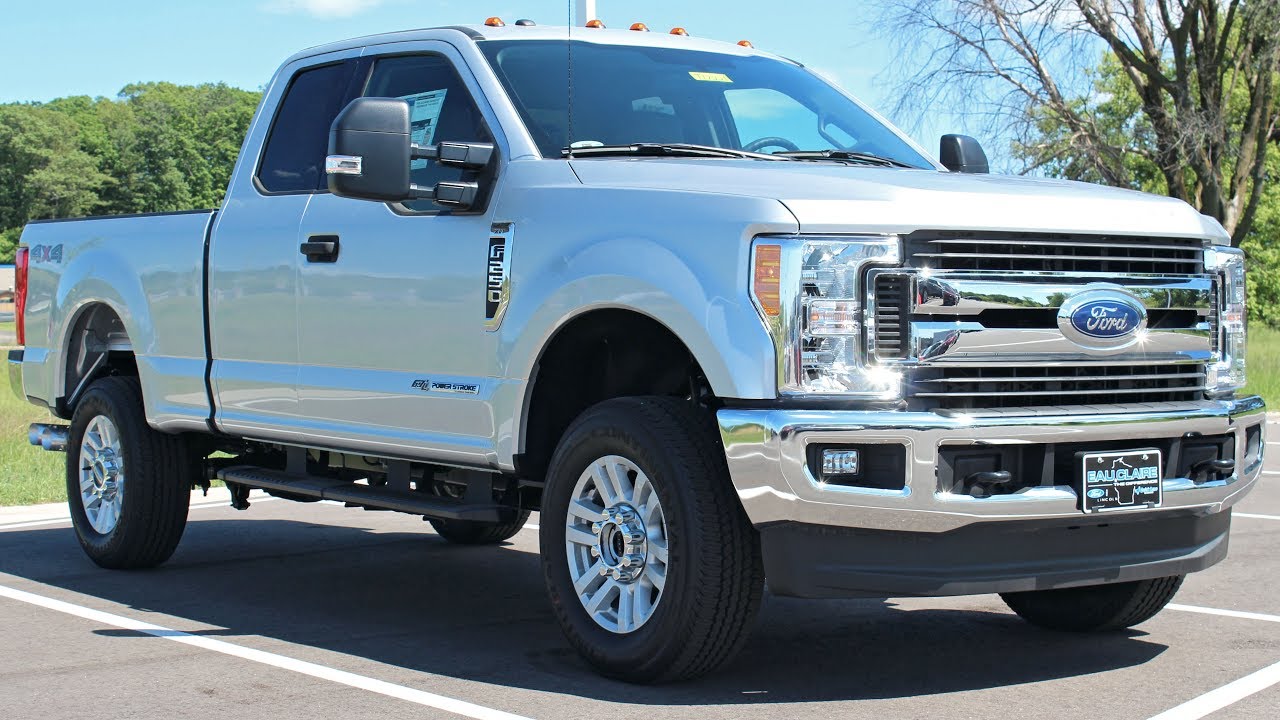
The filter housing itself is awkward to reach, especially with the engine bay as packed as it is. Your hand needs to go around coolant lines, wiring looms, and the firewall itself. It is a genuinely frustrating job even for experienced home mechanics.
Many F-250 owners who attempted this DIY report spending 30 to 45 minutes on the task. Some gave up partway through and had to reassemble without finishing the filter change. That kind of experience erodes confidence and wastes valuable time.
Dealerships and shops typically charge between 45 and 90 dollars in labor for this service. That cost reflects the actual difficulty and time involved in accessing the unit. For a truck that costs over sixty thousand dollars, this is a disappointing design reality.
Ford made this choice partly due to the Super Duty’s heavy-duty climate control system. The larger HVAC demands of a working truck required a different filter housing location. The trade-off in accessibility is a genuine downside for everyday owners.
Professional technicians use long-reach tools and have practiced this procedure dozens of times. They know exactly which clips to remove and in what order. That experience dramatically reduces the risk of damaging surrounding components during the process.
The F-250 also requires inspection of the housing seal during filter replacement. A compromised seal lets unfiltered outside air bypass the filter entirely. Verifying seal integrity requires knowing what to look for, which most DIYers do not.
Ford has improved documentation for this procedure in recent model years. But clear instructions do not change the physical reality of a tight, under-hood filter location. Documentation helps, but it does not make the job easier in practice.
If you own an F-250 and need a cabin filter change, schedule it with your next oil change service. Bundling maintenance visits reduces your shop trips and sometimes earns a labor discount. Let the technician handle this one while you focus on more accessible maintenance tasks.
2. Ram 2500 HD (2019–2024)
The Ram 2500 HD is a powerhouse of a truck that handles towing, hauling, and hard work with ease. Unfortunately, it handles cabin filter replacement with considerably less grace.
Like many heavy-duty trucks, the Ram 2500 positions its cabin filter in the engine compartment. It sits along the passenger-side firewall, tucked behind various engine accessories and fluid reservoirs. Visibility is limited, and access requires both patience and proper tools.
The filter housing on the 2500 is secured with multiple fasteners rather than simple clips. You need a screwdriver and possibly a socket wrench to remove the cover panel properly. That tool requirement alone pushes this job firmly into professional territory.
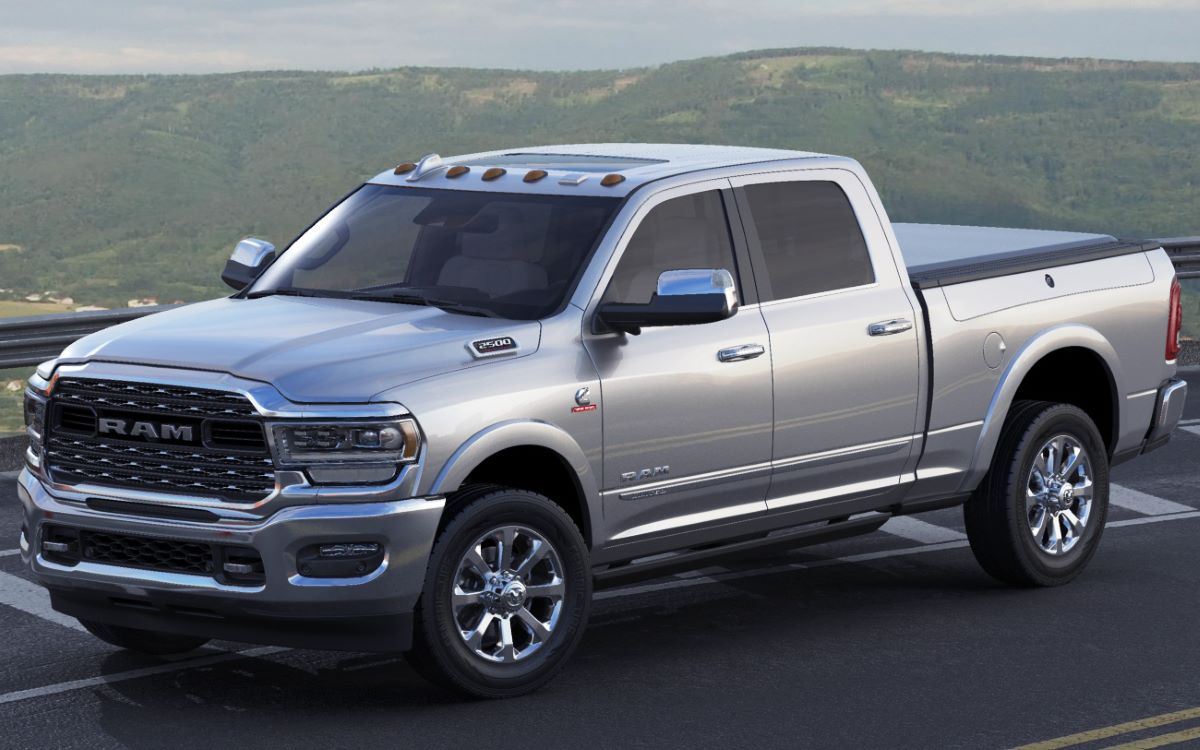
One of the main challenges is the sheer size of the engine bay on the 2500. Diesel models especially have crowded engine compartments with turbocharger plumbing and intercooler components. Going around all of that to reach the filter housing is a legitimate challenge.
Ram 2500 owners who tow heavy loads also need to be aware of how quickly filters clog in that environment. Diesel exhaust particulates, dust from unpaved launch ramps, and hay from farm roads all accelerate filter saturation. You may need to change this filter more often than the manual suggests.
Most dealerships charge 60 to 100 dollars in labor to replace the cabin filter on the 2500. That fee accounts for the access time, reassembly, and quality check afterward. Given the complexity involved, that labor rate is honestly justified.
A trained technician on the Ram 2500 knows to inspect the housing drain tubes during filter service. Blocked drain tubes allow water to accumulate inside the housing during rain or washing. Standing water inside a filter housing can cause mold growth and serious HVAC damage over time.
The Ram 2500 does offer a high-efficiency filter option as an OEM upgrade. This heavy-duty cabin filter is designed for exactly the kind of demanding environments where the 2500 lives. But accessing it still requires the same labor-intensive process regardless of filter quality.
Owners who use their 2500 for agricultural or construction work should build filter inspections into their regular service schedule. Quarterly inspections make sense for trucks that work in particularly dusty environments. That proactive approach prevents blower motor damage caused by severely restricted airflow.
Ram’s heavy-duty lineup is exceptional in almost every performance metric. The cabin filter access situation is one area where convenience was clearly sacrificed for other engineering priorities. This is a trade-off that heavy-duty buyers simply need to accept and plan around accordingly.
The takeaway for Ram 2500 owners is straightforward: build this into your scheduled maintenance visits. Do not try to tackle it in your driveway without the right tools and a solid game plan. A small shop fee prevents a potentially expensive mistake.
3. Chevrolet Silverado 2500HD (2020–2024)
The Chevrolet Silverado 2500HD is a serious truck for serious work. It is capable, durable, and frustrating to work on in the cabin filter department, specifically.
GM placed the cabin air filter on the 2500HD in the engine compartment near the firewall. The location makes engineering sense for a heavy-duty HVAC system, but it creates real headaches for maintenance. This is not a glove box job by any stretch of the imagination.
The access panel for the filter housing is secured with multiple plastic retaining clips and screws. Removing them in the correct sequence is important to avoid breaking the housing. A cracked filter housing on this truck is an expensive repair that nobody wants.
The engine bay of the 2500HD is particularly dense with Duramax diesel equipment on equipped models. Turbo pipes, DEF lines, and coolant hoses all compete for space near the filter housing. Even with small hands and the right tools, maneuvering can be genuinely difficult.
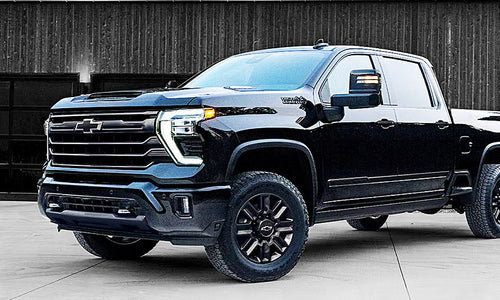
Professional technicians at Chevrolet dealerships complete this job in about 30 to 40 minutes. That timeline accounts for careful clip removal, filter inspection, and housing reassembly. DIY attempts without that practiced efficiency can easily stretch to 90 minutes or more.
Shop rates for this service typically run between 50 and 85 dollars at most independent shops. Dealerships may charge slightly more depending on your region and the current labor rate. But that fee protects your truck from accidental damage during access.
One thing technicians always check on the 2500HD is the condition of the filter housing gasket. This gasket creates the seal between the housing and the firewall. A worn gasket allows unfiltered air into the cabin and reduces the effectiveness of any new filter you install.
The 2500HD’s HVAC system is robust and designed to condition large cab volumes quickly. A clean filter is essential to maintaining that performance, especially during extreme temperature conditions. Neglecting this filter in a hot climate or brutal winter significantly degrades cabin comfort.
Owners of the 2500HD who use their trucks commercially should track this maintenance item carefully. Fleet managers often overlook cabin filters because the truck keeps running fine externally. But driver health and HVAC longevity both suffer when the filter is consistently neglected.
Chevrolet has made incremental improvements to access in recent model-year updates. But the fundamental engineering challenge remains unchanged across the current generation. Until GM redesigns the filter location, this will remain a shop-only job for most owners.
If you are buying a new 2500HD, factor in shop visits for this service every 15,000 to 20,000 miles. Budget accordingly and build the appointment into your annual maintenance calendar. Staying ahead of this keeps your truck in peak condition without emergency visits.
4. Toyota Tundra (2022–2024)
The all-new third-generation Toyota Tundra arrived in 2022 with a twin-turbocharged V6 engine and a completely redesigned interior. It brought impressive improvements in almost every area except cabin filter accessibility.
Toyota made some interesting packaging decisions with the new Tundra that affected where certain components landed. The cabin air filter ended up in a location that is significantly harder to access than on the previous generation. This was a surprising step backward from the ease of the older model.
On the 2022-and-newer Tundra, the filter housing requires partial removal of the lower dashboard trim on the passenger side. Several screws and push clips hold this panel in place, and they must be carefully removed before the housing can be accessed. Rushing this step causes broken clips that rattle and annoy you for months afterward.
The tight packaging around the Tundra’s filter housing reflects the dense electronics architecture of the new platform. Toyota packed a significant amount of advanced technology into a relatively compact dashboard structure. The cabin filter became collateral damage in that engineering exercise.
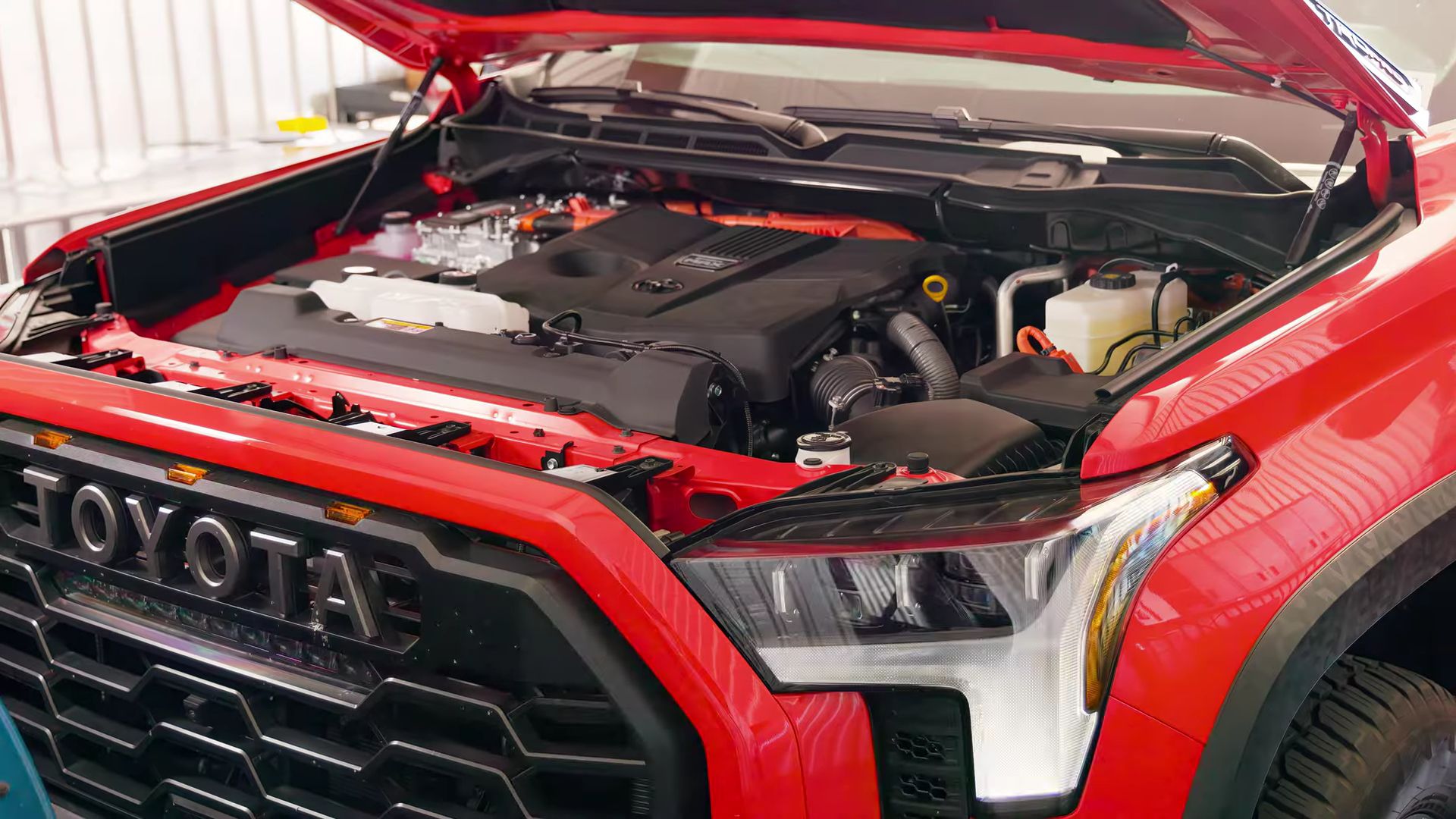
Toyota dealers typically charge between 60 and 90 dollars in labor to replace this filter. The fee is partly due to the trim removal required and partly due to the careful reassembly process. Paying for this service makes far more sense than cracking trim panels on a truck this expensive.
Technicians who specialize in Toyotas know to use a plastic trim removal tool during this process. Metal tools or flat-blade screwdrivers leave marks and scratches on the surrounding trim pieces. Protecting the interior finish is an important part of this service that professionals handle correctly.
The 2022 Tundra also introduced a new multi-layered cabin filter design with improved allergen filtration. This was a genuine upgrade in air quality from the previous generation. But the harder access makes actually replacing that improved filter a more daunting task for most owners.
Toyota owners coming from older Tundra models or Tacomas are often surprised by the difficulty increase. The previous-generation Tundra had a reasonably accessible filter location. The new model’s filter placement feels like a step backward for the DIY-friendly reputation Toyota worked hard to build.
Combining this service with other scheduled maintenance, like the multi-point inspection, makes practical sense. You are already paying labor rates during that visit, so adding the filter change costs relatively little extra. Efficiency at the shop level minimizes your total spending over time.
The Tundra remains an outstanding truck in virtually every other metric. Its new powertrain is exceptional, and its ride quality is genuinely impressive. The cabin filter access situation is a real drawback, but it does not diminish the ownership experience when planned for properly.
5. Nissan Titan XD (2016–2024)
The Nissan Titan XD occupies an interesting space between light-duty and heavy-duty trucks. It offers serious capability in a familiar full-size package, but it brings some heavy-duty maintenance complexity with it.
The cabin air filter on the Titan XD is not located behind the glove box like most light-duty competitors. Instead, it is positioned inside the engine compartment on the passenger side near the cowl. This placement is more common on heavy-duty trucks and adds significant difficulty to the replacement process.
Accessing the Titan XD’s filter requires opening the hood and working in the engine bay. The filter housing cover is secured with multiple fasteners that are not immediately obvious upon first inspection. Locating all of them requires either a service manual or a detailed how-to video.
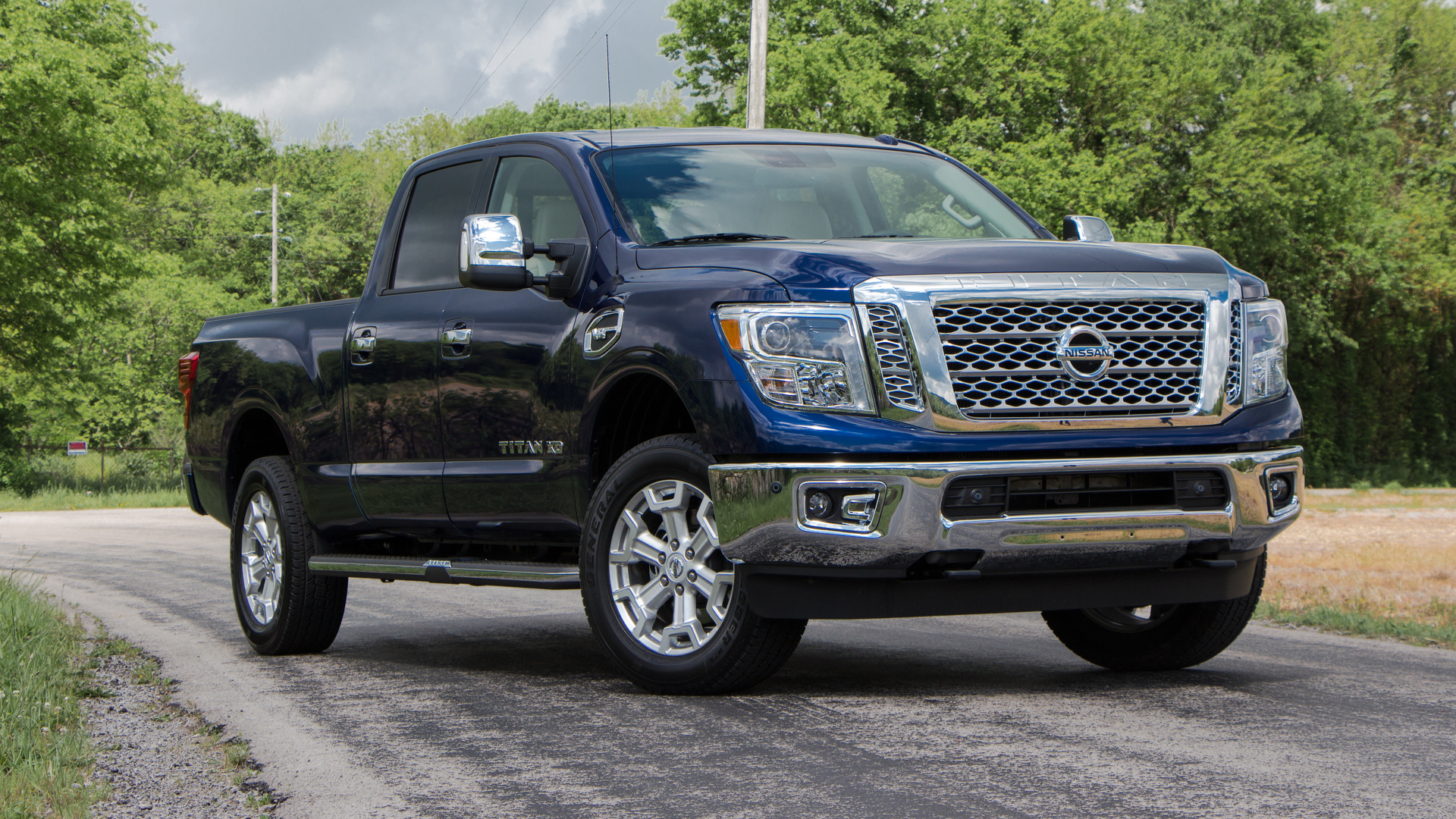
The Titan XD’s engine bay is not as densely packed as a diesel Super Duty or Duramax truck. However, the routing of coolant lines and the positioning of the air intake system still make the job awkward. You need to reach around or over several components to properly access the housing.
First-time DIYers who attempt this job without preparation commonly report two issues. They miss a fastener and try to force the housing open, or they crack the housing cover because of uneven pressure. Both mistakes result in additional repair costs that far exceed the cost of professional service.
Nissan dealerships and independent shops typically charge between 55 and 80 dollars in labor for this service. That cost is lower than some heavy-duty trucks but higher than any of the easy-access trucks on this list. The labor charge reflects the real time involved in completing the job properly.
One advantage of the Titan XD’s filter housing design is its use of a drain port at the bottom. This drain prevents water accumulation inside the housing during rain or high-pressure washing. A technician checking this drain during service prevents future mold and moisture damage.
Nissan’s cabin filter for the Titan XD is a specialized part not always found at every auto parts store. You may need to order it online or source it directly from a Nissan dealer. That parts availability challenge adds another layer of inconvenience to the DIY approach.
The Titan XD’s HVAC system is well-regarded for its powerful airflow and quick cabin temperature control. Maintaining that performance requires a clean filter at regular intervals. Neglecting it in a truck used for towing or off-road driving leads to noticeably degraded climate control output.
Nissan has not significantly altered this filter location across the current Titan XD generation. It appears that engine bay packaging priorities will continue to dictate this placement going forward. Titan XD owners should simply plan for professional service and budget accordingly.
The Titan XD is a capable and underrated truck that deserves more recognition in the marketplace. Its cabin filter situation is a genuine inconvenience, but it is manageable with proper planning. Schedule it alongside your oil changes and move on to enjoying what this truck does best.
Also Read: EVs Average 80 Percent More Issues Than Gas Cars in the 2026 Consumer Reports Study
