
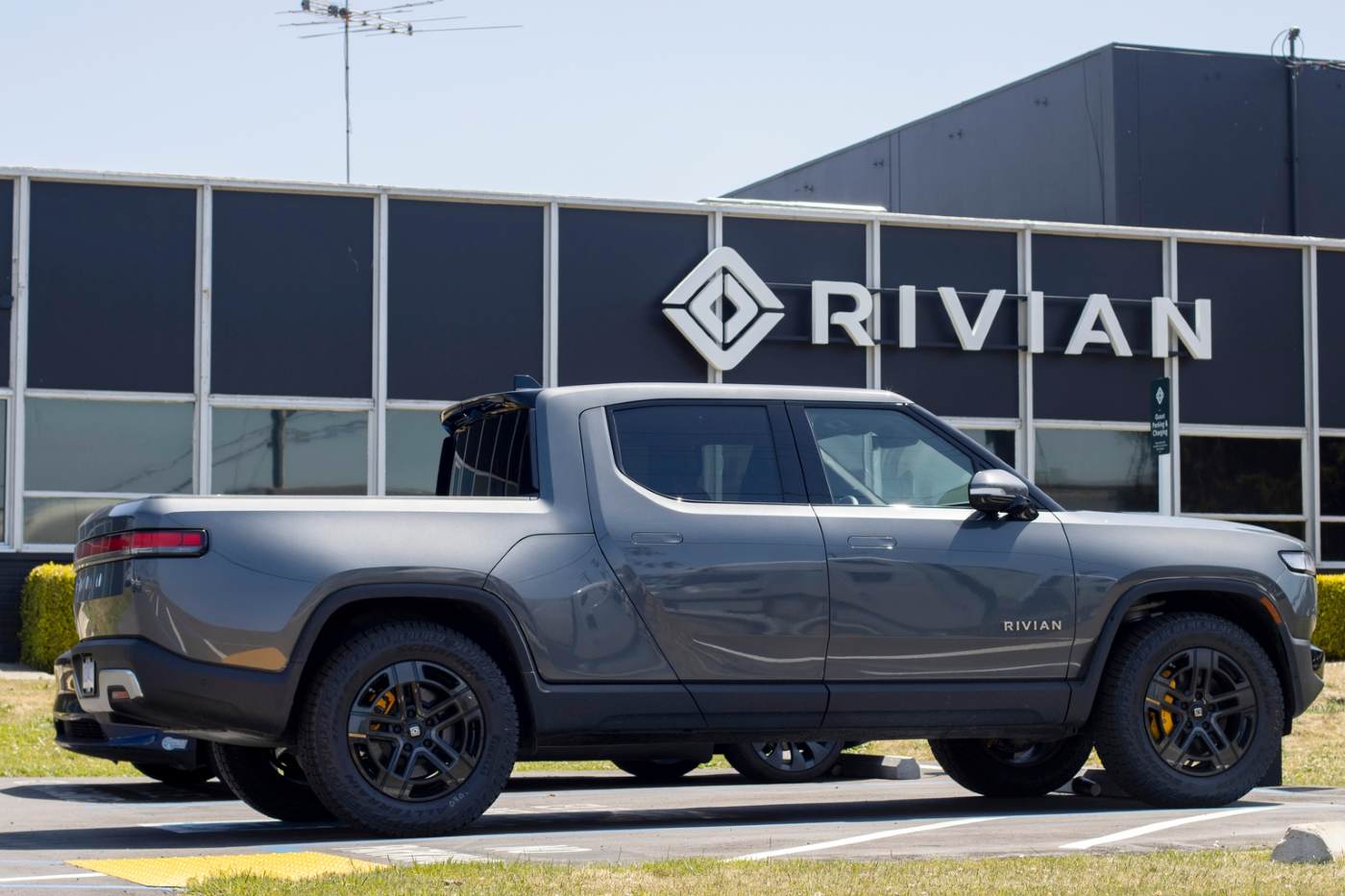
The story of electric adventure vehicles has taken a fascinating turn in 2026, especially when discussing Rivian and its growing community of dedicated owners. Despite receiving one of the lowest reliability scores in recent industry evaluations, Rivian trucks continue to inspire strong loyalty among drivers who prioritize performance, innovation, and lifestyle over traditional dependability metrics.
Discussion around Rivian’s reliability score in 2026 has become a widely searched automotive topic, not because owners are abandoning the brand, but because they are actively defending it in online forums, real-world conversations, and ownership reviews.
This paradox raises an important question about how modern vehicle satisfaction is measured and whether traditional reliability ratings fully capture the experience of electric vehicle ownership.
Rivian R1T and R1S models represent a new generation of electric trucks and SUVs designed for adventure, off-road capability, and software-driven performance. While critics point to mechanical glitches, software bugs, and early production inconsistencies, many owners highlight a very different reality. They describe vehicles that feel futuristic, highly capable, and uniquely tailored for outdoor lifestyles.
In fact, discussions around Rivian owners love their trucks often emphasize emotional satisfaction, design appreciation, and driving experience rather than purely mechanical reliability. This creates a divide between statistical scoring systems and real-world user sentiment that is particularly visible in 2026 automotive reports.
The reliability concerns associated with Rivian in 2026 stem largely from its position as a relatively young automaker competing in a highly complex electric vehicle market. Like many early-stage manufacturers, Rivian has faced challenges in scaling production, refining software systems, and ensuring long-term component durability.
However, these challenges have not significantly diminished enthusiasm among its core customer base. Instead, many owners view these issues as growing pains associated with innovation. The brand’s focus on over-the-air updates, continuous improvement, and customer engagement has helped maintain trust even when traditional reliability metrics suggest caution.
What makes this situation especially interesting is the contrast between perception and satisfaction. While reliability scores often influence purchasing decisions, they do not always reflect how enjoyable or meaningful a vehicle is to own.
Rivian drivers frequently report that their trucks deliver experiences that no other electric vehicle currently matches, particularly in off-road environments, camping setups, and tech-integrated driving. This has created a loyal community that values uniqueness over perfection. As a result, the Rivian reliability score 2026 discussion is less about rejection and more about understanding why owners stay committed despite known issues.
We will explore why Rivian owners remain loyal, how reliability scores are determined, what real-world ownership looks like, the most common issues reported, and what the future may hold for Rivian as it continues to evolve.
By examining both data and user sentiment, we can better understand why Rivian continues to thrive emotionally among its customers even when traditional metrics suggest otherwise.
Also Read: 10 Cars With Insurance Premiums Lower Than a Compact Sedan
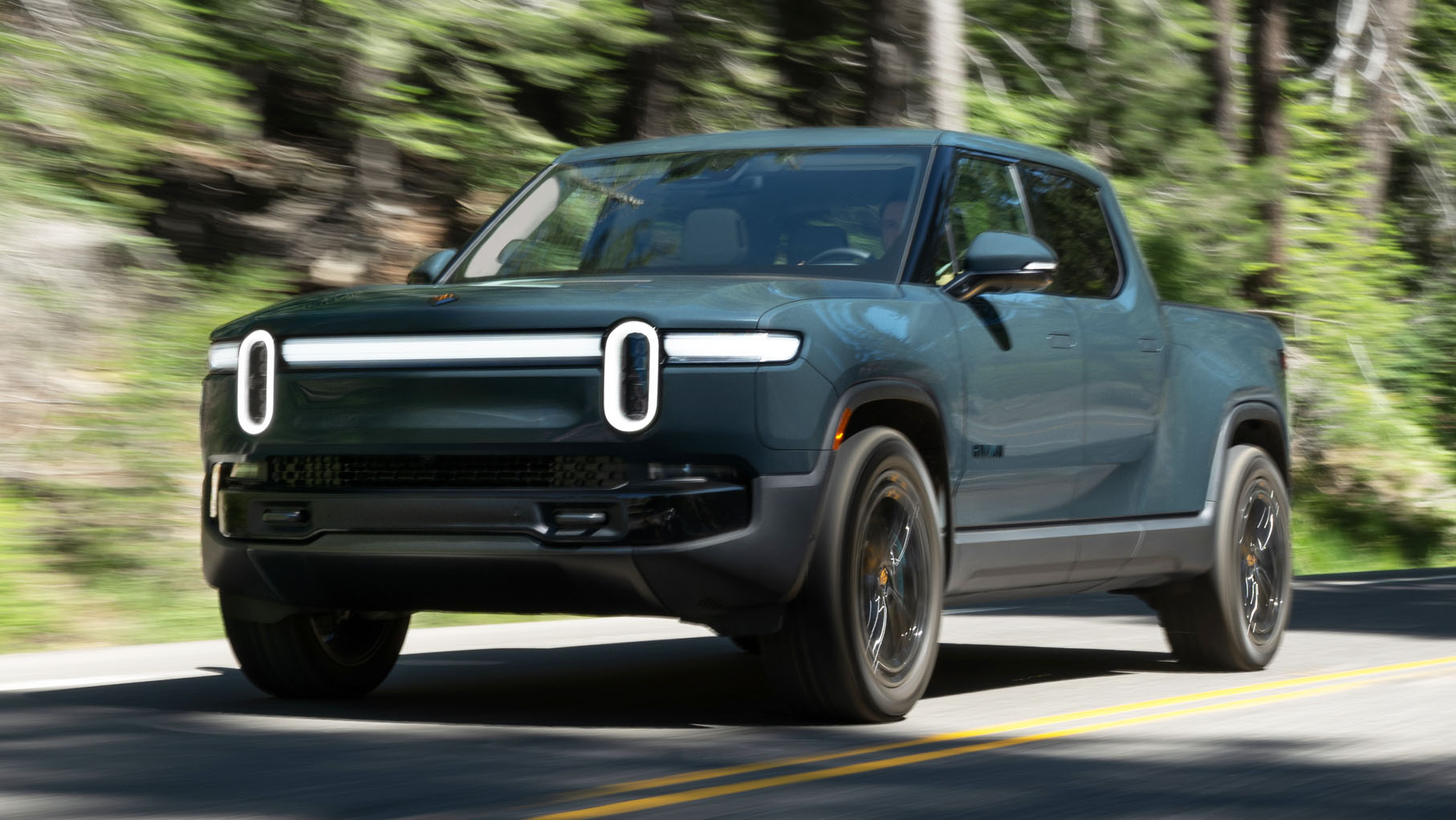
Why Rivian Owners Still Love Their Trucks Despite Concerns?
Rivian owners often describe their trucks as more than just transportation, and this emotional connection plays a major role in why loyalty remains strong despite reliability concerns. For many drivers, the appeal begins with the design philosophy of Rivian, which blends rugged off-road capability with advanced electric technology.
Owners frequently highlight the sense of adventure these vehicles provide, especially when used for camping, overlanding, and long-distance travel. Even when minor issues arise, the experience tends to overshadow frustrations, leading to high satisfaction scores in owner surveys that contradict low reliability rankings.
Another key factor is the driving experience itself. Rivian trucks deliver instant torque, smooth acceleration, and a level of control that traditional combustion engine trucks often cannot match. Many owners report that once they become accustomed to electric performance, it becomes difficult to return to conventional vehicles.
This creates a psychological shift where reliability issues are viewed as temporary inconveniences rather than deal breakers. The emotional enjoyment of driving becomes a stronger factor than mechanical perfection.
Community also plays a significant role in sustaining loyalty. Rivian owners often participate in online groups, forums, and meetups where they share experiences, modifications, and travel stories.
These communities tend to normalize minor issues by framing them as part of early adoption. Instead of discouraging ownership, discussions often reinforce the idea that being part of the Rivian ecosystem means contributing to the evolution of a new automotive category. This sense of belonging helps offset concerns about reliability scores.
Software updates further influence ownership satisfaction. Rivian’s ability to improve vehicle functionality over time through over-the-air updates gives owners a sense that their trucks are constantly evolving.
Features are added, performance is refined, and bugs are addressed without requiring dealership visits. This dynamic improvement model creates optimism among users, who often believe that current reliability concerns will diminish as the software matures.
Lifestyle integration is a major reason for continued enthusiasm. Rivian vehicles are designed with outdoor living in mind, including gear tunnels, camp modes, and power systems that support remote activities. Owners who actively use these features often find that no other vehicle matches their practical utility. This functional advantage strengthens emotional attachment and helps explain why Rivian owners remain loyal despite negative reliability headlines.
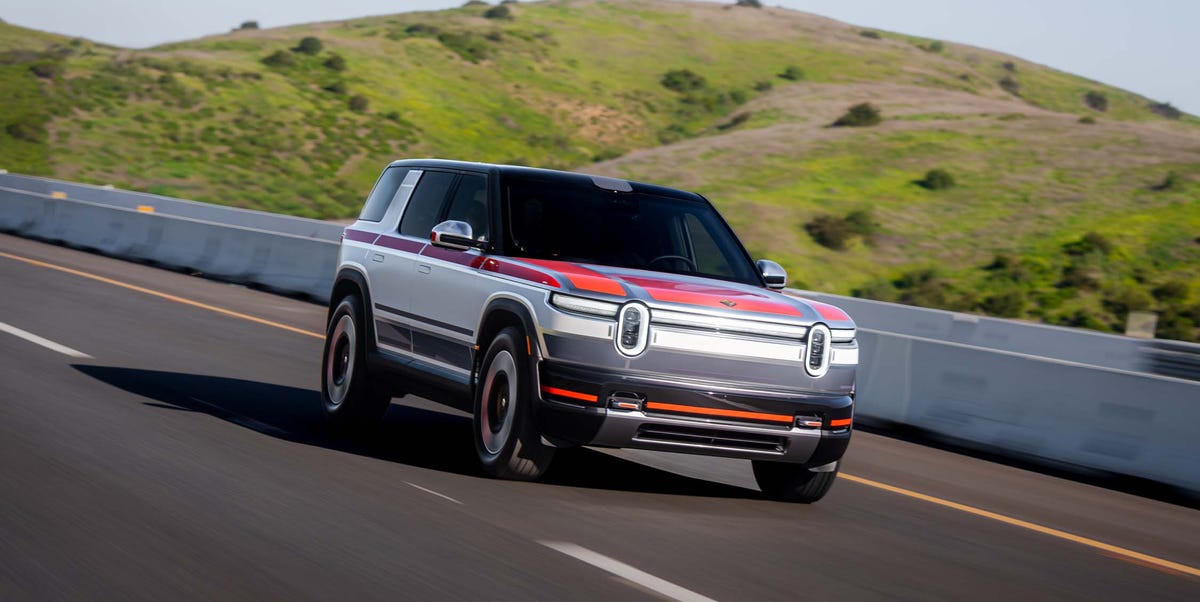
Understanding the 2026 Rivian
The Rivian reliability score for 2026 has been widely discussed in automotive analysis, but understanding it requires context about how reliability is measured. Most scoring systems rely on reported issues per vehicle, including mechanical failures, software bugs, and repair frequency.
Since Rivian is still a relatively new automaker compared to legacy brands, its vehicles are under more scrutiny during early production cycles. This often results in lower scores that reflect growing pains rather than long-term durability trends.
One major factor affecting reliability ratings is the complexity of electric vehicle systems. Rivian trucks integrate advanced battery management systems, multiple control units, and extensive software-driven features.
While these technologies improve performance and capability, they also introduce more potential points of failure compared to simpler mechanical systems. As a result, early-generation vehicles are more likely to experience software glitches or calibration issues, which negatively impact reliability scoring.
Another important consideration is production scaling. As Rivian increased manufacturing output, early quality control inconsistencies were reported in some batches.
These included minor fit and finish issues, sensor calibration errors, and occasional electronic malfunctions. While many of these problems were addressed in later production runs, reliability surveys often capture early data that can skew scores downward. This creates a lag between real improvements and reported statistics.
It is also important to note that reliability scores often emphasize frequency of repair rather than severity or impact. Many Rivian owners report that while issues may occur, they are often non-critical and resolved through software updates or quick service appointments.
This means that the ownership experience may remain positive even when the numerical score suggests otherwise. The difference between inconvenience and failure becomes a key distinction in interpreting these ratings.
Consumer expectations play a role in how reliability is perceived. Buyers of advanced electric trucks often expect cutting-edge technology, which inherently comes with higher complexity. This means that small issues may be more visible or noticeable compared to traditional vehicles.
As a result, Rivian’s low reliability score in 2026 does not necessarily reflect poor engineering, but rather the challenges of pioneering a new segment in the automotive industry.
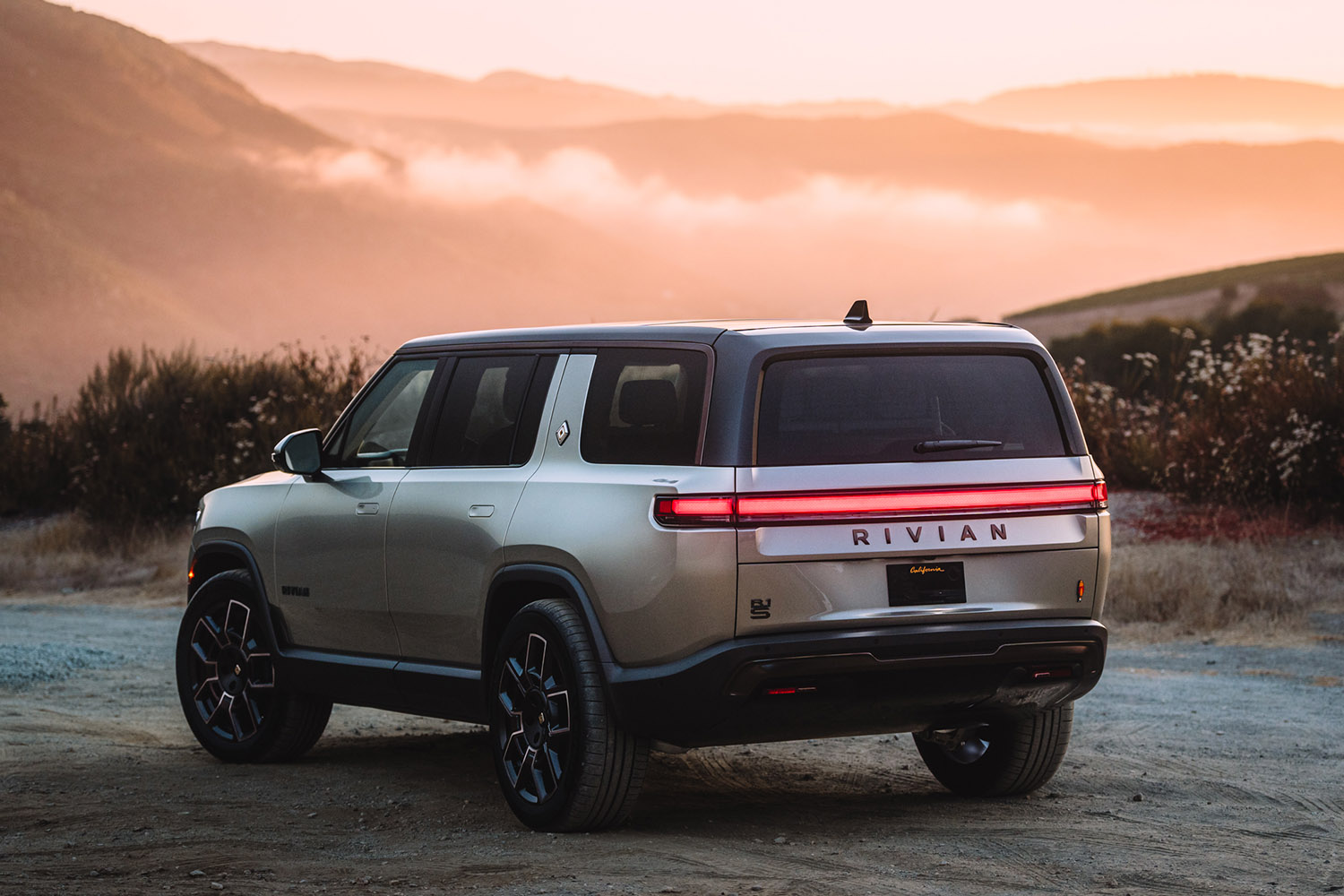
Real World Ownership Experience
Real-world ownership of Rivian trucks reveals a more nuanced picture than reliability scores suggest. Many drivers emphasize that the driving dynamics are among the best in the electric truck category. Acceleration is smooth and powerful, handling is precise, and the vehicles feel stable even in challenging terrain. For owners who value performance, these strengths often outweigh occasional technical issues.
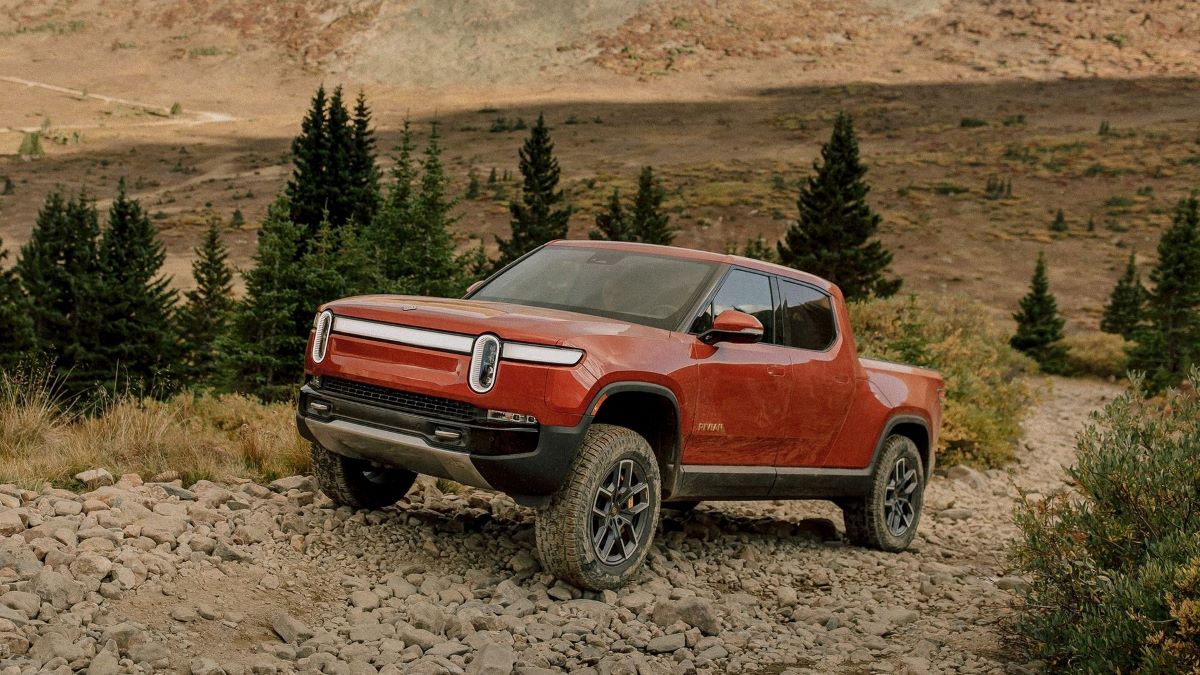
A highly praised aspect is its off-road capability. Rivian trucks are built with adventure in mind, featuring adjustable air suspension, multiple drive modes, and strong ground clearance.
Owners frequently share experiences of successfully handling difficult trails, snow-covered roads, and remote camping locations. These capabilities make the vehicles highly versatile, reinforcing the perception that they are built for more than just urban commuting.
Interior comfort and design also contribute to positive ownership experiences. The cabin layout is modern, spacious, and focused on usability. Materials are chosen to balance durability and aesthetics, which appeals to outdoor enthusiasts. Many owners appreciate the minimalistic yet functional design, which supports both daily driving and extended travel. This sense of thoughtful design helps build long-term satisfaction.
Technology integration is another major strength. Rivian vehicles feature large touchscreens, intuitive interfaces, and advanced driver assistance systems. While software issues can occur, the user experience is often described as futuristic and engaging.
Over-the-air updates continue to enhance functionality, adding new features that improve usability over time. This constant evolution keeps the ownership experience fresh.
Features such as built-in storage solutions, power outlets, and camping modes make Rivian trucks highly adaptable. Owners often use their vehicles for activities ranging from road trips to outdoor work. This versatility ensures that even when minor issues arise, the utility of the vehicle remains high, reinforcing continued loyalty.
Reliability Issues Reported and Their Impact
Despite strong owner loyalty, Rivian vehicles in 2026 are not without reported issues. A common concern involves software glitches, including infotainment system freezes, sensor calibration delays, or occasional navigation errors. While most issues are resolved through updates, they can temporarily affect the user experience and contribute to lower reliability scores.
Another frequently mentioned issue is related to electronic systems. Because Rivian trucks rely heavily on integrated electronics for performance and control, even small malfunctions can have noticeable effects.
Owners have reported occasional sensor warnings or system resets. Although these issues are typically not safety-critical, they contribute to perceptions of inconsistency in early production models.
Build quality variations have also been noted in some cases. Early manufacturing batches occasionally showed minor inconsistencies in panel alignment, interior finishes, or trim components. While these do not usually impact functionality, they influence customer perception of quality. As production processes improve, these issues are expected to decrease, but they still affect historical reliability data.
Service availability and repair times can also influence ownership experience. As a relatively new manufacturer, Rivian has been expanding its service network, but coverage is still developing in some regions. This can lead to longer wait times for certain repairs. However, many owners report that the company is responsive and proactive in addressing issues when they arise.
Battery and charging concerns are occasionally discussed, although less frequently than software or build issues. Most owners report strong battery performance and satisfactory range, but environmental factors and usage patterns can influence real-world results. While these issues impact reliability scores, they do not appear to significantly reduce long term owner satisfaction.
What Rivian Needs to Fix!
The future of Rivian depends heavily on how effectively it addresses current reliability concerns while maintaining its innovative edge. A key area for improvement is software stability. As vehicles become increasingly digital, ensuring consistent and bug-free performance will be essential for improving reliability scores and strengthening customer confidence.
Another key focus is manufacturing consistency. As production scales, maintaining high build quality across all units will be critical. Reducing variation in assembly quality will help improve customer perception and align reliability metrics more closely with real-world satisfaction. This includes improving supplier coordination and quality control processes.
Expanding service infrastructure is also a major priority. Faster repair times and broader service coverage will directly improve ownership experience. As more service centers open, customers will benefit from reduced downtime and improved support. This will also help address concerns about long-term maintenance accessibility.
Software and hardware integration will continue to evolve. Future updates are expected to refine driver assistance systems, improve energy efficiency, and enhance user interface responsiveness. These improvements will not only address current issues but also strengthen Rivian’s position as a technology-driven automaker.
Communication with customers will remain a defining factor. Rivian has already built a strong reputation for engaging with its community, and continuing this transparency will help maintain trust. As improvements are rolled out, keeping owners informed will reinforce loyalty and help bridge the gap between reliability scores and real-world satisfaction.
Also Read: 10 Cars That Survive Being Used as Daily Uber Vehicles
The Outlook for Rivian in 2026 and Beyond
In 2026, highlights a unique divide between statistical reliability and emotional ownership satisfaction. While reliability scores may place the brand at a disadvantage in traditional rankings, real-world experiences tell a more complex story. Owners continue to value performance, design, capability, and innovation over perfect mechanical consistency.
As the company matures, many of the current reliability concerns are likely to improve through better manufacturing processes, software refinement, and expanded service networks.
The foundation of strong customer loyalty provides a significant advantage that many new automakers struggle to achieve. This loyalty suggests that even if early challenges persist, long-term success remains achievable.
Rivian represents a shift in how vehicles are evaluated. Instead of focusing solely on reliability metrics, owners are increasingly considering experience, technology, and lifestyle integration. This evolution in expectations explains why Rivian trucks remain highly loved despite their shortcomings in traditional scoring systems.
