

Car ownership has evolved significantly over the past two decades, not only in terms of technology, safety, and fuel efficiency but also in how manufacturers support long-term maintenance costs. One of the most important yet often overlooked aspects of owning a modern vehicle is the manufacturer’s maintenance plan.
These plans, sometimes called prepaid maintenance packages or service plans, are offered by automakers to cover routine services such as oil changes, brake inspections, tire rotations, fluid replacements, and scheduled inspections for a fixed upfront or monthly cost.
In theory, these plans are designed to provide convenience, cost predictability, and sometimes even savings compared to paying for maintenance individually over time. However, the real value depends heavily on the brand, model reliability, service interval structure, and local dealership pricing.
Some manufacturers build maintenance plans that genuinely reduce long-term ownership costs, while others structure them in a way that makes the buyer pay more than they would with pay-as-you-go servicing.
For example, brands known for strong reliability and predictable service schedules often provide maintenance plans that align closely with actual service needs, allowing owners to benefit financially and operationally. On the other hand, luxury brands or manufacturers with higher service costs may bundle plans that look attractive on paper but fail to deliver real savings when compared to independent service options or standard dealership visits.
Another key factor is how long owners keep their vehicles. Maintenance plans tend to deliver the most value when a car is kept for at least five to seven years, especially if the plan locks in today’s service prices against future inflation. However, if a vehicle is sold or traded in early, much of the prepaid value is lost, reducing the return on investment.
Additionally, manufacturer maintenance plans are not the same as extended warranties. Maintenance plans cover routine wear items and scheduled services, while warranties cover unexpected mechanical failures. Many buyers confuse the two, which leads to unrealistic expectations about cost coverage.
This article breaks down five cars whose manufacturer maintenance plans generally pay off in real-world ownership and five that typically do not, based on reliability trends, service cost structure, and ownership value patterns. The goal is to help buyers make informed financial decisions before committing to a prepaid maintenance plan.
Also Read: 10 Cars With Insurance Premiums Lower Than a Compact Sedan
Cars With Maintenance Plans That Pay Off
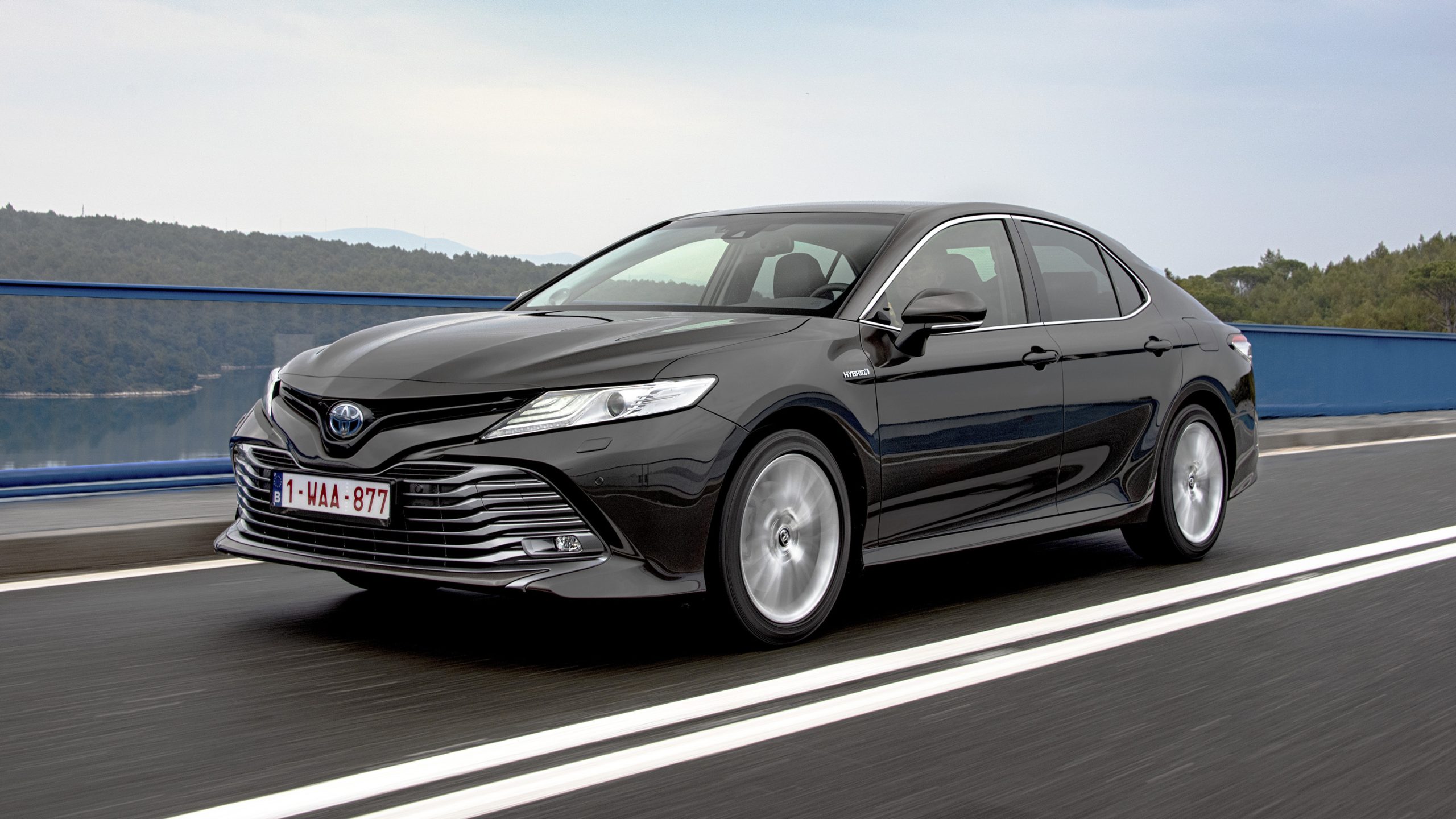
1. Toyota Camry
The Toyota Camry consistently ranks among the most reliable midsize sedans in the global automotive market, and this reliability is the foundation of why its manufacturer’s maintenance plans tend to deliver strong value.
Toyota designs the Camry with long service intervals, durable engine components, and a focus on predictable wear patterns, which makes prepaid maintenance packages far more efficient compared to vehicles with inconsistent upkeep needs.
One of the biggest advantages of Camry maintenance plans is alignment with real-world servicing frequency. Routine maintenance items such as oil changes, air filter replacements, tire rotations, and brake inspections follow a steady schedule that rarely deviates under normal driving conditions. This means owners are far more likely to fully utilize every covered service in their plan, maximizing financial return.
Another important factor is cost stability. Toyota dealerships typically maintain standardized pricing structures across regions, which allows maintenance plans to be evaluated with clarity and predictability.
Unlike luxury brands where service costs can fluctuate significantly depending on location or model variation, the Camry’s maintenance ecosystem remains relatively uniform. This reduces the risk of overpaying for prepaid services.
Additionally, the Camry’s low frequency of unexpected mechanical issues strengthens the value of its maintenance plans. Since the vehicle is engineered for longevity and minimal breakdowns, most of the maintenance plan cost goes directly toward scheduled servicing rather than compensating for repairs. Over a five to seven-year ownership cycle, this creates a strong cost balance in favor of the owner.
Resale value plays a subtle but important role. A well-maintained Camry with a documented service history supported by a manufacturer plan often retains higher resale value, which indirectly improves the return on investment. Buyers in the used car market tend to prefer vehicles with consistent dealership servicing, further reinforcing the financial benefit.
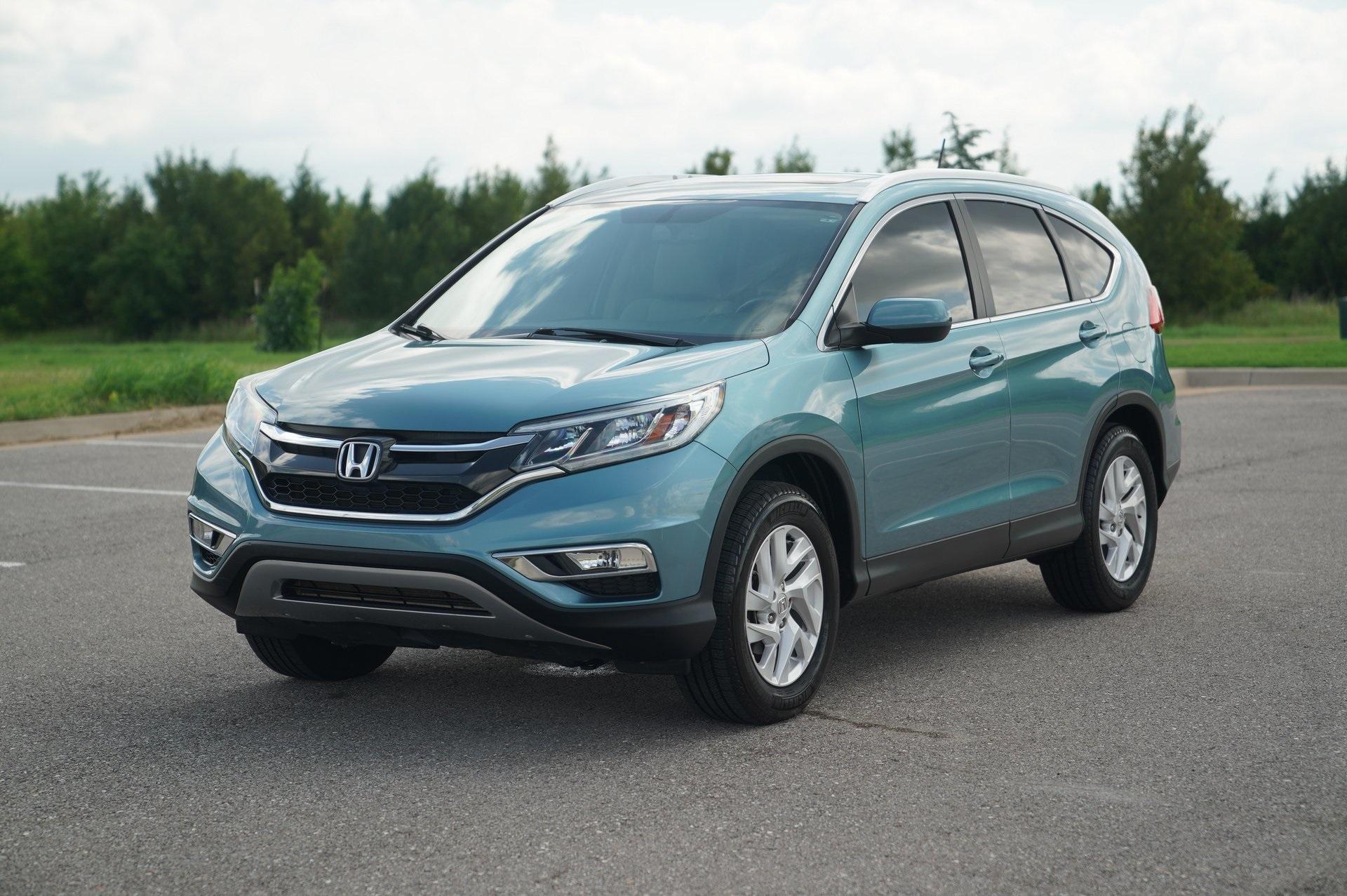
2. Honda CR-V
The Honda CR-V is one of the most popular compact SUVs in the world, and its manufacturer’s maintenance plans are generally considered highly effective due to the vehicle’s balance of reliability, efficiency, and practical engineering. Honda has designed the CR-V with simplicity and durability in mind, which directly reduces unnecessary maintenance complexity and improves plan utilization.
A key strength of the CR-V’s maintenance structure is its predictable service intervals. Honda typically follows a clear maintenance minder system that alerts owners when servicing is actually needed rather than relying on overly frequent fixed schedules. This ensures that prepaid maintenance plans are used efficiently without redundant servicing, increasing value.
Another factor contributing to strong maintenance plan performance is the CR-V’s low repair incidence rate. The engine and transmission systems are known for long-term durability, which means that most maintenance spending goes toward scheduled upkeep rather than unexpected repairs. This creates a stable cost environment where prepaid plans can be fully optimized.
Fuel efficiency and daily usability also play a role in plan effectiveness. Because the CR-V is commonly used for commuting, family transport, and long-distance travel, mileage accumulation tends to be steady. This ensures that maintenance milestones are reached consistently, preventing underutilization of prepaid services.
Honda’s widespread service network and relatively affordable labor rates make maintenance plans more financially rational. Even if a plan is purchased at a dealership, the underlying service costs are not inflated to the same degree as luxury competitors. Over time, this helps CR-V owners achieve noticeable savings and convenience benefits.
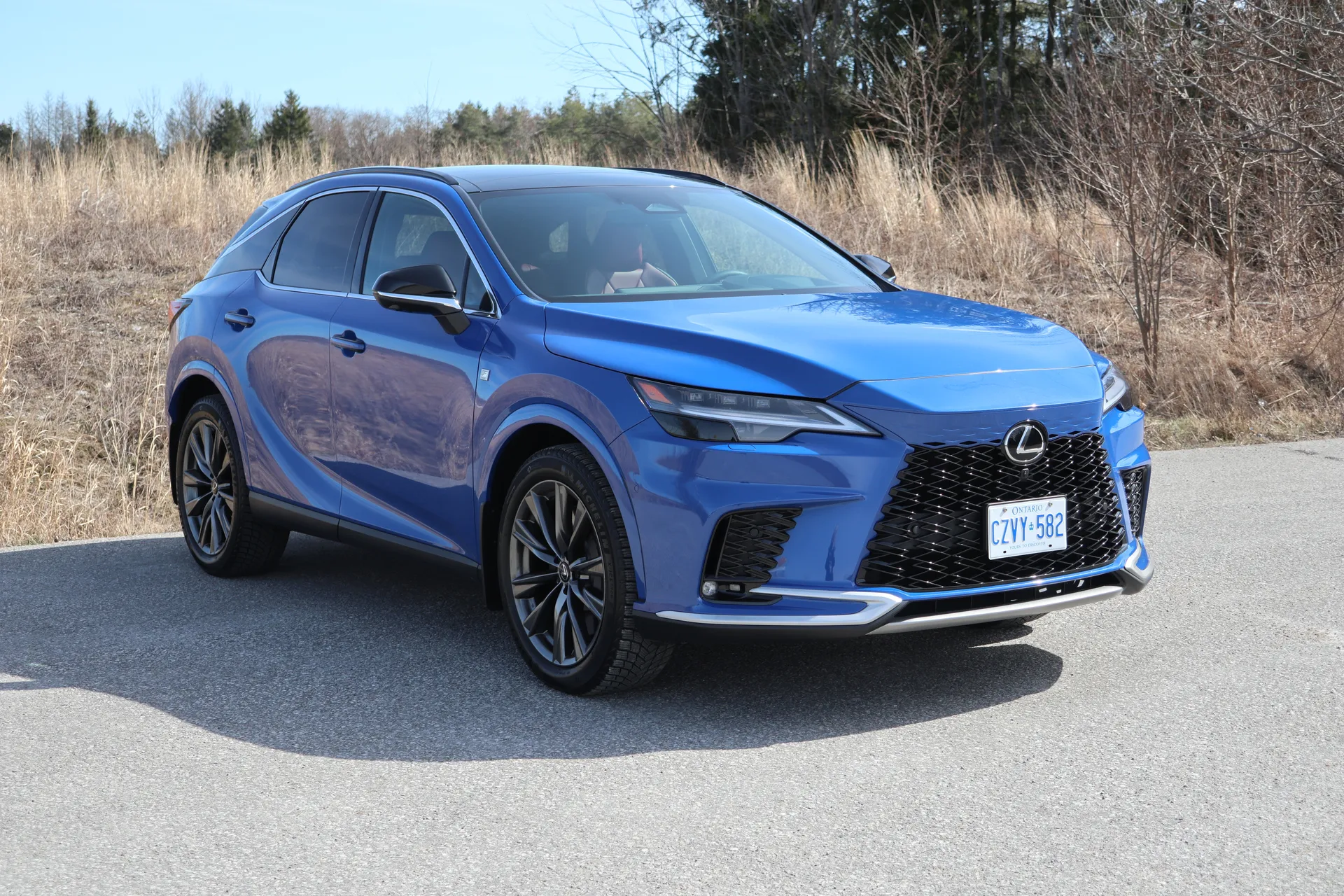
3. Lexus RX
The Lexus RX occupies a unique position in the automotive market because it combines luxury-level comfort with Toyota-level reliability. This combination is exactly what makes its manufacturer’s maintenance plans particularly valuable compared to other premium SUVs. While the upfront cost of these plans is higher, the long-term savings and cost predictability often justify the investment.
One of the primary advantages is the high cost of individual dealership servicing for luxury vehicles. The Lexus RX requires premium-grade fluids, specialized diagnostic equipment, and trained technicians, all of which significantly increase per-service expenses. A prepaid maintenance plan effectively locks in these costs at today’s rates, protecting owners from future price increases.
Another important factor is consistency in maintenance scheduling. The RX follows a relatively structured service timeline that includes oil changes, tire rotations, brake inspections, and system diagnostics at predictable intervals. This stability ensures that prepaid maintenance plans are fully utilized without gaps or unexpected deviations.
Reliability also plays a major role. The RX is known for low breakdown rates compared to other luxury SUVs, meaning maintenance plans are not offset by frequent repair costs. Instead, the plan is used primarily for preventive care, which is exactly how it is designed to function.
Long-term ownership amplifies the value of the plan. Many Lexus RX owners keep their vehicles for extended periods, often beyond seven years. Over this timeframe, the cost savings from locked-in maintenance pricing become more significant, especially as dealership service rates increase over time due to inflation and labor cost growth.
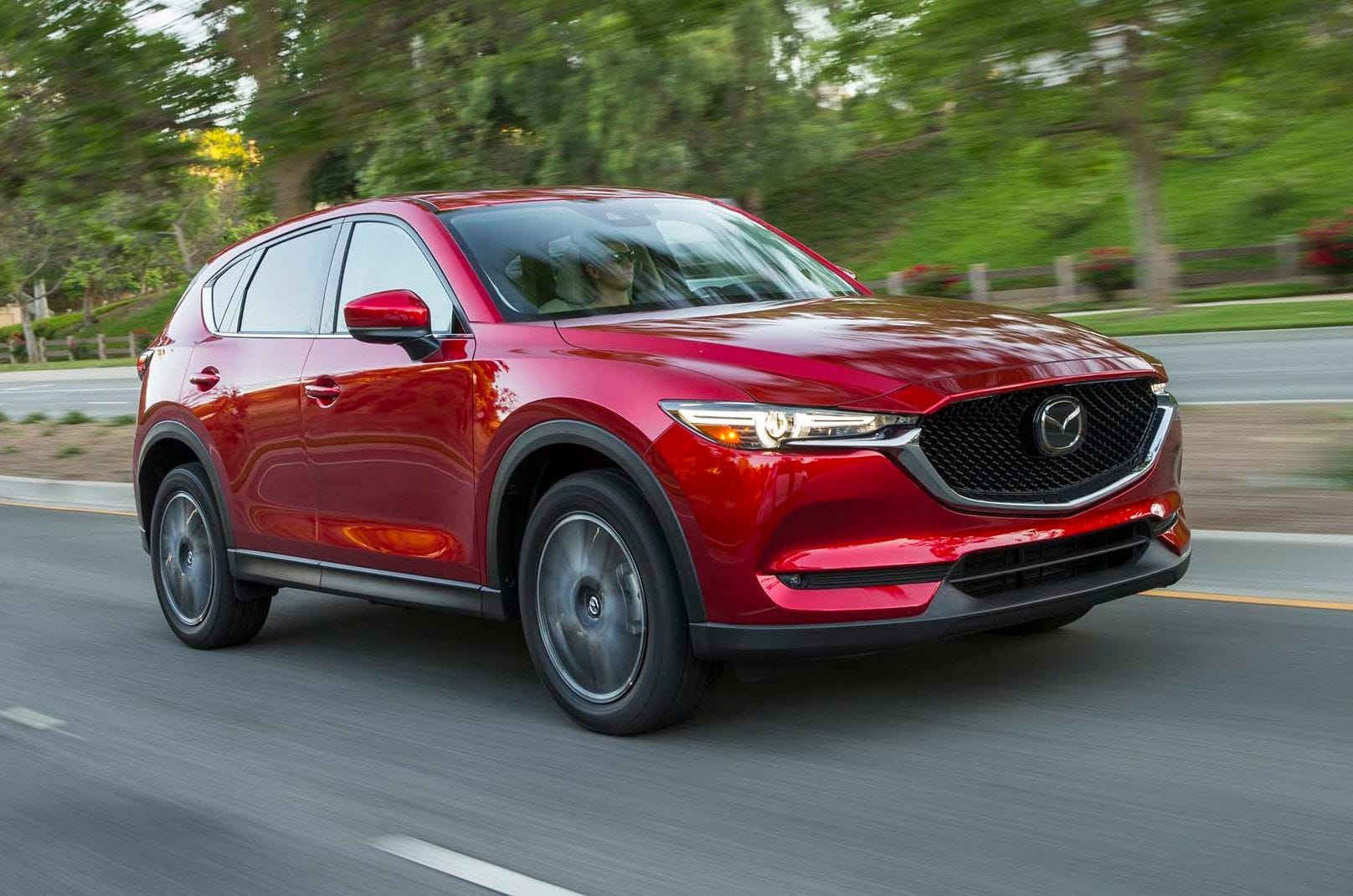
4. Mazda CX-5
The Mazda CX-5 stands out in the compact SUV segment for offering near-premium driving dynamics combined with strong reliability and relatively low maintenance complexity. This combination makes its manufacturer’s maintenance plans highly efficient when compared to many competitors in the same category.
One of the strongest advantages of the CX-5 is its simplified engineering approach. Mazda focuses on refining internal combustion efficiency and mechanical durability rather than overly complex hybrid or turbocharged systems in many configurations. This reduces the likelihood of unpredictable service needs and ensures that prepaid maintenance plans are used primarily for scheduled upkeep.
Another key factor is cost predictability. Mazda service intervals are straightforward, typically involving oil changes, tire rotations, brake inspections, and fluid checks at consistent mileage milestones. Because of this, owners rarely face surprises in maintenance requirements, which increases the effectiveness of prepaid coverage.
The CX-5 also benefits from relatively low ownership costs compared to both luxury SUVs and some turbocharged competitors. Even outside of maintenance plans, routine servicing tends to be affordable, meaning prepaid plans are focused on convenience and budgeting rather than compensating for high baseline costs.
Durability is another important contributor. The CX-5 has earned a reputation for long-term mechanical stability, especially in naturally aspirated engine variants. This reduces the risk of major repairs during the ownership period, ensuring that maintenance plans are not diluted by unexpected expenses.
The CX-5 appeals to owners who prefer long-term vehicle retention. When kept for five years or more, prepaid maintenance plans tend to align well with the vehicle’s natural service lifecycle, creating a balanced cost structure that favors the owner.
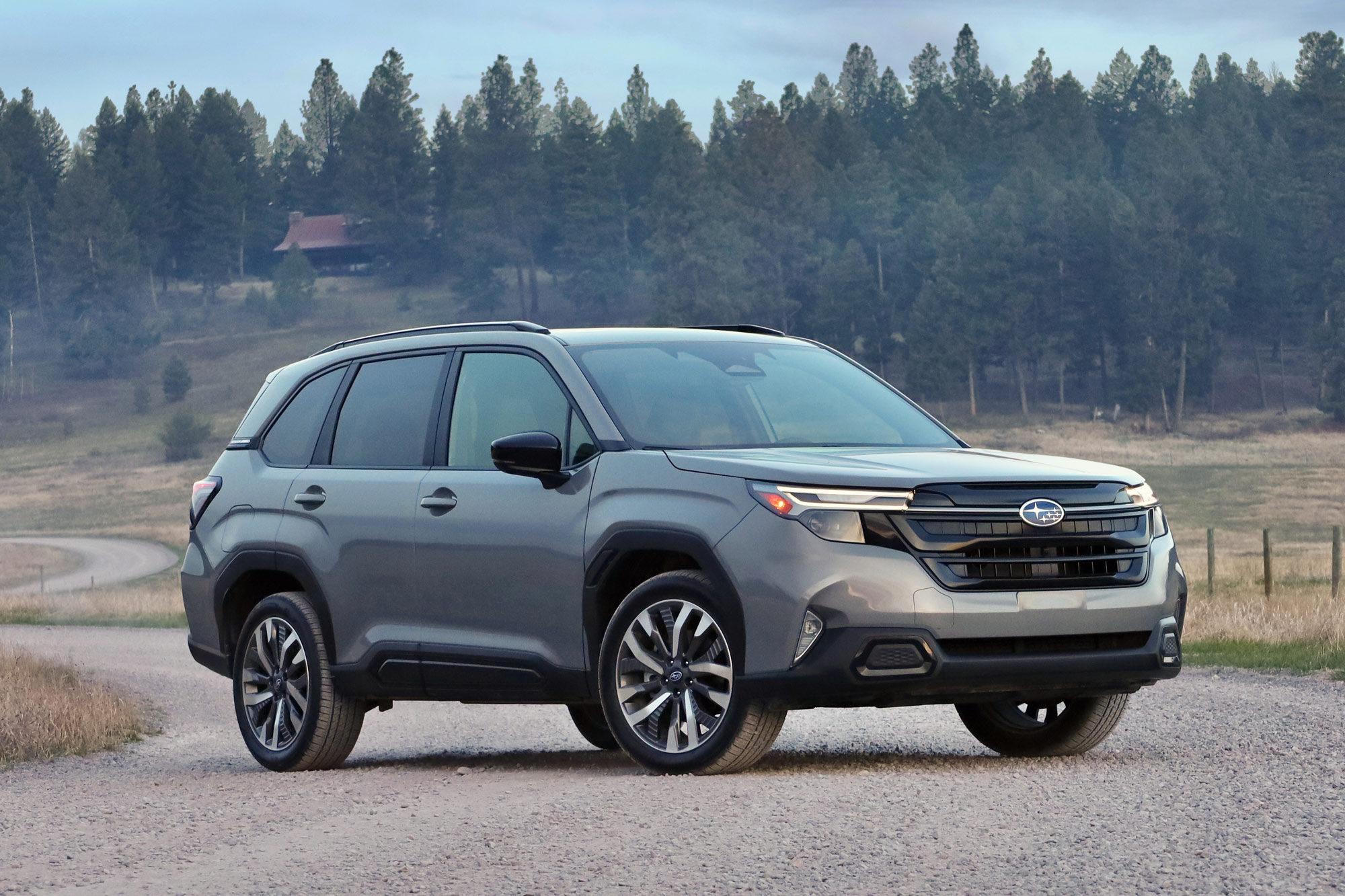
5. Subaru Forester
The Subaru Forester is widely recognized for its practicality, safety features, and all-wheel-drive capability, making it especially popular in regions with varied weather conditions. These characteristics also influence the effectiveness of its manufacturer maintenance plans, which tend to deliver strong value under typical ownership conditions.
A major factor is the Forester’s consistent maintenance rhythm. Subaru designs its service schedule around regular oil changes, tire rotations, brake inspections, and drivetrain checks, particularly due to its standard all-wheel-drive system. This consistency ensures that prepaid maintenance plans are used regularly and efficiently.
The all-wheel-drive system, while adding slight mechanical complexity, is also engineered for durability. As a result, most maintenance requirements remain predictable rather than erratic. This predictability allows owners to accurately estimate service usage over time, improving the financial justification for prepaid plans.
Another important element is ownership behavior. Subaru buyers tend to keep their vehicles for extended periods, often in the five to ten-year range. This long-term ownership cycle aligns well with maintenance plans, allowing full utilization of prepaid services and maximizing cost efficiency.
In addition, Subaru’s reputation for safety and reliability contributes to steady resale value. A well-documented maintenance history supported by manufacturer servicing can enhance resale appeal, indirectly improving the financial return of the maintenance plan itself.
The Forester performs particularly well in high-mileage usage scenarios. Whether used for commuting, outdoor travel, or family transport, its maintenance needs remain steady and predictable, making prepaid plans a practical tool for managing long-term service costs.
Also Read: 10 Cars That Survive Being Used as Daily Uber Vehicles
Cars With Maintenance Plans That Don’t Pay Off
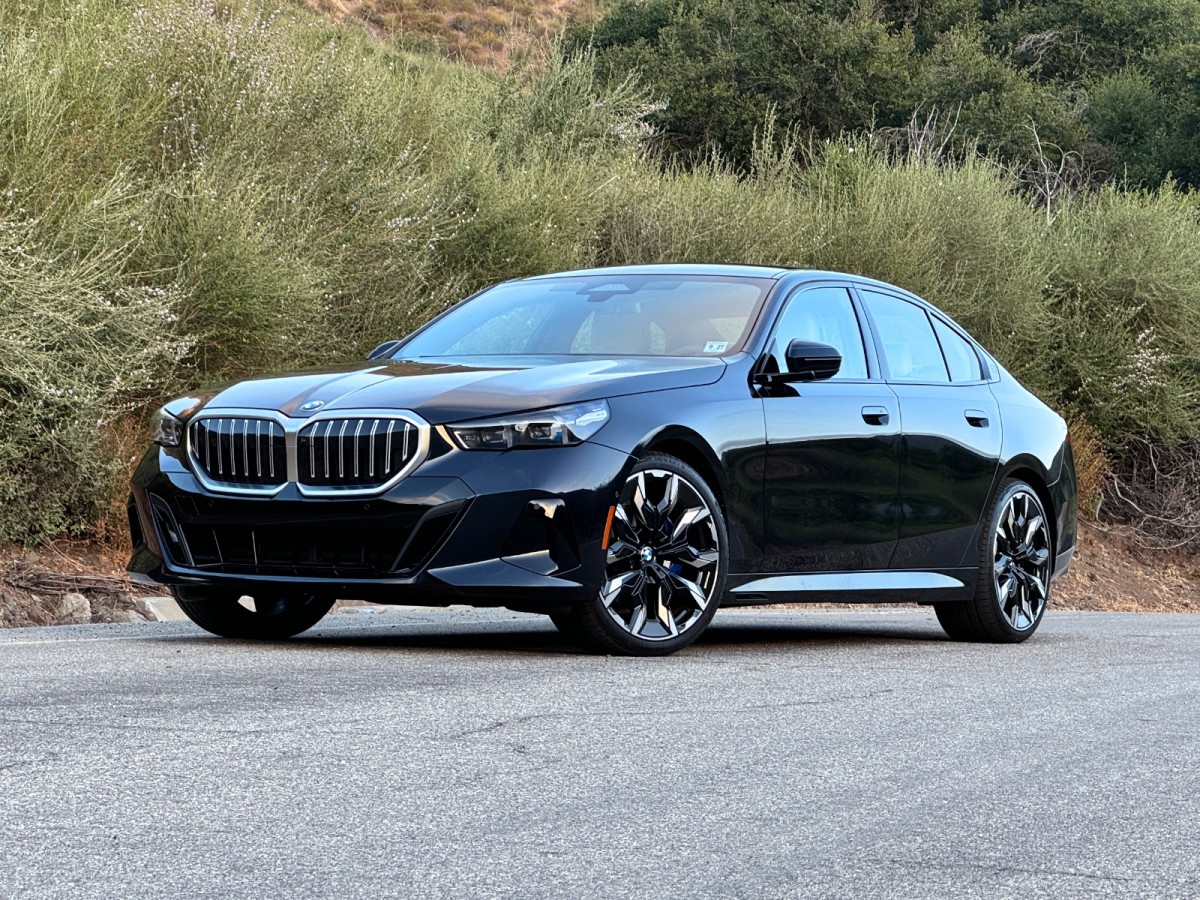
1. BMW 5 Series
The BMW 5 Series is a benchmark in the executive luxury sedan segment, known for its performance engineering, refined interiors, and advanced driving dynamics. However, when it comes to manufacturer maintenance plans, the financial value often falls short compared to mainstream vehicles.
The core issue is not the quality of the maintenance program itself, but the inherently high baseline cost of servicing a German luxury vehicle. Even routine maintenance tasks such as oil changes, brake servicing, and electronic diagnostics are priced significantly higher than comparable non-luxury vehicles.
Another challenge is variability in service requirements. The BMW 5 Series uses advanced engine technologies, turbocharging systems, and integrated electronic components that can require condition-based servicing rather than fixed schedules.
While this system is designed for performance optimization, it reduces predictability in maintenance plan usage. As a result, prepaid plans may either not fully cover the actual service needs or include services that are not always required within the ownership window.
Labor costs also heavily influence the lack of value. BMW-certified technicians and dealership infrastructure come at a premium, and these costs are already embedded in the price of maintenance plans. Over time, owners often realize that the total prepaid amount is close to or even exceeds what they would have paid through selective pay-as-you-go servicing, especially if the vehicle is not driven extensively.
The depreciation curve of the BMW 5 Series is relatively steep compared to non-luxury vehicles. This means many owners do not retain the vehicle long enough to fully benefit from long-term maintenance plan coverage. When ownership periods are shortened, a large portion of prepaid value effectively goes unused, reducing return on investment further.

2. Mercedes-Benz C-Class
The Mercedes-Benz C-Class represents entry-level luxury in the Mercedes lineup, but its maintenance economics behave more like higher-tier luxury vehicles than mainstream sedans. Manufacturer maintenance plans for this model are often marketed as convenience packages, but they rarely translate into meaningful long-term savings for the average owner.
One of the main reasons is the high cost structure of Mercedes dealership servicing. Even basic maintenance tasks are priced at a premium due to brand positioning, specialized equipment requirements, and dealership labor rates. While maintenance plans bundle these services into predictable payments, they do not significantly reduce the cost burden compared to independent service alternatives after warranty periods.
Another factor limiting value is coverage complexity. Many maintenance plans exclude wear-and-tear items or specific components that commonly require attention over time, such as brake pads, batteries, or certain fluid systems, depending on the package tier. This creates gaps between what the plan covers and what the vehicle actually needs during ownership.
The C-Class also has a relatively complex electronics and sensor system compared to non-luxury vehicles. While these systems improve safety and driving experience, they can increase diagnostic frequency and service variability. Maintenance plans do not always account for these unpredictable service needs, reducing their practical efficiency.
Many C-Class buyers upgrade vehicles within a few years, which means long-term prepaid maintenance benefits are not fully realized. In such cases, the upfront cost of the plan is spread over a shorter period, reducing its economic advantage significantly.
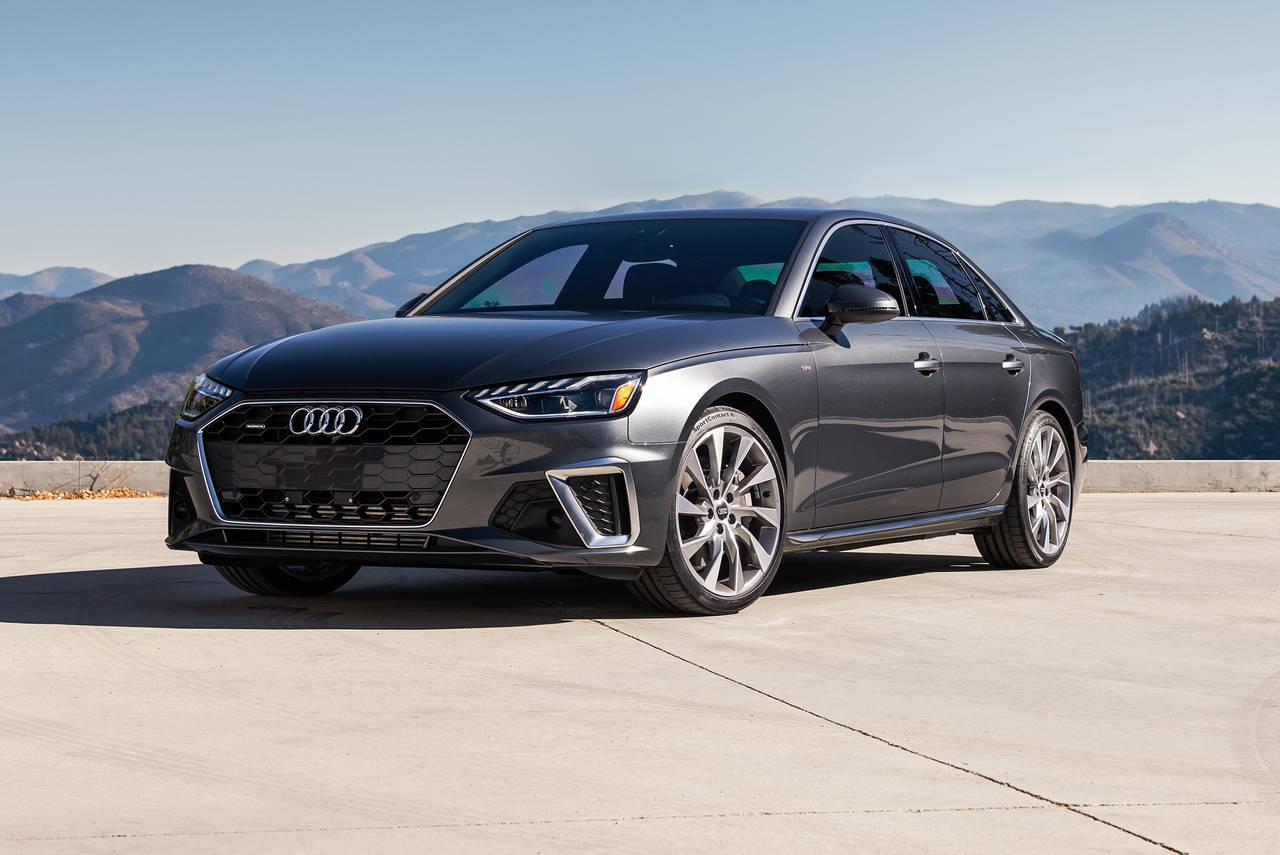
3. Audi A4
The Audi A4 is a refined compact luxury sedan that emphasizes technology, comfort, and driving precision. However, its manufacturer maintenance plans often struggle to deliver strong financial returns due to a combination of higher service costs and inconsistent maintenance efficiency.
One of the primary issues is the variability in servicing requirements across different engine configurations. Turbocharged engines, Quattro all-wheel-drive systems, and advanced electronic components can each introduce different maintenance demands. This variability makes it difficult for prepaid plans to perfectly align with actual usage patterns, often leading to either underutilization or partial coverage gaps.
Another challenge is the premium pricing of Audi dealership services. Similar to other German luxury brands, Audi service centers charge significantly more for labor and parts compared to mainstream manufacturers. While maintenance plans bundle these costs, they do not necessarily reduce the expense enough to outperform selective servicing strategies.
Audi A4 owners also frequently report that certain common maintenance items fall outside standard plan coverage. This includes wear components and occasional software-related diagnostics that can become necessary as the vehicle ages. These additional costs reduce the effective savings offered by prepaid plans.
Furthermore, Audi vehicles tend to depreciate faster than many non-luxury competitors. This shortens the typical ownership window and reduces the likelihood that owners will fully utilize long-term maintenance packages. As a result, a portion of the prepaid investment is often lost when the vehicle is sold or traded in early.
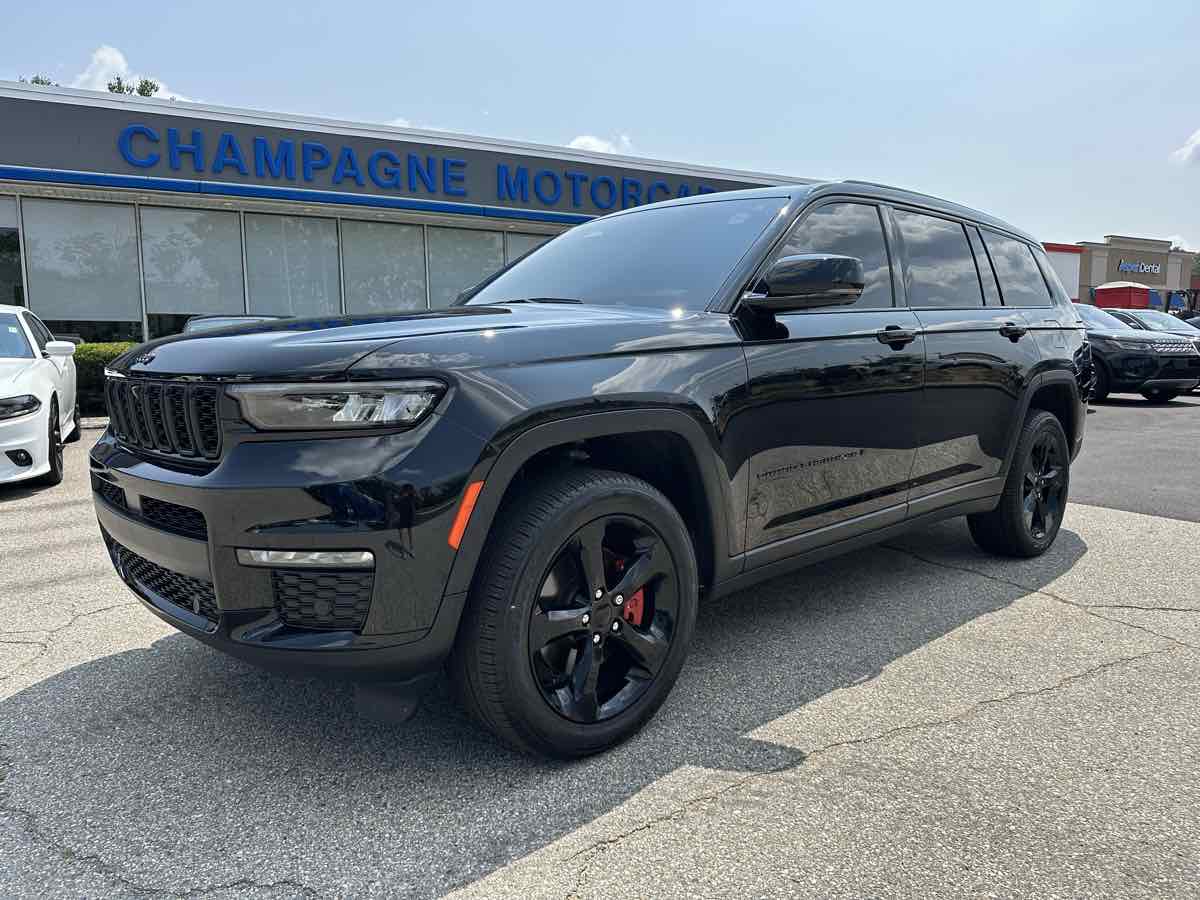
4. Jeep Grand Cherokee
The Jeep Grand Cherokee is a popular midsize SUV known for its off-road capability, strong towing performance, and rugged design. However, when evaluating manufacturer maintenance plans, its value proposition becomes less consistent compared to more reliability-focused competitors.
One of the key challenges is variability in maintenance needs. Because the Grand Cherokee is designed for both on-road and off-road use, wear patterns can differ significantly depending on driving conditions. Off-road usage in particular can accelerate suspension, drivetrain, and brake wear, which may not always be fully accounted for in standard maintenance plans.
Another factor is the mixed reliability record of certain model generations. While newer versions have improved significantly, older or specific trims have been associated with more frequent repair needs. Maintenance plans typically focus on scheduled servicing rather than unexpected repairs, which means owners may still face additional costs beyond prepaid coverage.
Service complexity also plays a role. The Grand Cherokee includes advanced four-wheel-drive systems and electronic terrain management features that can increase diagnostic and service requirements. These systems are not always fully covered under basic maintenance plans, reducing their financial effectiveness.
Ownership behavior affects value realization. Many Jeep owners use the vehicle for adventure or seasonal purposes rather than strict commuting, which can lead to irregular mileage accumulation. This irregular usage pattern can cause prepaid maintenance services to be underused or misaligned with actual servicing needs.
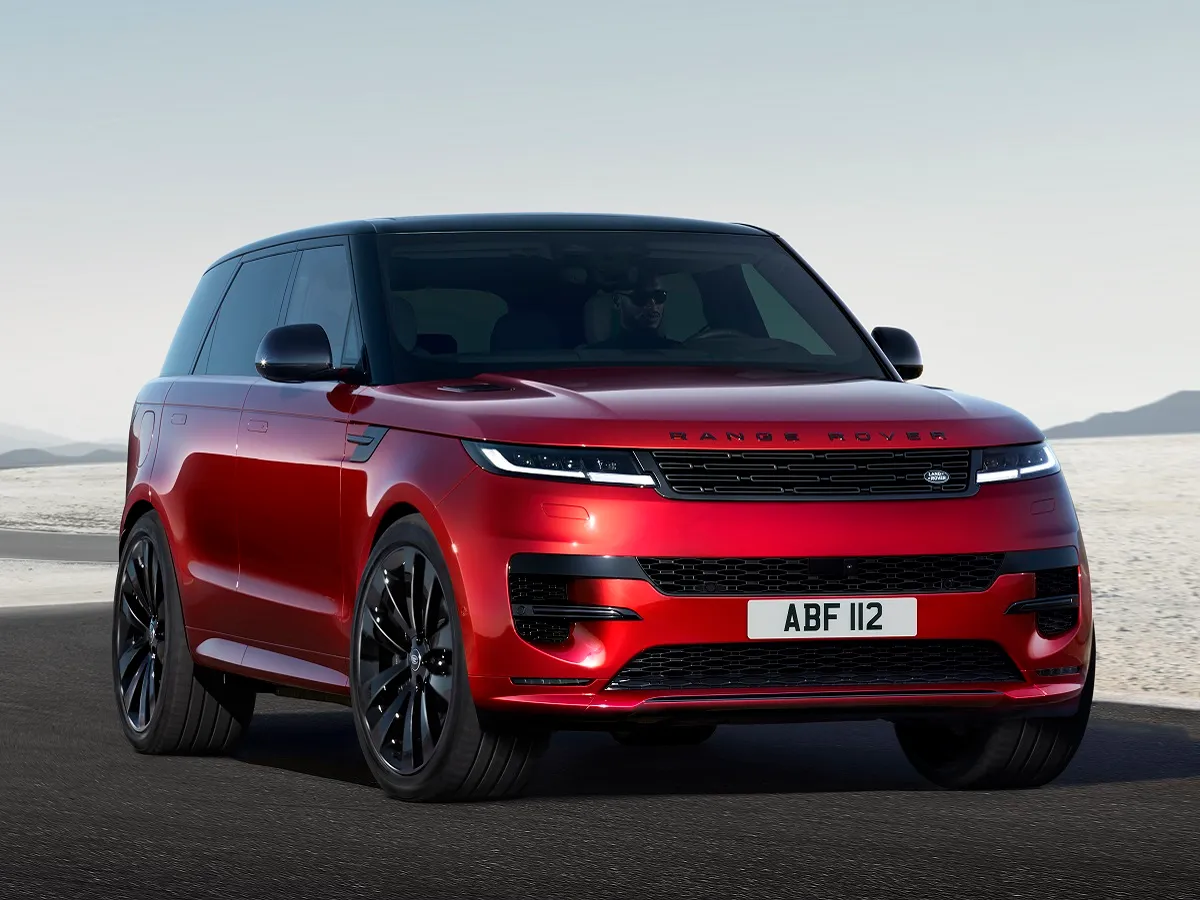
5. Land Rover Discovery
The Land Rover Discovery is positioned as a premium luxury SUV with strong off-road capability and high-end comfort features. However, it is also one of the most challenging vehicles when evaluating the financial effectiveness of manufacturer maintenance plans.
A major issue is the high baseline cost of ownership. Even routine maintenance at Land Rover service centers is significantly more expensive than mainstream or even some luxury competitors. This means that maintenance plans are priced at a premium from the beginning, reducing the likelihood of net savings.
Another critical factor is unpredictability in service and repair needs. The Discovery includes complex air suspension systems, advanced electronics, and terrain response technologies that can introduce variability in maintenance requirements. While maintenance plans cover scheduled servicing, they often do not fully address the broader spectrum of potential repairs.
Reliability perceptions also influence value. Compared to Japanese or even some German competitors, Land Rover vehicles have historically shown higher long-term repair frequency. This reduces the effectiveness of prepaid maintenance plans because a larger portion of ownership costs comes from repairs rather than routine servicing.
Furthermore, depreciation is a significant factor. The Discovery tends to lose value faster than many competitors in its segment, meaning owners often hold the vehicle for shorter periods. This limits the time window in which maintenance plans can provide financial return, leading to underutilization of prepaid benefits.
Many owners find that alternative service options after warranty expiration can be more cost-effective than continuing with dealership-based maintenance plans, further reducing the long-term appeal of prepaid packages.
