
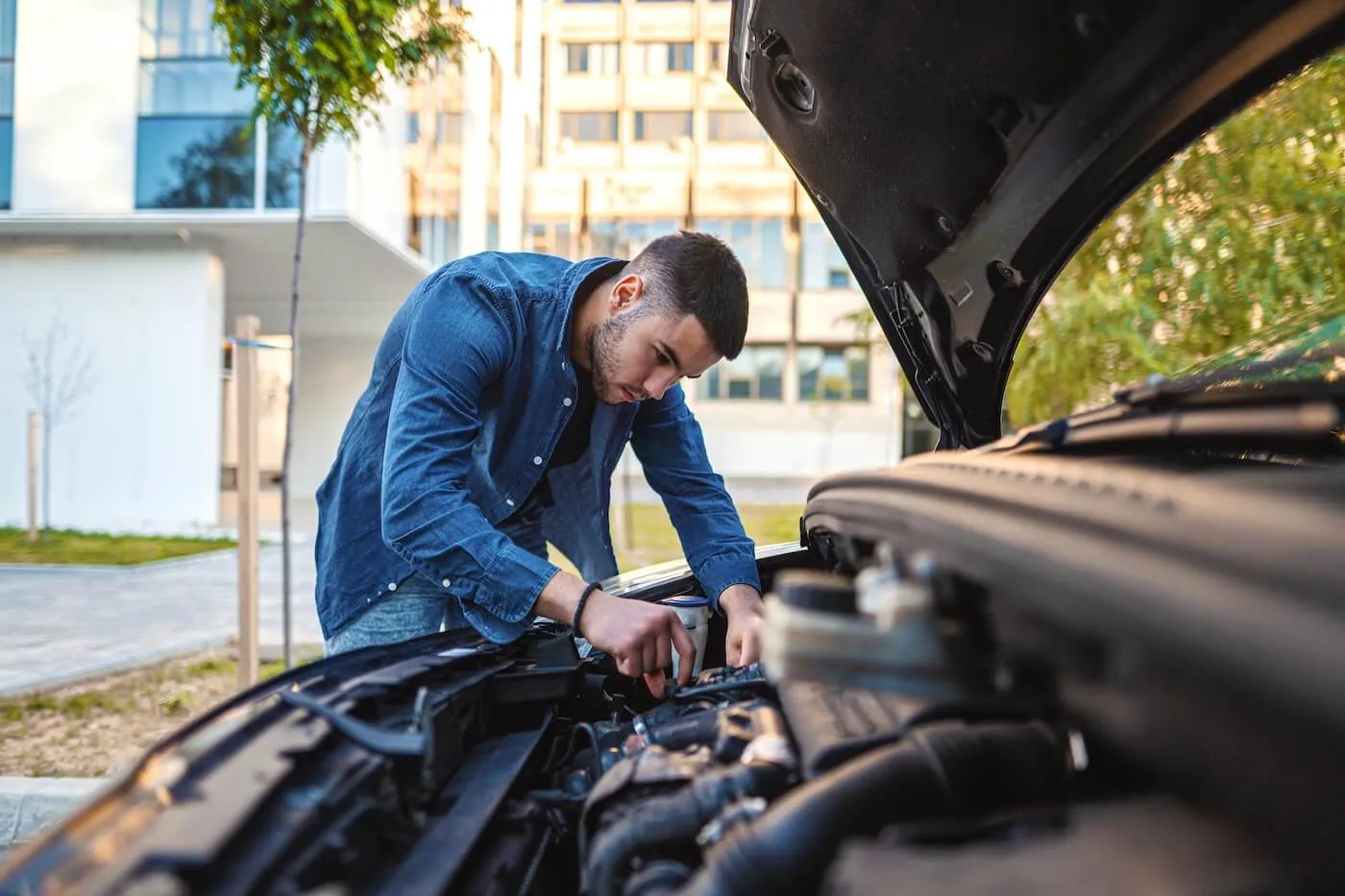
Over the last few years, consumers across the automotive market have faced a dramatic rise in vehicle repair costs. What was once considered a manageable part of car ownership has become a growing financial burden for millions of drivers.
Since 2021, repair expenses have climbed by roughly 34 percent, affecting everyone from owners of compact sedans to drivers of luxury SUVs and electric vehicles. The increase has not happened overnight, nor is it tied to a single cause.
Instead, it reflects a combination of inflation, supply chain disruptions, labor shortages, advanced automotive technology, and higher parts prices. As repair bills continue to climb, buyers are beginning to rethink their purchasing habits, vehicle preferences, and long-term ownership strategies.
The modern automobile is significantly more complex than vehicles produced a decade ago. Cars now include advanced driver assistance systems, sensors, touchscreens, computerized modules, and intricate electronics that require specialized tools and training to repair.
Even minor collisions can trigger expensive fixes because bumpers often contain radar systems and cameras. A cracked windshield may now require recalibration of safety technology after replacement, adding hundreds of dollars to what used to be a simple repair job. These changes have improved safety and convenience, but they have also transformed the economics of vehicle ownership.
At the same time, repair shops are struggling with increased operating costs. Technicians require ongoing certification and training to work on modern vehicles. Wages have increased as the industry faces a shortage of skilled labor.
Parts manufacturers continue to deal with fluctuating raw material prices and transportation costs, which are passed directly to consumers. Insurance companies have also adjusted premiums upward as claims become more expensive to process and settle. For many households already coping with higher living costs, these rising automotive expenses are becoming difficult to absorb.
Consumers are no longer quietly accepting these increases. Buyers are pushing back in several ways, including delaying vehicle purchases, holding onto older cars longer, choosing simpler models with lower maintenance costs, and questioning dealership repair pricing.
Many are researching reliability rankings more carefully before buying a car. Others are turning toward independent repair shops or exploring extended warranties to protect themselves from unexpected expenses. The growing frustration has started to influence the automotive market itself, forcing manufacturers and dealers to pay closer attention to affordability concerns.
The conversation surrounding repair costs is no longer limited to mechanics and insurance adjusters. It has become a broader economic issue that affects household budgets, transportation access, and consumer confidence.
Understanding why repair costs have risen so sharply since 2021 and how buyers are responding is essential for anyone involved in the automotive industry. From automakers to consumers, everyone is being forced to adapt to a changing reality where vehicle ownership is becoming more expensive than many expected.
Also Read: 10 Cars With Insurance Premiums Lower Than a Compact Sedan
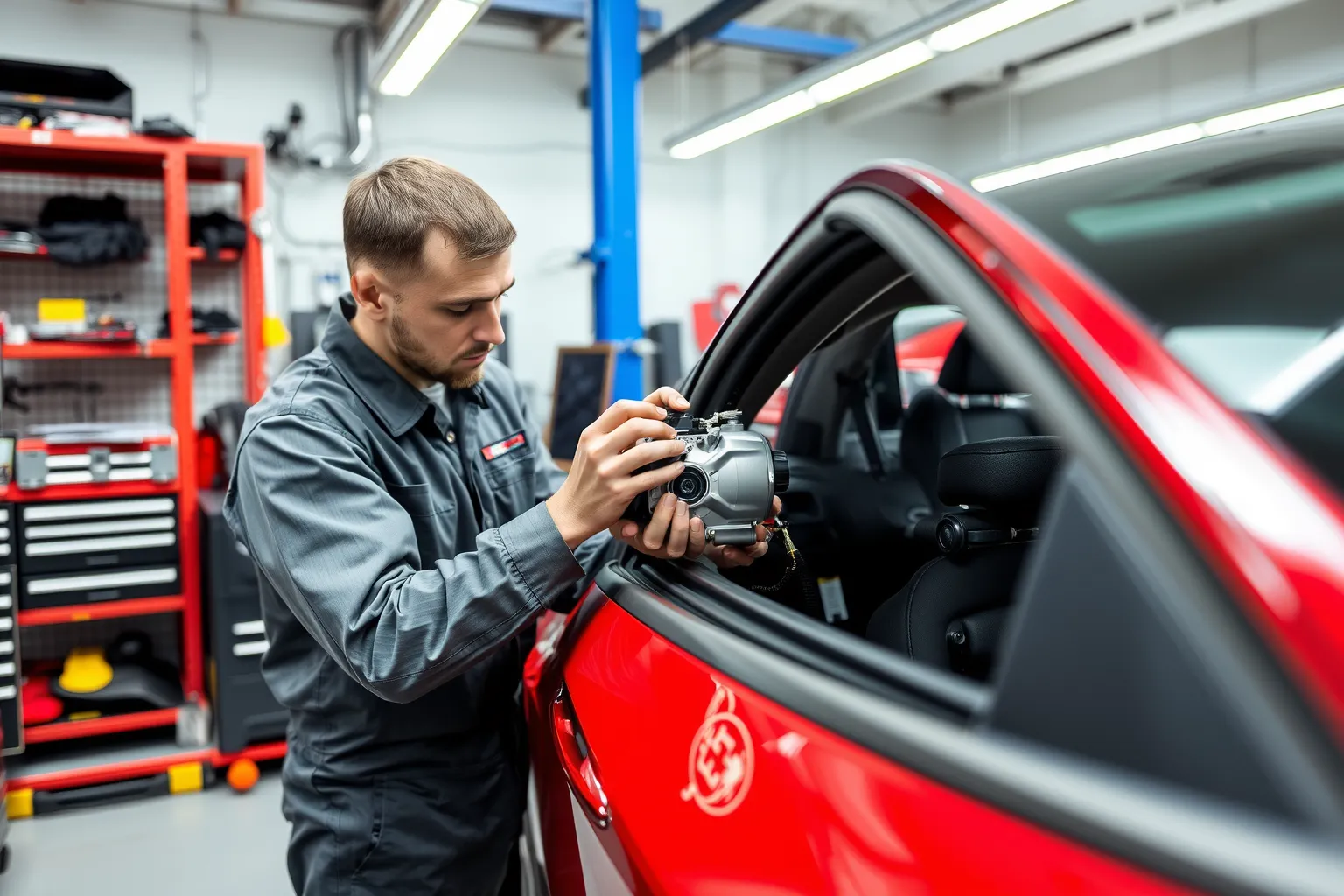
The Main Reasons Repair Costs Have Increased Since 2021
One of the biggest drivers behind rising repair costs is inflation across the global economy. Since 2021, the prices of raw materials such as steel, aluminum, copper, and plastics have increased significantly.
These materials are critical for manufacturing automotive components, and when production costs rise, replacement parts become more expensive for consumers. Inflation has also affected shipping, warehousing, and energy expenses, all of which contribute to higher repair bills. Even basic maintenance items like tires, batteries, and brake pads now cost noticeably more than they did just a few years ago.
Supply chain disruptions have also played a major role in increasing repair expenses. During and after the pandemic, manufacturers struggled to obtain semiconductors and other essential components needed for vehicle production and repairs. Delays in shipping created shortages of replacement parts across many regions.
Repair shops often had to wait weeks or even months for components that were previously easy to obtain. Limited supply pushed prices higher, while longer repair times increased labor costs and rental car expenses for consumers waiting for their vehicles to be fixed.
Another important factor is the growing complexity of modern vehicles. Cars today contain sophisticated electronic systems that require specialized diagnostic equipment and trained technicians. Features such as lane keeping assist, adaptive cruise control, blind spot monitoring, and automated emergency braking rely on sensors and cameras integrated throughout the vehicle.
A relatively small accident can damage these systems, turning what used to be a simple repair into an expensive procedure involving recalibration and software updates. Luxury vehicles and electric cars often require even more advanced expertise, leading to higher service charges.
Labor shortages in the automotive repair industry have further intensified the problem. Many experienced technicians retired during the pandemic, while fewer younger workers entered the trade. Repair shops now compete aggressively for skilled labor, driving wages higher.
Although higher wages benefit workers, they also increase operating costs for repair businesses. Shops must invest in ongoing training programs, advanced tools, and certifications to keep up with evolving vehicle technology. These expenses are ultimately passed on to consumers through higher repair bills.
Insurance industry trends have added another layer of financial pressure. As repair costs rise, insurance companies face larger claim payouts. In response, insurers have increased premiums and adjusted deductibles to manage their own costs. Some companies have even declared more vehicles total losses because repairing them has become uneconomical.
This shift affects consumers directly because higher premiums increase the cost of vehicle ownership. Buyers who once focused mainly on monthly car payments are now paying closer attention to long term maintenance and insurance expenses.
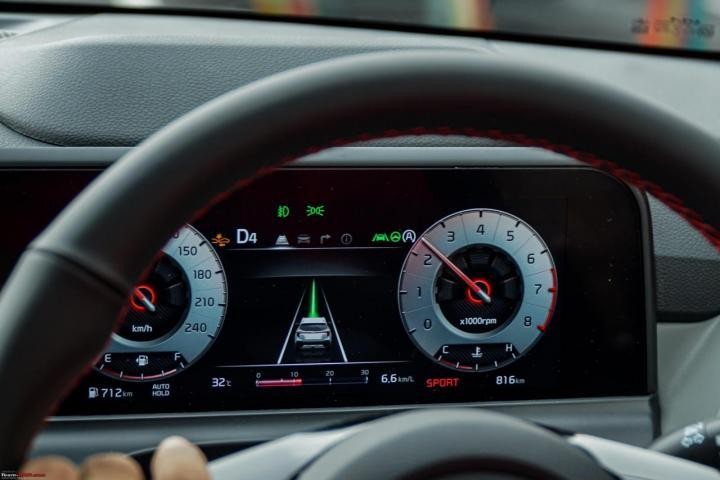
How Advanced Vehicle Technology Has Changed Repairs
Modern vehicles are filled with technology designed to improve safety, comfort, and convenience. While these innovations offer significant benefits, they have also made repairs far more expensive and complicated.
A simple bumper replacement on a newer vehicle may involve radar sensors, parking assist systems, cameras, and electronic wiring. After installation, technicians often need to recalibrate these systems using specialized software and equipment. This process increases labor time and raises the total cost of even minor repairs.
The rise of electric vehicles has introduced entirely new repair challenges. Electric cars contain high voltage battery systems that require specially trained technicians to handle safely.
Repairing or replacing battery components can cost thousands of dollars. In some cases, even small accidents can damage battery housings or cooling systems, leading insurers to declare vehicles total losses rather than paying for repairs. Consumers attracted to electric vehicles for lower fuel costs are increasingly discovering that repair and insurance expenses can offset some of those savings.
Software integration has become another major factor in repair pricing. Vehicles now rely heavily on computer systems to control everything from engine performance to entertainment features. Diagnosing problems often requires proprietary software tools that independent repair shops may not have access to.
Dealerships typically charge higher rates for diagnostics and software related repairs, which can frustrate consumers seeking affordable service options. The growing dependence on software has also fueled debates about the right to repair and consumer access to vehicle data.
Safety regulations have unintentionally contributed to higher repair costs as well. Features such as automatic emergency braking and collision avoidance systems are now common in many vehicles.
These systems reduce accident severity and save lives, but they also require precise calibration after repairs. A windshield replacement that once took an hour may now involve recalibrating front-facing cameras connected to driver assistance technology. The additional labor and equipment requirements significantly increase costs for consumers.
Luxury and premium brands have experienced some of the steepest repair cost increases because they often introduce advanced technology before mainstream manufacturers. High-end vehicles use expensive materials, complex electronics, and specialized components that are costly to replace.
Consumers who previously viewed luxury ownership as manageable are now reconsidering the long-term financial implications of maintaining these vehicles. As a result, some buyers are shifting toward brands known for reliability and lower maintenance expenses instead of focusing solely on prestige and performance.
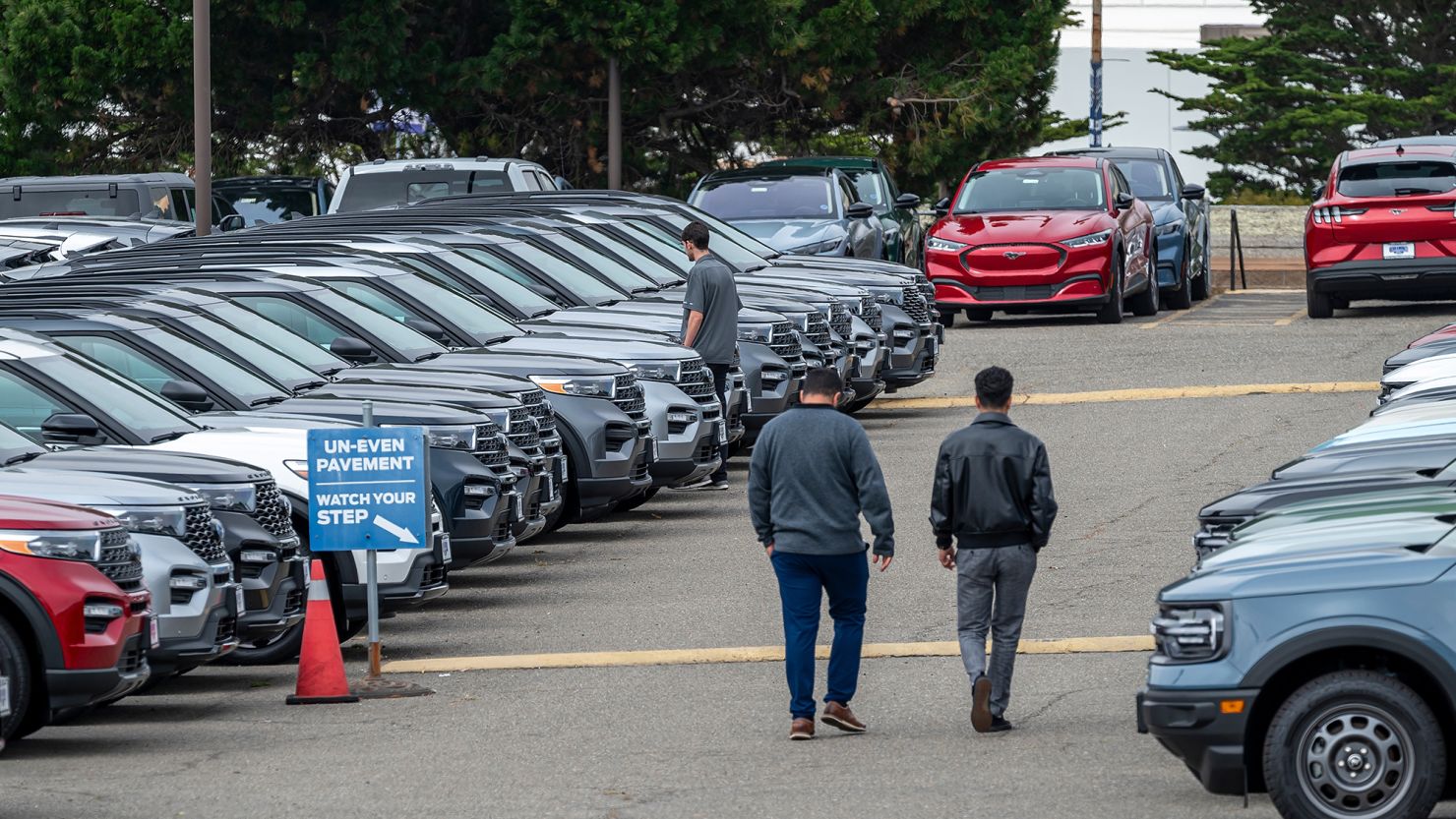
Why Consumers Are Starting to Push Back
As repair costs continue to rise, consumers are becoming more cautious and selective about their automotive decisions. Many buyers now prioritize reliability and maintenance affordability over luxury features or high-performance specifications.
Brands with strong reputations for durability are gaining increased attention because consumers want vehicles that minimize unexpected repair expenses. This shift in priorities is changing how automakers market their products and how buyers evaluate long term ownership costs.
One of the clearest signs of consumer pushback is the growing popularity of older vehicles. Instead of purchasing new cars with complex technology and higher repair risks, many drivers are choosing to keep their existing vehicles longer.
Owners are investing in preventive maintenance to extend vehicle life rather than taking on expensive monthly payments for newer models. This trend has contributed to strong demand in the used car market, particularly for vehicles known for mechanical simplicity and reliability.
Consumers are also questioning dealership pricing more aggressively than before. Many vehicle owners now compare repair estimates across multiple shops and seek second opinions before approving expensive work. Independent repair businesses have gained customers by offering competitive pricing and personalized service.
Online forums and review platforms allow consumers to research common repair issues and avoid unnecessary expenses. Buyers are becoming more informed and less willing to accept high repair bills without explanation.
Extended warranties and vehicle service contracts have seen renewed interest as buyers look for financial protection against rising repair costs. While some consumers remain skeptical of warranty products, others view them as valuable tools for managing unpredictable expenses.
Automakers and third-party providers have responded by expanding warranty options and promoting maintenance packages. The increasing popularity of these programs reflects growing anxiety about the true cost of modern vehicle ownership.
Public frustration has also fueled broader discussions about affordability and transparency in the automotive industry. Some consumer advocates argue that automakers should design vehicles with easier repairability in mind.
Others support right-to-repair legislation that would require manufacturers to provide independent shops with access to diagnostic tools and software. As buyers become more vocal about repair costs, manufacturers and policymakers may face greater pressure to address these concerns in meaningful ways.
The Impact on the Automotive Industry
Rising repair costs are reshaping the automotive industry in several important ways. Automakers are increasingly aware that consumers are evaluating total ownership costs rather than focusing only on purchase prices. Reliability rankings, maintenance expenses, and insurance costs now play a larger role in buying decisions.
Manufacturers that fail to address affordability concerns risk losing market share to competitors with stronger reputations for durability and lower long-term costs.
Dealership service departments are facing both opportunities and challenges in this environment. On one hand, modern vehicles require specialized repairs that often drive customers back to dealerships.
On the other hand, high repair prices can damage customer loyalty and push consumers toward independent shops. Dealers must balance profitability with transparency and customer satisfaction. Some are introducing subscription maintenance plans or offering repair financing options to help customers manage costs more effectively.
Insurance companies are also adapting to changing market conditions. As repair claims become more expensive, insurers are reassessing risk models and adjusting premium structures.
Vehicles equipped with advanced technology may reduce accident frequency, but they often cost more to repair after collisions. Insurers must balance these factors carefully when determining rates. Consumers are noticing higher premiums and becoming more selective about the vehicles they insure.
The used vehicle market has experienced major shifts as well. Reliable older vehicles have become increasingly valuable because buyers want to avoid the repair complexity associated with some newer models.
Vehicles with strong reliability records often command premium resale prices. This trend has encouraged consumers to research maintenance histories and ownership costs more carefully before making purchasing decisions. Buyers are no longer assuming that newer automatically means better.
Repair shops themselves are evolving in response to industry changes. Independent mechanics must invest in advanced tools, training, and diagnostic equipment to remain competitive.
Some smaller shops struggle to keep pace with technological demands, leading to industry consolidation in certain regions. Larger repair networks may gain advantages through scale and access to specialized resources. The future of automotive repair will likely depend heavily on technology adaptation and workforce development.

What Buyers Should Consider
Consumers in today’s automotive market must think more strategically than ever before. Purchase price alone no longer reflects the true cost of owning a vehicle.
Buyers should carefully evaluate reliability ratings, expected maintenance expenses, insurance premiums, and repair complexity before making decisions. Researching ownership costs over several years can help consumers avoid unpleasant financial surprises later.
Reliability has become one of the most important considerations for modern buyers. Vehicles with strong reliability records often cost less to maintain and retain higher resale value.
Buyers should examine long-term reliability studies, owner reviews, and maintenance histories when comparing models. Choosing a dependable vehicle may save thousands of dollars in repair expenses over time, even if the initial purchase price is slightly higher.
Technology features should also be evaluated carefully. While advanced driver assistance systems and digital interfaces can improve convenience and safety, they may increase repair costs significantly.
Consumers should consider whether they truly need every available feature or whether a simpler configuration would better suit their budget and lifestyle. In some cases, avoiding unnecessary complexity can reduce both repair and insurance expenses.
Warranty coverage has become increasingly important in an era of rising repair costs. Buyers should understand what is included in manufacturer warranties and whether extended coverage makes financial sense. Electric vehicles, luxury cars, and technology-heavy models may benefit most from additional protection plans. However, consumers should review contract details carefully to avoid paying for coverage they may never use.
Finally, buyers should think about long-term ownership strategies before purchasing a vehicle. Some consumers prefer to lease vehicles and avoid long-term repair risks, while others plan to keep cars for many years.
Understanding personal driving habits, maintenance expectations, and financial priorities can help buyers choose the right approach. In today’s market, informed decision-making is more important than ever for controlling the true cost of vehicle ownership.
Also Read: 10 Cars That Survive Being Used as Daily Uber Vehicles

The 34 percent increase in repair costs since 2021 reflects major changes taking place across the automotive industry. Inflation, supply chain disruptions, labor shortages, advanced technology, and rising insurance expenses have combined to create a challenging environment for consumers.
Vehicle ownership has become significantly more expensive, forcing buyers to reconsider how they purchase, maintain, and insure their cars.
Modern vehicles offer remarkable safety and convenience features, but these innovations come with financial tradeoffs. Repairs that once seemed routine now involve specialized diagnostics, software updates, and complex electronic systems. Consumers are increasingly aware that high-tech vehicles may also bring higher long term expenses. As a result, many buyers are prioritizing reliability, affordability, and simplicity over luxury and cutting-edge features.
The consumer response to rising repair costs is already influencing the market. Buyers are holding onto older vehicles longer, comparing repair estimates more carefully, and researching ownership costs before purchasing new cars.
Independent repair shops, warranty providers, and reliable vehicle brands are benefiting from this shift in consumer behavior. At the same time, automakers and insurers are being forced to address growing concerns about affordability and transparency.
Looking ahead, the automotive industry will likely continue evolving toward greater technological sophistication. Electric vehicles, autonomous features, and connected systems are expected to become even more common.
While these innovations may improve safety and efficiency, they could also create additional repair challenges if affordability is not prioritized. Manufacturers that successfully balance innovation with cost-conscious design may gain a significant competitive advantage.
For consumers, the key lesson is clear. Buying a vehicle today requires more than comparing sticker prices or monthly payments. Understanding repair costs, maintenance requirements, insurance implications, and long-term reliability is essential for making smart financial decisions.
As buyers push back against rising expenses, the automotive industry may eventually adapt to meet changing consumer expectations. Until then, informed ownership remains the best defense against the growing cost of vehicle repairs.
