
Sports cars have always occupied a special place in automotive culture because they represent far more than simple transportation. They combine performance, design, engineering, and emotion into a single package that appeals to drivers who want excitement every time they get behind the wheel.
Some sports cars justify their high price tags by delivering unforgettable driving experiences, exceptional reliability, timeless styling, and advanced technology. Others generate enormous hype through branding, marketing, or social media attention but fail to provide enough value, practicality, or performance to truly deserve their reputation.
In today’s automotive market, where manufacturers are pushing the limits of horsepower, hybrid technology, and luxury features, buyers have more choices than ever before. However, more options also mean more opportunities to spend large amounts of money on vehicles that may not live up to expectations over the long term.
The definition of a great sports car has evolved significantly over the decades. In the past, lightweight construction and raw mechanical feedback were considered the most important characteristics.
Modern sports cars now combine blistering acceleration with advanced driver assistance systems, luxurious interiors, digital displays, and refined ride quality. While these innovations have improved comfort and accessibility, they have also created situations where some vehicles prioritize image over substance.
A car can have impressive horsepower figures or a prestigious badge and still leave drivers disappointed once the novelty fades. True value in a sports car comes from the balance between performance, emotional connection, build quality, daily usability, and long-term ownership satisfaction.
Automotive enthusiasts often debate which sports cars deserve praise and which ones receive too much attention. Some cars become legends because they consistently exceed expectations on both the road and the track. These models offer engaging handling, dependable engineering, and a sense of occasion that makes owners feel their investment was worthwhile.
On the other hand, some highly publicized vehicles rely heavily on aggressive styling, inflated pricing, or internet popularity while offering performance that can be matched or exceeded by more affordable alternatives. In some cases, overrated sports cars are not necessarily bad vehicles, but they simply fail to justify the level of admiration they receive from the public and automotive media.
Choosing the right sports car also depends on understanding personal priorities. Some buyers value raw speed above all else, while others prioritize driving feel, reliability, or practicality. A sports car that is perfect for weekend canyon drives may become frustrating in everyday traffic.
Likewise, a model praised for luxury and comfort may disappoint drivers seeking a visceral and connected driving experience. This article examines four sports cars that genuinely earn their price tags through exceptional engineering and driving dynamics, along with four overrated models that may not deserve the immense hype surrounding them.
By looking beyond marketing and social media trends, it becomes easier to identify which sports cars truly deliver lasting value and which ones leave buyers wanting more.
Also Read: 10 Cars With Insurance Premiums Lower Than a Compact Sedan
Sports Cars Worth Every Penny
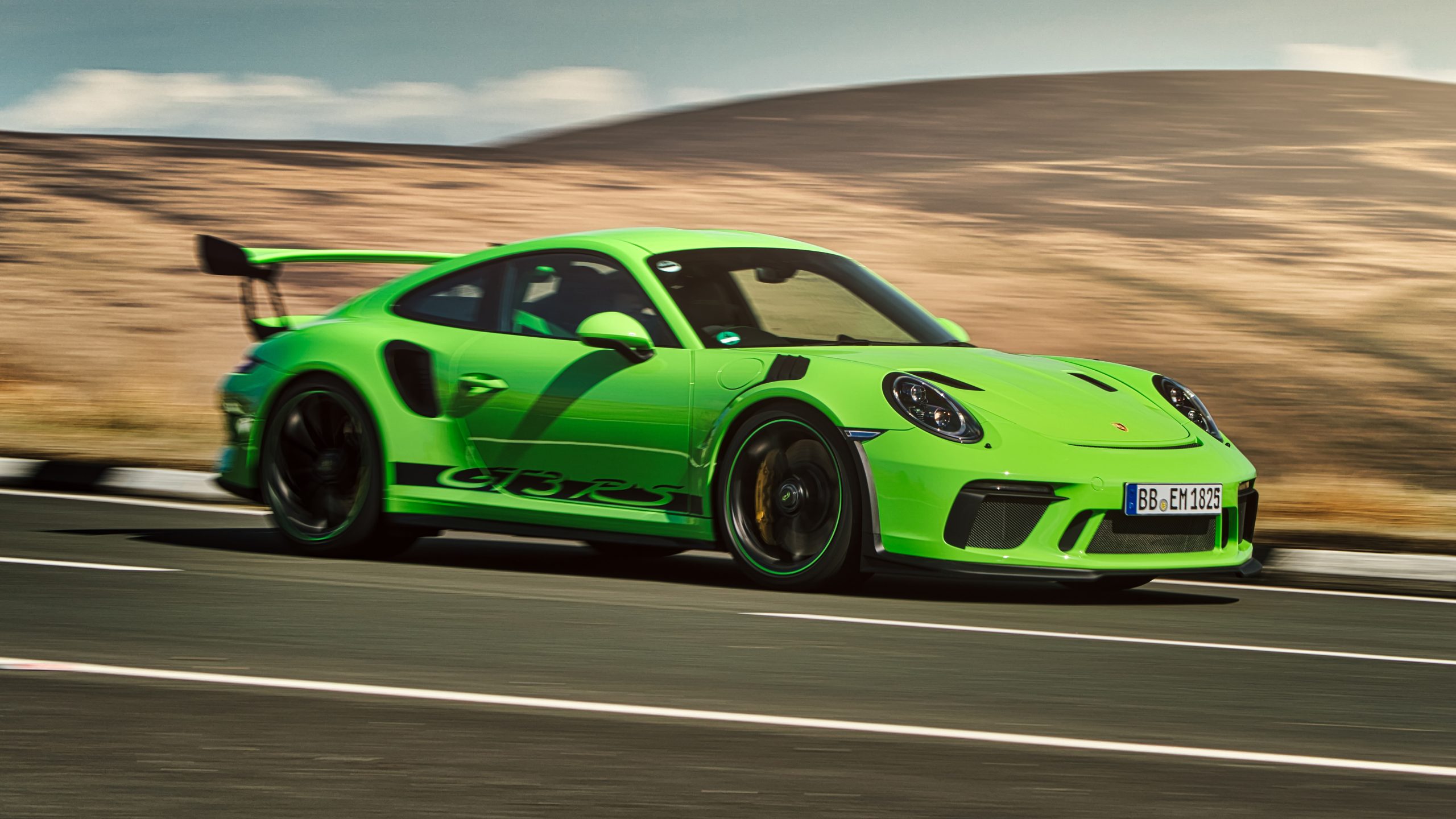
1. Porsche 911 GT3
The Porsche 911 GT3 stands as one of the most complete expressions of modern performance engineering because it successfully preserves the emotional purity of a naturally aspirated sports car while integrating advanced technology where it truly matters.
In a world where many manufacturers rely heavily on turbocharging and hybrid assistance to achieve performance numbers, the GT3 remains committed to high-revving mechanical excellence. Its 4.0-liter flat-six engine is not just powerful but also incredibly responsive, creating a linear and engaging power delivery that rewards skilled driving.
The engine’s ability to climb toward its redline with precision and intensity is a reminder of why naturally aspirated performance remains so cherished among enthusiasts.
Another major factor that makes the GT3 worth every penny is its exceptional chassis tuning. Porsche engineers have spent decades refining the 911 platform, and the GT3 represents the pinnacle of that evolution. The suspension setup is designed to deliver maximum control without sacrificing real-world usability.
Unlike many track-focused cars that become uncomfortable on public roads, the GT3 maintains composure even over imperfect surfaces. This balance allows drivers to enjoy the car in a wide range of environments, from tight mountain roads to high-speed circuits, without feeling limited by its capabilities.
The steering feedback in the GT3 is also one of its defining qualities. In an era where many modern sports cars rely on electronic steering systems that filter out road information, the GT3 manages to preserve a high level of communication between the driver and the road surface.
Every corner input feels precise, and the car responds with immediate confidence. This creates a driving experience that feels deeply interactive and rewarding, especially for enthusiasts who value connection over raw straight-line speed.
Practical usability is another surprising strength of the GT3. While it is undeniably a performance-oriented machine, it still functions as a usable road car. The cabin layout is intuitive, visibility is excellent compared to many supercars, and build quality is consistent with Porsche’s reputation for precision. Even long-distance driving remains comfortable enough for regular use, which makes the GT3 more versatile than many competitors that sacrifice comfort entirely for performance.
Finally, the GT3’s long-term desirability and value retention contribute significantly to its reputation as a worthwhile investment. Porsche’s engineering philosophy ensures that these vehicles remain relevant for years, both in terms of performance and collectability.
Enthusiasts often view the GT3 not just as a car but as a benchmark for what a pure sports car should be. Its combination of precision, engagement, usability, and emotional intensity ensures that it continues to justify its price tag in a highly competitive market.
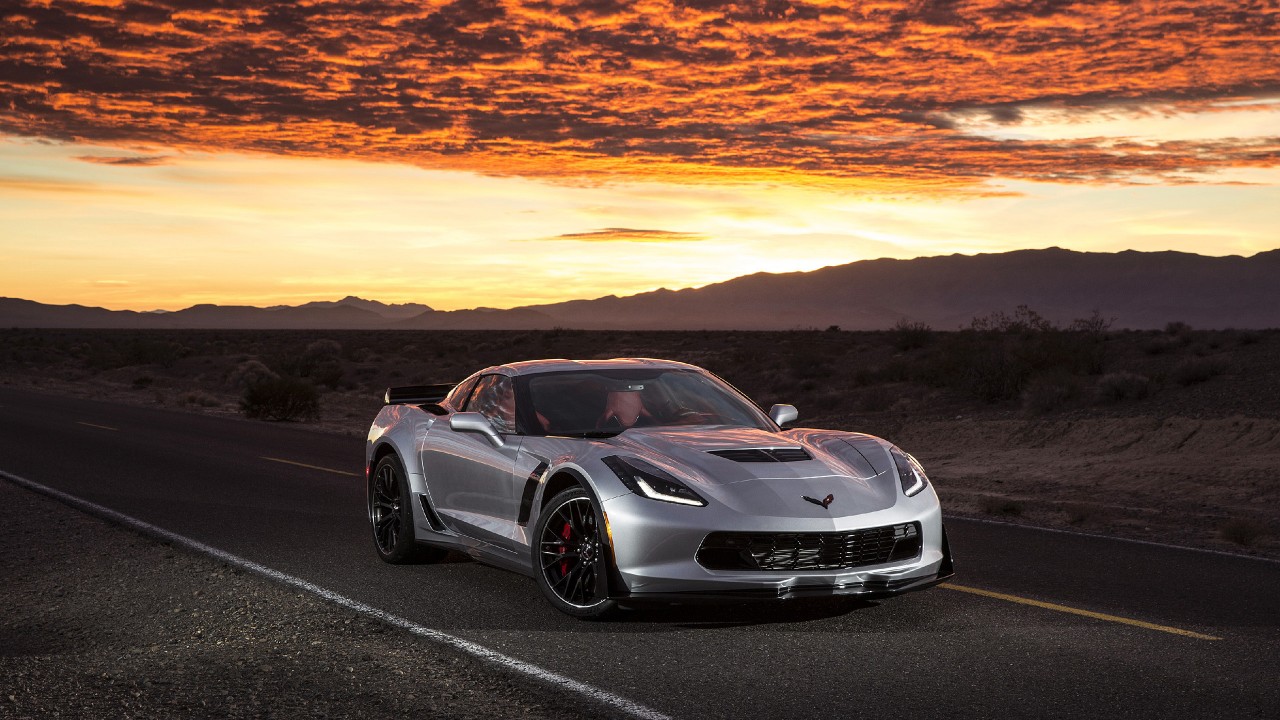
2. Chevrolet Corvette Z06
The Chevrolet Corvette Z06 represents one of the most dramatic transformations in American sports car history, primarily because of its shift to a mid-engine layout combined with an exotic level of performance engineering. This change alone elevated the Corvette from a traditional muscle-influenced sports car into a legitimate supercar competitor.
The Z06 takes this foundation and pushes it even further with a naturally aspirated flat plane crank V8 that delivers both incredible performance and an unforgettable sound profile. The engine’s ability to rev freely while producing over 600 horsepower makes it one of the most exciting powertrains in its segment.
One of the most impressive aspects of the Z06 is its ability to deliver track-ready performance without overwhelming the driver. Many high-horsepower sports cars can feel intimidating at the limit, but the Corvette is engineered to remain approachable even when driven aggressively.
The chassis balance is carefully tuned, allowing drivers to explore performance levels gradually rather than feeling instantly out of their depth. This accessibility makes the car enjoyable for both experienced enthusiasts and newer performance car owners.
Aerodynamics also play a crucial role in the Z06’s capability. The design is not purely aesthetic but serves functional performance goals, including increased downforce and improved high-speed stability.
These enhancements allow the car to remain planted during aggressive cornering, which is essential for both track use and spirited road driving. The wide stance and aggressive bodywork are not just visually striking but also contribute directly to performance.
Interior improvements in the latest Corvette generation further enhance its value proposition. Earlier models were often criticized for outdated interiors, but the Z06 features a modern cockpit with improved materials, digital displays, and driver-focused ergonomics.
While it may not fully match the luxury of European exotics, it significantly closes the gap while maintaining a performance-oriented layout. The driver-centric design ensures that controls are easy to reach and operate even under spirited driving conditions.
Ownership experience is another area where the Z06 excels. Compared to many exotic sports cars, maintenance costs are generally more manageable, and parts availability is stronger due to Chevrolet’s extensive network. This makes the Z06 not only a high-performance machine but also a more practical choice for enthusiasts who want supercar performance without the extreme financial burden typically associated with that level of capability.
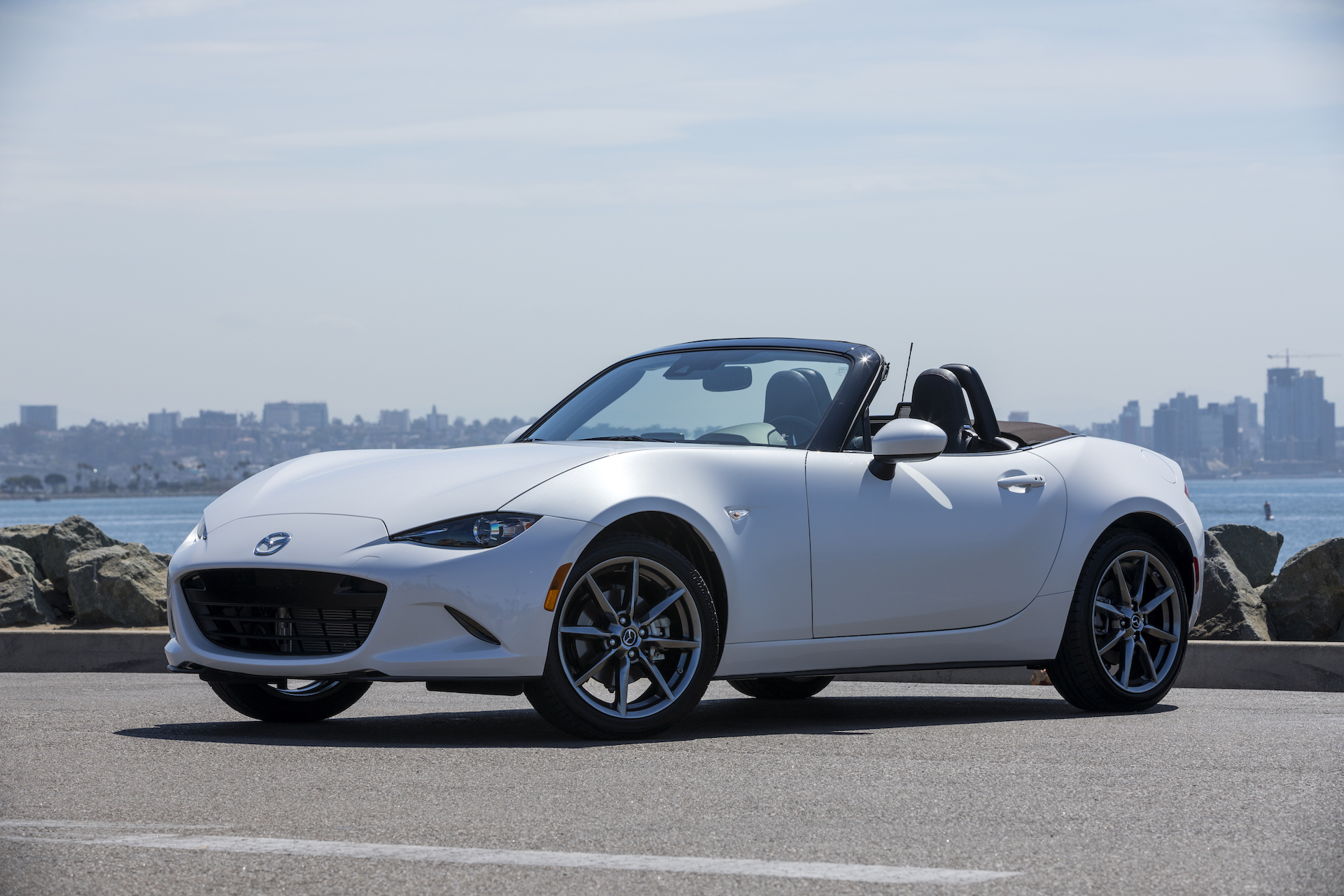
3. Mazda MX-5 Miata
The Mazda MX-5 Miata has built its legendary reputation on a philosophy that prioritizes simplicity, balance, and driving enjoyment above all else. Unlike many modern sports cars that rely on increasing horsepower and advanced technology, the Miata focuses on lightweight construction and mechanical harmony.
This approach allows it to deliver a driving experience that feels pure and engaging, even at relatively low speeds. The car’s ability to transform ordinary roads into enjoyable driving experiences is one of its greatest strengths.
One of the most important characteristics of the Miata is its exceptional weight distribution and chassis balance. The car feels incredibly predictable and responsive, making it easy for drivers to explore its limits without fear.
This creates a sense of confidence that encourages learning and skill development. For many enthusiasts, the Miata serves as the perfect introduction to Rear Wheel Drive performance because it communicates clearly and forgives small mistakes.
Another key advantage is affordability, which sets the Miata apart from nearly every other sports car in its category. It offers a genuine convertible sports car experience at a price that remains accessible to a wide range of buyers.
This affordability extends beyond purchase cost to include maintenance, insurance, and fuel efficiency, all of which contribute to long-term ownership satisfaction. Few vehicles provide such a strong combination of fun and financial practicality.
Reliability is also a major factor in the Miata’s enduring popularity. Mazda has consistently engineered the car to be durable and easy to maintain, which allows owners to enjoy it for many years without significant mechanical concerns. This reliability enhances its appeal as a daily driver or weekend sports car, since owners can rely on it without worrying about frequent repairs or expensive servicing.
The Miata succeeds because it understands its purpose with absolute clarity. It does not attempt to compete with high-horsepower supercars or luxury grand tourers. Instead, it focuses on delivering pure driving enjoyment in its simplest form. This dedication to driving pleasure over complexity is what makes it one of the most respected sports cars in automotive history.
4. Ferrari 458 Italia
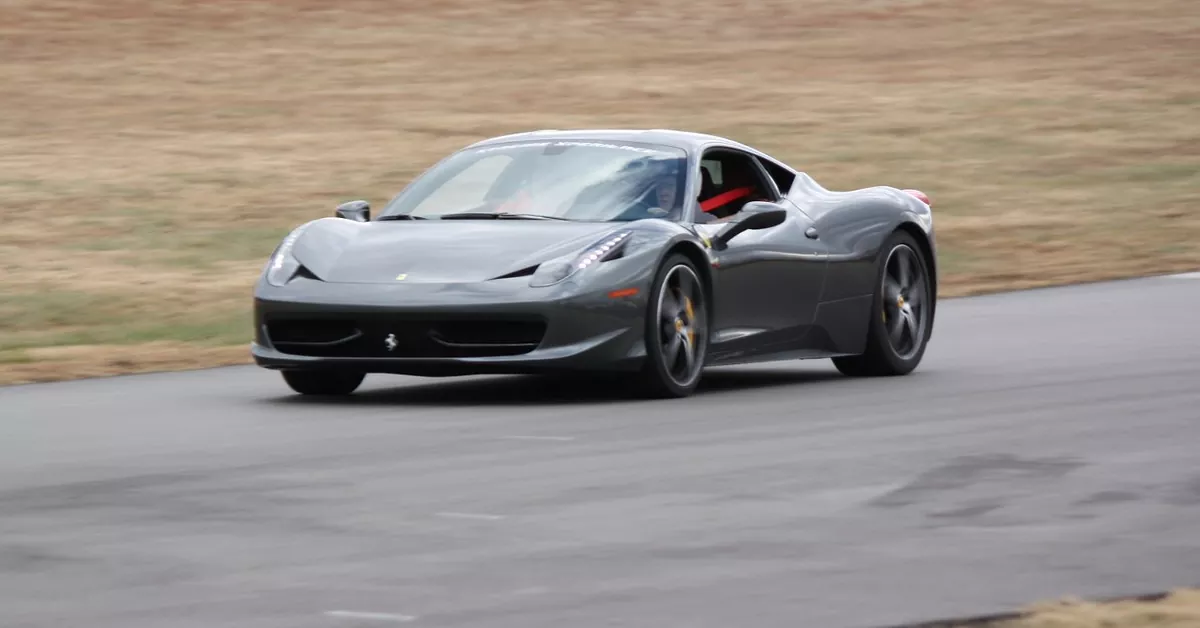
The Ferrari 458 Italia is widely regarded as one of the most emotionally engaging supercars ever built because it represents the peak of Ferrari’s naturally aspirated V8 era.
Its engine is a masterpiece of engineering, delivering an extraordinary combination of high-revving performance and precise throttle response. Unlike turbocharged engines that often prioritize torque delivery, the 458’s powertrain builds excitement progressively, encouraging drivers to explore its upper limits where the experience becomes truly exhilarating.
The driving dynamics of the 458 are equally impressive, with a chassis that blends precision and stability in a way that feels almost effortless. Ferrari engineered the car to respond instantly to driver input while maintaining composure at high speeds.
This balance allows the 458 to perform exceptionally well on both road and track, making it one of the most versatile supercars of its time. Steering feedback is sharp and direct, creating a strong sense of connection between driver and machine.
Design plays a significant role in the 458’s lasting appeal. Its exterior styling is both elegant and aggressive, avoiding unnecessary complexity while still appearing distinctly Ferrari. The aerodynamic efficiency is seamlessly integrated into the bodywork, contributing to performance without compromising aesthetics. Even years after its release, the 458 continues to be admired as one of the most beautiful modern Ferraris.
Inside the cabin, the driver-focused layout reinforces the car’s performance-oriented nature. Controls are positioned for ease of use during spirited driving, and the steering wheel integrates essential functions to minimize distraction. While the interior is not overly luxurious compared to some competitors, it prioritizes functionality and engagement, which aligns perfectly with the car’s purpose.
Finally, the 458 Italia holds a special place in automotive history because it represents the end of an era. As Ferrari transitioned toward turbocharged engines in later models, the 458 became a symbol of pure naturally aspirated performance. This historical significance, combined with its exceptional driving experience, ensures that it remains one of the most desirable and emotionally rewarding sports cars ever produced.
Also Read: 10 Cars That Survive Being Used as Daily Uber Vehicles
4 Overrated Sports Cars
1. Nissan GT-R
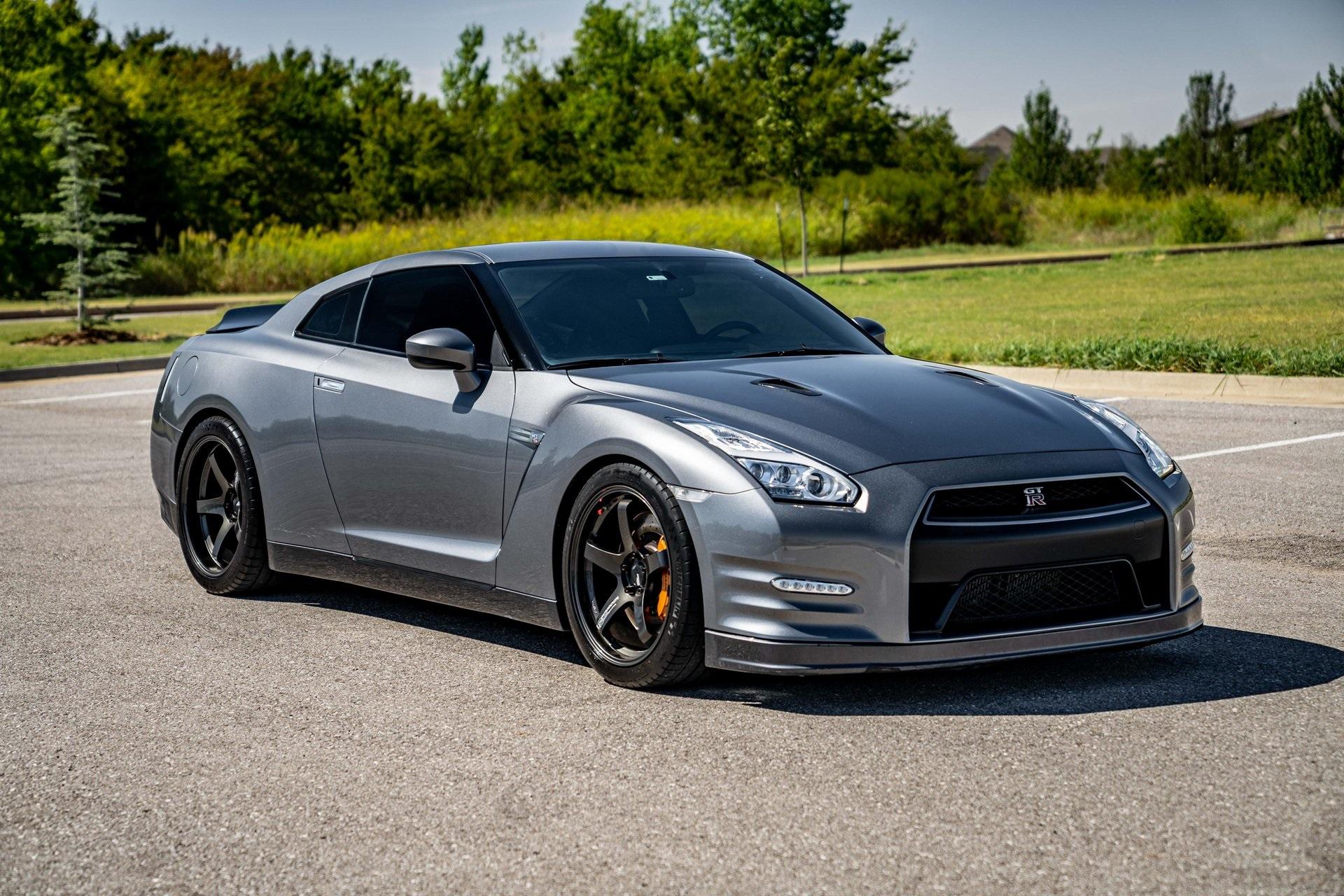
The Nissan GT-R earned its legendary reputation during the late 2000s when it disrupted the supercar world by delivering extraordinary performance at a fraction of the cost of European rivals.
At launch, it felt almost revolutionary because it combined brutal acceleration, advanced All Wheel Drive traction, and cutting-edge electronics in a way that allowed it to outperform cars that cost twice or even three times as much. However, as the years passed, the same strengths that once made it revolutionary have also contributed to its current perception as somewhat overrated in today’s rapidly evolving performance industry.
One of the main reasons for this shift is the aging platform. While Nissan has made updates over time, the core architecture of the GT-R has remained largely unchanged for well over a decade.
This has resulted in a driving experience that feels less modern compared to newer competitors. Many sports cars today benefit from lighter construction, more advanced suspension systems, and improved steering technology. In comparison, the GT R feels heavier and more mechanically dated, even though it still delivers impressive straight-line speed.
The interior is another area where expectations and reality often clash. Although the GT R was never intended to be a luxury vehicle, its current price point places it in a category where buyers expect a higher level of refinement. The cabin design feels functional but outdated, with older infotainment systems, less premium materials, and a general lack of modern design sophistication. This creates a disconnect between the car’s performance capability and its everyday comfort experience.
Driving dynamics also contribute to its mixed reputation. While the GT R excels in traction and stability, especially in challenging conditions, some enthusiasts feel it lacks emotional engagement.
The driving experience can feel somewhat clinical because the car relies heavily on electronic systems to manage its immense power. Instead of feeling playful or interactive, it often feels engineered for maximum efficiency rather than driver enjoyment. This makes it less appealing to those who value emotional feedback over pure performance statistics.
Despite these criticisms, the GT R is still an incredibly capable machine, but its reputation has grown faster than its evolution. What was once a groundbreaking performance icon is now competing in a segment filled with newer, lighter, and more engaging alternatives. As a result, its legendary status sometimes overshadows the fact that it is no longer the dominant force it once was.
2. Toyota Supra
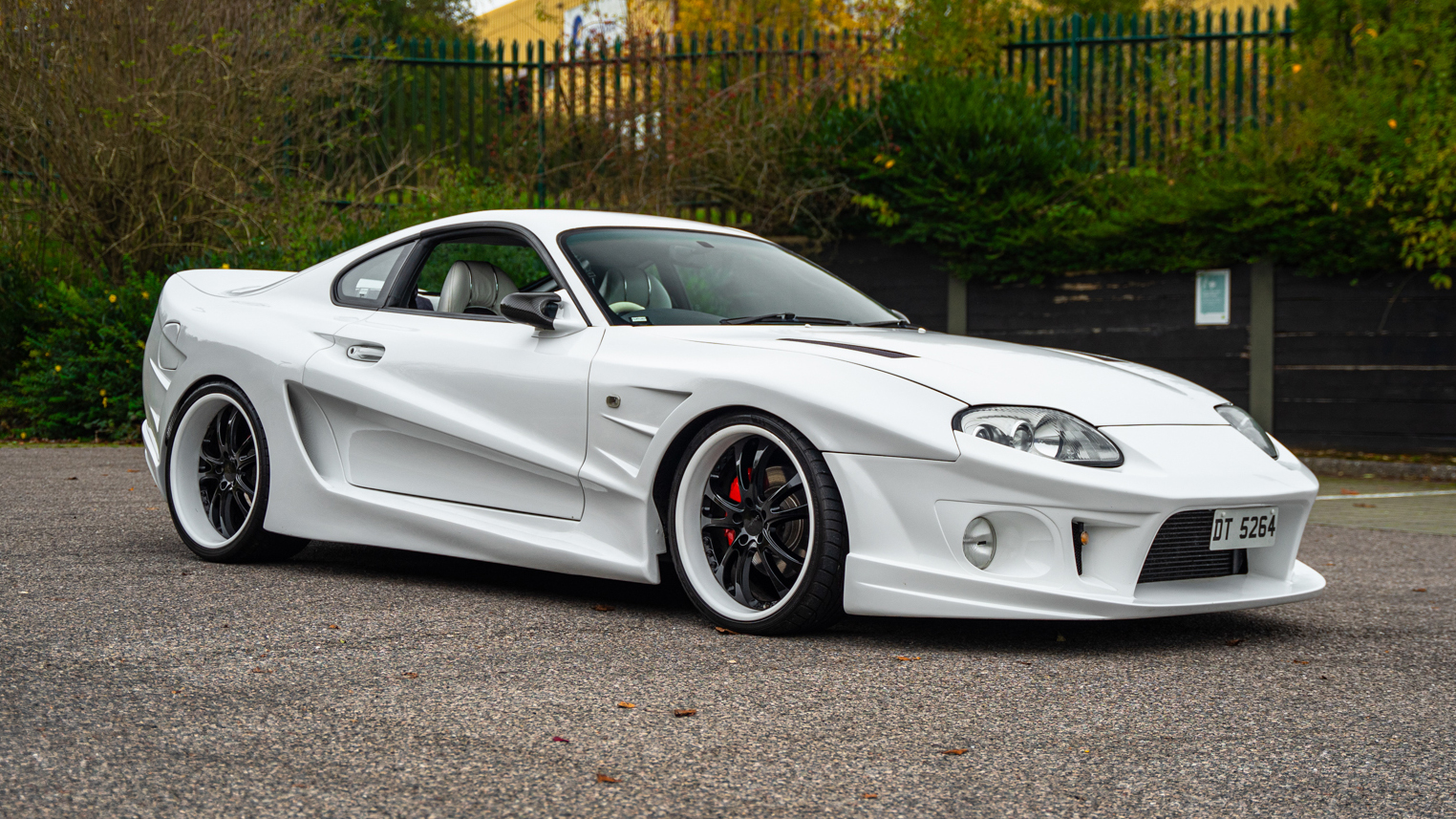
The modern Toyota Supra was introduced with enormous expectations because it carries one of the most iconic names in Japanese sports car history. The original Supra became a cultural phenomenon due to its performance potential, tuning capability, and appearance in motorsport and popular media.
Because of this legacy, the return of the Supra badge created excitement across the automotive world. However, the A90 generation has received a mixed response, with many enthusiasts feeling that it does not fully live up to the emotional weight of its predecessor.
A major point of criticism is its shared development with BMW. While platform sharing is common in the automotive industry, the Supra’s close relationship with the BMW Z4 has led some enthusiasts to question its authenticity.
The engine, transmission, infotainment system, and interior components are heavily influenced by BMW engineering. As a result, the Supra feels less like a uniquely Japanese sports car and more like a collaboration product. This perception has affected how emotionally connected some drivers feel toward the vehicle.
Performance itself is not the issue, as the Supra is objectively fast and capable. Its turbocharged inline six engine delivers strong acceleration and impressive mid-range power, making it enjoyable to drive in many conditions. The chassis is well-balanced, and the car handles corners with confidence.
However, the driving experience is often described as competent rather than inspiring. It performs well but does not necessarily evoke the sense of excitement or raw character that enthusiasts expected from such a legendary nameplate.
Interior practicality and usability also play a role in its mixed reception. The cabin is compact, visibility is limited in certain areas, and storage space is minimal. While these are typical compromises for a sports coupe, competitors sometimes offer more usable interiors without sacrificing performance. For drivers looking for a sports car that can serve as a daily vehicle, these limitations may become noticeable over time.
The Supra suffers less from being a bad car and more from being a car burdened by extremely high expectations. It is a well-engineered and capable sports car, but it does not fully capture the emotional identity that made the Supra name so legendary in the first place. This gap between expectation and reality is what leads many enthusiasts to consider it overrated.
3. Audi R8
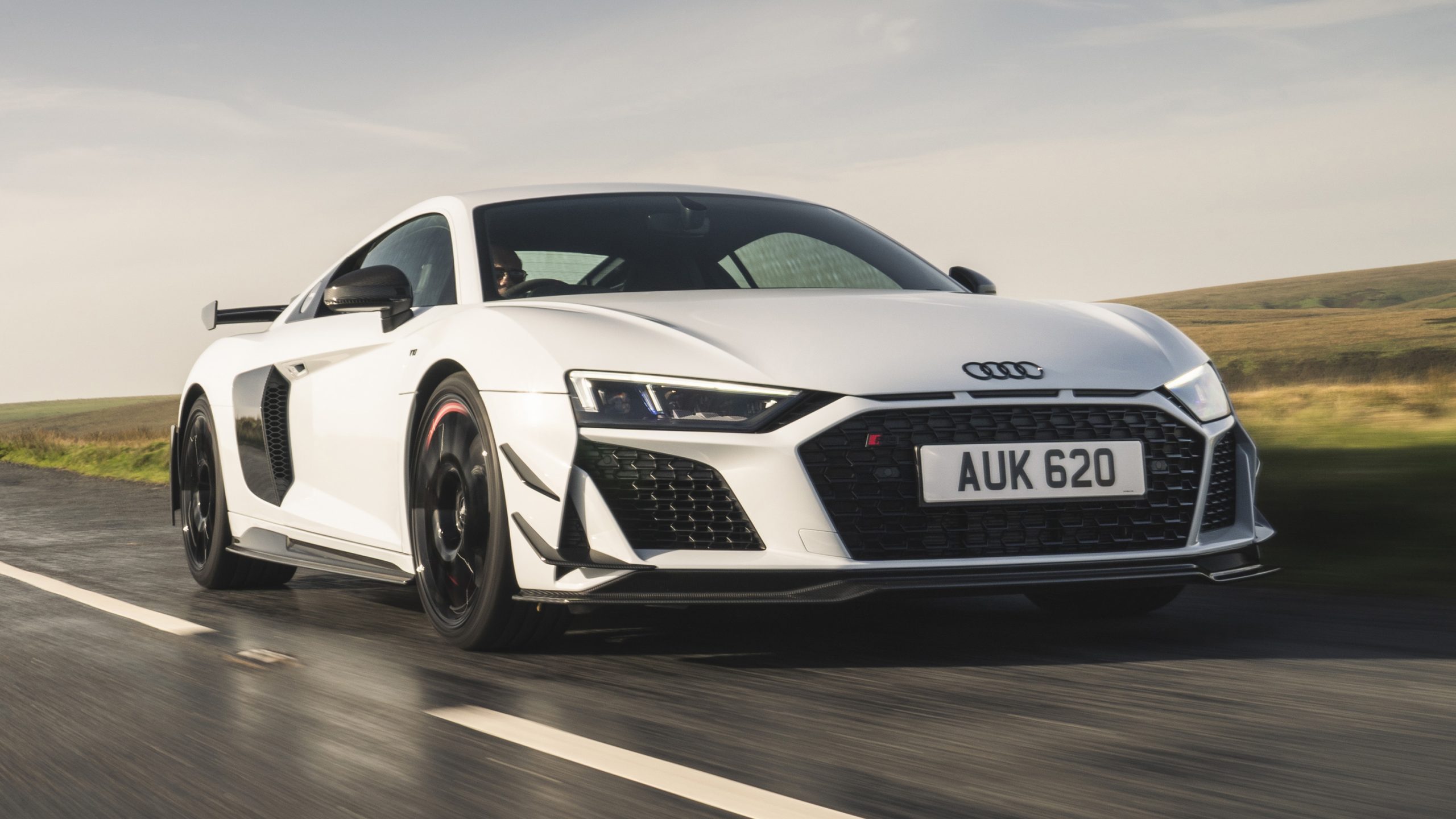
The Audi R8 is often praised as one of the most usable supercars ever made because it combines exotic performance with everyday drivability. It shares its naturally aspirated V10 engine with some Lamborghini models, which immediately gives it credibility in the high-performance world.
However, despite its strengths, the R8 is sometimes considered overrated because it prioritizes refinement and usability so heavily that it loses some of the emotional drama that defines true supercar experiences.
One of the main reasons for this perception is its extremely polished driving character. The R8 is fast, stable, and predictable, which makes it easy to drive at high speeds. However, this predictability can also make it feel less exciting compared to more aggressive competitors. Many exotic sports cars are designed to feel slightly wild or unpredictable in order to heighten emotional engagement, but the R8’s German engineering philosophy emphasizes control and precision over raw excitement.
The interior quality of the R8 is undeniably excellent. Audi is known for producing some of the best interiors in the industry, and the R8 benefits from this expertise.
The cabin is well built, comfortable, and filled with modern technology. However, this same refinement can reduce the sense of occasion that buyers expect from a supercar. Instead of feeling like a dramatic, race-inspired cockpit, the interior feels more like a high-end luxury car with supercar performance.
Another factor influencing its reputation is market positioning. The R8 sits in a price range where buyers can also consider more emotionally engaging alternatives from brands like Ferrari or McLaren. While those competitors may sacrifice some comfort or reliability, they often deliver a stronger sense of drama and exclusivity. As a result, the R8 can feel like the more sensible choice in a segment where emotion often matters more than practicality.
Despite these criticisms, the R8 remains an excellent vehicle in many respects. It offers one of the easiest supercar ownership experiences, combining reliability, usability, and performance in a balanced package. However, that balance is also what leads some enthusiasts to view it as slightly overrated compared to more emotionally intense alternatives.
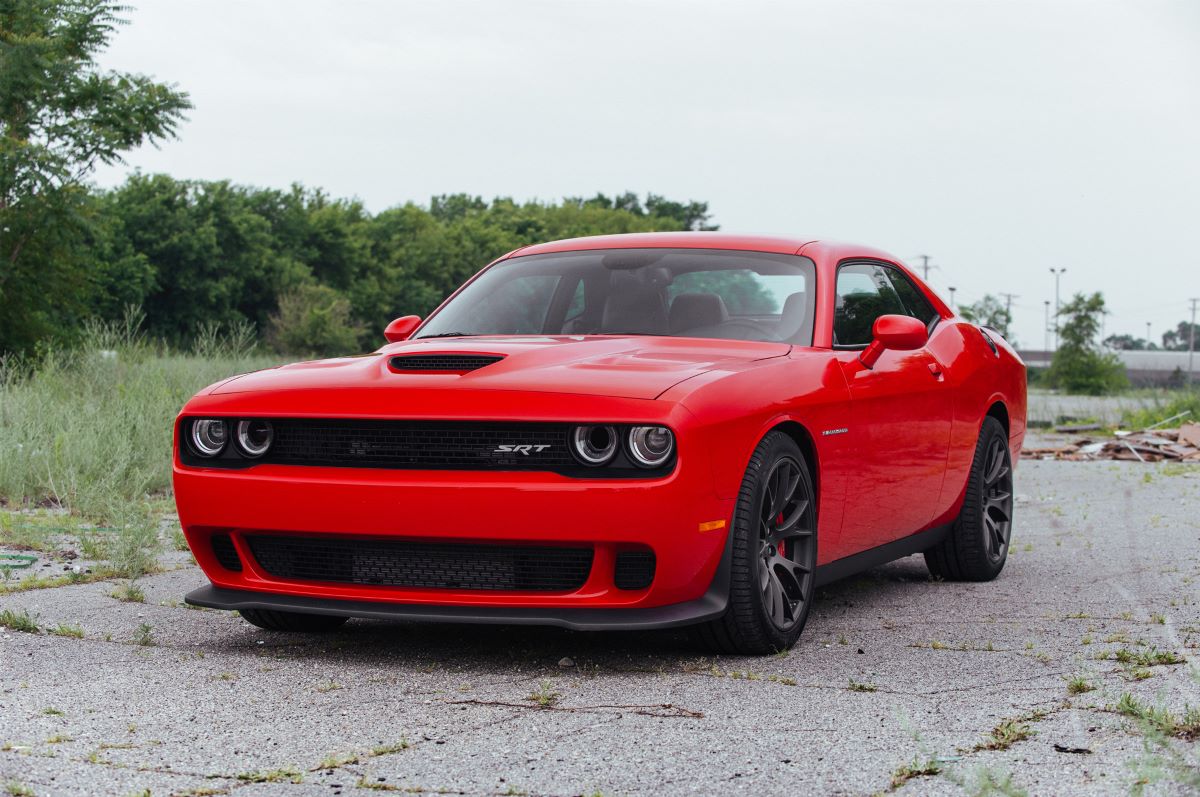
4. Dodge Challenger Hellcat
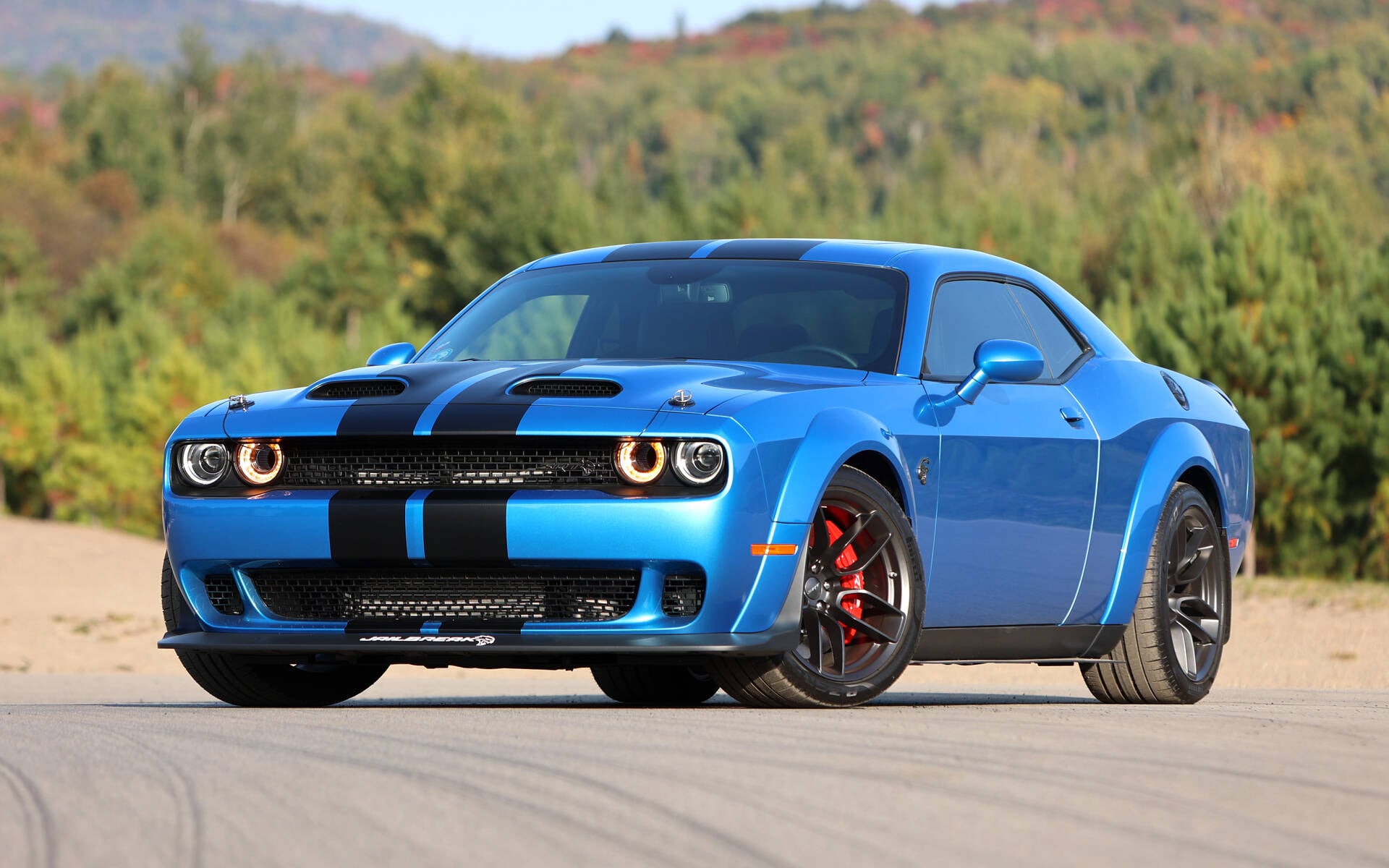
The Dodge Challenger Hellcat became a global sensation because it brought extreme horsepower figures into a relatively accessible muscle car platform. With its supercharged V8 engine producing enormous power, it delivers acceleration that can rival much more expensive performance cars.
Its aggressive styling, loud exhaust note, and straight-line dominance helped it achieve iconic status in modern automotive culture. However, despite its popularity, many enthusiasts consider it overrated because it focuses almost entirely on power at the expense of balanced performance.
One of the most significant limitations of the Hellcat is its handling capability. The car is heavy, and while it is incredibly fast in a straight line, it struggles to match the agility and precision of more modern sports cars in corners.
This creates a driving experience that feels one-dimensional compared to competitors that offer a more complete performance package. For drivers who prioritize track capability or technical driving, the Hellcat may feel less satisfying.
Another concern is everyday usability. The massive power output can make the car difficult to manage in normal driving conditions, especially in areas with heavy traffic or poor road surfaces. Fuel consumption is extremely high, and tire wear can be significant due to the car’s weight and torque. While performance cars are never inexpensive to run, the Hellcat’s operating costs can feel disproportionate even within its category.
Interior quality and refinement also play a role in its reputation. While newer models have improved, the Challenger platform still feels less modern compared to competitors in similar price ranges.
Materials, technology, and cabin design do not always match the expectations set by its performance figures. This creates a mismatch between what the car promises in terms of excitement and what it delivers in comfort and sophistication.
The Hellcat’s reputation is heavily influenced by its horsepower figures and cultural presence rather than its driving balance. It is undeniably exciting in a straight line and has a strong enthusiast following, but when evaluated as a complete sports car package, it lacks the refinement and versatility of more well-rounded competitors. This imbalance is why many consider it overrated despite its impressive performance capabilities.
