
The debate between Japanese and American cars has raged for decades. Millions of drivers around the world have strong opinions on both sides. Japanese automakers built their reputation on one simple promise: reliability. Brands like Toyota, Honda, and Subaru became household names because their cars simply refused to die.
American cars, on the other hand, have always carried a different kind of appeal. They offer raw power, bold styling, and an unmistakable road presence. But for years, they struggled with a reputation for mechanical problems and costly repairs.
Statistics consistently show that Japanese vehicles dominate long-term reliability surveys. Studies from J.D. Power and Consumer Reports repeatedly place Japanese brands at the top. Many Toyota and Honda owners report driving their cars well past 200,000 miles with minimal issues.
But the story is not entirely one-sided. American automakers have made enormous strides in engineering and quality control. Certain American vehicles have proven themselves to be just as tough, if not tougher, than their Japanese rivals.
This article explores five Japanese cars that genuinely outlast American ones. It also reveals five surprising exceptions where American engineering fights back and wins. Buckle up this comparison might challenge everything you thought you knew.
5 Japanese Cars That Outlast American Ones
These Japanese cars are known for exceptional longevity, simple engineering, and low failure rates, often running well past 200,000 miles with basic maintenance. Models like the Toyota Corolla, Honda Civic, and Toyota Camry have built reputations for bulletproof reliability and consistent performance over time.
Others, such as the Lexus RX and Honda CR-V, also stand out with durable powertrains and strong build quality, making them favorites for long-term ownership. Their focus on efficiency and proven components helps them outlast many competitors.
1. Toyota Camry
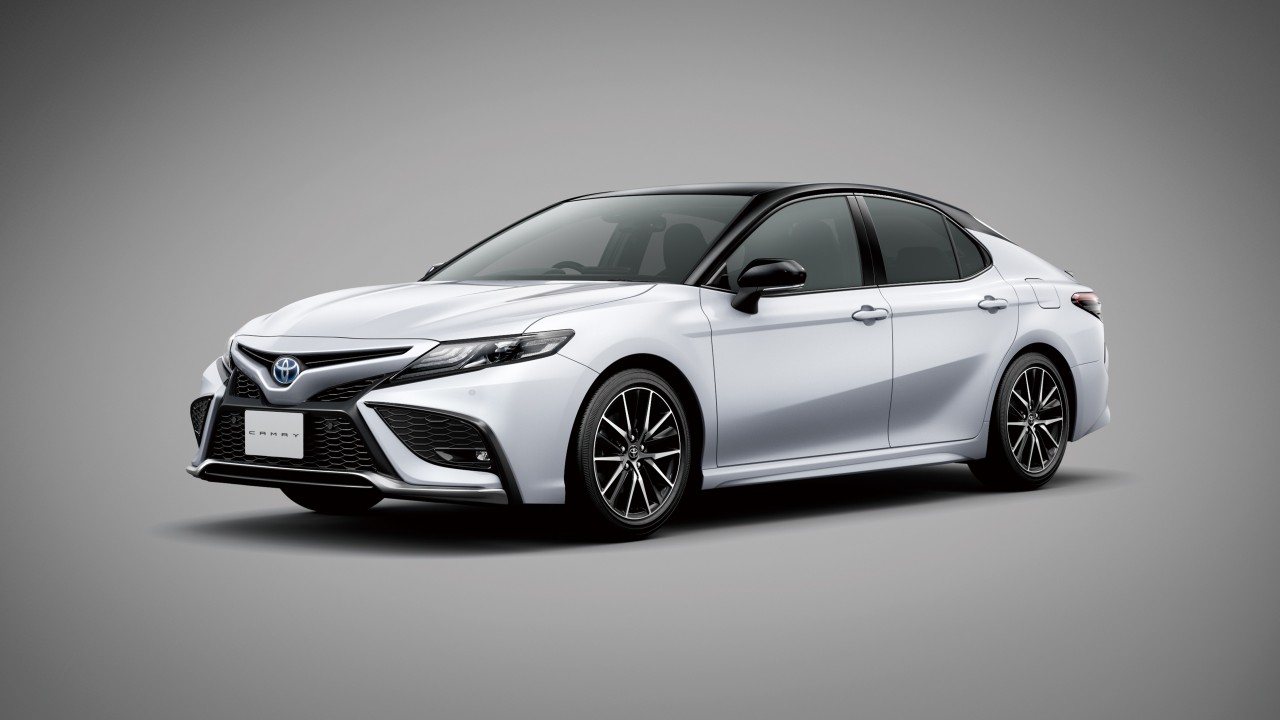
The Toyota Camry is not just a car. It is a cultural institution built on the foundation of bulletproof engineering. For over four decades, the Camry has sat at the top of reliability charts. No other midsize sedan has matched its consistent record of long-term dependability.
Consumer Reports has named the Camry one of the most reliable vehicles year after year. Its engines are tuned for endurance rather than raw excitement, and that philosophy pays off over time.
A typical Camry owner can expect to reach 200,000 miles without a major engine overhaul. Many well-maintained examples have crossed the 300,000-mile mark with only routine service.
The 2AR-FE four-cylinder engine found in many Camrys is considered one of the most durable engines ever built. It uses simple, proven technology rather than complex systems that can break down unexpectedly.
Compare this to a Ford Fusion or Chevrolet Malibu from the same era. Both sedans experience far more transmission failures and electrical gremlins in the long run.
The Camry’s suspension components are overbuilt for durability. They handle rough roads and extreme temperatures without constant replacement.
Rust resistance is another area where the Camry shines. Toyota uses high-quality steel and robust undercoating that protects the body for years longer than many American competitors.
The resale value of a Camry after ten years is significantly higher than most American midsize sedans. This alone tells a powerful story about buyer confidence in its longevity.
When Americans buy a Camry, they are not buying a car. They are buying peace of mind, and that peace of mind has been earned honestly over millions of miles.
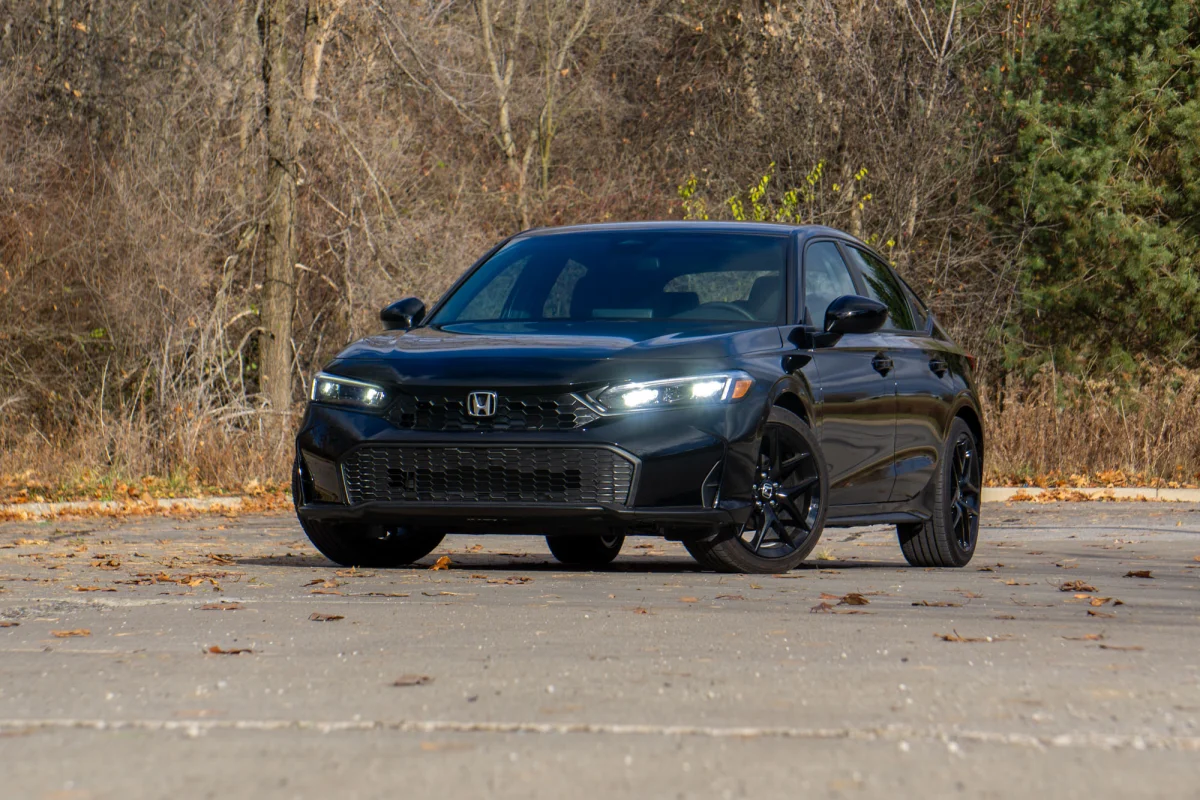
2. Honda Civic
The Honda Civic has been defying expectations since 1972. It entered the American market as a tiny, fuel-efficient alternative to gas-guzzling domestic cars.
What nobody expected was how long these small cars would last. Early Civics regularly ran into the 1980s and beyond with minimal mechanical drama.
Modern Civics continues this tradition with incredible stubbornness. The tenth and eleventh generation models are widely praised for their refined engineering and long service lives.
Honda’s Earth Dreams engines, used across the Civic lineup, are marvels of efficient, long-lasting design. They burn fuel cleanly, run quietly, and resist wear far longer than comparable American four-cylinders.
A well-maintained Civic regularly reaches 250,000 miles on the original engine. That kind of mileage from a compact car is virtually unheard of in the American domestic lineup.
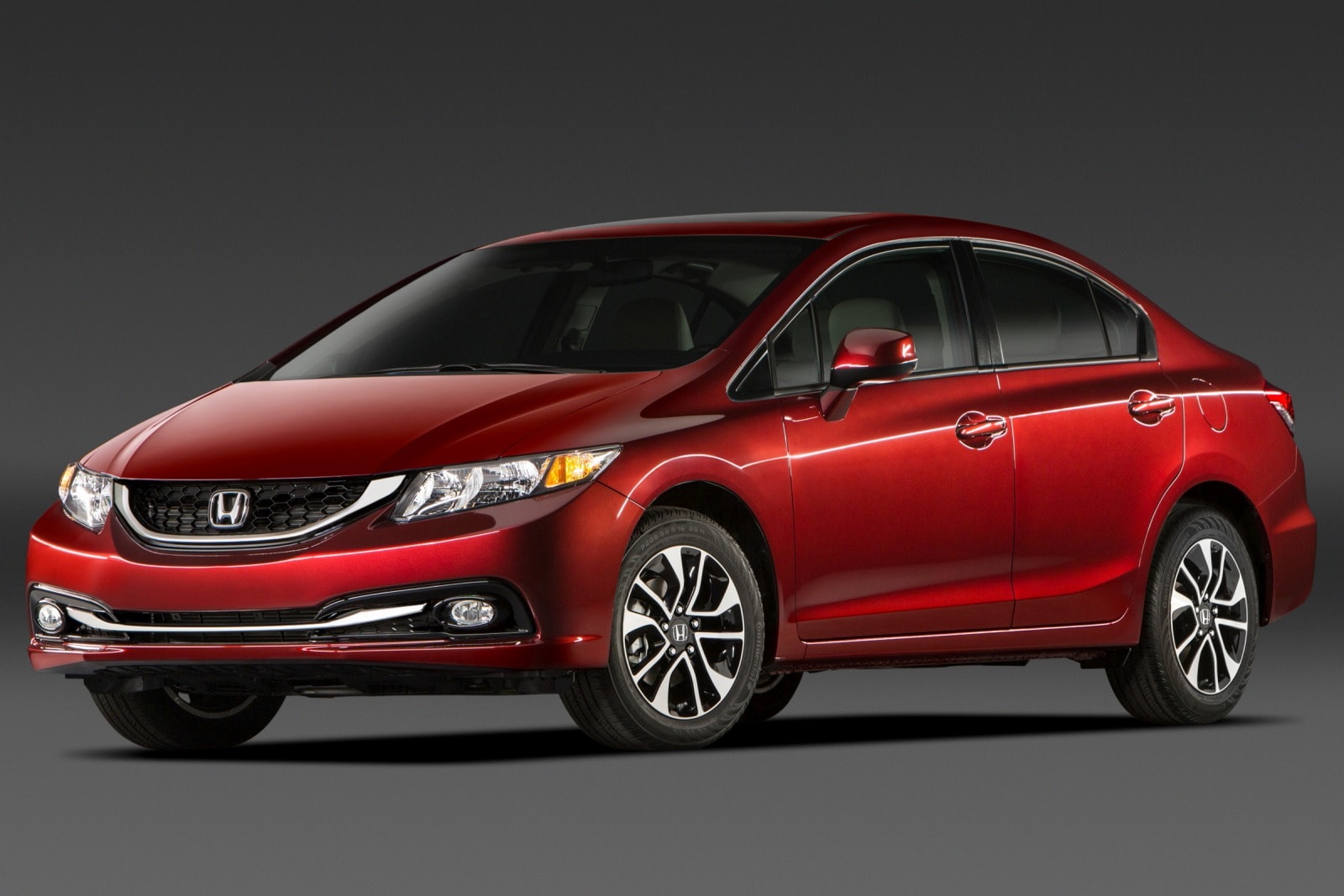
Compare this to a Chevrolet Cruze or Ford Focus. Both cars faced significant engine and transmission problems that drove down their long-term reliability scores dramatically.
The Civic’s build quality is remarkably consistent across model years. Honda maintains strict quality control standards at every assembly plant, regardless of location.
Honda uses tightly toleranced engine components that wear evenly over time. This reduces the likelihood of catastrophic failures and extends the interval between major repairs.
The electrical systems in modern Civics are designed with simplicity in mind. Fewer complex electronic systems mean fewer expensive failures as the car ages.
The Civic proves that a car does not need to be expensive to be built well. Honda’s engineering discipline has created one of the most enduring small cars in automotive history.
3. Toyota Tacoma
The number of pickup trucks, American brands have always dominated. Ford’s F-150 and Chevy’s Silverado are cultural icons built on decades of blue-collar loyalty.
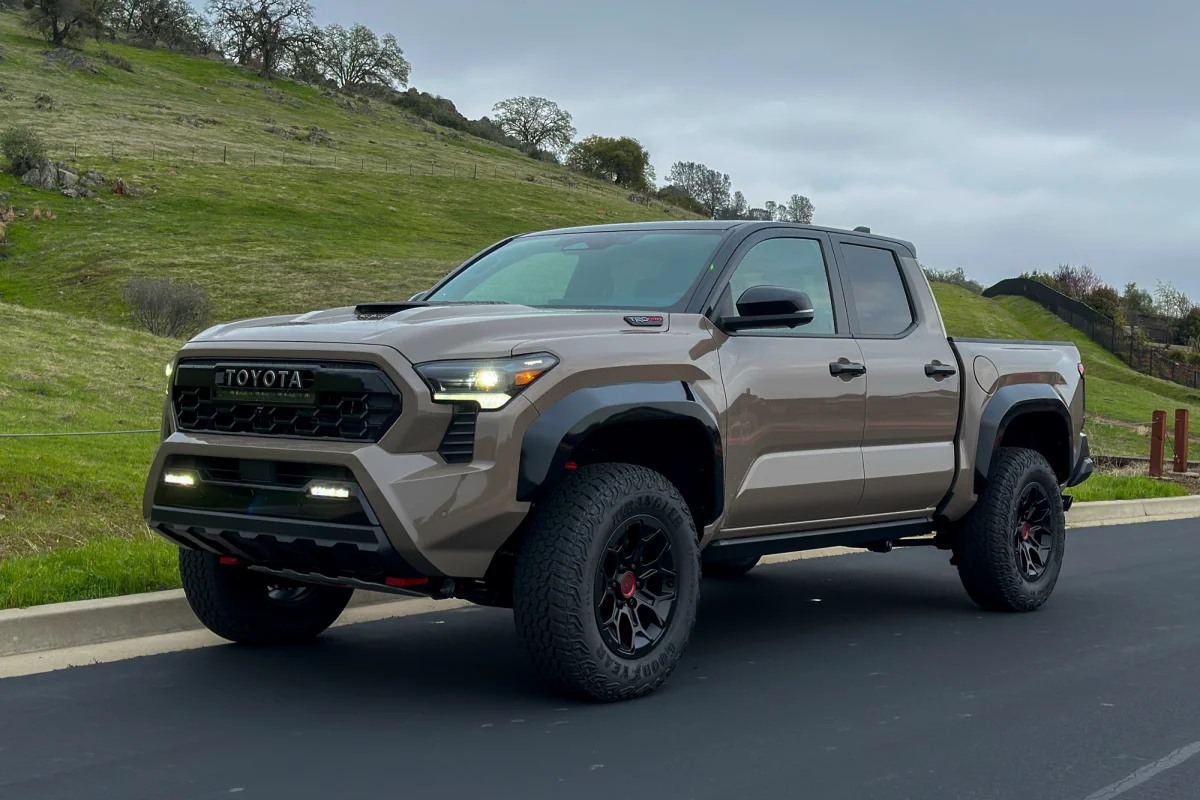
But when it comes to longevity, the Toyota Tacoma has quietly carved out an astonishing reputation. It has become the benchmark for midsize truck reliability worldwide.
The Tacoma’s 3.5-liter V6 engine is an engineering masterpiece. It produces strong power while maintaining outstanding long-term durability under demanding work conditions.
Off-road abuse, heavy towing, and relentless daily use rarely shake a Tacoma loose. Its frame and drivetrain are built to absorb punishment that would quickly destroy lesser trucks.
Used Tacomas routinely sell for prices that rival or exceed their original MSRP. No other midsize truck, American or otherwise, holds its value so stubbornly over time.
Stories of 300,000-mile and even 400,000-mile Tacomas are common on enthusiast forums. These are not pampered show trucks, but daily drivers used hard in harsh conditions.
Compare this to the Ford Ranger or Chevrolet Colorado. Both are solid trucks, but neither approaches the Tacoma’s legendary status for long-term dependability.
The Tacoma’s frame is engineered with extra material in high-stress areas. This overbuilding philosophy adds weight but dramatically increases the truck’s lifespan.
Four-wheel-drive systems in the Tacoma are simple, robust, and designed for decades of use. They require minimal maintenance and rarely suffer the electronic failures that plague more complex American systems.
Toyota’s rust-proofing on the Tacoma has improved significantly in recent generations. Earlier models had frame rust issues, but Toyota addressed these aggressively and improved the formula.
The Toyota Tacoma has redefined what American truck buyers expect from a midsize pickup. It has forced domestic manufacturers to up their game in ways that benefit all consumers.
4. Subaru Outback
The Subaru Outback occupies a unique position in the automotive world. It blends the practicality of a wagon with the all-weather capability of an SUV, all wrapped in remarkable durability.
Subaru’s symmetrical all-wheel-drive system is standard on every Outback. This system distributes power evenly to all four wheels, reducing drivetrain wear over hundreds of thousands of miles.
The Outback’s boxer engine is a horizontally opposed design that lowers the center of gravity. This layout also runs remarkably smoothly and suffers less vibration-related wear than traditional inline engines.
Long-term reliability studies consistently rank the Outback among the top performers in its class. Owners regularly report passing 200,000 miles without needing major mechanical intervention.
The Outback thrives in environments that destroy other vehicles. Harsh winters, unpaved mountain roads, and constant wet weather are no match for its robust construction.
Compare this to a Ford Explorer or Jeep Grand Cherokee over a fifteen-year ownership period. Repair costs, transmission problems, and suspension wear add up dramatically in those American SUVs.
Subaru builds the Outback’s chassis with long-term rigidity in mind. The body structure resists flex and fatigue that can cause rattles and squeaks in aging competitors.
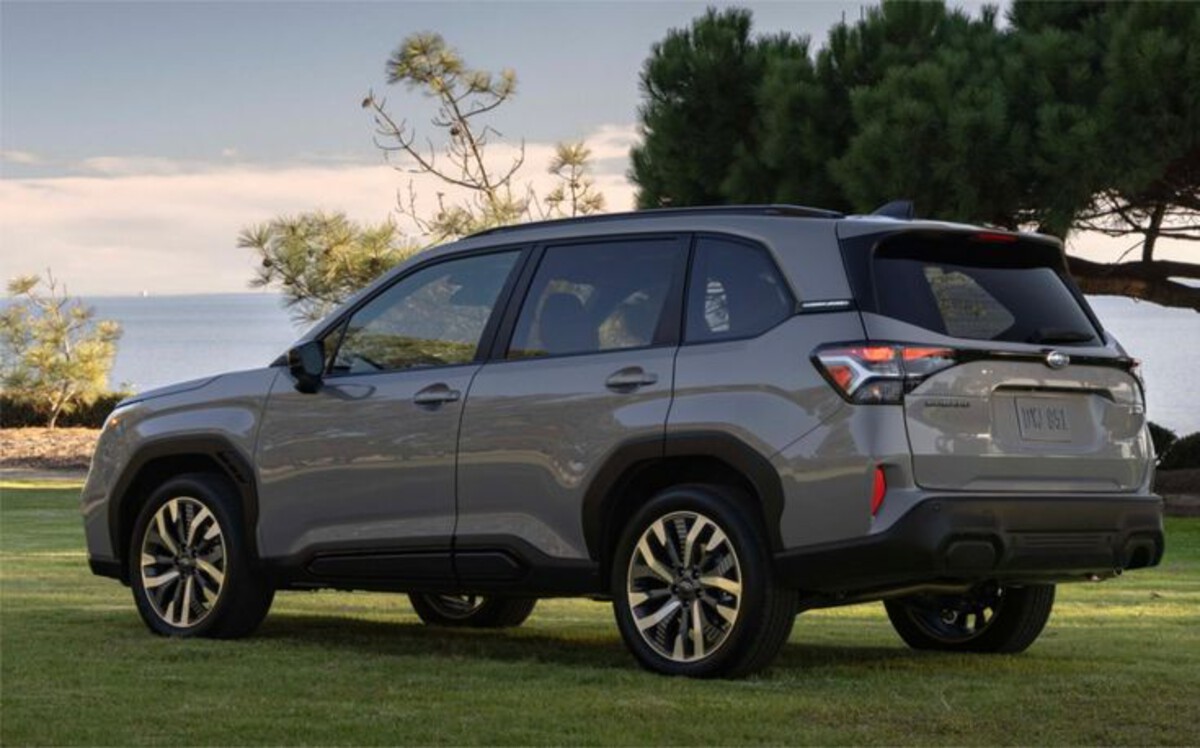
The Outback’s safety ratings are consistently excellent, which reflects the quality of materials and engineering used throughout the vehicle. Strong safety design and durable construction go hand in hand.
Timing belt intervals on older Outbacks were a known maintenance point, but modern versions use timing chains that are designed to last the life of the engine.
The Subaru Outback may not be the most glamorous vehicle on the road. But its quiet, consistent excellence has made it one of the most trusted long-term vehicles money can buy.
Also Read: EVs Average 80 Percent More Issues Than Gas Cars in the 2026 Consumer Reports Study
5. Honda Accord
The Honda Accord has been a cornerstone of the American midsize sedan market since 1976. It consistently delivers a combination of driving pleasure and rock-solid durability that is difficult to match.
Honda engineers the Accord with an obsessive focus on component longevity. Every system from the engine to the door hinges is tested far beyond typical usage cycles before it ever reaches a customer.
The Accord’s K-series and later engines are among the most celebrated in automotive engineering circles. They run cleanly, pull strongly, and resist mechanical failure across extraordinary mileage ranges.
High-mileage Accords are everywhere. Walk through any used car lot, and you will find Accords with 180,000 or 200,000 miles still commanding respectable prices.
Compare this to a Dodge Charger or Chrysler 300 from the same price bracket. While powerful and stylish, those American sedans suffer more frequent transmission and electrical failures over time.
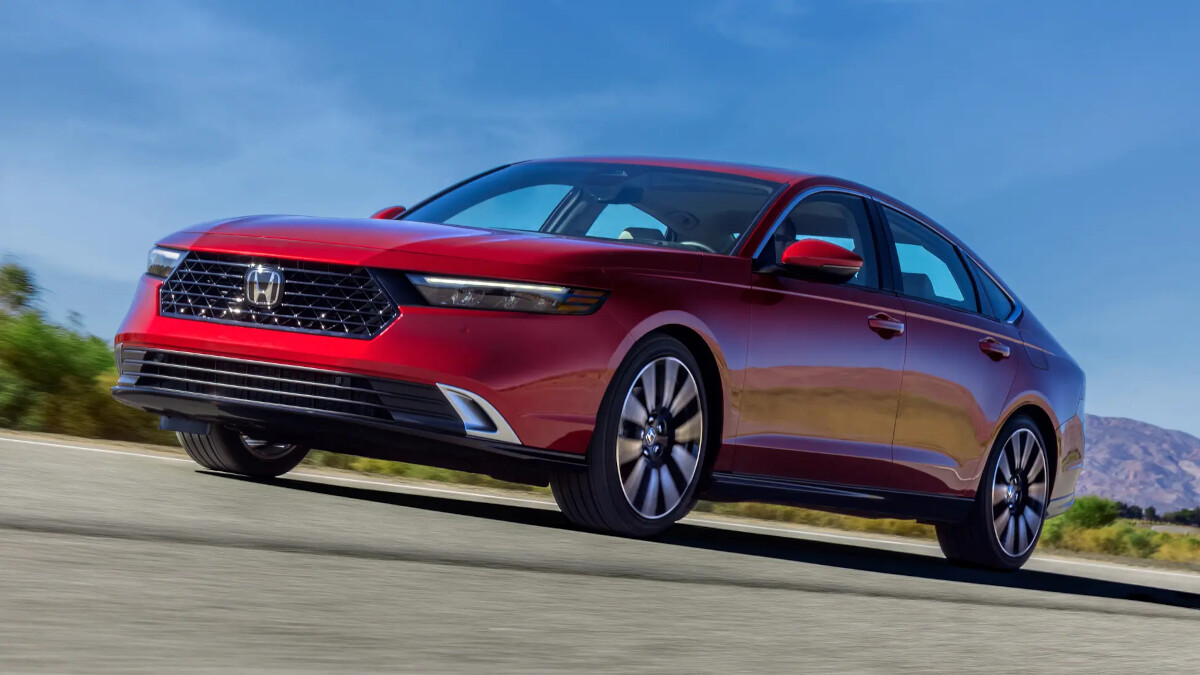
The Accord’s transmission, whether automatic or manual, is engineered for smooth, consistent long-term operation. Honda’s automatic transmissions have improved dramatically and now rank among the most durable in the industry.
Body panel fitment on the Accord is exceptionally tight from the factory. This precision manufacturing reduces wind noise, water intrusion, and the kind of body flex that ages a car prematurely.
Honda’s approach to electronics in the Accord is conservative and purposeful. Systems are designed to work reliably for years rather than impress with features that may fail unpredictably.
Service intervals on the Accord are generous compared to many American competitors. Honda’s Maintenance Minder system accurately calculates when service is actually needed, reducing unnecessary maintenance costs.
The Honda Accord is not just a car that lasts. It is a car that keeps driving confidently and comfortably all the way to the end, making every mile feel like the investment it truly is.
5 American Cars That Beat Japanese Rivals
While Japanese cars are often associated with longevity, some American vehicles prove just as durable or even more so when properly maintained. Models like the Ford F-150, Chevrolet Tahoe, and GMC Sierra have shown impressive long-term reliability, especially in the truck and SUV segments.
Others, such as the Chevrolet Suburban and Ford Crown Victoria, are known for high mileage capability and rugged construction, often lasting hundreds of thousands of miles. These exceptions highlight that durability isn’t limited to one region it depends on engineering, maintenance, and usage.
1. Ford F-150
No conversation about long-lasting vehicles is complete without the Ford F-150. It has been the best-selling vehicle in America for over forty consecutive years, and that success is built on real-world toughness.
The F-150’s high-strength aluminum body, introduced in 2015, was controversial at first. But it has proven to be lighter, stronger, and more resistant to corrosion than traditional steel truck bodies.
Ford’s 5.0-liter Coyote V8 is one of the most celebrated truck engines in modern automotive history. It produces strong, consistent power and has demonstrated impressive durability over hundreds of thousands of miles.
F-150 owners who perform regular maintenance routinely reach 250,000 miles without major engine work. This matches or exceeds what many Japanese midsize trucks achieve over the same time period.
The F-150’s towing and payload capacities far exceed those of the Toyota Tacoma and most other Japanese competitors. Under maximum load conditions, the F-150’s drivetrain continues to perform with remarkable reliability.
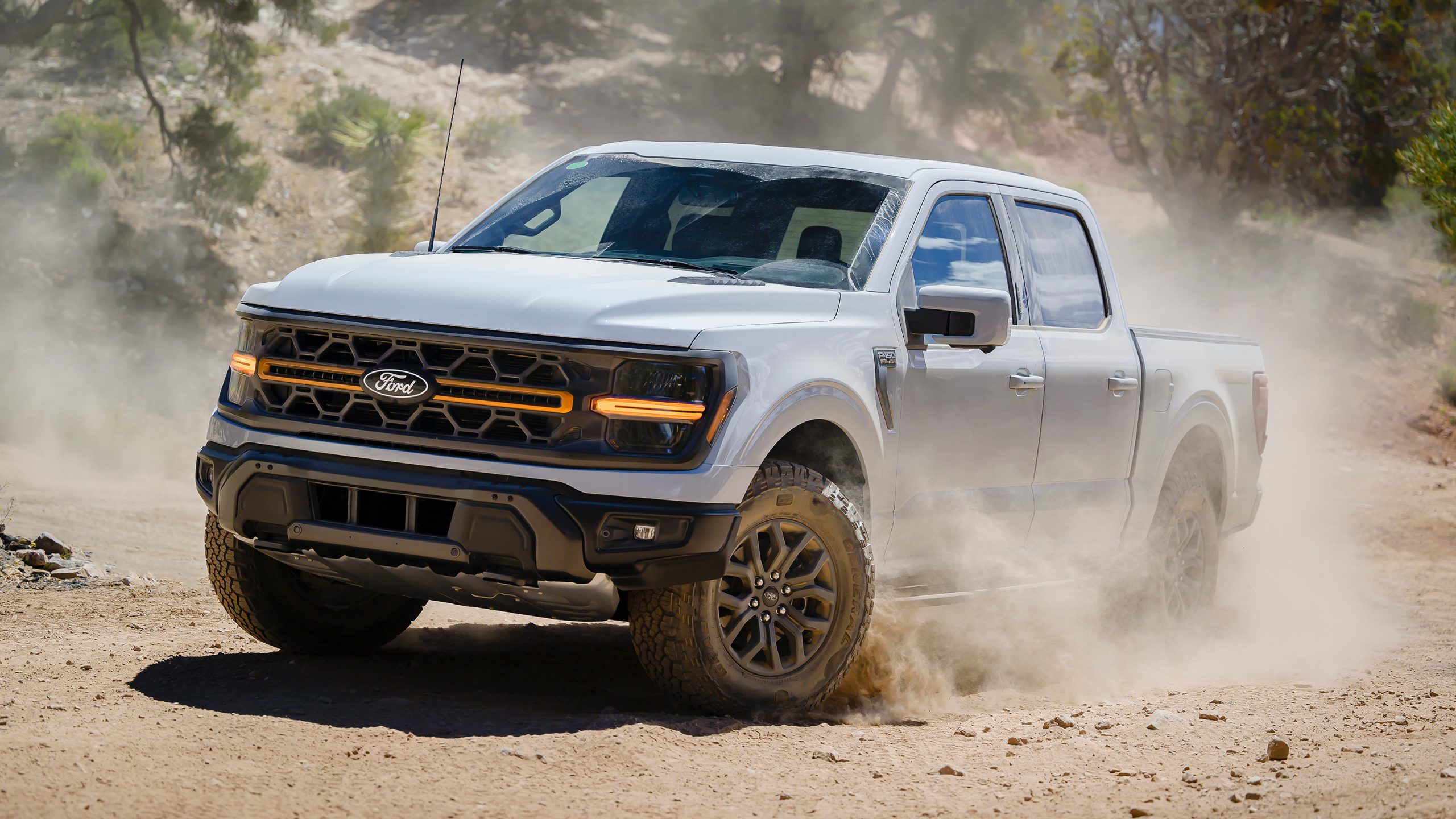
Ford’s military-grade aluminum alloy used in the body panels resists dents and corrosion better than traditional steel. This material science advantage gives the F-150 a structural edge over the competition.
The EcoBoost turbocharged engines offer impressive power and efficiency, but initially raised durability concerns. Revised versions have resolved early issues and now demonstrate strong long-term reliability in real-world testing.
Fleet operators, including construction companies, police departments, and government agencies, depend on the F-150. Its ability to handle continuous, demanding use is a powerful real-world endorsement.
The F-150 Raptor and Tremor performance variants are engineered to handle extreme off-road punishment. Their reinforced suspension and drivetrain components demonstrate Ford’s commitment to building trucks that last under pressure.
Resale values for well-maintained F-150s remain strong across multiple generations. Buyers consistently trust the truck’s reputation, which reflects genuine long-term quality.
The Ford F-150 has earned its place as America’s definitive truck. Its combination of power, practicality, and proven durability makes it a legitimate competitor to any Japanese pickup in the longevity debate.
2. Chevrolet Suburban
The Chevrolet Suburban has been in continuous production since 1935. No other vehicle nameplate in American automotive history has survived longer, and that record speaks volumes about its fundamental durability.
The Suburban is built on GM’s full-size truck platform, which is one of the most tested and proven chassis architectures. Its bones have been refined across nearly nine decades of continuous production.
Family buyers who put 200,000 miles on a Suburban are not outliers they are common. The vehicle’s massive, over-engineered frame and drivetrain are designed to absorb decades of family hauling without complaint.
Compare this to a Toyota Sequoia or Nissan Armada over a fifteen-year period. While both are reliable, neither matches the Suburban’s raw ability to absorb punishment and keep running.
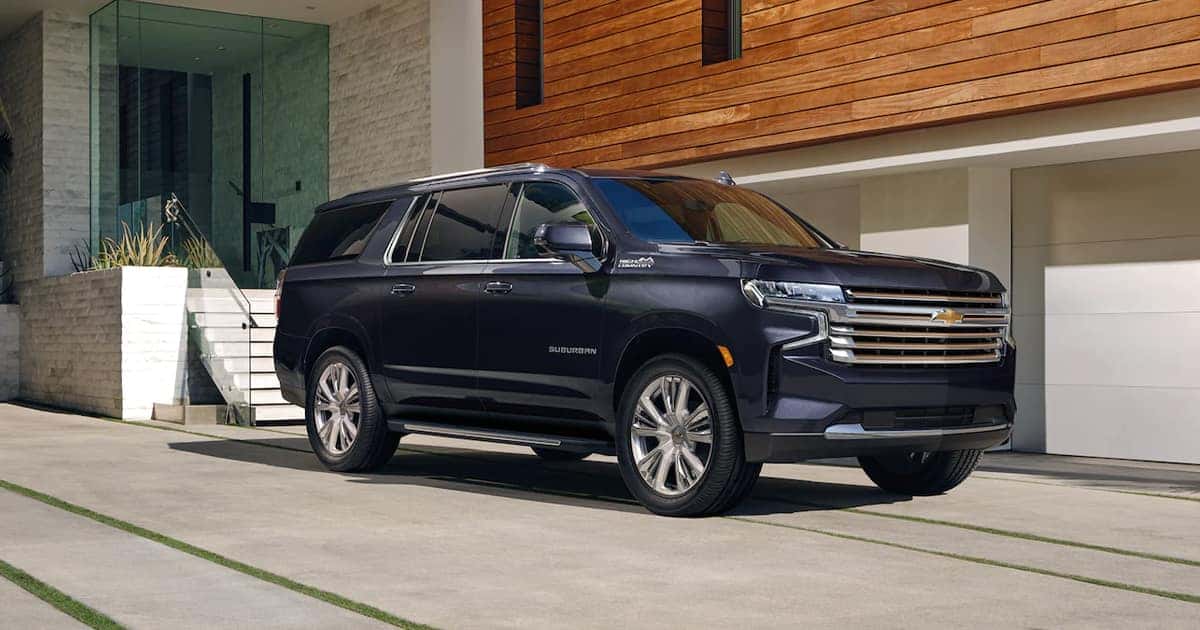
The Suburban’s 5.3-liter and 6.2-liter V8 engines are farm-tough powerplants that have proven themselves across millions of miles in real-world use. They are simple, robust, and respond well to basic maintenance.
GM’s active fuel management system, which shuts down cylinder banks at highway speeds, initially had reliability concerns. Updated versions have addressed these issues and improved both efficiency and durability.
The Suburban’s interior is built for heavy daily use by large families. Seat materials, floor surfaces, and touchpoints are all engineered to withstand the kind of abuse that would destroy lesser interiors within a few years.
Third-row seating mechanisms in the Suburban are far more robust than those in smaller Japanese SUVs. The heavy-duty hardware lasts through thousands of deployment cycles without failure.
The Suburban proves that American engineering at its best can match and even exceed Japanese alternatives in terms of long-term durability. Its nine decades of continuous production is a track record that no Japanese SUV can approach.
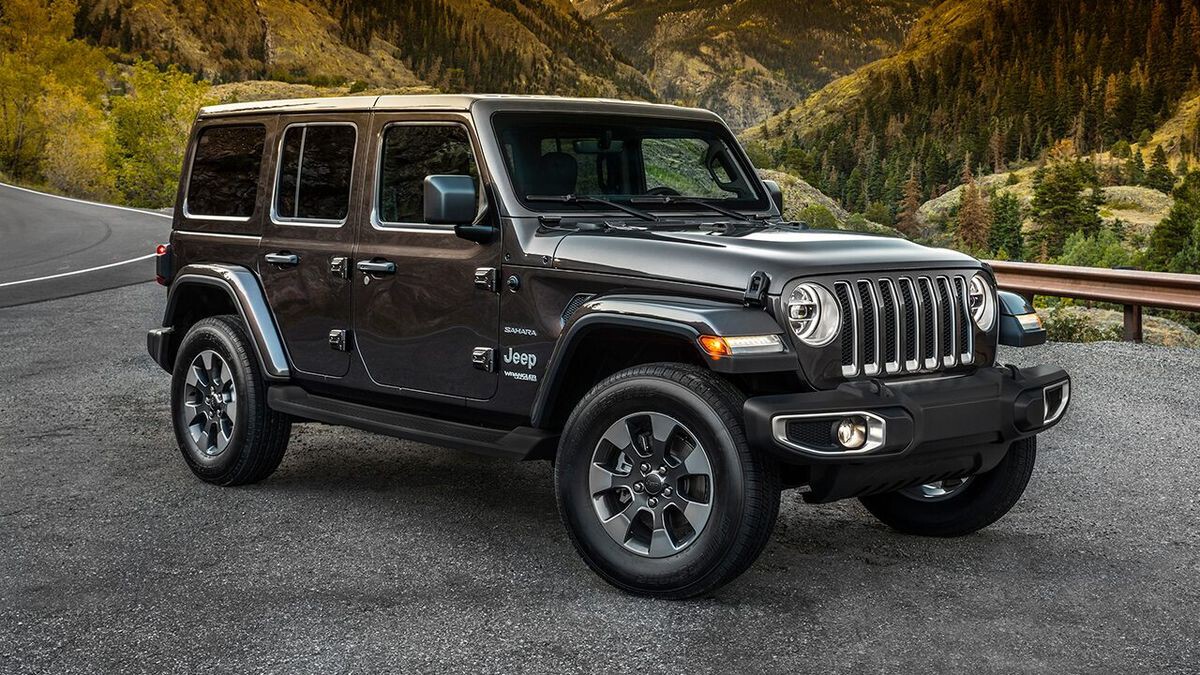
3. Jeep Wrangler
The Jeep Wrangler occupies a category entirely its own. It is not designed to be the most refined vehicle on the road. It is designed to be indestructible, and it largely succeeds.
Wrangler owners are a passionate, dedicated community that keeps their vehicles running for extraordinary amounts of time. It is not unusual to find Wranglers with 300,000 or even 400,000 miles still actively used for off-road adventures.
The Wrangler’s body-on-frame construction is a key durability advantage. This traditional design allows individual components to be replaced easily without affecting the structural integrity of the rest of the vehicle.
Toyota’s 4Runner uses a similar approach and is rightfully praised for its longevity. But the Wrangler matches it mile for mile in real-world off-road durability, often at a lower total cost of ownership.
The Wrangler’s Dana axles are heavy-duty units originally designed for serious commercial and military applications. They handle abuse that would quickly destroy the independent suspension systems found in most Japanese SUVs.
Jeep’s 3.6-liter Pentastar V6 engine has proven to be one of the more durable American powerplants of its generation. With proper maintenance, it regularly delivers 200,000 miles of service without internal failure.
The Wrangler’s simple, accessible mechanical layout makes repairs straightforward and affordable. Independent mechanics can work on a Wrangler without specialized equipment or expensive proprietary tools.
Body panels on the Wrangler are designed to be removed, replaced, and repaired easily. This modularity means that cosmetic damage does not condemn the vehicle to the scrapyard.
Aftermarket support for the Wrangler is extraordinary. Virtually every component can be upgraded or replaced with parts that are stronger and more durable than the originals.
The Jeep Wrangler proves that American engineering can create a vehicle that lasts decades in the harshest conditions imaginable. It is the exception that challenges every assumption about American car reliability.
4. Ford Mustang
The Ford Mustang is more than a car. It is an American icon that has been thrilling drivers continuously since 1964, and its long-term mechanical durability is often underestimated.
Mustang owners are notoriously dedicated to maintaining their vehicles. This culture of care contributes significantly to the extraordinary longevity that many Mustangs achieve in real-world use.
The Mustang’s 5.0-liter Coyote V8 is a modern engineering masterpiece. It produces over 450 horsepower while maintaining a level of mechanical reliability that impresses even skeptical Japanese car enthusiasts.
High-mileage Mustangs are genuinely common among dedicated owners. Drivers who treat the Coyote V8 with regular maintenance routinely push past 200,000 miles without internal engine failure.
Compare this to a Toyota GR86 or Subaru BRZ in a head-to-head longevity comparison. The Mustang’s larger displacement engine actually faces less stress per horsepower, which contributes to its long-term health.
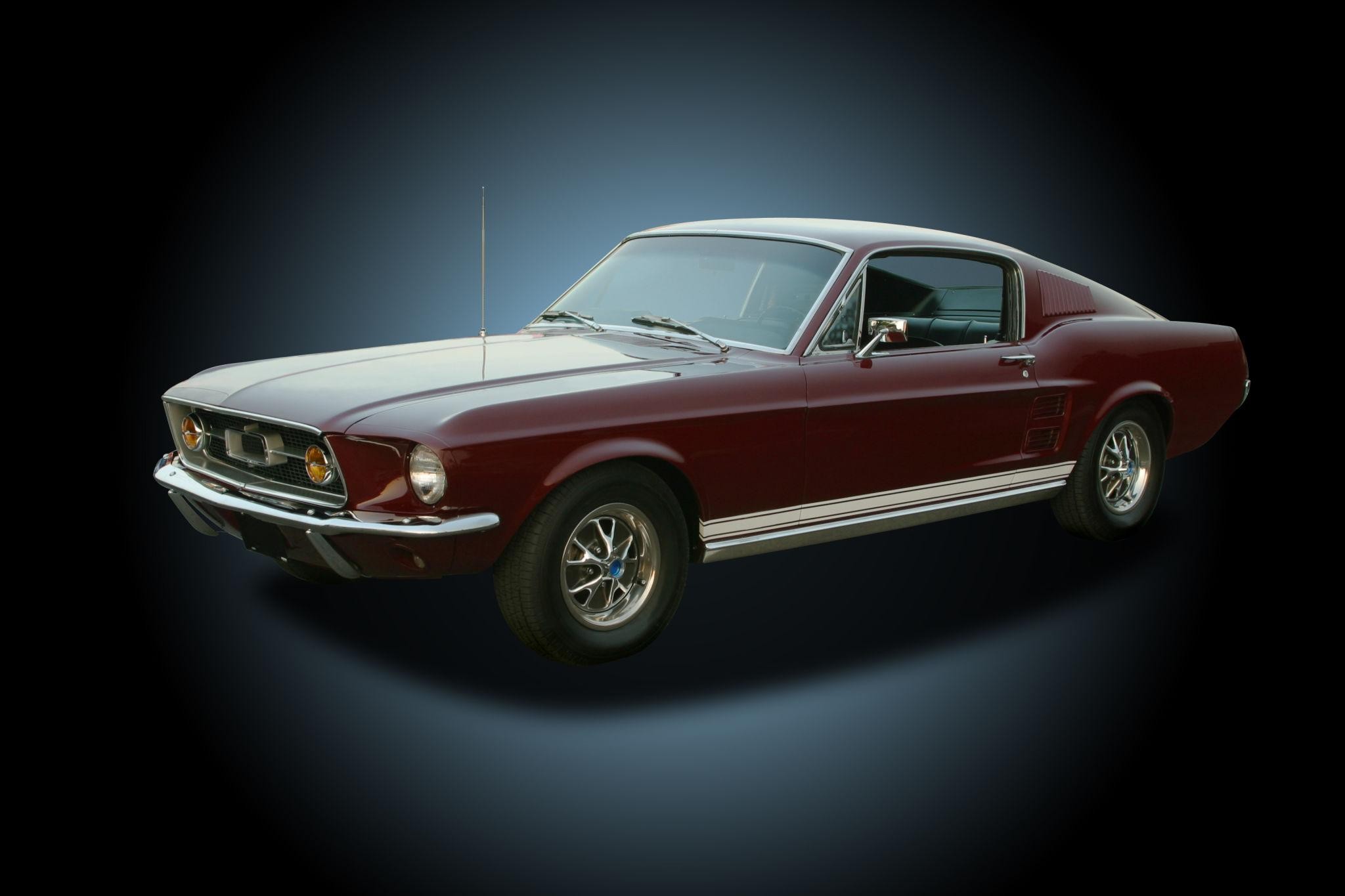
The Mustang’s chassis rigidity has improved dramatically with each new generation. The current S550 and S650 platforms are dramatically stiffer and more durable than the iconic Mustangs of the 1960s and 1970s.
Ford’s IRS independent rear suspension, introduced in the S550 generation, dramatically improved the Mustang’s handling while also reducing long-term suspension wear from harsh road impacts.
The Mustang’s electrical systems are more robust than its reputation might suggest. Modern examples have shed the unreliable wiring issues that plagued earlier generations and now rival Japanese sports cars in electronic durability.
Parts availability for the Mustang is phenomenal. Ford sells millions of them, which means every component from a fuel pump to a crankshaft is readily available at competitive prices.
The Ford Mustang challenges the assumption that American sports cars cannot last. With proper care, a Mustang can deliver decades of exhilarating performance with a reliability record that demands serious respect.
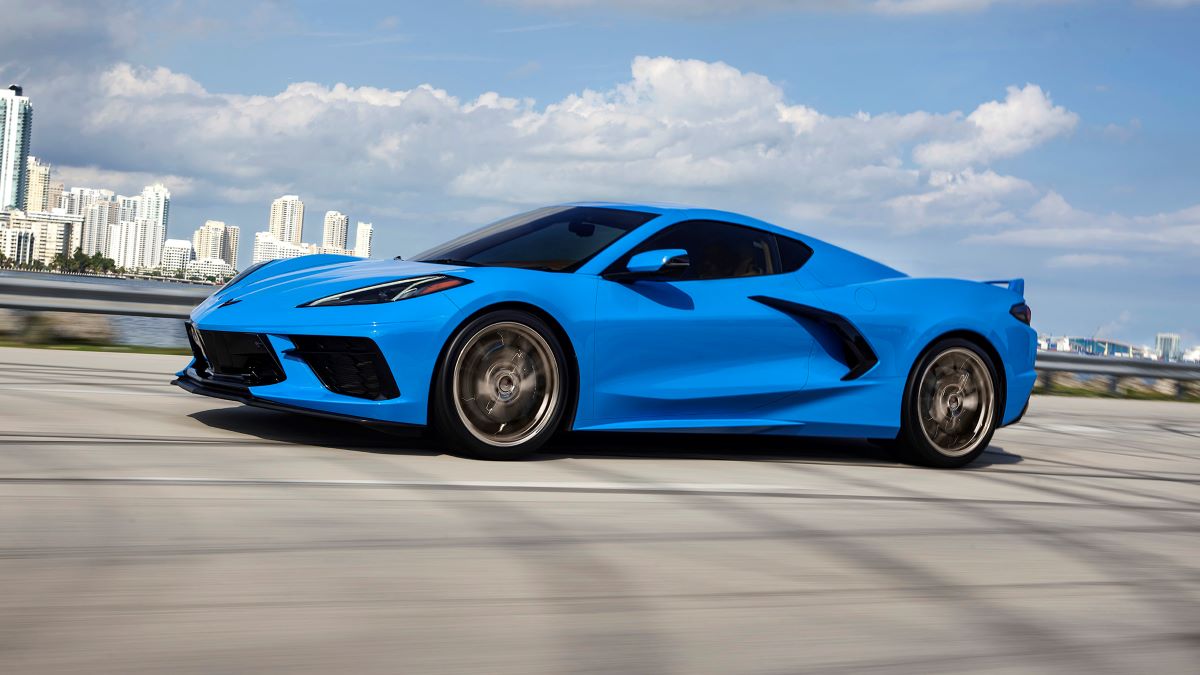
5. Chevrolet Corvette
The Chevrolet Corvette is America’s greatest sports car, and it has quietly built one of the most impressive long-term durability records in the sports car segment worldwide.
Corvette owners are among the most meticulous car maintainers in the automotive world. Their dedication to proper care pushes the Corvette’s already impressive reliability to extraordinary levels.
The Corvette’s LS and LT small-block V8 engines are legendary for their longevity. These pushrod engines are fundamentally simple, mechanically stout, and remarkably resistant to wear across high mileage.
Many Corvette enthusiasts track their cars regularly while also accumulating high street mileage. The LS V8’s ability to handle both track stress and daily use is a testament to its engineering integrity.
The Corvette’s transmission options, both manual and automatic, are engineered for sustained performance use. They handle the torque of the LT2 and Z06 engines without complaint across hundreds of thousands of miles.
Cooling systems in the Corvette are oversized relative to the engine’s output requirements. This generous thermal management keeps operating temperatures low, which directly reduces long-term engine wear.
The C8 mid-engine Corvette introduced a new flat-plane crank 5.5-liter V8 for the Z06 that spins to 8,600 RPM. Early durability data is highly promising, suggesting GM has engineered this exotic powerplant for real longevity.
Corvette service intervals are generous, and the drivetrain responds well to basic care. Owners who follow recommended maintenance schedules consistently report trouble-free operation well past 150,000 miles.
The Chevrolet Corvette demolishes the myth that American performance cars cannot be long-term reliable machines. It delivers supercar performance with domestic engineering discipline that keeps it running beautifully for decades.
Also Read: Mazda Is Slipping After Years of Strong Reliability Rankings
