
Buying a car is one of the biggest financial decisions most people make, and the warranty attached to that vehicle can have a major impact on long-term ownership costs. While many shoppers focus on horsepower, fuel economy, styling, or technology features, the value of a warranty often becomes clear only after the excitement of a new purchase fades.
A good warranty can save thousands of dollars in repair expenses, reduce stress during ownership, and improve resale value. On the other hand, some vehicles are already known for exceptional reliability, making an expensive extended warranty less useful than it may initially appear.
Understanding which cars truly benefit from strong warranty coverage and which ones are dependable enough to make warranties less essential can help buyers make smarter financial choices.
Modern vehicles are more technologically advanced than ever before. Touchscreen systems, driver assistance features, turbocharged engines, hybrid powertrains, and complex transmissions have improved comfort and performance, but they have also increased repair complexity.
Even a seemingly small issue involving electronics or sensors can lead to costly dealership visits. This is one reason why warranties have become such an important consideration in today’s automotive market.
A manufacturer-backed warranty can provide peace of mind during the early years of ownership, especially for models with newer technologies or inconsistent reliability records. In some cases, the warranty itself becomes a major selling point that attracts cautious buyers who want protection from expensive repairs.
At the same time, not every vehicle owner truly benefits from extensive warranty coverage. Some brands have earned reputations for durability through decades of consistent engineering and dependable performance. Owners of these vehicles may go years without facing a major mechanical issue, making long warranties less valuable in practical terms.
In such situations, buyers could potentially save money by focusing on maintenance rather than paying extra for extended protection plans. Reliability rankings, owner satisfaction reports, and long-term maintenance costs all play a role in determining whether a warranty provides meaningful value.
Another factor to consider is ownership style. Drivers who keep their vehicles for ten years may place more importance on long warranties than people who trade in every three years. High-mileage commuters, families who rely heavily on a single vehicle, and buyers concerned about repair budgets may appreciate the financial security that comes with extensive coverage.
Meanwhile, drivers who lease cars or regularly upgrade may never use most of the warranty at all. Understanding the relationship between vehicle reliability, repair costs, and ownership habits is essential when deciding whether warranty coverage is truly worthwhile.
This article explores six cars where the warranty genuinely pays off and six where it often does not. The goal is not to criticize any specific automaker but to help consumers understand how reliability, maintenance expenses, and warranty coverage interact in real-world ownership.
By examining these vehicles closely, buyers can make more informed decisions and potentially save significant amounts of money over the life of their car.
Also Read: 10 Cars With Insurance Premiums Lower Than a Compact Sedan
Cars Where the Warranty Pays Off
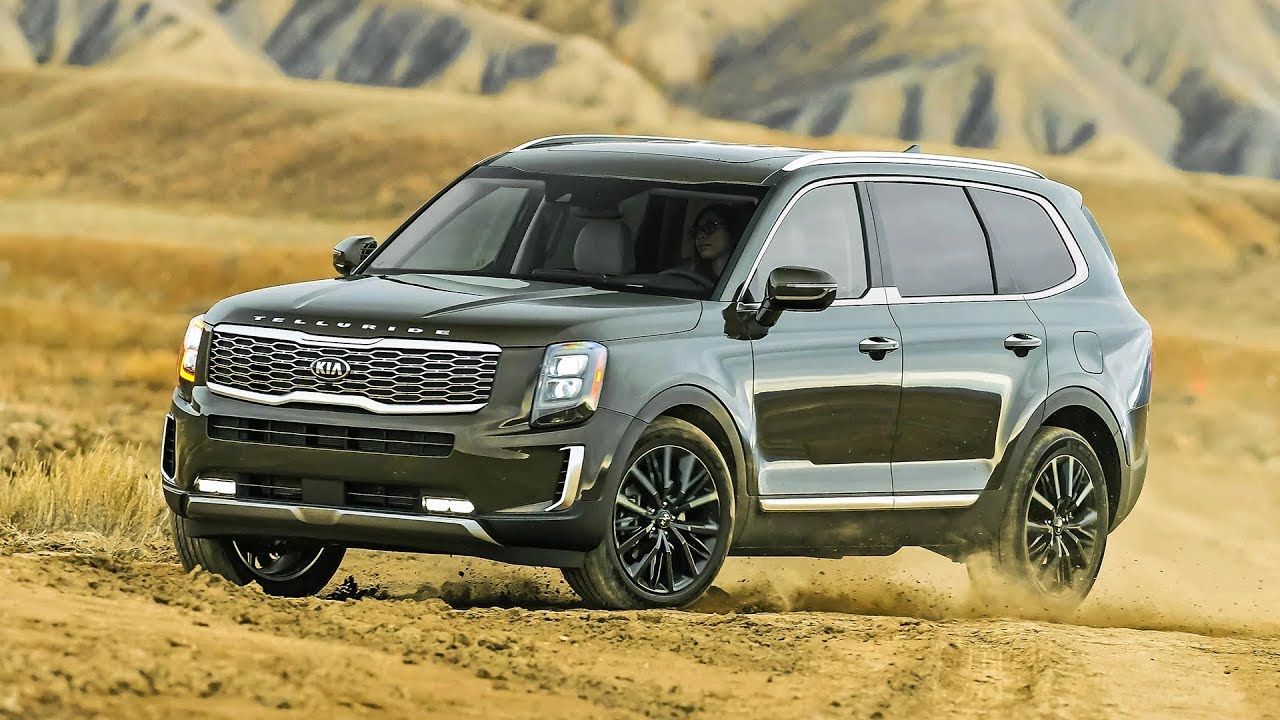
1. Kia Telluride
The Kia Telluride has become one of the most popular midsize SUVs in recent years because of its upscale interior, comfortable ride, and strong value for money. However, one of the biggest reasons buyers feel confident purchasing the Telluride is Kia’s impressive warranty package.
The company offers one of the best powertrain warranties in the automotive industry, giving owners long-term protection that many rivals simply cannot match. For families planning to keep their SUV for several years, this coverage can make a substantial financial difference.
The Telluride is packed with advanced technology, including driver assistance systems, digital displays, connectivity features, and electronic safety systems. While these features improve convenience and safety, they also create additional repair risks once the vehicle ages.
Electronics and infotainment systems are among the most expensive components to repair in modern vehicles, especially when dealership diagnostics are involved. A strong warranty helps owners avoid unexpected repair bills during the early years of ownership.
Another reason the warranty pays off is the cost of SUV repairs in general. Larger vehicles often have more expensive components, including suspension systems, brakes, and drivetrain parts. Even routine wear can become costly if issues appear earlier than expected. Kia’s warranty provides reassurance that many of these problems will be covered during the ownership period, reducing stress for buyers who depend on the vehicle daily.
The Telluride also attracts many buyers who want premium features without paying luxury brand prices. These consumers often expect a high level of reliability and support. The extensive warranty enhances the vehicle’s value proposition and strengthens confidence in the brand. For first-time Kia buyers, especially, the warranty can be a deciding factor that encourages them to choose the Telluride over competitors.
Resale value is another area where the warranty helps. Remaining warranty coverage can make used Tellurides more attractive to second-hand buyers. A transferable warranty often increases buyer confidence and can support stronger resale prices. This added value makes the original purchase more financially appealing over time.
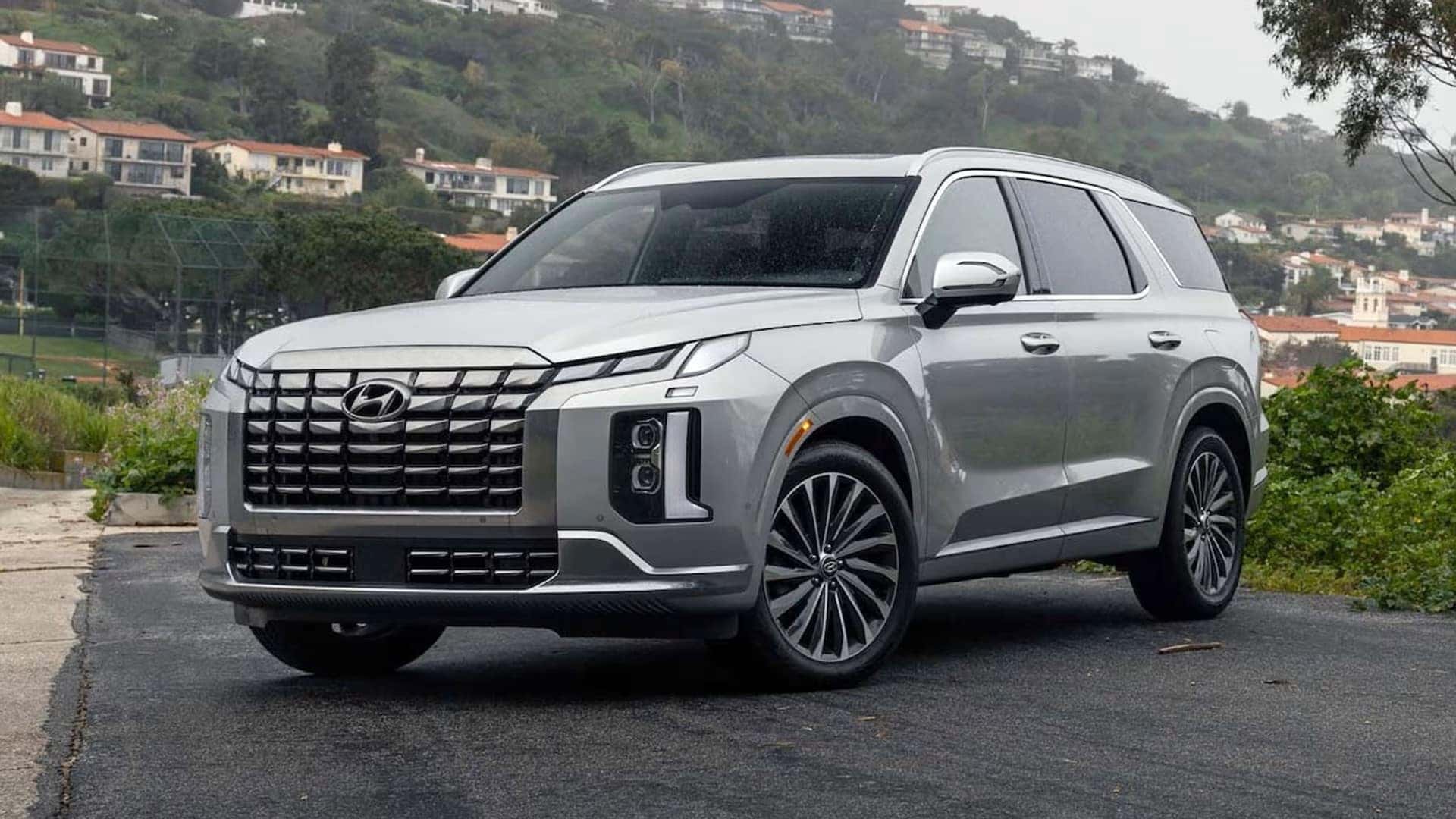
2. Hyundai Palisade
The Hyundai Palisade shares many strengths with the Kia Telluride, including a generous warranty that adds meaningful value to ownership. Hyundai has invested heavily in quality improvements over the years, but the warranty remains one of its strongest selling points. For buyers who prioritize peace of mind, the Palisade’s extensive coverage is difficult to ignore.
Modern three-row SUVs like the Palisade contain highly sophisticated systems designed for comfort and convenience. Features such as adaptive cruise control, lane keeping assistance, panoramic displays, and powered seating systems increase complexity and potential repair costs.
Even minor electronic issues can become expensive once factory coverage expires. Hyundai’s warranty helps shield owners from these risks during critical ownership years.
Families often purchase the Palisade because they need dependable transportation for children, commuting, and travel. Unexpected repair costs can place a serious burden on household budgets. The strong warranty reduces uncertainty and makes ownership easier to manage financially. This is particularly important for buyers who finance their vehicles and want predictable costs.
Another advantage of the Palisade warranty is how it compares with competitors in the same segment. Many rival SUVs from Japanese and American manufacturers offer shorter coverage periods. While those brands may have excellent reputations, Hyundai’s longer warranty often gives buyers additional confidence when comparing options side by side.
The warranty also supports Hyundai’s reputation for value. Buyers receive premium styling, advanced technology, and extensive protection at a competitive price point. This combination creates a strong ownership experience and helps justify the investment for consumers seeking both comfort and financial security.
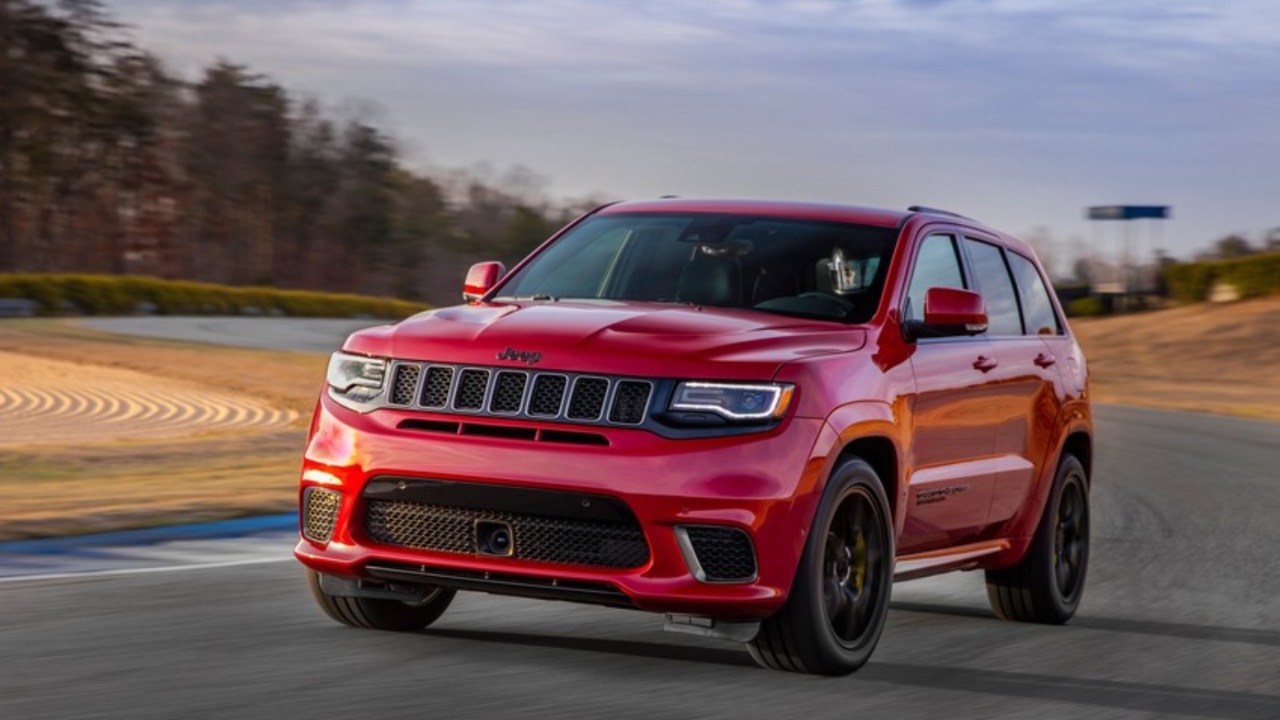
3. Jeep Grand Cherokee
The Jeep Grand Cherokee is known for its rugged capability, upscale interior options, and versatile performance. However, it is also a vehicle where warranty coverage can become especially valuable. Jeeps often feature advanced Four Wheel Drive systems, air suspensions, and complex electronics that can be expensive to repair once issues arise.
Off-road capable SUVs generally face more demanding conditions than standard passenger vehicles. Owners may drive them on rough terrain, tow heavy loads, or expose them to extreme weather conditions.
These factors can accelerate wear on mechanical components and increase the likelihood of repairs. Having a strong warranty in place provides important protection against potentially high repair costs.
The Grand Cherokee includes many advanced systems designed to balance luxury and utility. High-end trims may contain premium audio systems, large infotainment displays, adjustable suspensions, and sophisticated safety technology. While these features improve comfort and capability, they also increase the risk of expensive maintenance issues over time. Warranty coverage can significantly reduce the financial impact of these repairs.
Another reason warranties matter for Jeep owners is long-term reliability concerns associated with certain model years. While many owners enjoy years of trouble-free driving, others encounter electrical or drivetrain problems that can become costly. The warranty acts as a safeguard against these unpredictable expenses and adds confidence to the ownership experience.
For buyers who truly use the Grand Cherokee’s off-road abilities, warranty protection can be especially worthwhile. Adventure-oriented drivers often place more stress on their vehicles than average commuters. In these situations, the ability to rely on manufacturer coverage becomes a major ownership advantage.
4. Land Rover Range Rover Evoque
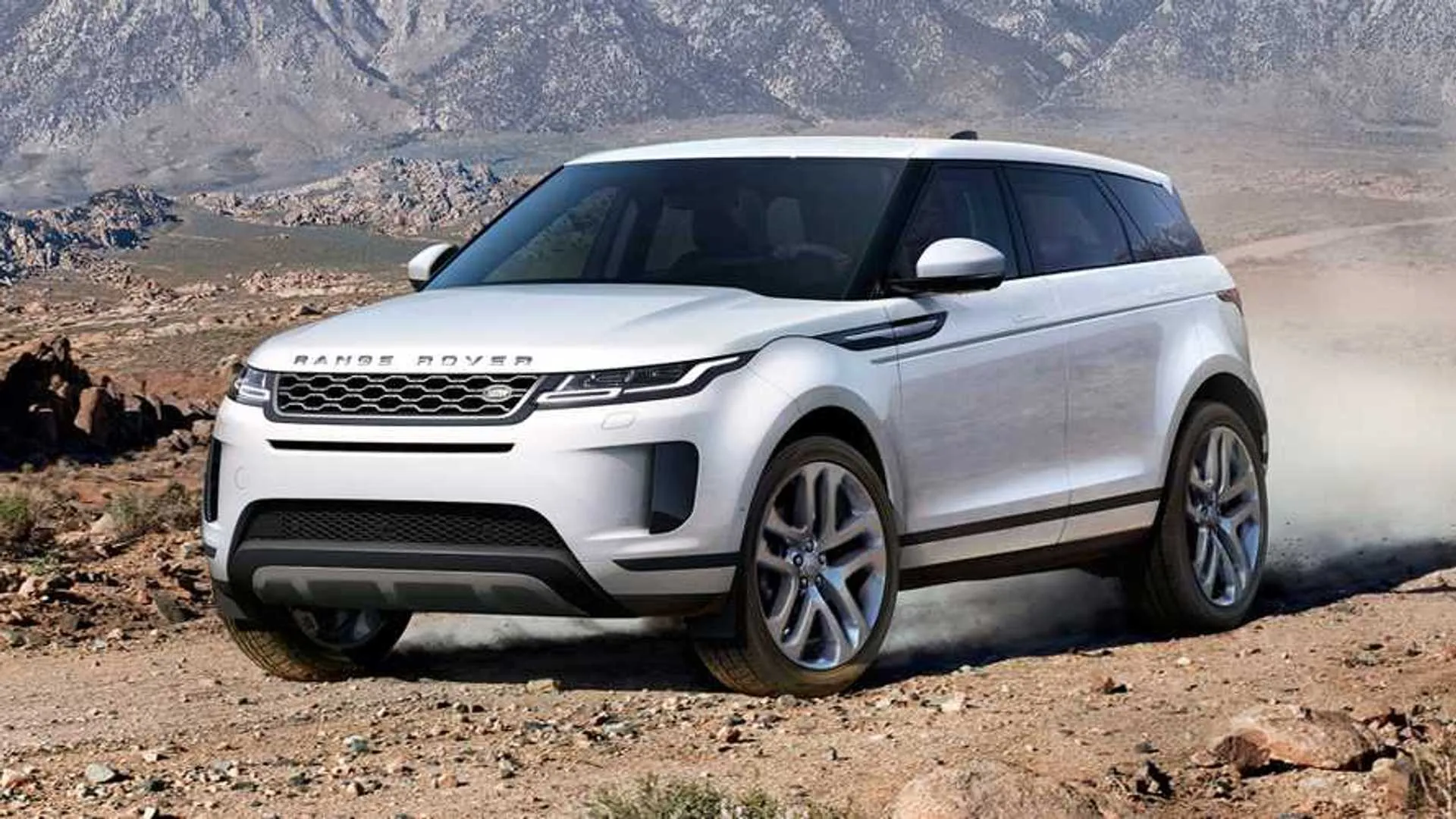
Luxury SUVs often come with expensive repair bills, and the Range Rover Evoque is a prime example of a vehicle where warranty coverage can provide substantial value. The Evoque delivers premium styling, upscale materials, and advanced technology, but maintaining a luxury vehicle without warranty protection can become financially challenging.
Luxury brands frequently use highly specialized components and advanced engineering systems that are costly to repair. Parts and labor rates at luxury dealerships are usually much higher than those of mainstream brands. Even relatively minor repairs can cost hundreds or thousands of dollars. A strong warranty helps reduce the financial risk associated with owning a premium SUV.
The Evoque includes sophisticated electronics, turbocharged engines, and luxury comfort systems that increase complexity. Features like terrain response systems, digital dashboards, and advanced driver aids improve the driving experience but also create additional points of failure. Warranty coverage can make ownership more manageable and reduce anxiety about unexpected repair expenses.
Another important factor is depreciation. Luxury vehicles often lose value quickly, which can leave owners reluctant to spend heavily on repairs once the car ages. A warranty helps offset some of these concerns by reducing out-of-pocket costs during the ownership period.
Many buyers choose the Evoque for its style and prestige rather than long-term durability. As a result, the warranty becomes a critical part of the ownership equation. Without strong coverage, maintenance and repair costs could significantly outweigh the benefits of owning the vehicle.
The Evoque demonstrates why warranties can be especially important for luxury vehicles. Buyers gain access to premium features and design while reducing the financial uncertainty associated with expensive repairs.
5. Chrysler Pacifica Hybrid
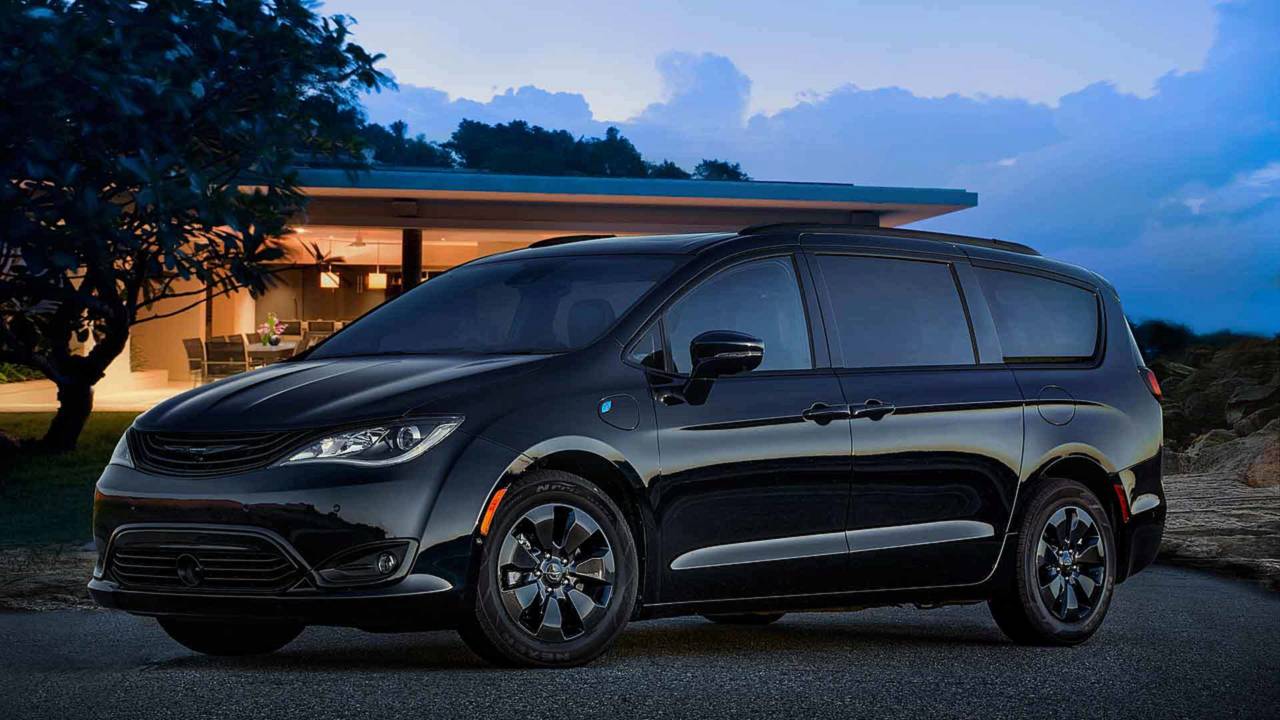
Hybrid vehicles can deliver excellent fuel savings, but they also involve more complex powertrain systems than traditional gasoline cars. The Chrysler Pacifica Hybrid is a practical family minivan that benefits greatly from warranty protection because of its advanced hybrid components and electronic systems.
Hybrid systems combine gasoline engines with electric motors and battery packs, creating additional complexity compared to standard vehicles. While many hybrid systems are reliable, repairs involving batteries or electrical components can be extremely expensive outside warranty coverage. Having manufacturer protection provides significant peace of mind for owners.
The Pacifica Hybrid also contains many family-focused features such as powered sliding doors, entertainment systems, climate controls, and advanced safety technology. Families often rely heavily on their minivans for daily transportation, road trips, and hauling passengers. Unexpected repairs can disrupt schedules and create financial strain. A strong warranty helps minimize these concerns.
Minivans are frequently driven for high mileage because they serve as primary family vehicles. Higher mileage increases wear on components and raises the likelihood of repairs over time. Warranty coverage becomes especially useful for owners who drive long distances or plan to keep the vehicle for many years.
Another reason the warranty pays off is repair cost unpredictability. Hybrid technology is still unfamiliar to some independent repair shops, meaning owners may rely more heavily on dealerships for specialized service. Dealership labor and parts costs can be substantial, making warranty coverage even more valuable.
For families seeking fuel efficiency and practicality, the Pacifica Hybrid offers many advantages. The warranty helps balance the risks associated with hybrid ownership and provides confidence in a vehicle designed for heavy daily use.
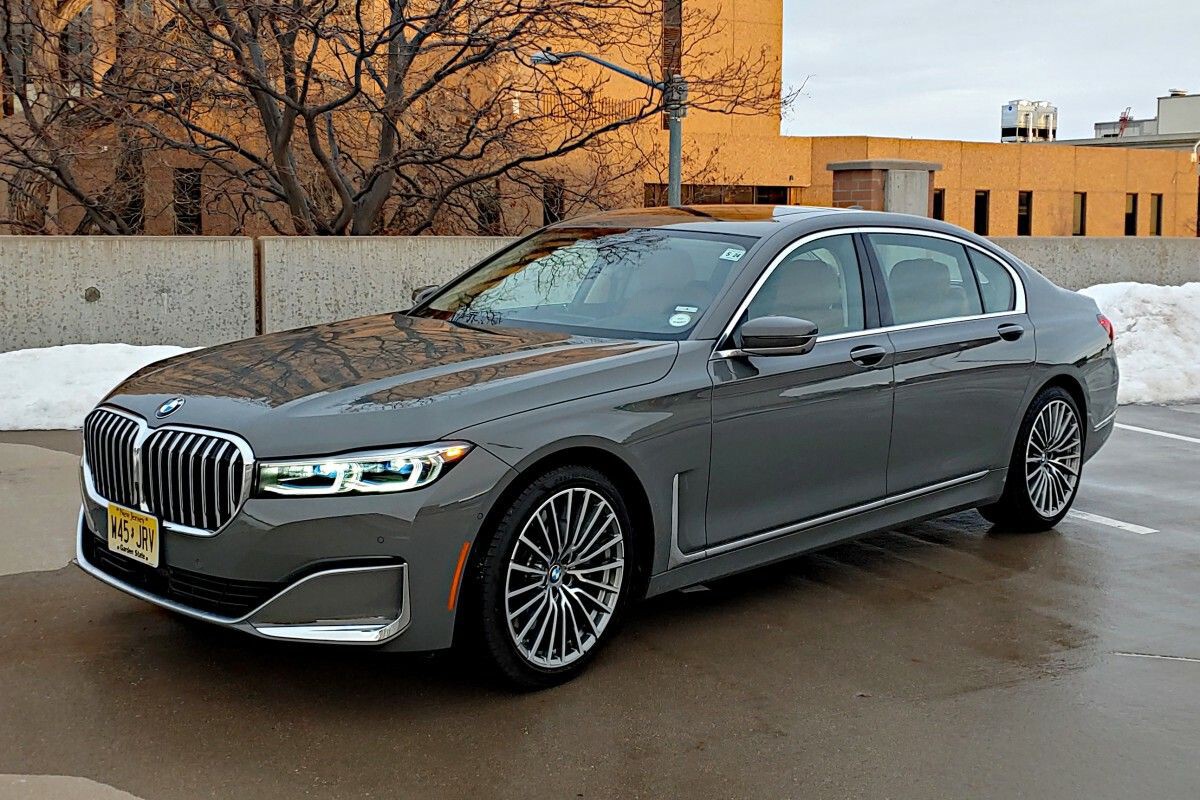
6. BMW 7 Series
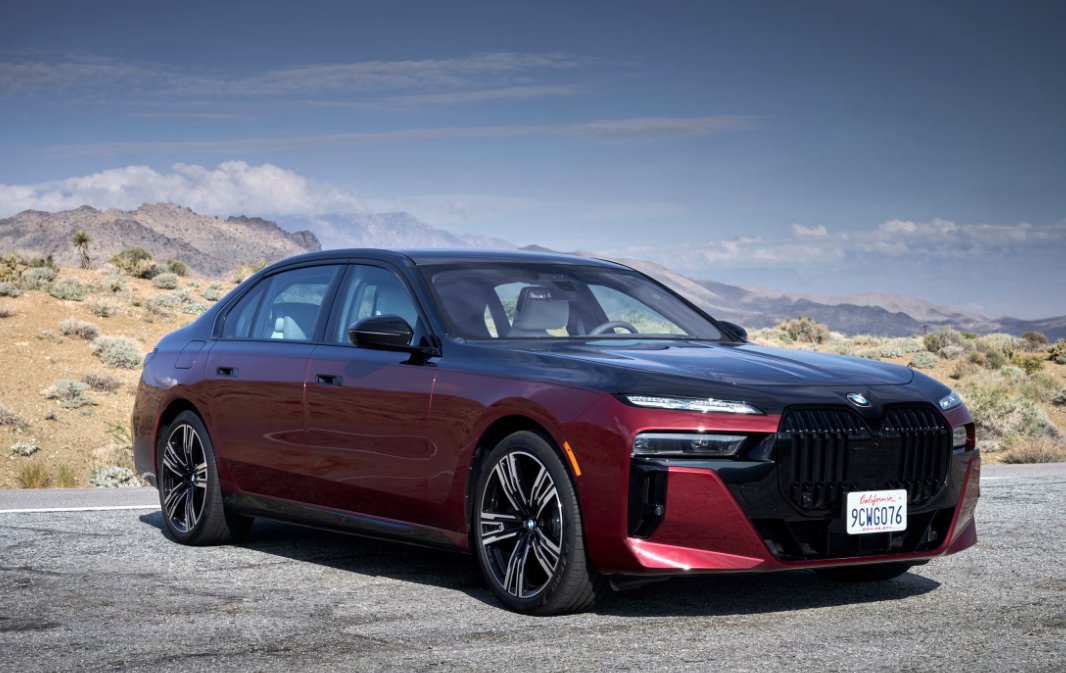
The BMW 7 Series represents luxury, technology, and performance at the highest level, but it is also a car where warranty protection is incredibly important. High-end luxury sedans contain some of the most advanced automotive systems available, and repair costs can quickly become overwhelming without coverage.
The 7 Series includes features such as adaptive suspensions, advanced driver assistance systems, premium infotainment technology, and turbocharged engines. These systems create an exceptional driving experience but also introduce numerous potential maintenance challenges. Repairs on luxury German vehicles are notoriously expensive, especially once factory coverage expires.
Owners of luxury sedans often expect flawless performance and comfort. Even small issues involving electronics, suspension systems, or climate controls can require costly dealership visits. A comprehensive warranty helps maintain the ownership experience and prevents surprise expenses from overshadowing the car’s benefits.
Another important factor is the complexity of modern BMW engineering. Precision components and advanced software systems require specialized diagnostics and skilled technicians. Independent repair shops may not always have the expertise or equipment necessary to address certain problems effectively. Warranty-backed dealership service becomes a major advantage in these situations.
Depreciation also plays a role. Luxury sedans can lose value rapidly after purchase, making expensive repairs difficult to justify financially. Warranty coverage helps owners avoid major repair bills during the period when the vehicle experiences its steepest depreciation.
For buyers attracted to the prestige and technology of the 7 Series, warranty protection is often essential. It allows owners to enjoy the luxury experience while reducing the financial risks associated with maintaining a highly advanced premium vehicle.
Cars Where the Warranty Often Doesn’t Matter
1. Toyota Corolla
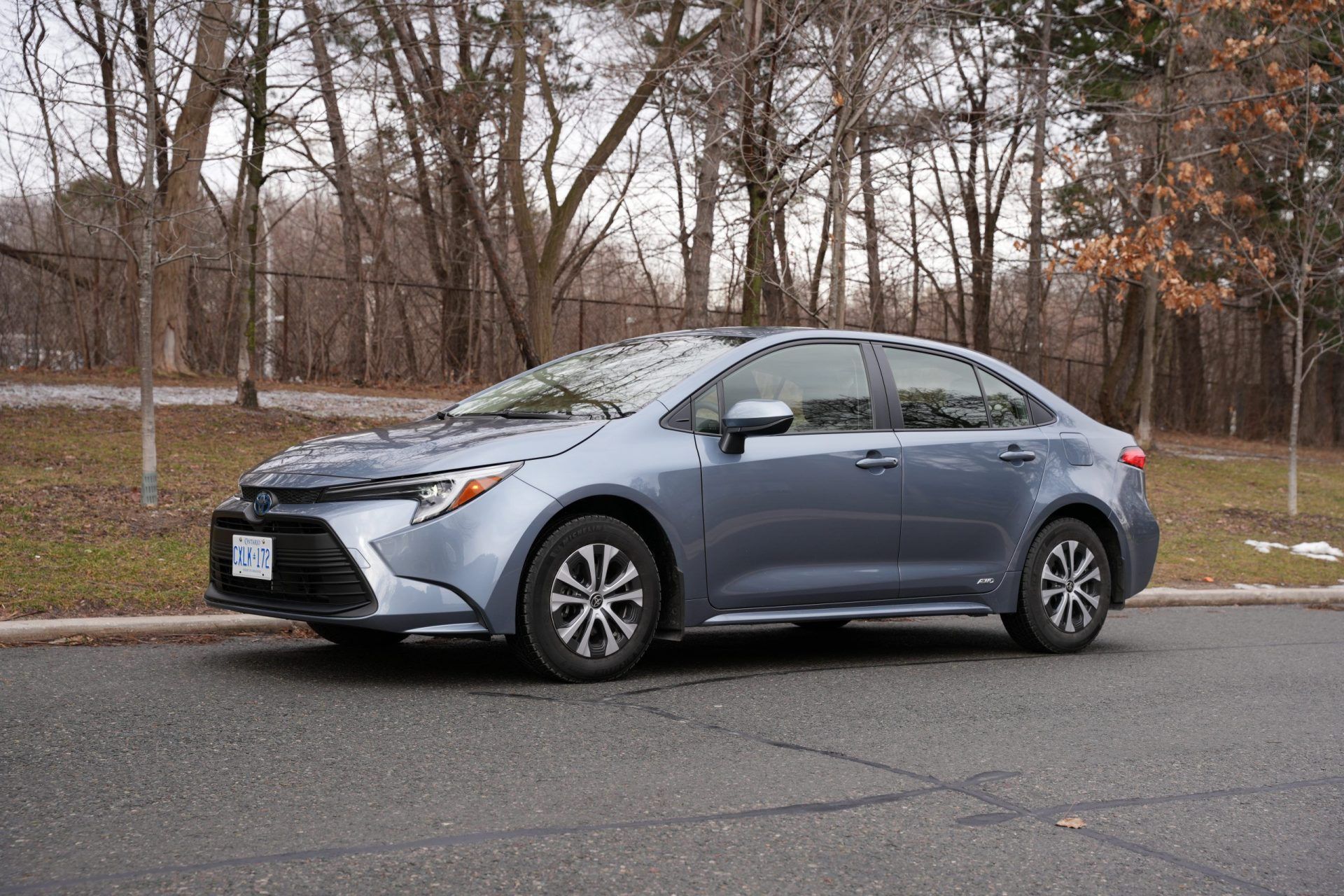
The Toyota Corolla has built one of the strongest reliability reputations in automotive history. For decades, the Corolla has been known for dependable transportation, low maintenance costs, and impressive longevity. Because of this reputation, extensive warranty coverage is often less critical compared with many other vehicles.
One reason the Corolla stands out is its mechanical simplicity relative to more complex vehicles. While modern versions include advanced safety and infotainment systems, the engineering philosophy still prioritizes durability and efficiency. Owners frequently report years of trouble-free driving with only basic maintenance requirements.
Repair costs for the Corolla are generally affordable compared with those of luxury or highly specialized vehicles. Parts are widely available, and many independent mechanics are familiar with Toyota engineering. Even when repairs are necessary, they are often less financially damaging than those associated with more complex vehicles.
Another factor is Toyota’s long-standing commitment to quality control. The company consistently ranks highly in reliability studies and owner satisfaction surveys. This strong track record gives buyers confidence that major mechanical failures are relatively unlikely during normal ownership periods.
Many Corolla owners also keep their cars for extremely high mileage. It is common to see Corollas exceed 200,000 miles with proper maintenance. In these cases, routine servicing often matters more than warranty protection. Buyers may gain more value from setting aside money for maintenance rather than purchasing expensive extended coverage plans.
The Corolla demonstrates how reliability can reduce the practical importance of warranty coverage. While warranties are always beneficial to some degree, dependable vehicles like the Corolla often make extended protection less essential.
2. Honda Civic
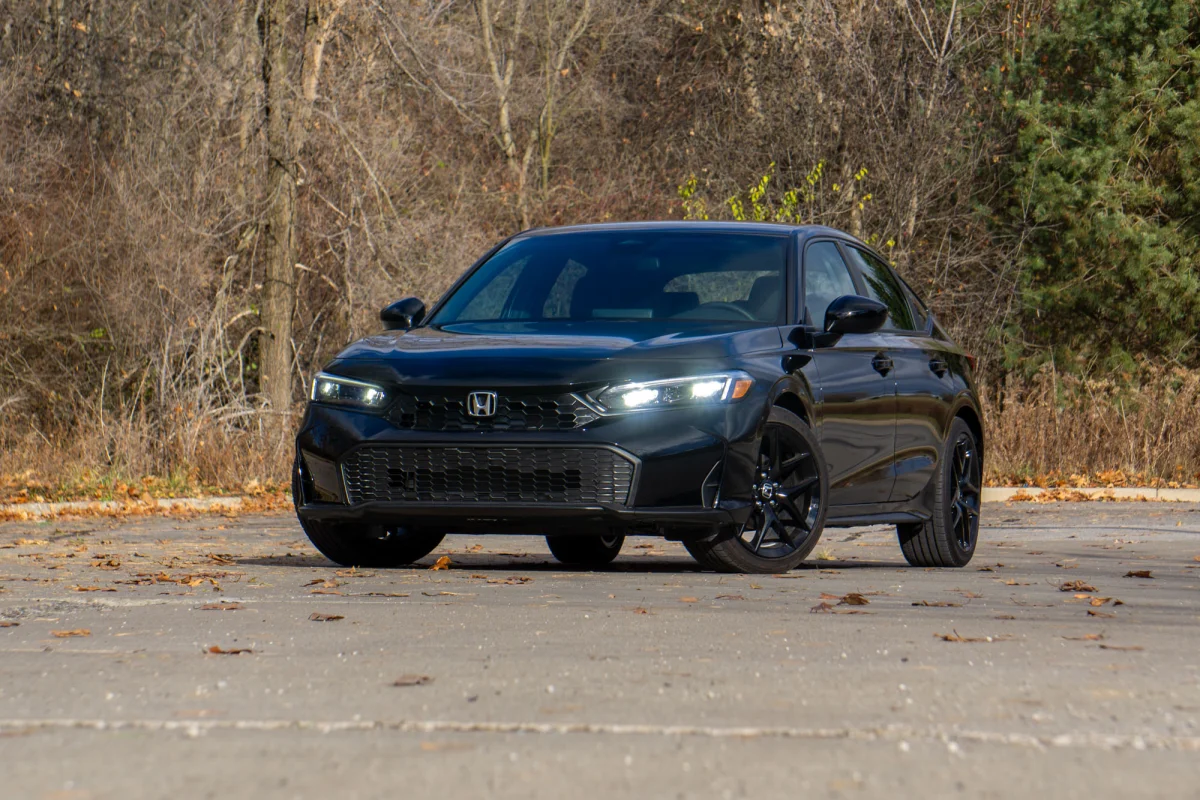
The Honda Civic is another compact car with a reputation for reliability and long-term durability. For many buyers, the Civic represents practical transportation with low ownership costs, making warranty coverage less important than it might be for more complicated or less reliable vehicles.
Honda engineering has long been associated with efficient powertrains and dependable performance. Civic owners often experience years of reliable driving with minimal major repairs. Routine maintenance, such as oil changes, brake service, and tire replacement, typically represents the majority of ownership expenses.
The Civic also benefits from a massive aftermarket and service network. Replacement parts are easy to find, and many repair shops specialize in Honda vehicles. This widespread familiarity keeps repair costs manageable even after factory warranty coverage ends.
Fuel efficiency and durability are major reasons why buyers choose the Civic. The vehicle appeals to commuters, students, and families seeking dependable transportation rather than luxury or cutting-edge complexity. Because the Civic is generally less expensive to maintain, buyers may not feel the same urgency for extended warranty protection.
Another advantage is strong resale value. Reliable vehicles with good reputations often retain value well, regardless of remaining warranty coverage. Buyers trust the Civic because of its history, which reduces dependence on warranties as a selling point in the used car market.
For practical consumers focused on long-term value, the Civic proves that strong engineering and reliability can often outweigh the need for extensive warranty protection.
3. Lexus ES
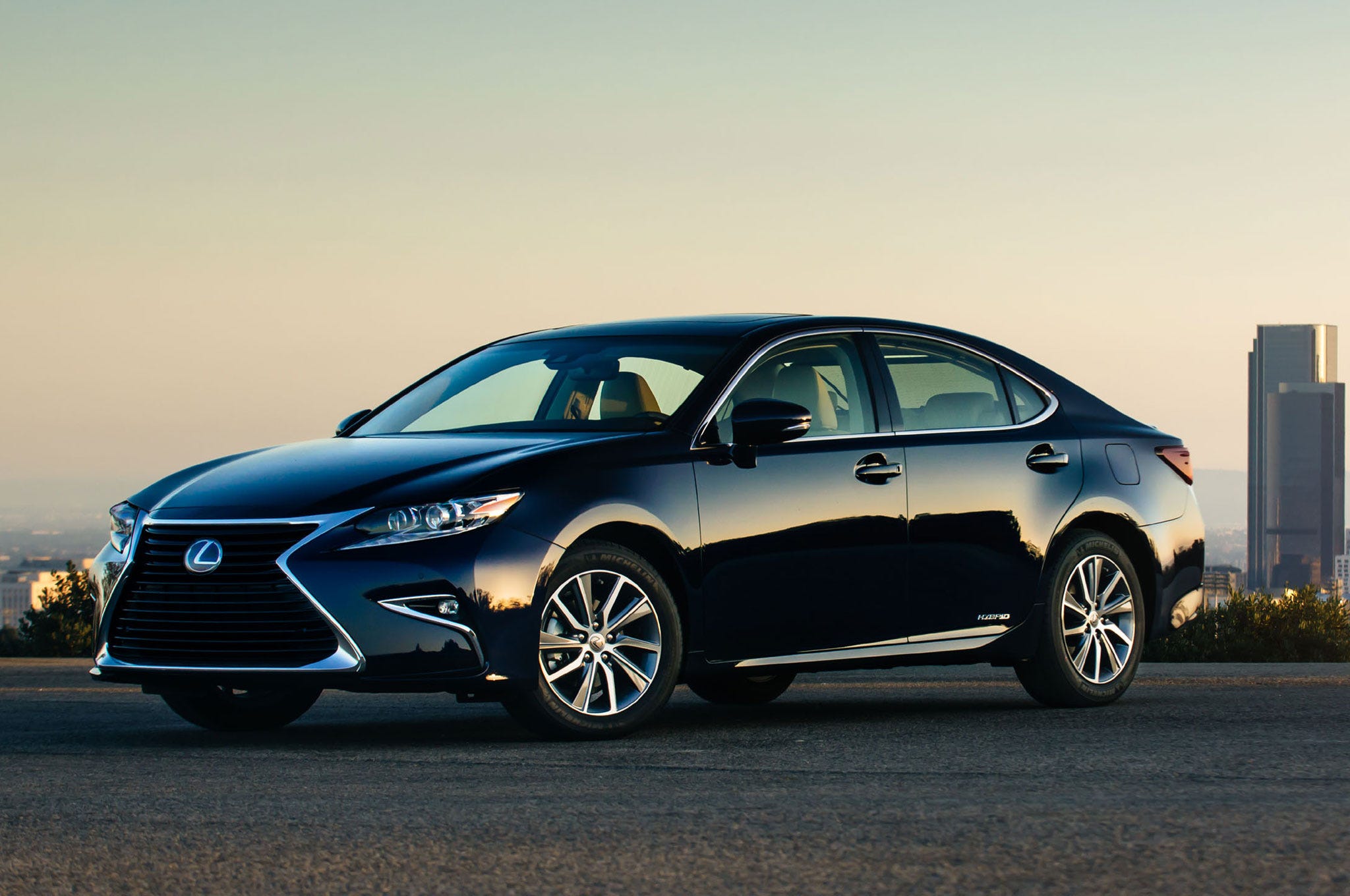
Luxury vehicles usually benefit from strong warranties, but the Lexus ES is an exception because of its exceptional reliability record. Unlike many luxury sedans that become expensive to maintain over time, the ES combines premium comfort with Toyota-backed dependability.
The Lexus ES is designed to prioritize smooth driving, comfort, and long-term reliability rather than extreme performance. This balanced approach helps reduce mechanical stress and contributes to the car’s strong durability reputation. Owners frequently report trouble-free ownership experiences compared with many European luxury competitors.
Repair costs for the ES are also generally lower than those of other luxury brands. While luxury parts and dealership service are still more expensive than mainstream vehicles, Lexus reliability helps reduce the frequency of major repairs. This lowers the importance of extended warranty coverage.
Another factor is the mature engineering behind the ES platform. Lexus often introduces proven technology gradually rather than rushing experimental features into production. This conservative approach contributes to reliability and owner confidence.
The ES also appeals to buyers seeking stress-free luxury ownership. Many consumers choose Lexus specifically because they want premium comfort without constant repair concerns. In these cases, the reputation for dependability becomes more valuable than extensive warranty protection.
While warranty coverage still provides peace of mind, the Lexus ES demonstrates that luxury and reliability can coexist successfully. Buyers may find that the car’s dependable nature reduces the practical need for additional warranty spending.
4. Mazda MX-5 Miata
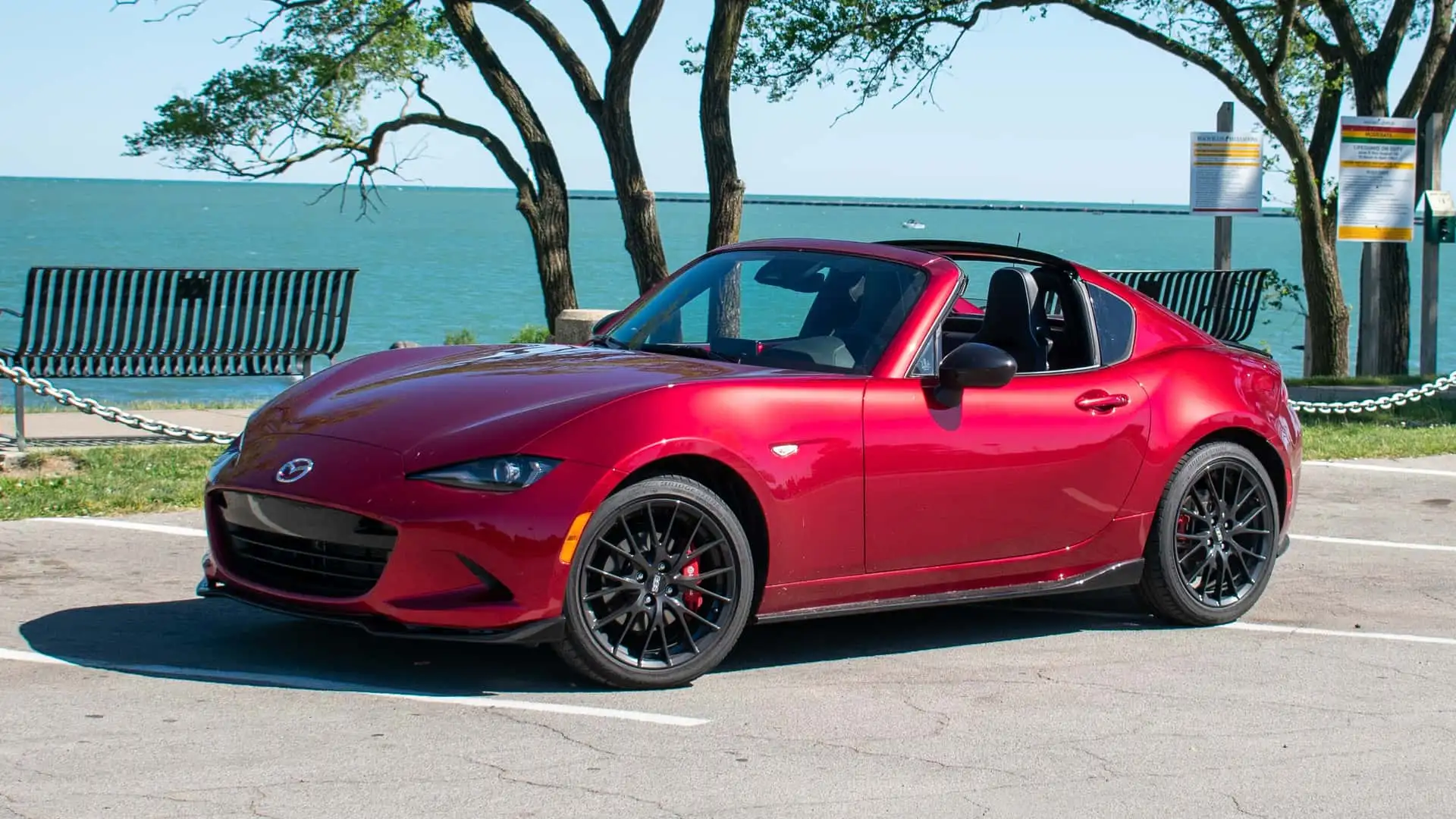
The Mazda MX-5 Miata is famous for its lightweight design, engaging driving dynamics, and reliability. Sports cars are often associated with expensive maintenance, but the Miata stands apart because of its relatively simple engineering and strong durability record.
Mazda designed the Miata with simplicity and driving enjoyment in mind. The vehicle avoids excessive complexity, helping reduce the likelihood of expensive repairs. Its naturally aspirated engines and balanced engineering contribute to dependable long-term performance.
Another advantage is affordability. Compared with high-performance sports cars from luxury brands, the Miata is relatively inexpensive to repair and maintain. Parts are widely available, and many mechanics are familiar with the platform. This lowers the financial risks associated with ownership.
Miata owners also tend to be automotive enthusiasts who value maintenance and proper care. Well-maintained examples often remain reliable for many years, reducing dependence on warranty coverage. Enthusiast communities provide extensive support and repair knowledge, further improving the ownership experience.
The car’s lightweight construction also reduces wear on components such as brakes and suspension systems. Lower operating stress contributes to durability and helps keep maintenance costs reasonable over time.
For drivers seeking fun and reliability in one package, the Miata shows that not all sports cars require extensive warranty protection. Its proven engineering and lower maintenance costs make warranties less essential compared with many performance-oriented rivals.
5. Subaru Outback
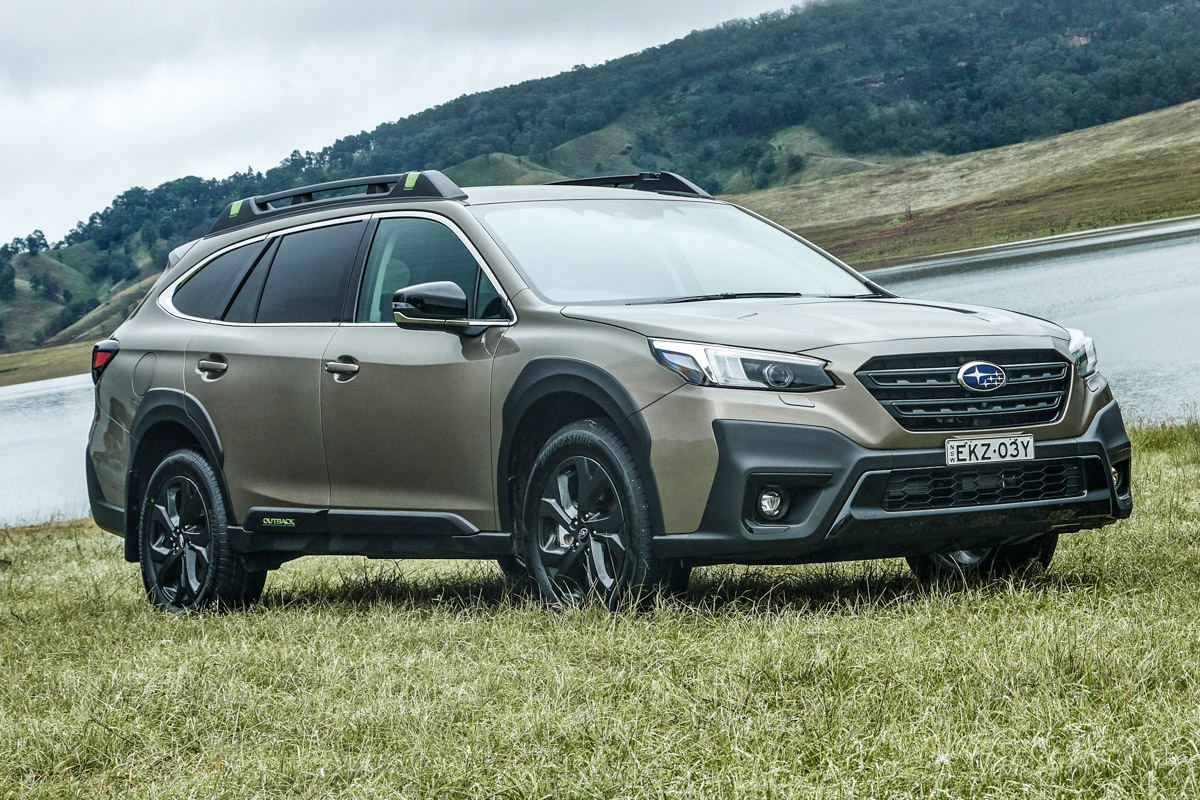
The Subaru Outback has developed a loyal following because of its practicality, all-weather capability, and dependable performance. While warranties are always useful, many Outback owners rely more heavily on Subaru’s reputation for durability and strong owner satisfaction.
The Outback is designed for versatility, making it popular among families, outdoor enthusiasts, and commuters. Subaru’s symmetrical All Wheel Drive system provides excellent traction and stability, contributing to the vehicle’s broad appeal. Although All Wheel Drive systems can increase complexity, Subaru has refined its engineering significantly over the years.
Owners often praise the Outback for lasting well beyond 100,000 miles with proper maintenance. Routine servicing and timely repairs usually play a larger role in ownership satisfaction than warranty coverage itself. Many buyers trust the Outback because of Subaru’s established reputation.
Another reason warranties matter less is the strong community surrounding Subaru ownership. Enthusiast forums, independent mechanics, and aftermarket support make maintenance more accessible and affordable. This reduces dependence on dealership service after factory coverage expires.
The Outback also retains strong resale value, partly because buyers trust its reliability and practicality. Used car shoppers are often willing to purchase older Outbacks even without remaining warranty coverage because of confidence in the brand’s durability.
For consumers seeking dependable transportation with all-weather capability, the Outback offers a reassuring ownership experience that reduces the practical importance of extended warranties.
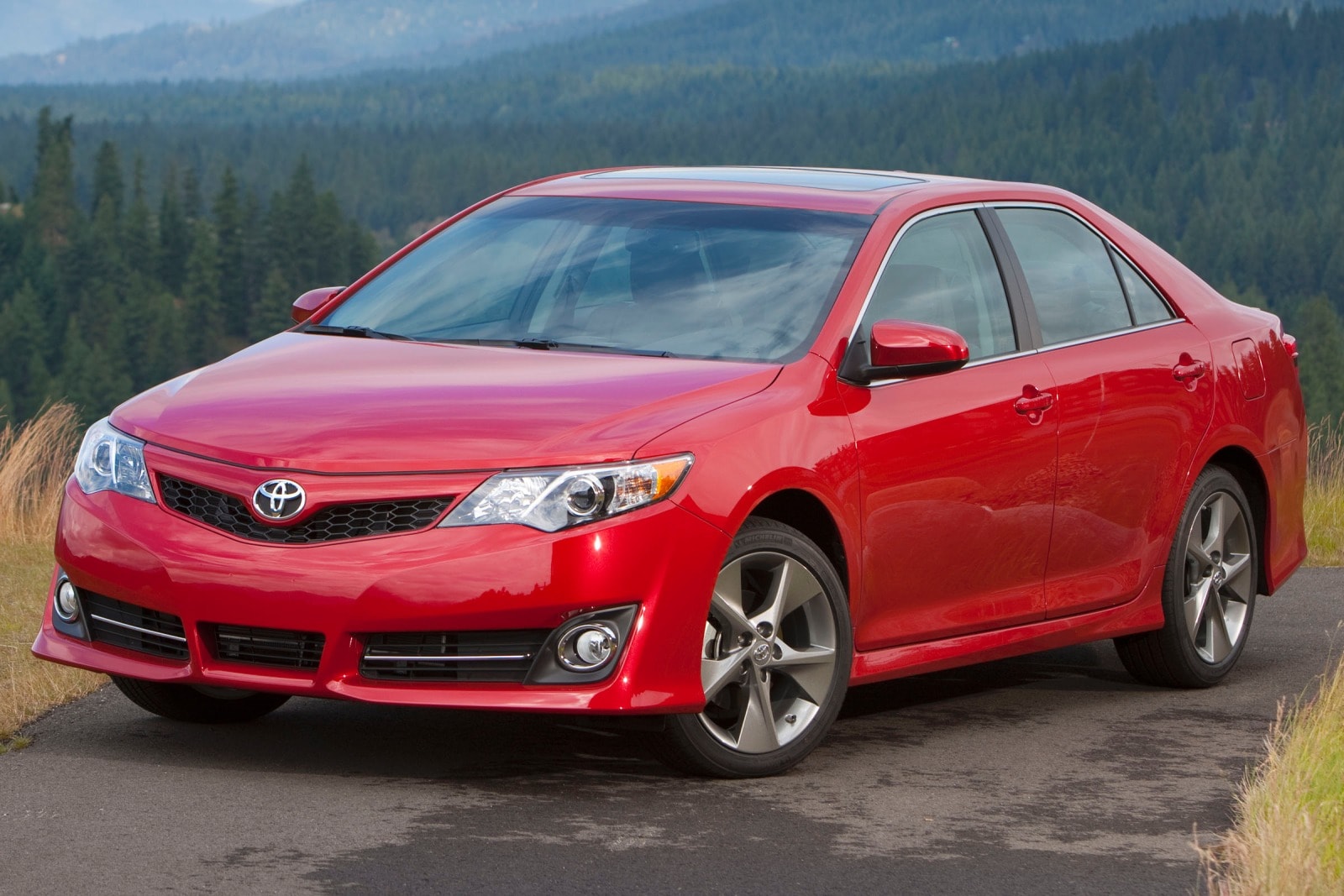
6. Toyota Camry
The Toyota Camry is one of the best-selling sedans in the world for good reason. It combines comfort, fuel efficiency, reliability, and affordability in a package that consistently satisfies owners. Because of its dependable reputation, warranties are often less important for Camry buyers compared with owners of less reliable vehicles.
Toyota has spent decades refining the Camry’s engineering to prioritize durability and low ownership costs. The result is a sedan that frequently delivers years of dependable service with relatively few major mechanical problems. Many Camrys remain on the road for hundreds of thousands of miles.
Maintenance costs are also generally low. Routine servicing is straightforward, replacement parts are widely available, and repair shops across the world are familiar with Toyota systems. This widespread support helps reduce repair expenses even after warranty coverage ends.
The Camry appeals to practical buyers who value predictability and long-term reliability. These consumers often focus more on maintenance history and fuel economy than on extended warranty packages. Confidence in the car’s engineering reduces anxiety about potential repair costs.
Another advantage is strong resale demand. Used Camrys often sell quickly because buyers trust the model’s reputation for durability. Remaining warranty coverage may help somewhat, but the vehicle’s reliability history is usually the stronger selling point.
The Camry proves that an excellent reliability record can make warranty concerns far less significant. For many owners, consistent maintenance and responsible driving matter more than paying for extensive additional coverage.
