
Classic cars have evolved from being simple passion projects for enthusiasts into serious alternative investment assets that attract collectors, investors, and automotive historians alike. Unlike traditional investments such as stocks or real estate, classic cars blend emotional appeal with financial potential, making them a distinctive approach to building wealth.
However, not every old car becomes valuable over time, and many vehicles that once seemed promising end up depreciating due to high maintenance costs, poor reliability, or lack of collector demand. Understanding which cars are likely to appreciate and which are prone to financial decline is essential before committing significant capital.
The classic car market is influenced by several factors, including rarity, cultural significance, motorsport heritage, production numbers, design appeal, and mechanical reputation. Vehicles that were limited in production or associated with iconic eras in automotive history tend to hold or increase their value over time.
On the other hand, mass-produced luxury cars or models with expensive upkeep often struggle to maintain collector interest. This creates a clear divide between cars that are considered smart investments and those that are better avoided from a financial perspective.
Another important aspect of classic car investment is condition and originality. A well-preserved, factory original vehicle typically commands significantly higher prices than one that has been heavily modified or poorly restored. Documentation, service history, and provenance also play major roles in determining long-term value.
Investors who treat classic cars as financial assets rather than emotional purchases tend to achieve better returns and avoid costly mistakes.
Market trends also shift over time, influenced by generational preferences. Cars from the 1980s, 1990s, and early 2000s are increasingly gaining attention as younger collectors enter the market.
This has led to rising demand for Japanese performance cars, analog driving experiences, and naturally aspirated engines. Meanwhile, some luxury sedans and early digital era vehicles are falling out of favor due to complexity and high maintenance costs.
In this article, we will explore four classic cars widely considered smart investment choices due to their strong appreciation potential, cultural significance, and collector demand.
We will also examine four cars that are often best avoided if the goal is financial growth rather than ownership enjoyment. Each vehicle will be analyzed in detail to help you make informed decisions in the evolving world of classic car investment.
Also Read: 10 Cars With Insurance Premiums Lower Than a Compact Sedan
Smart Investment Classic Cars
1. Porsche 911
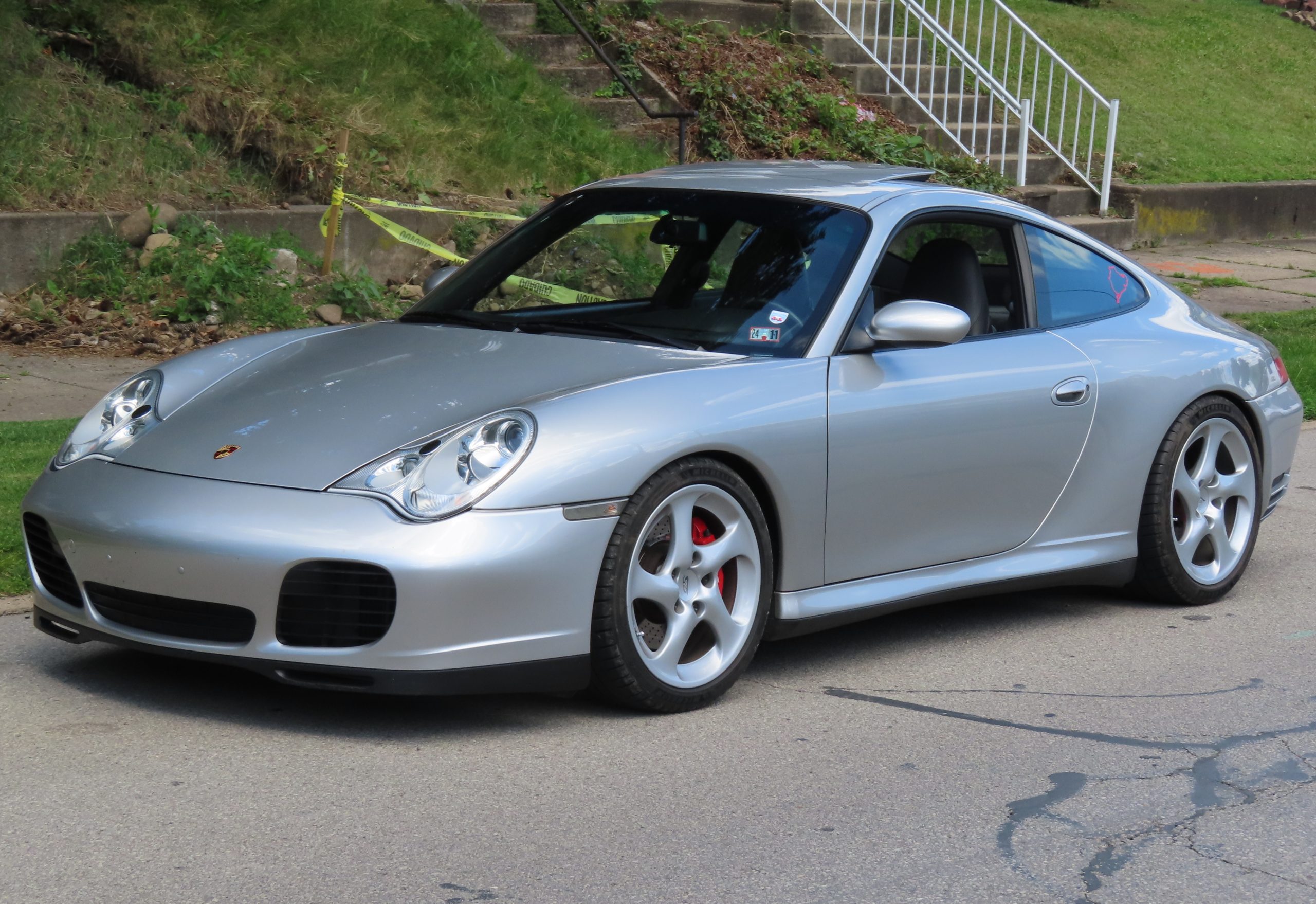
The Porsche 911 (964) and Porsche 911 (993) represent some of the most respected and financially stable classic sports cars in the world. These air-cooled generations are highly regarded because they mark the end of an era before Porsche transitioned to water-cooling systems. Enthusiasts value them for their raw driving experience, mechanical simplicity compared to modern cars, and iconic design that has remained largely consistent over decades.
One of the strongest reasons these models are considered smart investments is their limited production and growing global demand. As time passes, fewer well-preserved examples remain available, especially in original condition. Collectors are increasingly willing to pay premium prices for low-mileage, unmodified versions. This scarcity, combined with strong brand heritage, creates consistent upward pressure on market value.
Another important factor is cultural significance. The Porsche 911 is not just a sports car; it is a symbol of engineering excellence and racing heritage. The 964 and 993 generations in particular are seen as the purest expression of the classic 911 philosophy. This emotional connection ensures long-term demand regardless of short-term market fluctuations.
Maintenance costs for these vehicles are relatively high compared to modern cars, but they are still manageable compared to many exotic alternatives. Parts availability remains strong due to enthusiast communities and aftermarket support. This helps maintain usability, which is critical for preserving long-term value since non-functional collector cars tend to lose market interest.
Finally, these models benefit from strong historical appreciation trends. Over the past decade, air-cooled Porsche 911s have shown consistent price growth, and experts widely expect continued appreciation as fewer clean examples remain available. For investors seeking stability in the classic car market, this makes them one of the safest long-term choices.
2. Toyota Supra MK4
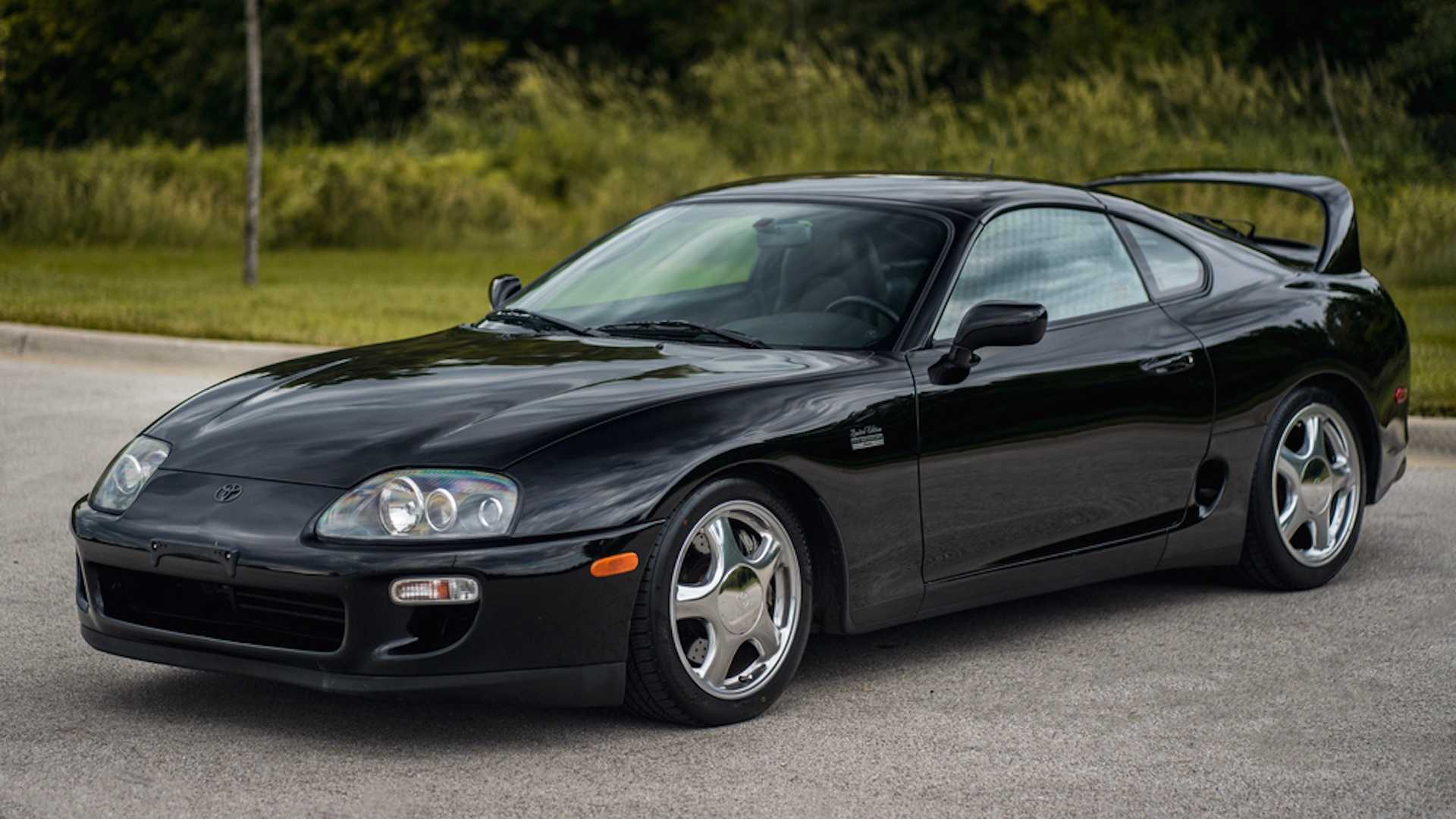
The Toyota Supra MK4 has become one of the most iconic Japanese performance cars ever produced, largely due to its legendary 2JZ engine and strong tuning potential. Initially not considered a high-value collectible, its reputation changed dramatically as car culture and media exposure elevated its status globally.
A major driver of its investment potential is rarity, especially in stock and unmodified form. Many Supra MK4 models were heavily modified for performance tuning, drifting, and racing, which makes original examples increasingly difficult to find. Collectors now prioritize authenticity, which has significantly increased market prices for clean units.
Another key factor is pop culture influence. The Supra MK4 gained massive recognition through movies, video games, and motorsport communities. This cultural presence has created global demand, extending far beyond traditional automotive collectors. As a result, its buyer base is broad and competitive.
Mechanical reliability also contributes to its investment appeal. The 2JZ engine is known for its durability and ability to handle high power levels without internal failure when properly maintained. This reputation increases confidence among buyers and supports long-term value retention.
Finally, market trends show strong upward movement. Over the last several years, Supra MK4 prices have steadily increased, particularly for manual transmission versions. As younger collectors enter the market, demand is expected to remain strong, making it one of the most reliable Japanese classic car investments.
3. Mazda RX-7 FD
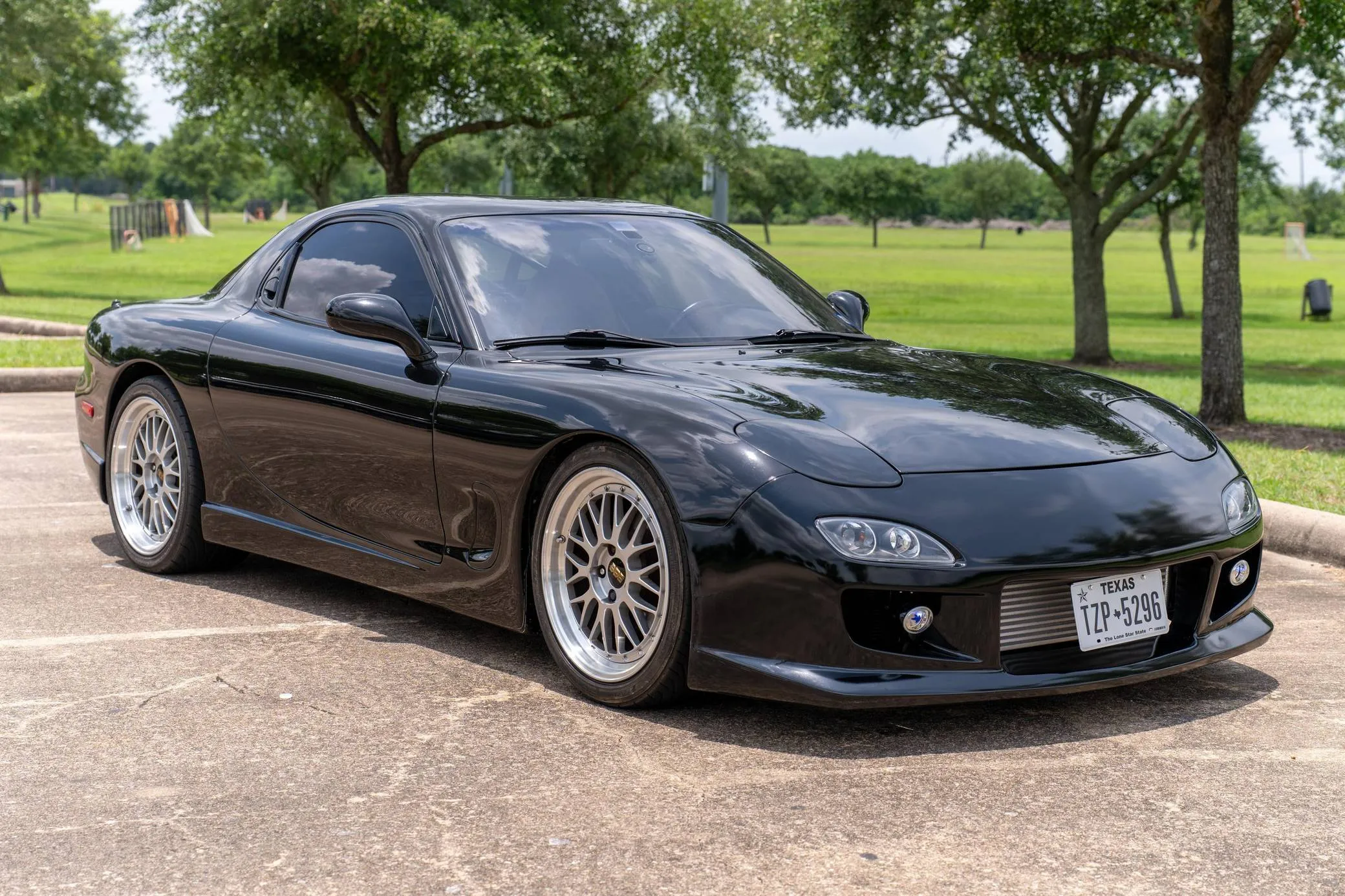
The Mazda RX-7 FD is widely respected for its lightweight design, aerodynamic styling, and unique rotary engine technology. It represents one of the most distinctive engineering approaches in automotive history, which significantly enhances its collector appeal.
One of the primary investment drivers for the RX-7 FD is its rarity. Rotary engines require specialized maintenance, and many examples were neglected or modified over time. Well-preserved, stock models are increasingly difficult to find, which drives up demand among enthusiasts who appreciate originality.
Its design also plays a major role in value appreciation. The RX-7 FD is often considered one of the most beautiful Japanese sports cars ever built, with timeless proportions that still look modern today. Design-driven demand is a strong factor in the classic car market.
However, what truly separates this car is its driving experience. The rotary engine delivers a high-revving, smooth power delivery that is unlike conventional piston engines. This uniqueness ensures continued enthusiast interest even as technology evolves.
Despite higher maintenance requirements compared to traditional engines, the RX-7 FD remains a strong investment because collectors value its engineering rarity and cultural significance. Over time, clean examples are expected to continue appreciating as availability decreases.
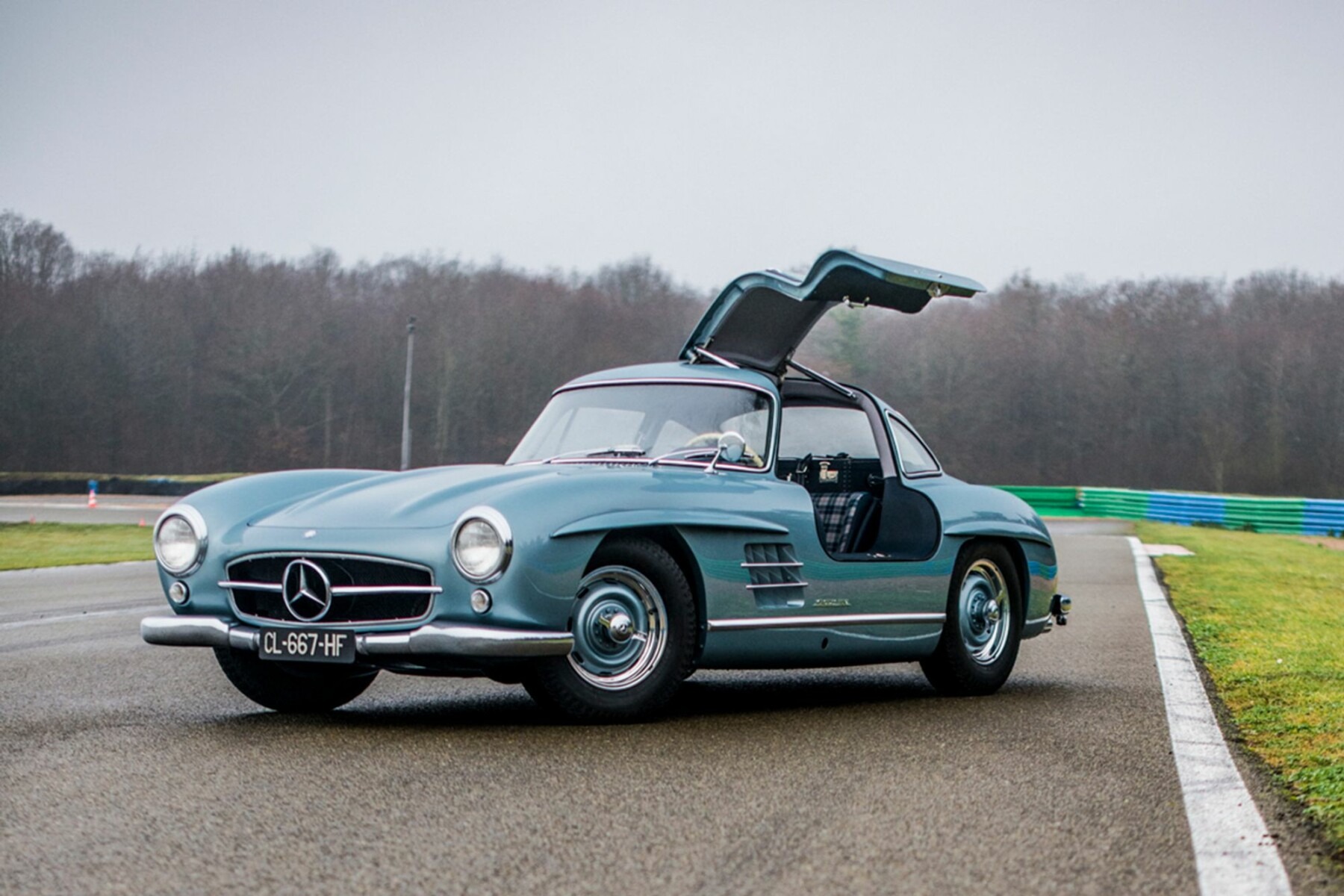
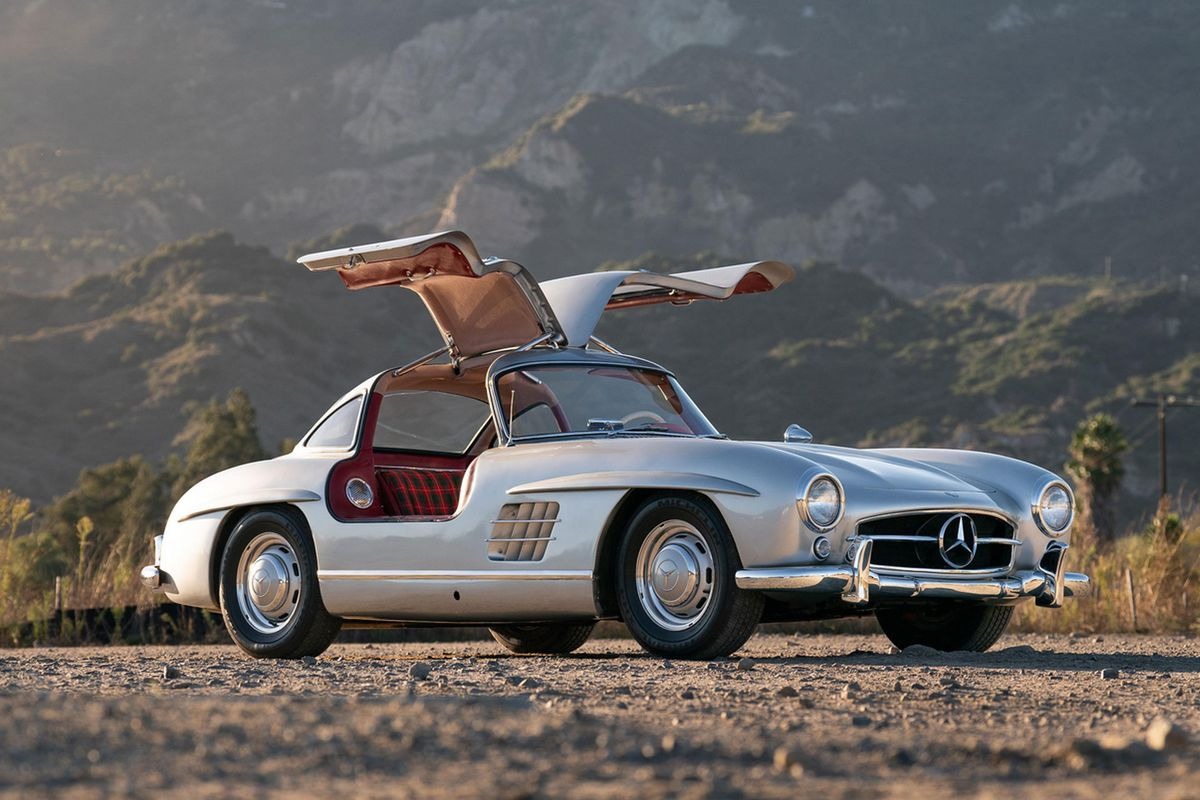
4. Mercedes-Benz 300SL Gullwing
The Mercedes-Benz 300SL Gullwing is one of the most valuable and historically significant classic cars ever produced. Its iconic gullwing doors and groundbreaking engineering made it a landmark vehicle in automotive history.
This car is considered a blue-chip investment in the classic car world due to its extreme rarity and historical importance. It was one of the fastest production cars of its era and introduced advanced fuel injection technology that set new performance standards.
Another key factor is its strong auction performance. The 300SL consistently achieves high prices at global auctions, often breaking records for classic car sales. This reflects strong demand among high-net-worth collectors and museums.
Its cultural status also contributes heavily to its value. The Gullwing is widely recognized as a symbol of automotive elegance and engineering excellence. This universal recognition ensures continued demand across generations.
Finally, its extremely limited production numbers guarantee long-term scarcity. Unlike many classic cars, the 300SL will never face oversupply in the collector market, making it one of the most secure long-term automotive investments available.
Also Read: 10 Cars That Survive Being Used as Daily Uber Vehicles
Classic Cars to Avoid as Investments
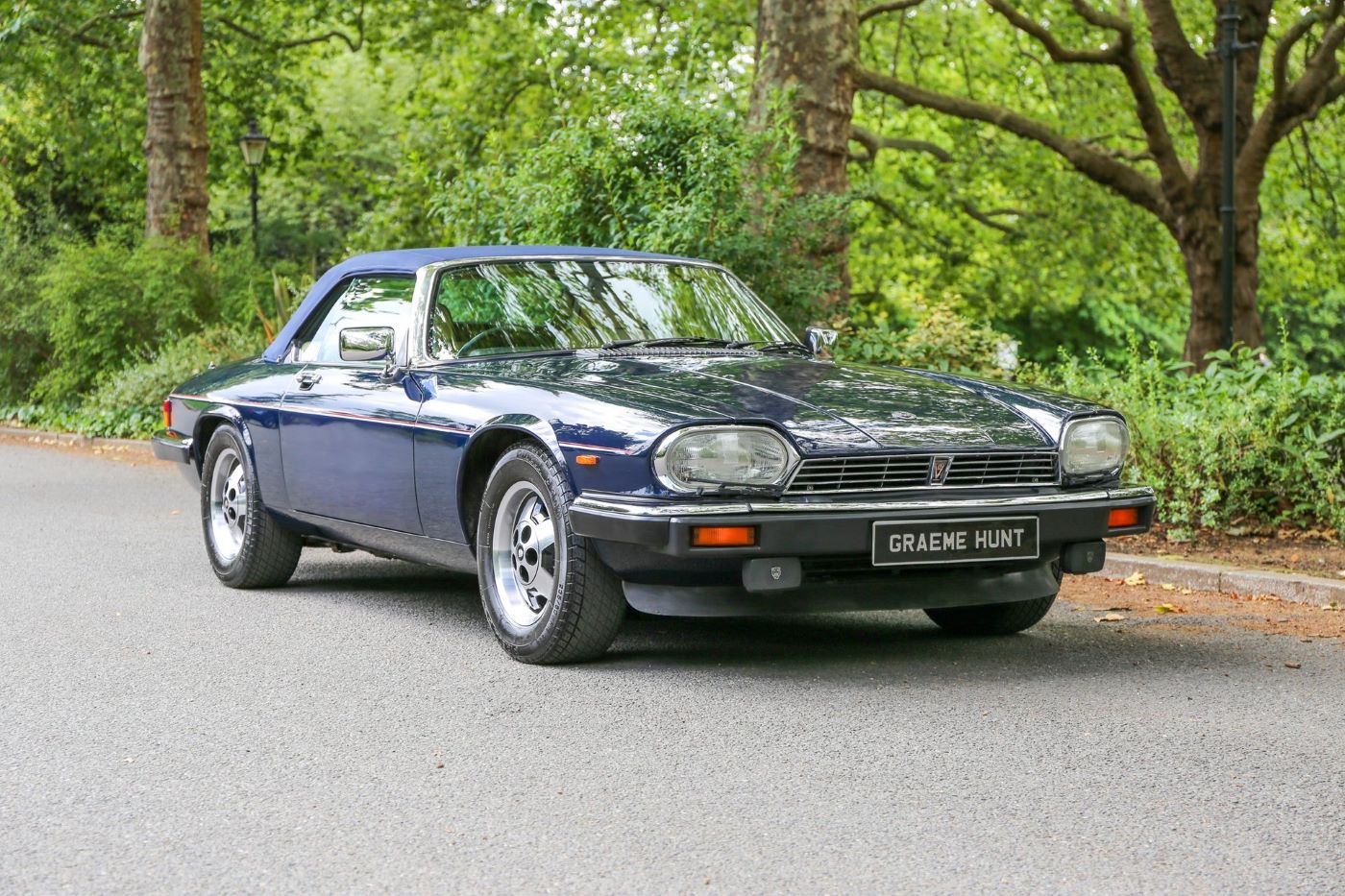
1. Jaguar XJ-S
The Jaguar XJ-S is often appreciated for its long, low silhouette and grand touring comfort, but from an investment perspective, it has consistently struggled to deliver strong returns. While it carries the prestige of the Jaguar name and offers a refined driving experience, its market performance has historically been weak compared to more collectible British sports cars.
One of the main issues is that it was produced for a very long period, which resulted in high total production numbers. When supply remains high, scarcity-driven price appreciation becomes extremely difficult, and this is a major disadvantage for long-term investors.
A further consideration is the XJ-S’s lack of a strong motorsport legacy. In the classic car market, models associated with racing success or major engineering milestones often command higher values. By contrast, the XJ-S was developed primarily as a luxury grand tourer rather than a performance-focused icon, which reduces its emotional appeal among collectors.
While it has a loyal fan base, that audience is relatively small compared to high-demand performance classics, which reduces competitive bidding pressure in the market.
Maintenance costs also significantly impact its investment profile. Older Jaguar models are widely known for electrical issues, aging wiring systems, and expensive mechanical repairs. As these cars age, keeping them in reliable condition becomes increasingly costly, which discourages long-term ownership.
When ownership costs rise faster than market value, the investment equation becomes negative, leading many owners to sell rather than preserve.
Rust and long-term durability concerns further weaken its desirability. Many surviving examples require extensive restoration work, and restoration costs often exceed resale value. This creates a situation where only enthusiasts who are emotionally attached tend to keep the vehicle, while investors typically avoid it due to poor financial return potential.
While the Jaguar XJ-S remains a stylish and comfortable classic GT, its high supply, limited collector demand, and costly upkeep make it a weak candidate for investment growth compared to more historically significant or performance-oriented classics.
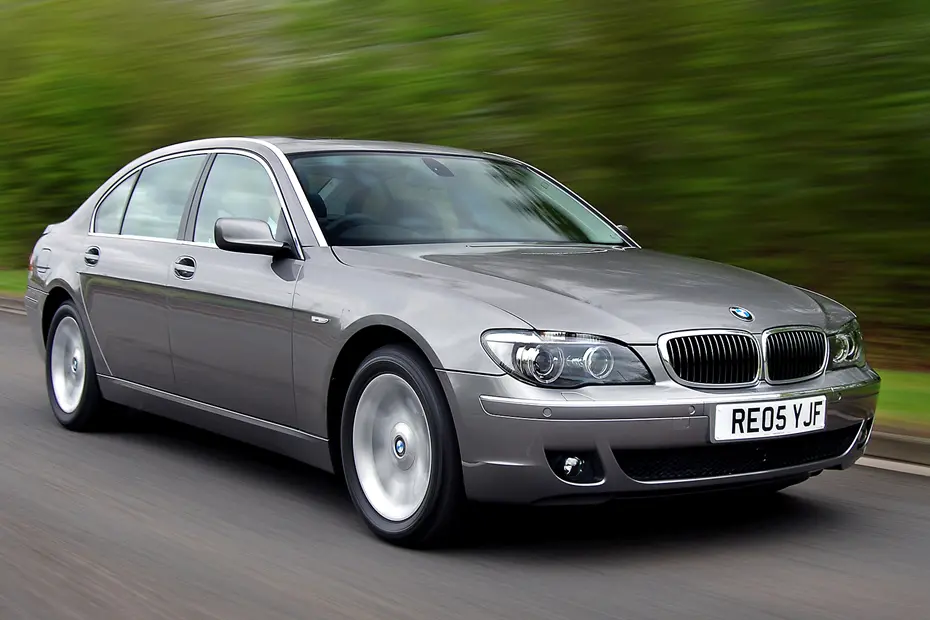
2. BMW 7 Series E65 Generation
The BMW 7 Series E65 represents a bold step in automotive technology for its time, but it has not translated into strong collector appeal or investment value. When it was launched, it introduced advanced digital systems and a radically new design language that set it apart from traditional luxury sedans.
However, what was once considered futuristic has not aged in a way that attracts collectors today. Instead of becoming a classic icon, it has become more of a used luxury vehicle with declining relevance in the collector market.
One of the biggest drawbacks is its complex electronic architecture. The E65 was heavily dependent on early-generation digital systems that are now expensive to diagnose and repair. Features such as iDrive, electronic control modules, and integrated systems were innovative at the time but are now known for reliability issues.
As these systems age, maintenance becomes increasingly difficult, and many independent mechanics avoid working on them due to complexity.
Depreciation is another major factor that makes the E65 a poor investment. Luxury sedans typically lose value quickly after release, and the E65 followed this trend aggressively. Even well-maintained examples remain relatively affordable, which indicates that the market does not assign strong collectible value to the model.
Unlike performance-oriented BMW M cars, the standard 7 Series does not benefit from motorsport heritage or enthusiast-driven demand.
Another challenge is limited emotional appeal. Classic car investment is often driven by passion, nostalgia, or cultural significance. The E65 lacks these qualities for most collectors. While it offers comfort and innovation, it does not evoke a strong emotional attachment or represent a defining moment in automotive design history that resonates with modern collectors.
Parts availability and repair costs continue to rise as the model ages. As more systems fail over time, ownership becomes less practical and more expensive. This discourages long-term preservation, which is essential for value appreciation. As a result, the E65 is generally viewed as a depreciating luxury vehicle rather than a long-term appreciating asset.
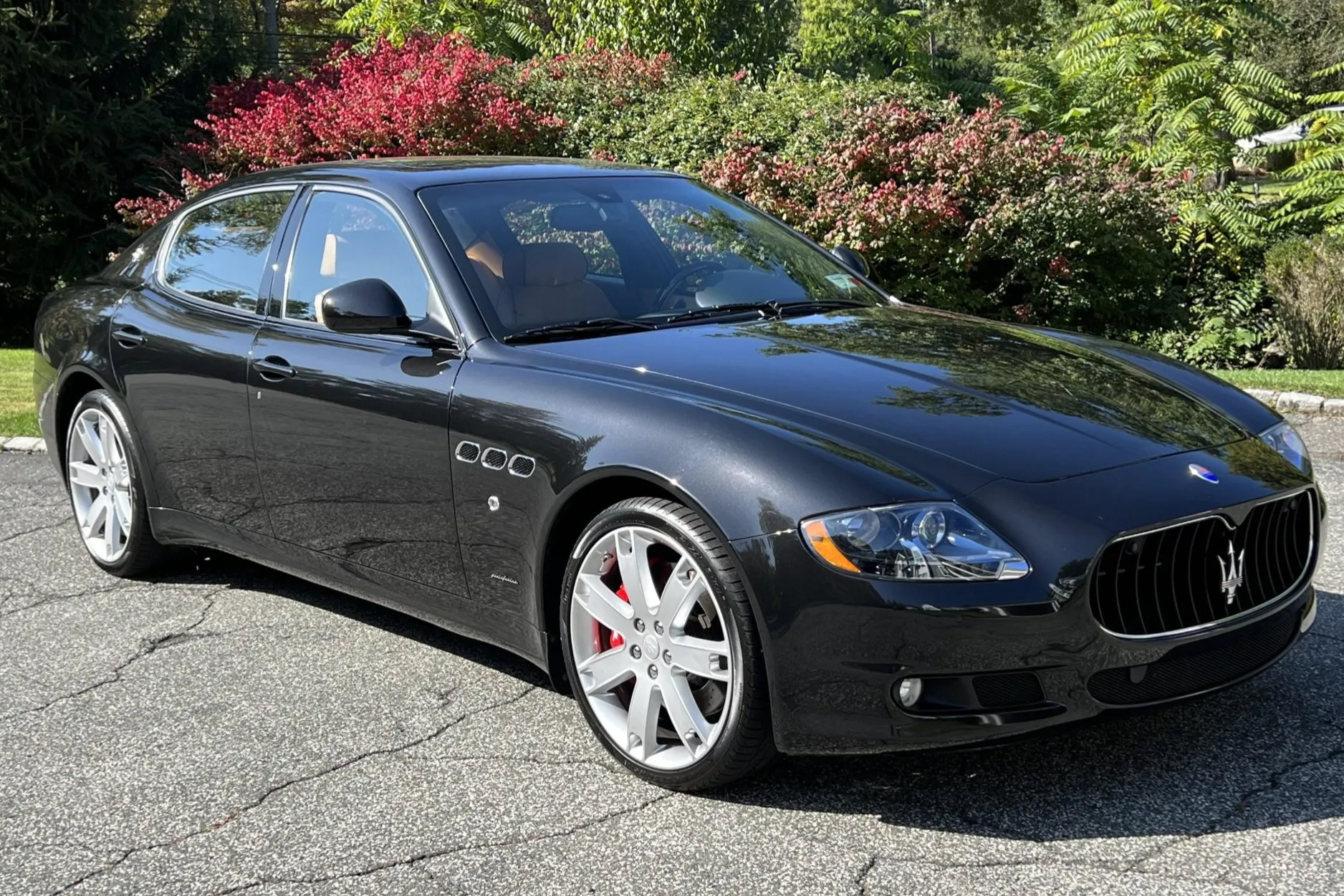
3. Maserati Quattroporte (Early 2000s)
The Maserati Quattroporte from the early 2000s is a striking example of Italian luxury and performance design, but it is widely regarded as a high-risk investment in the classic car market. While it delivers strong road presence and an engaging driving experience, its financial performance has historically been poor.
One of the main reasons is that Maserati, during this era, produced vehicles in relatively large numbers without achieving the scarcity needed for strong collector appreciation.
Reliability is one of the most significant concerns. These vehicles are known for frequent mechanical and electrical issues that require specialized maintenance. Components such as transmissions, suspension systems, and electronic modules often require expensive repairs. Because of this, ownership costs can escalate quickly, making it difficult for owners to justify long-term retention purely as an investment.
Another limiting factor is depreciation speed. Unlike rare supercars or limited production sports models, the Quattroporte experienced a rapid value decline after its initial release.
Even well-preserved examples have struggled to regain significant market value. This indicates that demand remains primarily among buyers seeking luxury at a lower entry price rather than collectors pursuing appreciation potential.
The brand prestige of Maserati does provide some emotional appeal, but it is not enough to sustain strong investment performance for this particular generation. Collector markets tend to favor models with strong racing heritage or iconic design breakthroughs, and while Maserati has a rich history, this specific Quattroporte generation does not stand out as a landmark model within the brand’s legacy.
Long-term parts availability is also becoming more challenging. As production support decreases, sourcing components becomes more expensive and time-consuming. This further reduces the practicality of owning the vehicle as it ages. Combined with weak appreciation trends, this makes the early 2000s Quattroporte more suitable for enthusiasts than investors.
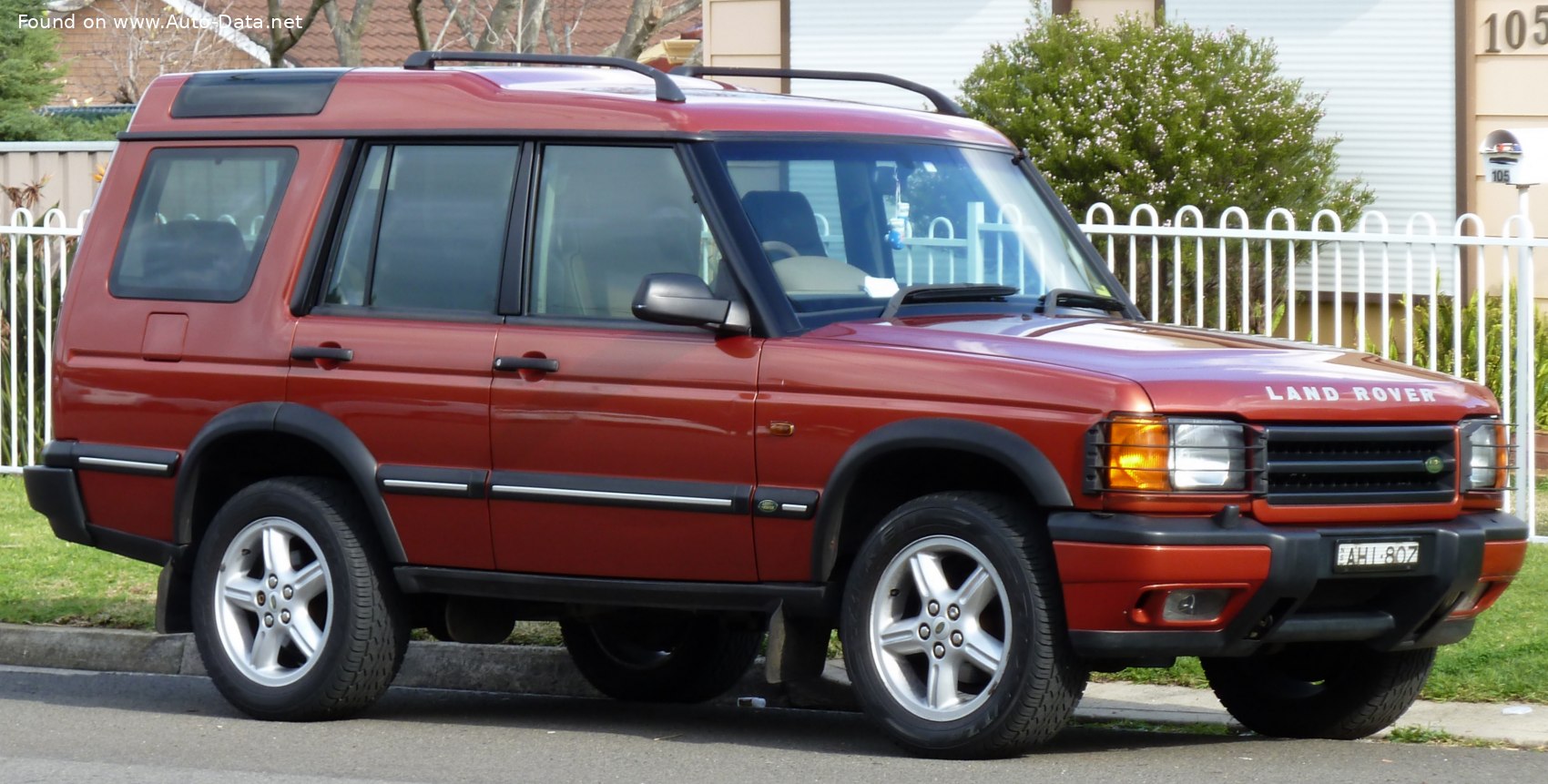
4. Land Rover Discovery 2
The Land Rover Discovery 2 is well known for its off-road capability and rugged character, but it does not perform well as a financial investment in the classic vehicle market. It was designed as a practical utility SUV rather than a collectible performance or luxury icon.
While it has strong appeal among off-road enthusiasts, this niche demand does not translate into broad collector interest, which limits long-term appreciation potential.
One of the most significant drawbacks is mechanical reliability. The Discovery 2 is known for recurring issues in areas such as air suspension systems, cooling components, and electrical wiring.
These problems often become more pronounced as the vehicle ages, leading to increasing maintenance costs. When maintenance becomes frequent and expensive, many owners choose to sell rather than restore, which prevents value growth.
Another factor is production volume and market availability. The Discovery 2 was produced in large numbers, and many units remain in circulation today. This abundance reduces scarcity, which is a key driver of classic car investment value. Without rarity, it becomes difficult for prices to increase significantly over time, especially in competitive collector markets.
The vehicle also lacks a strong cultural or motorsport heritage that typically supports appreciation. Unlike iconic off-road legends or performance SUVs that have gained cult status, the Discovery 2 is viewed more as a functional family or utility vehicle. While respected for its capability, it does not have the same emotional or historical pull that drives collector bidding wars.
Restoration costs can easily outweigh market value in many cases. As these vehicles age, restoring them to high condition often requires significant investment in mechanical and bodywork repairs. Since resale values remain relatively modest, this creates a poor financial equation for investors, making it more suitable as a utility or hobby vehicle rather than an appreciating asset.
