
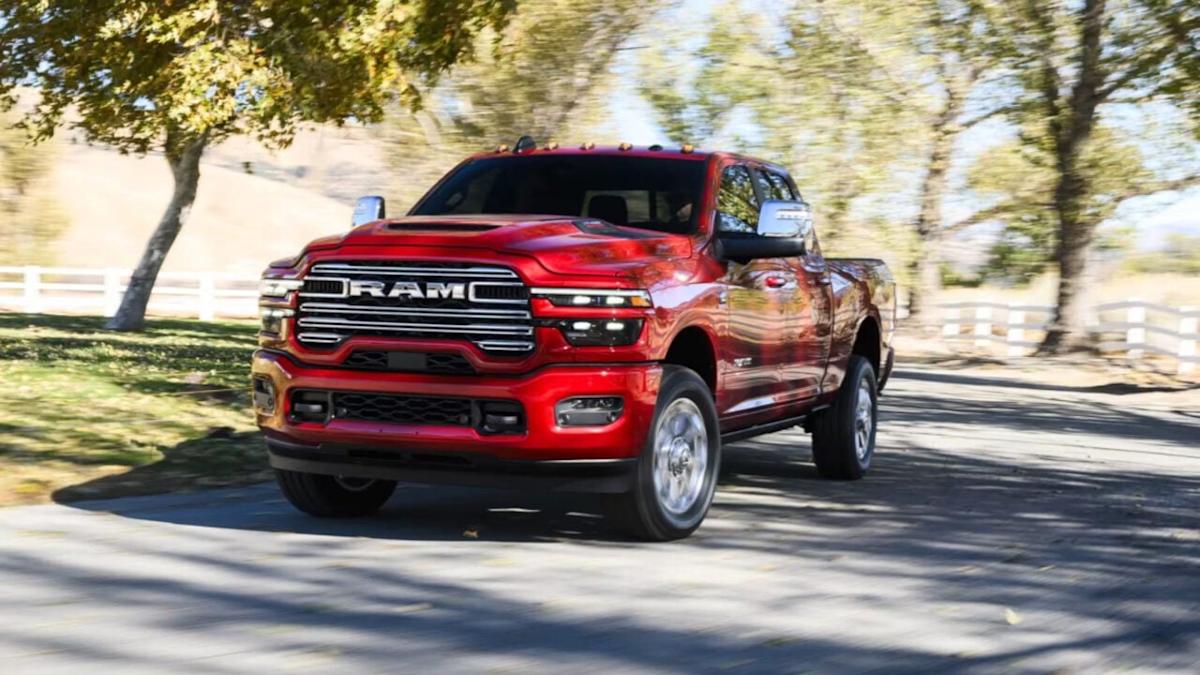
Owners of the 2026 Ram 2500 have begun receiving official recall notifications following the identification of a fault that may affect a critical safety system. The notices, which started mailing on May 7, 2026, relate to a defect within the steering column control module that may lead to the loss of electronic stability control functionality.
For many buyers, heavy-duty pickup trucks such as the Ram 2500 are purchased with expectations of durability, strong towing capacity, and dependable performance across demanding conditions. In addition to these attributes, modern buyers also rely on advanced safety systems to support control and stability during driving.
When a system designed to enhance safety is compromised, it becomes a matter requiring immediate attention. The recall has been registered with the National Highway Traffic Safety Administration under campaign number 26V244000. It applies to certain units of the 2026 model year Ram 2500 that may have been produced with a steering column control module that does not perform as intended.
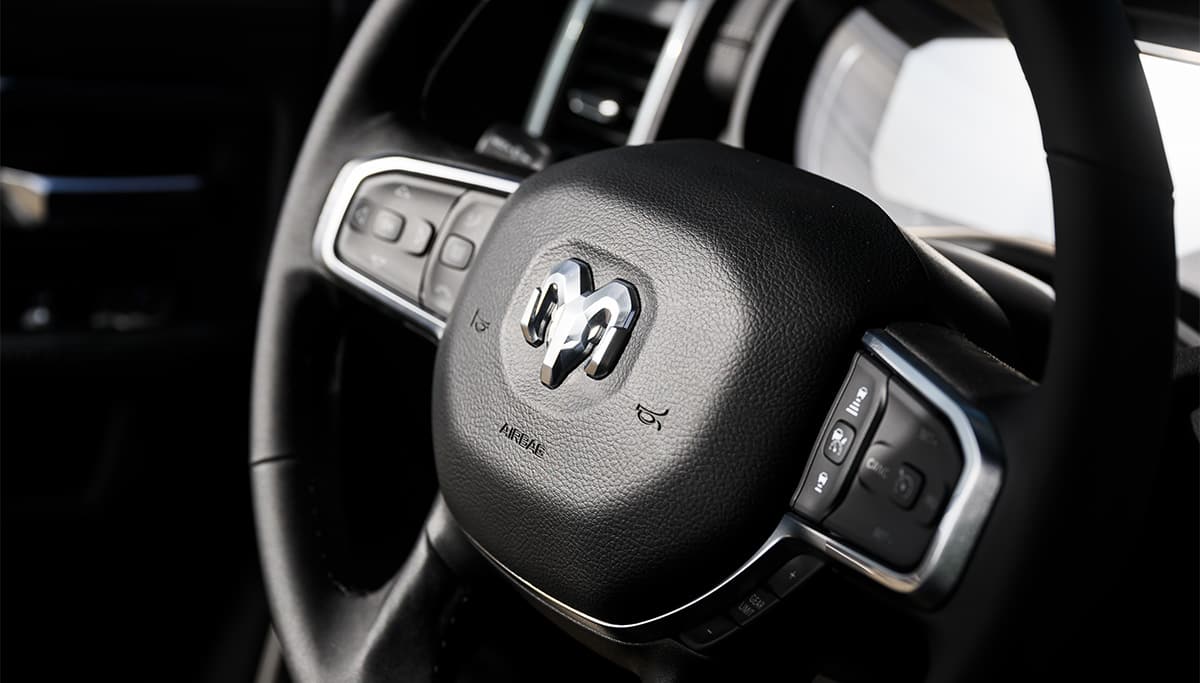
This component plays a role in enabling communication between driver inputs and electronic systems that assist with vehicle control. If the module fails, the truck may lose its electronic stability control system. This creates a condition where the vehicle no longer meets Federal Motor Vehicle Safety Standard No. 126, which sets requirements for electronic stability control performance in passenger vehicles and light trucks.
Compliance with this standard is essential, as it ensures that vehicles are equipped to assist drivers in maintaining control under challenging conditions.
Understanding the Role of Electronic Stability Control
Electronic stability control, often referred to as ESC, is regarded as one of the most important safety developments in modern vehicle design. The system continuously monitors the driver’s steering input alongside the vehicle’s actual direction of travel. Through sensors placed throughout the vehicle, it detects any deviation between intended movement and actual behaviour on the road.
When the system identifies a loss of traction or directional instability, it responds automatically by applying braking force to individual wheels. It may also reduce engine power to assist in regaining control. This intervention occurs within fractions of a second, often before the driver has time to react.
In a vehicle such as the Ram 2500, which is larger and heavier than a standard passenger car, the importance of ESC becomes even more pronounced. The vehicle’s size, weight, and higher centre of gravity can increase the likelihood of instability during sudden manoeuvres. Conditions such as wet roads, loose gravel, or emergency lane changes place additional demands on both the driver and the vehicle.
ESC provides a level of assistance that can help prevent skidding, oversteering, or understeering. It is also valuable when towing trailers, as it can help manage trailer sway and maintain directional stability. Without this system, drivers may find it more difficult to maintain control, particularly in situations that require immediate corrective action.
Also Read: 9 Things People Believe About Premium Gas That Aren’t True for Most Cars
Details of the Defect and Manufacturer Response
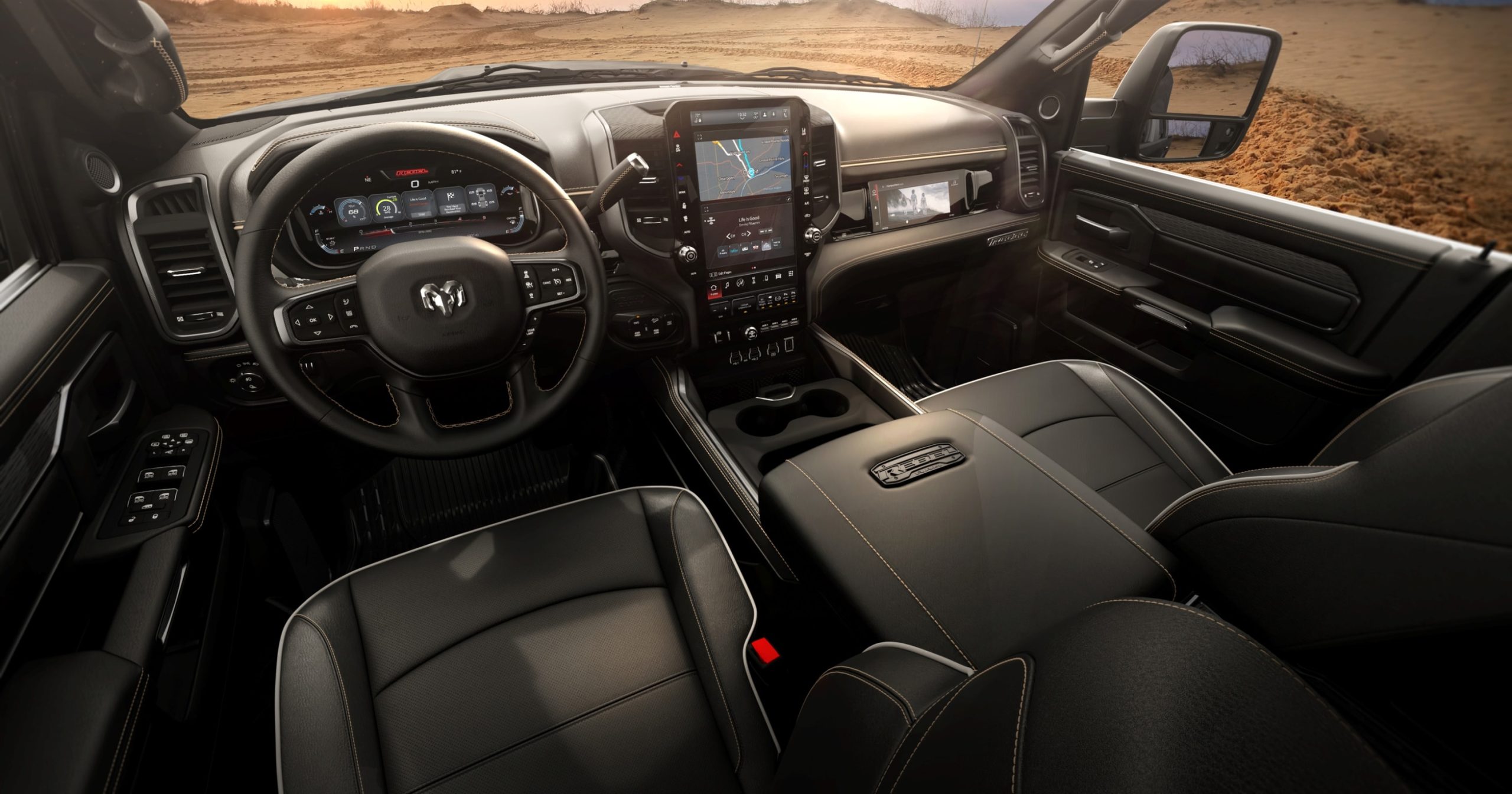
The issue identified in the recall concerns the steering column control module, which may fail in certain affected trucks. When this failure occurs, communication between the steering system and electronic safety systems is disrupted, resulting in the loss of electronic stability control.
The manufacturer, Chrysler, has acknowledged the defect and initiated corrective measures. Authorised dealers have been instructed to replace the faulty steering column control module at no cost to the vehicle owner. This replacement is intended to restore full functionality to the electronic stability control system and ensure compliance with federal safety requirements.
Vehicle owners are advised to check whether their truck is included in the recall. This can be done by entering the vehicle identification number into the National Highway Traffic Safety Administration’s recall database, which became accessible for this purpose on April 23, 2026. Owners may also contact FCA customer service and reference internal recall number 36D for further information.
The recall notification letters being sent to owners provide instructions on how to proceed, including scheduling a service appointment with an authorised dealer. Prompt action is encouraged to minimise any potential safety risk associated with the continued use of an affected vehicle.
Also Read: 8 Trucks That Pass Emissions Without Any Tune-Up Work
Why This Recall Deserves Immediate Attention
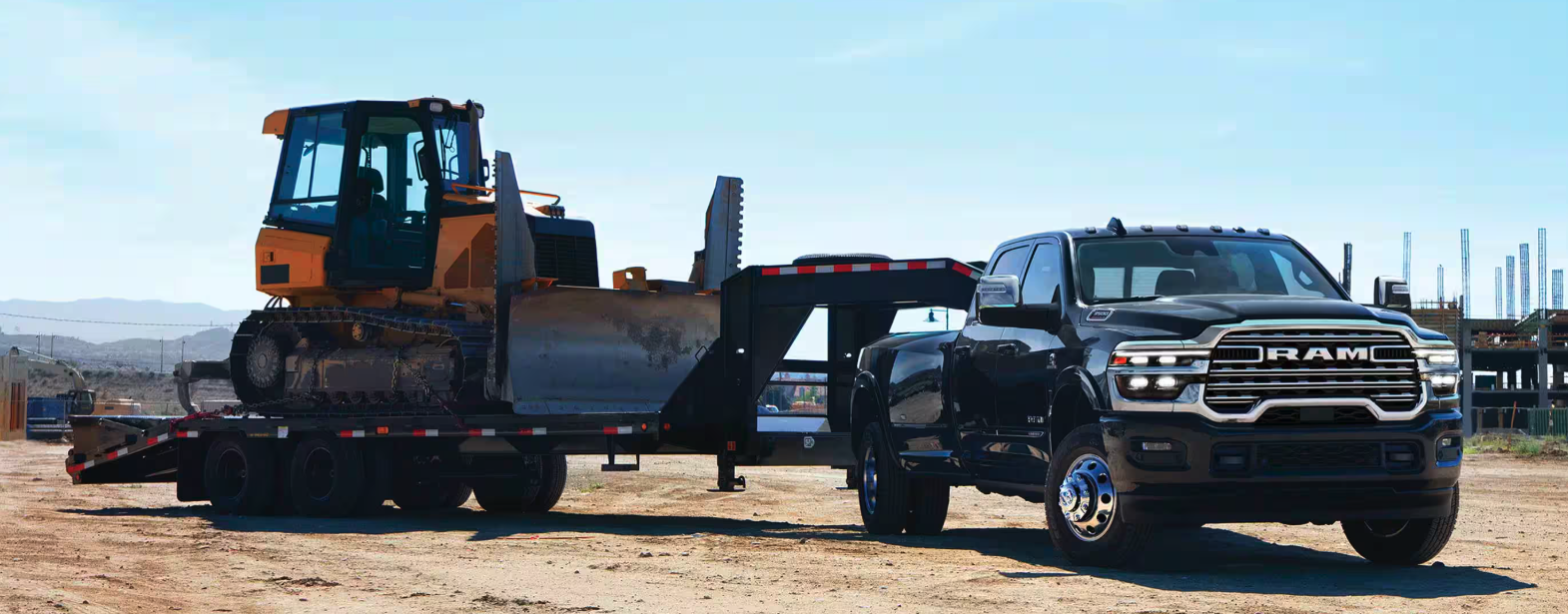
The Ram 2500 is designed for demanding applications, including towing heavy loads, transporting equipment, and operating in challenging environments. These use cases often place additional stress on both the vehicle and the driver, making reliable safety systems essential.
A loss of electronic stability control in such a vehicle poses a heightened risk. When carrying heavy loads or towing a trailer, maintaining control becomes more difficult, particularly during sudden manoeuvres or when road conditions are less than ideal. Even drivers with extensive experience may encounter situations where electronic assistance provides valuable support.
The absence of ESC does not mean that the vehicle cannot be driven, but it does reduce the margin of safety available to the driver. In emergencies, where rapid correction is required, the lack of automated intervention could lead to loss of control.
Owners of the 2026 Ram 2500 are therefore strongly advised to treat this recall with urgency. Scheduling the necessary repair ensures that the vehicle continues to operate with all intended safety systems fully functional. Addressing the issue promptly not only restores compliance with safety standards but also helps maintain confidence in the vehicle’s ability to perform reliably under demanding conditions.
