
The used car auction market plays a major role in the automotive industry, especially for dealerships looking to maintain profitable inventory. Every week, thousands of vehicles move through wholesale auctions where dealers compete for cars that can deliver strong resale value, fast turnover, and minimal repair costs.
While the average buyer may think all used cars are equal if the price is right, professional dealers know that some vehicles are incredibly desirable while others become financial headaches.
The difference often comes down to reliability, maintenance history, consumer demand, parts availability, depreciation trends, and long-term ownership costs. Dealers are not simply buying cars they personally like. They are purchasing inventory based on market behavior, customer preferences, and profit margins.
At auctions, dealers have only a limited time to inspect vehicles before bidding begins. Experienced buyers rely on years of data and observation to determine which models are safe investments and which ones should be avoided entirely.
Vehicles with strong reputations for durability and low ownership costs tend to attract aggressive bidding because dealers know they can sell them quickly with fewer post-sale issues. Cars from brands known for reliability often dominate dealer wish lists.
Fuel-efficient sedans, dependable SUVs, and practical trucks consistently perform well because consumers continue seeking affordable transportation with predictable maintenance expenses. On the other hand, vehicles with poor reliability ratings, expensive repair histories, weak resale value, or complicated technology often sit unwanted at auction lanes.
Modern dealerships also pay close attention to online search trends and customer shopping behavior. Cars that are easy to finance, insure, and maintain usually attract broader audiences. Dealers prefer vehicles that can appeal to first-time buyers, families, commuters, and budget-conscious customers.
Auction strategy has become even more important in recent years due to fluctuating supply chains, changing consumer priorities, and rising vehicle prices. Dealers now need inventory that can generate profit quickly without sitting on lots for months. Every bad purchase represents lost capital, additional repair expenses, and slower business growth.
This article explores five used car dealers aggressively pursue at auctions and five they commonly avoid. Each section examines the reasons behind dealer decisions, including reliability, depreciation, maintenance costs, consumer demand, and resale performance.
Understanding these choices offers valuable insight into the used car market and helps buyers recognize which vehicles retain strong value over time. Whether you are shopping for your next used car or simply curious about how dealerships operate behind the scenes, these examples reveal the real economics influencing vehicle auctions across the automotive industry.
Also Read: 10 Cars With Insurance Premiums Lower Than a Compact Sedan
5 Used Cars Dealers Want
1. Toyota Camry
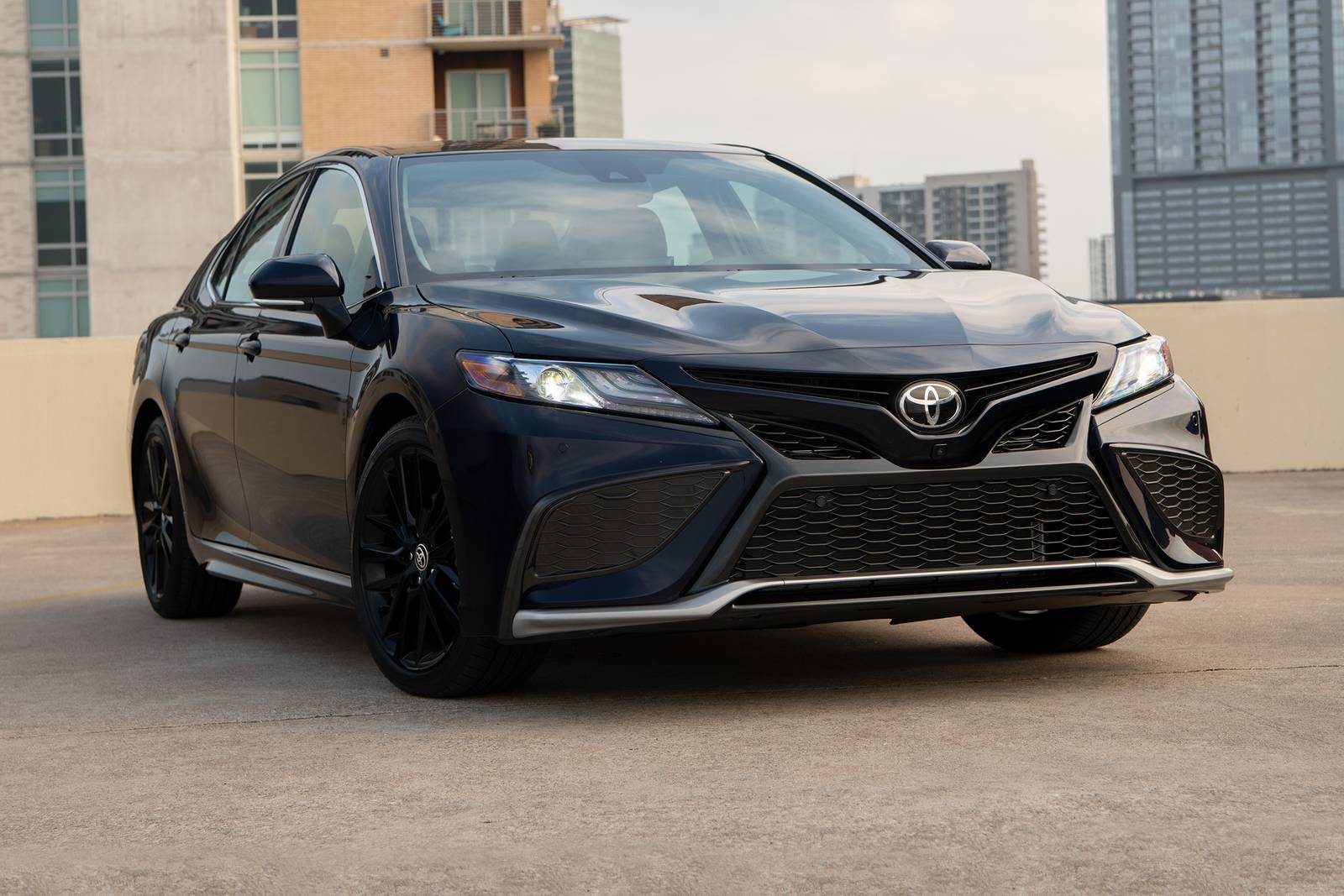
The Toyota Camry remains one of the most sought-after vehicles at used car auctions because of its exceptional reliability and broad market appeal. Dealers consistently pursue this midsize sedan due to its strong resale value, dependable engineering, and reputation for longevity.
Many Camrys easily exceed 200,000 miles with regular maintenance, making them highly attractive to budget-conscious buyers seeking dependable transportation. Dealers recognize that this reliability translates directly into customer confidence and faster sales.
One reason dealers aggressively bid on used Camrys is their low ownership costs. Routine maintenance is generally affordable, replacement parts are widely available, and repair complexity remains relatively manageable compared to luxury vehicles or technologically complicated models.
This simplicity reduces dealership reconditioning expenses before resale. Dealers can prepare a Camry for the sales lot quickly without major financial risk. Lower repair costs also make the vehicle more attractive to used car shoppers, compared to long-term ownership expenses.
Fuel efficiency adds another layer of value to the Toyota Camry. Modern buyers prioritize economical daily transportation, and the Camry consistently delivers competitive mileage across multiple engine options.
Hybrid variants are particularly desirable because they combine excellent efficiency with Toyota’s strong reliability reputation. Dealers know these vehicles attract commuters, rideshare drivers, families, and students alike. Broad customer appeal ensures steady demand in nearly every regional market.
Another important factor is the Camry’s reputation for comfort and practicality. The interior offers enough space for families while maintaining easy drivability for urban commuters. Safety ratings are typically strong, which helps reassure buyers concerned about long term ownership.
Features such as advanced driver assistance systems and infotainment upgrades in newer generations further strengthen resale appeal. Dealers appreciate vehicles that satisfy both practical and emotional consumer expectations.
Resale value remains one of the strongest reasons dealers target the Camry at auctions. Toyota vehicles traditionally depreciate more slowly than many competitors. This allows dealerships to maintain healthier profit margins when selling used inventory. Buyers willingly pay premium prices for reliable Toyota sedans because they trust the brand’s durability.
In competitive auction environments, clean Camry models with documented maintenance histories often generate intense bidding activity from dealerships seeking dependable inventory with predictable profitability.
2. Honda CR-V
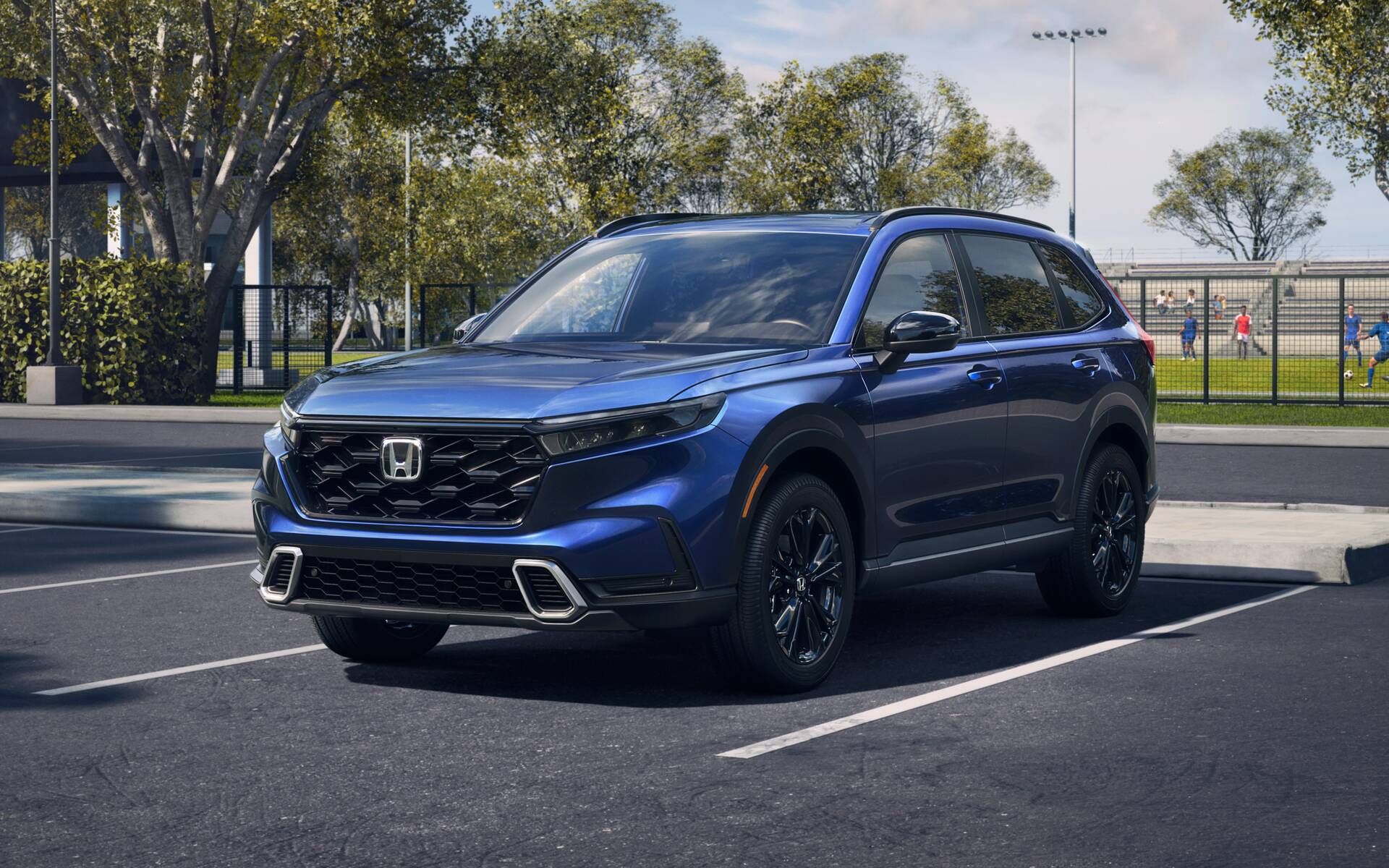
The Honda CR-V has become one of the most desirable compact SUVs in the used vehicle market, making it a frequent target at dealer auctions. Dealerships value the CR V because it combines reliability, practicality, fuel efficiency, and family-friendly versatility.
As consumer preference continues shifting toward SUVs and crossovers, vehicles like the CR V consistently maintain strong demand across multiple demographics. Dealers know these vehicles rarely remain on sales lots for long.
Reliability is one of the CR V’s greatest strengths. Honda has built a reputation for producing durable powertrains capable of lasting hundreds of thousands of miles when properly maintained.
This reliability reduces dealership risk because fewer unexpected mechanical problems emerge during reconditioning. Dealers prefer vehicles with predictable maintenance histories because warranty claims and post-sale repairs can quickly erode profits. The CR V’s track record gives dealerships confidence during auction bidding.
Interior practicality further strengthens the CR V’s auction value. Buyers appreciate its spacious cabin, flexible cargo capacity, and comfortable seating arrangements. Families often choose compact SUVs because they provide greater utility than sedans without the size challenges associated with larger SUVs. Dealers understand that practical vehicles appeal to wider audiences, increasing the likelihood of rapid sales after acquisition.
Fuel economy remains another advantage for the Honda CR V. Despite offering crossover versatility, the vehicle maintains respectable mileage figures that appeal to commuters and budget-conscious drivers. Rising fuel costs have encouraged many consumers to avoid larger SUVs with poor efficiency. The CR V successfully balances utility with manageable operating expenses, making it attractive to both urban and suburban buyers.
Technology and safety features also contribute to the CR V’s popularity. Newer models often include advanced safety systems, touchscreen infotainment, smartphone connectivity, and driver assistance technologies that modern buyers expect.
Dealers know consumers increasingly compare used vehicles based on available technology, especially younger buyers seeking modern conveniences at affordable prices. Vehicles with outdated interiors can struggle in competitive used car markets.
3. Lexus RX
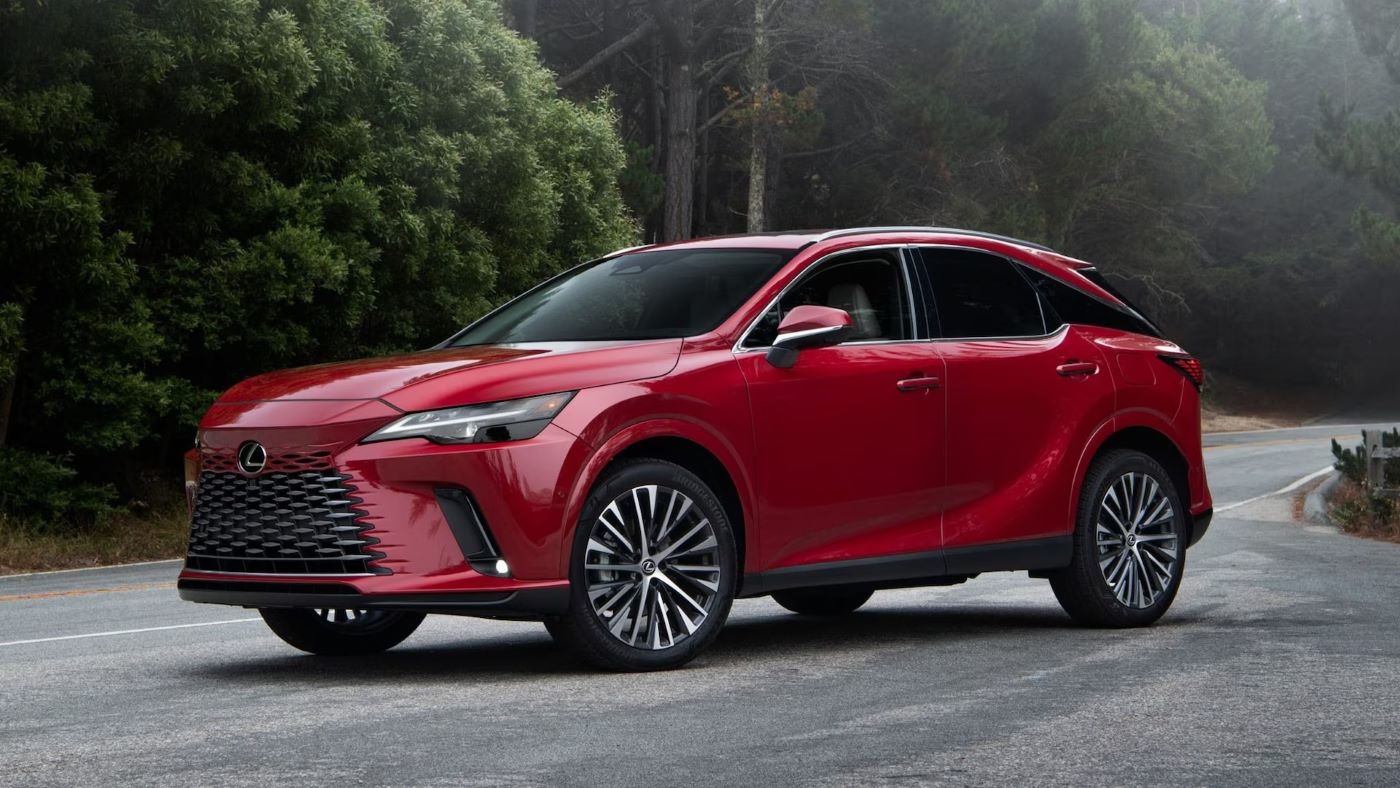
Luxury vehicles often present significant risks at auctions due to expensive repairs and rapid depreciation, but the Lexus RX stands as a major exception. Dealers frequently target this luxury crossover because it offers premium comfort while maintaining Toyota-level reliability.
Buyers seeking upscale transportation without the financial burden of European luxury maintenance costs consistently gravitate toward the Lexus RX. This strong consumer demand makes it a valuable asset for dealerships.
One reason dealers pursue the Lexus RX is its dependable engineering. Unlike many luxury competitors known for electrical failures and costly mechanical issues, the RX benefits from Toyota’s reputation for reliability. This allows dealerships to offer luxury vehicles with greater confidence and lower reconditioning expenses. Reliable luxury inventory attracts customers who want premium experiences without constant repair bills.
The RX also appeals to a broad customer base. Older buyers appreciate its smooth ride quality and comfortable seating, while families value its practicality and upscale interior. The crossover design provides easier accessibility than traditional sedans, which further expands market appeal. Dealers prioritize vehicles capable of attracting multiple buyer demographics because broader demand reduces inventory risk.
Interior quality significantly contributes to the Lexus RX’s resale success. Premium materials, quiet cabins, and refined driving experiences help maintain strong customer satisfaction even as vehicles age. Buyers often compare used luxury models based on long-term durability, and the RX consistently performs well in owner satisfaction surveys. Dealers recognize that positive ownership experiences generate repeat business and stronger word-of-mouth recommendations.
Another advantage is lower depreciation compared to many luxury competitors. European luxury vehicles often lose value rapidly due to high maintenance costs and reliability concerns. The Lexus RX, however, maintains relatively stable resale values because buyers trust the brand’s durability. Dealers appreciate inventory that retains market value over time because it supports healthier profit margins.
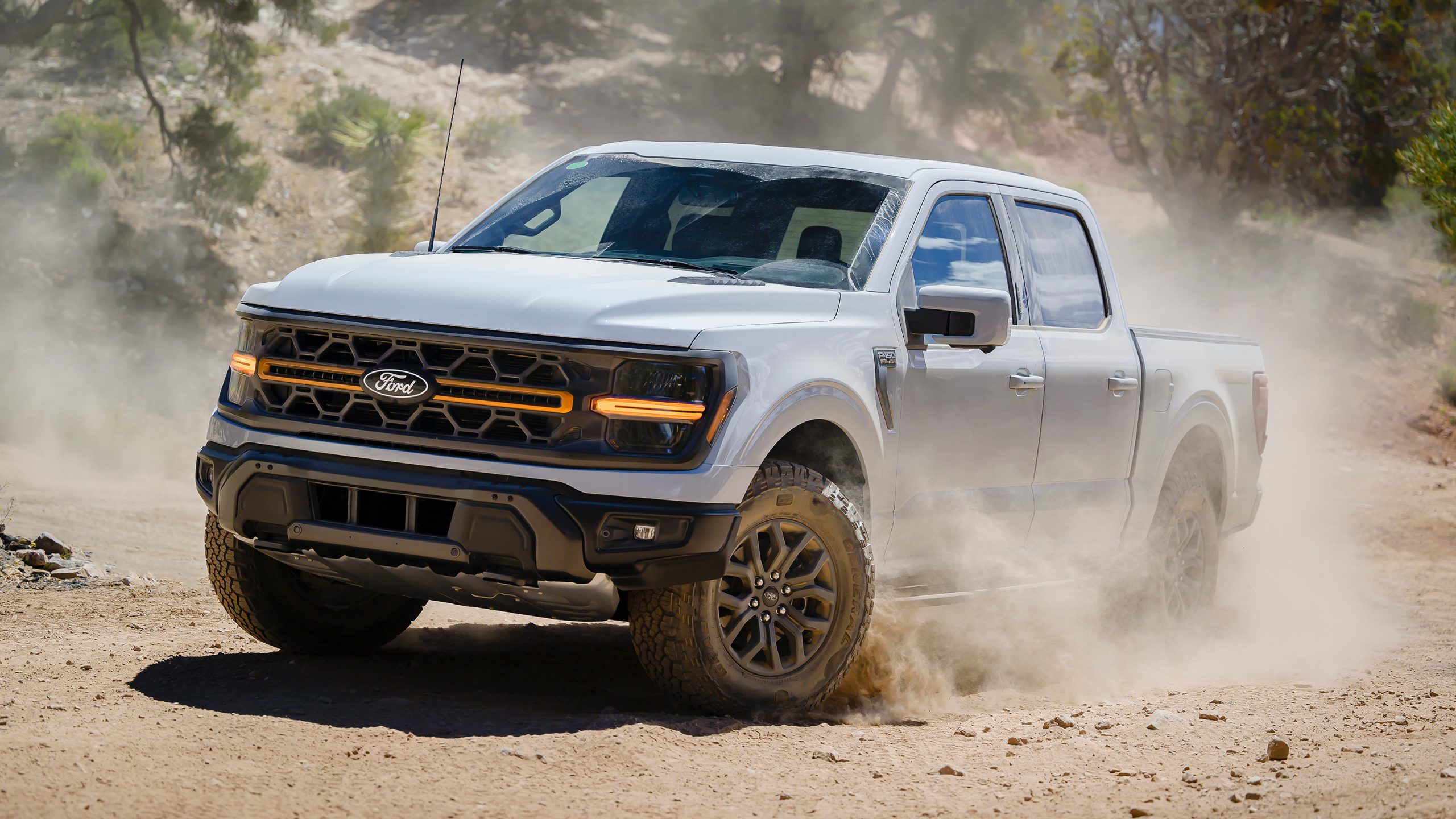
4. Ford F-150
The Ford F-150 remains one of the most important vehicles in the American used car market, and dealers aggressively pursue clean examples at auctions. Pickup trucks maintain enormous popularity due to their versatility, towing capabilities, and strong resale values. The F 150, in particular, benefits from decades of brand loyalty and widespread market demand. Dealers understand that well-maintained trucks can generate significant profits and attract a wide range of buyers.
One reason dealers value the F-150 is its broad customer appeal. Contractors, small business owners, outdoor enthusiasts, and families all purchase pickup trucks for different reasons. This diverse buyer base ensures consistent demand throughout the year. Dealers appreciate inventory capable of serving multiple customer segments because it reduces the risk of slow sales.
Trim variety also strengthens the F-150’s auction appeal. Work-oriented models attract commercial buyers seeking practical transportation, while luxury trims with leather interiors and advanced technology attract consumers wanting premium comfort. This flexibility allows dealerships to target different price ranges and customer expectations using the same vehicle platform.
Modern F 150 models offer strong engine choices, including fuel-efficient turbocharged EcoBoost options. These engines provide impressive towing performance while improving fuel economy compared to older truck designs. Dealers recognize that fuel efficiency has become increasingly important even among truck buyers. Vehicles balancing power and economy tend to perform better in the used market.
Another important factor is parts availability and repair familiarity. Ford trucks are extremely common, which means mechanics are familiar with servicing them, and replacement parts remain widely accessible. Dealers prefer vehicles with established service networks because they simplify maintenance and reduce repair delays. Trucks requiring specialized repairs or rare parts can become costly liabilities.
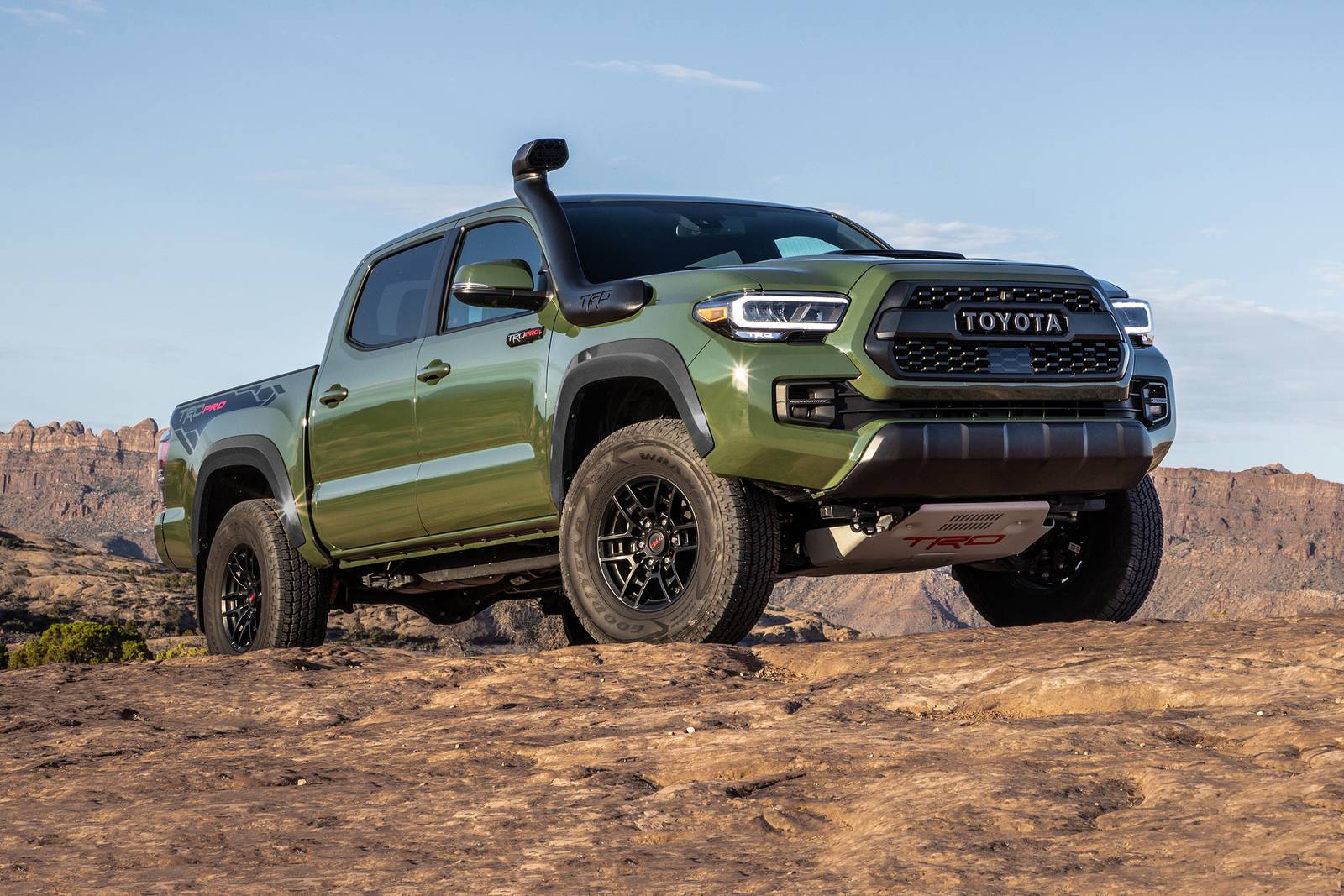
5. Toyota Tacoma
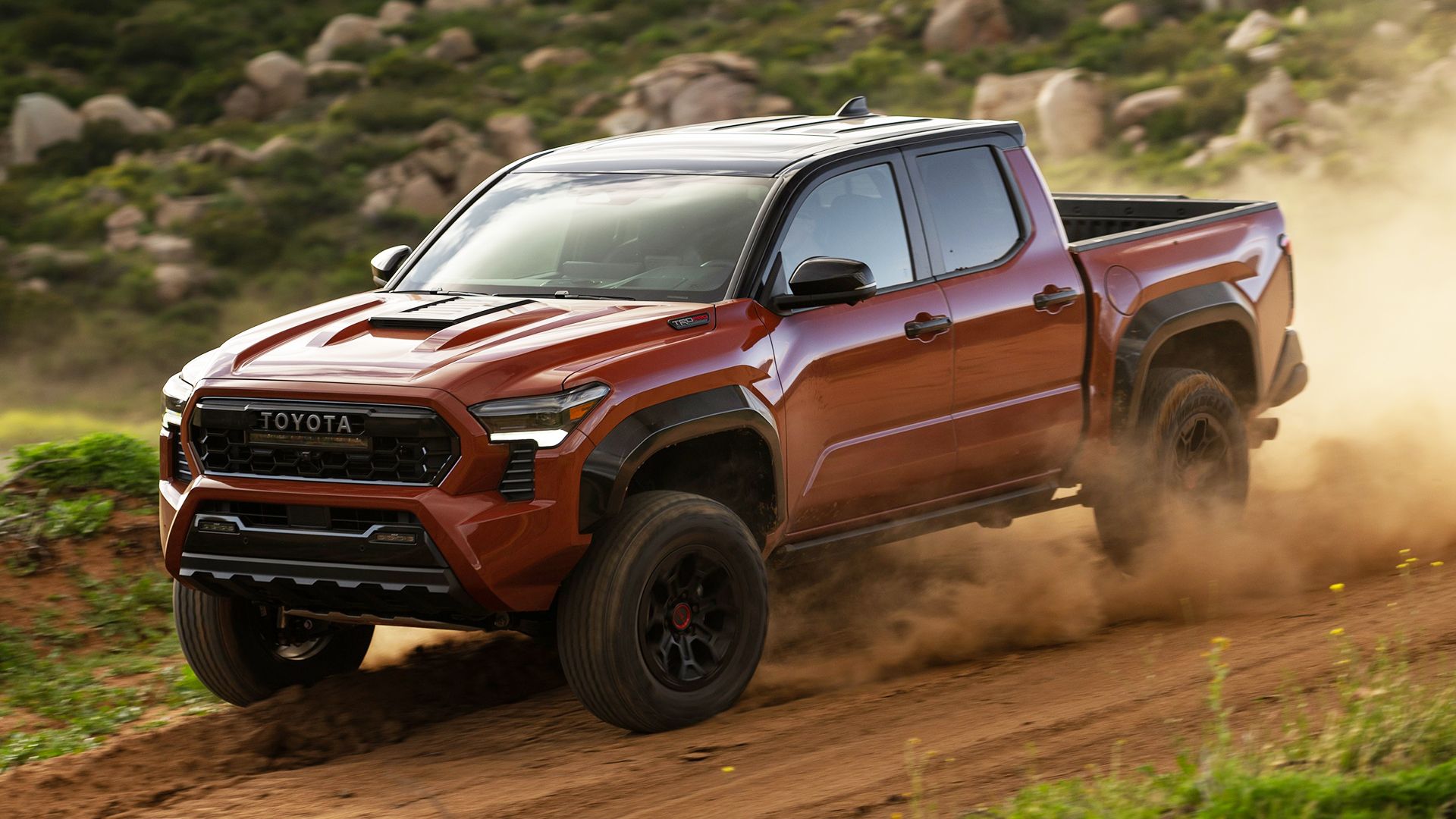
The Toyota Tacoma has earned legendary status in the used truck market, making it one of the most aggressively pursued vehicles at dealer auctions. Known for extraordinary reliability and exceptional resale value, the Tacoma consistently attracts buyers willing to pay premium prices even for older models with high mileage. Dealers recognize that few vehicles maintain value as effectively as this midsize pickup truck.
Reliability forms the foundation of Tacoma’s popularity. Many owners report driving these trucks for decades with minimal mechanical problems. This durability creates tremendous consumer trust, especially among outdoor enthusiasts, tradespeople, and adventure-focused buyers. Dealers value vehicles that inspire long-term confidence because customer trust directly supports resale profitability.
Off-road capability further increases Tacoma demand. Many trims include features designed for rugged terrain, making them highly attractive to buyers interested in camping, overlanding, and outdoor recreation. The growing popularity of adventure travel has increased demand for durable midsize trucks capable of handling remote environments. Dealers frequently market Tacomas as lifestyle vehicles rather than simple transportation.
Limited depreciation is another major advantage. Tacomas are famous for retaining value even after years of ownership. Some used models sell for prices surprisingly close to newer versions due to supply limitations and strong market demand. Dealers appreciate inventory with stable pricing because it reduces financial uncertainty during resale.
Toyota’s brand reputation reinforces Tacoma demand across regional markets. Buyers associate the truck with reliability, ruggedness, and longevity. Dealers often compete aggressively for clean Tacomas at auction because they know these vehicles rarely sit unsold for long. In many dealerships, the Tacoma represents one of the safest and most profitable used vehicle investments available.
Also Read: 10 Cars That Survive Being Used as Daily Uber Vehicles
5 They Avoid
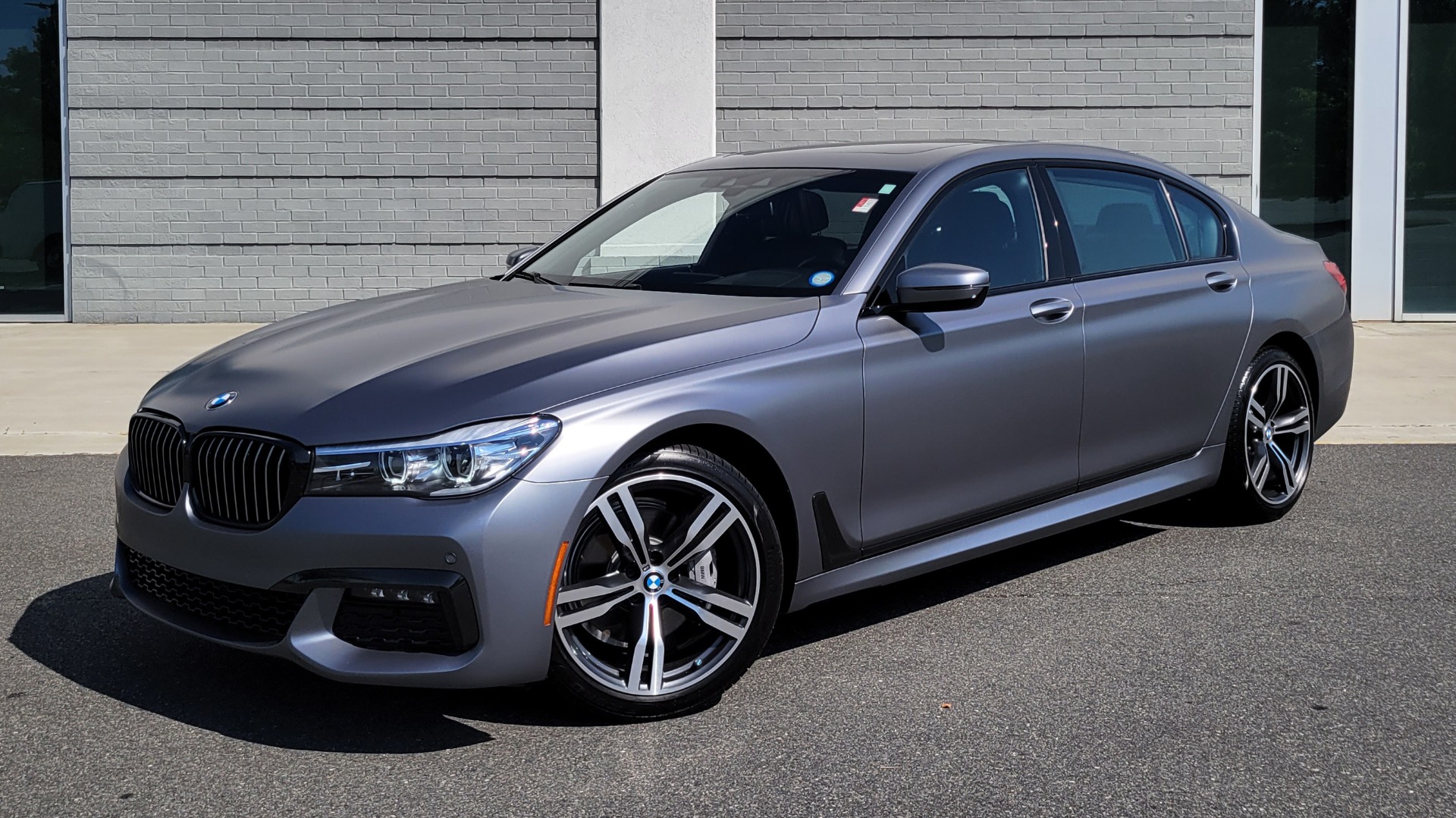
1. BMW 7 Series
The BMW 7 Series offers impressive luxury, advanced technology, and powerful performance, but many dealers avoid older used models at auctions due to overwhelming ownership risks.
While the vehicle may appear attractive because of heavy depreciation, experienced dealers understand that maintaining and repairing these luxury sedans can become extremely expensive. The cost of ownership often scares away used car buyers, limiting resale opportunities.
Complex electronics represent one of the biggest concerns with the BMW 7 Series. Modern versions include sophisticated infotainment systems, air suspension components, advanced driver assistance technology, and numerous electronic control modules. As these systems age, failures become increasingly common and expensive to diagnose. Dealers fear unexpected repair bills that can quickly erase profit margins.
Maintenance costs further reduce dealer interest. Routine service on luxury German vehicles often requires specialized tools, dealership-level expertise, and expensive parts. Buyers researching used luxury cars frequently discover horror stories involving multi-thousand-dollar repair estimates. This negative perception weakens demand and slows resale potential for dealerships.
Depreciation is another major problem. The BMW 7 Series loses value rapidly compared to more reliable luxury competitors. While depreciation may initially create seemingly affordable auction pricing, dealers know these vehicles can continue losing value after acquisition. Holding depreciating inventory becomes financially dangerous, especially when repair costs continue increasing over time.
Consumer demand for older flagship luxury sedans remains relatively limited. Many buyers interested in used luxury cars prefer smaller models with lower ownership costs. Full-size luxury sedans attract narrower audiences, reducing dealership flexibility during resale. Dealers generally prioritize inventory with broader market appeal and predictable sales performance.
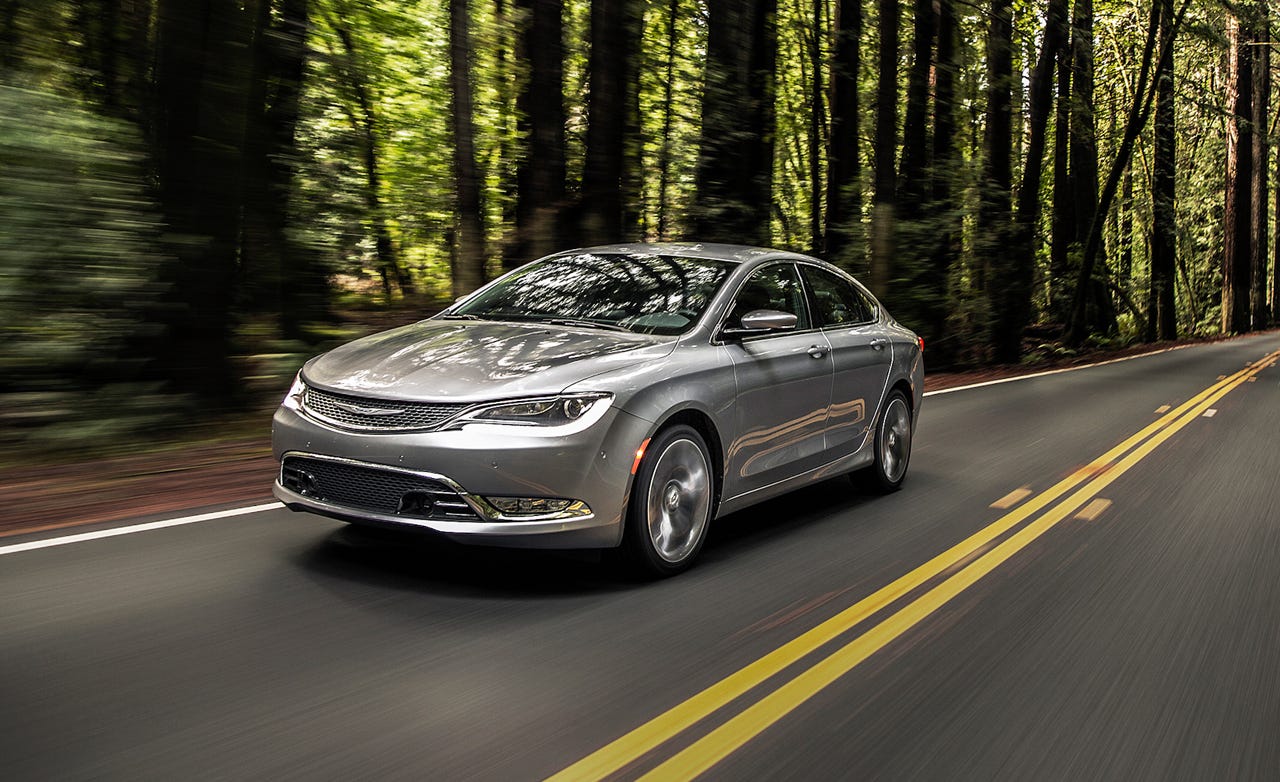
2. Chrysler 200
The Chrysler 200 once aimed to compete in the midsize sedan market, but many dealers now avoid it at used car auctions due to reliability concerns and weak consumer demand. Although these vehicles can often be purchased cheaply, dealerships recognize that low acquisition prices do not guarantee profitability. Negative market perception has significantly reduced resale confidence.
Transmission problems have become one of the Chrysler 200’s most criticized weaknesses. Numerous owners reported issues involving rough shifting, delayed acceleration, and premature transmission failures. Dealers fear inheriting expensive mechanical problems that require major repairs before resale. Vehicles associated with transmission complaints often struggle to attract informed buyers.
Interior quality and long-term durability also contribute to dealer hesitation. Compared to competitors from Toyota and Honda, the Chrysler 200 developed a reputation for inconsistent build quality and aging interior materials. Buyers seeking dependable used transportation frequently prioritize reliability over styling, placing the Chrysler 200 at a disadvantage in competitive markets.
Depreciation further hurts the vehicle’s resale performance. The Chrysler 200 loses value quickly, which limits dealership profit margins. Even after reconditioning, many dealers struggle to justify retail pricing that covers acquisition and repair expenses. Slow moving inventory creates additional financial pressure because unsold vehicles continue generating storage and financing costs.
Limited brand trust also affects consumer behavior. Chrysler has faced criticism for reliability across several vehicle categories, influencing buyer confidence in used models. Dealers closely monitor customer perceptions because public reputation strongly impacts retail sales performance. Vehicles with weak trust levels often require aggressive discounts to attract buyers.
Dealers prefer investing in vehicles with stronger market momentum and broader appeal. For many dealerships, the Chrysler 200 represents unnecessary financial risk in an already competitive used vehicle market.
3. Fiat 500
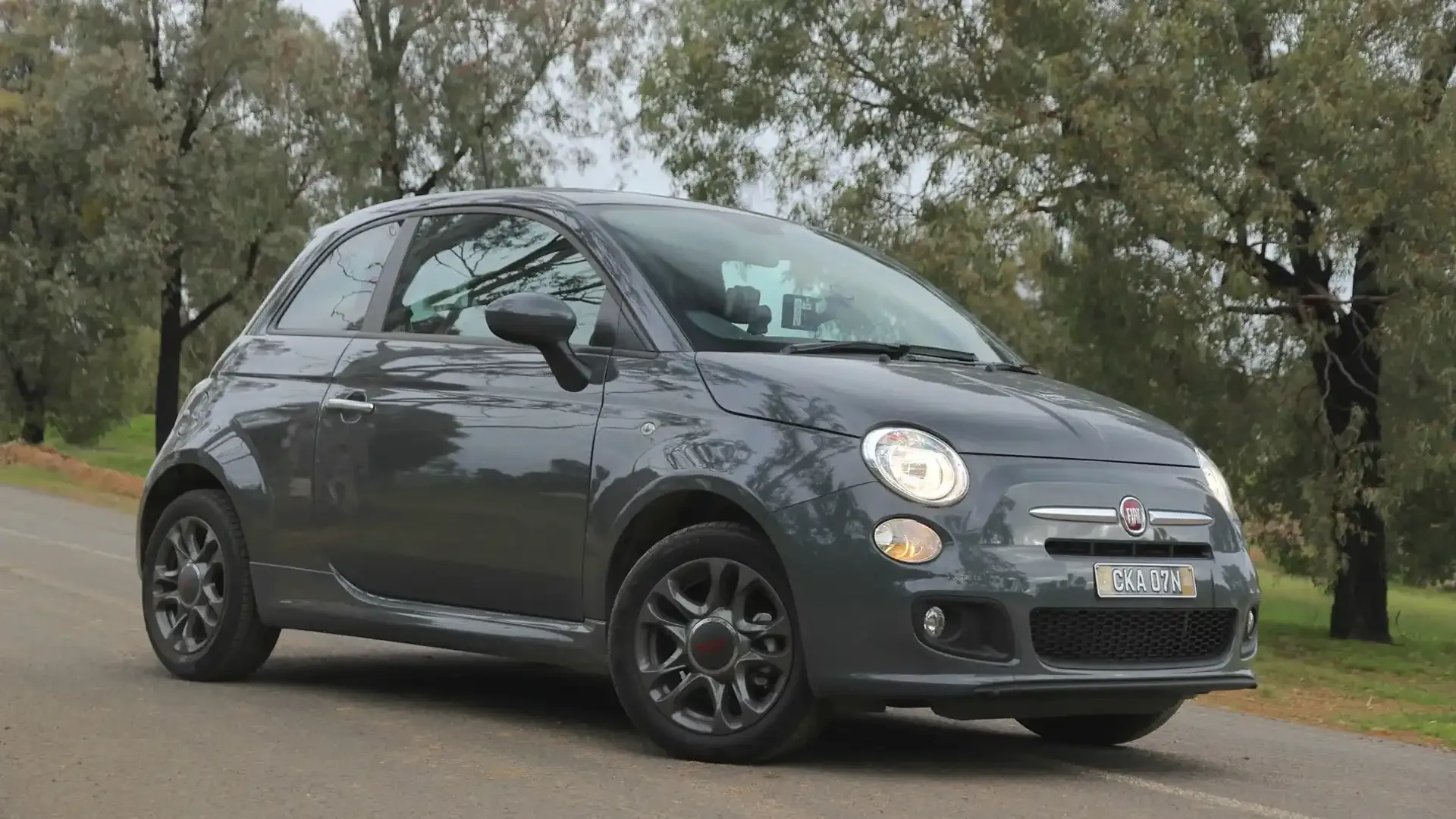
The Fiat 500 gained attention for its compact European styling and urban-friendly dimensions, but many dealers avoid it at auctions because of reliability concerns and limited market demand. Although the vehicle offers a unique character, practical challenges have reduced its appeal in the broader used car market. Dealers generally prioritize inventory capable of attracting larger customer audiences.
One major concern involves maintenance and repair complexity. Some Fiat 500 models developed reputations for electrical issues, transmission problems, and inconsistent build quality. Dealers worry about post-sale complaints and expensive repairs that can damage customer satisfaction. Vehicles requiring frequent service create financial uncertainty during resale preparation.
Interior space limitations also reduce consumer interest. While compact dimensions help with urban parking, many buyers prefer vehicles offering greater comfort and cargo capacity. Families and commuters often view the Fiat 500 as impractical compared to similarly priced compact sedans or crossovers. Dealers know practical vehicles usually generate stronger demand in mainstream markets.
Parts availability presents another challenge in some regions. Compared to more common Japanese or domestic brands, Fiat replacement parts can sometimes be harder to source quickly. Delayed repairs increase dealership holding times and reduce profitability. Dealers favor vehicles with established service networks and easily accessible components.
Depreciation has significantly impacted the Fiat 500’s resale value. Despite stylish design, the vehicle loses value rapidly due to reliability concerns and niche appeal. Dealers often struggle to achieve profitable resale pricing after accounting for transportation, reconditioning, and financing costs. Low resale confidence discourages aggressive auction bidding.
4. Land Rover Range Rover
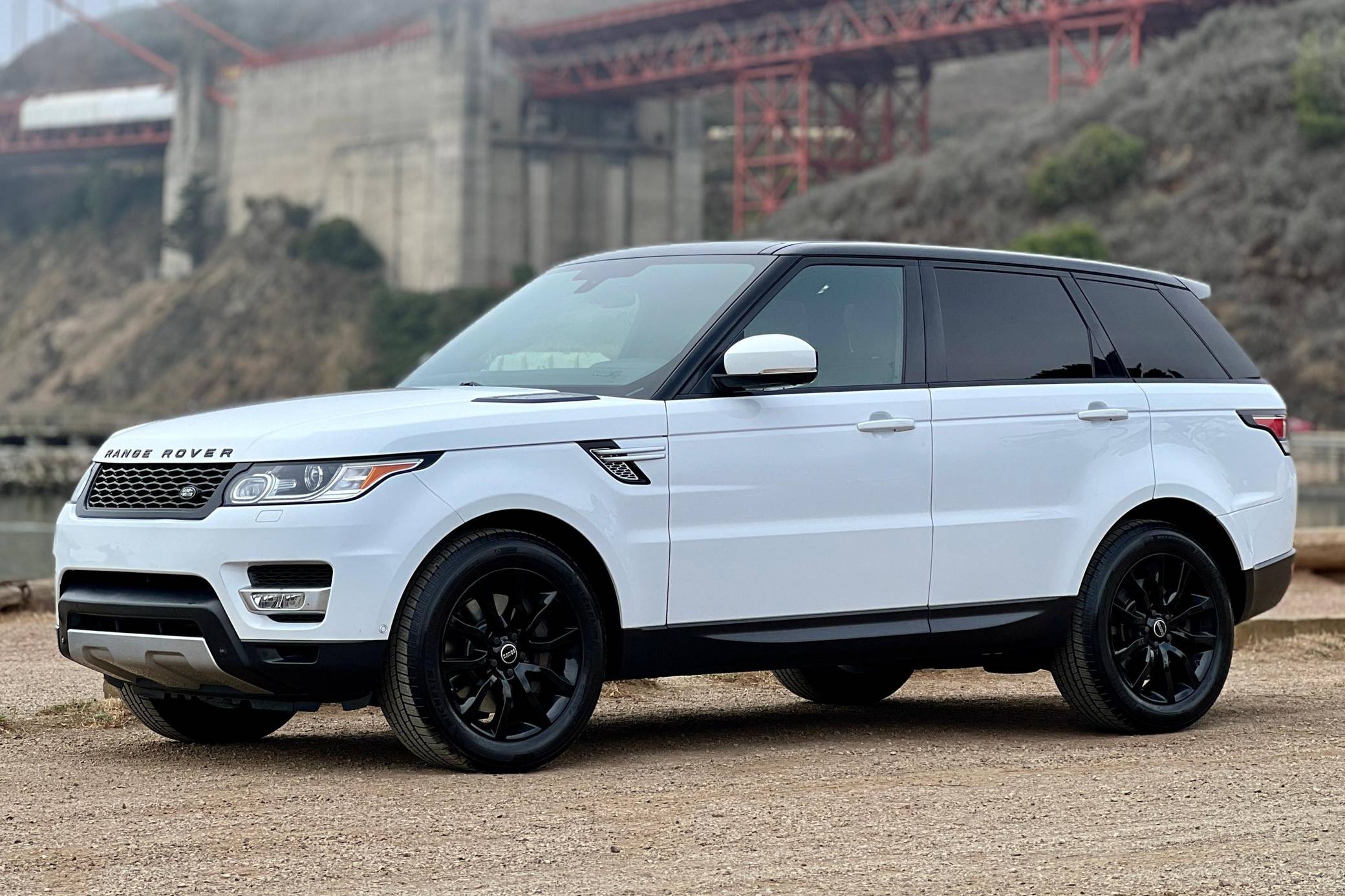
The Range Rover delivers exceptional luxury and off-road capability, but dealers frequently avoid older models at auctions because of extreme maintenance risks and poor long-term reliability. While these SUVs attract attention with premium interiors and prestige branding, ownership costs can become overwhelming after warranty coverage expires. Dealers recognize that used luxury SUVs often carry hidden financial dangers.
Repair costs represent the biggest issue. Older Range Rovers commonly experience problems involving air suspension systems, electronics, engine components, and cooling systems. Repairs can easily cost thousands of dollars, creating major financial exposure for dealerships. Unexpected mechanical failures after resale may also damage dealer reputations and customer satisfaction.
Complex technology contributes significantly to reliability concerns. Modern luxury SUVs contain sophisticated systems that become increasingly difficult and expensive to maintain as vehicles age. Diagnosing electrical issues often requires specialized equipment and expertise. Dealers prefer inventory with predictable maintenance requirements rather than highly complex vehicles prone to costly failures.
Depreciation severely impacts older Range Rover models. New versions carry high purchase prices, but resale values decline rapidly once maintenance concerns emerge. While auctions may offer seemingly attractive prices, dealers understand these SUVs can become difficult to sell profitably. Buyers researching ownership costs frequently choose more reliable alternatives.
Fuel economy also limits market appeal. Large luxury SUVs generally consume more fuel than smaller crossovers, and rising fuel prices have encouraged many consumers to seek efficient alternatives. Dealers increasingly prioritize vehicles balancing practicality, efficiency, and reliability rather than high-maintenance prestige models.
5. Nissan Versa
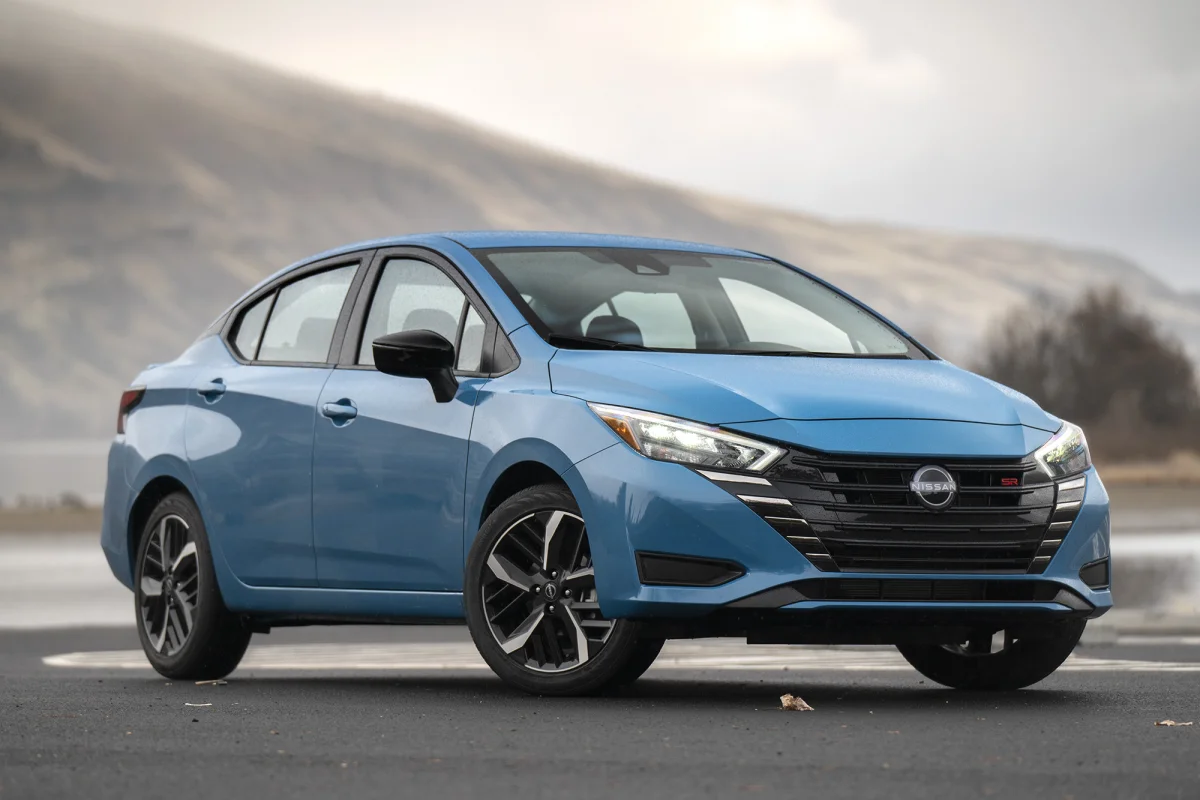
The Nissan Versa may appear attractive at auctions because of its low purchase price and fuel efficiency, but many dealers approach certain model years cautiously due to concerns involving continuously variable transmissions, commonly called CVTs. Transmission reliability problems have significantly affected consumer confidence and resale value for several Nissan vehicles, including the Versa.
CVT failures represent the primary issue. Some owners reported shuddering, hesitation, overheating, and premature transmission breakdowns requiring expensive replacement. Dealers fear inheriting vehicles with hidden transmission wear that may not become obvious during quick auction inspections. Major transmission repairs can completely eliminate dealership profits on low-cost compact cars.
Consumer awareness of these issues has increased substantially over time. Online reviews and automotive forums contain numerous discussions regarding Nissan CVT reliability concerns. Buyers researching used Versas often discover these complaints, making them more cautious during purchasing decisions. Dealers know negative publicity can dramatically reduce resale demand.
Profit margins on economy cars are already relatively narrow, which makes expensive repairs especially problematic. Unlike luxury vehicles with higher retail pricing, compact economy sedans offer limited financial flexibility. Even moderate reconditioning expenses can eliminate potential gains. Dealers, therefore, prefer compact cars with stronger reliability reputations and fewer major mechanical risks.
Depreciation compounds the problem. Nissan Versa models with questionable transmission histories often lose value more quickly than competing compact sedans. Dealers risk further value declines while inventory sits unsold. Vehicles with uncertain reliability also become harder to finance through some lenders, which can reduce the pool of potential buyers.
Although not every Nissan Versa experiences transmission failure, dealer caution remains widespread due to the financial risks involved. Many dealerships selectively purchase only specific model years or avoid the vehicle entirely at auctions to minimize exposure to costly mechanical problems and difficult resale conditions.
