

Your SUV’s cooling system is one of the most critical and most overlooked parts of the vehicle. Most drivers never think about coolant until steam is rising from the hood and the repair bill lands like a punch to the gut.
Coolant does far more than just keep your engine from overheating. It prevents corrosion inside the engine block, lubricates the water pump, and protects metal and rubber components from breaking down over time.
When coolant is neglected, whether it’s low, dirty, or simply never flushed, the consequences can be catastrophic. Head gaskets fail. Water pumps seize. Radiators crack. Entire engines warp beyond repair.
The scary truth is that certain SUV models are far more sensitive to coolant neglect than others. Their engine designs, cooling system layouts, and material choices make them especially vulnerable when maintenance is skipped.
Some of these are best-selling SUVs that millions of families depend on every single day. The repair costs when things go wrong aren’t just inconvenient, they’re genuinely life-disrupting.
In this guide, we break down eight specific SUVs where skipping a simple coolant flush or top-off can spiral into a $4,000 repair nightmare. Know your vehicle. Protect your wallet.
1. Ford Explorer (2011–2019)
The Ford Explorer has long been one of America’s most popular family SUVs. It offers space, capability, and a trusted nameplate that generations of families have relied on.
But beneath that reputation lies a serious vulnerability. The 3.5L EcoBoost V6 engine found in many of these model years is highly sensitive to cooling system health.
The EcoBoost engine runs at high internal temperatures by design. It uses turbocharging and direct injection to extract maximum power from a relatively small displacement.
This means the cooling system works harder than in a conventional naturally aspirated engine. Any drop in coolant efficiency puts enormous stress on gaskets, seals, and the block itself.

When coolant breaks down, it becomes acidic and corrosive. It begins attacking the aluminum head gasket surfaces that seal the combustion chamber from the coolant passages.
Once a head gasket fails on the 3.5L EcoBoost, the repair is extensive. You’re looking at a complete top-end teardown, machining, new gaskets, and reassembly labor.
Head gasket replacement on this engine typically runs between $1,800 and $2,600 at an independent shop. At a Ford dealership, that figure climbs to $3,200 or higher. Add a warped cylinder head, which happens when the engine overheats before the driver notices, and the bill jumps past $4,000 easily.
Many Explorer owners report a gradual pattern. First comes a slow coolant loss with no visible leak. Then the temperature gauge starts creeping up on long drives.
White smoke from the exhaust appears next, often dismissed as normal on cold mornings. By the time the diagnosis comes back as a blown head gasket, the damage is already severe.
A coolant flush on the Explorer costs between $100 and $150. It removes degraded glycol, neutralizes acidity, and restores the inhibitor package that protects aluminum surfaces.
Ford recommends flushing the coolant every 100,000 miles or every six years. Many owners stretch this interval far beyond the recommendation without realizing the risk they’re carrying.
The Ford Explorer is not a fragile vehicle. But its turbocharged engine has zero tolerance for degraded coolant over the long term. Treat the cooling system on schedule, and this SUV can run for 200,000 miles without major issues. Neglect it, and the repair shop becomes a second home.
2. Chevrolet Traverse (2009–2017)
The Chevrolet Traverse is a three-row family hauler built on GM’s Lambda platform. It was designed to carry families comfortably, and it does that job well.
What it is not designed to do is tolerate neglected coolant in the 3.6L V6 LLT engine under the hood. This engine has a specific weakness that coolant neglect exposes with brutal reliability.
The LLT 3.6L V6 is a dual overhead cam engine with variable valve timing. It runs tighter tolerances and higher operating temperatures than older pushrod engines.
This design requires coolant that maintains proper pH and inhibitor levels. When those levels drop, aluminum corrosion begins silently inside the engine.
The intake manifold gaskets on this engine are a known weak point. When coolant becomes corrosive, it attacks the gasket material between the intake manifold and the cylinder heads.
A leaking intake manifold gasket allows coolant to enter the intake tract or drip externally onto hot engine components. Either outcome leads to overheating and serious engine damage.
Intake manifold gasket replacement on the Traverse’s 3.6L V6 runs between $900 and $1,400 in parts and labor. That’s manageable if caught early.
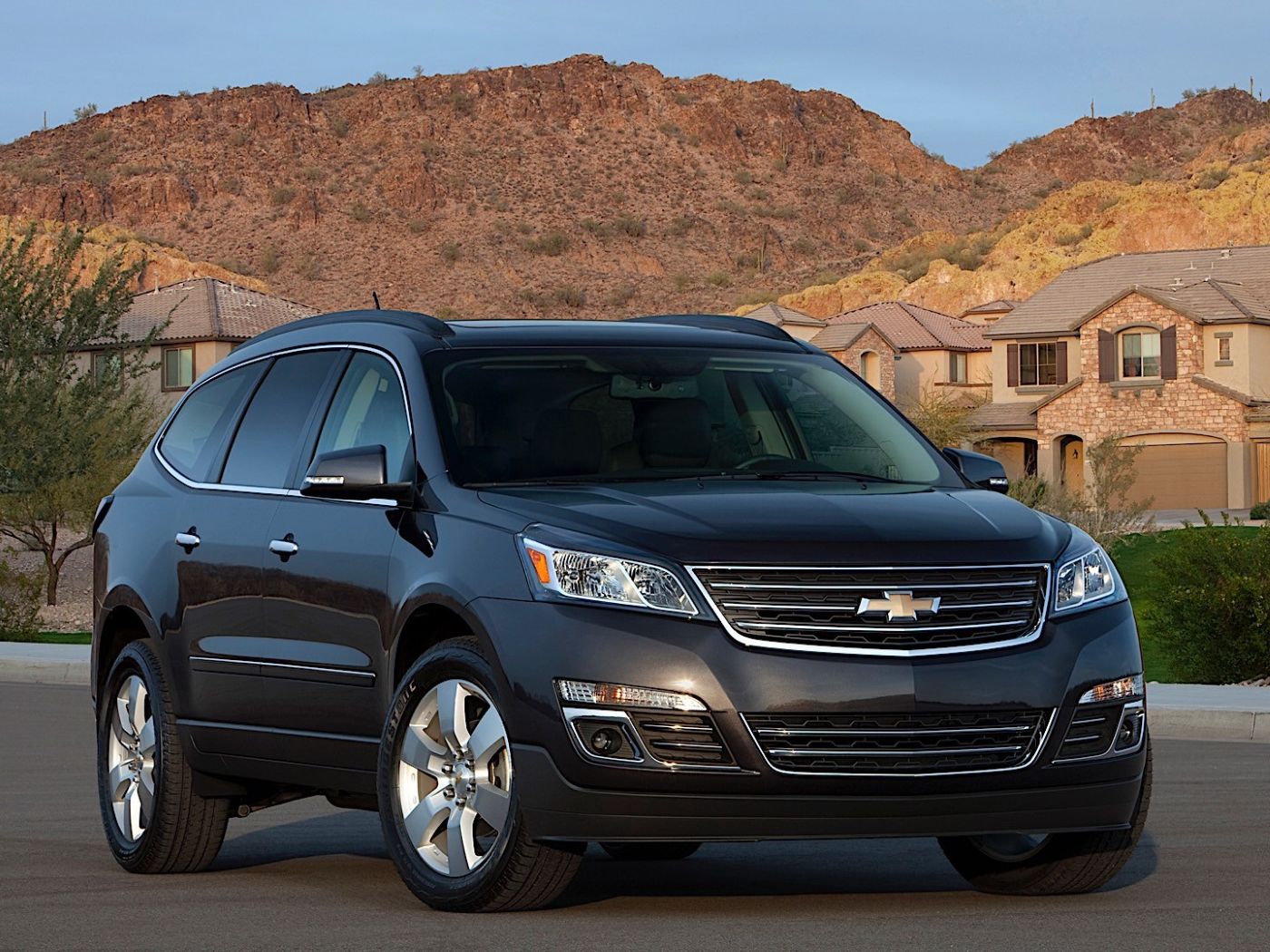
But if the leak goes undetected, which it often does, as external symptoms are subtle, coolant loss leads to overheating, and the damage cascades. Water pump failure, thermostat failure, and warped heads push the total past $4,000.
Traverse owners frequently describe finding coolant puddles under the vehicle with no obvious source. The smell of sweet antifreeze near the engine is a common early warning sign.
Oil contamination with a milky appearance is another sign that coolant has crossed where it shouldn’t go. By that point, the engine has already experienced significant internal stress.
A standard Dex-Cool flush, the orange coolant GM specifies for this vehicle, costs around $120 at most shops. It should be performed every five years or 150,000 miles.
Many Traverse owners go well beyond that interval simply because the vehicle seems to be running fine. The damage, however, is already accumulating inside the engine.
The Traverse is a genuinely capable family SUV. Its cooling system weakness is not a design flaw so much as a maintenance sensitivity. Stay on top of the Dex-Cool flush schedule, and this engine holds up very well. Skip it for years at a time, and the intake manifold will eventually make its failure known in the most expensive way possible.
3. BMW X5 (E70, 2007–2013)
The BMW X5 is one of the most capable and refined luxury SUVs ever built. It delivers exceptional driving dynamics, a premium interior, and engines that reward proper care with outstanding longevity.
It is also one of the most unforgiving vehicles on this list when cooling system maintenance is skipped. BMW engines operate at tight tolerances and high temperatures by design.
The X5 E70 uses either the N52 inline-six or the turbocharged N54 and N55 six-cylinder engines, depending on trim. All three are aluminum-intensive and thermally demanding.
BMW uses a plastic-tanked aluminum radiator, plastic water pump impeller, and a series of plastic coolant expansion tanks that degrade over time. The entire system is designed for performance, not longevity under neglect.
The electric auxiliary water pump on the N54 and N55 engines is the first casualty of degraded coolant. Acidic coolant eats through the pump’s internal seals and corrodes the aluminum housing.
The expansion tank is the second common failure point. Old, pressurized coolant causes the plastic to become brittle and crack. A sudden coolant loss at highway speed is not unusual.
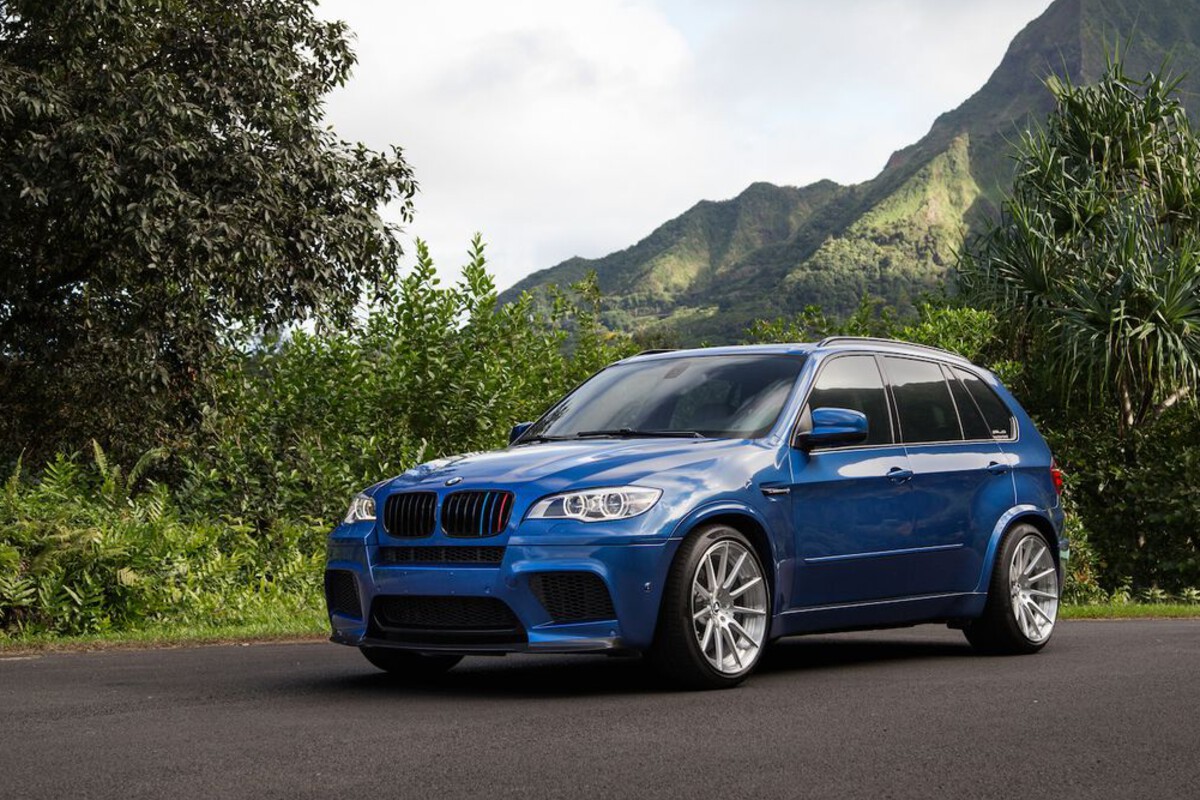
Water pump replacement on the X5 N54 engine runs between $800 and $1,200 at an independent shop. At a BMW dealer, expect $1,500 to $2,000 for the same job.
If the engine overheats due to a failed pump or cracked tank, head gasket failure and warped heads become real possibilities. At that point, you’re looking at $4,000 to $6,000 in repair costs.
BMW specifies its own blue coolant, BMW Coolant / Antifreeze, which uses organic acid technology. Using a generic green antifreeze in this engine is a serious mistake.
Generic coolants do not maintain the correct pH range for BMW’s aluminum alloy components. Corrosion accelerates rapidly, and the damage starts from the inside, where it cannot be seen.
Many X5 owners report the first sign of trouble as a low coolant warning light. By the time the light illuminates, the expansion tank has often already begun cracking.
The repair that follows a cracked expansion tank is not just the tank itself. Shops typically recommend replacing the thermostat, water pump, and associated hoses at the same time since labor overlap makes it cost-effective.
Owning a BMW X5 long-term requires treating it like the precision machine it is. Coolant flushes with BMW-approved fluid every four years are non-negotiable for this platform.
The cost of doing it right is roughly $200 to $250 per service interval. The cost of ignoring it can exceed the vehicle’s market value in a single repair visit.
4. Jeep Grand Cherokee (2011–2021, 5.7L Hemi)
The Jeep Grand Cherokee is an icon. It combines rugged off-road capability with surprising on-road comfort and a powerful range of engine options.
The 5.7L Hemi V8 is the engine most buyers choose for its torque, towing capacity, and unmistakable character. It is also an engine with a specific and well-documented sensitivity to cooling system neglect.
The 5.7L Hemi is a large-displacement V8 that generates significant heat during normal operation. Its cylinder deactivation system, Multi-Displacement System (MDS), adds thermal complexity.
When cylinders are deactivated, heat distribution across the engine becomes uneven. The cooling system must compensate constantly, which means it’s working harder than in a simpler V8 design.
The Grand Cherokee Hemi has a known head gasket vulnerability, particularly on the passenger side of the engine. This is well-documented in owner forums and repair data.
Degraded coolant accelerates this failure significantly. When the coolant’s corrosion inhibitors are depleted, aluminum surfaces near the combustion chamber become compromised, and gasket failure follows.
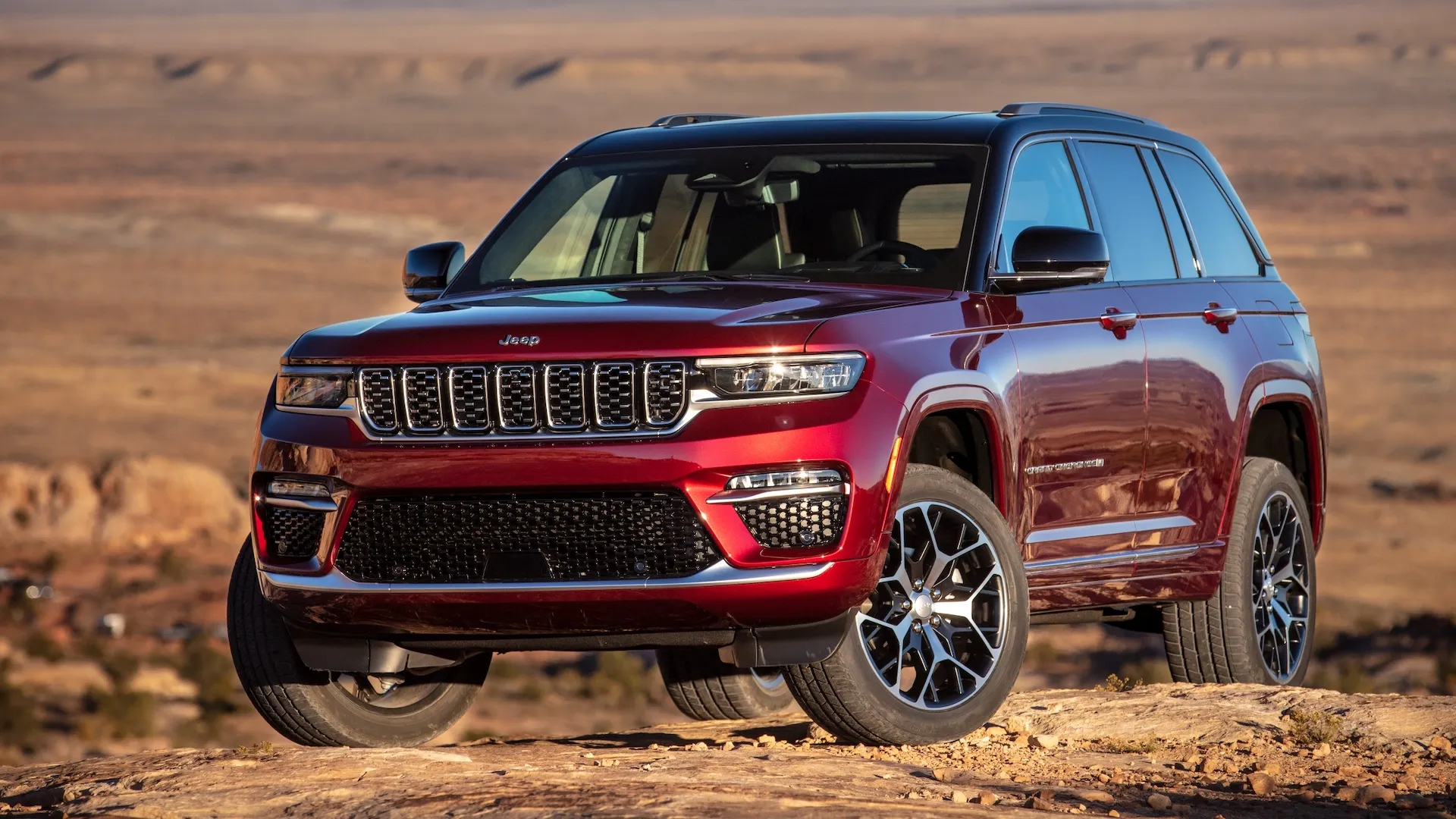
Head gasket replacement on the 5.7L Hemi in a Grand Cherokee is a major undertaking. The engine must be partially disassembled, and the heads need to be inspected and often resurfaced.
Labor alone typically runs 12 to 16 hours. The total bill at a reputable shop lands between $2,800 and $4,200, depending on whether the heads need machining.
The cylinder deactivation system adds solenoids, lifters, and oil passages that interact with the cooling system indirectly. When the engine runs hot due to coolant failure, these components can also be damaged.
Replacing MDS lifters and related hardware on top of a head gasket job can push the total repair cost past $5,500. This is a real-world outcome that many Grand Cherokee owners have faced.
Jeep specifies HOAT (Hybrid Organic Acid Technology) coolant for the Grand Cherokee. This coolant should be flushed every five years or 100,000 miles.
A flush and fill costs roughly $130 to $160 for the Grand Cherokee, given its coolant capacity. It is one of the most straightforward ways to protect a very expensive engine.
The Hemi V8 in a properly maintained Grand Cherokee is an extremely durable engine. Owners routinely report 200,000-plus miles with no major issues when maintenance is followed.
Skip the coolant service for a decade, and that durability record collapses very quickly. The Hemi does not forgive neglect the way older, simpler engines sometimes do.
Also Read: 9 SUVs Where ADAS Recalibration After a Minor Bump Costs Over $2,000
5. Toyota 4Runner (2003–2009, 4.0L V6)
The Toyota 4Runner has one of the strongest reliability reputations of any SUV ever built. It is the vehicle people buy precisely because they don’t want to worry about mechanical failures.
Yet even the famously robust 4Runner has a cooling system vulnerability during these model years that has cost thousands of owners thousands of dollars.
The 4.0L 1GR-FE V6 is a fundamentally excellent engine. It produces strong power, handles abuse well, and has very few design weaknesses. One of those weaknesses, however, involves the rear coolant pipe, a metal pipe that runs along the back of the engine block and is prone to corrosion when coolant is not properly maintained.
Toyota used a steel coolant pipe on the back of the 1GR-FE that is exposed to road debris, moisture, and the engine’s own heat cycles. Over time, this pipe corrodes from the outside in.
When the pipe fails, coolant loss can be sudden and severe. An engine that runs perfectly one day can overheat catastrophically the next due to a corroded pipe the owner never knew existed.
Degraded coolant becomes acidic and attacks metal surfaces from the inside of the cooling system. Combined with external corrosion, the rear coolant pipe deteriorates far faster than Toyota originally anticipated.
The pipe itself is not expensive, around $80 to $150 for the part. The labor to access and replace it, however, is significant because of its location deep behind the engine.

Labor to replace the rear coolant pipe on a 4Runner runs between $600 and $900 at most shops due to the access required. That’s the best-case scenario when the failure is caught early.
If the pipe fails while driving and causes an overheat event, head gasket damage becomes likely. Repair costs at that point climb rapidly to $3,500 and beyond.
Toyota issued technical service bulletins acknowledging the rear coolant pipe issue. Some dealers proactively replaced the pipe during routine service on affected vehicles.
Many owners, however, never heard about the bulletin. Their first awareness of the problem was a sudden temperature spike or a large puddle of green coolant in the driveway.
Fresh Toyota Super Long Life Coolant (pink) helps protect the metal surfaces inside the cooling system from acidic degradation. A flush every 100,000 miles or five years is Toyota’s recommendation.
Beyond coolant maintenance, 4Runner owners in this generation should have the rear coolant pipe inspected proactively. It is a small investment that prevents a very large repair.
6. Land Rover LR4 (2010–2016)
The Land Rover LR4 is arguably the most capable off-road luxury SUV ever produced for family use. It combines genuine trail-eating ability with a refined, beautifully appointed interior.
It is also a vehicle where cooling system neglect leads to repair bills that can exceed the vehicle’s own market value. The LR4 is not a vehicle for the maintenance-averse.
The LR4’s 5.0L naturally aspirated V8 is a sophisticated engine with aluminum block and heads. It runs efficiently and produces excellent power throughout its rev range.
Aluminum is lighter than iron but more thermally sensitive. It requires coolant that stays within a very specific pH and inhibitor range to prevent internal corrosion and warping.
The LR4 has well-documented issues with coolant hose failures, thermostat housing cracks, and water pump deterioration when coolant maintenance is deferred. These are not rare edge cases; they are documented across thousands of owner reports.
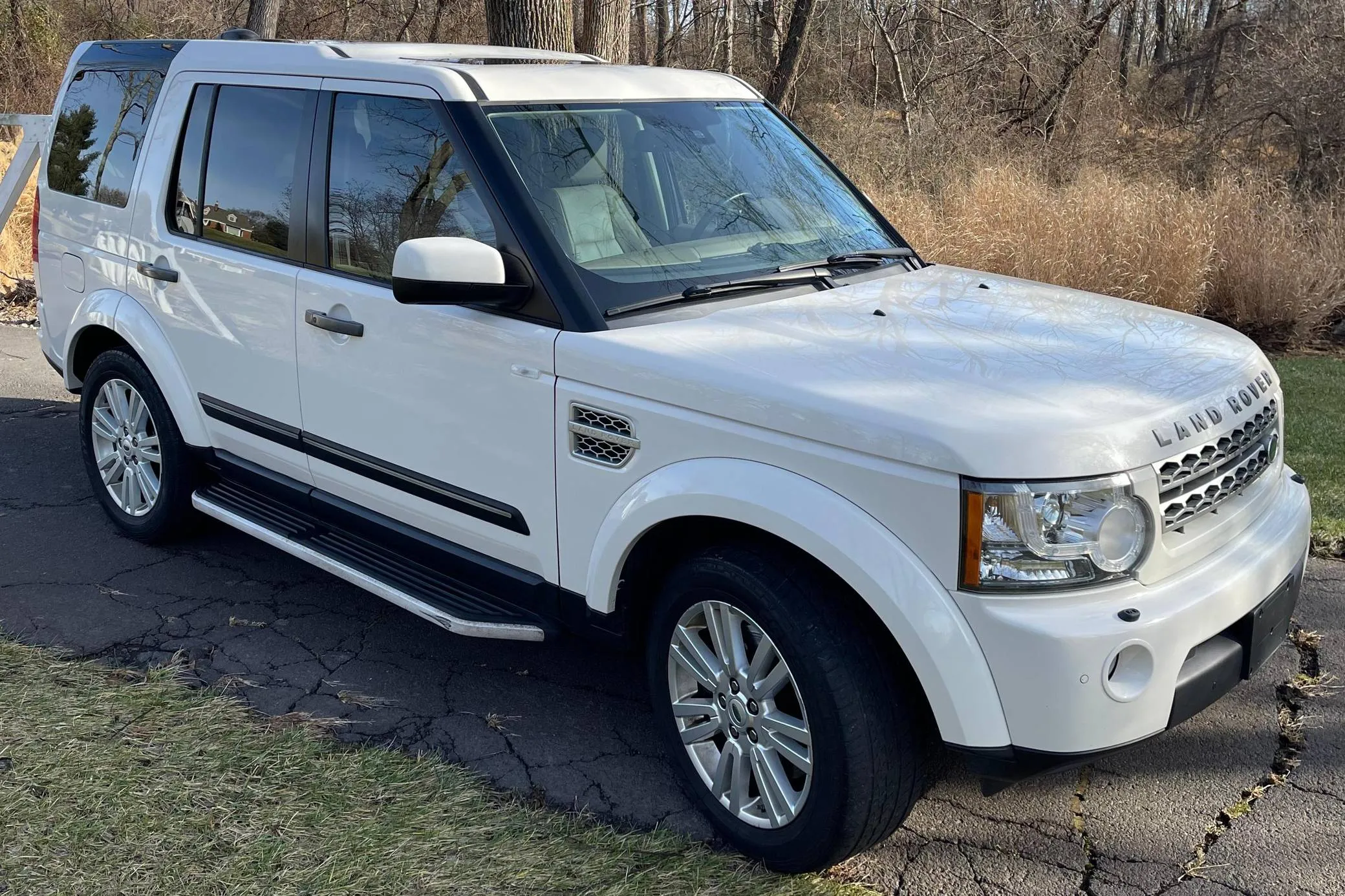
The plastic components in the cooling system thermostat housing, coolant reservoir, and various connectors become brittle when subjected to aged, acidic coolant over the years of use.
A typical LR4 cooling failure begins with a small coolant leak at the thermostat housing. The leak is often slow enough that the low coolant light doesn’t immediately trigger.
The driver continues operating the vehicle as the coolant slowly depletes. Then, on a warm day under load towing, climbing a grade, running the A/C hard, the engine overheats suddenly and severely.
Head gasket repair on the LR4’s 5.0L V8 is one of the most labor-intensive jobs in the SUV segment. The engine must be significantly disassembled, and access requires removing numerous ancillary components.
Independent shop quotes for LR4 head gasket work typically run from $4,500 to $6,500. At a Land Rover dealership, $7,000 to $9,000 is not uncommon.
Land Rover specifies a specific OAT (Organic Acid Technology) coolant for the LR4. This coolant should never be mixed with conventional green antifreeze or HOAT formulas.
Cross-contamination of coolant types causes gel formation and pH instability that accelerates corrosion far faster than simply running old coolant. Many DIY top-offs have caused this exact problem.
An LR4 coolant flush using the correct specification fluid costs around $180 to $220. It should be performed every five years without exception. Skipping this service on a vehicle with a $5,000-plus potential repair bill is one of the most financially irrational decisions an owner can make. The math is strikingly clear.
7. Nissan Pathfinder (2013–2018)
The Nissan Pathfinder returned to body-on-frame practicality with this generation, offering three-row seating and improved fuel economy through a continuously variable transmission (CVT).
The CVT is where this SUV’s coolant story gets uniquely expensive and uniquely important. Most drivers don’t realize that the transmission has its own cooling circuit, one that shares a critical relationship with the engine coolant system.
Nissan’s CVT uses a transmission fluid warmer/cooler that connects to the engine’s coolant system. Engine coolant flows through this heat exchanger to warm the CVT fluid quickly on cold starts and cool it during heavy use.
This design is efficient and effective when both systems are properly maintained. When engine coolant degrades, however, it contaminates the transmission heat exchanger and can push degraded particles into the CVT fluid circuit.
Old coolant develops deposits and corrosion byproducts. These circulate through the heat exchanger shared with the CVT cooling circuit. In documented failure cases, coolant has actually mixed with CVT fluid through a failed heat exchanger a catastrophic event that destroys the CVT internally within a very short period of driving.
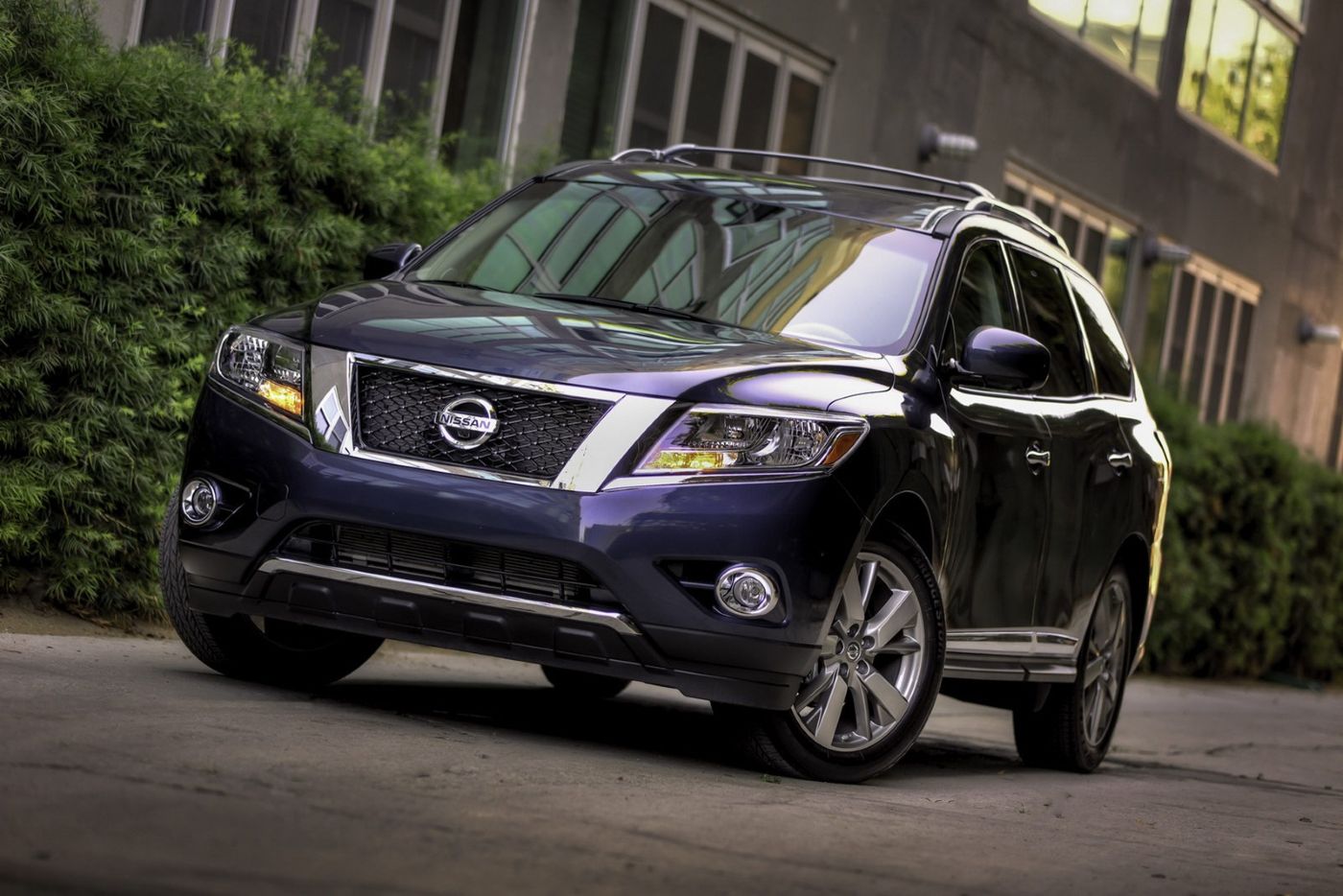
CVT replacement on the 2013–2018 Pathfinder is one of the most expensive drivetrain repairs in its class. A remanufactured CVT unit and installation typically costs between $3,800 and $5,500.
Nissan has extended warranties on CVT units for some of these model years, but coverage has specific mileage and time limits. Many owners fall outside the coverage window when failure occurs.
Independent of the CVT issue, the Pathfinder’s 3.5L V6 engine also suffers from head gasket sensitivity when coolant is neglected. This is a separate but related failure mode.
Combined engine and transmission repairs on a neglected Pathfinder can realistically exceed $8,000. This is a number that often exceeds the vehicle’s private party value.
Nissan specifies its blue Long Life Antifreeze/Coolant for the Pathfinder. The flush interval is every 105,000 miles or five years, but given the CVT risk, many mechanics recommend a more conservative four-year interval. The cost of a proper flush is around $110 to $140. It is perhaps the single most financially protective maintenance item on this entire vehicle.
The Pathfinder’s coolant system doesn’t just protect the engine. It protects the transmission as well. This dual dependency makes coolant maintenance uniquely critical on this platform.
Drivers who understand this connection treat coolant flushes as non-negotiable. Drivers who don’t understand it often face a repair bill that ends their ownership of the vehicle entirely.
8. Cadillac Escalade (2007–2014, 6.2L V8)
The Cadillac Escalade is the definitive American luxury SUV. It combines commanding presence, a powerful V8 engine, and a level of interior refinement that competes with European luxury brands.
It is also a vehicle where cooling system neglect produces repair bills that match its premium status, and not in a good way.
The 6.2L L92/L9H V8 in the Escalade produces 403 horsepower in standard form. It is a large-displacement, high-output engine that generates substantial heat during normal operation.
GM’s Active Fuel Management system, similar to Jeep’s MDS, deactivates cylinders under light load, creating uneven heat distribution patterns that the cooling system must constantly manage.
The Escalade’s 6.2L V8 has a documented tendency for water pump failure when coolant is not properly maintained. The pump uses a plastic impeller that is sensitive to coolant acidity.
When Dex-Cool GM’s orange OAT coolant breaks down past its service interval, it becomes corrosive. The plastic impeller erodes, loses efficiency, and eventually fails to circulate coolant adequately.
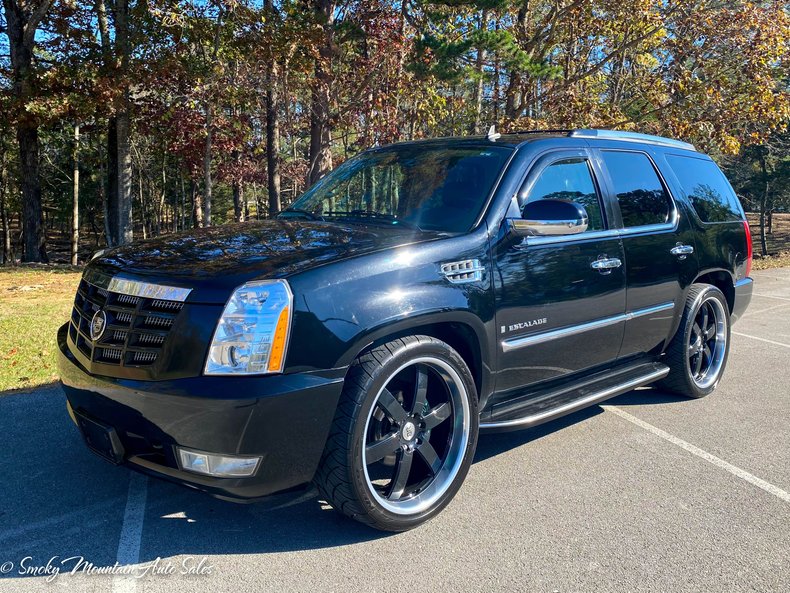
A failing water pump causes subtle overheating that the temperature gauge may not immediately reflect. The engine runs slightly hotter than optimal without triggering a warning.
Over time, this mild overheating degrades head gasket integrity, warps aluminum surfaces, and weakens the intake manifold gaskets. Multiple systems fail in sequence rather than all at once.
Water pump replacement on the 6.2L V8 Escalade runs between $500 and $800 at an independent shop. That’s manageable if caught early and addressed in isolation.
When the water pump failure has been ongoing long enough to damage head gaskets, the repair scope expands dramatically. Head gasket work on this engine costs between $3,200 and $4,800 at a reputable shop.
GM’s Dex-Cool has been the subject of considerable controversy since its introduction. Class action lawsuits were filed citing premature intake manifold gasket failures linked to Dex-Cool degradation.
GM extended warranties on affected vehicles, but older Escalades are long past any coverage window. The lesson to flush Dex-Cool on schedule, every five years or 150,000 miles, remains critically important.
A full Dex-Cool flush on the Escalade costs approximately $150 to $180, given the engine’s coolant capacity. This service should never be deferred beyond the five-year mark.
At the same time, the coolant level should be visually checked every oil change interval. Dex-Cool systems can develop slow leaks at hose connections and the water pump seal that are invisible until significant coolant has been lost.
The Cadillac Escalade is built to impress and built to last when properly maintained. Its cooling system is robust by design but demanding in terms of fluid quality and service timing.
Treat the Dex-Cool with respect, follow the flush schedule, and this V8 will deliver hundreds of thousands of reliable miles. Ignore it for a decade of “it seems fine,” and the repair bill will arrive with all the ceremony its premium badge deserves.
Also Read: 6 Cars With Easy DIY Air Filter Access vs 6 That Require a Mechanic
