
Safety has become one of the most important factors for car buyers in 2026, especially as vehicles continue to evolve with advanced driver assistance systems, stronger crash structures, and improved occupant protection technologies. For many years, there was a common belief that affordable cars were inherently less safe than expensive luxury vehicles.
However, modern engineering, stricter global safety regulations, and independent crash testing organizations such as the Insurance Institute for Highway Safety (IIHS) and the National Highway Traffic Safety Administration (NHTSA) have completely changed that perception.
Today, several compact sedans, hatchbacks, and SUVs priced under $30,000 deliver safety performance that rivals or even matches luxury cars costing twice as much. These vehicles are tested across multiple categories, including frontal crash protection, side-impact resistance, rollover risk, pedestrian safety, and advanced crash avoidance systems.
In 2026, safety expectations are even higher due to stricter IIHS testing protocols, which now include more demanding rear-seat protection standards and upgraded crash avoidance scenarios involving higher speeds and complex obstacles.
Manufacturers like Mazda, Hyundai, Toyota, Honda, Kia, and Subaru have responded strongly to these requirements by equipping even their entry-level models with advanced safety suites.
Features such as automatic emergency braking, lane-keeping assist, adaptive cruise control, blind-spot monitoring, and rear cross-traffic alert are now commonly included as standard equipment rather than optional upgrades. This shift has made it possible for budget-conscious buyers to access top-tier safety without moving into premium price segments.
Another major development influencing safety in 2026 is structural improvement. Modern vehicles use high-strength steel, crumple zones designed to absorb impact energy more efficiently, and reinforced passenger cabins that significantly reduce injury risk in collisions.
Combined with smarter airbags and improved seatbelt systems, these engineering enhancements have dramatically improved survival rates in real-world accidents.
At the same time, artificial intelligence and sensor-based driving assistance systems are becoming more accurate and reliable. Vehicles can now detect pedestrians, cyclists, and sudden obstacles in real time, reducing the likelihood of human error, which remains the leading cause of road accidents globally. Even entry-level cars now feature systems that once existed only in high-end luxury segments.
This article explores the 10 safest cars of 2026 under $30,000, based on independent crash test ratings, safety awards, and real-world safety performance data. Each vehicle listed here has earned strong recognition from major safety institutions and offers a balance of affordability, reliability, and advanced protection systems.
Whether you are a first-time buyer, a family shopper, or someone upgrading your daily commuter, these vehicles represent some of the strongest safety options available in this price range.
Also Read: 10 Cars With Insurance Premiums Lower Than a Compact Sedan
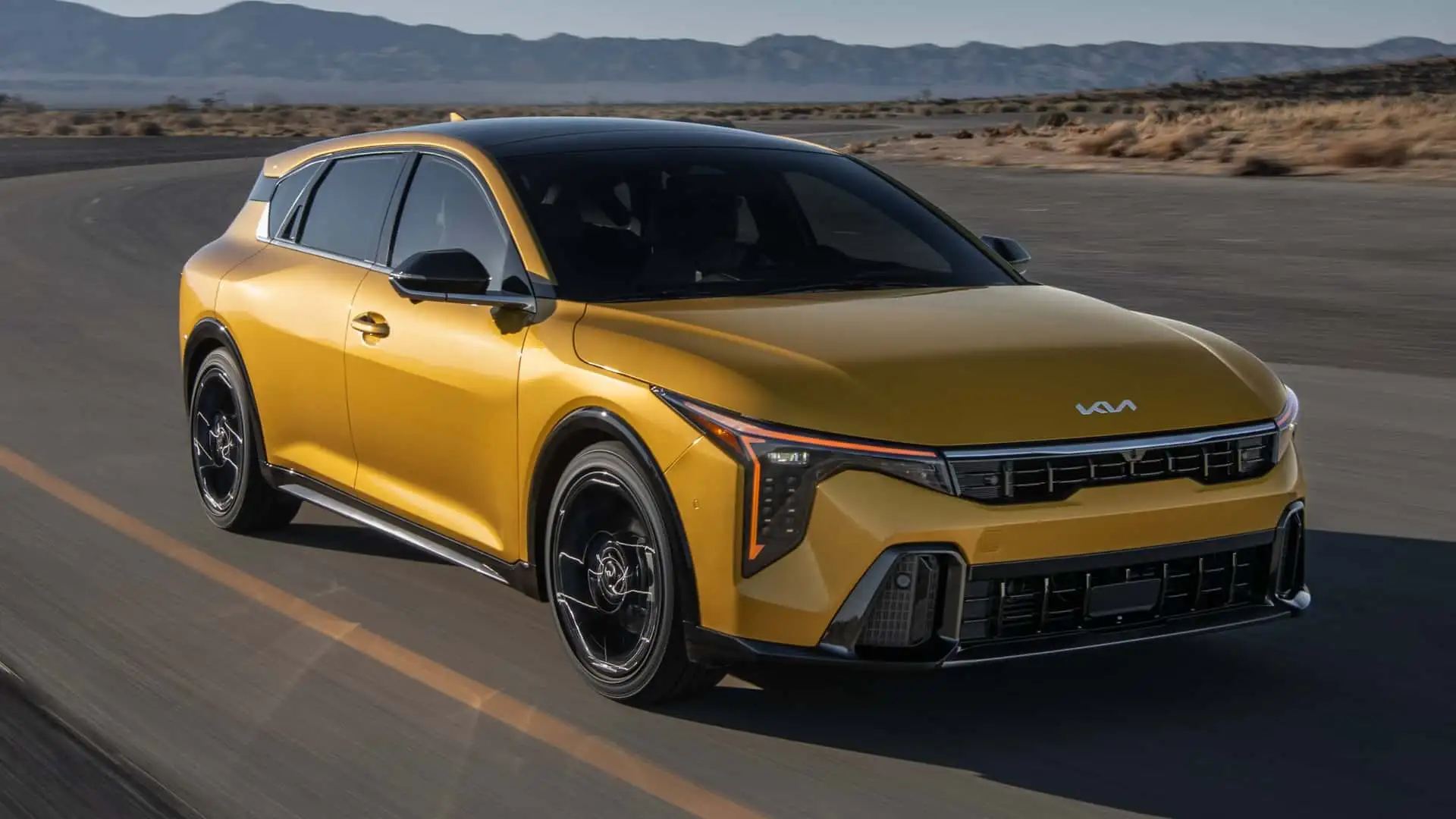
1. Kia K4
The 2026 Kia K4 represents a major step forward in Kia’s compact sedan lineup, especially in terms of safety engineering. It has been designed with a stronger body structure that uses reinforced high-strength steel in key impact zones.
This helps distribute crash energy more evenly across the chassis, reducing the force that reaches passengers inside the cabin. The result is improved protection in both frontal and side-impact collisions, which are among the most critical crash scenarios in real-world driving.
Another important aspect of the K4’s safety performance is its improved cabin integrity. During crash simulations, the passenger compartment remains stable with minimal intrusion, which significantly increases the chances of survival in severe impacts. The vehicle also benefits from advanced crumple zones at the front and rear that absorb energy before it reaches the interior structure.
The Kia K4 also includes a comprehensive suite of driver assistance technologies as standard across most trims. These include forward collision avoidance assist, lane-keeping support, driver attention monitoring, and automatic emergency braking. These systems continuously monitor road conditions and driver behavior, stepping in when necessary to prevent accidents before they occur.
In everyday driving conditions, the K4 also offers strong stability control and traction management systems, which are especially useful during sudden maneuvers or slippery road conditions. This makes it a dependable option for both city traffic and highway travel.
The Kia K4 delivers a rare combination of affordability, structural strength, and modern safety technology, making it one of the most balanced safety-focused sedans in its class.
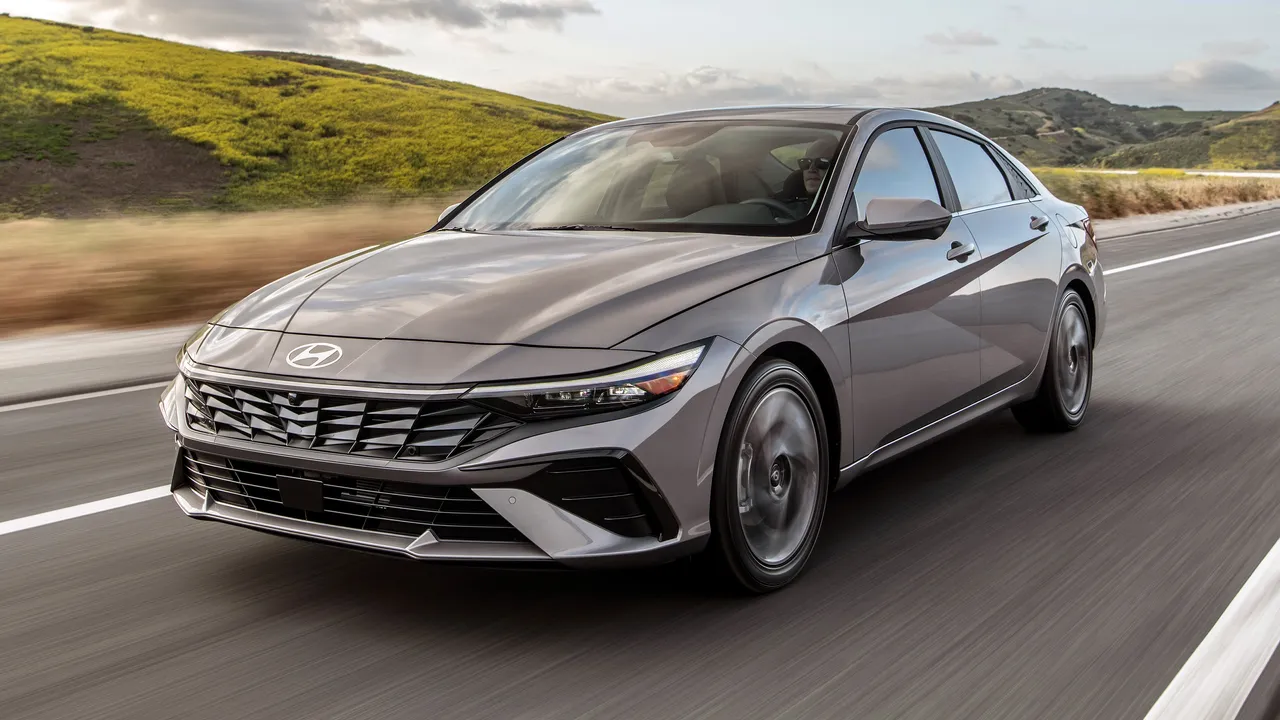
2. Hyundai Elantra
The Hyundai Elantra continues to be one of the most reliable compact sedans in terms of safety and value. Its structure has been engineered to provide strong resistance during crash impacts, particularly in moderate overlap and side-impact tests. The cabin remains stable under pressure, ensuring that passengers are well protected even in higher-speed collision scenarios.
Hyundai has also refined its SmartSense safety suite for 2026, making it more responsive and accurate. Features such as forward collision avoidance assist, lane-keeping assist, blind-spot monitoring, and rear cross-traffic alert are designed to reduce the likelihood of accidents caused by distraction or delayed reaction times. These systems work together seamlessly to support the driver in real time.
In addition to active safety systems, the Elantra also benefits from strong passive safety engineering. Multiple airbags are strategically placed throughout the cabin, including side curtain airbags that protect occupants in rollover situations. Seatbelt pre-tensioners further enhance protection by securing passengers more firmly during sudden impacts.
The Elantra also performs well in stability and control testing, especially during emergency lane changes and sudden braking situations. Its predictable handling characteristics make it easier for drivers to maintain control in stressful driving environments, which plays a major role in accident prevention.
With its combination of affordability, strong crash protection, and intelligent safety systems, the Hyundai Elantra remains one of the most practical and dependable safety-oriented sedans under $30,000.
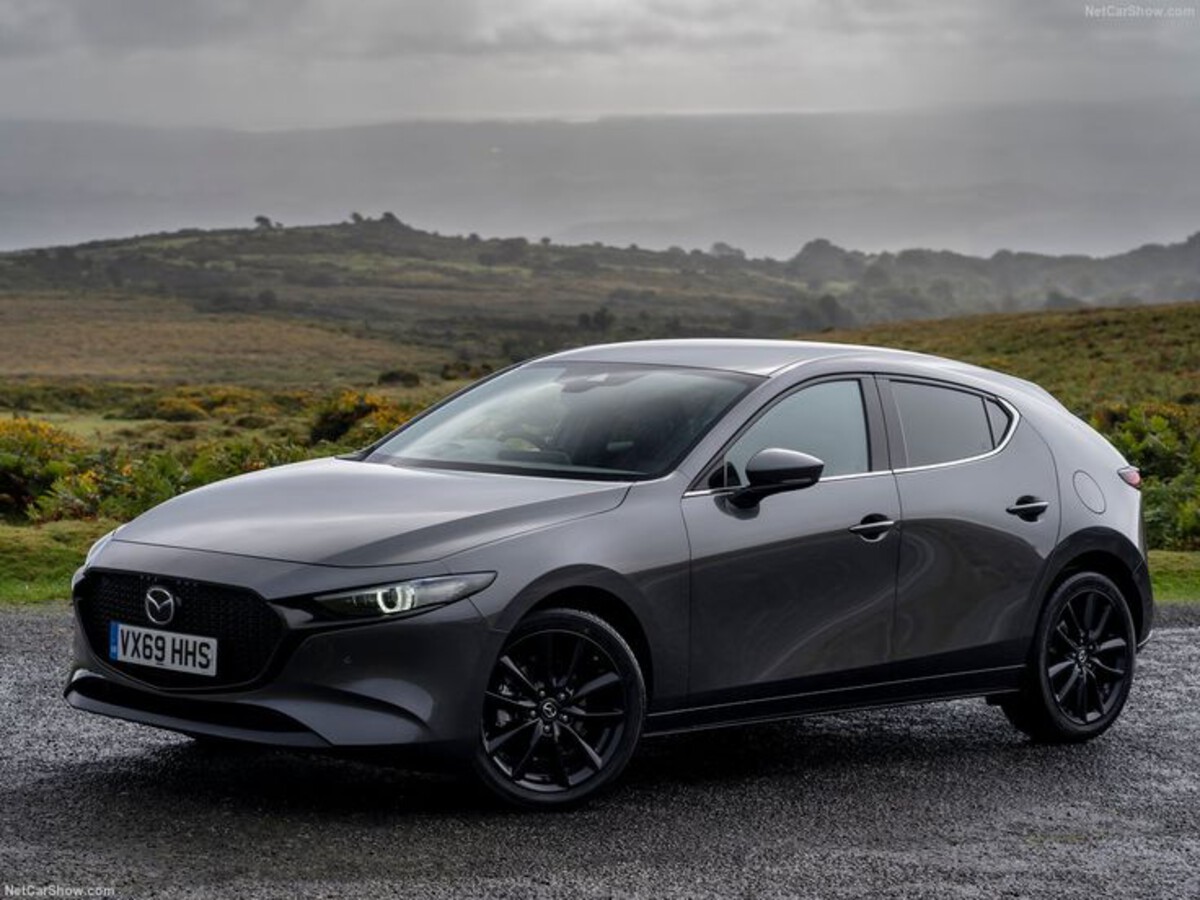
3. Mazda 3
The Mazda 3 is widely regarded as one of the safest compact cars in its category, largely due to Mazda’s focus on engineering precision and structural rigidity. Its SKYACTIV body design is built to distribute crash forces efficiently, reducing concentrated impact points and protecting the passenger cell more effectively.
During crash testing, the Mazda 3 consistently demonstrates excellent structural integrity. The cabin remains highly stable even in severe impact simulations, which is a critical factor in occupant survival rates. Mazda has also strengthened door beams and roof pillars to improve side-impact and rollover protection.
In addition to its structural strengths, the Mazda 3 features the i-Activsense safety suite, which includes advanced driver assistance technologies such as adaptive cruise control, lane departure warning, automatic emergency braking, and driver monitoring systems. These technologies are designed to reduce human error and provide corrective support when necessary.
One of the unique advantages of the Mazda 3 is its ability to blend driving dynamics with safety. The car’s responsive steering and balanced suspension contribute to better control, especially in emergency situations where quick maneuvering is required. This reduces the likelihood of accidents caused by loss of control.
The Mazda 3 delivers a near-premium safety experience in an affordable package, making it a strong choice for drivers who prioritize both performance and protection.
4. Toyota Camry
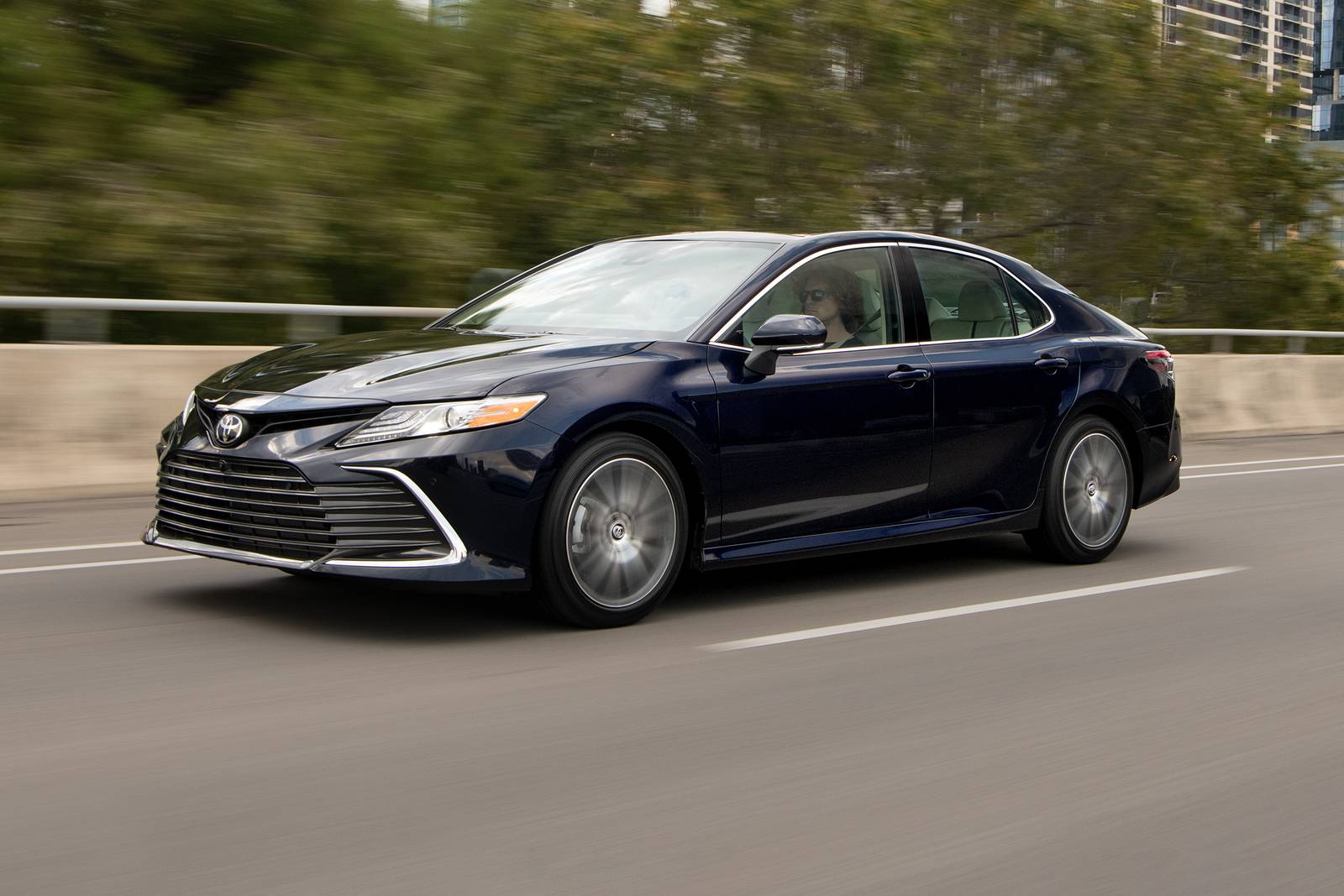
The Toyota Camry has long been considered a benchmark for safety in the midsize sedan category, and the 2026 model continues this legacy with improved structural design and advanced safety technology. It is built on a reinforced platform that enhances crash absorption and reduces cabin deformation during impacts.
Toyota Safety Sense remains one of the most comprehensive standard safety packages in the industry. It includes pre-collision detection with pedestrian and cyclist recognition, adaptive cruise control, lane departure alert, lane tracing assist, and automatic high beams. These features significantly reduce driver workload and help prevent accidents in both urban and highway environments.
The Camry’s crash-test performance remains consistently strong across all major safety categories. It performs particularly well in frontal and side-impact evaluations, where occupant protection is critical. The vehicle’s energy-absorbing structure helps redirect crash forces away from passengers, improving survival outcomes.
Another important factor is the Camry’s stability at high speeds. Its suspension tuning and electronic stability control systems ensure that the vehicle remains composed even during sudden steering inputs or adverse weather conditions.
As a result, the Toyota Camry continues to be one of the most trusted family sedans, offering long-term safety and reliability along with strong resale value and durability.
5. Honda Civic
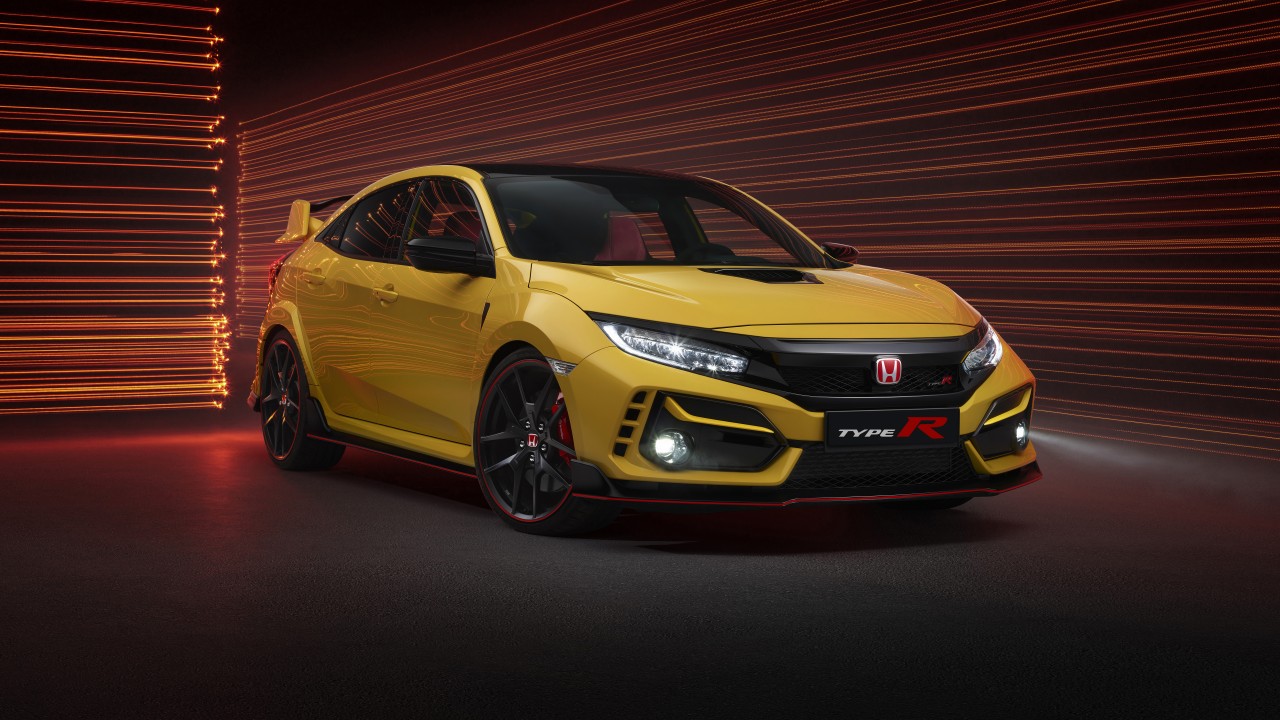
The Honda Civic remains one of the most popular compact cars in the world, and its safety reputation is a major reason for its continued success. The 2026 model uses Honda’s Advanced Compatibility Engineering body structure, which is designed to distribute crash energy across multiple structural paths. This reduces the force transferred directly to occupants during collisions.
Honda Sensing technology is standard across all trims, providing a wide range of safety features including collision mitigation braking, road departure mitigation, lane-keeping assist, and adaptive cruise control. These systems are designed to detect potential hazards early and assist the driver in avoiding accidents.
The Civic also performs well in crash testing, with strong results in both frontal and side-impact evaluations. The passenger cabin remains highly stable, which is essential for reducing injury risk in severe collisions. Reinforced door beams and side curtain airbags further enhance occupant protection.
In addition to crash safety, the Civic also excels in driving stability and handling precision. Its balanced chassis and responsive steering allow drivers to maintain control even in sudden or unexpected situations. This contributes significantly to real-world accident prevention.
The Honda Civic combines engineering reliability, advanced safety systems, and strong crash performance, making it one of the most dependable compact cars available under $30,000.
Also Read: 10 Cars That Survive Being Used as Daily Uber Vehicles
6. Hyundai Kona
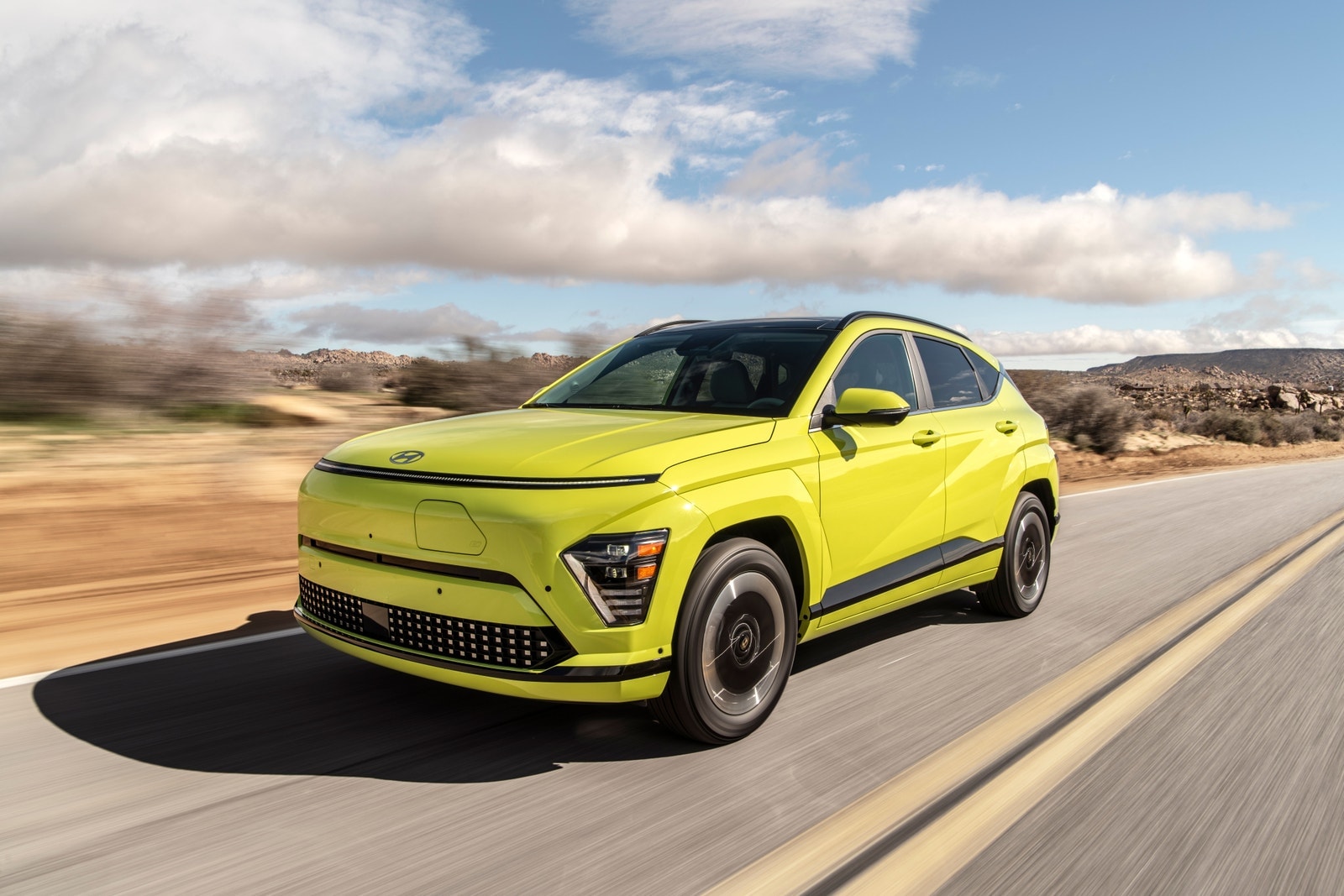
The 2026 Hyundai Kona is one of the strongest small SUVs in the under $30,000 category when it comes to safety, mainly because it combines compact dimensions with a highly reinforced safety structure.
Hyundai has redesigned the Kona’s body platform to improve rigidity, especially around the passenger cell, which helps maintain survival space during frontal and side-impact collisions. This is a key factor in modern crash safety evaluation systems used by organizations like the Insurance Institute for Highway Safety (IIHS).
One of the biggest advantages of the Kona is its elevated driving position, which gives drivers better road visibility. This improved visibility plays an important role in accident prevention because it allows drivers to react earlier to obstacles, pedestrians, and changing traffic conditions. The vehicle also benefits from a wide field of view through redesigned window positioning and improved mirror placement, which reduces blind spots.
Hyundai SmartSense technology is standard on most Kona trims, making it a highly equipped safety package for an entry-level SUV. Features include forward collision avoidance assist, lane keeping assist, driver attention warning, blind-spot monitoring, and rear cross-traffic alert. These systems are especially useful in urban driving environments where sudden stops and unpredictable traffic behavior are common.
The Kona also includes multiple airbags strategically placed throughout the cabin, including side curtain airbags that extend to both rows of seats. Combined with electronic stability control and traction management systems, the Kona provides strong protection in both crash prevention and crash survival scenarios.
The Hyundai Kona stands out as one of the safest compact SUVs for budget-conscious buyers who want a combination of visibility, advanced safety technology, and strong structural protection.
7. Mazda CX-30
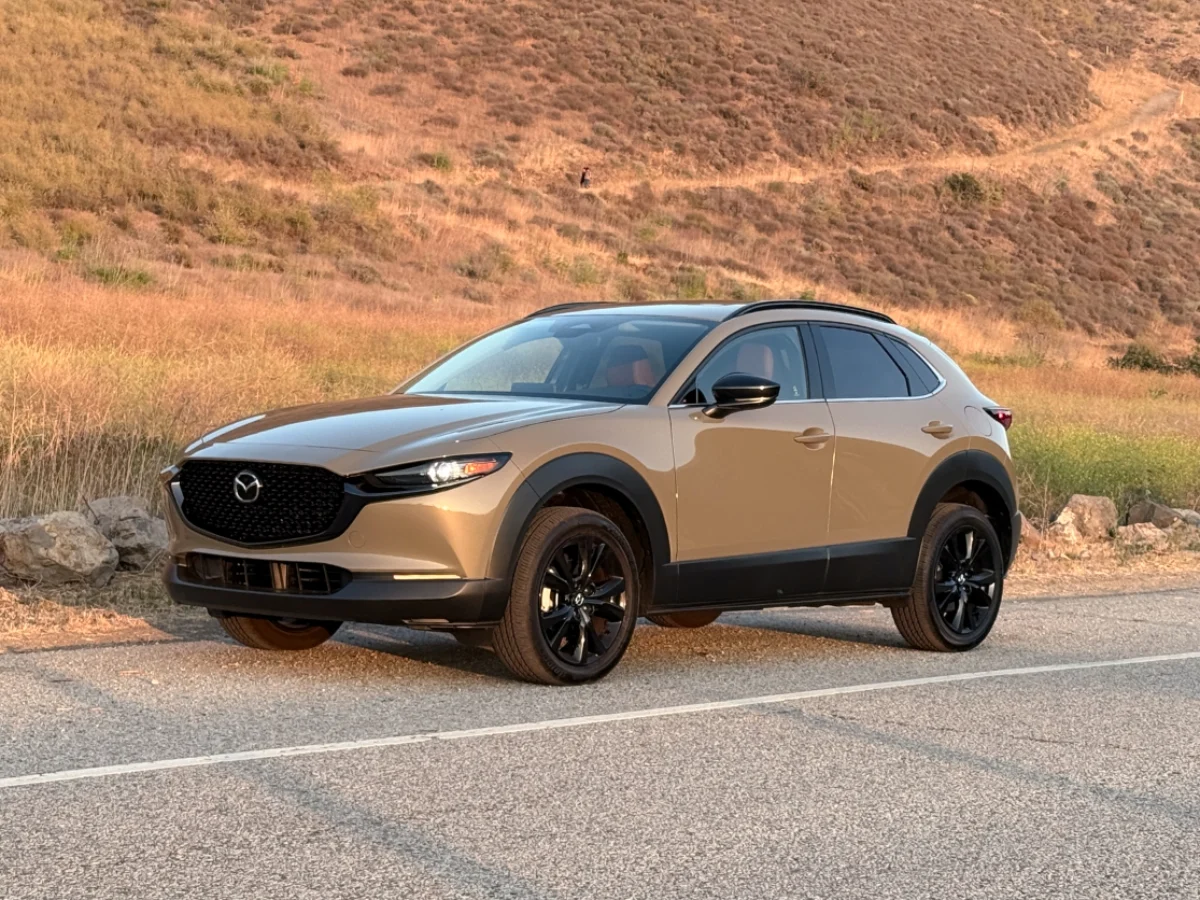
The Mazda CX-30 has earned a strong reputation as one of the safest compact SUVs in its class, largely due to Mazda’s consistent focus on structural engineering and crash energy management. Built on the SKYACTIV platform, the CX-30 uses high-tensile steel reinforcement in critical areas of the body frame, which helps distribute crash forces more evenly and protects the passenger cabin from deformation.
One of the CX-30’s strongest safety characteristics is its excellent cabin integrity during crash testing. Even in severe impact simulations, the passenger cell remains stable, which significantly improves occupant survival chances. Mazda has also reinforced the roof structure and door beams to improve protection in rollover and side-impact scenarios.
The CX-30 comes equipped with the i-Activsense safety suite, which includes adaptive cruise control, lane departure warning, lane-keeping assist, blind-spot monitoring, rear cross-traffic alert, and automatic emergency braking. These systems are designed to actively reduce collision risks by monitoring the environment and assisting the driver when necessary.
In addition to its active safety features, the CX-30 also benefits from precise steering and well-balanced suspension tuning. This improves driver control in emergency situations, reducing the risk of accidents caused by overcorrection or instability during sudden maneuvers.
The Mazda CX-30 is especially appealing for buyers who want a premium safety feel in a compact SUV without moving into higher price brackets. It successfully combines structural strength, advanced technology, and driving confidence.
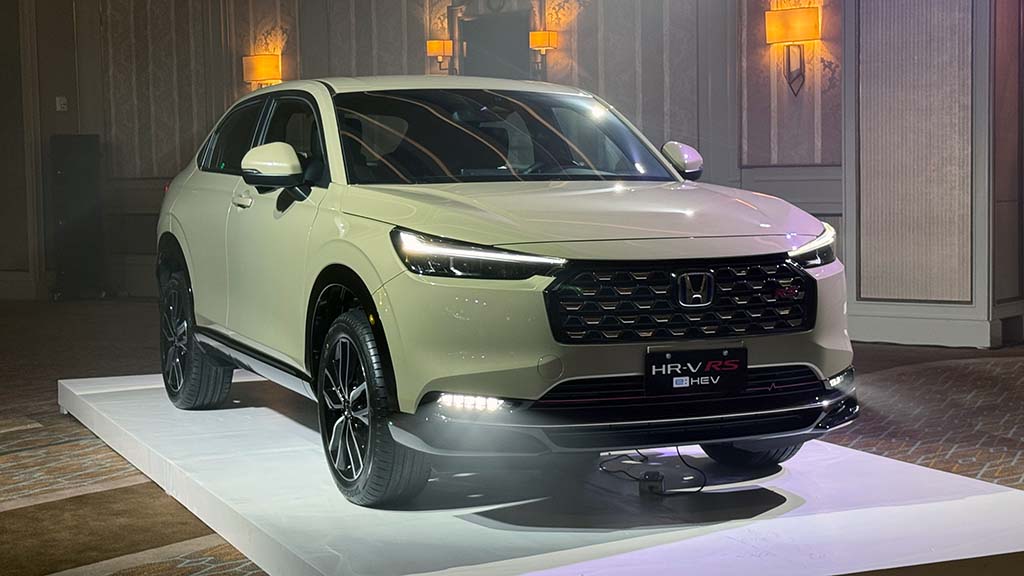
8. Honda HR-V
The 2026 Honda HR-V is designed with practicality and safety in mind, making it one of the most reliable small SUVs for everyday use. Honda has focused on improving the HR-V’s structural rigidity and crash energy absorption, ensuring that the vehicle performs well in both frontal and side-impact safety tests.
A major strength of the HR-V is its Honda Sensing safety suite, which is included as standard. This system features collision mitigation braking, road departure mitigation, adaptive cruise control, lane-keeping assist, and traffic sign recognition. These features help reduce driver error and improve awareness in complex driving environments.
The HR-V’s body structure is designed using Honda’s Advanced Compatibility Engineering framework, which helps distribute crash energy across the frame to minimize force concentration. This improves occupant protection and reduces the likelihood of serious injuries in collisions.
Another important safety factor is the HR-V’s stability control system, which helps maintain traction on slippery roads and during sudden directional changes. This is particularly useful in unpredictable weather conditions or emergency driving situations.
The HR-V also includes multiple airbags and reinforced seating structures, which enhance protection for both front and rear passengers. Its compact size also makes it easier to maneuver in tight urban environments, reducing the chances of low-speed collisions.
The Honda HR-V offers a balanced mix of safety, practicality, and affordability, making it a dependable choice for families and city drivers.
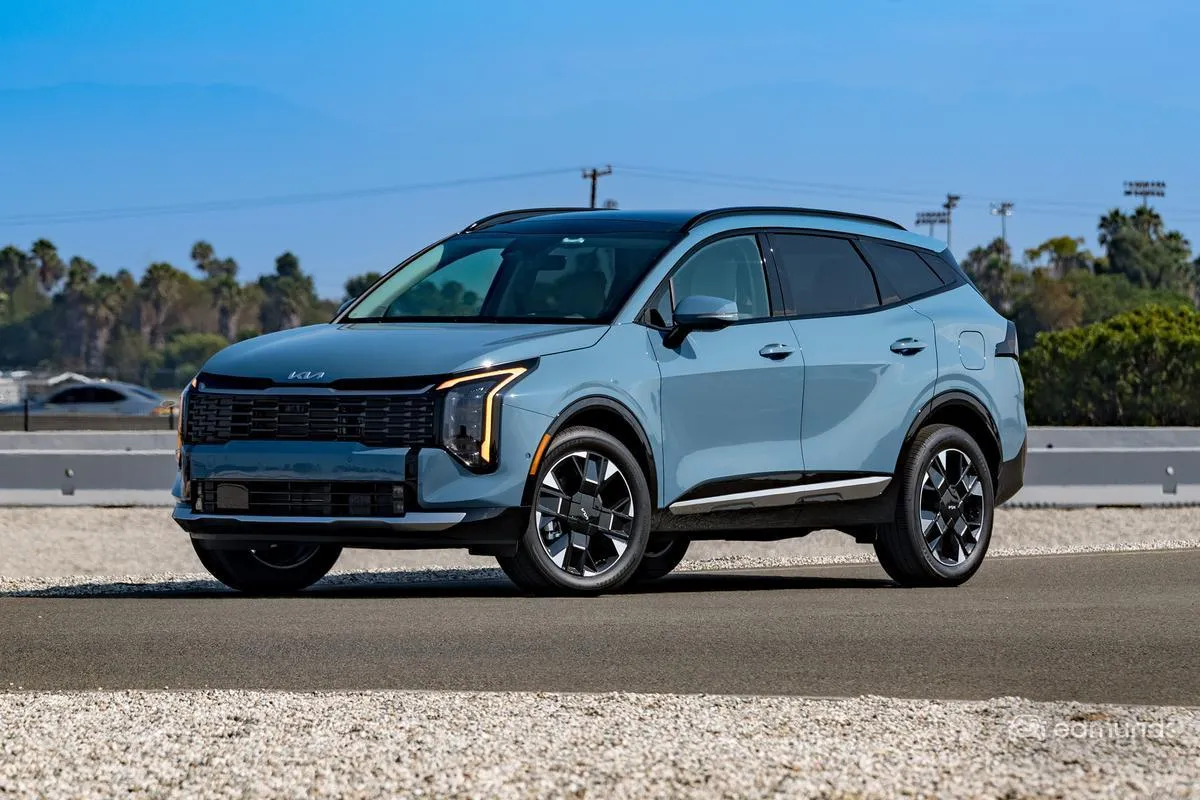
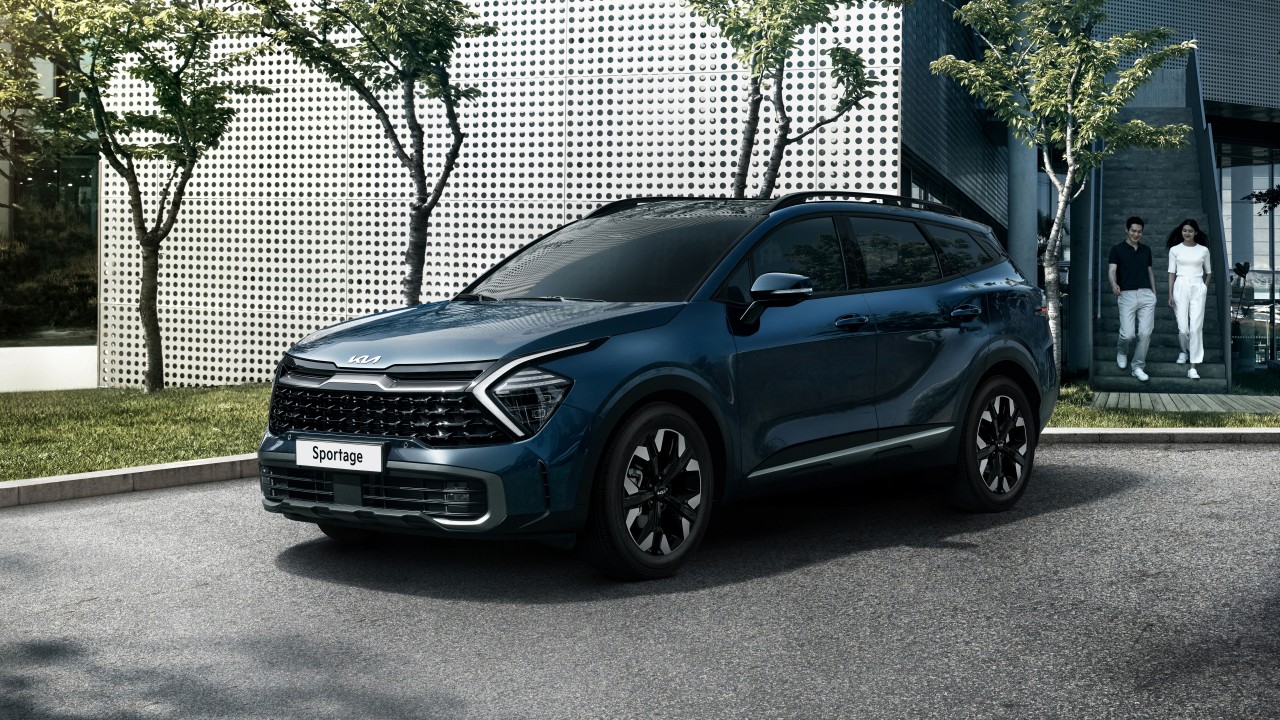
9. Kia Sportage
The Kia Sportage continues to be one of the most well-rounded compact SUVs in its segment, especially in terms of safety technology and structural durability. Kia has designed the Sportage with a reinforced chassis that improves crash resistance and enhances occupant protection across multiple collision scenarios.
One of the Sportage’s strongest advantages is its comprehensive safety feature set, which includes forward collision avoidance assist, lane keeping assist, blind-spot monitoring, rear cross-traffic alert, and highway driving assist. These systems work together to provide semi-autonomous safety support during long drives and heavy traffic conditions.
The Sportage also performs well in crash testing, particularly in side-impact and frontal collision categories. Its rigid passenger cell helps maintain structural integrity, while crumple zones absorb and redirect crash energy away from occupants.
In addition, the Sportage benefits from improved electronic stability control and traction management systems, which enhance control in difficult driving conditions such as rain, gravel, or sudden lane changes. This contributes to both active and passive safety performance.
With its combination of modern design, advanced safety features, and strong crash protection, the Kia Sportage offers excellent value for buyers looking for a safe and versatile SUV under $30,000.
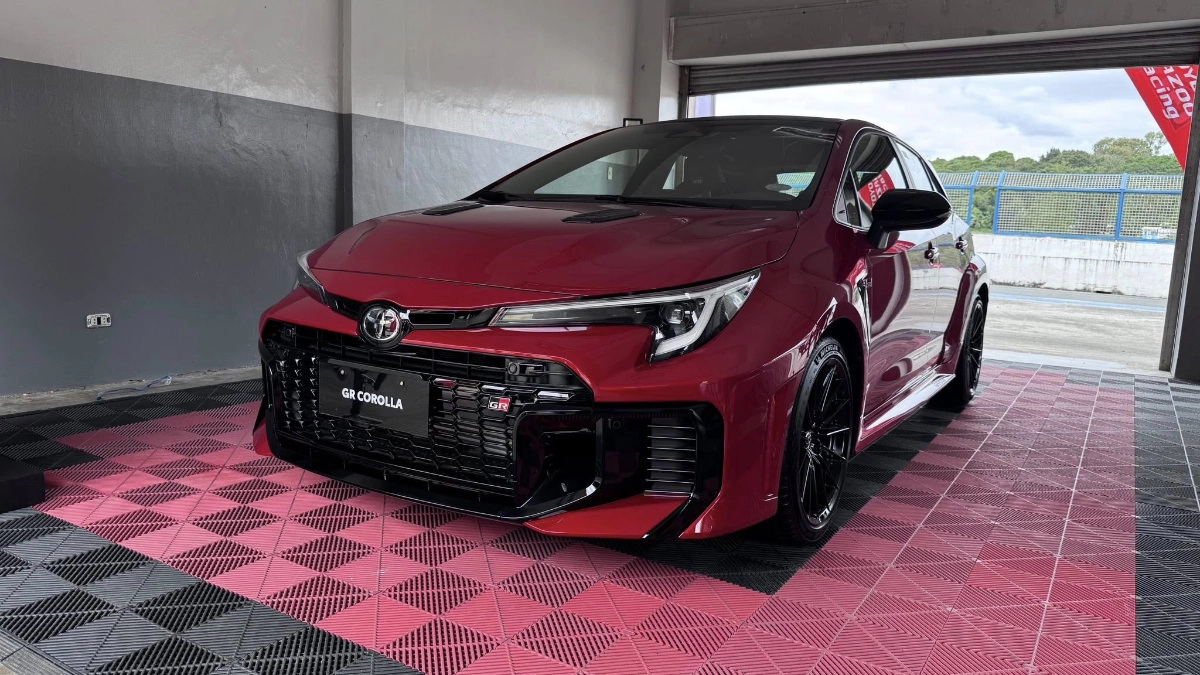
10. Toyota Corolla
The Toyota Corolla remains one of the most trusted and safest compact cars in the world, and the 2026 model continues to strengthen this reputation. Built on Toyota’s advanced global architecture platform, the Corolla offers improved structural rigidity and enhanced crash energy absorption.
Toyota Safety Sense comes standard on all trims, making the Corolla one of the most comprehensively equipped vehicles in its price category. This suite includes a pre-collision system with pedestrian detection, adaptive cruise control, lane departure alert, lane tracing assist, and automatic high beams. These features significantly reduce the likelihood of accidents caused by distraction or delayed reaction times.
The Corolla consistently performs well in crash tests across all major safety organizations. Its reinforced passenger cabin and optimized crumple zones ensure that impact forces are effectively managed, minimizing injury risk for occupants.
Another important advantage of the Corolla is its predictable handling and stability. The vehicle is engineered to remain composed during sudden maneuvers, which is essential in emergency situations. Its lightweight yet strong structure contributes to both fuel efficiency and safety performance.
The Corolla also benefits from Toyota’s long-standing reputation for reliability, meaning its safety systems remain dependable over time with minimal degradation. This long-term consistency makes it one of the most secure and practical choices for budget-conscious buyers.
The Toyota Corolla stands out as a complete safety package in the compact car segment, combining reliability, advanced technology, and strong crash protection at an affordable price.
