Summer heat exposes weaknesses in vehicles faster than almost any other season. Drivers expect an SUV to provide comfort for families, road trips, errands, and daily commuting, but that experience can become frustrating when the air conditioning system struggles to keep the cabin cool.
Large interiors, wide windows, dark dashboards, and third-row seating areas all create additional challenges for climate systems, especially during temperatures above 100 degrees.
Many SUVs look rugged and premium from the outside, yet some fail to deliver strong cooling once the heat becomes intense. Owners often complain about weak airflow, slow cooldown times, inconsistent rear ventilation, or climate systems that lose effectiveness during traffic.
In crowded urban conditions, some SUVs become particularly uncomfortable because the AC performs better while moving than during idle situations.
The problem becomes more obvious in family vehicles. Parents expect rear passengers to remain comfortable, but weaker systems often leave children in second or third rows dealing with warm airflow while front passengers receive most of the cooling. Long road trips become exhausting when the cabin never fully stabilizes at a pleasant temperature.
Another issue involves oversized panoramic roofs and large glass areas. These design choices improve visibility and style but allow huge amounts of heat into the interior. If the AC system is not powerful enough to compensate, passengers feel the effects immediately on sunny afternoons.
Some SUVs on this list are otherwise excellent vehicles with strong reliability, luxury features, or impressive fuel economy. Their weak point simply happens to be cabin cooling performance during extreme summer conditions.
Drivers living in milder climates may barely notice the problem, but people in hotter regions frequently mention these vehicles when discussing disappointing factory AC systems.
Below are nine SUVs that developed reputations for struggling in intense summer heat. Whether because of weak airflow, oversized cabins, or inefficient cooling hardware, these models often leave owners wishing the climate system had received more engineering attention.
Also Read: 8 Cars. Where the Catalytic Converter Costs More Than the Engine
1. Jeep Wrangler Unlimited
The Jeep Wrangler Unlimited delivers unmatched open-air driving freedom and rugged off-road capability, but summer comfort has never been its strongest quality. One of the biggest complaints from owners living in hot climates centers around the air conditioning system struggling to cool the cabin effectively during extreme temperatures.
The Wrangler’s design works against the climate system in several ways. Removable doors, removable roof panels, upright glass, and minimal insulation allow outside heat to enter the cabin constantly. Even with the AC operating at maximum settings, the interior can remain warmer than expected on scorching afternoons.
Large windows and vertical windshield surfaces also intensify heat buildup. When parked outside under direct sunlight, the cabin quickly turns into a heat trap.
Drivers frequently report that the AC requires a long time just to make conditions tolerable after startup. In some cases, rear passengers continue feeling warm long after the front seats begin cooling slightly.
The Unlimited version adds another challenge because of its larger interior space. Cooling a four-door Wrangler takes considerably more effort than the smaller two-door model, yet the airflow system does not always feel powerful enough to compensate.
Rear vents help somewhat, but passengers in back often complain about inconsistent cooling during long summer drives.
Another frustration appears during idle situations. Heavy traffic and stoplights can reduce cooling effectiveness noticeably, especially in humid weather. Owners in southern states regularly mention that the cabin feels far more comfortable once the vehicle reaches highway speeds and additional airflow reaches the system.
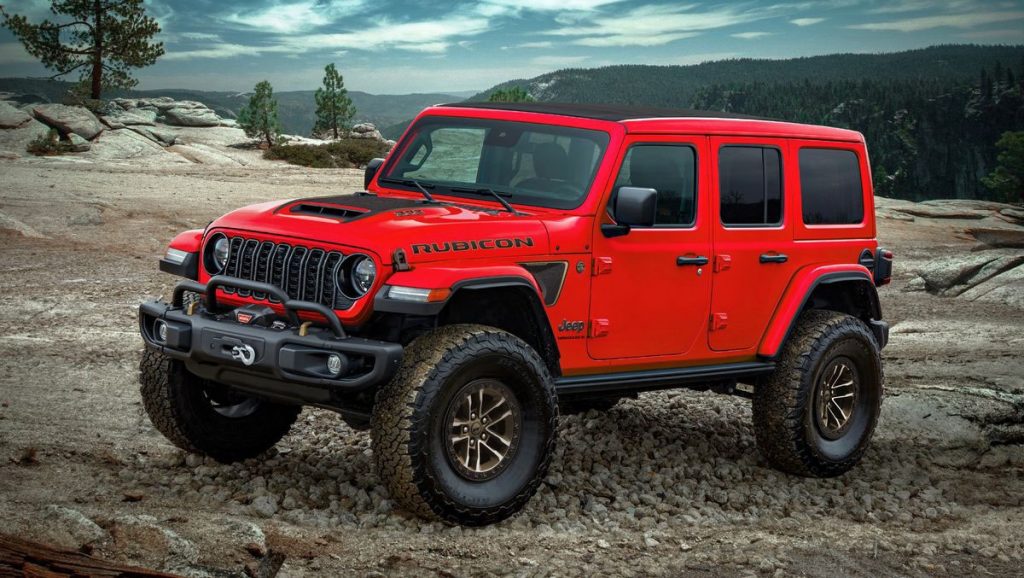
Soft top models struggle even more. Thin fabric roofs provide far less insulation than solid roofs, allowing heat to pour into the cabin continuously. Bright sunlight above passengers can overwhelm the cooling system during peak summer hours.
Jeep prioritized rugged utility and outdoor adventure over refined climate control performance, and that tradeoff becomes obvious during intense heat.
Drivers who love the Wrangler’s personality often accept the compromise, but many admit the AC system feels underpowered compared with modern SUVs designed more heavily around passenger comfort.
2. Toyota C-HR
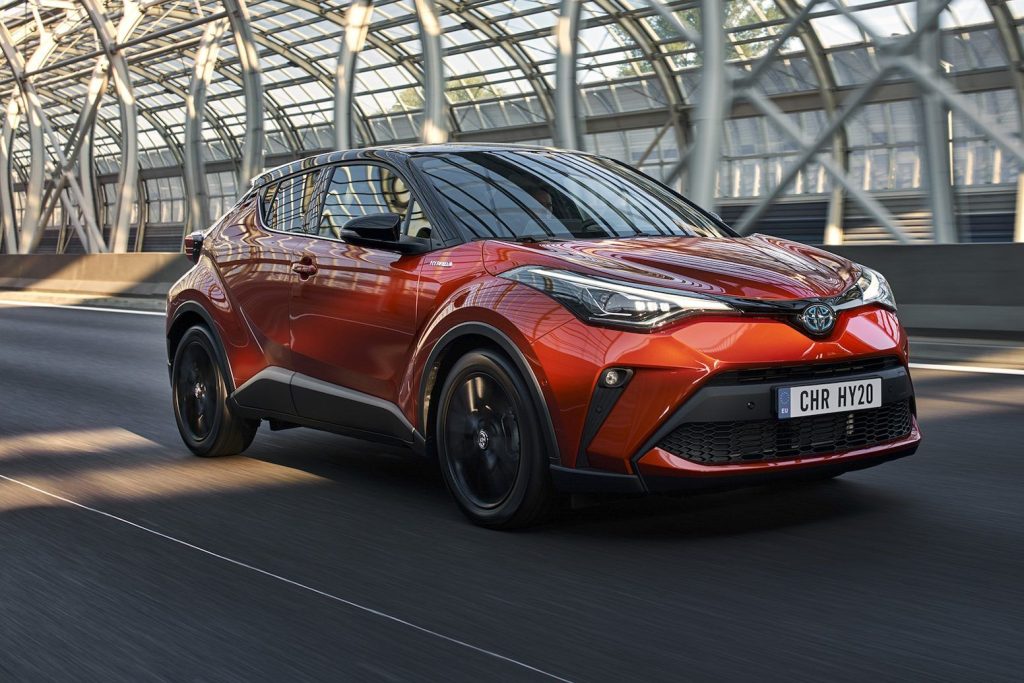
The Toyota C-HR attracted buyers with futuristic styling and compact city-friendly dimensions, though its air conditioning system became a frequent criticism among drivers dealing with harsh summer weather. Despite the vehicle’s relatively small size, the cabin can take surprisingly long to cool under intense heat.
Part of the issue comes from the crossover coupe-inspired design. The sharply sloped roofline and narrow rear window create a cabin shape that traps heat more aggressively than many traditional compact SUVs. Dark interior materials used in several trims also absorb significant sunlight, making the cabin feel hotter after sitting outdoors.
Drivers commonly report that the front vents produce adequate airflow initially, but cooling intensity fades once outside temperatures rise dramatically. During mild weather, the system feels acceptable, yet extreme summer afternoons expose its limitations quickly. In traffic, the AC can struggle to maintain comfortable temperatures consistently.
Rear passengers face the biggest discomfort. The C HR lacks rear air vents, which creates uneven airflow distribution throughout the cabin. Front occupants may feel reasonably cool while passengers in the back continue dealing with trapped heat and weaker circulation.
Another challenge involves the vehicle’s large windshield and high beltline design. Sunlight entering through the front glass warms the dashboard and front cabin area rapidly, forcing the AC system to work harder than expected for such a compact vehicle.
Toyota tuned the C-HR more heavily toward fuel efficiency and urban maneuverability than aggressive climate performance. As a result, the compressor and airflow system simply do not feel as powerful as those found in larger Toyota SUVs.
Owners living in extremely hot states often mention needing tinted windows or windshield shades just to make summer driving manageable. Without those additions, the interior can become uncomfortable quickly after parking outdoors.
The C HR succeeds in style, efficiency, and city-driving practicality, but strong cabin cooling never became one of its standout qualities. For buyers in milder regions, the weakness may feel minor, yet drivers facing relentless summer heat frequently describe the air conditioning as one of the crossover’s most disappointing characteristics.
3. Ford EcoSport
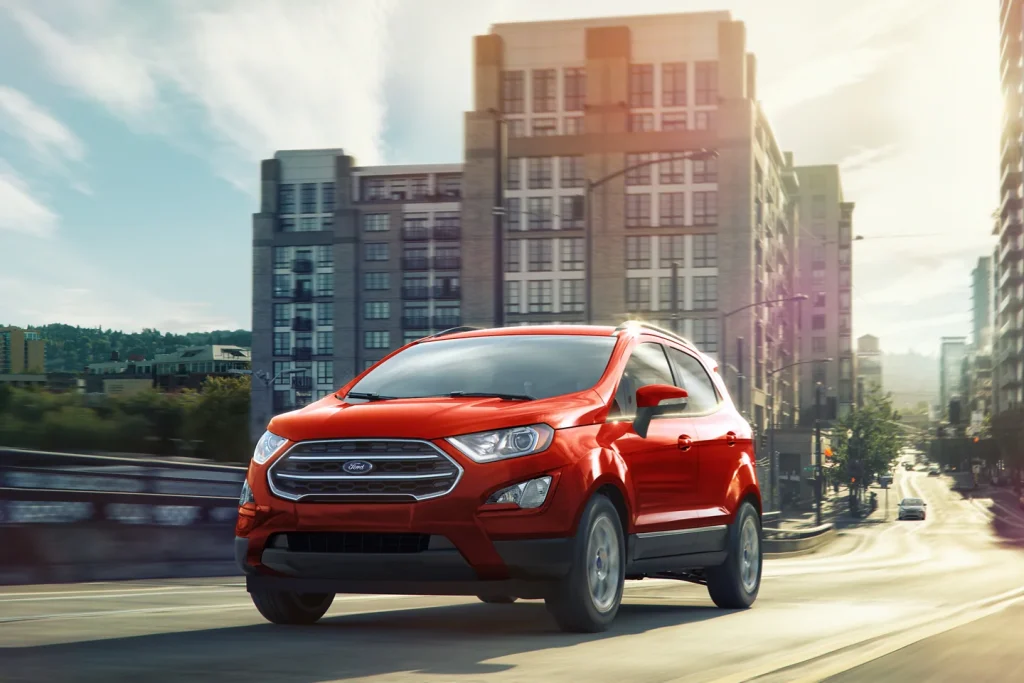
The Ford EcoSport entered the market as an affordable urban crossover, but many owners quickly noticed that summer cabin comfort was not one of its strongest qualities. Despite its compact dimensions, the EcoSport developed a reputation for air conditioning that struggles once temperatures climb aggressively.
At first glance, a smaller SUV should cool down rapidly because there is less interior space to manage. The EcoSport, however, often fails to meet that expectation.
Drivers commonly report that the cabin takes longer than expected to become comfortable after sitting in direct sunlight. During extremely hot afternoons, the system can feel overwhelmed before the interior ever fully cools.
Part of the problem comes from airflow strength. The vents do not push cold air with the intensity found in stronger climate systems, particularly when the fan is operating at moderate settings. Drivers frequently need to run the AC near maximum output just to maintain tolerable temperatures during heavy summer heat.
Rear passengers usually experience the biggest discomfort. The compact rear area can trap warm air easily, and the lack of strong rear ventilation leaves passengers depending heavily on front airflow reaching the back indirectly. During family trips, this uneven cooling becomes noticeable quickly.
The vehicle’s upright shape and tall greenhouse design also contribute to heat buildup. Large windows allow sunlight to flood the cabin, warming seats and dashboard surfaces rapidly after parking outdoors. Once heat saturates the interior materials, the AC system struggles to recover quickly.
Traffic conditions expose another weakness. While highway driving improves airflow slightly, stop-and-go urban driving can reduce cooling effectiveness considerably. Owners in humid climates often complain that the cabin never feels truly cold during crowded summer commutes.
Ford designed the EcoSport primarily around affordability and practicality, so climate refinement clearly was not a major engineering priority. Drivers looking for basic transportation may tolerate the weakness, but buyers expecting strong summer comfort frequently end up disappointed.
The EcoSport remains useful for city maneuverability and easy parking, yet intense heat reveals one of the crossover’s biggest compromises. In regions where summer temperatures remain brutal for months, the underwhelming AC system becomes difficult to ignore.
4. Mitsubishi Outlander Sport
The Mitsubishi Outlander Sport gained popularity because of its affordability and straightforward design, though owners in warmer climates often point toward the air conditioning system as one of the vehicle’s weakest areas.
While the crossover handles mild temperatures reasonably well, intense summer conditions expose noticeable limitations in cooling performance.
One common complaint involves slow cooldown time after startup. When parked outside under direct sunlight, the cabin absorbs heat rapidly through the windshield and side glass. Once passengers climb inside, the AC frequently takes longer than expected to lower temperatures to a comfortable level.
The issue becomes more frustrating during city traffic. Extended idle periods can weaken cooling intensity noticeably, particularly on humid afternoons. Drivers often describe the vents as producing cool air rather than truly cold airflow, especially once temperatures exceed the upper 90-degree range.
Another challenge lies in cabin airflow distribution. Front passengers generally receive most of the cooling, while rear occupants experience weaker circulation. Since the Outlander Sport lacks particularly strong rear ventilation support, trapped heat can linger in the back seats during longer drives.
Interior materials contribute to the discomfort as well. Certain trims use darker surfaces that absorb sunlight aggressively, creating additional cabin heat during summer parking. Without tinted windows or windshield shades, the interior can become extremely warm within a short period.
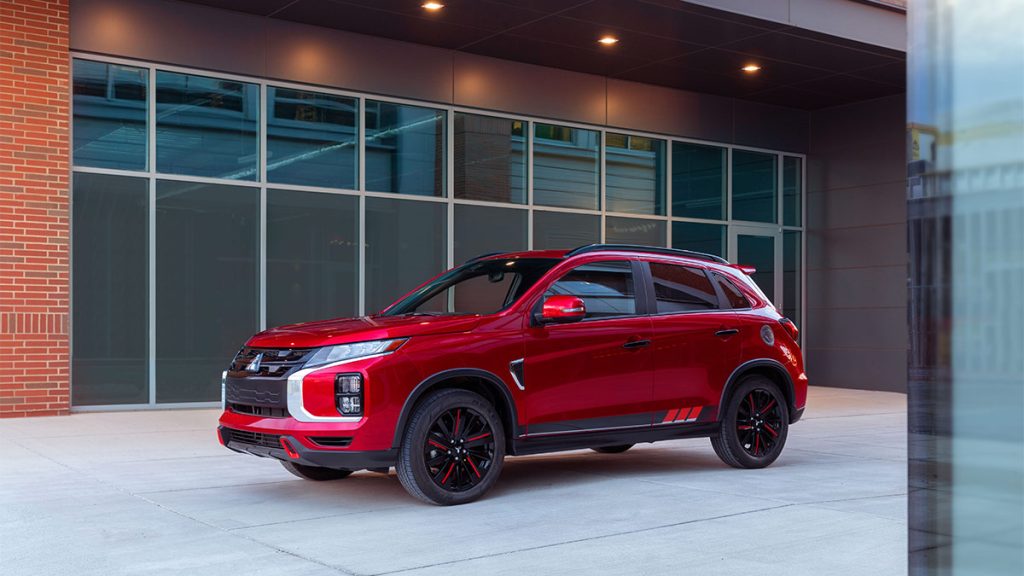
The crossover’s compact engine and efficiency-focused design may also influence climate performance. Mitsubishi prioritized economical operation and affordability, which likely limited how aggressively the compressor and blower system were tuned compared with stronger cooling rivals.
Drivers in extremely hot regions sometimes mention avoiding remote parking without shade because the AC struggles to recover from severe heat buildup quickly. Long highway drives improve conditions somewhat because sustained movement helps stabilize airflow and cooling efficiency.
Despite these complaints, many owners still appreciate the Outlander Sport for simple transportation duties and low ownership costs. The problem is not complete AC failure but rather a system that feels underpowered once summer temperatures become truly punishing.
In cooler climates, the weakness might remain minor, but drivers facing relentless heat often place the crossover among the less impressive SUVs for factory cooling performance.
5. Nissan Rogue Sport
The Nissan Rogue Sport offers comfortable daily driving and practical city dimensions, but owners in very hot climates frequently criticize its cabin cooling ability during peak summer months. The vehicle performs adequately in moderate weather, yet extreme heat exposes several weaknesses in the air conditioning system.
One major issue involves slow temperature reduction after the SUV has been parked outdoors. Sunlight heats the dashboard, seats, and side panels quickly, and the climate system often struggles to remove that trapped warmth fast enough.
Drivers commonly mention spending the first portion of summer drives waiting for the cabin to feel comfortable.
The airflow itself also feels weaker than expected for many owners. Even when the fan operates at higher speeds, the air distribution does not always cool the entire interior evenly. Front passengers receive the strongest airflow, while rear occupants can remain uncomfortable for much longer.
Traffic conditions create additional frustration. During crowded city driving or extended stoplights, the AC sometimes loses cooling intensity noticeably. Drivers in humid regions often report that the cabin begins feeling warm again unless the fan stays near maximum settings.
Large windshield glass and broad side windows contribute heavily to interior heat buildup. The Rogue Sport’s cabin can absorb tremendous sunlight during summer afternoons, placing extra strain on the climate system once passengers enter the vehicle.
Another complaint centers around rear ventilation. Since cooling support for backseat passengers remains limited, families often notice uneven temperatures throughout the cabin. Children seated in the rear may continue feeling warm even after front occupants become comfortable.
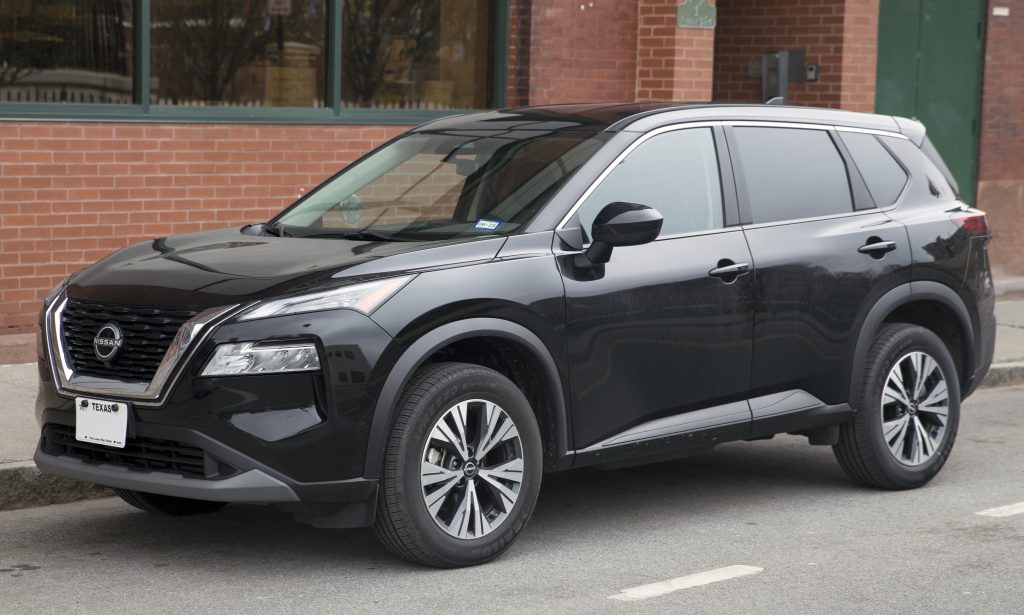
The Rogue Sport remains practical for commuting and urban maneuverability, though strong summer cooling clearly was not one of Nissan’s primary engineering priorities for this crossover.
6. Chevrolet Trax
The Chevrolet Trax delivers affordability and easy city driving, but intense summer heat reveals limitations in its climate control system that many owners find disappointing. While the crossover handles ordinary weather conditions reasonably well, extremely hot afternoons can push the air conditioning system beyond its comfort zone.
Drivers frequently describe the cabin as taking too long to cool after sitting in parking lots under direct sunlight. Even with the fan turned high, the airflow may feel milder than icy during severe heat waves. The problem becomes especially noticeable in southern regions where temperatures stay above 100 degrees regularly.
The compact cabin should theoretically cool quickly, yet the Trax often struggles because of weak airflow strength and limited insulation against outside heat. Sunlight entering through the windshield and windows warms the interior rapidly, causing seats and dashboard surfaces to retain heat for extended periods.
Rear passengers experience another disadvantage. The crossover lacks strong rear vent support, so cool air reaches the back seats more slowly. During family trips, this uneven airflow becomes frustrating on longer drives.
Urban traffic worsens the experience further. Stop-and-go conditions can reduce cooling performance noticeably, forcing drivers to keep the fan running aggressively just to maintain acceptable comfort levels. Highway driving usually improves airflow slightly, but the AC still falls short of stronger competitors in the segment.
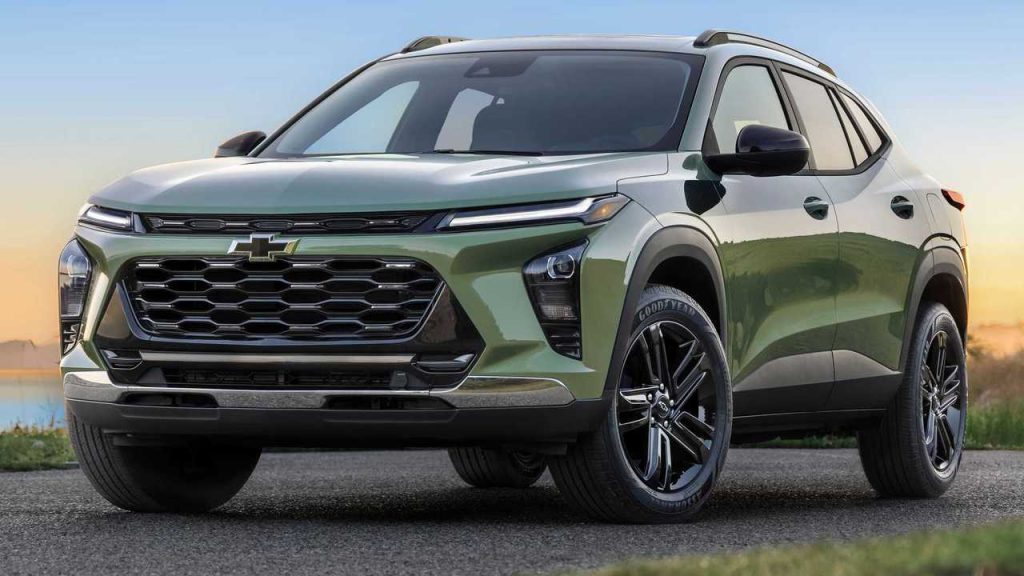
Some owners attempt to compensate with window tinting or sunshades, which helps reduce heat buildup somewhat. Without those additions, however, the cabin can remain uncomfortably warm for far too long during intense summer afternoons.
The Trax succeeds as a practical entry-level crossover, though powerful cabin cooling is not among its strongest features.
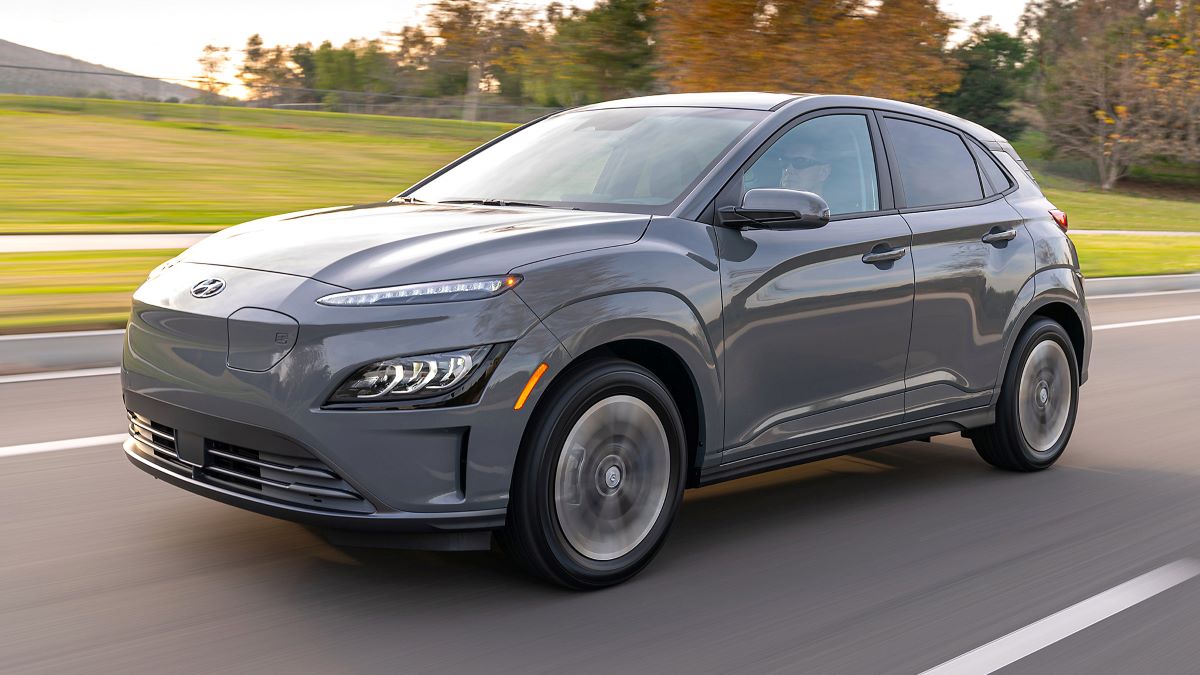
7. Hyundai Kona
The Hyundai Kona earned praise for its stylish design, modern technology, and responsive handling, yet many owners living in extremely warm climates have expressed disappointment with its air-conditioning performance during severe summer heat.
While the system functions adequately during ordinary conditions, it can begin struggling once temperatures rise aggressively and sunlight saturates the cabin.
One issue drivers frequently mention involves the Kona’s slow cooldown process after sitting outdoors. The vehicle’s compact dimensions suggest it should cool rapidly, but the interior often retains heat longer than expected.
Dark dashboard materials and large windshield glass absorb sunlight heavily, creating a hot environment that takes time for the AC system to overcome.
The airflow itself sometimes feels inconsistent. Front passengers receive acceptable cooling during moderate temperatures, but during intense heat waves, the vents may struggle to deliver truly icy air. Drivers often raise the fan speed to maximum simply to achieve reasonable comfort levels, especially during afternoon commutes.
Rear passengers face additional discomfort because airflow reaching the back seats remains limited. Since the Kona lacks particularly aggressive rear ventilation support in many trims, trapped heat can linger behind the front seats for extended periods. Families carrying multiple passengers during the summer frequently notice uneven cabin temperatures.
Another weakness becomes noticeable during stop-and-go traffic. Highway movement helps stabilize cooling performance somewhat, but crowded urban driving places greater stress on the system. In humid climates, owners sometimes report the cabin feeling warmer than expected despite continuous AC operation.
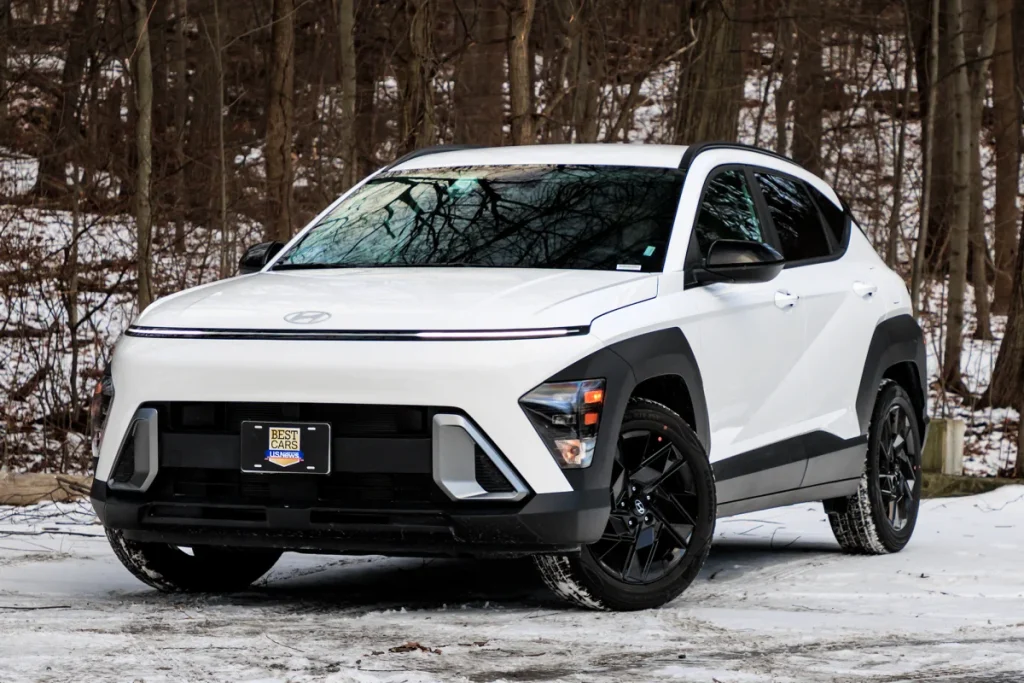
The Kona’s stylish design contributes partly to the problem. The sharply angled windshield and compact greenhouse shape allow sunlight to concentrate heavily inside the cabin during midday parking. Once surfaces heat up, they continue radiating warmth even after the AC begins running.
Hyundai focused heavily on efficiency, affordability, and technology integration with the Kona, which made the vehicle appealing to younger buyers. However, stronger climate control engineering would have improved daily comfort significantly for drivers dealing with relentless summer temperatures.
Despite these shortcomings, many owners still enjoy the Kona’s maneuverability and modern interior features. The weakness appears primarily in extreme heat situations where the air conditioning system simply lacks the cooling strength and airflow confidence found in stronger competitors.
8. Mazda CX-30
The Mazda CX-30 stands out for upscale styling, sharp handling, and premium cabin quality, though its air conditioning system has received criticism from some owners living in very hot regions. The crossover feels refined in many areas, but prolonged summer heat can reveal limitations in cooling performance that become difficult to ignore during daily use.
Mazda designed the CX-30 with a sleek cabin and modern dashboard layout, yet those same design choices contribute to noticeable heat buildup. Large windshield surfaces and dark interior materials absorb sunlight aggressively when the vehicle sits outdoors. Drivers often enter an intensely warm cabin that takes longer than expected to cool down.
One frustration involves airflow intensity. The AC system does not always produce the aggressive cold blast drivers expect from a modern crossover in this price range. Even with lower temperature settings selected, the cabin can remain warmer than desired during peak summer afternoons.
Rear seat comfort presents another concern. While front occupants receive most of the airflow directly, passengers sitting farther back may continue feeling trapped in the heat for extended periods. The crossover’s compact proportions help somewhat, though the circulation still lacks the strength found in more cooling-focused rivals.
Traffic conditions create further challenges. During highway driving, the climate system performs reasonably well once the cabin stabilizes. Slow-moving city traffic, however, can reduce cooling effectiveness enough for passengers to notice clear differences in comfort.
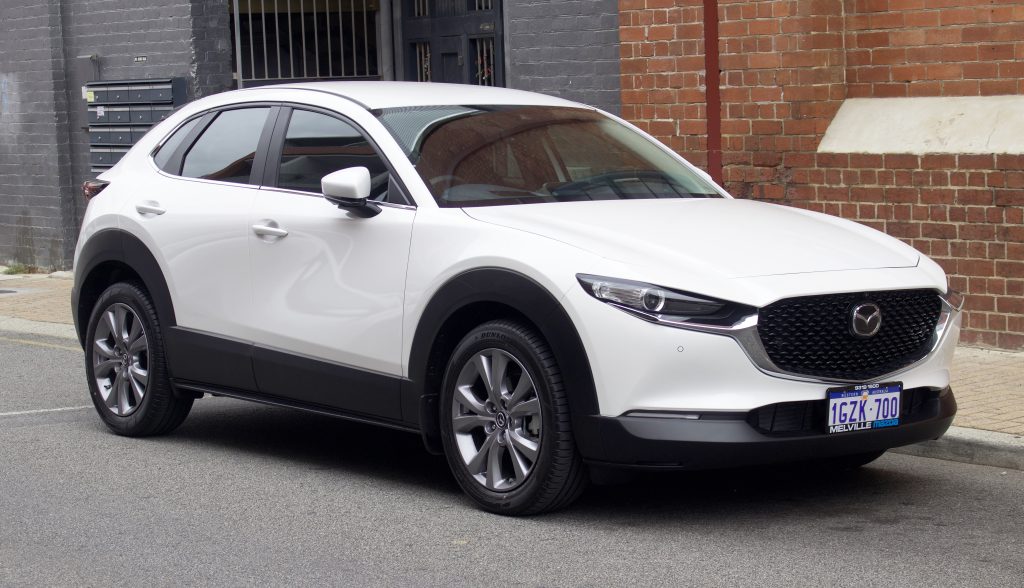
The CX 30 also emphasizes quietness and refinement rather than aggressive airflow noise. While this creates a calmer cabin atmosphere, it can make the climate system feel weaker compared with SUVs that prioritize stronger fan output.
Owners in desert climates often rely heavily on tinted windows, windshield shades, and covered parking to reduce cabin heat buildup before entering the vehicle. Without those precautions, summer driving comfort can become frustrating during extreme temperatures.
Mazda succeeded in creating a crossover that feels premium and enjoyable behind the wheel, but drivers expecting exceptionally strong factory air conditioning may come away disappointed. The CX 30 performs best in moderate climates rather than in regions where summer heat constantly pushes cooling systems to their limits.
9. Volkswagen Taos
The Volkswagen Taos delivers efficient packaging, solid fuel economy, and modern styling, but many owners have pointed toward weak summer cooling performance as one of the SUV’s more noticeable drawbacks. While the Taos works well in mild conditions, extremely hot weather often exposes limitations in airflow and cabin temperature management.
Drivers commonly describe the cabin as taking too long to cool after being parked under direct sunlight. Large windows and a relatively upright interior design allow significant heat buildup during summer afternoons. Once inside, passengers may wait longer than expected before the cabin reaches a comfortable temperature.
The airflow itself can feel underwhelming in severe heat. Even at higher fan settings, some owners report that the vents produce cool air without delivering the intense cold sensation expected during triple-digit temperatures. This becomes especially frustrating during humid weather, where strong airflow matters heavily for comfort.
Rear passengers often experience the greatest discomfort. The Taos does not always circulate cold air effectively throughout the entire cabin, leaving backseat occupants warmer than those in front. Families taking longer summer trips frequently notice uneven temperature distribution during highway travel.
Another complaint involves idle performance. During stoplights and heavy urban traffic, the AC may lose cooling strength slightly, forcing drivers to increase fan speed or lower temperature settings further just to maintain acceptable comfort.
Volkswagen designed the Taos around efficiency and practicality, but stronger thermal insulation would have improved summer usability considerably. Heat entering through the glass surfaces can overwhelm the climate system faster than expected during intense sunny conditions.
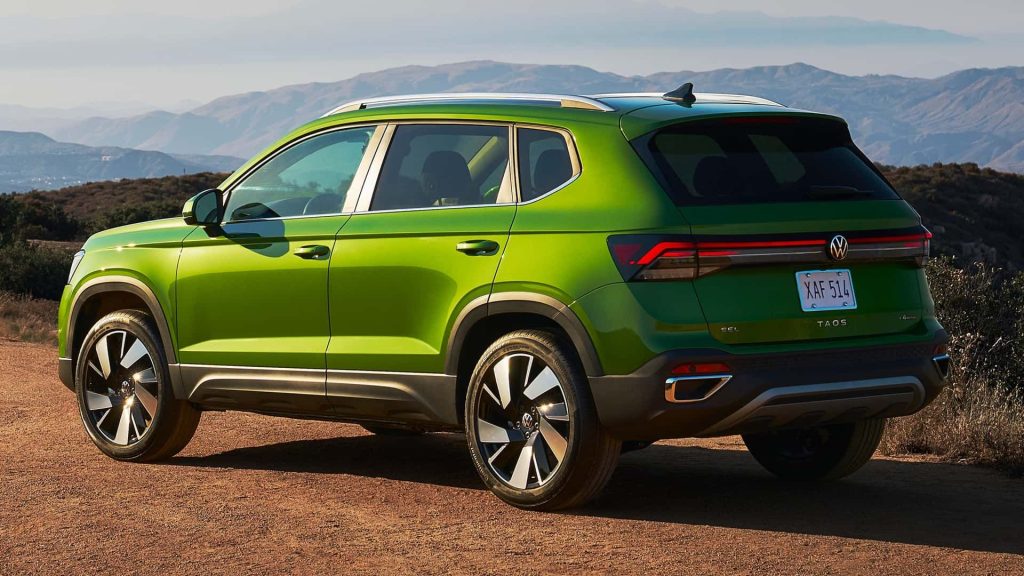
Owners in hotter states sometimes install darker window tinting or rely on remote start features to help manage cabin temperatures before entering the SUV. Without those adjustments, the interior can remain uncomfortable for the first portion of many drives.
The Taos succeeds in offering modern technology and compact SUV practicality, though powerful factory air conditioning is clearly not one of its strongest qualities.
In regions with mild weather, the weakness may remain manageable. In areas with relentless summer heat, however, drivers frequently place it among the SUVs that struggle most to maintain strong cabin cooling performance.
Modern SUVs are expected to provide comfort in every season, but some models struggle badly once the summer heat becomes intense.
Weak airflow, slow cabin cooldown times, poor rear ventilation, and limited insulation can make daily driving uncomfortable, especially in regions where temperatures regularly cross 100 degrees. Large glass areas and dark interior materials often worsen the problem by trapping heat inside the cabin.
The SUVs highlighted in this article gained attention because their factory AC systems frequently disappoint owners during extreme heat.
Models such as the Jeep Wrangler Unlimited and Ford EcoSport suffer from poor insulation and weak cooling consistency, while vehicles like the Toyota C-HR and Volkswagen Taos struggle with airflow distribution and heat buildup.
Although many of these SUVs succeed in styling, practicality, or fuel economy, their air conditioning systems become noticeably weak points during harsh summer driving conditions.
Also Read: 9 Mopar V8S That Built Their Own Reputations