
Headlights have become one of the most important safety features in modern SUVs, especially as night driving continues to account for a disproportionately high number of road accidents worldwide.
According to highway safety research, nighttime driving is significantly more dangerous than daytime driving, with fatal crash rates estimated to be two to four times higher depending on road conditions and visibility. This makes headlight performance a critical factor not only for driver confidence but also for road safety.
Over the last decade, automotive lighting technology has undergone a major transformation. Traditional halogen bulbs, once standard in most vehicles, are now rapidly being replaced by LED, Xenon, and advanced adaptive matrix LED systems.
These newer technologies provide far greater illumination, improved energy efficiency, and longer lifespan. However, they also introduce new challenges, particularly in the form of glare and inconsistent real-world performance across different SUV models.
One of the most authoritative bodies evaluating headlight performance is the Insurance Institute for Highway Safety (IIHS). Their testing has repeatedly shown that headlight quality varies dramatically even within the same segment.
Some SUVs provide excellent forward visibility, illuminating over 300 feet of roadway in optimal conditions, while others struggle to light even short stretches of road, especially on curves or poorly marked highways. In fact, many popular SUVs have been rated marginal or poor in headlight performance despite strong safety reputations in other categories.
At the same time, premium SUVs equipped with advanced lighting systems such as adaptive LED projectors or HD matrix headlights are setting new benchmarks.
These systems can selectively dim sections of the beam to avoid blinding oncoming traffic while still maintaining maximum illumination elsewhere. High-end implementations, like those found in certain luxury SUVs, can even adjust beam patterns dynamically based on steering angle, vehicle speed, and road curvature, dramatically improving nighttime driving clarity.
On the other end of the spectrum, many budget and mid-range SUVs still rely on basic reflector halogen setups or low-output LED units. These systems often suffer from weak beam distance, poor side illumination, and inconsistent light distribution. As a result, drivers may experience reduced visibility on highways, particularly in rural or unlit areas.
This article compares two extremes in modern SUV lighting performance: five SUVs known for exceptionally bright and advanced headlight systems, and five SUVs that have historically been criticized for dim or underperforming headlights based on independent safety testing and automotive reviews.
The goal is to provide a clear, research-backed breakdown of real-world headlight effectiveness, not marketing claims, so buyers and enthusiasts can better understand how lighting technology impacts safety and driving comfort.
Also Read: 10 Cars With Insurance Premiums Lower Than a Compact Sedan
5 SUVs With the Brightest Headlights
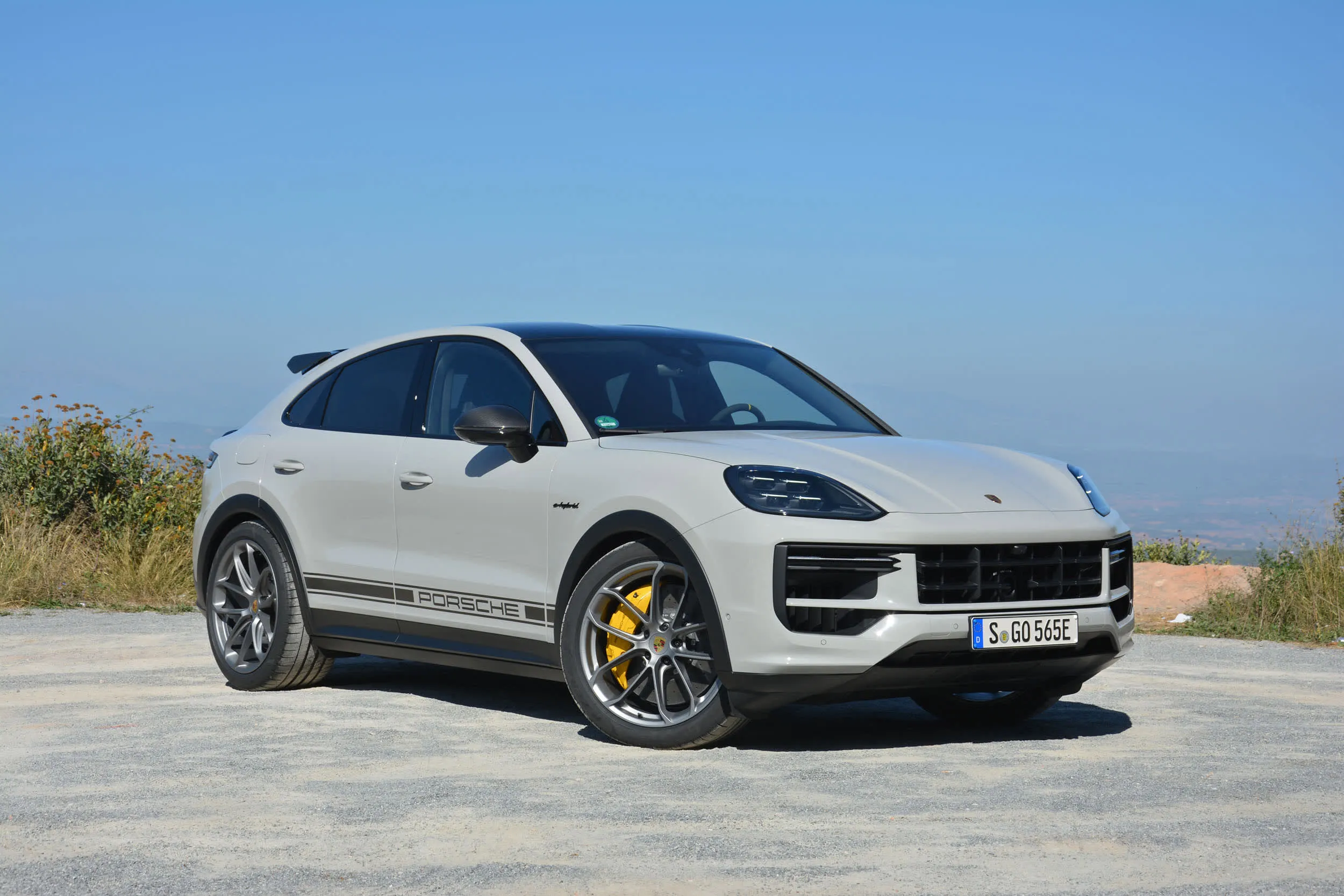
1. Porsche Cayenne
The Porsche Cayenne is widely regarded as one of the most advanced SUVs in terms of lighting technology, primarily due to its HD Matrix LED headlight system. This setup uses a dense array of individually controllable LED segments that can be activated or dimmed in milliseconds.
Unlike traditional headlights that cast a fixed beam pattern, the Cayenne’s system actively reshapes light distribution depending on traffic, speed, and road curvature. This creates a highly optimized lighting environment where brightness is directed exactly where the driver needs it most, improving both safety and driving confidence during night travel.
In real-world conditions, the Cayenne’s headlights deliver exceptional long-range visibility. On highways, the system can illuminate distant road signs, lane markings, and obstacles far earlier than conventional LED or halogen setups.
This extended reach is particularly useful at high speeds, where reaction time is reduced, and early hazard detection becomes critical. The beam also maintains impressive clarity on both straight roads and curves, ensuring that drivers do not experience sudden drops in illumination when turning or changing lanes.
Another key strength of the Cayenne’s lighting system is its intelligent anti-glare technology. The HD Matrix LEDs continuously scan the environment using onboard cameras and selectively dim specific segments of the beam when oncoming vehicles are detected.
This allows the SUV to maintain maximum usable brightness without causing discomfort or glare for other drivers. This balance between brightness and safety is one of the reasons the Cayenne is considered a benchmark in premium SUV lighting systems.
The system also adapts dynamically to environmental conditions such as fog, rain, and poorly lit rural roads. In adverse weather, the headlights adjust intensity and spread to reduce reflection and improve contrast.
This helps the driver maintain better situational awareness even when visibility is naturally reduced. The ability to fine-tune light output in real time gives the Cayenne a significant advantage over fixed-beam systems.
The Porsche Cayenne’s HD Matrix LED headlights represent one of the most advanced lighting solutions in the SUV segment. They combine extreme brightness, precision beam control, and intelligent adaptation into a single system that significantly enhances night driving safety and comfort. It stands at the top tier of SUV headlight performance globally.
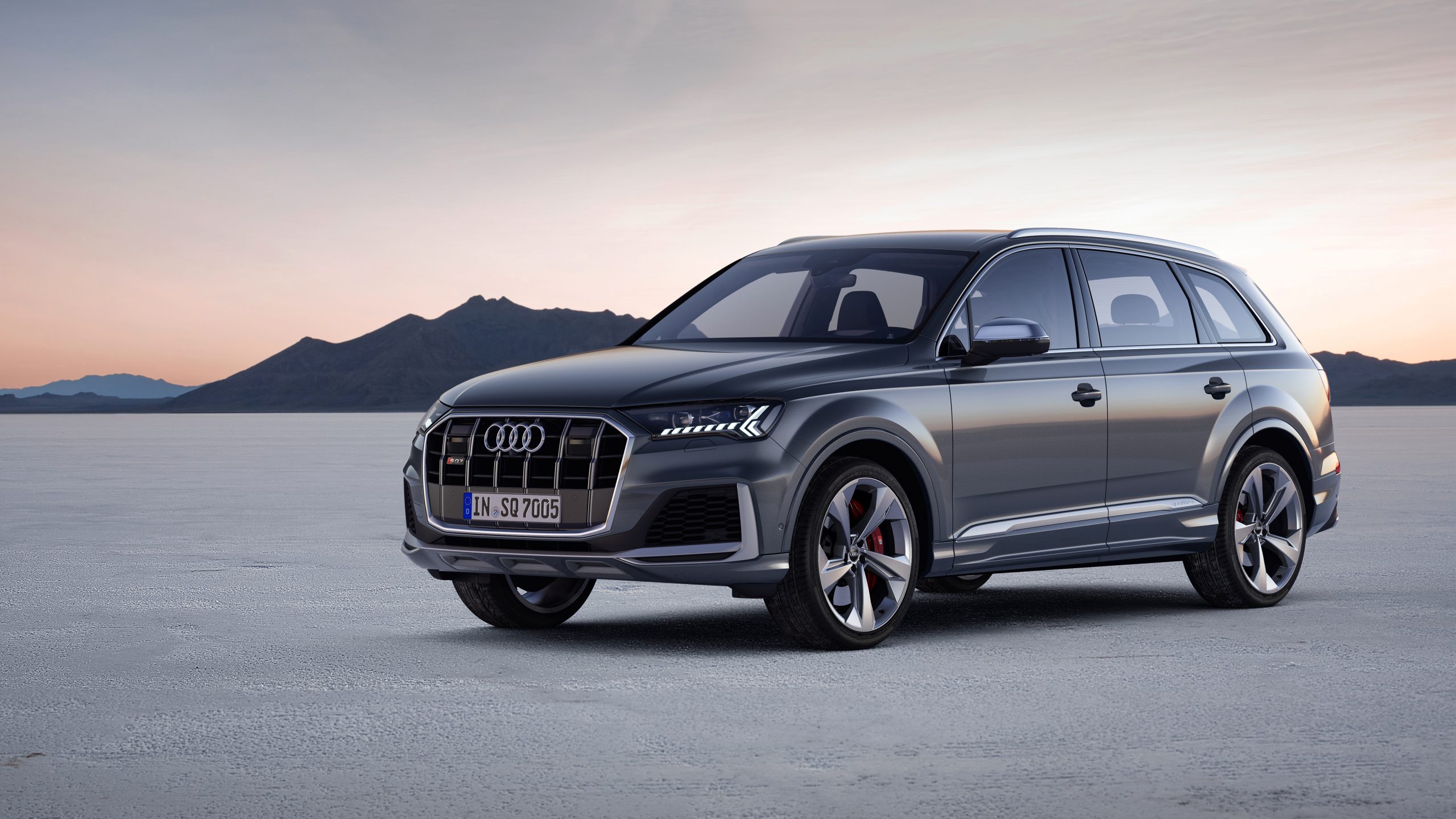
2. Audi Q7
The Audi Q7 features one of the most refined lighting systems in the luxury SUV category, known as the Digital Matrix LED setup. This system divides the headlight beam into thousands of micro-pixels, each of which can be individually controlled.
This allows the vehicle to project highly precise light patterns that adapt continuously to traffic conditions, road layout, and environmental factors. The result is a lighting system that is not only bright but also highly intelligent in how it distributes illumination.
On highways, the Audi Q7 delivers strong forward projection that enhances long-distance visibility significantly. Drivers benefit from early detection of road signs, curves, and obstacles, which improves reaction time and safety.
The beam spread is carefully engineered to maintain brightness across both central and peripheral zones, ensuring that side visibility remains strong even at high speeds. This makes nighttime highway driving far less stressful compared to conventional SUV lighting systems.
One of the standout features of the Q7’s headlights is their ability to selectively shade specific areas of the beam. When oncoming traffic or vehicles ahead are detected, the system automatically dims only the relevant sections while keeping the rest of the road fully illuminated.
This selective dimming ensures that the driver maintains maximum usable brightness without causing glare or discomfort to others. It is one of the most effective implementations of adaptive lighting currently available in production SUVs.
The Q7 also performs exceptionally well in urban environments. In cities, the system adjusts beam intensity to avoid over-illumination of nearby objects while still maintaining clear visibility of pedestrians, cyclists, and road signage. This adaptability makes the Q7 suitable for a wide range of driving conditions, from dense urban traffic to open highways and rural roads.
The Audi Q7’s Digital Matrix LED headlights provide a powerful combination of brightness, precision, and adaptability. They are designed not just to illuminate the road but to intelligently manage light distribution in real time, making them one of the most effective SUV lighting systems in modern automotive engineering.
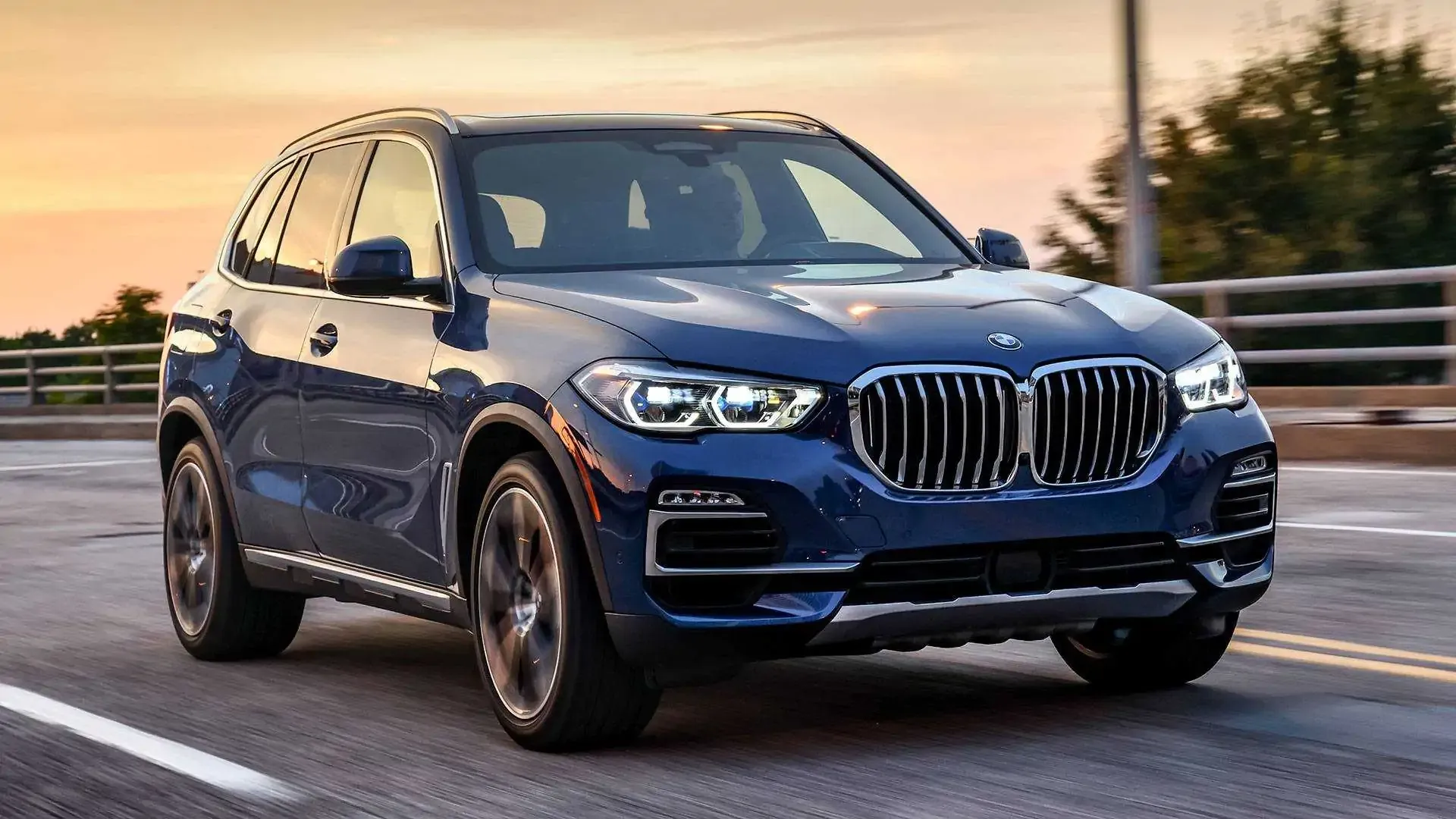
3. BMW X5
The BMW X5 stands out in the SUV segment due to its advanced Adaptive LED system, with higher trims incorporating laser-assisted high beam technology. This system significantly extends the reach of the headlights compared to standard LED setups.
The laser high beam component activates at higher speeds or in low-traffic conditions, projecting a concentrated and extremely powerful beam that dramatically increases forward visibility. This allows drivers to see far beyond the range of conventional headlights.
In practical driving scenarios, the BMW X5 delivers outstanding long-distance illumination, especially on open highways and rural roads. The extended beam reach gives drivers more time to react to obstacles, wildlife, or changes in road conditions.
This is particularly valuable during high-speed night driving, where visibility distance directly impacts safety margins. The system maintains clarity and focus even at maximum range, avoiding the diffusion issues seen in lower-quality lighting setups.
The adaptive LED system also plays a crucial role in shaping the beam pattern dynamically. As the vehicle enters curves or changes direction, the headlights adjust automatically to follow the steering angle. This cornering light function ensures that the driver’s field of view remains consistently illuminated, reducing blind spots and improving control during nighttime driving on winding roads.
Another important feature is the system’s glare-free high beam function. When other vehicles are detected, the system selectively dims sections of the beam to prevent dazzling other drivers while maintaining maximum illumination elsewhere. This intelligent balance allows the X5 to operate with high-intensity lighting without compromising road safety for surrounding traffic.
The BMW X5 combines high-intensity laser lighting with adaptive LED control to create one of the brightest and most far-reaching headlight systems in the SUV category. It is particularly effective for drivers who frequently travel long distances at night or in low-light rural environments.
4. Volvo XC90
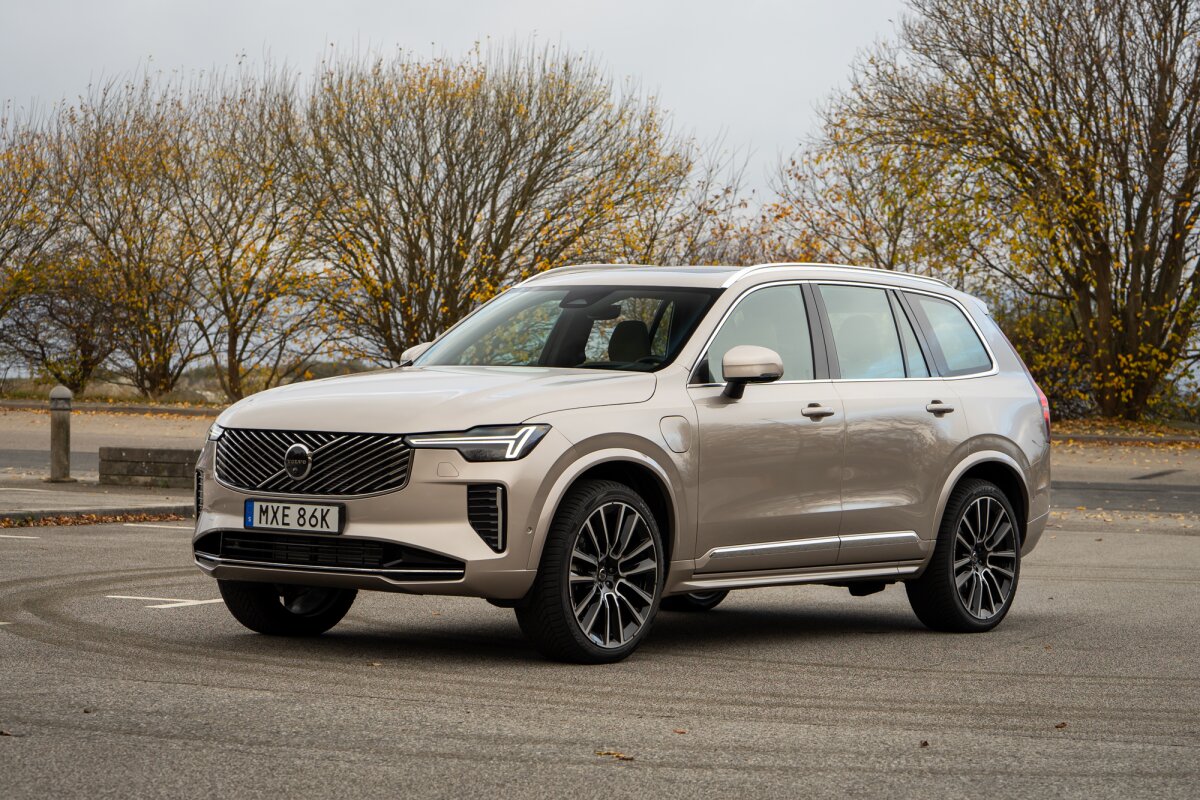
The Volvo XC90 takes a slightly different approach to headlight design by focusing on balanced illumination and safety optimization rather than extreme brightness alone.
Its Active High Beam LED system continuously adjusts light output based on surrounding traffic conditions and environmental factors. Instead of relying solely on maximum intensity, the XC90 prioritizes consistent visibility across the entire driving field, ensuring that both near and far zones are well-lit.
In real-world usage, the XC90 performs exceptionally well on dark rural roads where consistent illumination is critical. The system gradually adjusts beam intensity and direction to maintain smooth lighting transitions, avoiding sudden brightness spikes or drops.
This makes night driving more comfortable and reduces eye strain over long distances. The lighting is particularly effective in detecting pedestrians, animals, and roadside objects at moderate to long range.
One of the key strengths of the XC90’s system is its predictive adaptation capability. Using sensors and onboard data, the system anticipates changes in road conditions such as curves, elevation changes, and intersections. It then adjusts the beam pattern proactively rather than reactively, ensuring that visibility remains stable even during complex driving scenarios.
The system also incorporates intelligent anti-glare technology that automatically dims sections of the beam when other vehicles are detected. Unlike simpler systems, Volvo’s implementation focuses heavily on smooth transitions, ensuring that dimming is not abrupt or distracting. This contributes to a more natural and less fatiguing driving experience.
The Volvo XC90’s lighting system prioritizes safety, comfort, and consistency over extreme brightness. While it may not project the most aggressive beam compared to laser-equipped competitors, it delivers highly reliable real-world visibility, making it one of the most driver-friendly SUV lighting systems available.
5. Mercedes-Benz GLE
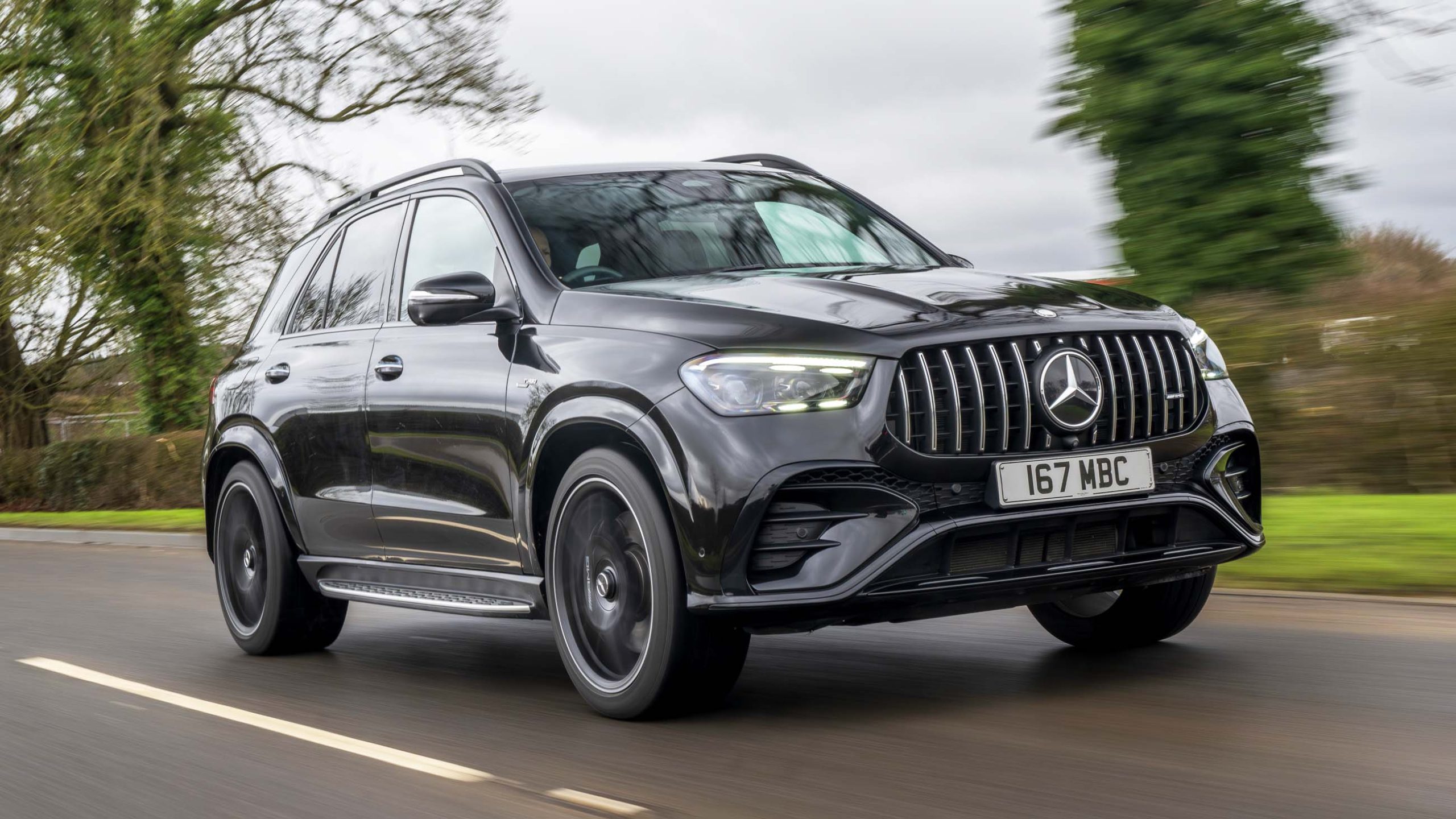
The Mercedes-Benz GLE features the Multibeam LED system, one of the most sophisticated headlight technologies in the SUV market. Each headlight contains multiple individually controlled LED units that work together to create a highly adaptive beam pattern. This allows the system to adjust lighting intensity, direction, and spread with extreme precision depending on road conditions and surrounding traffic.
In terms of brightness, the GLE delivers strong and well-distributed illumination across both near and far distances. The system is particularly effective in maintaining consistent visibility during highway driving, where stable long-range lighting is essential. Road signs, lane markings, and obstacles are illuminated clearly and early, giving drivers a significant safety advantage at night.
A major strength of the Multibeam system is its advanced cornering and predictive lighting capability. When the vehicle approaches a curve, the headlights automatically shift the beam direction to illuminate the road ahead of the turn. This ensures that drivers can see into corners before they fully enter them, reducing the risk of unexpected obstacles or road hazards.
The system also features highly advanced glare control. Instead of dimming the entire beam when another vehicle is detected, it selectively reduces brightness in specific segments. This allows the rest of the road to remain fully illuminated while ensuring that oncoming drivers are not blinded. This level of precision is one of the reasons Mercedes-Benz is considered a leader in automotive lighting technology.
The Mercedes-Benz GLE Multibeam LED system delivers a balanced combination of brightness, precision, and adaptability. It is designed to maximize visibility in all driving conditions while maintaining safety for both the driver and other road users, making it one of the top-performing SUV headlight systems available today.
Also Read: 10 Cars That Survive Being Used as Daily Uber Vehicles
5 SUVs With Dim or Underperforming Headlights
1. Jeep Wrangler
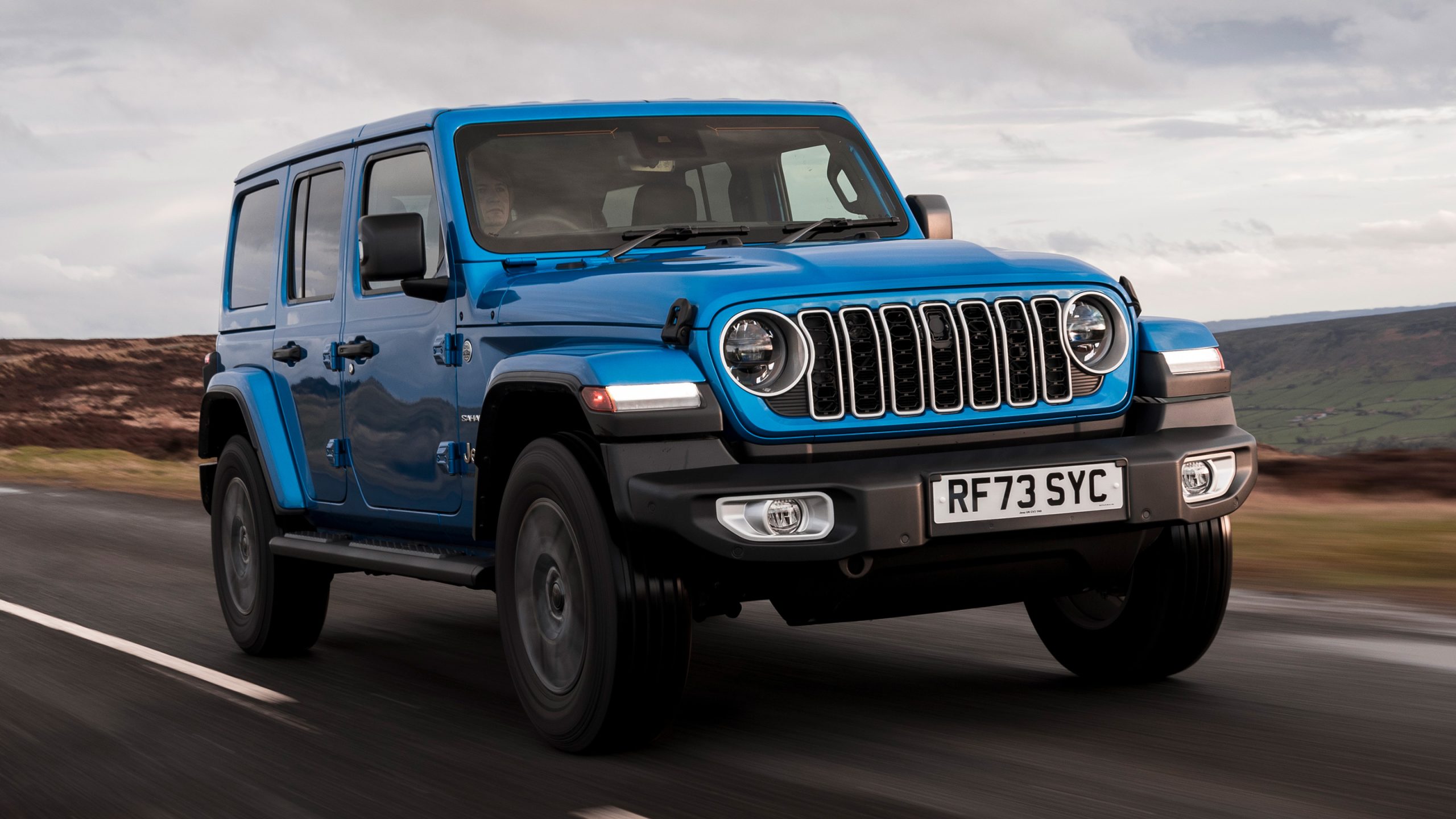
The Jeep Wrangler, especially in its base trims, has long been discussed in automotive safety evaluations for its relatively weak headlight performance. While the vehicle is highly respected for off-road capability and rugged durability, its standard lighting setup often relies on basic halogen or low-output reflector LED units, depending on the model year.
These systems prioritize simplicity and cost efficiency rather than advanced illumination performance, which results in noticeably limited road visibility at night compared to modern SUV competitors.
In real-world driving conditions, the Wrangler’s headlights tend to produce a shorter and narrower beam spread. This limited projection can make it difficult for drivers to detect obstacles, road curves, or animals at a safe distance, especially on unlit rural roads. While visibility is generally acceptable in urban environments with street lighting, the limitations become more pronounced on highways or remote terrain where lighting support is minimal or nonexistent.
Another issue frequently noted in independent evaluations is uneven light distribution. The Wrangler’s base headlights often create bright hotspots directly ahead while leaving peripheral areas under-illuminated. This imbalance reduces situational awareness, particularly when navigating winding roads or uneven surfaces where side visibility is crucial for safety.
Although aftermarket LED upgrades and higher trims significantly improve performance, the standard factory setup remains below average when compared to modern SUV lighting systems. Vehicles in the same category from competing brands often include more advanced LED reflector or projector systems as standard, which places the Wrangler at a disadvantage in headlight performance comparisons.
While the Jeep Wrangler excels in off-road capability and mechanical durability, its base headlight systems are generally considered underperforming in terms of brightness, beam reach, and road coverage. This makes nighttime driving more challenging unless upgraded lighting systems are installed.
2. Ford Explorer
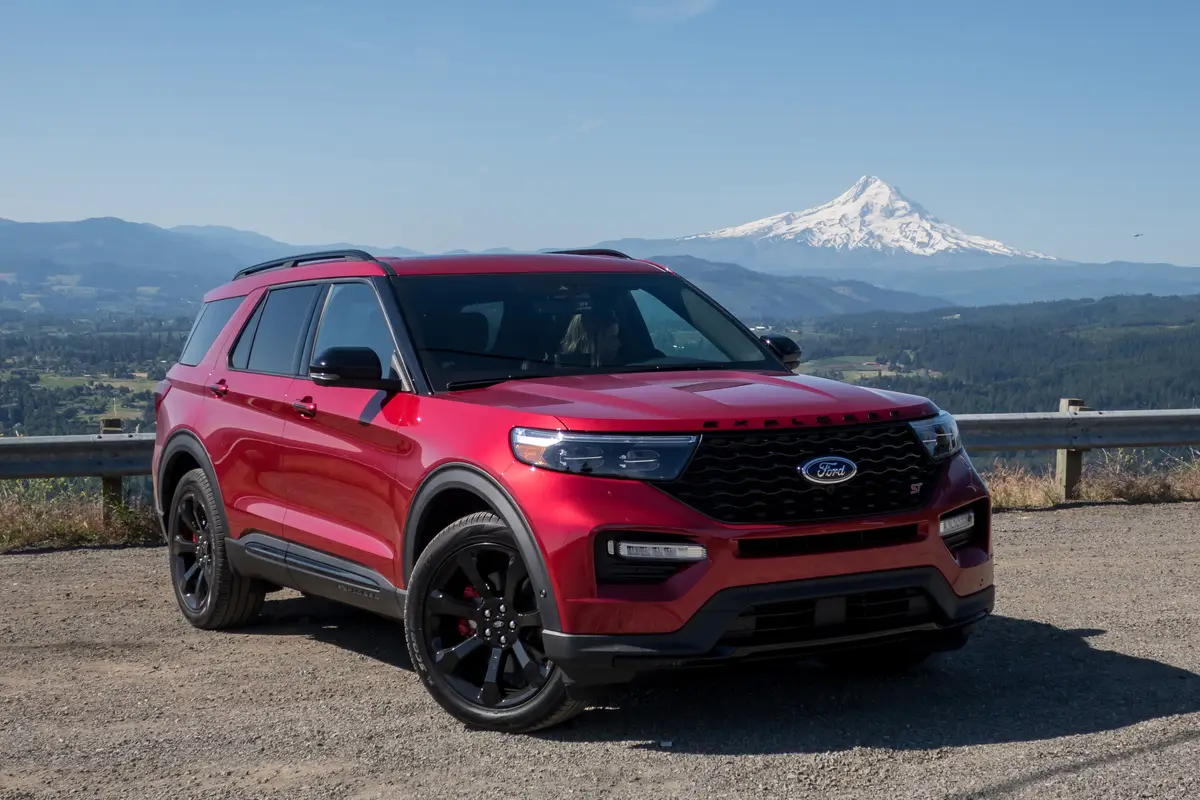
The Ford Explorer, particularly in older generations and base trims equipped with halogen headlights, has been frequently noted for inconsistent and below-average lighting performance in independent automotive assessments. While newer high-trim versions include upgraded LED systems, the standard configurations often fall short in both brightness and beam precision when compared to modern SUV lighting benchmarks.
In practical use, the Explorer’s halogen-based headlights tend to provide limited forward reach. This reduced beam distance can affect driver reaction time on highways, where early detection of road hazards is essential. The light spread is often not strong enough to fully illuminate distant objects, which may cause drivers to rely more heavily on high beams in low-light rural conditions.
A common concern with the Explorer’s base lighting system is uneven illumination across the road surface. While the central beam may appear adequate, the edges of the road often remain dimly lit. This creates potential blind spots when navigating curves or multi-lane roads, especially at higher speeds where peripheral awareness is critical.
Another limitation is the relatively warm and less intense color temperature of halogen bulbs. Compared to modern LED systems, halogen lighting appears duller and provides lower contrast against dark backgrounds. This reduces the driver’s ability to clearly distinguish objects such as pedestrians, animals, or debris at night.
While the Ford Explorer remains a strong all-around SUV in terms of practicality and comfort, its base halogen headlight systems are widely considered underwhelming. The performance gap becomes especially noticeable when compared to newer SUVs that now include LED lighting as standard equipment.
3. Toyota 4Runner
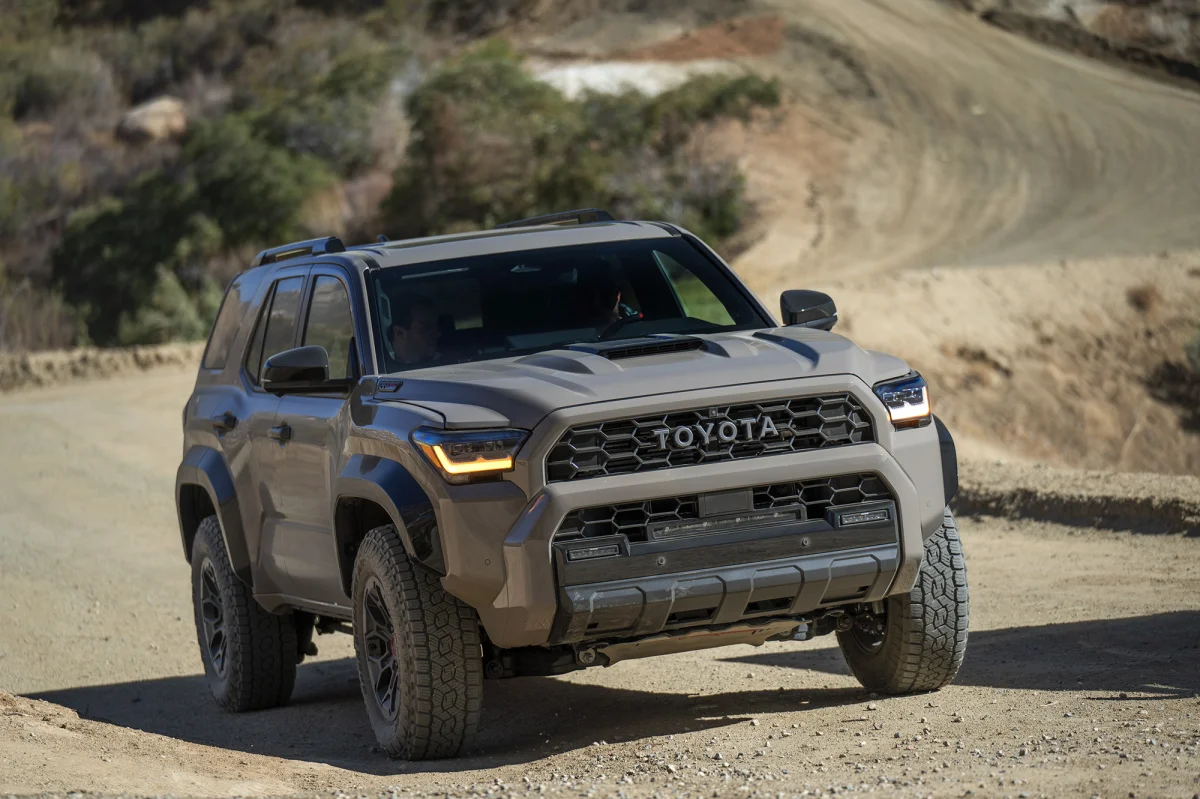
The Toyota 4Runner is well known for its long-term reliability and off-road strength, but its base headlight systems have often been criticized for relatively weak performance in modern comparisons. Many standard trims historically used halogen reflector headlights, which provide basic illumination but lack the intensity and precision of newer LED-based systems found in competing SUVs.
In real-world nighttime driving, the 4Runner’s headlights tend to produce a limited beam range. This shorter reach can reduce visibility at higher speeds, particularly on highways or open rural roads. Drivers may find themselves needing to use high beams more frequently to compensate for the reduced low-beam effectiveness, which is not always ideal in traffic conditions.
Another drawback is the lack of advanced beam shaping or adaptive control. Unlike modern SUVs with matrix or adaptive LED systems, the 4Runner’s base lighting does not adjust dynamically to road curves or surrounding vehicles. As a result, illumination remains fixed, which can lead to reduced visibility when turning or driving through winding terrain.
The peripheral lighting performance is also relatively weak. Side illumination is limited, which can make it harder to detect movement along the edges of the road, such as pedestrians or wildlife. This becomes particularly relevant in rural or forested areas where unexpected obstacles are more likely to appear outside the central beam path.
While the Toyota 4Runner remains a highly capable off-road SUV with strong mechanical reliability, its base headlight system is considered outdated compared to modern lighting standards. The lack of brightness, adaptive capability, and beam precision places it among the lower performers in its category.
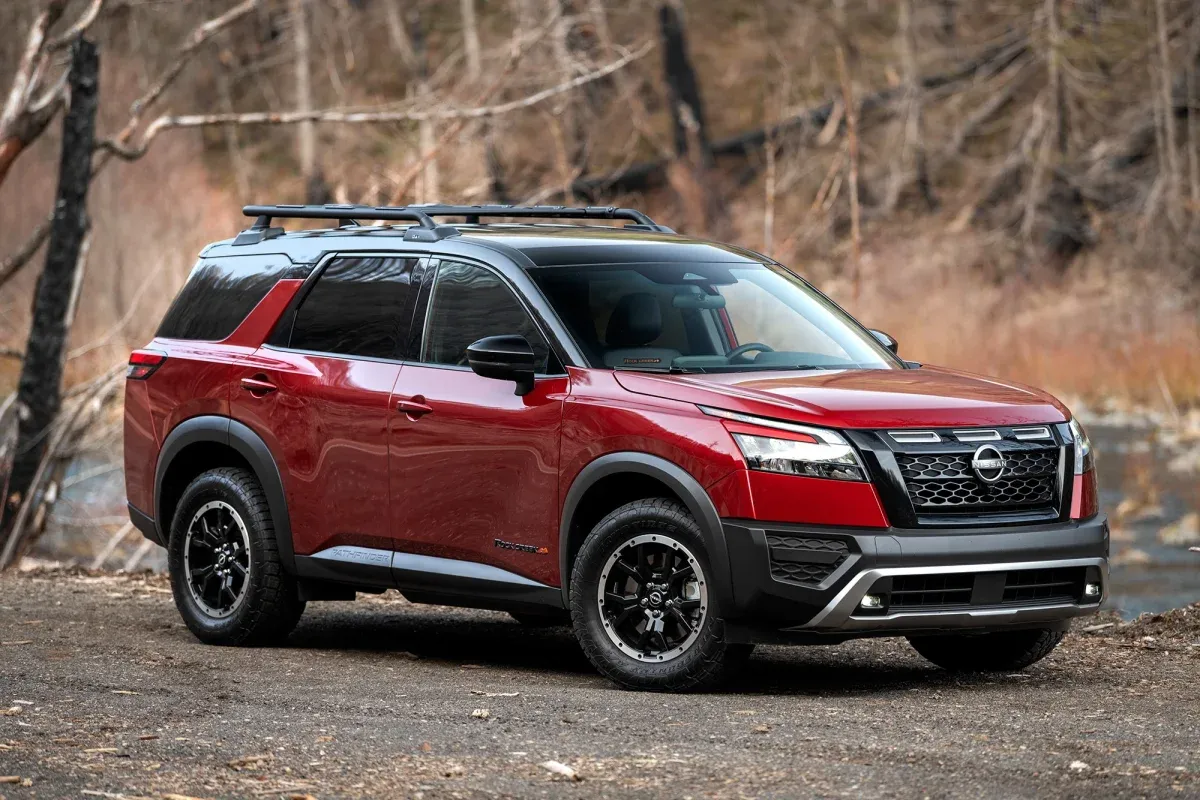
4. Nissan Pathfinder
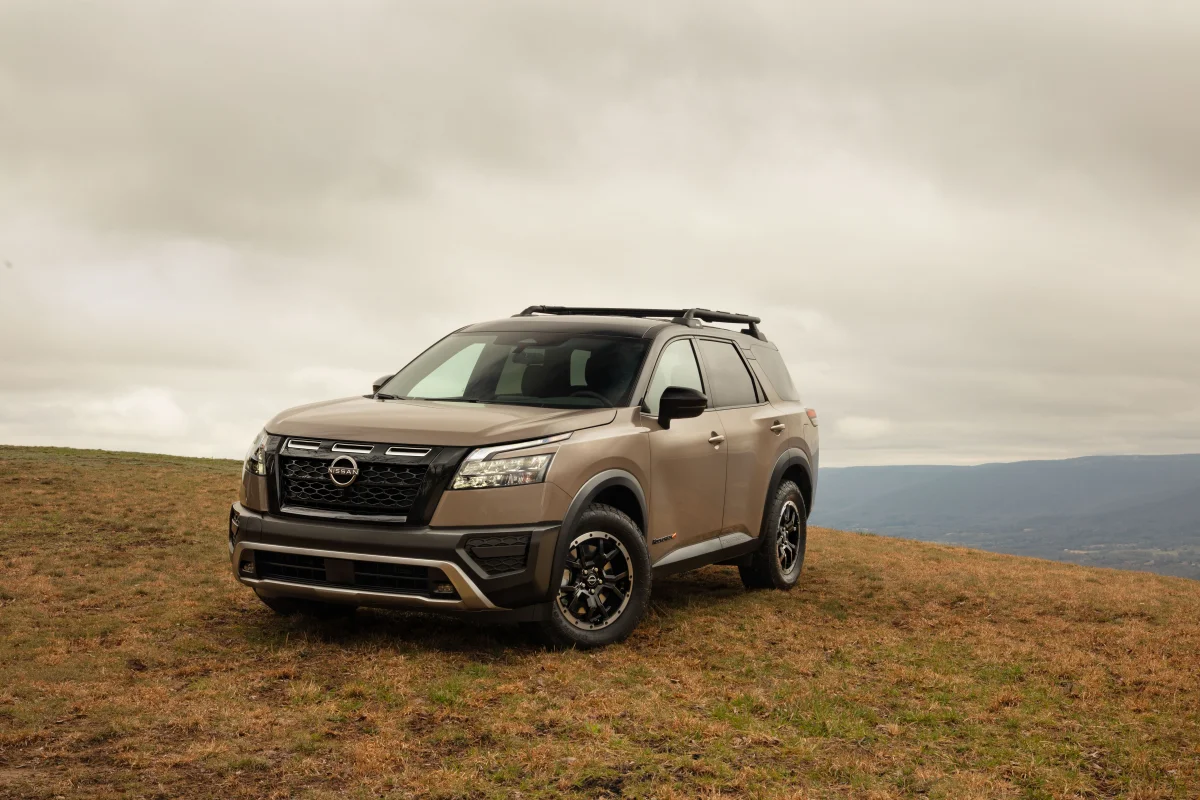
Older versions of the Nissan Pathfinder have frequently been identified in automotive reviews and safety discussions as having below-average headlight performance. These models typically use older halogen reflector systems that prioritize cost efficiency rather than high-intensity illumination or advanced beam control.
In nighttime driving scenarios, the Pathfinder’s headlights often produce a limited forward reach. This reduced visibility distance can affect driver confidence on highways, particularly at higher speeds, where early detection of obstacles is crucial. The beam often does not extend far enough to provide sufficient reaction time in unexpected situations.
Another issue commonly reported is weak lateral illumination. The headlights tend to focus primarily on the central roadway, leaving side areas less visible. This can create challenges when navigating curves, intersections, or poorly marked roads where peripheral awareness is essential.
The lack of modern adaptive lighting features further limits performance. Unlike newer SUVs that adjust beam direction or intensity based on steering input or traffic conditions, older Pathfinder models maintain a fixed lighting pattern. This reduces flexibility and can make nighttime driving less comfortable in dynamic road environments.
While the Nissan Pathfinder has evolved significantly in newer generations with improved lighting systems, older models remain examples of underperforming SUV headlights. Their limited brightness and outdated design place them behind modern standards for nighttime safety and visibility.
5. Dodge Journey
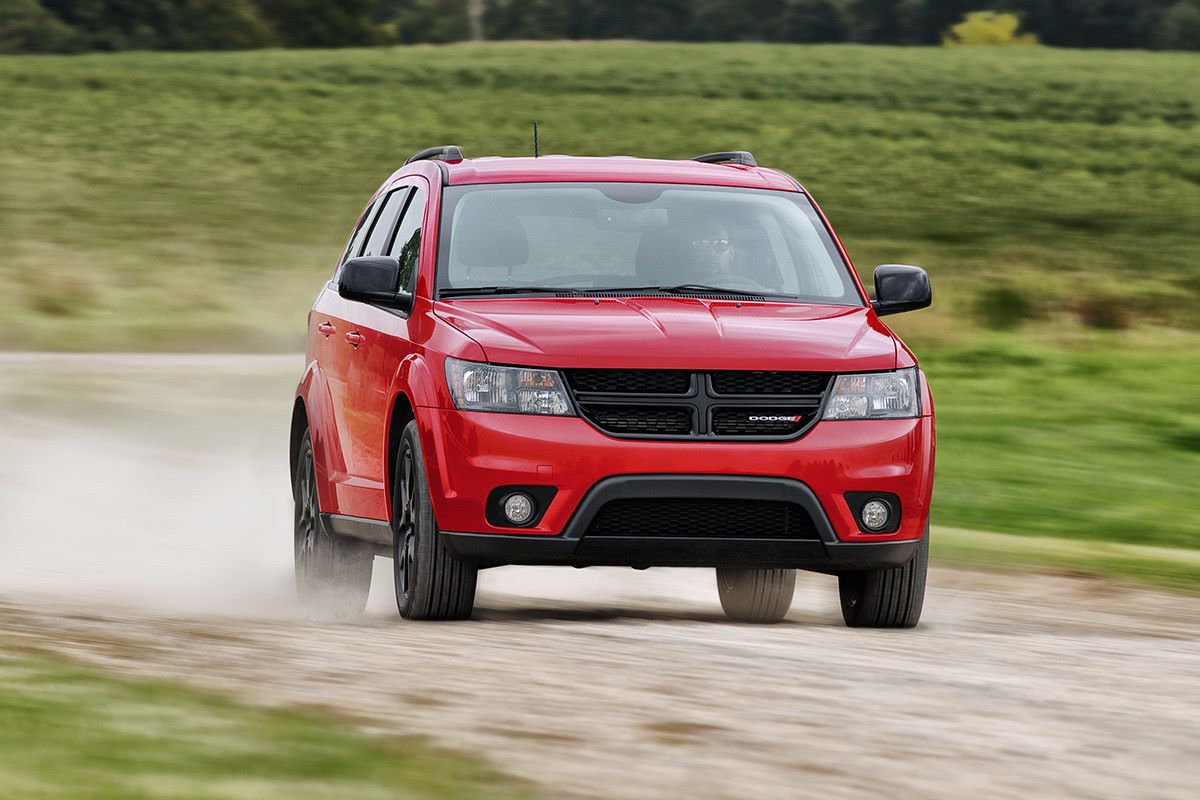
The Dodge Journey is widely recognized as one of the least competitive SUVs in terms of headlight performance, particularly in base configurations. Its standard lighting system typically uses low-output halogen bulbs paired with basic reflector housings, which limits both brightness and beam precision compared to modern LED-equipped SUVs.
In real-world use, the Journey’s headlights often provide relatively short illumination distance. This can make nighttime highway driving more challenging, as obstacles and road changes may not be visible early enough for comfortable reaction time. Drivers frequently report relying heavily on high beams in low-light rural environments.
Another limitation is poor beam spread consistency. The lighting tends to focus narrowly ahead without providing strong peripheral coverage. This reduces side visibility, which is especially important when navigating curves, intersections, or areas with unpredictable movement, such as pedestrian zones.
The color temperature of the lighting also contributes to its underwhelming performance. Halogen-based systems produce a warmer and less crisp light compared to modern LEDs, reducing contrast and making it harder to distinguish objects in dark environments. This can affect driving confidence during nighttime conditions.
The Dodge Journey’s headlight system is considered outdated and underperforming by modern SUV standards. While the vehicle may still serve well in basic transportation roles, its lighting limitations make it less suitable for frequent night driving or rural road use without aftermarket upgrades.
