
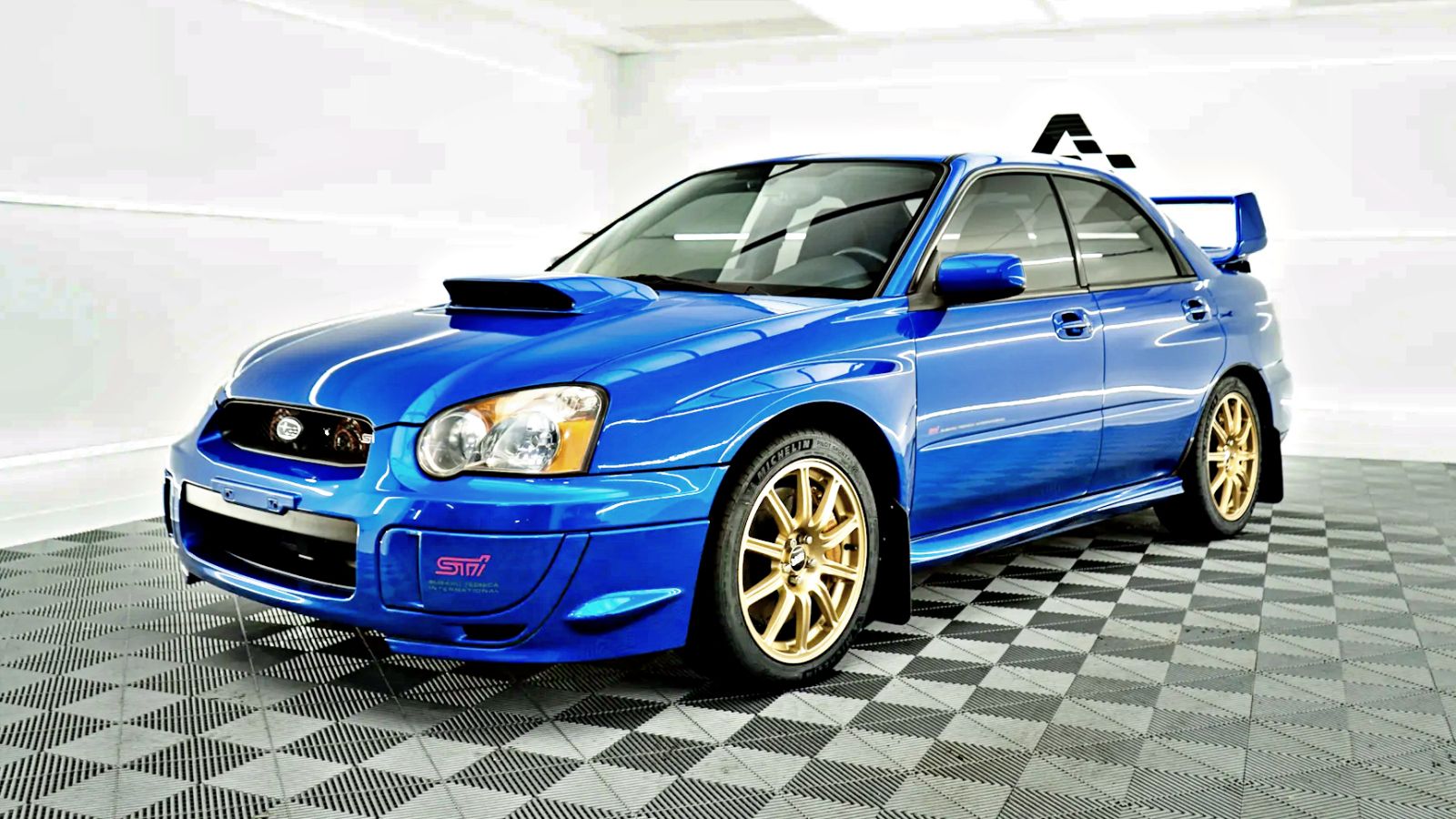
After several years of declining sales and growing uncertainty about the future of traditional sports sedans, the Subaru WRX is suddenly finding momentum again.
The rally-inspired performance car, once considered at risk of fading into a niche corner of the market, is now showing signs of a meaningful sales recovery as enthusiasts return to affordable gasoline-powered vehicles that prioritize driving engagement over electrification.
Subaru’s latest sales figures indicate the WRX is experiencing renewed buyer interest after a difficult multi-year slump that saw demand weaken across much of the performance sedan segment.
Industry analysts say the rebound reflects a larger shift happening inside the automotive market, where consumers frustrated with rising vehicle prices and increasingly complicated technology are rediscovering simpler driver-focused cars.
For Subaru, the turnaround arrives at an important moment. The WRX has long served as one of the company’s most recognizable enthusiast vehicles, helping shape Subaru’s identity far beyond its mainstream lineup of practical crossovers and all-wheel drive family vehicles.
While models like the Outback, Forester, and Crosstrek generate most of Subaru’s sales volume, the WRX carries enormous symbolic importance because of its connection to rally racing, tuner culture, and enthusiast communities.
The recent improvement suggests there is still strong demand for performance-oriented gasoline vehicles despite years of predictions claiming electric cars would quickly dominate the enthusiast market.
Also Read: Why Volkswagen Sits Dead Last on the 2026 Dependability Chart, Explained
Enthusiasts Are Returning to Traditional Performance Cars
The WRX’s renewed momentum comes during a noticeable shift in consumer attitudes toward performance vehicles. Over the past several years, automakers have heavily promoted electric vehicles as the future of speed and driving excitement, emphasizing instant torque and advanced software-driven performance systems.
While electric performance cars impressed buyers with acceleration numbers, many enthusiasts began expressing frustration with their weight, pricing, and lack of mechanical involvement.
Some drivers missed the rawer experience associated with manual transmissions, turbocharged engines, and responsive handling dynamics. The WRX fits directly into that demand.
Unlike many modern performance vehicles that have grown larger, more luxurious, and significantly more expensive, the WRX continues to offer a relatively attainable entry point into enthusiast driving. Turbocharged power, all-wheel-drive traction, aggressive styling, and available manual transmission options still define the car’s identity.
That formula appears to be attracting buyers once again. Automotive analysts say many younger enthusiasts who previously delayed purchasing sporty cars due to economic uncertainty are now reconsidering affordable performance models before stricter regulations and electrification reshape the segment permanently.
The WRX benefits from that urgency because it represents one of the few remaining compact performance sedans, maintaining a traditional enthusiast-focused approach.
Subaru’s Earlier WRX Struggles Raised Questions About the Model’s Future
The current rebound follows several difficult years for the WRX. Sales weakened as consumer demand shifted heavily toward SUVs and crossovers, while changing emissions standards and rising insurance costs made performance sedans less attractive to many buyers.
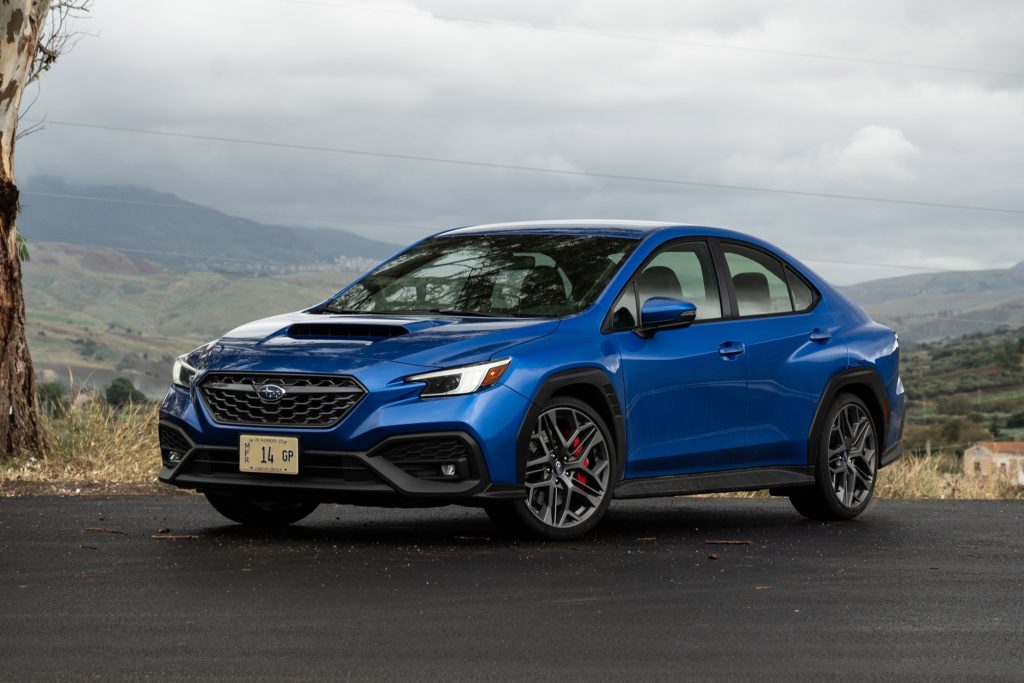
Subaru also faced criticism surrounding the latest generation WRX after its launch. Some longtime fans questioned the styling direction, particularly the extensive black plastic body cladding and more conservative interior design.
Others felt the car lacked some of the raw personality that defined earlier WRX generations during the height of Subaru’s rally-inspired popularity in the early 2000s.
Competition also intensified. Vehicles like the Toyota GR Corolla, Honda Civic Type R, Hyundai Elantra N, and Volkswagen Golf R gave enthusiasts more choices than ever before. Each rival targeted slightly different interpretations of affordable performance, forcing Subaru to defend its place in a rapidly evolving segment.
At one point, some industry observers openly wondered whether the WRX could survive long-term as automakers accelerated plans for electrification and reduced investment in niche gasoline-powered performance cars.
The latest sales recovery has changed that narrative considerably. Instead of disappearing quietly, the WRX now appears to be benefiting from growing consumer fatigue surrounding oversized SUVs and increasingly digital driving experiences.
Buyers Are Looking for Emotional Driving Experiences Again
One reason behind the WRX’s recovery may involve a broader cultural shift happening among car enthusiasts. For years, the automotive industry has focused heavily on technology integration, autonomous features, and electrification as the primary selling points for future vehicles.
While many consumers embraced those changes, others began feeling disconnected from modern cars that relied heavily on screens, software, and automated systems.
The WRX offers something different. Its appeal has always centered more on driver involvement than luxury refinement. The car encourages active participation through sharp steering, turbocharged power delivery, and performance-oriented tuning that still feels mechanical rather than fully computerized.
That emotional connection matters increasingly in today’s market. Many enthusiasts now see affordable sports sedans as one of the last remaining ways to experience traditional driving excitement without entering exotic car price ranges. Vehicles like the WRX deliver character and personality in a market where many cars are becoming technologically similar.
Subaru also benefits from the WRX’s strong enthusiast community. Owners frequently modify, customize, and personalize their vehicles, creating a culture that extends far beyond dealership sales.
Online communities, track events, rally-inspired gatherings, and tuner culture continue to keep the WRX relevant even during periods when sales weaken.
That loyalty has helped the car survive industry trends that eliminated many rival performance sedans over the past decade.
Affordable Performance Is Becoming More Valuable
Another major factor behind the WRX rebound involves affordability relative to the rest of the market. New vehicle prices have risen sharply across nearly every segment, making genuinely fun performance cars increasingly difficult for younger buyers to access.
High-end sports cars now regularly cost well beyond what middle-income enthusiasts can justify. Even mainstream performance vehicles have become more expensive due to added technology, stricter safety regulations, and inflation.
The WRX still occupies a comparatively attainable position. While not inexpensive, it remains far cheaper than many larger performance sedans and premium sports cars. Buyers looking for engaging driving dynamics without luxury brand pricing continue viewing the WRX as a practical compromise between excitement and everyday usability.
Subaru’s All-Wheel Drive system also adds year-round practicality that many competitors cannot match. In colder climates, especially, the WRX appeals to drivers wanting performance without sacrificing winter capability.
That versatility has always been one of Subaru’s greatest strengths. The company successfully positioned the WRX as both a performance car and a usable daily driver, allowing owners to enjoy spirited driving while still handling commutes, weather conditions, and regular transportation needs comfortably.
The Industry’s EV Slowdown May Be Helping Cars Like the WRX
The WRX recovery also reflects changing momentum inside the broader automotive industry. Although electric vehicles continue growing globally, several automakers have recently slowed or adjusted aggressive EV expansion plans after demand growth proved less predictable than expected.
Consumers remain concerned about charging infrastructure, vehicle pricing, long-term battery durability, and depreciation.
As a result, interest in well-developed gasoline-powered vehicles has remained stronger than many analysts originally predicted.
Performance enthusiasts, in particular, have shown reluctance to abandon traditional internal combustion engines completely. Many still value engine sound, manual transmissions, and mechanical feedback in ways electric cars struggle to replicate. The WRX benefits directly from that environment.
Subaru has not rushed to transform the WRX into an electric performance car, allowing the model to continue appealing to buyers who prefer familiar enthusiast characteristics.
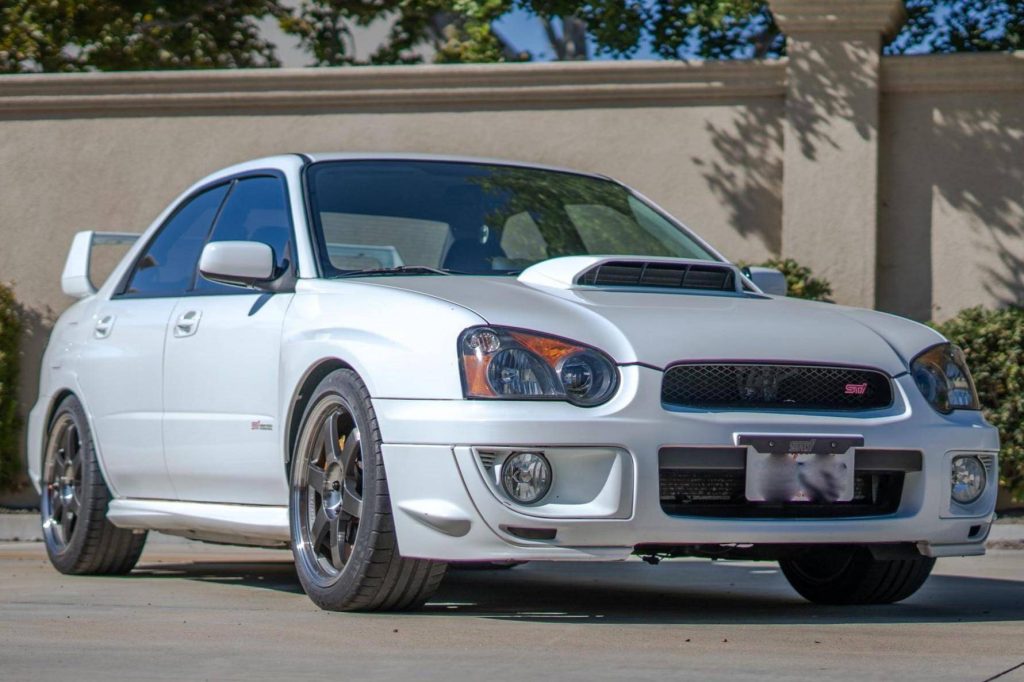
In an era where many performance vehicles are moving toward hybridization or full electrification, the WRX feels refreshingly old school to some consumers. That identity may become increasingly valuable during the next several years.
Subaru’s Enthusiast Halo Car Still Matters
Even though the WRX represents a relatively small portion of Subaru’s total sales volume, its importance extends far beyond raw numbers. The car functions as a halo vehicle for the entire brand, helping maintain Subaru’s reputation among enthusiasts and reinforcing the company’s performance heritage.
Without the WRX, Subaru risks becoming viewed solely as a manufacturer of practical crossovers and outdoor lifestyle vehicles.
The latest sales rebound proves there is still room in the market for affordable enthusiast-focused sedans, especially when they deliver authenticity and personality rather than chasing luxury trends.
For Subaru, that resurgence carries both financial and symbolic value. After years of uncertainty surrounding the future of traditional performance cars, the WRX is once again reminding the industry that passionate driving experiences still matter to a large number of buyers.
Also Read: 9 SUVs With Brake Fluid That Stays Clean for 100,000 Miles
