
Buying an SUV involves far more than looking at the purchase price. Long-term ownership costs often determine whether a vehicle truly becomes a smart investment or a financial burden. Insurance, fuel, depreciation, and repairs all matter, but maintenance expenses can quietly drain thousands of dollars over a decade.
Some SUVs require constant repairs, expensive parts, and complicated servicing schedules, while others continue operating reliably year after year with little more than basic upkeep.
Low maintenance costs usually come from several key factors working together. Reliable engines, proven transmissions, durable suspension components, and widely available replacement parts all help reduce ownership expenses over time.
Manufacturers that focus heavily on long-term durability often create vehicles that need fewer unexpected repairs as mileage increases.
Routine maintenance also plays a major role. SUVs with simple engineering and accessible components usually cost less during oil changes, brake servicing, fluid replacements, and other scheduled work. Owners benefit even more when the vehicle avoids major failures involving electronics, turbochargers, or complex drivetrain systems.
Another important advantage involves part availability. Popular SUVs with strong sales numbers typically have lower repair costs because aftermarket and factory parts remain affordable and easy to source. Mechanics are also more familiar with those vehicles, reducing labor complexity during repairs.
Many buyers today keep their SUVs far longer than before. Instead of trading vehicles after only a few years, owners frequently drive them beyond 150,000 miles. That makes long-term maintenance reliability more important than ever.
An SUV that stays dependable through ten years of ownership can save enormous amounts of money compared with competitors requiring repeated expensive repairs.
The following SUVs earned reputations for having some of the lowest maintenance costs during a ten-year ownership period.
These models consistently prove that dependable engineering, durable components, and sensible design can dramatically reduce long-term expenses while still providing practicality, comfort, and daily usability.
Also Read: 10 Brands Where Average Repair Bills Cross $9,000 for Major Jobs
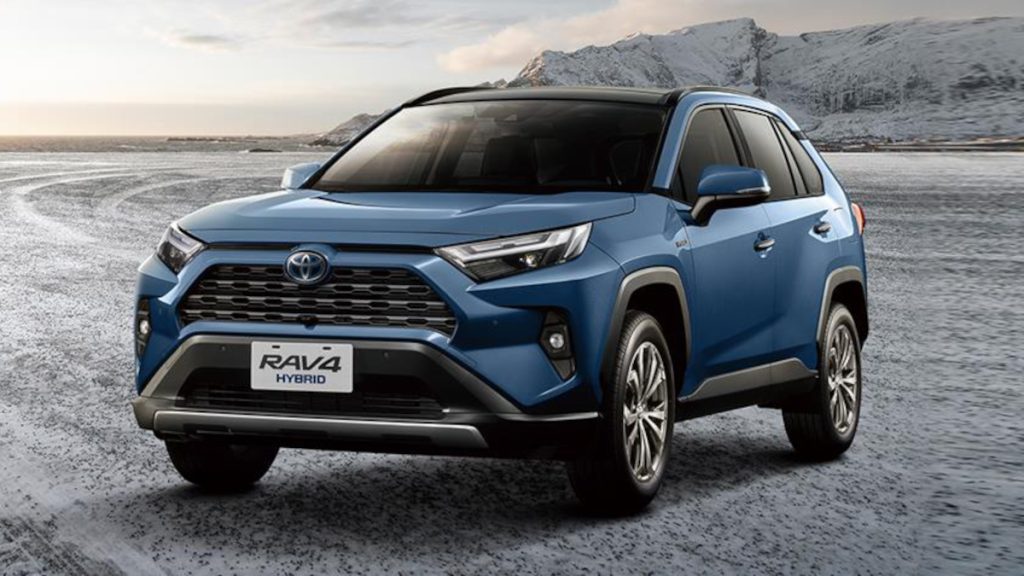
1. Toyota RAV4
The Toyota RAV4 has become one of the most trusted SUVs in the world, largely because of its remarkably low-term ownership costs.
Drivers regularly keep RAV4 models for well over a decade without facing major mechanical disasters, and that reputation did not happen by accident. Toyota focused heavily on durability, simplicity, and proven engineering when developing the vehicle.
One reason maintenance costs stay low is the reliability of the powertrain. The RAV4’s engines and transmissions are generally conservative in design compared with competitors chasing aggressive performance numbers.
Instead of using highly stressed components, Toyota prioritizes smooth operation and longevity. This reduces the likelihood of expensive failures involving turbochargers, transmission systems, or cooling hardware.
Routine maintenance is also straightforward and affordable. Oil changes, brake service, fluid replacements, and filter swaps rarely become unusually expensive. Parts availability remains excellent because of the RAV4’s massive global popularity. Mechanics across nearly every region are familiar with the SUV, which helps keep labor costs reasonable.
Another major advantage comes from the vehicle’s strong reliability record at high mileage. Many SUVs begin developing electrical issues, suspension wear, or drivetrain problems after years of use.
The RAV4 typically avoids severe failures when owners follow basic maintenance schedules consistently. This long-term dependability helps owners avoid surprise repair bills that can quickly become overwhelming.
The hybrid versions also deserve praise for durability. Toyota’s hybrid technology has matured significantly over the decades, and the systems have proven capable of lasting extremely long periods with minimal major repairs. Brake wear even tends to decrease because regenerative braking reduces stress on traditional brake components.
Resale value indirectly helps ownership costs as well. Because used car buyers trust the RAV4 strongly, owners lose less money when selling or trading the SUV later. That financial stability adds to the vehicle’s reputation as a sensible long-term purchase.
Families, commuters, and retirees all appreciate the RAV4 because it rarely creates unnecessary financial stress. Instead of constantly worrying about expensive repairs, owners can focus on regular upkeep while expecting the SUV to remain dependable year after year.
Few compact SUVs match its balance of reliability, practicality, and affordable maintenance over a full decade of ownership.
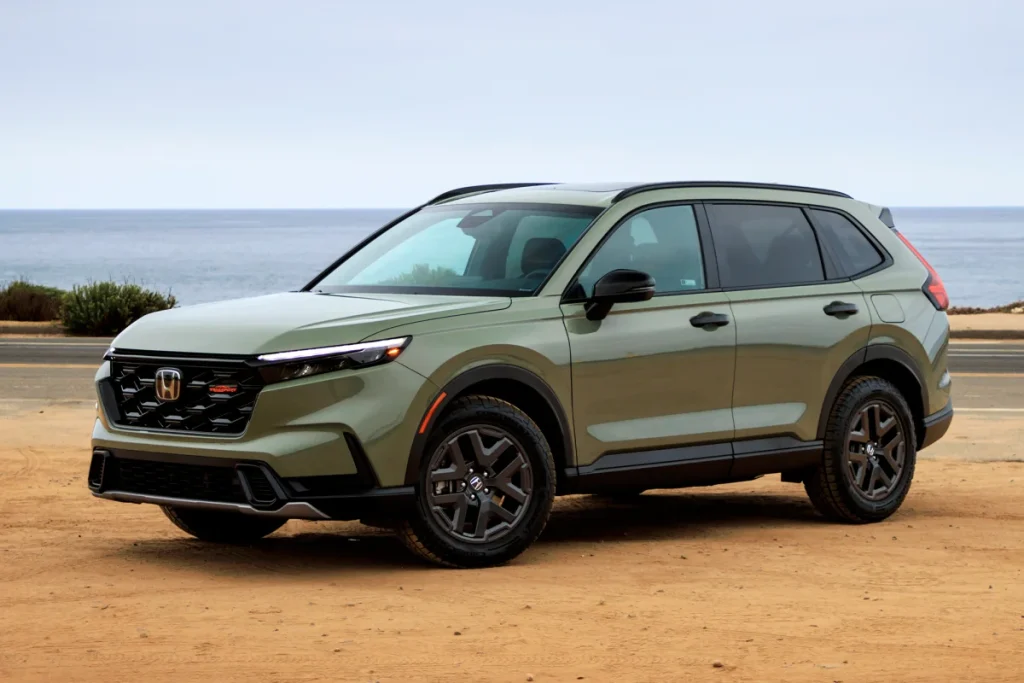
2. Honda CR-V
The Honda CR-V built its reputation through decades of dependable service and consistently low ownership expenses. Buyers looking for an SUV that avoids constant repair shop visits often place the CR-V near the top of their lists because the vehicle combines practicality with impressive long-term durability.
Honda engineered the CR-V around efficiency and reliability rather than unnecessary complexity. Its engines generally operate under moderate stress levels, helping major mechanical components last far longer than many competing SUVs.
When properly maintained, the CR-V routinely reaches very high mileage without demanding expensive repairs involving the engine or transmission.
Routine servicing costs remain manageable as well. Oil changes, spark plugs, brake pads, and fluid replacements are relatively affordable compared with many rivals.
Because the CR-V sells in enormous numbers globally, replacement parts remain widely available and competitively priced. Independent repair shops also know the vehicle extremely well, which keeps labor expenses lower during maintenance work.
One area where the CR-V performs especially well is consistency. Some SUVs stay reliable for several years before developing repeated electronic or suspension problems.
The Honda tends to avoid severe breakdown patterns that create financial headaches later in ownership. Owners frequently report driving their CRVs for ten years or longer with only standard maintenance requirements.
Fuel efficiency contributes indirectly to ownership savings, too. Drivers spend less money operating the SUV daily, which strengthens its value as a long-term family vehicle. Hybrid versions improve this advantage even further while still maintaining Honda’s reputation for dependable engineering.
The CR-V also benefits from durable interior materials and solid build quality. Seats, controls, switches, and cabin surfaces often hold up well even after years of regular use. This reduces the need for cosmetic repairs or replacements that can quietly increase long-term ownership costs.
Another factor helping the CR-V remain affordable involves resale demand. Used buyers trust the model heavily, meaning owners often recover strong value when selling the vehicle later. That stability reduces the financial impact of long-term ownership significantly.
For drivers wanting an SUV that simply works year after year without creating expensive surprises, the Honda CR-V continues to stand out as one of the safest and most economical choices available.
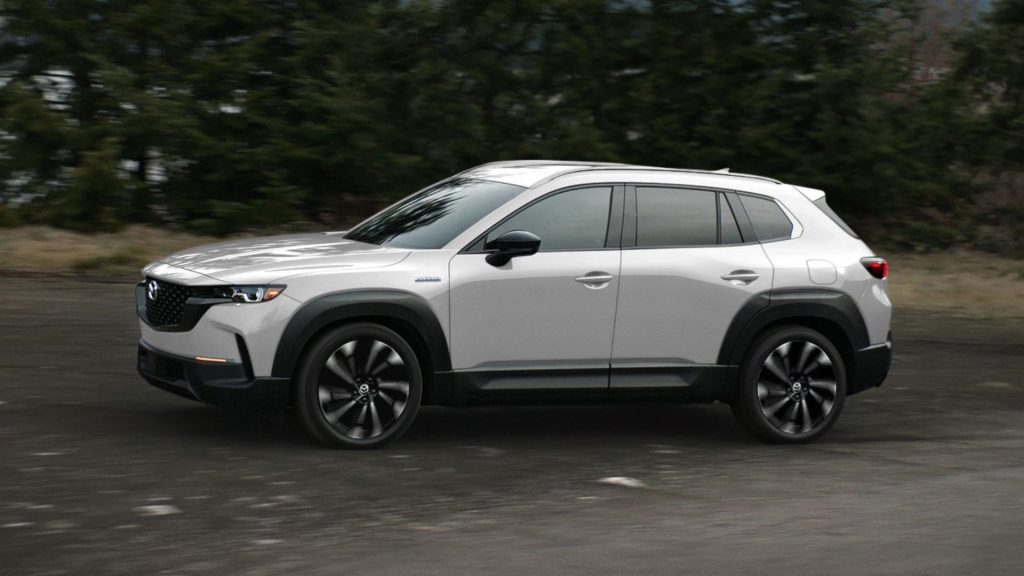
3. Mazda CX-5
The Mazda CX-5 earned praise for combining sporty driving manners with long-term dependability, making it one of the most affordable SUVs to maintain over an extended ownership period.
While many vehicles in the segment chase complicated technology or aggressive turbocharged performance, Mazda kept much of the CX-5’s engineering refreshingly balanced and durable.
A major reason maintenance costs stay low involves the vehicle’s naturally aspirated engines. Mazda avoided excessive complexity in many CX-5 models, which helped reduce the chances of expensive failures tied to turbo systems or highly stressed components. Owners frequently report driving well beyond 100,000 miles with only standard servicing and minimal unexpected repairs.
Routine maintenance remains manageable financially. Brake components, oil changes, spark plugs, and fluid services generally cost less than what owners face with many European rivals. Because the CX-5 became increasingly popular worldwide, replacement parts are easier to source and more affordable than during Mazda’s earlier years.
Another advantage appears in the SUV’s build quality. The suspension system tends to hold up well over time, even on rough roads. Cabin materials also age gracefully compared with many competitors using cheaper plastics that wear quickly. Owners often find that the CX-5 still feels solid after years of daily use, reducing the need for costly cosmetic fixes.
Mazda’s straightforward engineering philosophy benefits mechanics, too. Independent repair shops usually find the CX-5 easier to diagnose and service than SUVs packed with overly complicated electronic systems. Lower labor complexity helps keep ownership expenses under control during long-term use.
Fuel efficiency contributes to additional savings. The SUV manages respectable economy without relying heavily on expensive hybrid components or highly stressed turbocharged setups in most trims. Drivers benefit from predictable running costs instead of constantly worrying about future repair bills.
The CX-5 also performs strongly in resale value retention. Buyers searching for dependable used SUVs increasingly trust Mazda products, which helps owners recover more value when selling later.
For drivers wanting an SUV that feels more premium than typical economy crossovers without bringing luxury-level maintenance costs, the CX-5 stands out as an excellent long-term ownership choice.
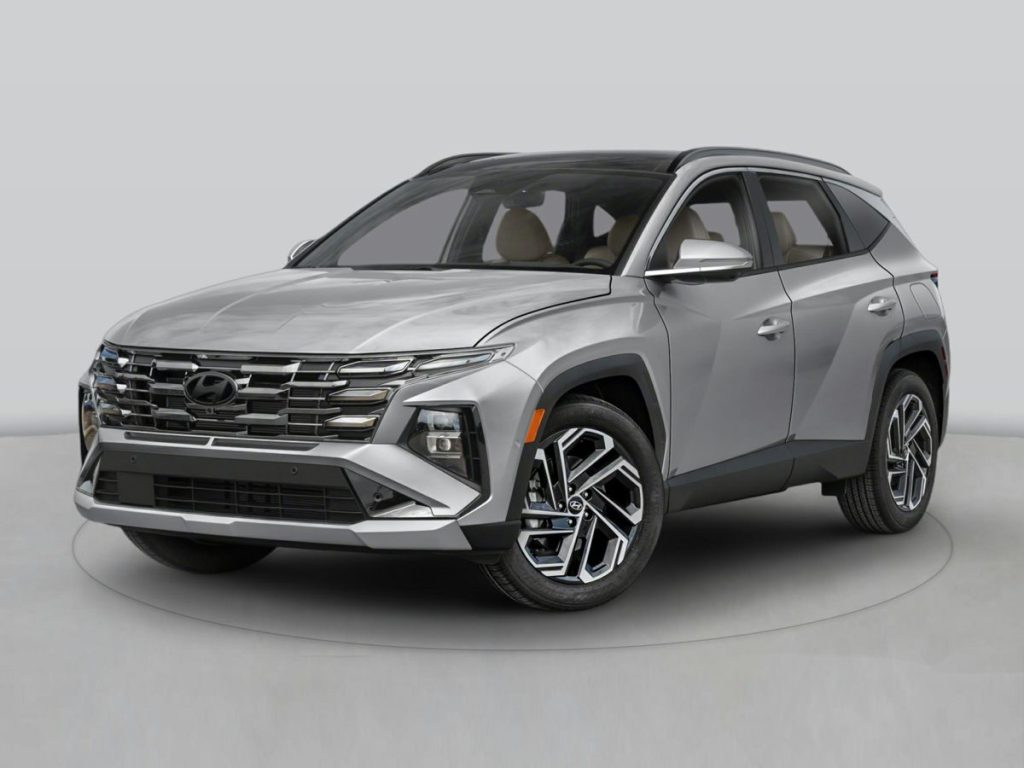
4. Hyundai Tucson
The Hyundai Tucson transformed from a budget-focused crossover into one of the most competitive SUVs in its segment, and part of that success comes from impressively low maintenance costs over long periods of ownership.
Hyundai improved reliability dramatically over the years, helping the Tucson become a sensible financial choice for families and commuters alike.
One reason ownership expenses remain low involves Hyundai’s extensive warranty coverage. Early years of ownership often include fewer out-of-pocket repair costs because major components receive strong factory protection. This gives drivers additional confidence while helping reduce unexpected financial strain.
Tucson’s maintenance requirements also remain relatively straightforward. Standard services such as oil changes, brake work, tire rotations, and fluid replacements are usually affordable at both dealerships and independent shops.
Since Hyundai sells the Tucson in large numbers globally, parts availability stays strong, and replacement costs remain reasonable.
Another important factor is the durability of everyday components. Many owners report that the Tucson handles years of commuting and family use without developing constant suspension, transmission, or electrical problems. This consistency becomes valuable during later ownership years when repair costs typically begin increasing for less dependable SUVs.
Hyundai also focused heavily on improving interior quality. Seats, buttons, infotainment controls, and cabin materials tend to hold up well during long-term use. Owners avoid many of the small but irritating repair expenses that sometimes appear in cheaper vehicles after several years on the road.
Fuel efficiency helps reduce operating costs further. Modern Tucson models deliver strong mileage while maintaining comfortable driving characteristics, allowing owners to save money beyond just repair and maintenance expenses.
Independent mechanics have become increasingly familiar with Hyundai products as well. Easier servicing and widespread repair knowledge help keep labor costs competitive when maintenance becomes necessary outside dealership networks.
The Tucson also benefits from strong resale demand in the used-SUV market. Buyers appreciate its combination of features, practicality, and affordability, helping owners retain better long-term value.
For people wanting a modern SUV with reasonable ownership expenses and dependable daily usability, the Tucson continues proving itself as one of the smartest financial choices in the compact crossover segment.
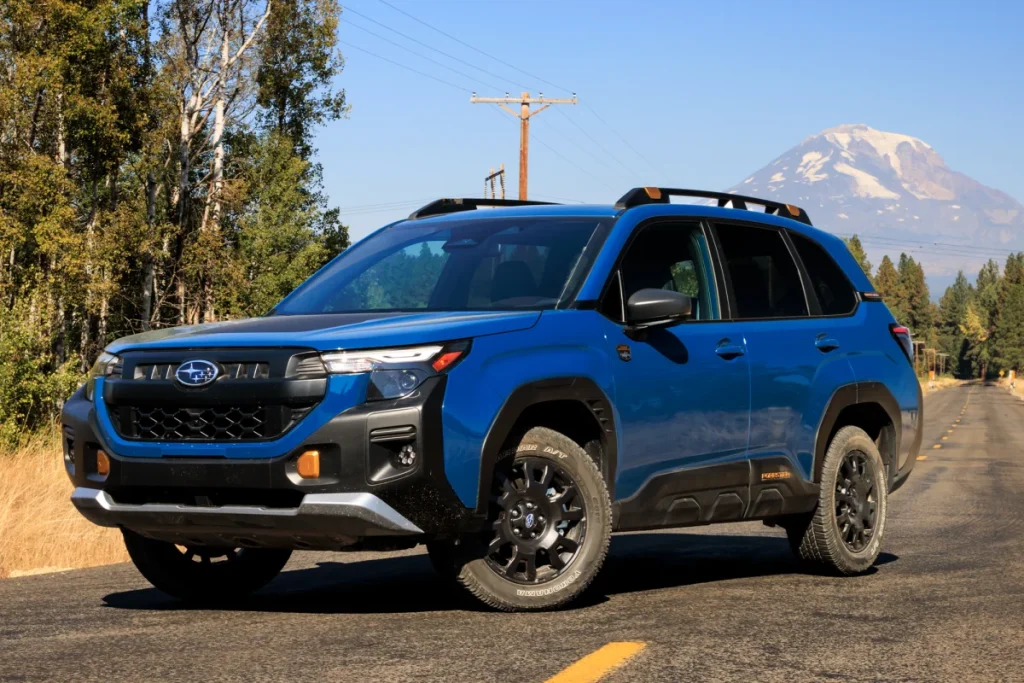
5. Subaru Forester
The Subaru Forester developed a loyal following because of its practicality, strong visibility, and dependable All-Wheel Drive system, but another major strength often overlooked is its relatively low long-term maintenance cost.
Owners who keep their Foresters for many years frequently discover that the SUV remains affordable to maintain compared with numerous rivals in the compact SUV category.
Subaru designed the Forester around durability and predictable operation rather than flashy engineering gimmicks.
Its boxer engine layout may appear unusual at first, yet the company refined the design over decades, helping improve reliability significantly in modern generations. Routine servicing stays manageable as long as owners follow maintenance schedules consistently.
One reason maintenance costs remain reasonable is the SUV’s mechanical simplicity compared with many newer turbocharged competitors.
Naturally aspirated Forester models especially tend to avoid the expensive repairs associated with highly stressed engines or complicated hybrid systems. Owners commonly report reaching high mileage with only regular upkeep and occasional wear item replacement.
The Forester’s symmetrical all-wheel drive system also deserves credit. While all-wheel drive vehicles sometimes develop expensive drivetrain issues, Subaru’s setup has proven durable when maintained properly. Drivers living in snowy or rural regions appreciate having dependable traction without suffering luxury-level repair costs later.
Interior durability contributes to ownership savings, too. The Forester’s seats, controls, and cargo surfaces usually tolerate years of heavy family use without deteriorating rapidly. Pet owners, outdoor enthusiasts, and commuters often praise how well the cabin handles constant wear.
Repair accessibility helps keep labor costs reasonable. Independent mechanics are familiar with Subaru products in many markets, and replacement parts remain widely available because of the Forester’s popularity. This prevents repair bills from climbing excessively during long-term ownership.
Another advantage comes from resale stability. Used foresters remain highly desirable in areas with rough winters or outdoor lifestyles, helping owners retain strong value after several years of use. That financial benefit reduces the true cost of ownership substantially.
Drivers choosing the Forester often want a dependable SUV that can handle daily commuting, road trips, and difficult weather without becoming a maintenance nightmare. Over a decade of ownership, the vehicle consistently proves itself as one of the more affordable all-wheel-drive SUVs to keep on the road.
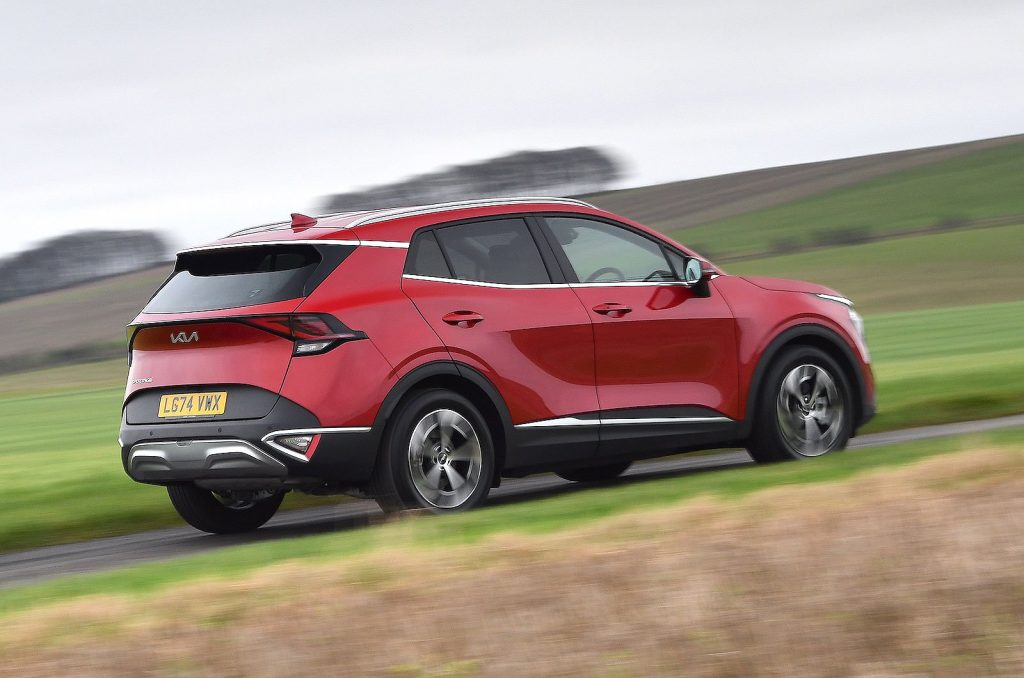
6. Kia Sportage
The Kia Sportage steadily improved its reputation over the last decade, transforming from an inexpensive alternative into a genuinely competitive SUV with surprisingly low long-term maintenance expenses.
Many buyers initially considered the Sportage because of its value pricing, but owners staying with the vehicle for years often discovered that upkeep costs remained impressively manageable as well.
Kia focused heavily on reliability improvements during recent generations. Engines, transmissions, and electrical systems became more durable, helping reduce the frequency of major repairs during extended ownership periods. This reliability growth allowed the Sportage to compete more confidently against long-established Japanese rivals.
Routine maintenance plays a major role in the SUV’s affordability. Standard services such as brake replacements, oil changes, battery swaps, and tire maintenance typically cost less than what owners face with premium brand crossovers. Parts availability also improved dramatically as Kia’s market presence expanded worldwide.
The Sportage benefits from strong warranty protection, too. During early ownership years, drivers gain additional financial security against expensive, unexpected repairs. That factory support helps lower real-world maintenance spending significantly compared with SUVs offering shorter warranty coverage.
Another reason ownership costs stay controlled involves fuel economy and efficient drivetrain design. The Sportage balances respectable power with practical operating costs, allowing owners to avoid excessive spending on both repairs and fuel during long-term use.
Interior quality improvements also deserve recognition. Older budget SUVs often developed rattles, worn controls, and failing electronics after several years. Newer Sportage models generally hold up much better, reducing annoying repair visits and cosmetic replacement costs.
Independent repair shops now work on Kia vehicles regularly, which keeps labor pricing competitive outside dealership networks. As familiarity with the brand increased, servicing became easier and more affordable across many regions.
The SUV’s resale value improved as reliability perceptions strengthened. Buyers searching for dependable used compact SUVs increasingly view the Sportage as a sensible option, helping owners recover more value when selling later.
For families and commuters wanting modern features without high ownership costs, the Sportage delivers an appealing balance of practicality, durability, and affordable long-term maintenance.
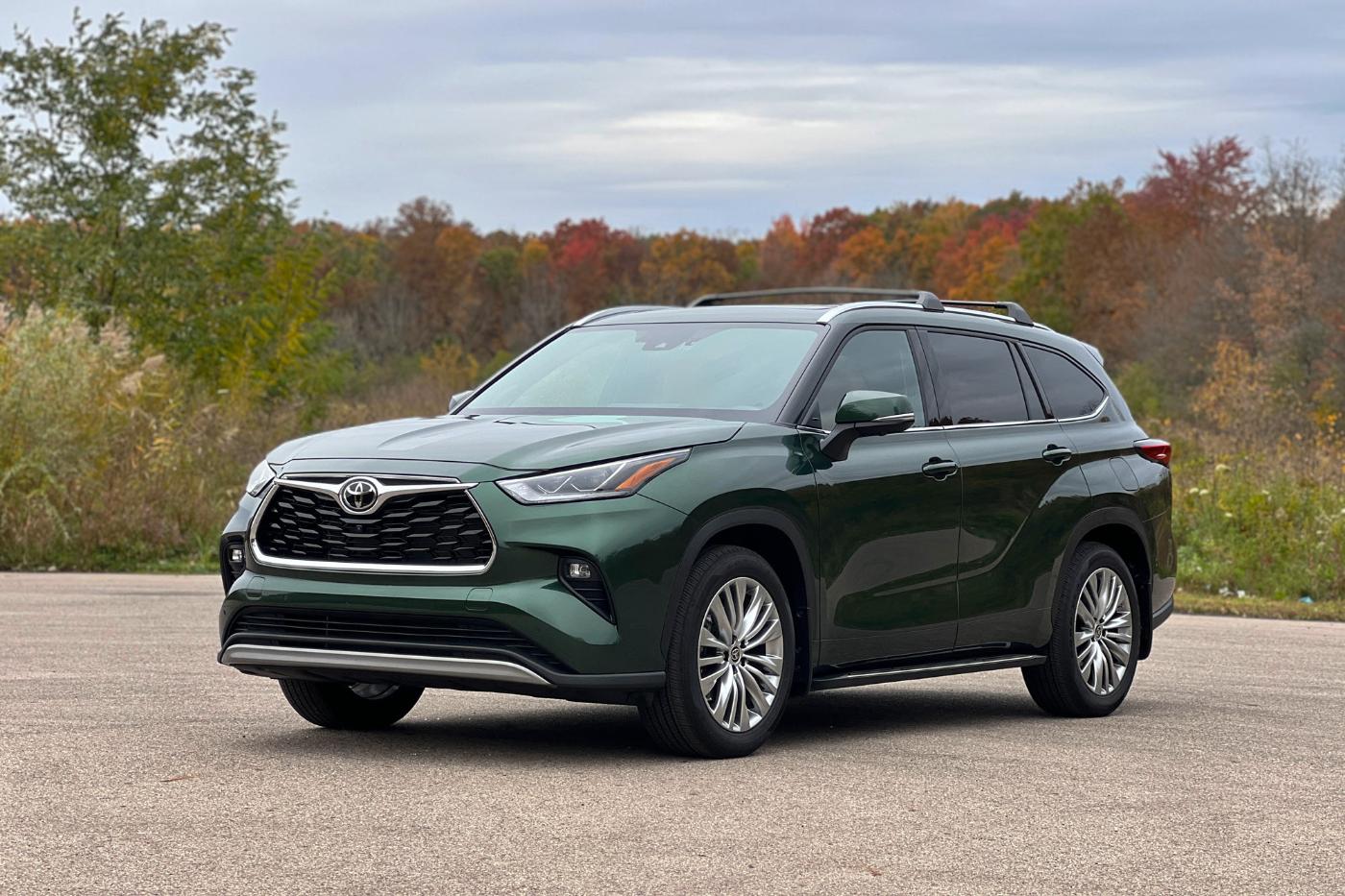
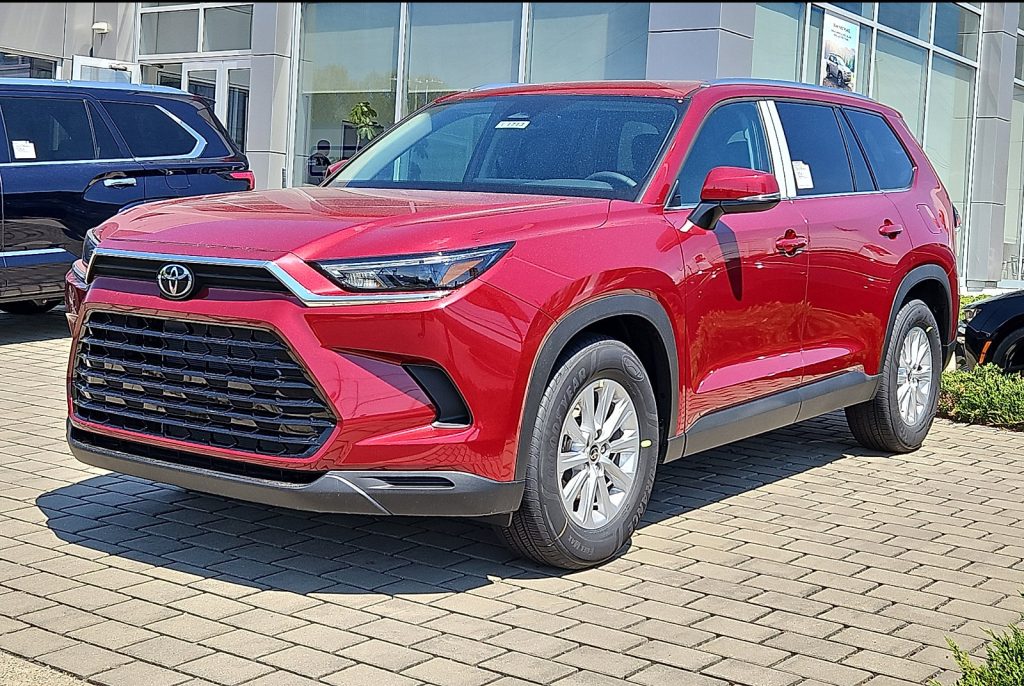
7. Toyota Highlander
The Toyota Highlander has built a reputation as one of the safest long-term ownership choices in the family SUV market.
While many three-row crossovers become expensive to maintain as they age, the Highlander consistently proves more affordable than expected over a full decade of ownership. Toyota achieved this by focusing on proven engineering, durability, and predictable maintenance requirements.
One of the Highlander’s biggest strengths is powertrain reliability. Toyota avoided overly aggressive tuning in most versions, allowing engines and transmissions to operate under less stress compared with many rivals chasing higher horsepower numbers. Owners frequently report driving the SUV well beyond 150,000 miles without major drivetrain failures.
Routine servicing remains surprisingly affordable for a midsize family SUV. Oil changes, brake jobs, filters, and fluid replacements generally cost less than what drivers encounter with premium three-row competitors. Toyota’s widespread dealer and parts network also keeps replacement components accessible and competitively priced.
Hybrid versions deserve special attention as well. Toyota refined hybrid technology for decades, and the Highlander Hybrid became known for excellent long-term durability. Regenerative braking helps reduce brake wear, while the hybrid system itself has proven remarkably dependable when maintained correctly.
The Highlander also avoids excessive electronic complexity in critical systems. While modern models include advanced safety technology and infotainment features, Toyota engineered them with long-term reliability in mind. Owners often avoid the frustrating electrical failures that plague some competing SUVs later in life.
Interior durability further strengthens ownership value. Seats, switches, and trim pieces usually age gracefully even after years of family use. Parents hauling children, groceries, and sports equipment appreciate how well the cabin tolerates constant activity without falling apart visually or mechanically.
Resale value becomes another important financial advantage. Used buyers trust the Highlander heavily, meaning owners typically recover strong value after many years of ownership. That reduces the total financial burden dramatically compared with SUVs suffering steep depreciation.
Drivers wanting a family vehicle that minimizes financial surprises often choose the Highlander because it consistently balances reliability, comfort, and low maintenance expenses better than most midsize SUVs on the market.
8. Nissan Rogue
The Nissan Rogue became one of the best-selling compact crossovers largely because it offers practical transportation with manageable long-term ownership expenses.
While some competitors focus heavily on luxury features or performance, the Rogue succeeds by delivering predictable everyday reliability and relatively affordable maintenance costs over time.
One reason the Rogue remains economical involves straightforward servicing requirements. Basic maintenance, such as oil changes, brake service, filters, and tire replacement, generally stays inexpensive compared with many SUVs in the same category.
Parts availability remains strong because of the vehicle’s widespread popularity, helping reduce repair costs further.
The SUV’s fuel efficiency also contributes to meaningful savings during long-term ownership. Drivers commuting daily or covering large annual mileage often appreciate how the Rogue combines practical interior space with lower operating expenses. Over ten years, those fuel savings become significant.
Nissan designed the Rogue primarily for comfortable daily transportation, which means the drivetrain is not heavily performance-oriented. That calmer engineering approach helps reduce strain on major components during ordinary driving conditions. Owners who maintain the vehicle properly often avoid severe mechanical problems for many years.
Another advantage involves cabin durability. The Rogue’s interior materials generally hold up well during family use, commuting, and road trips. Seats and controls tend to age better than expected in a mainstream compact crossover, reducing cosmetic repair needs later.
Independent mechanics are highly familiar with the Rogue as well. Since the SUV sells in large numbers globally, servicing knowledge is widespread, and labor rates stay reasonable outside dealership service centers. This helps owners avoid expensive specialty repair situations.
The Rogue also performs reasonably well in resale value retention. Buyers searching for dependable used crossovers frequently consider Nissan’s compact SUV because replacement parts and maintenance remain affordable.
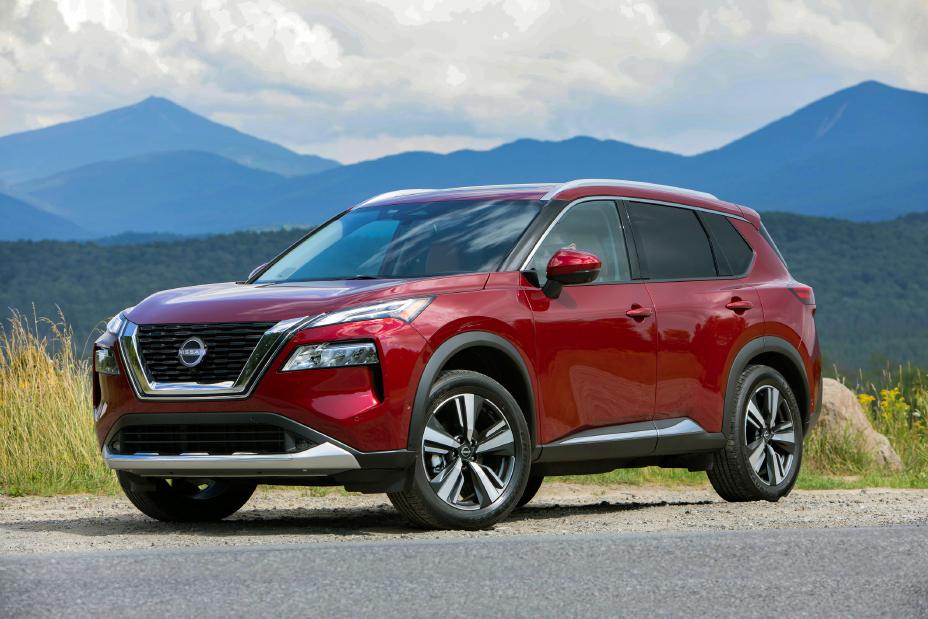
Although certain older Nissan transmission designs received criticism in the past, many later Rogue models improved significantly in long-term dependability. Drivers seeking a practical SUV with manageable ownership costs often continue viewing the Rogue as a financially sensible option for extended use.
9. Chevrolet Equinox
The Chevrolet Equinox earned popularity by offering comfortable transportation, practical interior space, and relatively low ownership costs compared with many rivals. While it may not always receive the same reliability attention as Japanese competitors, the Equinox still performs well in terms of affordable long-term maintenance when properly maintained.
One major factor helping the Equinox remain inexpensive to service is parts availability. Chevrolet’s massive presence across North America means replacement components are easy to source and often cheaper than parts for imported SUVs. Independent mechanics also work on Equinox models regularly, which keeps labor pricing competitive.
Routine maintenance requirements remain straightforward. Oil changes, brake replacements, spark plugs, and suspension servicing generally stay affordable throughout ownership. Drivers rarely face exotic repair procedures or luxury-level parts costs during ordinary upkeep.
The Equinox also benefits from relatively simple engineering in many trims. Chevrolet focused heavily on practicality and comfort rather than highly complicated performance systems, helping reduce the likelihood of extremely expensive mechanical failures later in life.
Interior durability improved substantially in newer generations. Seats, dashboards, and infotainment controls usually withstand years of commuting and family use without major deterioration. This helps owners avoid unnecessary cosmetic repair spending over time.
Fuel economy contributes additional savings as well. Modern Equinox models balance decent efficiency with comfortable highway driving, making the SUV economical both at the fuel pump and in maintenance budgeting.
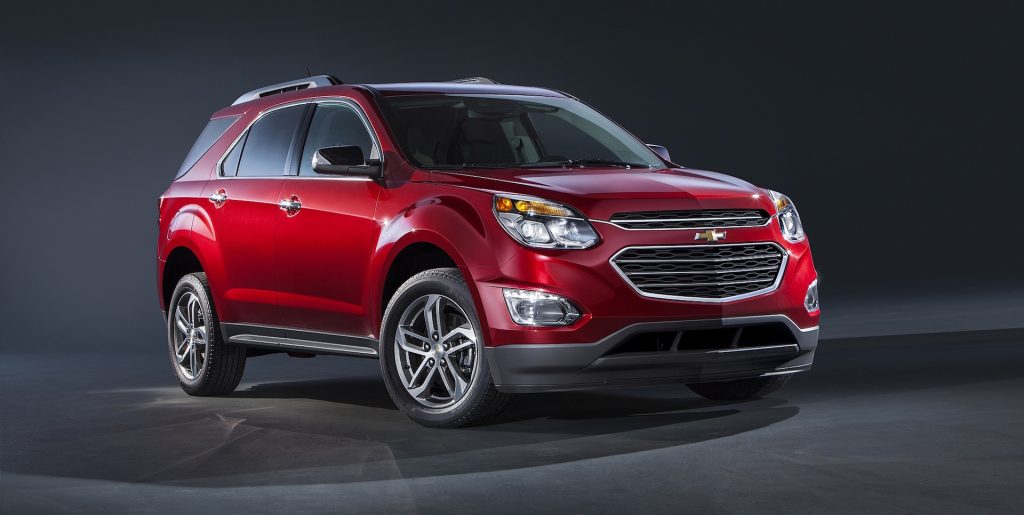
Another advantage involves widespread dealership support. Owners rarely struggle to find service centers or replacement components regardless of location. This convenience keeps repair turnaround times shorter and helps prevent inflated pricing caused by limited parts availability.
The Equinox also maintains respectable resale demand in the used crossover market. Buyers looking for affordable family transportation often view it as a practical option, helping owners retain decent long-term value.
For drivers wanting a comfortable compact SUV with predictable ownership expenses and easy servicing access, the Chevrolet Equinox continues to stand out as one of the more affordable long-term vehicles in its segment.
