
Vehicle safety has become one of the most important factors influencing car buying decisions in 2026, as modern drivers increasingly prioritize advanced crash protection, driver assistance systems, and pedestrian safety technologies over traditional performance metrics alone.
The Insurance Institute for Highway Safety (IIHS), one of the most respected automotive safety evaluation organizations in the world, continues to play a central role in shaping consumer trust through its rigorous testing programs. Its highest award, Top Safety Pick Plus, is reserved for vehicles that demonstrate exceptional performance in crashworthiness, crash avoidance, and child occupant protection tests.
In 2026, the bar for earning this award has become even higher. Vehicles must not only perform well in traditional front, side, and rollover crash tests but also excel in updated evaluations such as improved moderate overlap front crash tests and enhanced pedestrian detection systems operating at higher speeds.
These stricter requirements have made it significantly more challenging for automakers to achieve Top Safety Pick Plus status, meaning that only the most advanced and well-engineered vehicles make the cut.
The 2026 list reflects a strong shift toward safety across a wide range of vehicle categories, including compact sedans, midsize cars, SUVs, and electric vehicles. Interestingly, many of the top-performing models are not luxury vehicles but mainstream options, proving that advanced safety technology is no longer limited to premium segments.
Automakers like Toyota, Honda, Hyundai, Mazda, Kia, Subaru, and Genesis continue to dominate the rankings by integrating robust structural engineering with cutting-edge safety features such as automatic emergency braking, lane keeping assist, blind spot monitoring, and improved rear passenger protection systems.
The 2026 Top Safety Pick Plus winners represent the best combination of engineering, technology, and real-world crash performance. These vehicles are not only designed to protect drivers and passengers during accidents but also actively work to prevent accidents from happening in the first place.
This article highlights nine standout vehicles that earned the prestigious Top Safety Pick Plus rating in 2026 and explains why they are among the safest choices available in today’s automotive market.
Also Read: 10 Cars With Insurance Premiums Lower Than a Compact Sedan
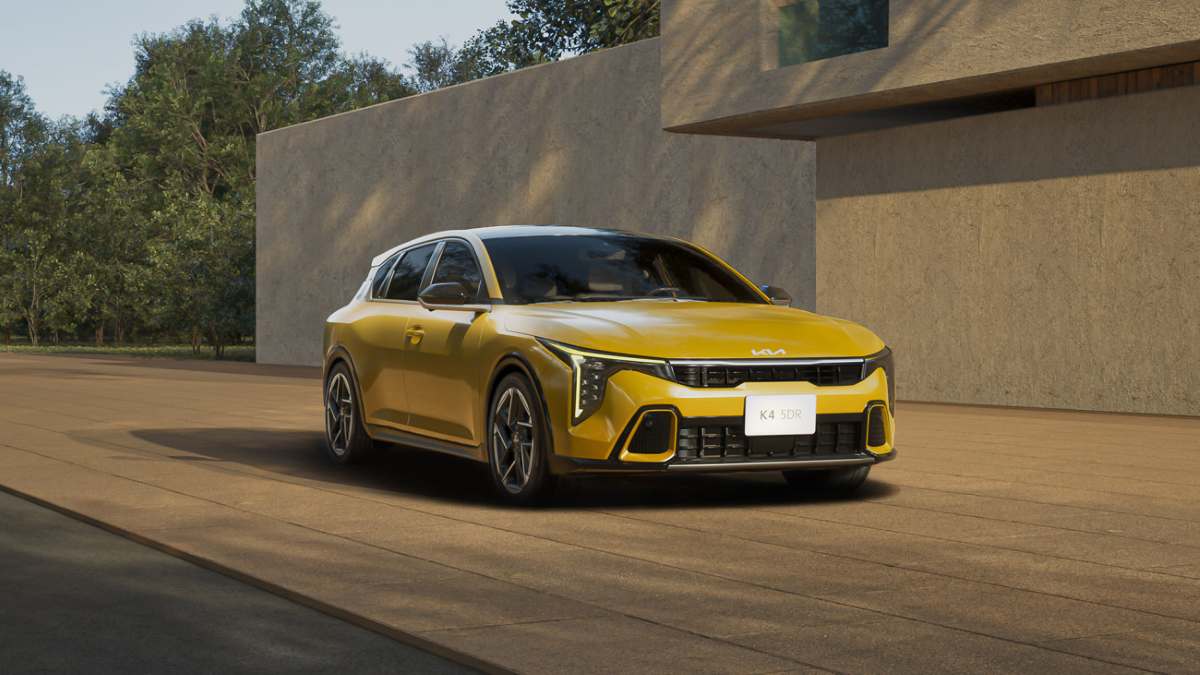
1. Kia K4
The Kia K4 has quickly established itself as one of the most impressive compact sedans in the 2026 safety rankings, earning the prestigious Top Safety Pick Plus designation from the Insurance Institute for Highway Safety. This recognition reflects not just incremental improvement but a major leap in how Kia approaches structural engineering and occupant protection.
The K4 is built on a reinforced platform that has been carefully redesigned to manage crash energy more efficiently, ensuring that force is absorbed and redirected away from passengers during high-impact collisions. This makes it especially strong in small overlap front tests, which are among the most demanding evaluations in modern crash safety standards.
Beyond its structural strength, the Kia K4 integrates a comprehensive suite of active safety technologies that significantly enhance real-world driving protection. These systems include forward collision avoidance assist, lane keeping assist, driver attention monitoring, and adaptive cruise control.
Together, they function as a semi-intelligent safety network that continuously analyzes road conditions, detects potential hazards, and intervenes when necessary. One of the standout improvements in the 2026 model is the enhanced pedestrian detection system, which now performs more reliably in low light and urban environments, reducing the risk of nighttime collisions.
Another major factor contributing to the K4’s safety rating is its improved rear seat protection. In recent IIHS updates, rear passenger safety has become a major focus, and the K4 performs exceptionally well in this category.
The redesigned rear cabin structure, stronger seat anchoring systems, and improved airbag deployment timing all work together to provide balanced protection for all occupants, not just the driver and front passenger. This makes the K4 a strong family-oriented sedan, despite being positioned in the compact segment.
The interior design of the Kia K4 also contributes indirectly to safety by improving driver awareness and reducing distraction. The layout of controls, digital instrument cluster, and infotainment system has been optimized for minimal eye movement and faster readability.
This allows drivers to maintain focus on the road, which plays a crucial role in preventing accidents. Combined with improved visibility through redesigned window angles and mirror placement, the K4 enhances situational awareness significantly.
The Kia K4 represents a shift in how affordable vehicles can achieve a premium level of safety performance. It demonstrates that advanced crash protection, intelligent driver assistance systems, and strong structural engineering are no longer limited to luxury segments. Instead, they are becoming standard expectations in modern compact sedans, and the K4 is one of the strongest examples of this evolution in 2026.
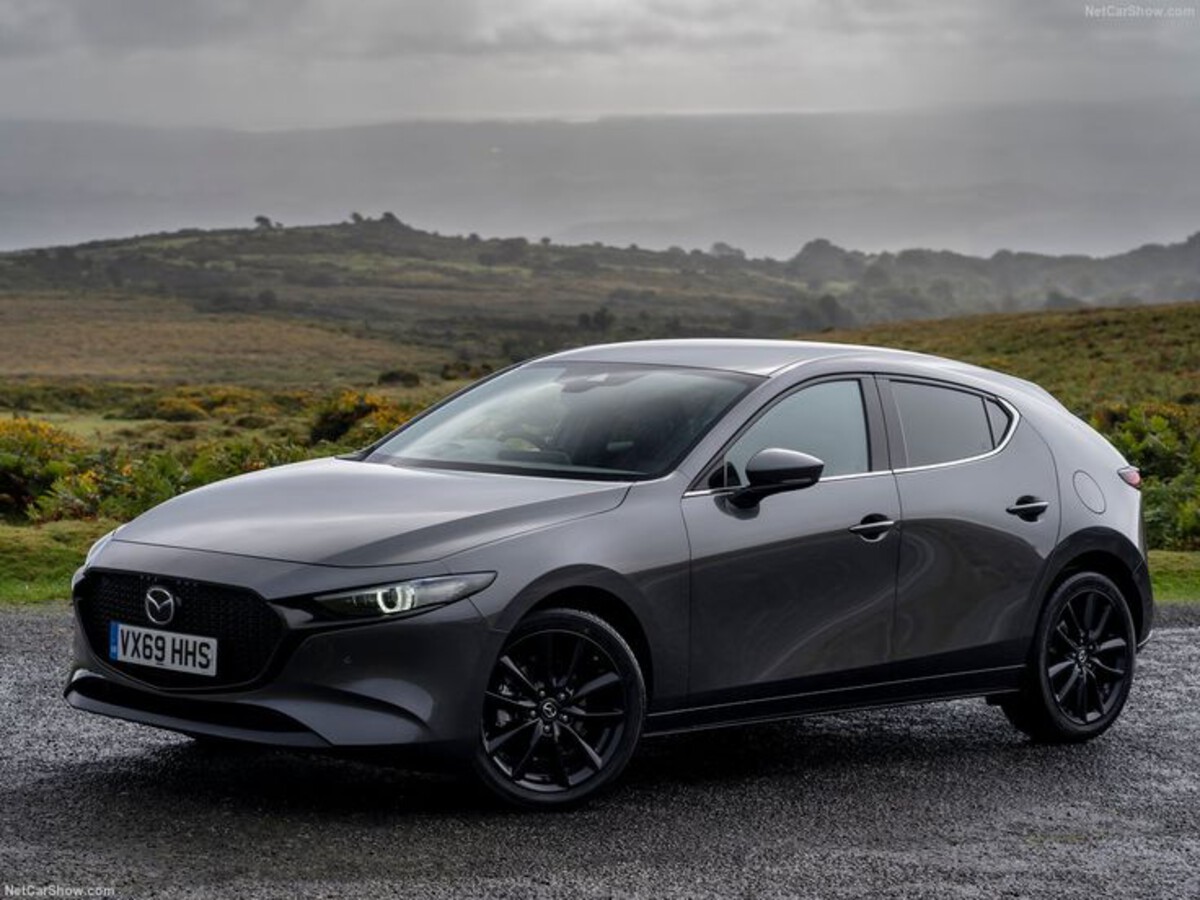
2. Mazda 3
The Mazda 3 continues to be one of the most refined and safety-focused compact cars in 2026, maintaining its Top Safety Pick Plus status through consistent excellence in crash performance and engineering precision.
Mazda’s long-standing philosophy of combining driving enjoyment with safety is clearly visible in the Mazda 3, which uses a highly rigid SKYACTIV body structure designed to distribute impact forces evenly across the chassis. This design minimizes cabin deformation during collisions, which is one of the most critical factors in occupant survival and injury reduction.
In addition to its structural strength, the Mazda 3 benefits from a well-integrated suite of advanced driver assistance systems known as i ACTIVSENSE. These systems include smart braking support, adaptive cruise control, lane departure warning, and blind spot monitoring.
What makes Mazda’s approach unique is the seamless way these systems operate in the background without overwhelming the driver. Instead of intrusive alerts, the system provides subtle corrections and warnings, helping drivers maintain control and awareness without distraction.
One of the standout aspects of the Mazda 3’s safety performance is its consistent success in challenging crash tests, particularly the small overlap front impact test. This test simulates collisions where only a portion of the vehicle’s front end absorbs the impact, often leading to severe cabin intrusion in poorly designed vehicles.
The Mazda 3’s reinforced A pillars and strategically engineered crumple zones significantly reduce this risk, making it one of the most reliable performers in its category.
The vehicle also excels in side impact protection, thanks to reinforced door beams and optimized airbag placement. Side collisions are particularly dangerous due to the limited space between occupants and the point of impact, but the Mazda 3 mitigates this risk effectively through careful engineering. Rear passenger protection has also improved in the 2026 version, reflecting updated safety expectations from global testing agencies.
The Mazda 3 stands out not only for its safety performance but also for its balanced driving experience. It offers a rare combination of sporty handling, premium interior feel, and top-tier crash protection, making it one of the most well-rounded compact cars available in 2026.
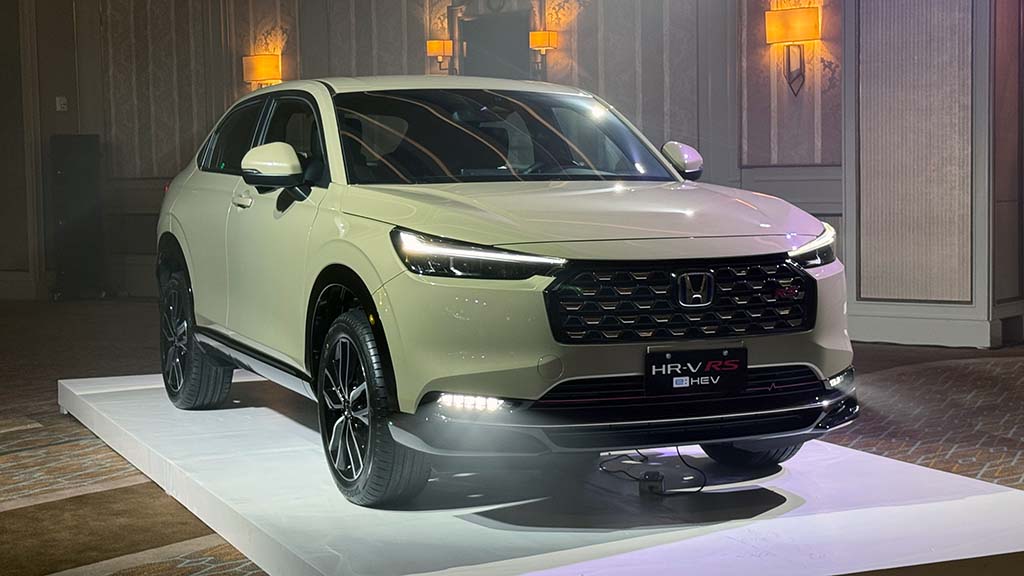
3. Honda HR-V
The Honda HR-V has solidified its position as one of the safest compact SUVs in 2026, earning the Top Safety Pick Plus rating through a combination of intelligent engineering and advanced safety technology.
Built on Honda’s ACE body structure, the HR-V is designed to distribute crash energy more evenly across the frame, reducing the force transmitted to the passenger cabin. This structure plays a crucial role in improving performance during frontal and offset crash tests, which are among the most severe evaluations conducted by safety organizations.
A key strength of the HR-V lies in its Honda Sensing safety suite, which comes standard across most trims. This system includes collision mitigation braking, road departure mitigation, adaptive cruise control, and lane keeping assist.
These features work together to actively prevent accidents by monitoring traffic conditions and assisting the driver in maintaining safe control of the vehicle. In 2026, Honda has refined these systems to respond more smoothly and accurately, especially in dense urban traffic conditions.
Another important improvement in the HR-V is its enhanced pedestrian detection system, which now operates more effectively at higher speeds and in low-visibility environments. This advancement is particularly significant as pedestrian safety has become a major focus in modern crash prevention standards. The system uses improved sensors and camera calibration to detect movement more reliably, reducing false alerts while maintaining high sensitivity to real threats.
Inside the cabin, the HR-V also prioritizes occupant safety through improved seat design, better airbag coverage, and optimized interior spacing. Rear seat passengers benefit from stronger structural reinforcement and improved restraint systems, ensuring balanced protection throughout the vehicle. This is particularly important for families, who represent a major portion of HR-V buyers.
The Honda HR-V delivers a strong combination of practicality, reliability, and advanced safety engineering. It demonstrates how compact SUVs can achieve high-level crash protection without sacrificing everyday usability, making it one of the most trusted vehicles in its segment for 2026.
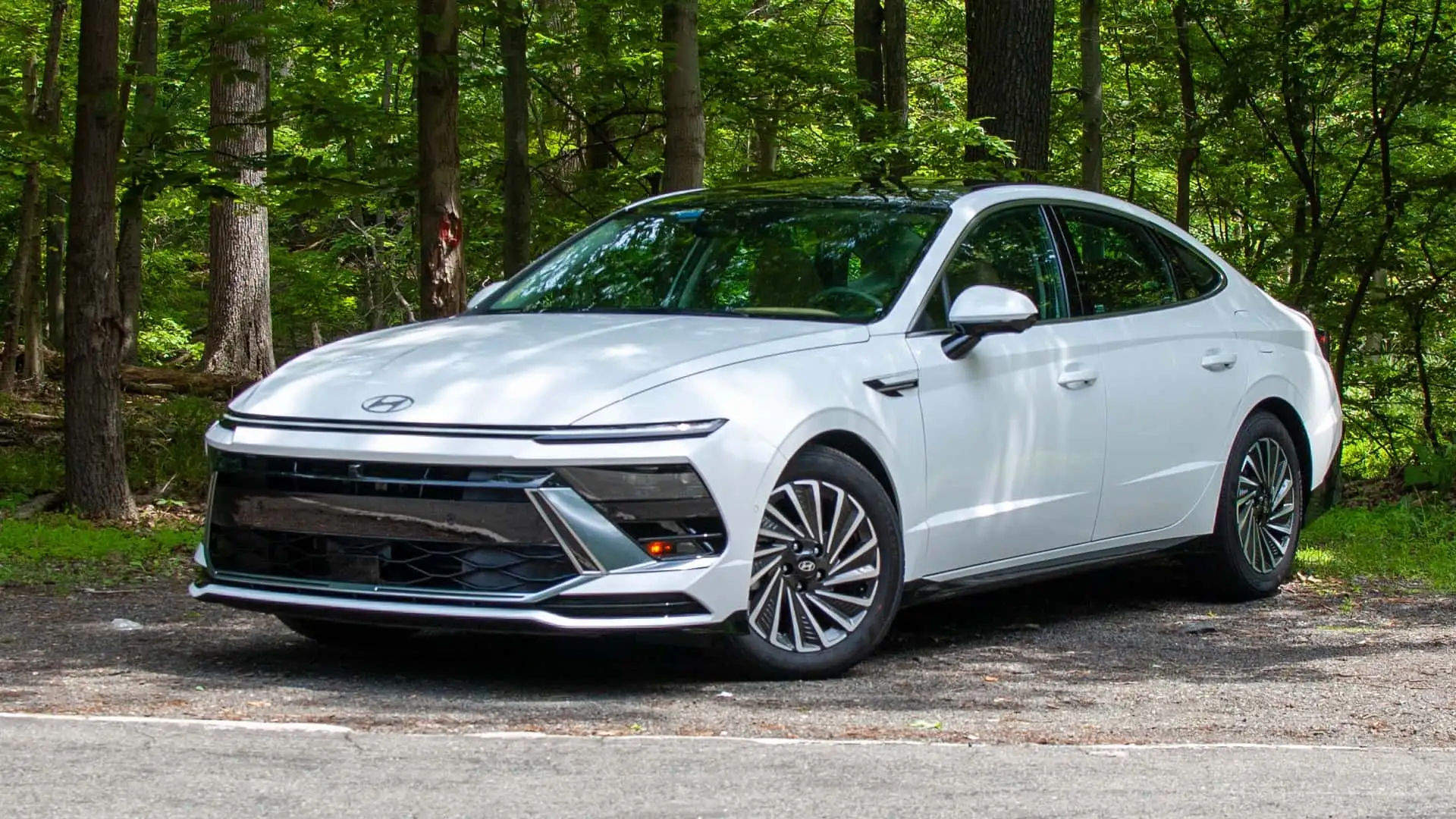
4. Hyundai Sonata
The Hyundai Sonata continues to be a leading midsize sedan in terms of safety performance, earning the Top Safety Pick Plus rating in 2026 through a combination of structural engineering and advanced driver assistance systems.
Built on Hyundai’s refined vehicle platform, the Sonata features a reinforced chassis designed to absorb and distribute impact energy efficiently. This results in reduced cabin deformation and improved occupant survival rates during severe collisions.
One of the most important aspects of the Sonata’s safety performance is its SmartSense safety technology suite. This includes forward collision avoidance assist, blind spot monitoring, lane keeping assist, rear cross traffic alert, and highway driving assist.
These systems significantly reduce the likelihood of accidents by providing real-time feedback and automated intervention when necessary. In 2026, Hyundai has improved sensor accuracy and response timing, making these features more reliable in complex driving environments.
The Sonata also performs exceptionally well in rear passenger protection, an area that has gained increasing attention in updated safety evaluations. Reinforced rear seating structures, improved seatbelt tensioning systems, and optimized airbag deployment strategies all contribute to stronger protection for back seat occupants. This makes the Sonata particularly appealing to families and long-distance commuters.
The Hyundai Sonata remains one of the most balanced midsize sedans in 2026, offering a strong mix of safety, comfort, technology, and reliability. It continues to be a top choice for drivers seeking a safe and practical everyday vehicle.
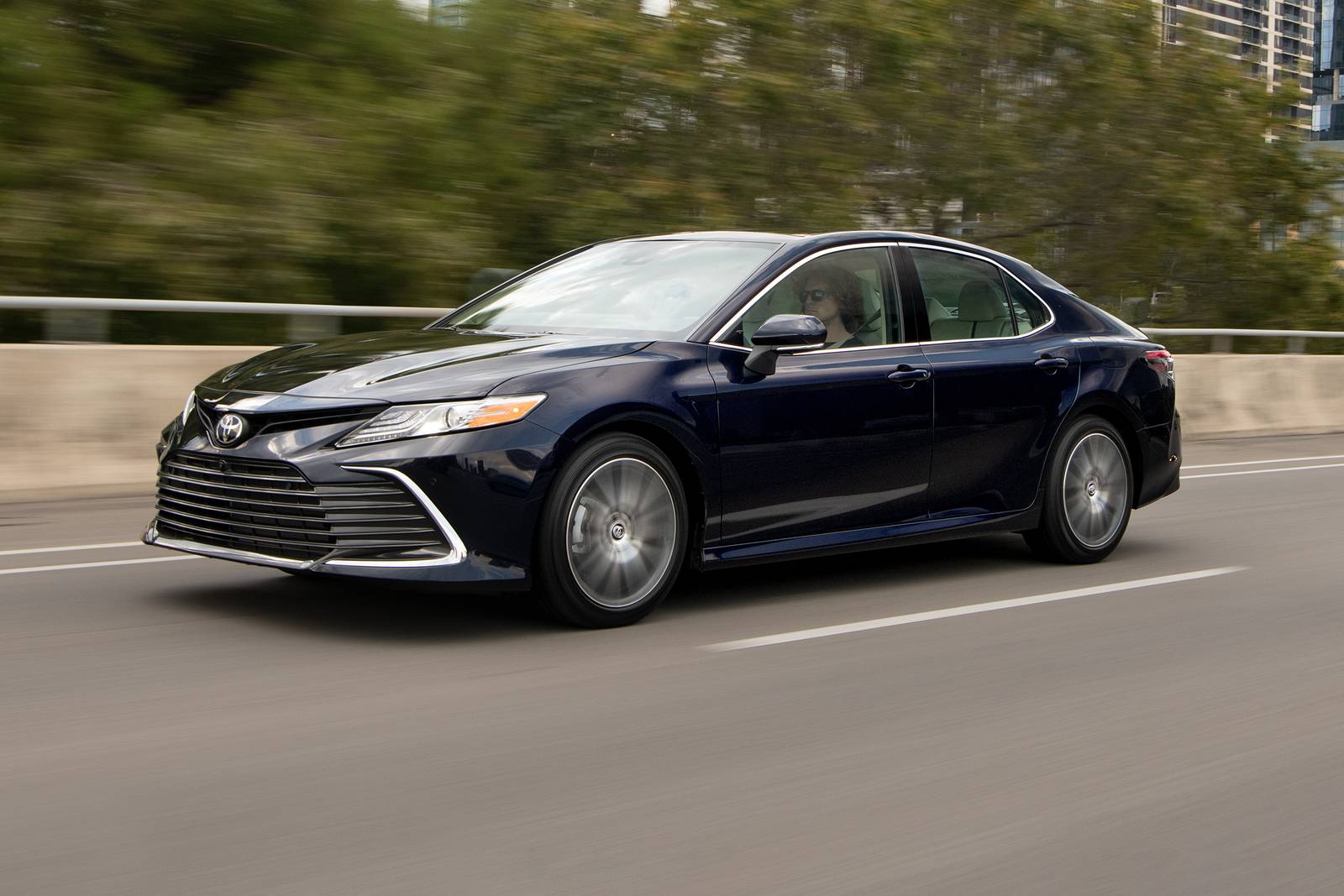
5. Toyota Camry
The Toyota Camry remains one of the most consistently safe and reliable vehicles in the automotive market, and its 2026 Top Safety Pick Plus rating reinforces its long-standing reputation.
Built on Toyota’s TNGA platform, the Camry benefits from a low center of gravity and highly rigid structural design, both of which contribute to improved crash stability and reduced rollover risk. This architecture also enhances energy distribution during collisions, helping protect occupants more effectively.
A major contributor to the Camry’s safety performance is the Toyota Safety Sense suite, which includes pre-collision warning with pedestrian detection, adaptive cruise control, lane tracing assist, and automatic high beams.
These systems are designed to reduce human error, which remains the leading cause of road accidents. In 2026, Toyota has refined these technologies to improve detection accuracy and reduce unnecessary interventions, resulting in smoother and more predictable system behavior.
The Camry also performs exceptionally well in crash testing across multiple categories, including frontal offset, side impact, and roof strength evaluations. Its reinforced door structures and strategically engineered crumple zones ensure that impact forces are absorbed efficiently before reaching the passenger cabin. This makes it particularly effective in protecting both front and rear occupants.
Another important aspect of the Camry’s safety profile is its reliability under real-world driving conditions. Unlike laboratory tests alone, the Camry consistently demonstrates strong performance in everyday environments, including highways, city traffic, and adverse weather conditions. This real-world consistency is one of the reasons it remains a preferred choice among families and fleet operators.
The Toyota Camry continues to set a high benchmark for midsize sedan safety in 2026. Its combination of proven engineering, advanced driver assistance technology, and long-term reliability makes it one of the most trusted and safest vehicles available today.
Also Read: 10 Cars That Survive Being Used as Daily Uber Vehicles
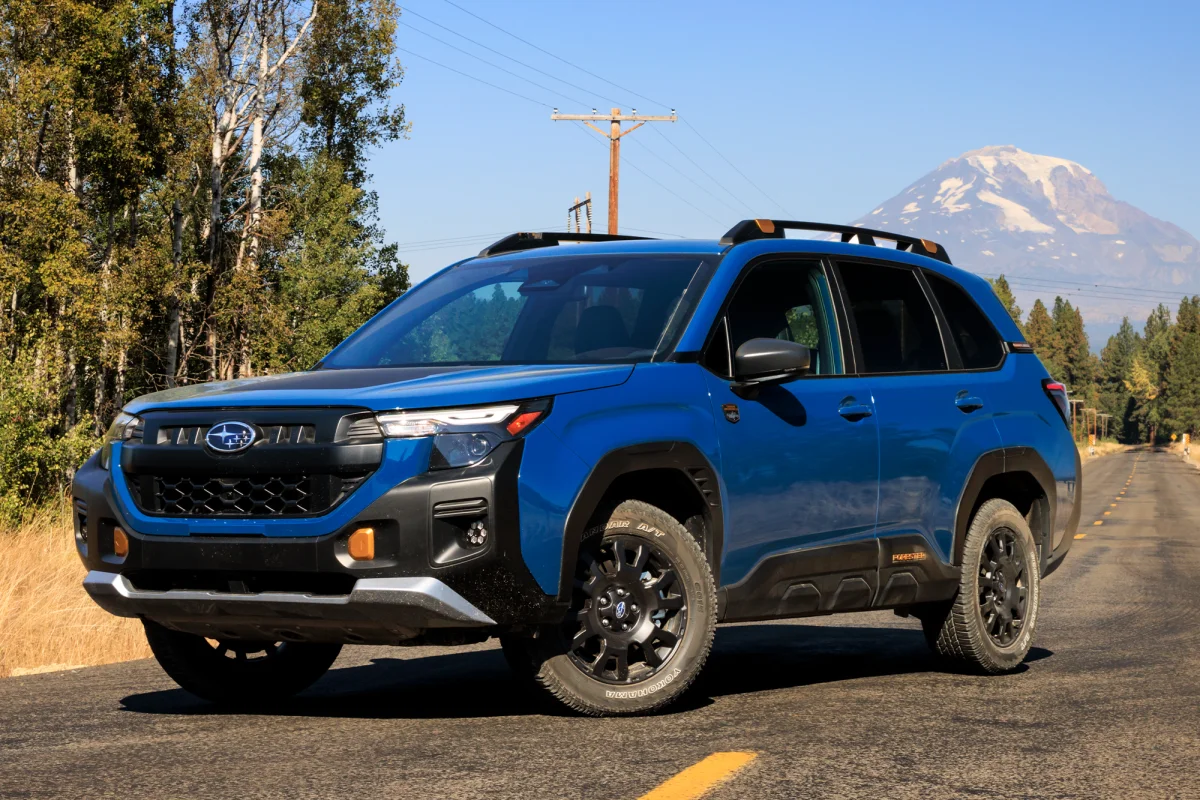
6. Subaru Forester
The Subaru Forester has long been recognized as one of the safest compact SUVs in the global automotive market, and its 2026 Top Safety Pick Plus rating further reinforces that reputation. Built with Subaru’s focus on symmetrical engineering and balanced weight distribution, the Forester delivers exceptional stability in a wide range of driving conditions.
Its structural design prioritizes energy absorption during collisions, ensuring that crash forces are directed away from occupants and dispersed throughout reinforced sections of the frame. This makes it especially effective in both frontal and side impact scenarios.
A defining feature of the Forester’s safety identity is its standard Symmetrical All Wheel Drive system, which provides consistent traction across all four wheels. While often associated with off-road capability, this system plays a major safety role by improving control on wet, icy, or uneven surfaces.
It reduces the risk of skidding and loss of control, which are common causes of accidents in unpredictable weather conditions. This added stability significantly enhances driver confidence, especially in rural or mountainous regions.
The Subaru EyeSight Driver Assist Technology is another major contributor to the Forester’s Top Safety Pick Plus rating. This system uses dual cameras to monitor traffic movement, lane markings, and potential hazards ahead.
It includes adaptive cruise control, lane centering, pre-collision braking, and throttle management. In 2026, Subaru has refined EyeSight to operate more smoothly in complex traffic environments, reducing abrupt interventions while maintaining high safety sensitivity.
Inside the cabin, the Forester continues its focus on visibility and occupant protection. Large windows, narrow pillars, and elevated seating positions provide excellent outward visibility, helping drivers detect hazards earlier.
At the same time, reinforced cabin structures and strategically placed airbags ensure strong protection in the event of a collision. Rear passengers also benefit from improved seat design and enhanced restraint systems.
The Subaru Forester stands out as a highly dependable, safety-focused SUV that performs well in both urban and off-road environments. Its combination of mechanical stability, advanced driver assistance systems, and strong crash test performance makes it one of the most trusted family SUVs in 2026.
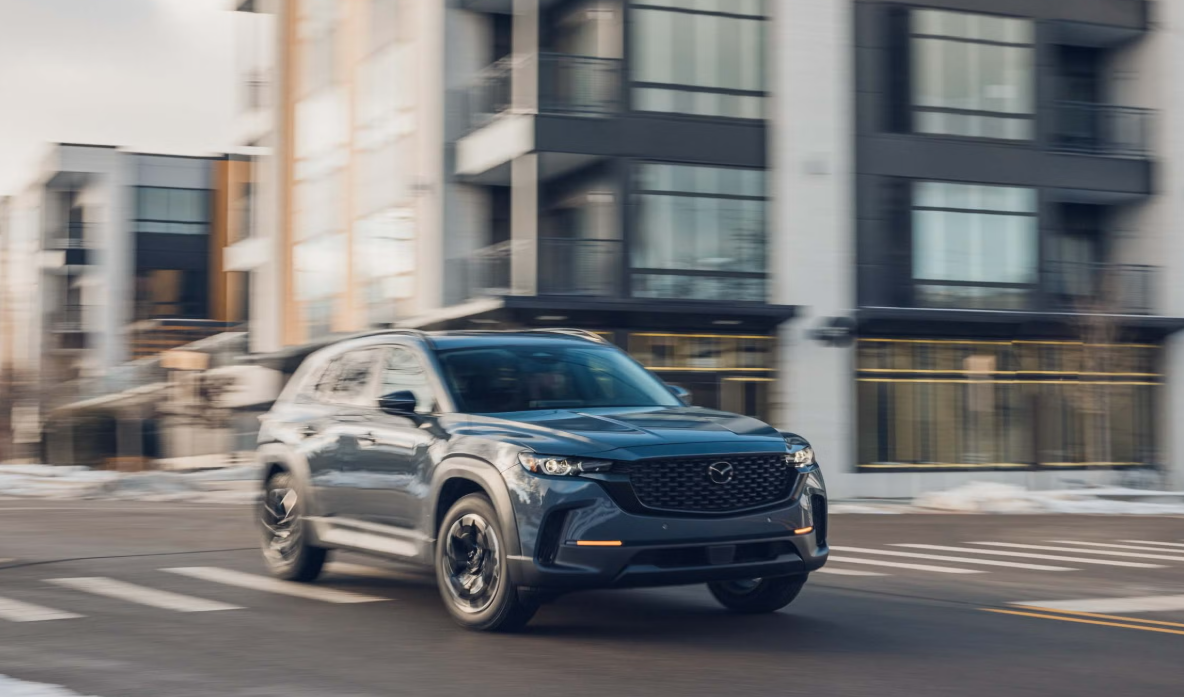
7. Mazda CX-50
The Mazda CX-50 represents Mazda’s modern approach to combining rugged SUV capability with premium safety engineering. In 2026, it earned the Top Safety Pick Plus designation due to its strong crash test performance and advanced active safety technologies.
Built on Mazda’s SKYACTIV platform, the CX-50 features a highly rigid structure designed to manage impact forces efficiently while maintaining vehicle integrity during severe collisions. This structural strength plays a crucial role in protecting occupants in both frontal and side impact scenarios.
One of the CX-50’s key advantages is its low center of gravity compared to many traditional SUVs. This design choice enhances stability and reduces the risk of rollover accidents, which are a major safety concern for taller vehicles. Combined with a well-tuned suspension system, the CX-50 maintains strong control during sudden maneuvers, emergency braking, and high-speed driving conditions.
Mazda’s i ACTIVSENSE safety suite further strengthens the CX-50’s safety profile. It includes advanced features such as smart brake support, adaptive cruise control, lane departure warning, lane keeping assist, and blind spot monitoring.
These systems are designed to assist the driver without overwhelming them, providing subtle corrections and alerts that help prevent accidents before they occur. In 2026, Mazda has improved sensor precision and detection range, making the system more responsive in real-world driving conditions.
Crash test performance is another area where the CX-50 excels. It performs particularly well in small overlap front tests and side impact evaluations, which are among the most challenging assessments conducted by safety authorities.
Reinforced door structures, optimized crumple zones, and improved airbag deployment timing all contribute to its high safety score. Rear passenger protection has also been enhanced, reflecting updated global safety expectations.
The Mazda CX-50 delivers a strong combination of durability, driving engagement, and advanced safety features. It appeals to drivers who want a rugged SUV experience without compromising on modern crash protection standards, making it one of the standout safety performers in its class.
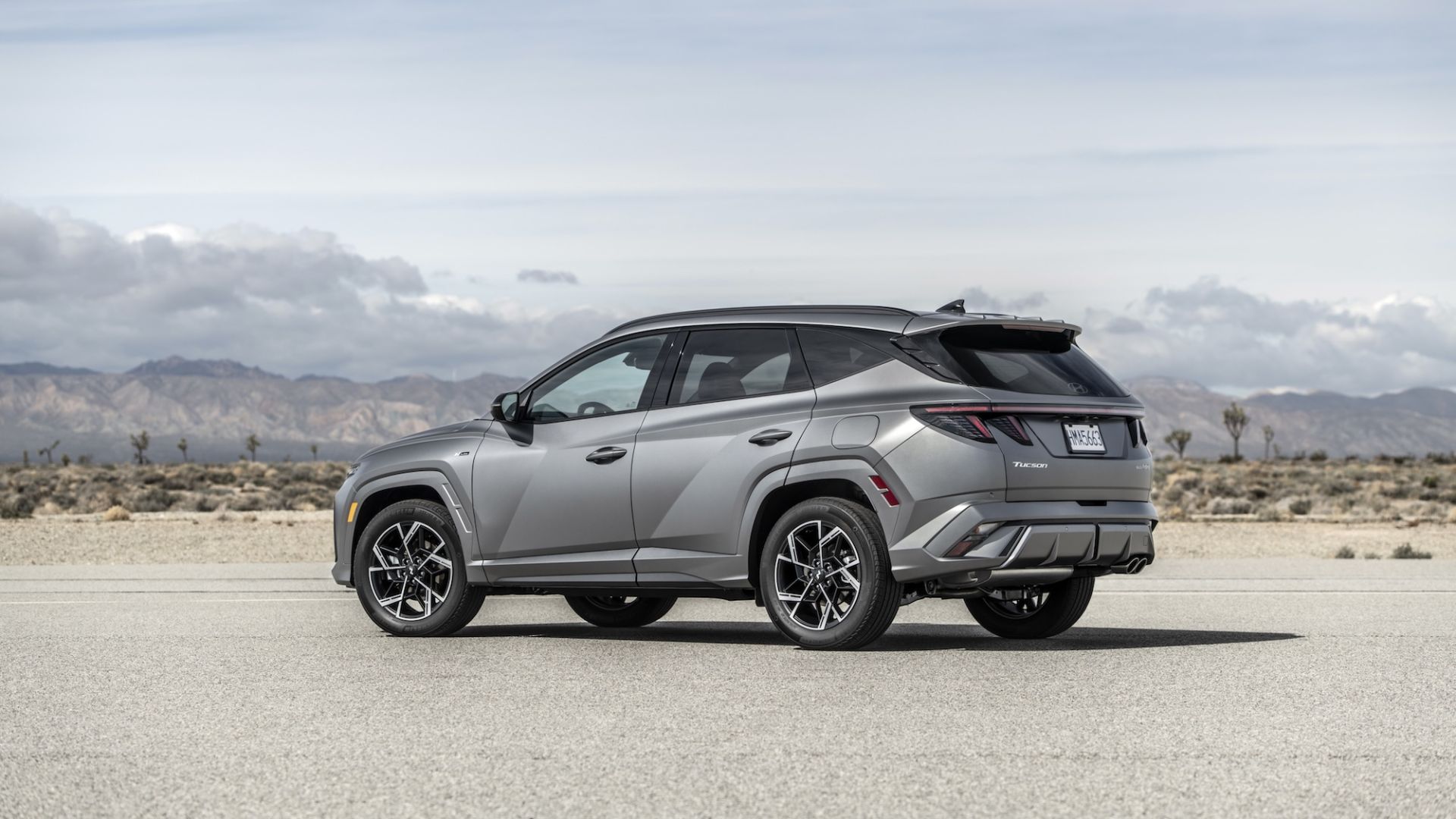
8. Hyundai Tucson
The Hyundai Tucson continues to be one of the most technologically advanced compact SUVs in terms of safety, earning the Top Safety Pick Plus rating in 2026 through a combination of structural innovation and intelligent driver assistance systems.
Built on a reinforced platform, the Tucson is engineered to distribute crash energy efficiently across the body structure, minimizing the impact force transmitted to passengers. This design enhances protection in both frontal and side collisions.
A major strength of the Tucson is its Hyundai SmartSense safety suite, which integrates a wide range of active safety features. These include forward collision avoidance assist, lane keeping assist, blind spot collision warning, rear cross traffic alert, and highway driving assist.
Together, these systems provide continuous monitoring of the vehicle’s surroundings and actively assist the driver in avoiding potential hazards. In 2026, Hyundai has further improved system calibration, making responses smoother and more intuitive.
The Tucson also performs strongly in pedestrian safety evaluations, which have become increasingly important in modern crash testing protocols. Its upgraded detection system is capable of identifying pedestrians, cyclists, and vehicles more accurately in both daytime and nighttime conditions. Automatic emergency braking activates when necessary to reduce or prevent collisions, making urban driving significantly safer.
Inside the cabin, the Tucson focuses on occupant protection through improved seat design, enhanced airbag coverage, and optimized interior layout. Rear passengers benefit from strong structural reinforcement and advanced restraint systems that help reduce injury risk during collisions.
The vehicle also includes features that reduce driver fatigue, such as ergonomic seating and simplified control interfaces, which indirectly improve safety by maintaining driver alertness.
The Hyundai Tucson stands out as a highly balanced SUV that blends modern technology, comfort, and safety engineering. Its consistent performance across crash tests and real-world driving conditions makes it one of the most reliable compact SUVs available in 2026.
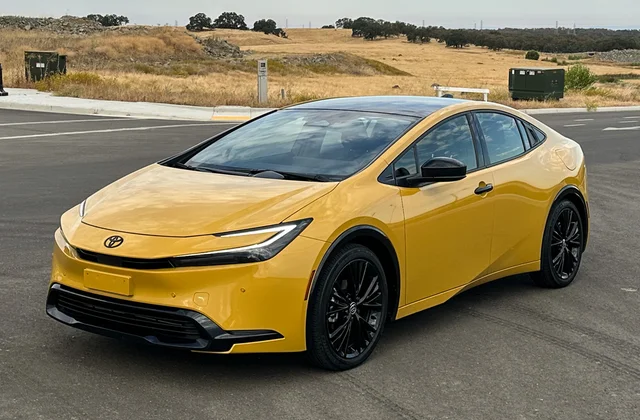
9. Toyota Prius
The Toyota Prius remains one of the most recognizable hybrid vehicles in the world, and in 2026, it continues its strong safety legacy by earning the Top Safety Pick Plus rating. Known primarily for fuel efficiency, the Prius also demonstrates exceptional performance in crash safety due to its advanced engineering and highly optimized structural design.
Built on Toyota’s modern platform architecture, it features a reinforced body shell that improves rigidity and helps distribute crash energy effectively.
A major contributor to the Prius’s safety success is the Toyota Safety Sense suite, which comes standard across all trims. This system includes pre-collision detection with pedestrian and cyclist recognition, adaptive cruise control, lane departure alert, lane tracing assist, and automatic high beam control.
These technologies work together to reduce driver error and improve reaction times in critical situations. In 2026, Toyota will have refined these systems for better detection accuracy and smoother intervention.
Despite its compact size, the Prius performs exceptionally well in crash testing, particularly in frontal and side impact evaluations. Its hybrid battery placement has been carefully engineered to maintain structural balance while improving cabin protection. Reinforced side structures and optimized crumple zones help reduce intrusion into the passenger compartment during collisions.
Another important aspect of the Prius’s safety profile is its aerodynamic design, which not only improves fuel efficiency but also enhances stability at higher speeds.
A lower center of gravity contributes to reduced rollover risk, while improved suspension tuning ensures consistent handling across different road conditions. These characteristics make it a stable and predictable vehicle in both city and highway environments.
The Toyota Prius demonstrates that efficiency and safety can coexist without compromise. It remains one of the most dependable hybrid vehicles on the market, offering strong crash protection, advanced safety technology, and excellent real-world reliability, making it a top choice for eco-conscious drivers in 2026.
