
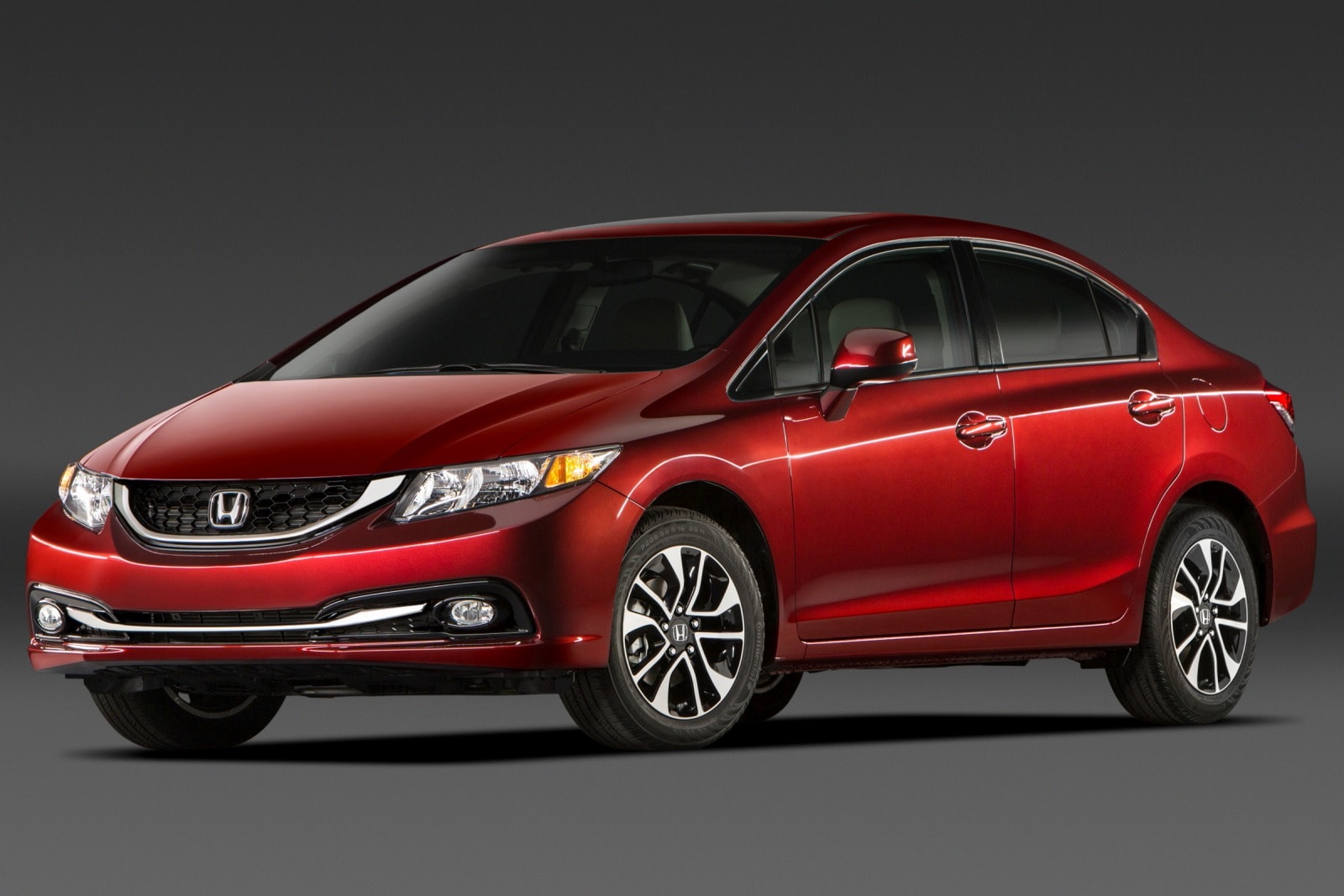
Modern car interiors are packed with giant touchscreens, swipe controls, hidden menus, and glossy panels that promise futuristic convenience. Automakers present these digital cabins as cleaner, smarter, and more advanced than the button-heavy dashboards of the past.
Yet many drivers have started realizing that something important disappeared during this transition. Cars once felt more satisfying to interact with when physical buttons, switches, knobs, and tactile controls dominated the cabin.
Buttons gave drivers confidence because they could be operated without constantly looking away from the road. A quick reach toward the climate controls or stereo volume knob became second nature after a few days of driving.
Muscle memory handled the rest. Today, many touch-based systems force drivers to stare at menus for simple adjustments that once took a single press. What was marketed as progress sometimes created distraction instead of convenience.
Older interiors also had personality. Performance cars featured chunky metal switches and aviation-inspired controls. Luxury sedans used soft-click buttons arranged neatly across dashboards.
Sports cars surrounded drivers with tactile interfaces that made every drive feel mechanical and engaging. Even economy cars developed charming cabin identities through unique button layouts and analogue controls.
Another issue is longevity. Physical buttons often continue functioning properly for decades, while large touchscreen systems can age badly as software slows down or graphics become outdated. Many enthusiasts now look back fondly at cars that balanced technology with traditional controls instead of replacing nearly everything with a screen.
Some vehicles lost part of their character once automakers simplified interiors into giant digital panels. The driving experience became less physical and less memorable. Certain cars especially stood out because their earlier button-filled cabins matched their personalities perfectly.
These vehicles were not only easier to use; they felt cooler, more authentic, and more enjoyable before touchscreens took over major dashboard functions. Here are eight cars that were undeniably better when real buttons still ruled the interior.
Also Read: 9 Vehicles With the Most Tech Buried in the Base Trim
1. Porsche Panamera
The early Porsche Panamera interior looked like the cockpit of a futuristic sports jet. Drivers sat low inside a cabin surrounded by dozens of physical buttons stretching across the center console, creating an experience that immediately felt dramatic and performance-focused.
Some critics complained the layout appeared too busy, yet that complexity became part of the car’s identity. Every button served a purpose, and interacting with them made the Panamera feel far more engaging than many modern luxury sedans.
The original console design reflected Porsche’s philosophy during that era. Instead of hiding features behind digital menus, the company gave important functions dedicated controls.
Suspension settings, climate adjustments, seat functions, traction systems, and drive modes all had their own tactile buttons within easy reach. Drivers could make adjustments quickly without scrolling through multiple touchscreen pages while driving at high speed.
Modern Panameras are undeniably more advanced technologically, but the newer touch-sensitive panels removed much of the mechanical charm.
Glossy black surfaces replaced the satisfying click of real switches, and fingerprints constantly cover areas that once looked clean and premium. What used to feel like a purpose-built performance cockpit now feels closer to a luxury tech lounge.
Another reason the older button-heavy layout worked so well was that it matched the Panamera’s personality. This was never meant to be a minimalist electric appliance. It was a large Porsche sports sedan with aggressive handling, roaring engines, and driver-focused engineering. The dramatic interior reinforced that feeling every time someone started the car.
Night driving in the older Panamera cabin had a special atmosphere, too. The illuminated rows of buttons glowing softly around the center console created an environment that felt expensive and distinctly German. There was visual depth and texture throughout the dashboard that newer flat touchscreen surfaces simply cannot replicate.

Owners also appreciated the reliability of physical controls. Adjusting cabin temperature or activating seat ventilation required immediate action rather than waiting for digital menus to respond. During spirited driving, tactile controls were easier and safer to operate because drivers could feel them without taking their eyes off the road.
The Panamera remains an impressive luxury performance sedan today, but its earlier interior had far more personality. Those rows of buttons transformed ordinary adjustments into part of the driving experience itself.
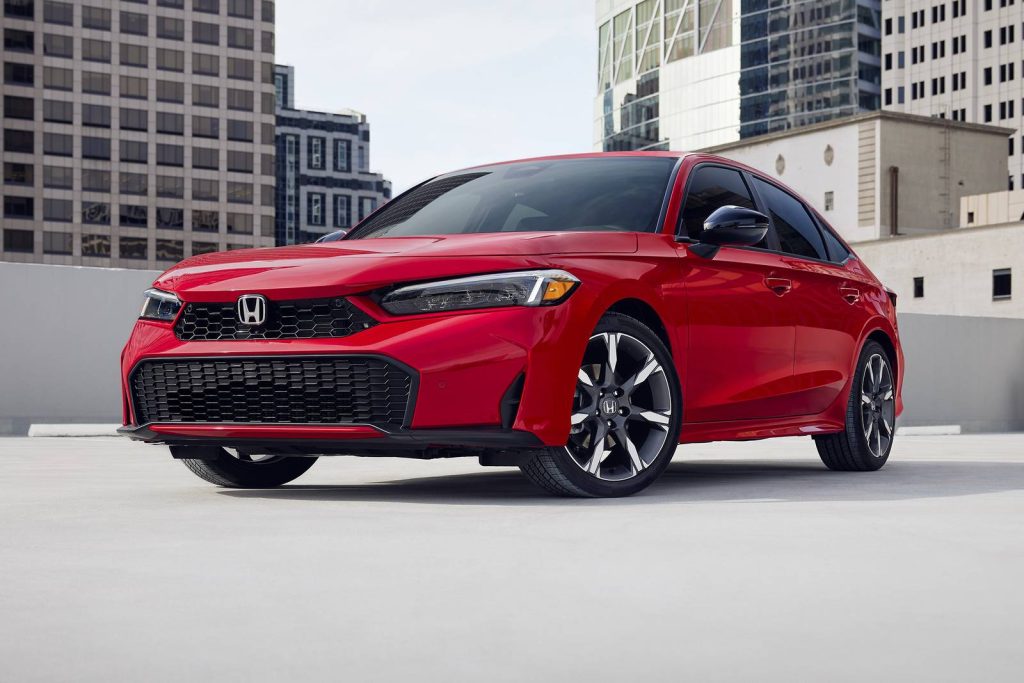
2. Honda Civic
The Honda Civic became popular partly because it always balanced practicality with driver friendliness. Earlier generations especially mastered interior simplicity by using physical buttons and knobs that felt intuitive from the moment someone entered the cabin.
Before giant touchscreens dominated dashboards, the Civic delivered an honest driving environment where everything could be controlled quickly and naturally.
One of the best examples came from the late 2000s and early 2010s Civic models. The dashboard design looked futuristic for the time, featuring layered digital gauges and thoughtfully placed controls.
Yet despite its modern appearance, the car still relied heavily on real buttons for climate settings, audio functions, and driving adjustments. Drivers never needed to dig through endless digital menus to complete simple tasks.
The tactile nature of those controls matched the Civic’s personality perfectly. This was a car built for commuters, students, families, and enthusiasts who wanted dependable transportation without frustration. Physical knobs for volume and air conditioning allowed adjustments instantly while keeping attention focused on traffic instead of screens.
As newer Civics adopted larger touchscreen systems, some of that effortless usability disappeared. Certain functions became hidden inside software menus, and the clean simplicity that once defined the cabin started feeling more generic.
The newer interiors certainly look sophisticated, but they lost some of the friendliness that made older Civics so enjoyable daily.
Another factor is durability. Older Civic interiors often aged surprisingly well because physical controls were designed for constant use.
Buttons retained their tactile feedback for years, and even high-mileage examples usually kept functional climate systems and stereo controls. By comparison, touchscreen systems can develop lag, dead spots, or outdated interfaces as vehicles age.
The older button-based layout also gave the Civic more visual character. Instead of one large floating screen dominating the dashboard, the cabin featured shapes, textures, and control clusters that created a sense of design balance. Drivers interacted with the car physically rather than digitally, making the experience feel more connected.
Honda understood something important during those years. A practical car does not need flashy technology to feel modern.
Smart placement of tactile controls can create a better ownership experience than oversized screens filled with unnecessary complexity. The Civic proved that simplicity and usability often age better than trends driven by touchscreen obsession.
3. Audi TT
The first- and second-generation Audi TT interiors became famous because they blended minimalist design with tactile satisfaction in a way very few sports cars managed.
Audi filled the cabin with beautifully machined aluminum buttons, rotary knobs, and metallic switchgear that felt expensive every single time drivers touched them. The experience was mechanical, precise, and deeply connected to the car’s stylish identity.
What made the TT special was not simply the number of buttons. It was the quality of interaction. Climate controls rotated with a solid, weighted feel; stereo buttons clicked with precision; and every switch seemed engineered to deliver feedback that matched the car’s premium image.
Drivers noticed those details immediately. The cabin felt handcrafted rather than digitally assembled.
The older TT dashboards also avoided visual clutter despite having many physical controls. Audi organized everything neatly within a symmetrical layout that complemented the sports coupe’s rounded exterior design.
Instead of a giant touchscreen dominating attention, the interior emphasized materials and tactile engagement. Aluminum accents, circular air vents, and compact control clusters created a timeless atmosphere.
As newer versions embraced touchscreen-centered technology, some of that charm faded. The interiors became cleaner in appearance, but they also felt colder and more software-dependent. The tactile richness that once separated the TT from ordinary compact luxury cars slowly disappeared behind digital interfaces.
Driving enthusiasts especially appreciated the earlier setup during spirited driving. Adjusting climate settings or audio controls required almost no concentration because drivers could locate buttons by touch alone. That mattered in a sports car where maintaining focus on the road was part of the experience.
Another overlooked strength of the old TT interior was durability. Audi’s physical controls from that period were built with impressive solidity. Many older examples still retain functioning switches and knobs that feel surprisingly premium decades later.
Modern touch surfaces often look sleek initially, but can age poorly through scratches, fingerprints, and software issues.
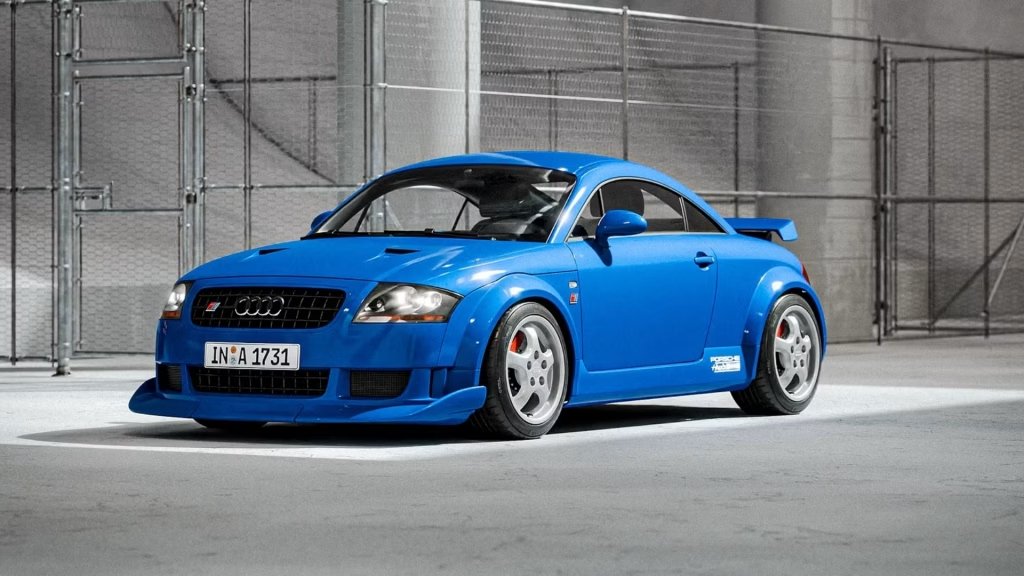
The TT’s earlier cabins also reflected a different era of automotive design philosophy. Car interiors once aimed to create an emotional connection through materials and physical interaction. Today, many vehicles prioritize screen size above all else. The old Audi TT proved that a cabin could feel futuristic without replacing every control with a display.
Few cars captured cool European design as effectively as the early Audi TT. Its button-filled interior felt sophisticated, sporty, and tactile in a way modern digital dashboards struggle to recreate.
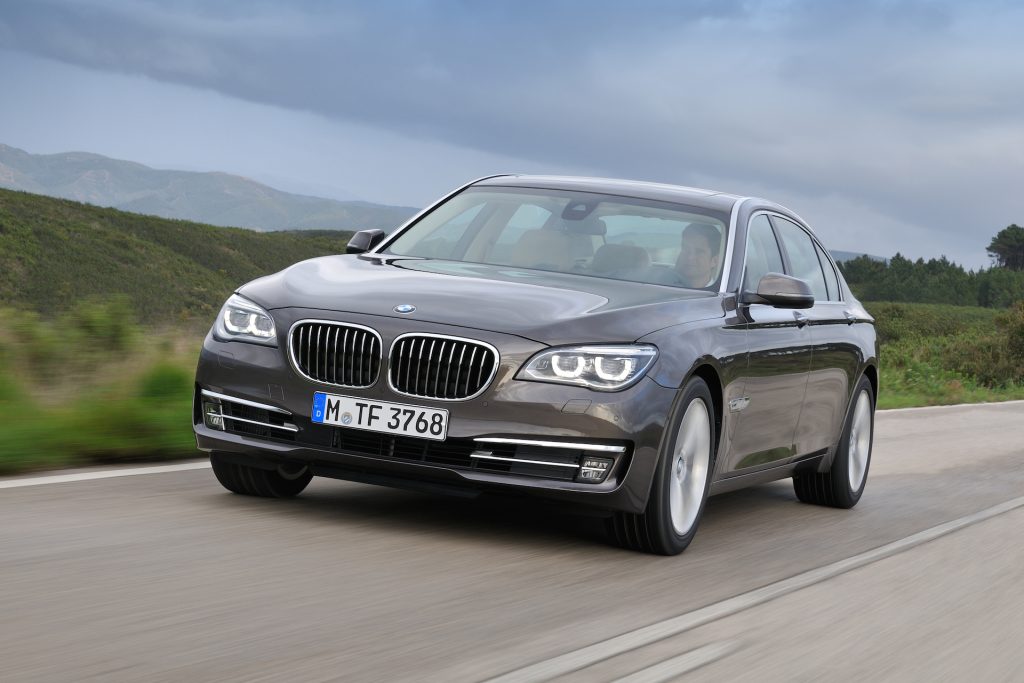
4. BMW 7 Series
Before massive curved displays and gesture controls entered the picture, the BMW 7 Series represented luxury through physical craftsmanship.
Older generations of the flagship sedan surrounded drivers with rows of neatly arranged buttons controlling comfort, entertainment, suspension settings, and driving features. The cabin felt like an executive control room where every command had a dedicated place.
The appeal of those older interiors came from their balance between technology and usability. BMW offered advanced features long before many competitors, yet drivers accessed them through tactile controls instead of burying everything inside touchscreen menus.
Climate systems used proper buttons, seat adjustments had physical memory controls, and stereo functions responded instantly through rotary knobs and switches.
One of the best examples was the era before oversized digital dashboards became dominant. The center console layouts looked sophisticated without appearing overwhelming. Wood trim, metallic accents, and illuminated controls combined to create an environment that felt elegant rather than experimental.
Modern 7 Series models contain astonishing technology, but some enthusiasts believe the interiors lost personality during the shift toward screen-heavy minimalism.
Large digital panels now dominate attention, while traditional switchgear has been reduced dramatically. The newer cabins certainly impress passengers initially, yet they can feel more like luxury gadgets than timeless luxury automobiles.
The older button-oriented design also reinforced BMW’s driver-focused identity. Important controls remained positioned logically around the driver, making the sedan feel engineered for active use rather than passive touchscreen interaction.
Even adjusting suspension firmness or seat ventilation felt satisfying because drivers physically interacted with solid, well-made controls.
Nighttime cabin ambience was another major strength. Illuminated buttons glowing softly across the dashboard created warmth and sophistication impossible to duplicate with flat glass screens alone. The cockpit felt alive without appearing distracting.
Long-term usability matters too. Many older BMW interiors continue functioning reliably because physical controls age more gracefully than software systems. Buttons rarely become obsolete, while infotainment software can look outdated surprisingly quickly. Owners of older 7 Series models often praise how intuitive the cabins still feel years later.
The transition toward digital luxury changed the character of the BMW flagship experience. Earlier generations communicated prestige through materials, tactile feedback, and thoughtful control placement.
Modern versions communicate technology first. For many longtime BMW fans, the older button-filled interiors delivered a stronger sense of authentic luxury and driver involvement.
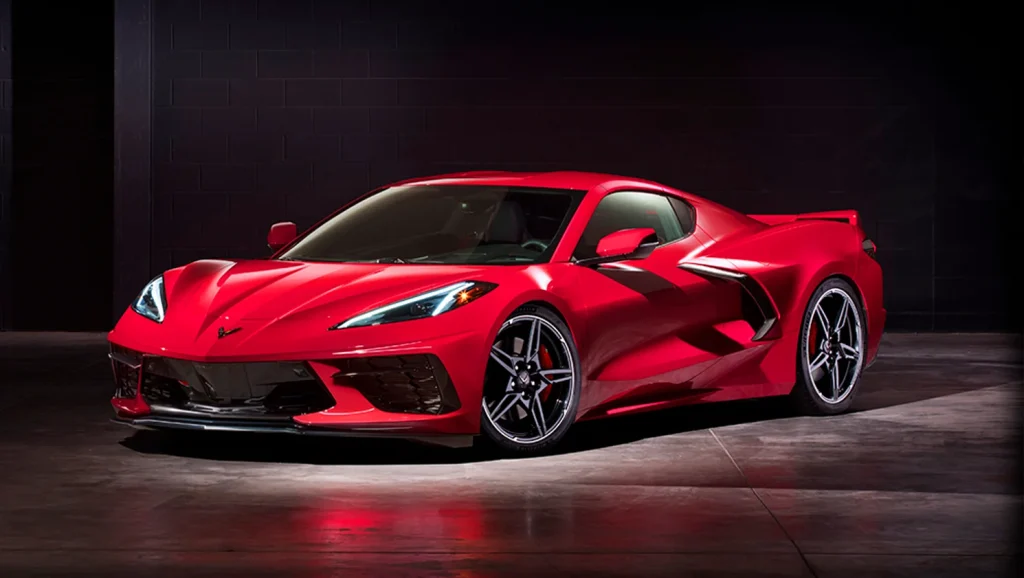
5. Chevrolet Corvette
The Chevrolet Corvette always represented raw American performance, and older models expressed that attitude through interiors filled with real buttons, chunky switches, and driver-focused controls.
Before digital minimalism entered the sports car world, Corvette cabins felt mechanical and purposeful. Drivers interacted with the machine physically instead of tapping through glossy menus, which matched the car’s aggressive personality perfectly.
The C6 Corvette especially captured this feeling well. Its interior was not luxurious by European standards, but it had character. Large climate buttons, tactile radio controls, and straightforward switchgear gave the cabin a sense of honesty.
Every function was easy to reach while driving hard, which mattered because Corvettes encouraged spirited driving far more than touchscreen interaction.
One important advantage of those older interiors was simplicity. Drivers could adjust cabin temperature, change audio settings, or modify performance options almost instantly without dealing with complicated software.
During fast cornering or highway acceleration, physical controls allowed adjustments by feel alone. That practicality enhanced the driving experience instead of interrupting it.
As newer Corvette generations adopted larger digital displays and touch-sensitive systems, the cabins became more technologically impressive but slightly less visceral.
The C8 Corvette interior still looks dramatic, yet many enthusiasts miss the straightforward mechanical atmosphere older models delivered. Modern screens add sophistication, though they also create a separation between driver and machine.
Earlier Corvettes also benefited from physical durability. Buttons and switches were designed to withstand years of aggressive use, and many older cars still retain working controls despite heavy mileage. Touch-based systems can feel fragile in comparison, especially when fingerprints, software glitches, or lag begin affecting usability.
The old layouts had another hidden strength. They visually reflected the era’s performance car culture. Fighter-jet-inspired controls, analog gauges, and thick tactile switches reminded drivers they were operating a serious sports machine. Modern minimalist dashboards sometimes remove that sense of occasion.
Corvette owners often value emotional connection more than technological novelty. Starting the engine, grabbing the shifter, pressing the traction control buttons, and adjusting settings manually all contributed to the experience. Physical interaction became part of the excitement rather than an inconvenience.
Chevrolet eventually modernized the Corvette cabin because customer expectations changed, but the earlier button-heavy interiors possessed a gritty authenticity that suited the car beautifully. They felt alive, mechanical, and unmistakably performance-focused in a way giant touchscreens rarely achieve.
6. Mercedes-Benz S-Class
For years, the Mercedes-Benz S-Class represented the gold standard of automotive luxury, and much of that reputation came from its beautifully crafted interiors filled with elegant physical controls.
Earlier generations combined advanced technology with tactile sophistication, creating cabins that felt rich, calming, and intelligently designed without relying entirely on giant screens.
Older S Class models featured rows of carefully weighted buttons controlling everything from seat massage functions to suspension settings and climate zones.
Each switch moved with precision, giving drivers and passengers the feeling they were interacting with finely engineered equipment rather than generic electronics. Even simple tasks like adjusting airflow or changing radio stations felt refined.
The cabin atmosphere played a huge role in the car’s cool factor. Polished wood trim, metallic rotary knobs, soft ambient lighting, and neatly arranged button clusters created visual depth throughout the dashboard. The interior looked expensive because it was layered with materials and tactile detail rather than dominated by a single flat display.
Modern S-Class interiors certainly appear futuristic, but some longtime Mercedes fans believe the newer cabins sacrificed timeless elegance for digital spectacle.
Huge screens now stretch across the dashboard, reducing the presence of traditional controls. While technologically impressive, the experience can feel less personal and less luxurious in a classic sense.
Another strength of the old button-based design was ease of operation. Drivers could memorize control locations quickly and make adjustments without removing attention from the road. Physical seat controls mounted on the doors became one of Mercedes’ smartest ideas because they were intuitive immediately.
Earlier S-Class cabins also aged gracefully. Many older models still feel special decades later because physical craftsmanship does not become obsolete as quickly as software interfaces.
Buttons continue functioning, wood trim develops character with age, and analog gauges maintain timeless appeal. Giant screens, by comparison, can appear outdated once graphics and software generations advance.
The tactile feedback inside older S-Class sedans reinforced Mercedes-Benz’s engineering identity. Luxury was not only about features. It was about how those features felt during use. The resistance of a switch, the click of a button, and the movement of a rotary controller all contributed to the ownership experience.
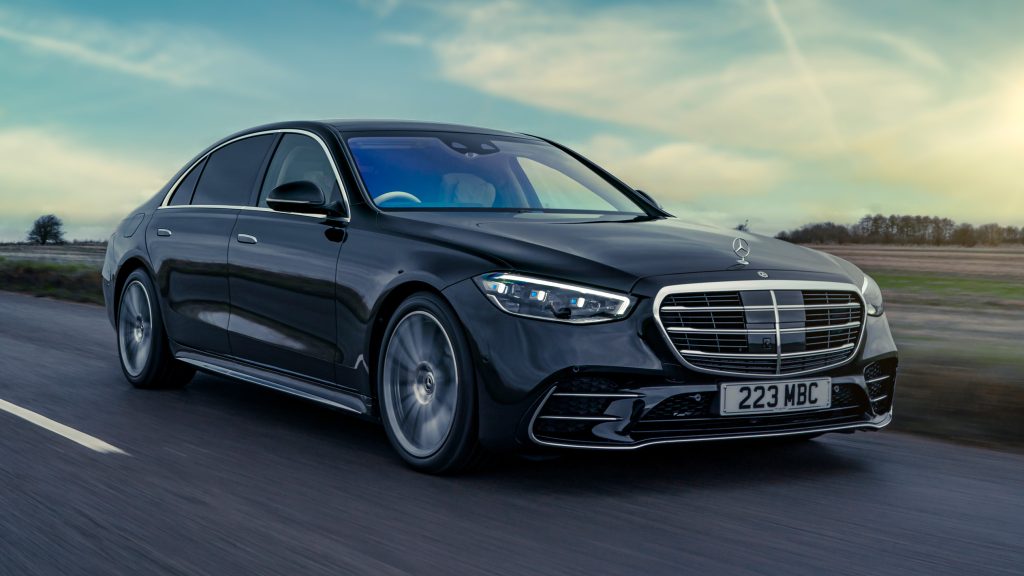
The modern S-Class remains one of the world’s most advanced luxury sedans, yet many enthusiasts still admire the earlier interiors where craftsmanship and physical interaction created a stronger emotional connection between car and driver.
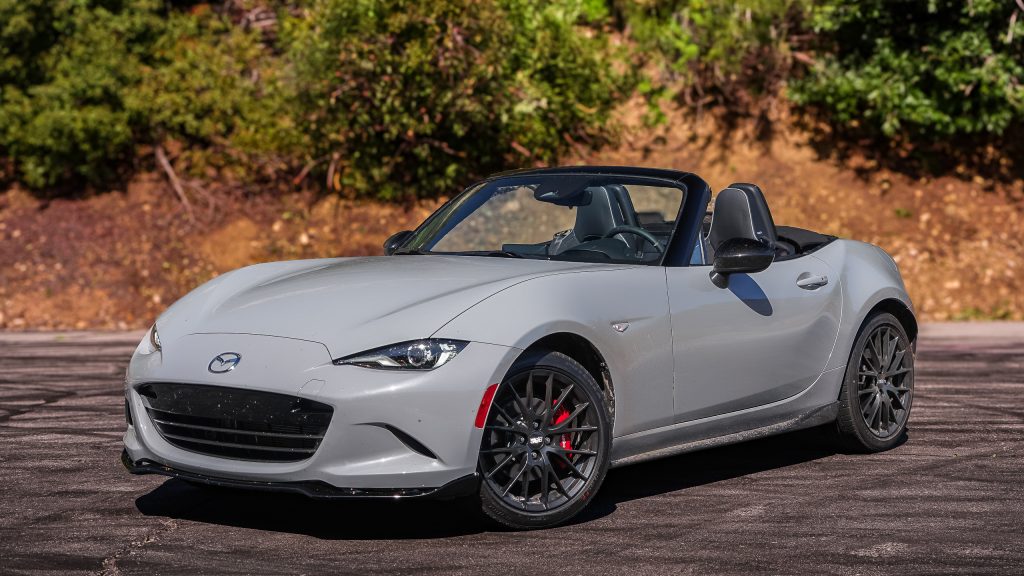
7. Mazda MX-5 Miata
The Mazda MX-5 Miata became legendary because it focused on pure driving enjoyment instead of unnecessary complexity.
Earlier generations especially embraced that philosophy inside the cabin, where physical buttons, rotary knobs, and simple analog controls made the car feel lightweight, mechanical, and refreshingly honest. Every part of the interior supported the idea that driving should remain the center of attention.
Older Miatas never attempted to overwhelm drivers with giant displays or futuristic interfaces. Instead, the dashboard presented clear gauges, tactile climate controls, and straightforward audio buttons positioned exactly where they needed to be.
That simplicity became part of the car’s charm. Drivers could get in, start the engine, and immediately feel connected to the machine without wasting time dealing with software menus.
The physical controls also suited the Miata’s tiny cabin perfectly. Because the car emphasizes agility and driver engagement, anything distracting or overly digital would interrupt the experience. Reaching for a knob or button required minimal effort, allowing drivers to stay focused on shifting gears, steering through corners, and listening to the engine.
Another reason the older button-based interiors felt cooler was their analog personality. The Miata has always celebrated lightweight sports car traditions, and tactile controls reinforced that old-school roadster feeling.
The clicks, turns, and mechanical feedback made the cabin feel alive. It reminded drivers that sports cars once prioritized sensory connection rather than touchscreen presentation.
Modern Miatas still retain more physical controls than many competitors, which enthusiasts appreciate greatly. Yet even newer versions have gradually incorporated larger screens and more digital interfaces than the earlier generations. While these additions improve convenience, they slightly soften the raw simplicity that once defined the car.
Durability deserves mention, too. Older Miata cabins were built around straightforward components that tended to age gracefully. Buttons remained functional for years, analog gauges stayed readable, and the interiors avoided the software issues affecting many modern vehicles. Owners often praise how easy these cars are to live with long-term.
The compact cockpit also created intimacy between driver and controls. Everything sat within immediate reach, making the experience feel personal and involving. There was no separation between human and machine caused by layers of digital menus.
The MX-5 Miata earned loyalty because it never forgot the emotional side of driving. Earlier interiors filled with tactile controls strengthened that connection beautifully. They proved a sports car does not need giant screens to feel modern, exciting, or memorable.
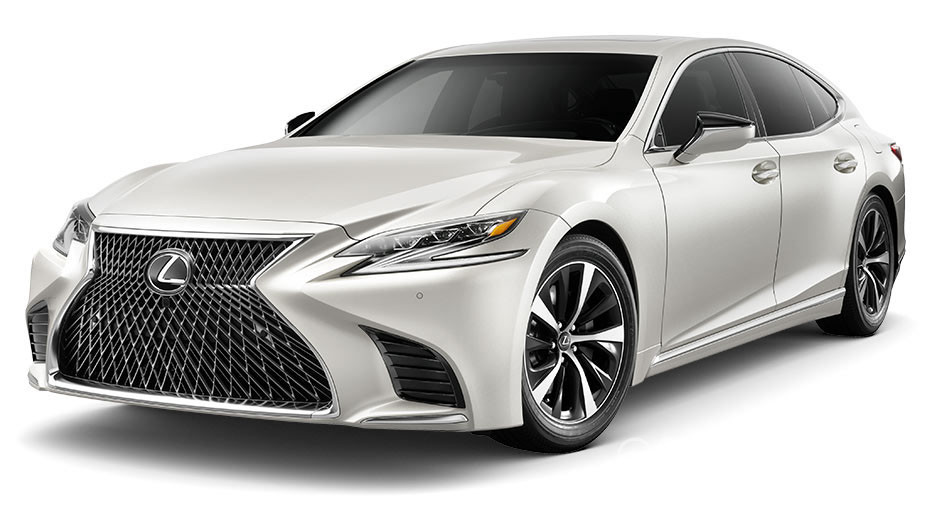
8. Lexus LS
The Lexus LS built its reputation by delivering quiet luxury, exceptional reliability, and remarkable attention to detail. Earlier generations achieved this with interiors filled with elegant physical controls that felt expensive without becoming complicated.
Before luxury brands began competing over screen size, the LS showed how thoughtful button design could create a cabin that felt both advanced and relaxing.
One reason the older LS interiors worked so well was their calm organization. Buttons for climate control, seat adjustments, navigation, and audio systems were arranged logically across the dashboard and center console.
Drivers rarely needed to search for functions because everything had a dedicated location. The experience felt effortless, which perfectly matched the sedan’s smooth and refined personality.
Lexus paid extraordinary attention to tactile quality during this era. Buttons pressed softly yet precisely, rotary knobs moved with controlled resistance, and switches operated with near-silent smoothness. These details may sound minor, but they created a sense of craftsmanship that owners noticed every day.
The older LS cabins also balanced technology and luxury more effectively than many modern interiors. Advanced features existed, but they never overwhelmed the design.
Wood trim, leather surfaces, analog clocks, and softly illuminated controls created warmth throughout the cabin. Instead of feeling like a mobile computer, the LS felt like a peaceful luxury retreat.
As Lexus embraced larger touchscreens and more digital interfaces, some of that serenity disappeared. The newer interiors remain beautiful, though the shift toward screen-focused design reduced the tactile interaction that once separated the LS from competitors. Physical buttons gave the cabin rhythm and texture that flat surfaces cannot fully replace.
Another advantage of the older design philosophy was reliability. Lexus became famous for building interiors that continued functioning flawlessly after decades of use. Physical controls contributed heavily to that reputation. Many older LS sedans still have perfectly operational climate systems, seat controls, and stereo buttons despite extremely high mileage.
Long-distance comfort also benefited from the button-based layout. Drivers could adjust settings quickly while remaining relaxed and focused on the road. There was no frustration caused by lagging menus or buried touchscreen controls.
The Lexus LS represented luxury through refinement rather than flashy technology. Earlier interiors captured that identity brilliantly by combining tactile elegance with intuitive usability. In many ways, those button-filled cabins now feel more timeless than the minimalist digital dashboards replacing them today.
Modern car interiors may continue moving toward larger displays and fewer physical controls, but many drivers still miss the tactile satisfaction older cabins delivered.
Buttons created connection, confidence, and personality in ways touchscreens often fail to replicate. They transformed ordinary interactions into part of the driving experience itself.
