
Cars once came in far more shapes and configurations than they do today. Modern buyers mostly choose between SUVs, crossovers, pickups, and a shrinking number of sedans. Safety regulations, fuel economy targets, manufacturing costs, and changing customer tastes slowly erased many unusual body styles that once filled roads across America and Europe.
Some disappeared because they became too expensive to engineer, while others vanished because buyers simply stopped showing up at dealerships.
There was a time when automakers experimented constantly. Families bought giant station wagons with rear-facing seats. Young drivers wanted sleek two-door hatchbacks that mixed practicality with sporty looks. Personal luxury coupes ruled suburban driveways during the 1970s and 1980s.
Compact pickup trucks served as affordable daily transportation before midsize trucks grew larger and pricier. Even convertibles nearly vanished for a period because companies feared stricter rollover standards would end the segment permanently.
Many of these body styles created strong emotional connections because they represented specific lifestyles and eras. A wood-paneled wagon symbolized family road trips. A T-top sports coupe represented youthful freedom and late-night cruising.
Small vans and mini trucks reflected an affordable customization culture during the 1980s and 1990s. Yet the industry today focuses heavily on profitability and platform sharing, leaving little room for niche products with limited sales potential.
Some discontinued formats occasionally make brief returns, but usually with major compromises that remove what made them special in the first place. Modern regulations also make certain shapes difficult to justify financially.
Engineers now prioritize crash structures, battery packaging, aerodynamic efficiency, and high seating positions because those are what dominate current markets worldwide.
The following body styles once held major importance in automotive culture, but the chances of seeing them return in authentic form are extremely small. Their disappearance marks the end of entire automotive eras that newer generations may never fully experience.
Also Read: 10 Cars With the Coldest AC Out of the Factory
1. Full-Size Station Wagons
Before three-row SUVs took control of suburban neighborhoods, full-size station wagons were the default family vehicle across America.
Models like the Ford Country Squire and the Chevrolet Caprice Estate carried massive cargo areas, wide bench seats, and enough room for entire families plus luggage. Many even included rear-facing third-row seating that turned children into accidental entertainment systems during long trips.
The appeal of these wagons came from practicality mixed with comfort. They drove more like large sedans than trucks, making highway travel smoother and quieter than early SUVs.
Parents appreciated their low cargo floors because loading groceries, bicycles, and strollers required far less effort than lifting everything into a tall utility vehicle. During the 1970s and 1980s, these wagons became cultural symbols tied to vacations, carpools, and cross-country travel.
Their downfall began when minivans appeared in the 1980s. Families discovered that sliding doors and flexible seating layouts were more convenient. Later, SUVs added higher driving positions and rugged styling that made wagons appear old-fashioned. Once fuel prices fluctuated and emissions standards tightened, giant V8-powered wagons became difficult to justify economically.
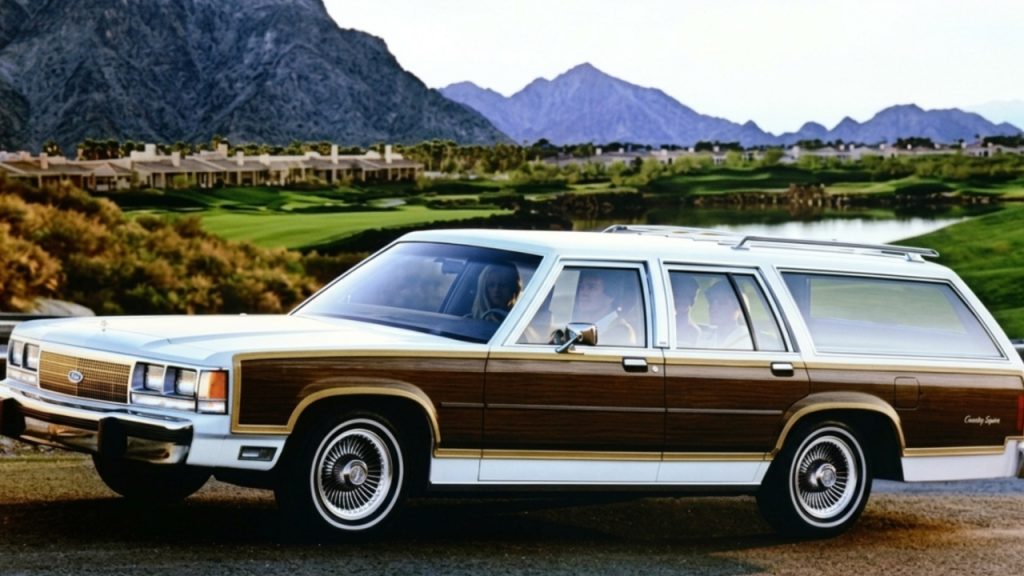
Today’s wagons are smaller, more premium-focused, and aimed at niche buyers. The traditional American land yacht wagon has effectively disappeared. Automakers have little interest in reviving vehicles that require enormous dimensions while delivering lower profit margins than similarly sized SUVs.
Consumer perception has also shifted permanently. Younger buyers associate station wagons with outdated family transportation rather than aspiration, making a true comeback almost impossible.
2. Personal Luxury Coupes
During the 1970s and 1980s, personal luxury coupes occupied a special place in the market. Cars such as the Cadillac Eldorado and the Lincoln Mark VII prioritized comfort, style, and presence over sports car handling.
These vehicles featured enormous hoods, plush interiors, thickly padded seats, and dramatic proportions designed to impress rather than attack corners.
Manufacturers understood their audience clearly. Buyers wanted elegance without sacrificing ride comfort. Vinyl roofs, opera windows, hidden headlights, and oversized chrome grilles became defining characteristics.
Driving one felt more like commanding a rolling lounge than piloting transportation. Many owners cared less about acceleration figures and more about arriving somewhere with quiet confidence.
The decline of the segment happened gradually. Fuel economy concerns during the late 1970s reduced engine sizes and weakened performance.
Younger generations started gravitating toward European luxury sedans and Japanese imports that offered sharper handling and modern engineering. Insurance costs also hurt two-door luxury cars, especially as four-door sedans became more sophisticated and upscale.
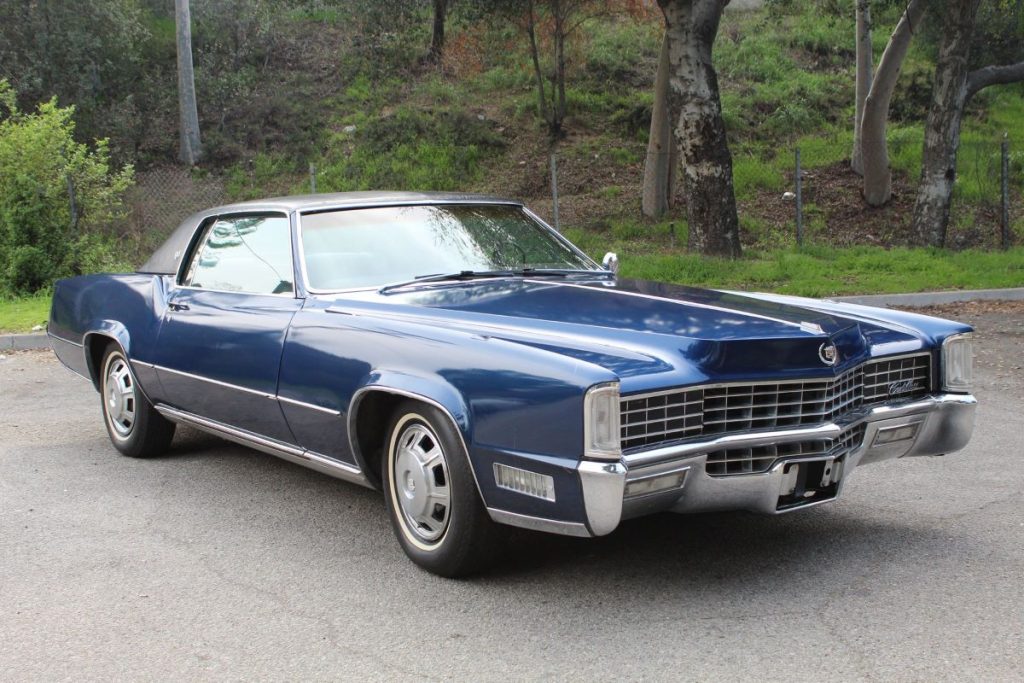
Modern luxury buyers demand practicality alongside comfort, which heavily favors SUVs and premium crossovers. Two-door cars now occupy tiny market segments, usually centered around performance rather than cruising comfort. Recreating a traditional personal luxury coupe today would require a massive investment for extremely limited sales potential.
There is also a cultural shift at play. The old American idea of effortless boulevard cruising no longer defines automotive aspiration the way it once did.
Contemporary luxury emphasizes technology, efficiency, and versatility. As a result, the massive cushy coupe with a pillow-soft suspension and dramatic styling belongs firmly to a past automotive generation.
3. Compact Pickup Trucks
Compact pickup trucks once represented affordable utility for buyers who did not need oversized towing numbers or giant cabins.
Vehicles like the Toyota pickup and the Ford Ranger became popular because they were simple, inexpensive to maintain, and easy to maneuver through crowded cities. They appealed to young buyers, small business owners, and outdoor enthusiasts alike.
These trucks thrived during the 1980s and 1990s because they balanced practicality with efficiency. A compact truck could carry motorcycles, furniture, or construction supplies without consuming fuel like a full-size pickup.
Many owners also customized them heavily through lowered suspensions, aftermarket wheels, and colorful paint schemes. Mini truck culture became a major movement, especially in California and other parts of the American Southwest.
Their disappearance happened for several reasons. Safety standards became stricter, requiring larger crash structures and additional engineering costs.
At the same time, profit margins on full-size trucks increased dramatically. Automakers realized they could earn far more money selling bigger pickups loaded with luxury features than stripped-down compact work trucks.
Consumer expectations also changed. Buyers started demanding larger cabins, more power, and higher towing capacities. As a result, modern midsize pickups grew substantially in size and price. Even current trucks marketed as compact are far larger than the truly small pickups from decades ago.
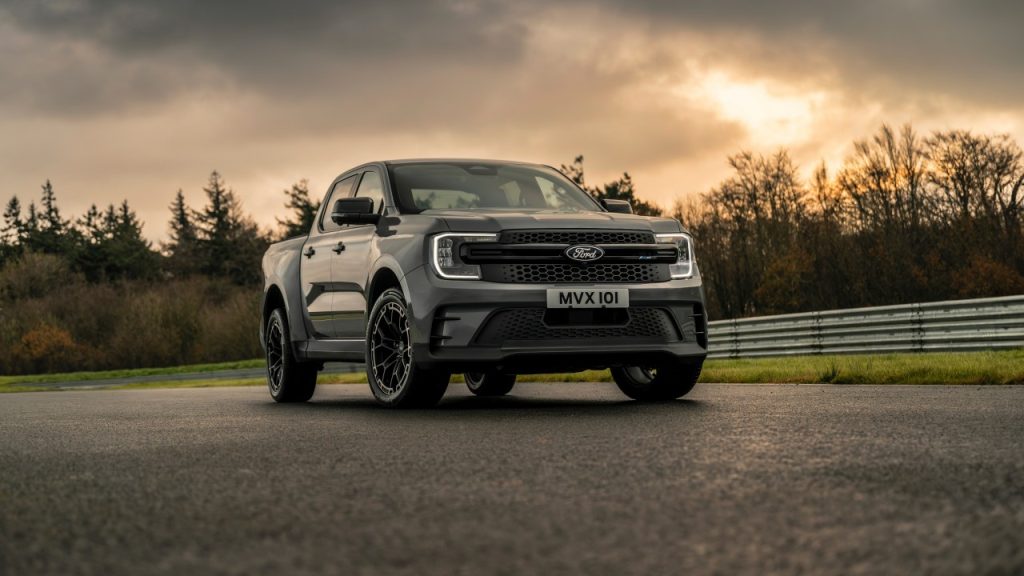
A genuine return to old-school mini trucks is highly unlikely because manufacturers would struggle to make enough profit from them. Regulations and customer demands have permanently shifted the market upward.
The lightweight, bare-bones compact pickup now survives mostly in memories and collector circles rather than dealership showrooms.
4. Two Door Economy Hatchbacks
Affordable two-door hatchbacks once gave younger drivers stylish transportation without requiring sports car money. Models such as the Honda Civic Hatchback and the Volkswagen Golf mixed fuel efficiency with practicality and a surprisingly fun driving experience.
They became the first common cars because they were inexpensive, easy to park, and relatively cheap to insure.
Automakers loved them because they attracted entry-level buyers into their brands. Many of these hatchbacks offered manual transmissions, lightweight construction, and responsive steering that made even ordinary commutes entertaining.
Their folding rear seats added cargo flexibility that traditional compact sedans often lacked. Students, commuters, and city drivers embraced them throughout the 1980s, 1990s, and early 2000s.
The market shifted once crossovers began replacing compact cars entirely. Buyers increasingly preferred higher seating positions and four-door practicality.
Two-door configurations became especially unpopular because rear-seat access frustrated families and rideshare passengers. Manufacturers gradually removed them from lineups as sales declined year after year.
Another factor involved economics. Building both two-door and four-door versions of the same car increased manufacturing complexity. Companies realized most consumers simply chose the four-door model anyway. Eliminating the two-door version reduced production costs while simplifying inventory management for dealerships.
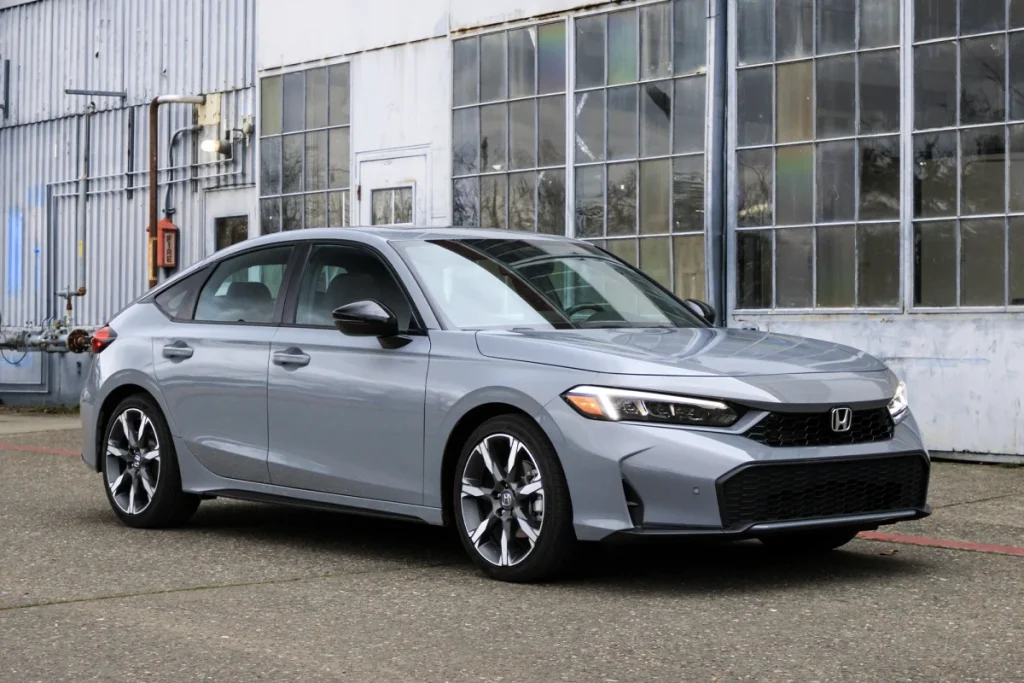
Today, very few affordable two-door hatchbacks remain anywhere in the world. Performance-oriented hot hatches still exist in limited numbers, but the cheap, cheerful commuter hatchback has nearly vanished.
Modern entry-level transportation now revolves around small crossovers, leaving the classic two-door hatchback as another casualty of changing consumer priorities.
5. T-Top Sports Coupes
Few body styles captured late 1970s and 1980s automotive culture quite like the T-top sports coupe. Cars such as the Pontiac Firebird Trans Am and the Chevrolet Camaro became icons because they offered drivers a partial open-air experience without sacrificing the aggressive appearance of a hardtop coupe.
Removing the glass roof panels created a sense of freedom while still leaving the center roof bar in place for structural support.
These cars carried enormous cultural weight. Movies, television shows, and music videos turned T-tops into symbols of youthful rebellion and nightlife. Owners loved storing the removable panels in the trunk before cruising through warm summer evenings.
The design also gave manufacturers a way to market semi-convertible excitement without engineering a full convertible body.
Despite their popularity, T-tops created numerous problems. Water leaks became common as the cars aged. Structural rigidity suffered compared to fixed-roof coupes, often leading to squeaks and rattles over rough roads. Safety standards grew tougher as well, forcing automakers to invest more heavily in crash protection and roof strength.
By the 1990s, manufacturers started abandoning the concept. Convertibles improved significantly in rigidity and refinement, making T-tops feel outdated. Sunroofs and panoramic glass roofs also provided open-air experiences with fewer compromises. At the same time, buyers increasingly favored practicality and comfort over niche styling features.
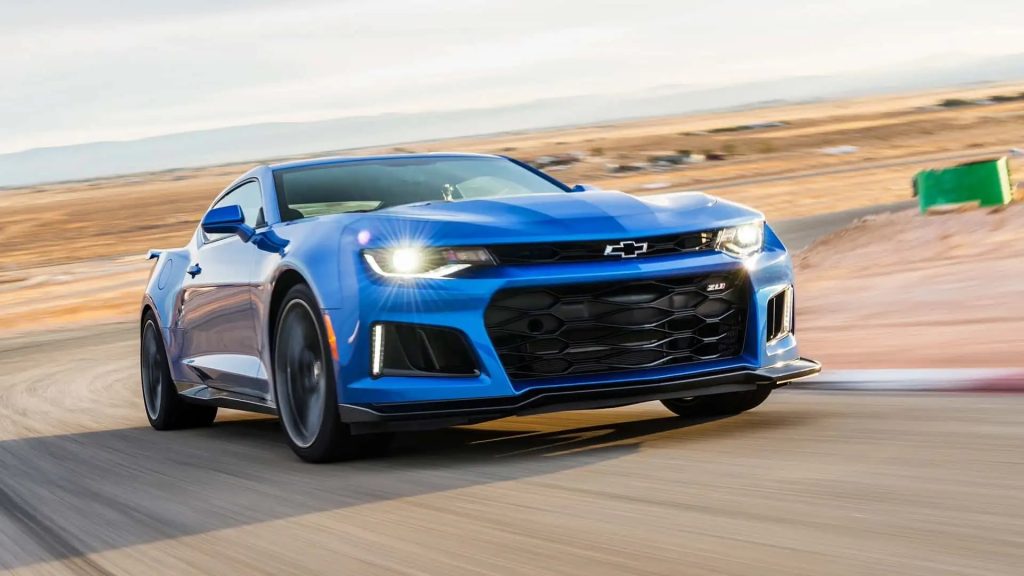
A modern revival appears extremely unlikely because the engineering costs would outweigh potential demand. Current vehicle architectures prioritize structural efficiency, aerodynamics, and manufacturing simplicity.
T-tops belong to a specific automotive era defined by flashy styling and emotional design choices, something the modern industry rarely prioritizes outside expensive specialty vehicles.
6. Minivans Based on Compact Cars
Before modern crossovers dominated suburban driveways, compact-based minivans served as practical alternatives for growing families.
Vehicles like the Mazda MPV and the Mitsubishi Expo combined small car dimensions with tall rooflines and flexible seating arrangements. They offered impressive interior space without the intimidating size of full-scale vans.
These vehicles became especially useful in crowded urban areas where parking space mattered. Families appreciated their sliding doors, upright seating positions, and fuel efficiency compared to larger vans or truck-based SUVs.
Some models even experimented with unusual seating layouts and removable chairs that increased versatility for cargo hauling or road trips.
The segment eventually disappeared because buyers associated minivans with boring family transportation. During the late 1990s and early 2000s, SUVs became fashionable status symbols while vans gained a reputation for sacrificing style entirely for practicality.
Manufacturers responded by focusing investment toward crossovers that delivered similar interior space with more rugged appearances.
Crash safety expectations also changed the market. Building extremely compact vans that still met modern safety requirements became more challenging and expensive. Taller bodies combined with short wheelbases introduced handling compromises that many companies no longer wanted to address.
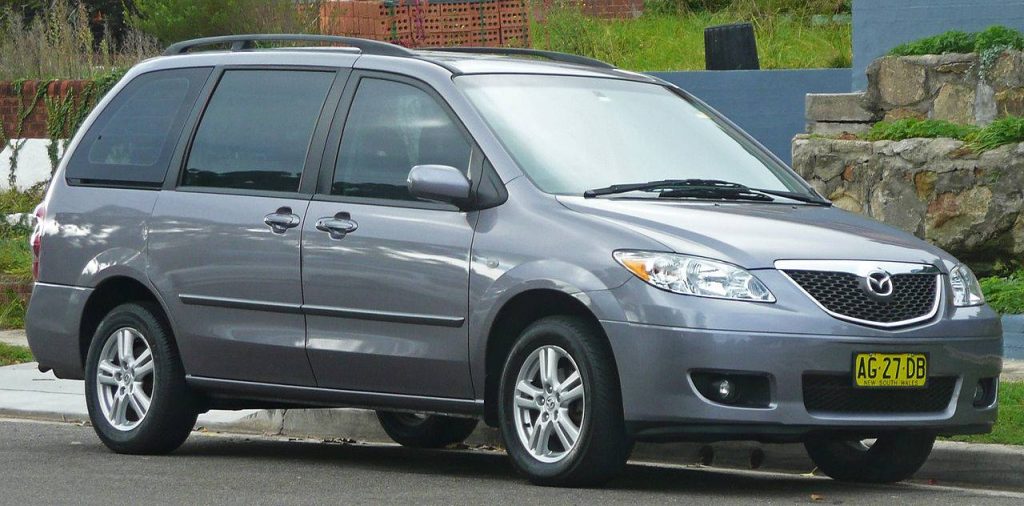
Current compact crossovers now occupy the same market space once filled by these small vans. They offer upgraded seating positions, flexible interiors, and family usability while maintaining styling that consumers perceive as modern and adventurous.
Because of this shift in buyer psychology, the old compact minivan formula has little chance of returning in its original form.
7. Landau Roof Sedans
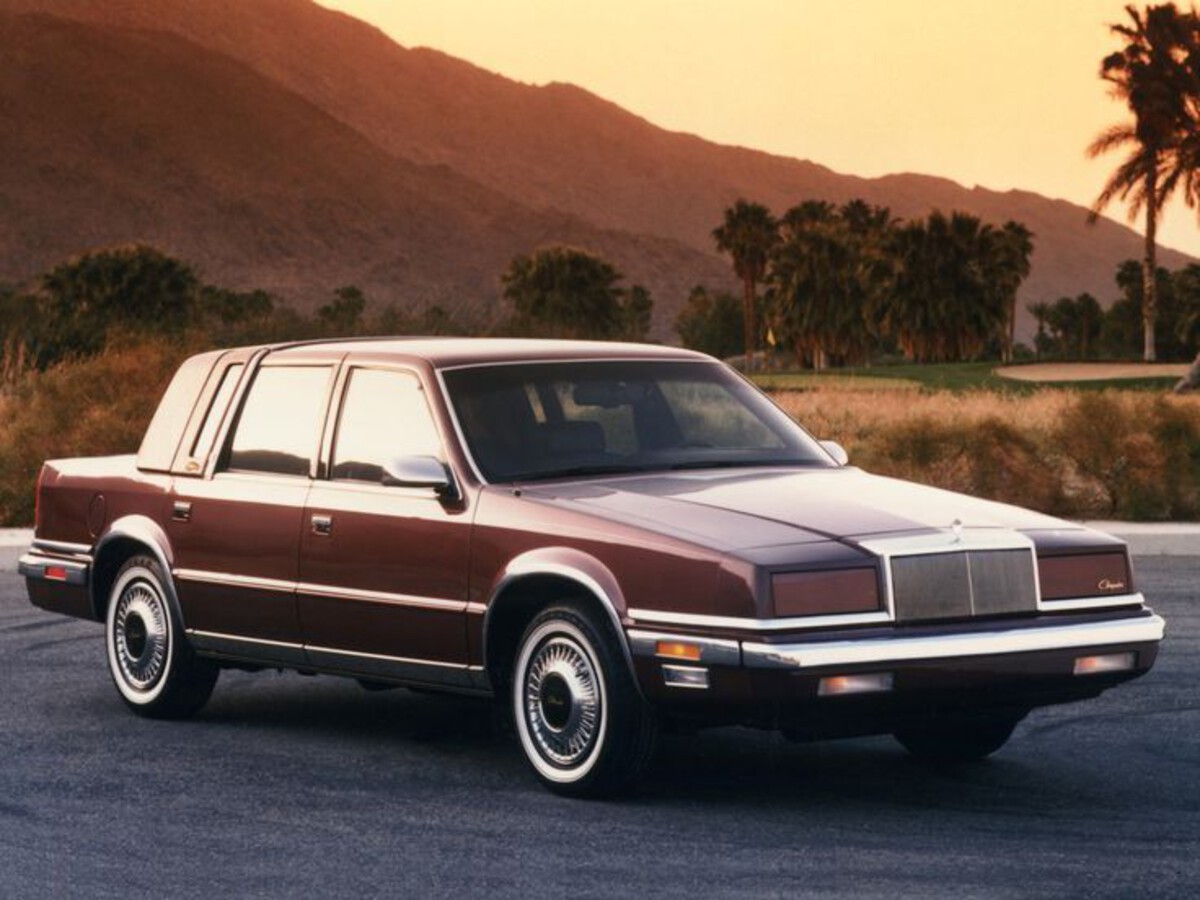
For several decades, Landau roof sedans represented luxury and prestige in American automotive design. Cars like the Chrysler New Yorker and the Mercury Grand Marquis often featured padded vinyl coverings on portions of the roof, sometimes paired with decorative opera windows and thick chrome trim.
These details attempted to imitate the appearance of formal chauffeur-driven cars from earlier generations.
The styling trend exploded during the 1970s because buyers associated it with sophistication. Automakers aggressively marketed these sedans toward middle-class families who wanted vehicles that projected success and comfort. A Landau roof instantly changed a plain sedan into something that looked more upscale and expensive, at least from a distance.
Yet the design aged poorly over time. Vinyl roofs trapped moisture underneath, leading to hidden rust problems around roof seams and rear windows.
As automotive styling evolved toward cleaner and more aerodynamic shapes during the 1980s and 1990s, padded roofs began looking excessive and outdated. Younger consumers especially viewed them as symbols of an older generation.
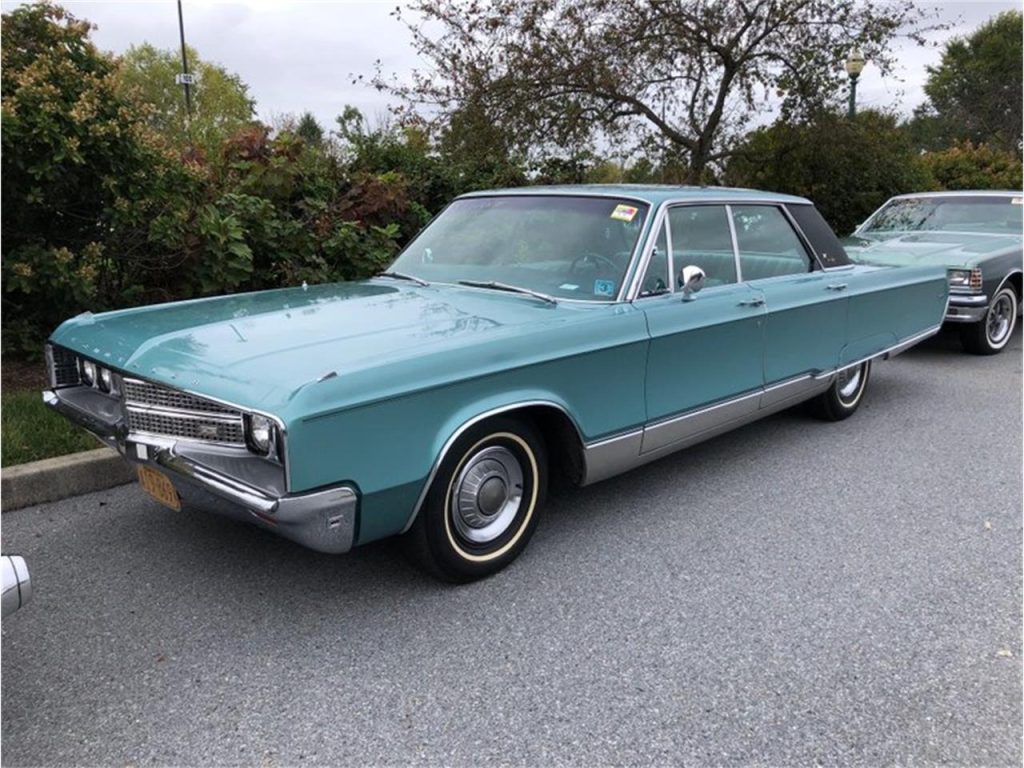
Manufacturers eventually abandoned the concept entirely because it conflicted with modern design priorities. Today’s vehicles focus heavily on smooth body lines, weight reduction, and aerodynamic efficiency. Decorative roof treatments no longer fit those goals. Improved paint quality and panoramic glass roofs also removed the need for artificial luxury styling touches.
A true return is nearly impossible because the market has fundamentally changed. Modern buyers tend to value minimalist styling and technology-driven interiors more than exterior ornamentation.
What once looked prestigious now appears nostalgic at best. The Landau roof remains tied to a very specific era of American excess that the industry has little interest in revisiting.
8. Three-Door SUVs
Three-door SUVs once offered a compact and sporty alternative to larger, family-oriented utility vehicles. Models such as the Chevrolet Blazer and the Ford Bronco balanced off-road capability with shorter wheelbases that improved maneuverability on trails and in urban environments.
Their compact proportions also gave them a tougher and more adventurous appearance than their longer four-door counterparts.
Many outdoor enthusiasts preferred these SUVs because they felt more agile and personal. The reduced body length helped during off-road driving, especially on narrow trails or steep terrain. Younger buyers also appreciated the sporty styling, removable tops in some models, and easier parking compared to massive full-size trucks.
The decline of the three-door SUV happened because practicality eventually outweighed image. Families wanted easier rear-seat access, more cargo space, and additional passenger room.
Four-door SUVs delivered all of those advantages while only slightly increasing vehicle size. Once manufacturers realized most buyers preferred convenience, the shorter body style quickly faded away.
Economic factors also played a role. Producing separate body configurations increased development and manufacturing costs. Automakers found it more profitable to focus on four-door models that appealed to broader audiences. Insurance and safety considerations added more pressure against niche utility vehicles with limited sales potential.
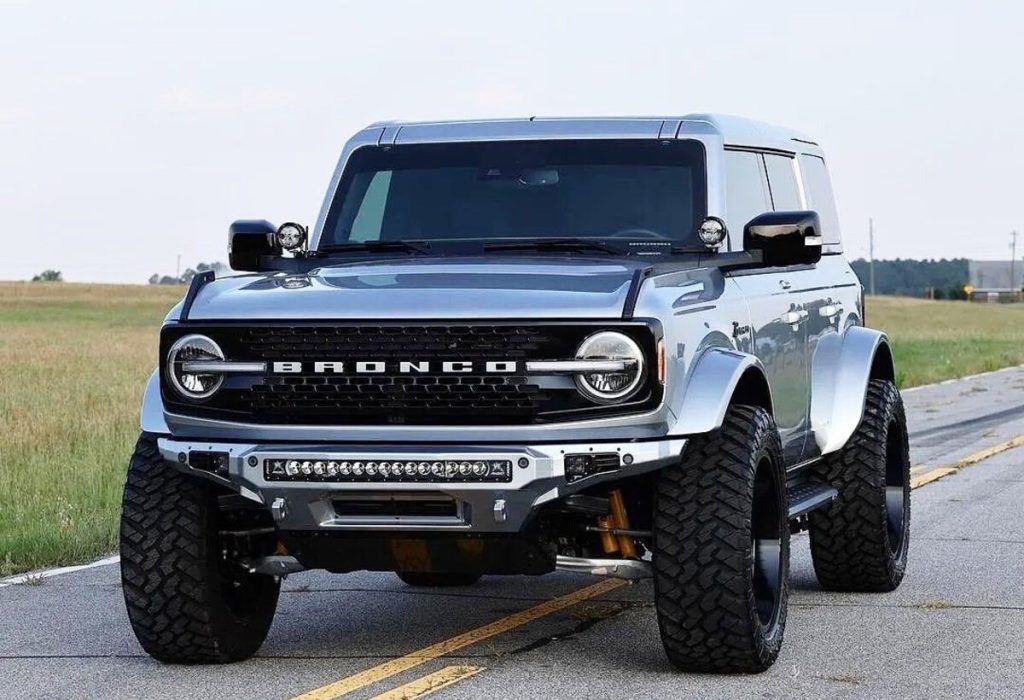
A handful of speciality off-road vehicles still use two-door designs today, but they remain exceptions rather than mainstream products. The classic affordable three-door SUV aimed at everyday buyers has effectively vanished.
Modern crossover culture prioritizes family usability first, leaving little room for compact, sporty utility vehicles with compromised rear access.
9. Ute-Style Car Pickups
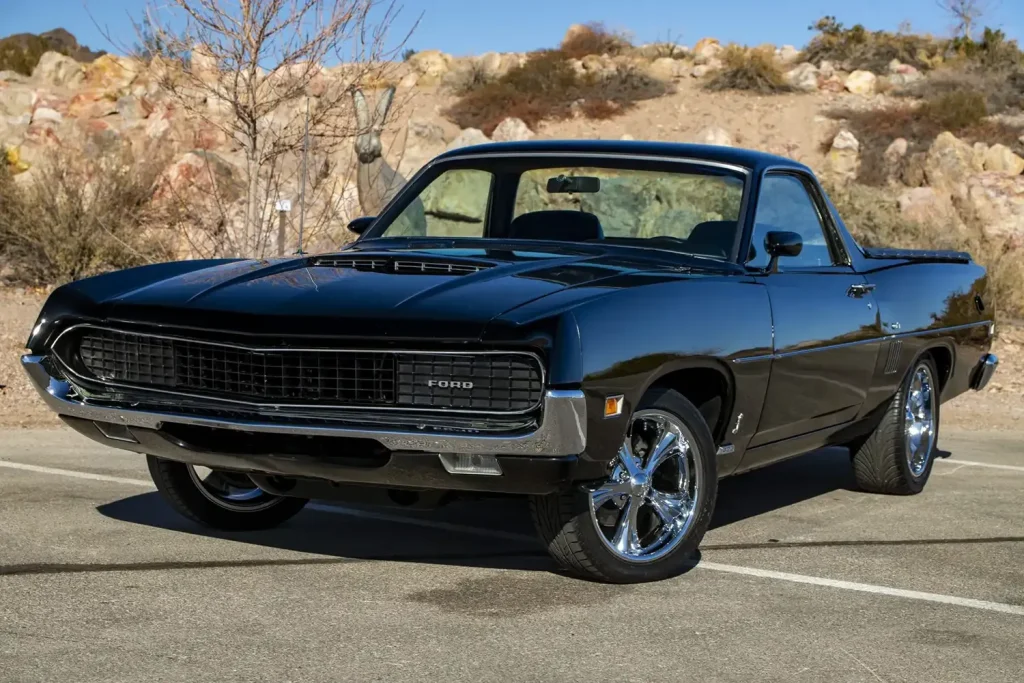
One of the most distinctive body styles unlikely to return in meaningful numbers is the ute-style car pickup. Vehicles such as the Chevrolet El Camino and the Ford Ranchero blended the front half of a passenger car with an integrated cargo bed at the rear.
Unlike traditional trucks built on heavy-duty frames, these machines drove more like sedans while still offering light hauling capability.
The idea originally made perfect sense for certain buyers. Farmers, tradesmen, and small business owners often needed cargo space but did not necessarily require the rough ride or bulk of a full-size pickup.
A Ute-style vehicle delivered a softer suspension, lower ride height, and easier handling while still carrying tools, supplies, or motorcycles in the open bed. During the 1960s and 1970s, these vehicles carved out loyal followings because they balanced utility with personality in ways conventional trucks could not match.
Beyond practicality, they also carried a strong cultural identity. The El Camino especially became famous through movies, television appearances, and American street culture. Some owners treated them like muscle cars, installing large V8 engines and aftermarket upgrades that transformed these pickups into surprisingly fast machines.
Others used them as affordable work vehicles that doubled as comfortable daily transportation. Few automotive categories combined blue-collar utility and performance image so effectively.
Their downfall started when pickup trucks became more refined and spacious. By the 1980s and 1990s, traditional trucks gained improved ride quality, larger interiors, and modern conveniences that removed many advantages once held by car-based pickups.
Buyers who needed utility increasingly chose compact or full-size trucks because they offered greater towing capacity, stronger frames, and more versatility.
Safety regulations also created major obstacles. Modern crash standards demand complex structural engineering that becomes difficult when combining passenger car platforms with open cargo beds.
At the same time, fuel economy requirements and manufacturing costs pushed automakers toward global vehicle architectures shared across multiple markets. Niche body styles like the ute no longer fit neatly into those business plans.
Consumer preferences changed dramatically as well. Most buyers today either want the full capability of a pickup truck or the comfort and cargo protection of an SUV or crossover.
The middle ground once occupied by the El Camino and the Ranchero has largely disappeared. Younger drivers often see these vehicles as quirky relics rather than practical transportation choices.
Although Australia kept the Ute tradition alive longer than America, even that market has shifted heavily toward dual-cab pickup trucks and SUVs. The modern automotive industry rewards vehicles with broad worldwide appeal and high profit margins. A low-slung car pickup aimed at a relatively small audience simply does not fit current manufacturing realities.
That is why the classic Ute-style vehicle now belongs to automotive history rather than the future. It represented a creative period when automakers experimented with unusual combinations instead of focusing mainly on crossovers and standardized platforms.
The automotive industry has changed dramatically over the past several decades, and many once-popular body styles have quietly disappeared along the way. What used to be a diverse marketplace filled with unique shapes and specialized vehicles has become increasingly dominated by SUVs, crossovers, and large pickup trucks.
While technology, safety standards, and customer demands have improved modern vehicles in many ways, they have also pushed several classic automotive formats into extinction. The body styles covered in this article represent entire eras of car culture that are unlikely to return in their original forms.
Full-size station wagons once defined family transportation with spacious cabins, massive cargo areas, and comfortable road trip manners. Personal luxury coupes delivered style, comfort, and dramatic design during a time when cruising mattered more than performance numbers.
Compact pickup trucks offered affordable utility before trucks became oversized lifestyle vehicles loaded with luxury features. Two-door economy hatchbacks gave younger drivers inexpensive transportation that still felt sporty and fun.
T-top sports coupes reflected the bold styling culture of the late twentieth century, combining open-air driving with aggressive looks. Compact-based minivans provided practical family transportation before crossovers took over suburban driveways worldwide.
Landau roof sedans represented a period when chrome trim, padded vinyl roofs, and decorative styling details symbolized status and elegance.
Three-door SUVs once balanced rugged capability with sporty proportions before practicality pushed buyers toward four-door designs. Finally, Ute-style car pickups blended passenger car comfort with light truck utility in ways that modern vehicles rarely attempt anymore.
Several factors caused these body styles to disappear. Safety regulations became stricter and required more complex engineering solutions. Manufacturing costs increased, forcing companies to focus on vehicles with broader appeal and stronger profit margins.
Consumer tastes also shifted heavily toward practicality, upgraded driving positions, and multipurpose transportation. Many buyers who once purchased niche body styles now choose SUVs or crossovers because they satisfy a wider range of needs.
Another major reason involves globalization. Automakers now prefer flexible platforms that can support multiple vehicles across different international markets.
Specialized body styles serving limited audiences no longer make financial sense in an industry focused heavily on efficiency and scale. As a result, many unique vehicle categories slowly vanished despite their loyal fan bases.
These discontinued designs still hold strong emotional value because they reflected distinct lifestyles and cultural moments.
They remind enthusiasts of road trips, customization scenes, family traditions, and an era when manufacturers experimented more freely with automotive identity. While modern vehicles excel in technology, comfort, and efficiency, many have become visually and mechanically similar to one another.
The disappearance of these body styles shows how much the automotive world has evolved. Even though some enthusiasts continue preserving and restoring these vehicles today, the chances of seeing authentic modern replacements remain extremely small.
Their legacy now survives mainly through collectors, memories, and the lasting influence they left on automotive history.
Also Read: 9 Vehicles With the Most Tech Buried in the Base Trim
