
The automotive world moves fast, and every year, some truly great vehicles disappear from showroom floors. While new models continue to arrive packed with larger screens, electrified drivetrains, and increasingly complex technology, many enthusiasts still look backward at discontinued cars that offered something modern vehicles often lack.
Character, simplicity, analog driving feel, and timeless design have become increasingly valuable in today’s market. Some discontinued cars were misunderstood during their original production runs, while others were beloved performance icons that simply became too expensive or impractical for manufacturers to continue building.
In both cases, history has shown that certain discontinued models eventually become highly desirable collector vehicles, often experiencing dramatic increases in value once enthusiasts realize how special they truly are.
What makes a discontinued car worth hunting down before prices rise further is a combination of rarity, reliability, performance, cultural significance, and emotional appeal. Cars that once sat unnoticed on used car lots can suddenly become highly sought after once supply shrinks and nostalgia grows.
We have already seen this happen with Japanese sports cars from the 1990s, European performance sedans from the early 2000s, and even certain American muscle cars that were once considered ordinary used vehicles. Buyers who recognized their potential early often benefited from lower purchase prices and the joy of owning machines that later became automotive legends.
Another major factor driving appreciation is the shift toward electrification and automation across the industry. As manufacturers phase out naturally aspirated engines, manual transmissions, hydraulic steering systems, and lightweight Rear Wheel Drive platforms, older enthusiast-focused vehicles become increasingly attractive.
Drivers who want a raw, mechanical connection with the road are now searching for cars built during a different era of automotive engineering. This growing demand continues to push prices upward for many discontinued models that deliver a more engaging experience than modern alternatives.
The cars on this list represent a mix of affordable future classics, undervalued performance heroes, and already appreciated icons that may still have room to grow. Some are Japanese tuner legends, others are German precision machines, and a few are American performance bargains hiding in plain sight.
What they all share is a strong enthusiast following and a growing recognition that vehicles like these may never be built again. If you have been considering adding a special discontinued car to your garage, now may be the right time before values climb even higher and clean examples become increasingly difficult to find.
Also Read: 10 Cars With Insurance Premiums Lower Than a Compact Sedan
1. Honda S2000
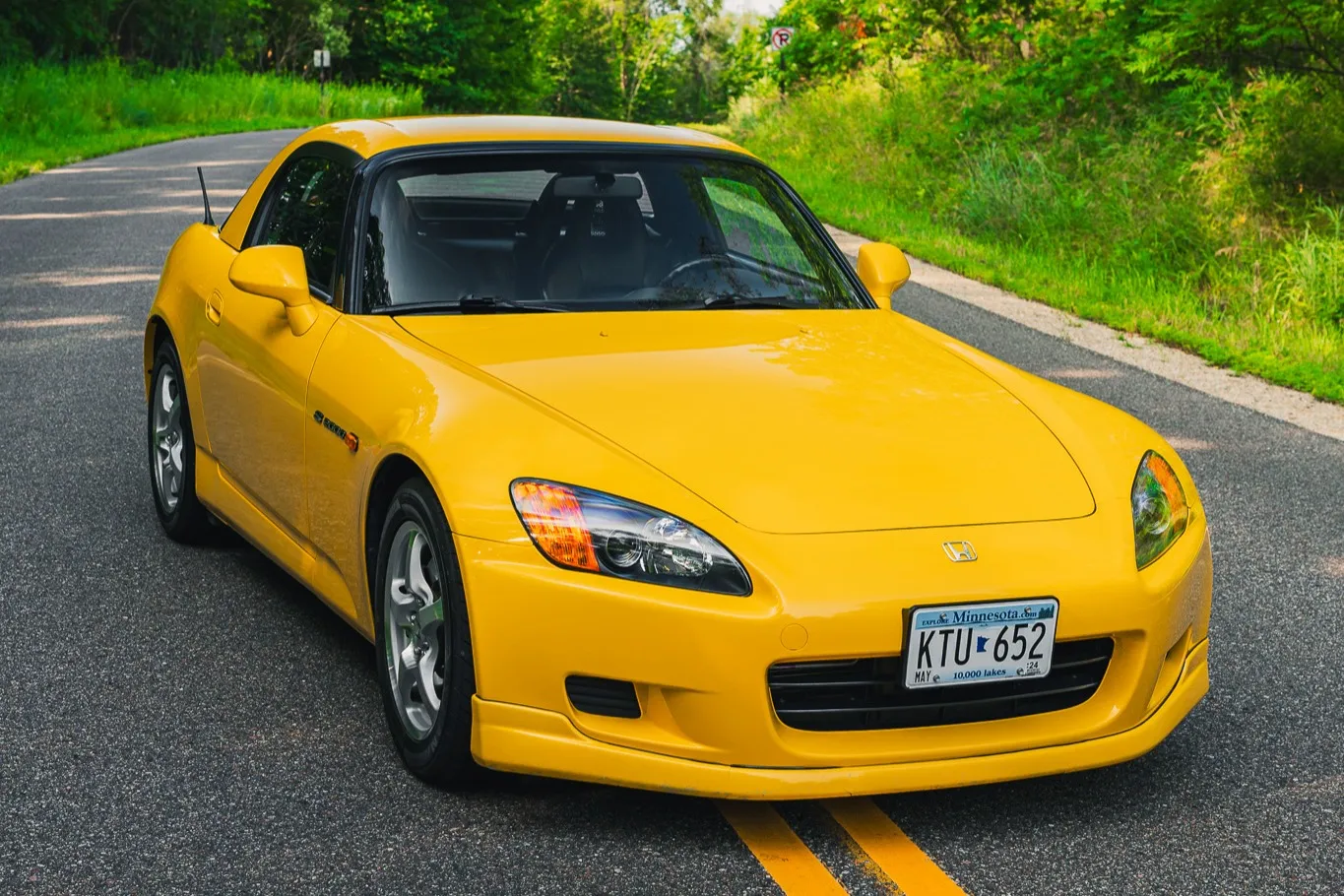
The Honda S2000 remains one of the purest sports cars Honda ever created, and its reputation has only grown stronger since production ended in 2009. Originally introduced in 1999 to celebrate Honda’s 50th anniversary, the S2000 delivered an unforgettable combination of high-revving naturally aspirated power, precise handling, and a lightweight rear wheel drive chassis.
At a time when many manufacturers were adding turbochargers and heavier platforms, Honda built a roadster focused entirely on driving enjoyment. Enthusiasts immediately appreciated its engineering excellence, but the broader market took years to fully understand how special this car really was.
One of the S2000’s defining characteristics is its legendary F20C engine, widely regarded as one of the greatest naturally aspirated four-cylinder engines ever produced. The engine revved to an astonishing 9000 RPM in early models and produced exceptional power for its displacement.
Combined with a slick six-speed manual transmission and balanced chassis, the S2000 created a driving experience that felt razor sharp and incredibly rewarding. Modern sports cars may offer more horsepower and advanced electronics, but few deliver the same visceral excitement and driver engagement.
Another reason the S2000 continues to rise in desirability is its reliability. Unlike many aging sports cars that become maintenance nightmares, the S2000 has earned a reputation for durability when properly cared for.
This reliability makes it appealing to both collectors and enthusiasts who actually want to drive their vehicles regularly. Clean, low-mileage examples are becoming increasingly difficult to find because many owners recognize the car’s long-term value and hold onto them tightly.
The styling has also aged remarkably well. Its long hood, short rear deck, and compact proportions give it a timeless appearance that still looks modern decades later.
Unlike trend-driven designs that quickly feel outdated, the S2000’s clean lines continue to attract younger enthusiasts discovering the car for the first time. This cross-generational appeal is a major factor in future appreciation because it ensures ongoing demand as automotive tastes evolve.
Prices for excellent condition S2000s have already increased substantially over the past several years, especially for unmodified examples. However, many experts believe there is still room for growth because the market increasingly values analog sports cars with manual transmissions and naturally aspirated engines. As manufacturers continue moving toward electrification, vehicles like the S2000 become even more significant reminders of a golden era in sports car engineering.
2. Toyota FJ Cruiser
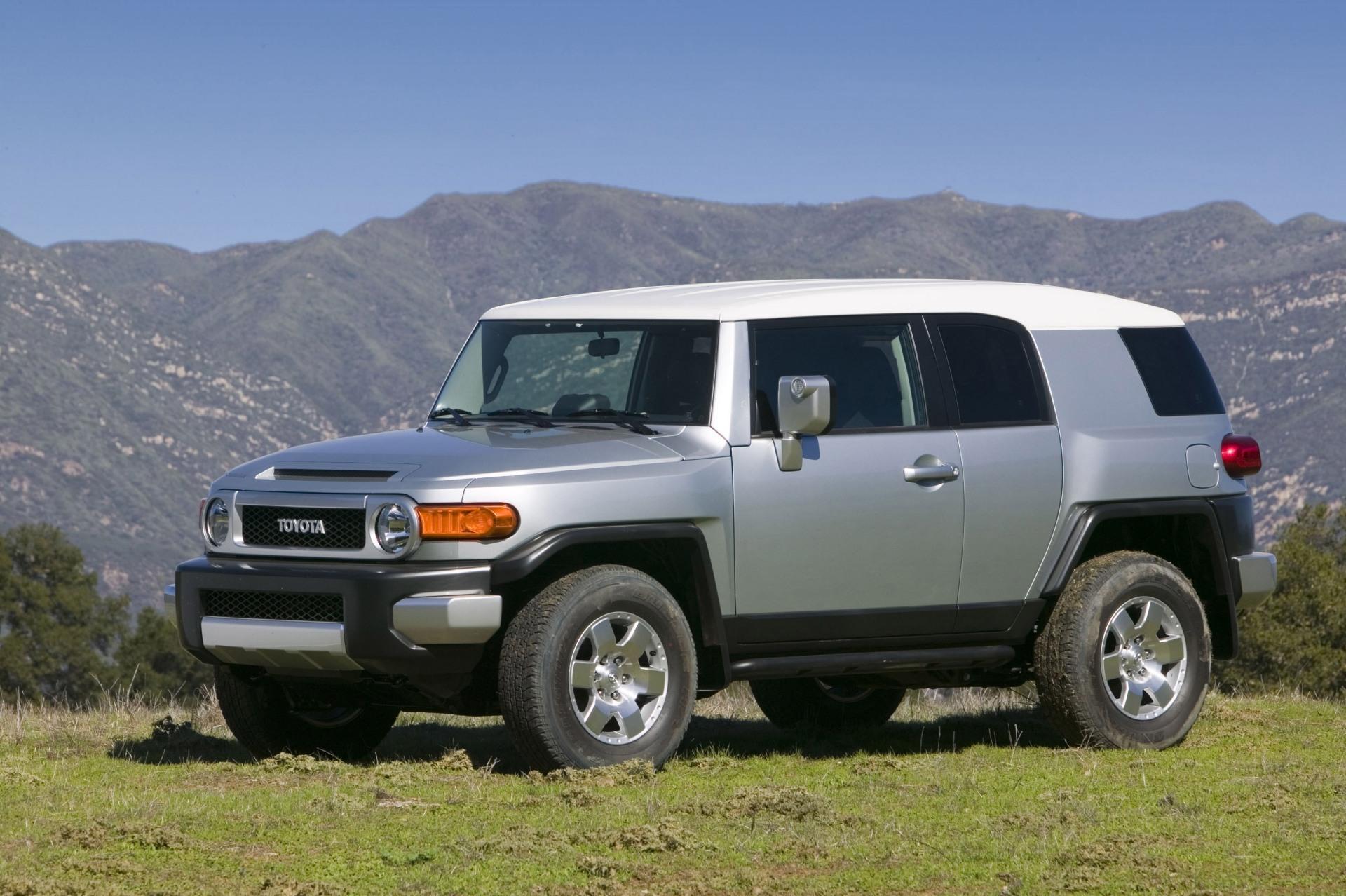
The Toyota FJ Cruiser was initially criticized for awkward styling and poor visibility, but time has transformed it into one of the most desirable modern off-road SUVs on the used market. Introduced in 2006 and discontinued in most markets by 2014, the FJ Cruiser combined retro-inspired design with serious off-road capability.
While some buyers initially overlooked it in favor of more conventional SUVs, enthusiasts quickly realized the FJ was something special. Today, clean examples command surprisingly strong prices, and demand continues to rise.
One of the biggest reasons for the FJ Cruiser’s popularity is its legendary reliability. Built on a platform closely related to the Toyota Land Cruiser Prado and sharing components with the Toyota 4Runner, the FJ earned a reputation for exceptional durability.
Owners routinely report high-mileage examples running with minimal issues, making it attractive for adventurers who want a dependable off-road machine. Reliability has always been a major factor in collector interest because vehicles that remain functional and practical retain a stronger long-term appeal.
The FJ Cruiser also arrived before the current explosion in retro-styled SUVs. Its design paid homage to the classic Toyota FJ40 Land Cruiser while still incorporating modern engineering and comfort. Features like the white roof, round headlights, and rugged stance gave it a distinctive personality that separated it from generic crossovers flooding the market. As more consumers seek vehicles with authentic character, the FJ Cruiser’s unique styling continues to gain appreciation.
Off-road capability is another major strength. Equipped with body-on-frame construction, available locking differentials, excellent ground clearance, and robust Four Wheel Drive systems, the FJ became a favorite among serious off-road enthusiasts.
Unlike many modern SUVs designed primarily for pavement, the FJ was engineered to tackle difficult terrain confidently. This capability has helped maintain strong demand among outdoor enthusiasts and overlanding communities.
As Toyota moves toward more modernized SUVs and electrified platforms, vehicles like the FJ Cruiser become increasingly desirable reminders of simpler, rugged engineering.
Limited production numbers compared to mainstream SUVs further support rising values. Well-preserved examples with minimal modifications are becoming harder to locate, and collectors are beginning to recognize the FJ Cruiser as a future classic with genuine long-term appreciation potential.
3. BMW E39 M5
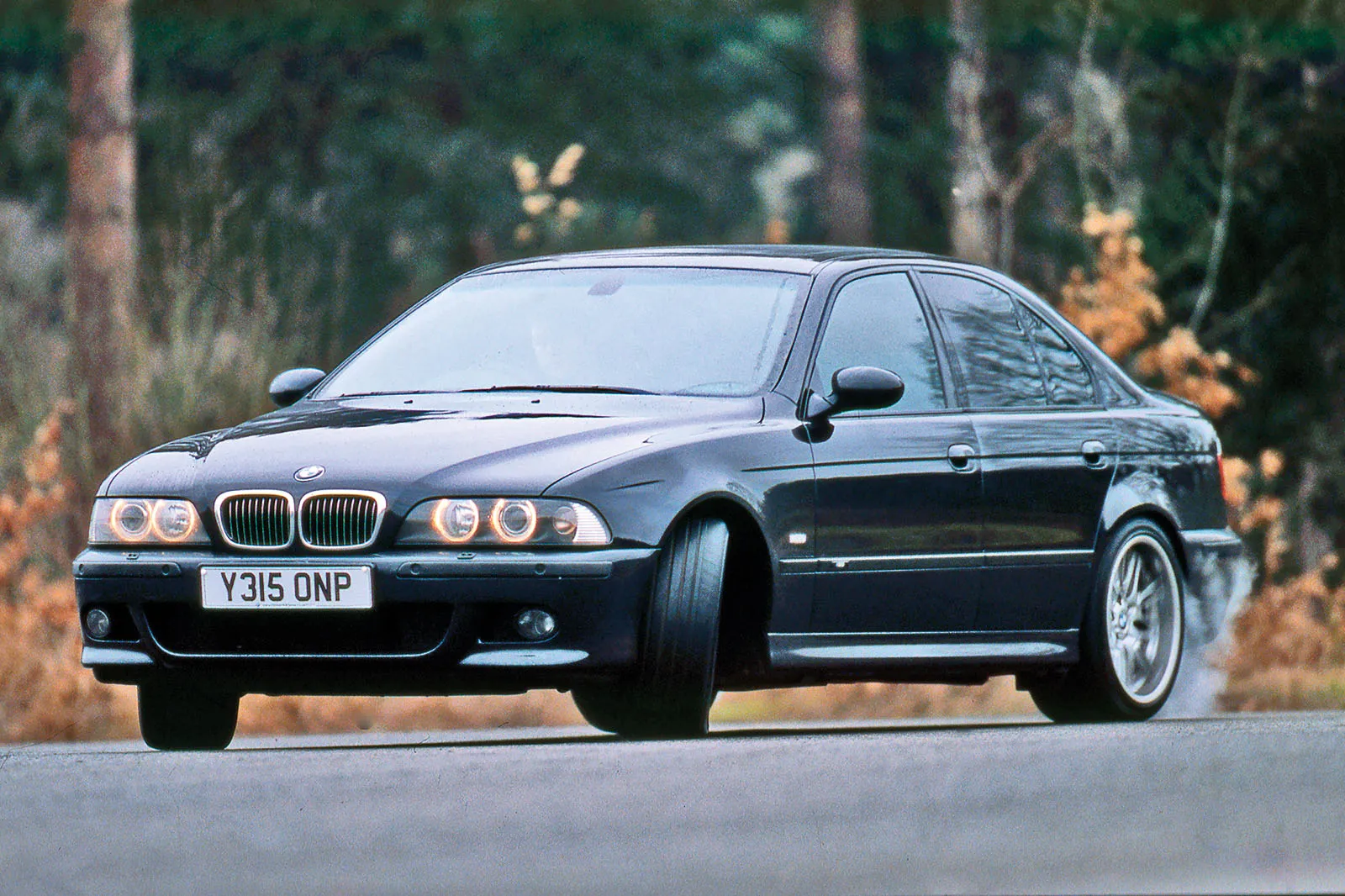
The BMW M5 E39 is often considered one of the greatest sports sedans ever built, blending luxury, practicality, and performance in a way few cars have successfully matched.
Produced from 1998 to 2003, the E39 generation M5 represented a high point for BMW before increasing reliance on turbocharging, electronic intervention, and heavier platforms. Enthusiasts frequently praise it as the perfect balance between analog driving feel and modern usability.
At the heart of the E39 M5 sits a naturally aspirated 4.9-liter V8 producing nearly 400 horsepower, paired exclusively with a six-speed manual transmission. This combination delivers effortless acceleration and an engaging driving experience that remains highly rewarding today.
Unlike many modern performance sedans that isolate drivers from the road, the E39 communicates through its steering, chassis, and engine response in a deeply satisfying way. Drivers feel connected to the machine rather than simply operating advanced technology.
The understated design also contributes significantly to the car’s lasting appeal. Unlike modern high-performance sedans covered in aggressive styling cues and oversized grilles, the E39 M5 maintained a subtle and elegant appearance. To many enthusiasts, this understated styling represents the ideal sleeper sedan. It could comfortably transport a family during the week while delivering thrilling performance on demand.
Interior quality remains impressive decades later. BMW built the E39 during an era when the brand focused heavily on craftsmanship and driver-oriented ergonomics. The cabin combines simplicity with luxury, avoiding the excessive screens and complicated interfaces found in many modern vehicles. As a result, the E39 still feels timeless and functional rather than outdated.
Values for clean E39 M5s have steadily climbed as enthusiasts recognize the car’s significance in BMW history. Low-mileage, well-maintained examples are especially sought after. Because many cars were heavily modified or neglected over time, original examples are becoming increasingly rare.
Given the industry’s shift away from naturally aspirated V8 sedans with manual transmissions, the E39 M5 appears positioned for continued appreciation among collectors and driving enthusiasts alike.
4. Mazda RX 7 FD
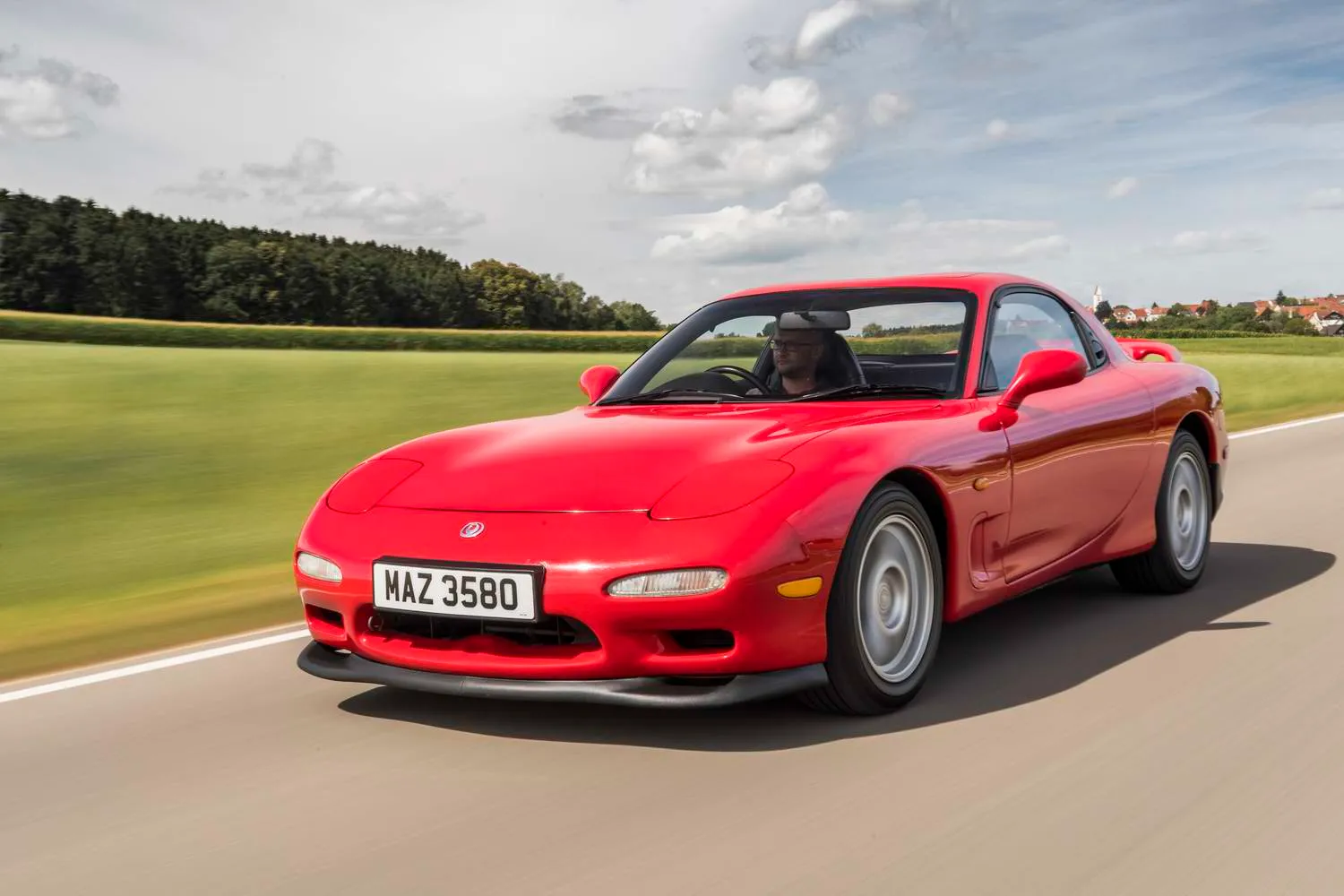
The Mazda RX-7 FD has become one of the most iconic Japanese sports cars ever produced, thanks to its stunning design, lightweight chassis, and unique rotary engine. Manufactured during the 1990s, the FD generation RX 7 represented Mazda’s dedication to creating a pure driver’s car focused on balance and agility rather than brute force.
While the rotary engine initially scared away some buyers due to reliability concerns, enthusiasts have long understood the magic of the RX 7’s driving experience.
The FD RX 7’s design remains breathtaking even decades after production ended. Its flowing curves, low stance, and compact proportions give it an exotic appearance that rivals far more expensive sports cars.
Unlike many vehicles from the 1990s that now appear dated, the RX 7 still turns heads everywhere it goes. Automotive designers often cite it as one of the most beautiful Japanese cars ever built, and this visual appeal continues driving demand among collectors.
Combined with near-perfect weight distribution and responsive steering, the RX 7 feels incredibly agile on winding roads. Drivers frequently describe it as one of the sharpest handling sports cars of its era. This emphasis on lightweight engineering has become increasingly rare in modern performance vehicles, making the RX 7 feel even more special today.
Pop culture exposure also significantly boosted the RX-7’s reputation. Appearances in racing games, movies, and tuning culture cemented its status as a Japanese performance icon.
Younger enthusiasts who grew up admiring the RX 7 are now reaching ages where they can afford collector vehicles, increasing demand further. Nostalgia plays a powerful role in automotive appreciation, and the RX 7 benefits heavily from this cultural connection.
Prices for clean FD RX 7s have already risen dramatically, especially for low-mileage and unmodified examples. However, continued scarcity suggests values may still climb higher. Many cars were modified extensively or destroyed over the years, making original examples increasingly rare. As interest in classic Japanese performance cars continues growing globally, the FD RX-7 remains one of the most desirable and collectible options available.
5. Chevrolet SS
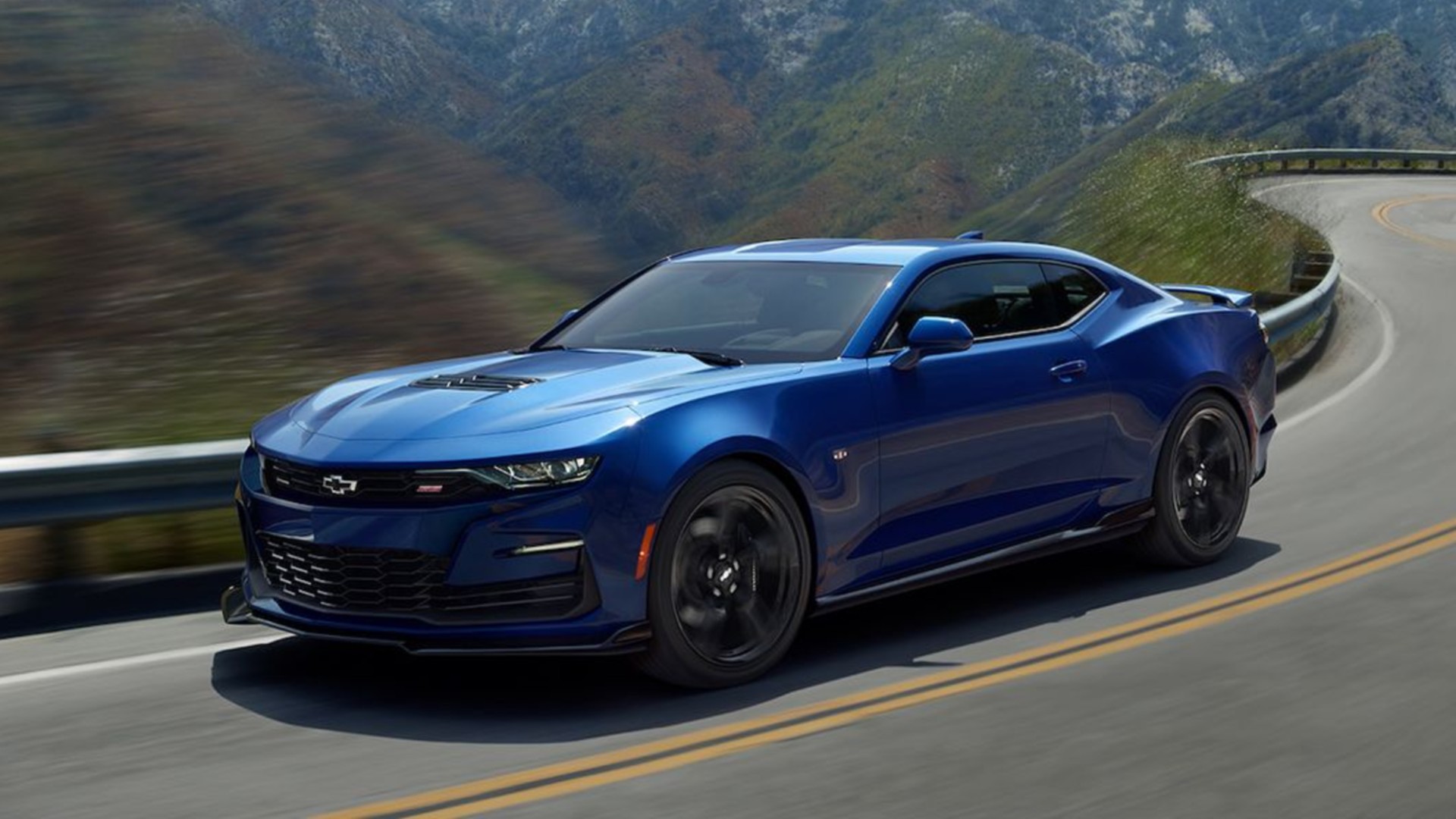
The Chevrolet SS may be one of the most underrated performance sedans of the modern era. Sold in the United States between 2014 and 2017, the SS combined a naturally aspirated V8 engine, rear wheel drive, and available manual transmission in a practical four-door package.
Despite offering exceptional performance, the car received little marketing support and remained largely unknown to mainstream buyers during its production run. Today, enthusiasts increasingly recognize it as a hidden gem.
Under the hood sits a powerful 6.2-liter V8 derived from the Chevrolet Corvette, producing thrilling acceleration and a rich exhaust note. Combined with balanced handling and magnetic ride suspension, the SS delivered an engaging driving experience comparable to much more expensive European sports sedans.
Enthusiasts particularly value manual transmission versions because they represent one of the final opportunities to purchase a modern American V8 sedan with three pedals.
The understated styling worked against the SS during its original sales period, but now contributes to its sleeper appeal. Unlike aggressive muscle cars covered in dramatic bodywork, the SS looks relatively ordinary to casual observers. This subtle appearance appeals strongly to enthusiasts who enjoy owning high-performance cars without attracting excessive attention.
Another factor increasing interest is the car’s rarity. Chevrolet imported relatively few SS sedans to the United States, and production ended after only a few years. Limited supply, combined with growing enthusiast awareness, has already caused prices to increase noticeably. Manual transmission examples are especially difficult to find and command premium values among collectors.
The automotive industry has changed dramatically since the SS disappeared. Manufacturers continue abandoning traditional performance sedans in favor of SUVs and electrified platforms, making the Chevrolet SS feel increasingly unique.
Its combination of practicality, naturally aspirated V8 power, rear wheel drive dynamics, and manual transmission availability represents a formula unlikely to return in future mainstream vehicles.
Also Read: 10 Cars That Survive Being Used as Daily Uber Vehicles
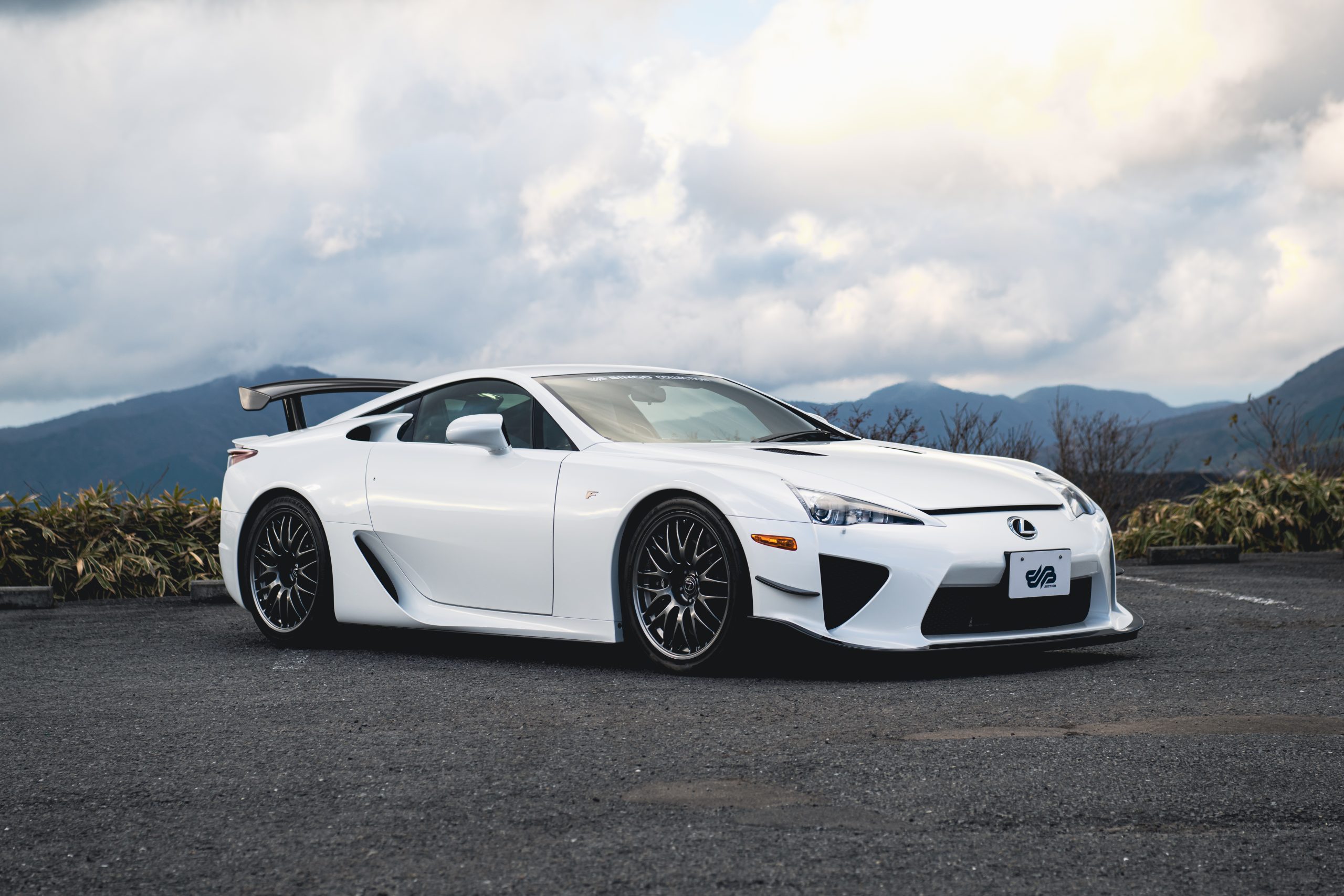
6. Lexus LFA
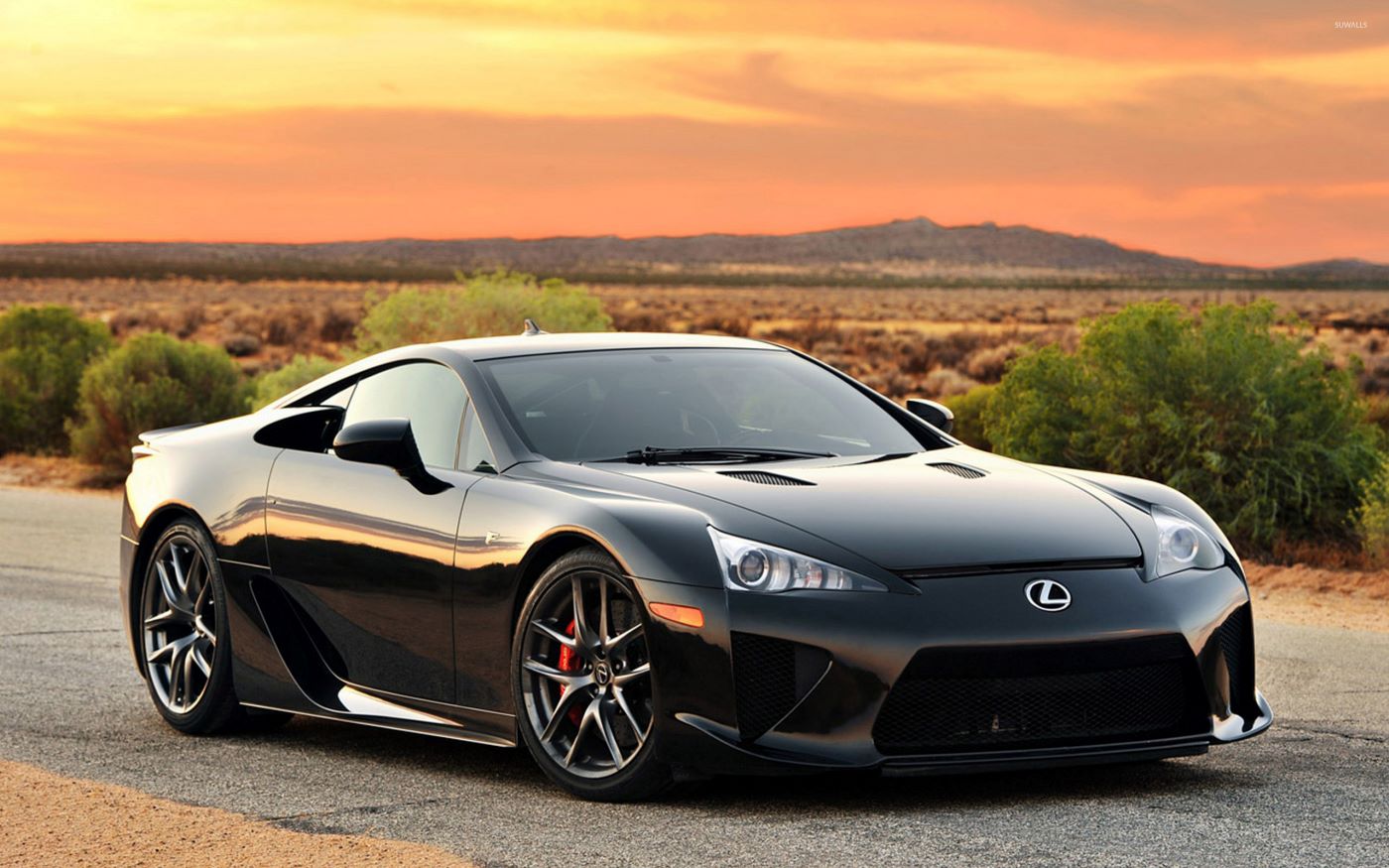
The Lexus LFA was initially considered overpriced when it debuted, but it is now widely recognized as one of the greatest supercars ever created.
Produced in extremely limited numbers between 2010 and 2012, the LFA represented Lexus engineering at its absolute peak. While many buyers originally struggled to justify its high price compared to European rivals, time has revealed just how extraordinary this car truly was.
The centerpiece of the LFA is its magnificent 4.8-liter naturally aspirated V10 engine. Developed with assistance from Yamaha, the engine revs incredibly quickly and produces one of the most celebrated exhaust notes in automotive history. Enthusiasts often compare the sound to Formula One cars from the V10 era. The emotional impact of this engine alone has made the LFA legendary among collectors.
Beyond the engine, the LFA showcased remarkable engineering innovation. Lexus developed advanced carbon fiber construction techniques specifically for the car after determining existing methods could not meet their standards.
The result was a lightweight and rigid chassis that contributed to exceptional handling performance. Every detail reflected obsessive attention to engineering precision and driving enjoyment.
The interior also demonstrated Lexus craftsmanship at its highest level. High-quality materials, futuristic instrumentation, and driver-focused ergonomics created a cabin that still feels special today. Unlike some supercars that prioritize appearance over usability, the LFA managed to feel both exotic and refined.
Because only 500 units were produced globally, the LFA has become extremely collectible. Values have increased substantially in recent years, with rare specifications commanding extraordinary prices. As naturally aspirated supercars become increasingly rare, the LFA’s significance continues to grow. Many experts now consider it one of the most important Japanese performance cars ever built.
7. Nissan 350Z
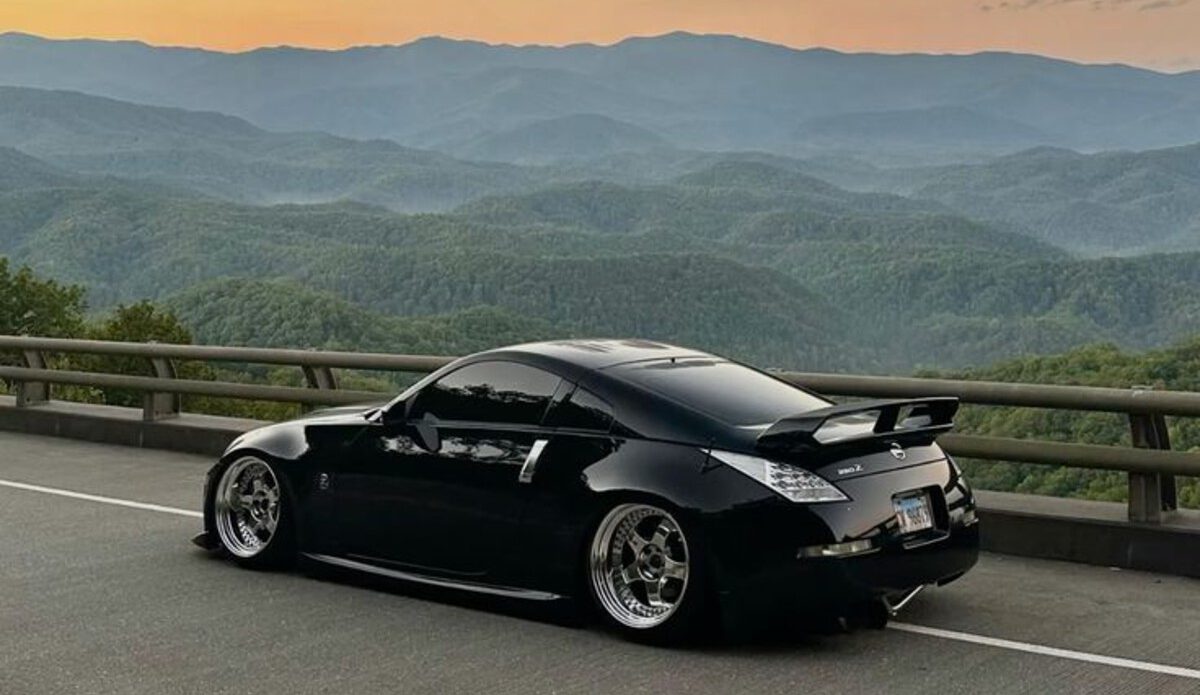
The Nissan 350Z helped revive affordable Rear Wheel Drive sports cars during the early 2000s. Introduced as part of Nissan’s effort to rebuild its performance image, the 350Z delivered strong V6 power, balanced handling, and attractive styling at a relatively accessible price point.
Although newer sports cars now offer more advanced technology, the 350Z remains popular among enthusiasts seeking a simple and engaging driving experience.
One major advantage of the 350Z is its robust aftermarket support. Enthusiasts can modify nearly every aspect of the car, from suspension and brakes to engine performance and body styling. This flexibility helped create a massive enthusiast community around the platform, ensuring continued interest long after production ended.
The car’s naturally aspirated V6 engine provides strong performance while maintaining respectable reliability. Unlike some turbocharged sports cars that require expensive maintenance, the 350Z offers relatively straightforward ownership costs. This balance between performance and dependability makes it attractive for younger enthusiasts entering the sports car market.
Styling also remains appealing. The long hood, short rear deck, and muscular proportions give the 350Z a distinctly modern sports car appearance. Nissan successfully referenced the classic Z car heritage while creating something contemporary enough to stand apart from retro-inspired competitors.
Although the 350Z remains relatively affordable compared to other Japanese performance icons, prices for clean, low-mileage examples are beginning to rise. Many cars have been heavily modified or abused over the years, reducing the number of original examples available. As enthusiasts continue searching for analog sports cars with manual transmissions, the 350Z’s value proposition becomes increasingly attractive.
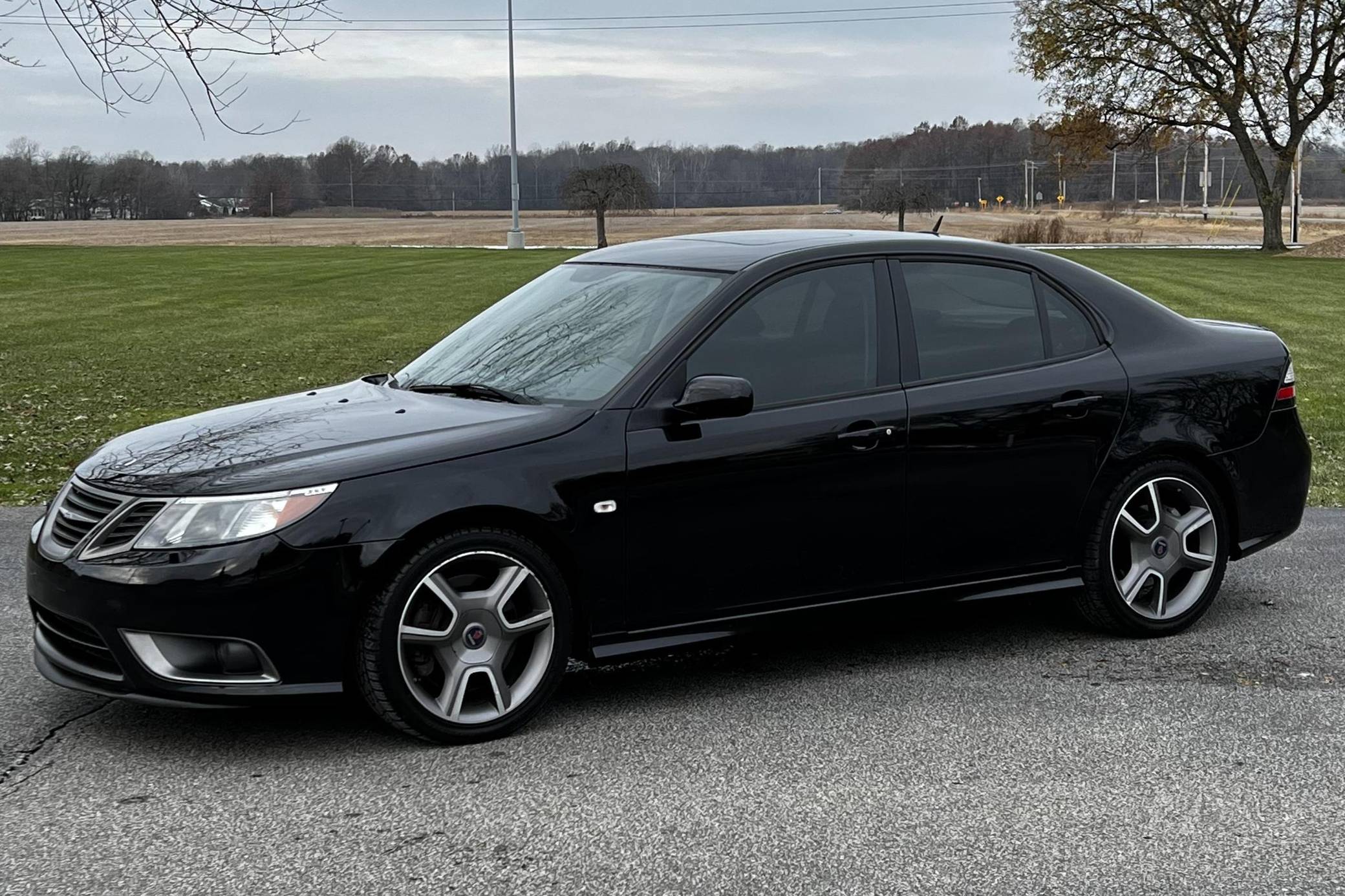
8. Saab 9 3 Turbo X
The Saab 9-3 Turbo X is one of the rarest and most interesting European performance sedans of the late 2000s. Released as a limited production model to celebrate Saab’s turbocharging heritage, the Turbo X combined distinctive Scandinavian design with All Wheel Drive performance and exclusivity.
Unfortunately, Saab’s financial struggles prevented wider success, but the car has since developed a devoted enthusiast following.
The Turbo X featured a turbocharged V6 engine producing impressive performance for its era. Saab also introduced its advanced XWD All Wheel Drive system, significantly improving handling and traction compared to earlier Front Wheel Drive models. This combination gave the Turbo X a unique driving character that differed from German rivals.
Design played a major role in the car’s appeal. Finished exclusively in black with unique wheels and aggressive styling details, the Turbo X possessed a dark and purposeful appearance unlike anything else on the road. Saab interiors also stood apart through their aviation inspired layouts and driver focused ergonomics.
Rarity significantly contributes to rising collector interest. Saab produced very few Turbo X models before the company eventually collapsed. As a result, surviving examples are difficult to locate, especially in excellent condition. Limited production vehicles from defunct manufacturers often attract collectors because they represent irreplaceable pieces of automotive history.
The Saab brand itself also carries emotional significance for many enthusiasts. Known for innovation, safety, and unconventional engineering, Saab developed a passionate global following. The Turbo X represents one of the company’s final high-performance achievements, making it increasingly desirable as nostalgia for the brand continues growing.
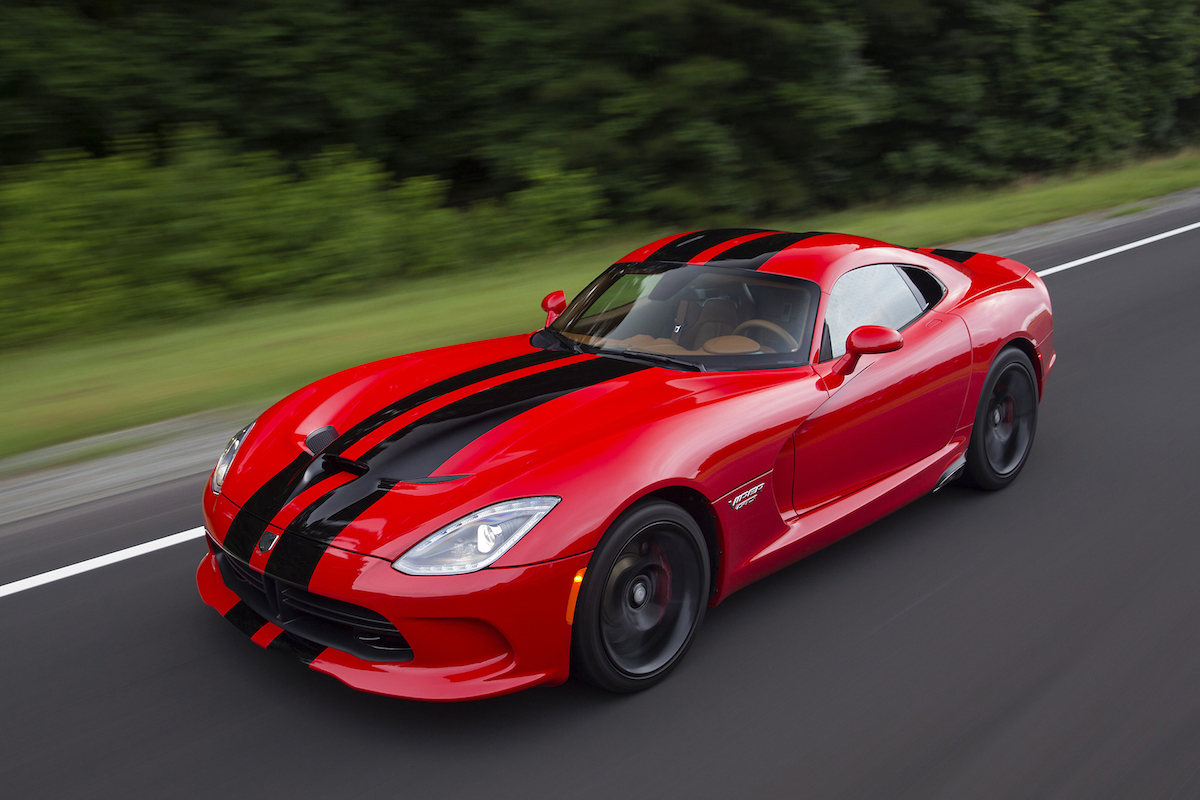
9. Dodge Viper
The Dodge Viper remains one of the wildest production cars America has ever built. Designed with minimal electronic intervention and enormous V10 power, the Viper prioritized raw performance over refinement.
From its introduction in the 1990s until production ended in 2017, the Viper maintained a reputation for intimidating driving dynamics and uncompromising character.
The massive naturally aspirated V10 engine is central to the Viper’s legend. Producing huge amounts of torque and dramatic acceleration, the engine delivered an experience unlike almost anything else available. Early Vipers lacked many modern safety systems, requiring significant skill and respect from drivers. This demanding nature contributed to the car’s mystique among enthusiasts.
Styling also played a major role in the Viper’s appeal. With its long hood, side exhaust pipes, and aggressive stance, the car looked every bit as outrageous as it performed. Few production vehicles possess such an unmistakable visual identity. Even today, the Viper commands attention wherever it appears.
Over time, Dodge refined the Viper substantially while retaining its core personality. Later generations offered improved handling, better interiors, and advanced technology while still preserving the raw driving experience enthusiasts loved. The final generation in particular demonstrated world-class performance capabilities on both road and track.
As automotive regulations and electrification continue reshaping the industry, cars like the Viper become increasingly unlikely to return. Its enormous naturally aspirated engine, manual transmission, and uncompromising personality represent a fading era of performance car design.
Collector interest has already intensified, and many believe values will continue climbing as enthusiasts seek one of the last truly outrageous analog supercars.
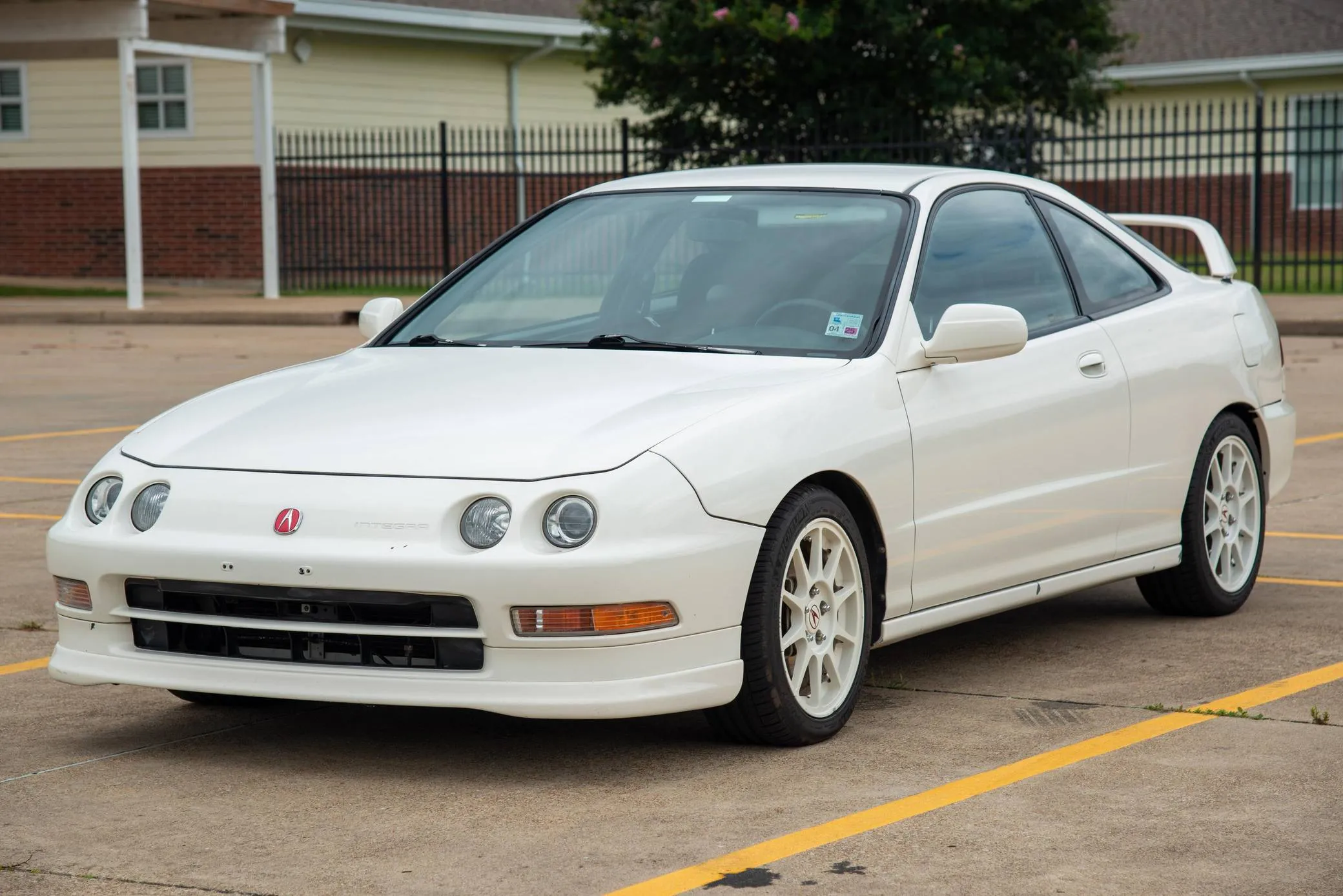
10. Acura Integra Type R
The Acura Integra Type R is widely regarded as one of the greatest Front Wheel Drive performance cars ever built. Produced in limited numbers during the late 1990s and early 2000s, the Integra Type R transformed the ordinary Integra into a precision-engineered track-focused machine. Although it initially appealed primarily to hardcore enthusiasts, the car’s reputation has grown enormously over time.
Honda engineers reduced weight aggressively throughout the vehicle, removing unnecessary sound insulation and optimizing chassis rigidity. Combined with a high-revving VTEC engine, close-ratio manual transmission, and finely tuned suspension, the result was extraordinary handling precision. Drivers consistently praised the Type R for its responsiveness and balance.
The engine became legendary among enthusiasts. Despite relatively modest displacement, the naturally aspirated four-cylinder produced impressive power through advanced engineering and extremely high RPM capability. The sensation of pushing the engine toward redline remains one of the defining experiences of classic Japanese performance cars.
Limited production numbers have significantly increased collector demand. Many Integra Type Rs were modified heavily during the tuner boom years, while others suffered accidents or neglect. As a result, clean and original examples are exceptionally rare today. Prices have already climbed dramatically, particularly for low-mileage vehicles with factory specifications.
Cultural influence also continues to boost interest. The Integra Type R became a hero car within tuner culture, racing games, and enthusiast media. Younger collectors who admired the car growing up are now entering the market, increasing competition for remaining examples.
Given its engineering significance and rarity, the Integra Type R appears destined to remain one of the most collectible Japanese performance cars ever produced.
