
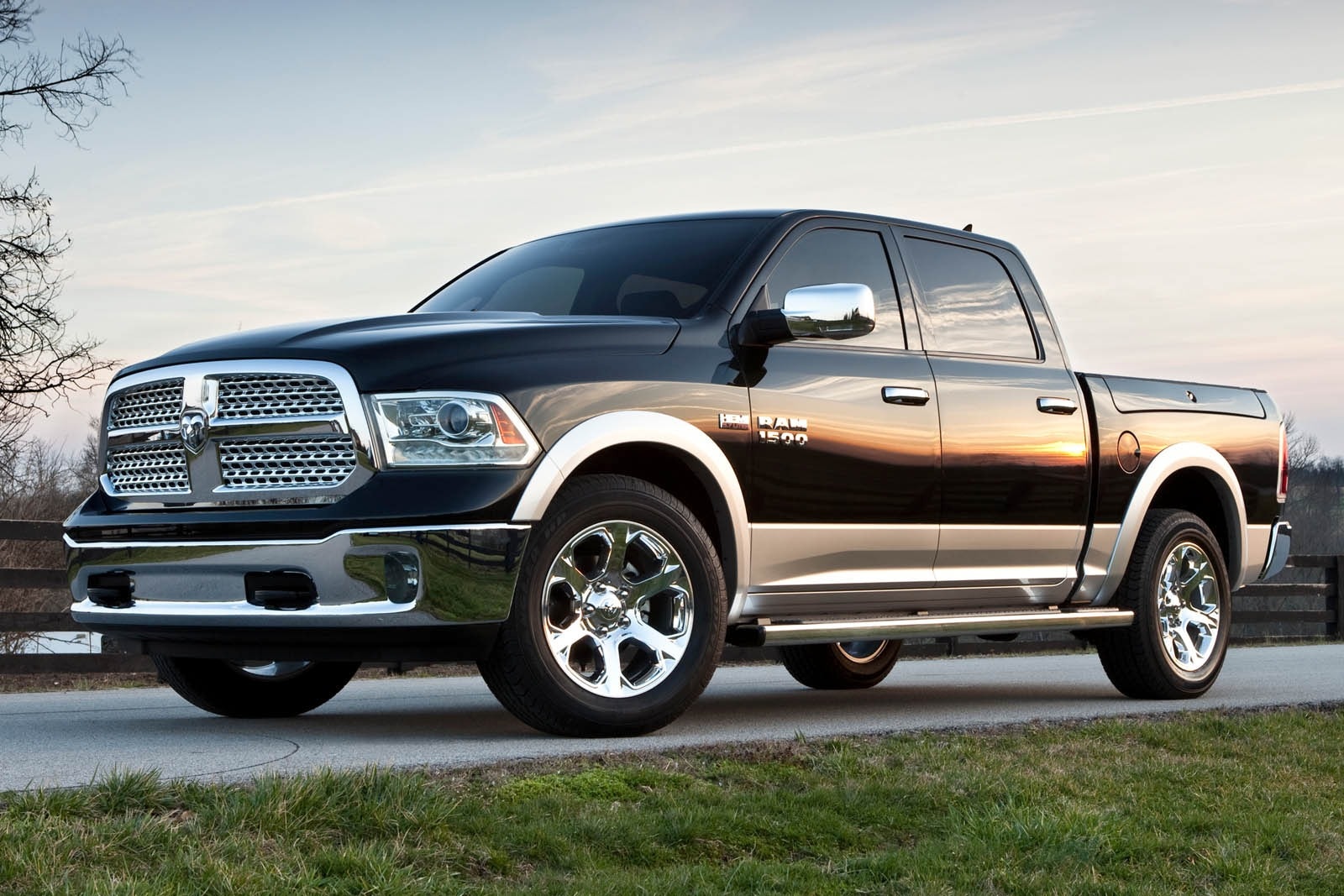
Ram is making an aggressive push to reconnect with one of the most important groups in the American truck market: small business owners.
As sales pressure increases across the pickup segment, the company is urging its dealer network across the United States to go “all in” on attracting commercial and small business customers, rolling out new training programs, incentive packages, and business-focused sales strategies designed to strengthen Ram’s position against rivals like Ford and Chevrolet.
The effort comes at a difficult moment for the brand. Ram has spent years battling the Ford F Series and Chevrolet Silverado for dominance in the highly competitive full-size truck market, but shifting consumer demand, rising vehicle prices, higher interest rates, and growing competition have created new challenges throughout the industry.
While pickup trucks remain among the most profitable vehicles in America, sales momentum has become harder to maintain as affordability concerns spread and buyers grow more cautious about major purchases.
For Ram, the commercial market now represents a critical opportunity. Small businesses, contractors, tradespeople, delivery operators, landscaping companies, and independent work crews continue relying heavily on pickups for daily operations.
These buyers often purchase trucks not only as personal vehicles but also as essential tools directly connected to their income and business survival. Ram believes focusing more aggressively on that customer base could help stabilize sales while strengthening long-term loyalty.
Also Read: Nissan CEO Says Turnaround Has Finally Pushed Automaker Back Into Growth Mode
Ram Wants Dealers to Treat Business Buyers Differently
According to reports surrounding the company’s latest strategy, Ram leadership is encouraging dealerships to adopt a much more business-oriented approach when dealing with commercial truck customers. That means more than simply selling pickups with towing packages.
The company reportedly wants dealers to improve how they identify, support, and retain small business clients by offering specialized training, commercial financing assistance, fleet-style service support, and faster turnaround times for work-related vehicle needs.
The goal is to make Ram dealerships feel more useful to business owners who depend on trucks every day.
Commercial customers often prioritize very different things compared with ordinary retail buyers. Reliability, uptime, financing flexibility, service scheduling, and long-term operating costs usually matter far more than luxury options or entertainment features.
A contractor losing access to a work truck because of repair delays can lose business income immediately. Ram appears increasingly aware that building stronger relationships with these customers requires a more focused strategy than traditional retail truck marketing alone.
The company is also reportedly introducing new incentive programs aimed specifically at business buyers to make Ram trucks more attractive in a highly competitive market.
Ford and Chevrolet Continue Dominating the Work Truck Segment
One major reason Ram is intensifying its efforts is that Ford and Chevrolet maintain extremely strong positions among commercial truck customers.
Ford’s F Series lineup has long dominated the American truck market, particularly among contractors, fleet operators, and work-focused buyers who value the company’s reputation for durability and broad commercial support infrastructure.
Chevrolet’s Silverado lineup also remains deeply embedded across industries ranging from construction and agriculture to municipal services and transportation. Competing against those brands requires more than strong product specifications.
Commercial buyers often build long-term relationships with dealerships and manufacturers over many years. Service reliability, financing support, maintenance networks, and fleet management assistance all influence purchasing decisions heavily.
Ram understands that winning more business customers requires strengthening those relationships directly.
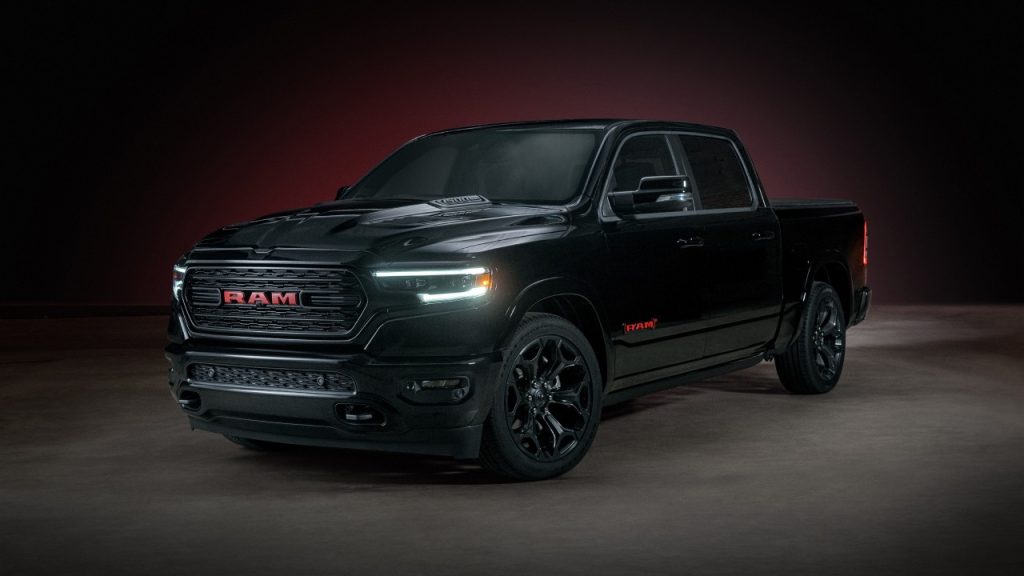
The company’s trucks continue earning praise for ride comfort, interior quality, and towing capability, but Ram now appears determined to emphasize work-oriented practicality more aggressively rather than focusing primarily on luxury trim levels and lifestyle marketing. That shift reflects changing market realities.
Truck Buyers Are Becoming More Careful With Money
The push toward commercial customers arrives during a period when truck affordability has become a growing concern across the industry.
Modern pickups have become dramatically more expensive over the past several years. Fully equipped trucks regularly exceed $70,000 or even $80,000, placing enormous financial pressure on buyers already dealing with inflation, rising insurance costs, and higher borrowing rates.
For small business owners, those expenses matter even more because trucks directly affect operating budgets.
A landscaping company, plumbing business, or independent contractor may need several trucks running simultaneously. Monthly payments, fuel costs, maintenance expenses, and insurance can quickly become overwhelming when vehicle prices climb too high.
That environment has made commercial buyers far more selective. Businesses increasingly want vehicles that combine capability with long-term value rather than simply offering luxury features or oversized infotainment systems. Ram appears to recognize that concern and is trying to position itself as a more business-friendly alternative in response.
The strategy may also help the company protect itself against fluctuations in ordinary consumer demand.
Retail truck sales often slow when economic uncertainty rises because many buyers delay expensive discretionary purchases. Commercial customers, however, still need vehicles to keep businesses operating, making them an important source of stability during softer market periods.
Ram Is Trying to Rebalance Its Brand Image
Over the past decade, Ram earned significant attention for transforming its trucks into some of the most luxurious pickups in America.
High-end trims featuring premium leather interiors, massive touchscreens, advanced suspension systems, and upscale technology helped the brand attract buyers looking for comfort and refinement alongside towing capability. In many ways, Ram successfully pushed the modern pickup market further into luxury territory.
But that success may have created unintended consequences. Some industry observers believe Ram gradually became associated more with upscale lifestyle trucks than with rugged commercial work vehicles. Meanwhile, Ford and Chevrolet continued reinforcing their connections to contractors, fleets, and jobsite-focused buyers.
The new commercial strategy appears designed to rebalance that perception. Ram is not abandoning luxury trims or premium products, but the company now seems determined to remind buyers that its trucks are still serious work tools capable of competing directly in demanding business environments.
That repositioning could prove important as the truck market becomes increasingly crowded. Toyota continues expanding the Tundra’s presence; GMC remains strong in premium segments, and smaller trucks like the Ford Maverick have introduced new competition for budget-conscious buyers seeking utility without full-size pricing. Ram, therefore, needs stronger differentiation to maintain momentum.
Service and Support Are Becoming More Important Than Ever
One area where Ram hopes to improve competitiveness involves dealership support for commercial customers after the sale itself.
For business owners, service speed and reliability often matter just as much as the truck purchase. Downtime costs money, especially for companies relying on vehicles to complete jobs, transport equipment, or meet customer deadlines.
A truck sitting in a repair shop for several days can disrupt an entire operation. Ram’s dealer training efforts reportedly focus heavily on understanding those priorities better. Commercial customers frequently expect faster scheduling, dedicated service coordination, loaner vehicles, and stronger communication regarding repairs and maintenance.
Manufacturers increasingly recognize that customer retention depends heavily on ownership experience rather than initial sales alone.
Ford built enormous loyalty partly through strong commercial support systems developed over decades. Ram now appears determined to strengthen its own capabilities in that area while improving how dealerships engage with small business clients.
The company also understands that word of mouth matters enormously in commercial communities.
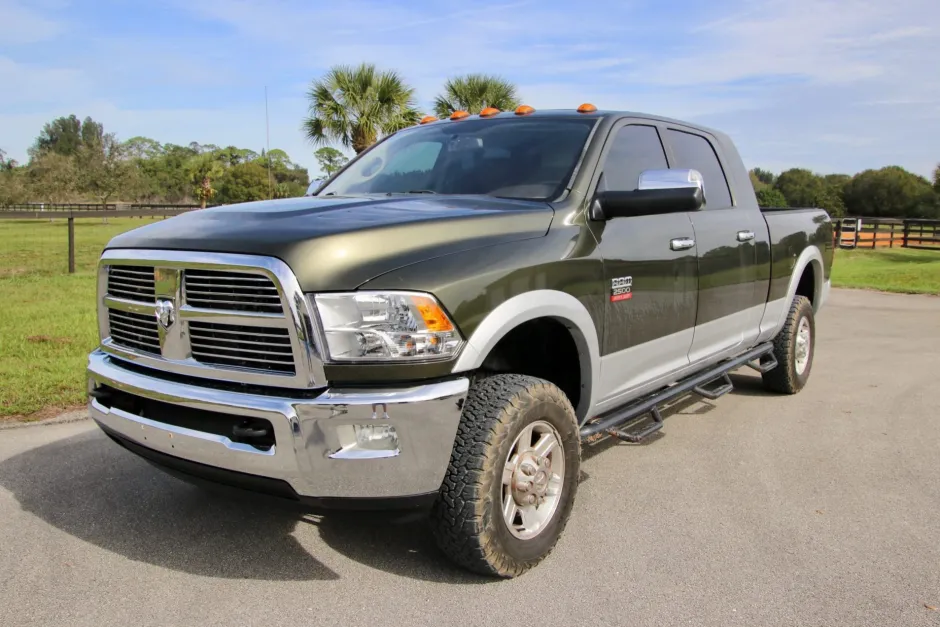
Contractors, tradespeople, and small business owners often recommend vehicles based on personal ownership experiences and service reliability. Positive relationships can therefore generate repeat business across entire local networks.
The Truck Market Is Entering a More Competitive Era
Ram’s latest push reflects broader changes happening across the American truck market as competition intensifies and economic conditions become less predictable.
For years, automakers benefited from soaring demand for expensive pickups packed with luxury features and premium pricing. Those trucks generated huge profits and reshaped the industry around larger, more expensive vehicles. But conditions are shifting.
Higher interest rates, slowing economic growth, and affordability concerns are forcing manufacturers to rethink how they attract and retain customers. Commercial buyers and small business owners represent one of the few segments where demand remains closely tied to practical necessity rather than lifestyle trends.
Ram appears determined to capitalize on that reality. The company’s strategy suggests it believes future truck success will depend not only on horsepower and interior technology but also on long-term business relationships, service reliability, and operational value for customers who use trucks as income-generating tools every day.
That focus may become increasingly important as the market evolves. Modern truck buyers are no longer driven purely by image or luxury features. Many now want vehicles that justify their costs through durability, efficiency, and business practicality.
Ram’s latest move signals the company understands that shift clearly. As competition grows tougher and economic pressure continues building, the battle for America’s small business truck buyers could become one of the most important fights shaping the future of the pickup market.
